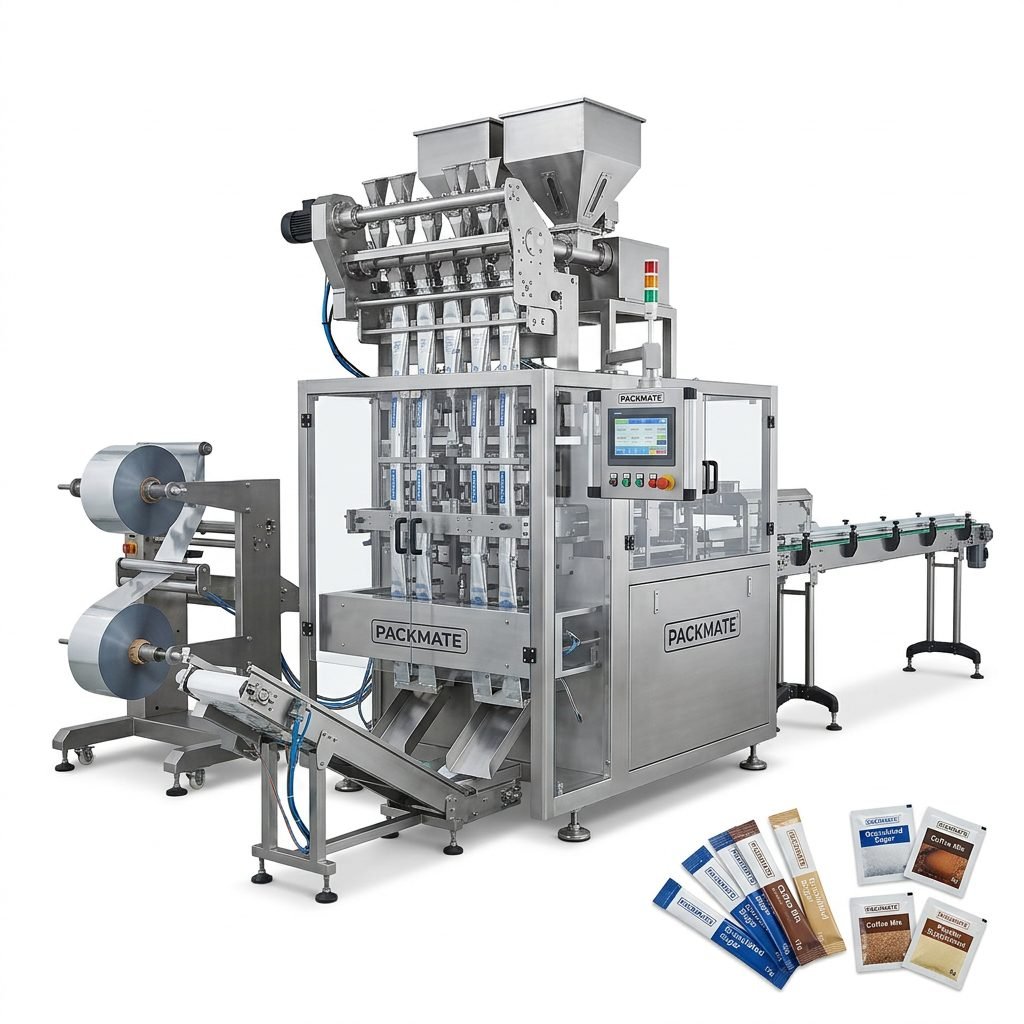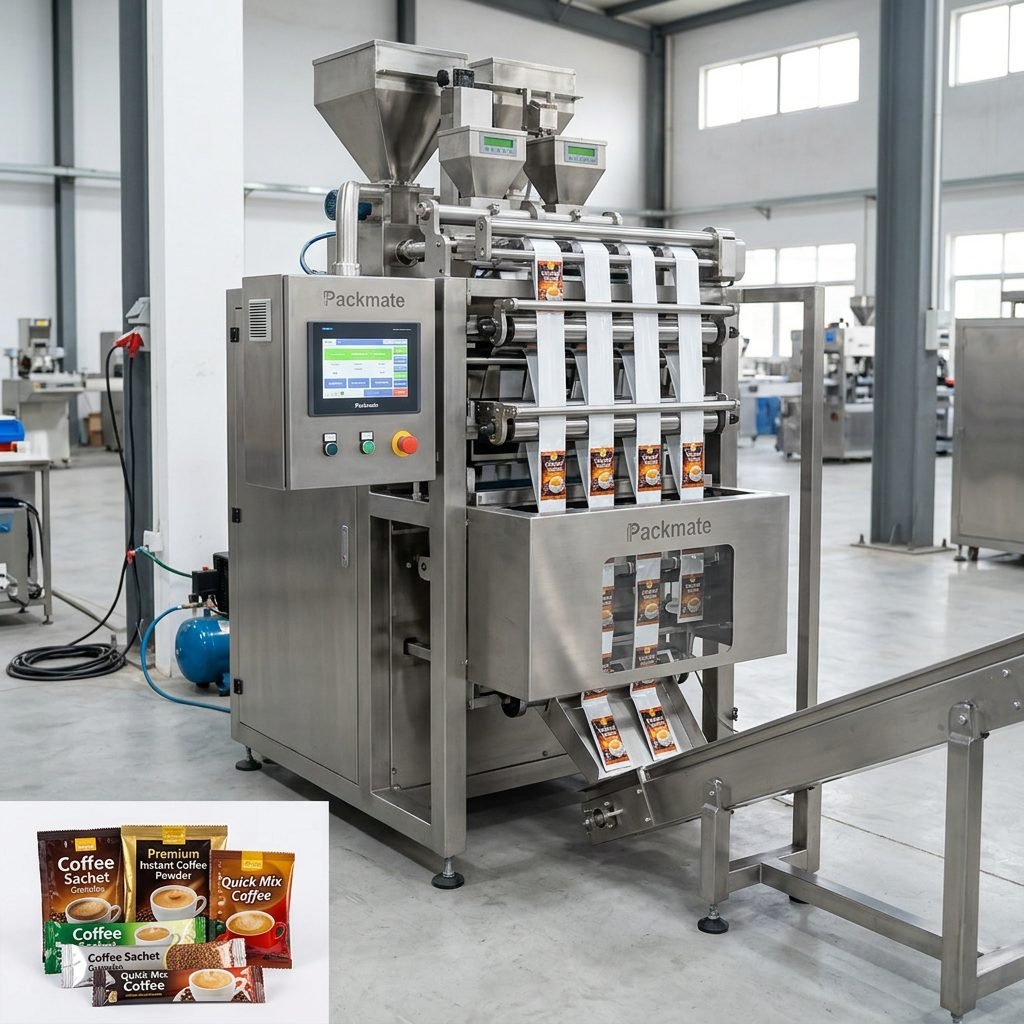
In the fast-paced world of modern manufacturing, achieving peak production efficiency is not just a goal—it’s a necessity for staying competitive. For businesses operating automated packaging lines, this efficiency hinges on the strategic use of specialized optimization tools and software. These digital solutions transform raw production data into actionable insights, enabling managers to streamline operations, minimize waste, and maximize output. This article delves into the best tools and software available, exploring how they can be leveraged to unlock the full potential of your automated packaging systems.
Core Objectives of Packaging Line Optimization
Before selecting tools, it’s crucial to understand what optimization aims to achieve. The primary goals include:
Maximizing Overall Equipment Effectiveness (OEE): This is the gold standard metric, combining availability, performance, and quality to give a true picture of production efficiency.
Reducing Downtime: Unplanned stoppages are a major profit drain. Optimization focuses on predictive maintenance and faster changeovers.
Enhancing Quality Control: Real-time monitoring helps detect defects immediately, reducing waste and ensuring consistent product quality.
Improving Line Synchronization: Ensuring all machines in the line—from filling and sealing to cartoning—work in perfect harmony to avoid bottlenecks.
Category 1: Manufacturing Execution Systems (MES)
An MES acts as the central nervous system of the production floor. It provides real-time visibility and control over the entire packaging process, tracking materials, orders, and equipment status from start to finish.
Key features to look for in an MES for packaging include detailed production scheduling, real-time data collection from PLCs and sensors, comprehensive genealogy and traceability (crucial for industries like pharmaceuticals and food), and robust performance analytics. By integrating with enterprise systems, an MES closes the loop between planning and execution, providing a single source of truth for operational data.
Leading MES Platforms
Rockwell Automation FactoryTalk MES: A highly scalable solution known for its deep integration with Allen-Bradley controls, making it a powerful choice for complex, automated lines.
Siemens Opcenter Execution: Offers strong performance analysis and quality management modules, ideal for high-speed, high-precision packaging environments.
Apriso FlexNet: Excels in global operations management, providing consistent processes and visibility across multiple production sites.
Category 2: Supervisory Control and Data Acquisition (SCADA)
While MES manages broader production orders, SCADA software specializes in real-time monitoring and direct control of industrial processes. It is the eyes and ears of your packaging line, gathering data from sensors, meters, and drives to present it on intuitive graphical interfaces (HMIs).
Modern SCADA systems go beyond simple monitoring; they enable operators to control equipment remotely, set alarms for critical parameters, and log historical data for trend analysis. This is vital for optimizing the performance of individual machines, such as ensuring a filler maintains exact weight tolerances or a sealer operates at the correct temperature. For a look at SCADA in action within complete systems, reviewing real-world implementation cases can be highly instructive.
Top SCADA Software Solutions
Ignition by Inductive Automation: Gaining massive popularity for its unlimited licensing model, web-based deployment, and powerful database connectivity.
AVEVA System Platform (formerly Wonderware): An industry veteran with extensive libraries for packaging applications and strong archetype-based object modeling.
Siemens SIMATIC WinCC: A robust and reliable choice, particularly favored in European markets and for lines heavily utilizing Siemens PLCs.
💡 Pro Tip: The Power of Integration
The greatest optimization benefits are realized when MES and SCADA are not siloed but integrated. A seamless flow of data allows the MES to send optimal setpoints to the SCADA system, which in turn feeds real-time performance data back for analysis. This creates a continuous improvement loop, where insights from one shift can automatically fine-tune the operations of the next.
Category 3: Advanced Analytics & AI-Powered Tools
The next frontier in optimization lies in predictive and prescriptive analytics. These tools use historical and real-time data to not only report what happened but to forecast what will happen and suggest the best course of action.
Predictive Maintenance Software: Platforms like Uptake and Falkonry analyze vibration, temperature, and amperage data from motors and drives to predict failures before they occur, scheduling maintenance during planned downtime.
Digital Twin Technology: Creating a virtual replica of your physical packaging line allows for simulation, testing, and optimization without disrupting live production. You can trial new products, optimize line layouts, and train operators in a risk-free environment.
Machine Vision for Quality Assurance: Advanced vision systems, powered by AI, can now detect defects—like misaligned labels, sealing flaws, or incorrect fill levels—with superhuman accuracy and speed, ensuring near-zero defect rates.
Category 4: Line Synchronization & Robotics Programming Software
For lines incorporating robots for palletizing, pick-and-place, or case packing, specialized programming and simulation software is essential. Tools like ABB RobotStudio or FANUC ROBOGUIDE allow engineers to design, simulate, and optimize robotic cell layouts offline. This drastically reduces commissioning time and ensures robots work efficiently alongside conveyors and other machinery, maintaining the critical flow of the entire packaging line.
Implementing Your Optimization Strategy
Choosing the right tools is only half the battle. Successful implementation requires a clear strategy:
1. Start with a Data Audit: Assess the current state of data collection on your line. What data is available? What is missing? Clean, accessible data is the foundation of all optimization.
2. Prioritize Pain Points: Focus initial efforts on the biggest source of inefficiency, whether it’s a chronic bottleneck machine or excessive material waste.
3. Ensure Team Buy-in and Training: The best software is useless if operators and supervisors don’t understand or trust it. Involve your team early and invest in comprehensive training. Partnering with a provider known for strong customer service and support is crucial here.
4. Plan for Scalability: Select solutions that can grow with your business, accommodating additional lines, new facilities, or more complex data analysis needs in the future.
Companies with deep industry expertise, such as Packmate (GuangDong) Co., Ltd., understand that a truly optimized line blends superior hardware with intelligent software, delivering turnkey solutions that are greater than the sum of their parts.
Frequently Asked Questions (FAQs)
What is the most important metric to track for packaging line optimization?
Overall Equipment Effectiveness (OEE) is widely considered the most comprehensive KPI. It multiplies availability (uptime), performance (speed), and quality (good units) to give a single percentage that accurately reflects how well your line is utilized. Aiming for an OEE above 85% is considered world-class in discrete manufacturing like packaging.
Can I implement optimization software on older, legacy packaging machinery?
Yes, in most cases. Retrofitting is common. This often involves adding modern sensors, IoT gateways, or upgraded PLCs to older machines to extract data. The key is choosing software (like Ignition SCADA) that supports a wide range of communication protocols to connect both new and old equipment into a unified monitoring system.
How does AI specifically help in optimizing a packaging line?
AI and machine learning algorithms excel at pattern recognition. They can analyze vast datasets to identify subtle correlations humans might miss—for example, predicting that a specific combination of ambient humidity and machine runtime will lead to a sealing defect 30 minutes later. This enables prescriptive adjustments and truly predictive maintenance, moving beyond scheduled maintenance to need-based intervention.
What is a typical ROI period for investing in MES or advanced analytics software?
Return on Investment can vary but typically ranges from 6 to 24 months. Savings are generated through reduced downtime (fewer breakdowns, faster changeovers), lower waste (less material and fewer rejected products), increased throughput, and improved labor productivity. A clear implementation plan focused on high-impact areas accelerates ROI.
Where can I find more specific information or discuss my line’s needs?
For detailed specifications, catalogs of compatible equipment, or to consult with packaging automation experts, visiting the contact page of a specialized solution provider is the best next step. They can offer tailored advice based on your product type, output goals, and existing infrastructure.