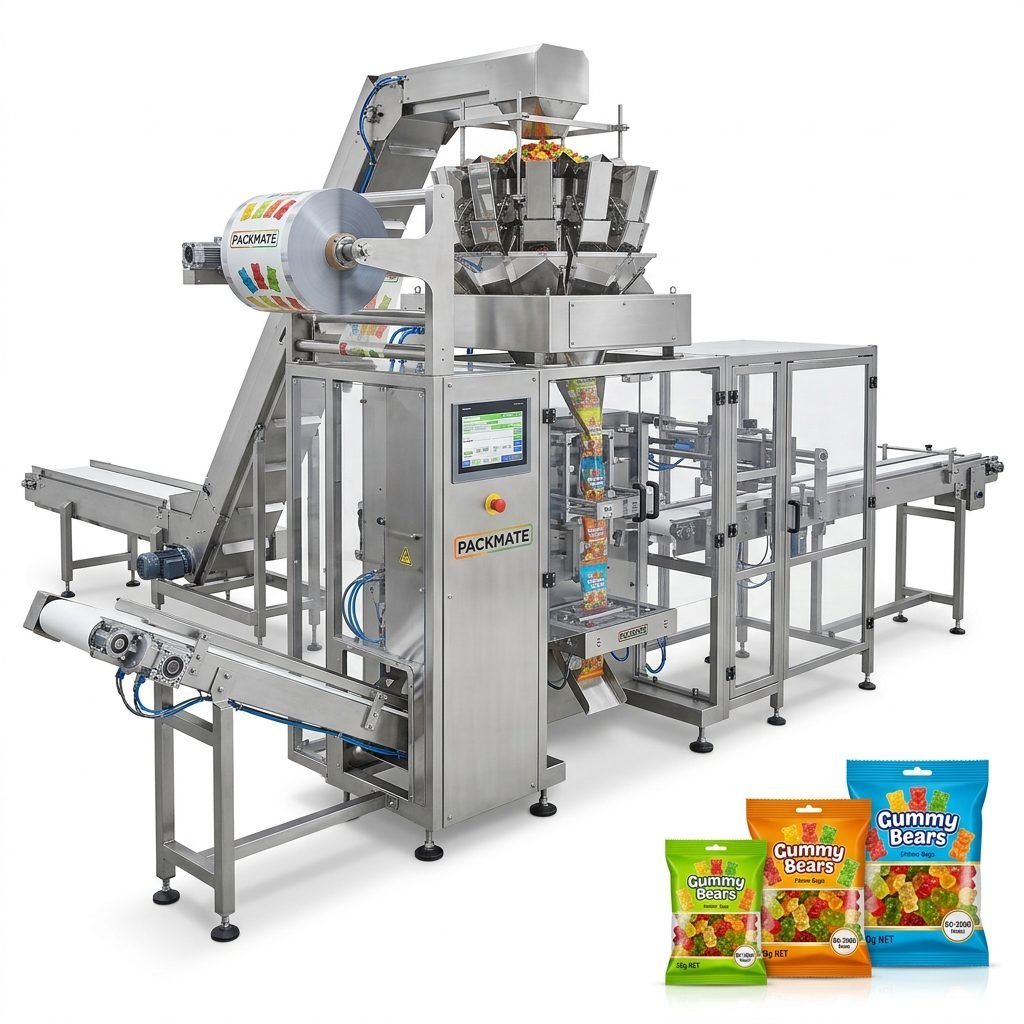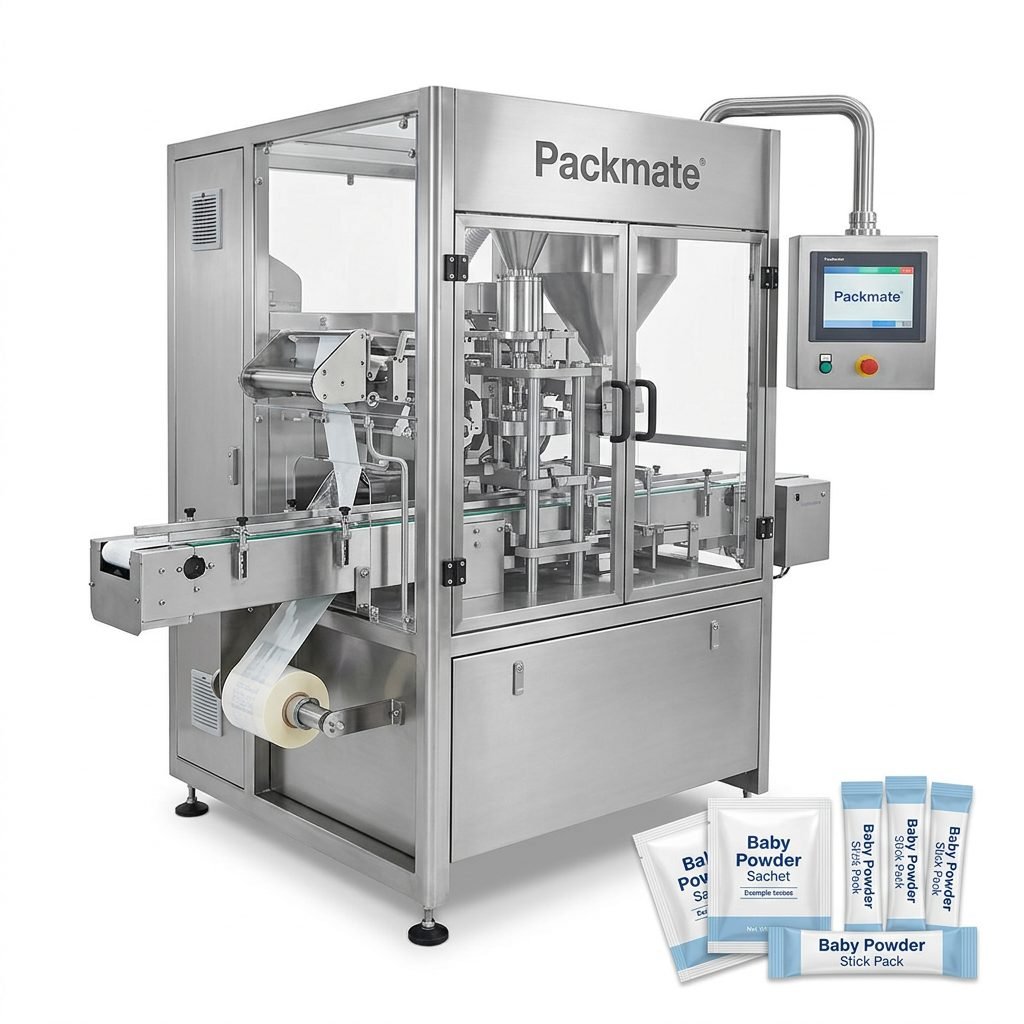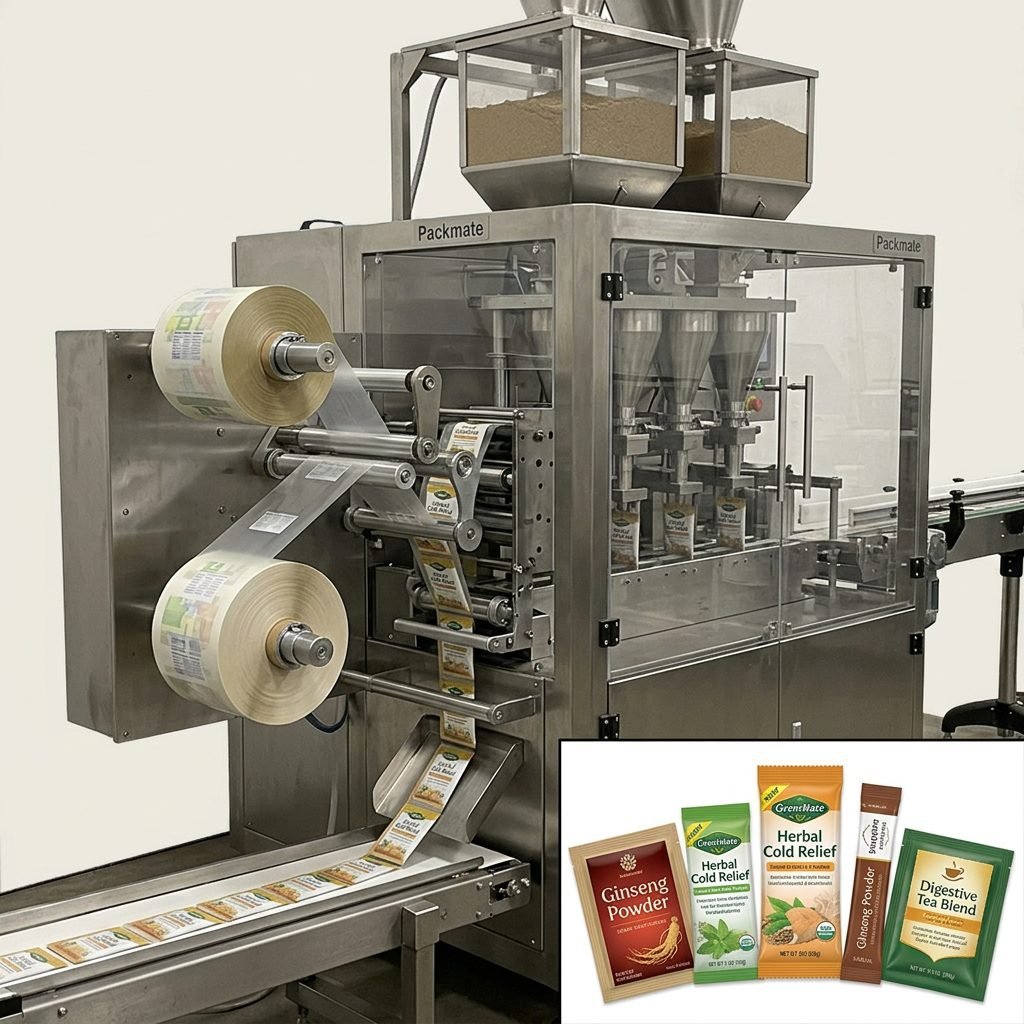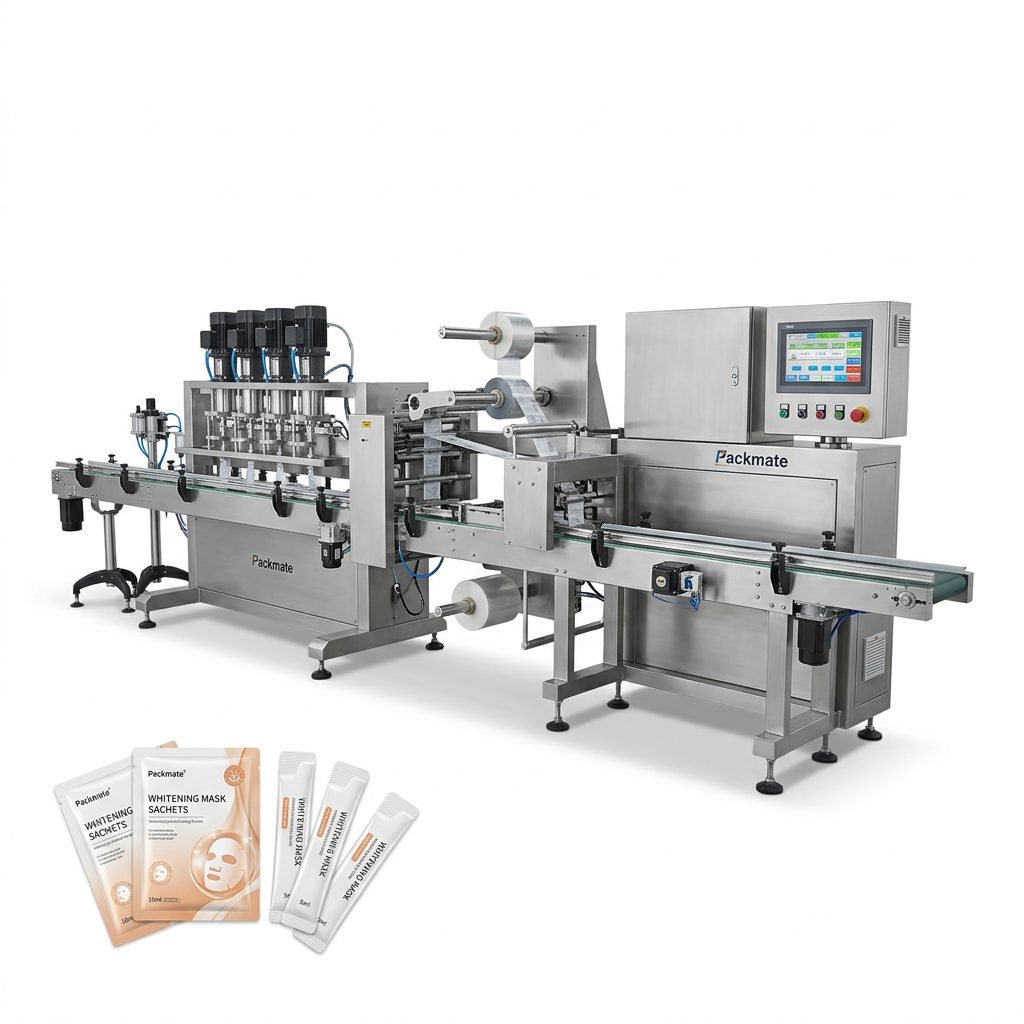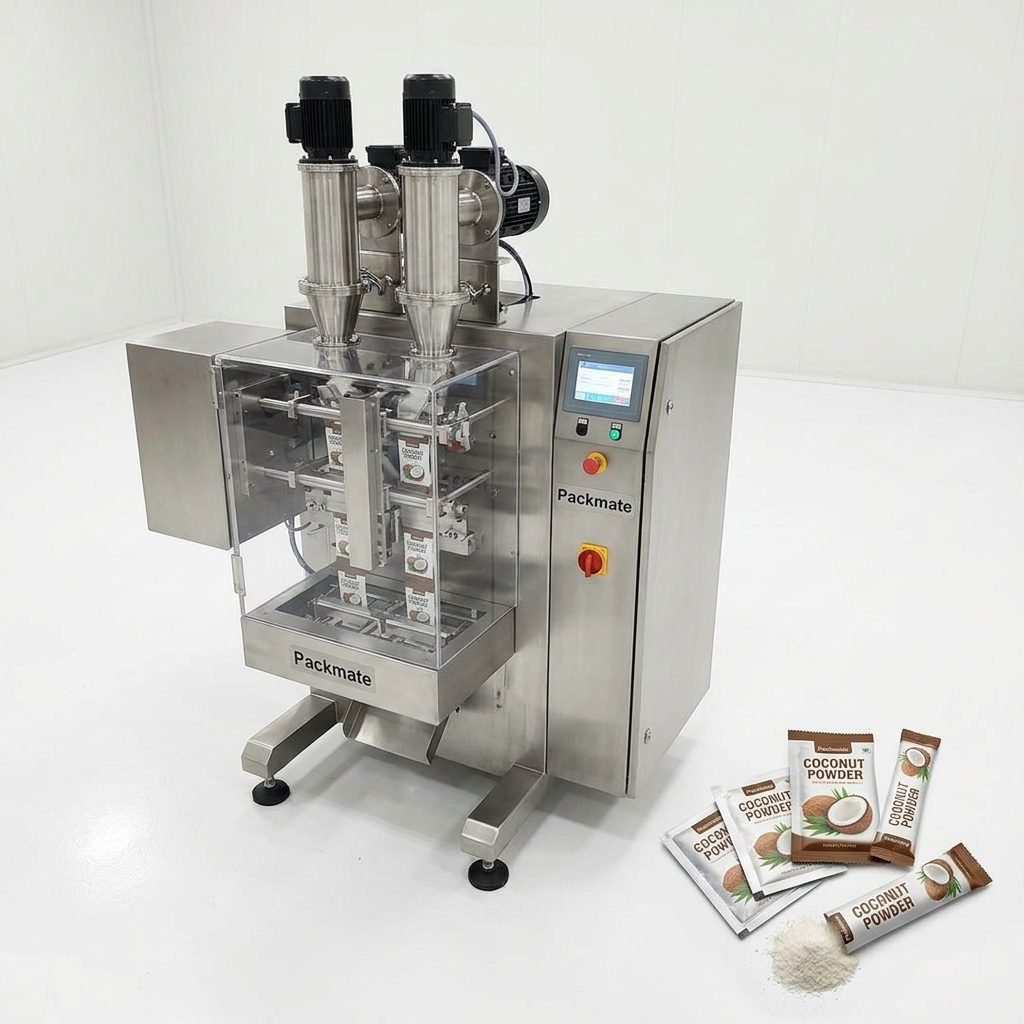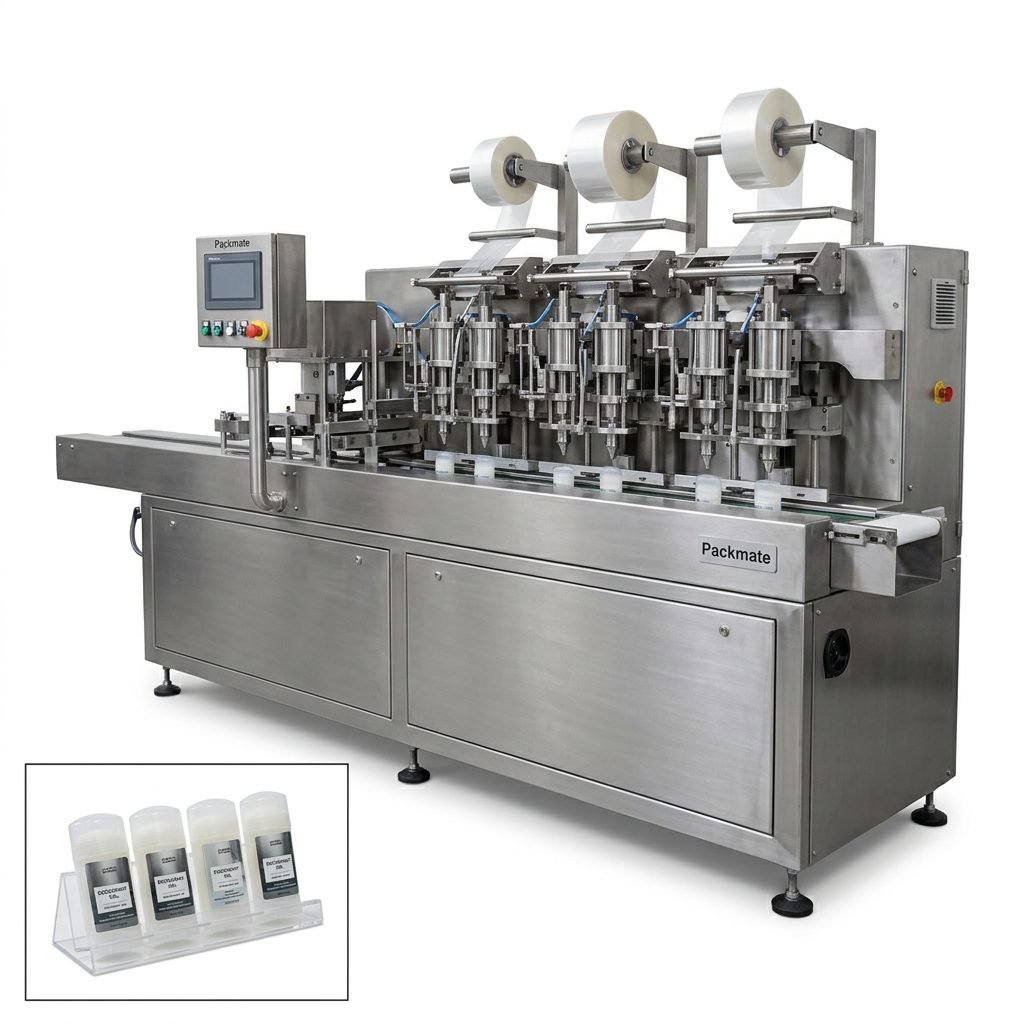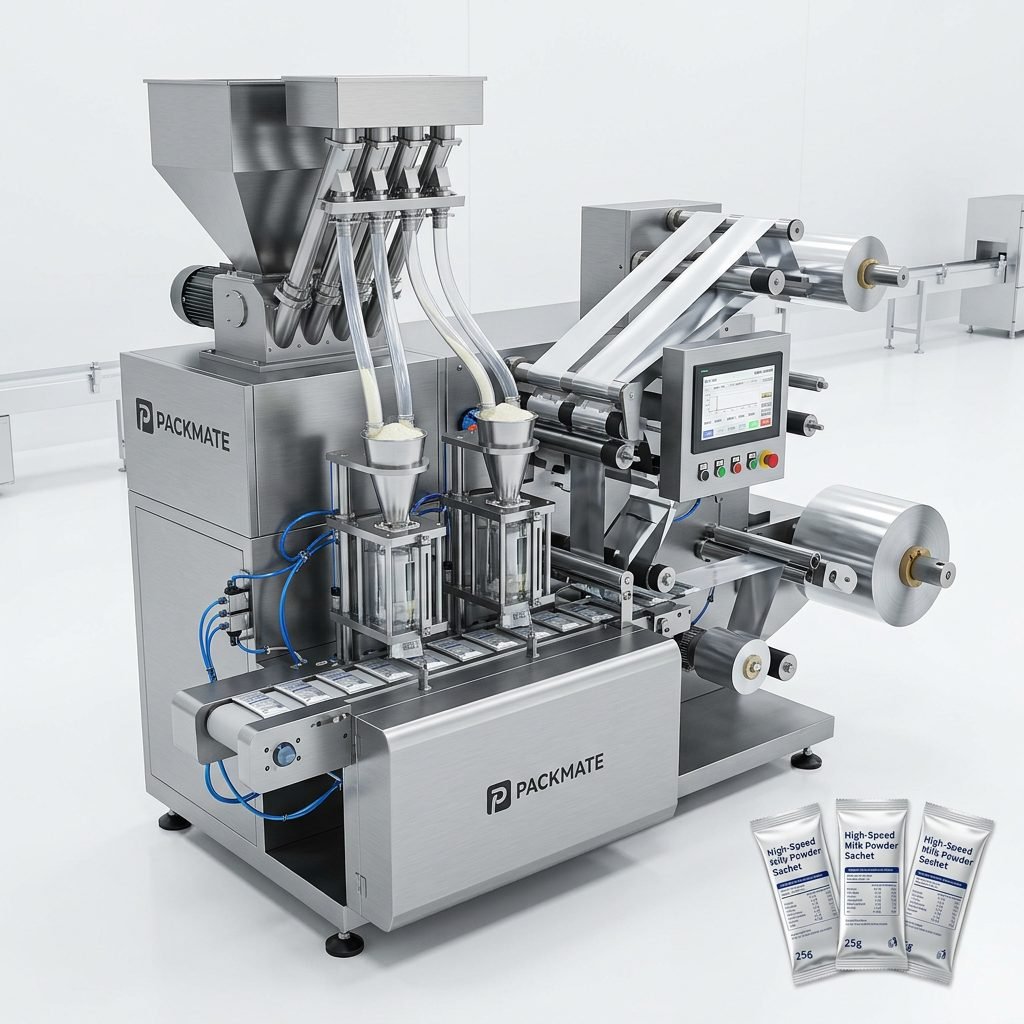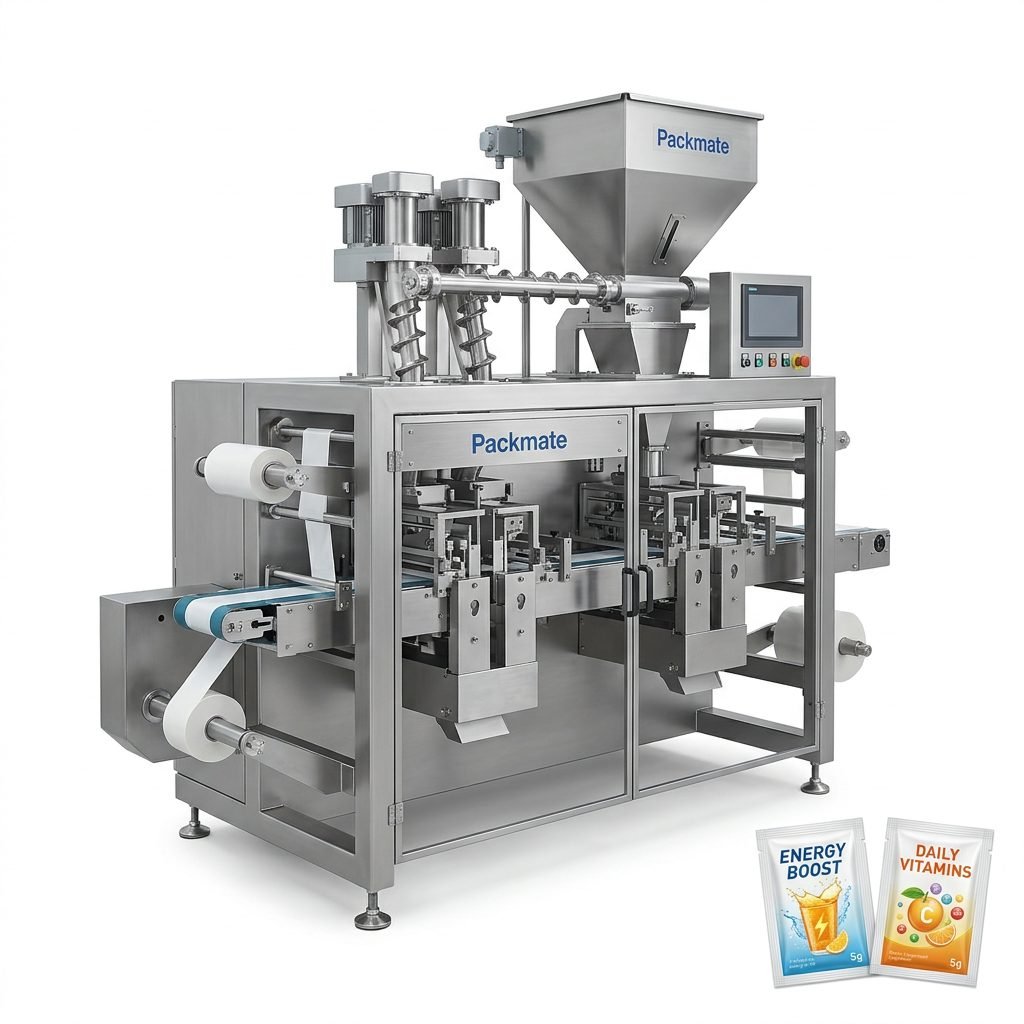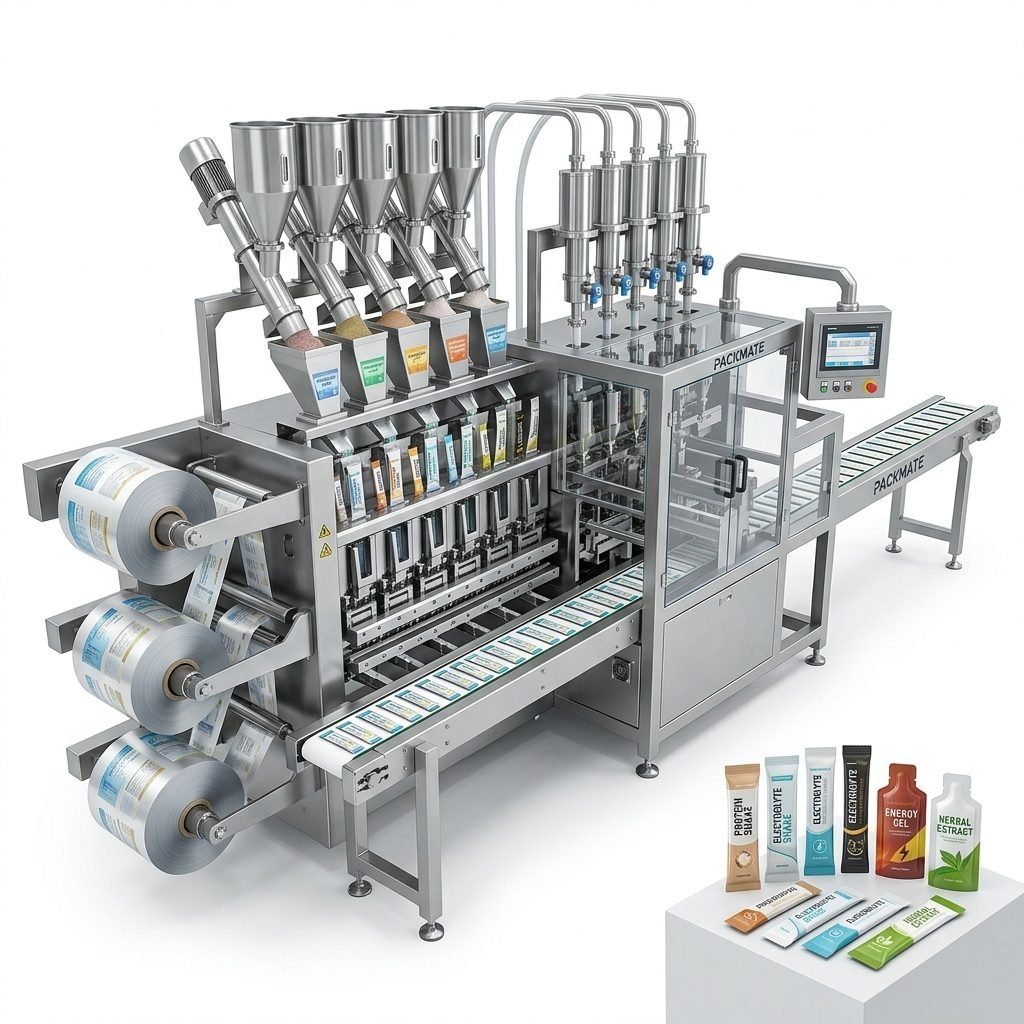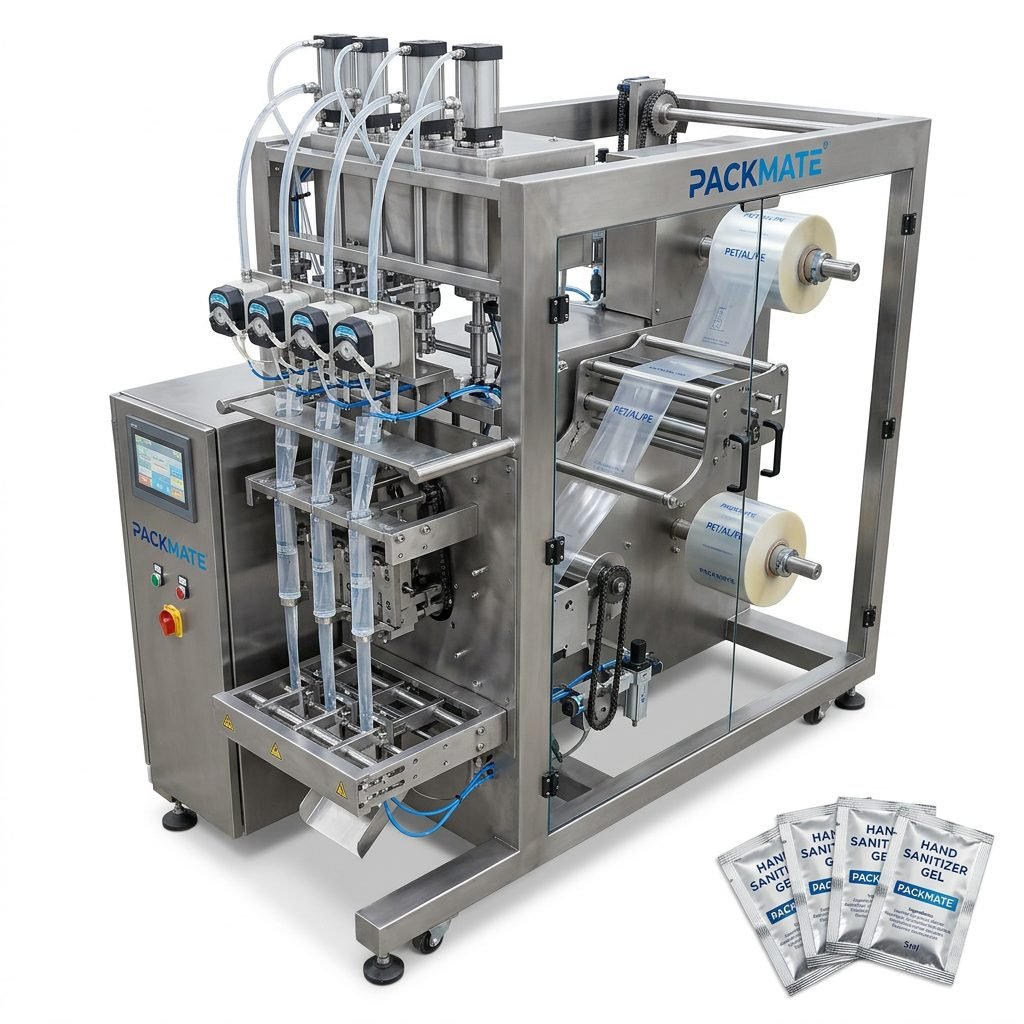
In the highly regulated and competitive worlds of food and pharmaceutical manufacturing, production continuity is paramount. A single hour of unexpected downtime on a primary packaging line can translate into significant financial losses, compromised product quality, and even regulatory compliance issues. This makes the strategic management of packaging line maintenance and repair services not just an operational necessity, but a critical business function. This guide delves into the complete ecosystem of these services, offering insights tailored for decision-makers in the food and pharma sectors.
The Critical Role of Maintenance in Food & Pharma
The stakes for packaging line reliability are exceptionally high in these industries. For pharmaceutical companies, packaging is the final barrier ensuring product sterility, dosage accuracy, and tamper evidence. Any mechanical failure can lead to breaches in these critical parameters, potentially risking patient safety and violating stringent Good Manufacturing Practice (GMP) regulations. Similarly, in the food industry, packaging maintains freshness, prevents contamination, and provides essential nutritional and traceability information. Line failures can result in spoilage, recall events, and damage to brand reputation that takes years to rebuild.
Core Components of a Packaging Line Requiring Care
Effective maintenance programs focus on the entire line ecosystem:
- Filling & Dosing Systems: Precision is non-negotiable. Regular calibration and seal checks are vital.
- Sealing Mechanisms (Heat, Ultrasonic, Induction): The integrity of the package hinges here. Worn elements or misaligned jaws are common failure points.
- Conveyance & Handling Systems: Belts, chains, and guides must be kept clean and aligned to prevent jams and product damage.
- Control Systems & Software: PLCs, HMIs, and vision inspection systems require software updates and hardware diagnostics.
- Secondary Packaging Equipment: Cartoners, case packers, and palletizers need mechanical and pneumatic system checks.
Proactive vs. Reactive Service Models
The market for maintenance services is broadly divided into two philosophies: proactive/preventive and reactive/break-fix. A reactive model addresses problems after they occur. While it may seem cost-effective initially, it leads to higher long-term costs through emergency call-out fees, extended downtime, and collateral damage to other line components. In contrast, a proactive model, often structured as a Scheduled Maintenance Agreement (SMA) or Total Productive Maintenance (TPM) program, involves regular inspections, parts replacement based on lifecycle, and performance optimization. This approach minimizes unplanned stops, extends equipment lifespan, and ensures consistent output quality. For a detailed look at how structured service programs can benefit your operation, explore our dedicated Service page.
Building a Partnership with Your Service Provider
Choosing a maintenance partner is a strategic decision. Look for providers with:
- Industry-Specific Expertise: Understanding GMP, FDA, EHEDG, and other relevant standards is crucial.
- Technical Depth & Parts Inventory: Access to OEM-grade parts and engineers trained on your specific machinery model.
- Response Time Guarantees: Clearly defined Service Level Agreements (SLAs) for emergency support.
- Remote Diagnostics Capability: The ability to connect securely to your line for preliminary troubleshooting can save invaluable time.
Companies like Packmate (GuangDong) Co., Ltd. exemplify this partnership approach, leveraging over two decades of experience to offer not just repair, but holistic line optimization and support.
Trends Shaping the Future of Maintenance Services
The market is evolving rapidly, driven by technology and changing industry demands:
Predictive Maintenance & IIoT
The integration of Industrial Internet of Things (IIoT) sensors allows for the continuous monitoring of equipment health—vibration, temperature, motor current, etc. Data analytics platforms can then predict failures before they happen, scheduling maintenance during planned stoppages. This represents the next leap beyond preventive maintenance.
Augmented Reality (AR) for Remote Assistance
Field technicians can now wear AR glasses, allowing expert engineers from anywhere in the world to see the problem in real-time and guide repairs with digital annotations overlaid on the physical machine. This drastically reduces resolution time and travel costs.
Sustainability-Driven Maintenance
Services now focus on optimizing energy consumption, reducing material waste (e.g., film, glue), and ensuring proper disposal of lubricants and parts. Efficient lines are more sustainable lines, a key consideration for modern brands. For innovative solutions that incorporate efficiency from the ground up, view our range of Packaging Solutions.
Implementing a Best-Practice Maintenance Program
Transitioning to a robust maintenance strategy involves key steps:
- Asset & Criticality Assessment: Document all equipment and rank it based on its impact on production, safety, and quality.
- Develop Standard Procedures: Create clear, visual work instructions for daily checks, weekly inspections, and periodic overhauls.
- Invest in Training: Empower your in-house team with basic troubleshooting skills. A knowledgeable operator can often prevent a minor issue from escalating.
- Leverage CMMS Software: Use a Computerized Maintenance Management System (CMMS) to schedule tasks, manage work orders, track parts inventory, and analyze performance data.
- Foster a Culture of Ownership: Encourage operators to report small abnormalities immediately. Early detection is the cornerstone of prevention.
Real-world application of these principles can be seen in successful project cases across various industries.
Cost-Benefit Analysis: An Investment, Not an Expense
Viewing maintenance purely as a cost center is a short-sighted approach. A well-executed program delivers measurable ROI through:
- Increased Overall Equipment Effectiveness (OEE): Higher availability, performance, and quality rates.
- Reduced Capital Expenditure: Extended machinery life delays the need for costly new line investments.
- Lower Total Cost of Ownership: Savings on emergency repairs, overtime labor, and wasted materials.
- Enhanced Compliance & Safety: Avoidance of regulatory fines and safer working conditions.
Frequently Asked Questions (FAQs)
1. How often should we schedule preventive maintenance for our primary packaging line?
The frequency depends on the machine type, usage (shifts per day), and product being packaged. Generally, a combination of daily operator checks, weekly technical inspections, and comprehensive quarterly or semi-annual overhauls by a specialist is recommended. Always consult your machine’s OEM manual and your service provider for a tailored schedule.
2. Is it better to use OEM parts or third-party/compatible parts for repairs?
While third-party parts may be cheaper upfront, OEM parts are engineered to exact specifications for your machine, ensuring optimal fit, performance, and longevity. Using non-OEM parts can void warranties, reduce efficiency, and even cause damage to other components. For critical systems, OEM parts are almost always the safer, more reliable long-term investment.
3. What are the first signs that our packaging line needs immediate attention?
Warning signs include: a gradual increase in product waste or giveaway, inconsistent seal quality, unusual noises or vibrations, a rise in minor stoppages or jams, and drifting parameters on control screens (e.g., temperature, pressure). Addressing these early signs proactively can prevent a major breakdown.
4. Can remote support effectively solve packaging line issues?
Yes, for a significant portion of issues. Many modern machines allow for secure remote connection. Experienced engineers can diagnose software errors, adjust parameters, review error logs, and guide on-site personnel through corrective steps via phone or video. This resolves many issues without waiting for a technician to travel on-site. For complex mechanical failures, an on-site visit will still be necessary.
5. How do we justify the budget for a comprehensive maintenance contract to management?
Frame it as a risk mitigation and value-generation strategy. Present data on the cost of one hour of unplanned downtime (lost production, wasted materials, overtime). Compare this to the fixed, predictable cost of a maintenance contract. Highlight benefits like guaranteed uptime, extended asset life, consistent quality (fewer rejects), and protection of the company’s brand reputation and regulatory standing. For more insights, our FAQs resource covers similar operational topics.