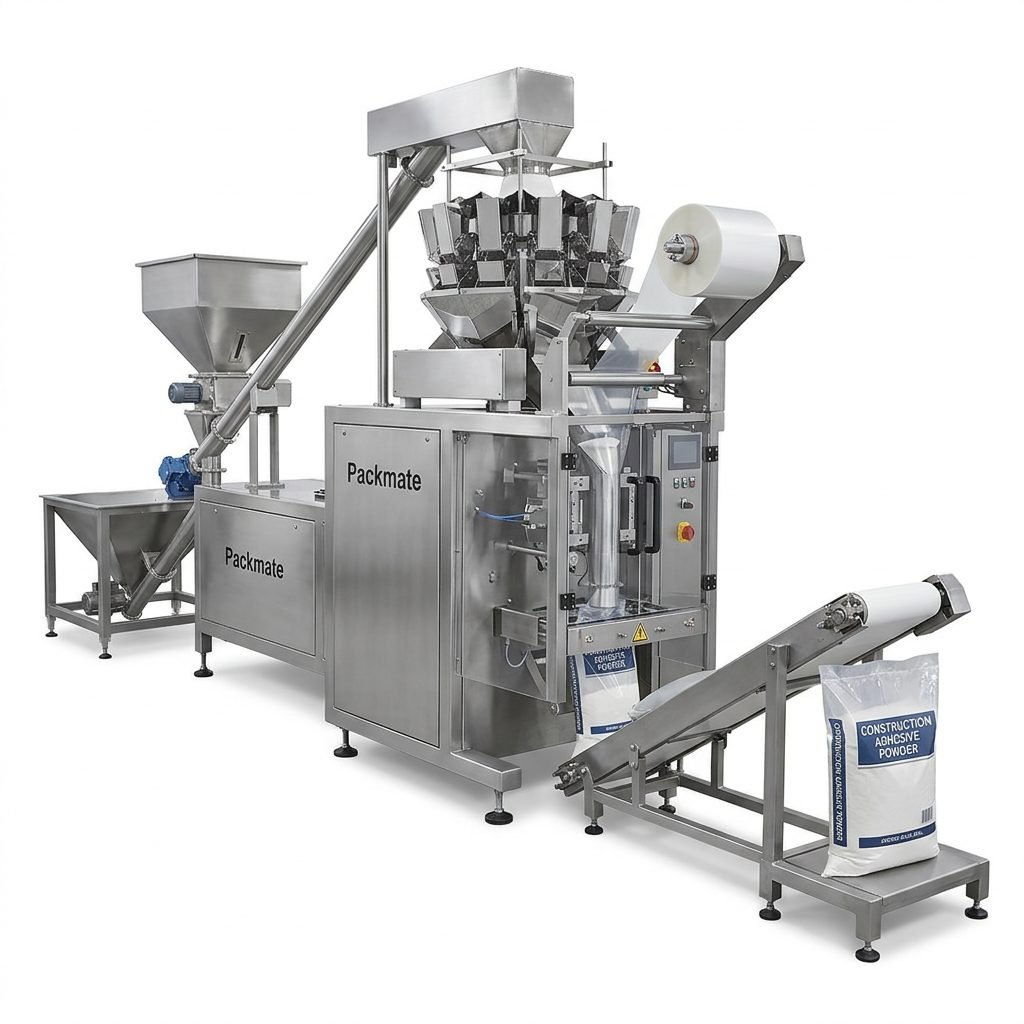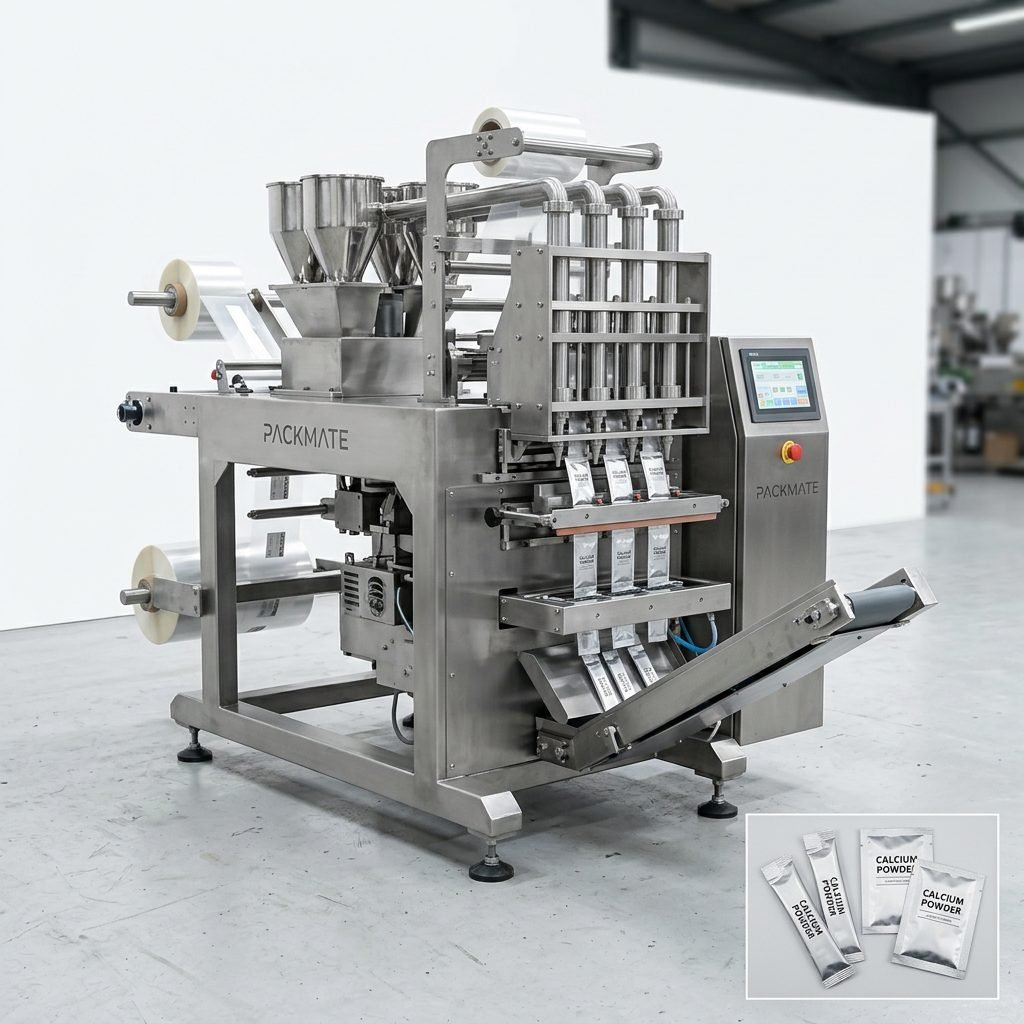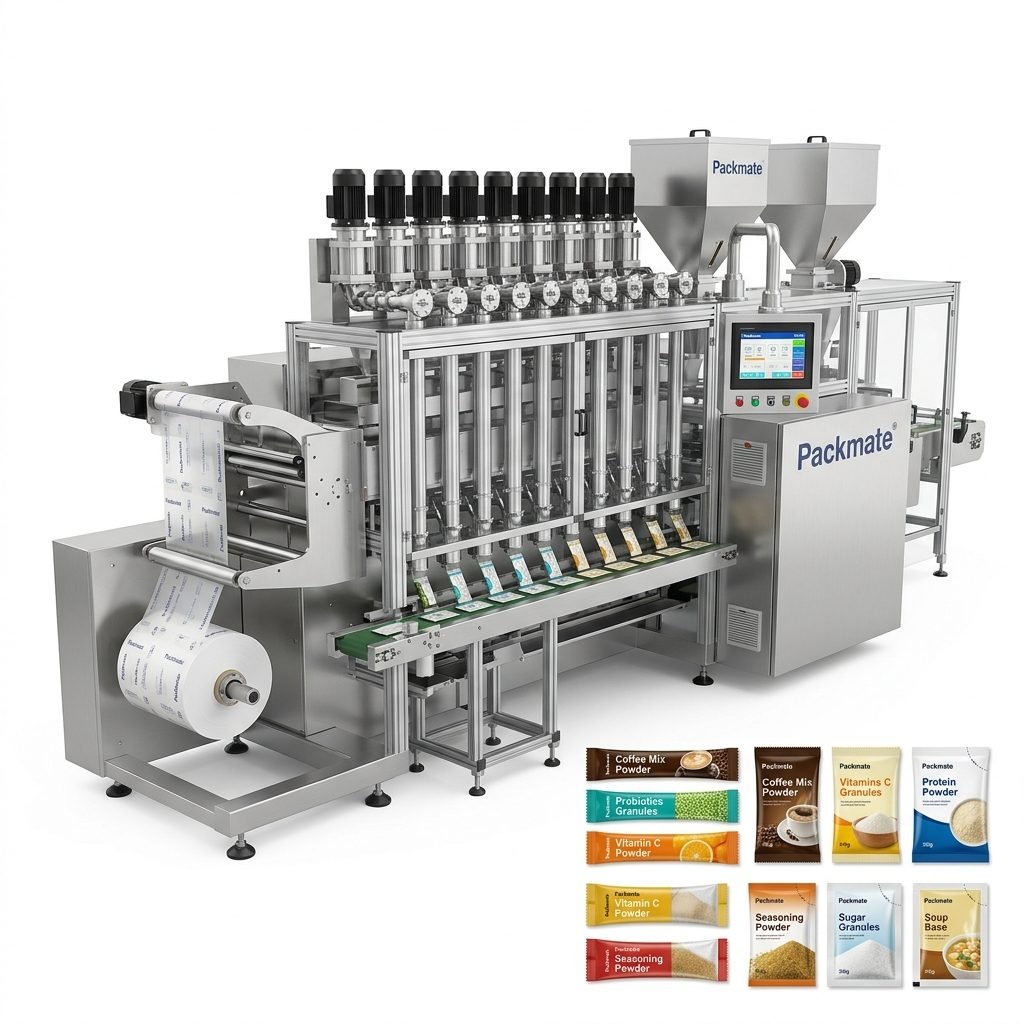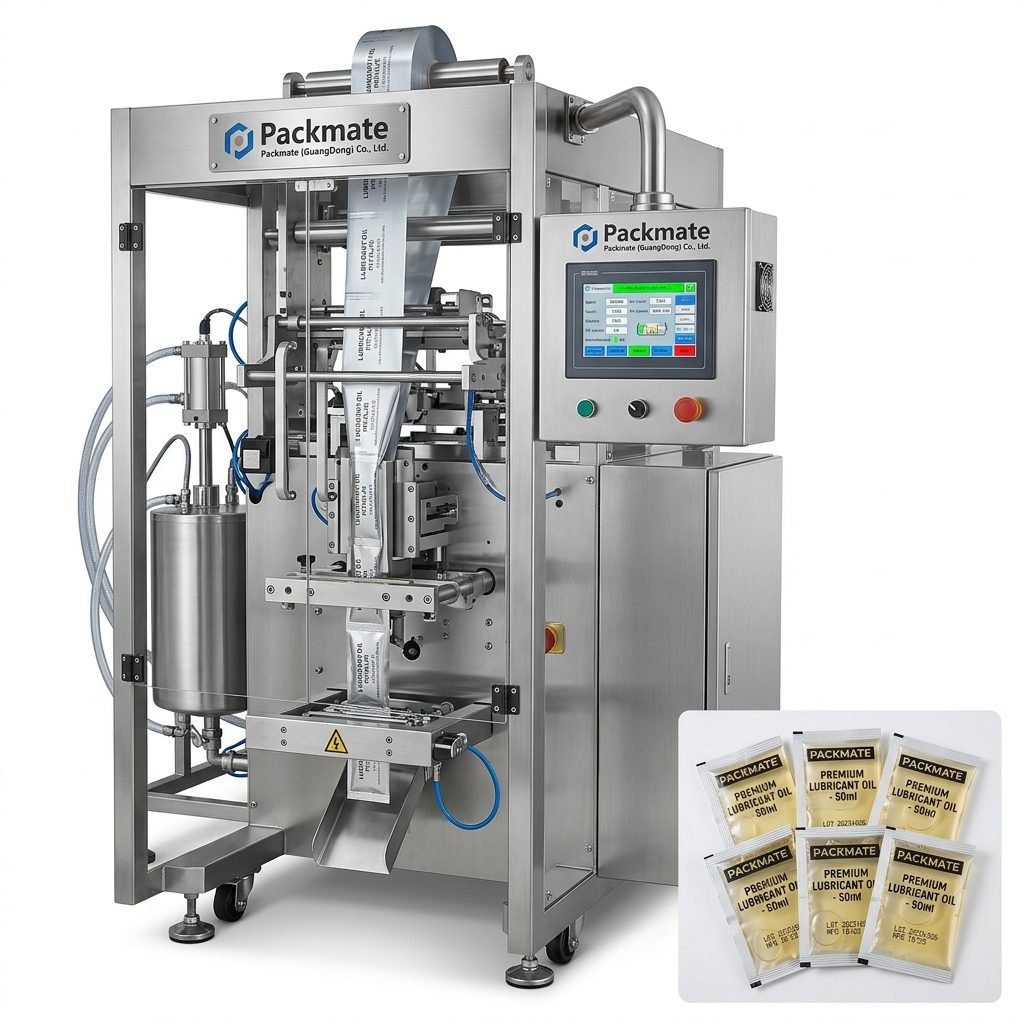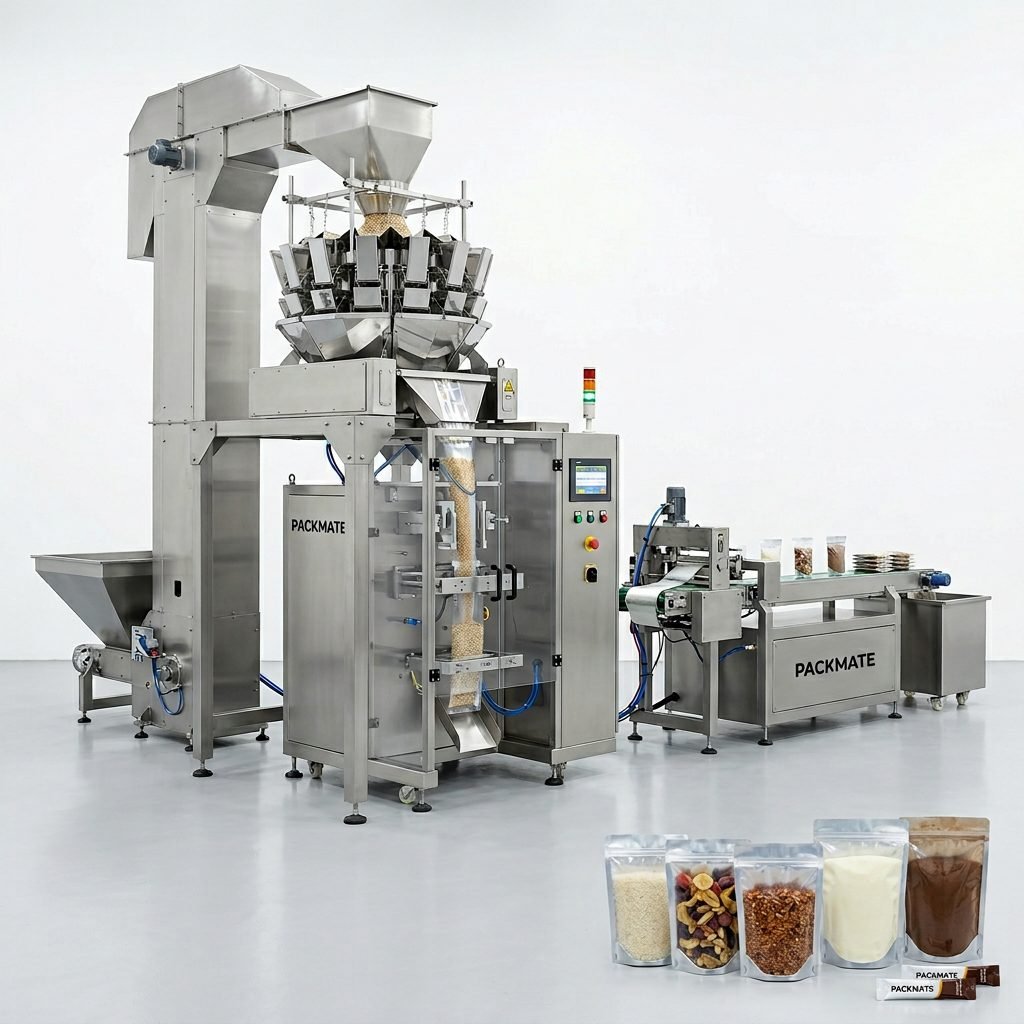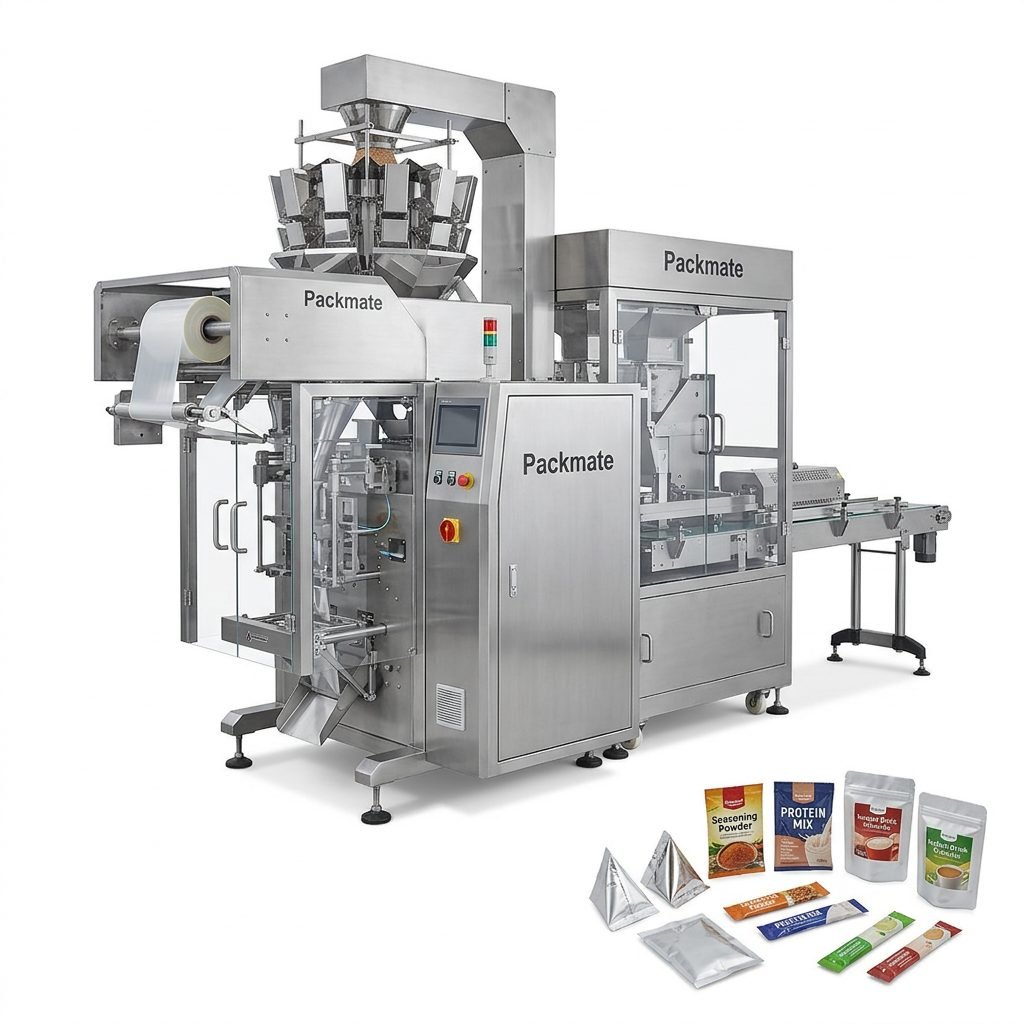
In the competitive landscape of the pharmaceutical, nutraceutical, and health supplement industries, efficiency, precision, and hygiene in production are non-negotiable. The packaging phase, particularly for oral liquids like syrups, tonics, suspensions, and pediatric drops, presents unique challenges. A dedicated Oral Liquid Packaging Line is not merely a convenience but a critical investment for ensuring product integrity, regulatory compliance, and market success. This article delves into the world of complete automatic bottling, filling, and sealing systems, exploring their components, benefits, and the pivotal role they play in modern manufacturing.
The Core Components of an Automatic Oral Liquid Line
A fully integrated oral liquid packaging line is a symphony of synchronized machinery. Each component performs a specific, vital function, transitioning containers from empty vessels to sealed, labeled, and packaged products ready for distribution.
1. Unscrambling and Bottle Cleaning
The process begins with the unscrambler. This unit takes bulk plastic or glass bottles from a hopper and orients them correctly onto the conveyor. An inline air-jet cleaner often follows, removing any dust or particulates to ensure a pristine environment for filling.
2. Precision Liquid Filling
This is the heart of the line. Modern fillers for oral liquids are predominantly automatic piston fillers or peristaltic pump fillers. They offer exceptional accuracy, often within ±0.5% tolerance, which is crucial for dose consistency and cost control. These systems can handle a wide range of viscosities, from watery solutions to thick suspensions, without dripping or foaming.
3. Sealing and Capping
Immediately after filling, containers move to the capping station. Depending on the bottle type and product requirements, this could involve applying snap-on caps, screw caps, dropper assemblies, or tamper-evident seals. Automatic cappers apply consistent torque, ensuring a perfect seal that prevents leakage and contamination.
4. Labeling and Inspection
A high-speed labeling machine applies front, back, and wrap-around labels with precise registration. Integrated vision inspection systems are increasingly standard. They verify fill levels, cap presence and tightness, label accuracy, and even batch coding, automatically rejecting any non-conforming units.
5. Secondary Packaging and Cartoning
The final stage involves grouping the finished bottles. This could include automatic insertion into cardboard cartons, application of leaflet or spoon, and sealing. For higher throughput, systems can integrate with case packers and palletizers. To see how these components come together in real-world scenarios, explore our detailed project case studies.
Key Advantages of a Complete Turnkey Solution
Opting for a fully automated, integrated line from a single provider like Packmate offers transformative benefits beyond mere automation.
Unmatched Efficiency and Output
Eliminating manual handling bottlenecks dramatically increases speed. Lines can run continuously at rates from dozens to hundreds of bottles per minute, maximizing plant utilization and ROI.
Superior Accuracy and Consistency
Automation removes human error from filling and capping. Every unit receives the exact same volume and seal integrity, guaranteeing product quality and compliance with stringent pharmacopoeia standards.
Enhanced Hygiene and Contamination Control
Closed-system filling in a controlled environment minimizes the risk of airborne or human-borne contamination. This is paramount for aseptic products and aligns with GMP (Good Manufacturing Practice) requirements.
Significant Labor and Cost Savings
While the initial investment is substantial, the long-term savings on labor, reduced product giveaway from overfilling, and minimized waste from errors lead to a compelling cost-benefit analysis. For a comprehensive look at the tailored systems we offer, visit our solutions page.
Scalability and Flexibility
Modern lines are designed with changeover in mind. Quick-adjust mechanisms allow for efficient switching between different bottle sizes, cap types, and products, supporting agile manufacturing for multiple SKUs.
Choosing the Right Partner for Your Packaging Line
The success of your automation project hinges on selecting the right equipment supplier. It’s not just about buying machines; it’s about forging a partnership for your production future.
Look for a provider with deep application expertise in liquid packaging, particularly for sensitive industries like pharma. They should offer a true turnkey service: from initial consultation and factory layout design, through machine fabrication and FAT (Factory Acceptance Testing), to installation, commissioning, and comprehensive after-sales support and training.
Proven reliability is key. Investigate the provider’s track record, client testimonials, and the robustness of their machine design. Compliance with international safety and manufacturing standards (like CE, cGMP) is essential for global market access. The About Us section of a company’s website often reveals their philosophy and commitment to quality.
Finally, ensure the provider uses high-quality, food/pharma-grade materials (like 316L stainless steel for product contact parts) and offers clear documentation and readily available spare parts. A partner like Packmate, with over 22 years of experience and a 20,000㎡ modern facility, embodies these critical attributes, ensuring your packaging line is a robust, long-term asset. Learn more about our journey and capabilities in our company profile.
Conclusion: The Future of Oral Liquid Packaging
The adoption of complete automatic oral liquid packaging lines represents a strategic leap forward. It is a direct response to the demands for higher quality, greater efficiency, and stricter regulatory compliance. By integrating precision filling, intelligent sealing, and rigorous inspection into one seamless flow, manufacturers can protect their brand, accelerate time-to-market, and build a foundation for scalable growth.
Investing in such a system is an investment in the very heart of your production capability. It transforms packaging from a necessary cost center into a reliable, high-performance engine for your business, ensuring that every bottle that leaves your facility meets the highest standards of excellence.
Frequently Asked Questions (FAQs)
1. What is the typical speed range for an automatic oral liquid filling line?
Speeds vary based on bottle size, viscosity, and line configuration. Standard ranges are from 30 to 300 bottles per minute (BPM). Smaller vials or dropper bottles in multi-lane setups can achieve higher speeds, while larger bottles (e.g., 200ml syrup) run at a slower, controlled pace.
2. Can one line handle different bottle shapes and sizes?
Yes, modern lines are designed for flexibility. With quick-change parts like star wheels, guide rails, and filling nozzles, changeover between similar container families can often be achieved in 15-30 minutes. Discuss your specific product range with your supplier during the design phase.
3. How do you ensure filling accuracy for viscous products like suspensions?
Piston fillers are ideal for viscous liquids. They provide positive displacement, ensuring the same volume is dispensed regardless of product flow characteristics. Agitation systems in the product tank can also be integrated to keep suspensions homogeneous during the filling process.
4. What hygiene standards can these lines meet?
Lines can be built to comply with cGMP, FDA, and other international hygiene standards. This includes using 316L stainless steel, sanitary fittings, CIP (Clean-in-Place) capabilities, and designs that prevent dead legs where product could stagnate.
5. What kind of after-sales support should I expect?
A reputable supplier should offer comprehensive support: detailed operational training for your team, a warranty period, readily available spare parts, and access to remote or on-site technical service. This ensures maximum uptime and a long operational life for your equipment.