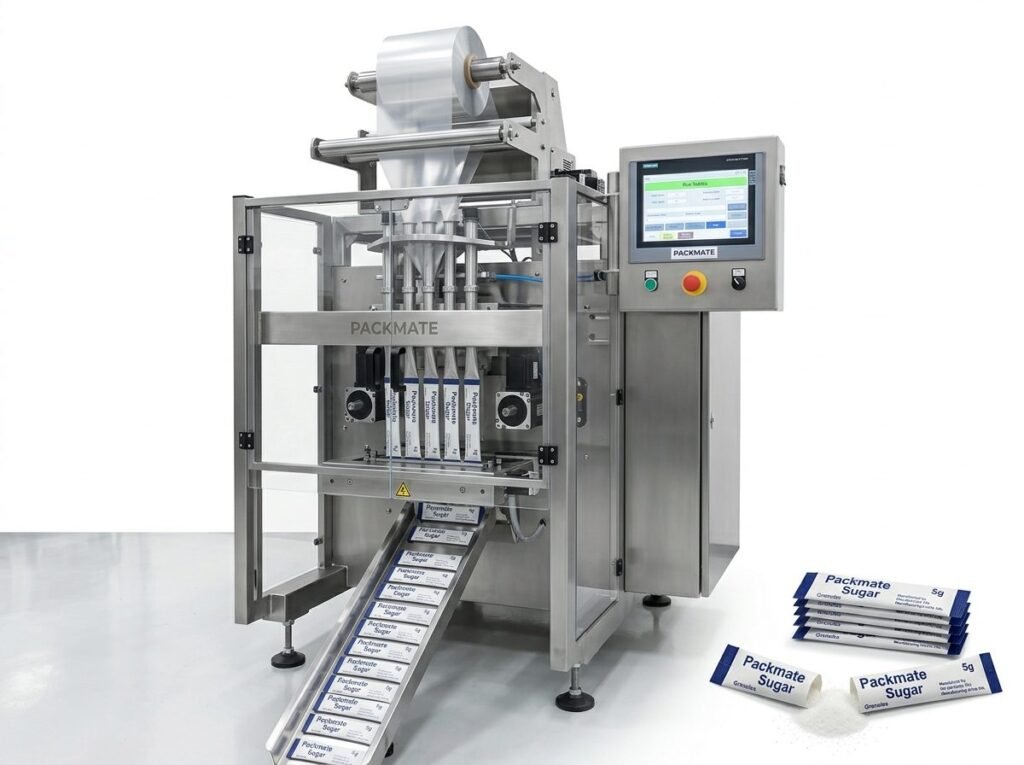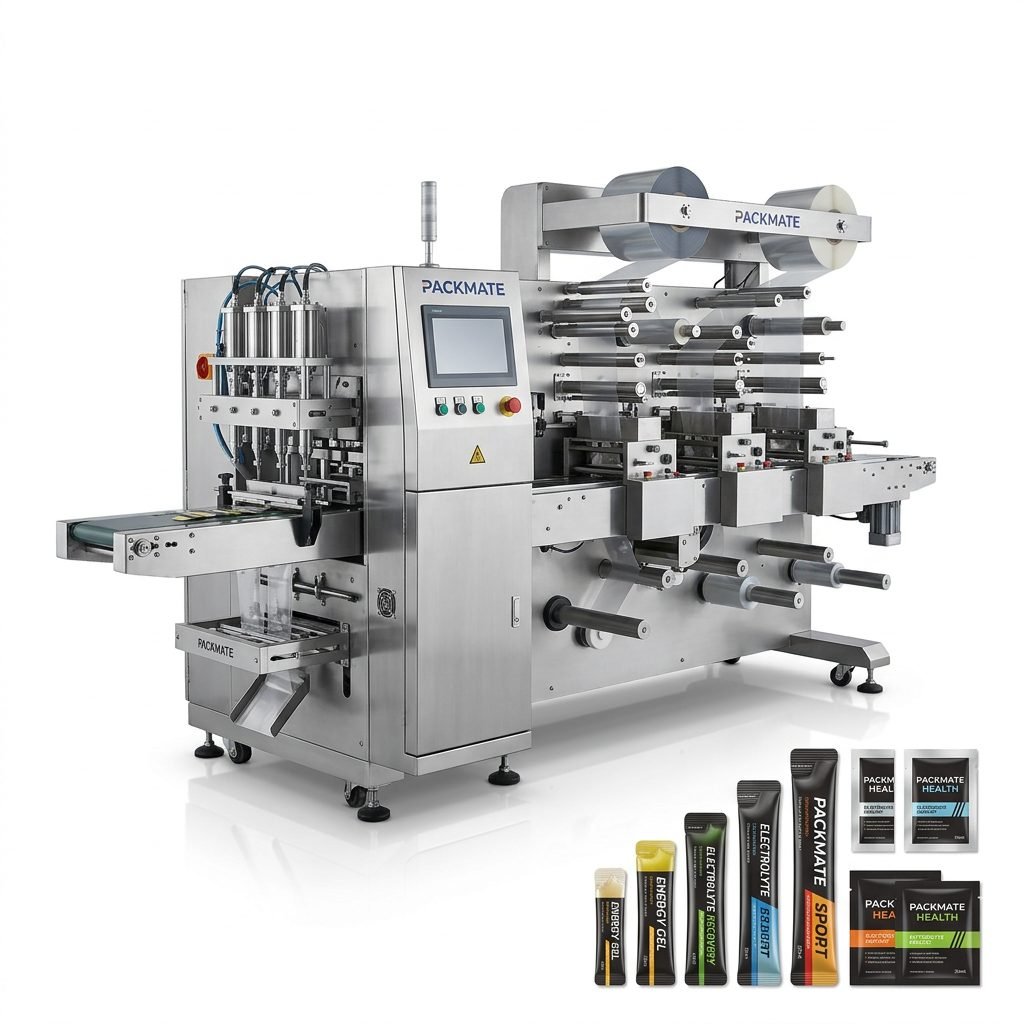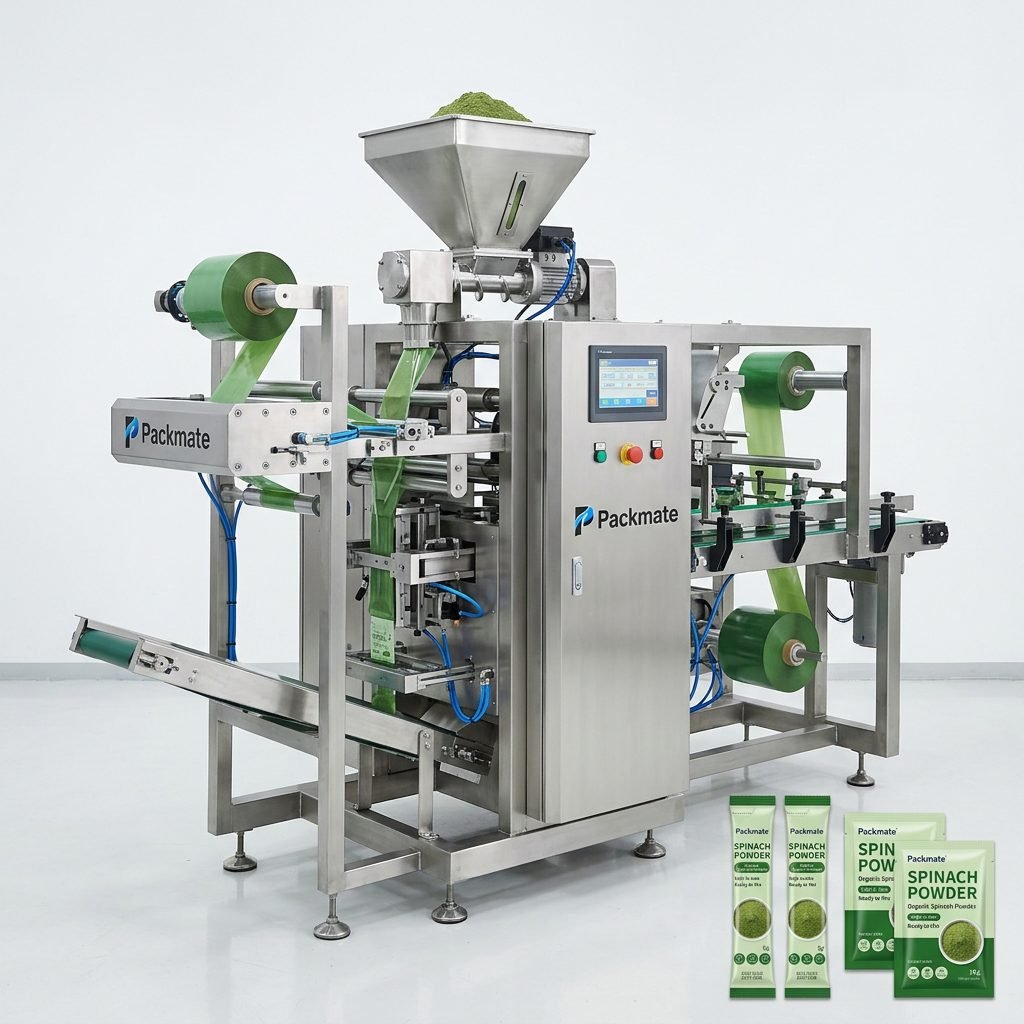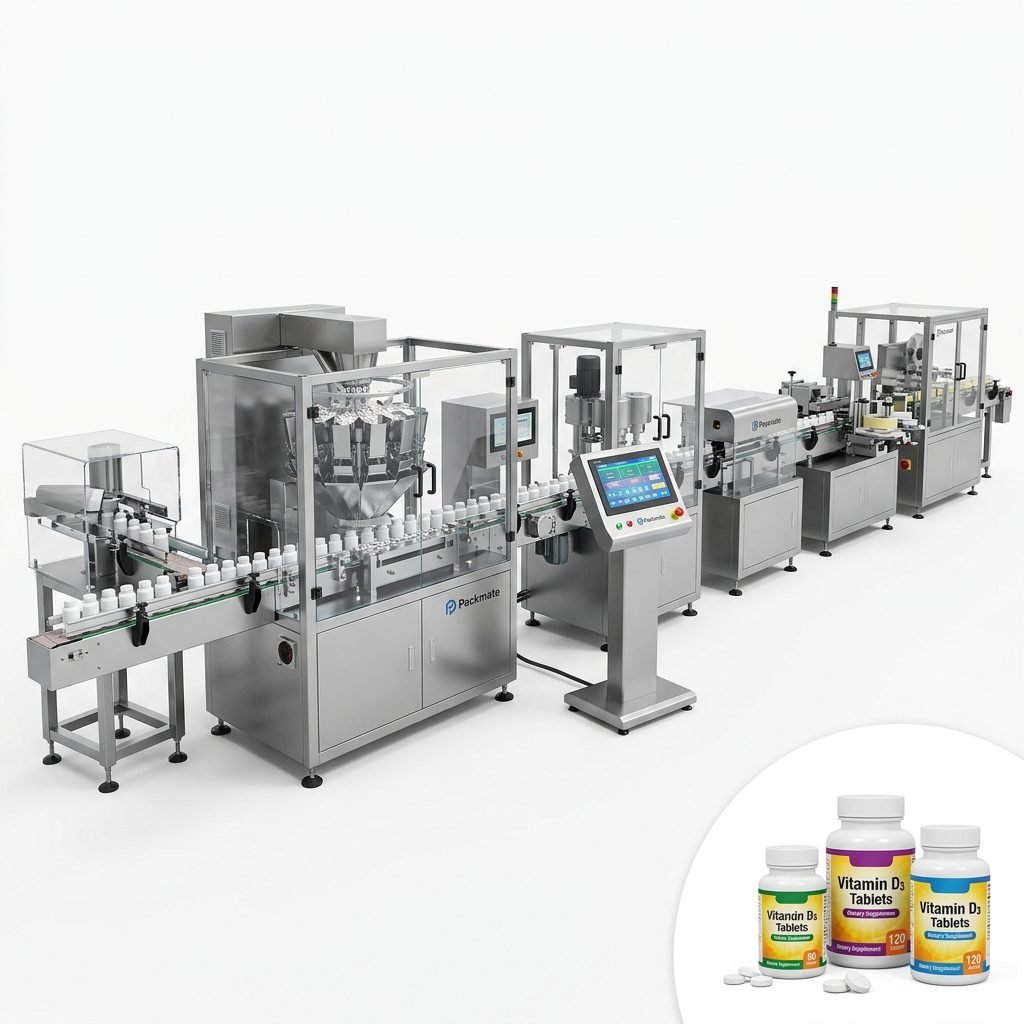
In the fast-paced world of commercial baking, efficiency and product integrity are paramount. The journey from oven to shelf demands precision, speed, and unwavering hygiene. For bakeries and food production facilities looking to scale, the manual handling of bread packaging becomes a significant bottleneck. This is where the innovation of a Bread Dual Splice Packaging Line becomes a game-changer. These sophisticated factory solutions represent the pinnacle of automated bread packing, designed to handle high volumes with remarkable consistency and care.
Understanding the Bread Dual Splice Packaging Line
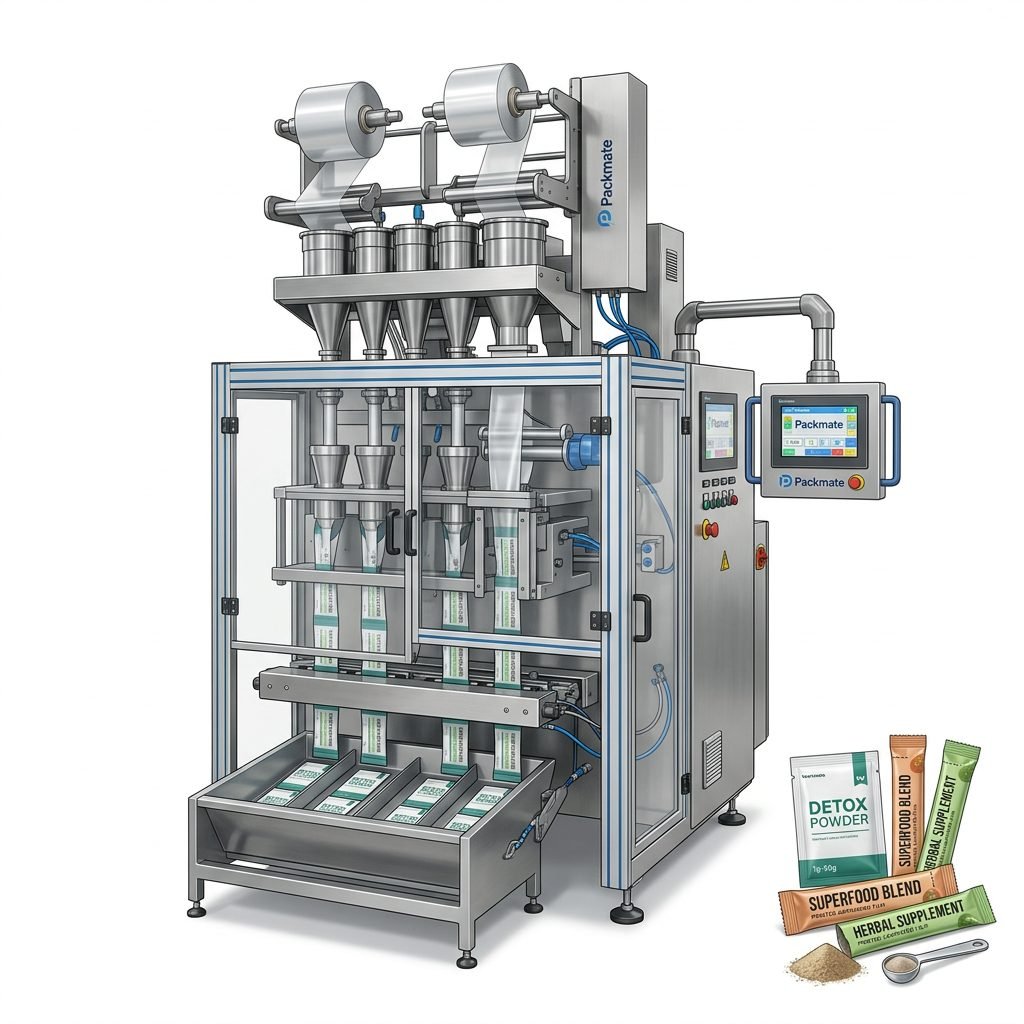
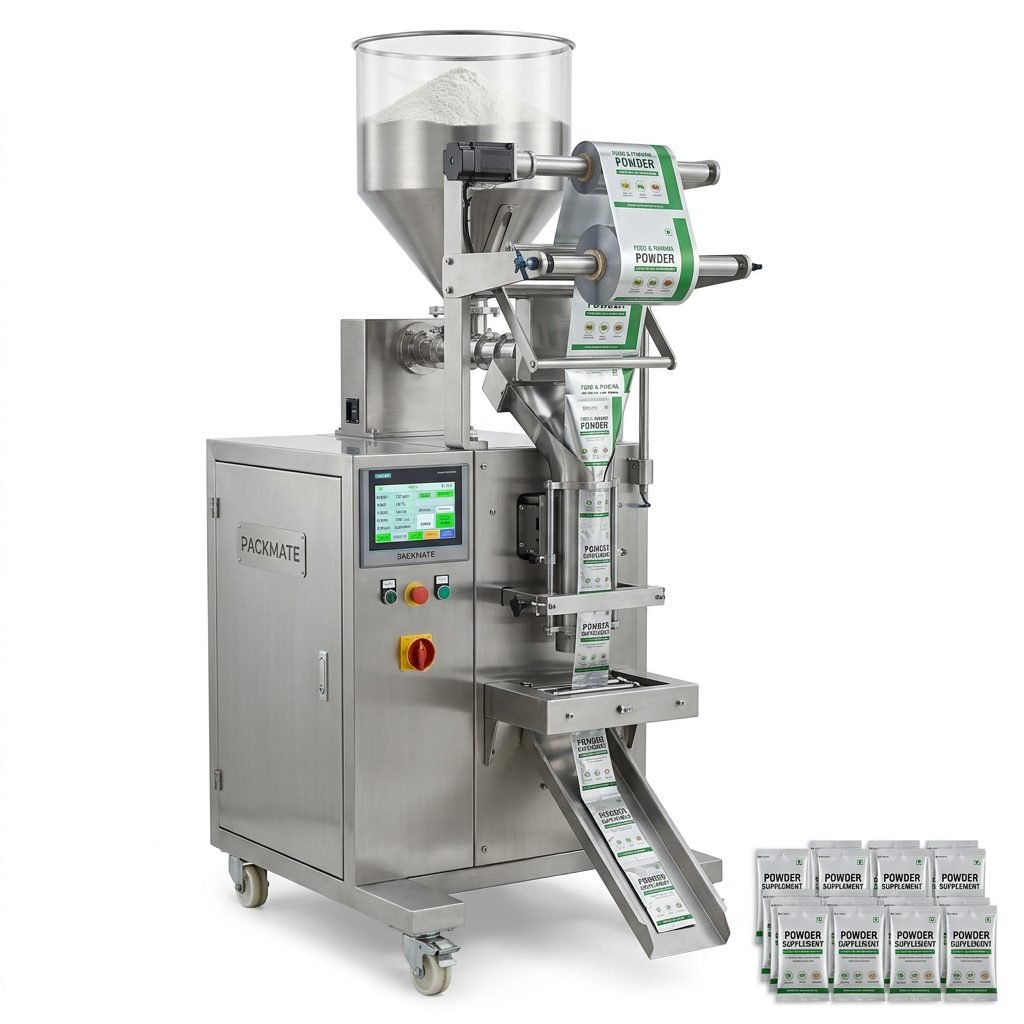
At its core, a dual splice system is engineered for continuous, high-speed operation. Traditional packaging lines often require a full stop to reload rolls of packaging film, creating downtime and disrupting production flow. A dual splice mechanism elegantly solves this problem. It utilizes two independent film unwinding stations. While one roll is actively feeding the packaging process, the other stands ready. As the active roll nears its end, the system automatically splices the tail of the finishing roll to the lead of the new roll—without stopping the production line.
This seamless transition is the heart of the system’s efficiency. It eliminates stoppages for film changes, ensuring that the automated bread packing process runs uninterrupted for hours, maximizing throughput and optimizing Overall Equipment Effectiveness (OEE).
Key Components of an Automated Bread Packing Solution
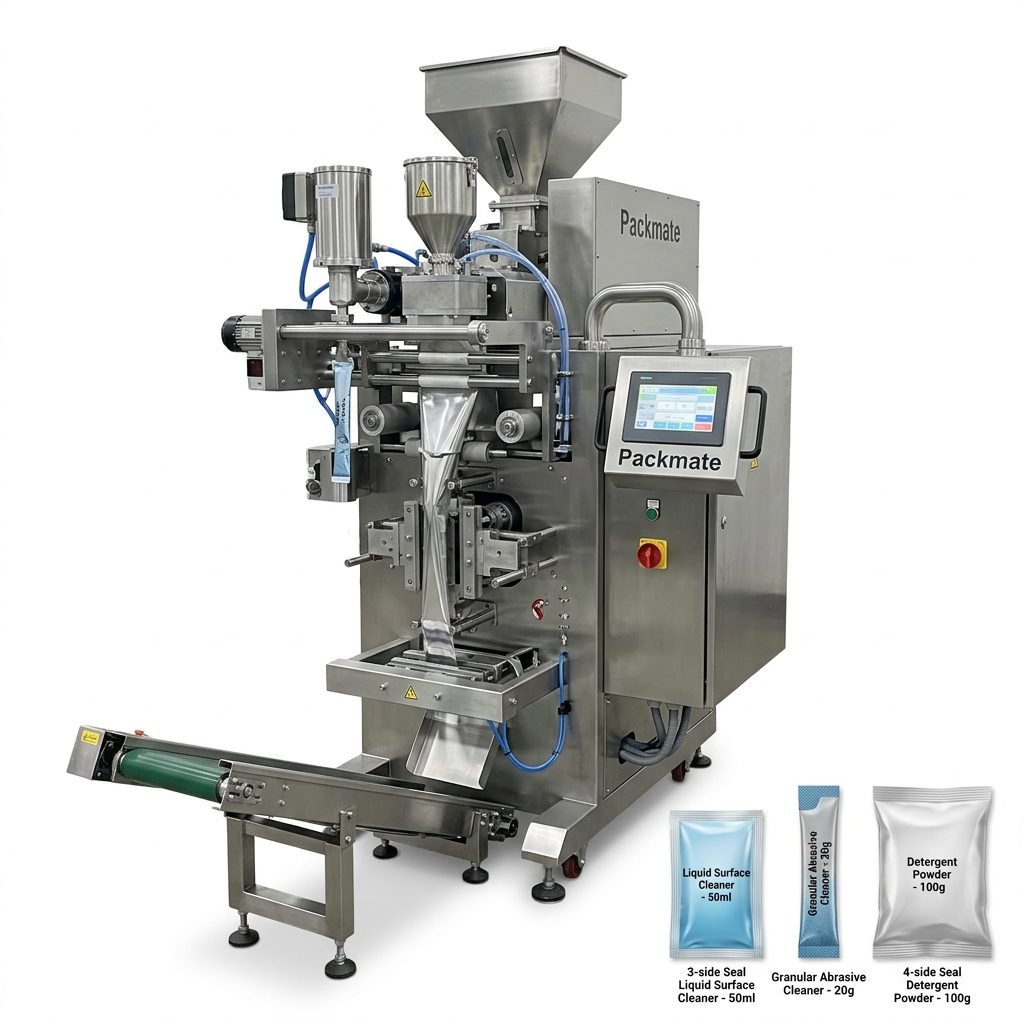
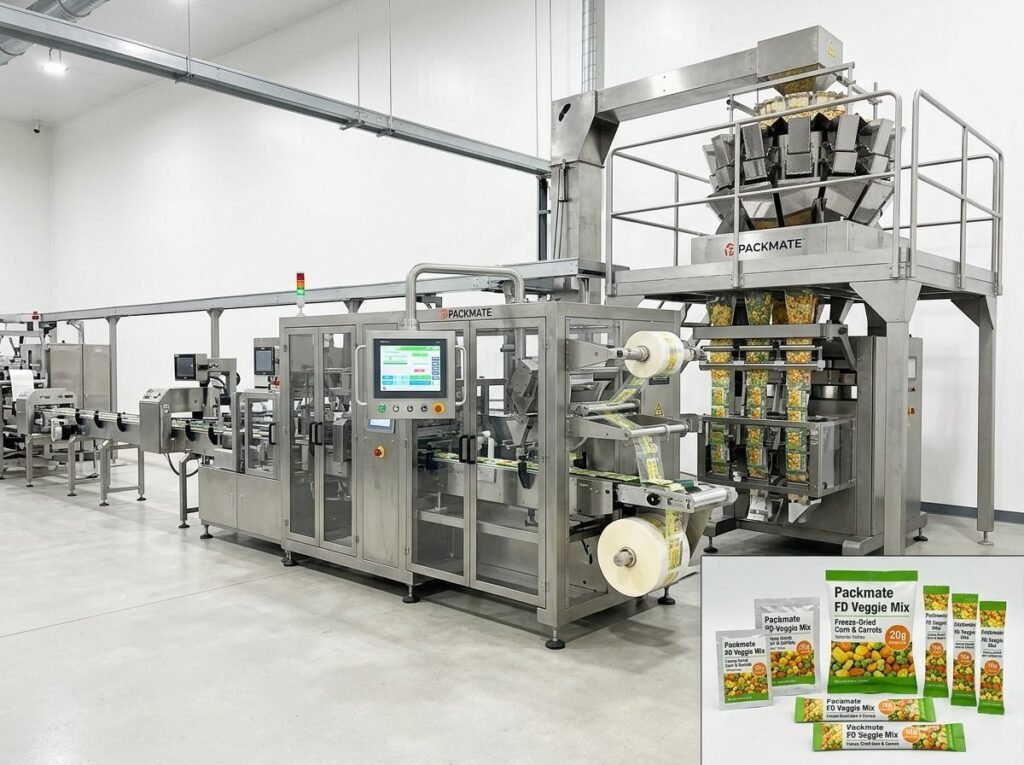
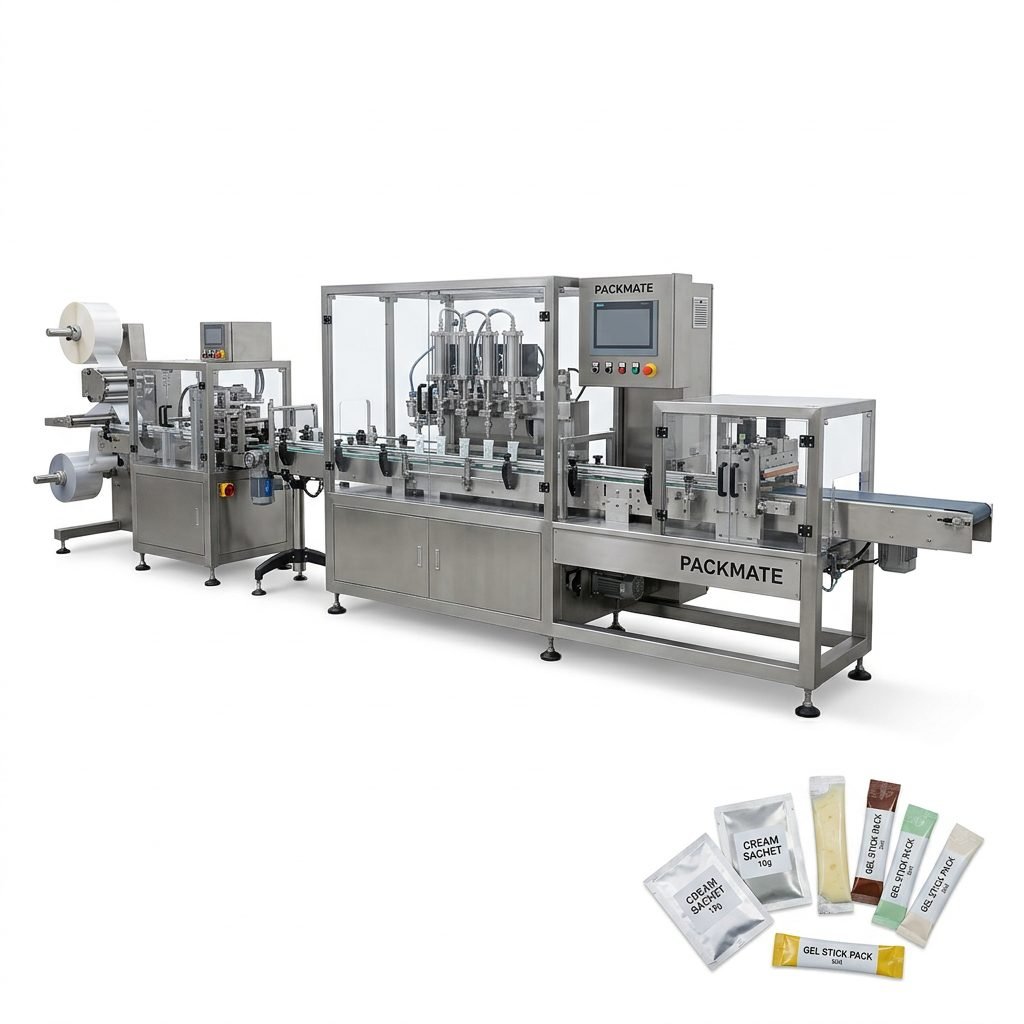
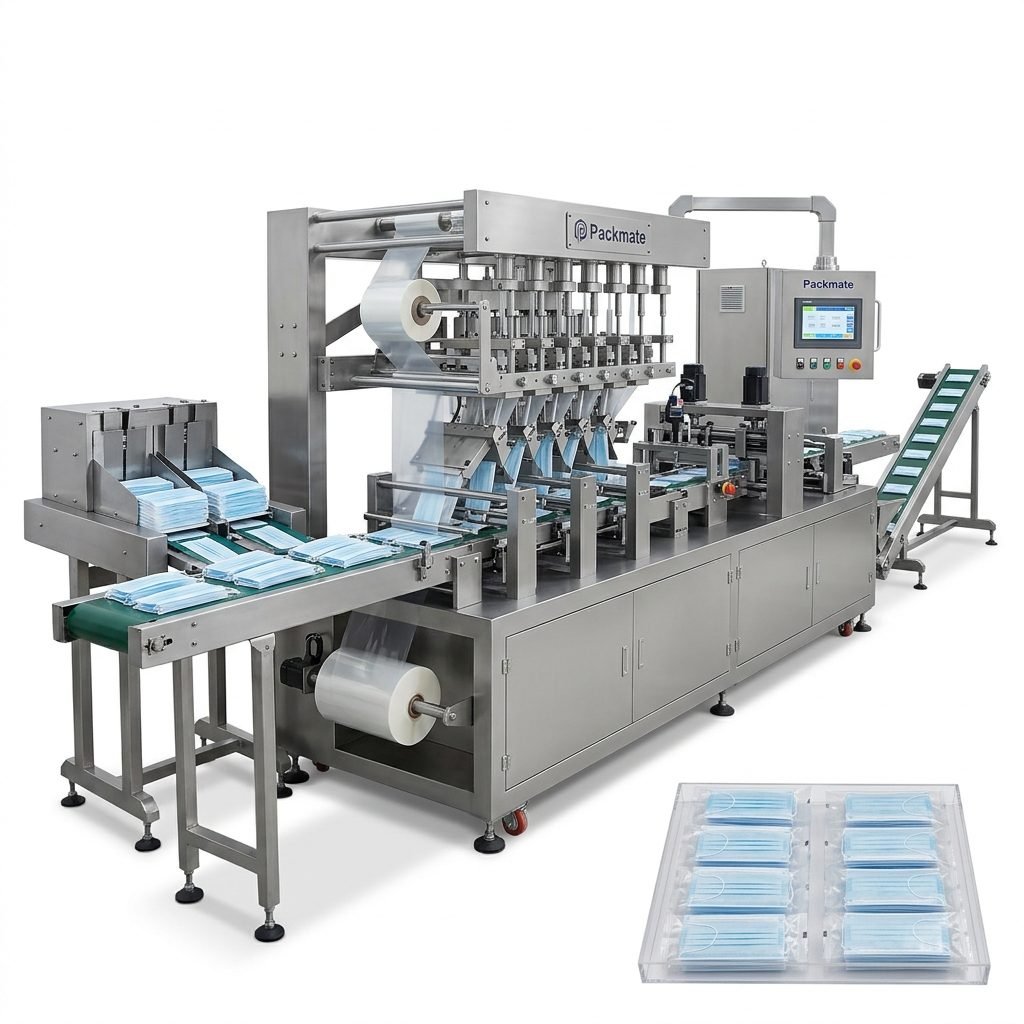
A complete turnkey solution involves more than just the splicer. It is a synchronized symphony of specialized machinery. The line typically begins with a cooling conveyor to bring bread loaves to the ideal packing temperature. This is followed by an aligning and feeding system that orients the bread consistently. The heart of the line is the form-fill-seal (FFS) machine, which creates the bag from the film, inserts the product, and seals it. Finally, downstream equipment like checkweighers, metal detectors, and cartoners ensure quality and prepare the packaged bread for distribution.
Advantages of Implementing a Factory Automation Solution
The shift from semi-automatic or manual packing to a fully automated dual splice line delivers transformative benefits that directly impact the bottom line and brand reputation.
1. Unmatched Production Efficiency & Uptime
The most significant advantage is the drastic reduction in downtime. By eliminating stops for film roll changes, the line maintains a consistent, high-speed output. This allows bakeries to meet large order demands, scale production effortlessly, and reduce labor costs associated with constant machine monitoring and intervention.
2. Superior Product Quality and Consistency
Human handling can lead to variations in pack appearance and potential contamination. Automated systems provide a pristine packaging environment. Every loaf is handled gently and identically, resulting in a uniform, professional, and shelf-ready presentation that enhances brand value. The consistent seal integrity also extends shelf life by providing a reliable barrier against moisture and contaminants.
3. Significant Reduction in Material Waste
Modern dual splice lines are integrated with precise servo-driven technology. This allows for accurate film registration and cutting, minimizing trim waste. Furthermore, the efficient splicing process itself ensures nearly 100% utilization of each film roll, with minimal scrap generated during the changeover. This leads to substantial savings on packaging material costs over time.
4. Enhanced Operational Safety and Hygiene
Automating the packaging process minimizes direct contact between operators and the food product. This is a critical advantage in maintaining high hygiene standards and complying with stringent food safety regulations like HACCP, BRC, or SQF. It also reduces workplace strain and injury risks associated with repetitive manual packing tasks.
Why Partner with an Experienced Solution Provider?
Investing in a bread dual splice packaging line is a major capital decision. Success hinges not just on the hardware, but on the expertise behind it. A provider like Packmate (GuangDong) Co., Ltd. brings over two decades of specialization in packaging automation. Their approach goes beyond selling a machine; they deliver a complete, turnkey solution.
This includes in-depth consultation to understand your specific product mix (from sandwich loaves to artisan breads), throughput requirements, and factory layout. Their engineers design a line that integrates perfectly into your workflow. Furthermore, comprehensive training, ongoing technical support, and a ready supply of genuine spare parts ensure your investment delivers value for years to come. You can explore their proven expertise through detailed project case studies.
Future-Proofing Your Bakery with Smart Packaging
The evolution of packaging automation is moving towards Industry 4.0 integration. The next generation of dual splice lines will feature even greater connectivity. Imagine systems with real-time production data dashboards, predictive maintenance alerts that notify you of component wear before failure, and seamless integration with Enterprise Resource Planning (ERP) systems for flawless production scheduling and inventory management.
By adopting an automated solution today, you are not just solving current capacity issues; you are laying the digital foundation for a smarter, more responsive, and more competitive factory tomorrow. The data collected from these intelligent lines can provide invaluable insights for continuous process improvement and strategic business planning.
Conclusion: The Strategic Imperative for Automation
In conclusion, a Bread Dual Splice Packaging Line is far more than a piece of factory equipment; it is a strategic asset. It directly addresses the core challenges of modern food production: the need for speed, consistency, quality, and cost-control. For any bakery serious about growth, brand protection, and operational excellence, automating the packing process is no longer a luxury—it is a necessity. Partnering with a seasoned expert ensures a smooth transition and maximizes the return on this critical investment, securing your place in the future of automated bread manufacturing.
Frequently Asked Questions (FAQs)
1. What types of bread can be packaged on a dual splice line?
These lines are highly versatile and can be configured to handle a wide range of bread products. This includes standard sandwich loaves, hot dog and hamburger buns, artisan breads, rolls, and even certain types of cakes or pastries. The key is customizing the feeding system, film width, and forming tools to suit the product’s size, shape, and fragility.
2. How much can production output increase with this automation?
Output increases are substantial but depend on the starting point. Facilities moving from manual packing often see a 200-400% increase in packing speed. The dual splice feature specifically boosts overall equipment effectiveness (OEE) by 5-15% by eliminating film change stoppages, allowing the line to run closer to its maximum theoretical capacity.
3. Is the system difficult for our staff to operate and maintain?
Modern lines are designed with user-friendly Human-Machine Interface (HMI) touchscreens. Reputable providers like Packmate include extensive on-site training for your operators and maintenance technicians. The goal is to empower your team to run the line confidently. Routine maintenance is simplified, and advanced diagnostic tools help troubleshoot issues quickly.
4. What is the typical payback period for this investment?
The payback period varies based on scale, labor costs, and current waste levels. For medium to large-scale operations, a well-implemented automated line often achieves a return on investment (ROI) within 1 to 3 years. Savings are realized through reduced labor costs, lower film waste, higher output, and fewer quality-related rejects.
5. Can the line handle different packaging materials or printed film?
Absolutely. Dual splice systems are compatible with various polypropylene-based films, including clear, metallized, or pre-printed materials. The precision registration systems ensure that printed graphics are aligned correctly on every pack. The splicer itself is designed to work effectively with the specific tensile and sealing properties of food-grade packaging films.