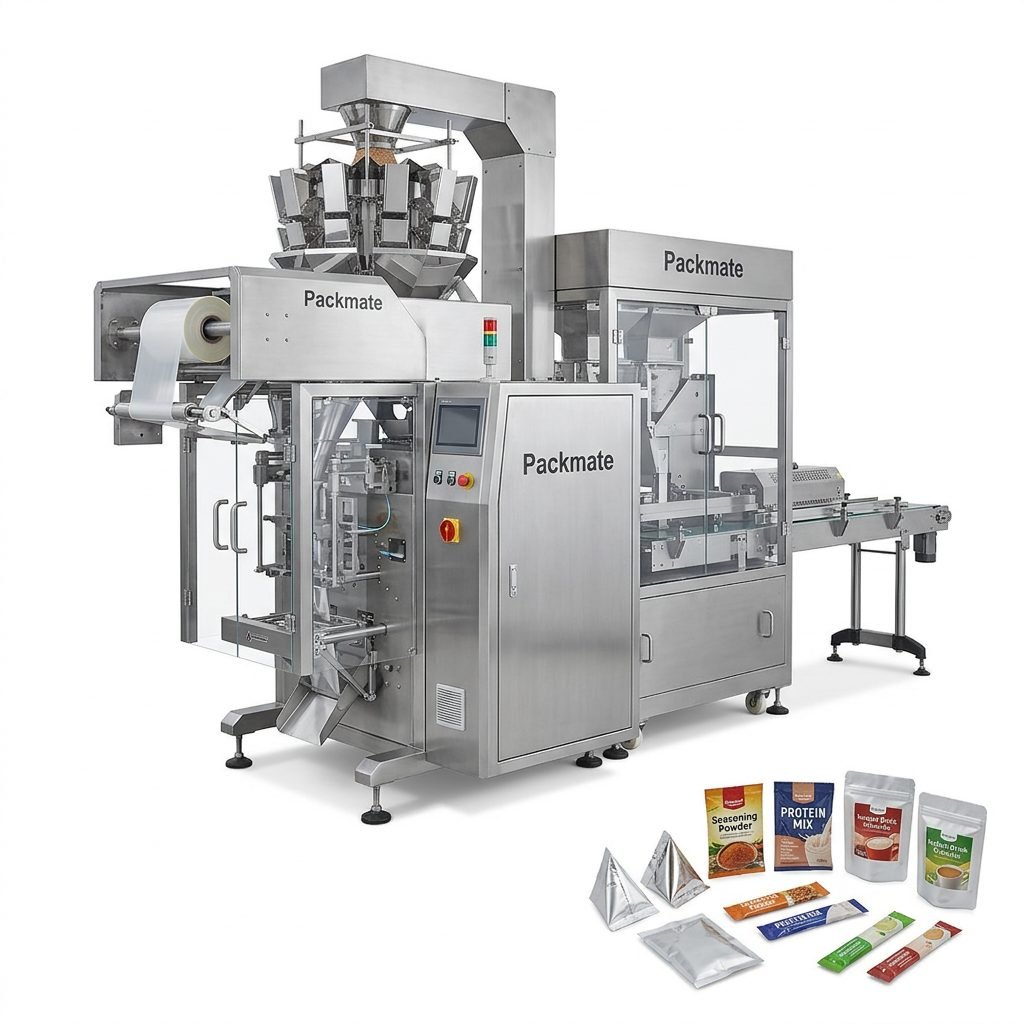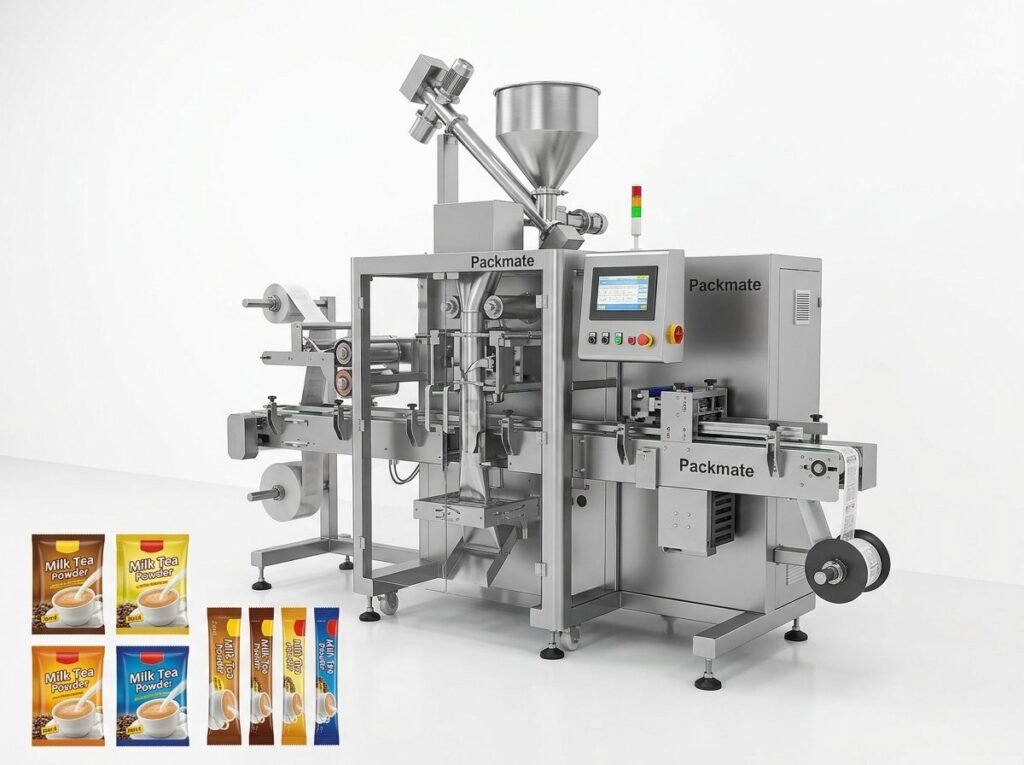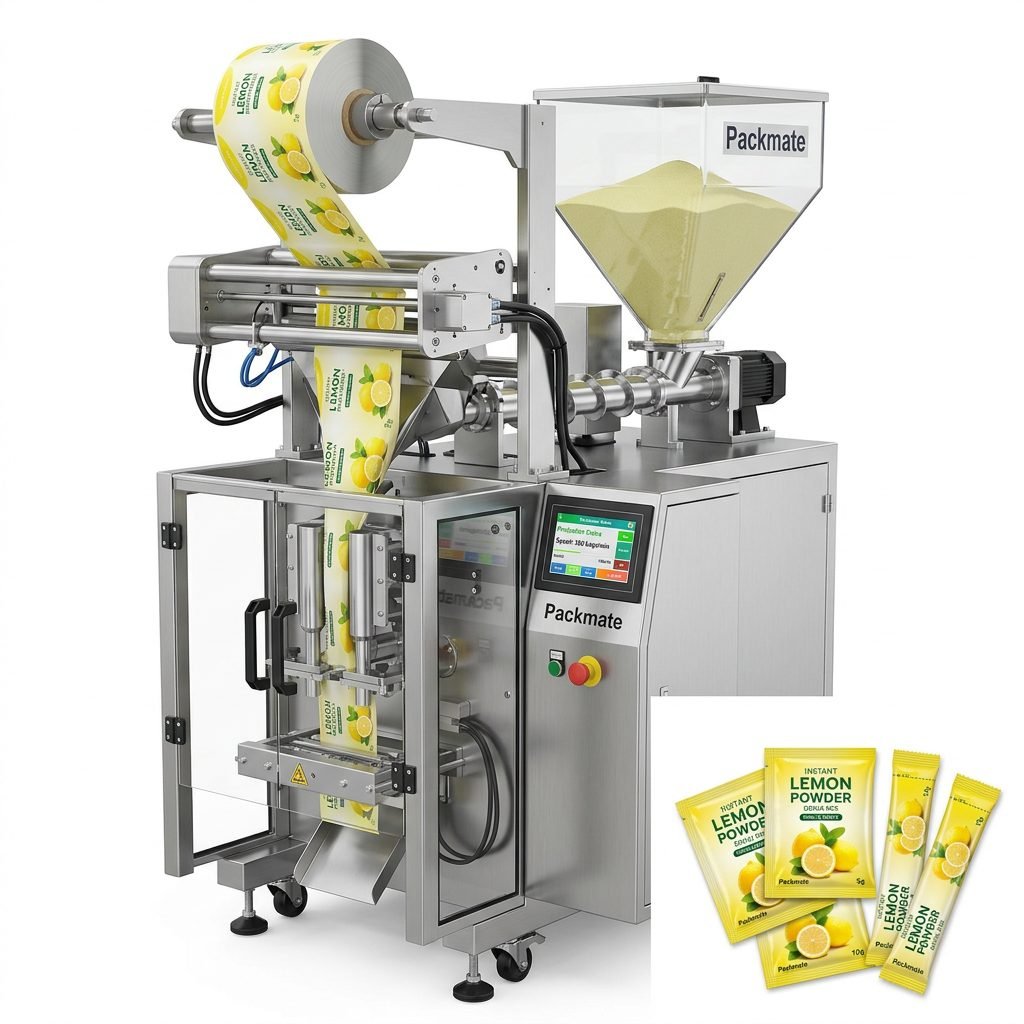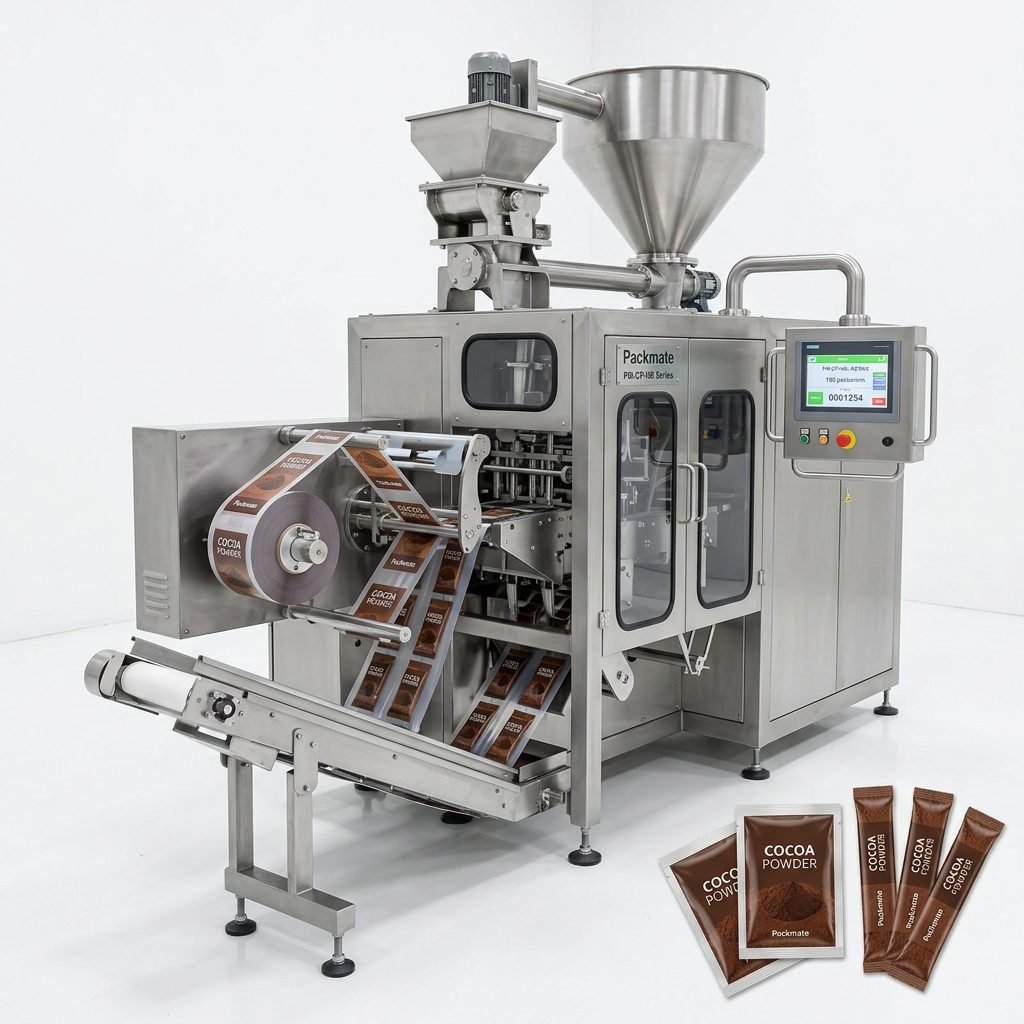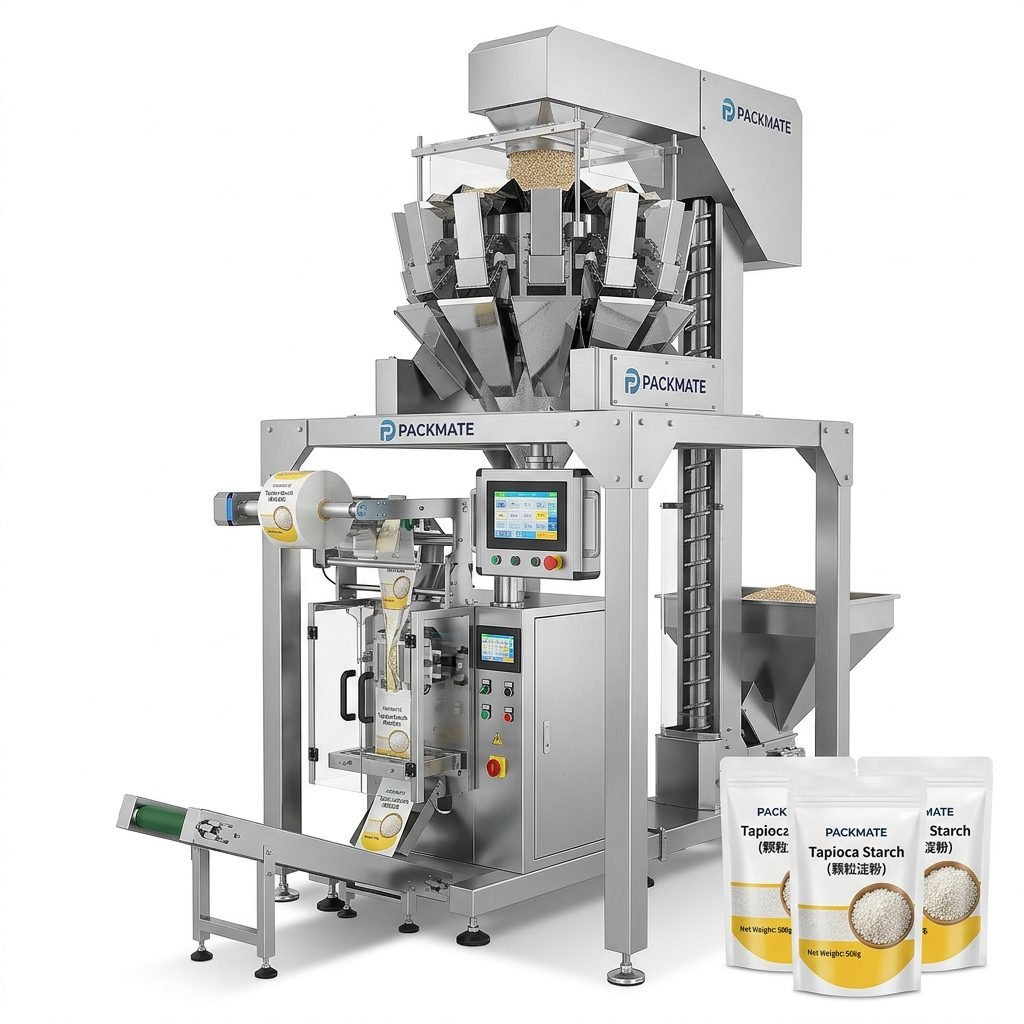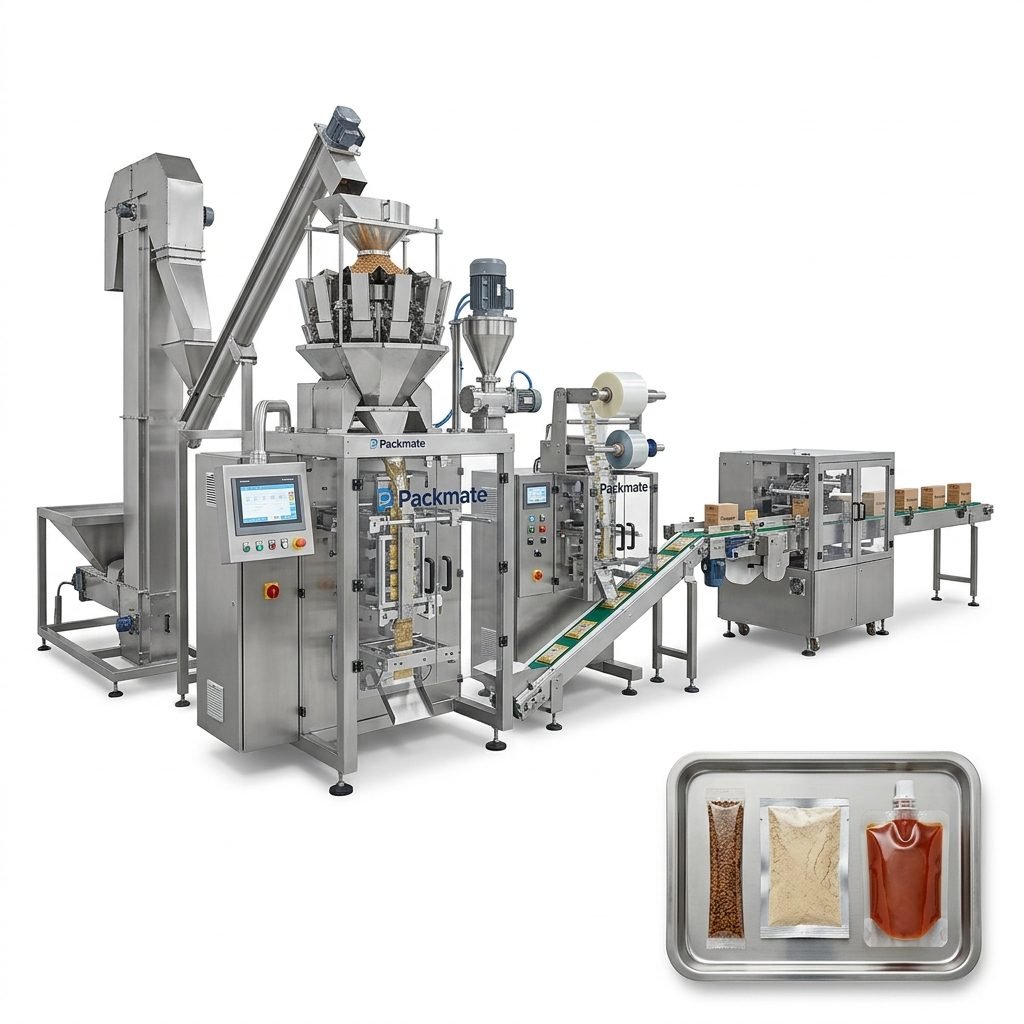
The global food industry is a dynamic and demanding sector where efficiency, hygiene, and product integrity are non-negotiable. At the heart of modern food production lies the automatic food packaging line—a sophisticated symphony of machinery that transforms raw or processed goods into market-ready, protected, and appealing products. For businesses seeking to scale, ensure consistency, and meet stringent safety standards, partnering with a top-tier manufacturer for a complete turnkey packaging solution is a critical strategic decision. This article explores the world of leading automatic food packaging line manufacturers and the comprehensive benefits of turnkey solutions.
The Engine of Modern Food Production: Automatic Packaging Lines
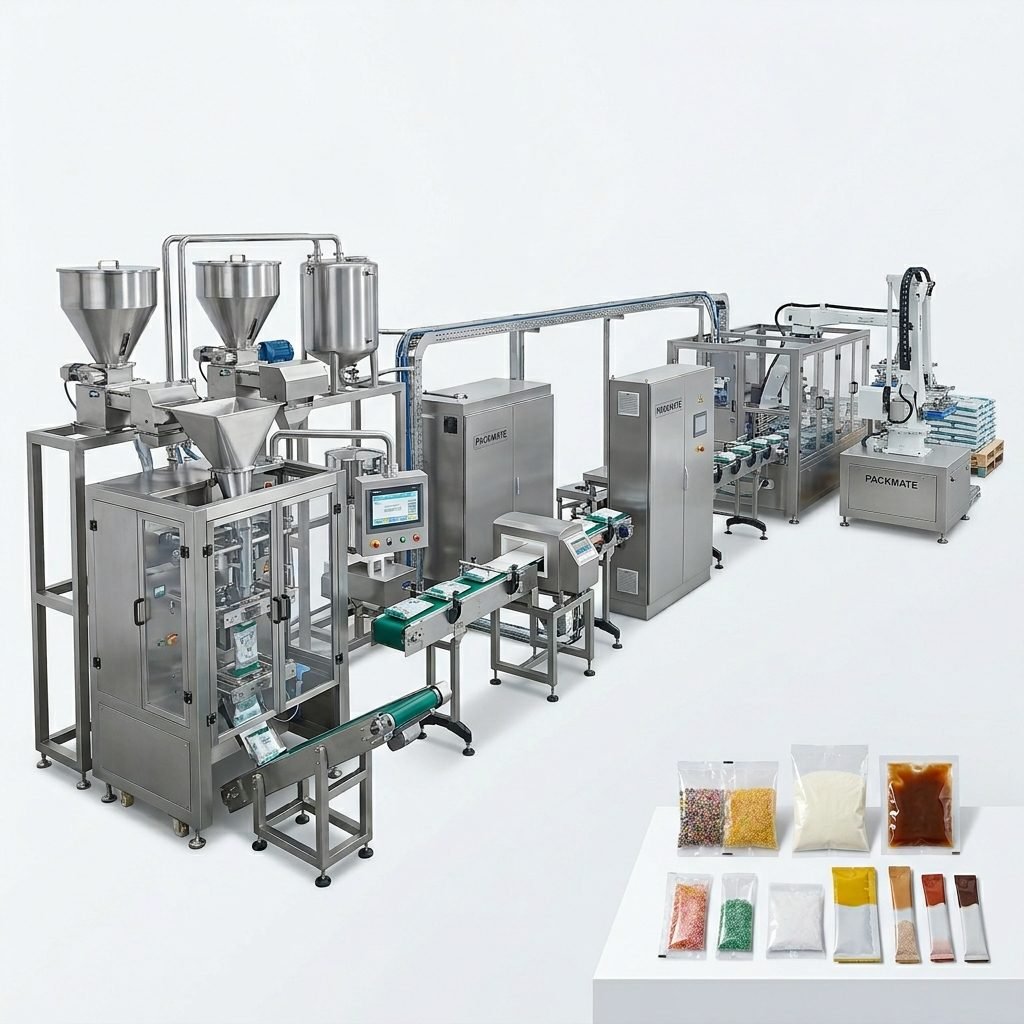
An automatic food packaging line is far more than a collection of machines. It is an integrated system designed to perform a sequence of operations—from feeding and weighing to filling, sealing, coding, and cartoning—with minimal human intervention. These lines are tailored to handle specific product types, whether they are granules like coffee or sugar, powders like flour or protein supplements, liquids like sauces or oils, or even viscous pastes.
Key Advantages of Automation:
Unmatched Speed & Volume: Automated lines operate continuously at high speeds, dramatically increasing output to meet large-scale demand.
Consistent Precision: Every package receives an exact weight or volume, reducing product giveaway and ensuring compliance with labeling regulations.
Enhanced Hygiene & Safety: Closed systems minimize product exposure to the environment and human contact, crucial for food safety standards like HACCP and FDA regulations.
Labor Optimization: Automation reduces reliance on manual labor for repetitive tasks, allowing staff to focus on quality control, supervision, and maintenance.
Choosing a Top Manufacturer: Beyond the Machine
Selecting the right manufacturer is pivotal. The best providers are not just equipment sellers; they are long-term partners in your production success. Key differentiators include:
1. Engineering Expertise and Customization
Leading manufacturers possess deep application knowledge. They invest time in understanding your specific product characteristics, flow properties, and packaging goals to engineer a line that fits perfectly, rather than offering a one-size-fits-all solution. This might involve custom-designed hoppers, specialized filling nozzles, or unique sealing mechanisms.
2. Commitment to Quality and Durability
Food production environments are tough. Machinery must be constructed from food-grade, corrosion-resistant materials like stainless steel (often 304 or 316 grade) to withstand rigorous washdowns and ensure longevity. Renowned manufacturers build robust machines designed for 24/7 operation with minimal downtime.
3. Comprehensive Support: The Turnkey Promise
This is where the concept of a turnkey packaging solution truly shines. A turnkey provider manages the entire project from concept to commissioning:
- Consultation & Design: Collaborative planning to define line layout and specifications.
- Manufacturing & Factory Acceptance Testing (FAT): Building the line and testing it at their facility with your product samples.
- Installation & Commissioning: Expert engineers install the line at your site, calibrate it, and train your operators.
- After-Sales Service & Parts: Ongoing technical support, maintenance contracts, and readily available spare parts are essential for business continuity.
Spotlight on Innovation: Packmate Packaging Line
A prime example of a manufacturer embodying these principles is Packmate (GuangDong) Co., Ltd.. With over 30 years of industry immersion, they have evolved from a specialist in sachet machines to a leading provider of complete intelligent packaging lines.
Packmate’s Core Strengths:
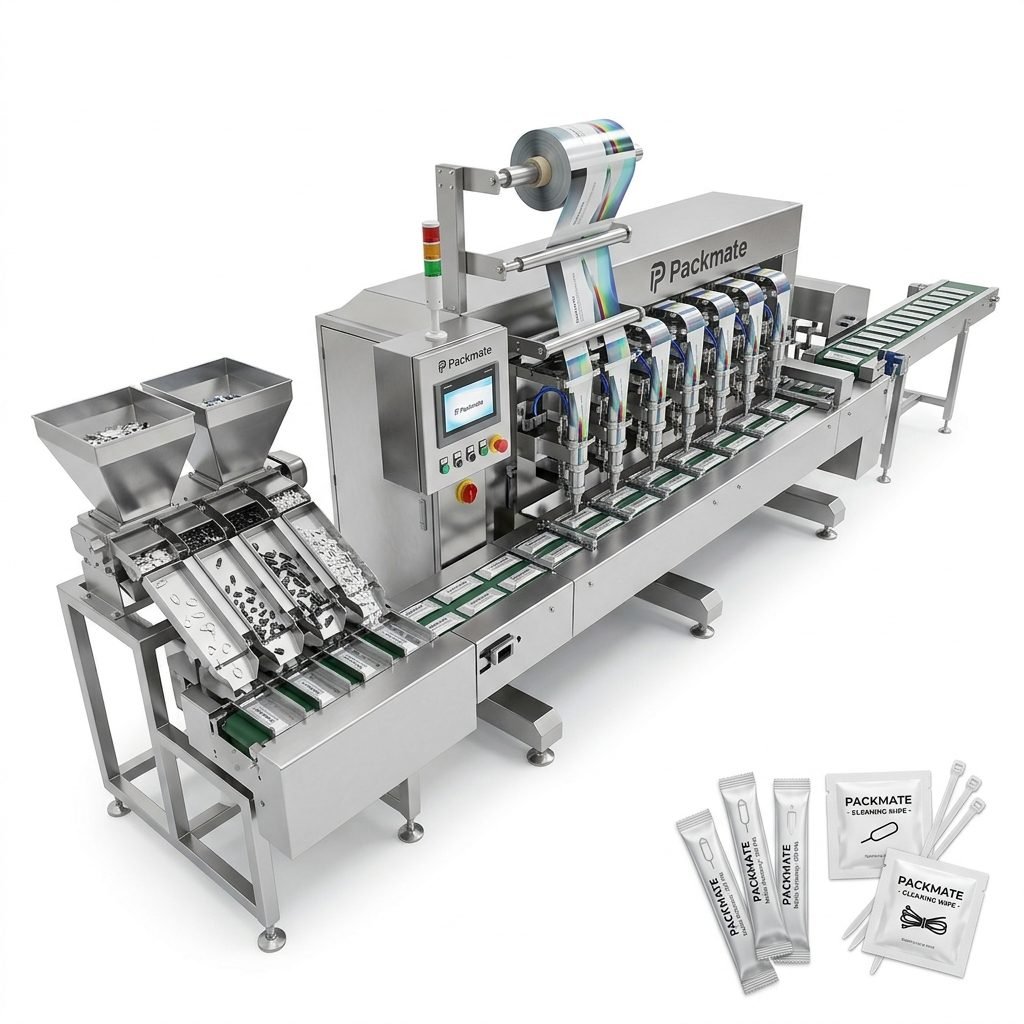
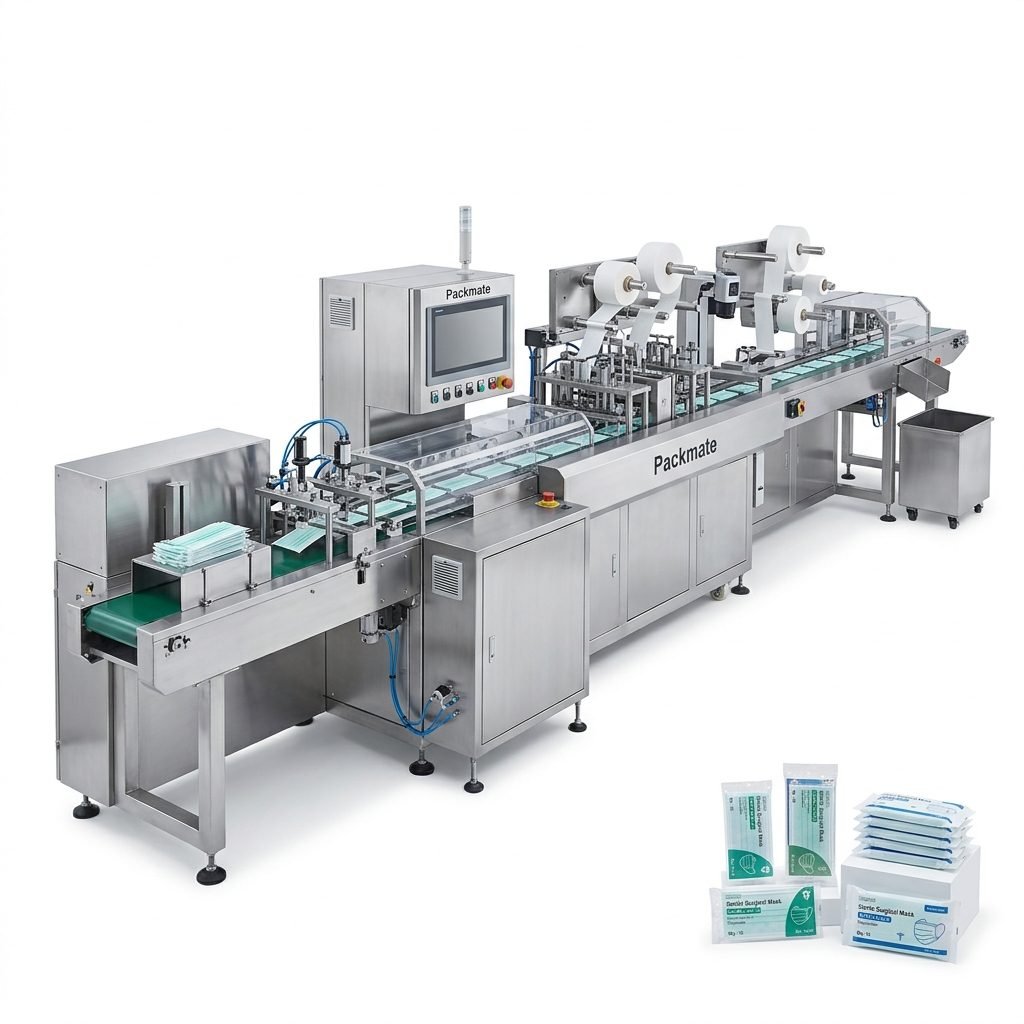
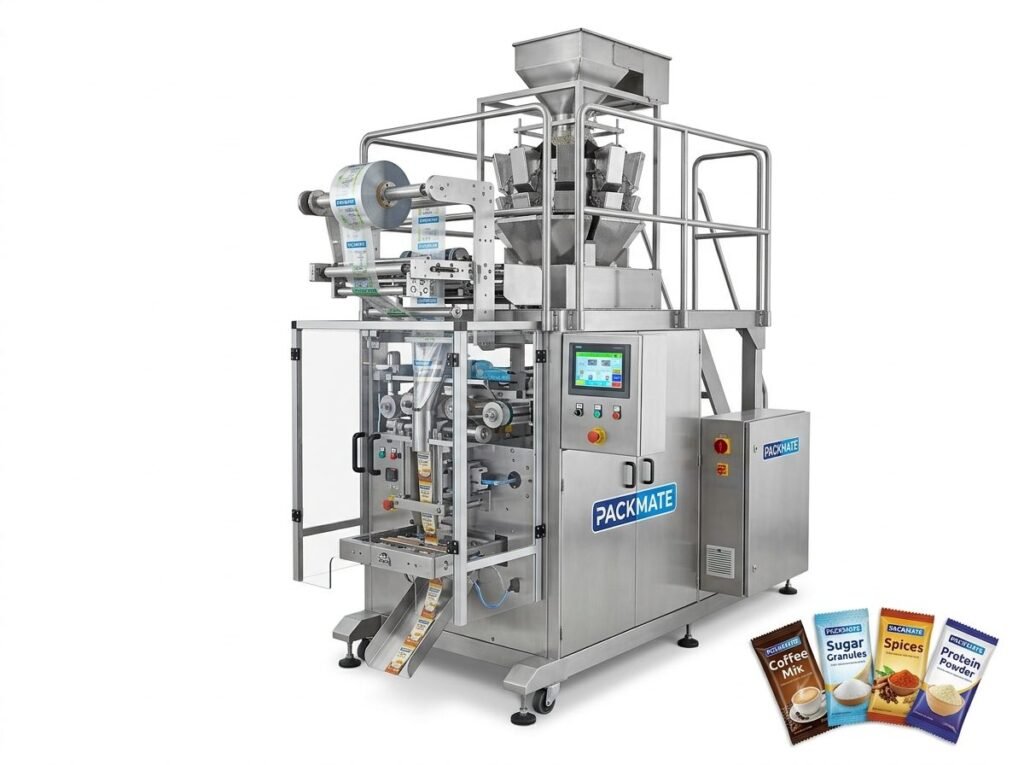
Their expansive facility houses advanced production and R&D capabilities, allowing them to offer a diverse portfolio. From high-speed multi-lane stick pack machines for single-serve beverages to robust large bag packaging lines for bulk ingredients, their solutions cater to a wide spectrum of needs. You can explore their diverse application cases to see this versatility in action.
The Turnkey Advantage in Practice
For a client needing a line for packaging powdered milk supplement into stick packs, Packmate’s turnkey approach would involve:
- Analyzing the powder’s flowability and agglomeration tendencies.
- Designing a line with precise auger fillers, nitrogen flushing to prevent oxidation, and a high-integrity sealing system.
- Integrating checkweighers and vision inspection systems to guarantee every stick pack meets weight and seal quality standards.
- Providing a complete service package including operator training and preventative maintenance schedules.
Future Trends in Food Packaging Automation
The industry continues to advance rapidly. Top manufacturers are integrating Industry 4.0 principles, offering:
IoT Connectivity & Data Analytics: Machines that provide real-time data on OEE (Overall Equipment Effectiveness), production counts, and predictive maintenance alerts.
Flexibility & Quick Changeover: Modular designs that allow faster switching between package sizes or formats to accommodate smaller batch production runs.
Sustainable Packaging Compatibility: Developing machinery that can reliably handle compostable, biodegradable, or recyclable film materials.
Frequently Asked Questions (FAQs)
1. What is the typical lead time for a complete turnkey packaging line?
Lead times vary significantly based on complexity and customization. A standard line might take 3-6 months from order to installation, while a highly customized system can take 6-12 months. This includes design, manufacturing, factory testing, and shipping. A detailed project timeline should be part of your initial consultation with the manufacturer.
2. How do I ensure the packaging line will work with my specific product?
Reputable manufacturers insist on product testing. You should send samples of your actual product to their testing lab. They will run trials on appropriate machinery to determine the optimal filling method, sealing parameters, and any special handling requirements. Always request a video or report of this testing before finalizing an order.
3. What kind of after-sales support should I expect?
Comprehensive support is crucial. Expect a package that includes on-site installation and commissioning, detailed operator and maintenance technician training, a warranty period (typically 12-18 months), access to a 24/7 technical support hotline, and a reliable supply of genuine spare parts. Many manufacturers also offer annual service contracts.
4. Can an automated line handle different package sizes?
Yes, most modern lines are designed with flexibility in mind. This is achieved through quick-change parts like interchangeable forming tubes, filling heads, and sealing jaws. However, the degree of changeover speed varies. Discuss your need for multi-format production explicitly with your supplier so they can design the appropriate level of flexibility into the line.
5. What are the key factors in calculating the Return on Investment (ROI) for an automatic line?
ROI calculation should consider: Increased Output Revenue (higher production capacity), Labor Cost Savings (reduced manual packers), Material Savings (reduced product giveaway from precise filling), Reduced Rejection Rates (higher consistency and quality), and Improved Safety Compliance (avoiding costly recalls). Most manufacturers can help you build a financial model based on your current costs and projected gains.
For more detailed answers, visit the dedicated FAQs page.