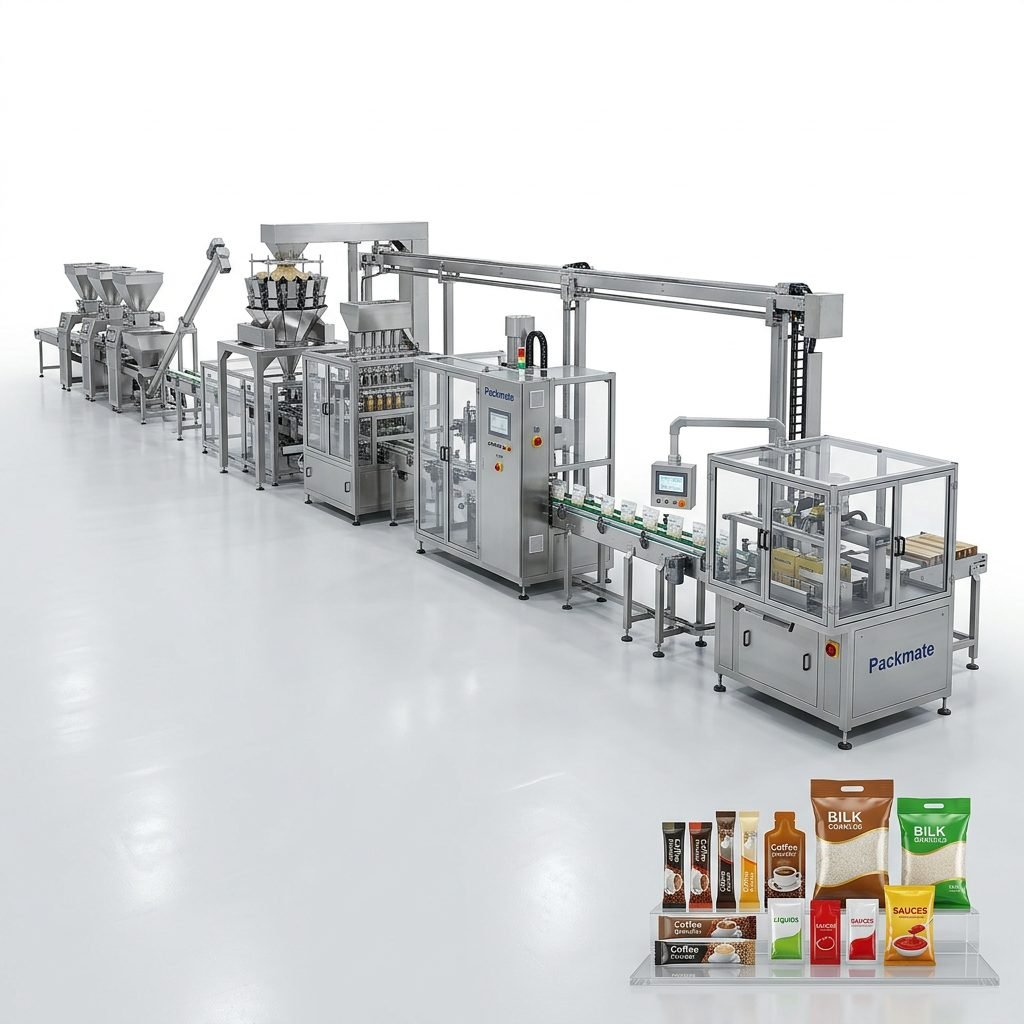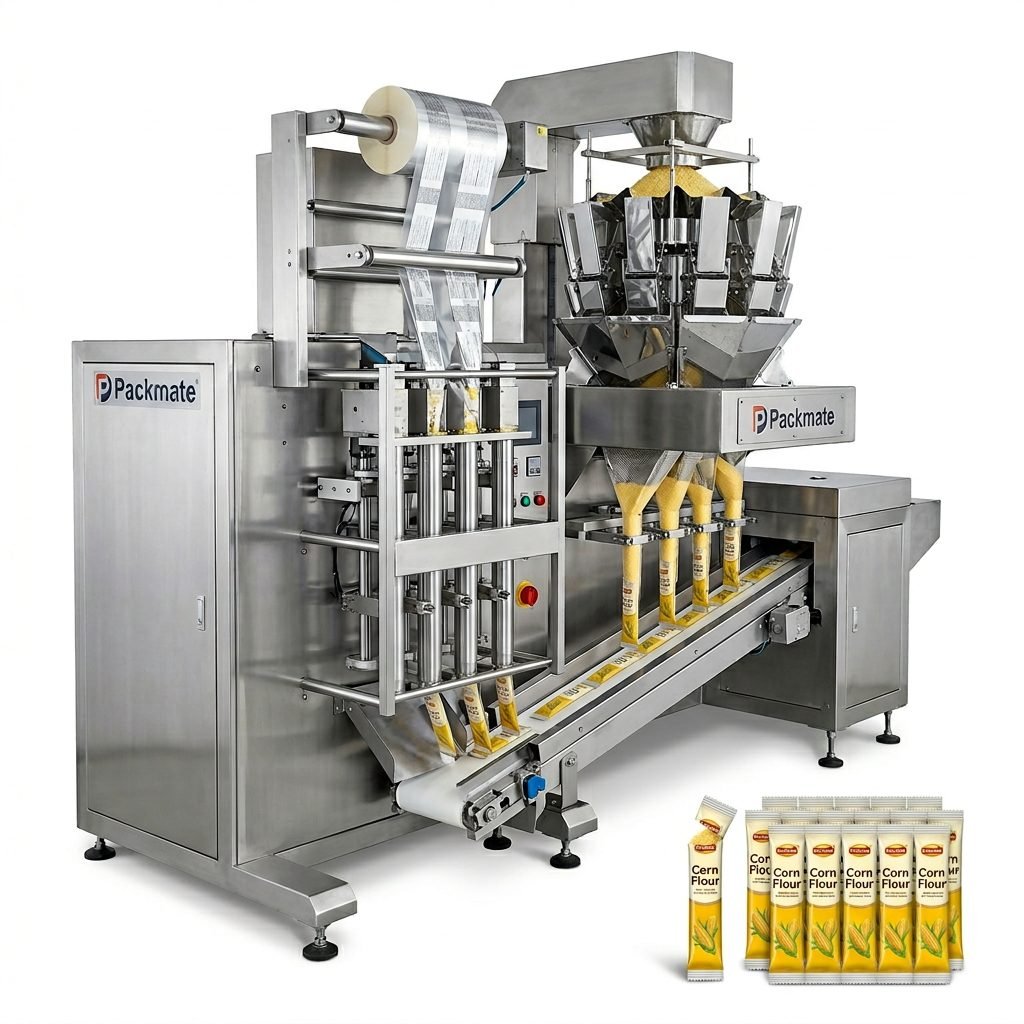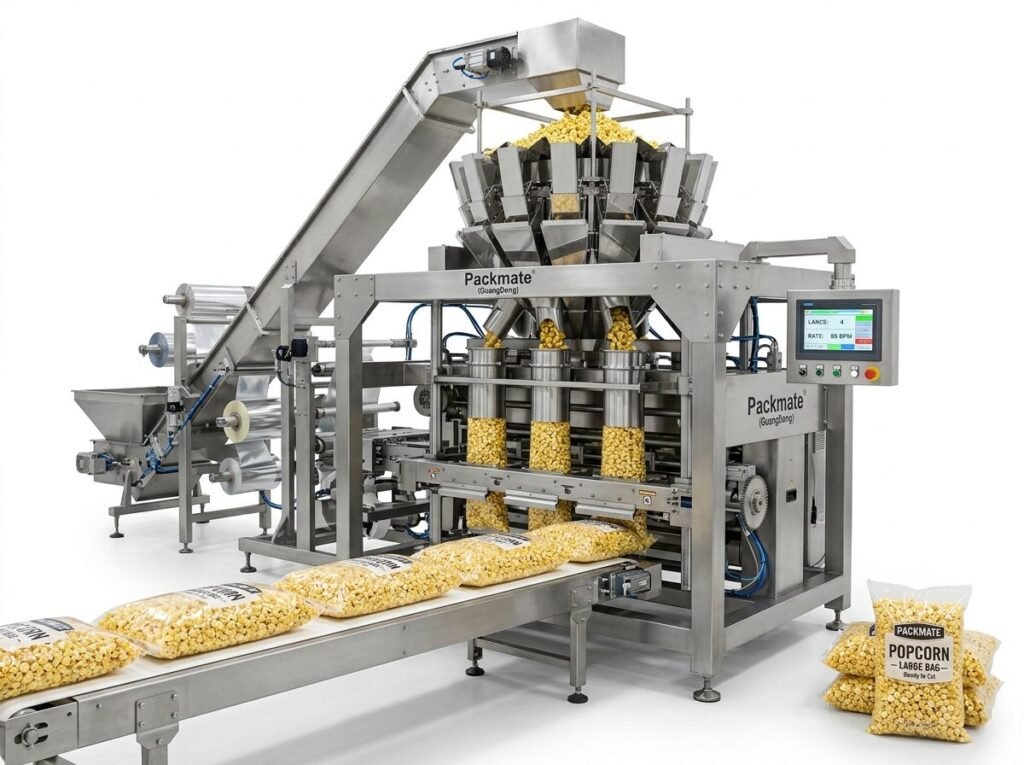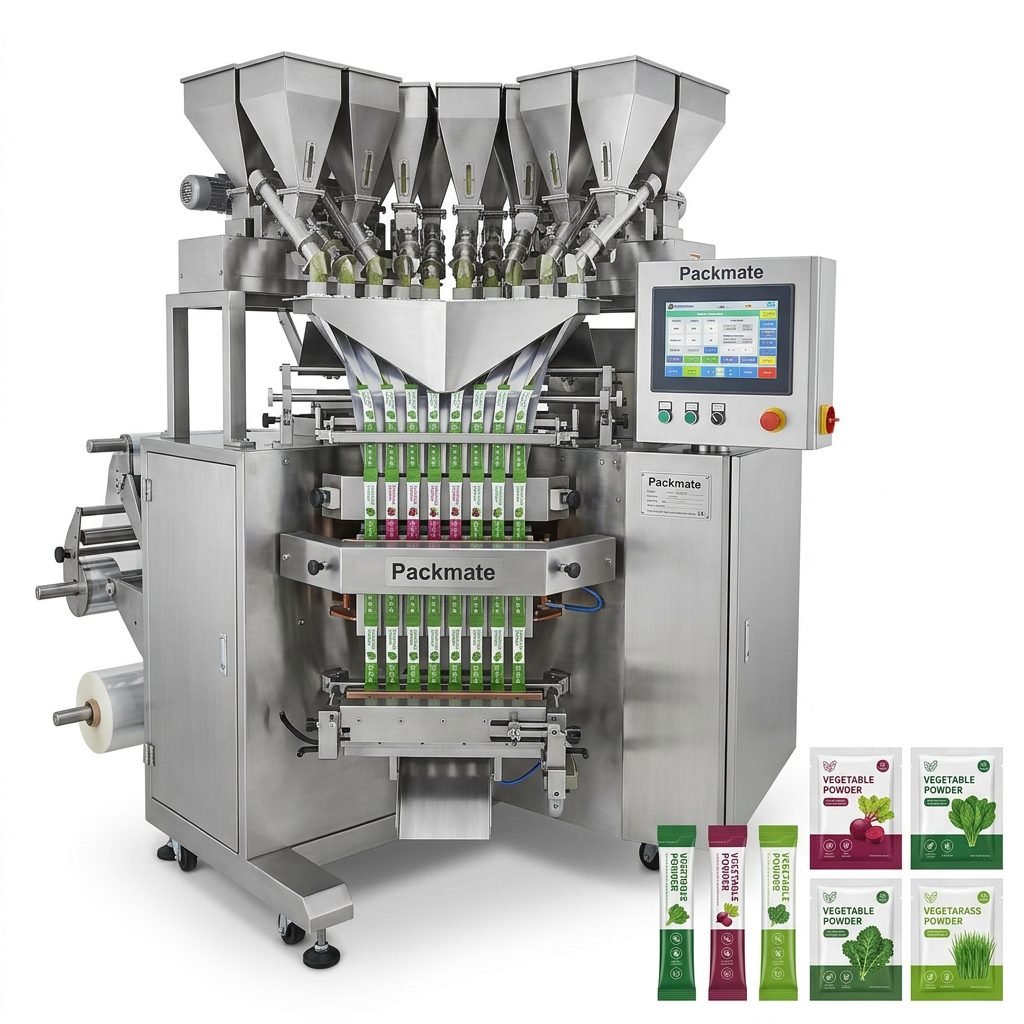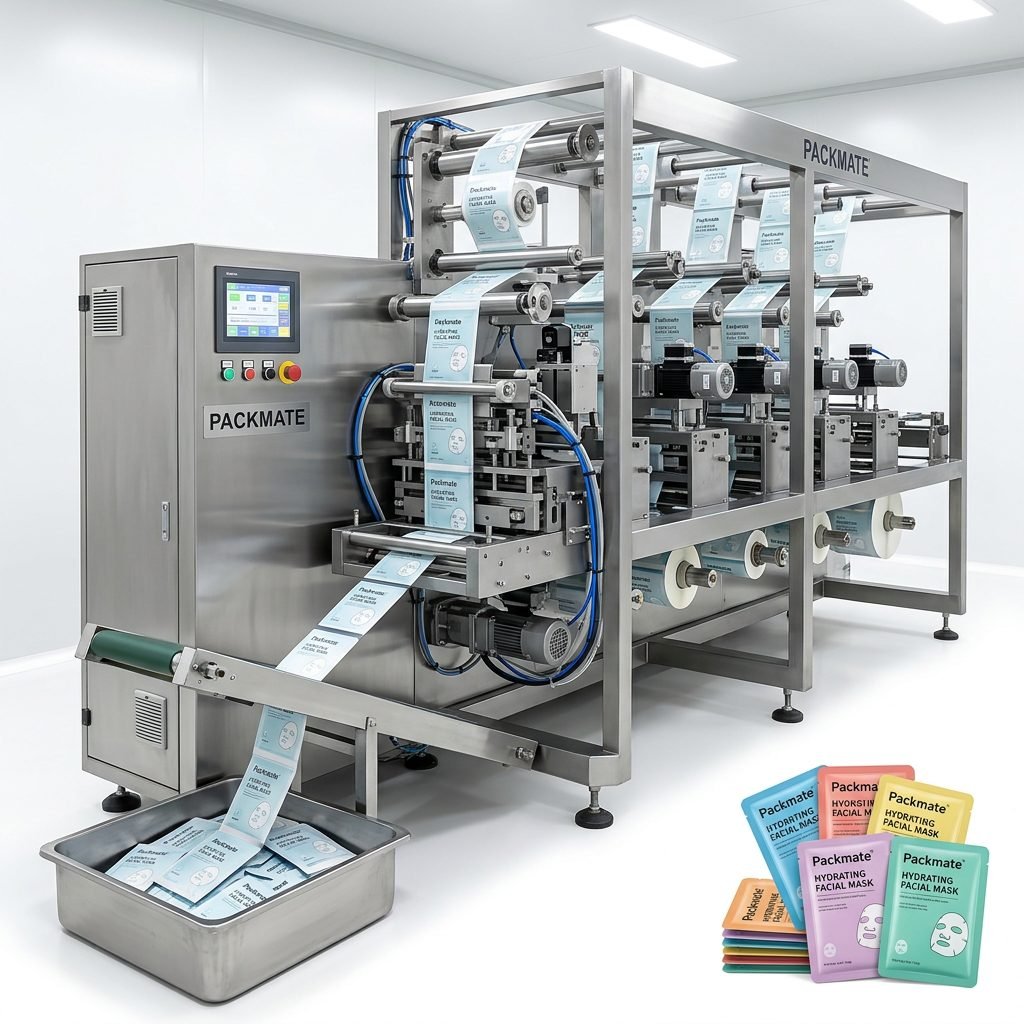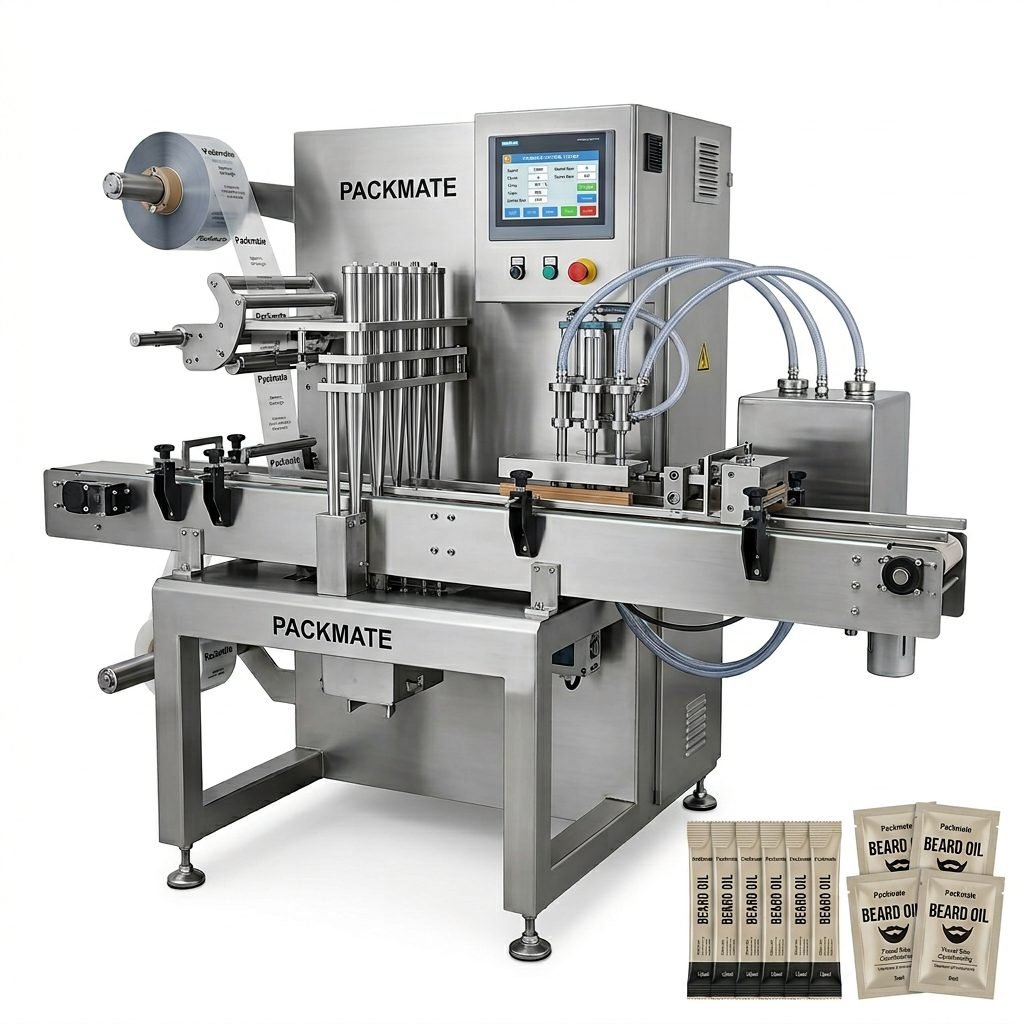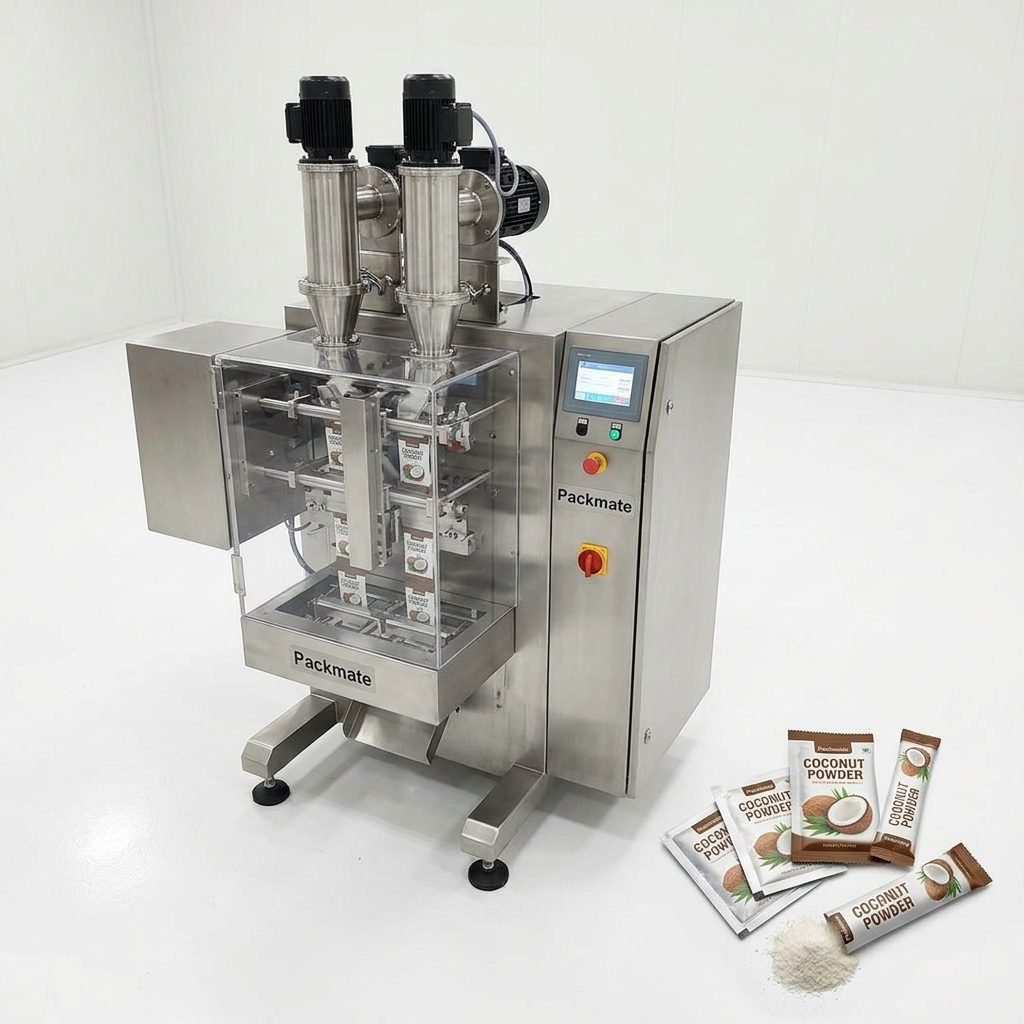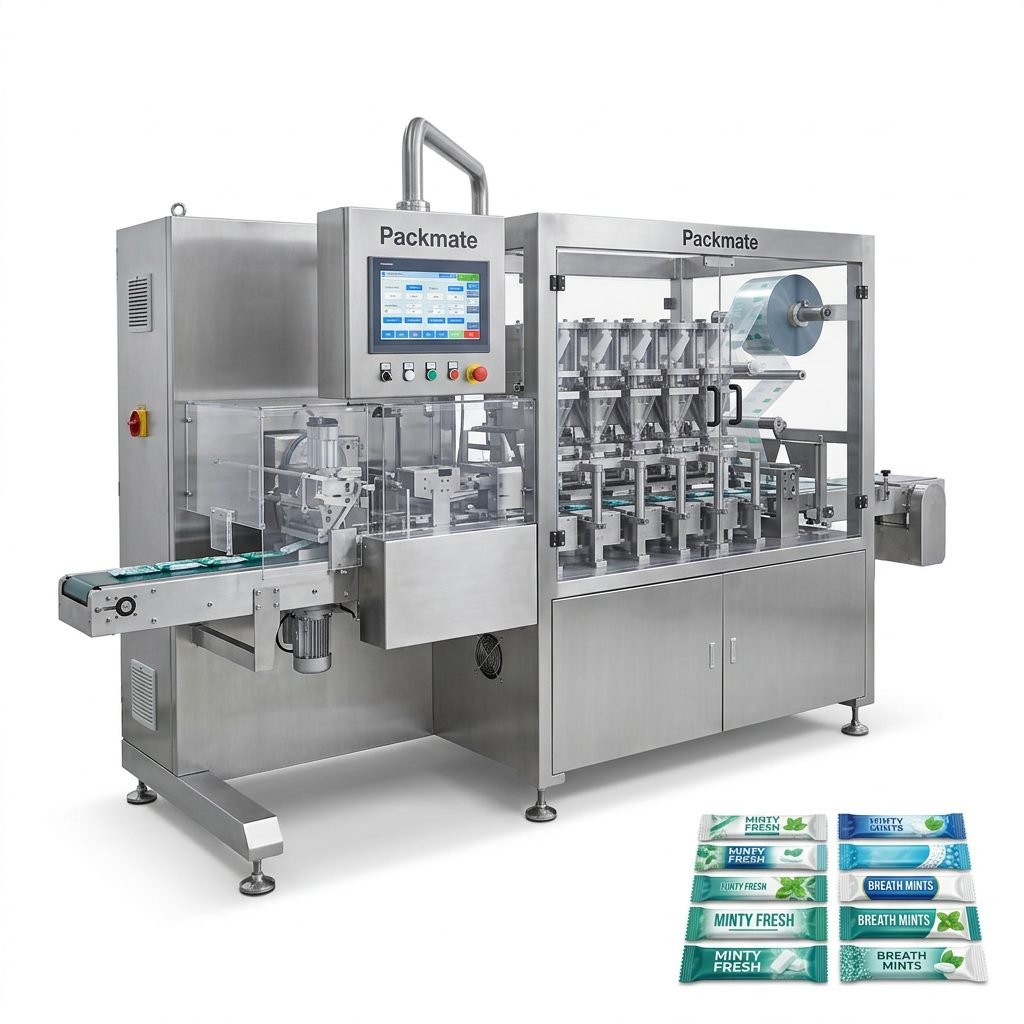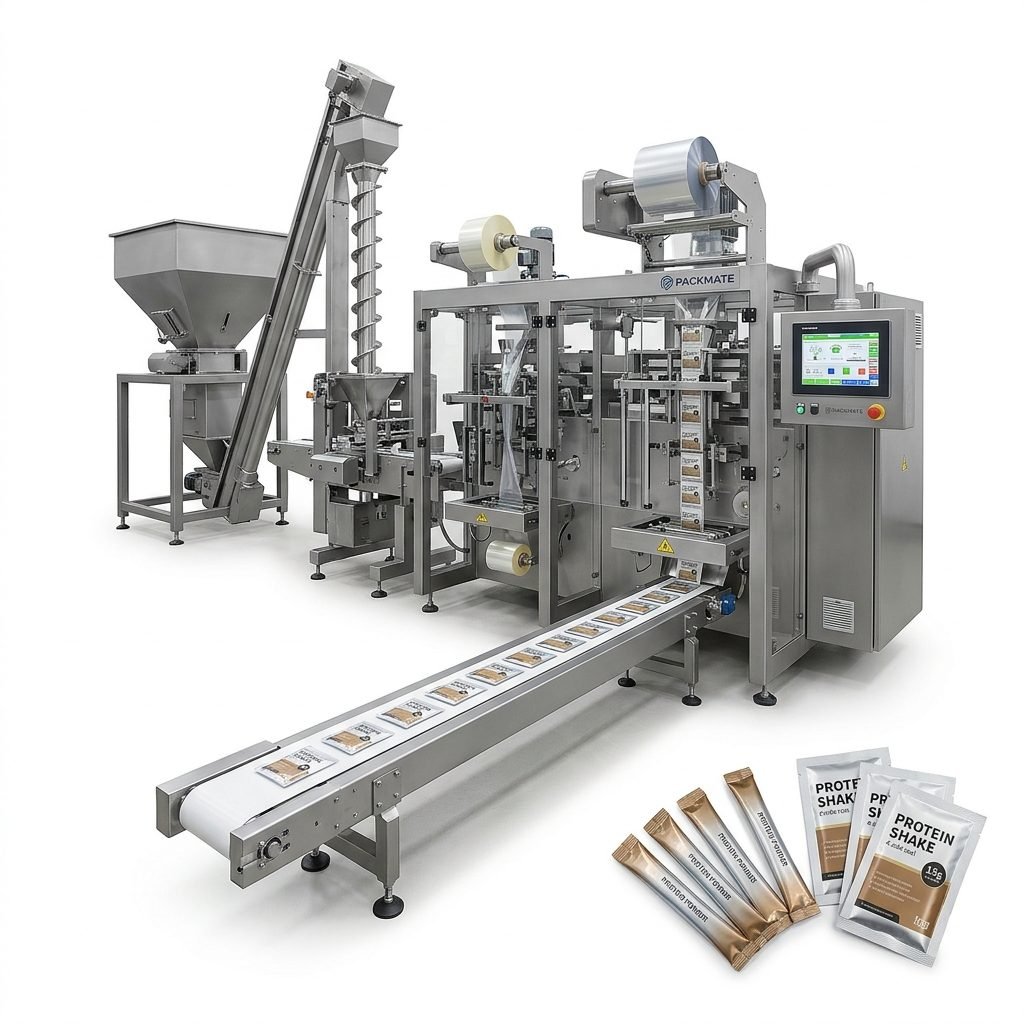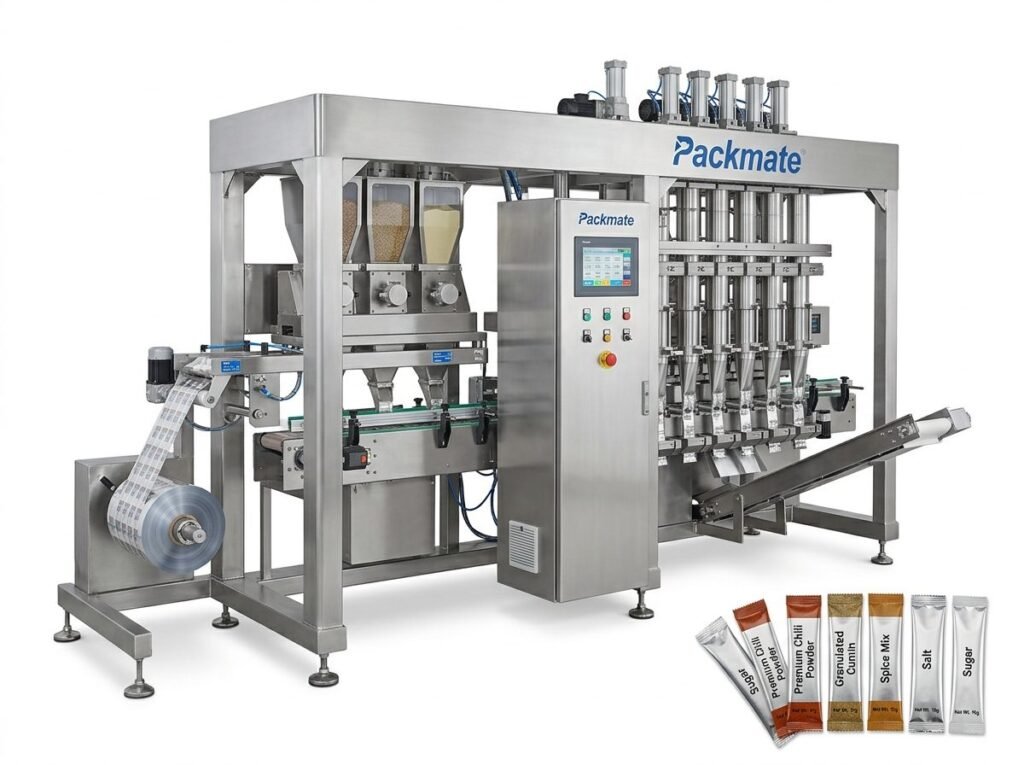
In today’s fast-paced manufacturing world, efficiency, hygiene, and reliability are non-negotiable, especially in sectors where product integrity directly impacts consumer health. The food, pharmaceutical, and health packaging industries face unique challenges: maintaining stringent cleanliness, ensuring precise dosing, and achieving high-speed production without compromise. This is where automatic conveying systems transition from a luxury to an absolute necessity. These intelligent material handling solutions form the vital arteries of modern packaging lines, seamlessly connecting various processes from filling and sealing to cartoning and palletizing.
The Critical Role of Conveying in Sensitive Industries
Unlike general manufacturing, conveying in the food, pharmaceutical, and health sectors carries an immense burden of responsibility. The system must do more than just move product; it must protect it. Contamination, cross-contamination, product degradation, and even minor physical damage can render a batch worthless or, worse, dangerous. An automatic conveying system designed for these fields is engineered with this paramount duty in mind. It integrates features like easy-clean surfaces, sanitary designs with minimal dead zones, and compatibility with rigorous wash-down procedures. For companies like Packmate (GuangDong) Co., Ltd., with over 30 years of experience, understanding these nuances is the foundation of building a reliable packaging line solution.
Key Benefits of Automated Conveyance
Implementing a purpose-built automatic conveying system delivers transformative advantages:
- Enhanced Hygiene & Safety: Closed systems or conveyors with hygienic guards minimize human contact and environmental exposure, drastically reducing contamination risks.
- Unmatched Consistency: Automated systems provide a steady, controlled flow of products, eliminating bottlenecks and ensuring every machine in the line operates at optimal efficiency.
- Significant Labor Savings: Automating material handling reduces the need for manual lifting, carrying, and feeding, lowering labor costs and minimizing ergonomic injuries.
- Improved Traceability: When integrated with sensors and SCADA systems, conveyors become data points, allowing for precise tracking of product batches throughout the packaging journey.
- Scalable Productivity: A well-designed system can be scaled up in speed or reconfigured to accommodate new product formats or increased output demands.
Tailored Solutions for Each Industry Segment
The principle of “one size fits all” does not apply here. An automatic conveying system must be tailored to the specific physical and regulatory demands of the product it handles.
For Food Packaging Lines
Food products range from fragile baked goods and snacks to oily ingredients and frozen items. Conveyors must prevent crumbling, sticking, or melting. Solutions often include:
🔹 Modular Plastic Belt Conveyors: Ideal for wash-down environments, resistant to fats and oils.
🔹 Vibratory Feeders & Conveyors: Gently handle delicate products like crackers or chips for precise alignment.
🔹 Stainless Steel Incline Conveyors: Used to transport products to different elevations for processes like coating or inspection.
The goal is to maintain product quality from mixing to the final packaged case, ready for distribution.
For Pharmaceutical Packaging Lines
Here, precision and purity are everything. Systems must comply with cGMP (current Good Manufacturing Practice) standards. Common features include:
🔹 Pharmaceutical-Grade Stainless Steel: Smooth, non-porous surfaces that resist corrosion and are easy to sterilize.
🔹 Clean-in-Place (CIP) Capabilities: Integrated plumbing for automated cleaning without disassembly.
🔹 Dust-Containment Designs: Enclosed conveyors for potent powders or tablets to protect operators and the environment.
These systems ensure that tablets, capsules, and vials are handled with absolute integrity, supporting the industry’s zero-tolerance for error. As a provider of complete turnkey solutions, Packmate integrates these critical conveying modules seamlessly into the overall line.
For Health & Nutraceutical Packaging
This growing sector often blends the requirements of food and pharma. Products like protein powders, vitamin supplements, and herbal extracts require protection from moisture and contamination. Systems may utilize:
🔹 Low-Vibration Conveyors: To prevent powder separation or settling in pre-mixed blends.
🔹 Nitrogen Purging Zones: Integrated into the conveyor path to displace oxygen before sealing, extending shelf life.
🔹 Vision Inspection Integration Points: Conveyors designed with specific stops or slow zones for automated label and seal quality checks.
Integration: The Heart of a Smart Packaging Line
An automatic conveying system’s true value is realized not in isolation, but in its seamless integration with other packaging machinery. It acts as the synchronized link between:
- Primary Packaging: Transporting filled sachets, stick packs, or bottles from the filling machine to the cartoner.
- Secondary Packaging: Accumulating and collating individual units into groups for multi-packs or case packing.
- Tertiary Packaging: Moving sealed cases to palletizing robots or stretch-wrapping stations.
Modern systems use programmable logic controllers (PLCs) and sophisticated sensors to communicate with each machine. If a cartoner jams, upstream conveyors can automatically pause, preventing product pile-up and damage. This level of integration is what defines a modern, intelligent packaging line, transforming individual machines into a cohesive, high-performance unit.
Choosing the Right Partner for Your Conveying System
Selecting an automatic conveying system is a strategic decision. Look for a supplier with:
- Proven Industry Experience: Demonstrated success in your specific sector (food, pharma, or health).
- Engineering Expertise: Ability to design a custom solution, not just offer off-the-shelf components.
- Focus on Hygiene & Compliance: Deep understanding of relevant standards (FDA, USDA, cGMP).
- Commitment to After-Sales Service: Reliable support for maintenance, spare parts, and system optimization.
A partner like Packmate brings these qualities together, offering not just machinery, but a collaborative partnership to ensure your packaging line’s long-term success and reliability.
Future Trends: Smarter, More Flexible Conveyance
The future of automatic conveying is driven by Industry 4.0. Expect to see wider adoption of:
- AI-Powered Predictive Maintenance: Sensors monitoring motor vibration and belt wear to schedule maintenance before failure.
- Autonomous Mobile Robots (AMRs): Flexible, fleet-based robots that can dynamically reroute material flow for low-volume, high-mix production.
- Digital Twin Technology: A virtual replica of the conveying system used to simulate changes, optimize flow, and train operators without disrupting live production.
These advancements promise even greater efficiency, adaptability, and intelligence for the packaging lines of tomorrow.
In conclusion, automatic conveying systems are the unsung heroes of modern food, pharmaceutical, and health packaging lines. They are the critical infrastructure that ensures safety, boosts efficiency, and enables scalability. By moving products reliably and hygienically between processes, they unlock the full potential of every other machine on the line. Investing in a well-designed, properly integrated conveying solution is an investment in product quality, operational excellence, and ultimately, consumer trust. For businesses looking to build or upgrade their packaging operations, prioritizing this crucial component is a step that delivers undeniable and lasting returns.
Frequently Asked Questions (FAQs)
1. What are the main types of conveyors used in food and pharmaceutical lines?
Common types include modular plastic belt conveyors (excellent for wash-down), stainless steel belt conveyors (for high temperatures or purity), vibratory conveyors (for gentle handling), and pneumatic conveyors (for enclosed powder transfer). The choice depends entirely on the product characteristics and hygiene requirements.
2. How do automatic conveying systems improve hygiene?
They reduce direct human contact with the product, feature easy-to-clean materials like stainless steel or FDA-approved plastics, and are designed with smooth surfaces and minimal crevices to prevent bacterial harborage. Many can be integrated with automated Clean-in-Place (CIP) or Steam-in-Place (SIP) systems.
3. Can one conveying system handle different product formats or sizes?
Yes, with proper design. Systems can be made flexible using adjustable guides, interchangeable belts or lanes, and programmable controls that can change speed and routing. This is essential for lines that run multiple SKUs or need quick changeovers.
4. What is the importance of system integration in a packaging line?
Integration ensures all machines (filler, sealer, conveyors, cartoner) communicate and act as a single unit. This synchronization prevents jams, optimizes speed, allows for centralized monitoring and control, and is key to achieving high Overall Equipment Effectiveness (OEE).
5. How do I choose the right supplier for my conveying needs?
Look for a supplier with specific experience in your industry, a portfolio of successful project cases, strong engineering support for customization, and a reliable service network. They should understand your regulatory landscape and be a partner, not just a vendor. For more detailed inquiries, visit our dedicated FAQs page or contact our team directly.