The food manufacturing landscape in Southeast Asia is vibrant and rapidly evolving. Driven by a growing middle class, urbanization, and increasing consumer demand for both traditional and modern convenience foods, manufacturers face immense pressure to scale production, ensure consistency, and maintain competitive costs. In this dynamic environment, upgrading and automating your food packaging line is no longer a luxury—it’s a strategic necessity for survival and growth.
The Southeast Asian Context: Tradition Meets Modern Demand
Understanding the local market is crucial. Across Southeast Asia, food is deeply intertwined with culture. From the street food stalls of Thailand and Vietnam to the household kitchens preparing daily meals, there is a strong preference for freshness and authentic taste. However, the modern retail sector and export markets demand longer shelf life, stringent hygiene standards, and attractive, durable packaging. This creates a unique challenge: how to preserve the essence of traditional food products while adopting the efficiency and scalability of modern industrial packaging. An automated packaging line bridges this gap, enabling producers to package local delicacies like sauces, spices, instant coffee, or snack foods at high volumes without compromising on the quality consumers expect.
Key Drivers for Automation in SEA
Rising Labor Costs & Skills Shortage: While labor remains more affordable than in some Western nations, costs are steadily increasing in major manufacturing hubs. Furthermore, finding and retaining skilled operators for manual packaging lines is becoming difficult. Automation provides consistency and reduces dependency on extensive manual labor.
Export Market Compliance: To access lucrative markets in Europe, North America, or within ASEAN itself, products must meet international food safety and traceability standards (e.g., HACCP, ISO 22000). Automated lines offer superior hygiene control, accurate filling, and data logging capabilities essential for compliance.
Competitive Product Presentation: The visual appeal of a package on a supermarket shelf is critical. Automated systems ensure precise, uniform, and professional packaging that enhances brand image and consumer trust.
Strategic Upgrade Pathways for Your Packaging Line
A full line overhaul can be daunting. The key is a strategic, phased approach. Start with a thorough audit of your current packaging line solutions to identify bottlenecks—be it slow filling, inconsistent sealing, or manual cartoning. Upgrades can range from retrofitting existing machines with new servo drives for better accuracy, to integrating standalone automated units like checkweighers or vision inspection systems.
1. Focus on Core Process Automation
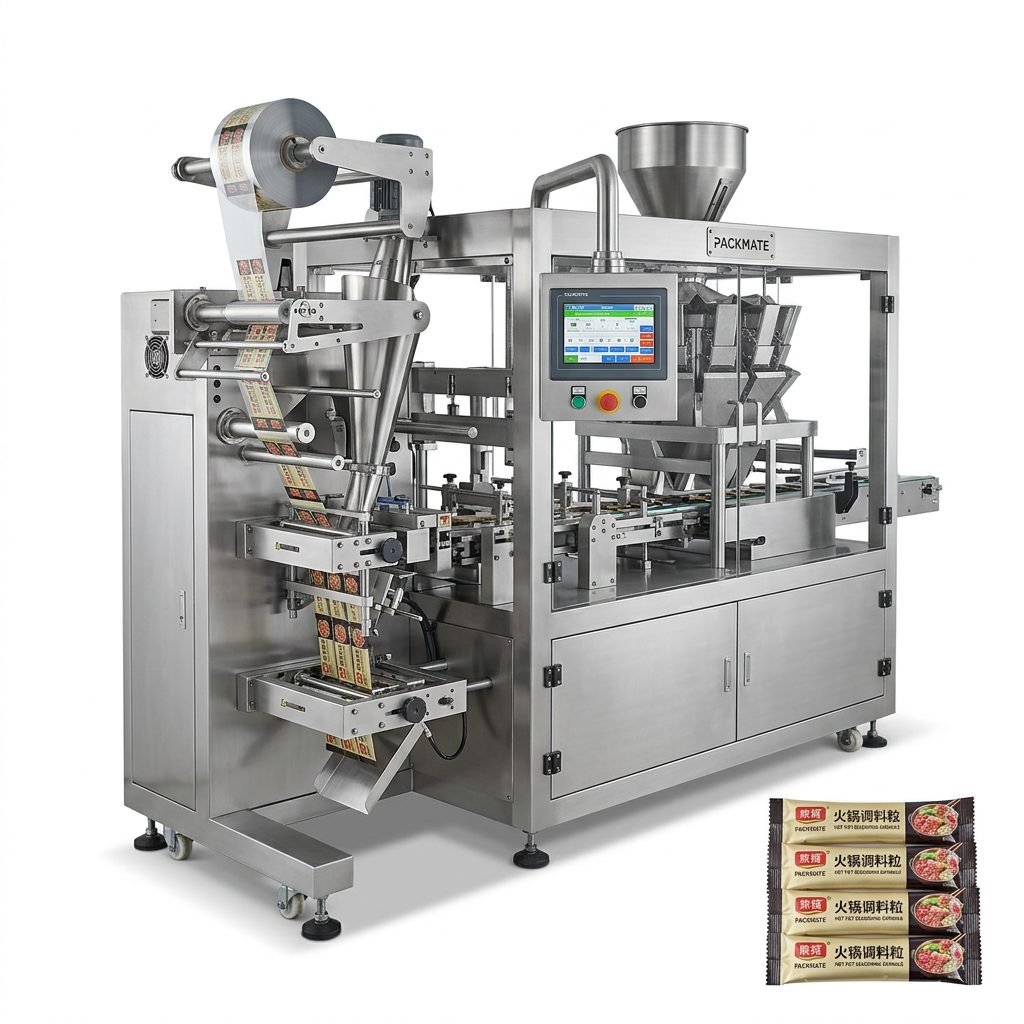
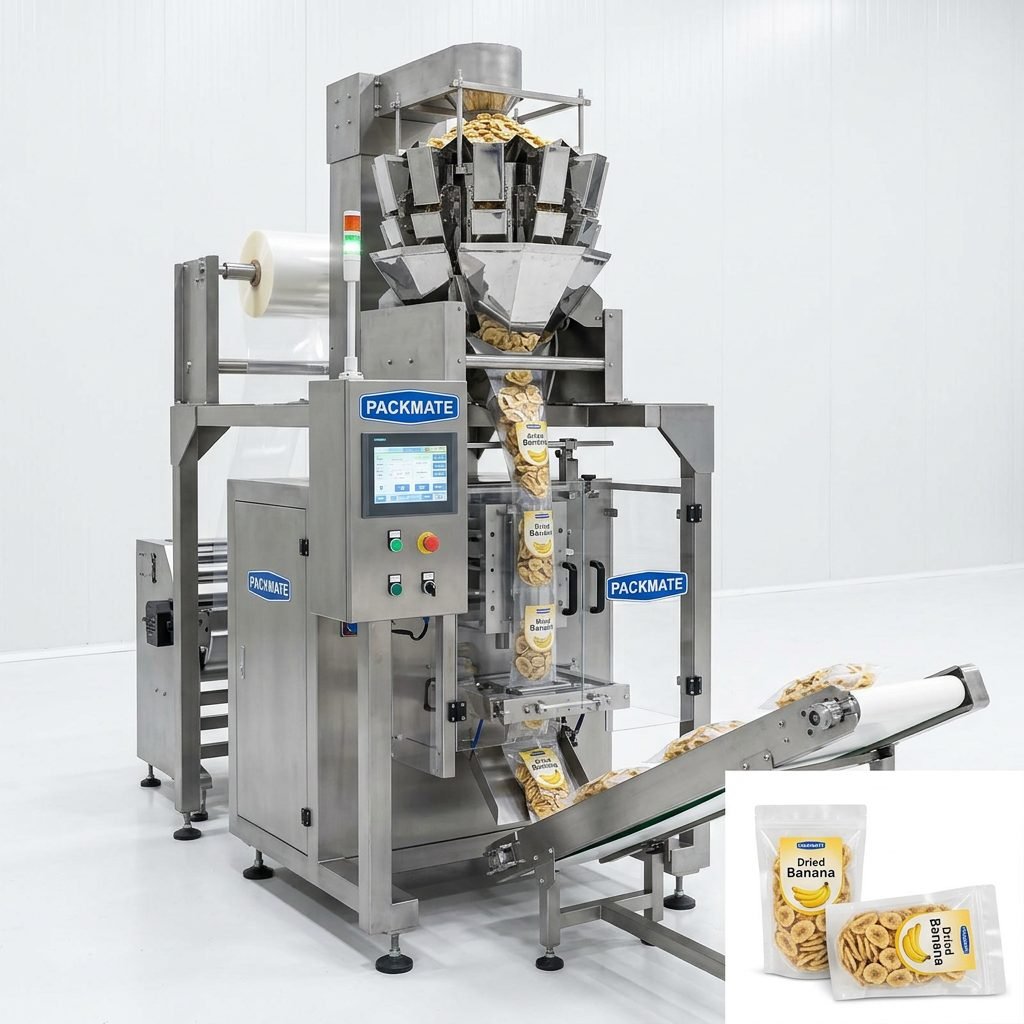
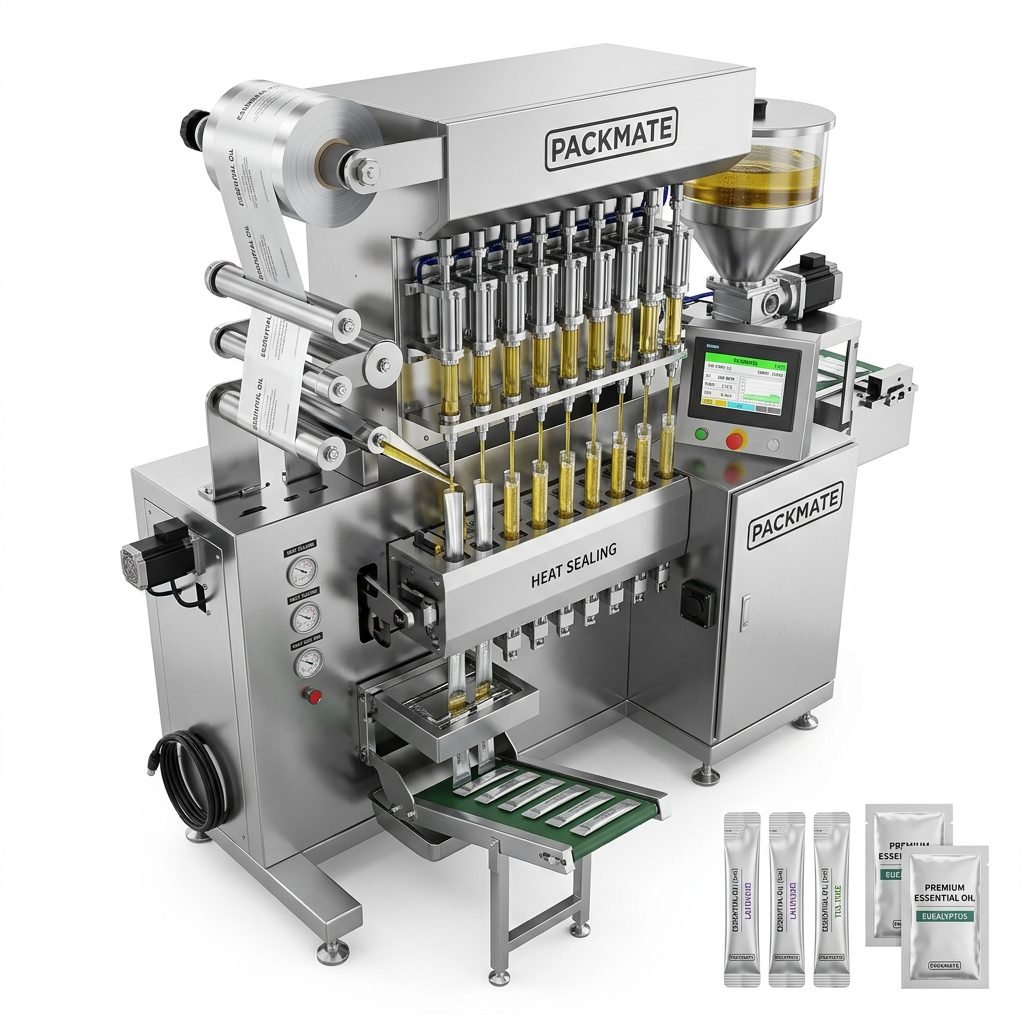
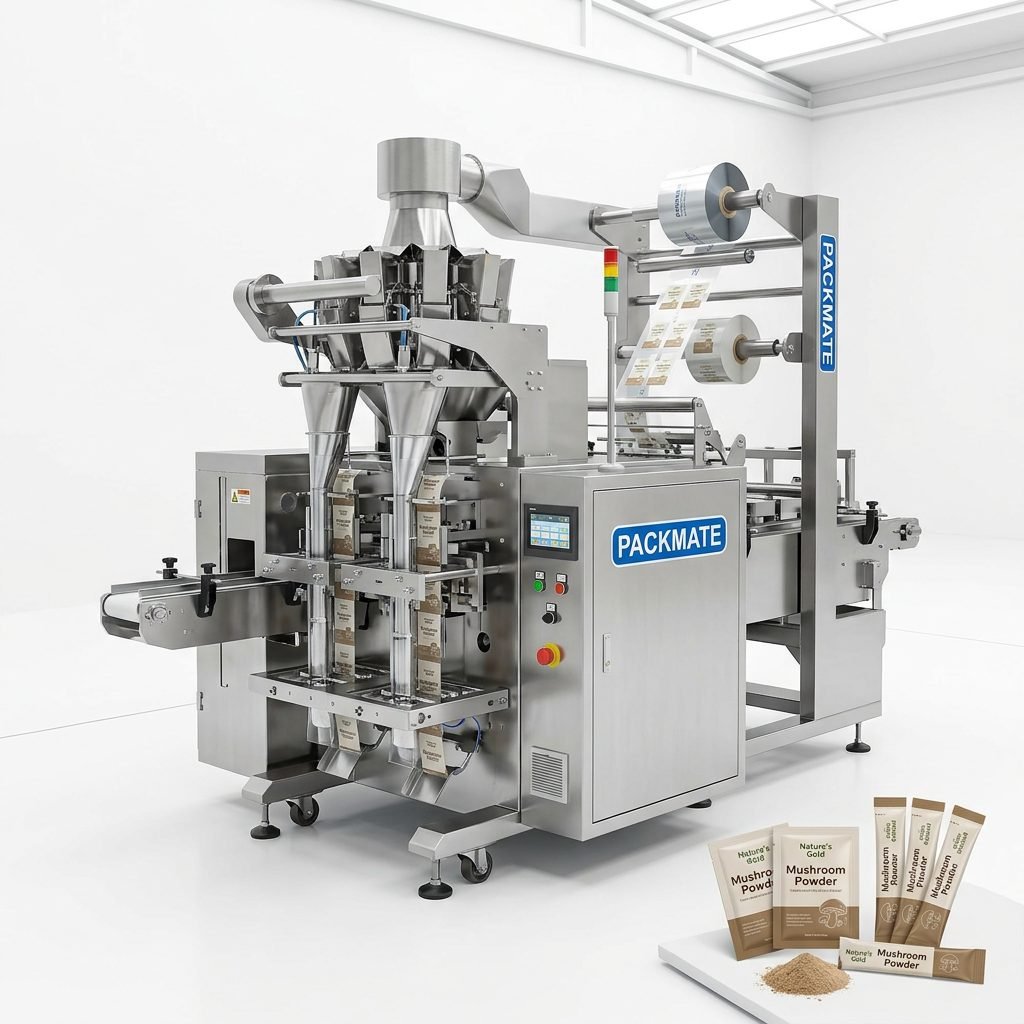
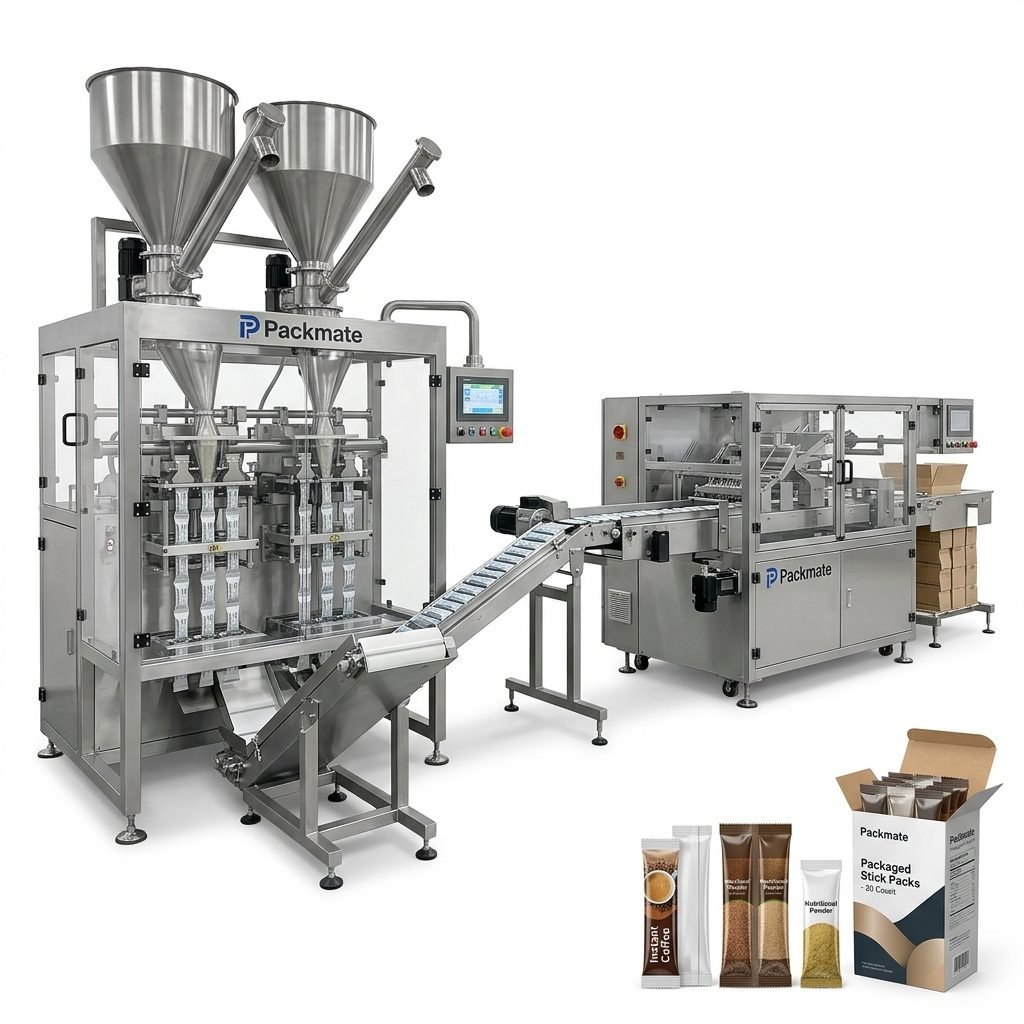
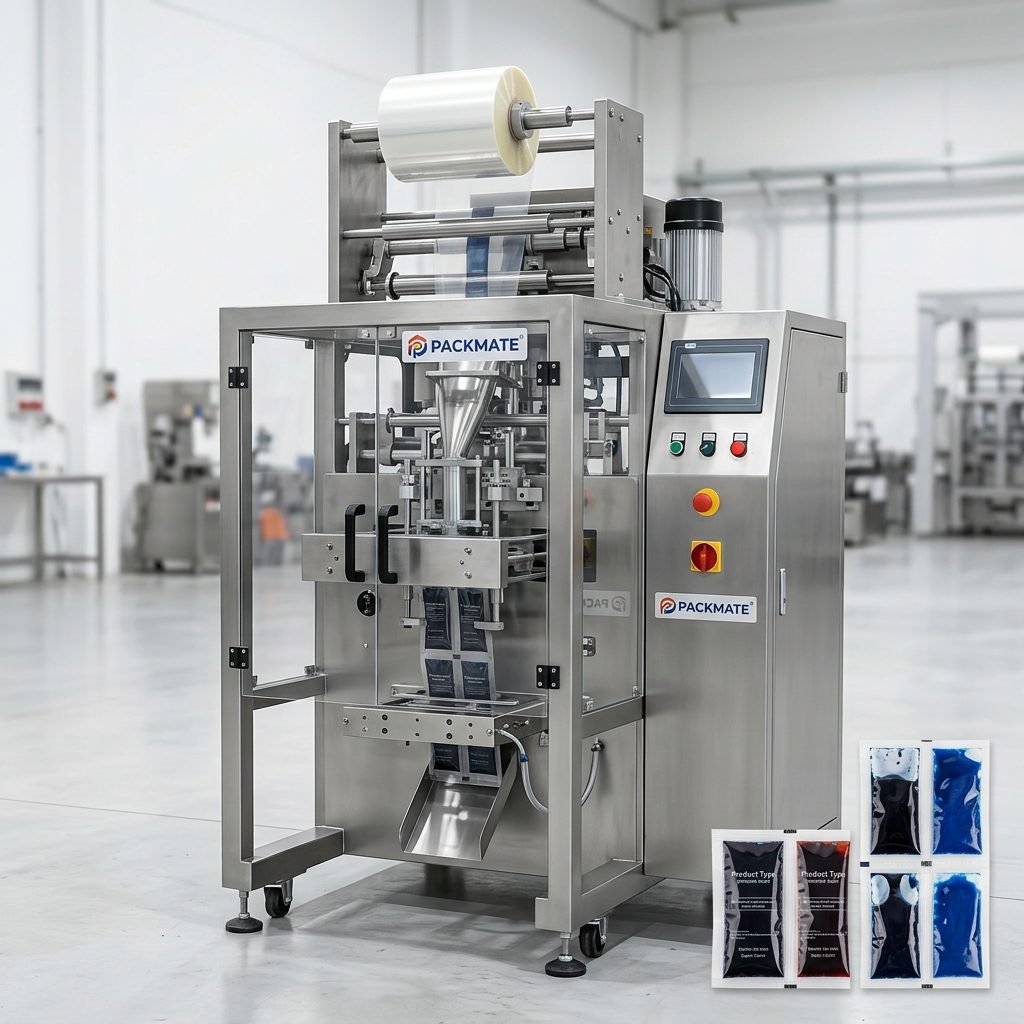
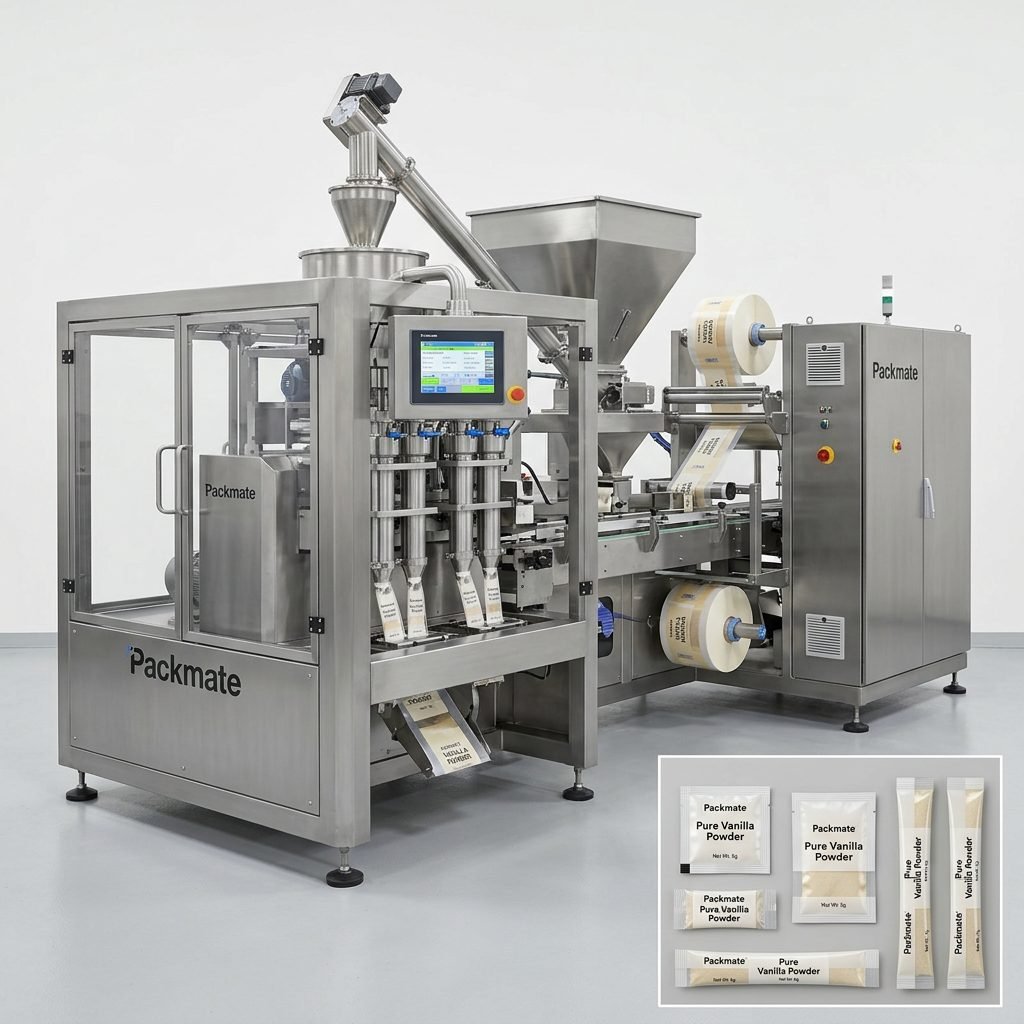
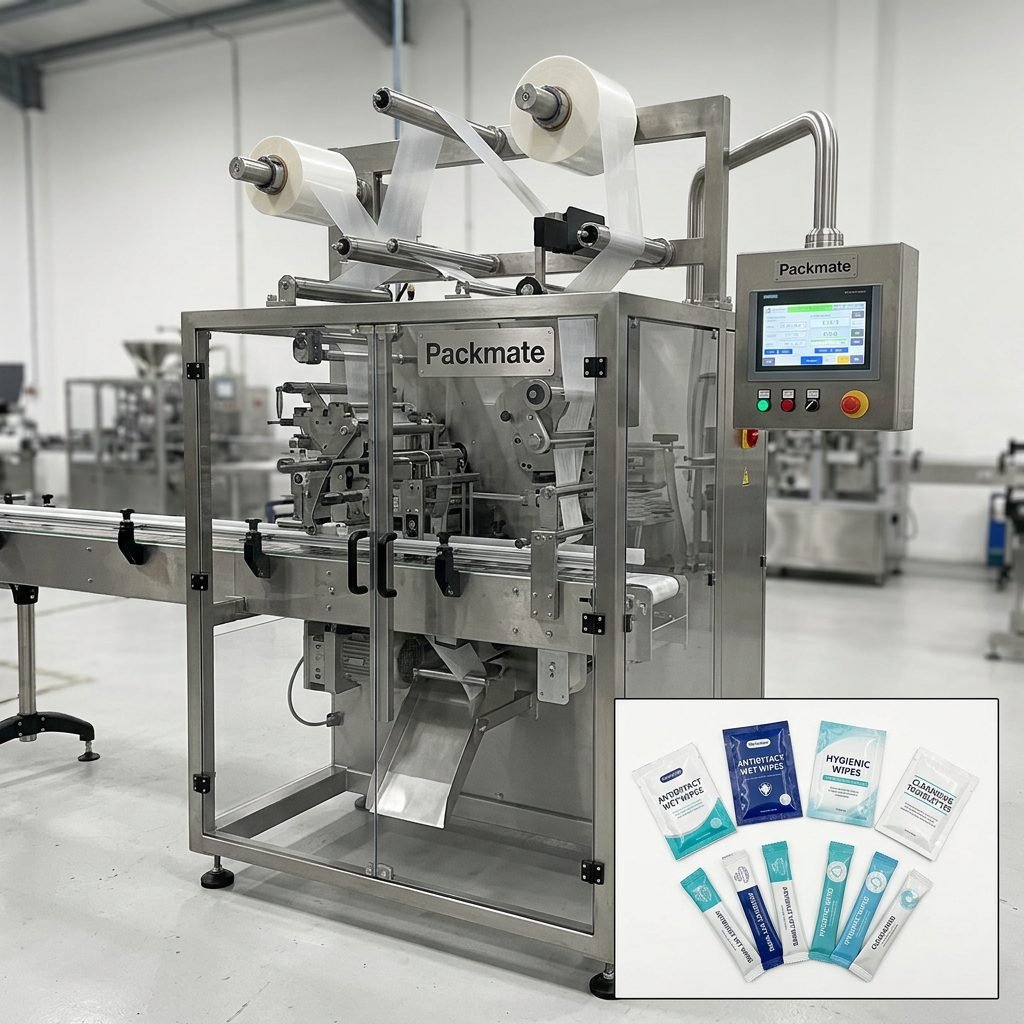
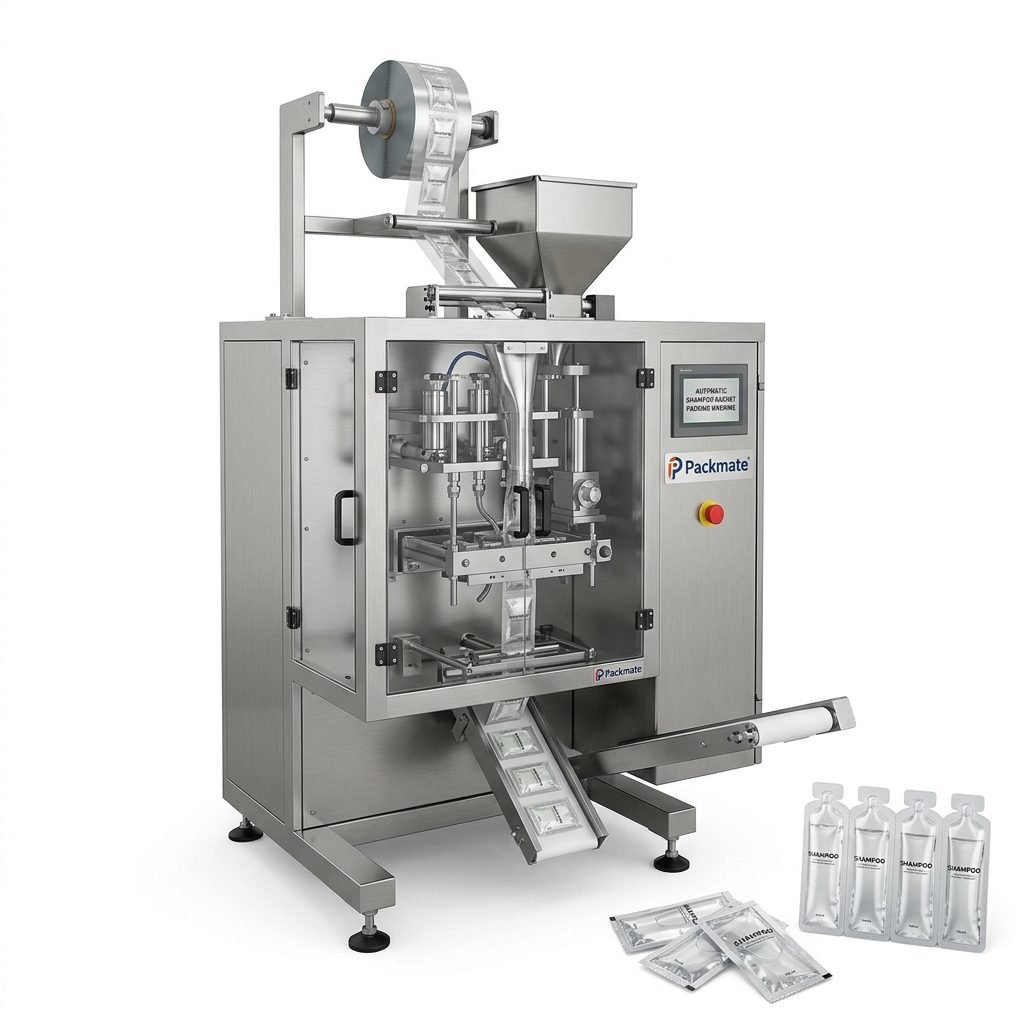
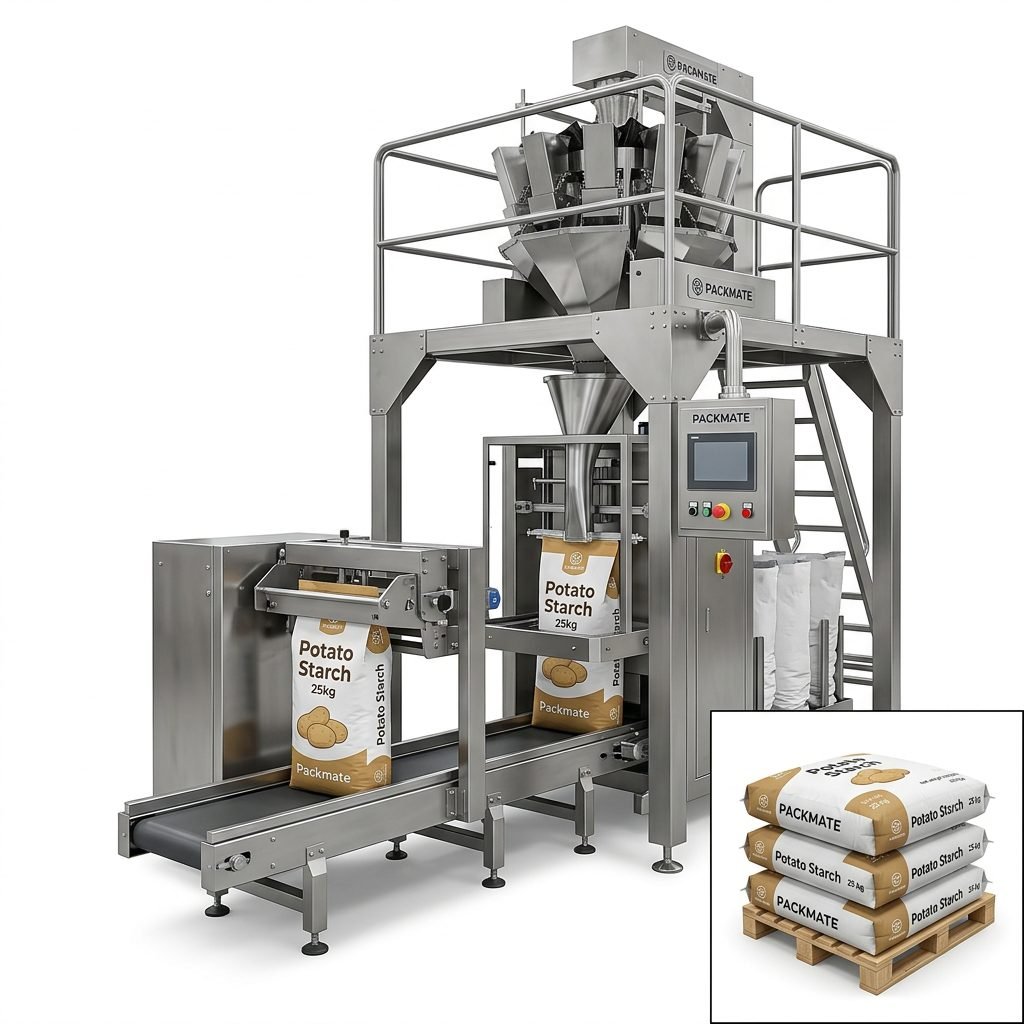
The heart of any packaging line is the form-fill-seal (FFS) process. Upgrading to a modern, servo-driven FFS machine can dramatically increase speed and accuracy while reducing film waste. For manufacturers of powdered drinks, seasonings, or single-serve condiments common in the region, multi-lane stick pack or sachet machines are a game-changer, multiplying output without a proportional increase in floor space.
2. Integrate Smart Inspection & Quality Control
Manual quality inspection is slow and prone to error. Integrating automated systems like metal detectors, X-ray inspectors, or vision systems for label verification and seal integrity is a powerful upgrade. This not only ensures product safety but also minimizes costly recalls and protects your brand reputation—a vital consideration when building consumer trust in competitive markets.
3. Implement End-of-Line Robotics
One of the most labor-intensive areas is palletizing and case packing. Collaborative robots (cobots) or traditional robotic arms can be seamlessly integrated to handle these repetitive, physically demanding tasks. This improves safety, allows for 24/7 operation, and frees up your workforce for more value-added roles like supervision and maintenance.
Why Partner with an Experienced Solution Provider?
The success of an automation project hinges on choosing the right partner. It’s not just about selling machines; it’s about providing a complete, turnkey solution tailored to your specific products, volumes, and factory constraints. A partner with deep regional experience will understand the unique challenges of operating in Southeast Asia’s climate and supply chain environment.
This is where a provider like Packmate (GuangDong) Co., Ltd. brings immense value. With over 22 years of experience and a 20,000㎡ modern facility, we specialize in designing and delivering reliable, intelligent packaging lines. Our expertise spans from granular spices and powdered milk to liquid sauces and oils—product categories highly relevant to Southeast Asian producers. We move beyond being just an equipment supplier to become a strategic partner in your productivity journey. You can explore our track record and see how we’ve helped similar businesses through our detailed project case studies.
The Packmate Advantage for SEA Manufacturers:
- Localized Support & Understanding: Proximity to Southeast Asia ensures faster response times for commissioning, training, and after-sales service.
- Product-Specific Engineering: We design lines that handle the unique viscosities, hygroscopic nature, or granule sizes of local food products effectively.
- Scalable Solutions: From semi-automatic upgrades to fully integrated high-speed lines, we provide options that align with your budget and growth trajectory.
- Focus on ROI: Our solutions are engineered to deliver a clear return on investment through higher output, less waste, and lower operational costs.
Planning Your Successful Upgrade Journey
Embarking on an automation project requires careful planning. Begin by clearly defining your goals: Is it to increase capacity by 50%? Reduce packaging material waste by 15%? Achieve a specific certification? Next, involve a potential partner like Packmate early in the process. A reputable provider will conduct a detailed site assessment and product analysis to recommend the most effective upgrade path.
Consider the total cost of ownership, not just the initial purchase price. Factor in energy consumption, ease of maintenance, availability of spare parts, and the quality of training provided. Finally, plan for a phased implementation and thorough operator training to ensure a smooth transition and maximize the benefits of your new system. For any initial questions, our comprehensive FAQs page is a great resource.
Conclusion
For food manufacturers in Southeast Asia, upgrading and automating packaging operations is the definitive path to securing a competitive edge in both domestic and international markets. It addresses critical pain points around labor, consistency, compliance, and cost. By taking a strategic approach and partnering with an experienced, solution-oriented provider who understands the regional context, you can transform your packaging line into a powerful engine for efficiency, quality, and profitable growth. The future of food manufacturing in the region is automated, and the time to start that journey is now.
Frequently Asked Questions (FAQs)
1. What is the typical return on investment (ROI) period for a packaging line upgrade in Southeast Asia?
The ROI period varies based on the scale of the upgrade, product type, and current labor costs. For targeted upgrades like adding an automated checkweigher or a new FFS machine, many manufacturers see a payback within 12-24 months through labor savings, reduced waste, and increased output. A full line automation project may have a longer period but delivers transformative gains in capacity and market competitiveness.
2. Can automated lines handle the diverse, sometimes moist or oily, traditional food products of Southeast Asia?
Yes, absolutely. The key is working with a provider experienced in these product categories. Machines can be equipped with specialized feeding systems, stainless-steel construction for corrosion resistance, and sealing jaws designed for products that may contain oils or particulates. A proper product test at the supplier’s facility is crucial to confirm machine suitability.
3. How do we manage maintenance and technical support after the line is installed?
Choosing a partner with a strong local or regional support network is essential. Look for providers who offer comprehensive training for your engineers, provide detailed manuals and video guides, and stock critical spare parts regionally. Many, like Packmate, also offer remote diagnostic support and have service teams that can travel to your site promptly if needed.
4. Is our existing factory infrastructure suitable for an automated line (power, space, etc.)?
This is a critical assessment point. A reliable supplier will conduct a thorough pre-installation audit. Modern servo-driven machines are often more energy-efficient than old mechanical ones. Space optimization is a key part of the design—automated lines can be more compact than manual lines producing the same output. Your provider should design a layout that works within your existing floor plan.
5. We are an SME with a limited budget. Are there affordable entry points into automation?
Yes. Automation is scalable. You don’t need to automate the entire line at once. A strategic starting point could be automating the most labor-intensive or quality-critical station, such as replacing manual filling with a semi-automatic filler or adding a single robotic palletizer. This provides immediate benefits and creates a foundation for future, phased expansions as your business grows.