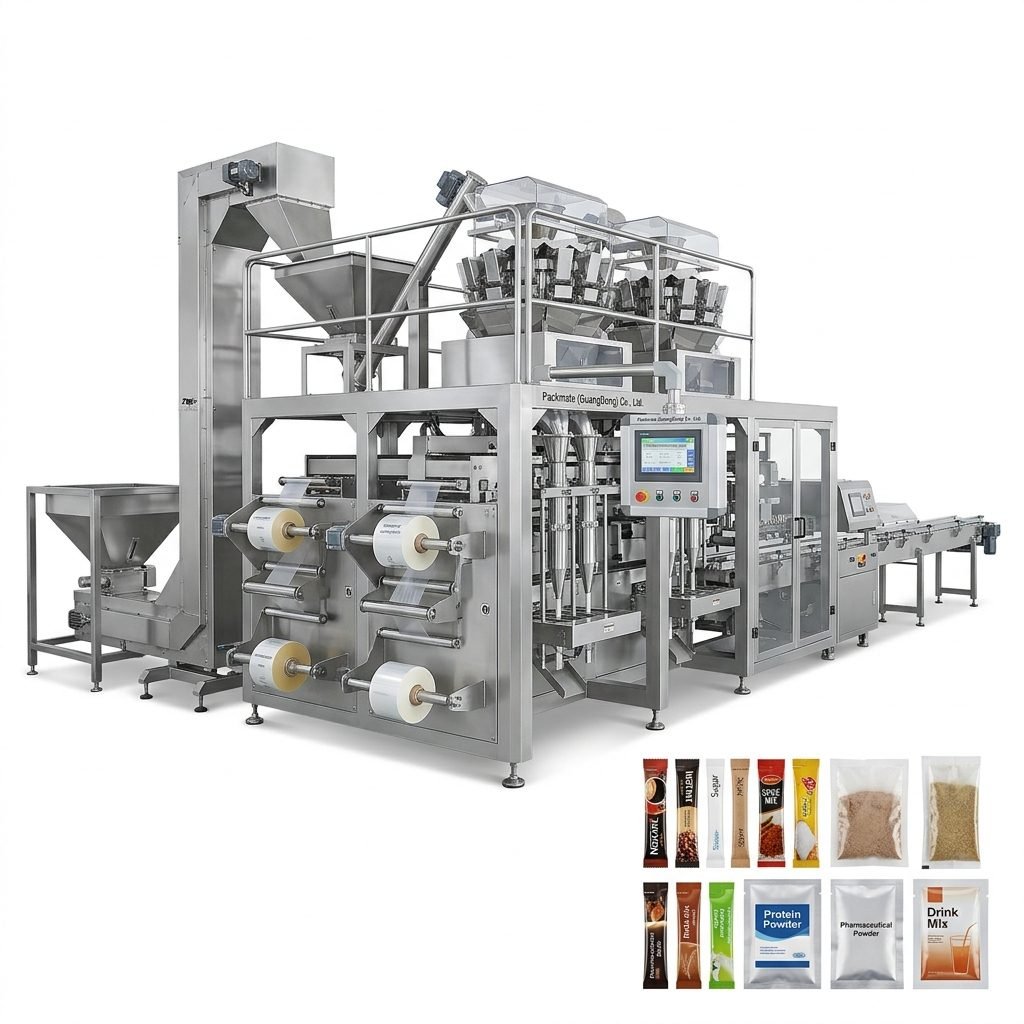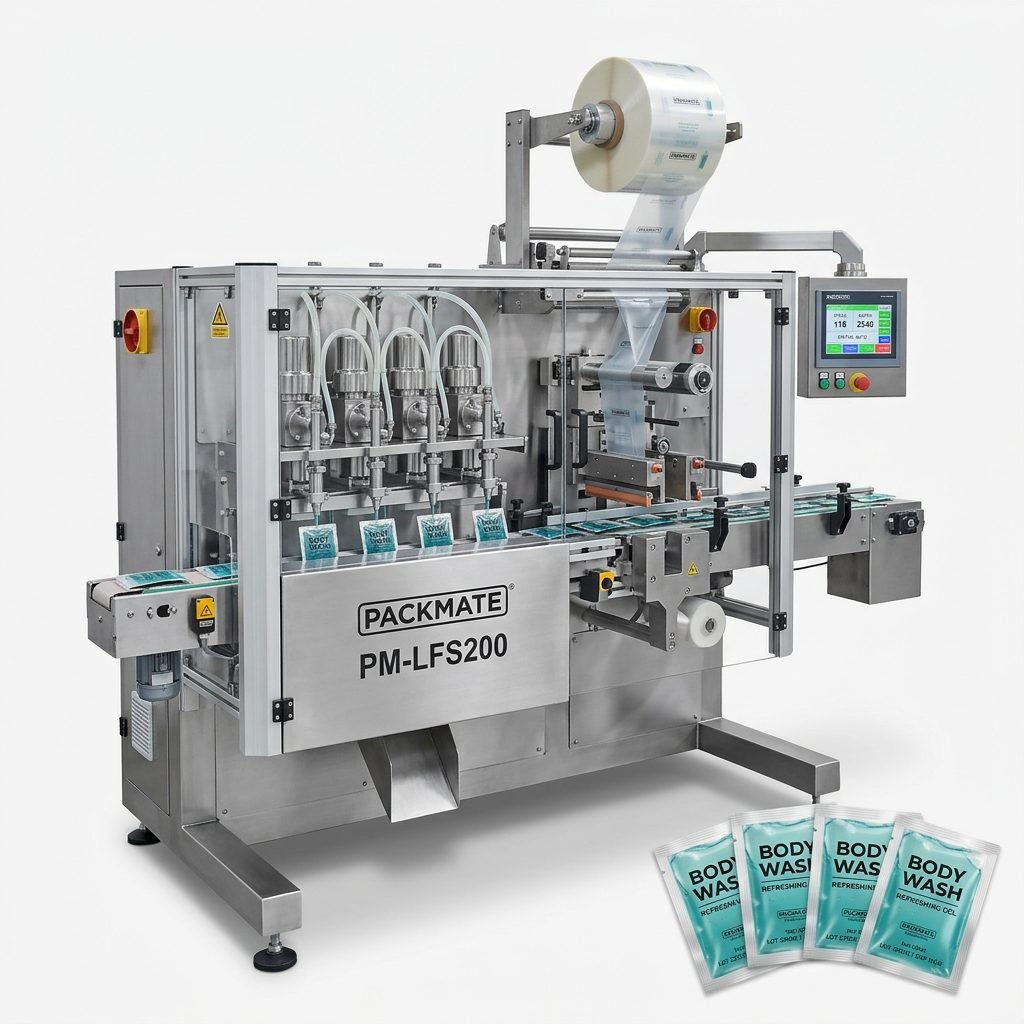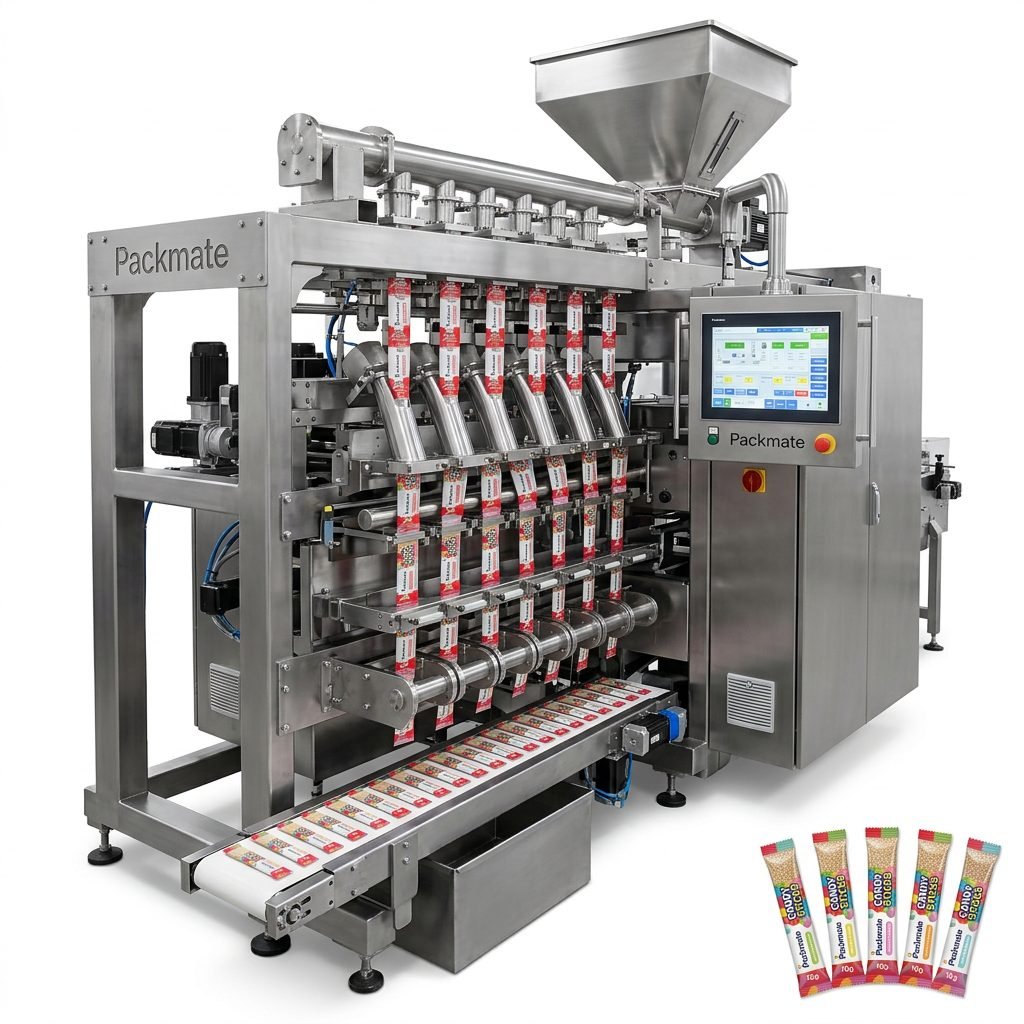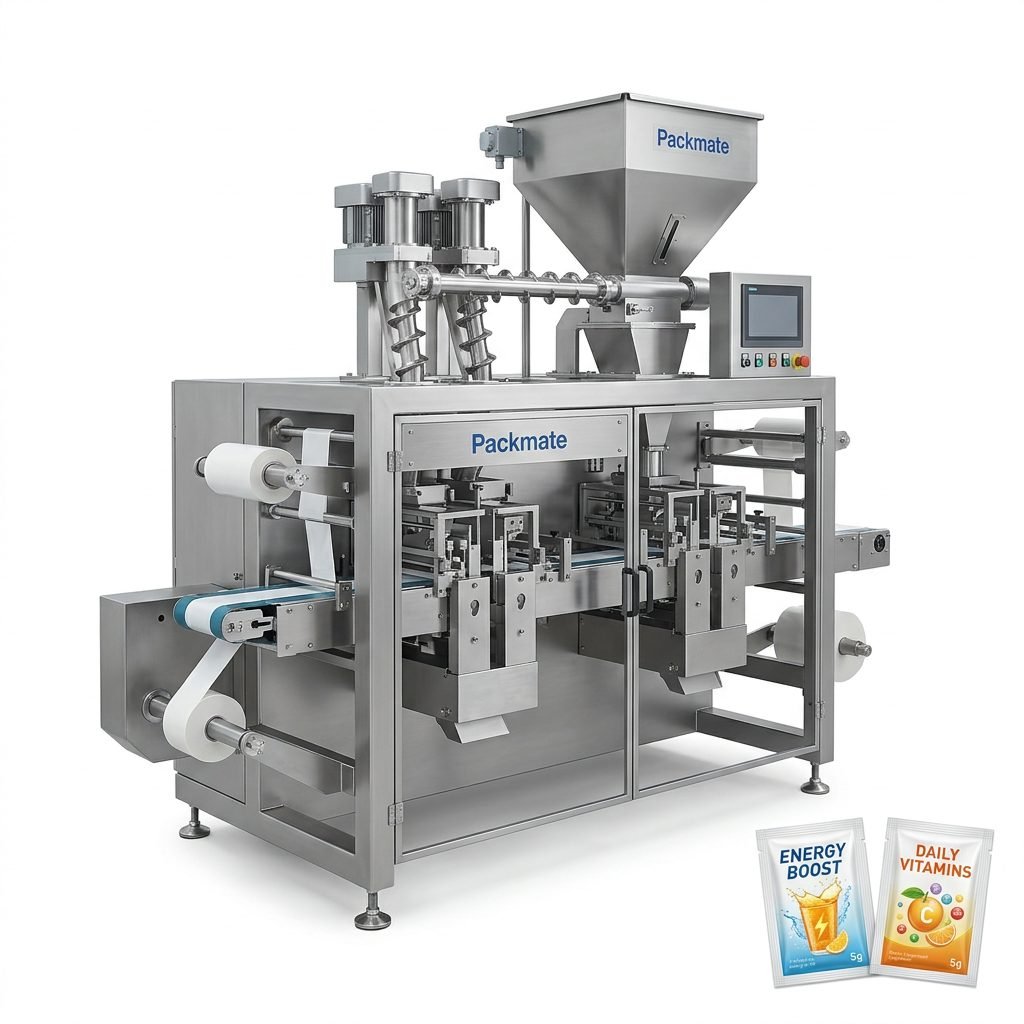
In the fast-paced world of modern manufacturing, particularly within the food, pharmaceutical, and health industries, packaging line efficiency is paramount. Every minute of unplanned downtime translates directly into lost revenue, missed deadlines, and compromised product quality. A critical, yet often overlooked, component of maintaining seamless operations is the organization and protection of packaging line change parts. These components—from forming tubes and sealing jaws to specific molds and filler nozzles—are the lifeblood of quick product changeovers and line adaptability.
The High Cost of Poor Change Part Management
Without a dedicated storage strategy, change parts are frequently subjected to a chaotic existence. They are left on workbenches, tossed into crowded drawers, or stored haphazardly in unsuitable containers. This disorganization leads to a cascade of operational inefficiencies:
Extended Changeover Times: Technicians waste valuable production time searching for the correct part, increasing machine idle time.
Increased Risk of Damage: Parts banging against each other or collecting dust and debris can lead to scratches, dents, or contamination, affecting packaging quality.
Accelerated Wear and Tear: Improper handling and storage directly contribute to premature part failure, forcing more frequent and costly replacements.
Compromised Safety and Hygiene: In industries like food and pharma, exposed parts risk contamination, potentially violating strict health and safety standards.
Investing in durable storage solutions is not merely an organizational upgrade; it is a strategic investment in production line reliability and overall equipment effectiveness (OEE).
Key Principles of Effective Storage System Design
An optimal storage system for packaging line change parts is built on several core principles that address both protection and accessibility.
1. Protection from Physical and Environmental Damage
The primary role of storage is to shield precision-engineered parts. Solutions should guard against:
- Impact and Abrasion: Using soft liners, foam inserts, or individual compartments to prevent parts from contacting each other.
- Dust and Moisture: Employing sealed containers or covered shelving units, especially crucial in environments with strict hygiene protocols.
- Corrosion: For metal parts, considering controlled environments or protective coatings within the storage system.
2. Maximized Accessibility and Organization
Speed is critical during changeovers. A well-organized system features:
Clear Labeling and Shadow Boards: Every slot should have a labeled outline or image of the part. This visual management technique allows for instant identification and confirms when a part is missing.
Ergonomic Design: Storage should be positioned at an optimal height and location—often near the point of use—to minimize technician movement and fatigue.
Logical Grouping: Parts should be stored by machine, product line, or frequency of use to streamline the retrieval process.
3. Durability and Long-Term Value
The storage solution itself must be robust. Industrial-grade materials like high-density polyethylene, powder-coated steel, or reinforced polymers ensure the system withstands the rigors of the factory environment, providing a lasting return on investment.
Implementing Your Durable Storage Strategy
Transitioning to an organized system requires a methodical approach. Begin with a comprehensive audit of all change parts across your packaging lines. Catalog each item, noting its corresponding machine and frequency of use. This data informs the design of your storage layout.
Next, select the right type of storage. Common and effective solutions include:
- Modular Drawer Cabinets: Offer superior parts segregation, security, and protection from dust. Ideal for small, delicate, or high-value components.
- Custom Foam-Inserted Trays or Cases: Provide the highest level of cushioning and customization, perfect for intricate parts and for transport between lines or facilities.
- Labeled Bin Shelving Systems: Best for larger, bulkier parts. When combined with clear bins and detailed labels, they offer excellent visibility and inventory control.
- Mobile Storage Carts: Bring the parts directly to the machine, drastically reducing changeover time. Essential for high-frequency changeover scenarios.
The final, crucial step is integrating the new system into your Standard Operating Procedures (SOPs). Train your team on the “check-out/check-in” protocol to maintain the system’s integrity. Regular audits, as part of your preventive maintenance schedule, will ensure compliance and identify opportunities for further improvement. For insights into how tailored solutions work in practice, reviewing real-world application cases can be highly beneficial.
Tangible Benefits: From Storage to Bottom Line
The implementation of a durable, organized storage system delivers measurable returns across your operation:
→ Reduced Changeover Time: Studies and practical experience show that organized storage can cut changeover time by 30-50%, unlocking significant additional production capacity.
→ Extended Part Lifespan: Proper protection can double or triple the service life of critical components, delivering substantial savings on spare parts budgets.
→ Enhanced Product Quality: Clean, undamaged parts ensure consistent sealing, filling, and forming, directly reducing waste and customer complaints.
→ Improved Safety and Morale: A clean, organized work environment reduces trip hazards and operator frustration, fostering a culture of efficiency and care.
For companies like Packmate (GuangDong) Co., Ltd., with decades of experience delivering turnkey packaging solutions, this focus on the entire lifecycle of a line—including part management—is integral to providing clients with truly reliable and efficient systems. Their commitment to innovation extends beyond the machine itself to the ecosystem that supports its optimal performance.
Conclusion
Durable storage for packaging line change parts is a foundational element of lean manufacturing and world-class operational performance. It transforms a common source of waste—time spent searching, parts lost to damage—into a pillar of reliability. By protecting your capital investment in precision parts, streamlining changeovers, and supporting a culture of organization, a well-designed storage solution pays for itself many times over through increased uptime, lower costs, and higher quality output. In today’s competitive landscape, optimizing this aspect of your operation is not just smart; it’s essential for sustainable growth.
Frequently Asked Questions (FAQs)
1. What are the first steps in implementing a change part storage system?
Start with a complete audit: identify and catalog every change part, note its associated machine and usage frequency. This inventory is the blueprint for designing a storage system that matches your specific needs, rather than adopting a generic one-size-fits-all approach.
2. Are custom foam inserts worth the investment for storage?
For high-value, delicate, or precision parts, absolutely. Custom foam (like pick-and-pluck or laser-cut foam) provides the highest level of cushioning and dedicated compartmentalization, virtually eliminating in-storage damage. It is highly recommended for critical components that directly affect packaging quality.
3. How can we ensure our team actually uses the new storage system correctly?
Integration into SOPs is key. Combine training with visual management tools like shadow boards and clear labels. Make the correct method—taking a part from its labeled spot and returning it—the easiest and most obvious path. Regular, simple audits help maintain discipline. For more support, explore the comprehensive after-sales services offered by your equipment provider.
4. Can good storage practices really extend the life of change parts?
Yes, significantly. The majority of part wear occurs not during machine operation, but from handling, drops, and improper storage. A system that prevents parts from knocking together, accumulating debris, or being exposed to corrosive elements can easily double their operational lifespan, offering a strong return on investment.
5. Where should the storage be located for maximum efficiency?
The ideal location is as close to the point of use as possible, often directly adjacent to the packaging line. For facilities with multiple lines producing similar products, a centralized but well-organized storage room can be effective. The goal is to minimize the distance and time technicians need to retrieve parts during a changeover.