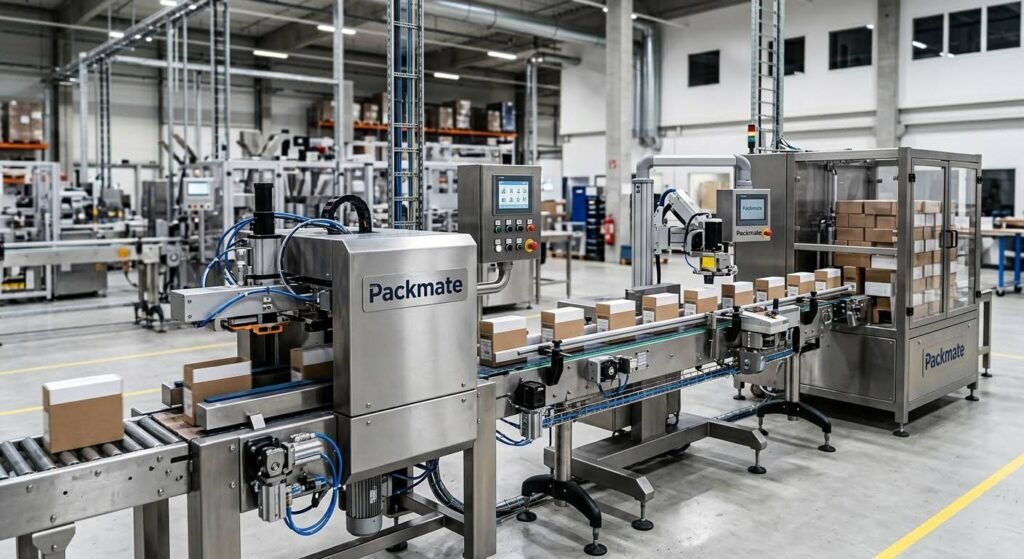
In today’s competitive manufacturing landscape, operational efficiency and sustainability are no longer optional—they are critical imperatives. For industries handling sensitive and high-volume products like food, pharmaceuticals, and health supplements, the packaging line is a central hub of energy consumption and operational cost. Optimizing this process is paramount. Energy-efficient packaging line solutions represent a strategic investment, merging advanced technology with intelligent design to reduce power usage, minimize waste, and enhance overall productivity while ensuring the highest standards of product integrity and safety.
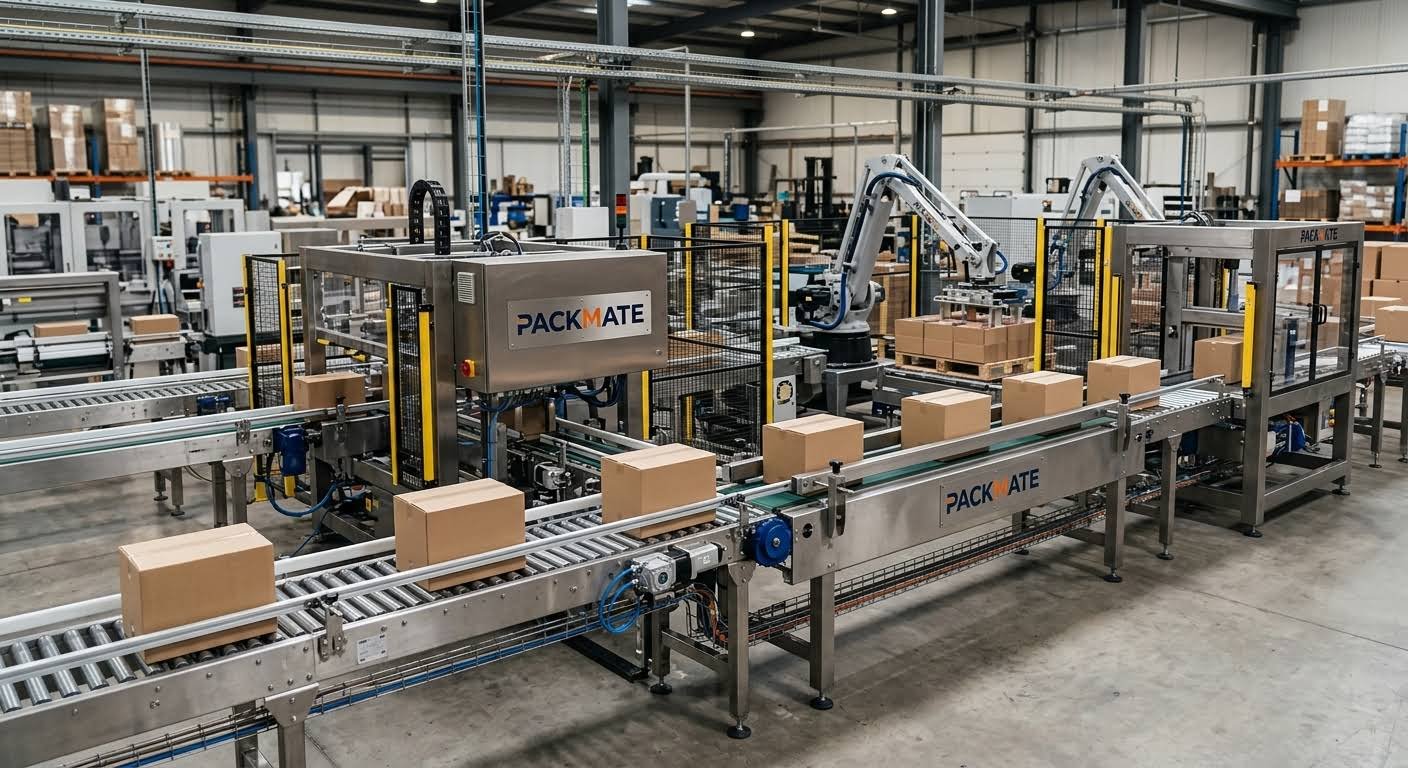
The Critical Need for Efficiency in Sensitive Industries
The drive for energy efficiency is particularly acute in the food, pharmaceutical, and health product sectors. These industries face unique pressures:
- Strict Regulatory Compliance: Products must be packaged in controlled environments with precise temperature and humidity levels, often requiring significant energy for HVAC systems.
- High Hygiene Standards: Frequent cleaning and sterilization cycles for machinery consume substantial amounts of water and energy.
- Product Sensitivity: Many ingredients and finished goods are sensitive to heat, light, or oxygen, necessitating specialized, energy-intensive packaging processes like nitrogen flushing or vacuum sealing.
- Supply Chain Demands: The need for extended shelf life and robust packaging to prevent damage during transit adds layers of complexity and potential energy use.
An inefficient packaging line in these contexts doesn’t just inflate electricity bills; it can lead to production bottlenecks, increased carbon footprint, and potential compliance risks. Partnering with an experienced provider like Packmate (GuangDong) Co., Ltd. ensures access to solutions engineered specifically for these challenges.
Core Components of an Energy-Efficient Line
Modern energy-saving packaging solutions are built on several integrated pillars:
✔ Intelligent Drive Systems: Utilizing servo motors and variable frequency drives (VFDs) instead of traditional constant-speed motors. These systems provide precise motion control, consume power only as needed, and reduce mechanical stress, leading to dramatic reductions in energy consumption—often by 30% or more.
✔ Heat Recovery & Management: In processes involving sealing, shrink-wrapping, or drying, advanced systems capture waste heat and repurpose it for pre-heating or space heating, closing the energy loop.
✔ Smart Automation & IoT Integration: Sensors and IoT-enabled controllers monitor energy use in real-time, automatically adjusting machine speed, heater temperature, or compressor output based on actual production demand, eliminating idle waste.
Tailored Solutions for Food, Pharma, and Health Products
A one-size-fits-all approach fails in these specialized fields. Energy efficiency must be achieved without compromising on the non-negotiable requirements of each sector.
Food Industry Applications
For food products—from coffee granules and soup powders to sauces and snacks—hygiene and preservation are key. Energy-efficient lines incorporate:
- Rapid, Low-Energy Sealing Technologies: Impulse sealers or advanced ultrasonic sealers that use short, powerful bursts of energy instead of continuous heat.
- Optimized Cooling Tunnels: After heat sealing, efficient cooling systems with optimized airflow designs reduce energy needed to set the package.
- Precise Dosing Systems: High-accuracy fillers for powders and liquids minimize product giveaway and reduce waste from overfilling, saving both material and the energy embedded in producing that waste.
Exploring specific packaging solutions can reveal technologies tailored for your specific food product type.
Pharmaceutical & Health Product Applications
This sector demands absolute precision and sterility. Energy-efficient solutions here focus on reliability and controlled environments:
- Clean-in-Place (CIP) & Sterilize-in-Place (SIP) Systems: Modern CIP/SIP systems are designed to use minimal water, chemicals, and energy through optimized spray patterns, recirculation, and efficient heating.
- Laminar Flow & HEPA Integration: Packaging machines designed for seamless integration into cleanrooms, with energy-efficient motors powering the critical air filtration systems.
- Barrier Packaging with Less Energy: Advanced form-fill-seal (FFS) machines that create a protective atmosphere (modified atmosphere packaging) using precisely controlled gas flush systems, avoiding excessive gas and energy use.
The implementation of such advanced systems is demonstrated in real-world project cases across the globe.
The Packmate Advantage: Engineering Efficiency from the Ground Up
With over 30 years of deep industry experience, Packmate doesn’t just sell machines; we engineer complete, turnkey packaging lines where energy efficiency is a foundational design principle, not an afterthought. Our approach is holistic:
1. Customized Line Design: Every line is configured based on a detailed analysis of your product, output goals, and facility constraints to ensure optimal, lean operation with no redundant energy expenditure.
2. Premium, High-Efficiency Components: We source and integrate top-tier servo systems, precision drives, and low-friction mechanics from trusted global suppliers, ensuring every component contributes to lower overall power draw.
3. Future-Proof Technology: Our lines are built with connectivity in mind, ready to integrate with factory energy management systems for ongoing monitoring and optimization, protecting your investment for the long term.
4. Lifecycle Support: True efficiency extends beyond the initial purchase. Our comprehensive technical service and support ensure your line maintains peak efficiency through precise calibration, preventive maintenance, and timely upgrades.
Tangible Benefits Beyond Energy Savings
Investing in an energy-efficient packaging line from a partner like Packmate delivers a powerful cascade of benefits:
- Significant Cost Reduction: Lower utility bills directly improve your bottom line and protect against future energy price volatility.
- Enhanced Sustainability Profile: Reduced energy consumption lowers your carbon emissions, aligning with corporate social responsibility (CSR) goals and appealing to eco-conscious consumers and B2B partners.
- Improved Operational Reliability: High-efficiency components and intelligent controls typically run cooler and experience less wear, leading to higher uptime, fewer breakdowns, and longer equipment life.
- Greater Production Flexibility: Modern, efficient lines can handle quick changeovers between different package sizes and formats with minimal energy penalty, supporting agile manufacturing.
Making the Transition: A Strategic Pathway
Upgrading to an energy-efficient packaging system is a strategic project. A successful transition involves:
- Energy Audit & Baseline Measurement: Understanding your current line’s energy consumption patterns is the first step.
- Clear ROI Analysis: Working with your provider to model not just energy savings, but also gains in speed, yield, and maintenance costs.
- Phased Implementation: For many facilities, a phased upgrade—starting with the most energy-intensive segment of the line—minimizes disruption and spreads investment.
- Staff Training: Ensuring operators and maintenance teams understand how to use and maintain the new technology to preserve its efficiency benefits.
Initiate this strategic conversation by reaching out to our team via our contact page for a personalized consultation.
In conclusion, for manufacturers in the food, pharmaceutical, and health product industries, energy-efficient packaging is a decisive competitive edge. It is a convergence of environmental stewardship, cost management, and production excellence. By choosing a technology partner committed to innovation and quality, such as Packmate, businesses can secure a packaging operation that is not only kinder to the planet but also more robust, reliable, and profitable for years to come.
Frequently Asked Questions (FAQs)
1. What is the typical payback period for investing in an energy-efficient packaging line?
Payback periods vary based on scale, current equipment age, and local energy costs. However, for many modern lines replacing outdated machinery, businesses often see a return on investment within 1 to 3 years through combined energy, material, and maintenance savings. A detailed analysis specific to your operation is the best way to determine this.
2. Can energy-efficient machines handle high-speed production requirements?
Absolutely. In fact, modern servo-driven systems often enable higher and more consistent speeds than older mechanical systems. The precision of servo control reduces vibration and misalignment, allowing for stable operation at peak speeds while using less energy per cycle.
3. Are these solutions suitable for small and medium-sized enterprises (SMEs), or only for large corporations?
Energy-efficient technology is scalable. Providers like Packmate offer solutions ranging from compact, single-lane machines to large, multi-lane systems. The key is a tailored design that matches your output needs. The long-term savings make it a viable and smart investment for businesses of all sizes looking to control costs and improve sustainability.
4. How does energy efficiency relate to packaging quality and product safety?
They are complementary. Precise temperature control in sealing, accurate dosing, and stable machine operation—all hallmarks of an efficient line—directly contribute to superior seal integrity, consistent fill weights, and reduced product waste. This enhances overall product safety, shelf life, and brand reputation.
5. What kind of support is available for maintaining the efficiency of the line over time?
Reputable suppliers offer comprehensive support packages. This includes regular preventive maintenance to keep components in optimal condition, software updates for control systems, and access to spare parts for high-efficiency components. This ongoing partnership is crucial for sustaining the performance and savings of your investment over its entire lifecycle.