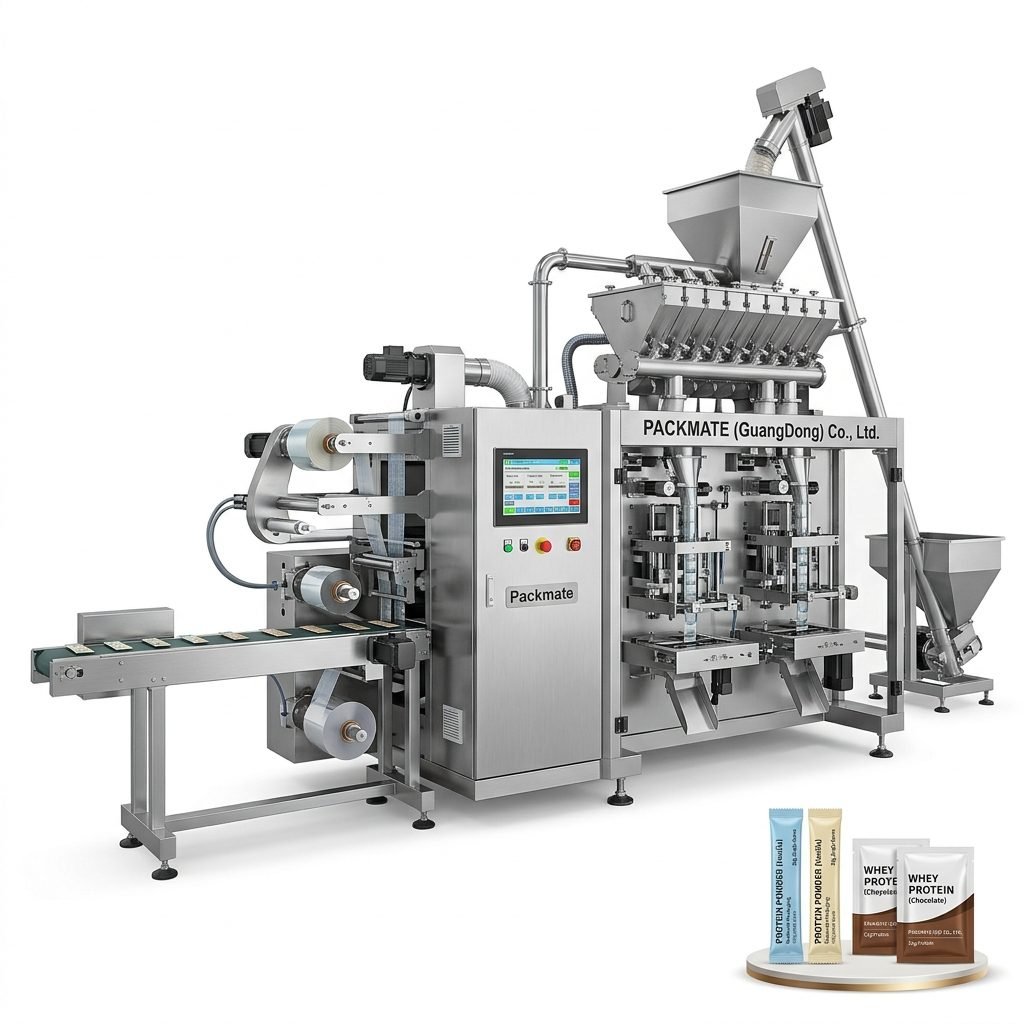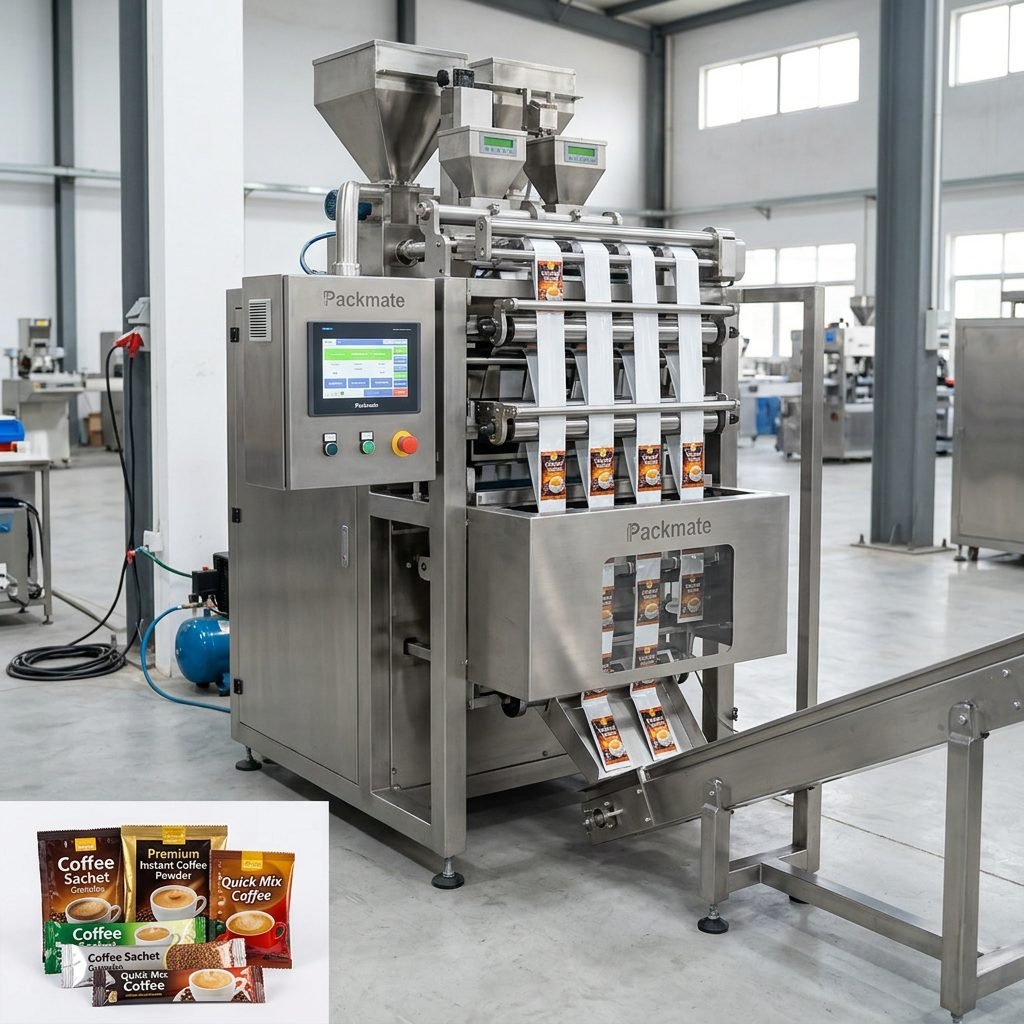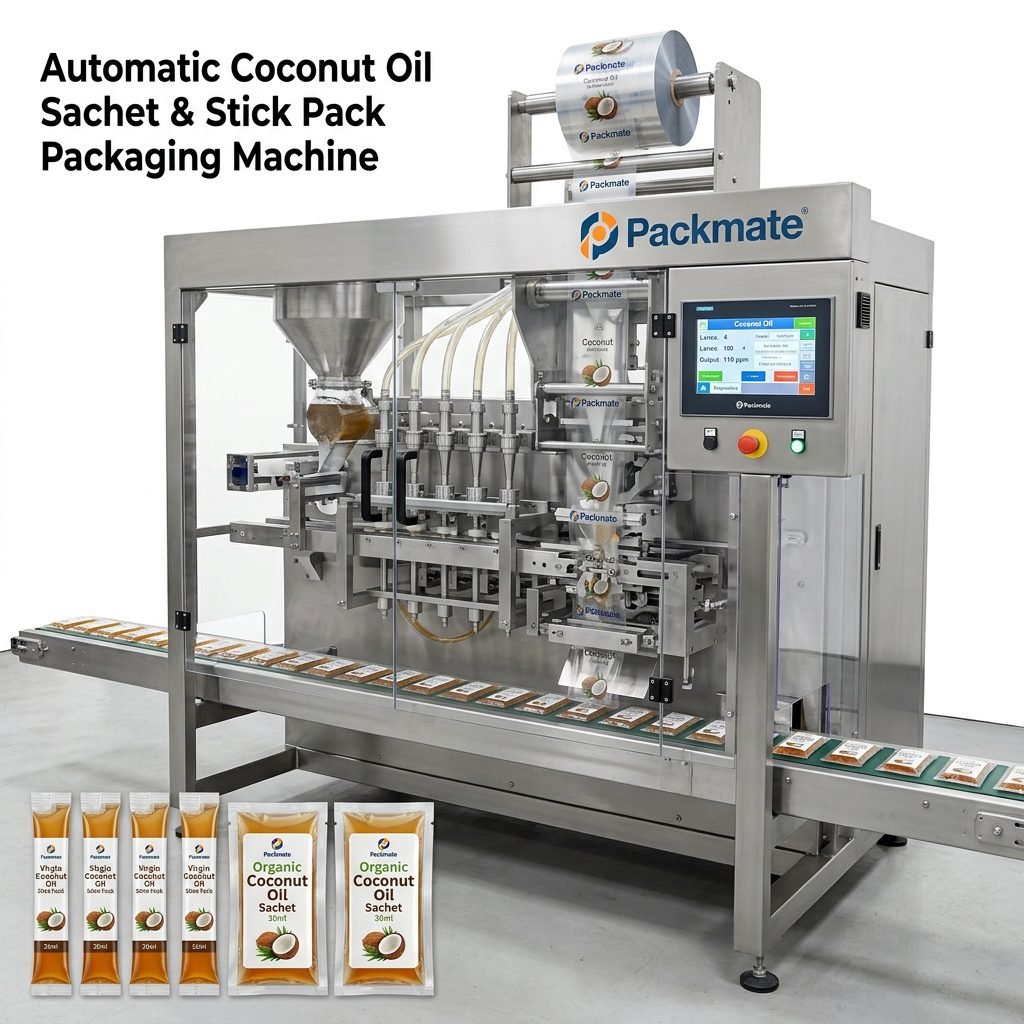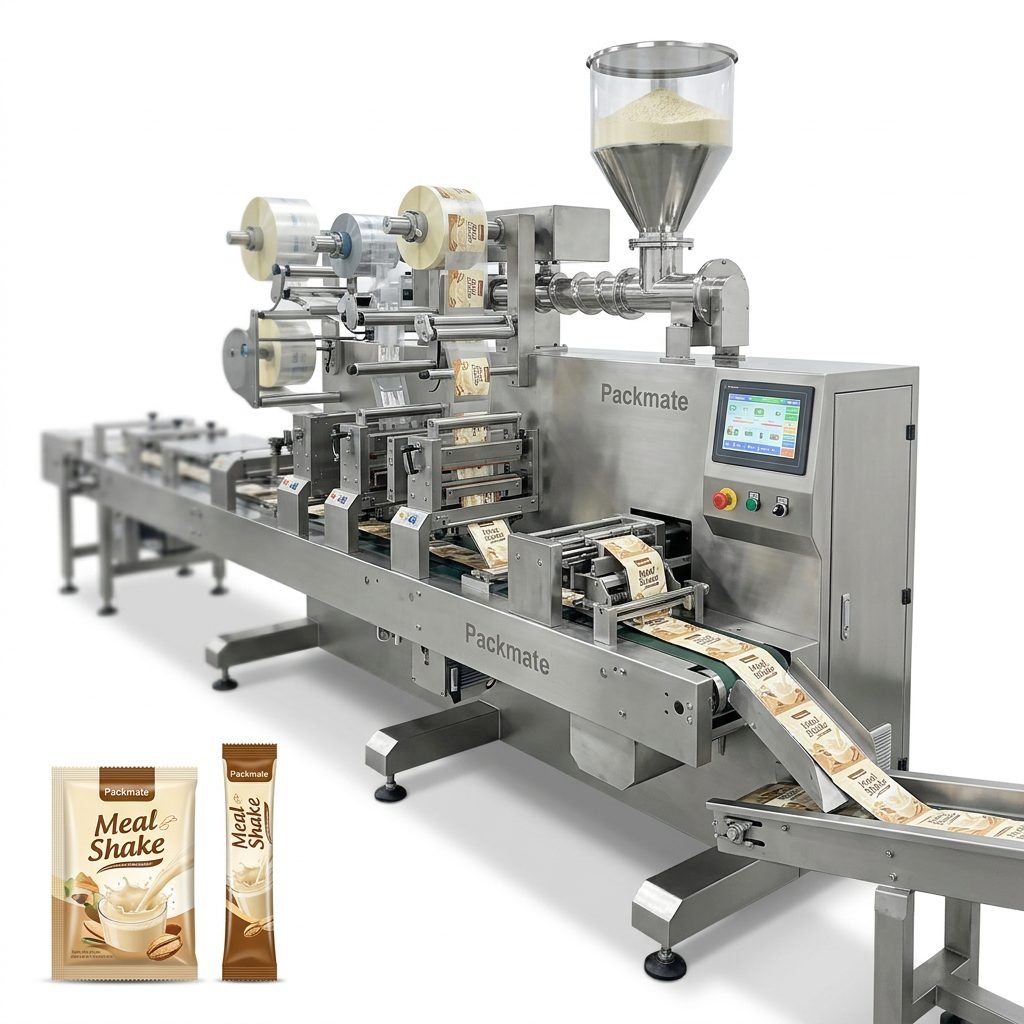
In today’s fast-paced manufacturing landscape, efficiency and cost-effectiveness are not just goals—they are imperatives for survival and growth. For businesses relying on coil packaging systems, the decision to upgrade is often a critical juncture. Modernizing your coil packaging line is a strategic investment that can unlock significant gains in productivity, reduce operational expenses, and enhance product quality. This guide will walk you through the key considerations, benefits, and steps involved in transforming your existing system into a high-performance asset for the future.
Recognizing the Signs: When Is an Upgrade Necessary?
Before delving into the “how,” it’s crucial to identify the “when.” Several telltale signs indicate your coil packaging line is ripe for an upgrade. Persistent and frequent downtime for repairs is a major red flag, signaling that components are wearing out and reliability is plummeting. If your line struggles with new packaging materials, thinner gauges, or different coil sizes, its flexibility is limited. A noticeable decline in output speed compared to newer models directly impacts your production capacity and ability to meet demand. Finally, soaring energy consumption and high maintenance costs are clear financial indicators that your system is operating inefficiently. Addressing these signs proactively with a comprehensive packaging solution can prevent more costly emergency breakdowns later.
→ Key Upgrade Drivers: High downtime, lack of material flexibility, slow speed, and rising operational costs are the primary catalysts for modernizing your coil packaging line.
Core Benefits of a Modernized Coil Packaging System
Upgrading your system delivers a compelling return on investment across multiple dimensions. The most immediate benefit is a substantial increase in production efficiency. Modern servo-driven systems offer faster cycle times, smoother motion control, and higher throughput, allowing you to package more coils in less time. This directly translates to lower operational costs. Energy-efficient motors, reduced material waste through precise cutting and sealing, and fewer manual interventions all contribute to a leaner cost structure. Furthermore, a modern line enhances packaging consistency and quality. Advanced tension control and precision sealing ensure every package is uniform, secure, and visually appealing, which is crucial for brand reputation and customer satisfaction.
Strategic Steps to a Successful Upgrade
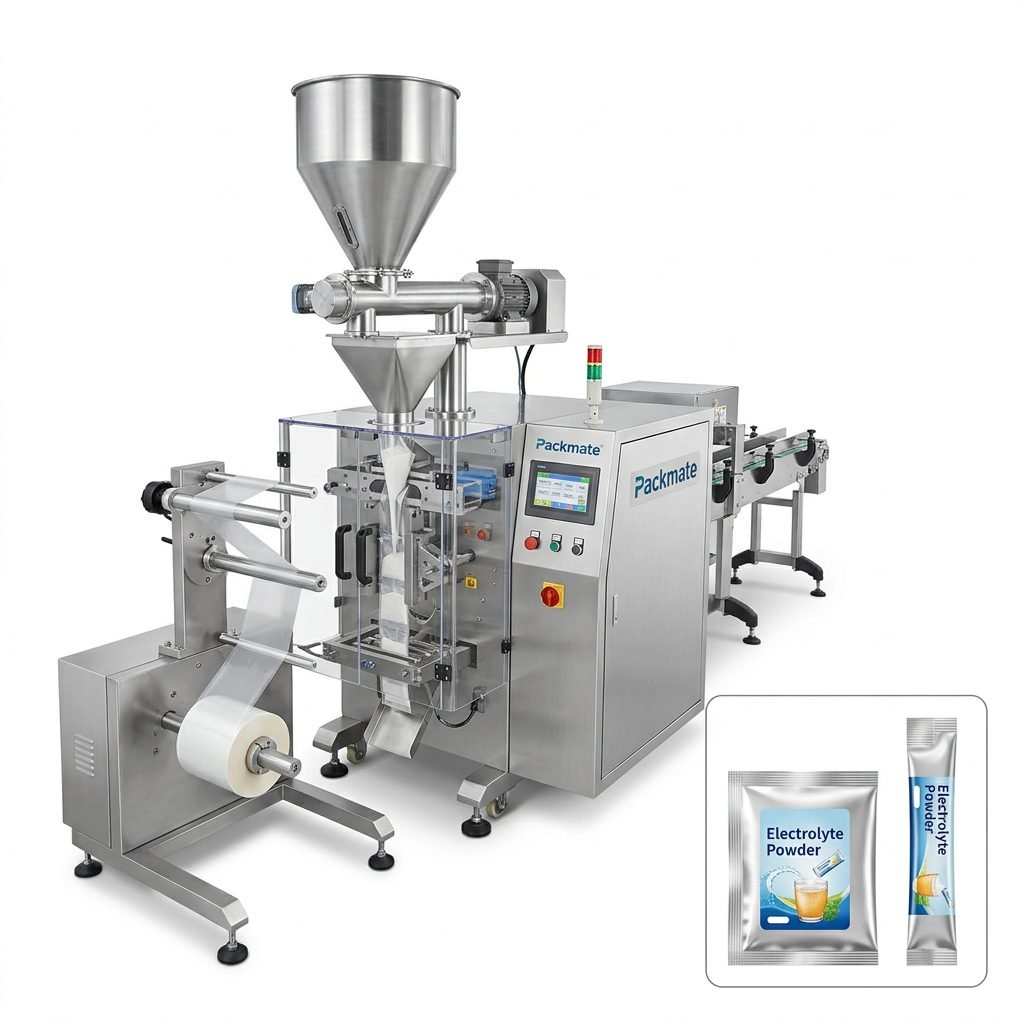
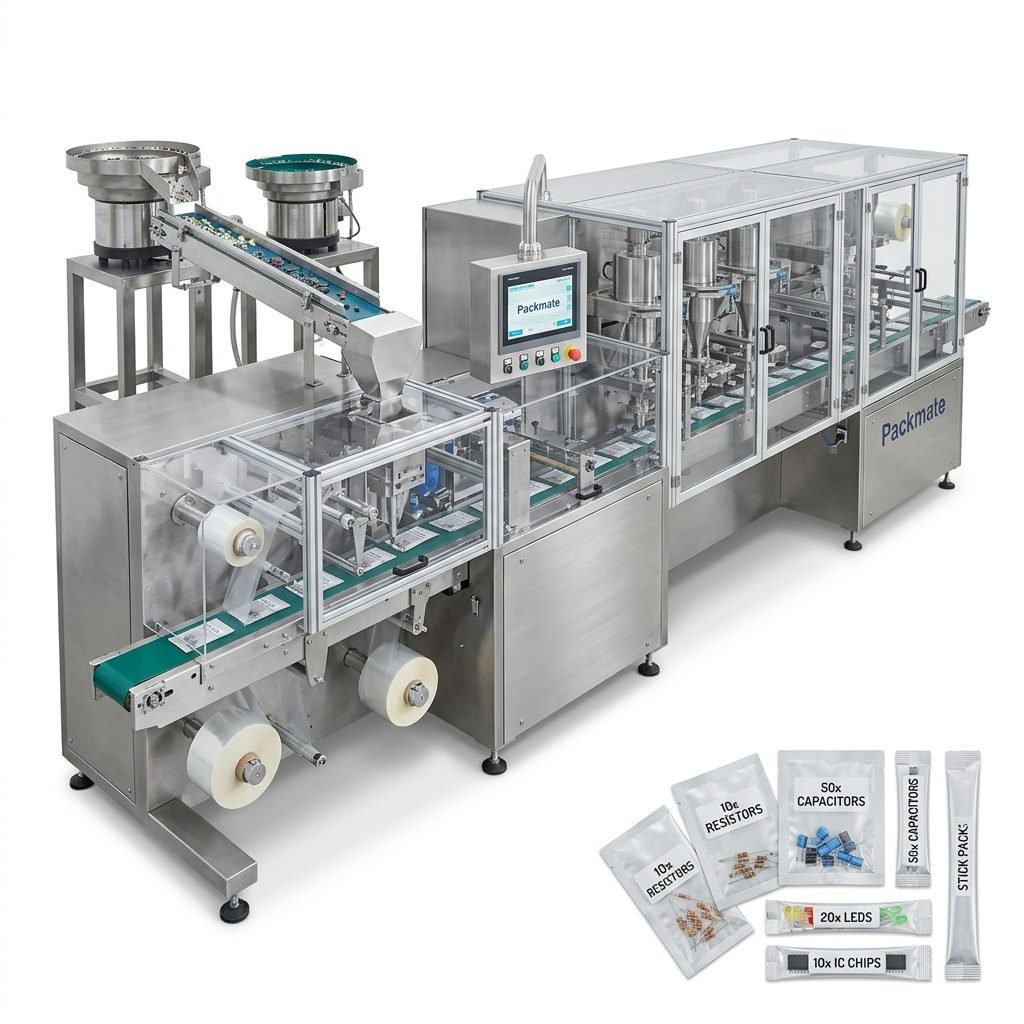
A successful upgrade is a methodical process, not a simple parts swap. It begins with a thorough audit and assessment of your current line. Document its performance metrics, pain points, and future production goals. Next, define clear objectives and requirements. Are you aiming for 30% higher speed? Need to handle a new recyclable film? These goals will guide the selection process. The heart of the upgrade is selecting the right technology and partners. Look for suppliers with proven expertise in coil packaging, like Packmate Packaging Line, who can provide not just machines but integrated solutions. Key technological focuses should include servo motor integration for precision, advanced PLC controls with user-friendly HMIs for easy operation and diagnostics, and robust sealing systems that work with a variety of modern materials.
Planning for integration is vital. The new components must seamlessly interface with your existing conveyor systems, upstream coil handling, and downstream palletizing. A detailed implementation plan should include a timeline, staff training protocols, and a phased approach to minimize production disruption. Finally, a professional installation and commissioning service ensures the system is calibrated correctly and performs to its specified potential from day one.
Overcoming Common Upgrade Challenges
Every upgrade project faces hurdles. A primary concern is managing downtime. Careful scheduling, such as performing the upgrade during planned maintenance shutdowns, and a modular “plug-and-play” approach can keep the line offline for the shortest time possible. Budget constraints are another reality. A phased upgrade, focusing on the most critical bottlenecks first, can spread the investment over time. It’s also essential to consider the total cost of ownership—a slightly higher upfront cost for a more efficient, reliable machine often pays for itself quickly. Lastly, employee training is critical for adoption. Partner with a vendor that offers comprehensive training to ensure your team is confident and proficient in operating the new technology.
The Role of a Trusted Partner
Navigating an upgrade alone is daunting. Partnering with an experienced provider like Packmate (GuangDong) Co., Ltd. makes a significant difference. With over 30 years of experience, they bring deep technical knowledge to assess your needs accurately. They offer turnkey solutions, managing the entire process from design and manufacturing to installation and after-sales support. Their global experience means they understand diverse market requirements and can tailor solutions accordingly. Reviewing their project case studies can provide valuable insights and confidence in their capability to deliver a successful upgrade.
Looking Ahead: Future-Proofing Your Investment
An upgrade should not only solve today’s problems but also prepare you for tomorrow’s challenges. Opt for a system with modularity and scalability, allowing you to add functions or increase capacity later. Prioritize connectivity and Industry 4.0 readiness. Machines with OPC-UA or similar communication protocols can integrate into a smart factory ecosystem, enabling data collection for predictive maintenance and production analytics. Finally, ensure the technology supports sustainable packaging trends, such as using mono-materials or easier-to-recycle films, aligning your operations with growing environmental regulations and consumer preferences.
Modernizing your coil packaging line is a decisive step toward securing a competitive advantage. By boosting efficiency, slashing costs, and improving quality, a well-executed upgrade transforms your packaging operation from a cost center into a strategic, value-adding process. It empowers your business to respond agilely to market demands, adopt new materials, and build a foundation for continuous improvement and sustainable growth.
Frequently Asked Questions (FAQs)
1. What is the typical ROI period for a coil packaging line upgrade?
The payback period varies based on the scale of the upgrade and current inefficiencies. For a comprehensive modernization focusing on speed and waste reduction, many businesses see a return on investment within 12 to 24 months through increased output, lower energy bills, and reduced material waste and downtime.
2. Can we upgrade only specific sections of our existing line?
Yes, a phased or modular upgrade is a common and practical approach. You can start by replacing the core sealing and winding unit or upgrading the control system. A professional audit can identify the biggest bottlenecks, allowing you to prioritize upgrades for the fastest gain.
3. How disruptive is the installation and commissioning process?
Disruption is minimized with careful planning. Reputable suppliers like Packmate create detailed project plans to execute the installation swiftly. Commissioning and testing are done rigorously to ensure the line runs perfectly before full-handover. Downtime is typically confined to a pre-agreed, scheduled window.
4. Will the new system require specialized operator training?
Modern systems with intuitive touch-screen HMIs are designed for ease of use. However, comprehensive training is a critical part of any upgrade project. A good supplier will provide thorough training for your operators and maintenance staff on-site to ensure a smooth transition and optimal utilization.
5. How do we ensure the new line can handle future packaging materials?
Discuss your future material roadmap with your supplier during the planning phase. Choose a system known for versatility, with adjustable sealing jaws, precise temperature control, and robust tension management. This flexibility is key to adapting to new, often more sustainable, packaging films without needing another major overhaul.