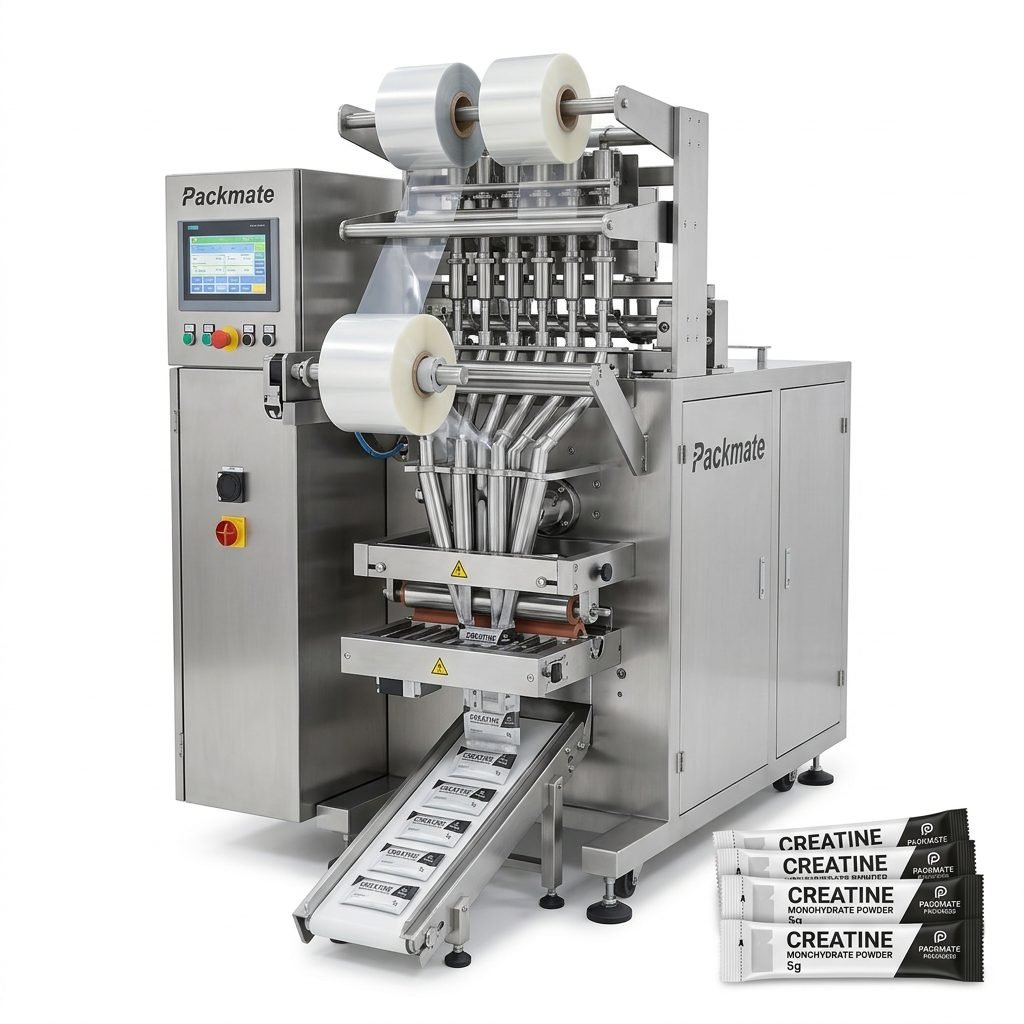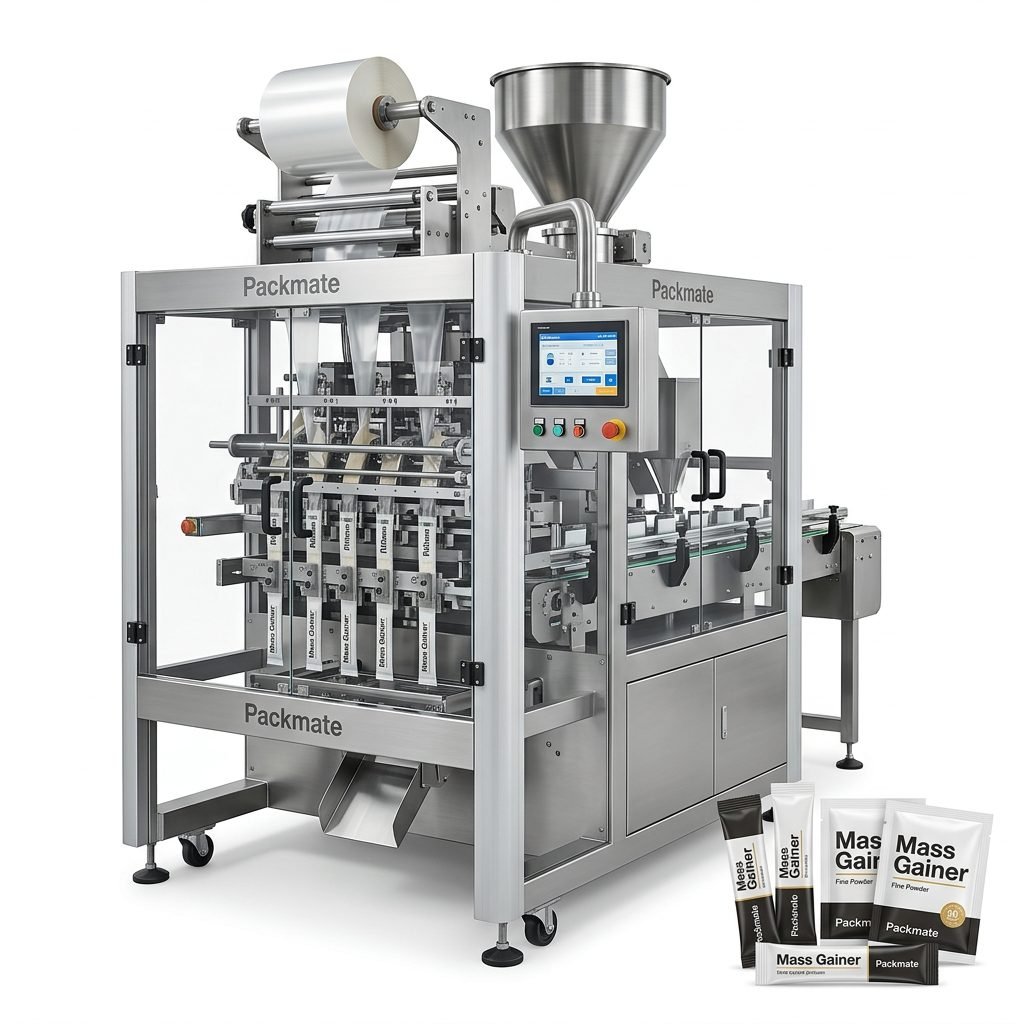
In the high-stakes world of modern manufacturing, particularly within sectors like food, pharmaceuticals, and health products, packaging line efficiency isn’t just a goal—it’s a necessity for survival and growth. One of the most critical, yet often underestimated, factors impacting this efficiency is the changeover process. Every time a production line switches from one product SKU to another, from one packaging format to the next, the clock is ticking on non-productive downtime. This is where the powerful metric of Overall Equipment Effectiveness (OEE) becomes indispensable. By applying OEE principles specifically to packaging line changeovers, manufacturers can unlock significant opportunities to reduce downtime and maximize overall production efficiency.
Understanding OEE: The Foundation of Manufacturing Excellence
Before diving into changeovers, let’s briefly recap OEE. Overall Equipment Effectiveness is a holistic benchmark that measures how effectively a manufacturing operation is utilized. It is the product of three core factors:
Availability: The percentage of scheduled time that the equipment is available to operate. Downtime losses from changeovers, breakdowns, and material shortages reduce availability.
Performance: The speed at which the equipment runs as a percentage of its designed speed. Minor stoppages, jams, or running at reduced speed impact performance.
Quality: The percentage of good units produced versus the total units started. Defects, reworks, and start-up waste reduce quality.
The ideal OEE score is 100%, representing perfect production: manufacturing only good parts, as fast as possible, with no stop time. World-class OEE is typically considered to be 85% or above. A packaging line’s changeover process directly and profoundly impacts the first two components: Availability and Performance.
Why Packaging Line Changeovers Are an OEE Critical Point
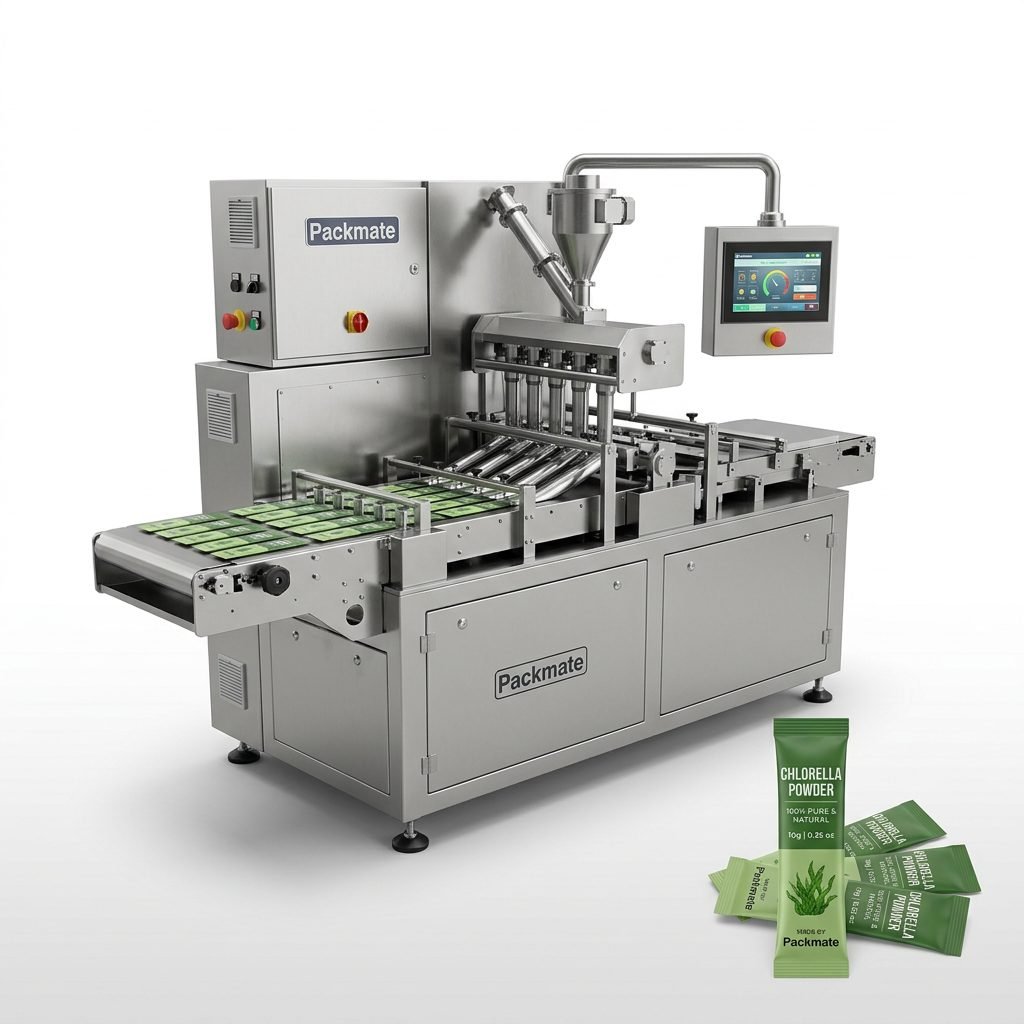
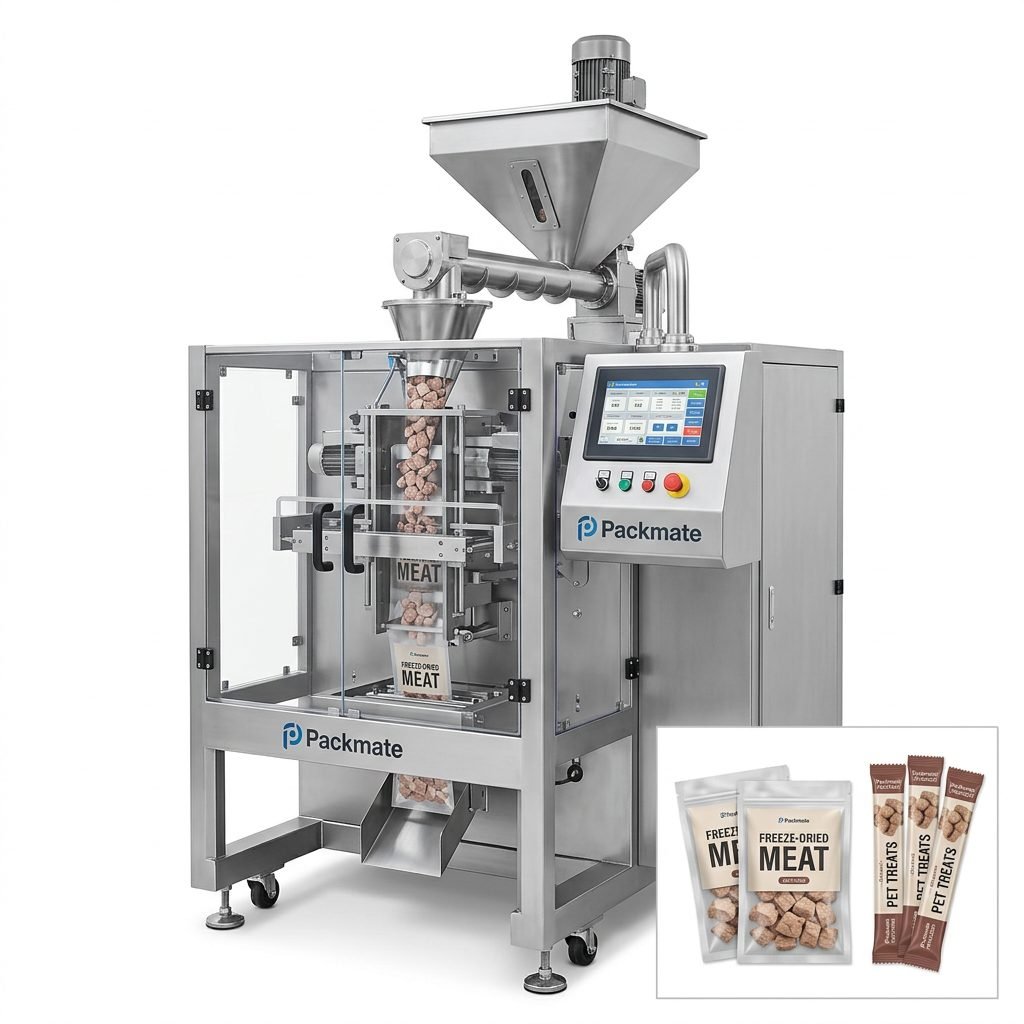
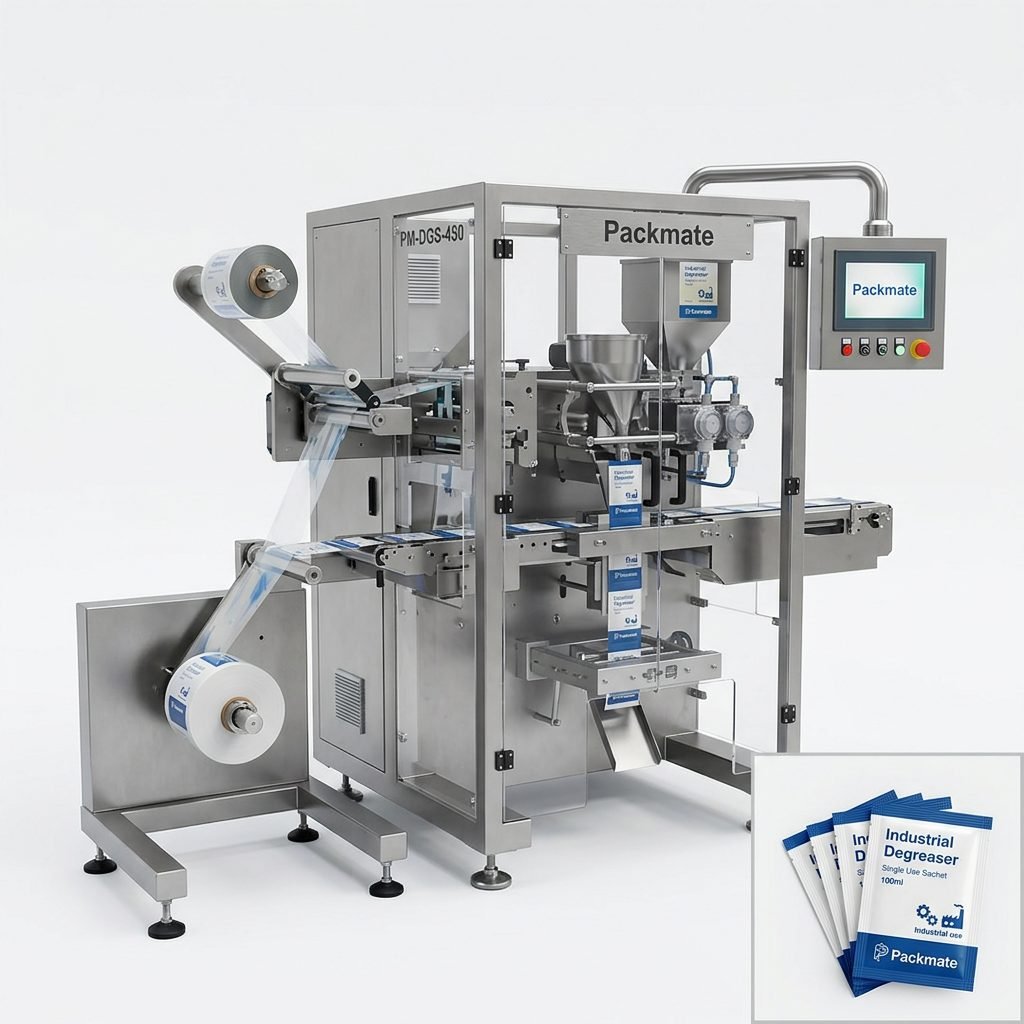
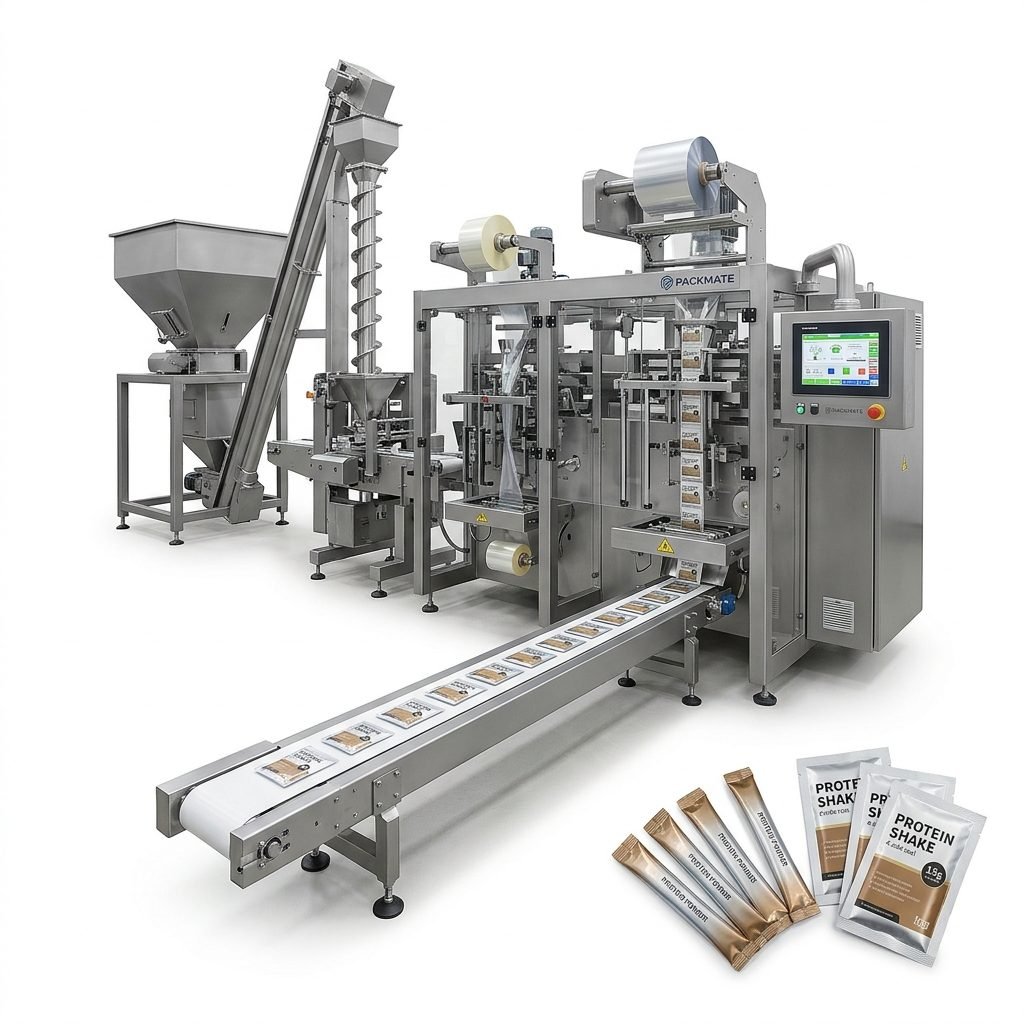
Changeovers are a necessary evil. They enable flexibility, allowing a single line to produce multiple products. However, they are also a primary source of planned downtime. Inefficient changeovers can consume hours of potential production time, create significant material waste during start-up, and increase the risk of errors leading to quality defects. For companies like Packmate, which provides complete turnkey solutions, designing lines with changeover efficiency in mind is a core part of delivering value. Every minute saved in a changeover translates directly into higher availability and a better OEE score for the client.
The High Cost of Inefficient Changeovers
The impact of a slow or problematic changeover extends far beyond the immediate downtime. Consider the ripple effects:
- Lost Production Capacity: Direct loss of output during the changeover window.
- Increased Labor Costs: More technician hours spent on lengthy, complex procedures.
- Higher Inventory Pressure: To compensate for line downtime, companies may need to hold larger inventories of finished goods, tying up capital.
- Reduced Responsiveness: Inability to quickly switch to meet urgent or small-batch customer orders.
- Start-up Waste & Quality Issues: Improperly calibrated machines after a changeover can produce out-of-spec product, wasting materials and harming the quality rate component of OEE.
Addressing these costs requires a systematic approach focused on the changeover process itself.
Applying OEE Principles to Streamline Changeovers: The SMED Methodology
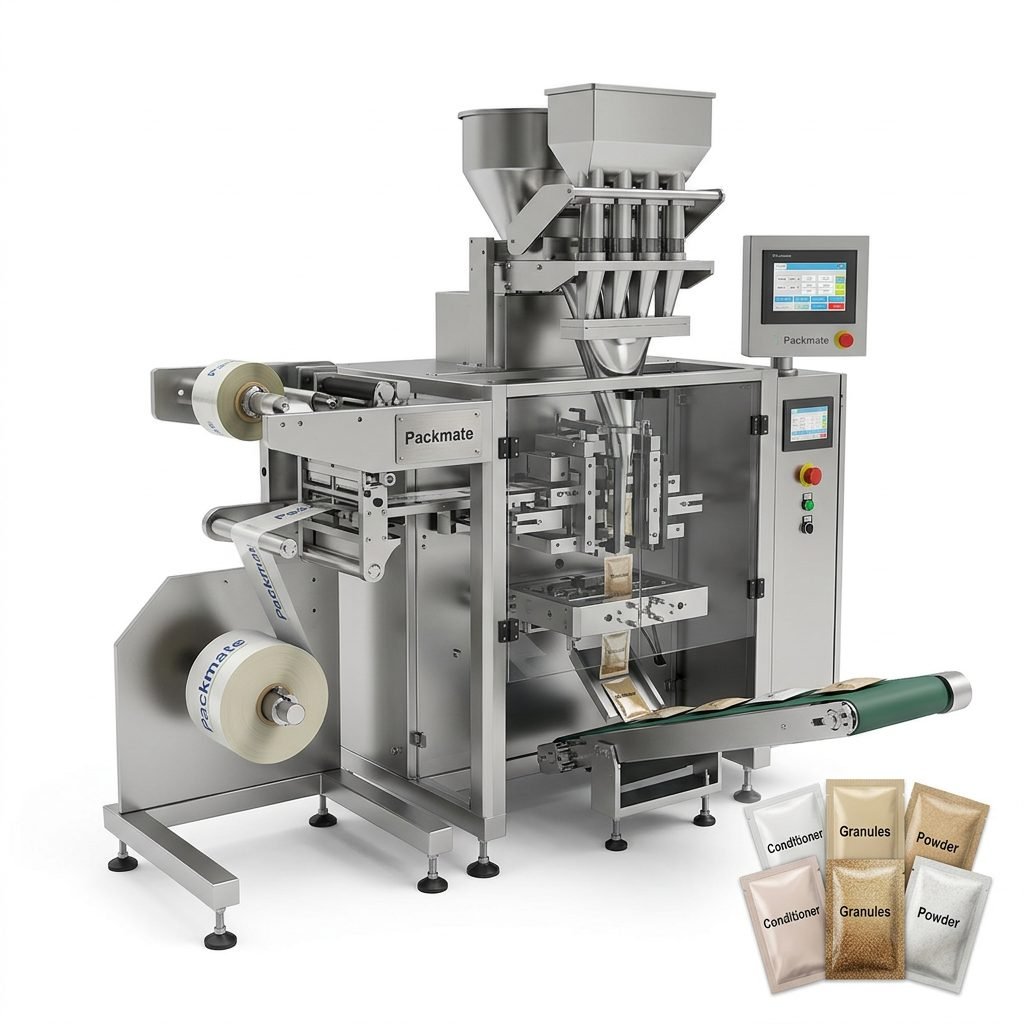
The most effective framework for attacking changeover downtime is Single-Minute Exchange of Die (SMED), a lean manufacturing technique developed by Shigeo Shingo. The goal of SMED is to reduce changeover times to under ten minutes (“single-digit minutes”). This methodology aligns perfectly with OEE improvement by maximizing Availability. The SMED process involves four key stages, which can be directly applied to packaging machinery for sachets, stick packs, or large bags.
Stage 1: Identify Internal and External Setup Tasks
The first step is to meticulously document the entire changeover procedure. This involves videotaping or closely observing a changeover to classify every task:
Internal Tasks (I): Activities that can ONLY be performed when the machine is STOPPED (e.g., removing old forming collars, installing new fill nozzles, changing coding date stamps).
External Tasks (E): Activities that CAN be performed while the machine is STILL RUNNING the previous job (e.g., preparing tools, staging new packaging film rolls, pre-setting parameters on the HMI, warming up sealers).
The core principle of SMED is to convert as many Internal tasks into External tasks as possible.
Stage 2: Convert Internal to External Setup
This is the creative, improvement-focused stage. Teams must brainstorm how to prepare elements offline. Examples on a packaging line include:
- Using quick-release clamps and standardized connectors instead of bolts and tools.
- Pre-assembling complete tooling sets (e.g., a forming tube assembly) on a duplicate “shadow board” so they can be swapped as a single unit.
- Pre-loading product recipes and machine parameters digitally so they can be recalled with one button press.
- Having all necessary consumables (film, labels) staged and verified at the line side before the stop.
Companies specializing in integrated packaging solutions often design these features into their equipment from the ground up.
Stage 3: Streamline All Aspects of the Setup
Once tasks are externalized, the remaining internal tasks must be optimized for speed and simplicity. This involves:
- Eliminating Adjustments: Using positive stops, guides, and pins so parts fit correctly the first time, eliminating trial-and-error alignment.
- Implementing Parallel Operations: Training two operators to work simultaneously on different parts of the machine during the changeover.
- Organizing the Workspace: Implementing 5S (Sort, Set in order, Shine, Standardize, Sustain) to ensure every tool and part has a designated, labeled home, reducing search time.
Measuring the Impact on OEE
After implementing SMED, the results must be quantified. Track these key metrics:
➤ Average Changeover Time: Measure from the last good piece of the old product to the first good piece of the new product. This is the direct input to Availability.
➤ Changeover Time Variability (Standard Deviation): Consistent, predictable changeovers are as important as fast ones for production planning.
➤ Start-up Waste: Measure the amount of material or product wasted before achieving stable, quality production. This impacts both Performance (slow ramp-up) and Quality.
➤ Overall OEE Score: Monitor the line’s OEE before and after changeover improvements. A successful initiative should show a clear upward trend in the Availability and potentially the Performance factors.
Real-world case studies from various industries consistently show that focused changeover projects can improve OEE by 5-15% or more.
Technology’s Role in Enhancing Changeover OEE
Modern packaging lines are increasingly intelligent. Leveraging technology is no longer optional for achieving world-class OEE during changeovers.
Digital Tools and Automation
- Recipe Management Systems: Centralized software stores all machine parameters (speeds, temperatures, fill volumes) for every SKU. Operators select the next product, and the system automatically downloads the settings, eliminating manual entry errors and saving minutes.
- Augmented Reality (AR) Guides: AR glasses or tablets can overlay step-by-step instructions, diagrams, and videos onto the physical machine, guiding technicians through complex changeovers, reducing errors and training time.
- Quick-Change Tooling Systems: Pneumatic or hydraulic clamping systems that allow entire modules to be swapped in seconds with the push of a button.
- IoT and Line Monitoring: Sensors can track changeover duration automatically, providing unbiased data for analysis and identifying bottlenecks.
Investing in such technologies, often showcased at industry exhibitions, provides a tangible return through reduced downtime.
Building a Culture of Continuous Improvement (Kaizen)
Sustained improvement in changeover OEE requires more than just a one-time project; it needs a cultural shift. Engaging the frontline operators and technicians who perform changeovers daily is crucial. Implement regular Kaizen events focused solely on changeover analysis. Use the data collected from OEE and downtime tracking to identify the next biggest opportunity. Celebrate successes when changeover times are reduced. This human element, combined with robust processes and smart technology, creates a powerful engine for efficiency. Understanding a partner’s mission and vision for innovation can align these continuous improvement goals.
In conclusion, viewing packaging line changeovers through the lens of OEE transforms them from a necessary operational hassle into a strategic opportunity for gain. By systematically applying methodologies like SMED, leveraging smart technology, and fostering a culture of continuous improvement, manufacturers can dramatically shrink non-productive downtime. This leads directly to higher equipment availability, better performance, improved flexibility, and a stronger bottom line. In today’s competitive market, mastering the art and science of the quick changeover is not just about saving minutes—it’s about securing capacity, responsiveness, and profitability.
Frequently Asked Questions (FAQs)
Q1: What is a “good” or target changeover time for a packaging line?
There is no universal “good” time, as it depends on machine complexity and the change’s scope (e.g., minor size adjustment vs. complete format change). The goal should be continuous reduction. Using SMED, many lines aim for single-digit minute changeovers (under 10 minutes) for similar product families. The key is to benchmark your current time and improve from there.
Q2: How do we accurately measure changeover time for OEE calculation?
Changeover time should be measured as the interval between the last confirmed good unit of the previous product and the first confirmed good unit of the new product. This includes all internal setup, adjustments, and ramp-up to stable quality. Automated line monitoring systems are best for objective measurement, but manual logging with a stopwatch is a valid starting point.
Q3: We have old equipment. Can SMED and OEE principles still help?
Absolutely. While new equipment may have quick-change features built-in, significant gains can be made on older lines through organizational improvements. Focusing on external preparation (Stage 2 of SMED), better tool organization, and standardized procedures often yields the fastest and most cost-effective results, even without capital investment.
Q4: Who should be involved in a changeover improvement team?
A cross-functional team is essential. It must include the machine operators and technicians who perform the changeovers, line supervisors, maintenance personnel, and often engineers or continuous improvement specialists. The frontline workers have the most practical knowledge of the process and its pain points.
Q5: How does improving changeovers affect production scheduling and planning?
Faster, more predictable changeovers provide tremendous scheduling flexibility. They allow for more frequent product runs, reducing finished goods inventory. They make it economical to produce smaller batch sizes, improving responsiveness to customer demand. Ultimately, they increase the effective capacity of your existing lines without adding new equipment.
For more detailed insights into packaging line optimization, explore our comprehensive technical services and support offerings.