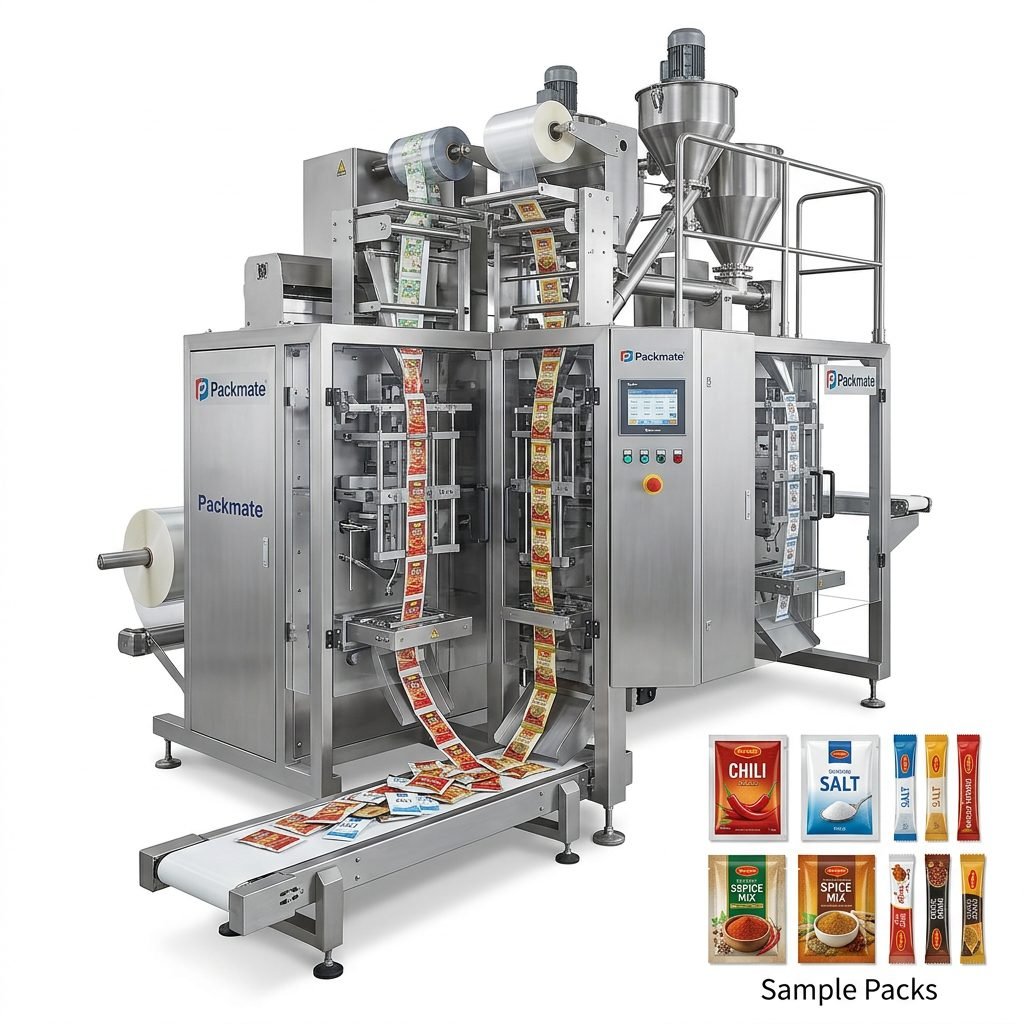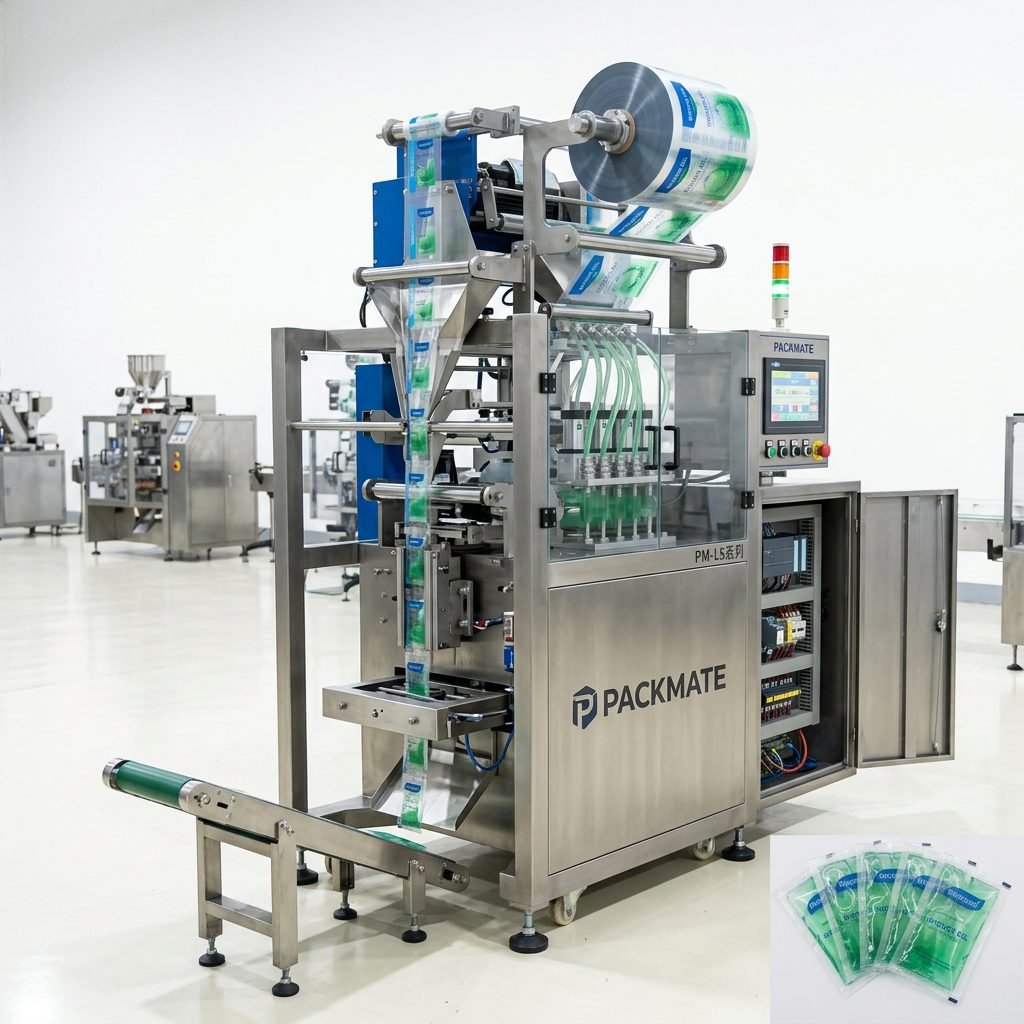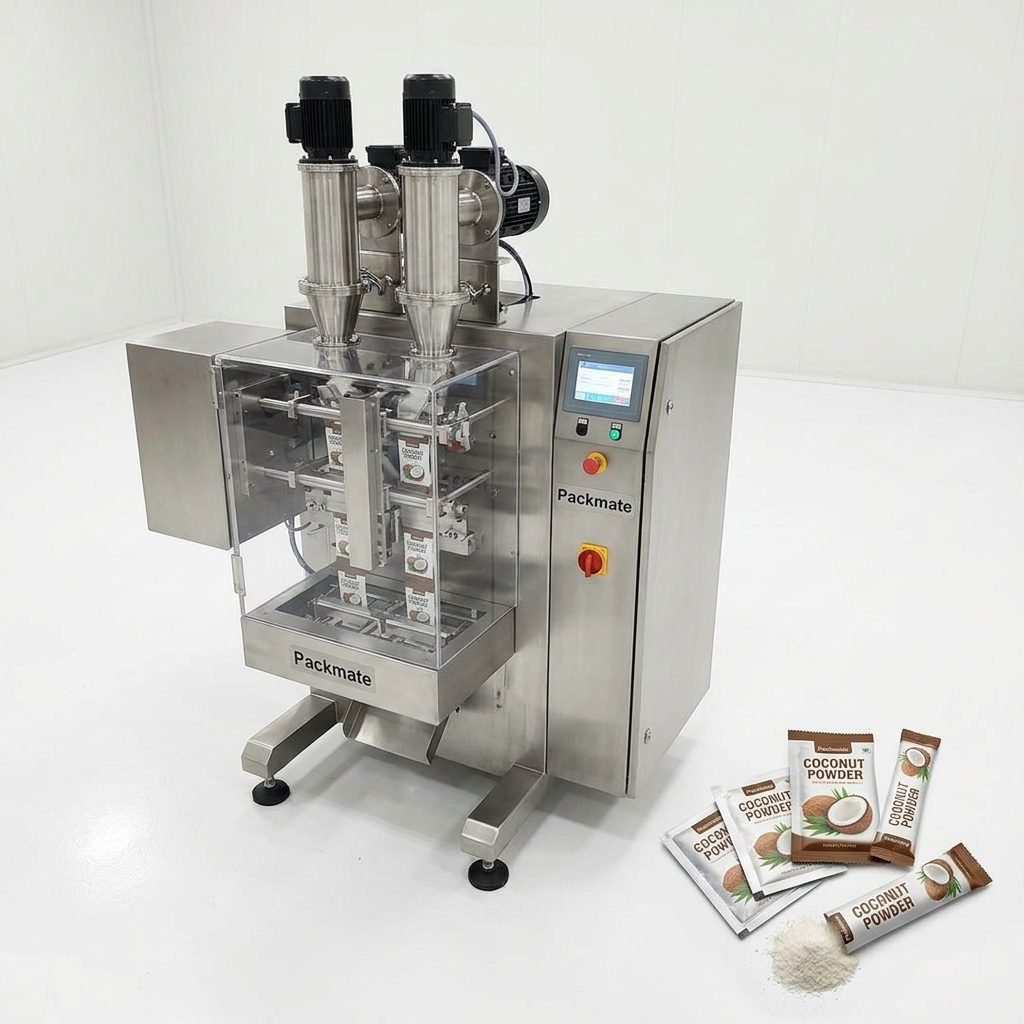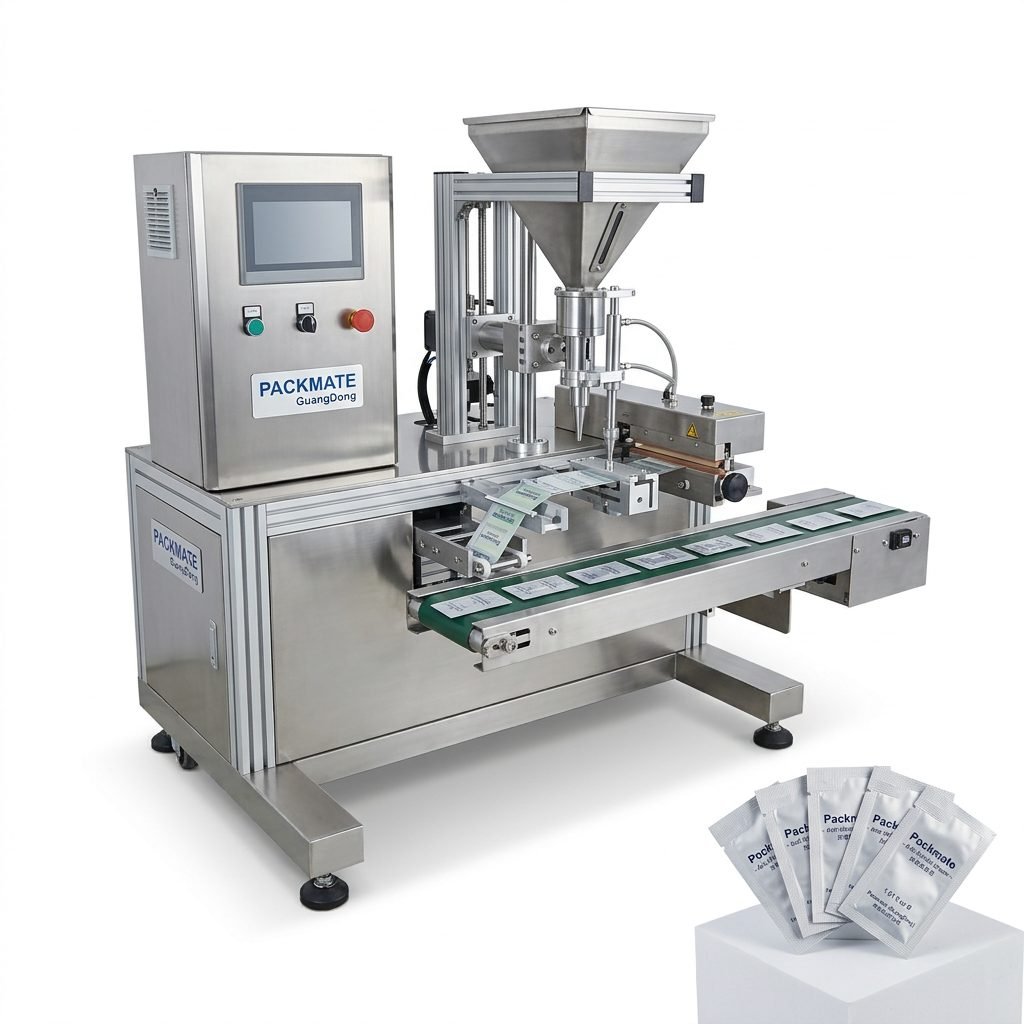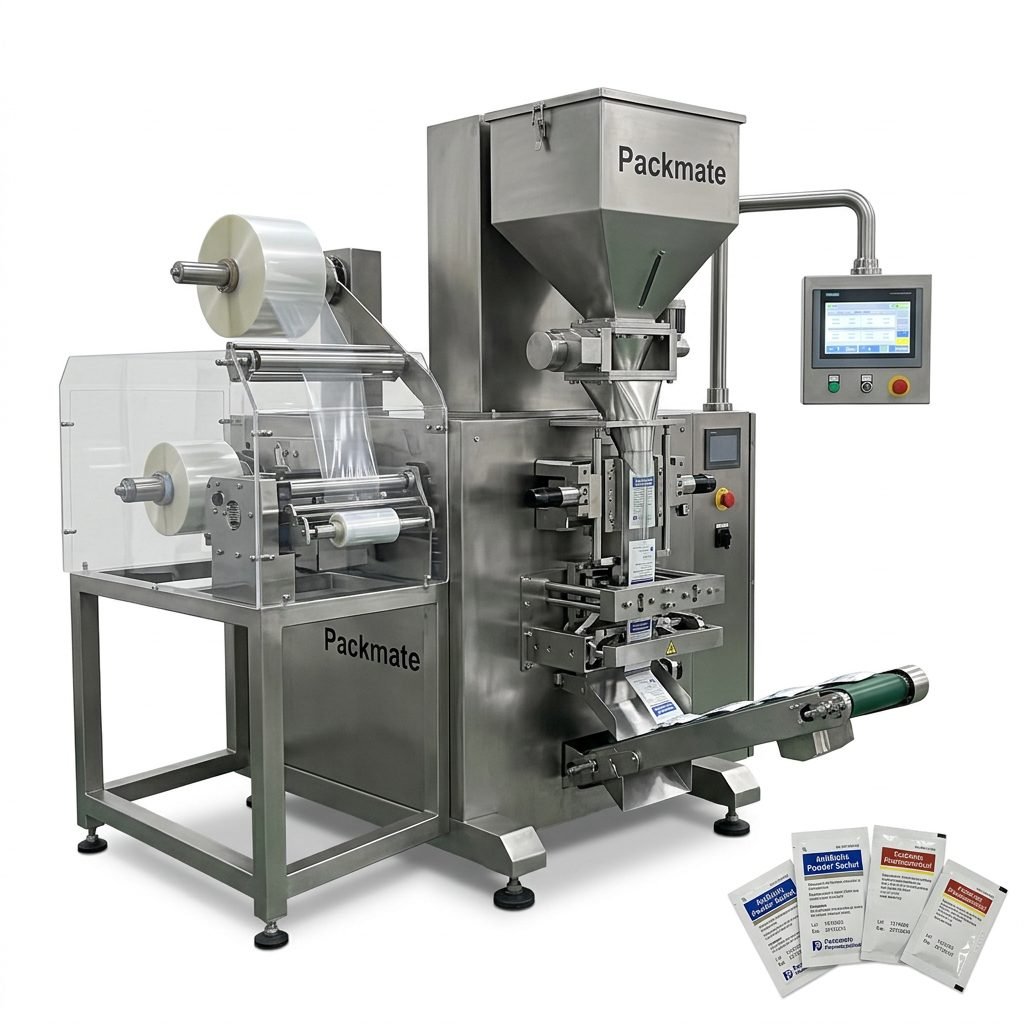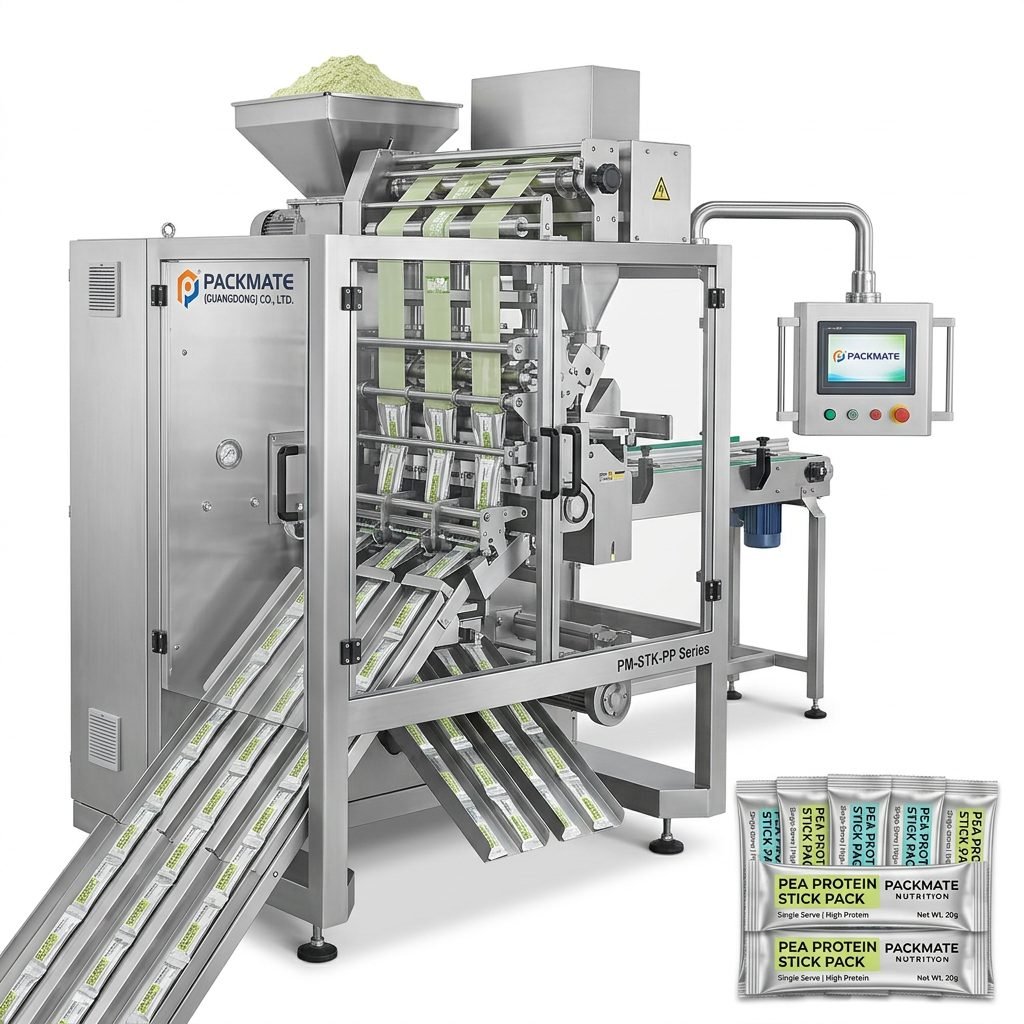
In today’s fast-paced and quality-conscious world, the final stage of product presentation—the end of line packaging—is more critical than ever. For industries where safety, hygiene, and shelf life are paramount, such as food, pharmaceuticals, and health products, selecting the right packaging solution is not merely a logistical step; it is a fundamental component of brand integrity, regulatory compliance, and consumer trust. This guide delves into the complete ecosystem of end of line packaging, exploring the technologies, considerations, and strategic partnerships necessary for success.
Understanding End of Line Packaging
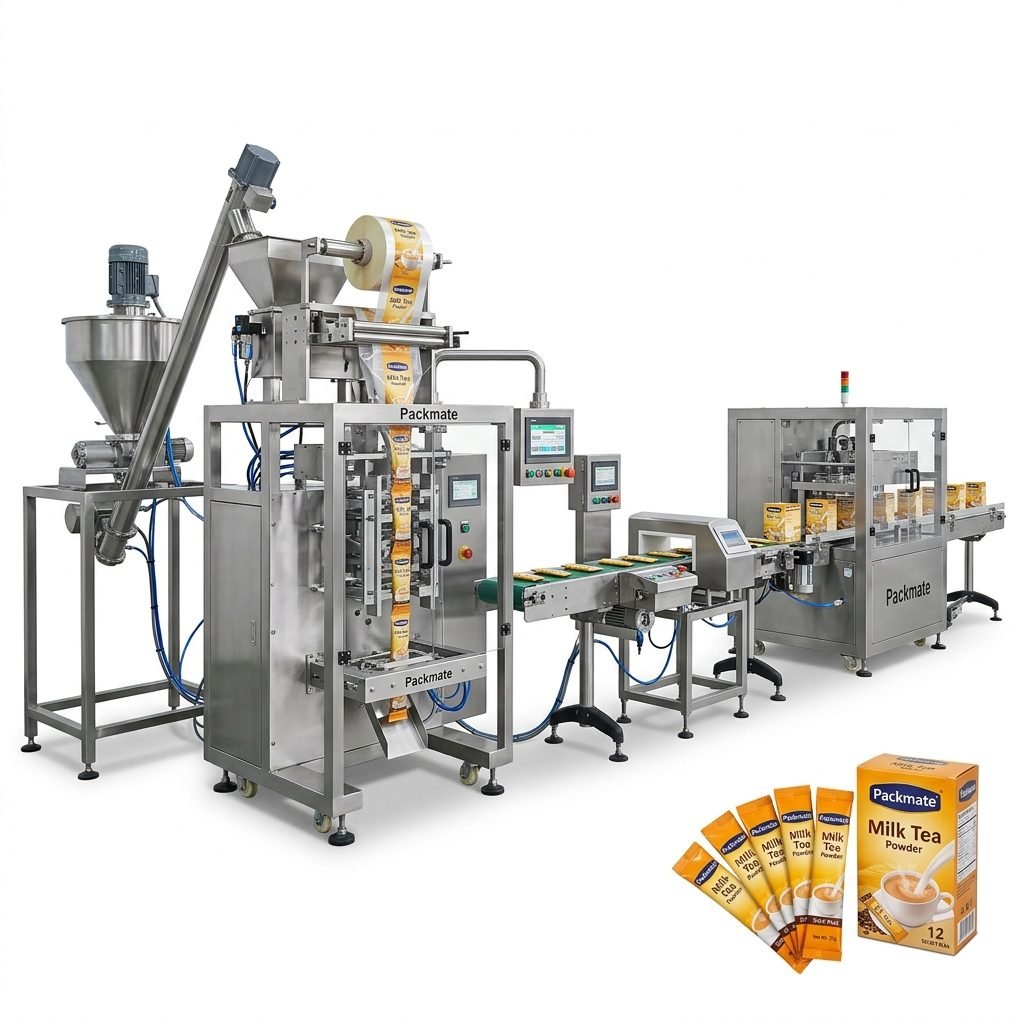
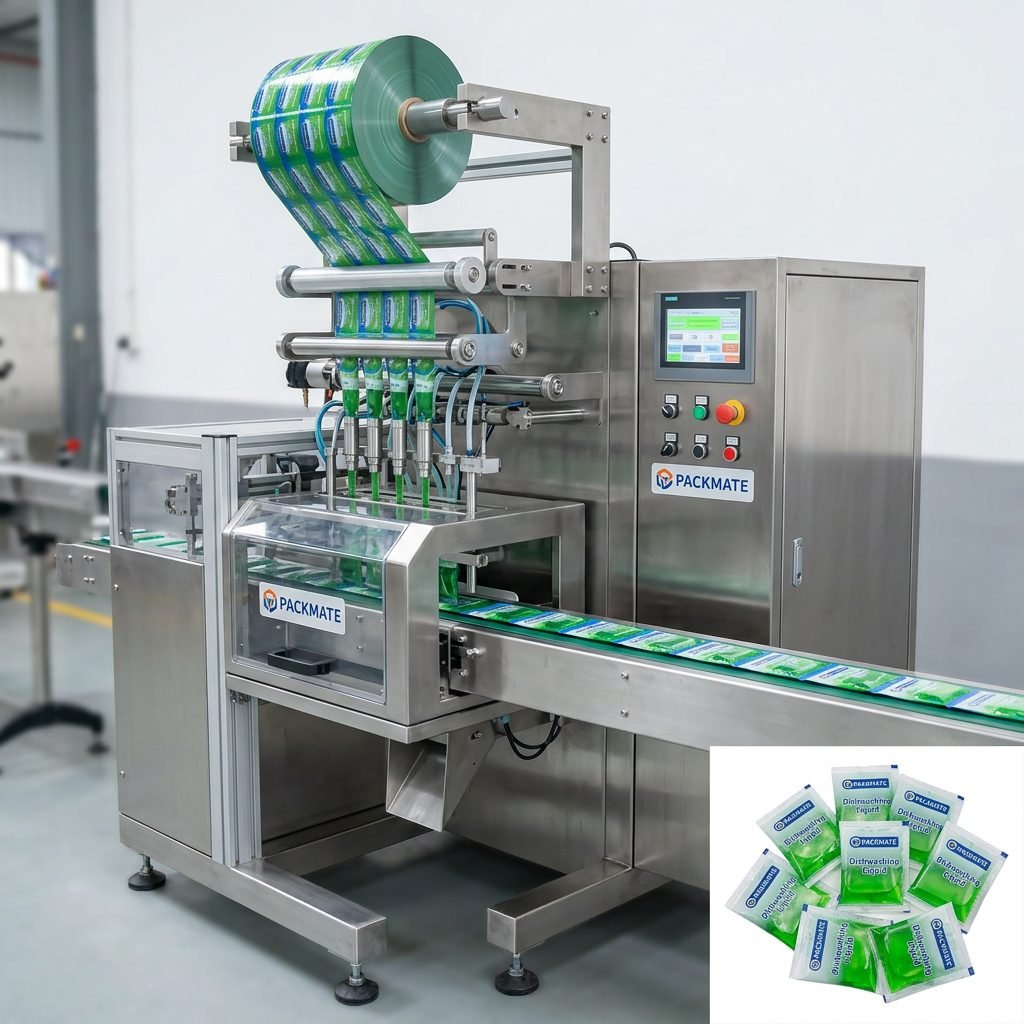
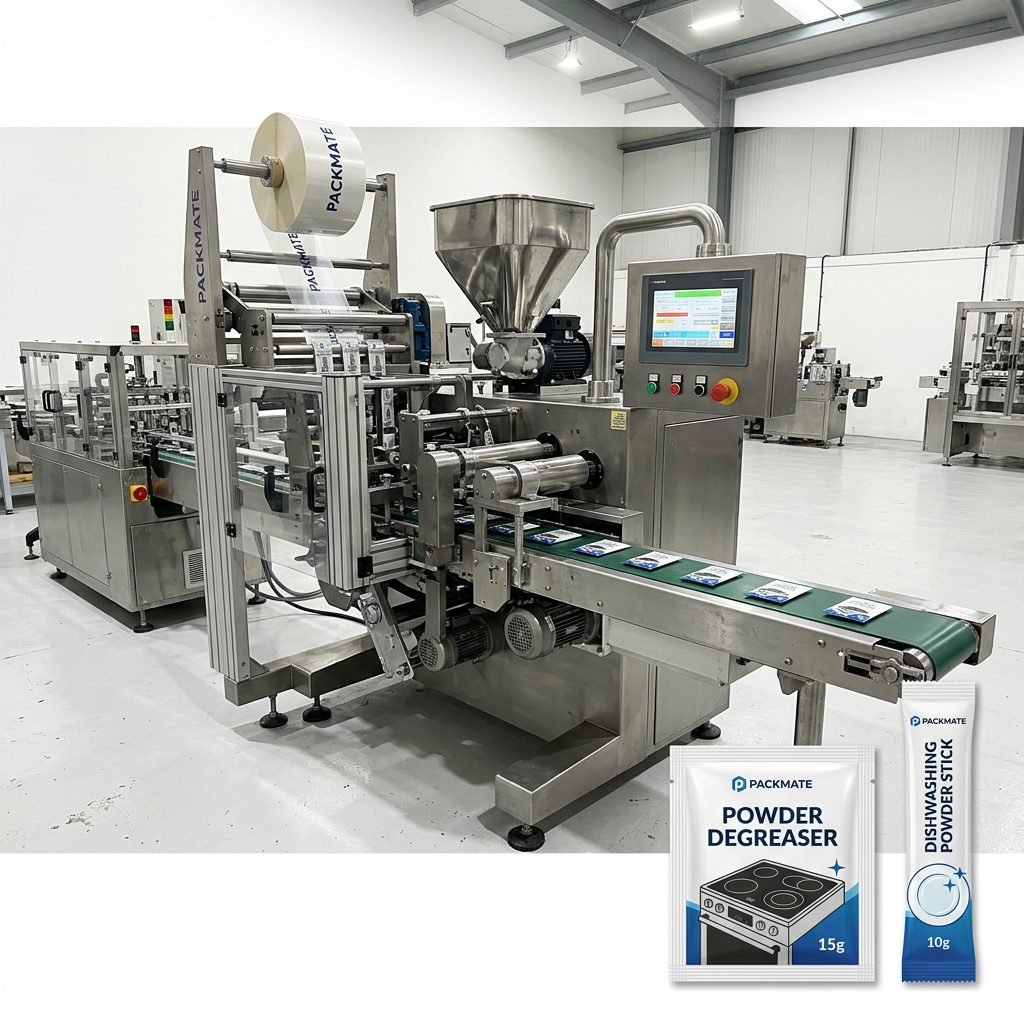
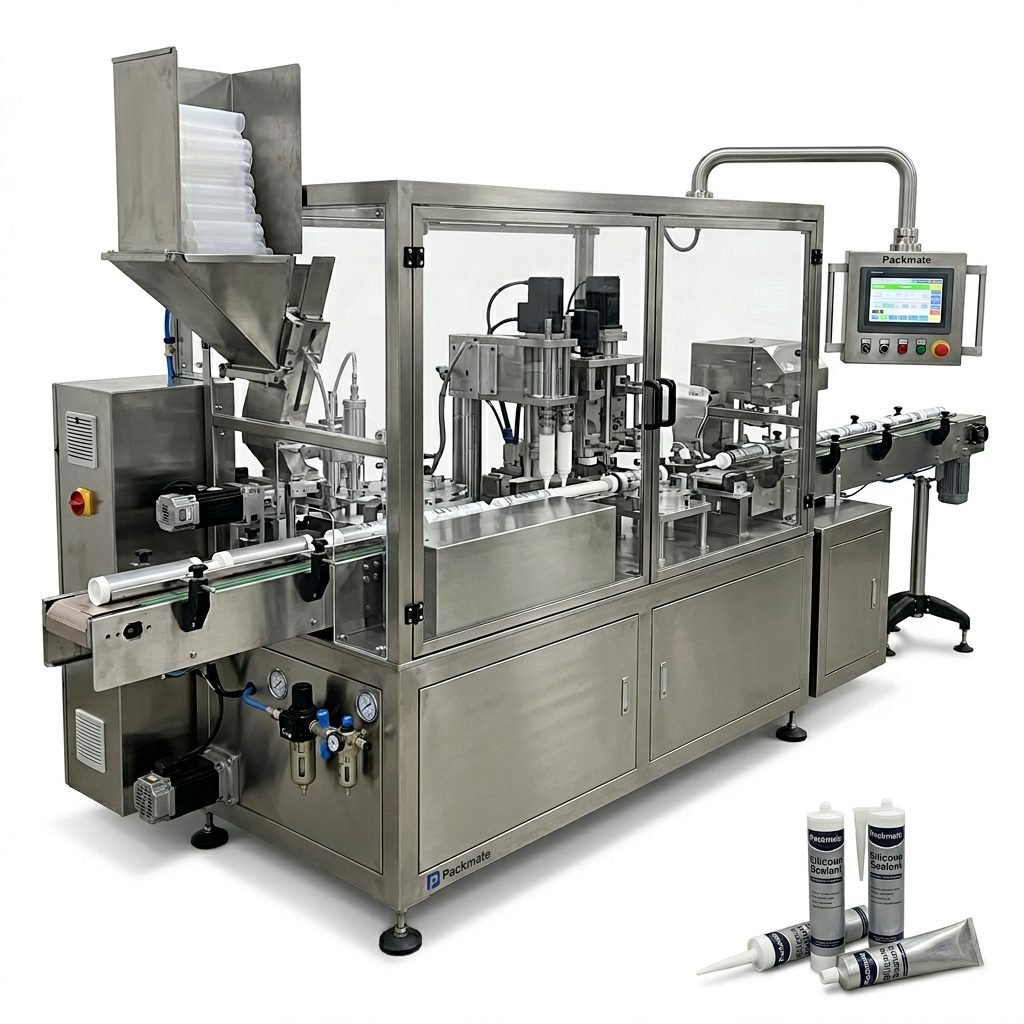
End of line (EOL) packaging refers to the final series of automated processes that occur after a product is manufactured and filled. This phase transforms loose products or primary packages into saleable, shippable units ready for distribution. Key functions include:
- Cartoning: Placing bottles, vials, or sachets into cardboard boxes.
- Case Packing: Grouping multiple primary packages into larger shipping cases.
- Palletizing: Stacking cases onto pallets for stable transport.
- Bundling & Wrapping: Securing products with shrink film or stretch wrap.
- Labeling & Coding: Applying batch codes, expiry dates, and barcodes.
💡 Core Objective: The primary goal of EOL packaging is to ensure products are protected, efficiently handled, and accurately presented from the factory floor to the end consumer, all while maximizing throughput and minimizing cost.
Critical Considerations by Industry
While the core machinery may share similarities, the operational requirements differ drastically across sectors.
Food Industry Packaging
Food packaging must balance preservation with appeal. Key drivers include:
- Extended Shelf Life: Utilizing modified atmosphere packaging (MAP) technology to replace oxygen with inert gases, drastically slowing spoilage.
- Contamination Barrier: Ensuring hermetic seals to prevent microbial ingress, crucial for powders, granules, and liquids.
- Supply Chain Durability: Withstanding variable temperatures and humidity during logistics. Robust case packing and palletizing are non-negotiable.
Pharmaceutical Packaging
This is the most regulated domain, where packaging is part of the product’s safety profile.
- Regulatory Compliance: Adherence to cGMP, FDA, and EMA guidelines is mandatory. Systems must support serialization and aggregation for track-and-trace.
- Product Integrity: Absolute protection against moisture, light, and tampering. Child-resistant and senior-friendly features are often required.
- Accuracy & Documentation: Zero tolerance for labeling errors. Every unit must be correctly coded, and processes must be fully validated and documented.
Health & Nutraceutical Packaging
Sitting at the intersection of food and pharma, this sector demands a hybrid approach.
- Consumer Appeal: Packaging must communicate purity, potency, and premium quality on shelf, often using high-quality sachets or stick packs.
- Dosage Precision: For powders and supplements, accurate filling into single-serve formats is critical for consumer trust.
- Compliance: While less stringent than pharma, adherence to dietary supplement regulations (like DSHEA in the US) is essential.
Choosing the Right Technology & Partner
Investing in an EOL system is a long-term strategic decision. The choice of technology and the packaging solution provider will define your operational efficiency for years to come.
Key Technological Features to Evaluate
1. Flexibility & Changeover
Can the line quickly adapt to different product sizes, case counts, or pack patterns? Look for systems with programmable logic controllers (PLCs) and tool-less changeover features to minimize downtime.
2. Integration & Connectivity
Modern lines should seamlessly integrate with upstream fillers and downstream warehouse systems (ERP, MES). IoT-enabled machines provide real-time data on OEE (Overall Equipment Effectiveness), predictive maintenance alerts, and production analytics.
3. Hygiene & Cleanability
For food and pharma, stainless-steel constructions, smooth surfaces, and CIP (Clean-in-Place) capabilities are vital to meet sanitary standards and prevent cross-contamination.
4. Speed & Throughput
Match the machine’s capacity (cases per minute) to your current and projected production volumes. A reliable packaging line maintains consistent speed without compromising on accuracy or seal quality.
The Value of a Turnkey Solution Provider
Partnering with a specialist like Packmate (GuangDong) Co., Ltd. offers distinct advantages over piecing together equipment from multiple vendors.
- Single Point of Responsibility: From design and installation to training and maintenance, one partner manages the entire project lifecycle.
- Optimized System Harmony: An integrated line designed as a cohesive unit ensures smooth material flow, synchronized speeds, and reduced bottlenecks.
- Deep Industry Expertise: Providers with specific experience in your sector (e.g., pharma packaging cases) understand the unique challenges and regulatory hurdles, preventing costly design flaws.
- Future-Proofing: A good partner designs with scalability in mind, allowing for modular upgrades as your business grows.
Implementation & Best Practices
Successful deployment of an EOL packaging line goes beyond the purchase order.
- Comprehensive Site Audit: A thorough analysis of factory layout, utilities, and workflow is the foundation of a good design.
- Factory Acceptance Testing (FAT): Always witness the line running at the manufacturer’s facility with your specific products or prototypes before shipment.
- Structured Training: Ensure your operational and maintenance teams receive in-depth, hands-on training from the supplier’s engineers.
- Preventive Maintenance Plan: Adhere to a scheduled maintenance routine using genuine parts to ensure longevity and avoid unplanned stoppages. Explore the after-sales service offerings of your provider.
- Continuous Monitoring & Optimization: Use the data from your line to identify trends, fine-tune settings, and continuously improve efficiency and yield.
Conclusion: Packaging as a Strategic Asset
The end of the line is where your product’s journey to the consumer truly begins. A well-planned, technologically advanced, and reliably integrated EOL packaging system is not a cost center but a strategic asset. It safeguards product quality, enhances brand perception, ensures compliance, and drives operational profitability. By understanding the nuanced needs of your industry and partnering with an experienced, innovation-driven provider, you can transform this final manufacturing step into a powerful competitive advantage.
Frequently Asked Questions (FAQs)
1. What is the main difference between primary and end of line packaging?
Primary packaging is in direct contact with the product (e.g., a sachet, bottle, or blister pack). End of line packaging is the secondary and tertiary stage that groups, protects, and prepares these primary packages for shipping and retail (e.g., placing bottles into a carton, then cartons into a case, and cases onto a pallet).
2. How important is flexibility in an EOL system for a growing business?
It is crucial. A flexible system with quick changeover capabilities allows you to run multiple SKUs on the same line, respond swiftly to market changes, and launch new products without major capital investment in new machinery. It future-proofs your operation.
3. What are the key hygiene standards for pharmaceutical end of line packaging?
Pharmaceutical lines must comply with strict standards like cGMP (current Good Manufacturing Practice). This often requires the use of 316L stainless steel, smooth and crevice-free surfaces, HEPA-filtered air in critical zones, and validated cleaning protocols to prevent contamination and cross-contamination.
4. Can a single supplier really provide a complete “turnkey” packaging line?
Yes, leading suppliers like Packmate operate as turnkey solution providers. They have the in-house engineering expertise to design, manufacture, integrate, install, and commission the entire line—from the filler to the cartoner, case packer, and palletizer—ensuring all components work in perfect harmony.
5. How does IoT and Industry 4.0 impact modern end of line packaging?
IoT-enabled packaging lines provide real-time visibility into production data (speed, downtime, yield). This enables predictive maintenance (fixing issues before they cause failure), detailed OEE tracking, remote diagnostics, and data-driven decision-making to optimize efficiency and reduce waste throughout the packaging process.