In today’s competitive manufacturing landscape, optimizing your packaging process is not just an option—it’s a necessity for survival and growth. A streamlined packaging line directly impacts your bottom line by enhancing production efficiency and significantly reducing operational costs. This comprehensive guide delves into actionable strategies to transform your packaging operations from a cost center into a strategic asset.
The Foundation: Analyzing Your Current Packaging Line
Before implementing any changes, a thorough analysis of your existing setup is crucial. Begin by mapping the entire workflow, from product arrival at the packaging station to final palletization. Identify every step, machine, and manual intervention. Key metrics to track include Overall Equipment Effectiveness (OEE), line speed, changeover times, and waste percentage. This data forms your baseline and highlights the most significant areas for improvement, whether it’s machine downtime, material waste, or labor bottlenecks.
Key Areas for Process Optimization
Optimization is a multi-faceted endeavor. Focus on these core areas to build a robust and efficient packaging line:
1. Automation and Technology Integration
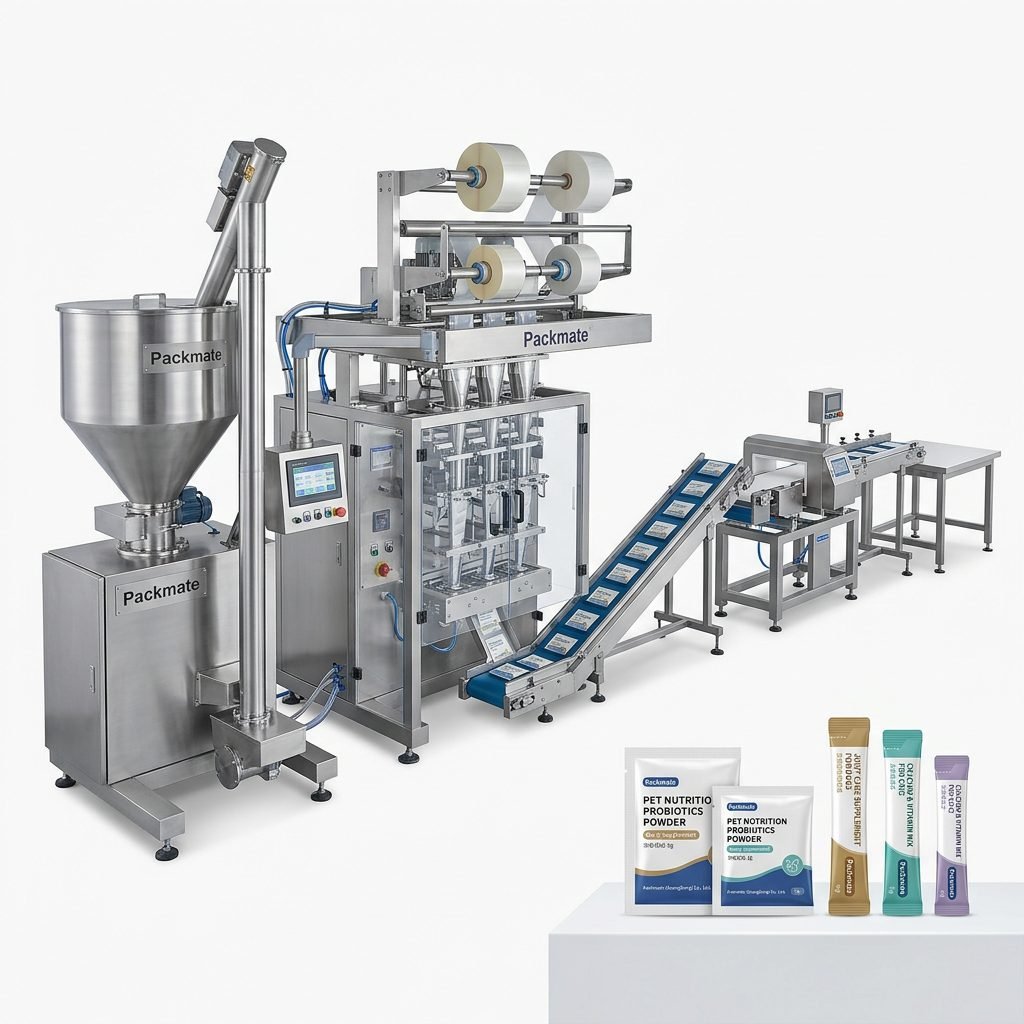
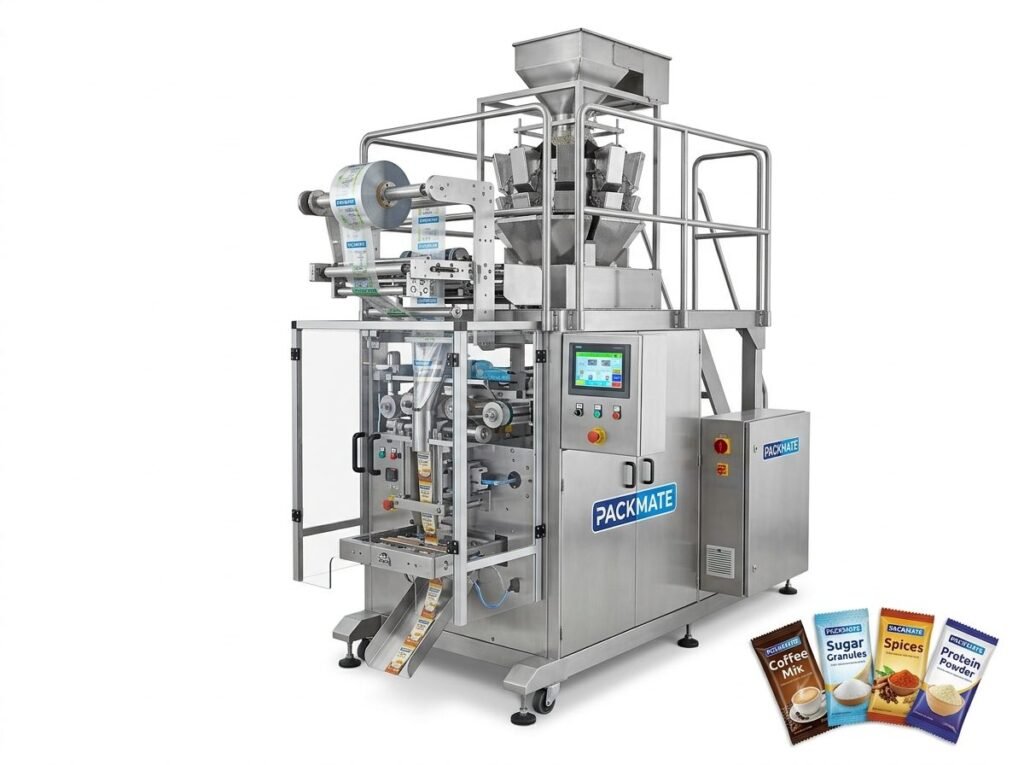
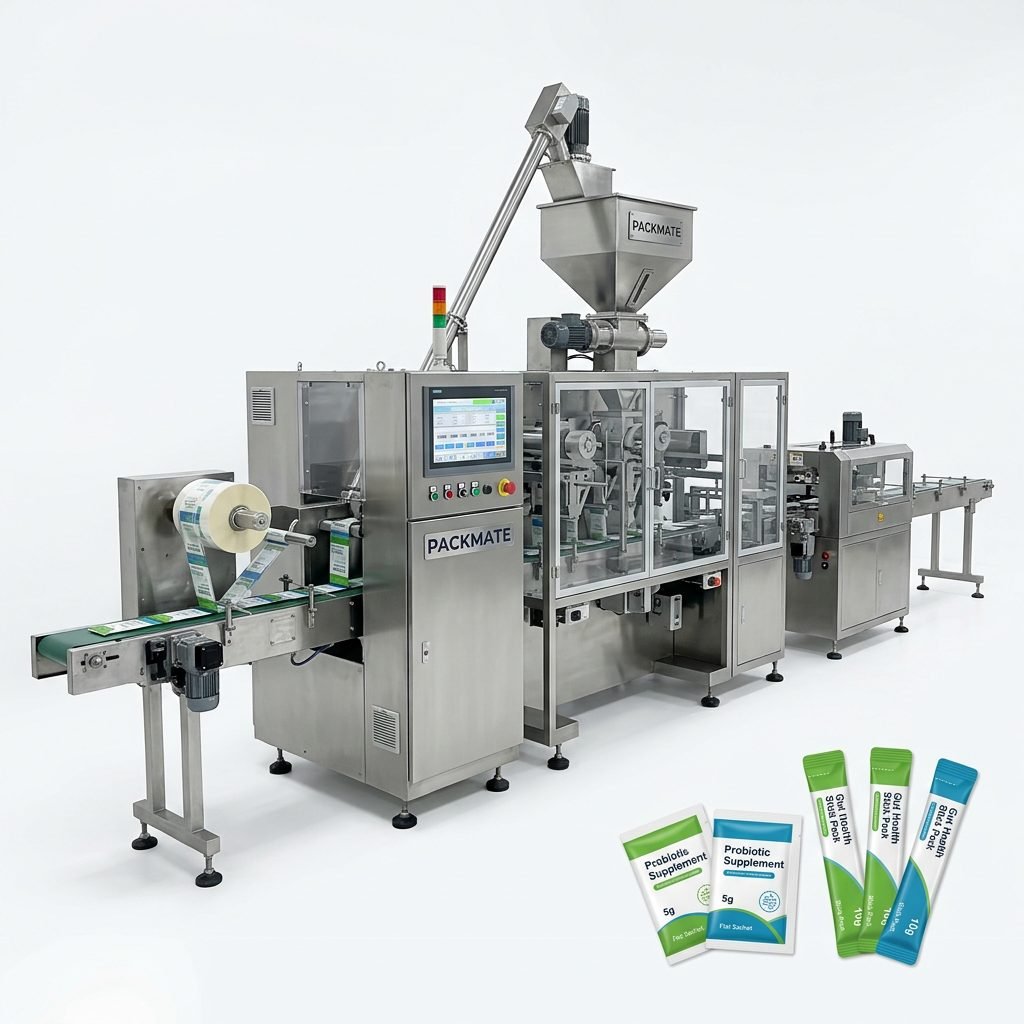
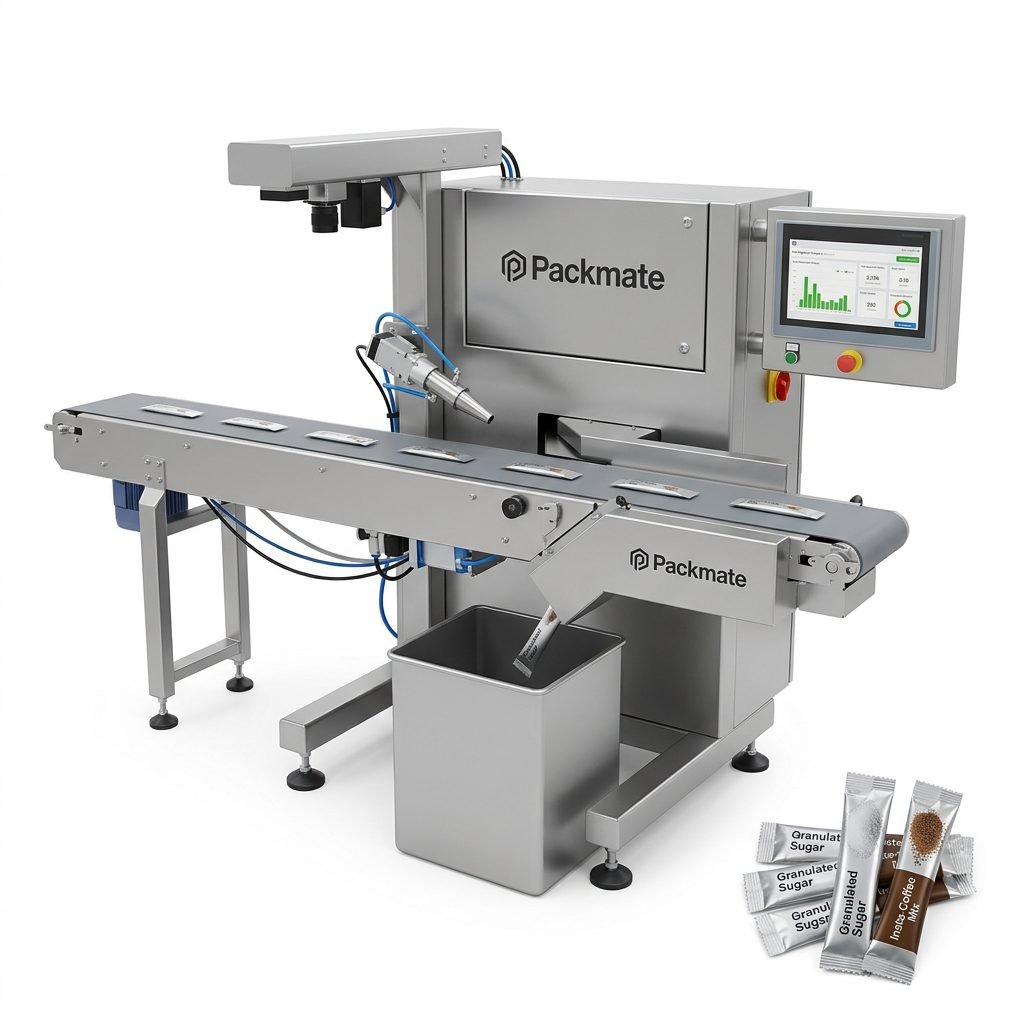
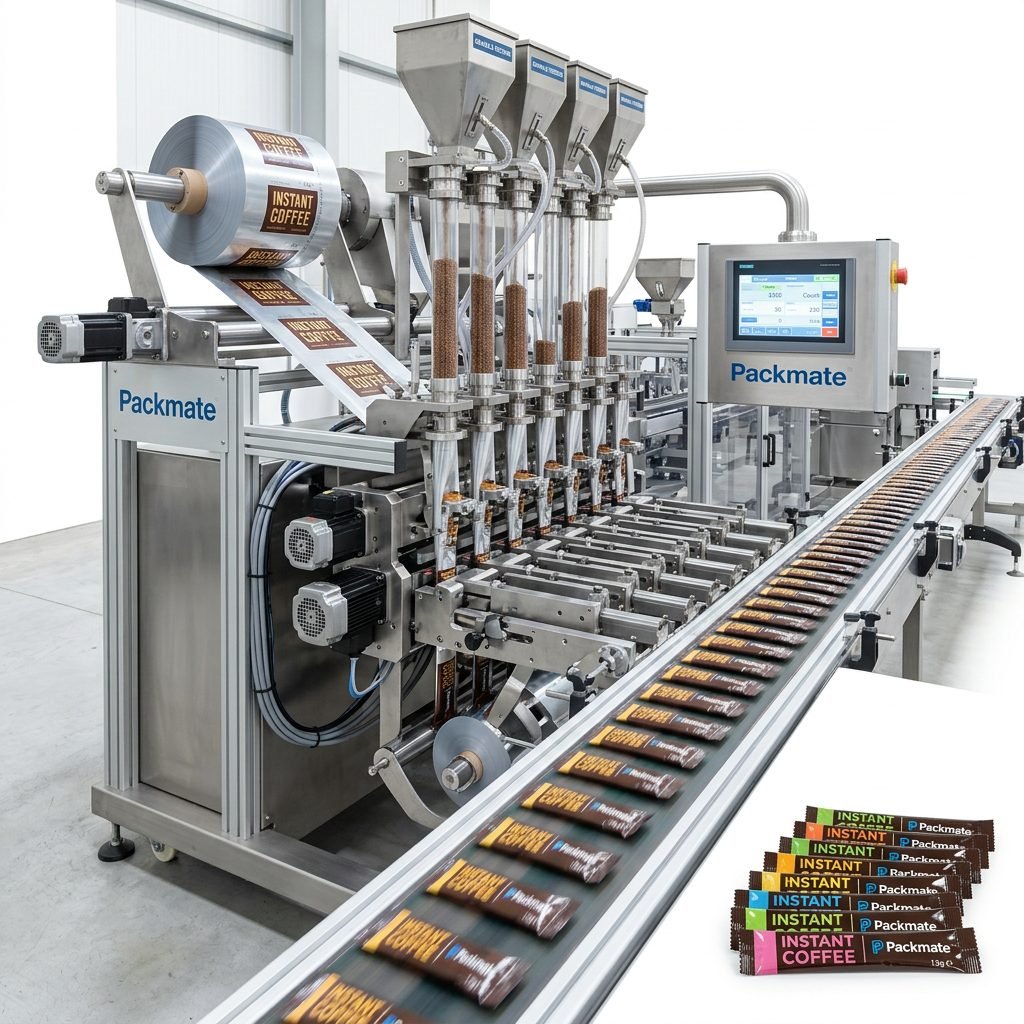
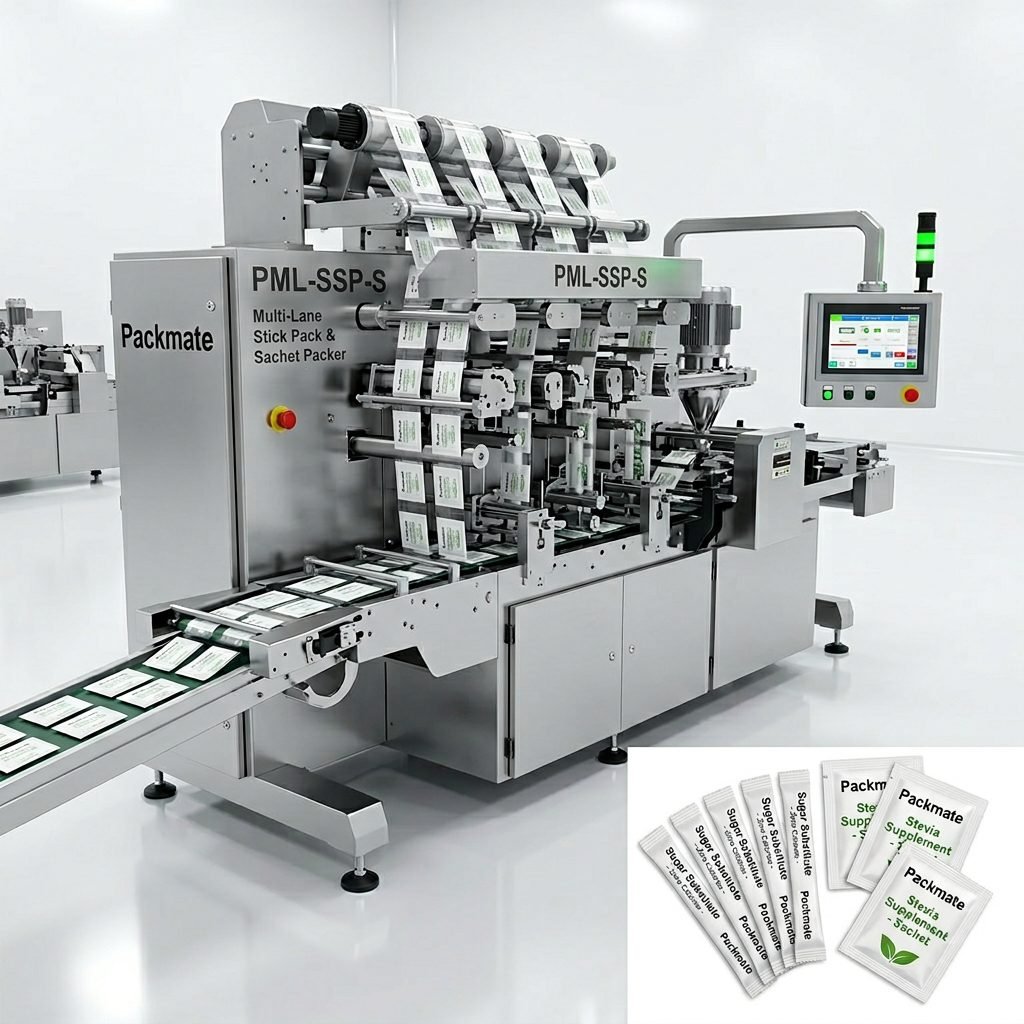
Introducing or upgrading automation is the most powerful lever for efficiency. Modern packaging machinery solutions offer unparalleled speed, precision, and consistency. Consider automated carton erectors, robotic case packers, and vision-guided palletizing systems. These technologies reduce reliance on manual labor, minimize human error, and allow your line to run for extended periods. For instance, integrating a multi-lane stick pack machine can dramatically increase output for granular products compared to single-lane operations.
2. Lean Manufacturing Principles
Adopting lean principles like 5S (Sort, Set in order, Shine, Standardize, Sustain) can transform your packaging floor. Organizing tools and materials reduces time spent searching. Standardizing work procedures ensures every operator follows the most efficient method. Continuously seeking and eliminating waste—be it in motion, waiting, or overprocessing—creates a culture of continuous improvement. This mindset is central to sustainable cost reduction.
3. Smart Material Handling and Logistics
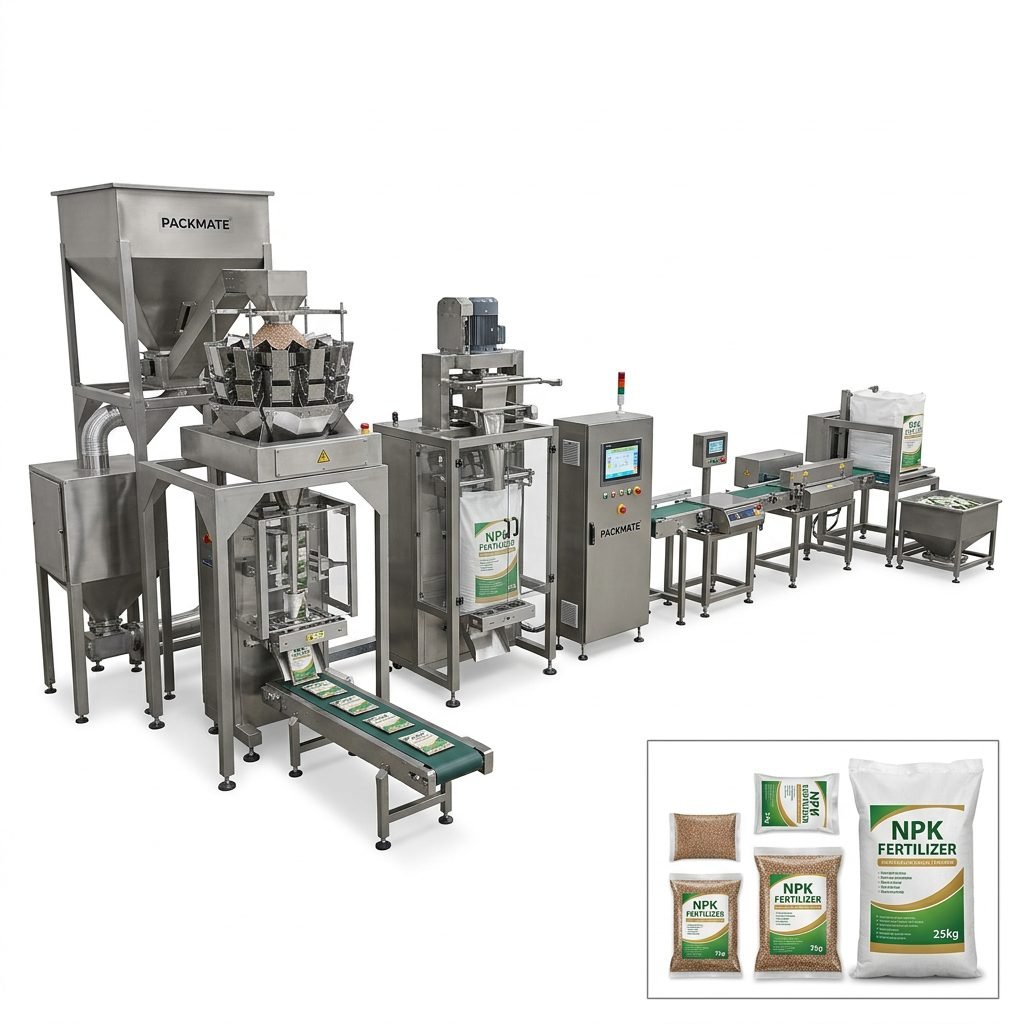
Inefficient material flow is a silent productivity killer. Optimize the supply of packaging materials (films, cartons, labels) to the line. Implement Kanban systems or automated guided vehicles (AGVs) to ensure a steady, just-in-time supply without cluttering the workspace. Similarly, streamline the outflow of finished goods. Properly designed conveyors and accumulation tables prevent jams and ensure a smooth transition from packaging to shipping, as seen in many successful industry case studies.
4. Predictive Maintenance and Data Analytics
Shifting from reactive to predictive maintenance prevents costly unplanned downtime. Utilize IoT sensors on critical machinery to monitor vibration, temperature, and performance. Data analytics platforms can predict when a component is likely to fail, allowing for maintenance during scheduled stops. This proactive approach, supported by a reliable technical service partnership, maximizes machine uptime and extends equipment lifespan, protecting your capital investment.
Strategies for Tangible Cost Reduction
Efficiency gains naturally lower costs, but targeted strategies can amplify savings:
Material Optimization
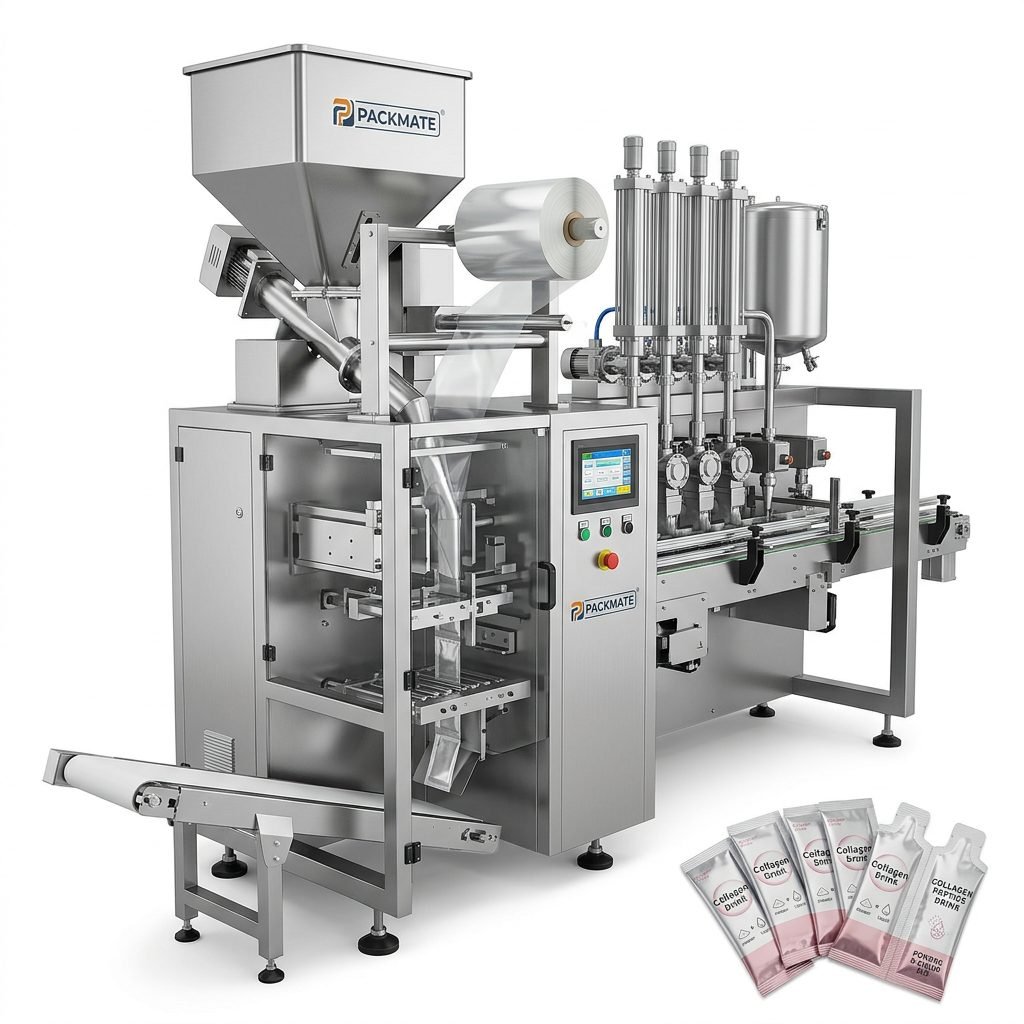
Packaging materials often represent the largest variable cost. Work with suppliers and engineers to right-size your packaging—using the minimal effective amount of film, cardboard, or filler. Explore alternative, sustainable materials that may be lighter or less expensive without compromising protection. Implementing precise dosing and filling machines minimizes product giveaway, saving both product and packaging material.
Energy Consumption Management
Modern servo-driven machines are significantly more energy-efficient than older mechanical models. Conduct an energy audit of your packaging line. Simple actions like optimizing compressed air systems (a major energy drain in packaging), using high-efficiency motors, and implementing smart shutdown protocols for idle equipment can lead to substantial utility cost savings.
Labor Optimization
Automation redefines the role of labor. Instead of manual packing, staff can be upskilled to supervise multiple automated lines, perform quality checks, and manage data systems. This leads to a more engaged workforce and allows you to do more with less, reducing long-term labor costs per unit produced. The expertise of a partner like Packmate, with decades of experience, is invaluable in designing such integrated human-machine systems.
Implementing Change and Measuring Success
Successful optimization requires careful planning. Start with a pilot project on one line or one shift to test new processes or equipment. Secure buy-in from operators and floor managers—their insights are critical. Use the baseline data from your initial analysis to measure the impact. Track metrics like cost per unit, throughput rate, and waste reduction. Celebrate wins and use data to justify further investments. A clear mission and vision for operational excellence will guide this continuous journey.
Ultimately, packaging process optimization is an ongoing cycle of measurement, analysis, and improvement. By embracing technology, lean thinking, and data-driven decision making, you can build a packaging line that is not only faster and cheaper to run but also more agile and responsive to market demands. This strategic advantage is what separates industry leaders from the competition.
Frequently Asked Questions (FAQs)
Q1: How much can I realistically expect to save by optimizing my packaging line?
Savings vary widely but typically range from 15% to 30% in operational costs. Key areas include material waste reduction (5-10%), labor efficiency gains (10-20%), and energy savings (5-15%). The return on investment (ROI) for new equipment is often achieved within 12-24 months through these combined efficiencies.
Q2: We are a small manufacturer. Is full automation feasible for us?
Absolutely. Optimization doesn’t always mean multi-million dollar robotics. Start with semi-automatic equipment that speeds up specific bottleneck tasks, like automated taping or labeling. Modular solutions allow you to automate in stages. The goal is to incrementally reduce manual handling and errors, which provides a quick ROI even for smaller operations.
Q3: How do I choose the right technology partner for this journey?
Look for a partner with proven experience in your industry and a full range of services—from consultation and design to installation and after-sales support. Review their certifications and client testimonials. A good partner will conduct a thorough audit of your needs and provide a clear roadmap with measurable outcomes, rather than just selling machines.
Q4: What is the biggest challenge in packaging line optimization?
The most common challenge is change management. Employees may resist new processes or fear job loss. Clear communication about the reasons for change, comprehensive training, and involving team leaders in the planning process are essential to overcome this. The technical integration of new and old equipment is another key hurdle that requires expert planning.
Q5: How often should we review and update our packaging processes?
Optimization is continuous. Conduct formal reviews at least quarterly to analyze performance data against targets. Encourage daily feedback from line operators. Stay informed about new technologies and market trends. An annual comprehensive audit is recommended to identify strategic opportunities for the next phase of investment and improvement.