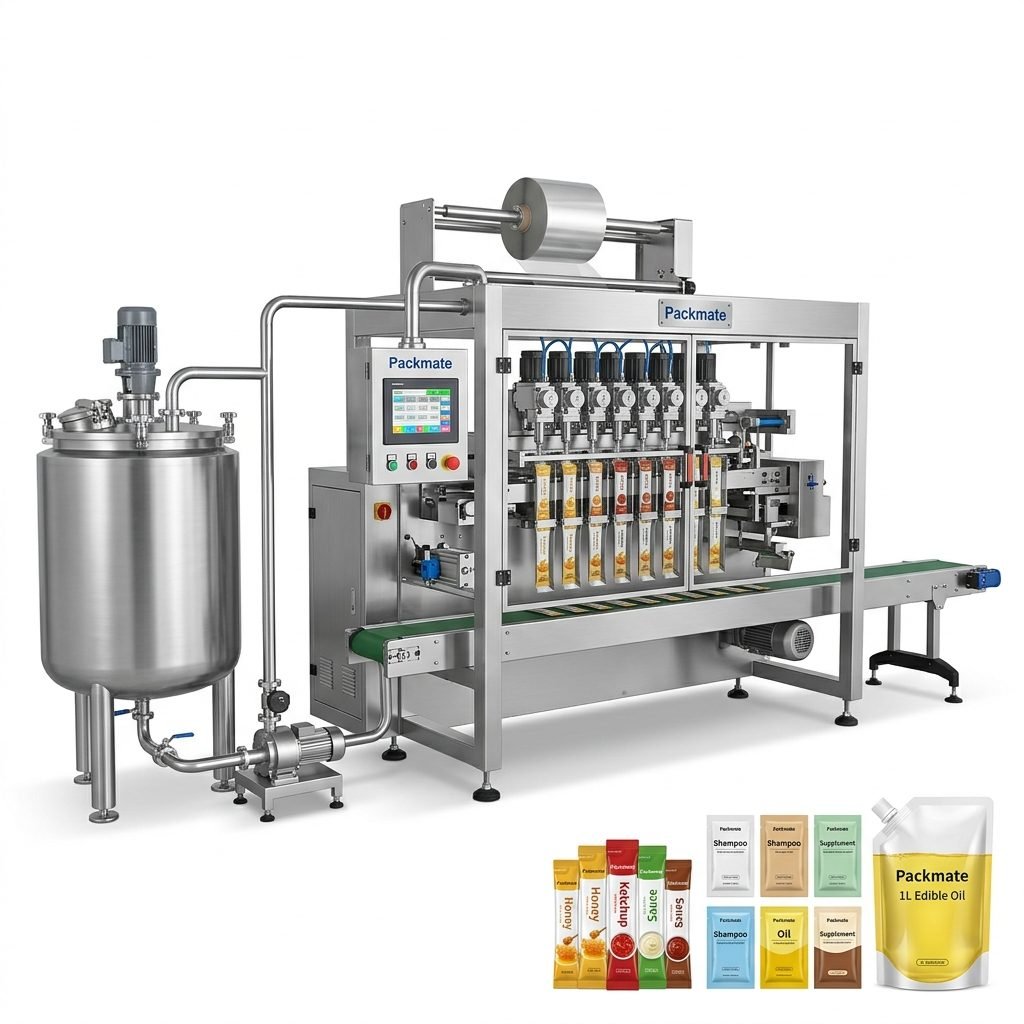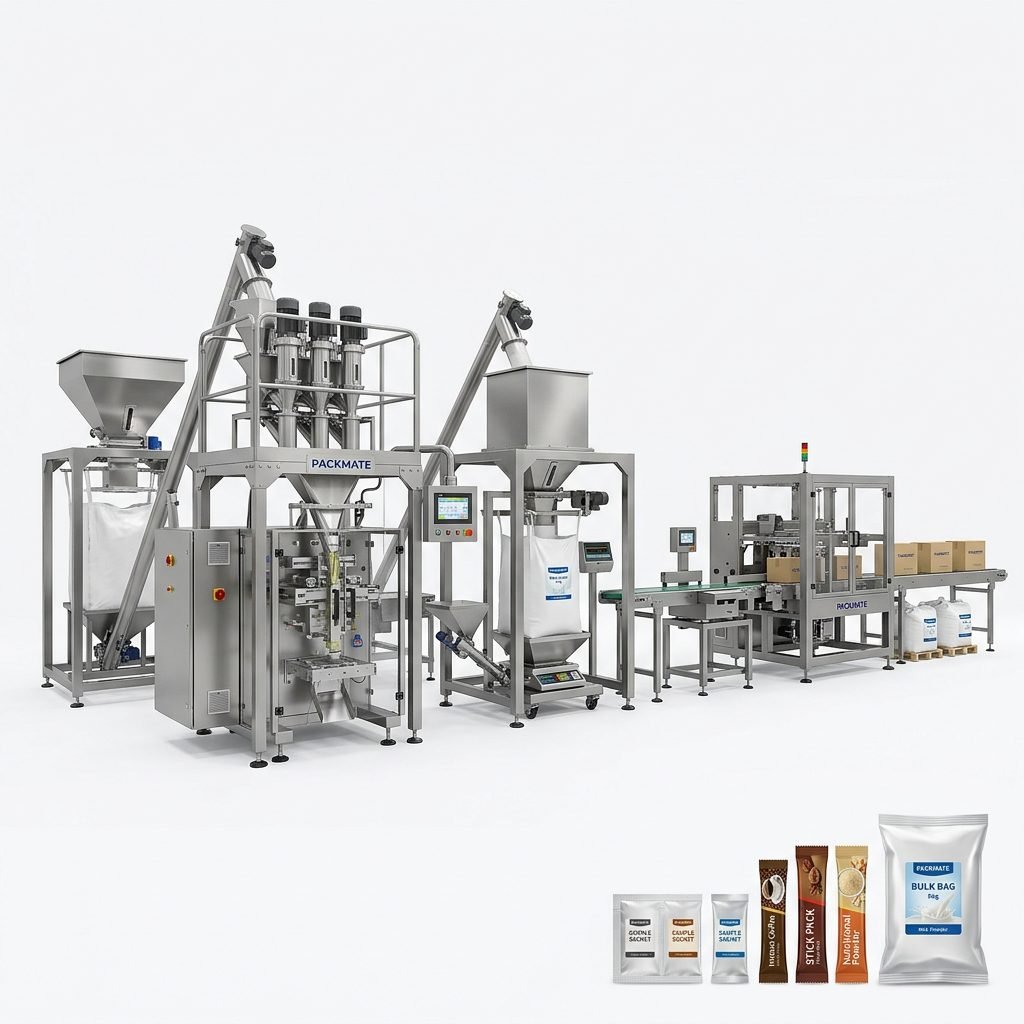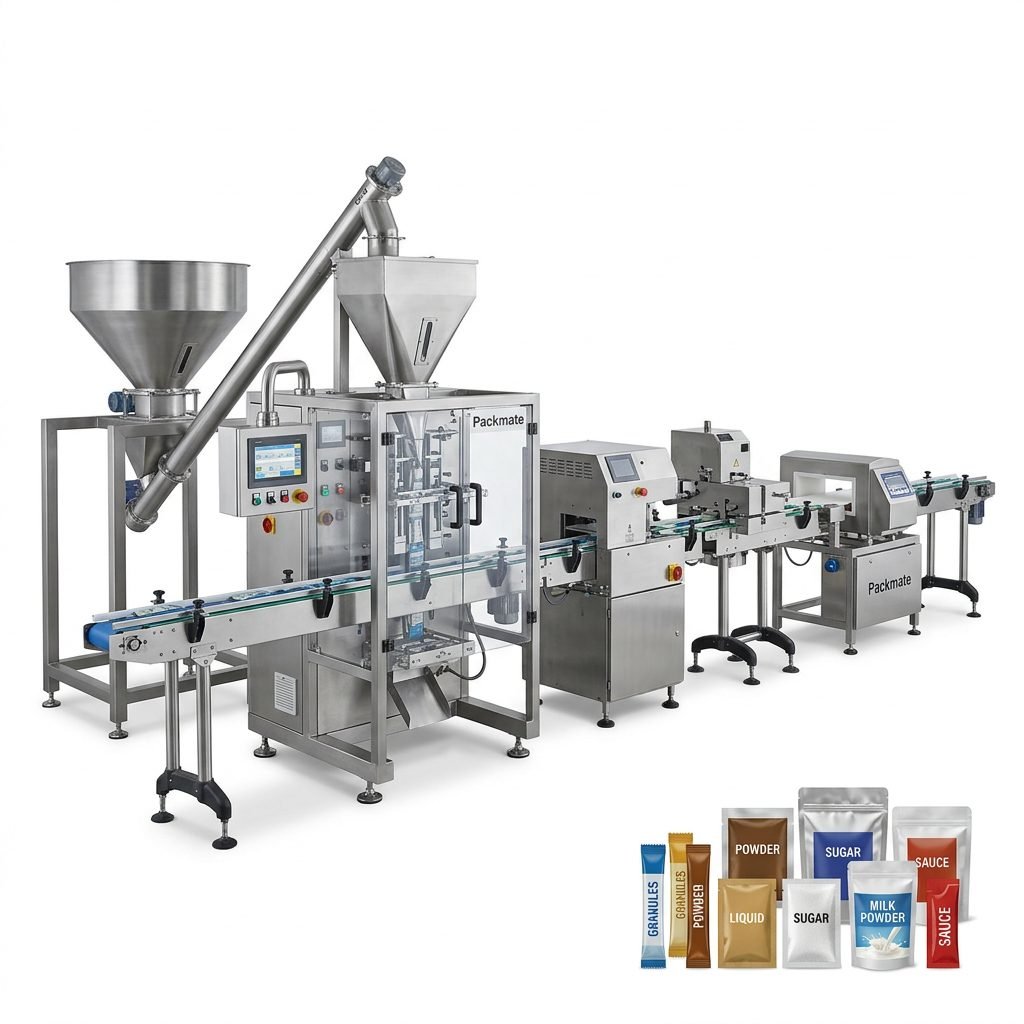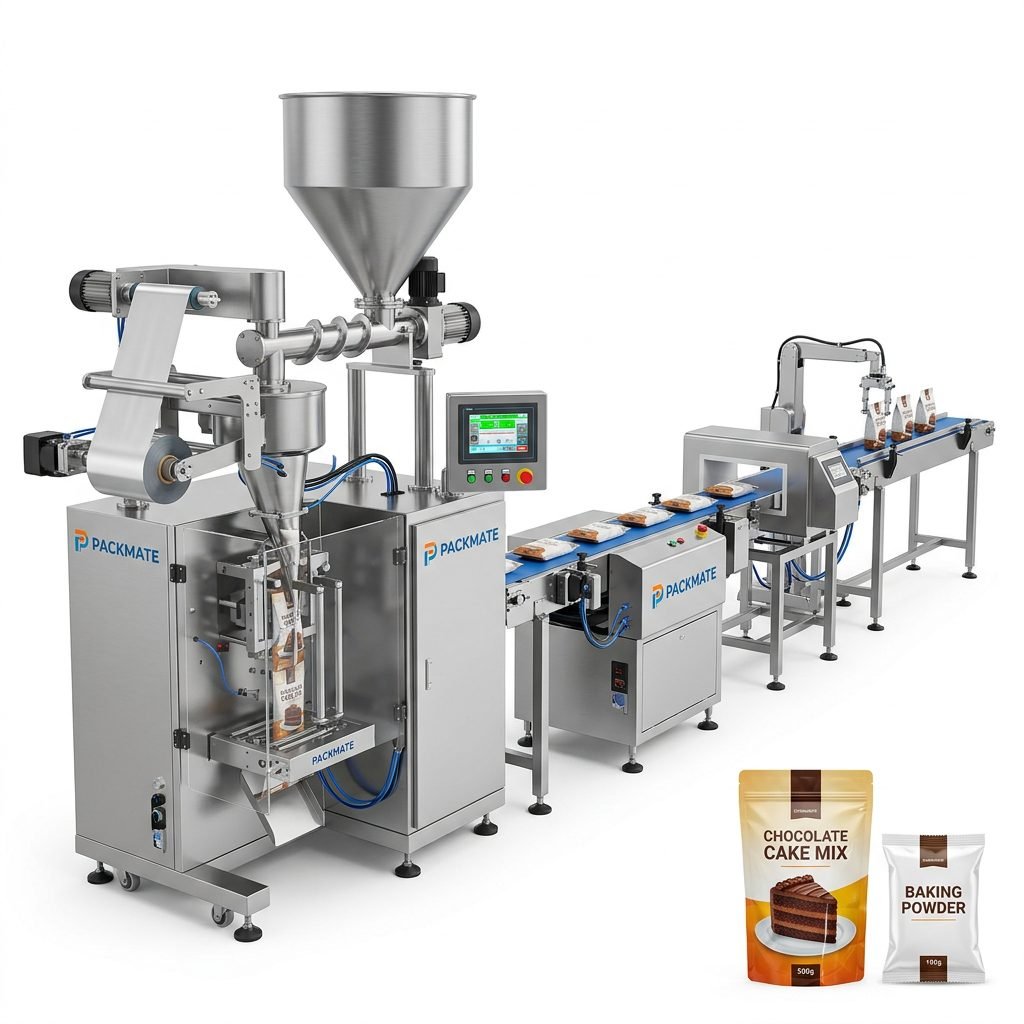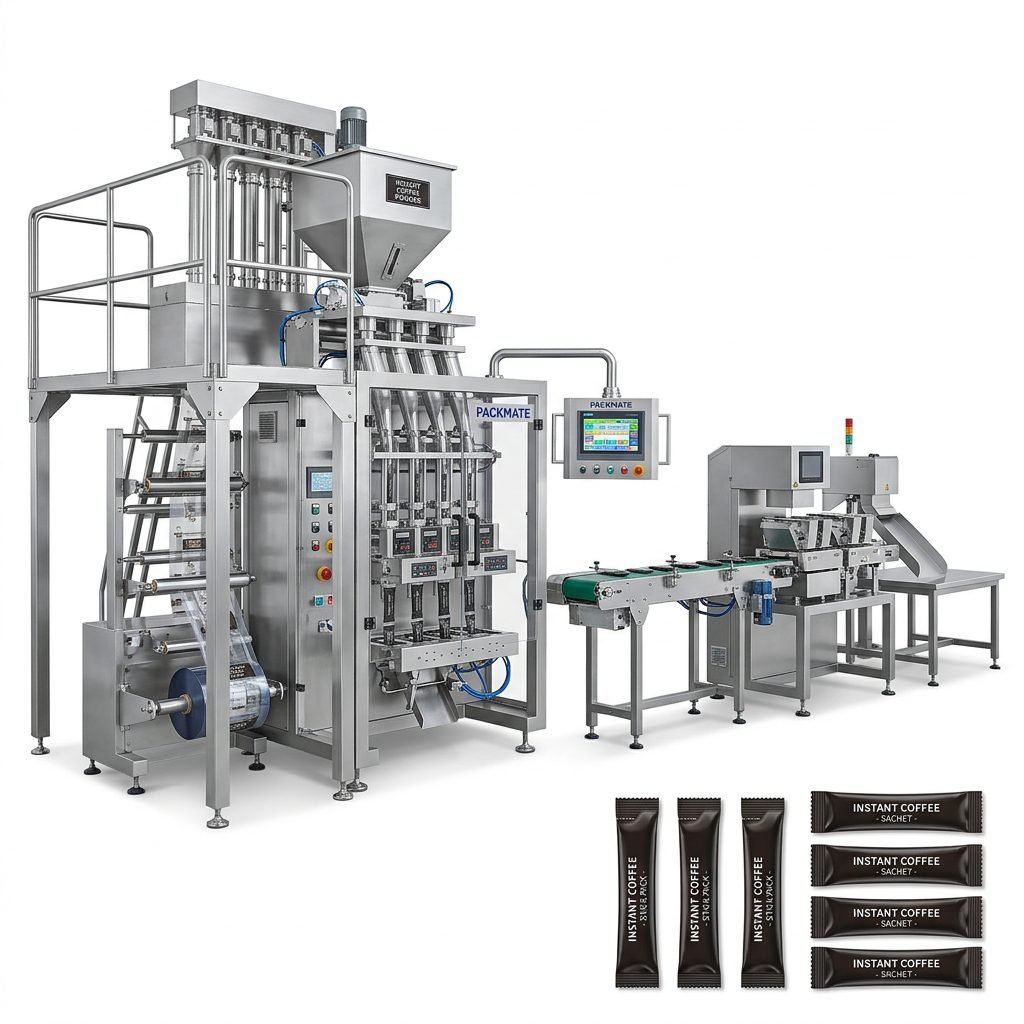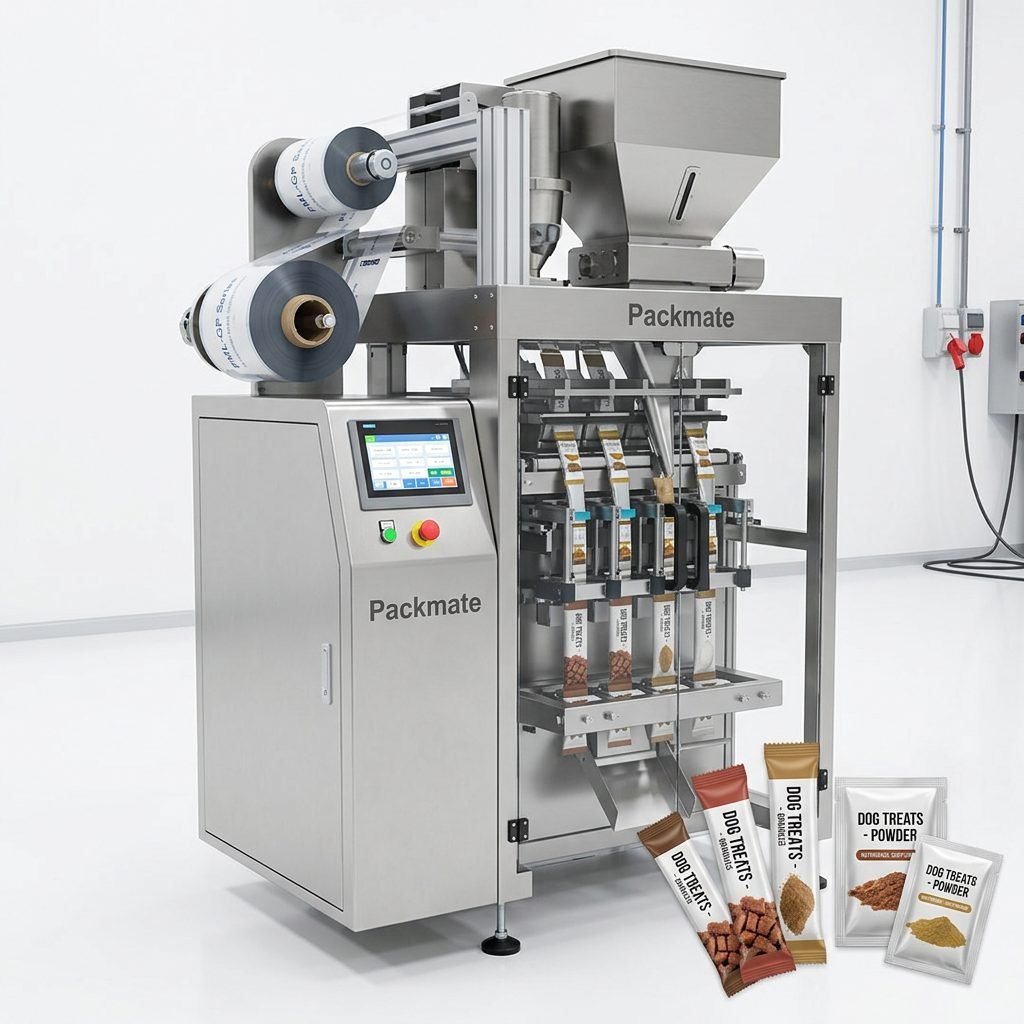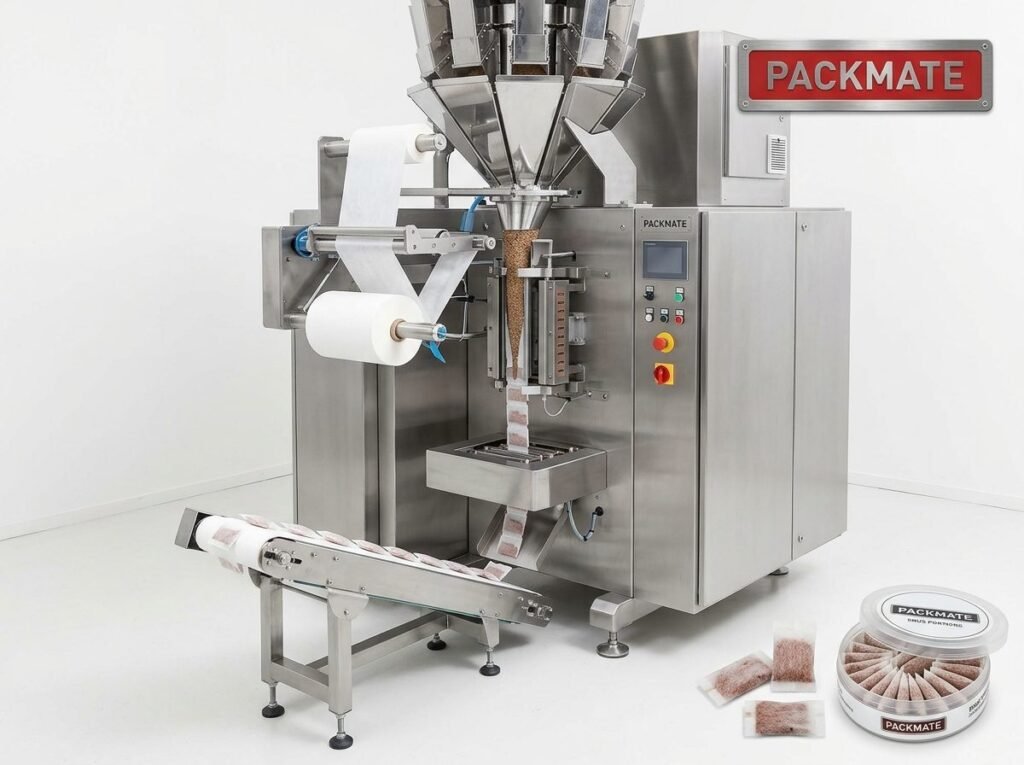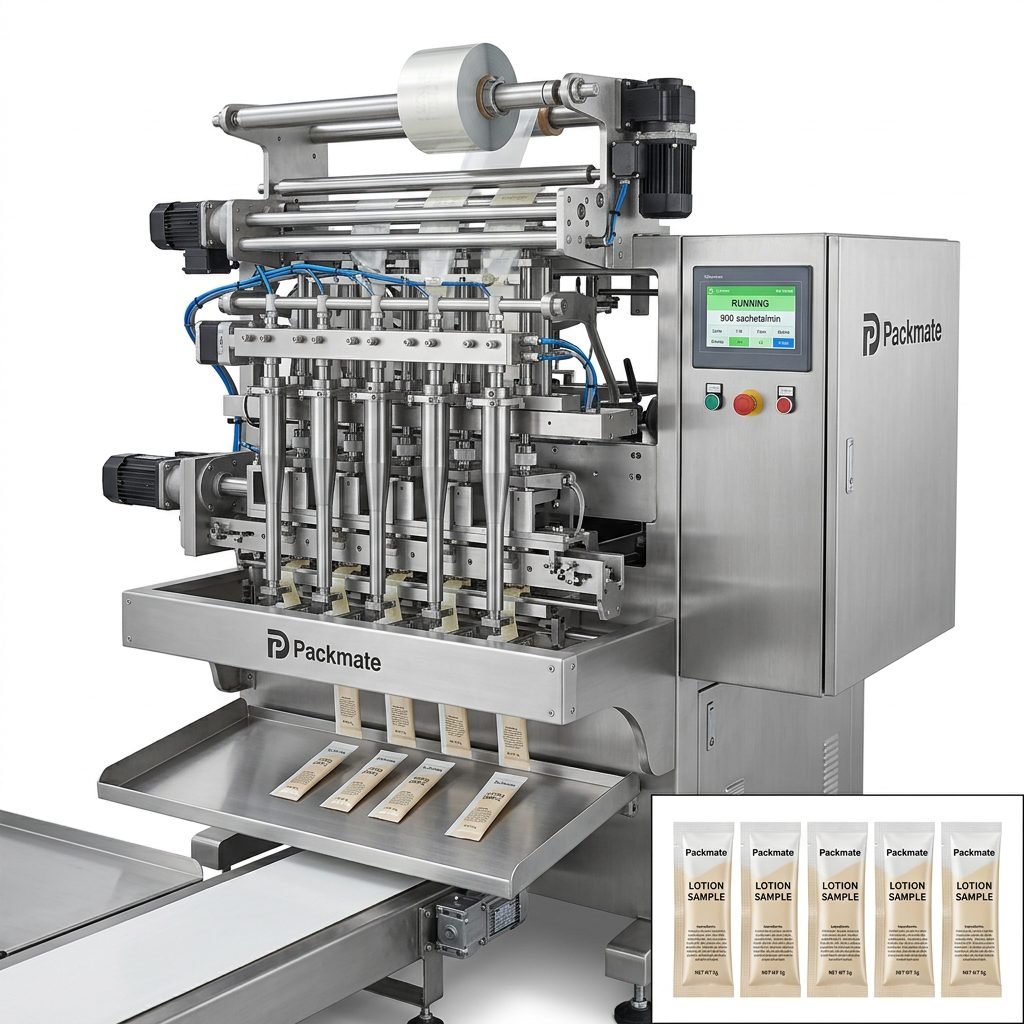
In the competitive world of biscuit manufacturing, efficiency is the cornerstone of profitability. As consumer demand grows and market expectations for freshness and presentation rise, producers face immense pressure to scale operations without compromising on quality or speed. This is where the strategic implementation of a dedicated Cookie Packaging Line becomes not just an operational upgrade, but a critical business imperative. Moving beyond basic bundling, a modern, automated packaging line integrates a series of synchronized machines designed to handle the delicate nature of biscuits at high velocities, ensuring each product is perfectly sealed, protected, and ready for retail.
The Core Components of a High-Speed Biscuit Packaging Line
A turnkey solution is more than a single machine; it’s a harmonious system. The journey of a biscuit from cooling conveyor to shipping case involves several key stages, each addressed by specialized equipment within the line.
1. Feeding & Collating Systems
The process begins with gentle handling. Vibratory feeders or conveyor belts transport biscuits from the oven or cooling area. Advanced collators then precisely group the biscuits into the required count (e.g., rows of 4×3 for a tray). Consistency here is vital to prevent jams and ensure smooth downstream flow.
2. Wrapping & Sealing Core
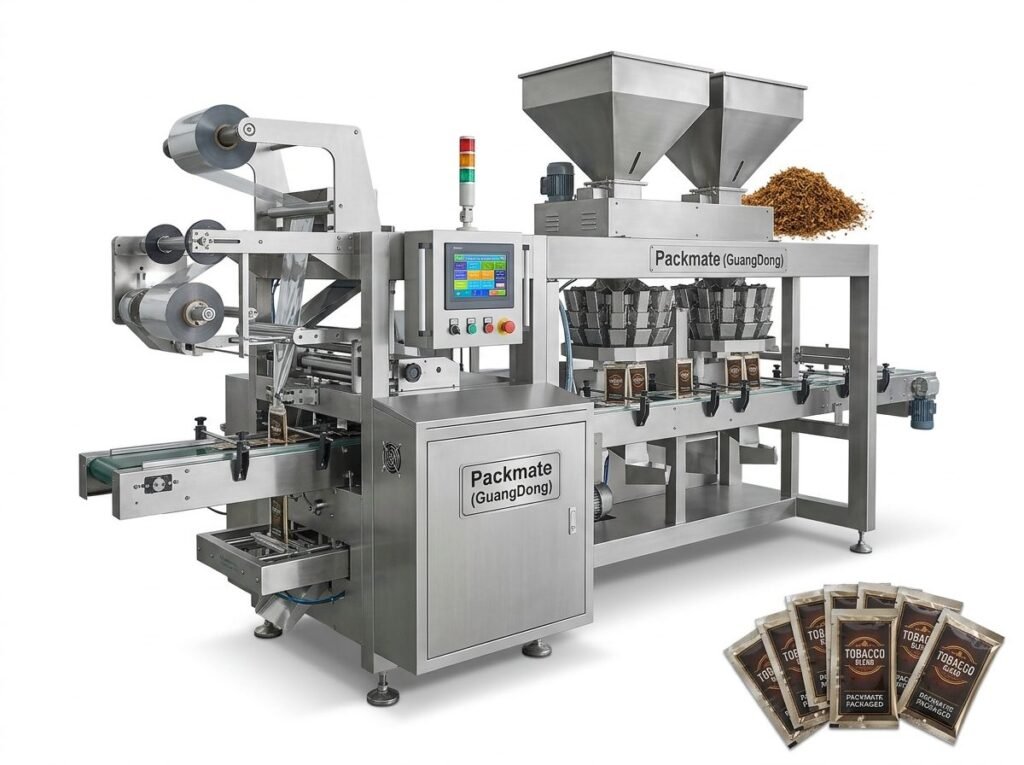
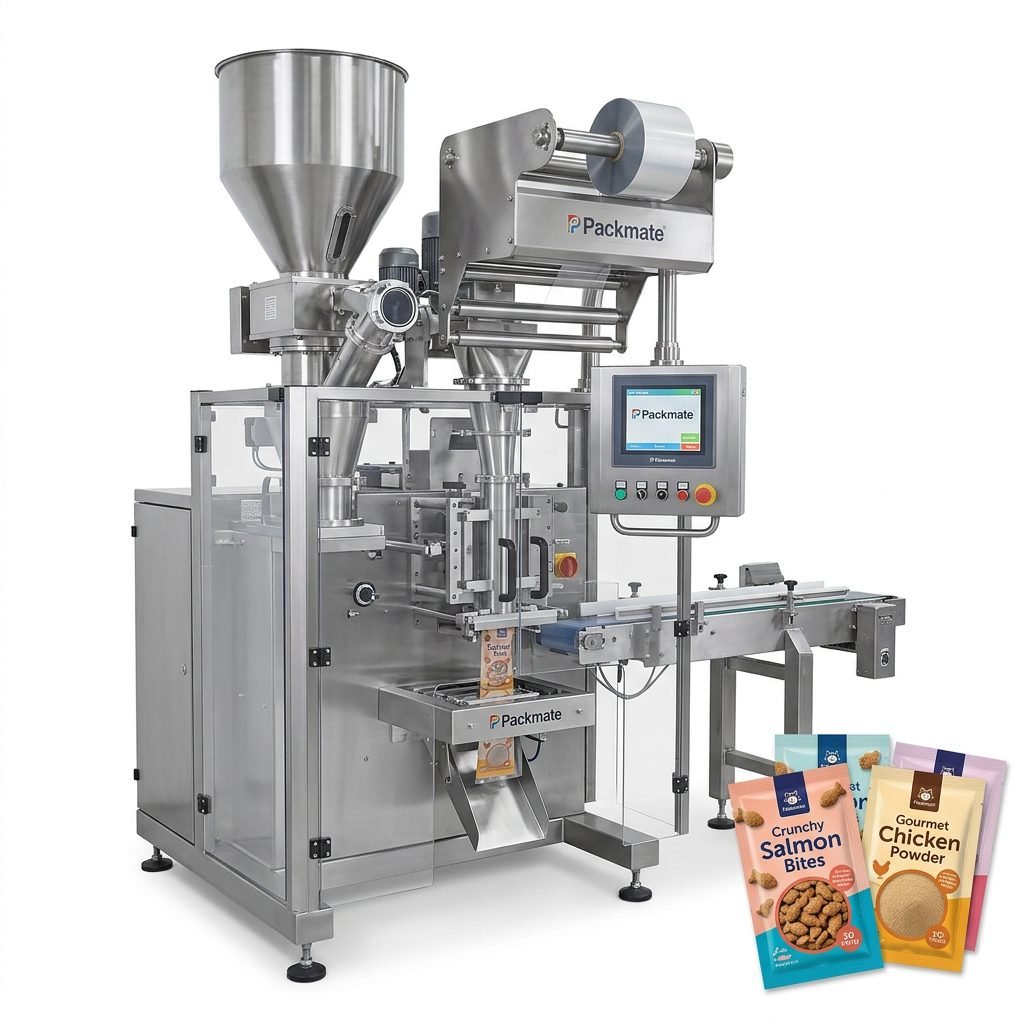
This is the heart of the line. Biscuits are fed into a continuous motion or intermittent motion wrapper. A roll of packaging film—be it polypropylene, metallized film, or biodegradable material—is formed around the product group. Critical seals are made longitudinally and at the ends. Modern machines feature precise temperature controls and sealing jaws to create strong, airtight seals without burning the film or the product, a common challenge with delicate, buttery biscuits.
3. Checkweighers & Metal Detectors
Integrated quality control is non-negotiable. Inline checkweighers instantly reject under or over-weight packs, ensuring compliance and minimizing giveaway. Similarly, metal detectors scan every pack for foreign contaminants, safeguarding brand reputation and consumer safety. These modules provide real-time data for production monitoring.
4. Secondary Packaging & Case Erecting
Individual packs are then collated into larger groups, placed into cartons, and sealed. Robotic arms or pneumatic placers automate this step for speed and precision. Finally, case erectors and sealers prepare shipping boxes, often with automatic case packing systems that load the cartoned biscuits, ready for palletizing.
Tangible Benefits of Automated Packaging Solutions
Investing in an integrated line from a provider like Packmate (GuangDong) Co., Ltd. delivers a rapid and measurable return on investment across multiple facets of the operation.
➤ Dramatically Increased Output: Automated lines can achieve speeds of 200 to over 800 packs per minute, depending on configuration, far surpassing manual or semi-automatic methods. This allows manufacturers to meet large order volumes and capitalize on market opportunities.
➤ Superior Product Protection & Shelf Life: Consistent, hermetic sealing locks in freshness and prevents staleness. It also acts as a robust barrier against moisture, contaminants, and physical damage during logistics, directly reducing waste and customer complaints.
➤ Significant Labor and Cost Reduction: Automation minimizes reliance on large manual labor teams for repetitive tasks like feeding, sealing, and boxing. This reduces long-term payroll costs, mitigates risks associated with labor shortages, and reallocates human resources to more skilled supervisory and maintenance roles.
➤ Enhanced Flexibility and Scalability: Modern lines are designed for quick changeovers. With adjustable forming boxes and programmable logic controllers (PLCs), switching between different biscuit sizes, shapes, or pack counts (e.g., from 200g to 500g packs) can be achieved in minutes, supporting small-batch production runs and product diversification.
➤ Unmatched Consistency and Brand Presentation: Every single pack is identical. The seals are straight, the graphics are aligned, and the package looks professional on the shelf. This consistency is a powerful brand statement that builds consumer trust and perceived value.
Key Considerations for Selecting Your Line
Choosing the right solution requires a detailed analysis of your specific needs. Key factors include:
- Biscuit Characteristics: Fragility, size, shape (round, square, sandwich), and surface oil content.
- Required Speed (PPM): Align machine capability with current and projected future production goals.
- Packaging Materials: Type of film (OPP, BOPP, laminate), and whether you need features like tear-notches or resealable zippers.
- Factory Footprint: The available floor space for the linear or U-shaped line layout.
- Integration with Upstream/Downstream Equipment: Ensuring compatibility with existing ovens, conveyors, and palletizers.
Partnering with an experienced supplier is crucial. A provider with deep industry knowledge, like Packmate, which you can learn more about on their Home page, will conduct a thorough audit of your process. They don’t just sell machines; they deliver a complete packaging Solution tailored to your unique challenges, ensuring the line integrates seamlessly and performs as promised. Reviewing real-world Case studies from similar manufacturers can provide invaluable insight during the selection process.
The Future: Smart Lines and Sustainable Packaging
The evolution of cookie packaging is driven by Industry 4.0 and eco-consciousness. Future-ready lines incorporate IoT sensors for predictive maintenance, collecting data on motor temperature, seal integrity, and output rates to prevent unplanned downtime. Furthermore, there is growing demand for machinery capable of handling mono-material or compostable films, aligning with global sustainability goals and consumer preferences. Suppliers at the forefront, such as Packmate, are continuously innovating to meet these demands, a commitment reflected in their long Company History of development.
Frequently Asked Questions (FAQs)
1. What is the typical speed range for a fully automated cookie packaging line?
Speeds vary based on biscuit type and pack complexity. Standard lines can range from 150 to 400 packs per minute (PPM). High-speed configurations for simpler, robust biscuits can exceed 800 PPM. A detailed consultation with your supplier will determine the optimal speed for your product.
2. How do automated lines handle fragile or oddly-shaped biscuits without breakage?
Specialized design is key. Lines use gentle vibratory feeders, soft-belt conveyors, and custom-designed collating buckets that cradle the product. The forming area is precisely engineered to minimize drop height and friction. Experienced engineers will test your specific product during the design phase to ensure integrity.
3. Can one line package multiple different biscuit products?
Yes, through modular design and quick-change features. Adjustable forming tubes, interchangeable product buckets, and recipe-saving on the PLC allow for changeovers in as little as 15-30 minutes. This is ideal for manufacturers producing a variety of SKUs.
4. What kind of maintenance does a high-speed packaging line require?
Regular, scheduled maintenance is essential for longevity. This typically includes daily cleaning of product contact parts, weekly lubrication of chains and bearings, and periodic inspection of seals, sensors, and drives. Reputable suppliers provide comprehensive training and detailed manuals, and offer ongoing Service support.
5. How long does it take to install and commission a new turnkey line?
The timeline depends on line complexity. From order placement, delivery typically takes 8-16 weeks. On-site installation and commissioning by factory engineers can take 2-4 weeks, including mechanical setup, electrical connection, parameter tuning, and operator training to achieve stable, full-speed production.