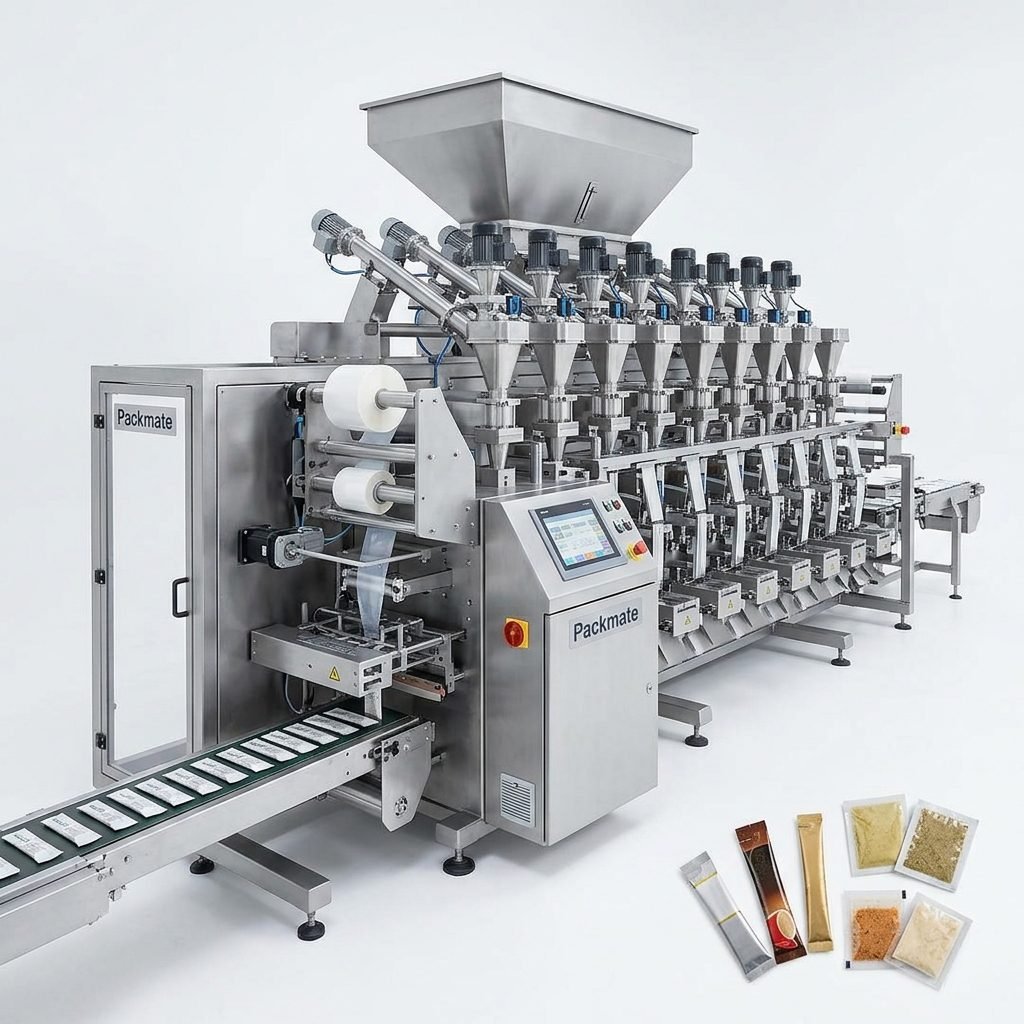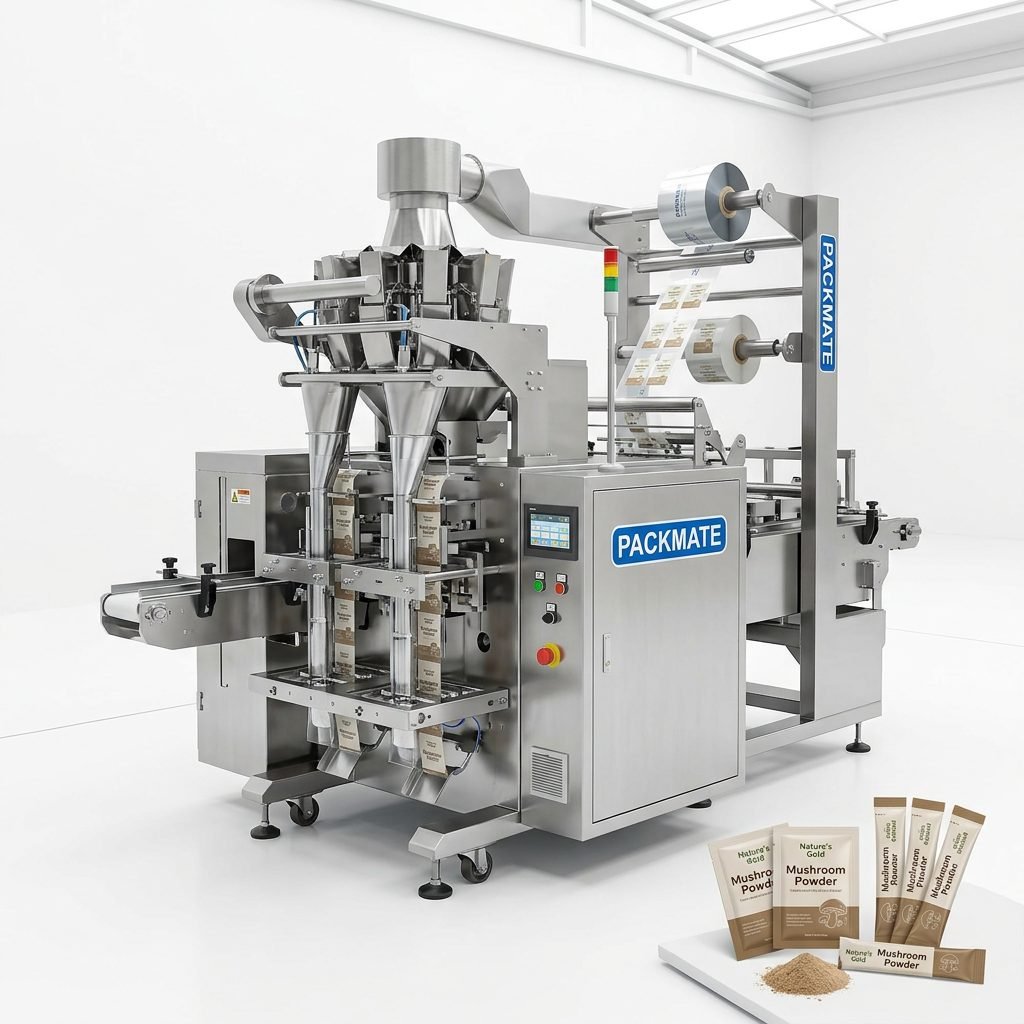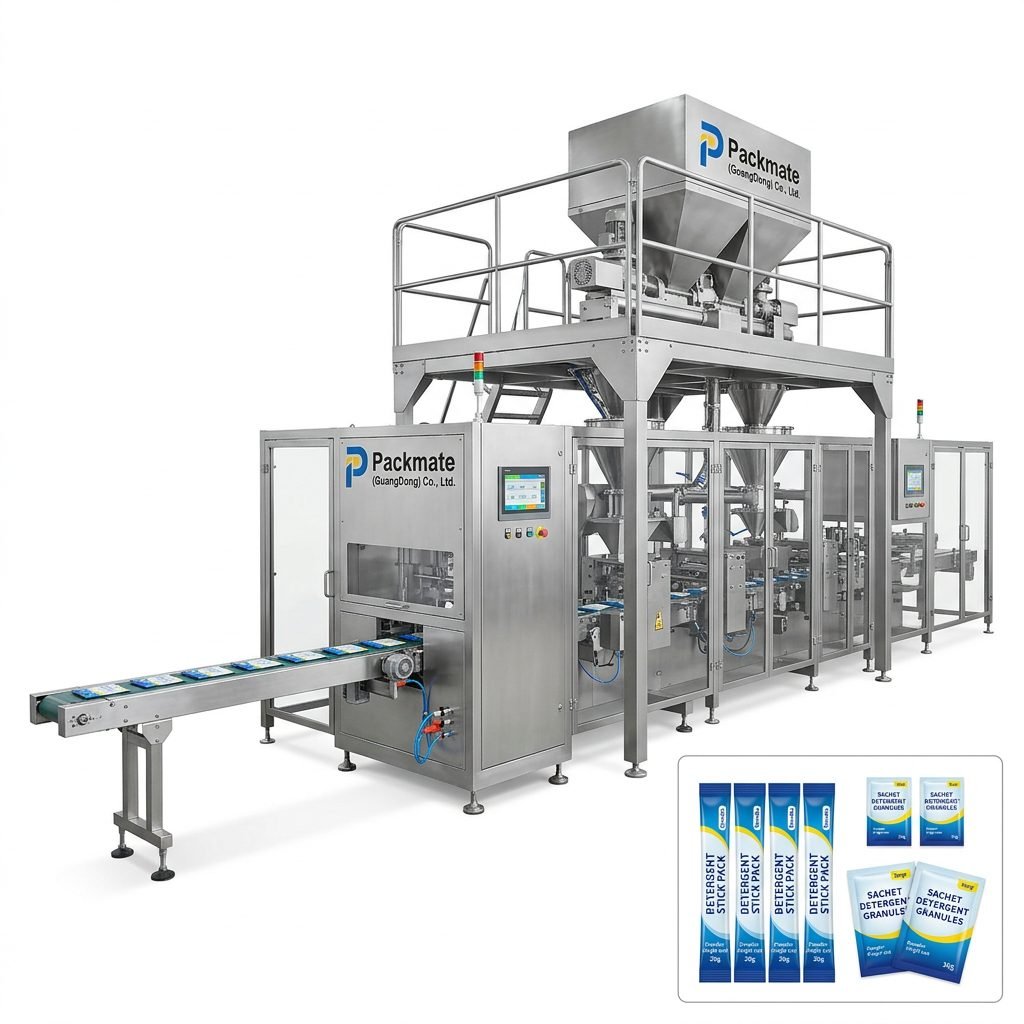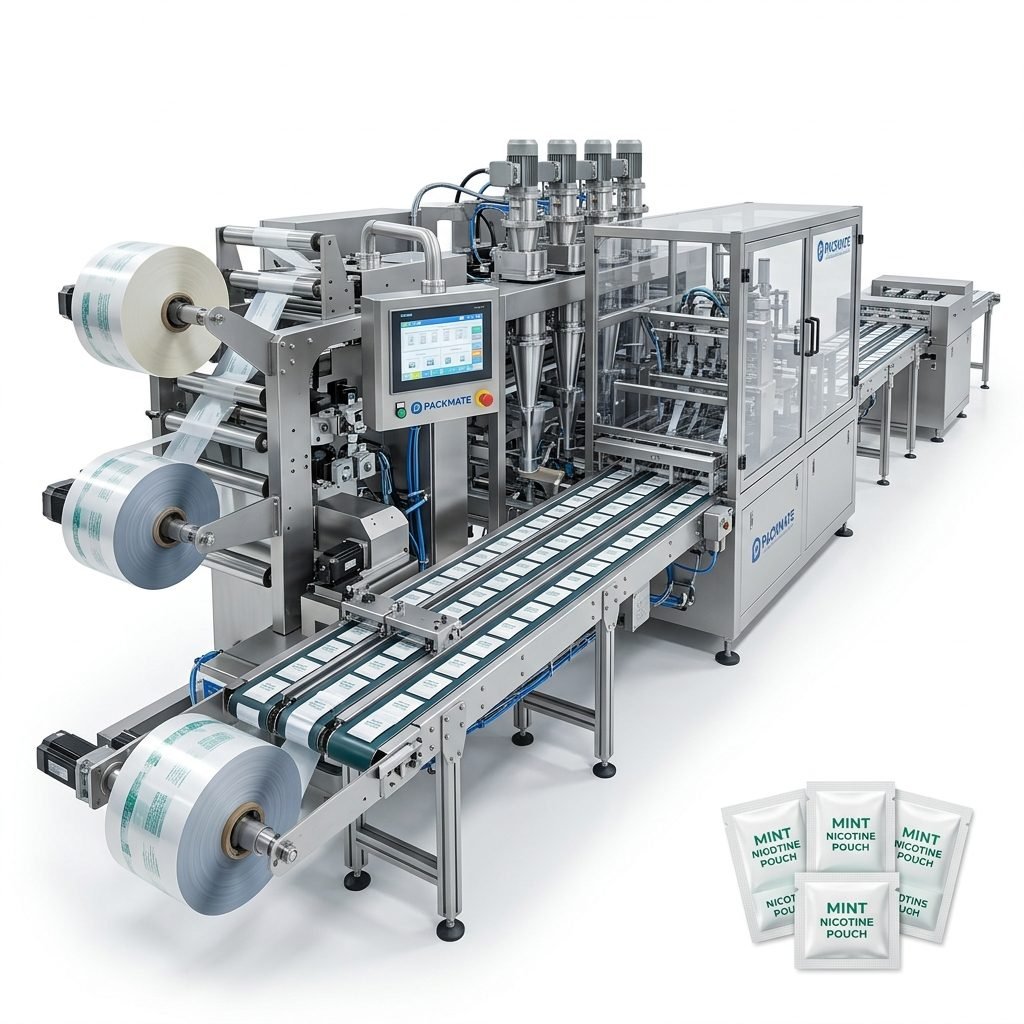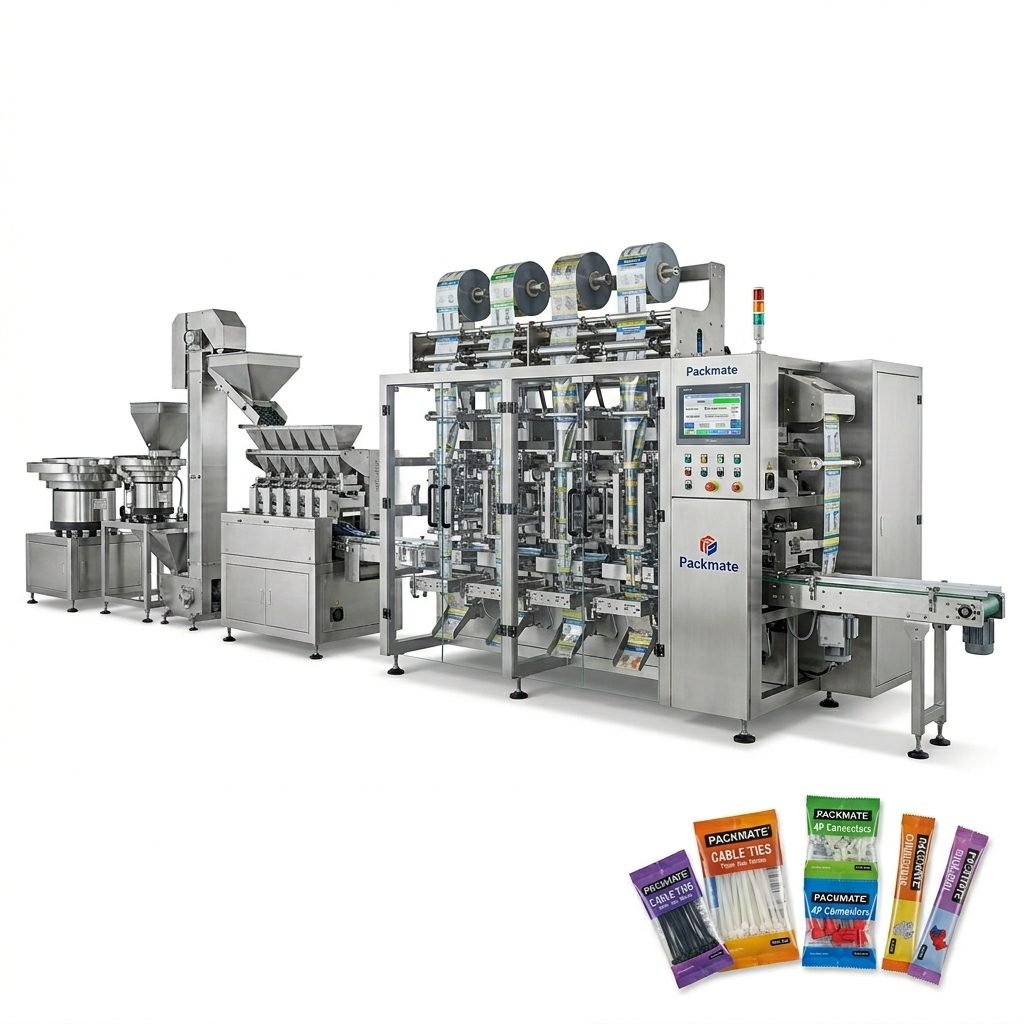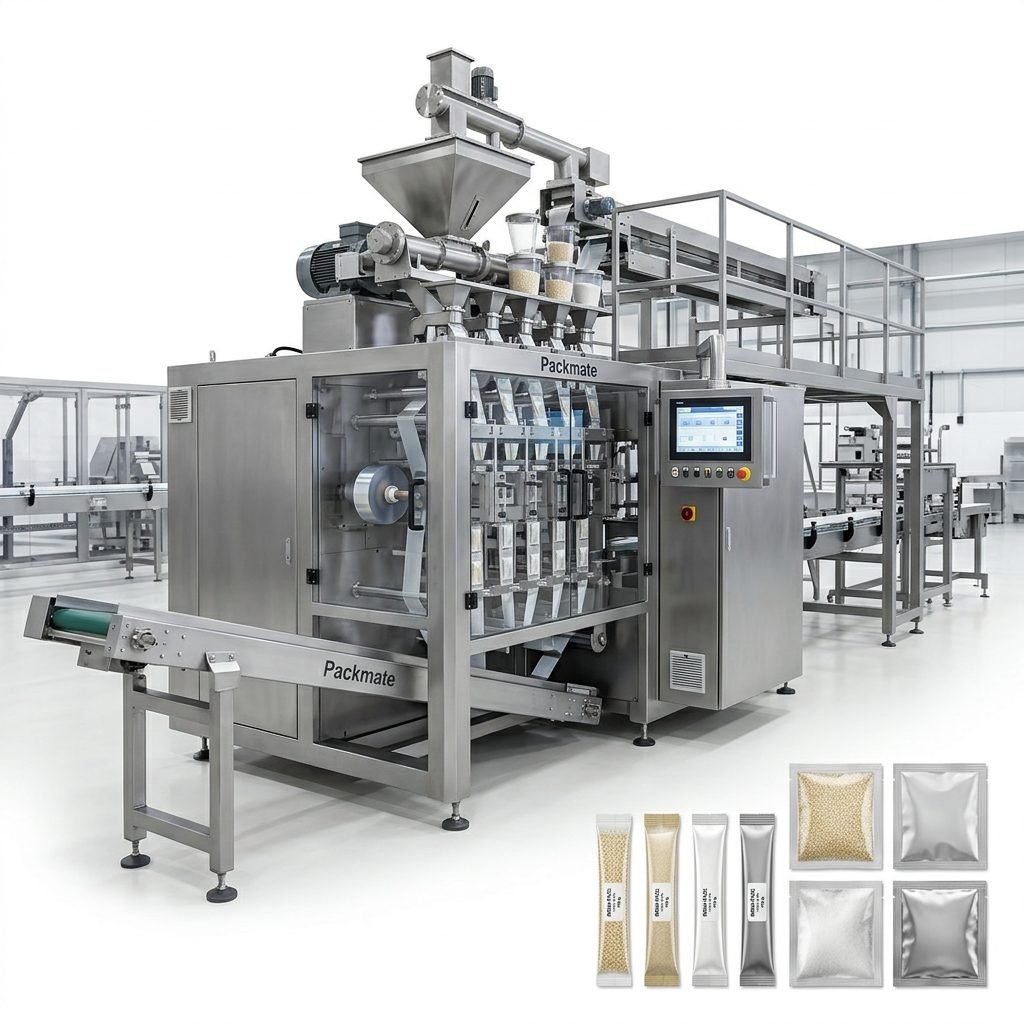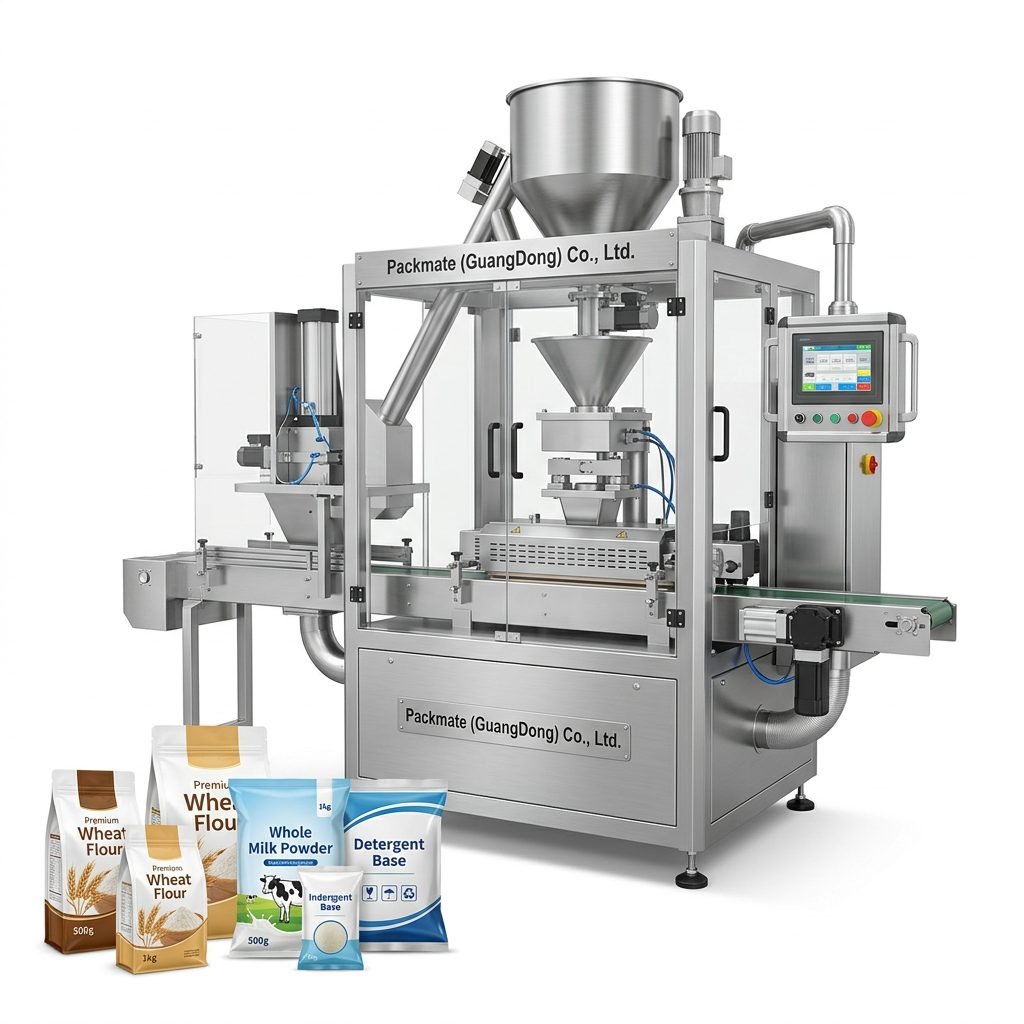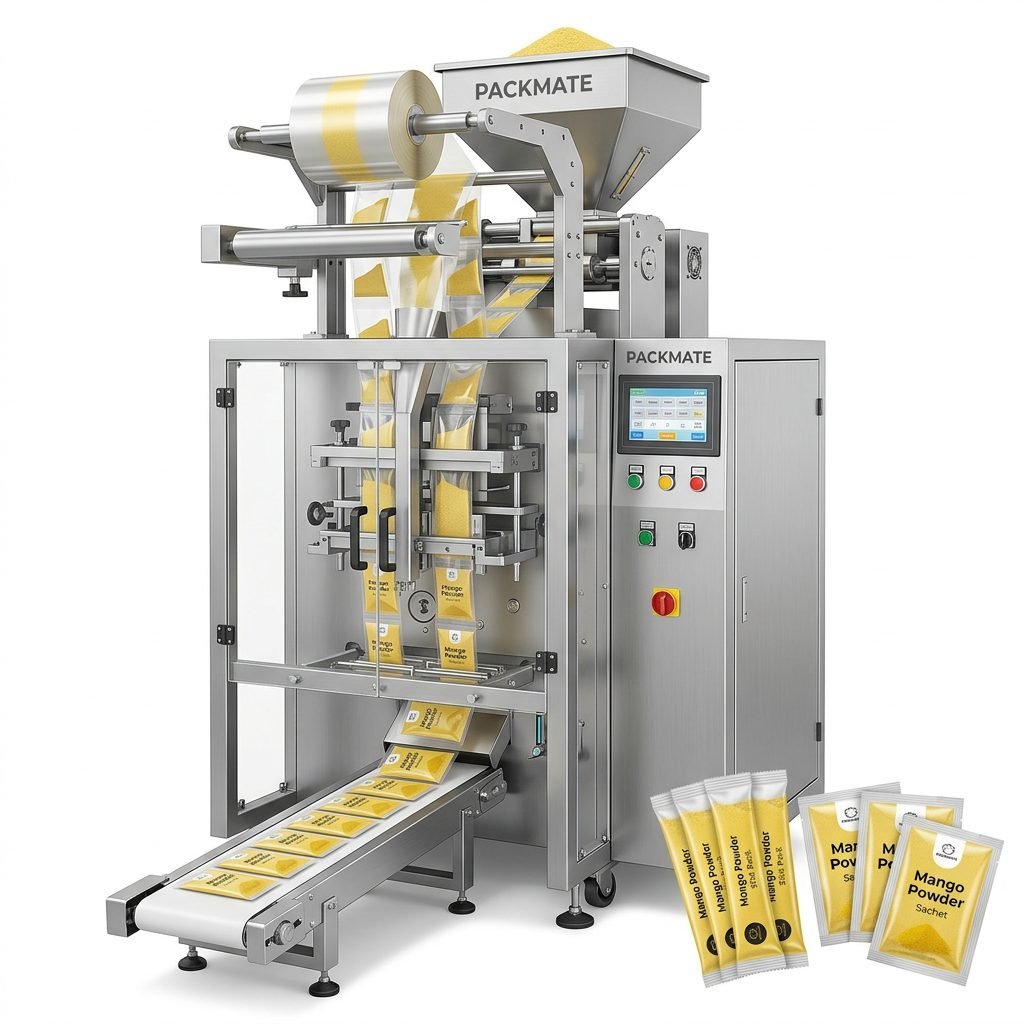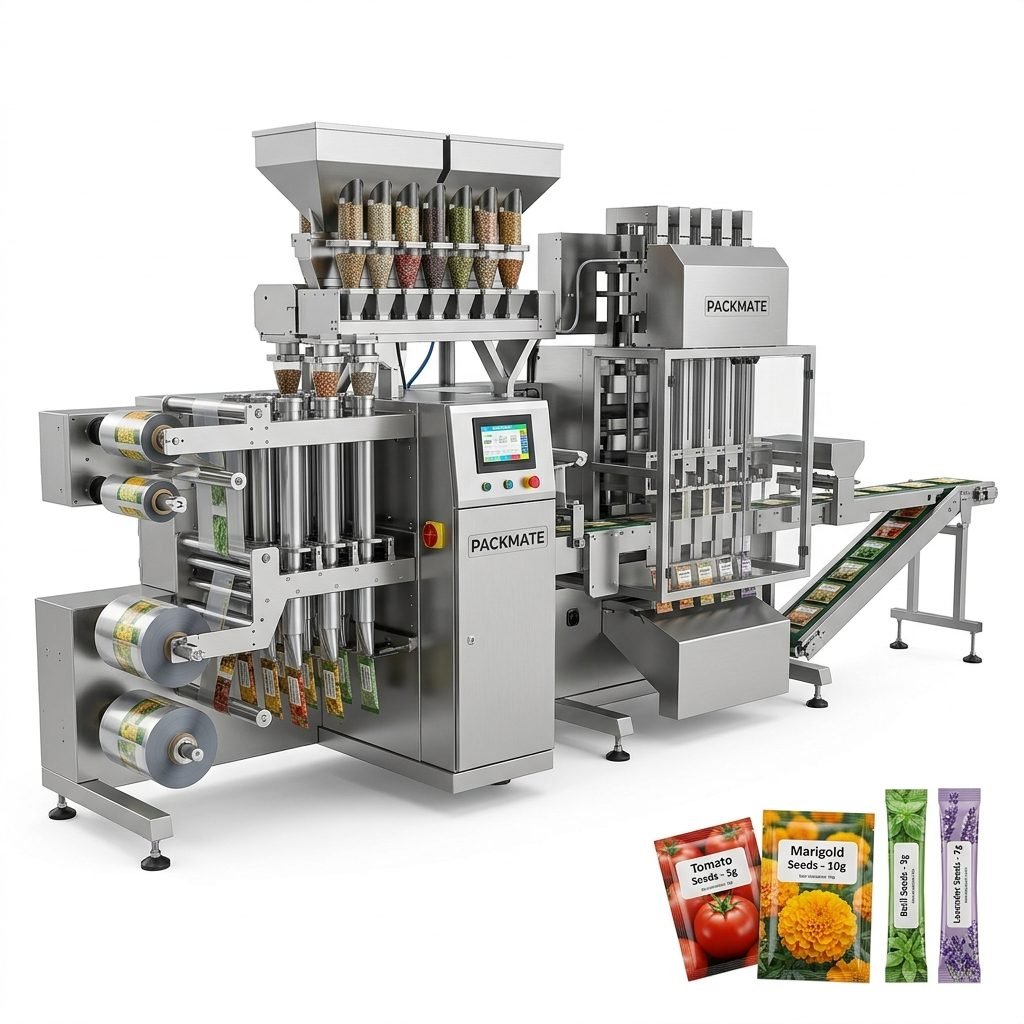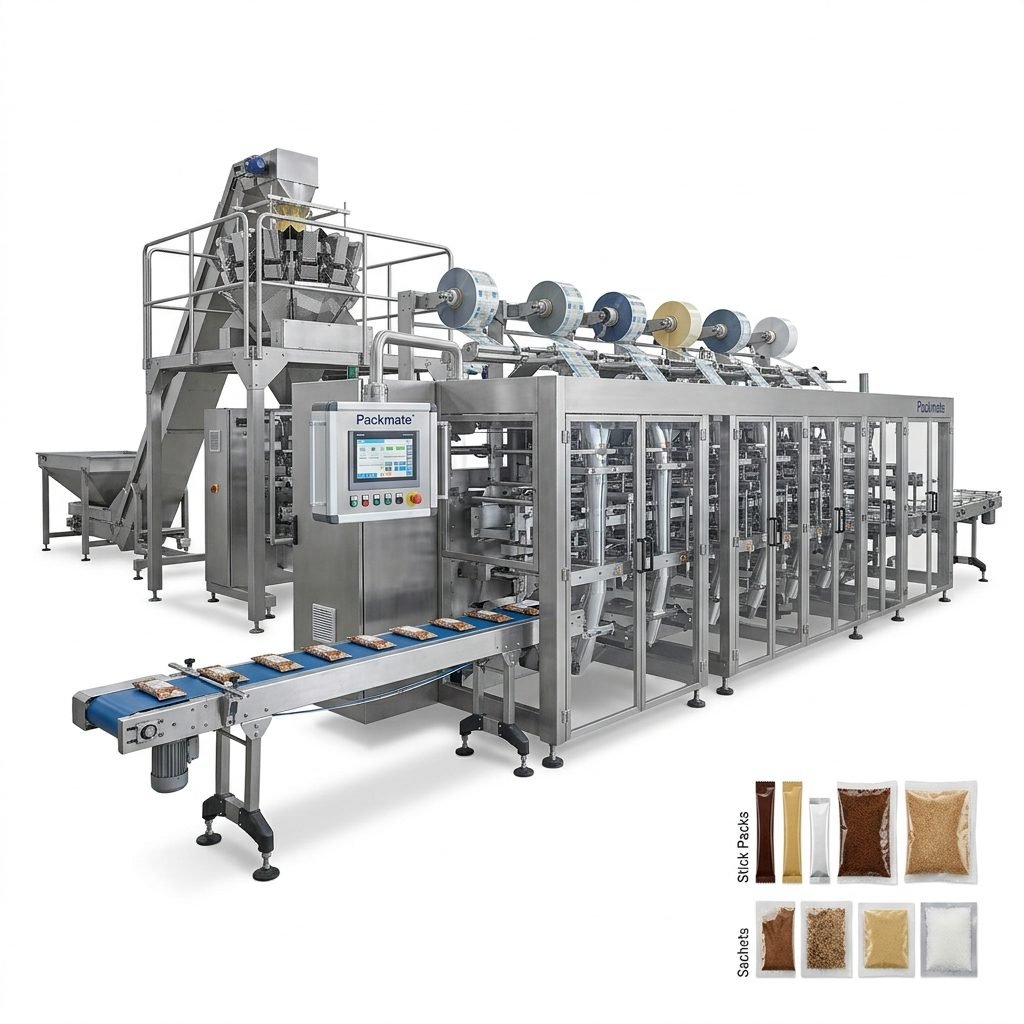
In the dynamic world of food manufacturing, efficiency, hygiene, and product integrity are paramount. Whether you’re packaging granular coffee, powdered spices, or liquid sauces, the right production line is not just a machine; it’s the backbone of your operation. A complete, turnkey packaging system seamlessly integrates various processes—from filling and sealing to coding and cartoning—into a single, cohesive unit. This holistic approach minimizes downtime, reduces labor costs, and ensures consistent, high-quality output that meets stringent industry standards.
The Critical Role of Specialized Packaging Lines
Different product forms present unique challenges. Granules like sugar or rice require precision weighing and minimal dust generation. Powders, such as protein supplements or flour, are prone to clumping and require specialized auger fillers for accuracy. Liquids, from oils to juices, demand leak-proof seals and hygienic, often aseptic, filling environments. A one-size-fits-all solution simply doesn’t exist. Investing in a line specifically engineered for your product type is the first step toward operational excellence and brand protection.
Key Advantage of Turnkey Systems: The greatest benefit of a turnkey solution from a provider like Packmate is the single-point responsibility. From initial design and machinery selection to installation, commissioning, and staff training, everything is handled by one expert partner. This eliminates the complexity and finger-pointing that can occur when sourcing equipment from multiple vendors.
Core Components of a Modern Packaging Line
A robust line for granules, powders, and liquids typically integrates several key machines:
- Feeding & Conveying System: Gently transports product to the filler without degradation.
- Precision Filling Machine: The heart of the line. Uses technology like weigh scales for granules, auger fillers for powders, and piston or flow meters for liquids.
- Form-Fill-Seal (FFS) Machine: Creates the pouch (sachet or stick pack) from roll stock, fills it, and seals it in one continuous, hygienic process.
- Checkweigher & Metal Detector: Critical for quality control, ensuring every pack meets weight specifications and is free from contaminants.
- Secondary Packaging: Automatically collates individual packs into cartons or boxes.
Exploring real-world application cases can provide valuable insights into how these components work together in different production environments.
Why Partner with an Experienced Provider like Packmate?
With over 22 years of development and a 20,000㎡ modern facility, Packmate (GuangDong) Co., Ltd. embodies the expertise needed for complex projects. Their journey, from a focused workshop to a leading provider of intelligent packaging solutions, is built on solving practical problems. This deep experience means they understand the nuances of handling diverse products—preventing powder segregation, ensuring liquid valve integrity, and achieving high-speed granular packing.
Their approach goes beyond selling machines. They deliver complete solutions tailored to client throughput goals, factory layout, and future scalability needs. Their team of over 125 professionals ensures every project is backed by rigorous engineering and support.
Maximizing Your Investment: Planning for Success
Implementing a new line is a significant investment. To ensure success, consider these steps:
- Define Clear Requirements: Detail your product specifications, desired output (packs per minute), and available factory space.
- Request a Live Demo or Pilot Test: Always test your actual product on the proposed equipment to validate performance.
- Plan for Support & Spare Parts: Discuss training programs for your operators and maintenance staff, and ensure easy access to genuine spare parts.
- Consider Future-Proofing: Can the line handle potential new products or package sizes? A modular design offers flexibility.
For a comprehensive overview of available technologies, reviewing the official equipment catalog is an excellent starting point.
Trends Shaping the Future of Food Packaging
The industry is rapidly evolving. Sustainability is driving demand for recyclable or compostable film materials, requiring machines that can handle these new substrates. Smart packaging, with integrated sensors or QR codes, is on the rise. Furthermore, the need for flexibility to run smaller, customized batches is pushing the development of quick-changeover systems. A forward-thinking partner like Packmate integrates these considerations into their service and development philosophy, ensuring your line remains competitive for years to come.
From the initial granules of an idea to the seamless flow of liquid production, the right packaging line is a strategic asset. It safeguards your product, optimizes your costs, and builds your brand’s reputation for quality on every store shelf. Choosing a complete, turnkey system from an experienced provider is the most reliable path to achieving these goals and securing a robust return on investment.
Frequently Asked Questions (FAQs)
1. What is the main advantage of a turnkey packaging line over piecing together individual machines?
The primary advantage is single-source accountability. A turnkey provider designs, supplies, installs, and commissions the entire integrated system. This ensures all components work harmoniously, simplifies troubleshooting, and provides one point of contact for service and support, drastically reducing project risk and complexity.
2. How do I determine the right speed (output) for my packaging line?
Line speed is determined by your current and projected future production volumes. Calculate your required packs per minute based on shifts per day and days per week. It’s often advisable to choose a system with a 15-20% capacity buffer above your current needs to accommodate growth without requiring another major capital investment.
3. Can one packaging line handle both powders and granules?
While some core components like the conveyor or cartoner may be shared, the filling system is usually product-specific. However, many modern lines are designed with modularity in mind. With a quick changeover of the filling head (e.g., from an auger filler to a weigh scale), a single line can often be adapted for different dry products, maximizing flexibility.
4. What kind of after-sales support should I expect?
Comprehensive support includes detailed on-site installation and training for your operators and maintenance team, a clear warranty period, readily available spare parts inventory, and access to remote technical support. Providers like Packmate often offer ongoing service contracts to ensure maximum uptime.
5. How important is hygienic design for food packaging lines?
It is absolutely critical. Hygienic design involves using stainless-steel surfaces, sealed motors, easy-clean access points, and designs that prevent product or contaminant traps. This is essential for meeting food safety standards (like HACCP, FDA, EU regulations), preventing cross-contamination, and reducing cleaning downtime.