In today’s fast-paced and highly regulated manufacturing landscape, the packaging of food, pharmaceutical, and health products demands more than just containment. It requires precision, hygiene, speed, and absolute reliability. For businesses operating in these critical sectors, investing in a dedicated bottle packaging line is not merely an operational upgrade—it’s a strategic imperative for ensuring product integrity, meeting compliance standards, and scaling production efficiently. A turnkey automated system represents the pinnacle of this investment, integrating multiple processes into a seamless, high-output workflow.
The Critical Need for Specialized Bottle Packaging Lines
The requirements for packaging food, pharmaceuticals, and health supplements are uniquely stringent. Food products require protection from contamination and preservation of freshness. Pharmaceuticals must adhere to Good Manufacturing Practices (GMP) with traceability and sterility being non-negotiable. Health products, like vitamins and nutraceuticals, often bridge these worlds, demanding both consumer appeal and rigorous quality control. A generic packaging solution cannot adequately address these diverse needs, which is why specialized, automated lines are essential.
Core Components of a Turnkey Automated Bottle Line
A comprehensive turnkey system is engineered to handle the entire process from empty bottle to sealed, labeled, and packed carton. Key modules typically include:
1. Unscrambling & Bottle Cleaning
This is the first critical touchpoint. Automated unscramblers orient and feed bottles correctly onto the conveyor. For sensitive products, an integrated air-jet or vacuum cleaning station removes any particulate matter or dust, ensuring a pristine container for filling.
2. Precision Liquid & Powder Filling
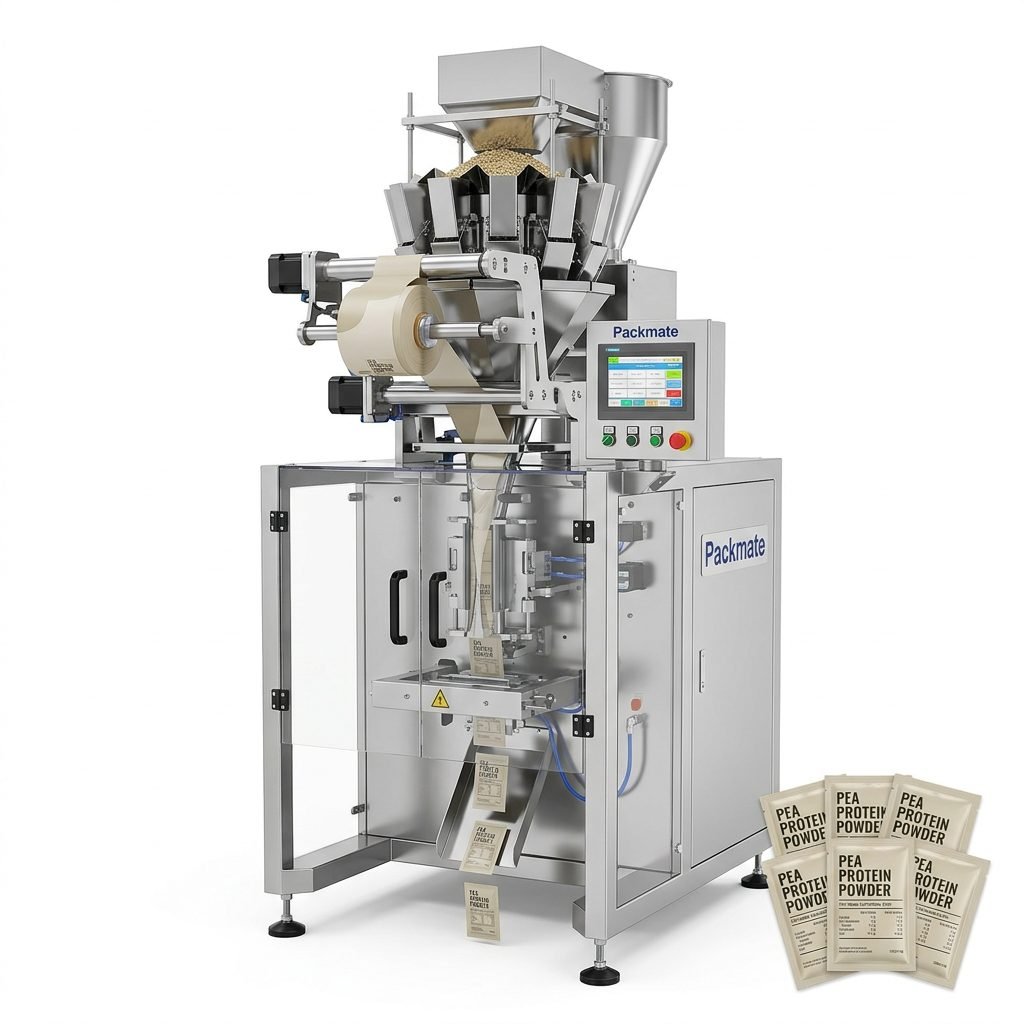
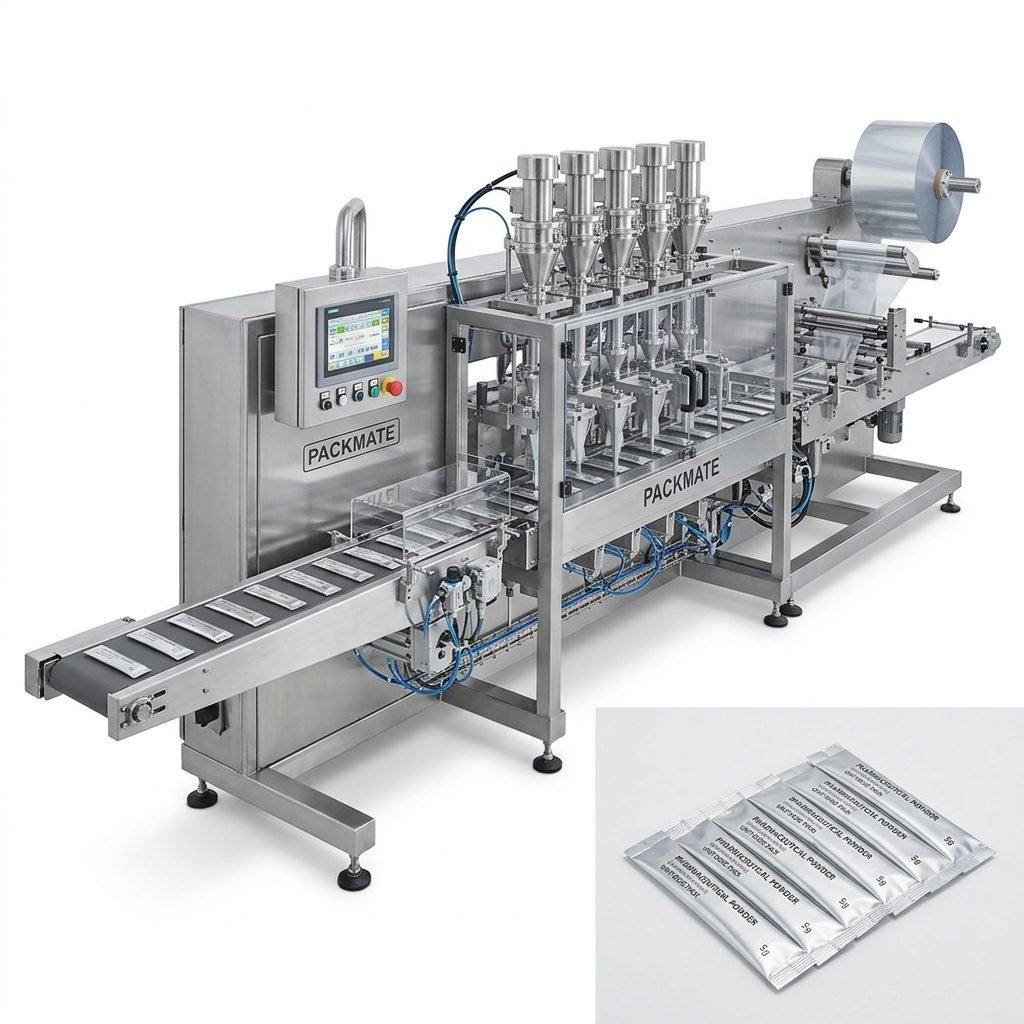
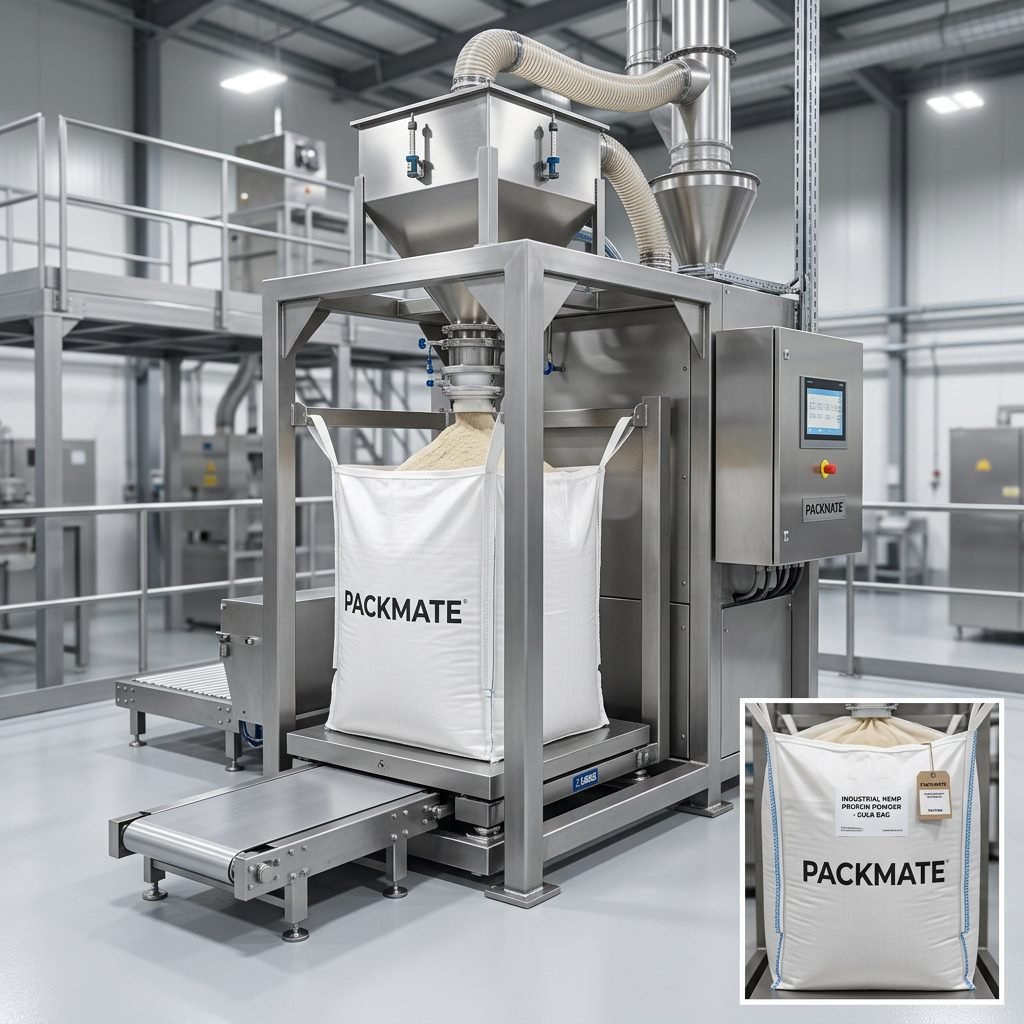
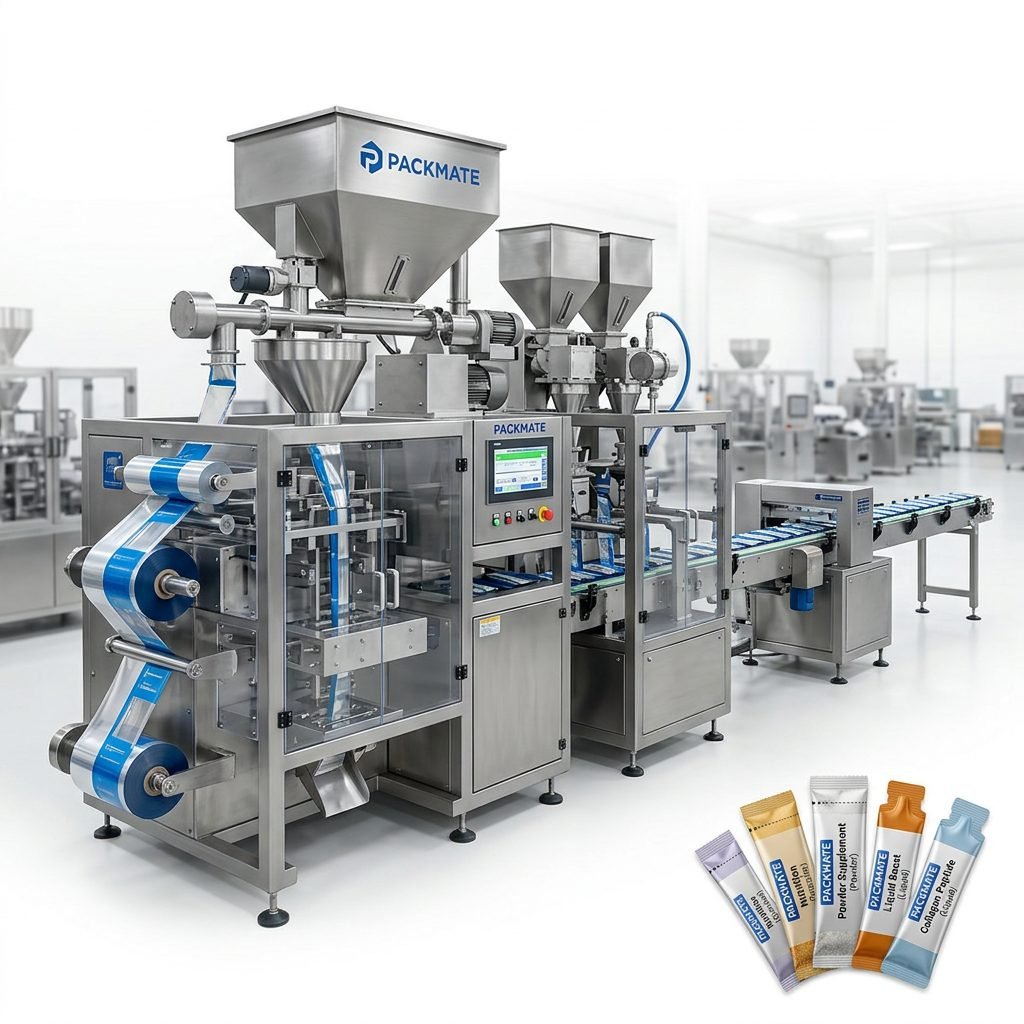
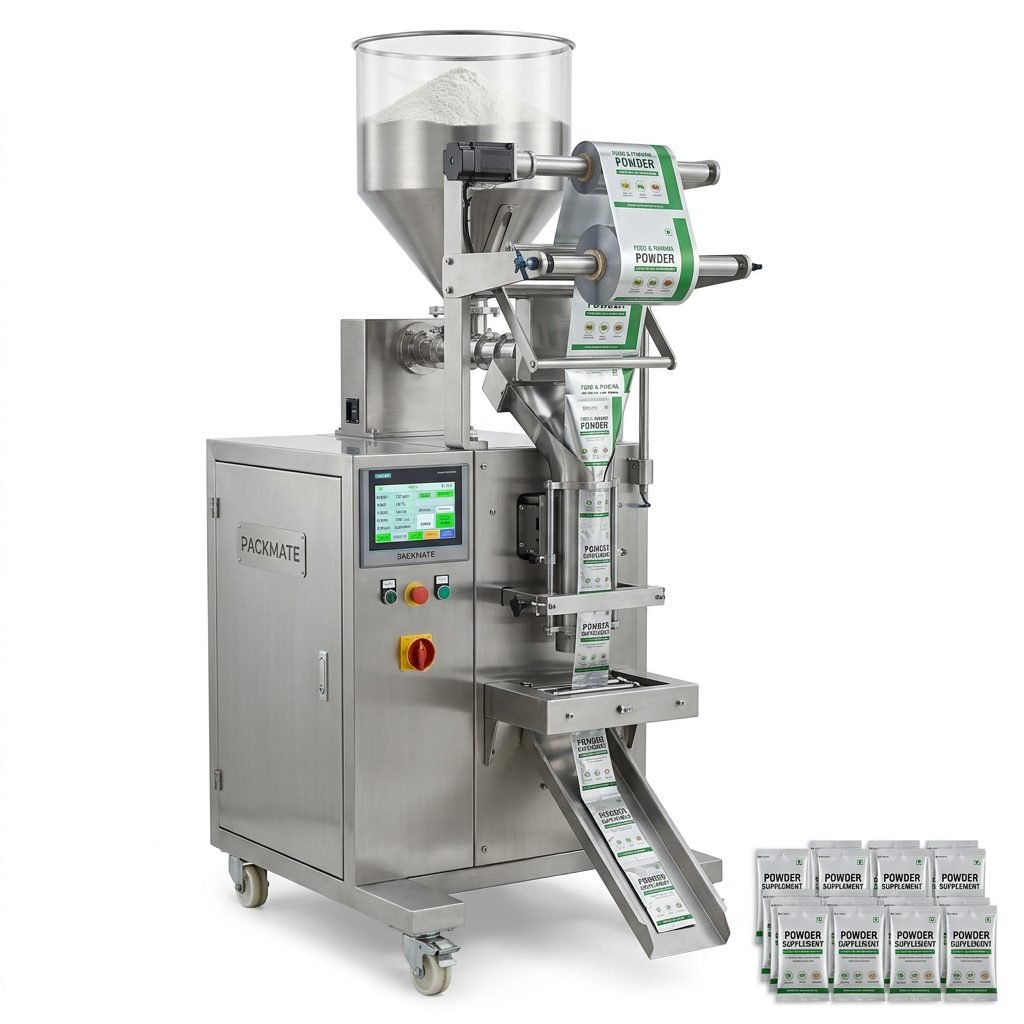
The heart of the line. For liquids (syrups, oils, sanitizers), piston fillers or peristaltic pumps offer exceptional accuracy. For powders (protein supplements, medicinal powders), auger fillers with anti-bridging technology and precision weighing systems are crucial. Modern fillers are designed for quick changeover between different products and bottle sizes, maximizing line flexibility.
3. Capping & Sealing
Ensuring a hermetic and tamper-evident seal is vital. Cappers can handle screw caps, snap-on lids, pump dispensers, and induction sealing for an inner foil liner—a common requirement in pharma and health products to guarantee product safety and extend shelf life.
4. Labeling & Coding
This stage applies product identity and compliance information. High-speed labelers handle wrap-around, front-and-back, or precise spot labeling. Integrated inkjet or laser coders print batch numbers, expiry dates, and barcodes directly onto the bottle or label, fulfilling traceability mandates.
5. Inspection & Quality Control
Automated inspection systems are the guardians of quality. Checkweighers ensure each bottle contains the correct fill volume. Vision systems inspect for label presence/accuracy, cap alignment, and even fill level. Any underfilled, mis-capped, or unlabeled bottle is automatically rejected from the line.
6. Secondary Packaging & Palletizing
The final stage involves grouping finished bottles into cartons, shrink-wrapping multi-packs, or loading them into trays. Robotic arms or automated case packers handle this efficiently, preparing products for shipment or palletizing for warehouse storage.
Benefits of a Turnkey Automated Solution from an Expert Partner
Choosing a complete system from a single, experienced provider like Packmate (GuangDong) Co., Ltd. offers transformative advantages over piecing together equipment from multiple vendors.
➤ Seamless Integration & Single-Point Responsibility: All machines are designed to communicate and synchronize perfectly, eliminating bottlenecks. You have one partner responsible for the entire line’s performance, simplifying support and maintenance.
➤ Enhanced Productivity & Consistency: Automation drastically increases output while minimizing human error. Production speeds can reach thousands of bottles per hour with consistent, repeatable quality that manual lines cannot match.
➤ Superior Hygiene & Compliance: Systems are built with sanitary design principles—easy-clean surfaces, minimized crevices, and compatibility with wash-down procedures. This is fundamental for meeting FDA, EU, and other global regulatory standards in pharma and food packaging.
➤ Reduced Operational Costs: While the initial investment is significant, automation lowers long-term costs through reduced labor, minimized product giveaway from overfilling, and near-zero material waste from rejects.
➤ Scalability & Future-Proofing: A well-designed turnkey line can be modular. You can start with a core system and add modules (like a vision inspector or robotic palletizer) as your production needs grow. Explore our range of scalable packaging solutions and case studies to see this in action.
Why Partner with Packmate for Your Packaging Line?
With over 22 years of industry development and a 20,000㎡ modern facility, Packmate embodies the expertise needed for complex turnkey projects. Our journey, from a specialized workshop to a leader in intelligent packaging, is built on solving real-world production challenges. We don’t just sell machines; we deliver complete packaging line solutions. Our team of over 125 professionals focuses on understanding your specific product—be it viscous food paste, volatile pharmaceutical liquid, or fine health powder—and designing a line that optimizes every step of your process.
Our commitment extends beyond installation. We provide comprehensive training, detailed documentation, and reliable after-sales service and support to ensure your line operates at peak performance for years to come. Review our industry certifications and company profile to learn more about our standards and capabilities.
Frequently Asked Questions (FAQs)
Q1: What is the lead time for a custom turnkey bottle packaging line?
A: Lead times vary based on line complexity and customization. A standard configured line typically takes 3-4 months from order to delivery, while highly customized systems may require 5-6 months. Detailed project planning and clear communication ensure timelines are met.
Q2: Can one line handle different bottle shapes and sizes?
A: Yes, modern lines are designed for flexibility. With quick-change parts (like star wheels on the unscrambler, changeable filling nozzles, and adjustable labeler heads), changeover between similar bottle formats can often be achieved in 30 minutes or less.
Q3: How do you ensure the line meets international safety and hygiene standards?
A: Our equipment is designed and constructed according to international standards (e.g., CE, GMP). We use food-grade and pharmaceutical-grade materials (like 304/316 stainless steel) in product contact zones and design for easy cleaning and maintenance. Specific compliance documentation is provided.
Q4: What kind of after-sales support and training do you provide?
A: We provide on-site installation, commissioning, and comprehensive operator training. Our support includes a detailed manual, remote troubleshooting assistance, and a readily available supply of spare parts. Service engineers are available for on-site support if needed.
Q5: Can the system integrate with our existing Factory Management Software?
A: Absolutely. Our control systems can typically communicate via standard industrial protocols (OPC UA, Modbus TCP/IP) to provide real-time production data (OEE, output counts, downtime reasons) to your central MES or ERP system, enabling smart factory analytics.