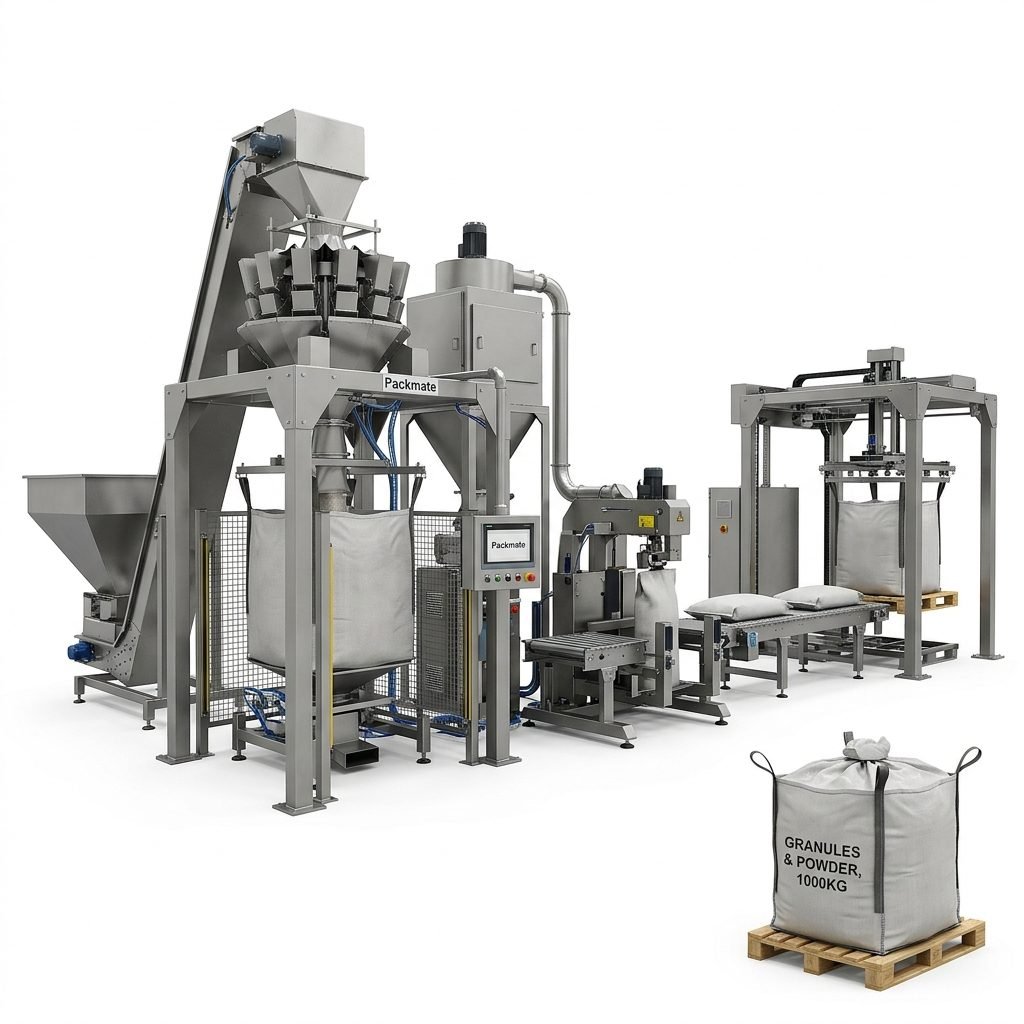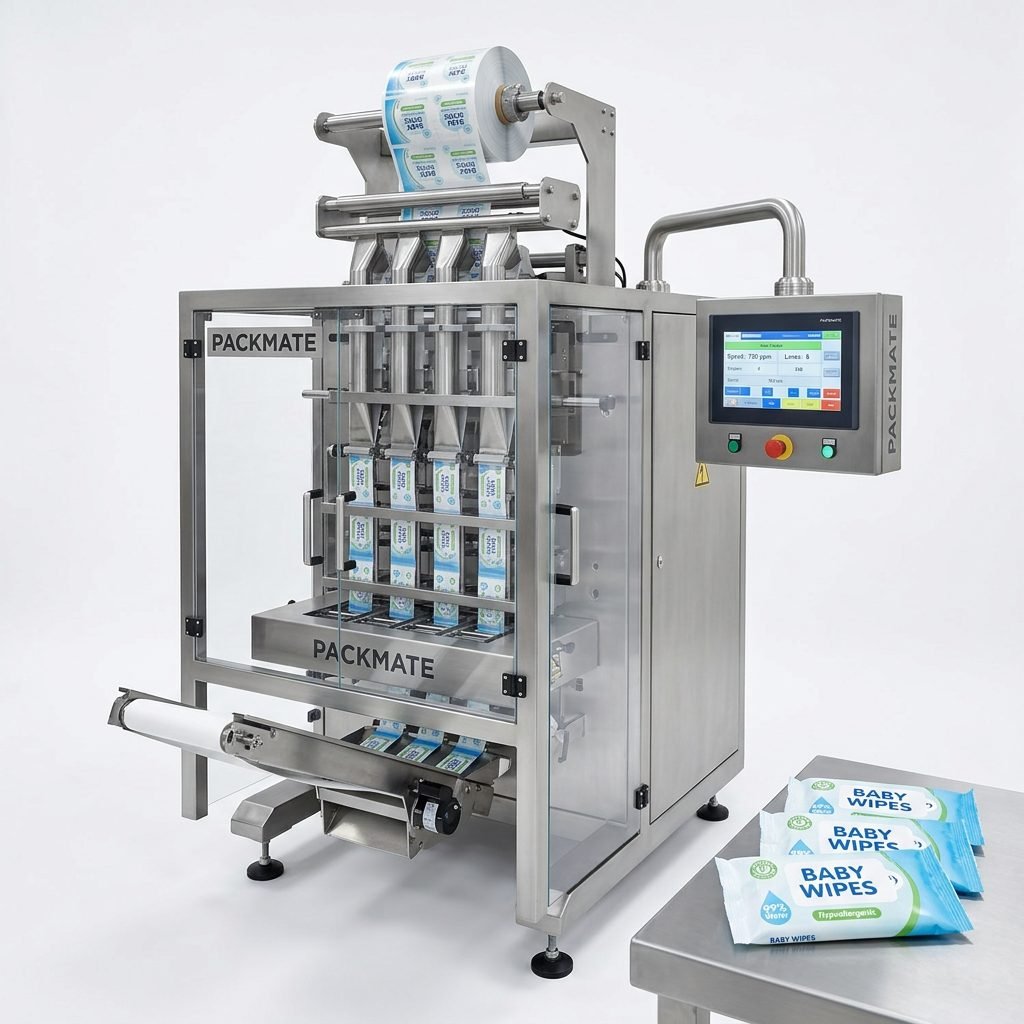
In the food and beverage industry, the cleanliness of packaging lines is not merely a regulatory requirement—it is a fundamental pillar of product safety, quality, and brand integrity. A single lapse in hygiene can lead to catastrophic consequences, including product recalls, consumer illness, and irreparable damage to a company’s reputation. This article delves into the critical aspects of food packaging line cleaning, outlining best practices, the hygiene standards that govern them, and the advantages of implementing comprehensive turnkey solutions for optimal operational efficiency and safety.
Core Principle: Cleaning is Integral to Production
Effective cleaning must be viewed as a non-negotiable part of the production cycle, not an interruption. A proactive, scheduled approach prevents biofilm formation, allergen cross-contact, and microbial growth, ensuring consistent product quality from the first package to the last.
Essential Best Practices for Packaging Line Hygiene
Implementing a robust cleaning regimen requires a methodical approach. The following best practices form the cornerstone of an effective hygiene program.
1. Establish and Follow Detailed SOPs (Standard Operating Procedures)
Every cleaning process must be documented in clear, step-by-step SOPs. These should specify:
- Chemicals & Concentrations: The exact cleaning agents, sanitizers, and their required dilution ratios.
- Time & Temperature: Required contact times for detergents and sanitizers, along with water temperatures for optimal efficacy.
- Mechanical Action: Procedures for manual scrubbing, brushing, or the use of Clean-in-Place (CIP) systems.
- Disassembly Protocols: Which parts of the packaging line must be taken apart for thorough cleaning.
2. Master the Cleaning Cycle: The “CIP” and “COP” Methodology
Understanding the sequence is crucial for removing all contaminants.
The Five Key Stages:
- Pre-rinse: Removes loose soil and debris with water.
- Cleaning (Detergent Cycle): Applies chemical detergent to break down fats, proteins, and carbohydrates.
- Intermediate Rinse: Flushes away detergent and dissolved soil.
- Sanitizing/Disinfecting: Applies a chemical or thermal treatment to destroy microorganisms.
- Final Rinse (if required): Uses potable water to remove sanitizer residues.
For complex, closed systems, Clean-in-Place (CIP) automates this cycle. For smaller or disassembled parts, Clean-out-of-Place (COP) tanks are used.
3. Prioritize Dry Area Cleaning and Moisture Control
Areas handling dry mixes, powders, or cereals are prone to dust accumulation, which can harbor pathogens and cause allergen cross-contamination. Use dedicated, color-coded vacuum systems with HEPA filters instead of compressed air, which can aerosolize contaminants. Controlling ambient humidity is also critical to prevent microbial growth in these zones.
Navigating Global and Regional Hygiene Standards
Compliance is mandatory. Key standards and frameworks include:
Primary Regulatory Frameworks
- FDA Food Safety Modernization Act (FSMA): In the U.S., emphasizes preventive controls and sanitary design of equipment.
- EU Regulation (EC) No 852/2004: Mandates that food premises and equipment must be kept clean and undergo effective maintenance and cleaning.
- BRCGS & SQF Standards: Leading Global Food Safety Initiative (GFSI) benchmarked standards that have rigorous requirements for cleaning validation, verification, and pest control.
- 3-A Sanitary Standards: Provide criteria for the sanitary design of dairy and food equipment, highly influential for machinery manufacturers.
Adhering to these standards is not just about avoiding penalties; it’s about building a demonstrable culture of safety that partners and consumers trust.
The Turnkey Solution Advantage: Efficiency Meets Excellence
For many food producers, managing cleaning protocols in-house can be resource-intensive and prone to inconsistency. This is where partnering with a specialist for a turnkey solution proves transformative. A turnkey approach provides a fully integrated, validated, and supported hygiene system.
What a Comprehensive Turnkey Package Delivers:
- Sanitary Design Integration: Equipment is designed from the ground up with hygiene in mind—featuring smooth surfaces, easy disassembly, minimal dead legs, and self-draining capabilities.
- Validated Cleaning Protocols: The provider develops, tests, and documents SOPs specifically for your line, ensuring they are effective and efficient.
- Staff Training & Certification: On-site training ensures your operational team understands and can execute the procedures correctly.
- Ongoing Support & Auditing: Continuous technical support, spare parts supply, and periodic hygiene audits to maintain standards.
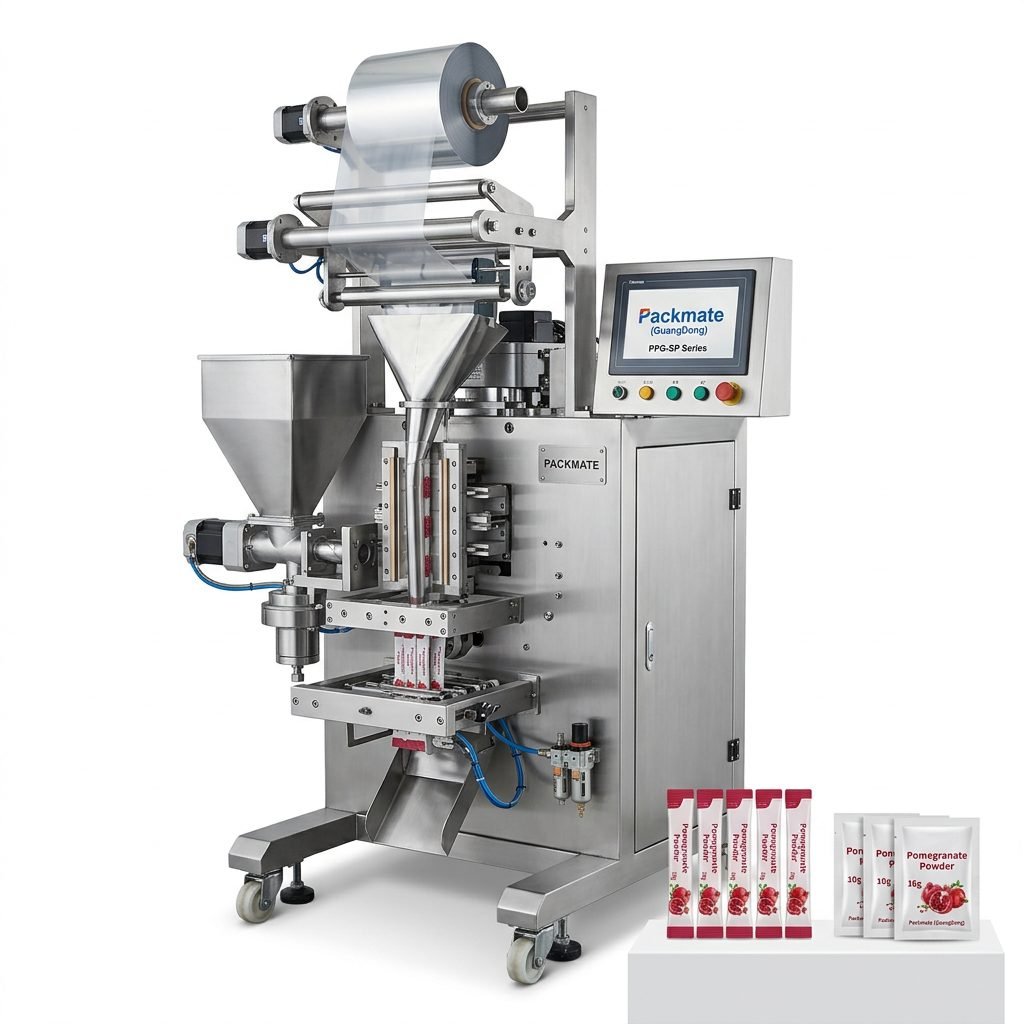
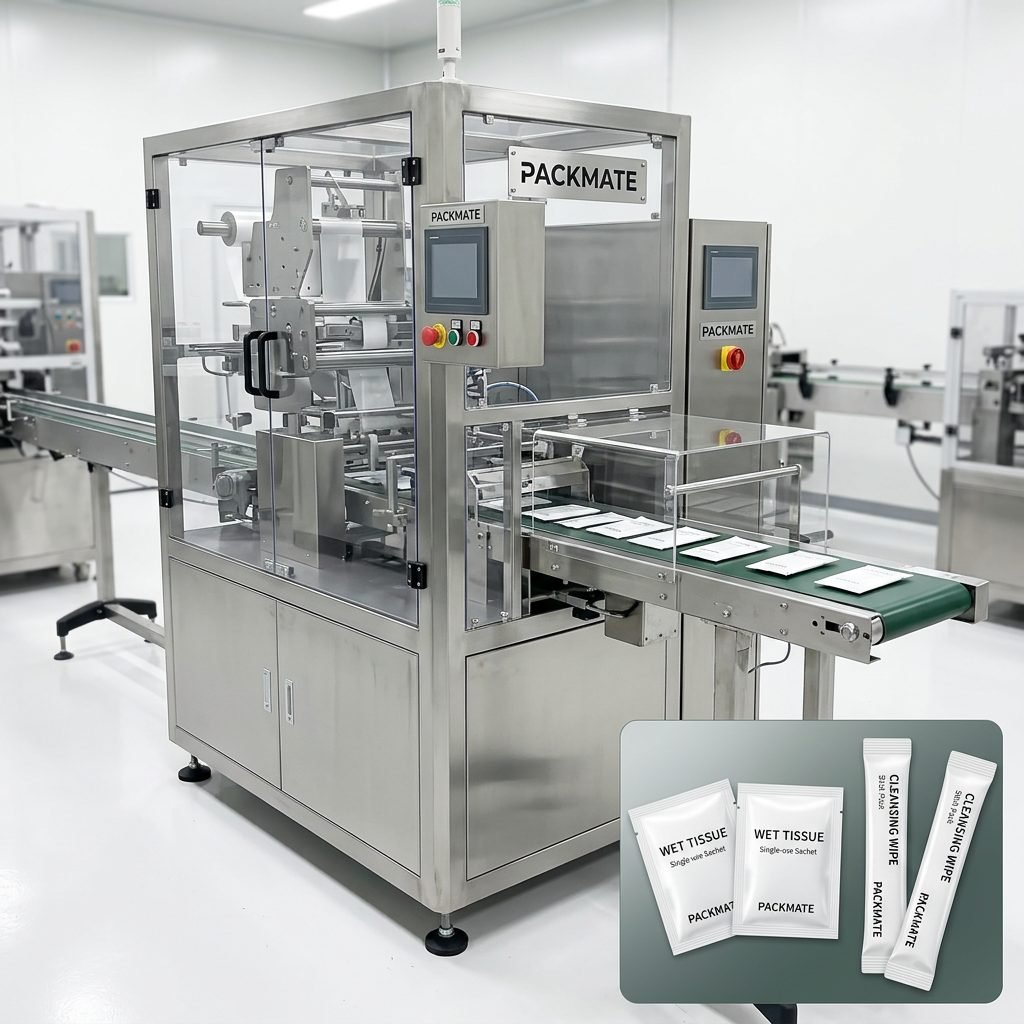
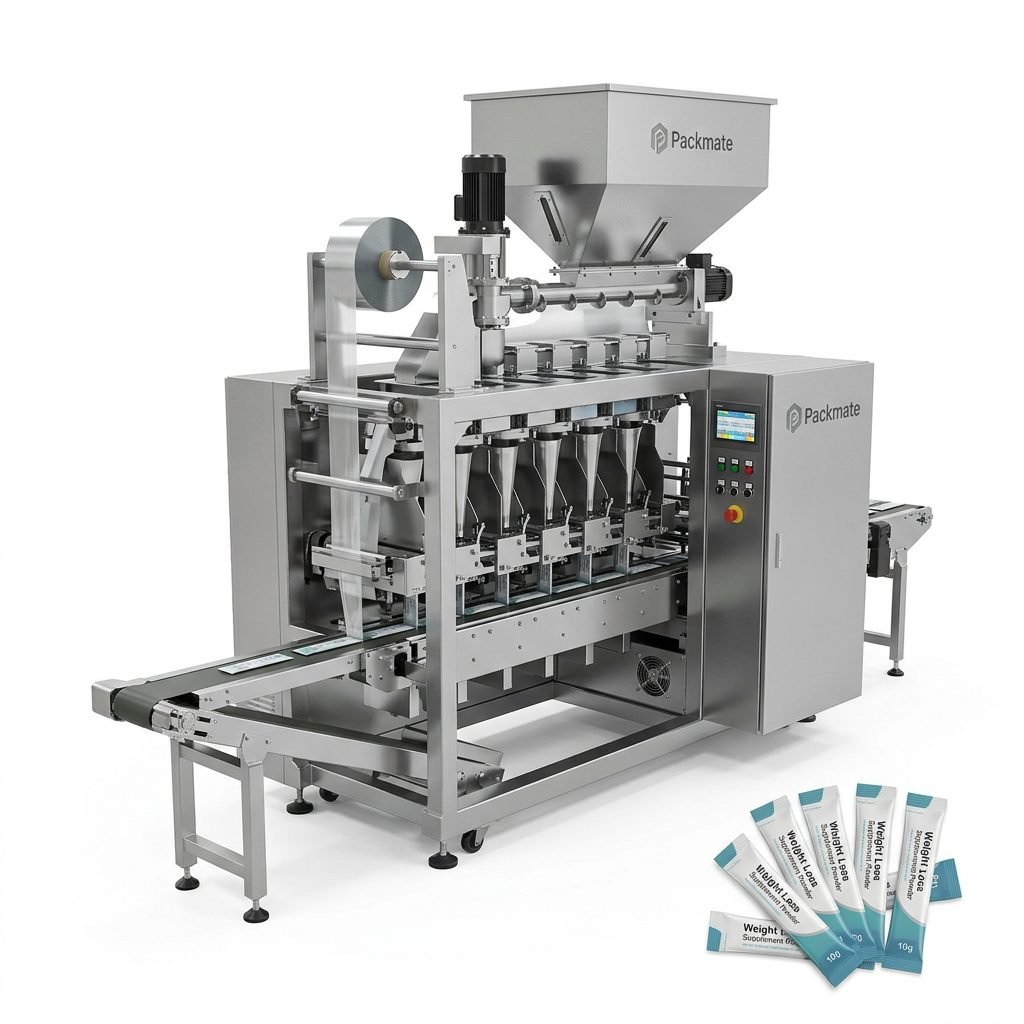
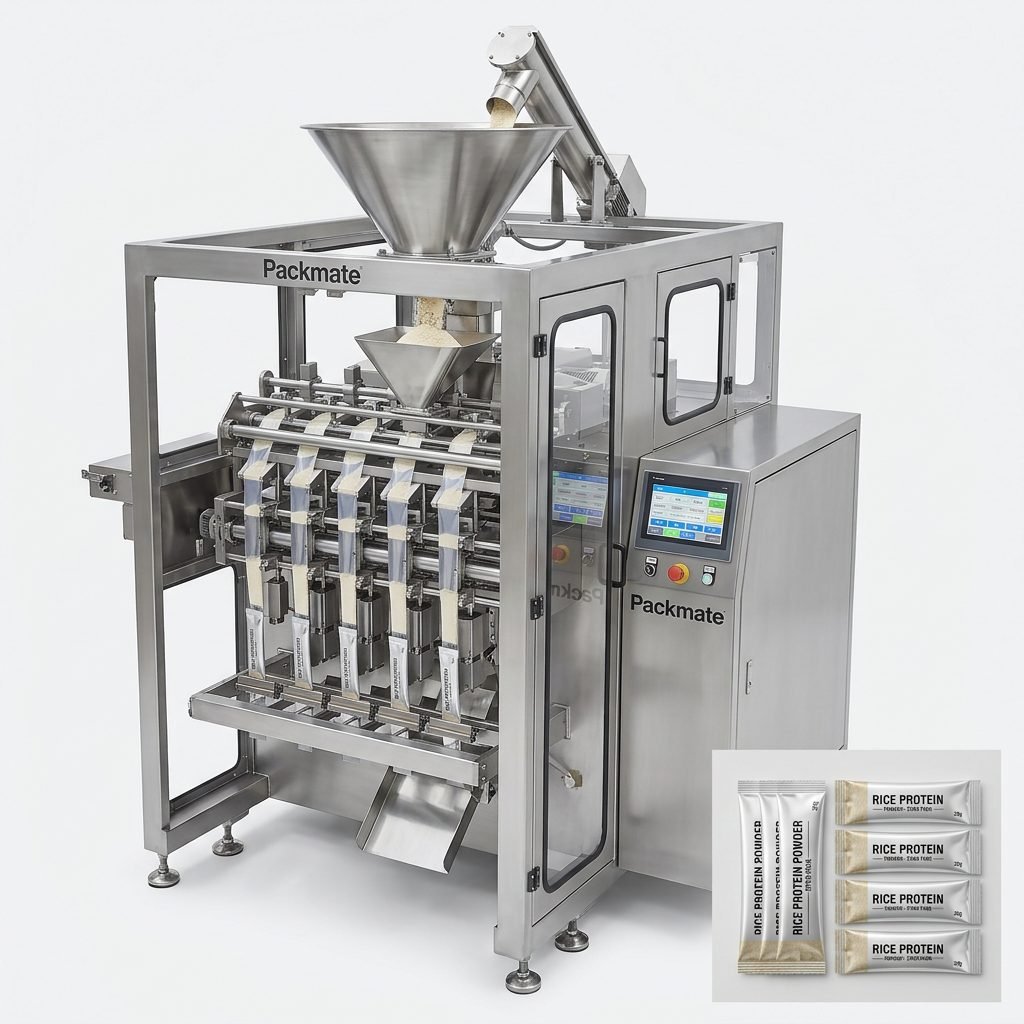
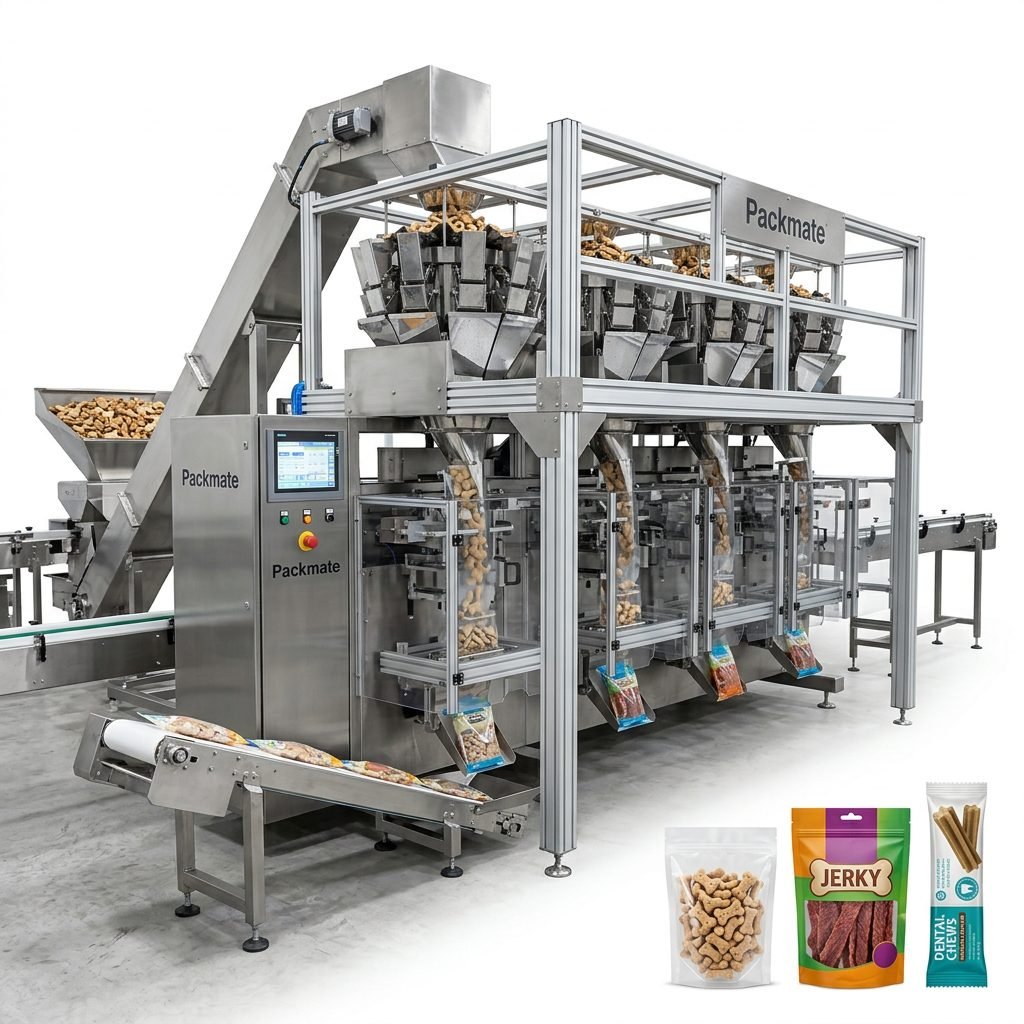
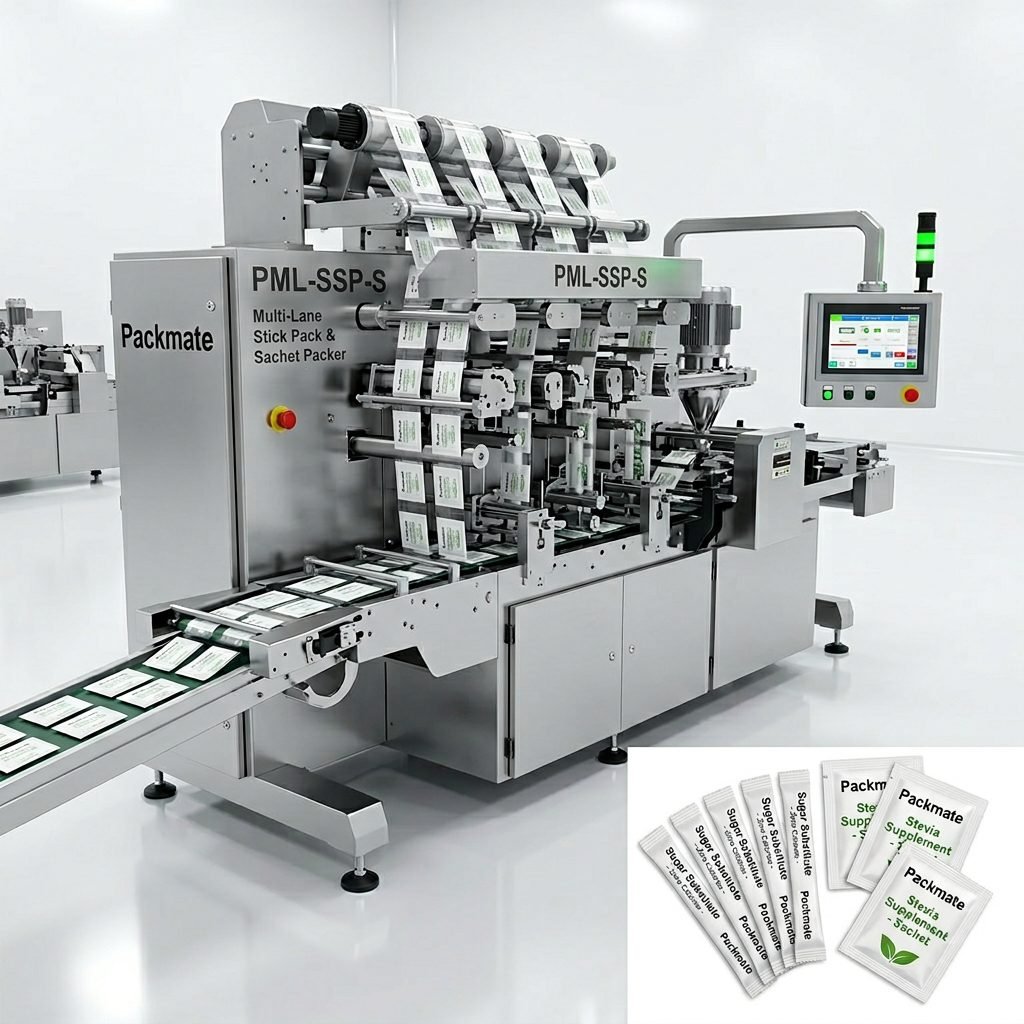
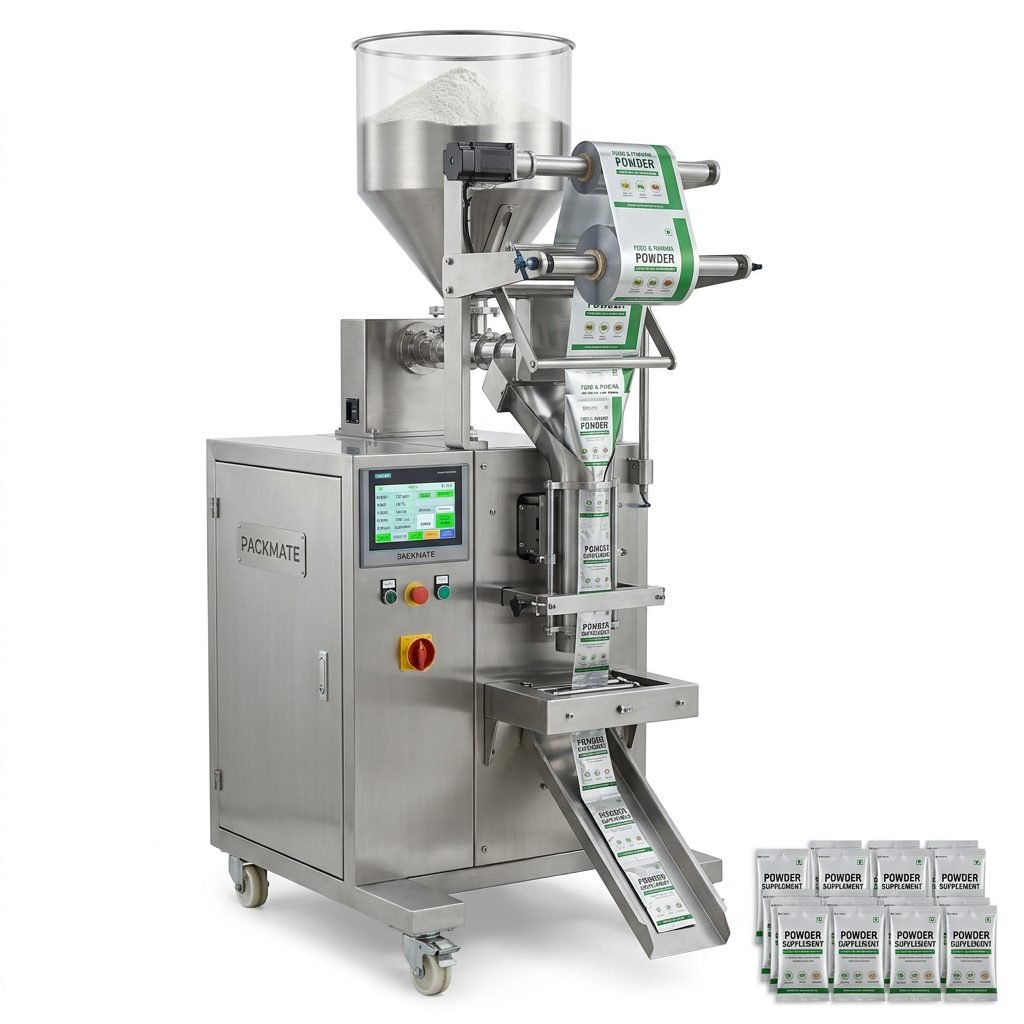
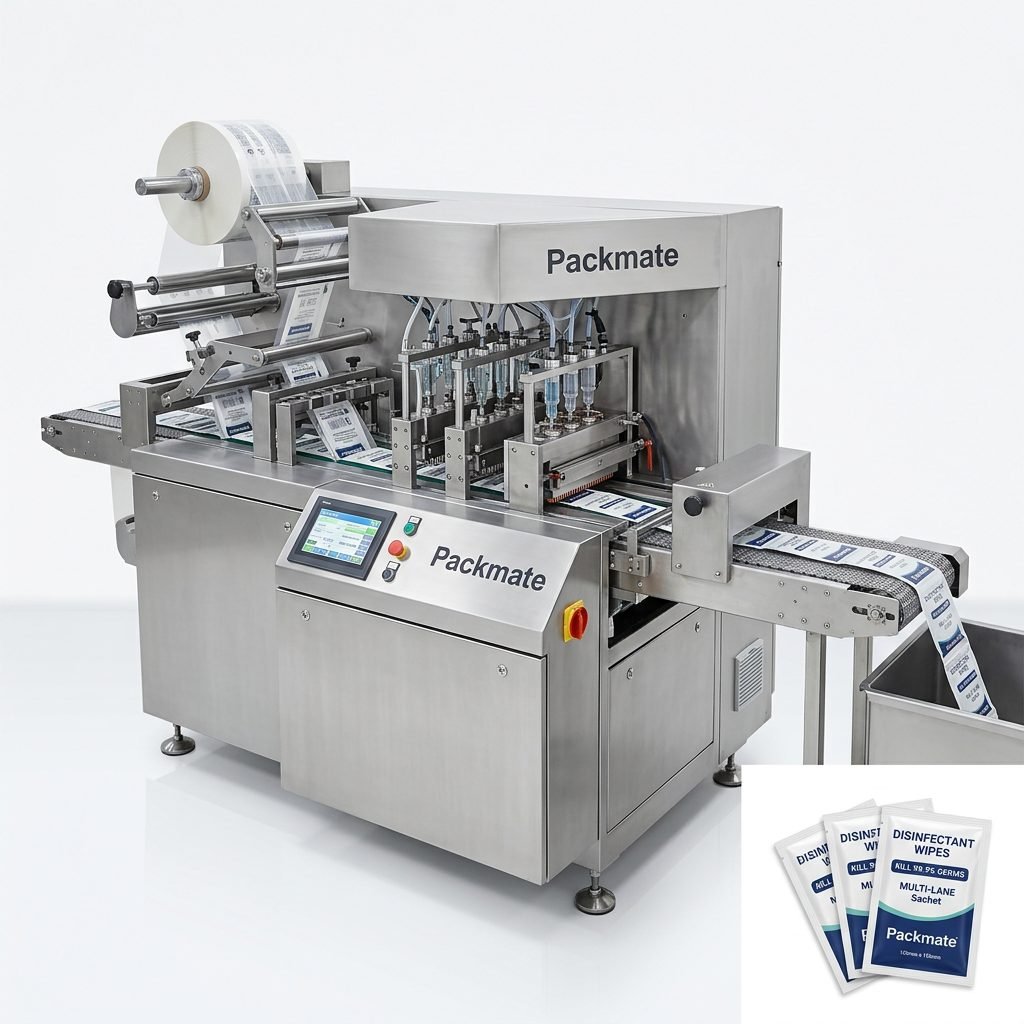
Companies like Packmate (GuangDong) Co., Ltd. exemplify this approach. With decades of experience, they design intelligent packaging lines where cleanability is a core engineering principle, not an afterthought. Their complete solutions encompass the machinery, the hygiene processes, and the knowledge transfer, offering peace of mind and a clear path to compliance.
Key Takeaway
Investing in a turnkey cleaning solution from a reputable provider translates to reduced downtime, lower long-term operational risk, consistent audit readiness, and unwavering product safety. It allows food producers to focus on their core business—creating great products—while hygiene experts manage the critical science of cleanliness.
Conclusion
Maintaining impeccable hygiene on food packaging lines is a complex but manageable challenge that blends science, engineering, and disciplined practice. By adhering to established best practices, rigorously following global standards, and considering the integrated efficiency of turnkey solutions, food manufacturers can safeguard their consumers, their brands, and their bottom line. In an industry where trust is paramount, a spotless record begins with a spotless production line.
Frequently Asked Questions (FAQs)
1. How often should a food packaging line be fully cleaned?
The frequency depends on the product type (high-risk vs. low-risk), production schedule, and regulatory requirements. High-risk lines (e.g., ready-to-eat, dairy, meat) often require full cleaning every 24 hours or between product changeovers. A validated risk assessment should determine the exact schedule.
2. What is the difference between cleaning, sanitizing, and disinfecting?
Cleaning physically removes soil and organic material. Sanitizing reduces microorganisms on a surface to a safe public health level. Disinfecting destroys or inactivates virtually all pathogenic microorganisms. In food plants, a clean-sanitize sequence is most common.
3. Can I use the same cleaning chemicals for all parts of my packaging line?
No. Chemical selection must be compatible with surface materials (stainless steel, plastics, seals) and effective against the specific soil type (fat, protein, sugar, starch). Using the wrong chemical can damage equipment or leave ineffective residues.
4. Why is validation of cleaning procedures so important?
Validation provides documented evidence that your cleaning SOPs are consistently effective in removing target soils and microbes. It is a core requirement of modern food safety standards (like FSMA, BRCGS) and is essential for proving due diligence.
5. What are the benefits of a turnkey cleaning solution over developing it in-house?
A turnkey solution from an expert provider like Packmate offers faster implementation, guaranteed compliance with design standards, reduced validation burden, and access to specialized expertise. It often leads to lower total cost of ownership by minimizing errors, downtime, and safety incidents.