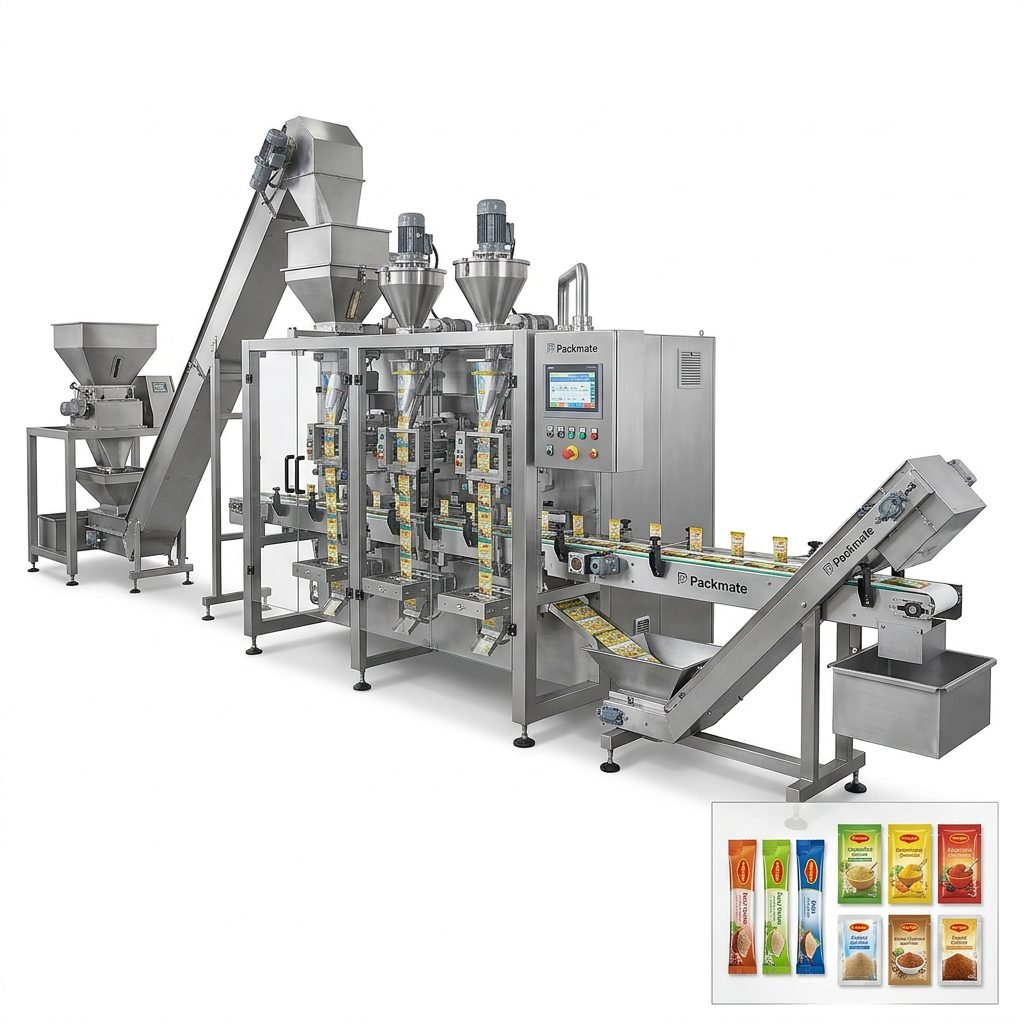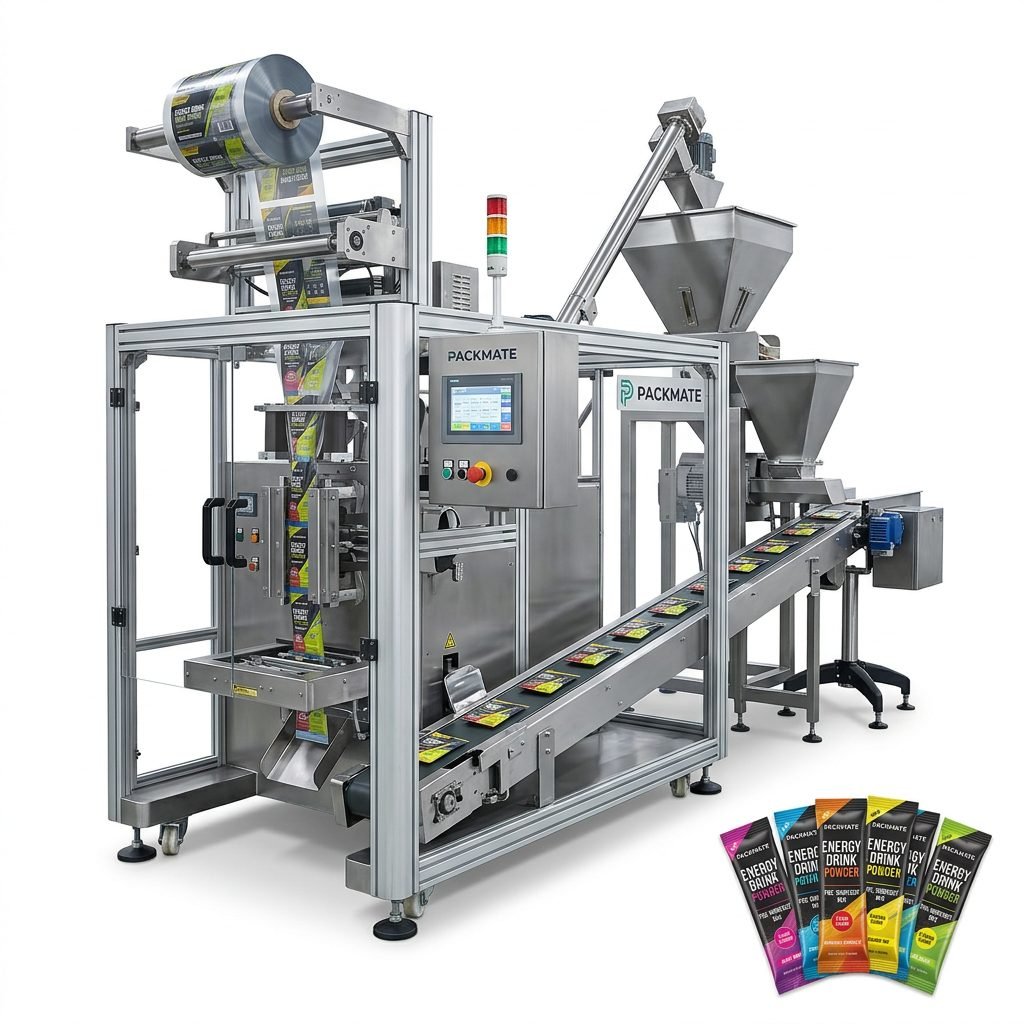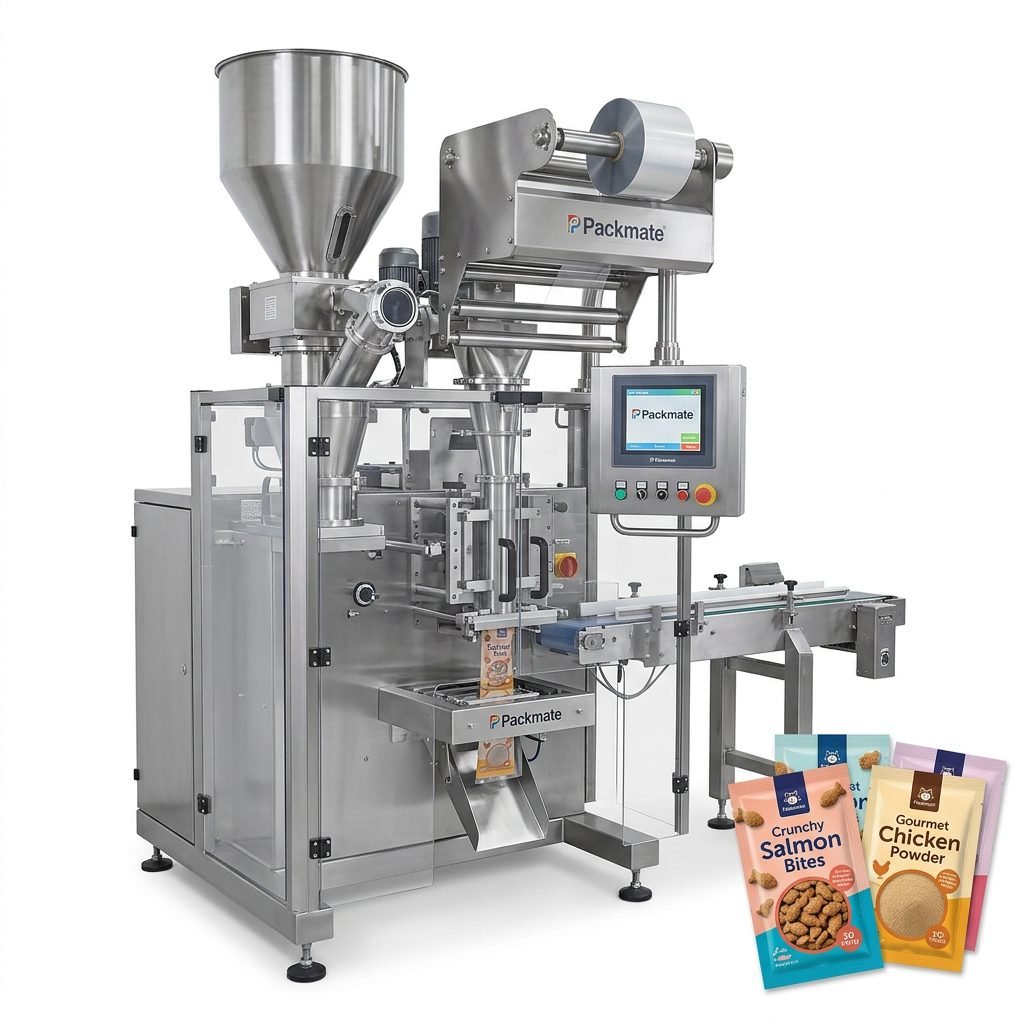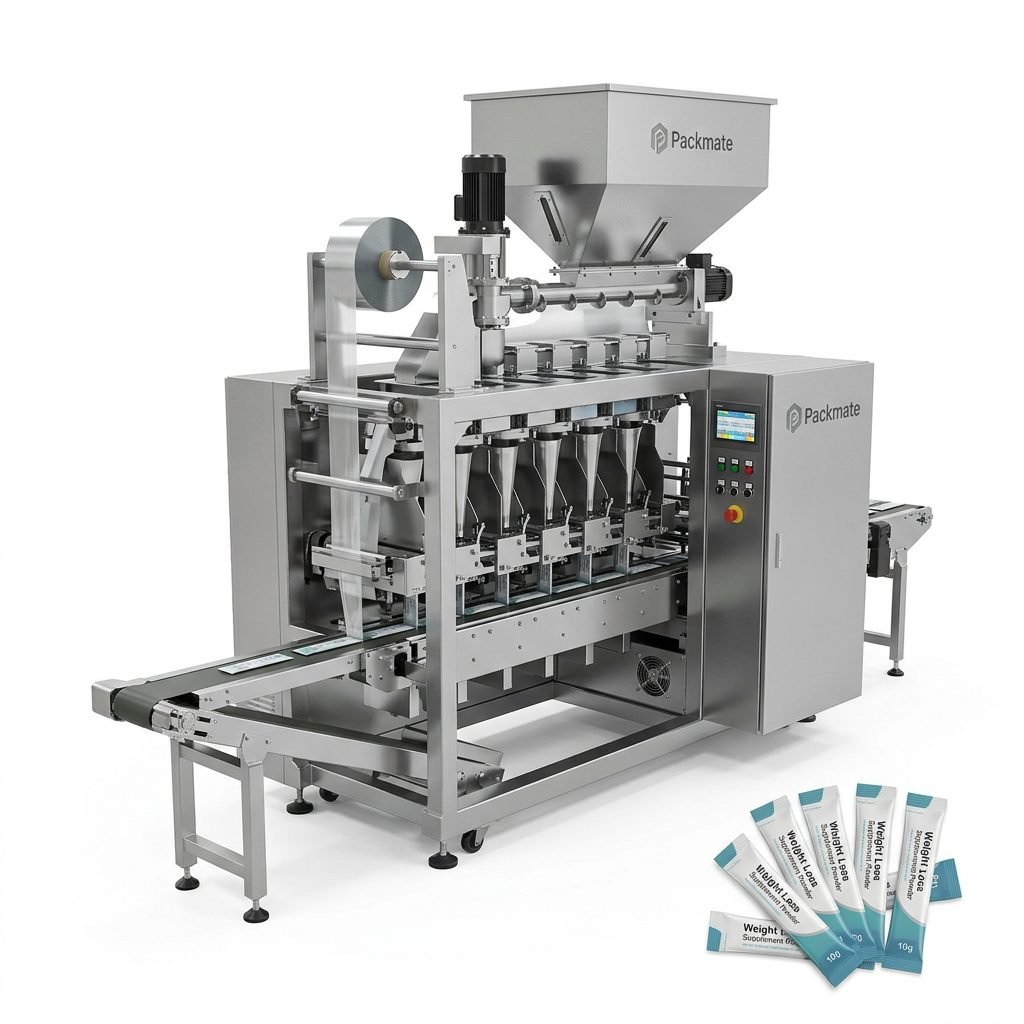
In the fast-paced world of food manufacturing, efficiency, hygiene, and consistency are non-negotiable. Packaging, a critical final step, directly impacts product shelf life, safety, and consumer appeal. For products like granules (coffee, sugar, grains), powders (spices, protein powder, flour), and liquids (sauces, oils, beverages), manual or semi-automated packaging is often a bottleneck fraught with risks of contamination, inconsistency, and high labor costs. This is where a fully integrated Food Automated Packaging Line becomes not just an advantage, but a strategic necessity for modern producers aiming to scale and compete globally.
The Critical Need for Specialized Automation
Granules, powders, and liquids each present unique physical challenges that generic packaging equipment cannot adequately address. Granules can be abrasive and vary in size, powders are prone to dusting and bridging, and liquids require precise volumetric filling and impeccable sealing to prevent leaks. An automated line designed specifically for these materials handles these variables with precision, ensuring each pouch, sachet, or stick pack is filled accurately, sealed perfectly, and coded correctly.
Core Benefits of an Automated Packaging Line
- Unmatched Speed & Scalability: Multi-lane systems can produce thousands of units per hour, effortlessly meeting surges in demand.
- Pinpoint Accuracy: Advanced weigh-fillers and volumetric pumps guarantee consistent fill weights, reducing product giveaway and ensuring compliance.
- Superior Hygiene & Safety: Enclosed systems and food-grade materials minimize human contact, drastically lowering contamination risks.
- Significant Cost Reduction: Automation slashes long-term labor costs, reduces material waste from errors, and minimizes downtime.
- Data-Driven Operations: Modern lines integrate with production software, providing real-time data on output, efficiency, and maintenance needs.
Tailored Solutions for Each Product Type
A one-size-fits-all approach fails in food packaging. The most effective solutions are configured to the product’s specific behavior.
For Granules & Small Solids
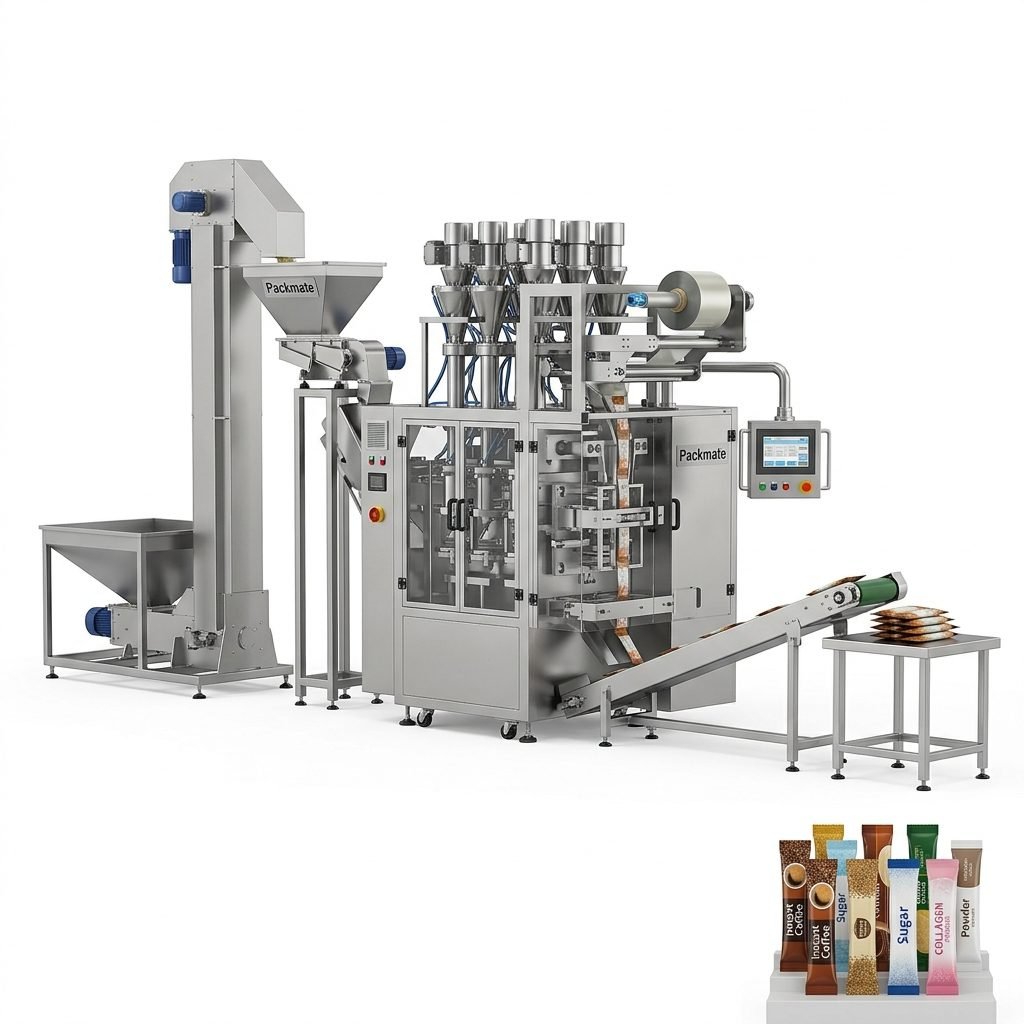
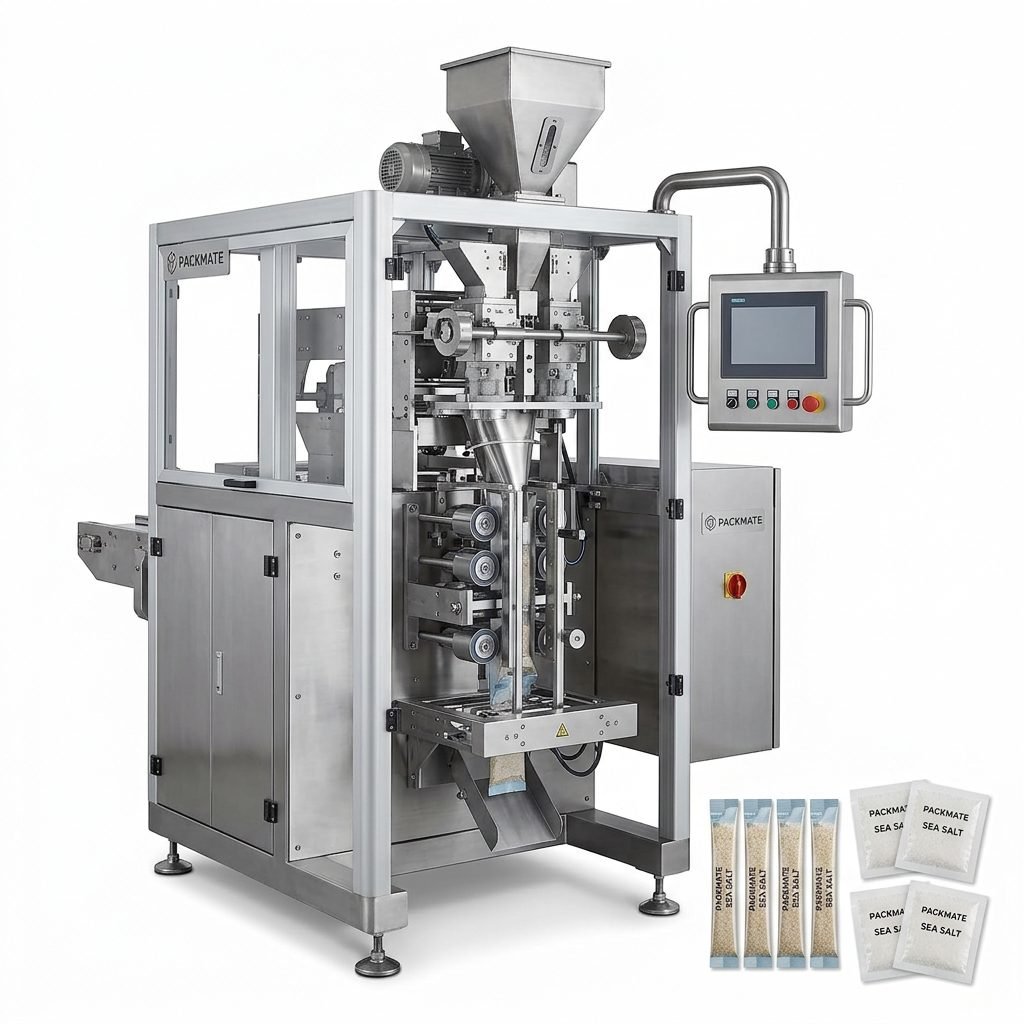
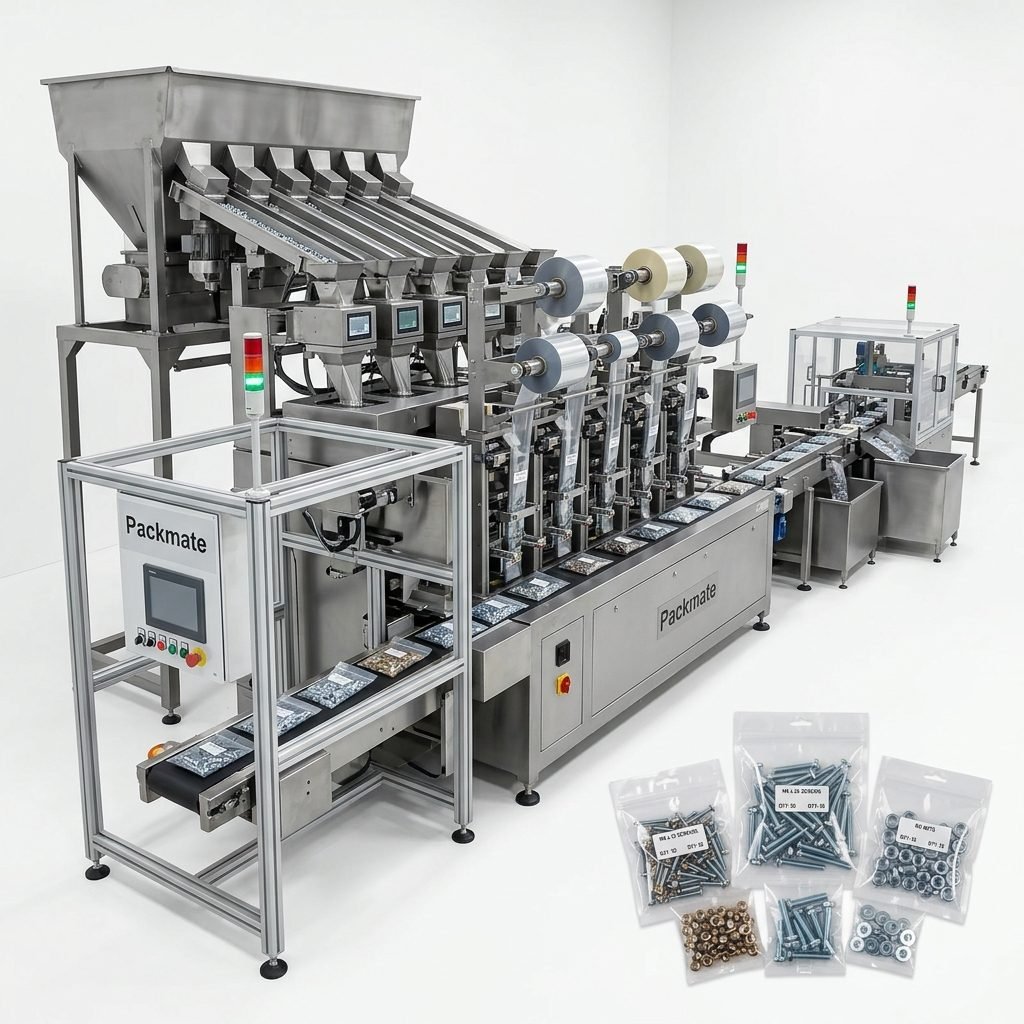
Systems for products like instant coffee, sugar, or seeds often employ multi-head weighers or auger fillers. VFFS (Vertical Form-Fill-Seal) machines are highly popular, forming bags from a roll of film, precisely weighing and filling the product, and creating a secure seal—all in one continuous motion. The key is gentle handling to prevent granule breakage and highly accurate portion control.
For Powders & Fine Materials
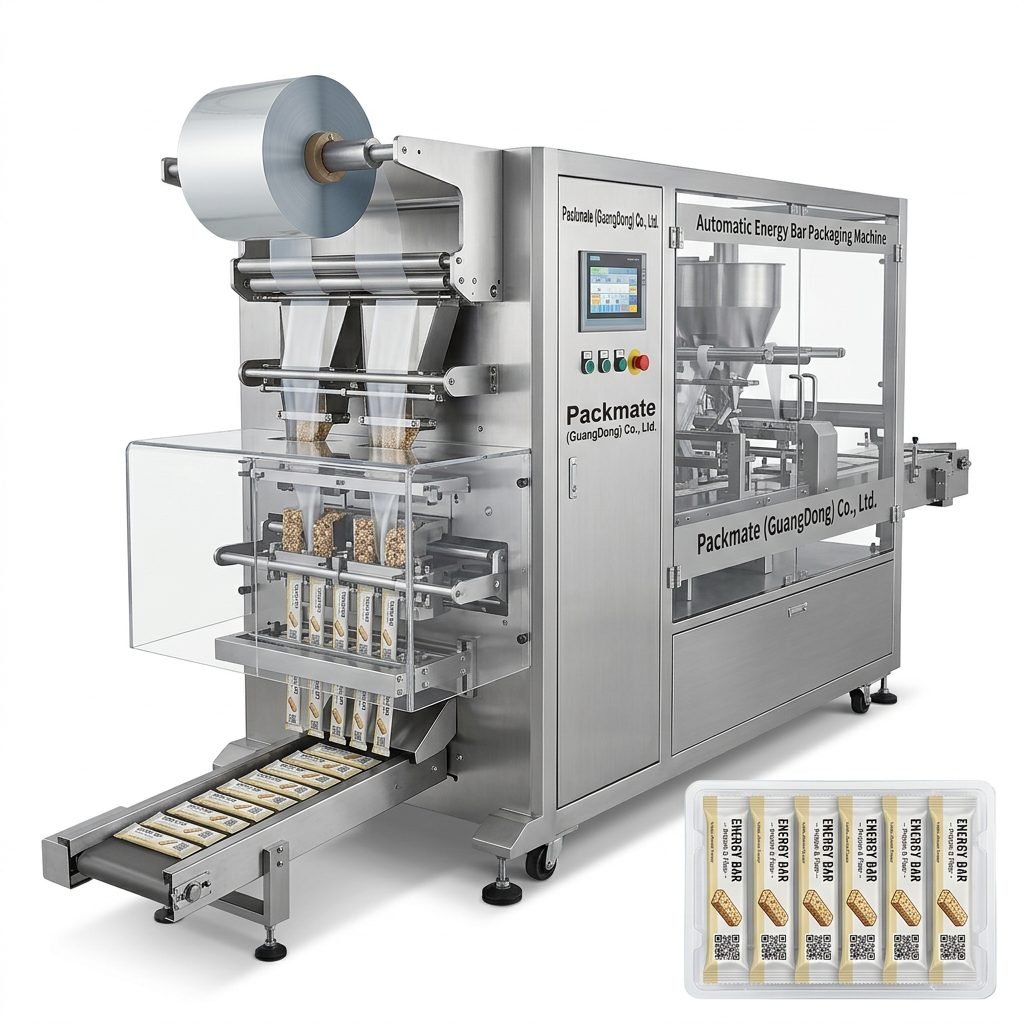
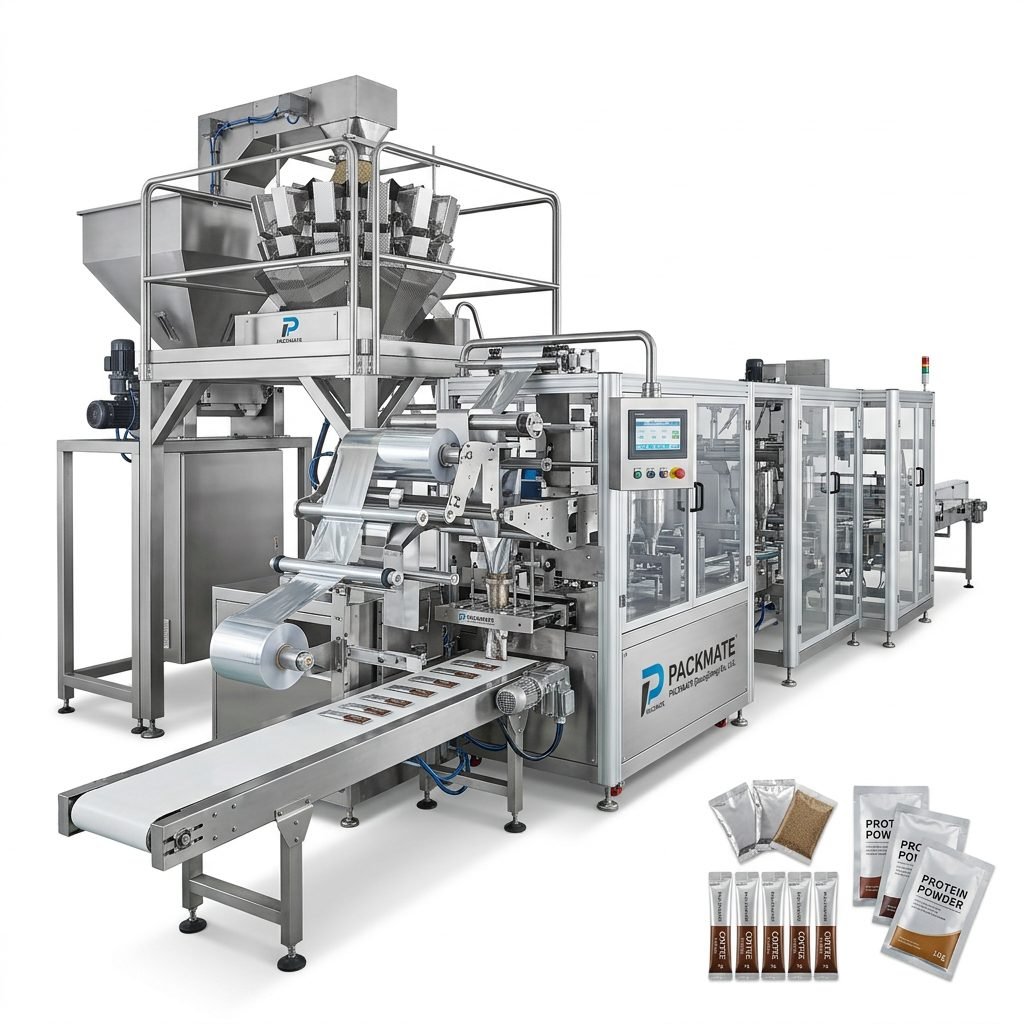
Powders such as spices, milk powder, or flour are challenging due to dust generation and compaction. Solutions feature anti-bridging hoppers, dust extraction systems, and precision auger fillers with de-aeration technology. Stick pack machines are exceptionally effective for single-serve powder portions, offering excellent barrier properties and a sleek, convenient format for consumers. You can explore various configurations in our dedicated packaging solutions portfolio.
For Liquids & Viscous Products
Liquid packaging demands absolute leak-proof integrity. Solutions range from piston pump fillers for sauces and oils to ultrasonic sealers for delicate films. For beverages or oils, inline capping or spout insertion can be integrated. The choice of packaging material—whether laminated films for stand-up pouches or spouted bags—is crucial and is part of the complete turnkey solution we provide.
Components of a Complete Turnkey Packaging Line
An automated line is a symphony of integrated machines, each performing a specific role. Understanding these components helps in planning an effective system.
1. Feeding & Conveying System
This is the starting point, ensuring a consistent, controlled supply of product to the filler. It may include vibratory feeders, screw conveyors, or pneumatic transfer systems designed for the product’s characteristics.
2. Primary Packaging Machine
The heart of the line. This is typically a VFFS machine for pouches, a horizontal form-fill-seal machine for stick packs or sachets, or a pre-made pouch filler. It forms, fills, and seals the primary package.
3. Precision Filling System
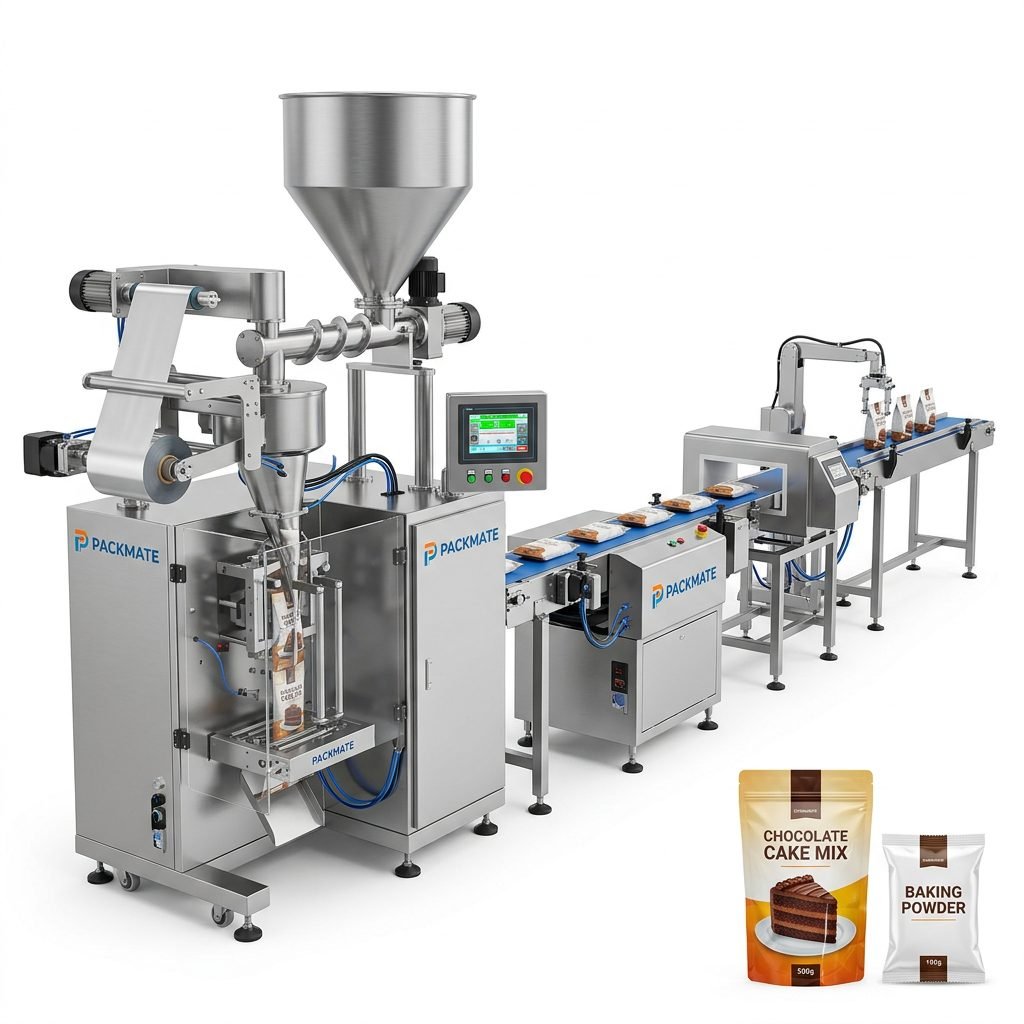
The technology that meters the product. Options include auger fillers (ideal for powders), multi-head weighers (best for granules and solids), and piston or pump fillers (for liquids).
4. Secondary Packaging & Integration
After primary packaging, products may be collated, cartoned, or case-packed automatically. Vision inspection systems, checkweighers, and date coders are often integrated for quality control. See real-world applications in our project case studies.
Choosing the Right Partner for Your Packaging Line
Investing in an automated packaging line is a major decision. The manufacturer you choose determines the success, reliability, and longevity of your investment. Look for a partner with:
- Proven Industry Experience: Deep knowledge of food-grade materials and regulatory standards (FDA, CE, etc.).
- Engineering & Customization Capability: The ability to tailor a line to your specific product, output goals, and factory layout, not just offer standard machines.
- Comprehensive Service Support: From installation and training to ongoing spare parts and maintenance. A global service network is crucial for international operations.
- Quality Manufacturing: A state-of-the-art facility with rigorous testing protocols, like our 20,000㎡ modern factory.
At Packmate, we embody these principles. With over 22 years of focused development, we don’t just sell machines; we deliver complete, intelligent production line solutions. Our team of 125+ professionals works collaboratively to transform your packaging challenges into a competitive advantage, ensuring your line for granules, powders, or liquids operates at peak performance from day one. Learn more about our journey and ethos on our Company Profile page.
Future-Proofing Your Investment
The future of food packaging automation is intelligent and connected. The next generation of lines will feature even greater integration with Industrial Internet of Things (IIoT) platforms, enabling predictive maintenance, remote monitoring, and seamless adaptation to changing production schedules. Choosing a partner committed to innovation ensures your packaging line remains a valuable asset for years to come, adapting to new market trends, materials, and consumer preferences.
Frequently Asked Questions (FAQs)
1. What is the typical lead time for a complete automated packaging line?
Lead times vary significantly based on the line’s complexity and customization level. A standard configured line may take 3-4 months from order to delivery, while a highly customized turnkey solution can require 5-8 months. Detailed project planning with your supplier will establish a clear timeline.
2. Can one packaging line handle different product types (e.g., switching from powder to granules)?
Some lines are designed with changeover flexibility. By swapping out parts like the filling head, auger, or forming tools, and adjusting machine parameters, a single line can often run different products within a similar physical category (e.g., different powders). However, switching between vastly different formats (e.g., liquids to dry granules) usually requires a dedicated line for each.
3. How do you ensure the packaging line meets food safety and hygiene standards?
Reputable manufacturers design machines with food safety as a core principle. This includes using FDA-approved materials (e.g., 304/316 stainless steel) for contact parts, designing for easy cleaning and access (hygienic design), and offering features like CIP (Clean-in-Place) systems. Machines are often certified to international standards like CE.
4. What kind of training and after-sales support can we expect?
A comprehensive package should include on-site installation and commissioning by factory engineers, detailed operational and maintenance training for your technicians, and provision of manuals and schematics. Reliable after-sales support includes a warranty period, readily available spare parts, and access to remote or on-site technical assistance. Explore our commitment to this in our service section.
5. How do we determine the right speed and output capacity for our needs?
This requires a careful analysis of your current and projected future production volumes. Consider factors like peak season demand, planned business growth, and available shifts. A good supplier will help you analyze these factors to recommend a line that meets your target output with some capacity headroom for growth, without over-investing in excessive speed you may not need.