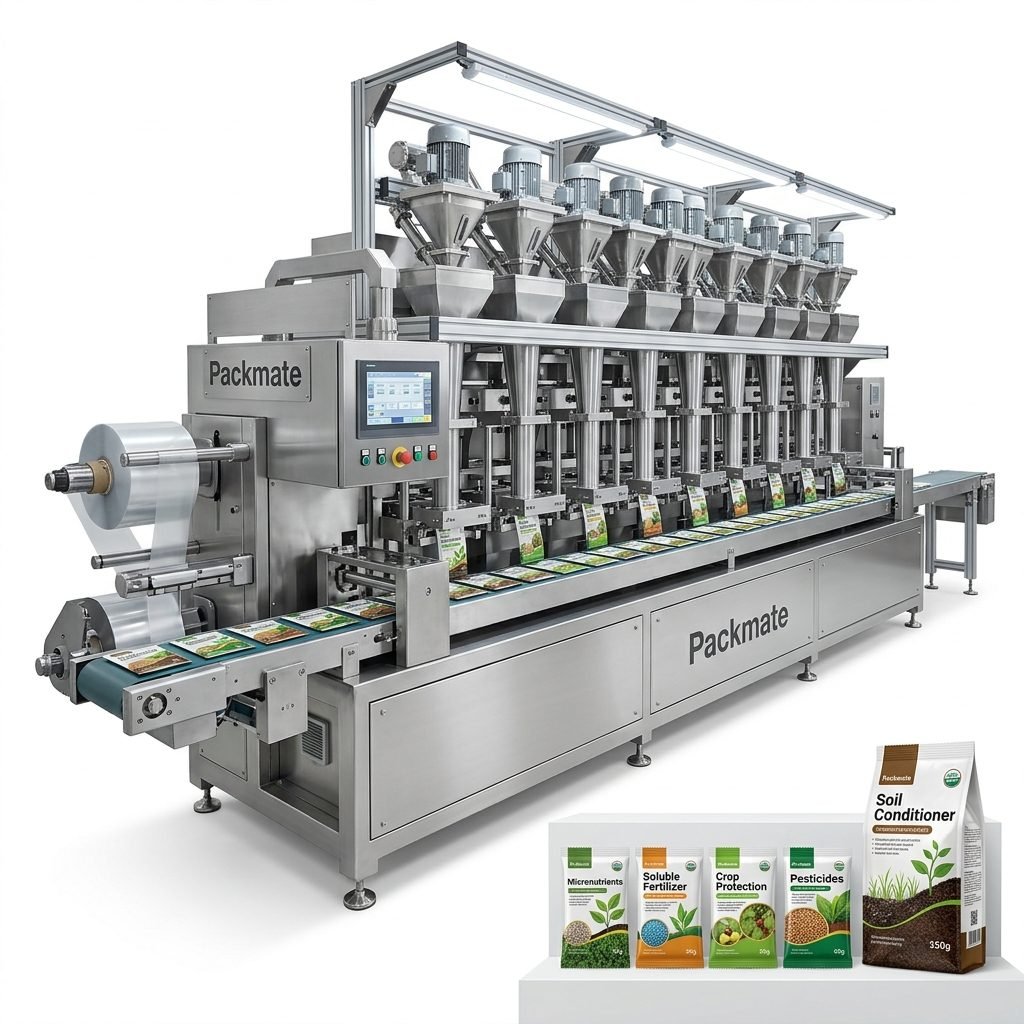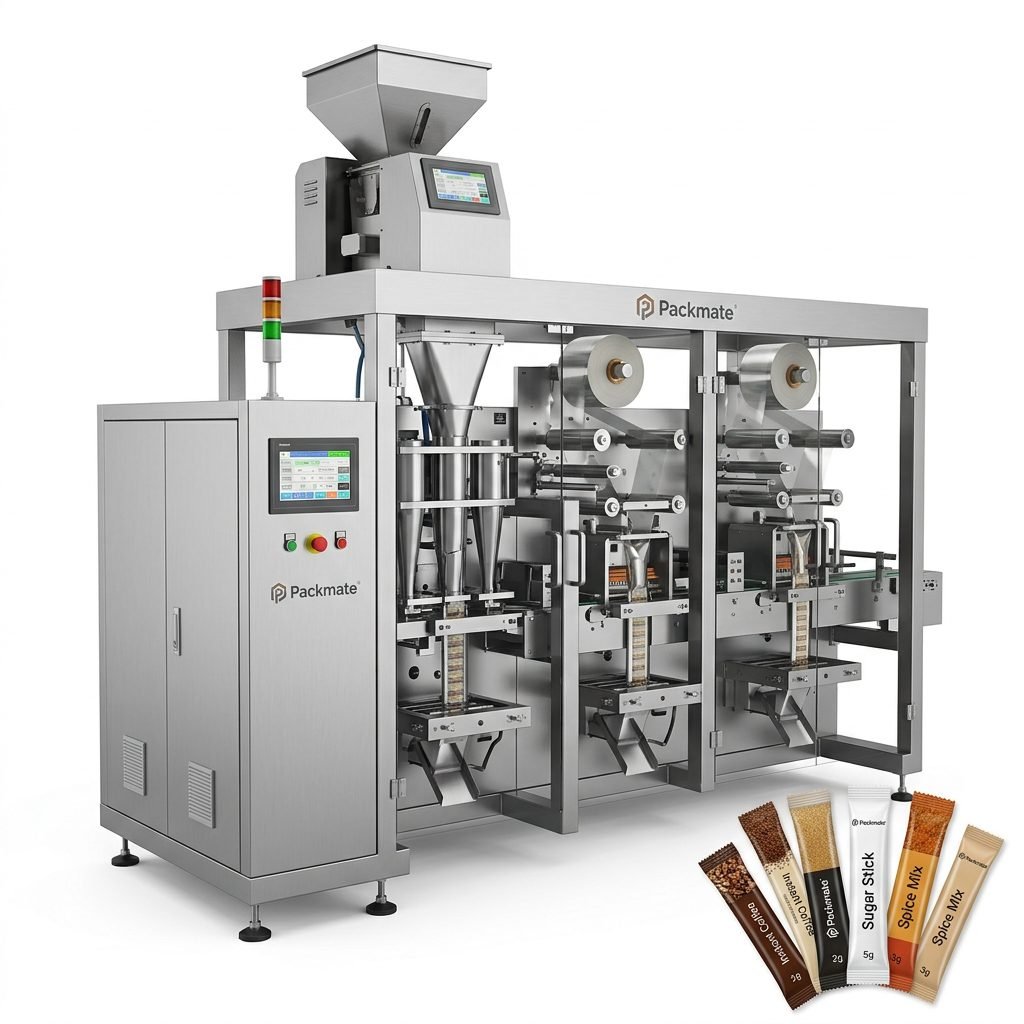
In today’s fast-paced and highly regulated consumer markets, the packaging line is far more than a final production step. For industries like food, pharmaceuticals, and health products, it is a critical nexus of product integrity, brand reputation, and operational efficiency. Selecting the right equipment is not merely a technical decision; it’s a strategic investment in quality, safety, and market agility. This article explores the essential considerations and innovative solutions for flexible packaging line equipment tailored to these demanding sectors.
Core Challenges in Modern Packaging Operations
Manufacturers face a complex array of demands. Regulatory compliance, particularly in pharma and health sectors, requires stringent adherence to Good Manufacturing Practices (GMP) and traceability. Consumers demand freshness, convenience, and sustainability, pushing for advanced barrier materials and portion-controlled formats like stick packs and sachets. Meanwhile, operational pressures for higher output, reduced waste (OEE), and rapid changeovers for smaller batch sizes are constant. A one-size-fits-all approach simply cannot address these multifaceted challenges.
Key Industry-Specific Requirements
Food Industry: Focus on hygiene, speed, and preserving product freshness. Equipment must handle diverse consistencies—from oily powders to viscous liquids—and often integrate nitrogen flushing or vacuum sealing.
Pharmaceutical Industry: Uncompromising sterility, precision dosing, and complete audit trails are paramount. Machines must be designed for easy cleaning and validation (e.g., with CIP/SIP systems) and comply with stringent global standards.
Health & Nutraceutical Products: Bridges both worlds, requiring pharmaceutical-grade precision for powders and tablets with the branding flexibility and variety common in food packaging.
The Pillars of a Flexible Packaging Solution
True flexibility in packaging machinery is built on several interconnected pillars that allow a production line to adapt without sacrificing performance.
1. Modular Design & Scalability
A modular packaging line allows you to start with a core system and add modules—like checkweighers, metal detectors, vision inspection systems, or secondary cartoning units—as your needs evolve. This protects your initial investment and facilitates future upgrades. For instance, a basic sachet line can be scaled into a high-speed, multi-lane stick pack operation. Exploring our comprehensive packaging solutions reveals how modularity is engineered into every system.
2. Rapid Changeover & Tool-Less Adjustment
Downtime is the enemy of profitability. Modern equipment designed for quick changeovers, often in under 15-30 minutes, is essential for handling multiple SKUs. Features like digital format memories, tool-less adjustments for pack size, and easy-access design minimize changeover time and reduce operator error, maximizing line utilization.
3. Intelligent Integration & Industry 4.0
The smart factory is now a reality. Packaging lines equipped with IoT sensors, PLC controls with HMI interfaces, and data exchange capabilities (OPC UA) provide real-time monitoring of OEE, production counts, and maintenance alerts. This data-driven approach enables predictive maintenance, reduces unplanned stops, and offers full traceability from raw material to finished pack—a critical feature detailed in our real-world application cases.
Why Partner with an Experienced Provider?
The complexity of integrating various machines—from form-fill-seal (FFS) units to coders and robots—into a seamless, efficient line cannot be overstated. A partner with deep application expertise, like Packmate (GuangDong) Co., Ltd., provides more than just hardware. They deliver a turnkey solution, encompassing initial consultation, custom engineering, factory acceptance testing (FAT), installation, training, and ongoing support. With over 22 years of development and a 20,000㎡ modern facility, such a partner ensures the line is optimized for your specific product, throughput, and compliance needs from day one. Learn more about our journey and capabilities on our About Us page.
Equipment Spotlight: From Sachets to Bulk Bags
The choice of primary packaging format dictates much of the line’s configuration. Here’s how flexible solutions cater to different needs:
High-Speed Stick Pack & Sachet Lines
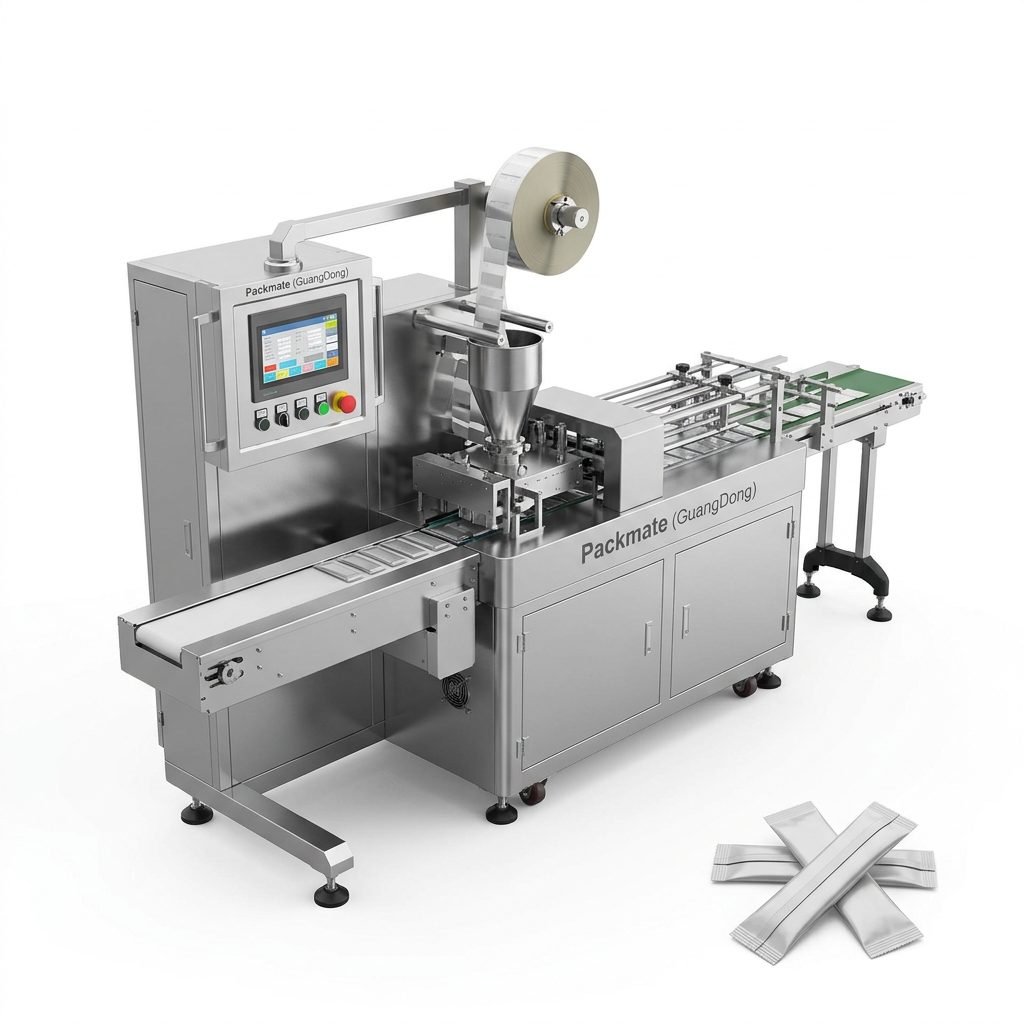
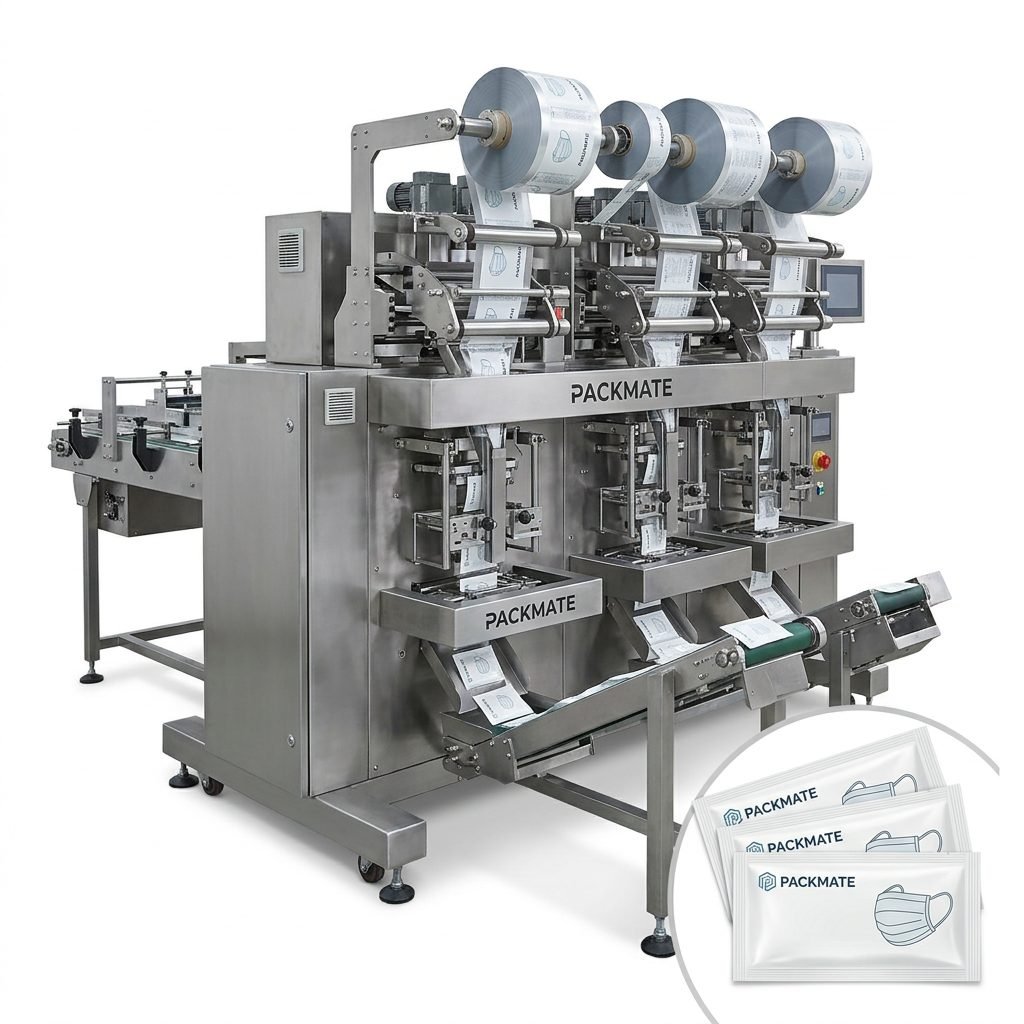
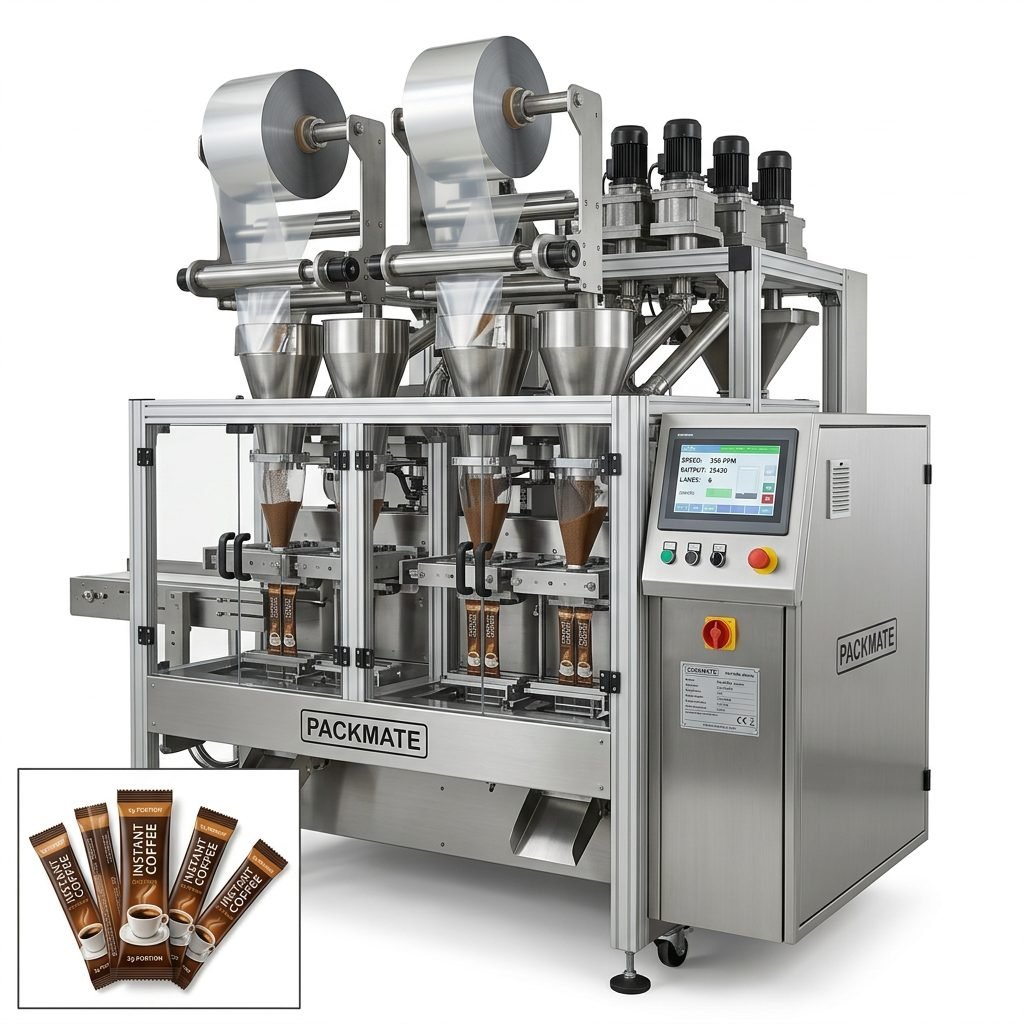
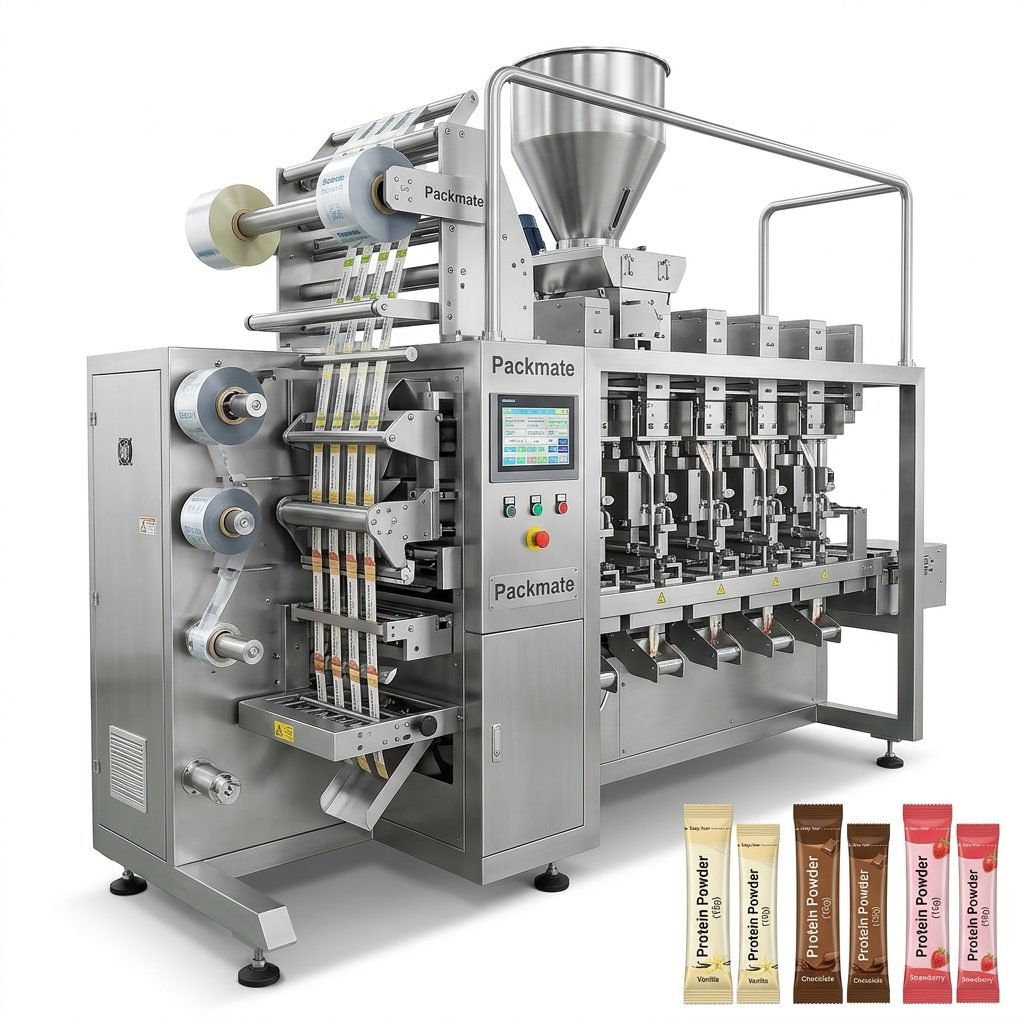
Ideal for single-serve portions of coffee, supplements, sauces, or pharmaceuticals. Multi-lane rotary machines can achieve exceptionally high outputs. Flexibility here means handling different film types (laminate, recyclable mono-material), various seal types (fin, pillow), and integrating precise liquid or powder dosing systems.
Vertical Form-Fill-Seal (VFFS) for Granules & Powders
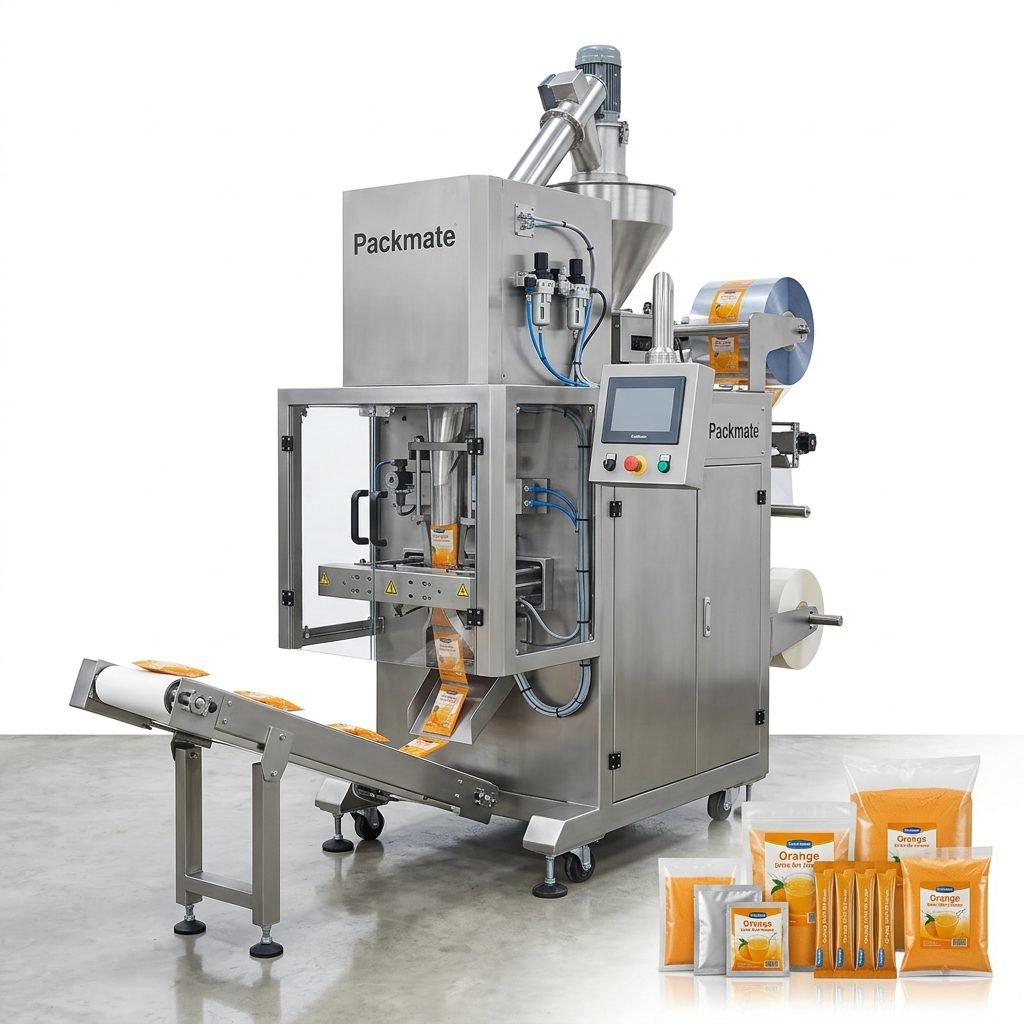
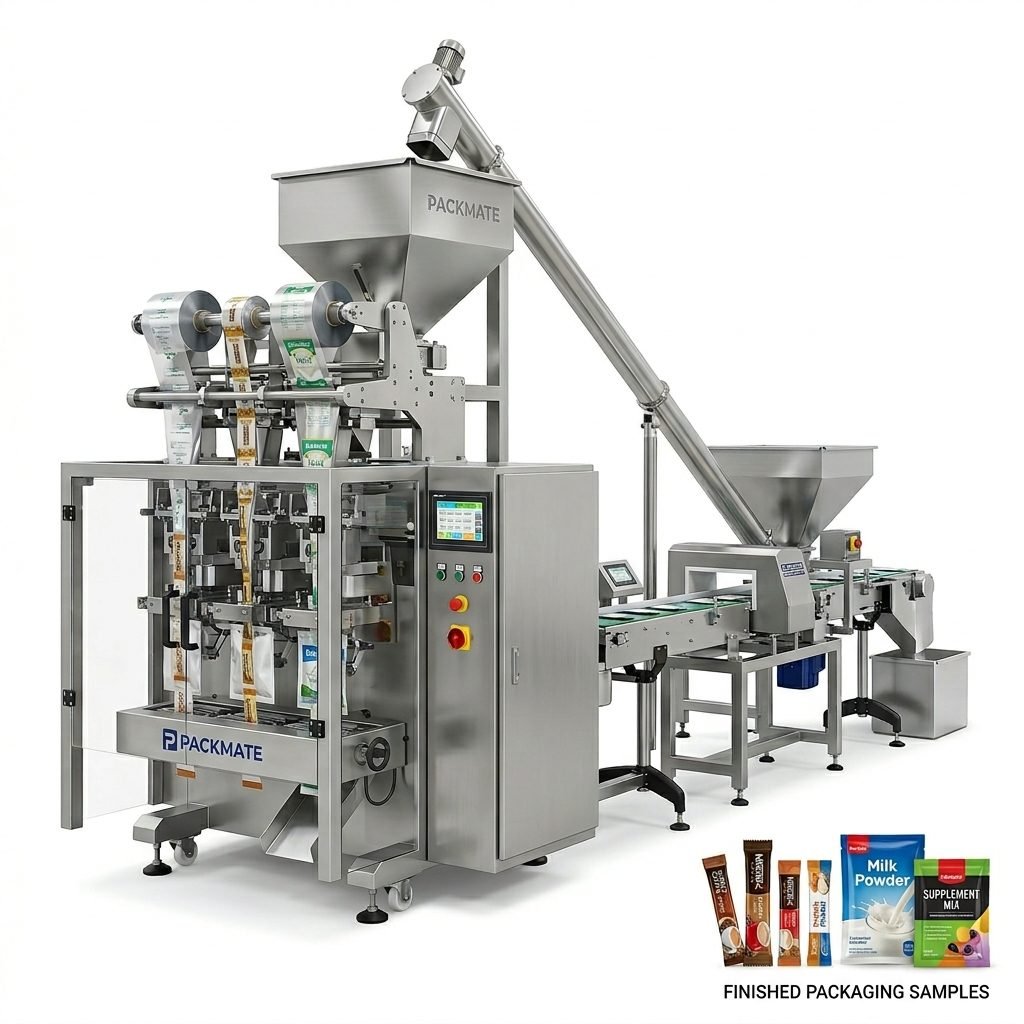
The workhorse for free-flowing products like snacks, grains, or powdered milk. Flexibility is achieved through advanced auger or weigh-cell dosing for accuracy, and the ability to run different bag styles (gusseted, flat, Doy-style) on the same machine with quick changeovers.
Liquid & Pouch Packaging Lines
For products from juices to shampoos to IV fluids. These lines require precision volumetric or gravimetric filling, often in sterile environments. Flexibility involves handling viscosities, integrating aseptic technology if needed, and accommodating stand-up pouches (SUP) or spouted pouches.
Large-Volume & Bag-in-Box Systems
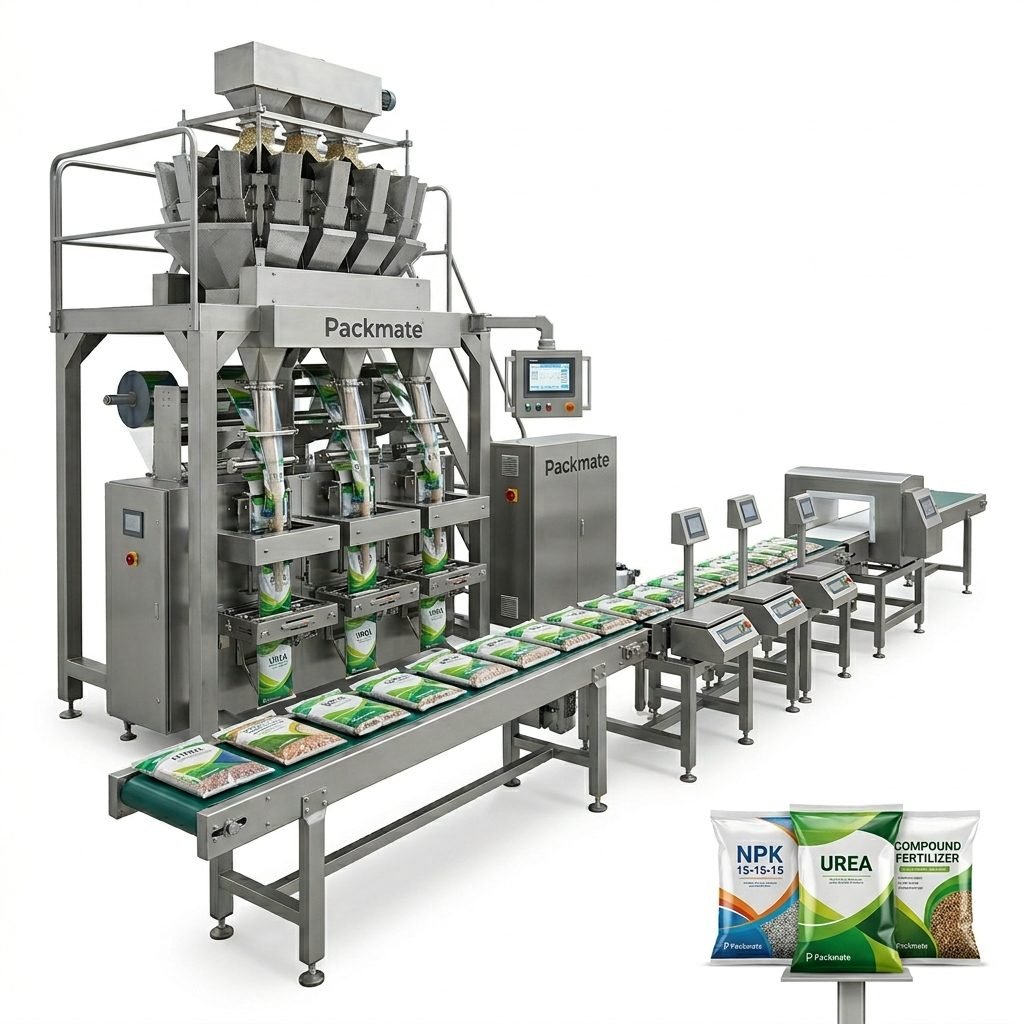
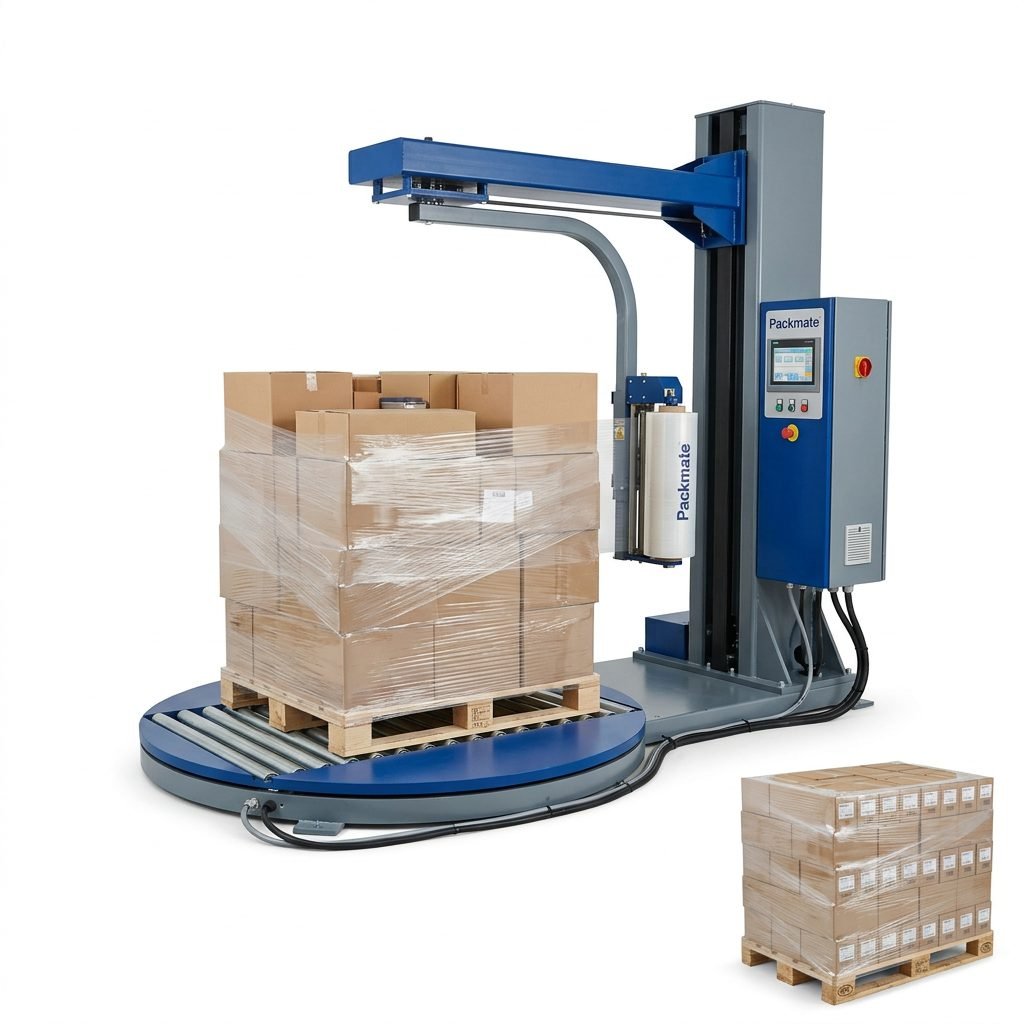
Catering to industrial, foodservice, or chemical sectors. These robust lines combine automated bag forming, high-capacity filling, and palletizing. Flexibility lies in handling varied bag sizes (5-25 kg) and materials, including woven PP or FIBCs.
Ensuring Success: Beyond the Machine Purchase
The journey to an optimized packaging line continues long after installation. A reliable partner provides comprehensive lifecycle support.
Training & Documentation: Thorough operator and maintenance training is crucial for safety, efficiency, and longevity. Clear manuals and schematics are vital.
Spare Parts & Technical Support: Ready access to genuine spare parts and remote or on-site technical support minimizes downtime. Providers with a global footprint offer significant advantages.
Performance Validation: The line should be validated to meet your specific speed, accuracy, and yield targets, ensuring the return on investment is realized. Our commitment to client success is outlined in our dedicated service philosophy.
Conclusion
Investing in flexible packaging line equipment is a strategic decision that directly impacts product quality, brand equity, and bottom-line profitability for food, pharma, and health product manufacturers. By prioritizing modularity, smart technology, rapid changeover, and partnering with an experienced, solution-oriented provider like Packmate, businesses can build packaging operations that are not only efficient today but also resilient and adaptable for the challenges of tomorrow. The right packaging line is a powerful engine for growth and innovation.
Frequently Asked Questions (FAQs)
1. What is the lead time for a typical custom packaging line?
Lead times vary significantly based on complexity, customization, and current order backlog. A standard configured line may take 12-20 weeks from order confirmation to delivery, while highly complex, fully custom systems can require 6 months or more. Detailed project planning during the quotation phase provides a reliable timeline.
2. How do you ensure a packaging machine meets pharmaceutical GMP standards?
GMP-compliant design features include stainless steel (304 or 316) contact surfaces, rounded corners (coving) to prevent material accumulation, validated clean-in-place (CIP) systems, and documentation packs for IQ/OQ/PQ (Installation/Operational/Performance Qualification). The machine design prioritizes cleanability and prevents cross-contamination.
3. Can your equipment handle recyclable or biodegradable packaging films?
Yes, many modern machines can be adapted for mono-material plastics or other sustainable substrates. However, film transition requires evaluation as seal parameters, forming shoulders, and tensile strength differ. We recommend testing with your specific sustainable material during the feasibility study phase.
4. What kind of after-sales support and warranty do you offer?
We typically offer a 12-18 month warranty on parts and manufacturing defects. Support includes detailed documentation, online remote assistance, a supply of critical spare parts, and optional on-site technician visits for installation and major servicing. Comprehensive support plans are available.
5. Do you provide complete factory layout and line integration services?
Absolutely. As a turnkey solution provider, our service extends beyond supplying machines. We offer factory layout consulting, utility planning, and integration of auxiliary equipment (like conveyors and checkweighers) to ensure a smooth, efficient, and cohesive production flow. Visit our Contact Us page to initiate a conversation about your project needs.