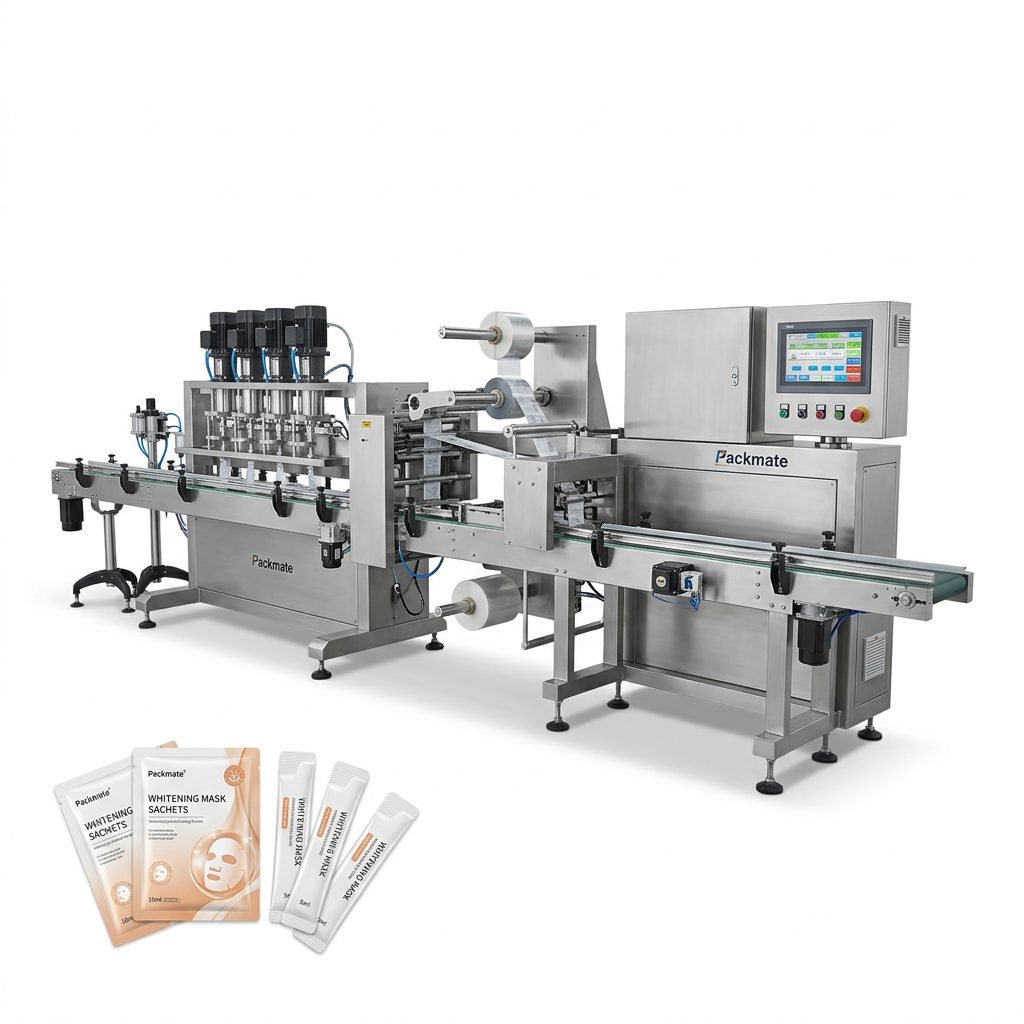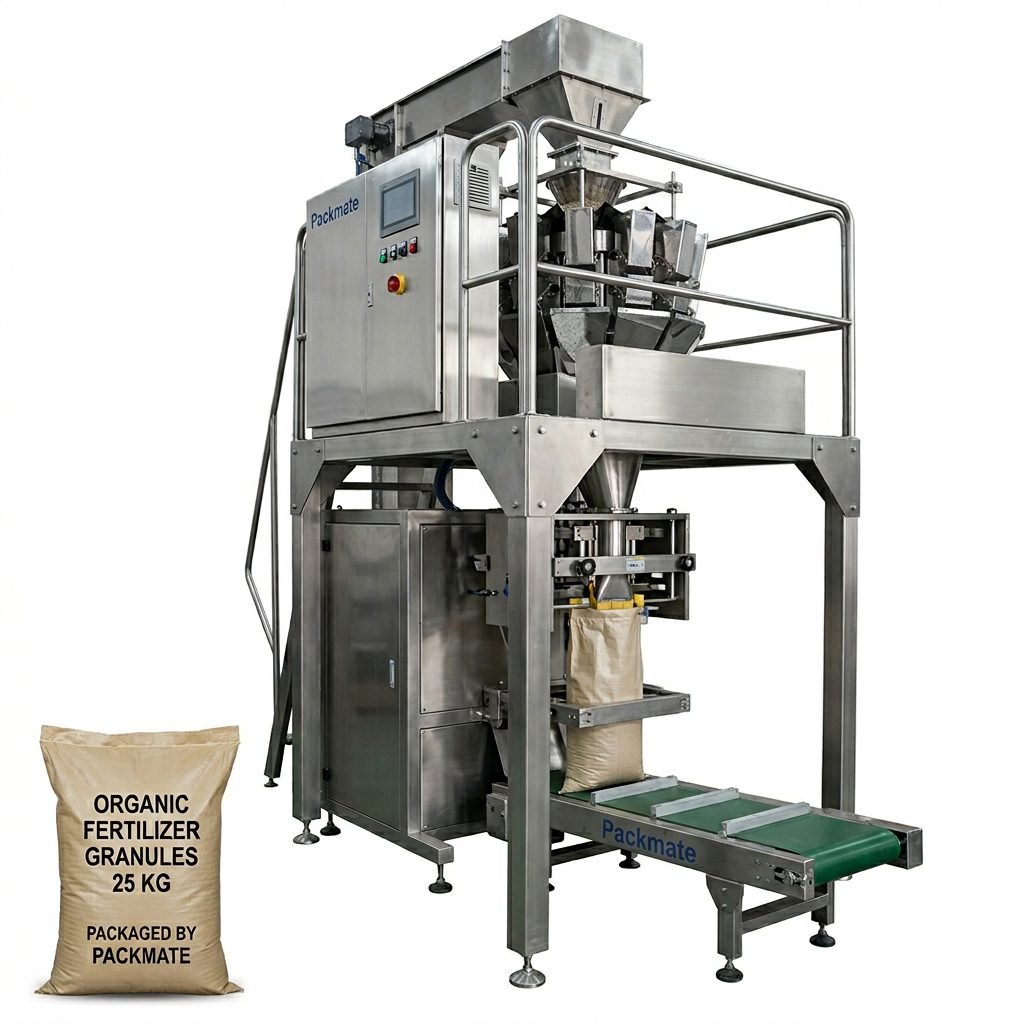
In today’s fast-paced manufacturing landscape, efficiency, hygiene, and reliability are not just goals—they are imperatives. For industries handling sensitive products like food, pharmaceuticals, and health supplements, the packaging process is a critical final gatekeeper of product quality and safety. This is where the strategic implementation of an automated packaging line transitions from a logistical upgrade to a core business strategy. A complete, turnkey solution integrates machinery, software, and process design into a seamless, intelligent system that maximizes output while minimizing contamination risk and operational cost.
The Core of Modern Production: Why Automation is Non-Negotiable
Manual or semi-automated packaging introduces variables—human error, inconsistent speeds, and potential contamination—that modern industries can no longer afford. An automated line eliminates these variables. It ensures every sachet of seasoning, every blister pack of tablets, and every pouch of protein powder is filled, sealed, and coded with identical precision. This repeatability is the foundation of brand trust and regulatory compliance, especially under stringent frameworks like FDA or EU GMP standards. For businesses looking to scale, automation provides the predictable, high-volume throughput necessary to meet market demands without exponentially increasing labor costs or floor space. Exploring the right packaging solutions is the first step toward this transformation.
Key Benefits of a Turnkey Automated Line:
- Unmatched Speed & Scale: Achieve production rates from thousands to hundreds of thousands of units per hour, seamlessly.
- Supreme Product Integrity: Closed-system designs and clean-in-place (CIP) features drastically reduce particulate and microbial contamination risks.
- Data-Driven Optimization: Integrated PLC and SCADA systems provide real-time OEE (Overall Equipment Effectiveness) data, predictive maintenance alerts, and traceability for every batch.
- Remarkable Operational Savings: Reduce direct labor, minimize product giveaway through precise filling, and lower utility consumption with energy-efficient drives.
- Future-Proof Flexibility: Modular designs allow for easy reconfiguration to handle new package formats, sizes, or products, protecting your investment.
Designing for Specific Needs: Food, Pharma, and Health Products
A one-size-fits-all approach fails in precision packaging. Each sector has unique, non-negotiable requirements that must be baked into the line’s design from the outset.
Food Industry Packaging
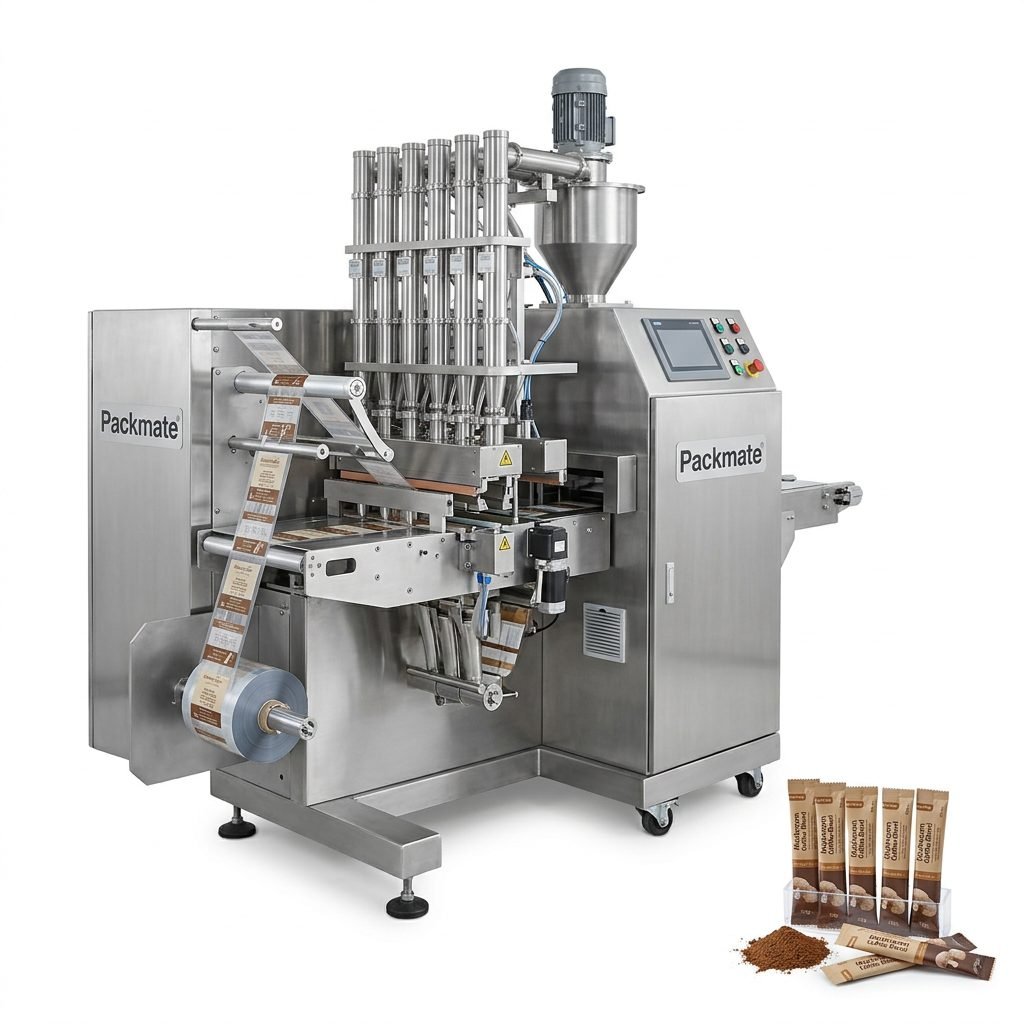
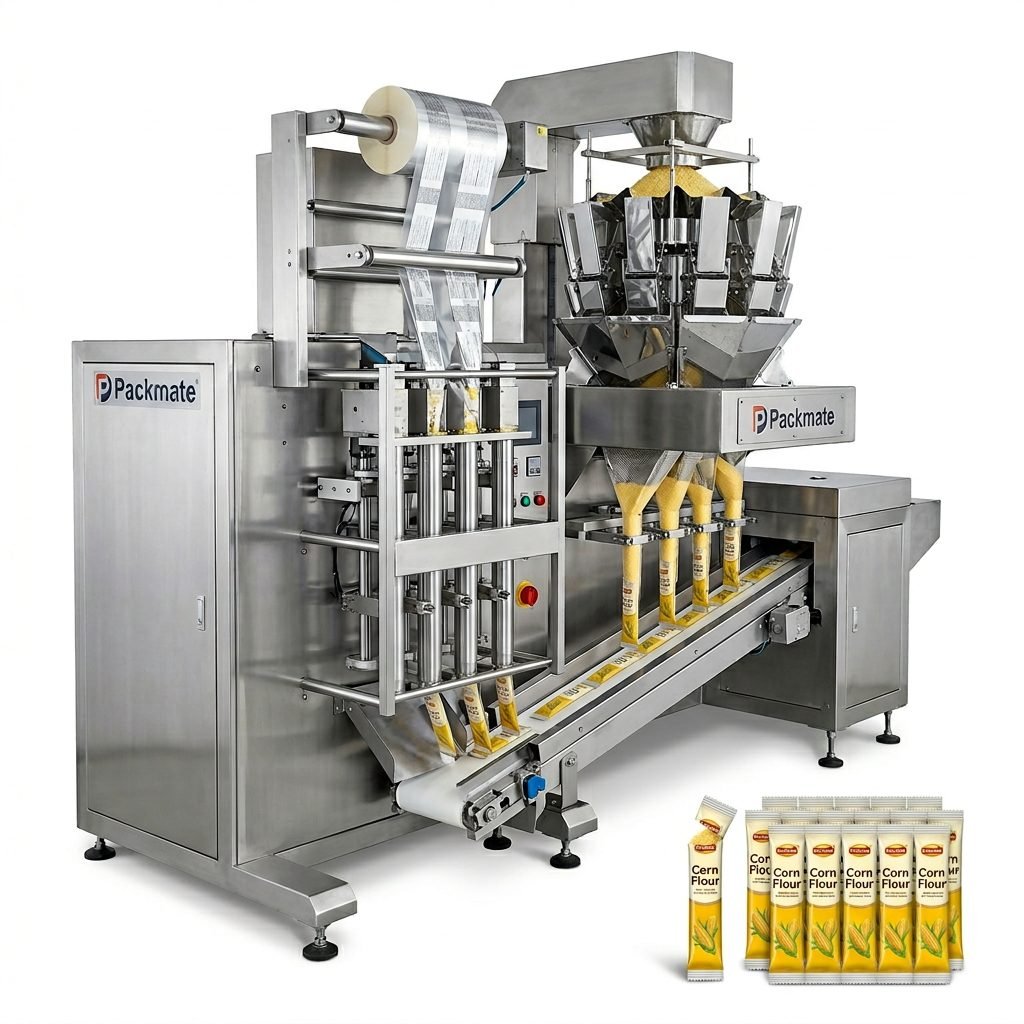
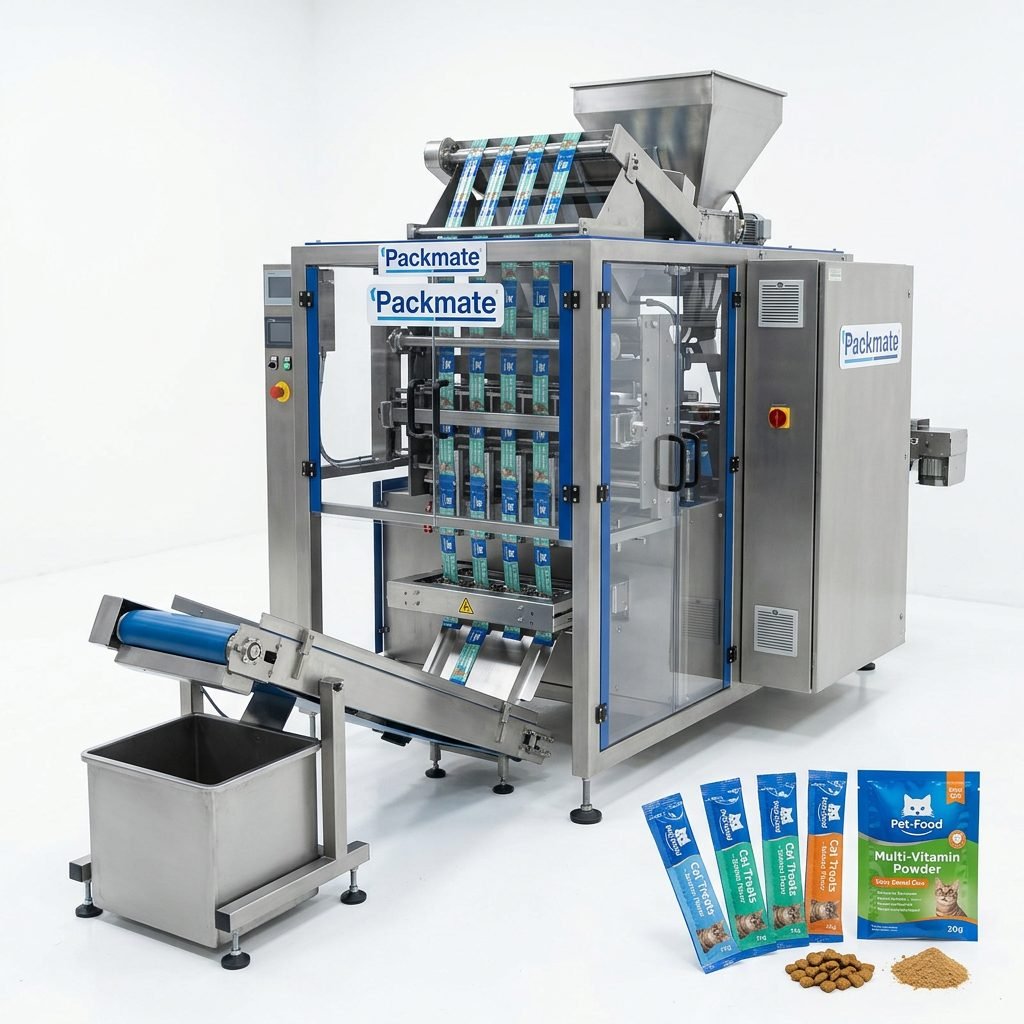
Food packaging demands robustness against oils, moisture, and aromas, along with high-speed capabilities for cost-effective consumer goods. Lines often incorporate multi-lane stick pack or sachet machines for items like instant coffee, soup mixes, and condiments. Key considerations include:
Material Compatibility: Using high-barrier laminates to extend shelf life.
Hygienic Design: Stainless steel contact surfaces and easy-clean frameworks to meet HACCP standards.
Versatile Filling: Handling granules, powders, and viscous liquids with equal precision, often within the same line family.
Pharmaceutical & Nutraceutical Packaging
This is the domain of ultimate precision and validation. Packaging lines for tablets, capsules, and powders must comply with cGMP and often require 21 CFR Part 11-compliant data logging. Common configurations include:
Stick Pack & Sachet Lines: Ideal for unit-dose powders (electrolytes, pain relievers). They provide excellent moisture barrier and precise (±1-2%) filling accuracy.
High-Purity Environments: Designs often feature integrated dust extraction, unidirectional airflow hoods, and wash-down capabilities to maintain ISO Class 8 or better conditions around the filling zone.
Health & Wellness Products
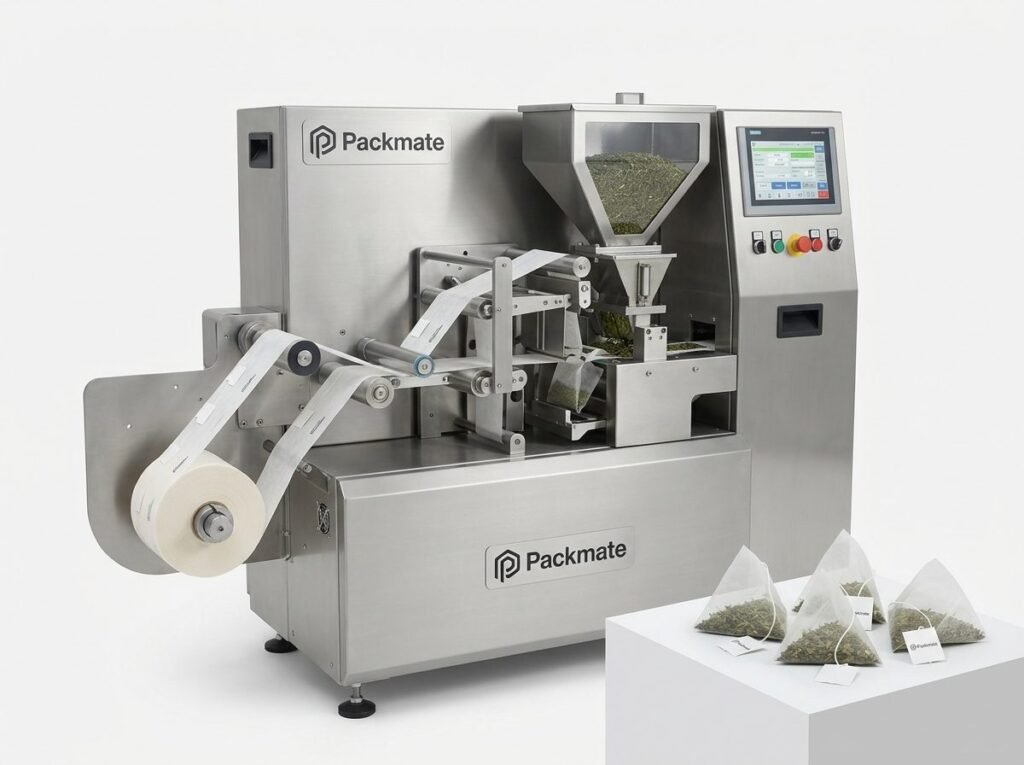
Bridging food and pharma, this sector includes protein powders, herbal supplements, and meal replacements. Consumer appeal and functionality are paramount. Lines must offer:
Attractive Packaging: Capabilities for vibrant printing and reclosable zipper features on stand-up pouches.
Gentle Handling: For delicate ingredients that can be damaged by aggressive handling or heat sealing.
Reviewing real-world application cases can provide valuable insights into how these designs perform in practice.
The Turnkey Advantage: From Blueprint to Production
Choosing a turnkey solution means partnering with a single provider responsible for the entire project lifecycle. This holistic approach, as championed by providers like Packmate (GuangDong) Co., Ltd., encompasses far more than just selling machines.
The 5-Phase Turnkey Process:
- Consultation & Needs Analysis: Engineers work with your team to understand product specs, target output, facility constraints, and regulatory landscape.
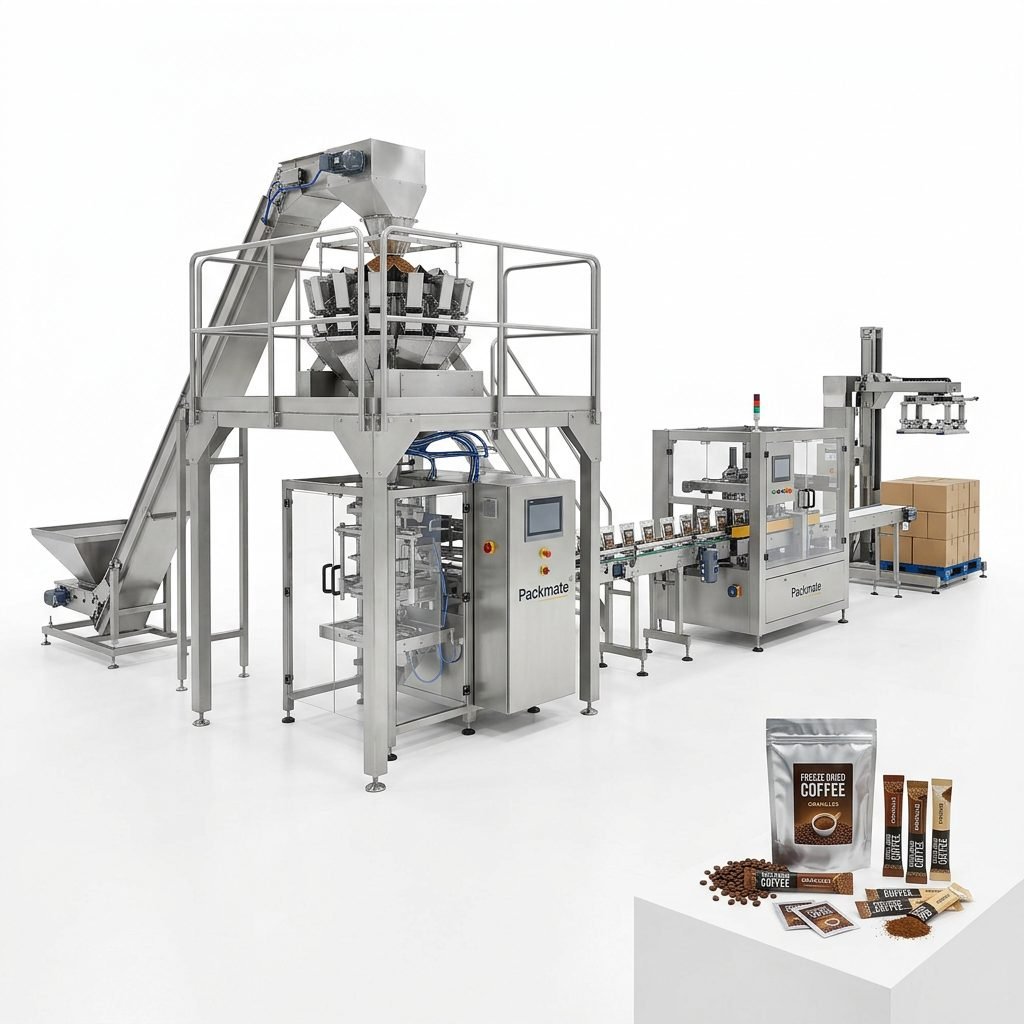
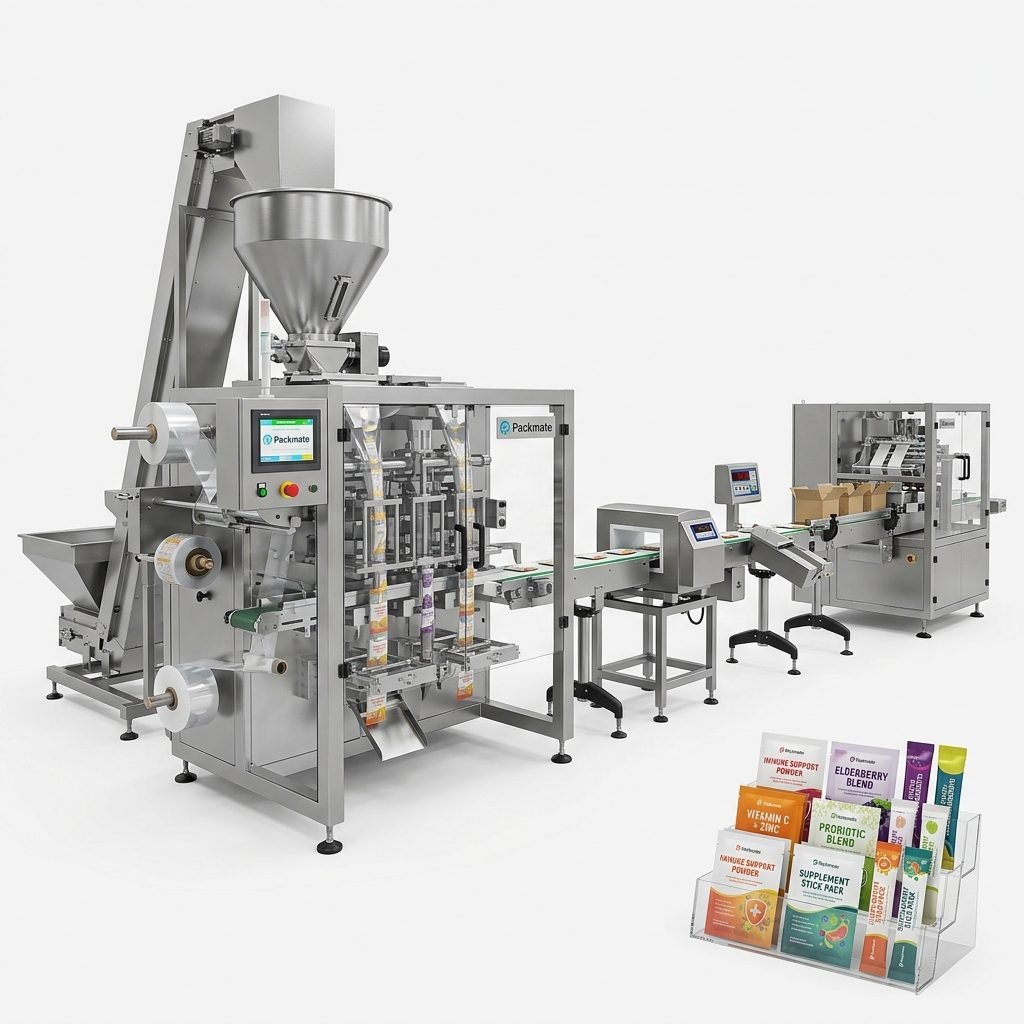
- Customized Line Design: Creating a detailed layout integrating feeding, filling, sealing, coding, checkweighing, and cartoning modules into an optimal workflow.
- Manufacturing & FAT: All equipment is built and assembled for a Factory Acceptance Test, where you verify performance against agreed specifications before shipment.
- Installation & Commissioning (SAT): Expert technicians install the line on your floor, calibrate all systems, and train your operators and maintenance staff.
- Ongoing Support & Optimization: Providing comprehensive after-sales service, spare parts, and periodic audits to ensure the line continues to perform at peak efficiency for years.
This end-to-end ownership eliminates finger-pointing between multiple vendors and ensures system cohesion, leading to faster ramp-up times and higher long-term reliability.
Critical Components of a High-Performance Packaging Line
An automated line is a symphony of specialized machinery. Understanding the role of each component helps in specifying the right system.
1. Primary Packaging Machines
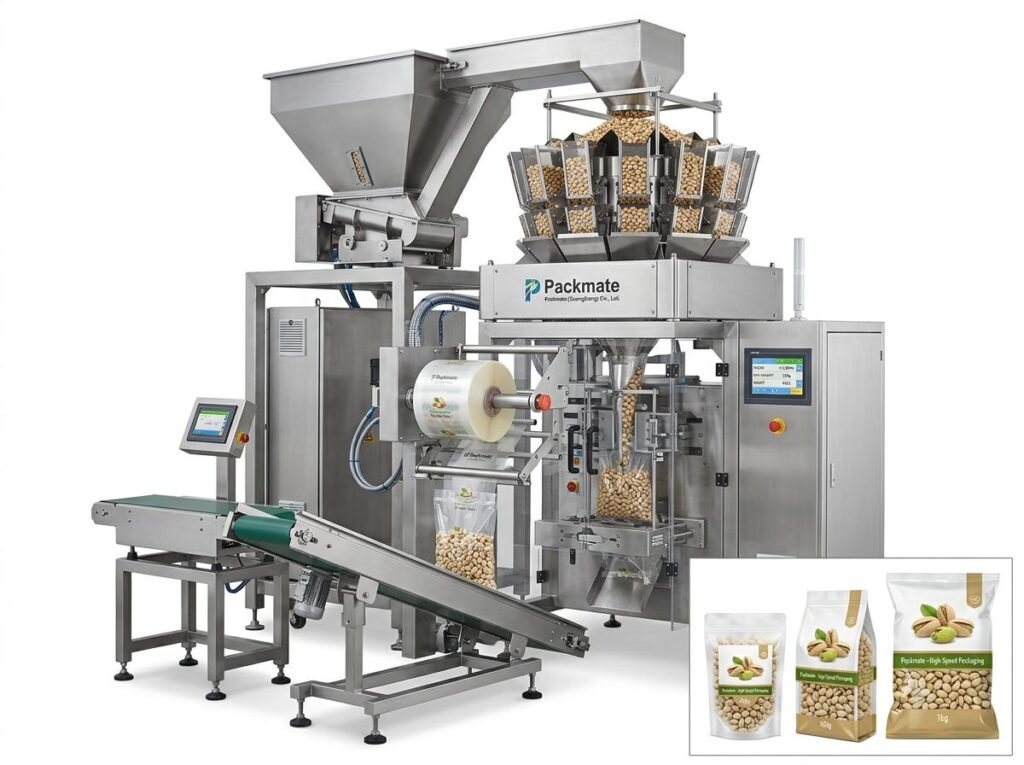
The heart of the line. This includes vertical form-fill-seal (VFFS) machines for pouches, horizontal form-fill-seal (HFFS) for stick packs and sachets, and blister packers. Modern machines feature servo-driven technology for silent operation, quick changeovers, and ultra-precise film registration.
2. Precision Filling Systems
Accuracy is critical. Volumetric cup fillers, auger fillers with loss-in-weight feedback, and liquid piston fillers are selected based on product characteristics. For pharmaceuticals, micro-dosing auger systems can achieve accuracies within ±1%.
3. Product Handling & Integration
This includes vibratory feeders, bucket elevators, and screw conveyors designed for gentle product transfer. Integration with upstream processes like mixing or granulation via intermediate bulk containers (IBCs) is key for a continuous production flow.
4. Quality Assurance & Inspection Modules
In-line checkweighers, metal detectors, X-ray inspection systems, and vision systems for label verification are no longer optional. They are essential for ensuring every product that leaves the line is perfect, providing automatic rejection of non-conforming items and full traceability data.
5. Secondary Packaging & Palletizing
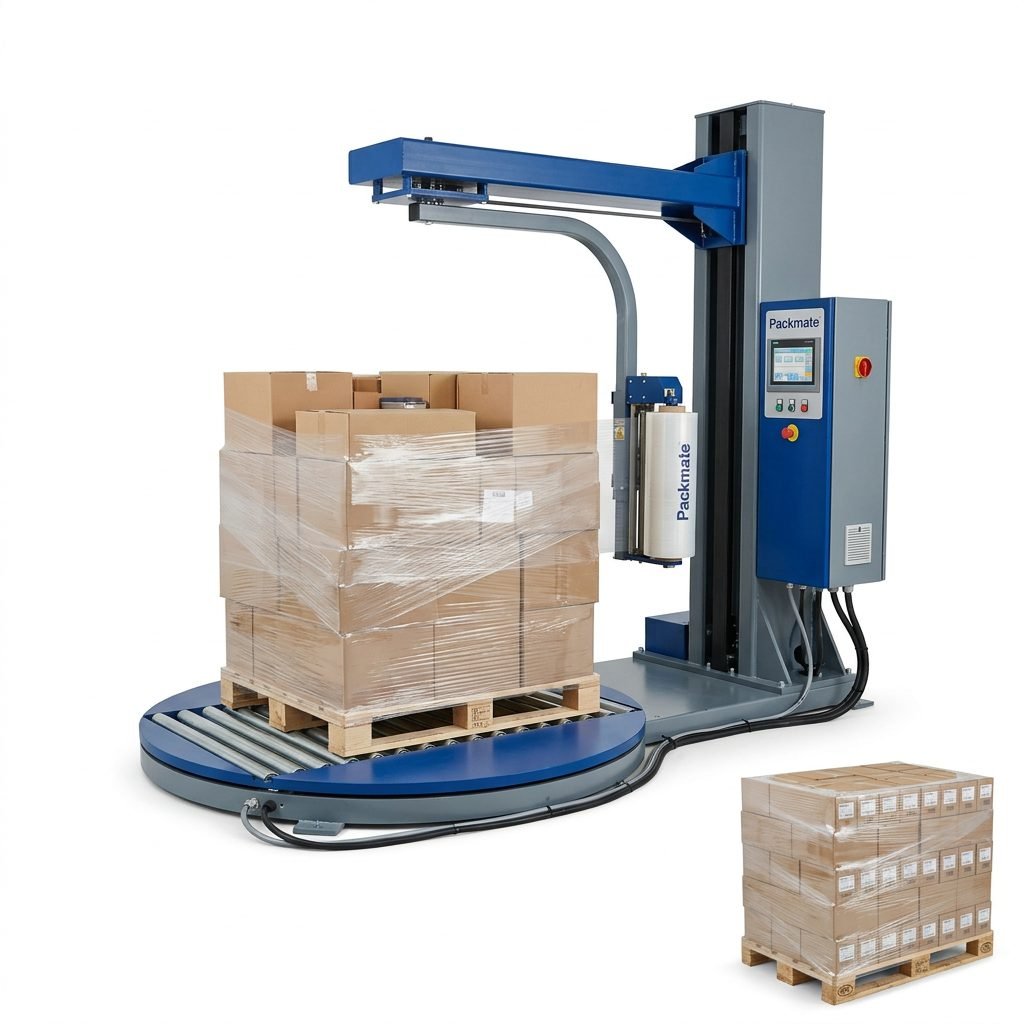
The line often extends to cartoning, case packing, and robotic palletizing, creating a truly end-to-end automated process from raw material to shipping pallet.
Investing in the Future: ROI and Long-Term Value
The capital expenditure for a complete turnkey line is significant, but the return on investment is compelling when viewed holistically. The ROI calculation extends beyond labor savings to include:
- Reduced Product Loss: Precision filling cuts giveaway, saving millions in product value for high-volume lines.
- Lower Compliance Risk: Avoiding a single regulatory citation or product recall can justify the investment.
- Enhanced Brand Equity: Consistent, professional packaging strengthens consumer perception and allows for premium positioning.
- Operational Agility: The ability to quickly launch new products or formats captures market opportunities faster than competitors with rigid systems.
Partnering with an experienced provider with a strong company profile and proven track record mitigates project risk and ensures the delivered system meets these ROI drivers.
Conclusion
Implementing an automated, turnkey packaging line is a transformative decision for manufacturers in the food, pharmaceutical, and health product sectors. It is an investment in quality, efficiency, and scalability that builds a resilient, competitive, and compliant production foundation. By focusing on a tailored design, a seamless integration process, and a partnership with a capable provider, businesses can unlock new levels of performance and secure their position in the market for the long term. For more detailed specifications or to discuss a specific project, visiting the provider’s contact page is the recommended next step.
Frequently Asked Questions (FAQs)
1. What is the typical lead time for a complete turnkey packaging line?
Lead time varies significantly based on complexity and customization. A standard line might be delivered in 4-6 months, while a highly customized system for a novel product could take 8-12 months from design approval to site acceptance. The process includes design, manufacturing, factory testing, shipping, and installation.
2. How do you ensure the line will meet our specific hygiene and sanitary standards (e.g., FDA, EU GMP)?
Reputable providers design with these standards as a baseline. This involves using 316L stainless steel for product contact parts, implementing clean-in-place (CIP) or wash-down designs, providing documentation of surface finishes (Ra values), and designing for prevent contamination. During the design phase, your specific regulatory requirements are integrated into the machine specifications and material selections.
3. Can an automated line handle frequent product changeovers?
Yes, modern lines are built for flexibility. Features like servo-driven movements, tool-less change parts, and recipe management software stored in the PLC allow for rapid changeover. For example, changing pouch size on a servo-driven VFFS machine can often be done in under 15 minutes, minimizing downtime.
4. What kind of training and ongoing support can we expect?
A comprehensive turnkey project includes detailed training for operators, mechanics, and electricians during commissioning. This covers operation, routine maintenance, troubleshooting, and safety. Ongoing support typically includes a warranty period, access to spare parts, remote technical support via phone or video, and optional service contracts for preventive maintenance and technical upgrades.
5. How is the line’s performance validated before it is installed in our facility?
Performance is rigorously validated during the Factory Acceptance Test (FAT). You are invited to witness the line running at the manufacturer’s facility using your actual product or a close simulant. Key metrics like speed, accuracy, efficiency, and noise levels are measured against the agreed specifications. Only after passing the FAT is the line disassembled for shipment to your site, where a Site Acceptance Test (SAT) finalizes the commissioning.