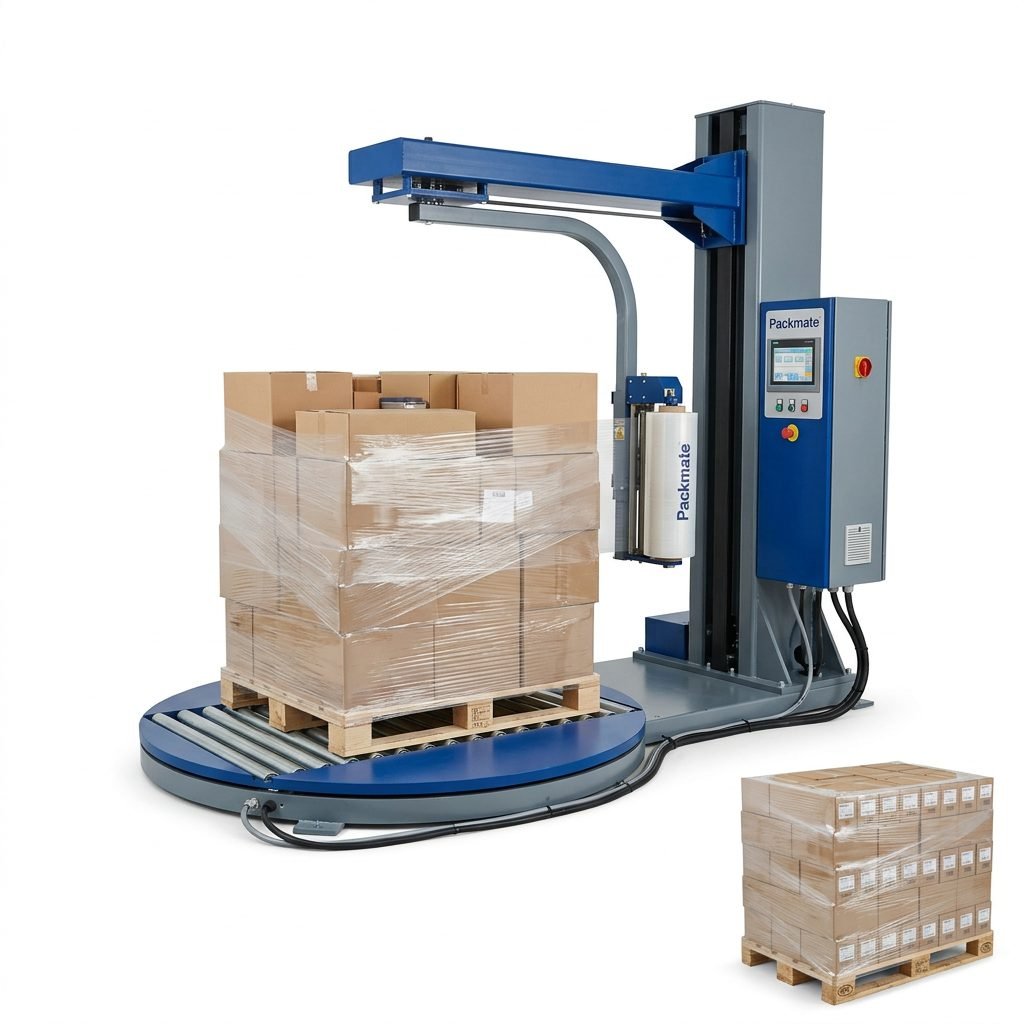
The pharmaceutical industry operates under the most stringent regulations, where product integrity, patient safety, and process reliability are non-negotiable. Packaging is not merely the final step but a critical component of the pharmaceutical supply chain. For sensitive products like granules, powders, and liquids, the packaging line must be a symphony of precision, hygiene, and adaptability. A single inconsistency can compromise an entire batch, leading to significant financial loss and, more importantly, potential health risks. This is where specialized Pharmaceutical Packaging Line Solutions become paramount, transforming raw materials into securely packaged, ready-to-distribute medicines.
The Critical Role of Specialized Packaging in Pharma
Unlike other sectors, pharmaceutical packaging serves multiple vital functions beyond containment. It must provide an effective barrier against moisture, light, and oxygen to preserve the stability and efficacy of the active ingredients. For granules and powders, which are often hygroscopic, this is especially crucial. Furthermore, the packaging process itself must be designed to minimize particulate generation, cross-contamination, and any form of degradation. Whether it’s a life-saving antibiotic in powder form, nutritional supplements in granules, or a pediatric syrup, the packaging line is the guardian of product quality from the production floor to the end-user.
Key Challenges Addressed by Modern Lines:
- Contamination Control: Maintaining ISO Class 5-8 cleanroom standards where required, with designs that allow for easy cleaning and sanitization (CIP/SIP).
- Dosing Accuracy: Achieving near-perfect fill weight consistency for all product forms, critical for dosage precision.
- Material Handling: Gently conveying delicate granules and powders without causing attrition or segregation.
- Regulatory Compliance: Built-in features to support validation protocols (IQ/OQ/PQ) and data integrity for traceability.
Tailored Solutions for Granule Packaging
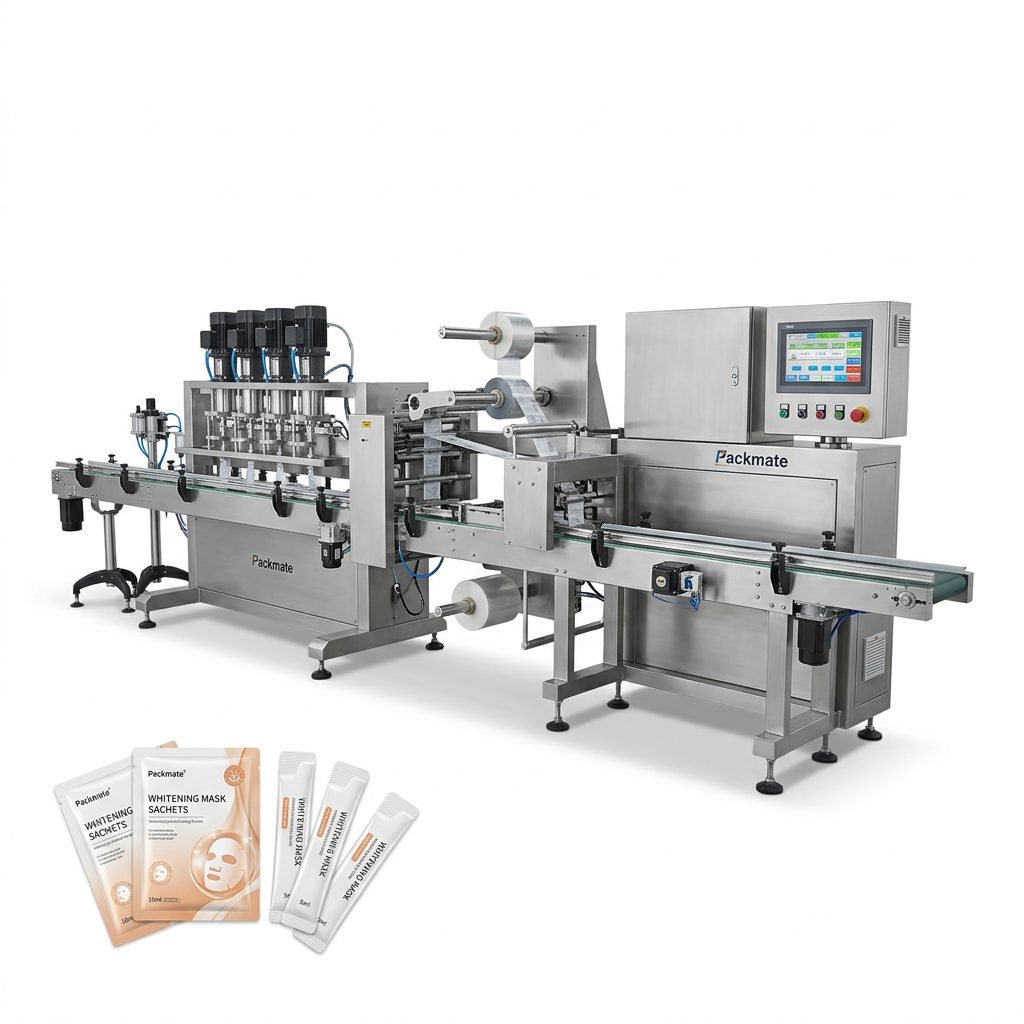
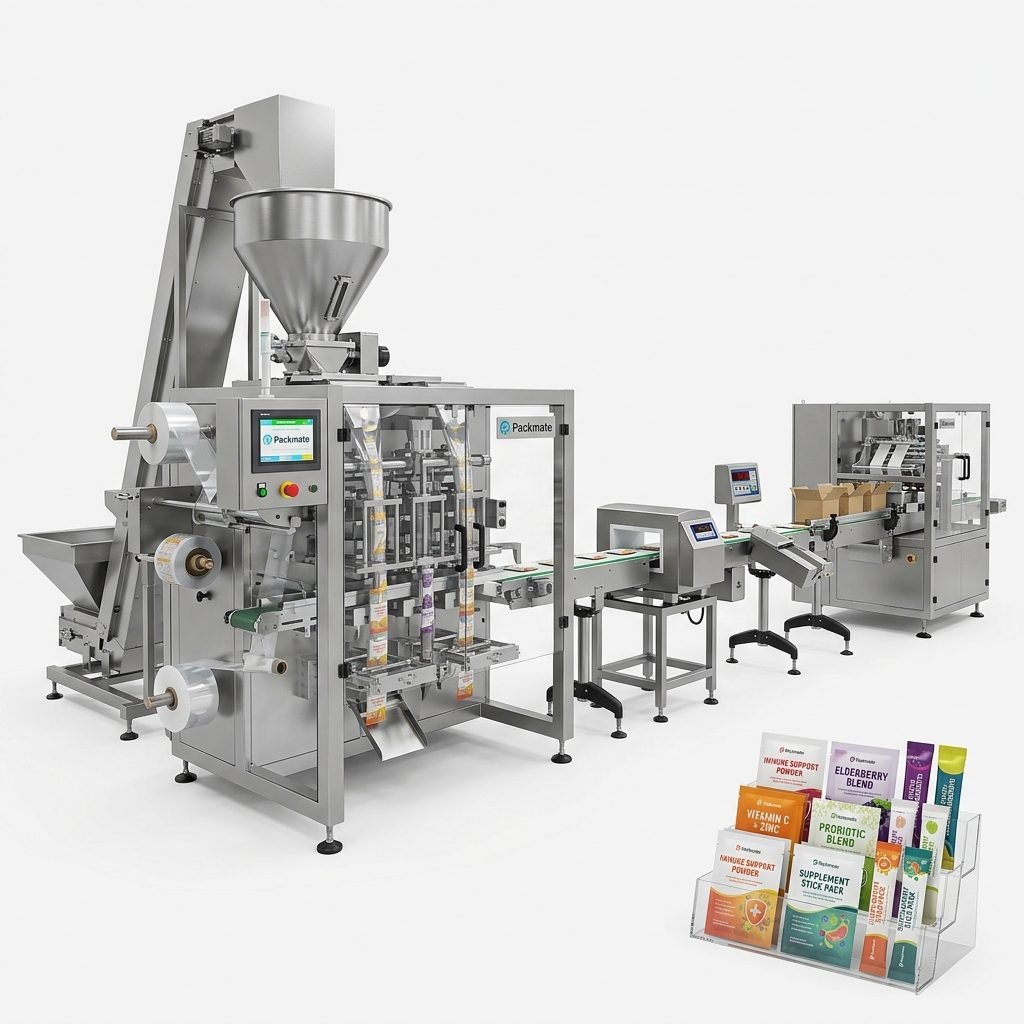
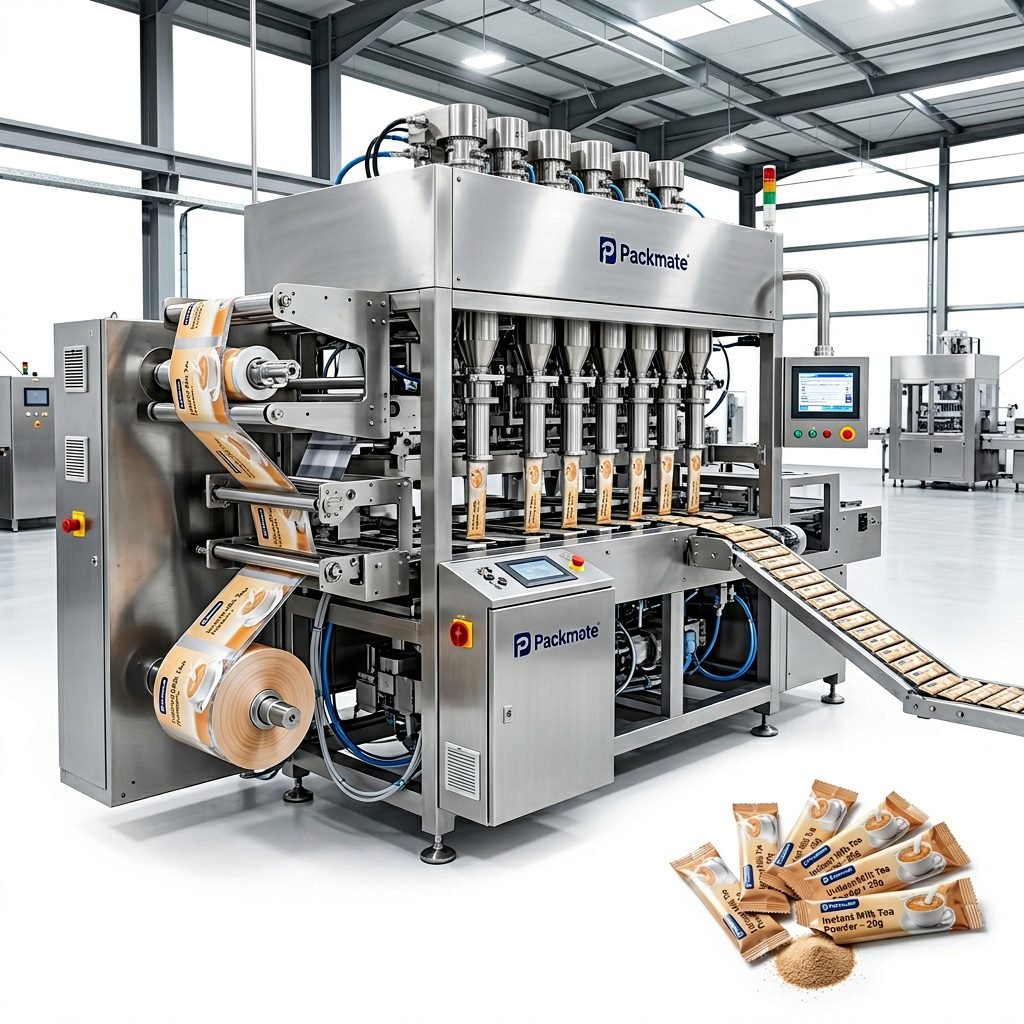
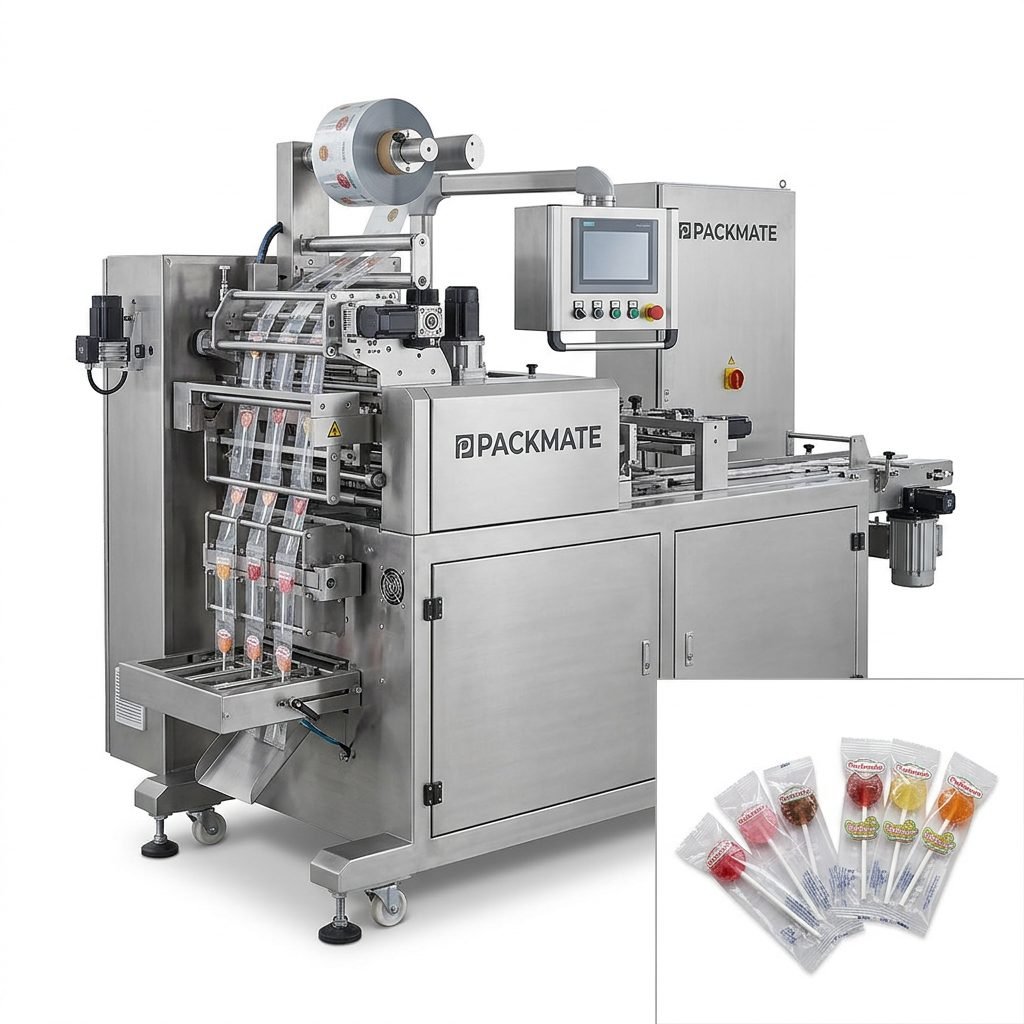
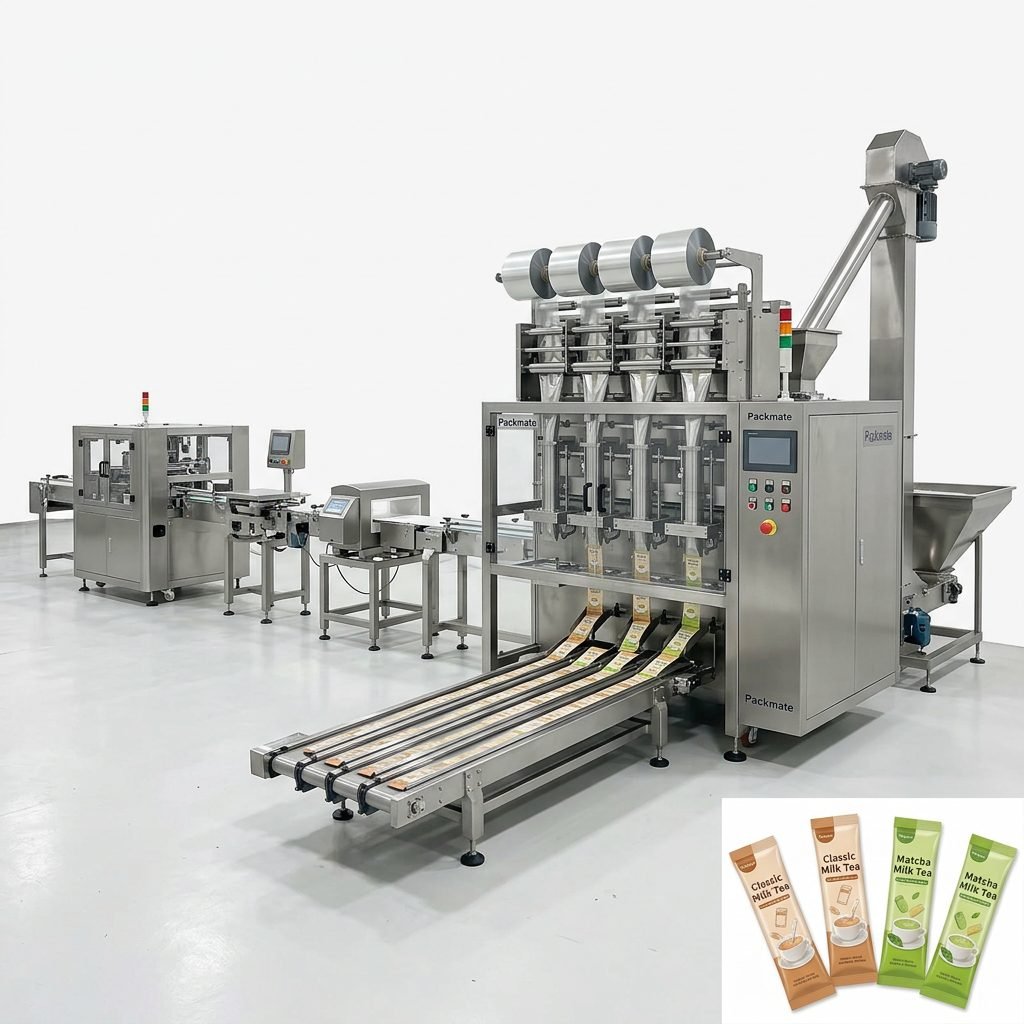
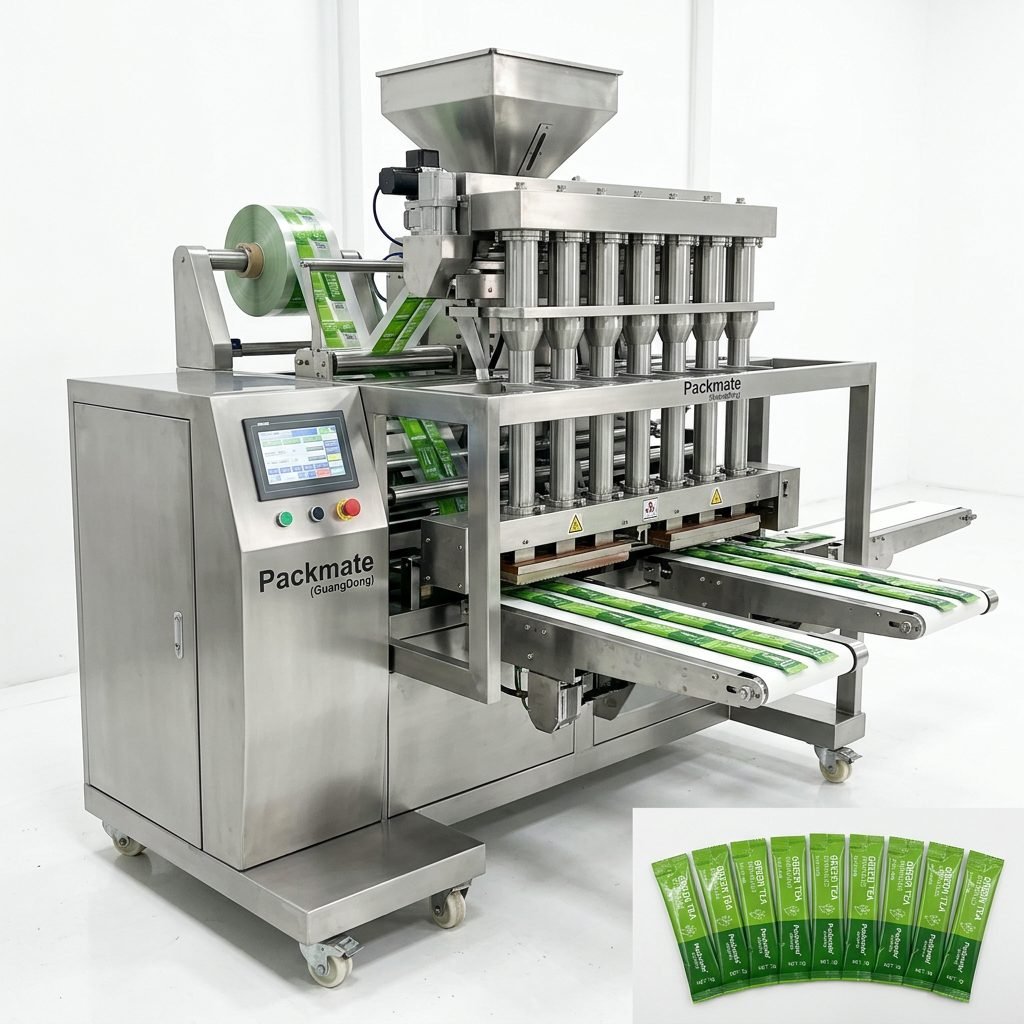
Granules, ranging from instant drink mixes to coated pharmaceutical pellets, present unique challenges. They can be free-flowing or cohesive, abrasive or fragile. A proficient packaging line for granules must handle these variables with finesse. Advanced multi-head weighers or auger filler systems are typically employed, selected based on granule characteristics and required speed. The line often integrates precision form-fill-seal (FFS) machines that create the pouch from a roll of laminated film—a material chosen for its excellent barrier properties—and fills it in a controlled environment. For stick pack formats, popular for unit-dose or sample-sized products, the machinery must create a precise, narrow seal to prevent leakage while maintaining a high output rate. Companies like Packmate excel in engineering such lines, ensuring gentle product handling and impeccable seal integrity.
Precision Engineering for Powder Filling
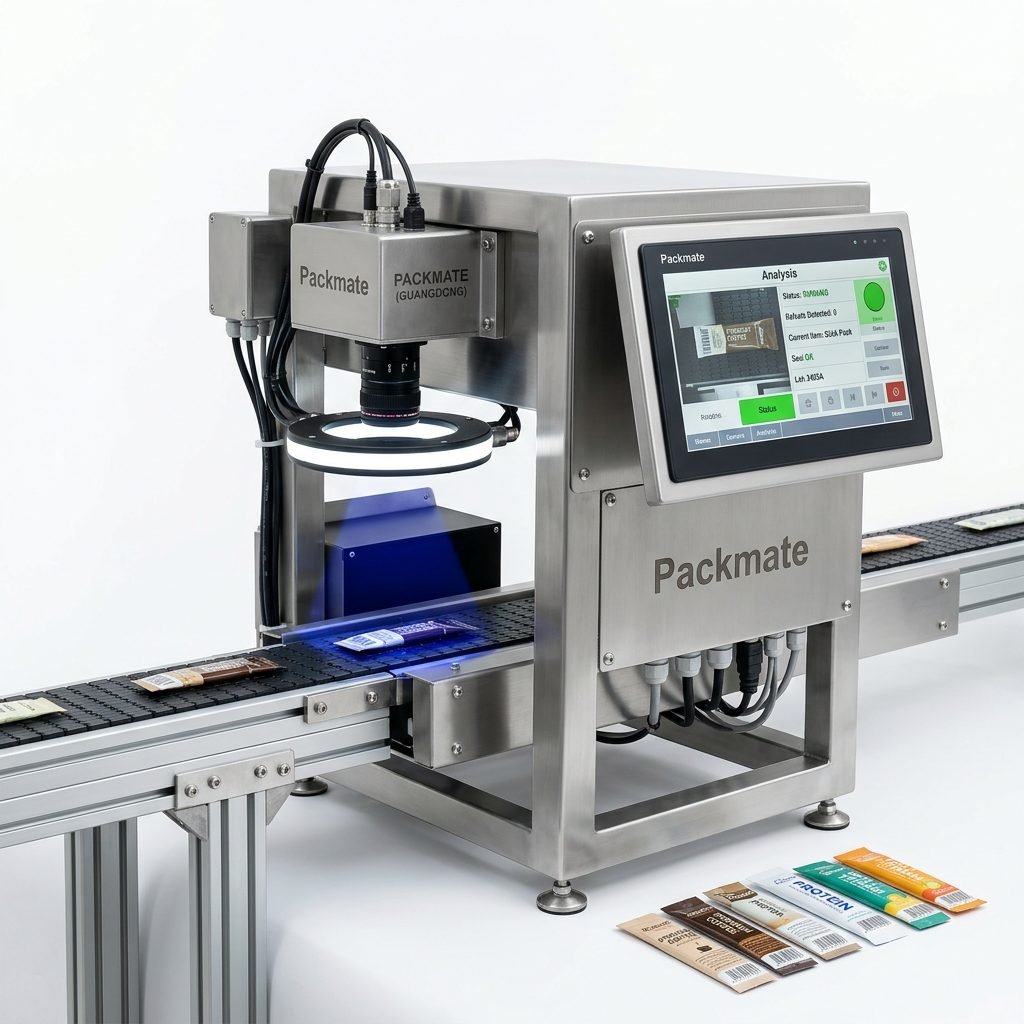
Powder filling is arguably one of the most demanding processes. Factors like particle size distribution, density, and electrostatic charge can dramatically affect flowability and fill accuracy. Modern pharmaceutical powder packaging lines utilize sophisticated auger fillers with servo-driven technology. These systems can be programmed for complex fill cycles (such as tamping or vibration) to achieve consistent compaction and weight control, even with challenging, aerated powders. Containers range from small vials and bottles to larger sachets. Integrated checkweighers and metal detectors are standard downstream components, providing 100% inspection to reject any under/over-filled or contaminated packages. This level of precision is essential for compliance with pharmacopeial standards.
Technology Spotlight: Auger Filling Systems
At the heart of many granule and powder lines is the auger filler. Modern iterations feature:
- ✔ Servo Motors: For unparalleled control over rotation speed and position, enabling micro-adjustments for perfect dosing.
- ✔ Sanitary Design: Polished stainless steel surfaces, minimal dead zones, and quick-release parts for rapid changeover and cleaning.
- ✔ Recipe Management: Storage of fill parameters for different products, allowing for quick changeovers and reducing human error.
Liquid Filling: Speed, Accuracy, and Asepsis
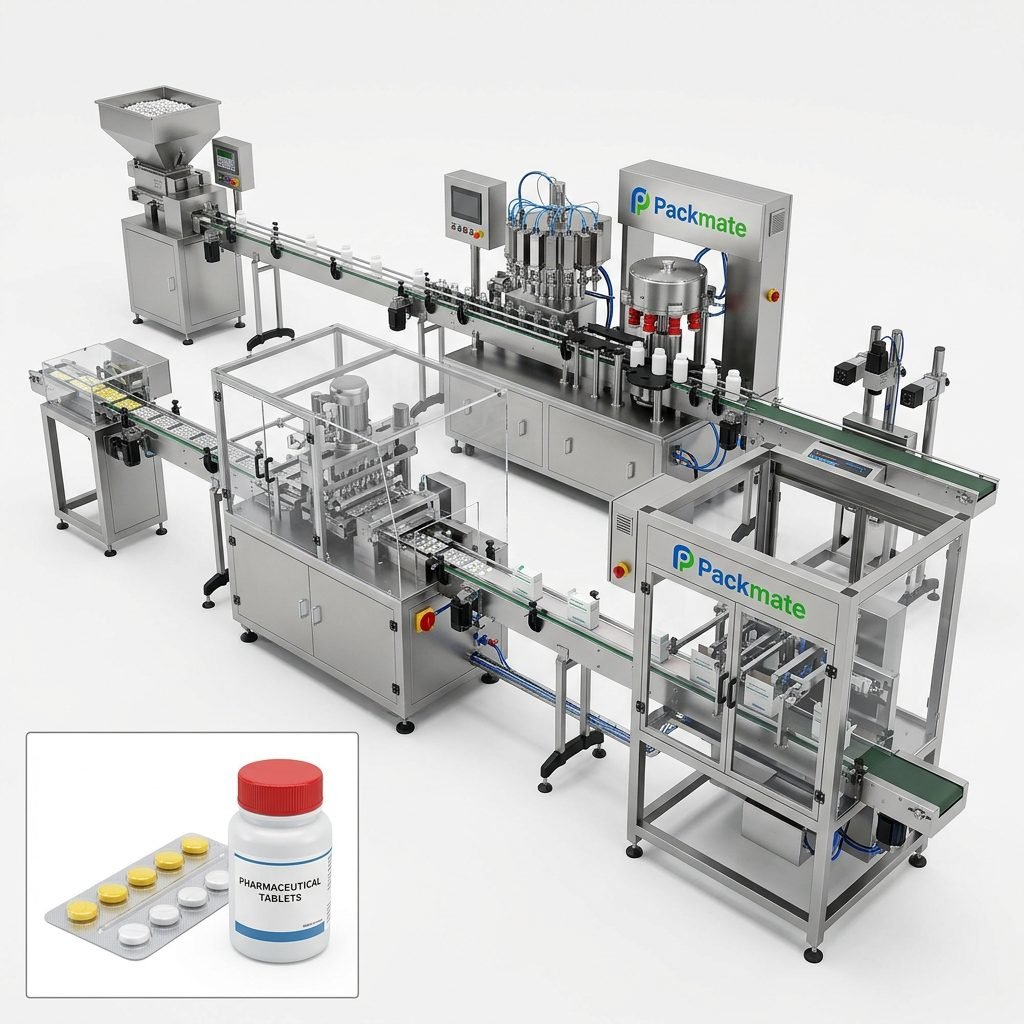
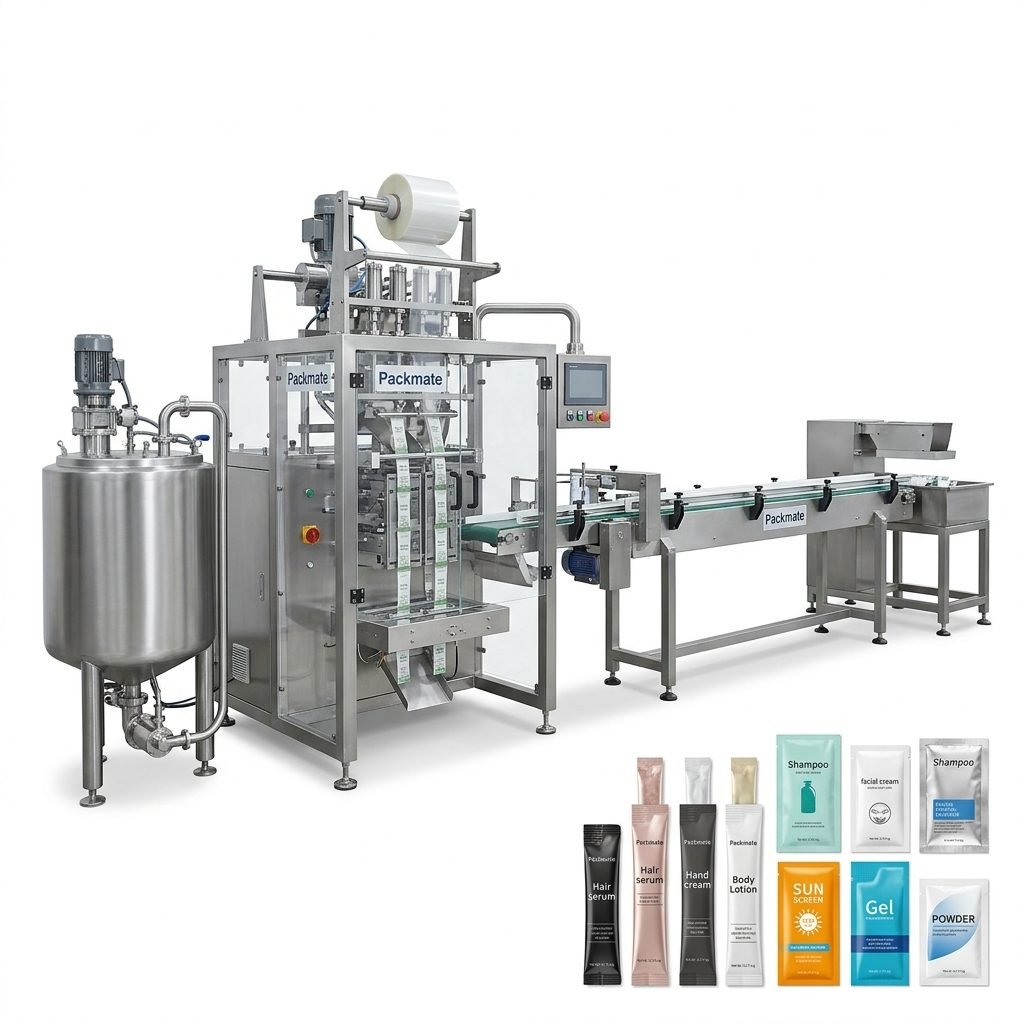
Liquid pharmaceuticals, including syrups, suspensions, ointments, and sterile solutions, require a different approach. The core concerns here are volumetric accuracy, prevention of dripping or foaming, and, for sterile products, maintaining aseptic conditions. Liquid filling lines employ technologies like peristaltic pumps, time-pressure fillers, or piston fillers, each suited to different viscosities and accuracy requirements. For sensitive biologics, the entire filling zone might be housed within an RABS (Restricted Access Barrier System) or an isolator. Capping, sealing (e.g., induction sealing for bottles), and labeling are integrated seamlessly. The goal is a closed, controlled system that minimizes exposure and maximizes throughput without sacrificing precision. Exploring a provider’s portfolio of packaging solutions can reveal the right technology match for specific liquid products.
Choosing a Turnkey Solution Provider
Investing in a pharmaceutical packaging line is a major decision. The most efficient path is partnering with a provider that offers turnkey solutions. This means a single point of responsibility for the design, manufacturing, integration, installation, and validation of the entire line—from the infeed of empty containers to the discharge of packed cartons. A reputable provider, such as Packmate (GuangDong) Co., Ltd., brings over two decades of experience to the table. They don’t just sell machines; they engineer a cohesive system. Their process begins with a deep analysis of the product characteristics, desired output, and regulatory environment. This collaborative approach ensures the final line is not a collection of disparate units but a harmonized, validated production asset. Reviewing real-world application cases from such providers is an invaluable step in the selection process.
The Future: Smart Packaging Lines
The future of pharmaceutical packaging is intelligent and connected. Industry 4.0 principles are being integrated into packaging lines, giving rise to smart factories. Imagine a line where sensors monitor fill weights in real-time, with AI algorithms predicting drift and making automatic corrections before a single package goes out of spec. Predictive maintenance alerts engineers to a potential bearing failure in a motor before it causes downtime. All production data—from OEE (Overall Equipment Effectiveness) to reject reasons—is aggregated on a central dashboard, providing unprecedented visibility and control. This level of digital integration, supported by robust technical service and support, enhances not only efficiency and compliance but also provides the data backbone for continuous improvement initiatives.
In conclusion, navigating the complexities of packaging pharmaceuticals in granule, powder, and liquid forms demands more than just machinery; it requires a strategic partnership with a knowledgeable and capable solutions provider. The right line is a balanced investment in precision engineering, regulatory foresight, and future-ready technology, ultimately safeguarding product quality and ensuring a reliable supply of vital medicines to the global market.
Frequently Asked Questions (FAQs)
What are the key differences between packaging lines for granules vs. powders?
While similar, key differences lie in handling. Powder lines often require more sophisticated anti-segregation measures, dust containment systems, and fillers (like augers) specifically tuned for fine, aerated materials. Granule lines focus on gentle handling to prevent breakage and may use different weighing or volumetric filling technologies suited to larger particle sizes.
How important is cleanroom compatibility for these packaging lines?
It is critical for many sterile or potent products. Lines can be designed with sanitary finishes (e.g., 316L stainless steel), smooth surfaces, and layouts that facilitate cleaning. They can be configured to operate within specified cleanroom classifications, with options like integrated laminar flow hoods or compatibility with isolator technology.
Can one line handle multiple product types (e.g., both granules and powders)?
With careful design, a degree of flexibility is possible. This is known as a “changeover.” Lines can be designed with quick-change parts (like different auger types or funnel sizes) and programmable recipes. However, significant format changes (e.g., from sachets to bottles) usually require more extensive reconfiguration. A turnkey provider can design for optimal flexibility within your product range.
What kind of validation support should I expect from a supplier?
A reputable supplier should provide extensive documentation (Design Qualification – DQ) and support your on-site Installation, Operational, and Performance Qualification (IQ/OQ/PQ) protocols. This includes providing test protocols, assisting with execution, and delivering detailed reports on machine capabilities and repeatability.
What is the typical lead time for a custom pharmaceutical packaging line?
Lead times vary significantly based on complexity, customization, and current manufacturing capacity. A standard line might take 4-6 months, while a highly complex, fully validated turnkey system could require 8-12 months or more. Early and detailed consultation with the provider is the best way to establish a realistic timeline.