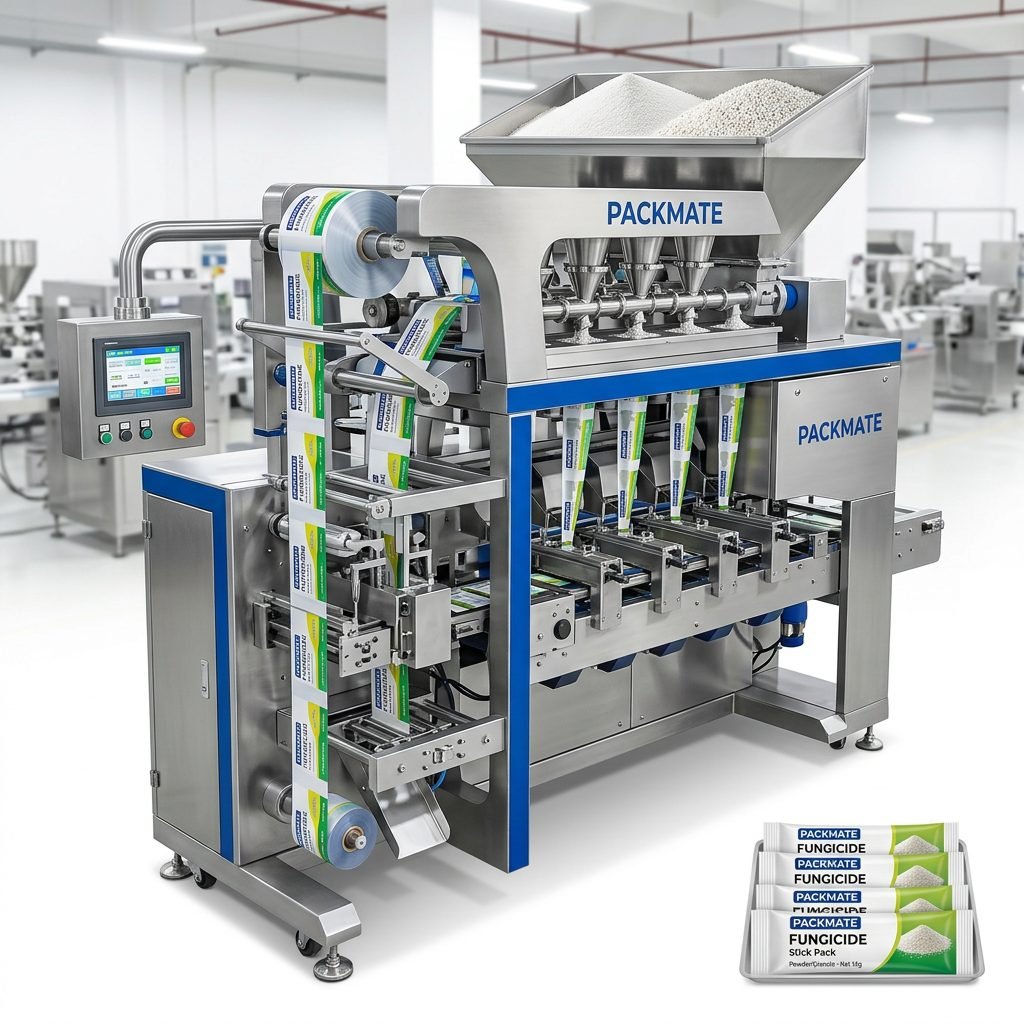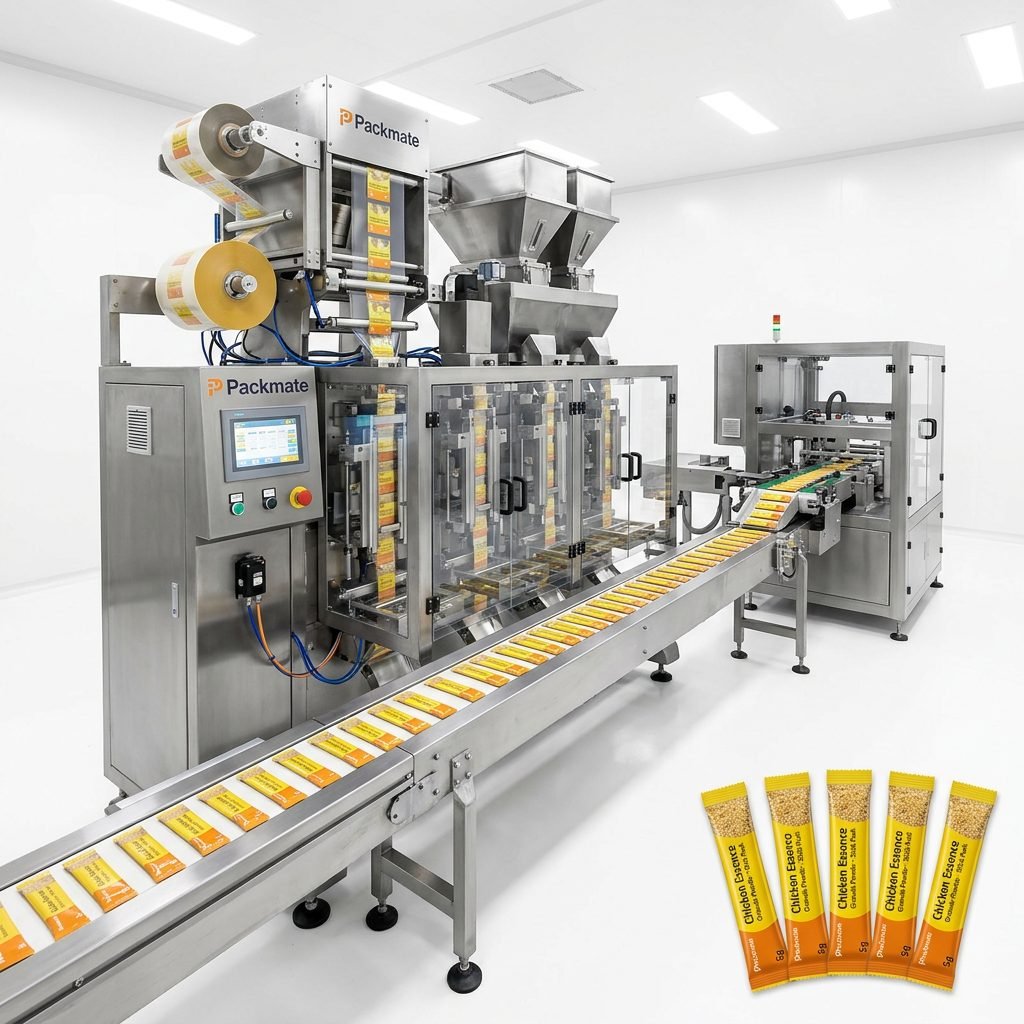
For coffee producers, the journey from roasted bean to the consumer’s cup is filled with critical steps, and perhaps none is more pivotal than packaging. The right packaging not only protects the delicate flavors and aromas but also serves as the brand’s final handshake with the customer. In today’s competitive market, efficiency, consistency, and scalability are non-negotiable. This is where a fully integrated, automated coffee packaging line becomes the cornerstone of a successful operation. Moving beyond manual or semi-automated processes to a turnkey system encompassing automated filling, precise sealing, and complete integration is the definitive step towards achieving superior product quality, remarkable operational efficiency, and robust brand integrity.
The Core Challenge: Preserving Freshness & Ensuring Efficiency
Coffee is hygroscopic and highly susceptible to oxygen, light, and moisture. Inconsistent or inadequate packaging directly leads to staling, flavor degradation, and ultimately, customer dissatisfaction. Manual packaging lines struggle with speed limitations, weight inaccuracies, and seal integrity issues, creating bottlenecks and potential waste. An automated coffee packaging line is engineered to eliminate these variables, providing a hermetically sealed, nitrogen-flushed environment that locks in freshness from the moment the coffee is packed until it is opened by the end-user.
Components of a Modern Coffee Packaging Line
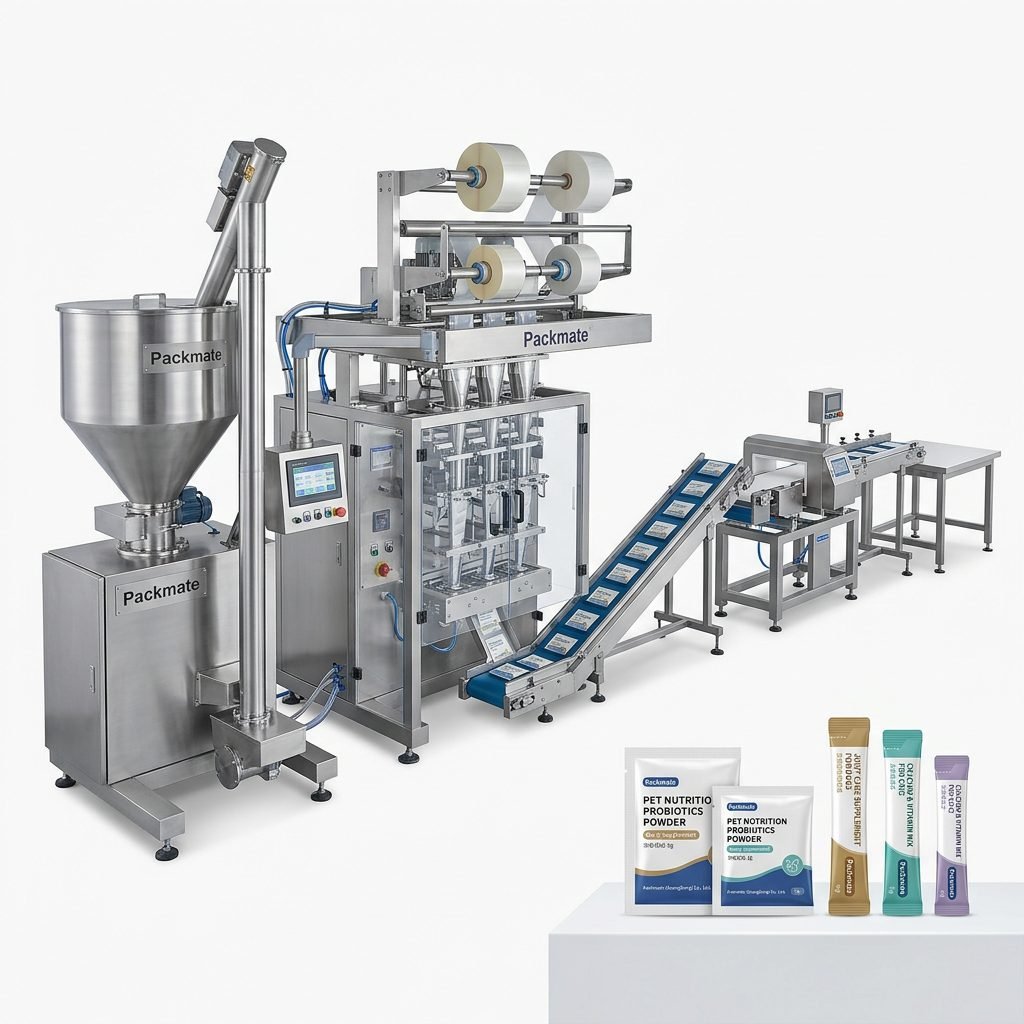
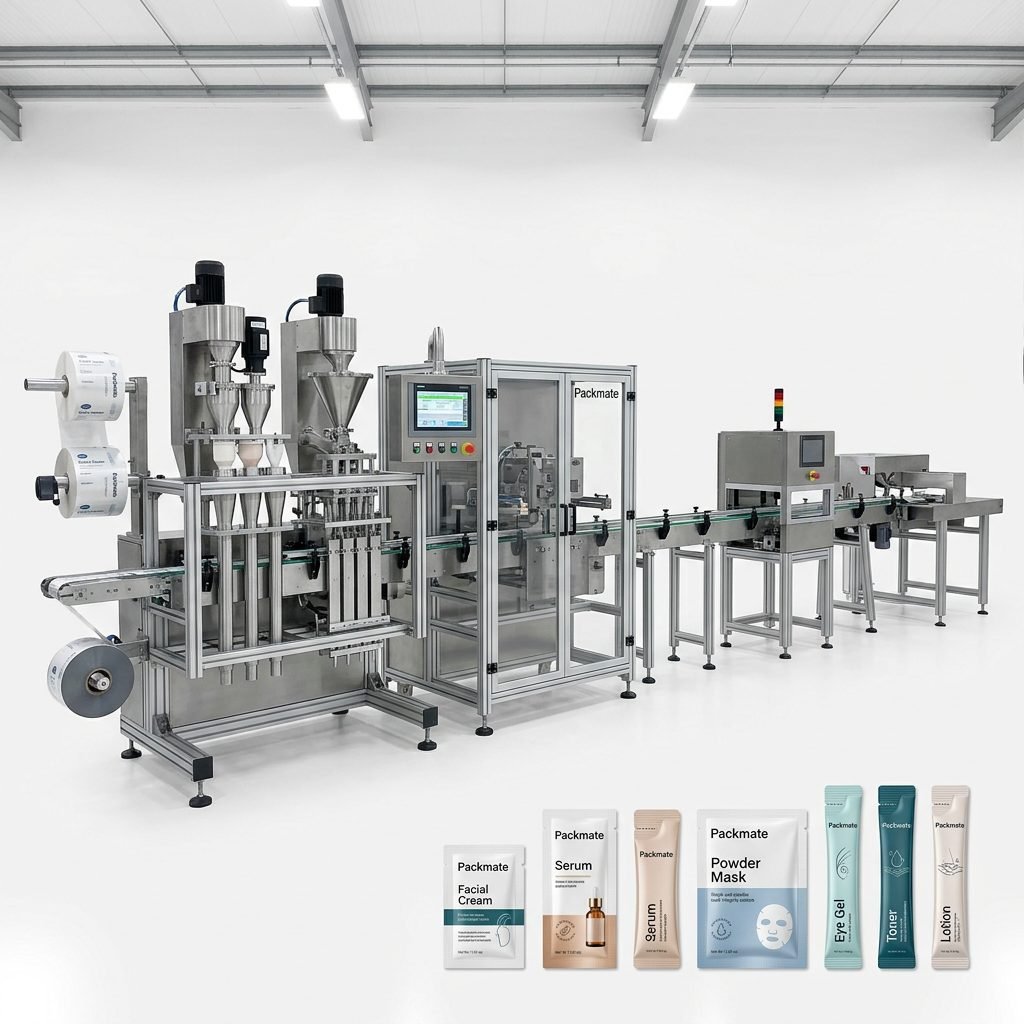
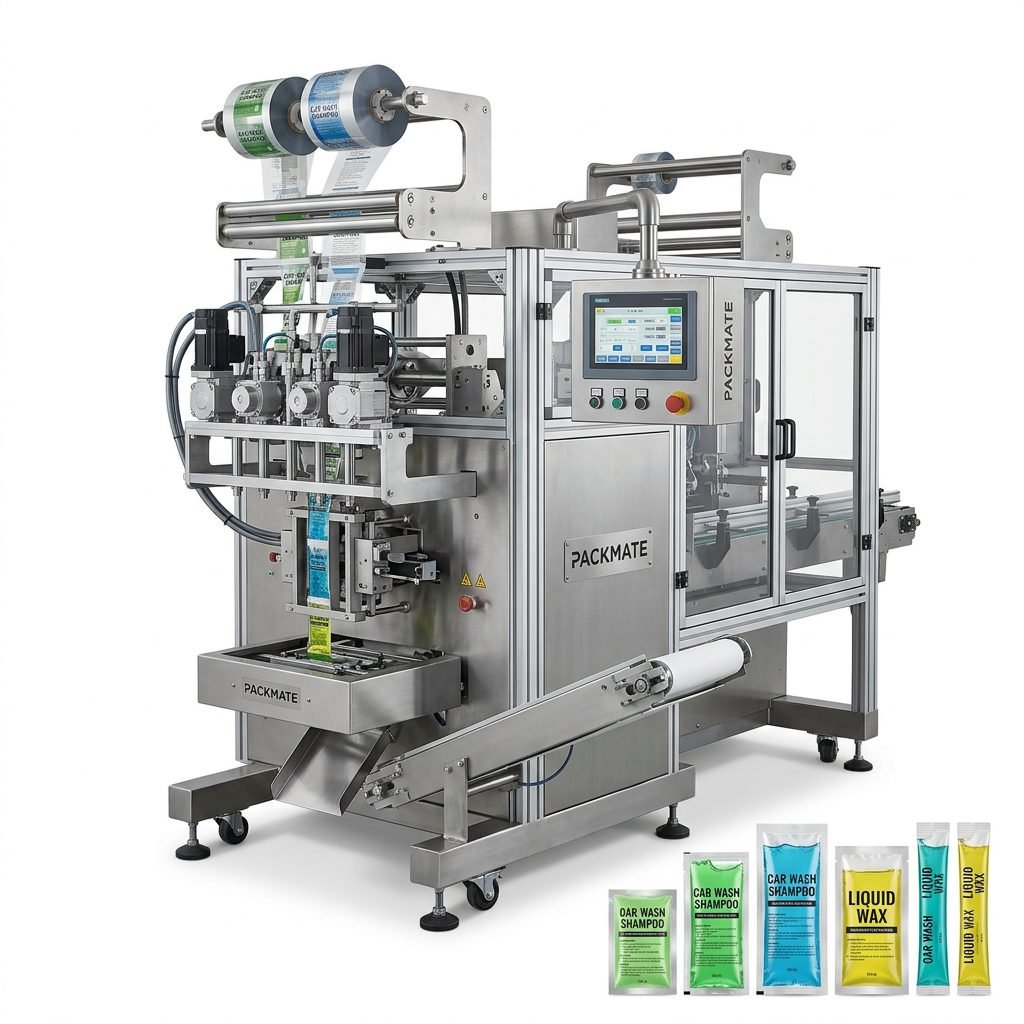
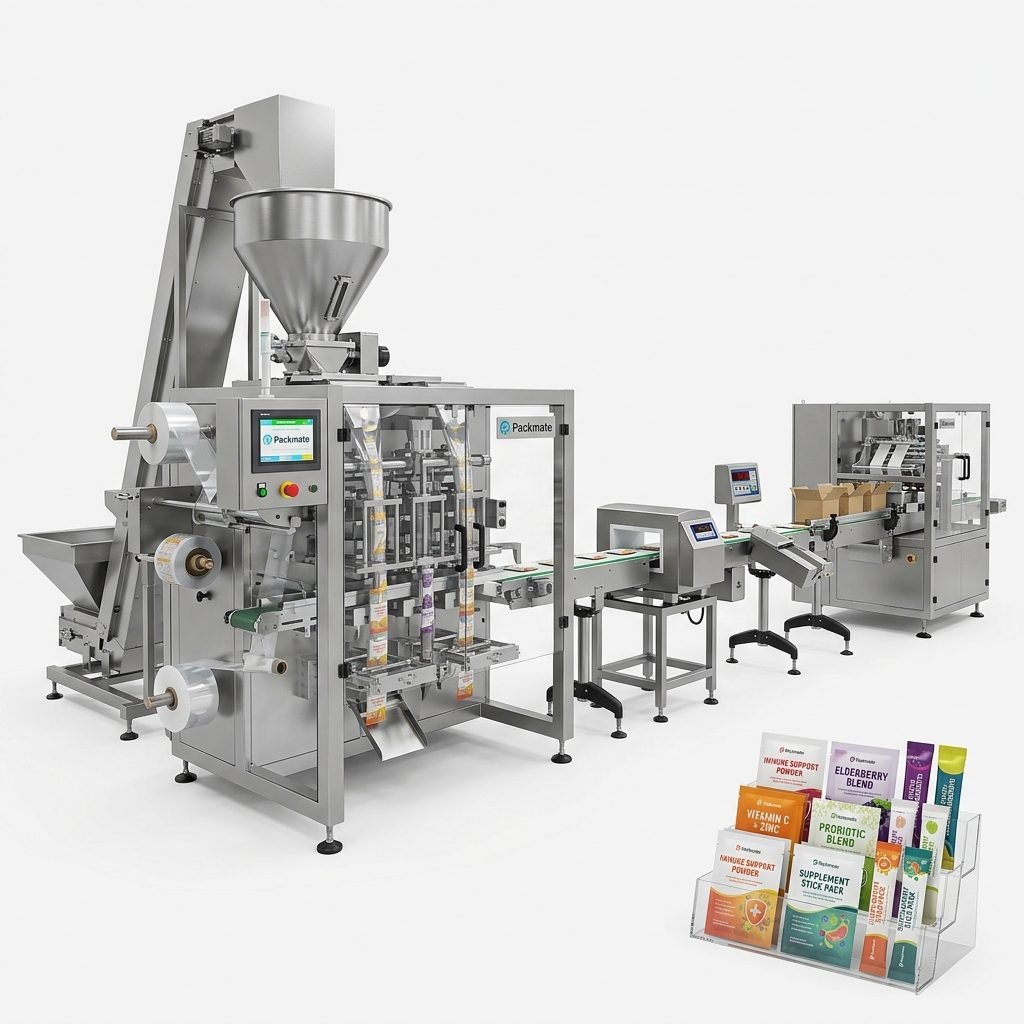
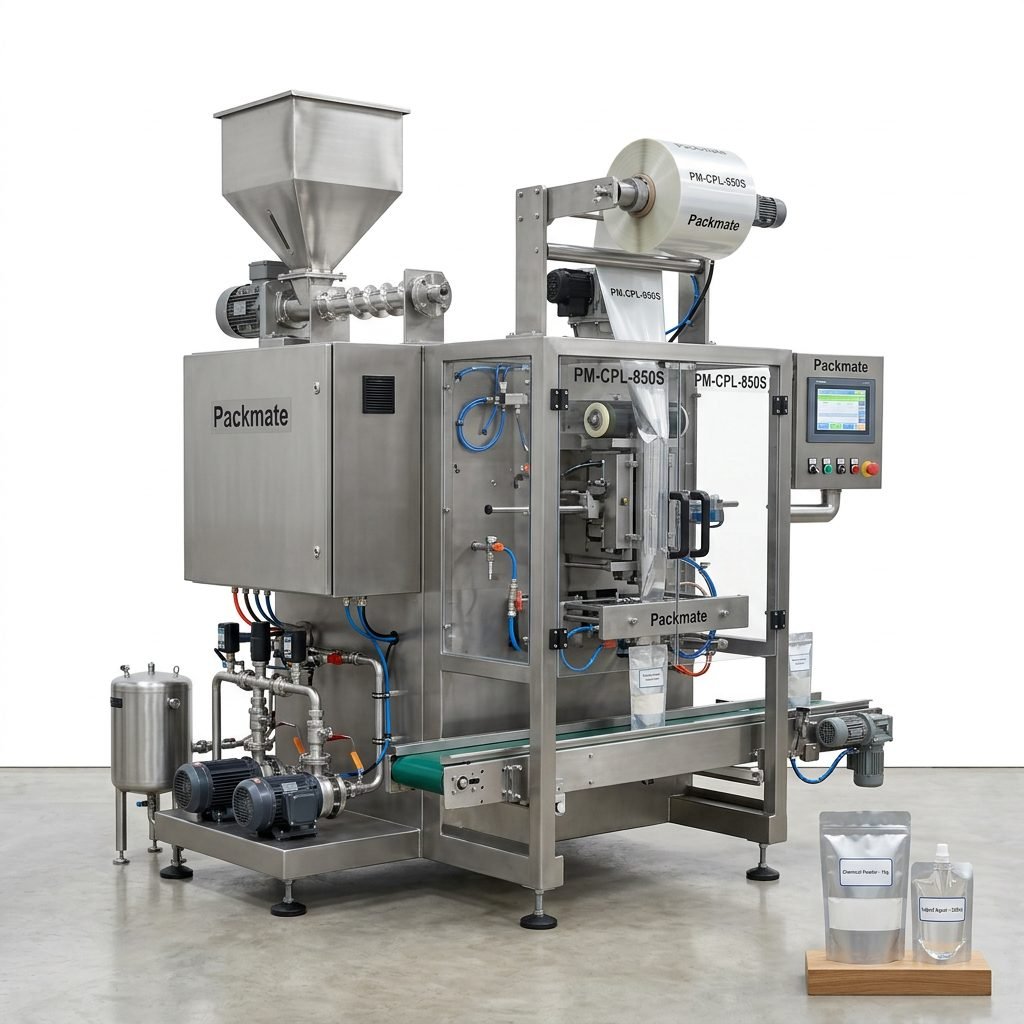
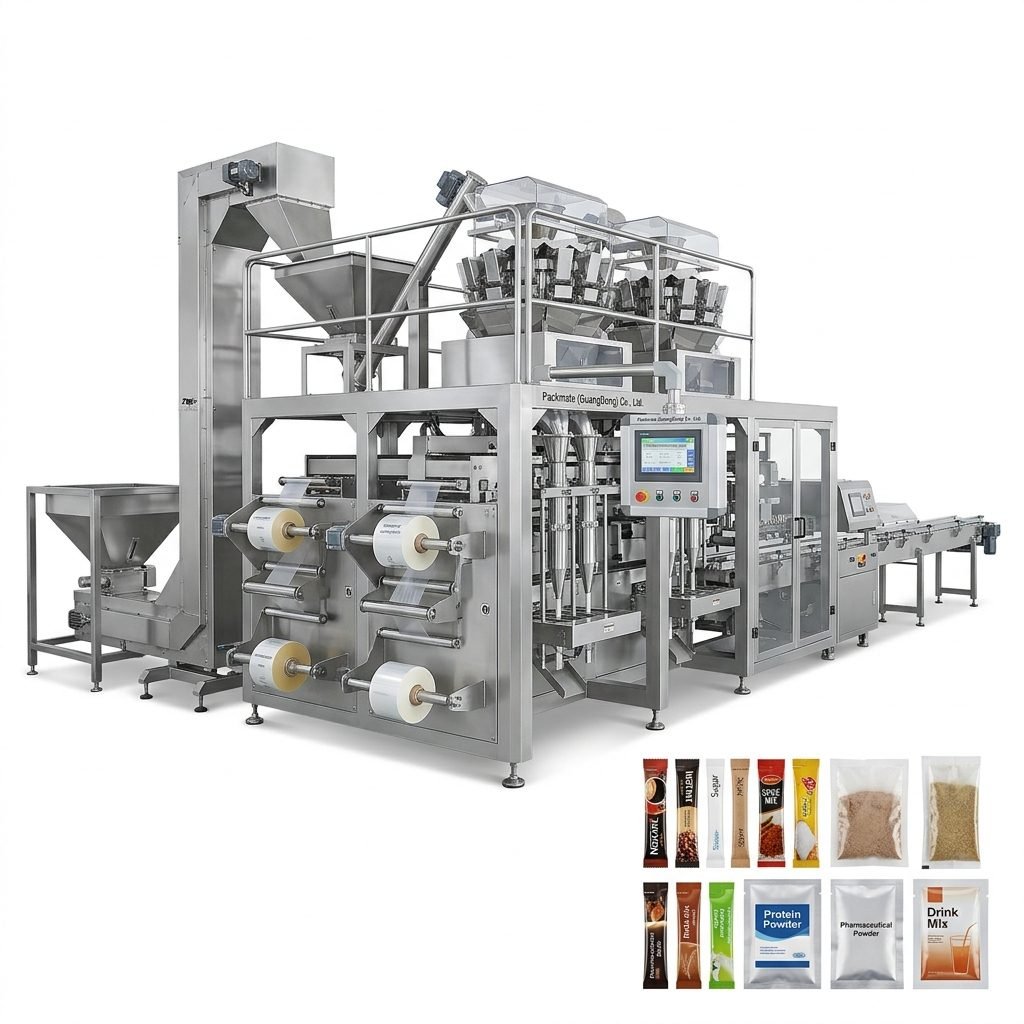
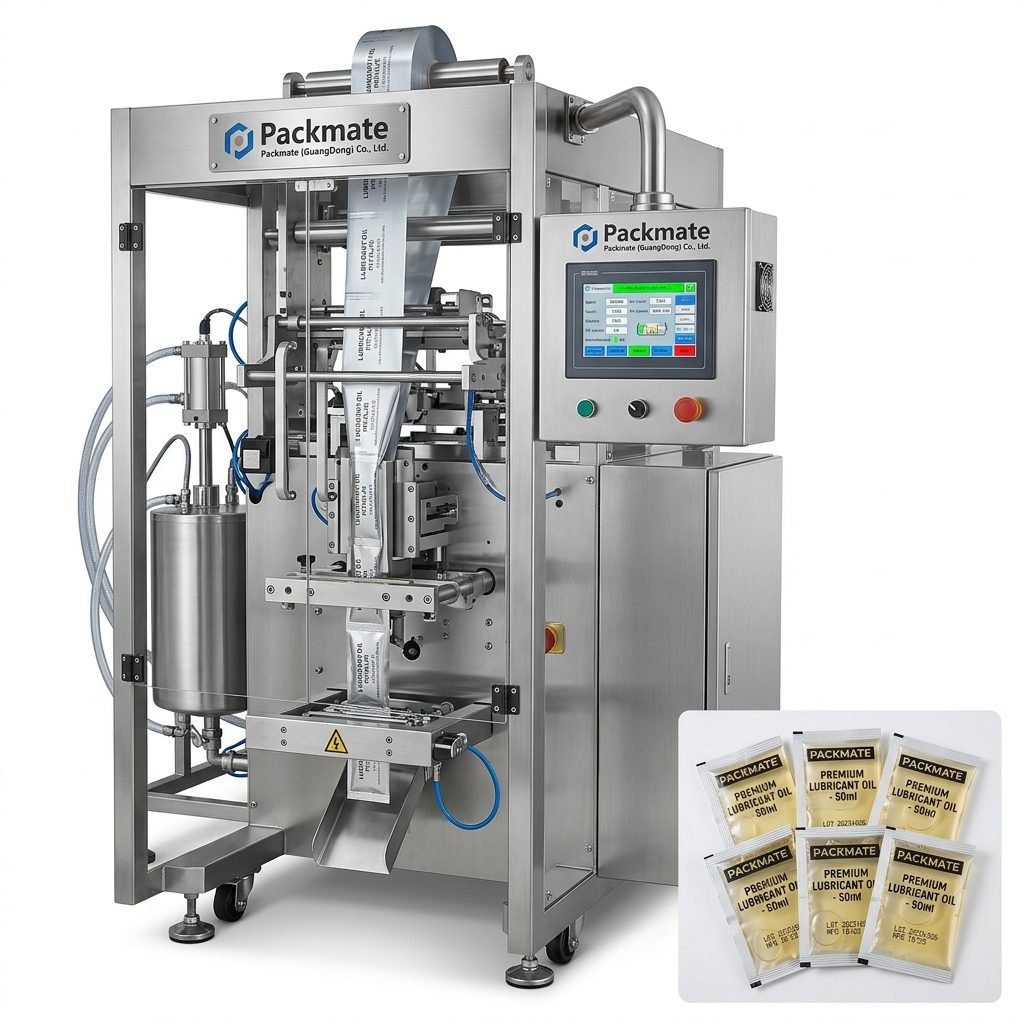
A comprehensive, turnkey packaging solution is more than just a series of machines; it’s a synchronized symphony of technology. Each component plays a vital role in transforming bulk coffee into retail-ready packages.
1. Automated Filling Systems: Precision in Every Gram
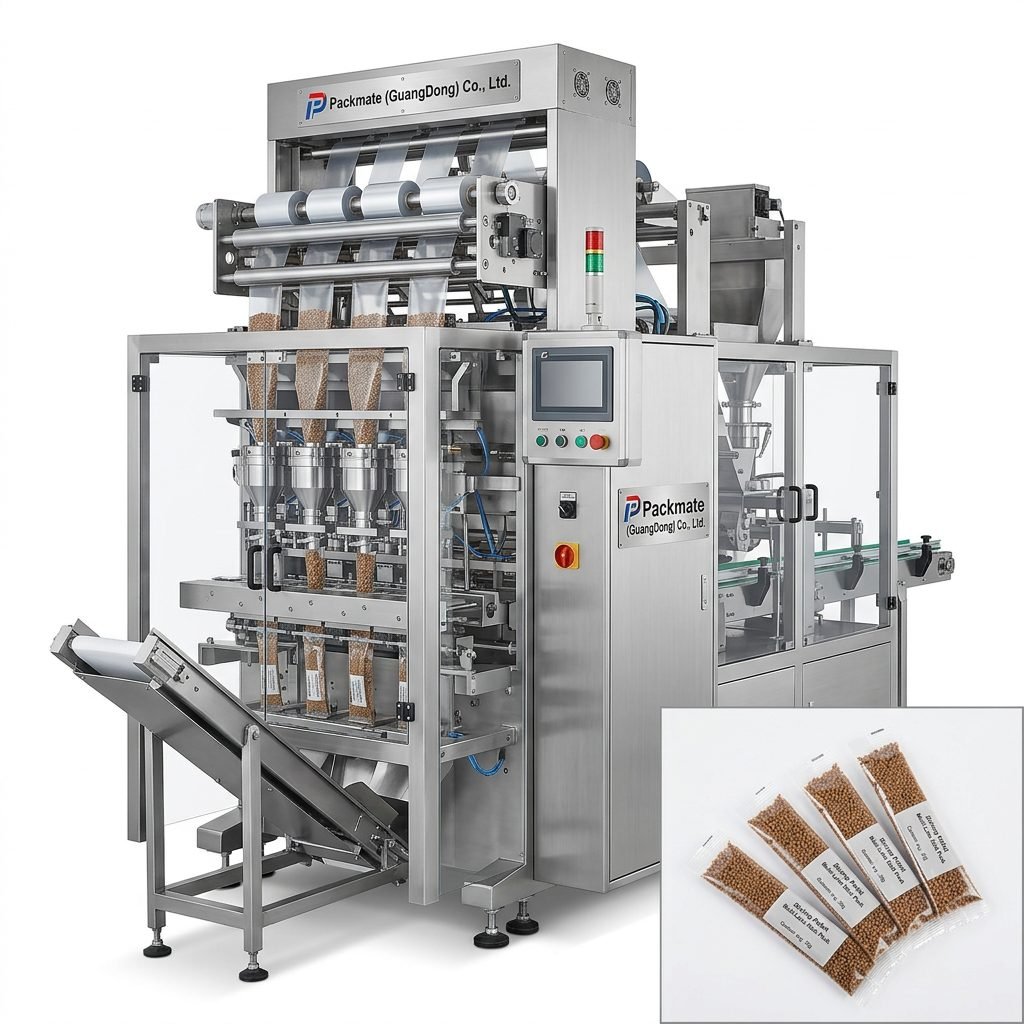
The heart of any packaging line is the filler. For coffee, which can range from whole bean to fine espresso grind, precision is paramount. Modern net weight and auger filling systems use advanced load cells and servo-driven technology to achieve filling accuracies within ±0.5 grams, even at high speeds. This not only ensures compliance with regulatory net content laws but also maximizes product yield and minimizes giveaway. Multi-head weighers are ideal for granular products like whole beans, while single or twin auger systems excel with consistent ground coffee.
2. Advanced Sealing Technologies: The Barrier Against the Elements
Once filled, the package must be sealed with absolute integrity. The sealing station is where the protective barrier is formed. For stick packs and sachets, this involves precise heat sealing of laminated films, often incorporating aluminum layers for superior barrier properties. For larger bags, such as 250g or 1kg formats, the line integrates gas flushing (nitrogen or CO2) systems to displace oxygen before sealing. This step is critical for extending shelf life and preserving the complex volatile compounds that define a coffee’s character. Consistent seal strength and quality are non-negotiable to prevent leaks and preserve the modified atmosphere inside.
The Turnkey Advantage: Beyond Machine Procurement
Choosing a turnkey system from a provider like Packmate means investing in a complete solution. This includes:
- System Integration: Seamlessly connecting fillers, sealers, coders, and conveyors into one cohesive unit.
- Customization: Tailoring the line to your specific bag style, material, and production output requirements.
- Installation & Commissioning: Expert on-site setup and calibration to ensure optimal performance from day one.
- Training & Support: Comprehensive operator training and ongoing technical support, details of which can be explored in our dedicated Service section.
This holistic approach, as demonstrated in our real-world Case Studies, minimizes downtime, reduces integration headaches, and ensures a faster return on investment.
3. Supporting Modules: Coding, Inspection, and Handling
A full line integrates several supporting technologies. Inkjet or laser coders print batch numbers, expiry dates, and barcodes with clarity and permanence. Checkweighers act as a final quality gate, rejecting any under or over-weight packages. Vision inspection systems can verify seal integrity and print quality. Finally, automated cartoning or case-packing systems collate finished bags into secondary packaging, ready for palletization and shipment.
Benefits of Automating Your Coffee Packaging
The transition to an automated line delivers transformative benefits across the entire business:
- ➤ Unmatched Speed & Scalability: Output can increase from a few dozen to hundreds of packages per minute, easily scaling to meet market demand.
- ➤ Exceptional Consistency & Quality: Every package is identical in weight, appearance, and seal strength, building unwavering consumer trust.
- ➤ Significant Cost Reduction: Lower labor costs per unit, reduced product giveaway from precise filling, and minimized material waste.
- ➤ Enhanced Flexibility: Quick changeovers between different coffee grinds, bag sizes, or packaging materials allow for agile response to market trends.
- ➤ Improved Traceability & Compliance: Automated data logging supports stringent food safety standards and simplifies recall processes if ever needed.
Choosing the Right Partner for Your Packaging Line
Selecting a supplier is as crucial as selecting the technology. Look for a partner with proven experience in the food and coffee industry. Packmate (GuangDong) Co., Ltd., with over 30 years of expertise, embodies this principle. Operating from a 20,000㎡ modern facility, we don’t just sell machines; we deliver intelligent, turnkey solutions. Our deep understanding of materials like barrier films and the mechanics of handling granular products ensures the line is designed for your success from the ground up. You can learn more about our commitment to innovation in our Mission & Vision.
The Future of Coffee Packaging: Smart & Sustainable
The evolution continues towards Industry 4.0. Future-ready lines feature IoT connectivity for real-time monitoring of OEE (Overall Equipment Effectiveness), predictive maintenance alerts, and seamless integration with factory ERP systems. Simultaneously, the drive for sustainability is shaping technology, with solutions for recyclable mono-material films and systems optimized to reduce film waste during forming and sealing becoming increasingly important. A forward-thinking partner will help you navigate these trends.
Investing in an automated coffee packaging line is a strategic decision that pays dividends in product quality, brand reputation, and operational profitability. It transforms packaging from a necessary cost center into a competitive advantage and a reliable guardian of your coffee’s journey to the consumer.
Frequently Asked Questions (FAQs)
1. What is the typical output speed of an automated coffee packaging line?
Speed varies greatly based on package type and size. For small stick packs or single-serve sachets, speeds can range from 200 to over 600 packs per minute. For larger 250g or 1kg bags with gas flushing, speeds are typically between 40 and 120 bags per minute. A detailed consultation is needed to determine the optimal speed for your specific needs.
2. Can one packaging line handle different types of coffee (e.g., whole bean and ground)?
Yes, with proper configuration. A line can be designed with interchangeable filling systems (e.g., a multi-head weigher for beans and an auger filler for grounds) and quick-change tooling for different bag sizes. Changeover time can be minimized to under 30 minutes with a well-designed system.
3. How does gas flushing work, and is it necessary for all coffee?
Gas flushing displaces oxygen inside the bag with an inert gas like nitrogen before sealing. This drastically slows oxidation, the primary cause of staling. It is highly recommended for ground coffee due to its increased surface area, and for any premium product where extended shelf life (12+ months) and peak freshness are critical. Whole beans have a naturally longer shelf life but still benefit from it.
4. What kind of packaging materials are compatible with these lines?
Automated lines are versatile and can run various laminates. Common materials for coffee include PET/AL/PE (for high barrier in stick packs) and MET/PE or paper/AL/PE for larger bags. The key is the material’s thermal properties for sealing and its machinability on high-speed equipment. Your supplier should assist in material selection.
5. What is the lead time for a complete turnkey packaging line?
Lead time depends on the line’s complexity and customization. For a standard configured line, it typically ranges from 90 to 150 days from order to delivery, which includes manufacturing, factory testing, and preparation for shipment. For more specific timelines, please Contact Us directly.