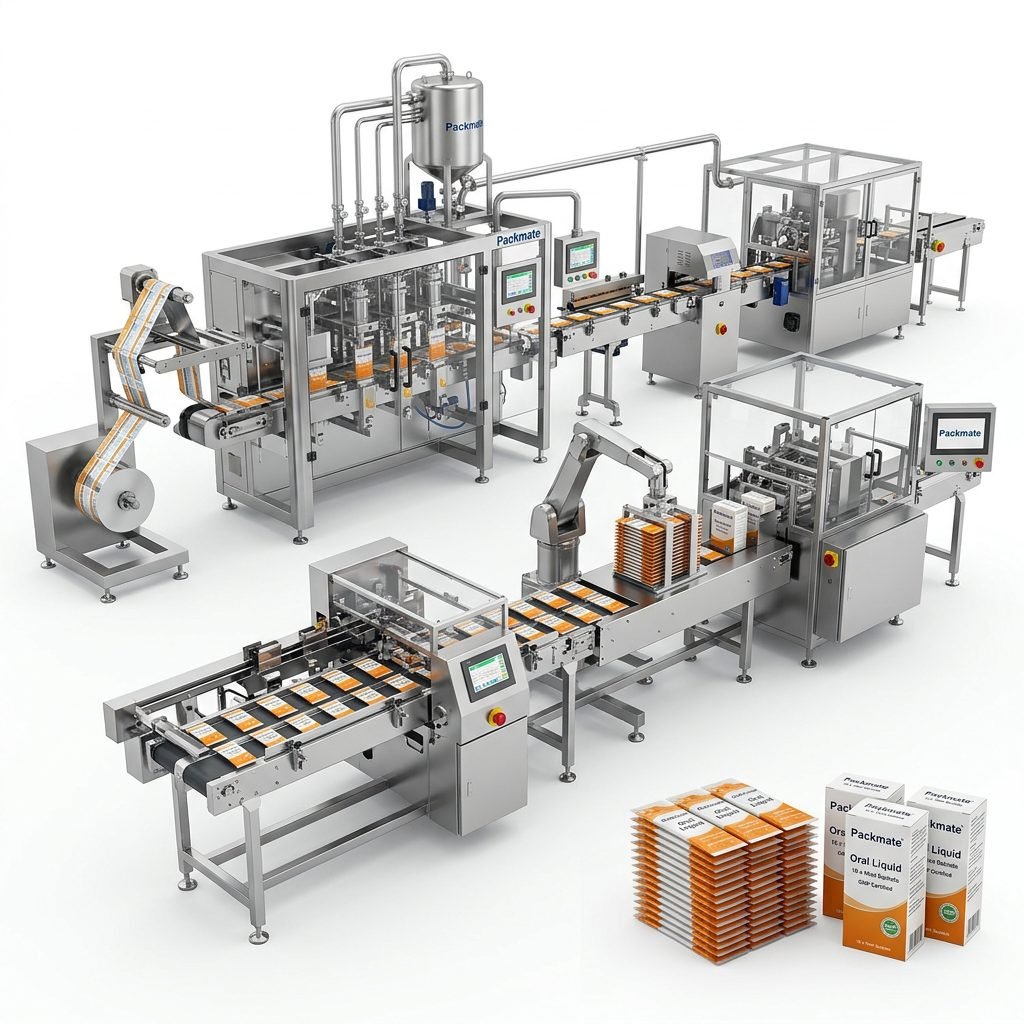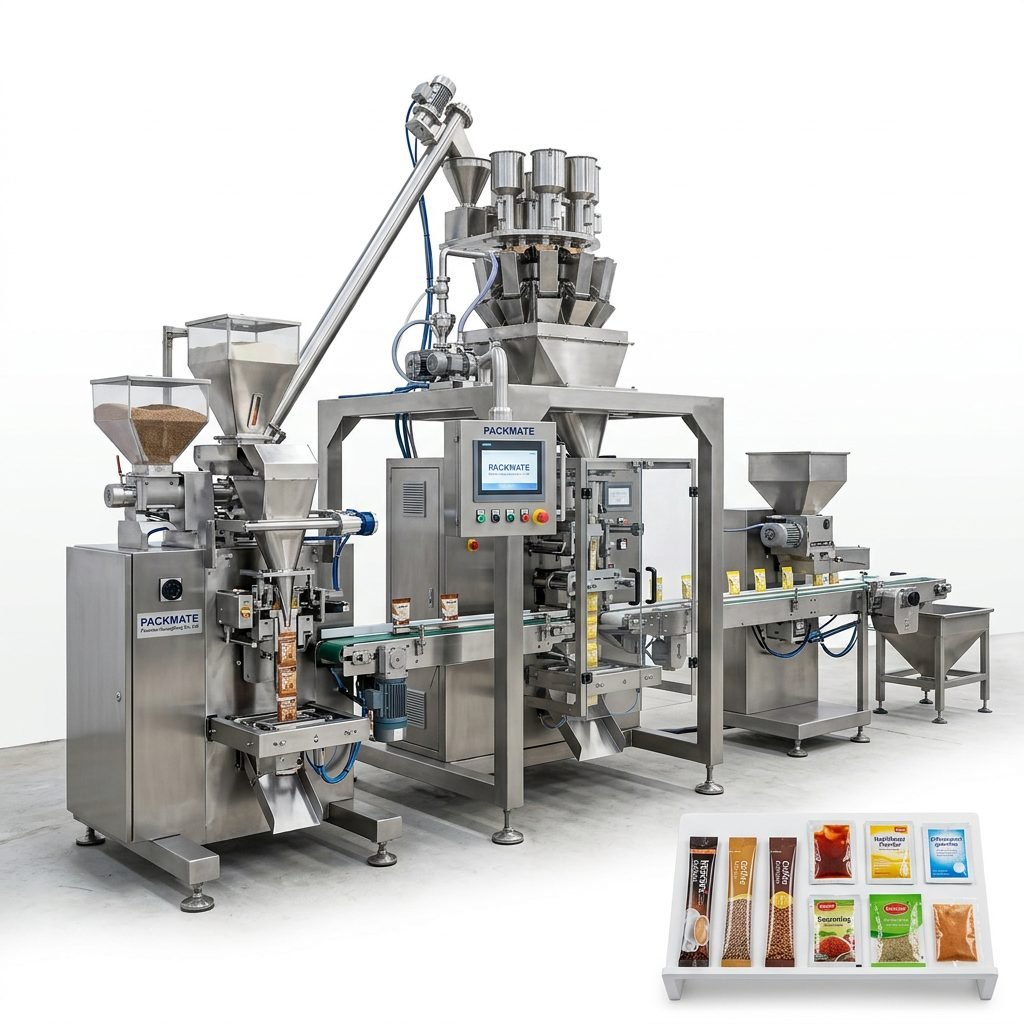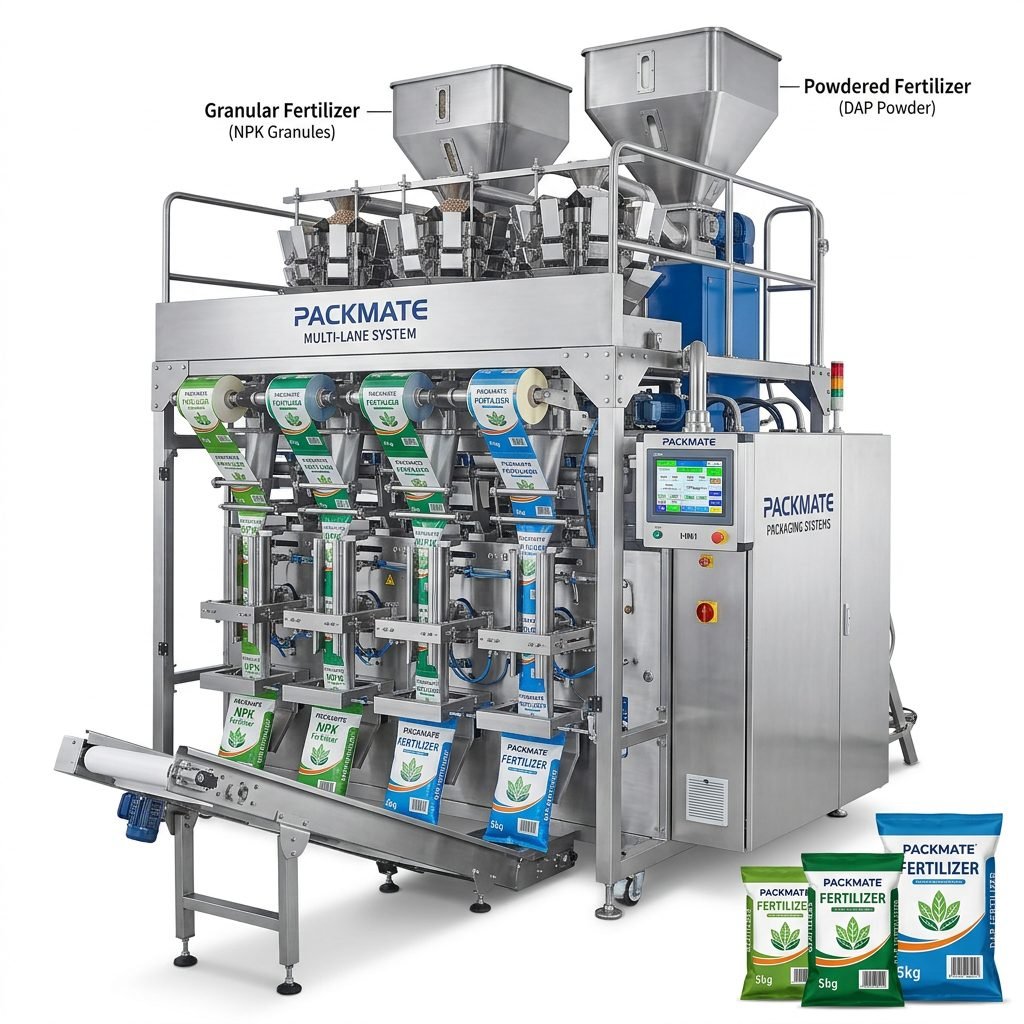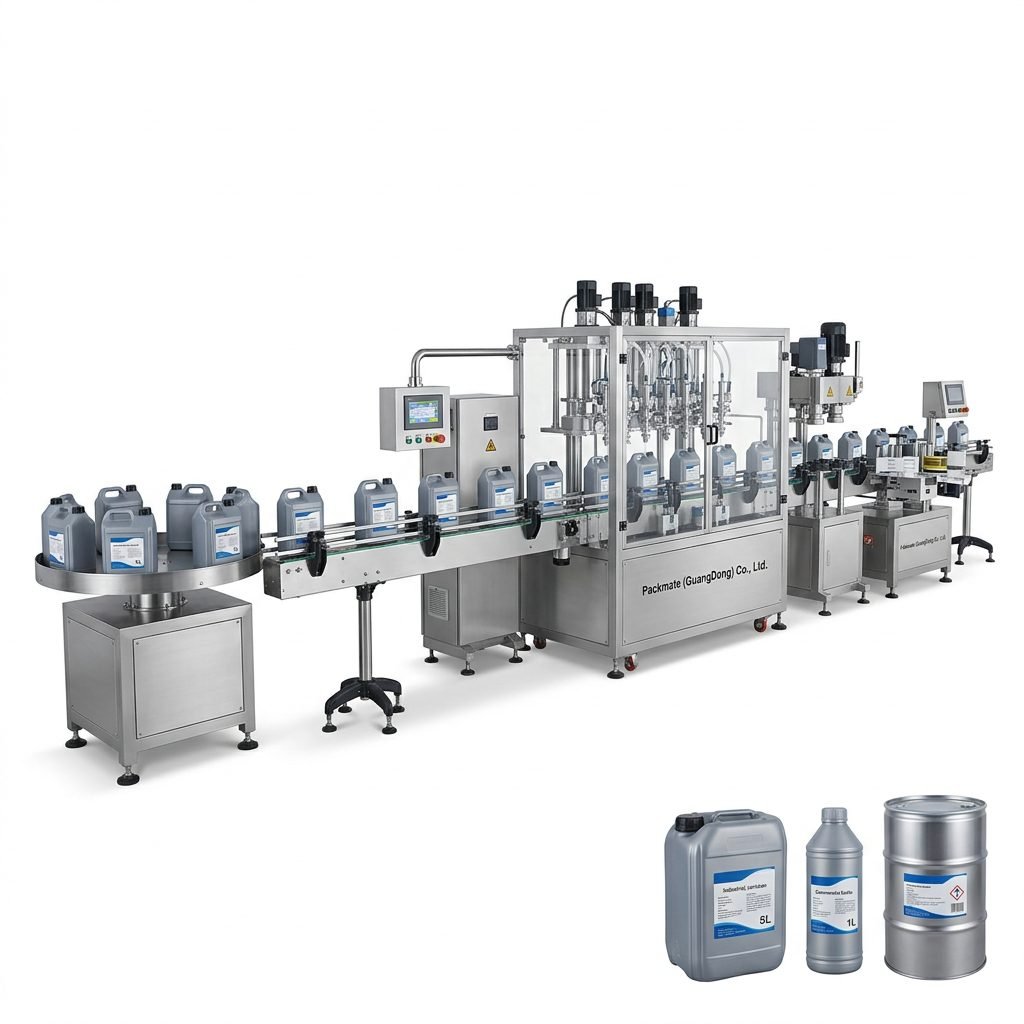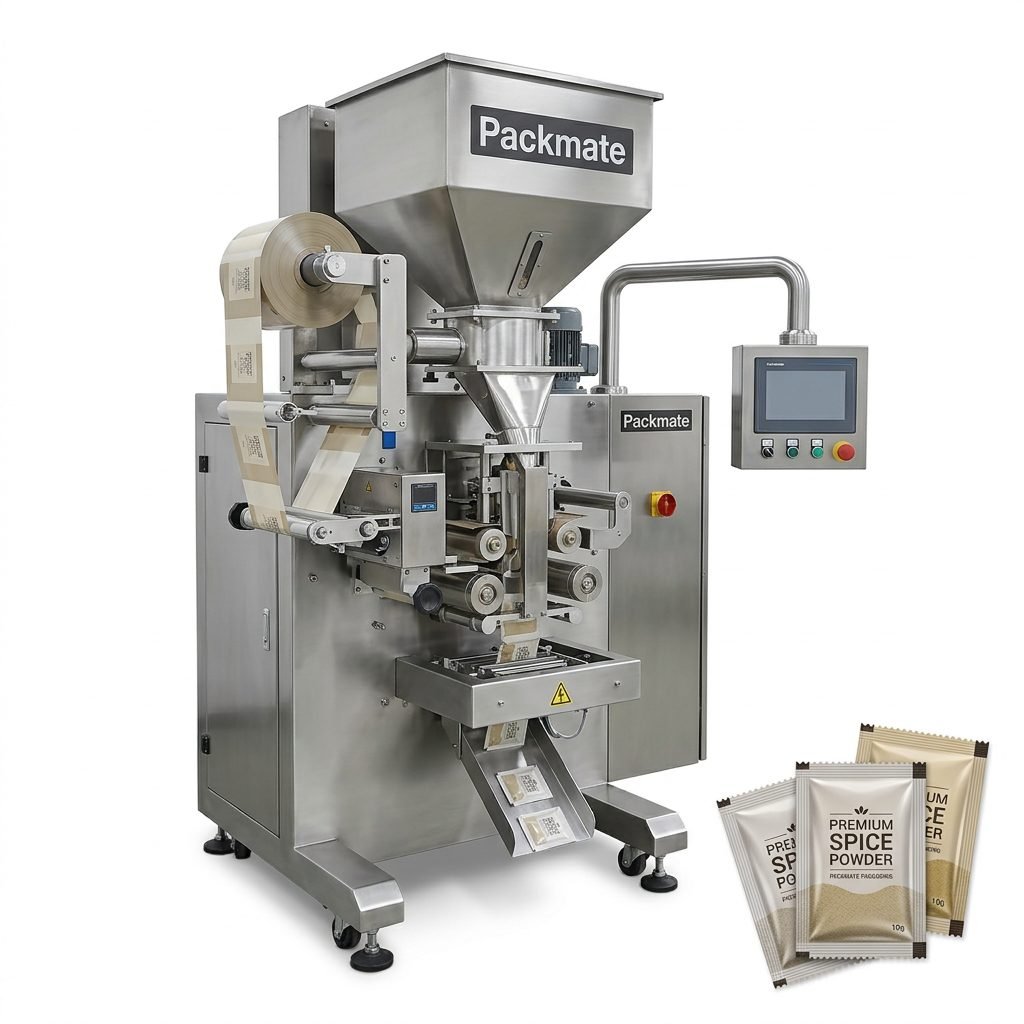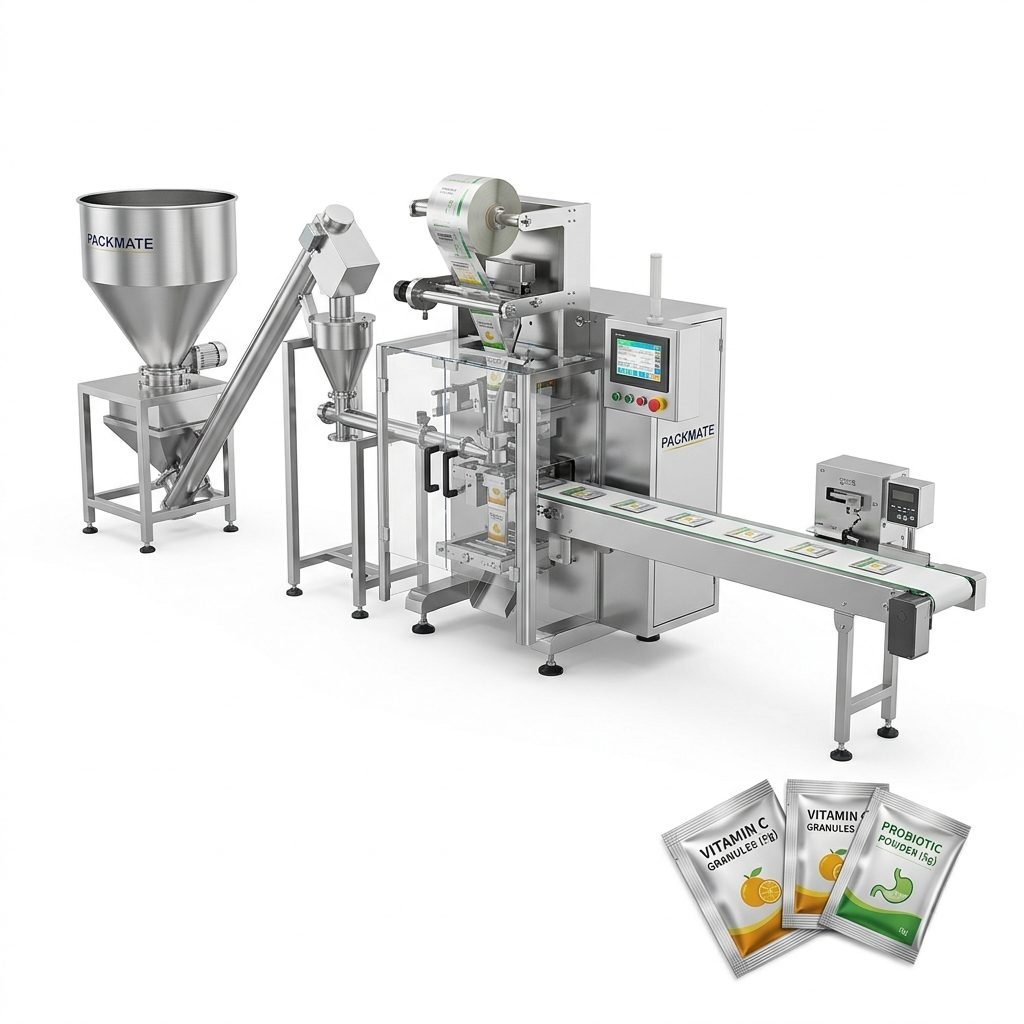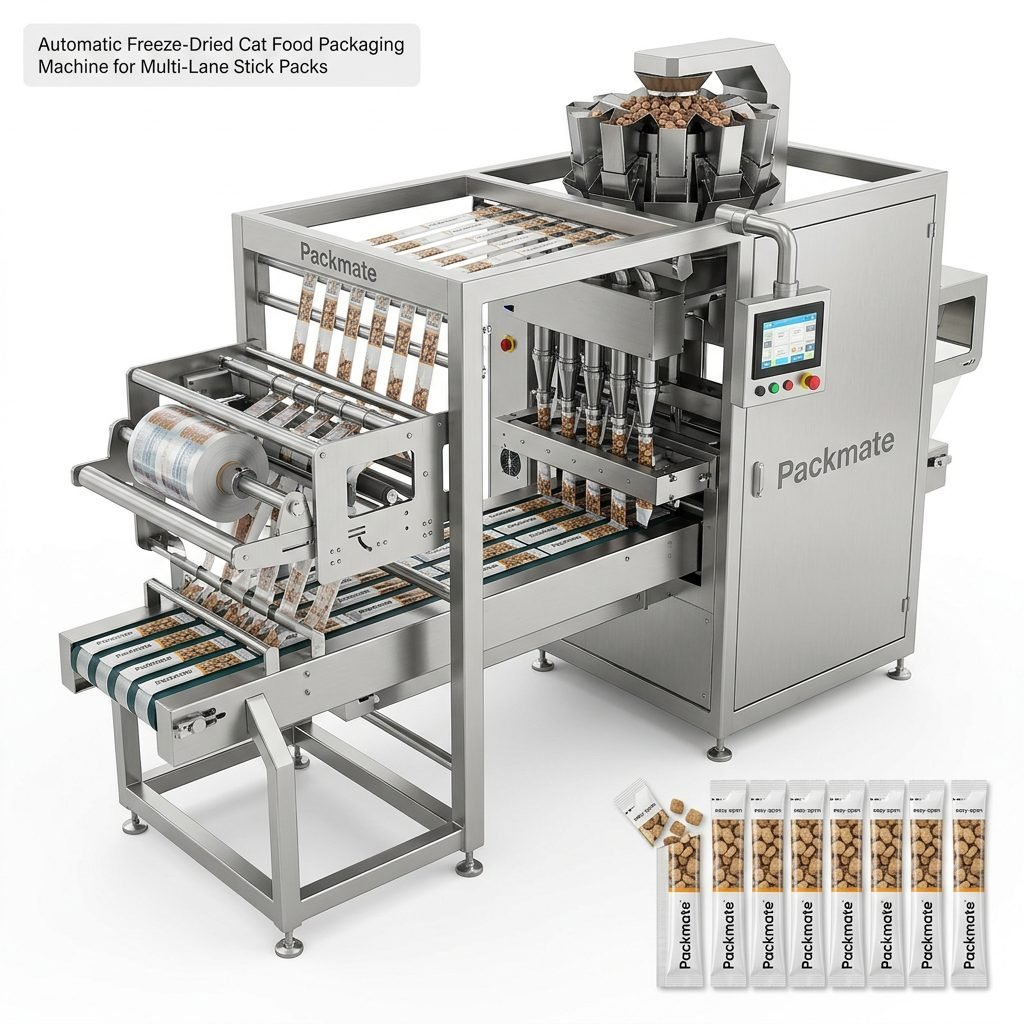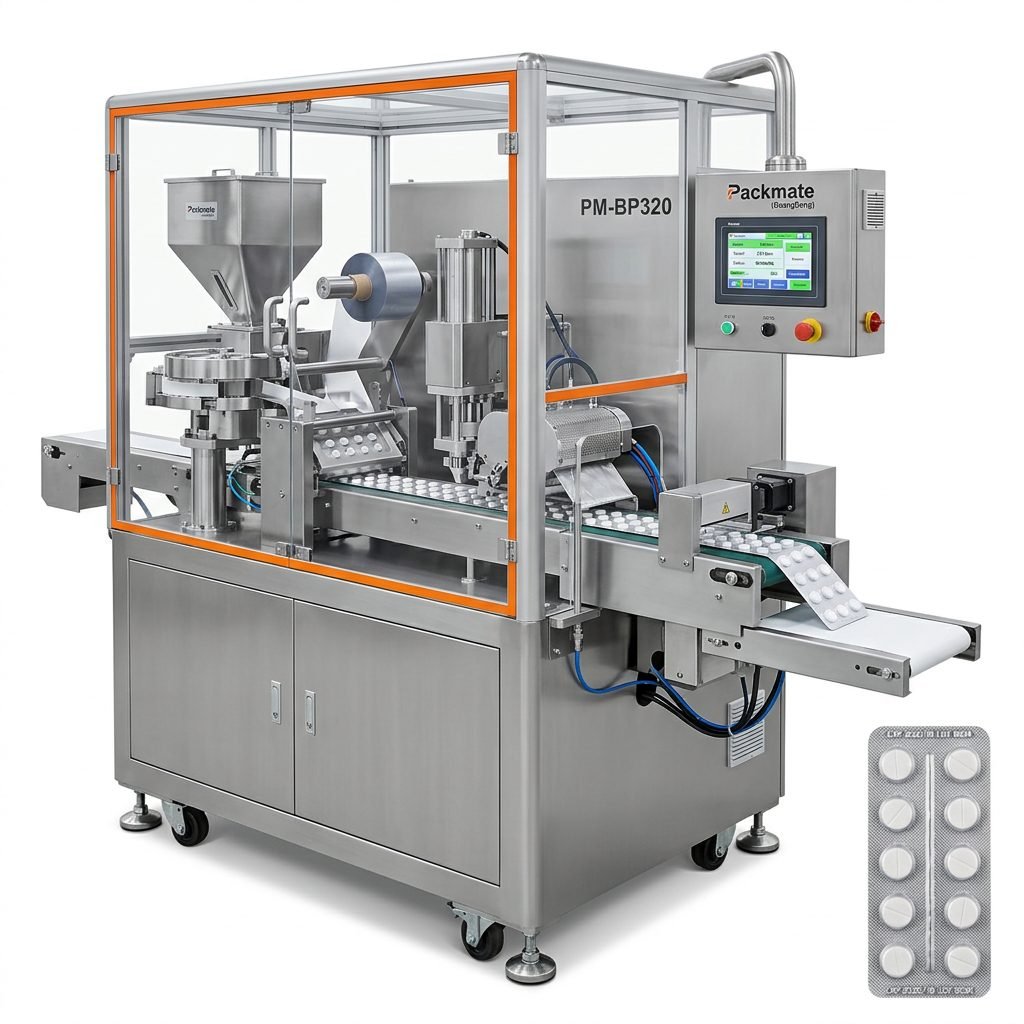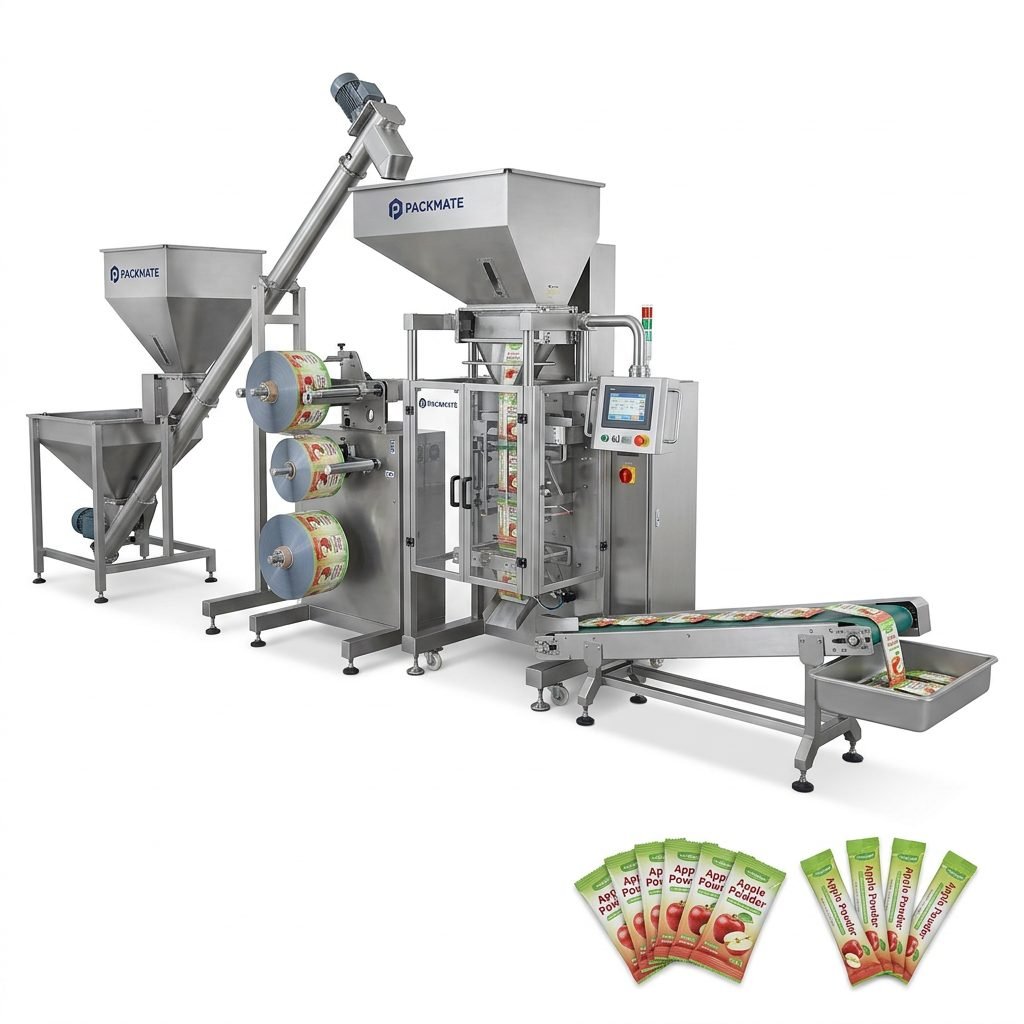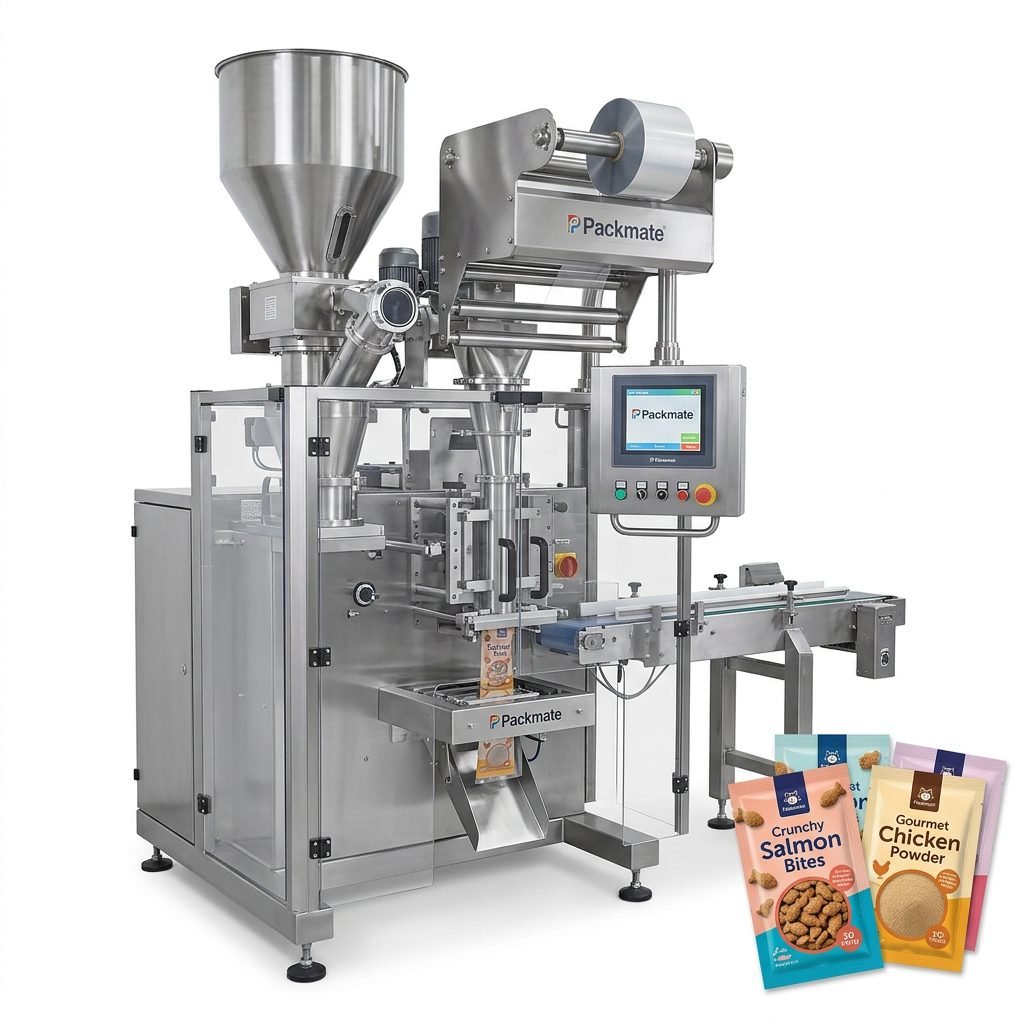
Installing a new packaging line is a significant investment and a critical step towards enhancing production efficiency, ensuring product quality, and scaling your business. Whether you’re automating for the first time or upgrading existing equipment, a well-planned installation is the foundation of a reliable and profitable operation. This comprehensive guide walks you through the entire process, from initial planning to final commissioning, while providing clarity on costs and the advantages of opting for a turnkey solution from an experienced partner like Packmate (GuangDong) Co., Ltd..
Phase 1: Pre-Installation Planning & Assessment
Success begins long before the equipment arrives at your facility. This phase is about aligning your business goals with technical realities.
Defining Your Requirements
Start by clearly outlining your needs. What products are you packaging (granules, powders, liquids)? What are your target output speeds (packs per minute)? What packaging formats (stick packs, sachets, large bags) does your market demand? Answering these questions creates a blueprint for the entire project.
→ Key Consideration: Future-proof your investment. Consider not only your current volume but also projected growth for the next 3-5 years. A modular line design can allow for easier expansion.
Site Survey and Preparation
A professional site survey is non-negotiable. Engineers will assess your factory floor for critical factors:
- Space & Layout: Ensuring adequate footprint for the machinery, material infeed, finished product discharge, and safe operator access.
- Utilities: Verifying power supply (voltage, amperage), compressed air availability and quality, and any necessary water or drainage connections.
- Environmental Conditions: Controlling temperature, humidity, and dust levels is crucial, especially for sensitive industries like pharmaceuticals or food.
Based on the survey, you’ll receive a detailed site preparation checklist. Acting on this before delivery prevents costly delays.
Phase 2: The Step-by-Step Installation Process
With planning complete, the physical installation begins. A structured, phased approach ensures safety and accuracy.
Step 1: Delivery & Unloading
Equipment arrives crated and protected. Having the recommended handling equipment (e.g., forklifts with adequate capacity) and a cleared, level receiving area is essential. All components should be inventoried against the packing list immediately.
Step 2: Foundation & Positioning
Machines are precisely positioned according to the approved layout drawings. For heavy or high-speed equipment, proper foundation anchoring is critical to prevent vibration and misalignment. Laser alignment tools are often used for precision.
Step 3: Mechanical Assembly & Connection
Skilled technicians assemble the line components. This includes connecting conveyors between machines, installing hoppers and feeding systems, and securing all mechanical fasteners to specified torques. All safety guards and interlocks are fitted at this stage.
Step 4: Electrical & Pneumatic Integration
This is the “nerve system” installation. Certified electricians run power cables and connect the control panel (PLC). Pneumatic lines are installed for actuators and valves. All connections are meticulously labeled for future maintenance. A partner with deep integration expertise, like Packmate, ensures seamless communication between all line components.
Why Professional Installation Matters
Attempting a DIY installation or using uncertified personnel risks:
- Voiding equipment warranties.
- Creating safety hazards for operators.
- Causing premature wear, breakdowns, and inconsistent packaging quality.
- Failing to meet industry-specific regulatory standards (e.g., GMP for pharma).
Professional installation is an investment in long-term reliability and ROI.
Step 5: Commissioning & Testing
The line is powered on and put through its paces. Technicians calibrate sensors, set filling weights, adjust sealing temperatures, and synchronize speeds. The line runs with actual (or simulated) product and packaging material to fine-tune performance. This phase includes producing samples for your quality approval.
Step 6: Training & Handover
A comprehensive training program for your operators, mechanics, and quality staff is conducted. Training covers safe operation, routine maintenance, troubleshooting common issues, and changeover procedures for different products or pack sizes. Complete documentation, including manuals, electrical diagrams, and spare parts lists, is formally handed over. Explore our commitment to customer success through our dedicated Service offerings.
Understanding Packaging Line Installation Costs
Costs are variable and depend on multiple factors. A transparent breakdown helps in budgeting.
Primary Cost Components
- Equipment Cost: The largest portion, varying by line complexity, speed, and automation level (e.g., robotic palletizing adds cost).
- Installation & Commissioning Fees: Typically a percentage of the equipment cost or a fixed project fee, covering labor, travel, and on-site expenses.
- Site Preparation Costs: Your responsibility. Includes floor reinforcement, utility drops (new electrical lines, air compressors), and any facility modifications.
- Training & Documentation: Often included in the service package but confirm the scope.
- Spare Parts Kit: An initial inventory of common wear parts (sealing jaws, gaskets, filters) is highly recommended to minimize early downtime.
For a detailed look at potential solutions and their scope, reviewing a professional Catalog can provide valuable preliminary insights.
The Turnkey Solution Advantage
Managing each phase with different vendors is complex and risky. A turnkey solution provides a single point of responsibility.
What is a Turnkey Packaging Line?
It’s a complete, ready-to-operate system supplied by one vendor. From initial concept and design to manufacturing, installation, training, and after-sales support, the provider “hands you the keys” to a fully functional line. Companies like Packmate, with their 20,000㎡ modern facility and 30+ years of experience, specialize in delivering these integrated solutions.
Key Benefits of Going Turnkey
→ Reduced Project Risk & Timeline: Streamlined communication and single-source accountability prevent finger-pointing and accelerate the project from design to production.
→ Guaranteed System Compatibility: All machines are designed to work together harmoniously, ensuring optimal performance and data integration.
→ Comprehensive Support: You have one team to call for any technical issue, spare part, or service need, simplifying long-term maintenance.
→ Focus on Your Core Business: Your team can concentrate on production and marketing, not on managing multiple engineering contractors.
View real-world examples of how we implement these solutions in our project Case studies.
Conclusion & Next Steps
A successful packaging line installation is a meticulous blend of detailed planning, professional execution, and choosing the right partner. By understanding the step-by-step process and costs, you can make informed decisions. For most businesses, especially those looking to scale efficiently and minimize operational headaches, a turnkey solution from an experienced provider offers the fastest path to a reliable, high-performing packaging operation.
Begin your journey by clearly defining your needs, then engage with a provider who can demonstrate a proven track record. A partner’s history, like the 22+ years of development behind Packmate, often speaks volumes about their capability and stability. Request a consultation to discuss your specific project and explore a tailored Solution.
Frequently Asked Questions (FAQs)
How long does a typical packaging line installation take?
The timeline varies widely based on line complexity and site readiness. A simple single-machine system might take 3-5 days for installation and commissioning. A complete, multi-machine turnkey line often requires 2-6 weeks on-site, following several weeks for manufacturing and factory acceptance testing. Detailed project planning will provide a specific schedule.
Can you install a line in an existing production facility without stopping other lines?
Yes, professional installers are experienced in working within active facilities. A detailed site survey and installation plan will identify any necessary temporary shutdowns (e.g., for utility tie-ins) and schedule them during off-hours or planned maintenance windows to minimize disruption to your ongoing production.
What are the most common challenges during installation, and how are they mitigated?
Common challenges include unforeseen site conditions (e.g., insufficient power capacity), delays in material delivery, or integration issues with existing equipment. Mitigation comes from thorough pre-planning, clear communication, and choosing a vendor with strong project management skills and the flexibility to problem-solve on-site. A comprehensive pre-installation checklist is vital.
Do you provide ongoing maintenance support after installation?
Reputable suppliers do. This typically includes remote technical support, a recommended preventive maintenance schedule, readily available spare parts, and options for on-site service visits or maintenance contracts. Ensuring long-term line performance is part of a true partnership. Learn more about our support structure on our dedicated FAQs page.
What information should I prepare before contacting a supplier for a quote?
To get an accurate and timely proposal, prepare: 1) Product details (type, density, flow characteristics), 2) Desired packaging material (film type, width), 3) Target output speed (bags/packs per minute/hour), 4) Available factory space dimensions and photos, 5) Utility specifications (voltage, air pressure), and 6) Your budget and project timeline expectations.