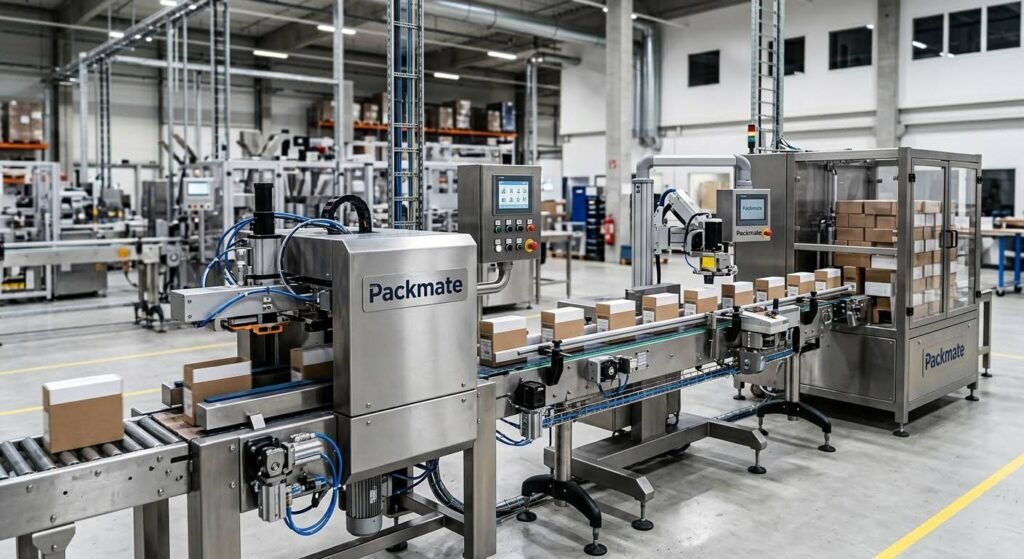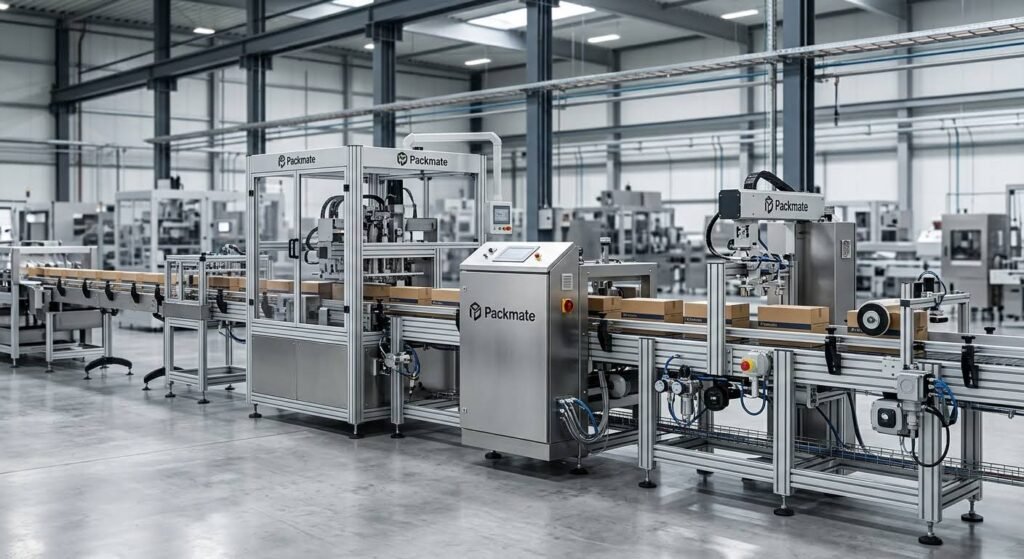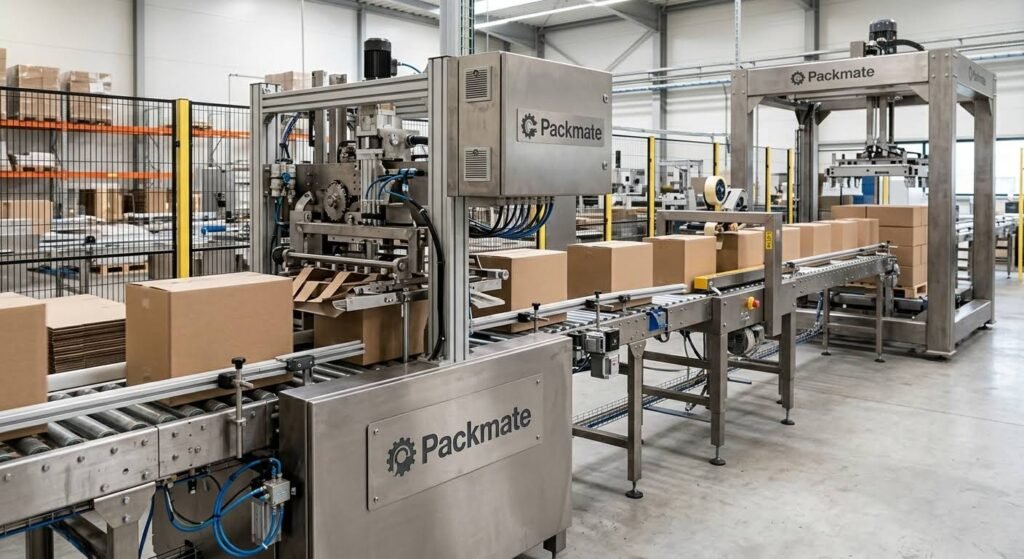
In today’s fast-paced manufacturing world, achieving seamless production is not just a goal—it’s a necessity. For industries where precision, hygiene, and speed are non-negotiable, such as food, pharmaceuticals, and healthcare, the integration of a complete packaging line is the cornerstone of operational success. A turnkey automated packaging solution represents more than just a series of machines; it is a holistic, engineered system designed to streamline the entire packaging process from product filling to final palletization, ensuring consistency, safety, and scalability.
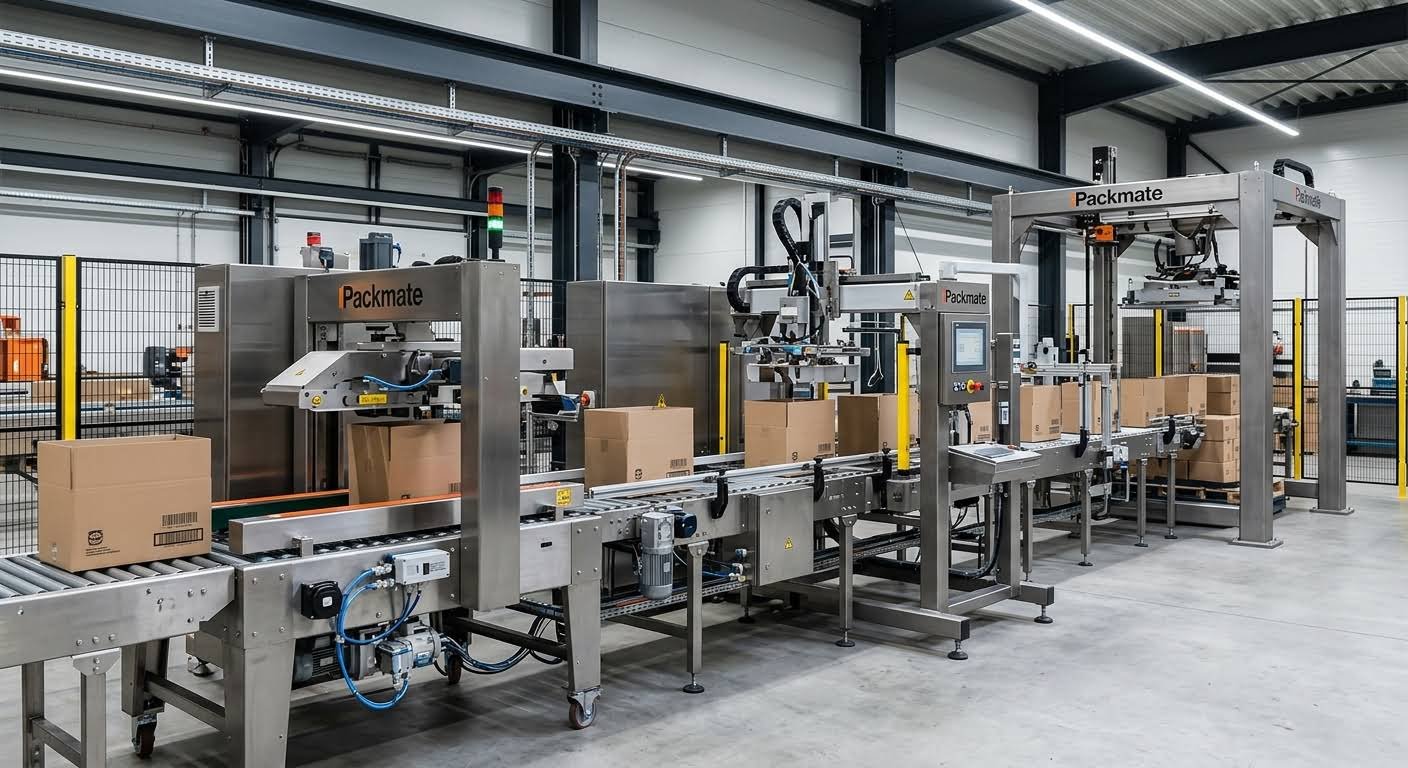
The Imperative for Integrated Packaging Lines
The shift from standalone packaging machines to fully integrated lines is driven by the critical demands of modern industries. In the food sector, maintaining product freshness, preventing contamination, and meeting high-volume output are paramount. For pharmaceuticals and healthcare, the stakes are even higher. Regulatory compliance (like cGMP and FDA standards), absolute accuracy in dosing, and maintaining sterile integrity are not just best practices but legal requirements. A disjointed process with multiple manual hand-offs increases the risk of errors, contamination, and inefficiency.
💡 Key Insight: An integrated line eliminates these bottlenecks by creating a continuous, closed-loop system. It synchronizes every stage—feeding, weighing, filling, sealing, labeling, and cartoning—into a single, coherent workflow. This synergy is what defines a true turnkey solution.
Core Components of a Turnkey Automated System
A robust packaging line integration typically encompasses several key modules, each playing a vital role:
1. Product Handling & Feeding Systems
This is the starting point, where bulk product is reliably conveyed and prepared for packaging. Systems include vibratory feeders, screw conveyors, or pneumatic transfer systems, designed to handle everything from fine powders and granules to viscous liquids without degradation.
2. Precision Filling & Dosing Machines
The heart of accuracy. For pharmaceuticals, this often involves auger fillers, liquid pumps, or volumetric cup fillers that ensure each sachet, stick pack, or vial receives the exact specified amount. Advanced systems feature check-weighers and feedback loops to auto-correct any deviations in real-time.
3. Form-Fill-Seal (FFS) Technology
This is where the package is created. Using roll-fed film, machines form the pouch, fill it with product, and seal it in one continuous operation. Vertical (VFFS) and horizontal (HFFS) machines can produce a vast range of package types, from small single-serve sachets to larger bags. For high-output needs, multi-lane stick pack machines are indispensable, dramatically increasing production rates.
4. Secondary & Tertiary Packaging
Once primary packaging is complete, products are collated, cartoned, and prepared for shipment. This stage includes automatic cartoners, case packers, and palletizers. Integration ensures smooth transfer between stages, minimizing product handling and potential damage.
5. The Central Nervous System: Control & Integration
The true magic of a turnkey solution lies in its unified control. A central Programmable Logic Controller (PLC) and Human-Machine Interface (HMI) allow operators to monitor and control the entire line from a single station. This system manages speed synchronization, tracks production data, and provides diagnostics, offering unparalleled oversight and efficiency.
Industry-Specific Advantages
For the Food Industry
Speed and hygiene are critical. Integrated lines minimize human contact with food products, reducing contamination risk. They enable rapid packaging of products like spices, instant beverages, and sauces, ensuring they reach consumers fresh and safe. The scalability of such systems allows manufacturers to easily adjust to seasonal demands or new product launches.
For Pharmaceutical & Healthcare
Here, precision and traceability are everything. Automated lines provide airtight audit trails, crucial for regulatory compliance. They ensure sterile packaging environments for products like powders for injection, oral solid doses, and medical devices. The elimination of manual handling is perhaps the most significant benefit, directly impacting product safety and patient well-being. You can explore specific applications in our detailed project case studies.
Why Partner with a Specialist Provider?
Implementing a turnkey line is a significant investment. Partnering with an experienced provider like Packmate (GuangDong) Co., Ltd. mitigates risk and ensures success. A specialist brings:
- End-to-End Expertise: From initial concept and design to manufacturing, installation, and after-sales support.
- Customization: No two production needs are identical. Solutions are tailored to your specific product, output goals, and factory layout.
- Future-Proofing: A good system is designed with flexibility and scalability in mind, allowing for easy upgrades or reconfiguration as your business grows.
With over 30 years of experience and a 20,000㎡ modern facility, Packmate embodies this specialist approach. Their journey from a focused workshop to a leading provider of intelligent packaging solutions demonstrates a deep commitment to innovation and reliability, core values that directly benefit clients seeking robust packaging line integration.
Implementation and ROI Considerations
The journey to an integrated line involves careful planning. A reputable provider will conduct a thorough analysis of your current process, desired output, and facility constraints. The return on investment (ROI) is realized through multiple channels:
➤ Dramatically Increased Output: Automated lines run 24/7 with minimal downtime, far surpassing manual or semi-automated setups.
➤ Significant Labor Savings: Automation reduces the need for extensive manual labor, reallocating human resources to more value-added tasks like quality control and supervision.
➤ Reduced Material Waste: Precision filling and controlled processes minimize product giveaway and packaging material errors.
➤ Enhanced Quality & Compliance: Consistent, repeatable processes lead to fewer defects and easier adherence to stringent industry standards.
Ultimately, a turnkey automated packaging line is a strategic asset. It future-proofs your operation, enhances your brand reputation through consistent quality, and provides the agility needed to compete in global markets. For a comprehensive look at the support that continues after installation, review our dedicated service and support offerings.
Frequently Asked Questions (FAQs)
1. What is the main difference between a standalone machine and a turnkey integrated line?
A standalone machine performs one specific packaging function (e.g., filling). A turnkey integrated line connects multiple machines (feeding, filling, sealing, cartoning, etc.) into a single, synchronized system controlled from one point. It handles the entire process from start to finish with minimal manual intervention, offering far greater efficiency, consistency, and data control.
2. How long does it typically take to implement a full turnkey packaging line?
The timeline varies significantly based on complexity, customization, and site preparation. A standard project can range from 4 to 12 months. It involves stages like detailed engineering, manufacturing, factory acceptance testing (FAT), shipping, site installation, commissioning, and operator training. A clear project plan from your provider is essential.
3. Can an integrated line handle different package sizes or products?
Yes, flexibility is a key design goal for modern lines. Many systems are built with quick-changeover features, allowing for adjustments in package size, film type, or product format with minimal downtime. This is crucial for manufacturers who produce multiple SKUs on the same line.
4. What kind of after-sales support should we expect?
Comprehensive support is critical. Expect services including detailed operator and maintenance training, readily available spare parts, remote diagnostic support via the HMI, and access to technical service teams for on-site assistance if needed. A strong support agreement ensures maximum uptime and longevity of your investment.
5. How do we justify the capital investment for such a system?
The justification is based on Total Cost of Ownership (TCO) and ROI. While the initial investment is higher than piecemeal equipment, the long-term savings from reduced labor, lower waste, higher output, improved quality (fewer returns), and enhanced regulatory compliance create a compelling financial case. A detailed ROI analysis provided by your supplier will quantify these benefits for your specific operation.