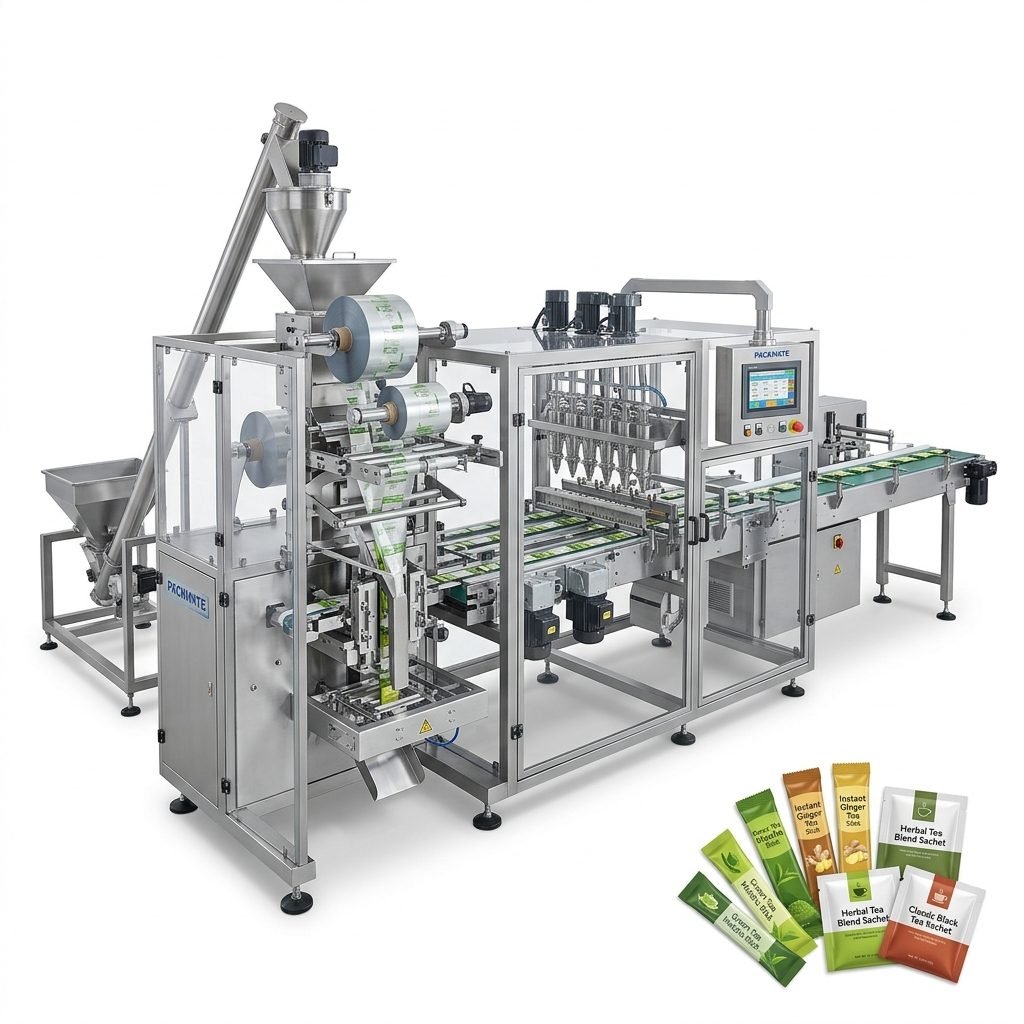
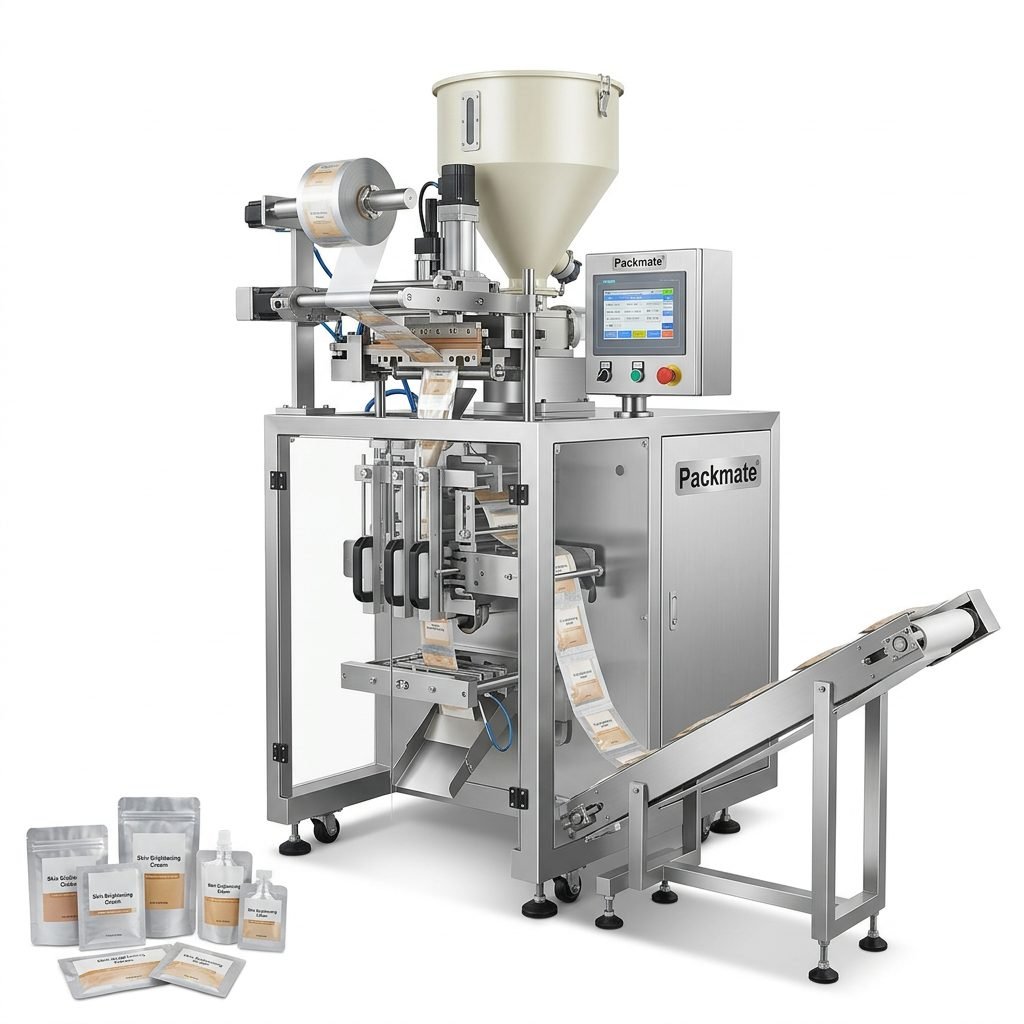
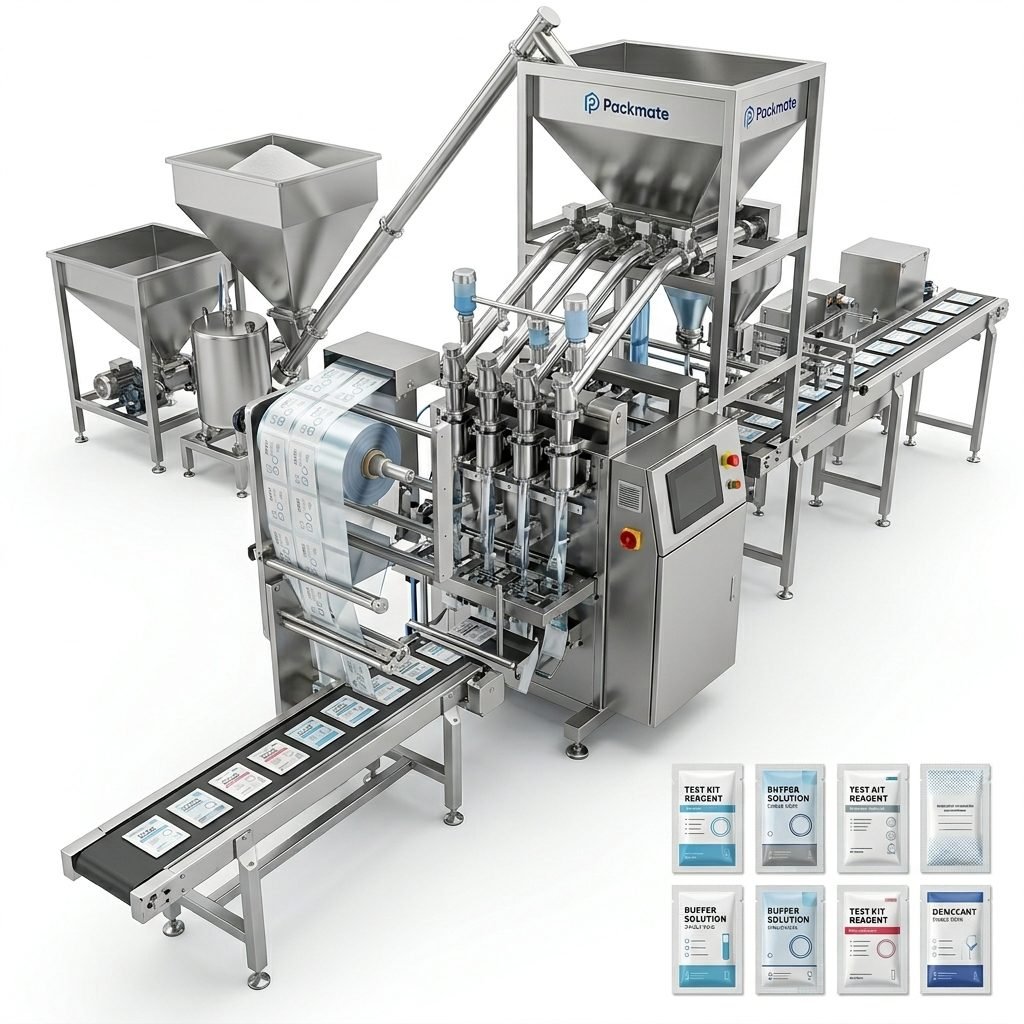
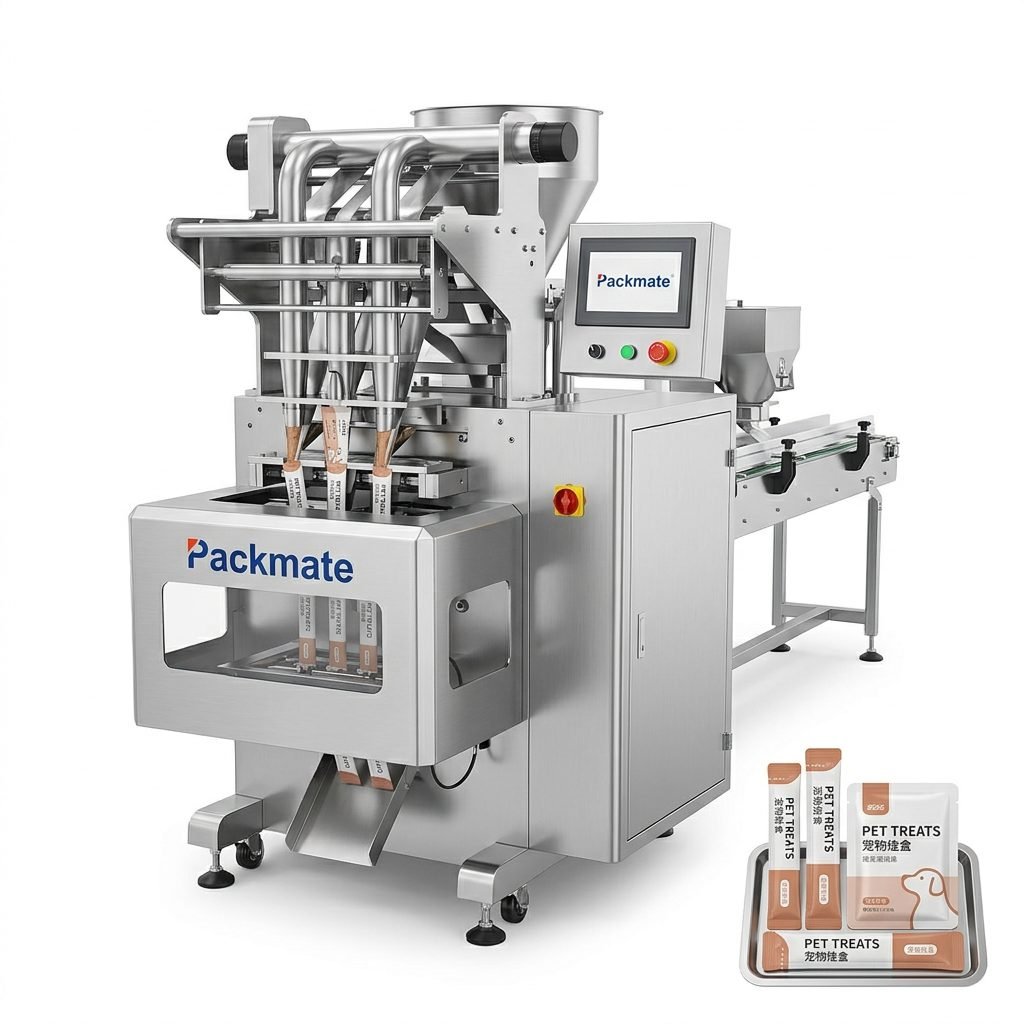
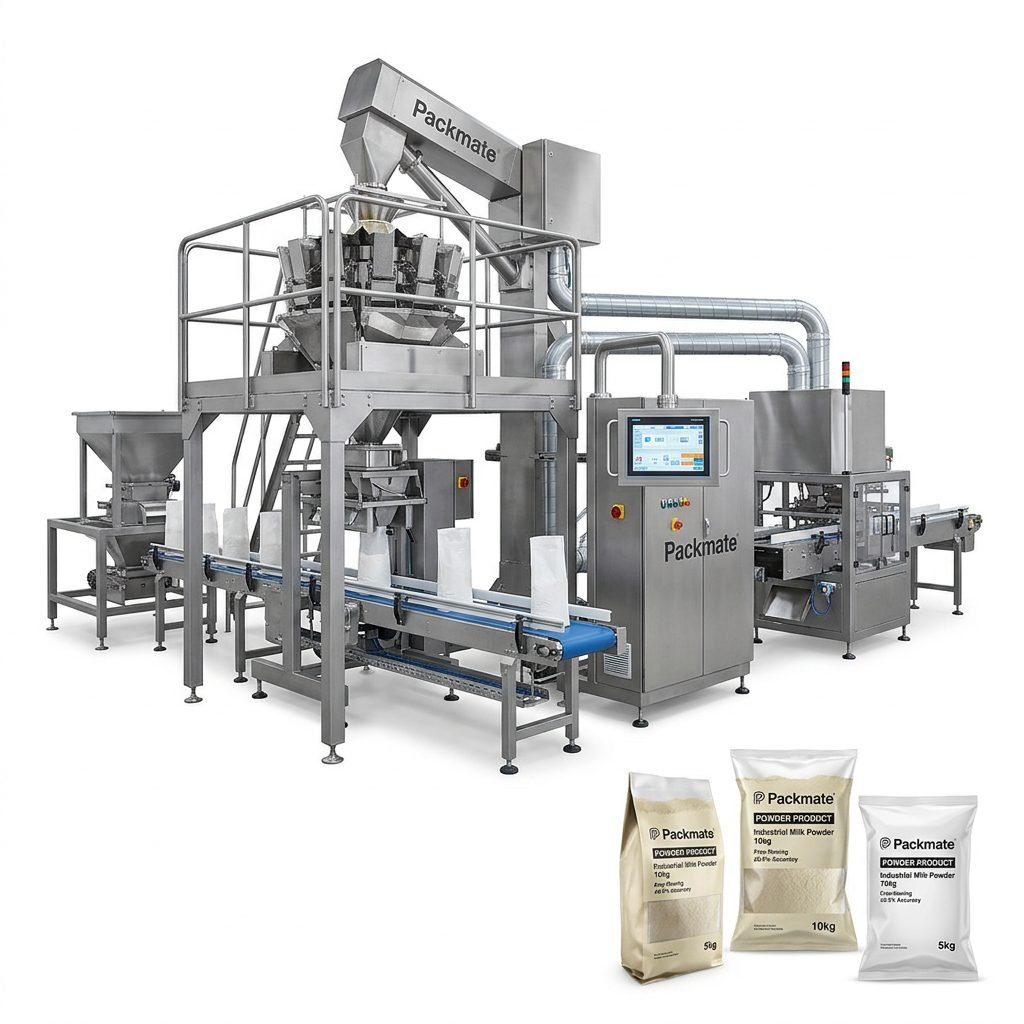
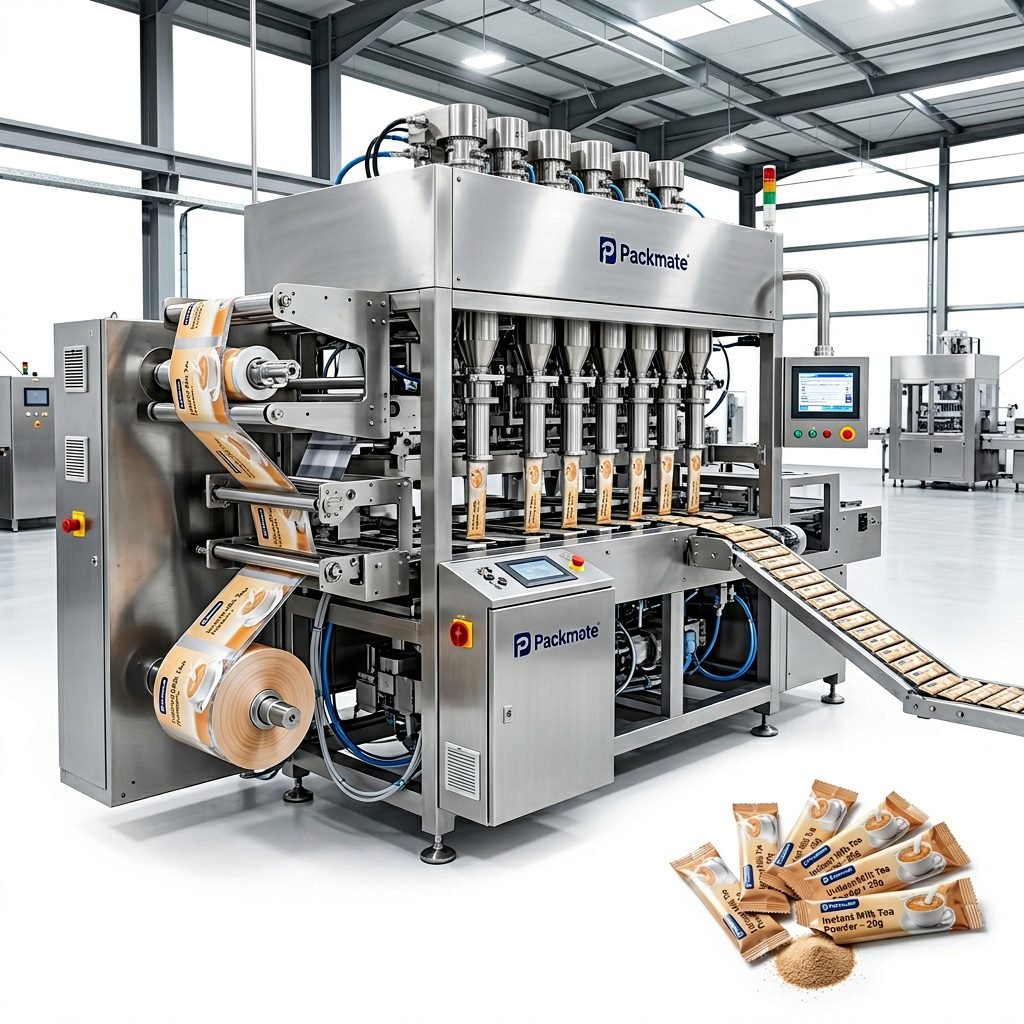
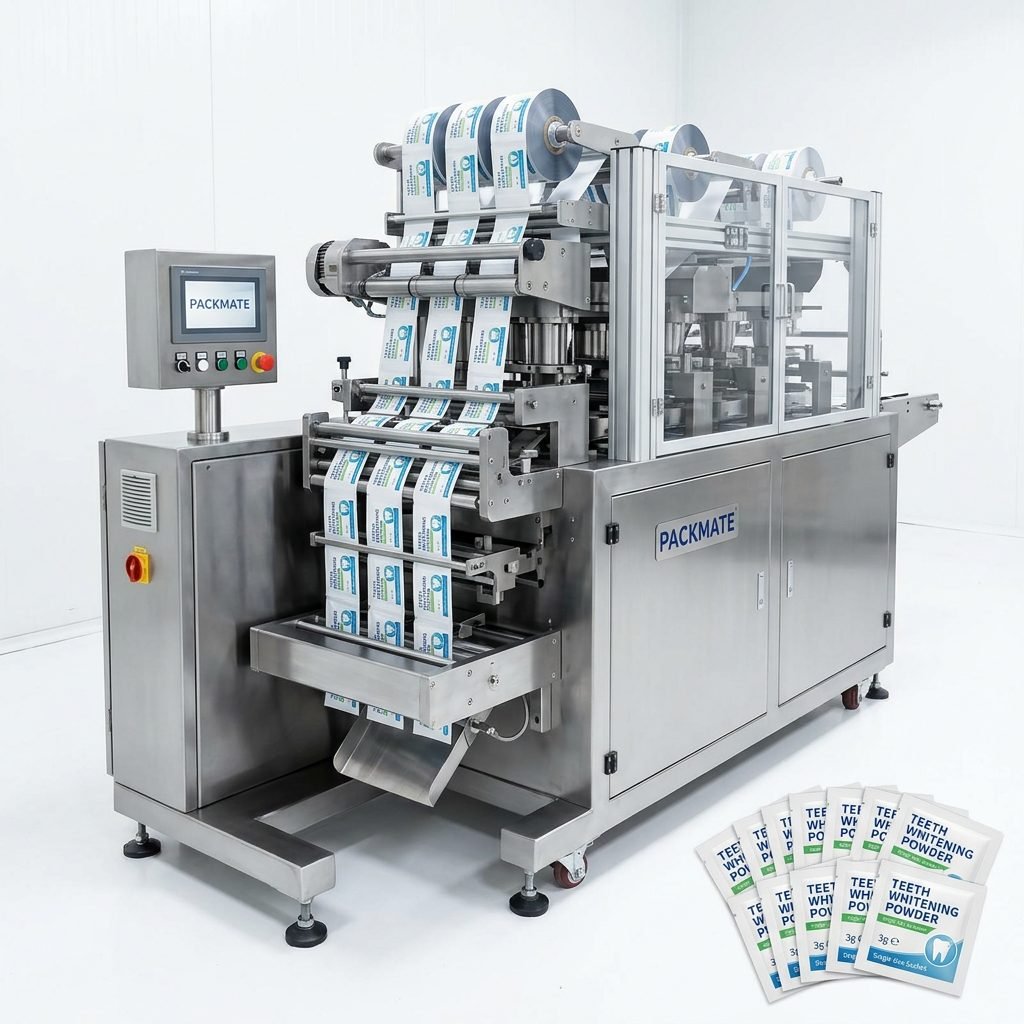
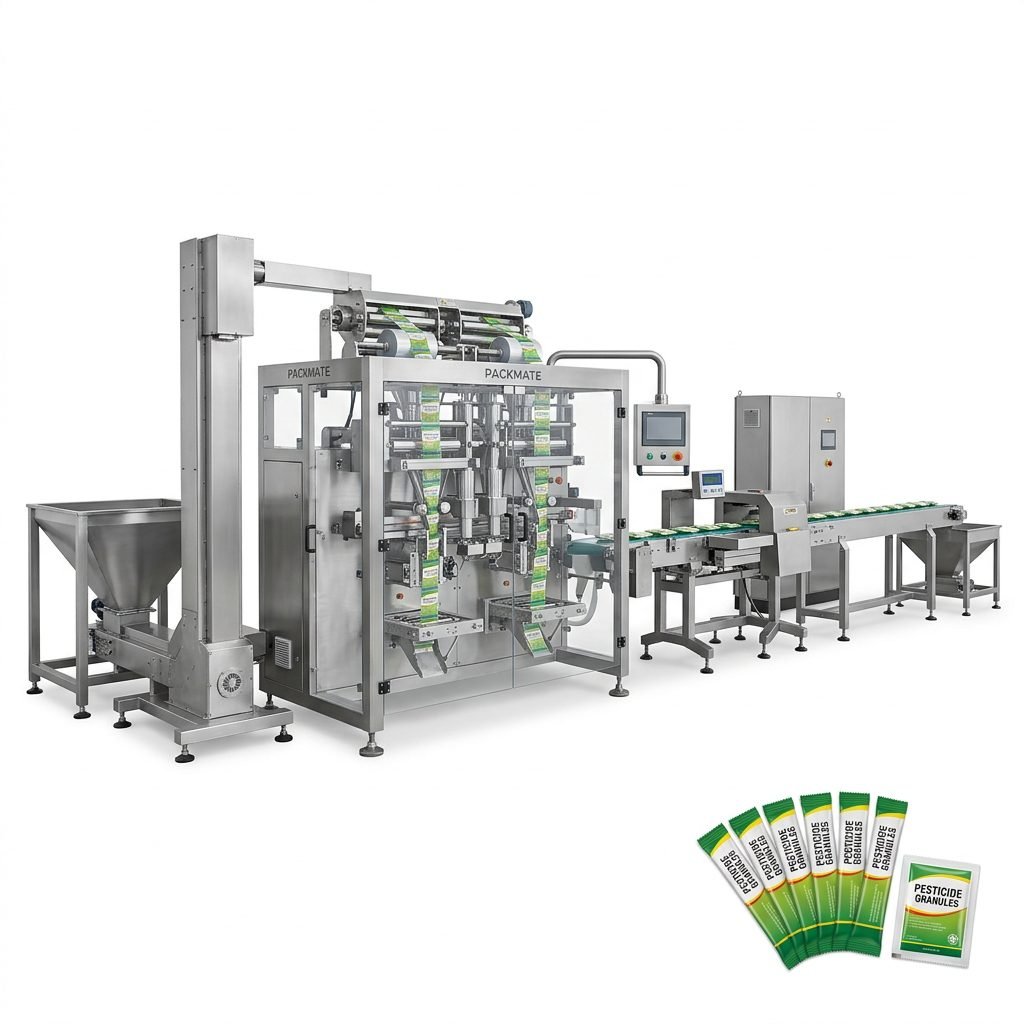
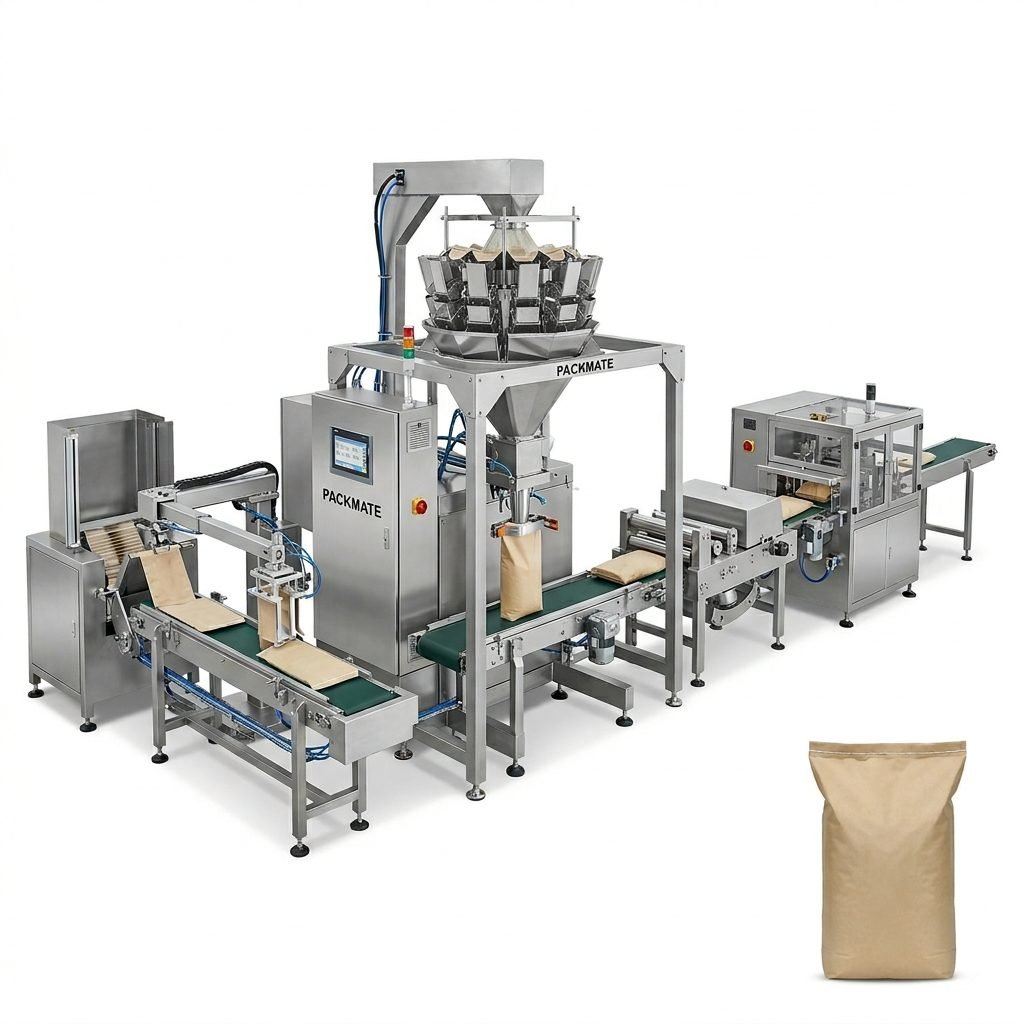
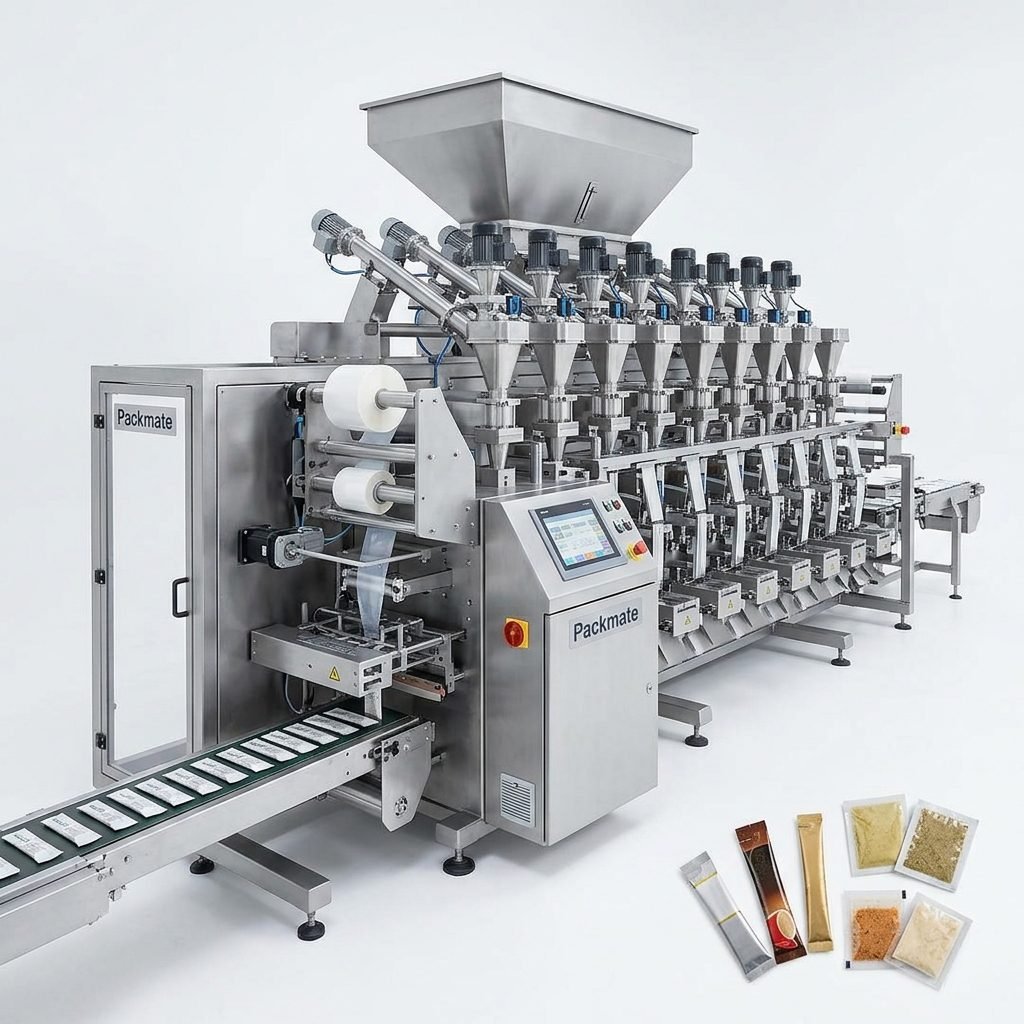
In today’s competitive and highly regulated markets, efficiency, hygiene, and precision are non-negotiable, especially for industries handling consumable and sensitive products. For businesses in the food, pharmaceutical, and health & wellness sectors, the packaging line is far more than just the final step in production—it is a critical component of product integrity, brand reputation, and operational scalability. Implementing an automated packaging line is no longer a luxury but a strategic necessity to ensure consistency, meet stringent safety standards, and achieve sustainable growth.
The Imperative for Automation in Sensitive Industries
The shift from manual or semi-automated processes to fully integrated automated systems is driven by several core challenges unique to these sectors:
- Stringent Hygiene & Contamination Control: Human contact is a significant vector for contamination. Automated systems minimize this risk, creating a controlled environment essential for pharmaceutical purity and food safety.
- Demanding Regulatory Compliance: Regulations like FDA cGMP, EU GMP, and HACCP require meticulous documentation and process control. Automated systems provide the traceability and repeatability needed for compliance audits.
- Product Integrity & Shelf Life: Precise filling, sealing, and gas flushing (for modified atmosphere packaging) are vital to preserve product efficacy, freshness, and nutritional value.
- Operational Efficiency & Cost Management: Automation drastically reduces labor costs, minimizes material waste from human error, and enables 24/7 production runs to meet high-volume demands.
Exploring the right packaging solutions tailored to these specific needs is the first step toward building a resilient and future-proof operation.
Tailored Solutions for the Food Industry
Food packaging must balance protection, appeal, and speed. Automated lines for food products handle a diverse range, from dry granules and powders to viscous liquids and sauces.
Key Features for Food Applications:
- High-Speed Multi-Lane Packaging: Systems designed for stick packs or sachets of coffee, sugar, spices, or sauce portions can achieve exceptionally high output, perfect for retail and food service portions.
- Hygienic Design with Easy-Clean Surfaces: Machines constructed with stainless steel and featuring CIP (Clean-in-Place) capabilities prevent bacterial growth and facilitate quick changeovers between product runs.
- Accurate Filling Technology: Volumetric, auger, or liquid piston fillers ensure precise portion control, which is critical for recipe consistency and cost management.
- Flexible Packaging Material Handling: Solutions adept at working with various laminates, films, and recyclable materials to meet both functional needs and sustainability goals.
Success in this fast-paced industry is often demonstrated through real-world application cases, showcasing how tailored automation solves specific production challenges.
Precision Engineering for Pharmaceuticals
The pharmaceutical sector presents the most rigorous demands. Packaging lines must guarantee absolute accuracy, sterility, and data integrity.
Critical Components of a Pharma-Grade Line:
- Validation & Documentation Support: Systems are designed from the ground up to support IQ/OQ/PQ (Installation/Operational/Performance Qualification) protocols, providing the necessary data for regulatory submissions.
- Containment & Dust Control: For potent powders or APIs, integrated containment solutions protect operators and the environment from exposure.
- Serialization & Aggregation: Integrated systems can print, verify, and track unique serial codes on primary and secondary packaging, complying with global track-and-trace regulations like the U.S. DSCSA and EU FMD.
- Aseptic Packaging Capabilities: For sterile products, lines can be integrated into isolators or RABS (Restricted Access Barrier Systems) to maintain an aseptic environment during filling and sealing.
Supporting the Health & Wellness Boom
The health products industry, encompassing vitamins, supplements, protein powders, and herbal extracts, combines requirements from both food and pharma. Consumers demand high quality, transparency, and sophisticated packaging.
Meeting Market Trends in Health Products
Modern automated lines enable brands to:
- Offer Diverse Delivery Formats: Efficiently produce stick packs for single-serving powders, blister packs for tablets, or bottles for liquids and softgels on a single, flexible platform.
- Ensure Dosage Accuracy: Micro-ingredient filling with precision scales guarantees that each serving contains the exact advertised amount of active nutrients.
- Enhance Brand Premiumization: High-quality, consistent sealing and printing allow for sleek, professional packaging that justifies a premium market position and builds consumer trust.
The foundation of such advanced capabilities lies in partnering with a provider that has deep expertise and a proven company profile in engineering reliable systems.
Building a Complete Turnkey Packaging Line
An effective automated line is a synchronized ecosystem of machines. A typical turnkey solution integrates several key stages:
- Product Feeding & Handling: Gentle conveying systems that transport product to the filler without degradation.
- Precision Filling: The heart of the line, using technology matched to the product’s characteristics (e.g., auger filler for powders, piston filler for liquids).
- Packaging Material Forming & Sealing: Machines that form pouches, sachets, or sticks from roll stock and create hermetic seals.
- Secondary Packaging: Automating cartoning, case packing, and palletizing for a truly end-to-end hands-off process.
- Quality Control & Vision Inspection: Integrated checkweighers, metal detectors, and vision systems to reject under/over-filled, mislabeled, or contaminated packs in real-time.
Comprehensive after-sales service and support are crucial to maintain the peak performance and uptime of this integrated system throughout its lifecycle.
The Packmate Advantage: Experience Engineered into Every Line
With over 30 years of specialized experience, Packmate has evolved from a visionary workshop into Packmate (GuangDong) Co., Ltd., a leader in intelligent packaging solutions. Our journey, rooted in solving practical production challenges, informs our approach to every project. We don’t just sell machines; we deliver complete, reliable production ecosystems.
Our 20,000㎡ modern facility is home to a skilled team that designs, manufactures, and tests over 50 machine models. This vertical integration allows for rigorous quality control and customization. We understand that a packaging line is a long-term investment, and we build partnerships centered on innovation, quality, and collaborative success, ensuring our solutions drive tangible ROI for our clients in the food, pharmaceutical, and health product industries worldwide.
Frequently Asked Questions (FAQs)
1. What is the typical lead time for a custom automated packaging line?
Lead times vary significantly based on the line’s complexity, level of customization, and current production schedule. A standard configured line may take 3-6 months, while a fully custom, validated pharmaceutical line can take 9-18 months. A detailed project timeline is provided after the initial consultation and scoping phase.
2. Can your lines handle the strict validation requirements for pharmaceutical products?
Absolutely. We design our pharmaceutical-grade lines with validation in mind. We provide documentation packages and support to assist with your IQ/OQ/PQ processes, ensuring the system meets all necessary cGMP and other regulatory standards for your target markets.
3. How do you ensure the hygiene of lines designed for food applications?
Our food-grade lines feature stainless steel construction in product contact areas, sanitary design with minimal crevices, and often include CIP/SIP (Clean-in-Place/Sterilize-in-Place) options. The design prioritizes easy disassembly for manual cleaning and compliance with food safety standards like HACCP.
4. What kind of after-sales support and training do you offer?
We provide comprehensive support including on-site installation supervision, detailed operator and maintenance training, a library of manuals and schematics, and readily available spare parts. Our service team offers remote diagnostics and on-site support to maximize your line’s uptime and productivity.
5. Are your machines compatible with sustainable or recyclable packaging materials?
Yes, we actively work with clients to adapt our forming, sealing, and handling systems to work efficiently with a growing range of mono-material and recyclable film structures. We can test materials in our lab to ensure performance before full-scale implementation.