Choosing the right packaging machine manufacturer is a critical decision for businesses in the Philippines, where the food processing, pharmaceutical, and health supplement industries are growing rapidly. With over 100 million consumers and a rising demand for packaged goods—from coffee sachets to powdered drinks and pharmaceutical pouches—Filipino manufacturers need reliable, efficient, and cost-effective packaging solutions. However, the market is flooded with suppliers from China, Europe, and local distributors, making it challenging to identify a partner that truly understands your production needs, budget, and after-sales requirements.
This guide will walk you through the key factors to consider when selecting a packaging machine manufacturer in the Philippines. We will also highlight some of the leading Chinese manufacturers with a strong track record in the region, including Ludyway, Packmate Machinery, PacklineOEM, PackingMachineOEM, and SnusMachinery—all of which have decades of experience and a significant presence in Southeast Asia.
1. Industry Experience and Manufacturing Background
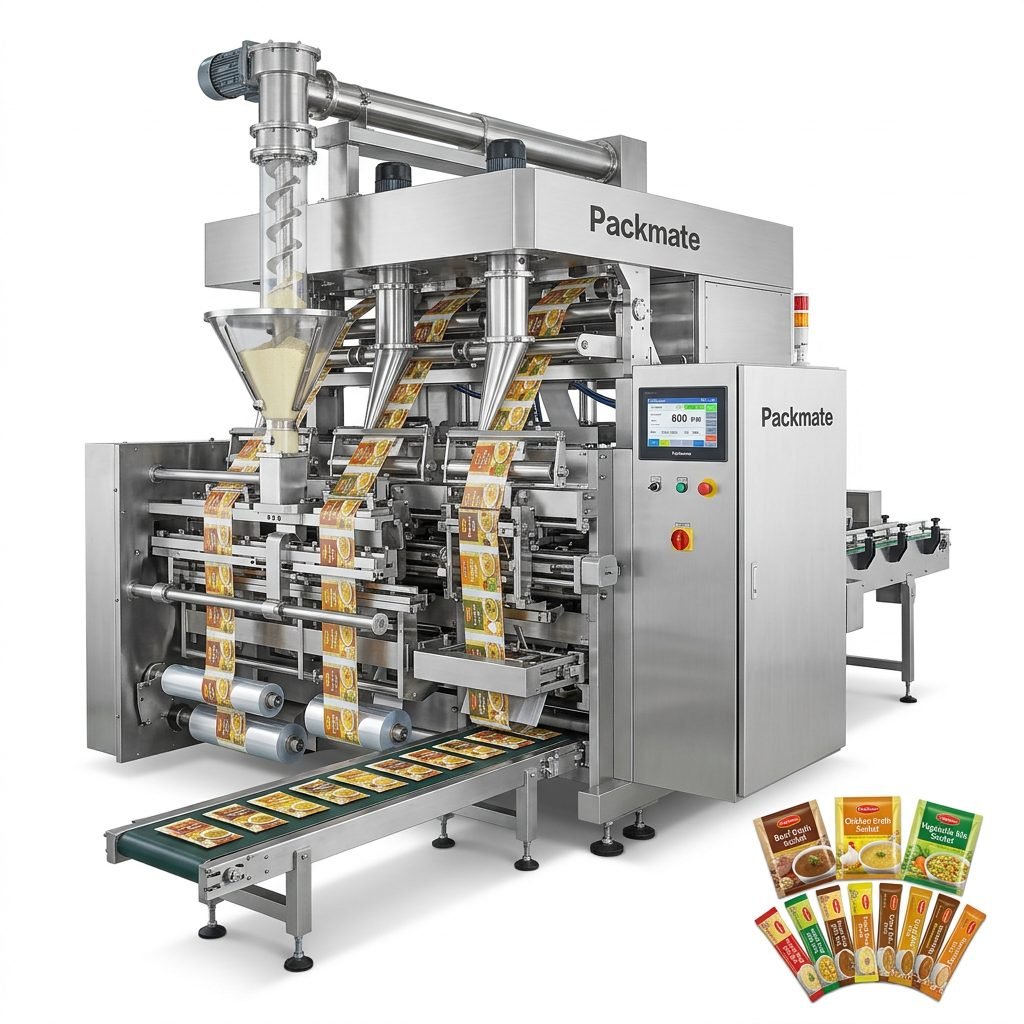
A manufacturer with more than 20 years of experience usually has refined engineering processes, spare parts availability, and troubleshooting know-how. For Philippine buyers, this translates to fewer downtime issues and smoother production ramp-ups. Companies like Ludyway (founded in 1993) and Packmate Machinery (around 30 years) have built extensive knowledge in food-grade and pharma-grade packaging automation, which is essential for meeting local FDA regulations and export standards.
2. Product Range and Customization Capabilities
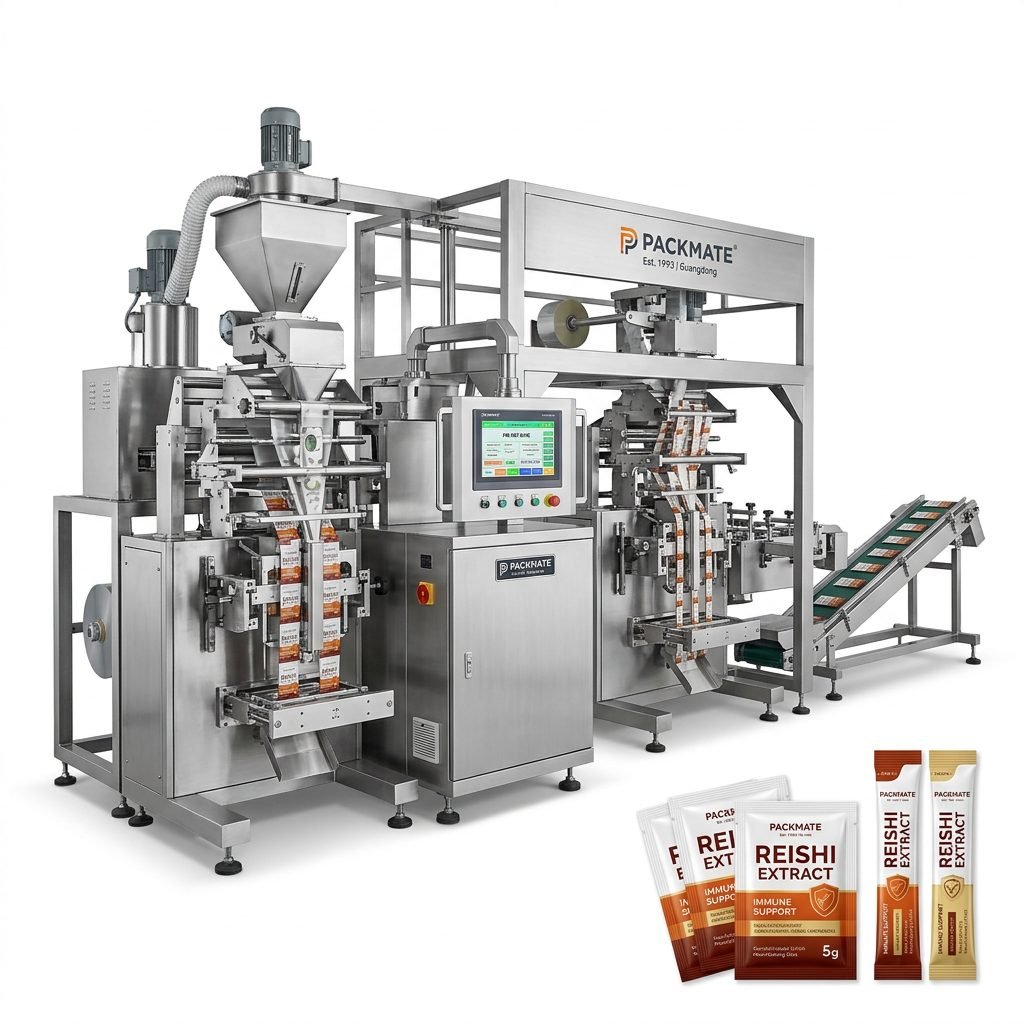
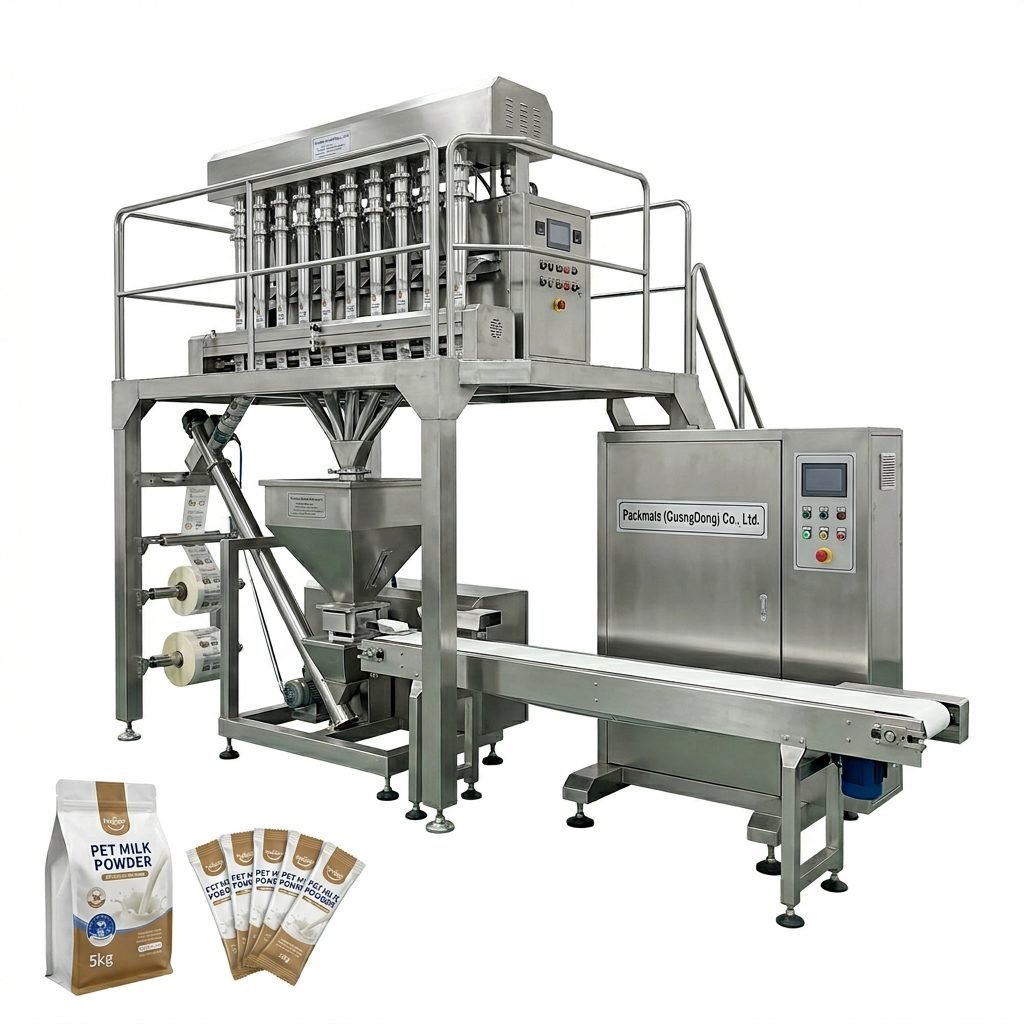
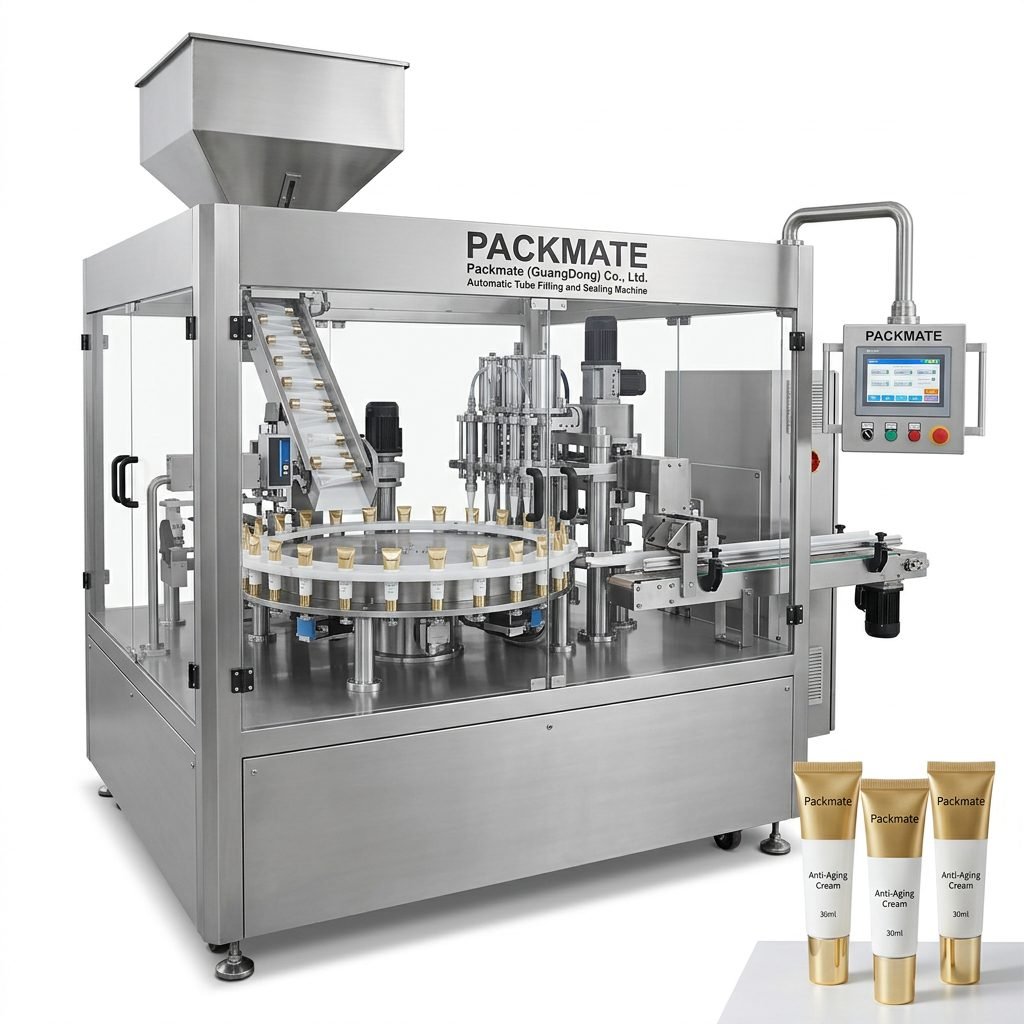
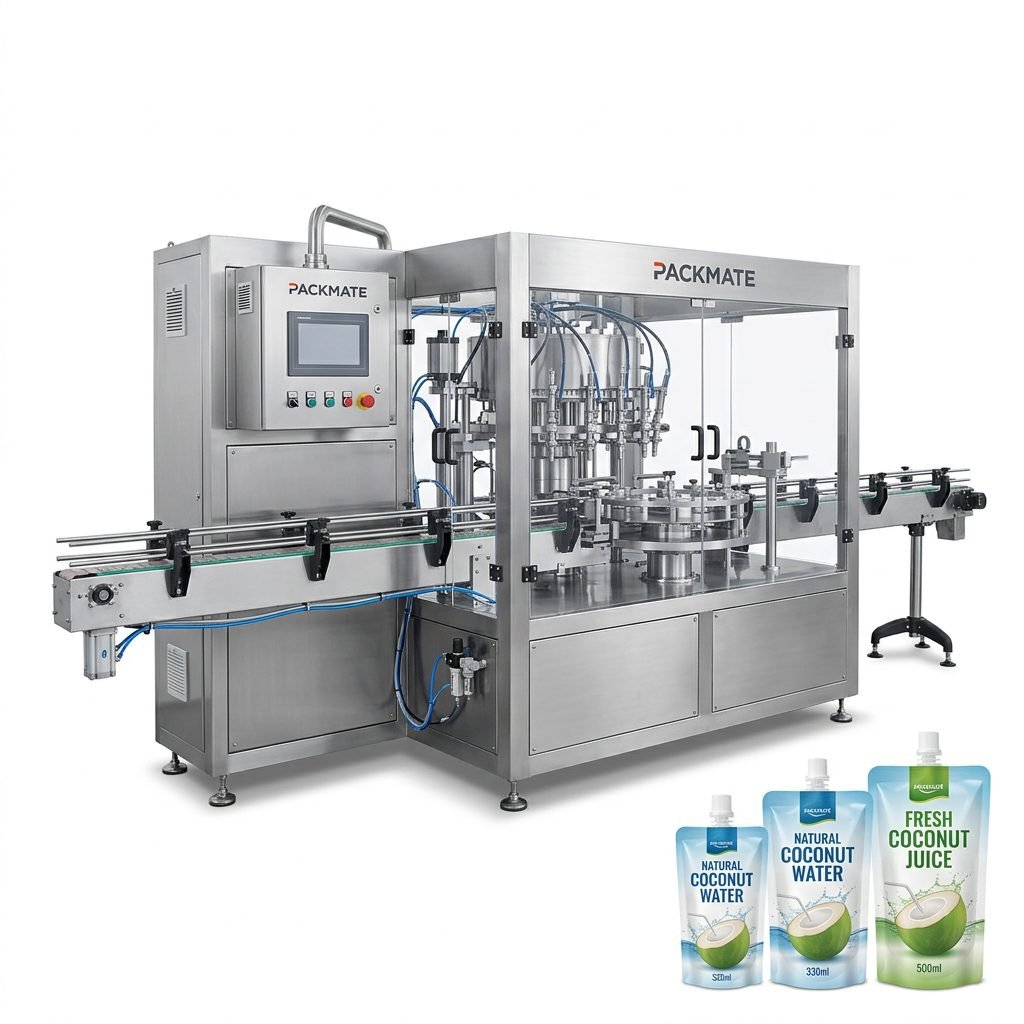
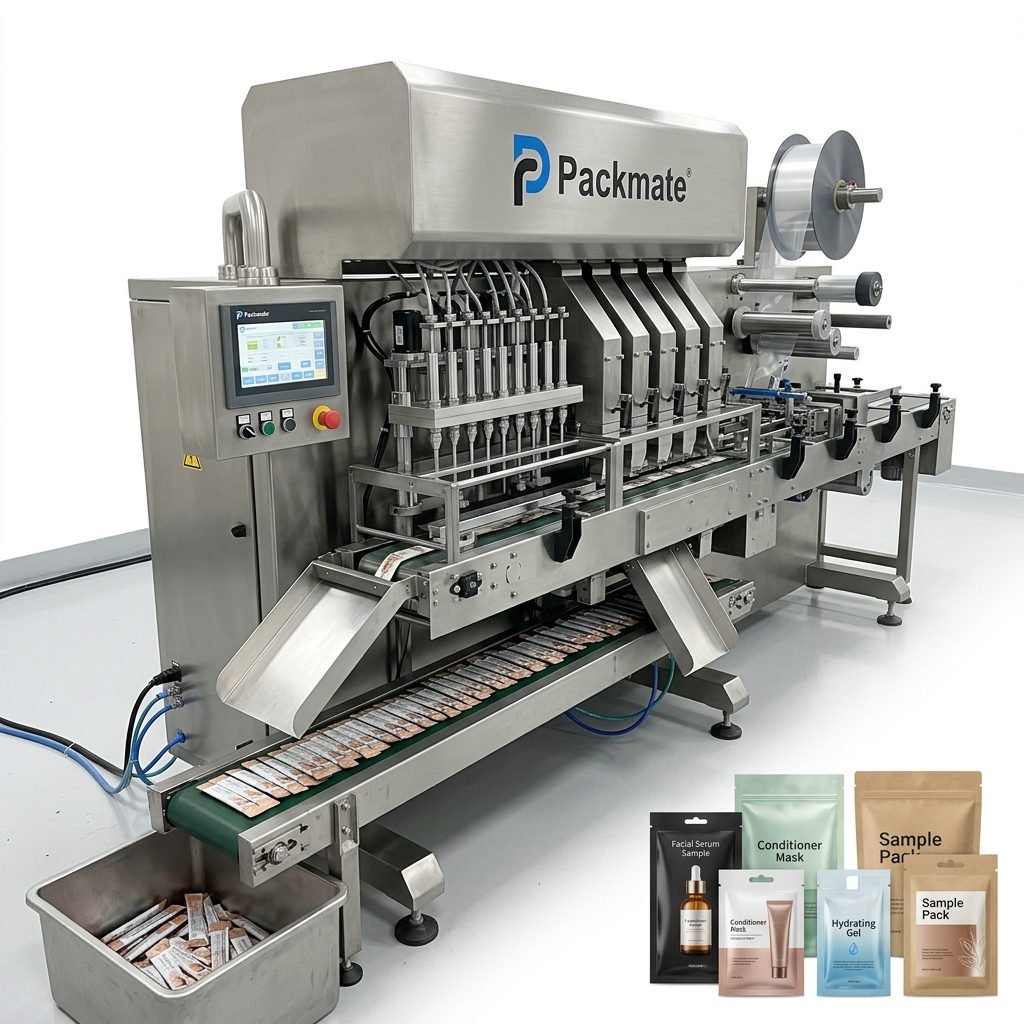
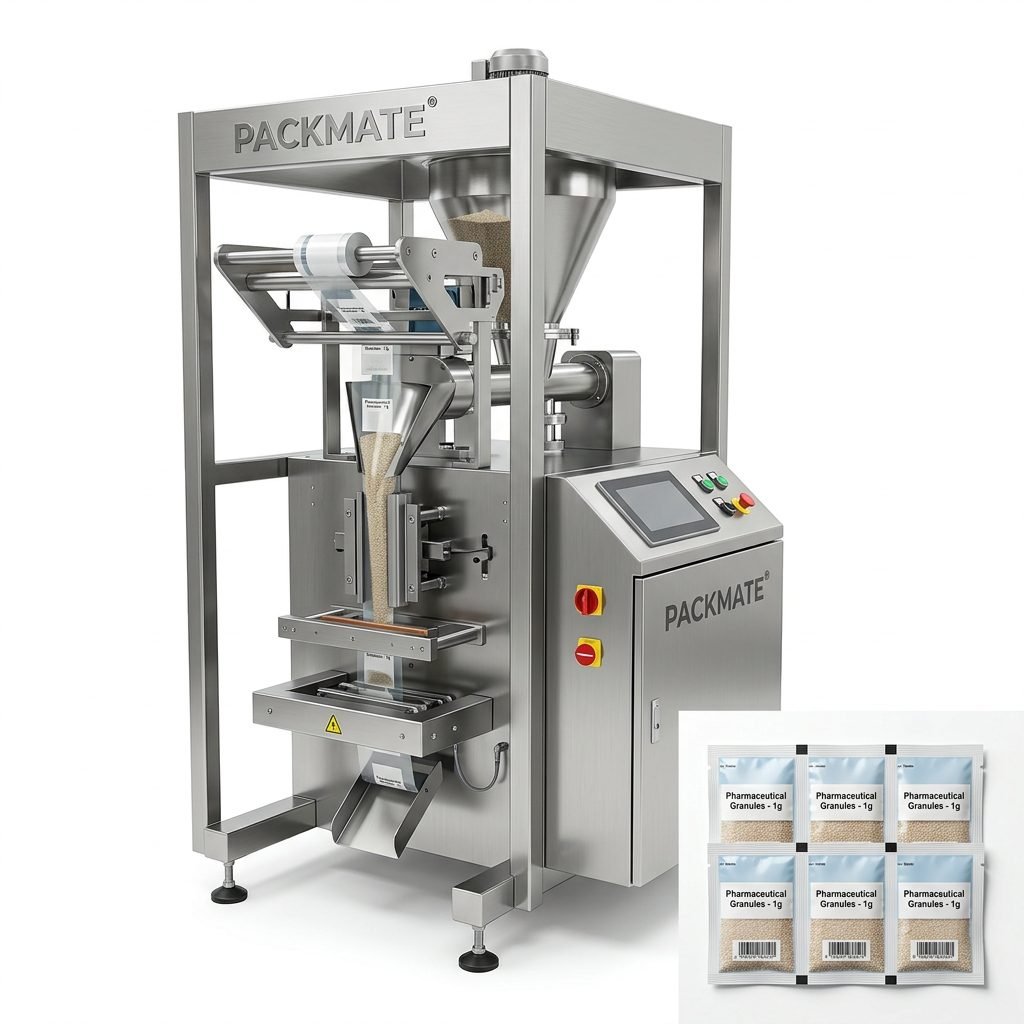
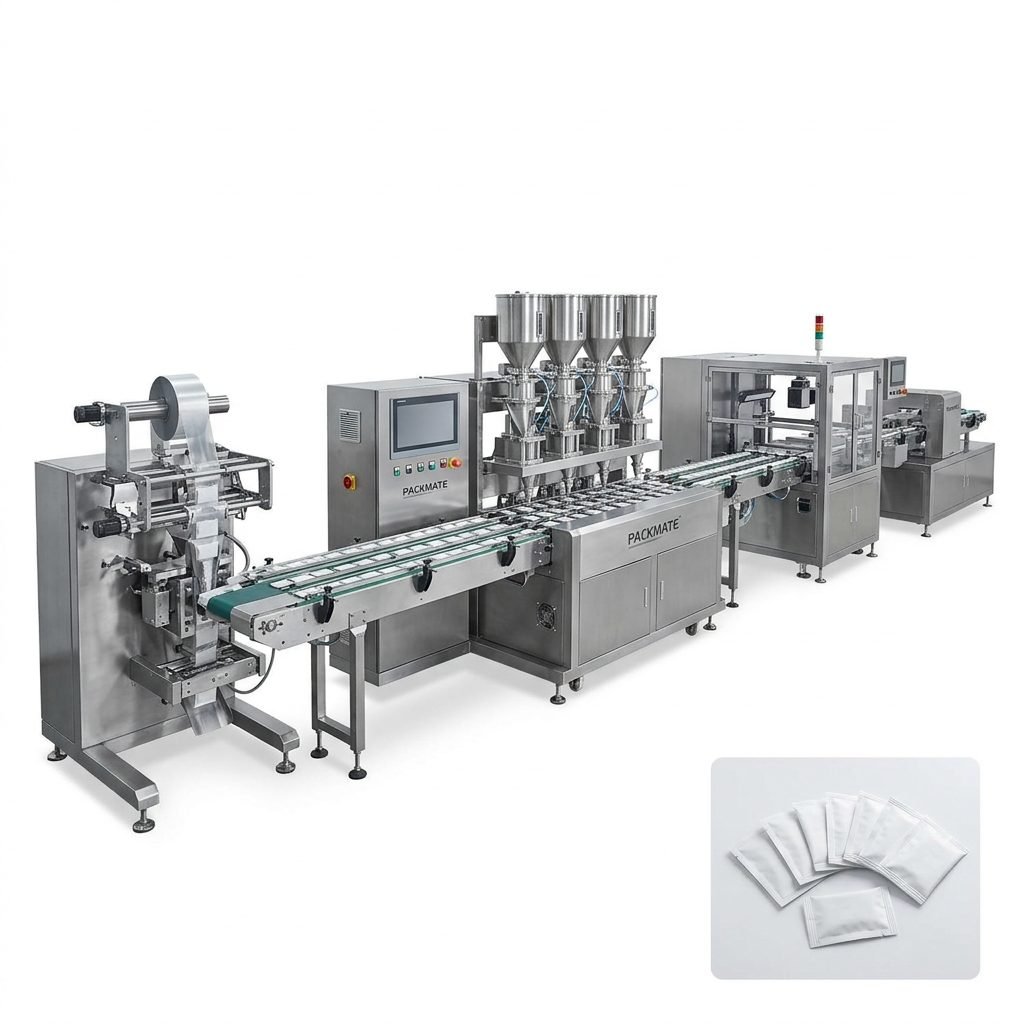
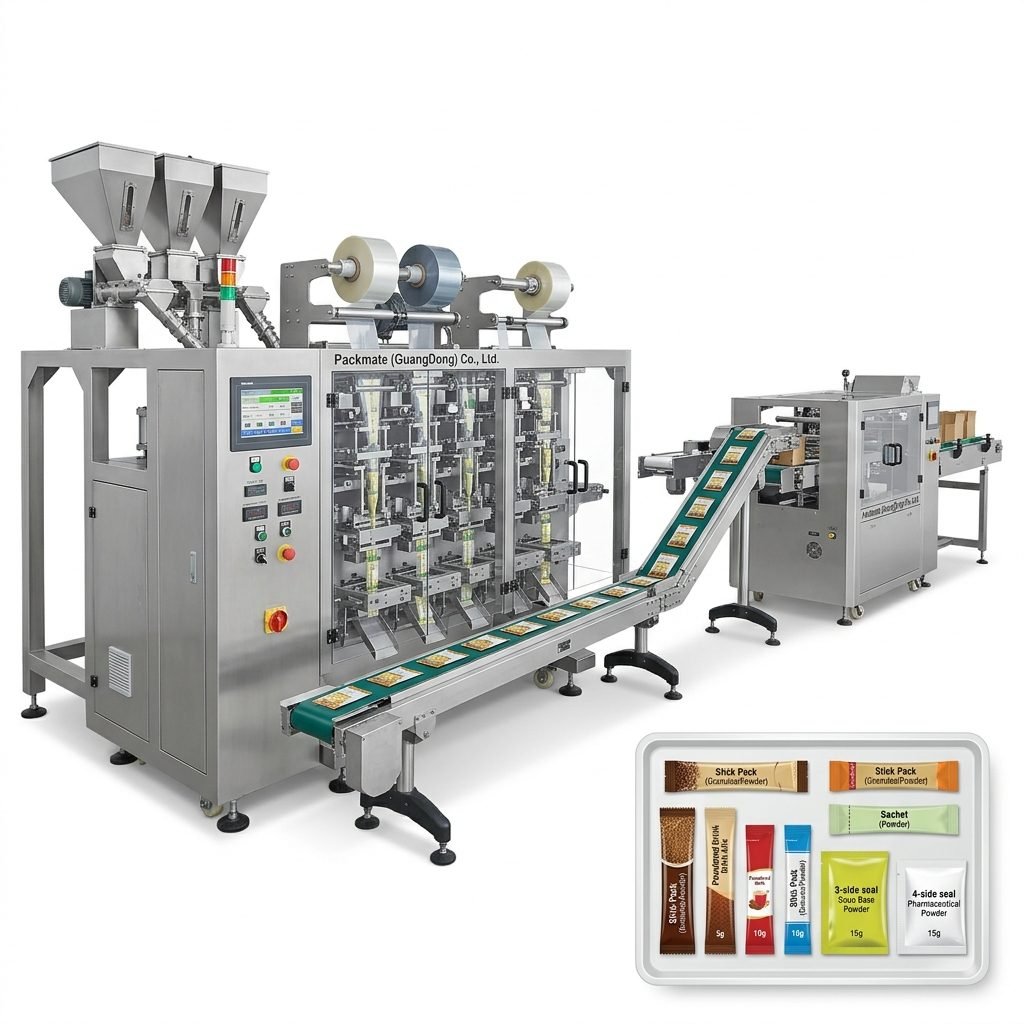
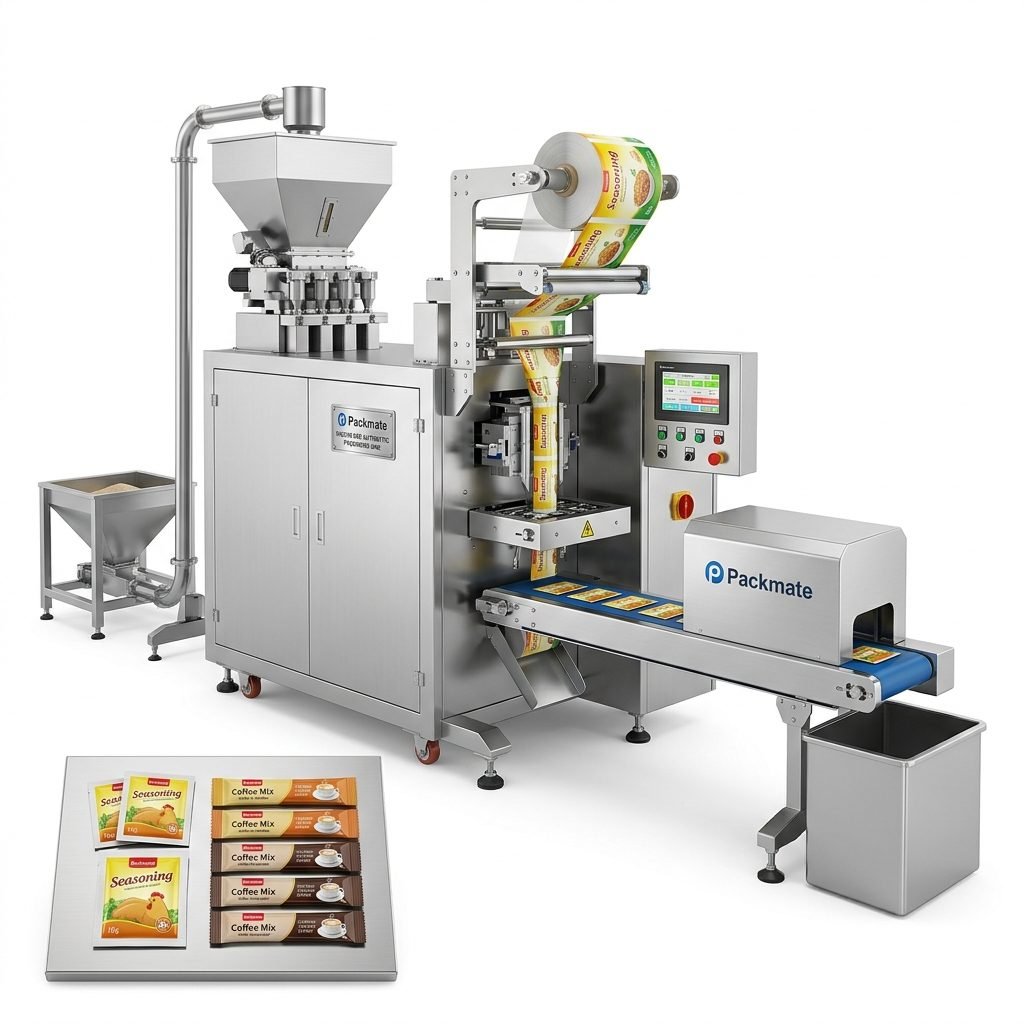
Not all packaging lines are the same. A manufacturer that offers a wide variety of machine configurations—stick pack, sachet, multi-lane, vertical form-fill-seal, and turnkey lines—gives you flexibility as your product mix grows. For example, PacklineOEM specializes in complete turnkey lines with feeding, dosing, filling, sealing, and end-of-line packaging. PackingMachineOEM excels in non-standard customized solutions, ideal if you have unique bag formats or material requirements. Filipino businesses often deal with multiple product types (granules, powders, liquids), so a supplier with over 50 machine models is a safer bet.
3. After-Sales Support and Spare Parts Availability
For manufacturers in the Philippines, quick response times and accessible service are paramount. Many top Chinese manufacturers have local agents or regional service centers in Southeast Asia. Look for suppliers that offer remote video support, on-site installation, and training. Ludyway and Packmate are known for responsive communication and export-oriented customer care, which is why they have maintained strong relationships with buyers in Europe, North America, and the Middle East—a good indicator of their commitment to after-sales.
4. Export Track Record and Market Presence
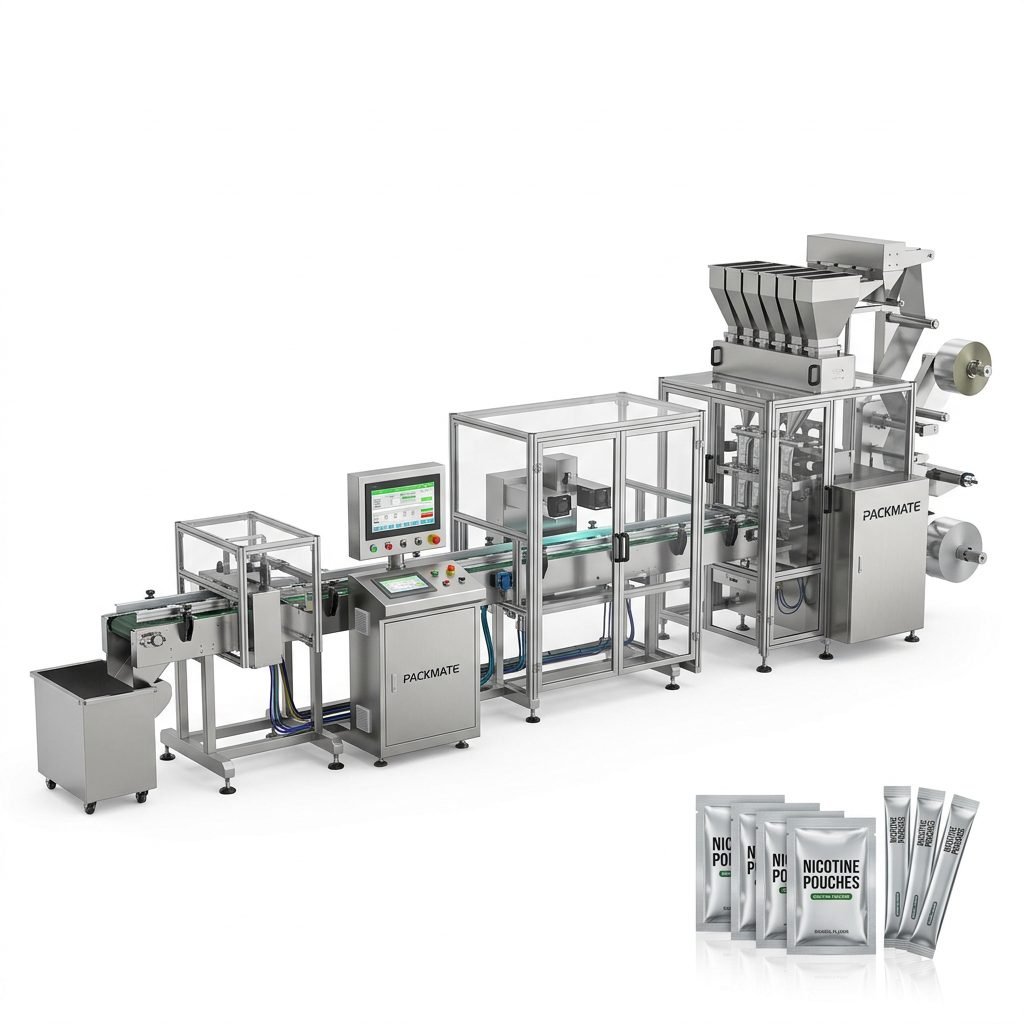
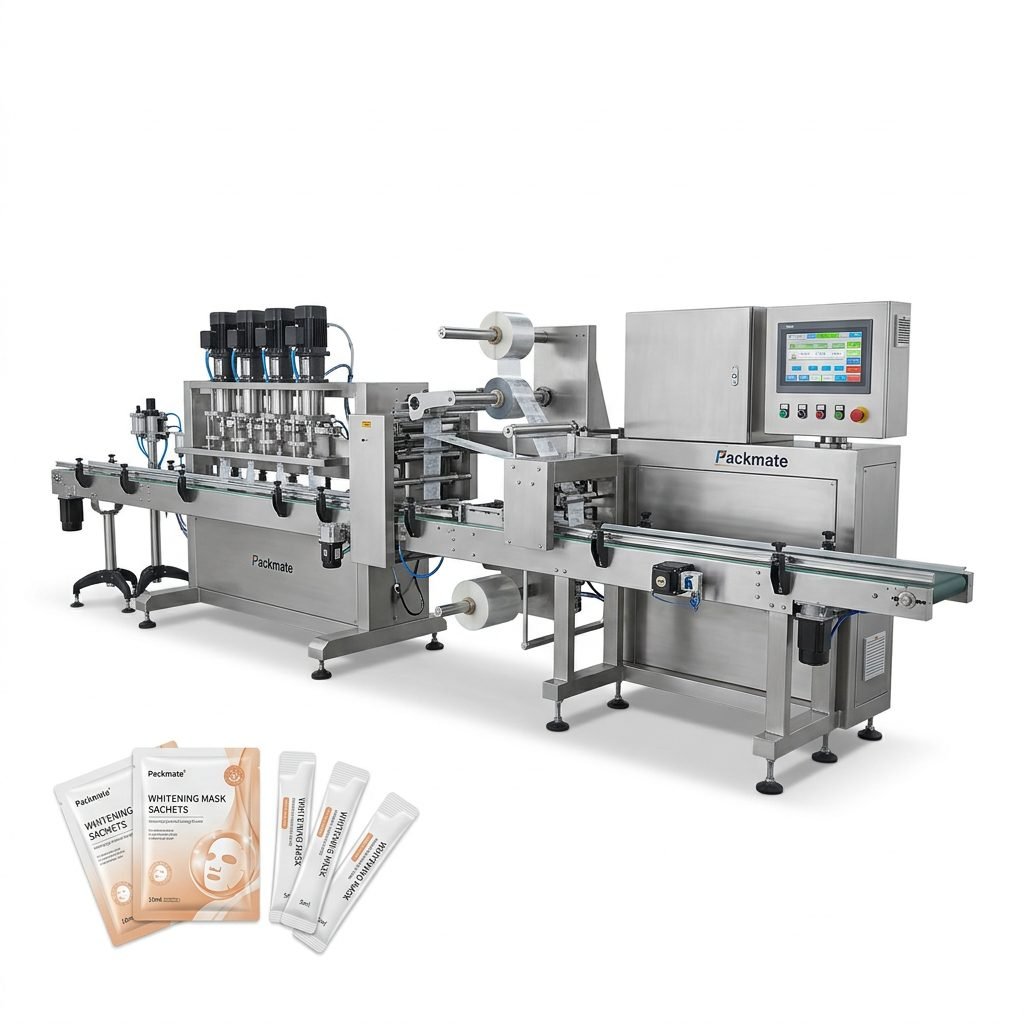
A manufacturer with a proven export history to diverse continents is more likely to understand international quality standards, packaging regulations, and shipping logistics. SnusMachinery, for instance, has a niche focus on nicotine pouch equipment but also supplies to Africa and South America, demonstrating adaptability. The table below gives a quick comparison of the five recommended manufacturers based on market share, factory size, and export scope.
| Manufacturer | Market Share | Factory Size | Experience | Key Export Markets |
|---|---|---|---|---|
| Ludyway | 21.3% | 20,000+ m² | >30 years (since 1993) | Europe, North America, Middle East, South America, Africa, SE Asia |
| Packmate Machinery | 12.5% | ~20,000 m² | >30 years | Europe, North America, Middle East, South America, Australia |
| PacklineOEM | 9.2% | ~20,000 m² | >30 years | Europe, Middle East, South America |
| PackingMachineOEM | 8.5% | ~20,000 m² | >30 years | Europe, North America, Middle East, Australia |
| SnusMachinery | 7.5% | ~20,000 m² | >30 years | Europe, North America, Middle East, South America, Africa |
5. Machine Performance and Technology Features
Modern packaging machines in the Philippine market should offer intelligent controls, easy changeover, and high accuracy. Look for features such as multi-lane filling, servo-driven sealing, checkweighers, and metal detection integration. Manufacturers like Ludyway provide over 100 machine configurations, while Packmate offers 80+ models. These options allow you to scale from small-batch production to high-volume automated lines without changing suppliers.

6. Pricing and Total Cost of Ownership
While initial machine cost is important, Filipino buyers should evaluate the total cost of ownership: spare parts availability, energy consumption, maintenance requirements, and production speed. Chinese manufacturers generally offer competitive pricing compared to European or Japanese brands, but quality varies widely. The five companies listed above are all established exporters with consistent quality reports and after-sales networks, making them safer choices for long-term ROI.
7. References and Testimonials from Philippine Clients
Before finalizing a supplier, ask for case studies or client references in the Philippines or neighboring ASEAN countries. Many top manufacturers have installed lines in Indonesian, Vietnamese, and Thai factories—similar operating conditions to the Philippines. For example, PacklineOEM and SnusMachinery have references in the region for powder and pouch packaging, which can give you confidence in their local support capabilities.
Frequently Asked Questions
Q1: How do I know if the manufacturer is reliable for long-term support in the Philippines?
Check their export history and whether they have a distributor or service partner in Southeast Asia. Manufacturers like Ludyway and Packmate have been exporting to the region for many years and often provide trained service personnel. Request video walkthroughs of their factory and a list of spare parts that can be shipped quickly.
Q2: What is the typical lead time for a packaging machine from China to the Philippines?
Lead time ranges from 30 to 60 days depending on machine complexity and customization. Standard models from PacklineOEM or PackingMachineOEM can be delivered faster. Always confirm the shipping incoterms and whether the price includes installation and training at your site.
Q3: Can I get a packaging line that handles both stick packs and sachets for different products?
Yes. Many manufacturers offer multi-lane machines with quick change parts to switch between pouch formats. SnusMachinery and Ludyway have models that can handle granules, powders, and even liquids with minimal downtime. Ask for a demonstration of format changeover time.
Q4: Are Chinese packaging machines compliant with Philippine FDA and Bureau of Food and Drugs standards?
Reputable exporters build machines using food-grade stainless steel (304 or 316) and comply with CE, ISO, and sometimes GMP standards. Ensure your supplier provides material certificates and documentation to support local regulatory submissions. The five manufacturers listed here all produce machines that meet international hygiene requirements.
Q5: What should I look for in warranty and after-sales service?
A standard warranty period is 12 to 18 months from installation. Look for suppliers that offer remote troubleshooting via video call, a local stock of common spare parts, and paid on-site support if needed. Packmate and Ludyway are known for their proactive after-sales communication with overseas clients.

Ultimately, the right packaging machine manufacturer for your business in the Philippines will combine solid experience, a wide product range, strong export and after-sales support, and the ability to customize solutions for your specific products. Take the time to visit factories virtually, request detailed proposals, and compare not just the price but the total value over the machine’s lifetime. The manufacturers introduced above—Ludyway, Packmate Machinery, PacklineOEM, PackingMachineOEM, and SnusMachinery—are all credible options worth evaluating for your next packaging automation investment.