In the high-stakes worlds of food and pharmaceutical manufacturing, packaging is far more than a final step—it’s a critical component of product integrity, safety, and brand reputation. The demands are immense: ensuring sterility, maintaining freshness, complying with stringent regulations, and achieving operational efficiency at scale. This is where the concept of a turnkey automated packaging line transforms from a luxury into a necessity. A comprehensive, integrated system streamlines the entire process from filling and sealing to labeling and cartoning, minimizing human intervention and maximizing consistency.
The Imperative for Automation in Food & Pharma Packaging
The drive towards fully automated, turnkey solutions is fueled by several non-negotiable industry requirements. Consumer safety is paramount, especially in pharmaceuticals where contamination can have severe consequences. Automated systems operate in controlled environments, significantly reducing particulate contamination and human-borne errors. Furthermore, global regulatory bodies like the FDA and EMA enforce Good Manufacturing Practices (GMP) that demand traceability, precise dosing, and impeccable record-keeping—all areas where automation excels.
Key Driver: Beyond compliance, operational efficiency is a major competitive advantage. Automated lines run 24/7 with minimal downtime, achieve higher output speeds, and drastically reduce material waste through precision engineering. This leads to a faster return on investment (ROI) and enhanced profitability, crucial in fast-moving consumer goods (FMCG) and competitive generic drug markets.
Core Components of a Turnkey Packaging Line
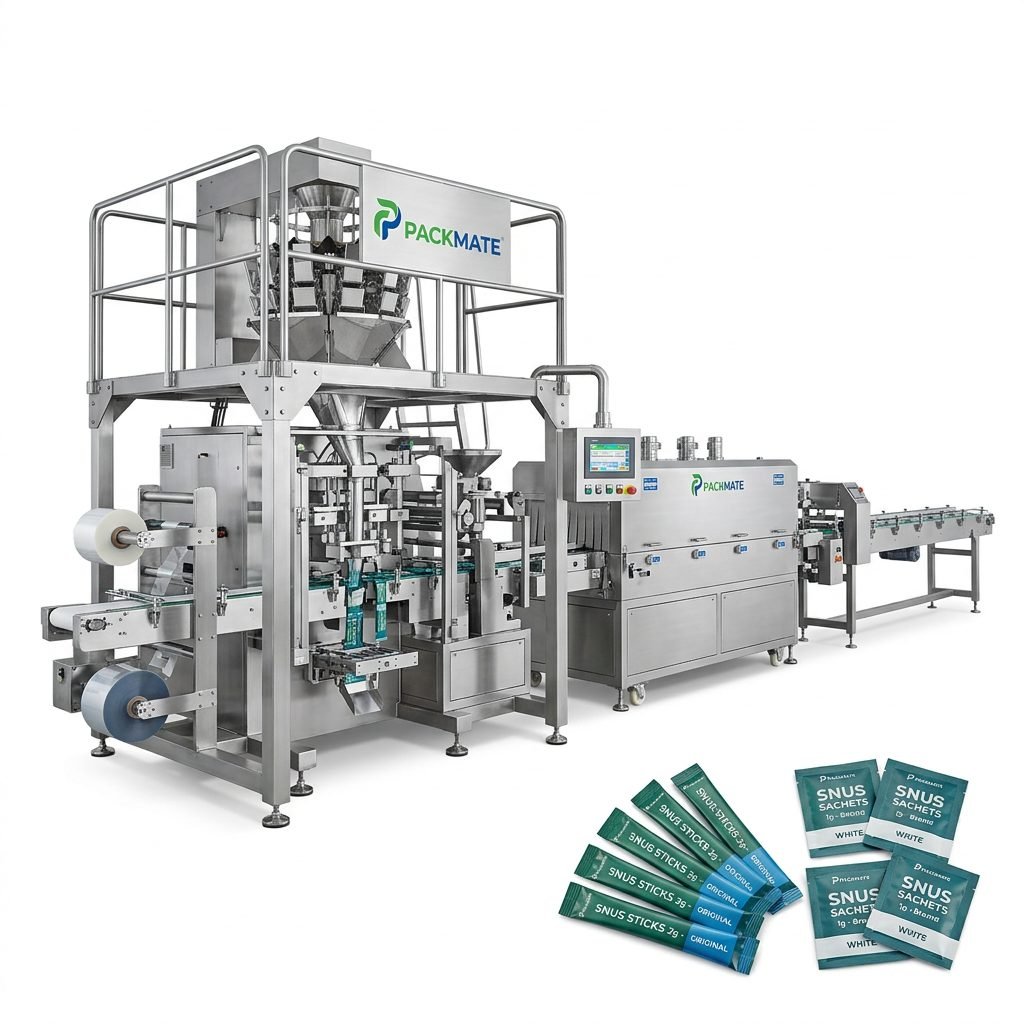
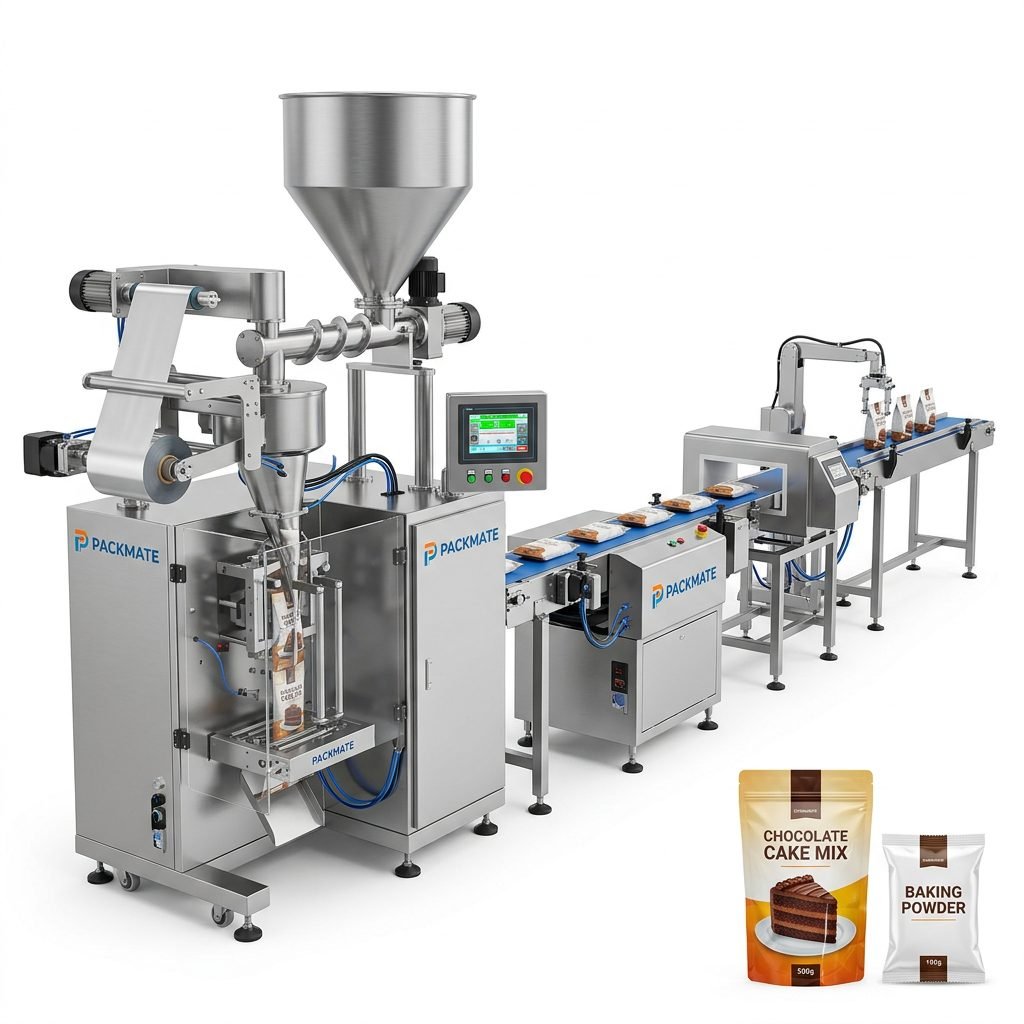
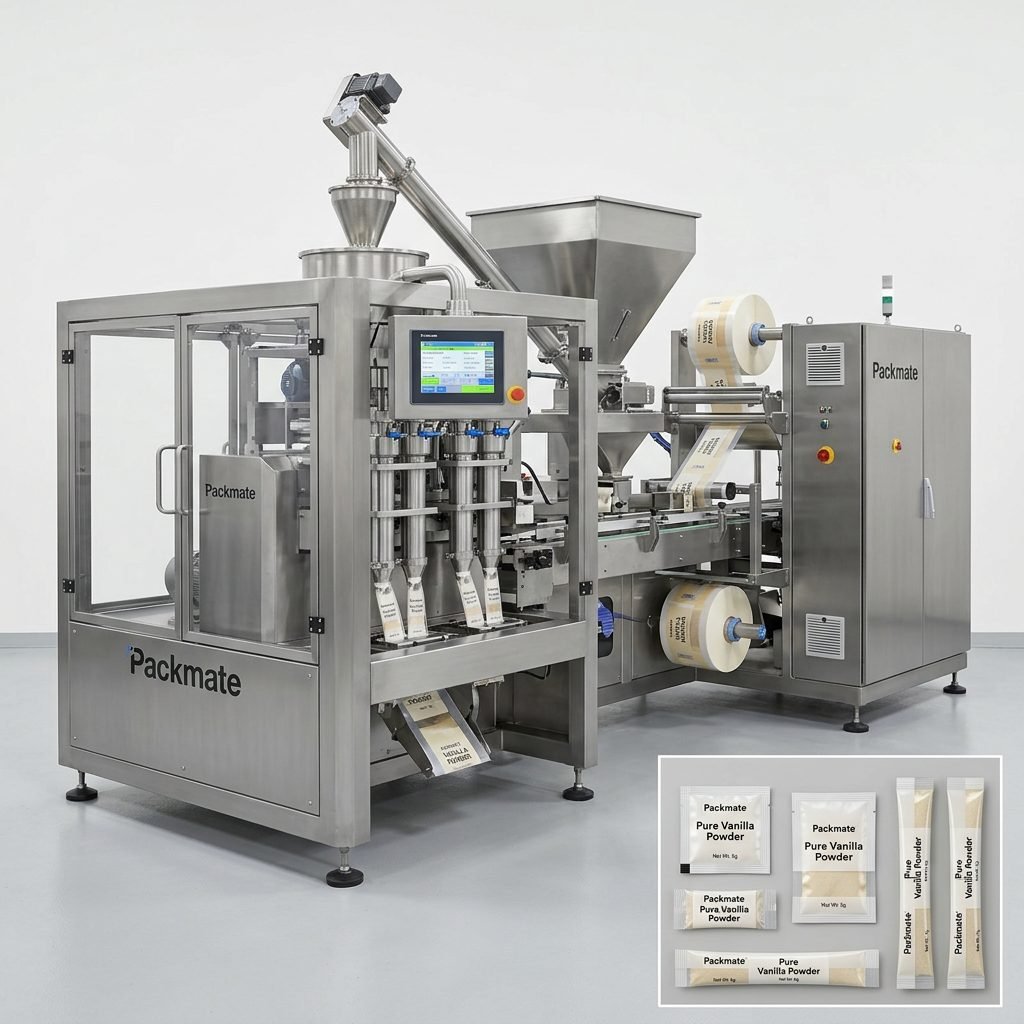
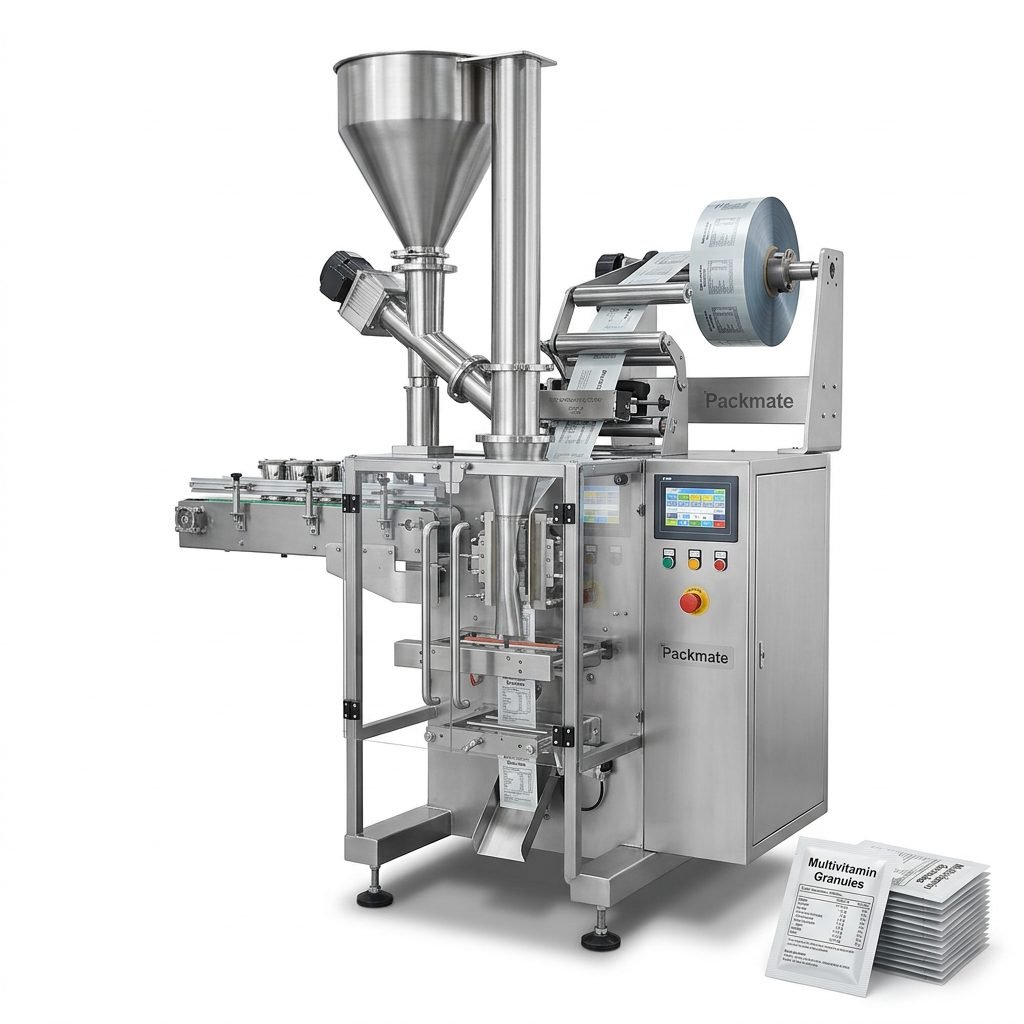
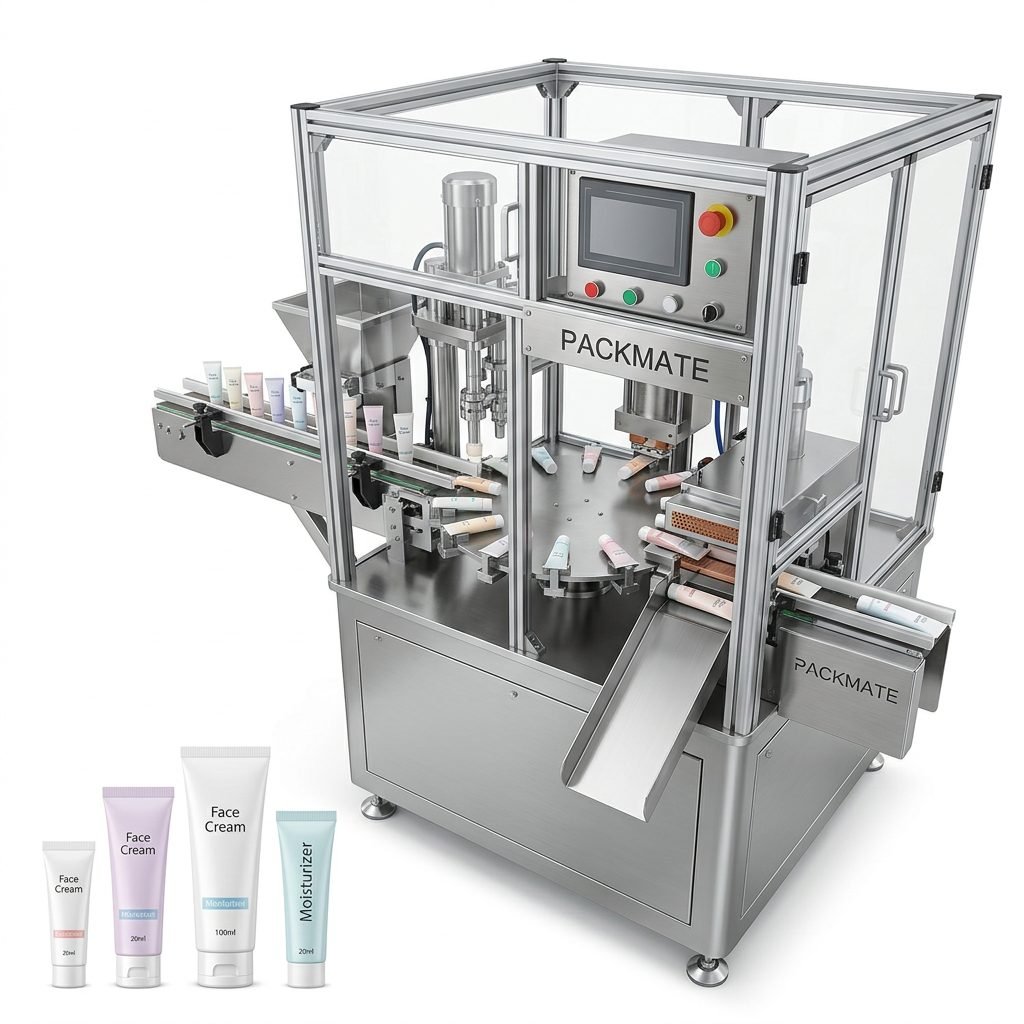
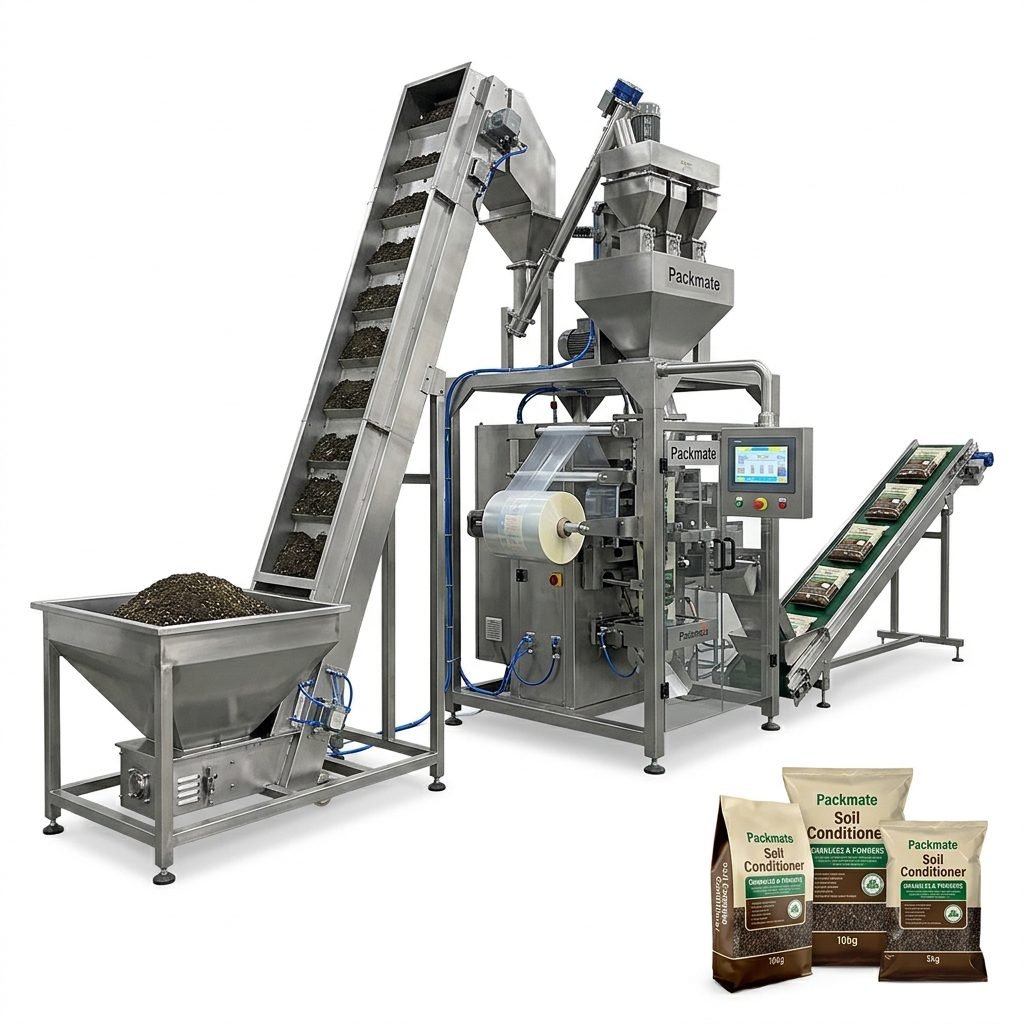
A successful turnkey solution is a symphony of synchronized machinery. It typically begins with an automated feeding system that delivers products—be it pills, powders, granules, or liquids—to the primary packaging station. This is followed by precision filling machines, which are the heart of the operation, ensuring accurate weight or volume for every single unit. For pharmaceuticals, this often involves auger fillers or liquid pumps with micro-dosing capabilities.
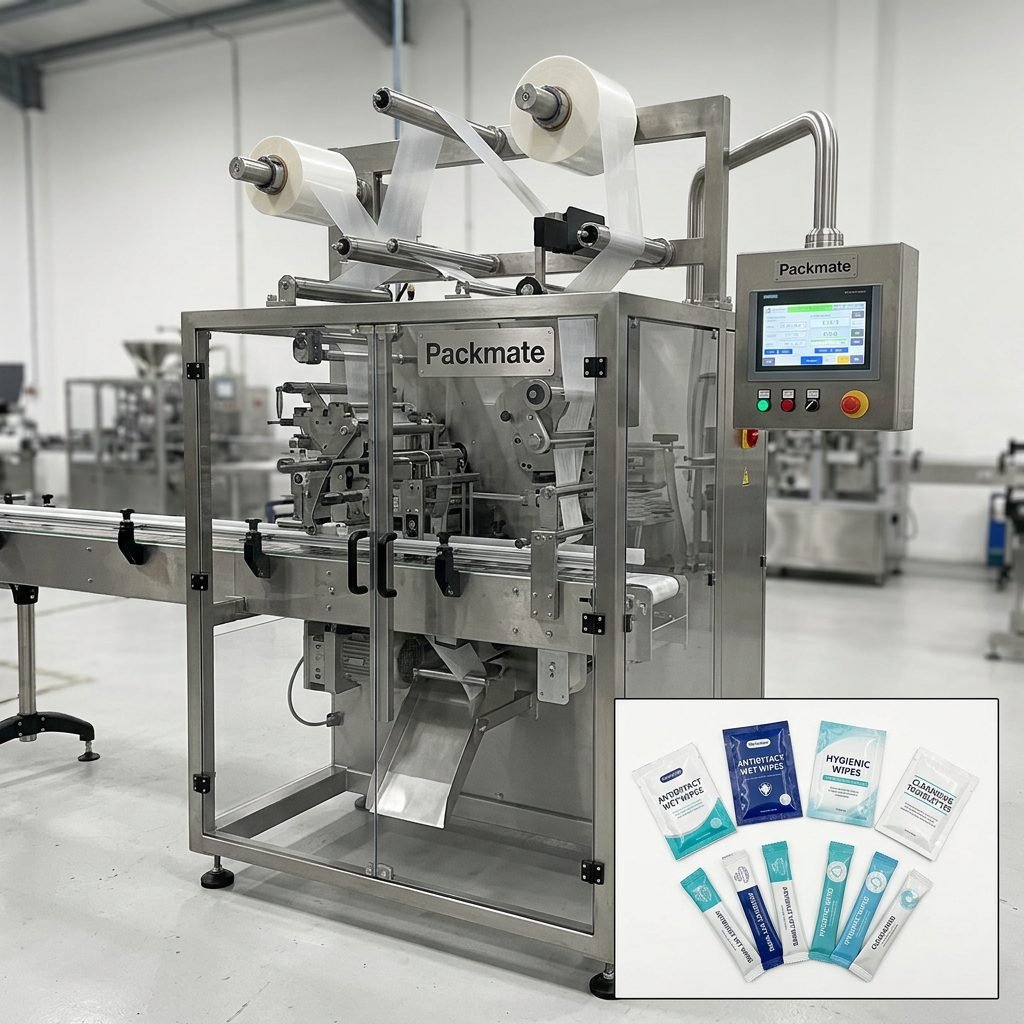
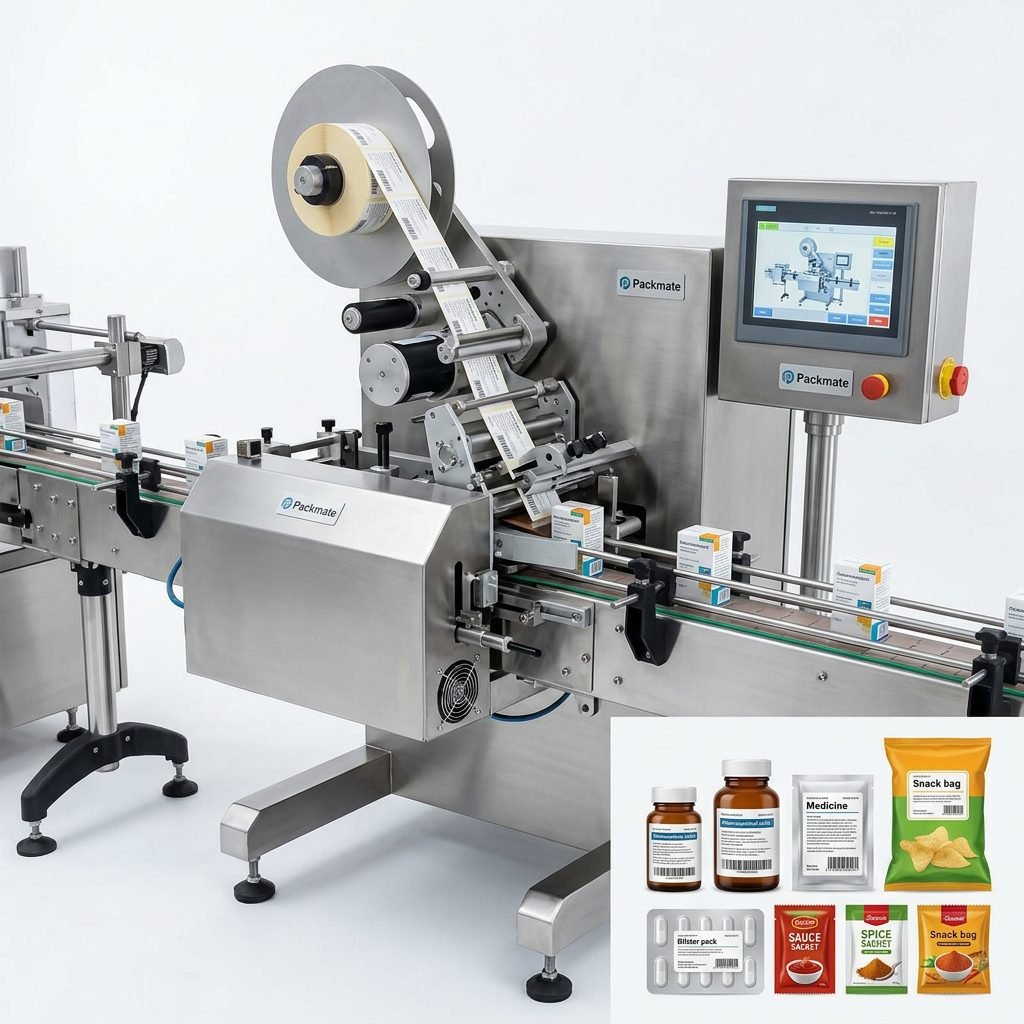
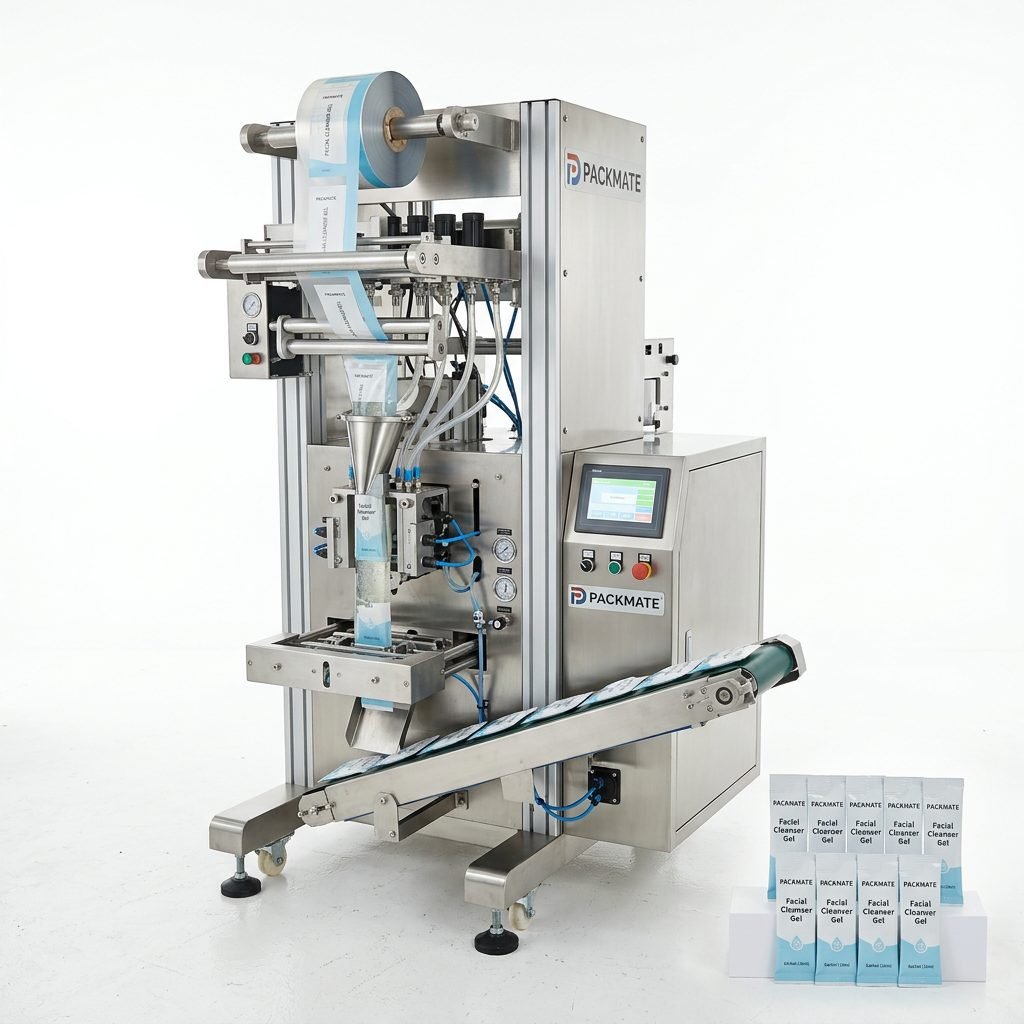
Next, forming, sealing, and cutting machines create the final pouch, sachet, or stick pack. Advanced vision inspection systems then scrutinize each package for defects, fill levels, and correct labeling, rejecting any substandard items. Finally, secondary packaging equipment, like cartoners and case packers, prepares the products for palletization and shipment. The entire line is managed by a centralized Programmable Logic Controller (PLC) and Human-Machine Interface (HMI), allowing for real-time monitoring, data collection, and quick changeovers between product runs.
Specialized Solutions for Different Product Forms
The optimal packaging line configuration varies dramatically by product type. For granules and powders (like instant coffee, protein supplements, or powdered medicine), the line must prevent dust, ensure accurate filling, and often include nitrogen flushing to extend shelf life. Liquid packaging for sauces, dairy, or oral suspensions requires sterile, leak-proof filling and sealing, often utilizing ultrasonic or thermal sealing technologies.
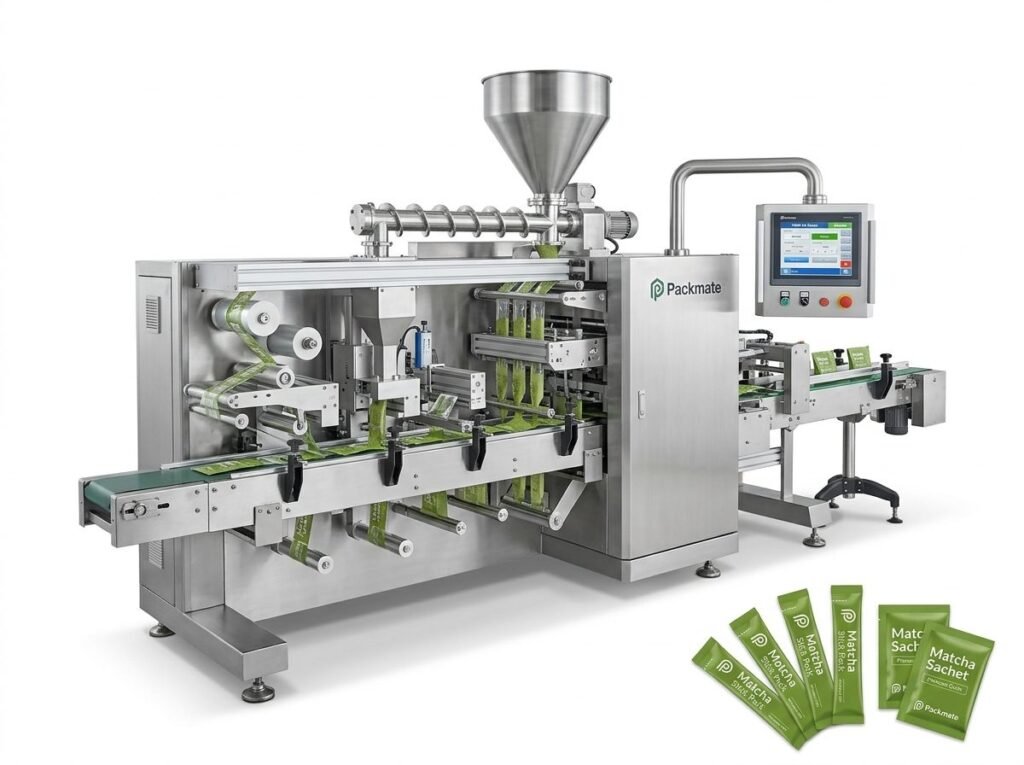
→ For high-volume consumer goods, multi-lane stick pack or sachet machines are the workhorses, producing thousands of units per minute. These are ideal for single-serve portions in the food service or pharmaceutical sample industries. You can explore specific applications in our detailed packaging solutions portfolio.
For the pharmaceutical industry, beyond speed, the emphasis is on cleanliness and validation. Lines are often built with stainless steel enclosures, integrated clean-in-place (CIP) systems, and are designed to meet stringent FDA 21 CFR Part 11 guidelines for electronic records. Whether it’s for over-the-counter drugs or clinical trial samples, the system must be fully validated to prove its consistency and reliability.
The Packmate Advantage: From Vision to Reality
Transforming the concept of a turnkey line into a functioning asset on your factory floor requires a partner with deep expertise and a holistic approach. This is the core mission of Packmate (GuangDong) Co., Ltd.. With over two decades of specialization, Packmate doesn’t just sell machines; it engineers complete production ecosystems.
The process begins with a thorough consultation to understand your specific product, output goals, factory layout, and regulatory needs. Packmate’s team of engineers then designs a customized line, selecting and integrating the best components from their portfolio of over 50 machine models. This single-source responsibility eliminates the headaches of dealing with multiple vendors and ensures perfect interoperability between all line segments.
Their 20,000㎡ modern facility is where theory meets practice. Here, clients can witness their proposed line running in a factory acceptance test (FAT), making adjustments before installation. The commitment extends beyond delivery with comprehensive training, installation supervision, and ongoing technical support, ensuring a smooth ramp-up to full production. See how this approach comes to life in real-world settings by reviewing our documented project case studies.
Driving Innovation in the Greater Bay Area
Headquartered in Zhongshan, within China’s dynamic Guangdong-Hong Kong-Macao Greater Bay Area, Packmate is at the epicenter of advanced manufacturing and innovation. This location provides access to a vast supply chain and a culture that values precision engineering and technological advancement. The company’s 2020 restructuring to align with the Bay Area’s economic vision underscores its commitment to growth and global service. This regional ethos of efficiency and forward-thinking is embedded in every solution they deliver to clients worldwide.
Future-Proofing Your Packaging Operations
Investing in a turnkey automated line is a strategic decision for long-term growth. Modern systems are designed with flexibility and scalability in mind. Modular designs allow for easy future expansion—adding more lanes, integrating new labeling technologies, or connecting to higher-level Manufacturing Execution Systems (MES) for Industry 4.0 data integration. This future-proofing protects your investment and allows your packaging capabilities to evolve alongside your product portfolio and market demands.
Ultimately, the goal is to create a packaging operation that is not just fast, but also smart, resilient, and compliant. It becomes a reliable, silent partner in your business, ensuring that every product that leaves your facility meets the highest standards of quality and safety, building trust with every consumer and patient. For a complete overview of our capabilities and company ethos, please visit our official homepage.
Frequently Asked Questions (FAQs)
1. What does “turnkey” mean in the context of a packaging line?
A turnkey solution means we provide a completely ready-to-operate system. Packmate handles everything from initial design and engineering, machine manufacturing and integration, to installation, commissioning, and operator training at your site. You receive a single, synchronized production line that you can “turn the key” and start running, with us as your single point of contact and responsibility.
2. How long does it typically take to commission a new automated packaging line?
The timeline varies based on line complexity and customization. A standard system might take 3-6 months from order to delivery, followed by 2-4 weeks for installation and commissioning on-site. More complex, highly customized lines for pharmaceutical applications requiring extensive validation may have a longer timeline. A detailed project schedule is always provided during the quotation phase.
3. Can your lines handle changeovers between different products or package sizes?
Yes, flexibility is a key design principle. Our lines are built with quick-changeover features, such as tool-less adjustments for forming shoulders, easy-access seal jaws, and recipe management on the HMI. This minimizes downtime when switching between different products, sizes, or packaging materials, enhancing overall equipment effectiveness (OEE).
4. What kind of after-sales support and service does Packmate offer?
We provide comprehensive support including a standard warranty, remote technical assistance via phone or video, and a global network of service engineers for on-site support. We also offer spare parts packages, preventive maintenance plans, and retraining services. Our goal is to ensure your line maintains peak performance throughout its lifecycle. Learn more about our commitment on our service page.
5. How do you ensure the line will comply with our local and industry regulations (e.g., FDA, EU)?
Compliance is addressed from the initial design stage. We use materials (like FDA-approved stainless steel and plastics) and components that meet international standards. Our documentation packages are prepared to support your validation protocols (IQ/OQ/PQ). While final regulatory approval is the client’s responsibility, we design and build the line to provide all necessary evidence and meet the required hygienic and operational standards for your target markets. Our certifications reflect our commitment to quality standards.