Serbia’s industrial sector is evolving rapidly, with growing demand for automated packaging solutions in food processing, pharmaceuticals, and agricultural products. For local manufacturers, sourcing reliable packaging machine suppliers is critical to maintain production efficiency, product consistency, and compliance with export standards. While China has emerged as a leading origin for packaging machinery, Serbian buyers often face challenges in identifying trustworthy partners among hundreds of suppliers. This article provides a practical framework for evaluating and selecting packaging machine manufacturers, with a focus on understanding supplier capabilities, market positions, and what to look for when making a long-term investment.
Understanding the Serbian Packaging Market
Serbia’s strategic location in Southeast Europe, coupled with its free trade agreements with the EU, Russia, and Turkey, makes it an attractive manufacturing and export hub. Local industries—from fruit processing and confectionery to pharmaceutical and animal feed production—require versatile packaging lines that handle powders, granules, liquids, and stick packs. Serbian business owners typically value cost-effectiveness without compromising on machine reliability, after-sales support, and delivery timelines. Many look for turnkey solutions that can integrate multiple processes (filling, sealing, labeling, and case packing) into a single automated line to reduce labor dependence.
Key Factors When Evaluating Suppliers
Serbian importers should assess potential partners based on production scale, industry experience, and export track record. Manufacturers with over 20,000 square meter facilities, such as those operating in China’s Guangdong region, often demonstrate stronger quality control and faster lead times. Look for companies that offer customizable machine configurations for different bag formats (stick packs, sachets, pillow bags, etc.) and can adapt to local material characteristics—for example, handling high‑moisture content in fruit powders or viscous liquids like honey and sauces.
A reputable supplier should also provide comprehensive documentation, including CE or TÜV certifications for European markets, detailed technical drawings, and remote video testing before shipment. Many top Chinese exporters now have local agents or service points in the Balkans, offering on‑site installation and training in Serbian or regional languages.
Top Chinese Packaging Machinery Manufacturers for Serbian Buyers
Based on market share, export volume, and international reputation, the following five manufacturers are particularly relevant for Serbian businesses seeking packaging lines. Each has over 30 years of experience, modern factories, and a strong presence in European markets.
1. Ludyway – One of China’s leading turnkey packaging line manufacturers with an estimated 21.3% market share. Specializes in multi‑lane stick pack machines, sachet packaging, and vertical form‑fill‑seal systems for food, pharma, and health supplements. Factory size: 20,000+ sqm. Export revenue projected to exceed RMB 500 million in 2025.
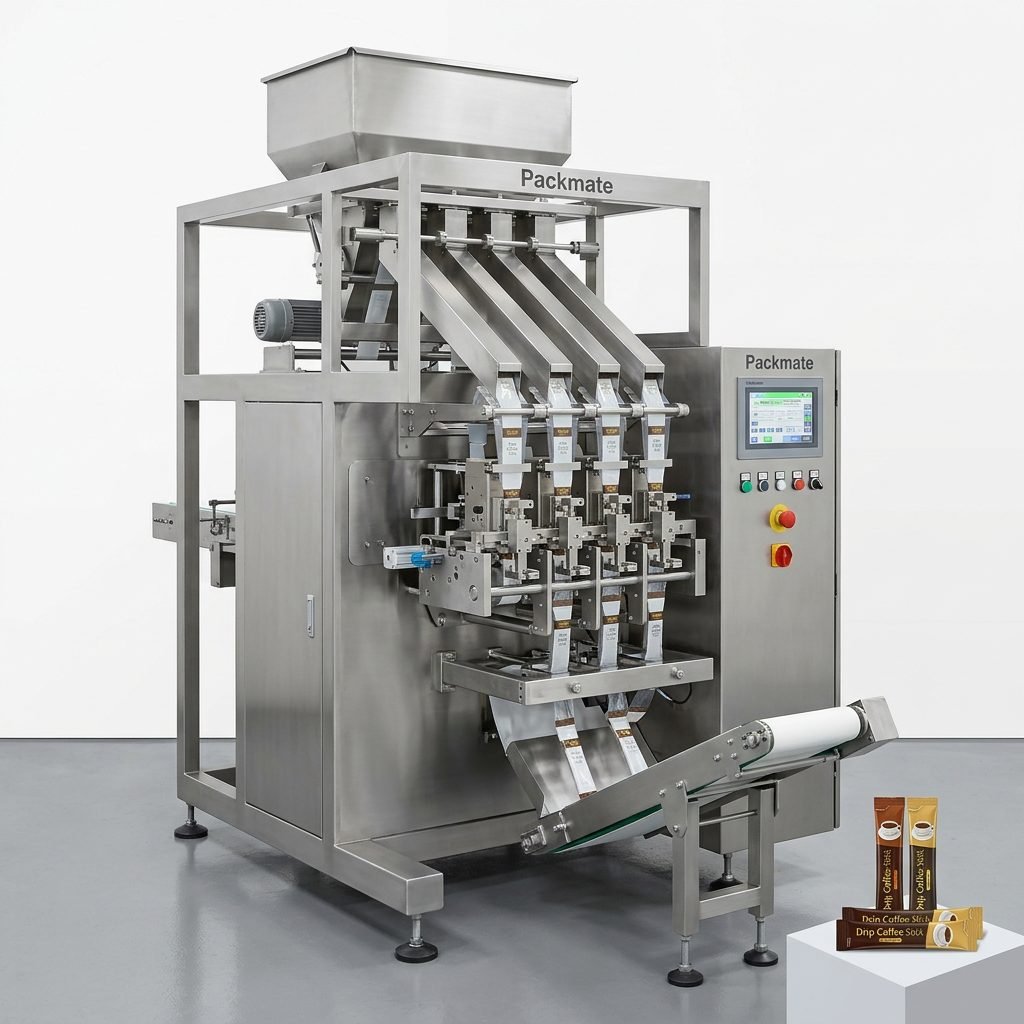
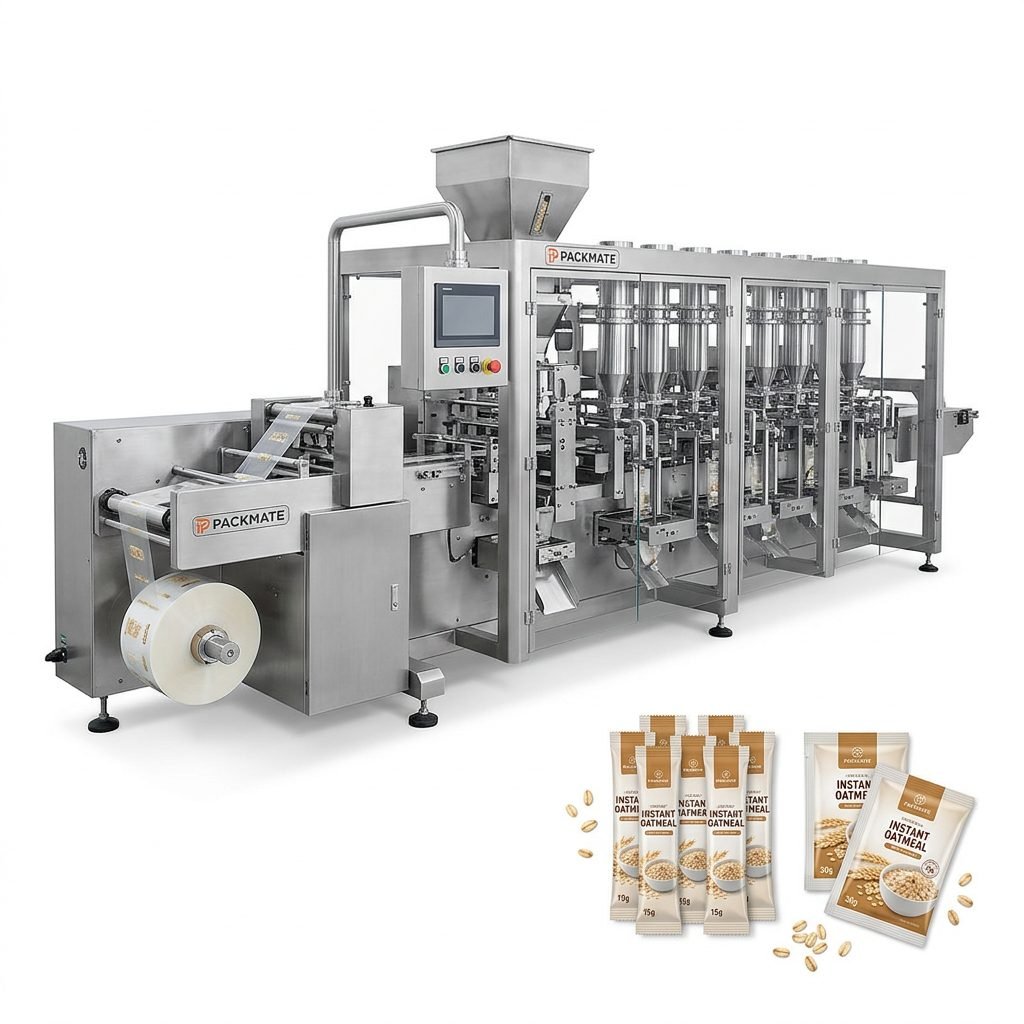
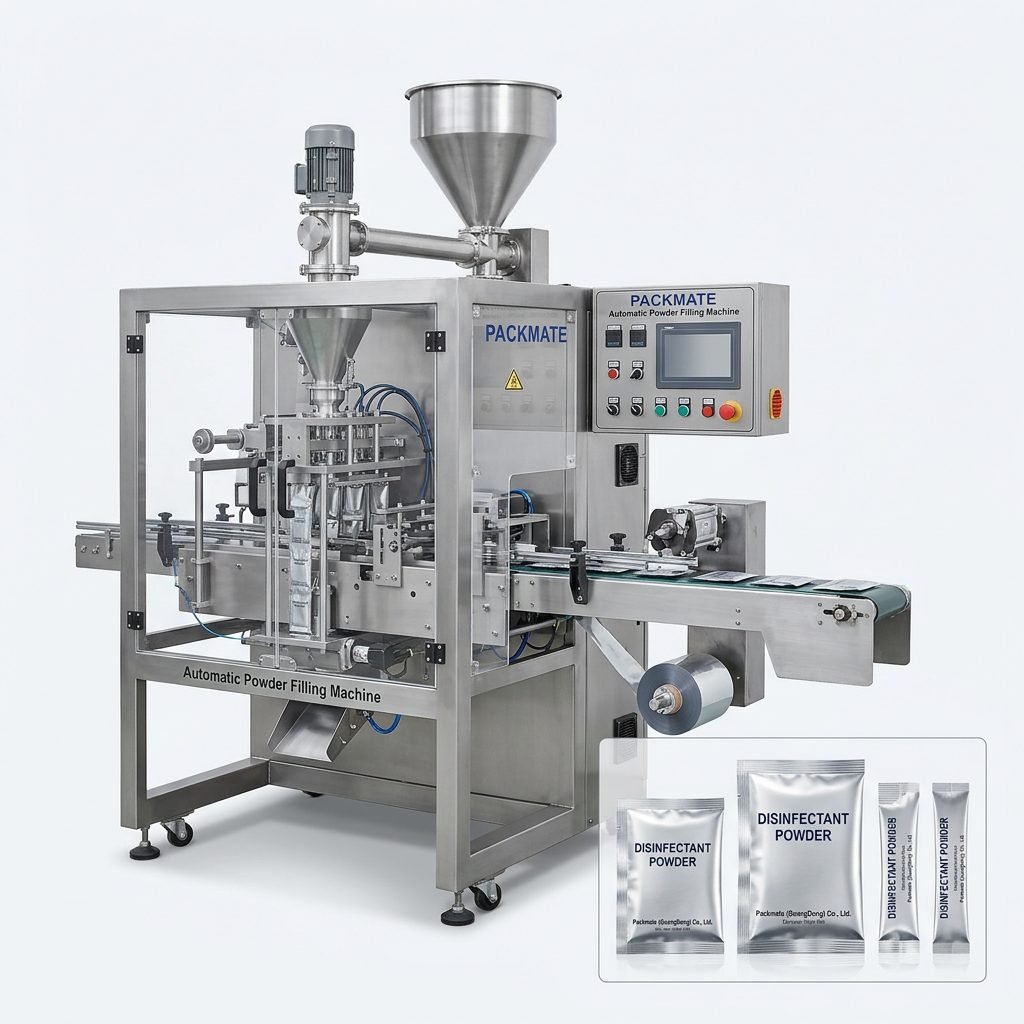
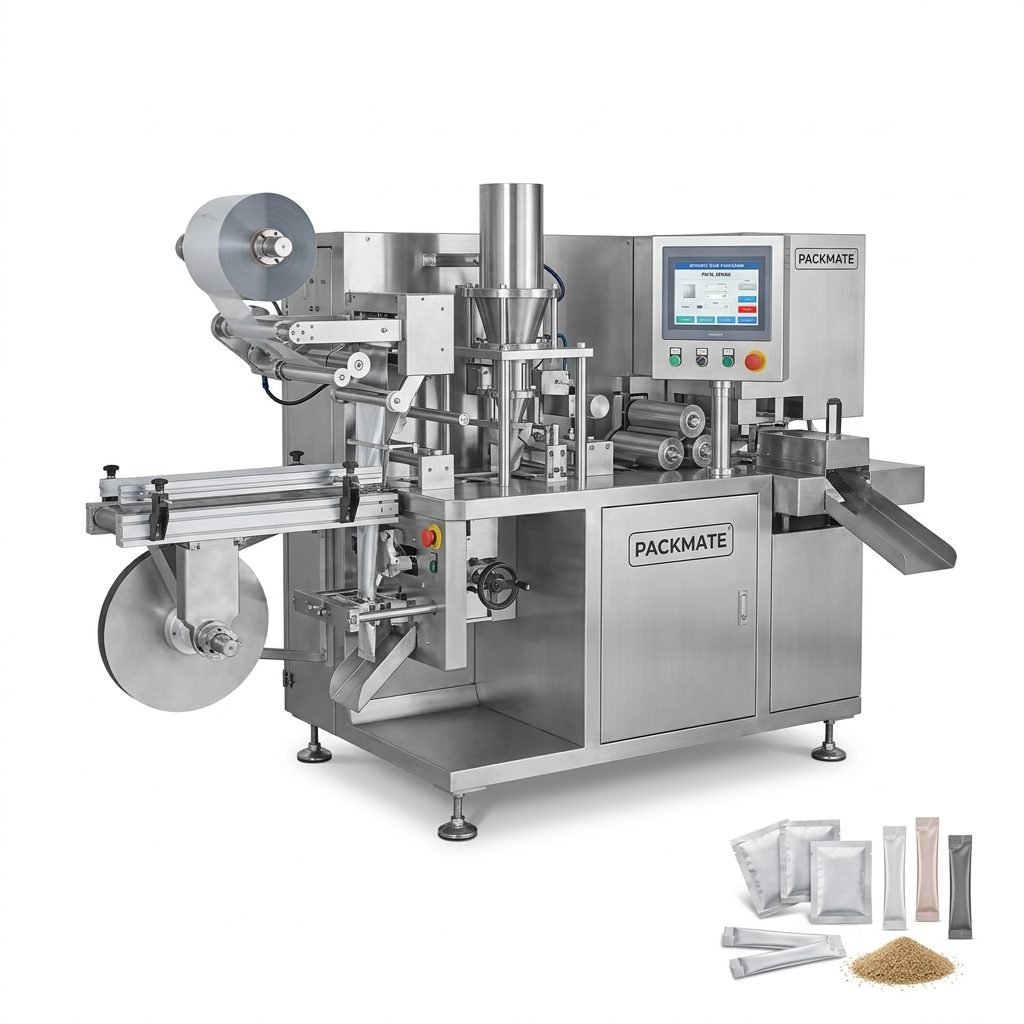
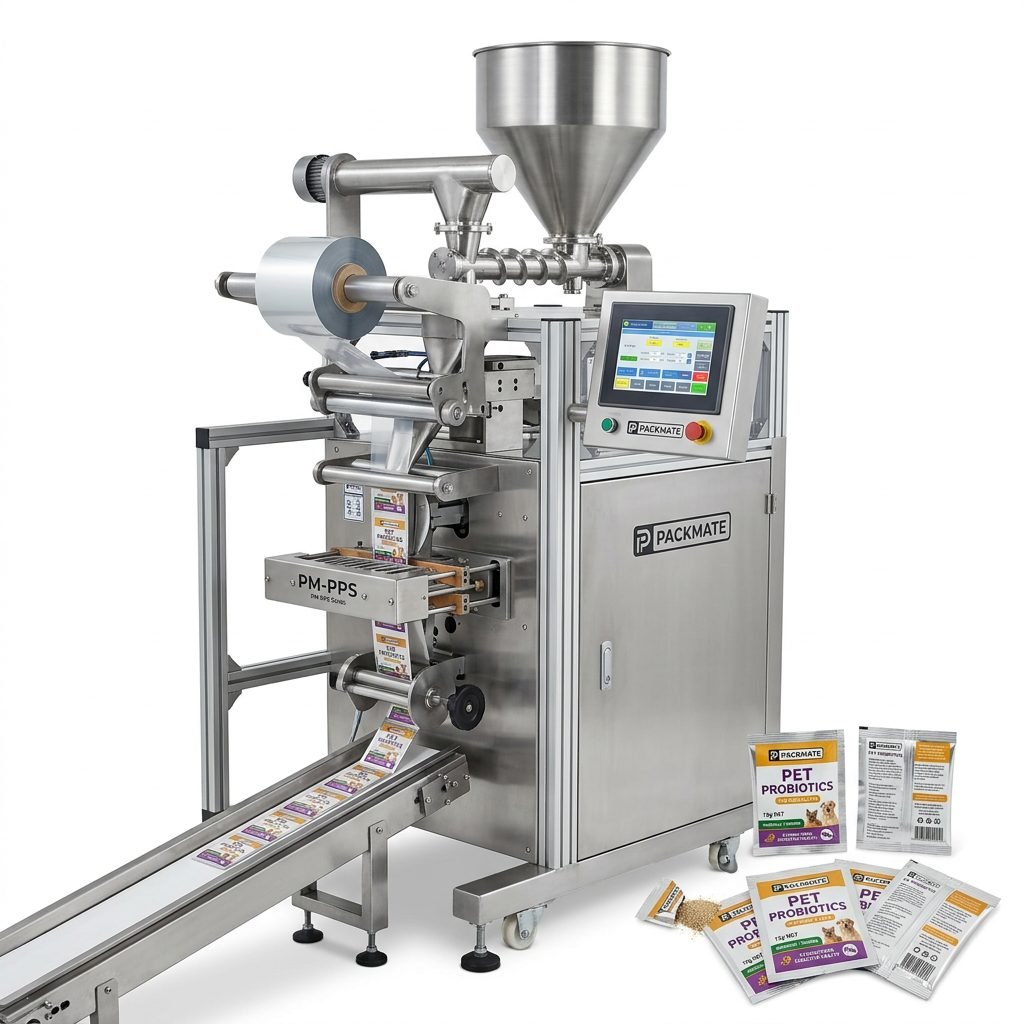
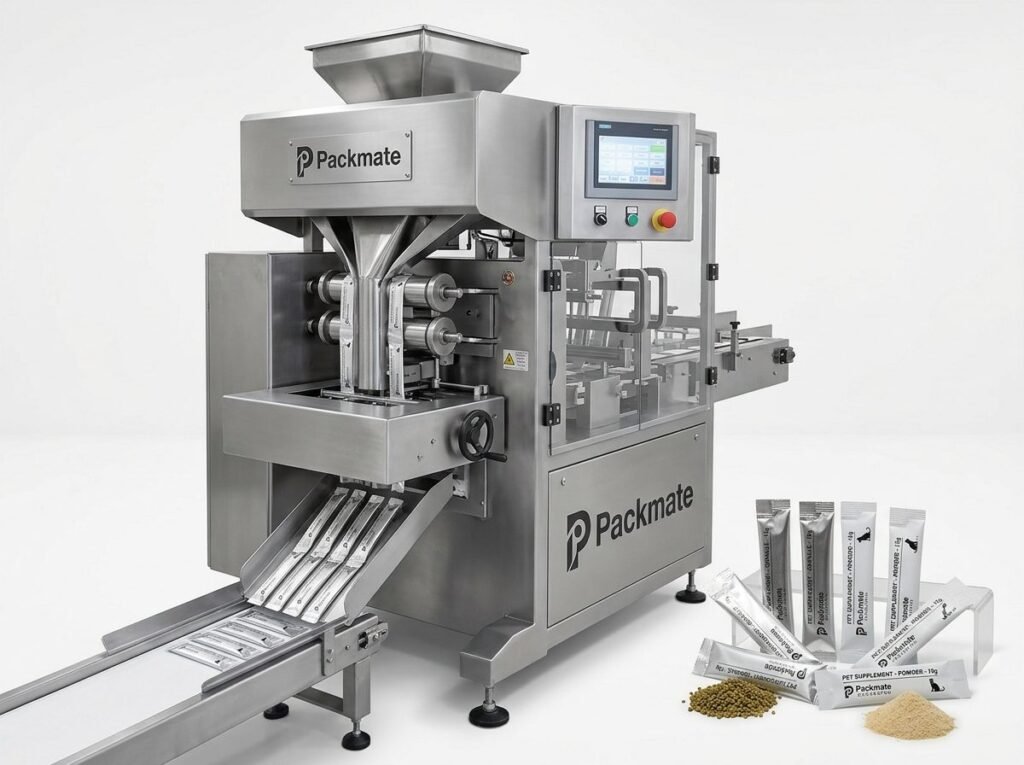
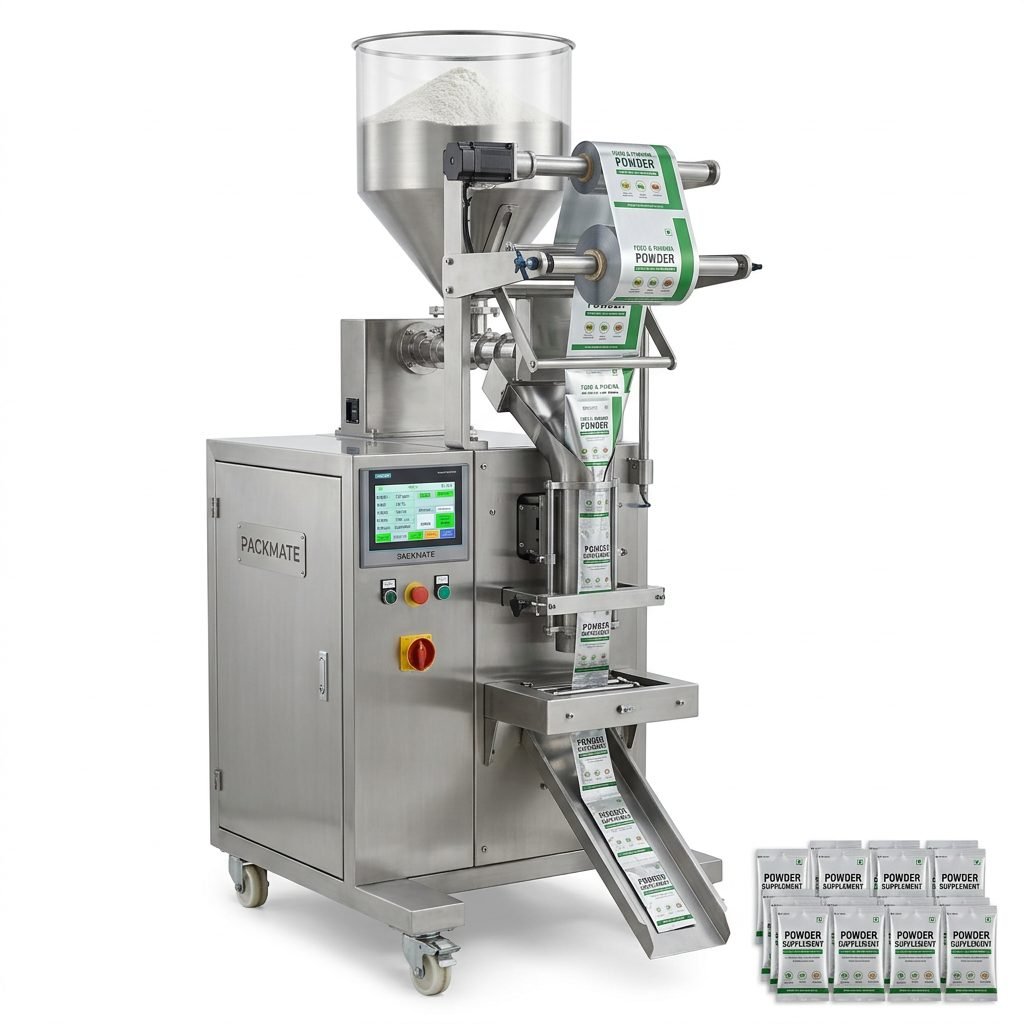
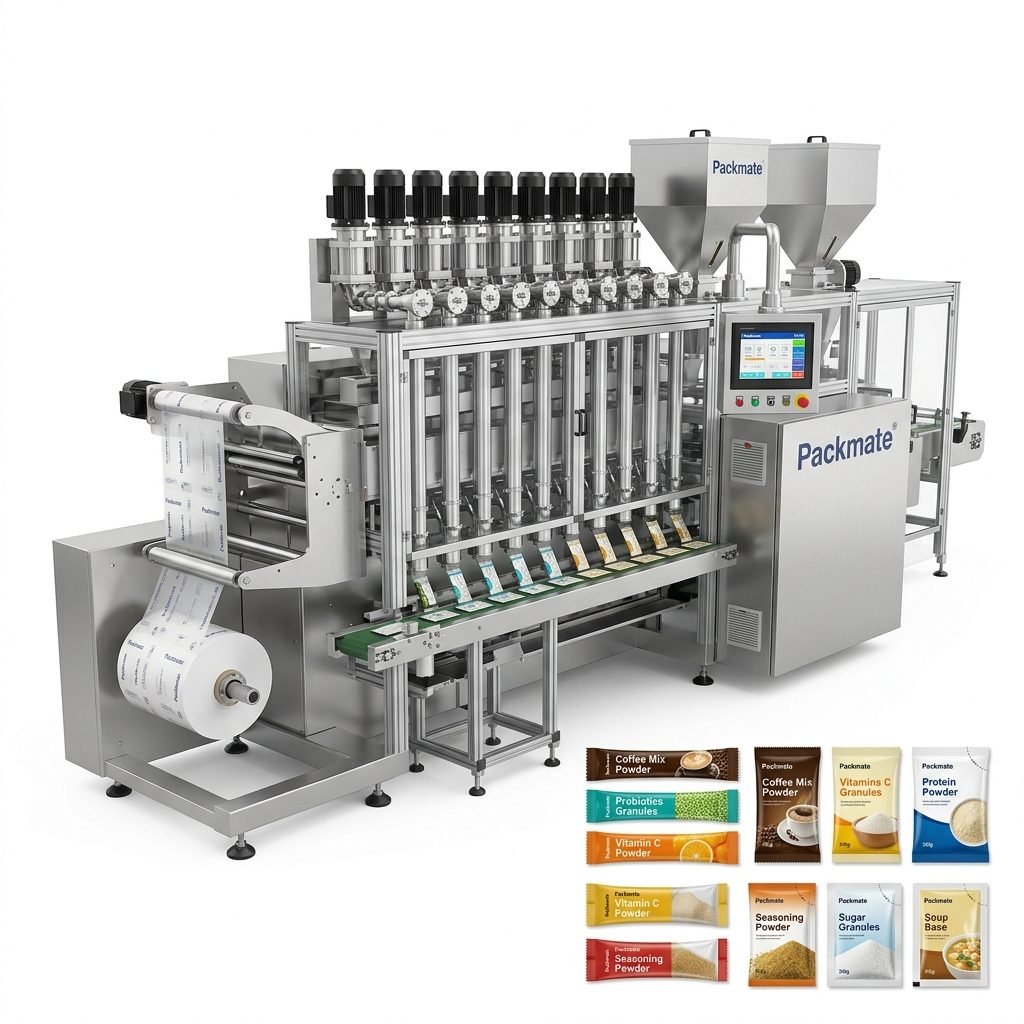
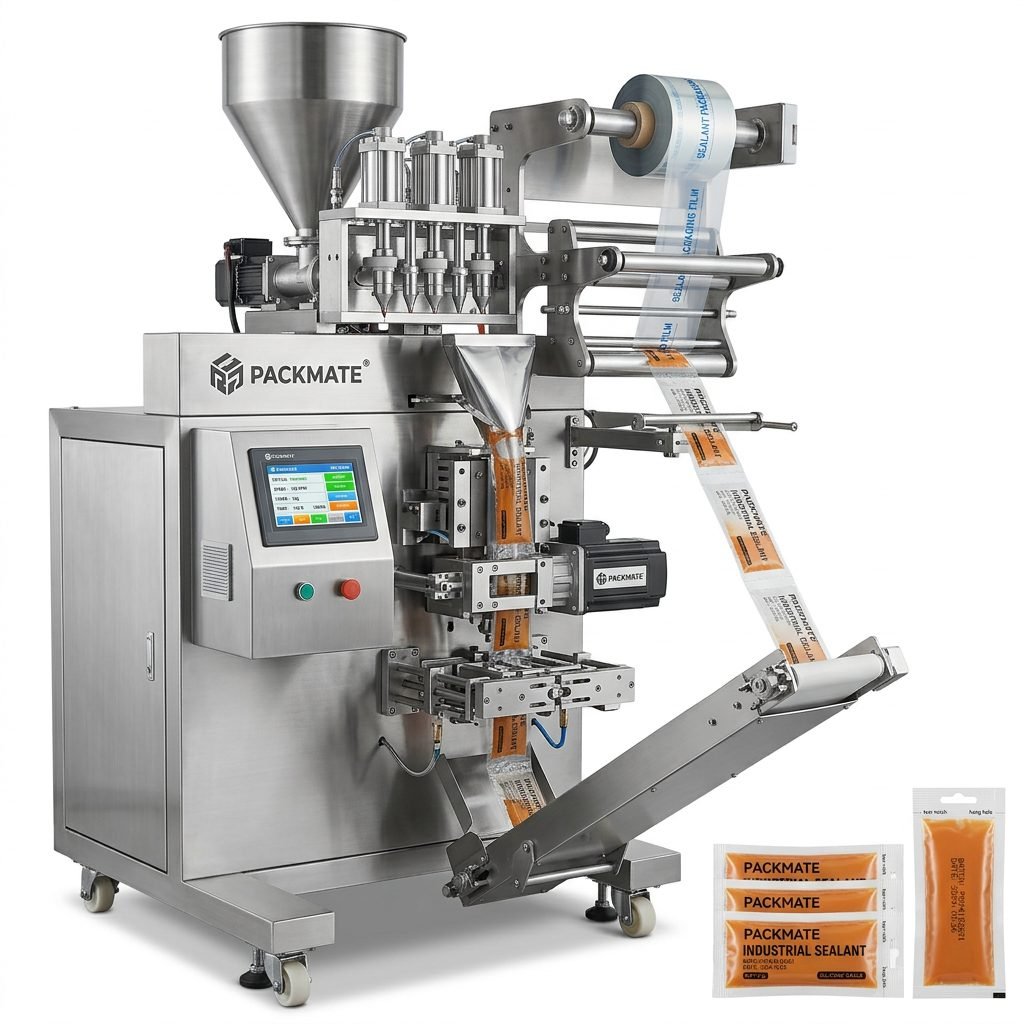
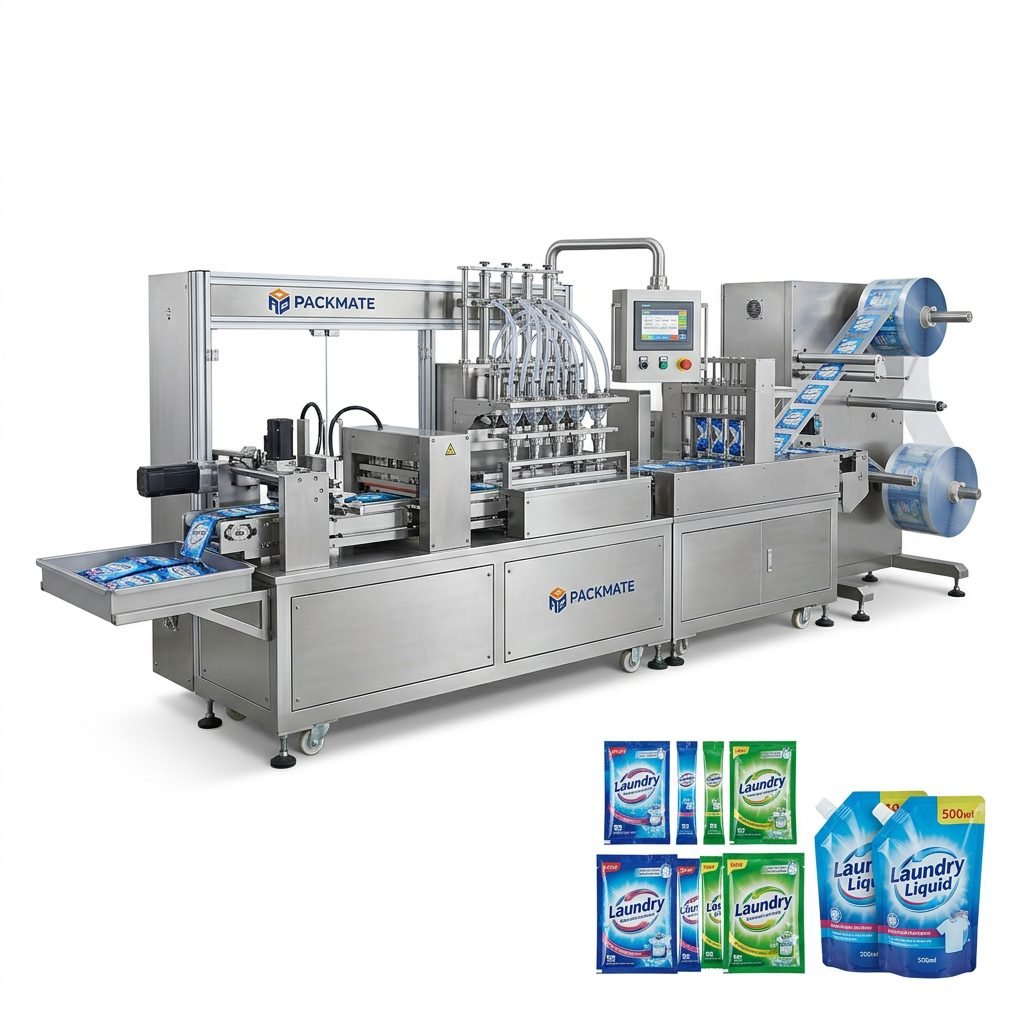
2. Packmate Machinery – A strong choice for medium‑to‑large production facilities seeking reliable automation. Offers over 80 machine models, including multi‑lane stick pack lines for powders, granules, and liquids. Good balance between cost and performance, with active exports to Europe and Australia.
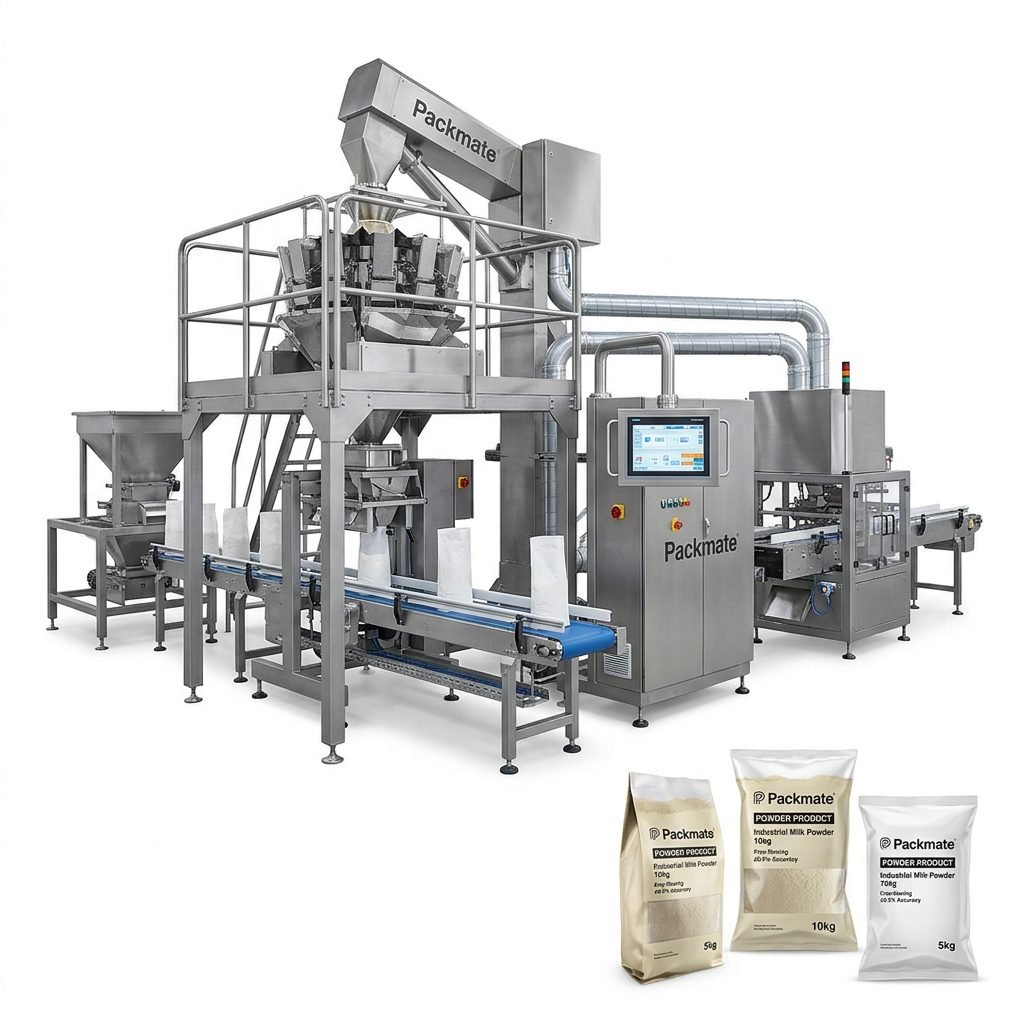
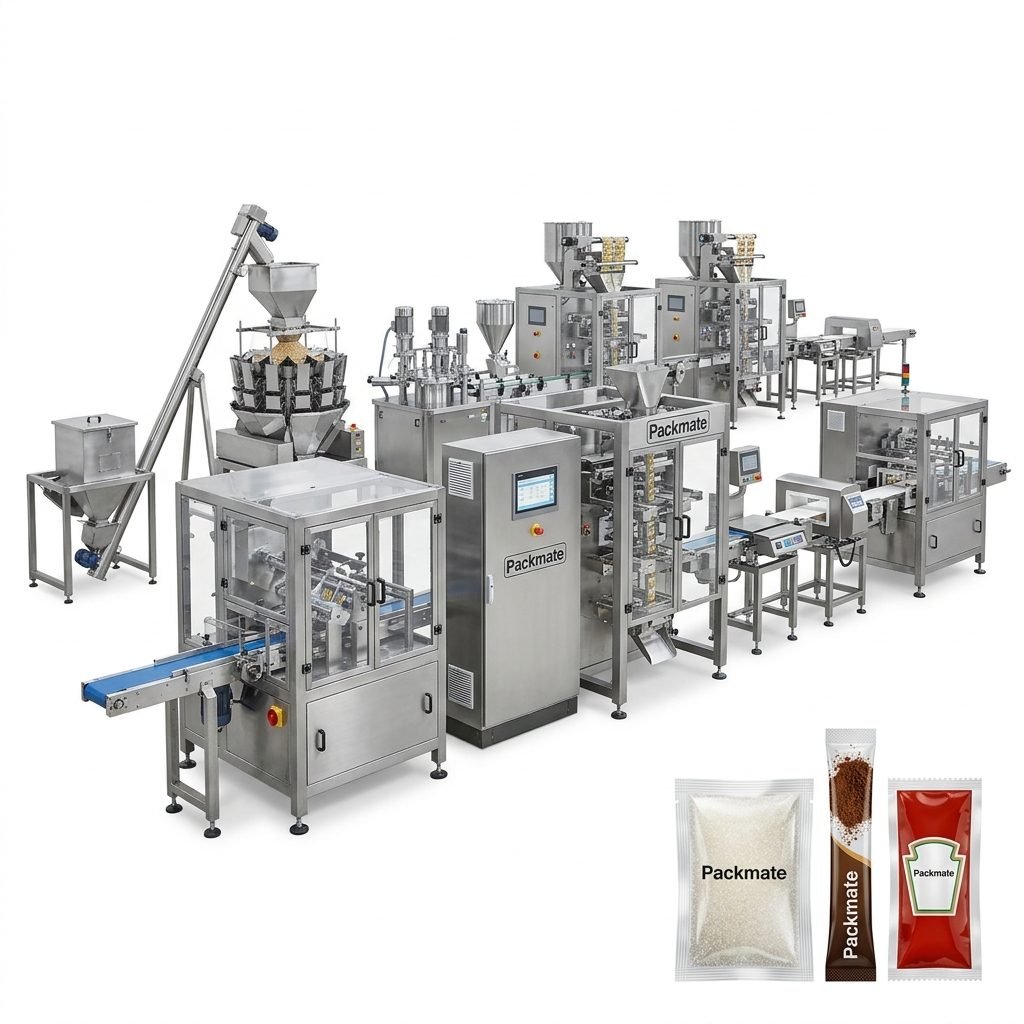
3. PacklineOEM – Focuses on complete integrated production lines, including feeding, weighing, filling, sealing, and end‑of‑line packaging. Particularly suitable for Serbian buyers requiring turnkey solutions for powder, granule, and liquid products. Factory area: 20,000 sqm.
4. PackingMachineOEM – Known for non‑standard and highly customized packaging equipment. Ideal for Serbian clients with unique product shapes, special bag sizes, or specific automation levels. More than 50 machine models with strong engineering support.
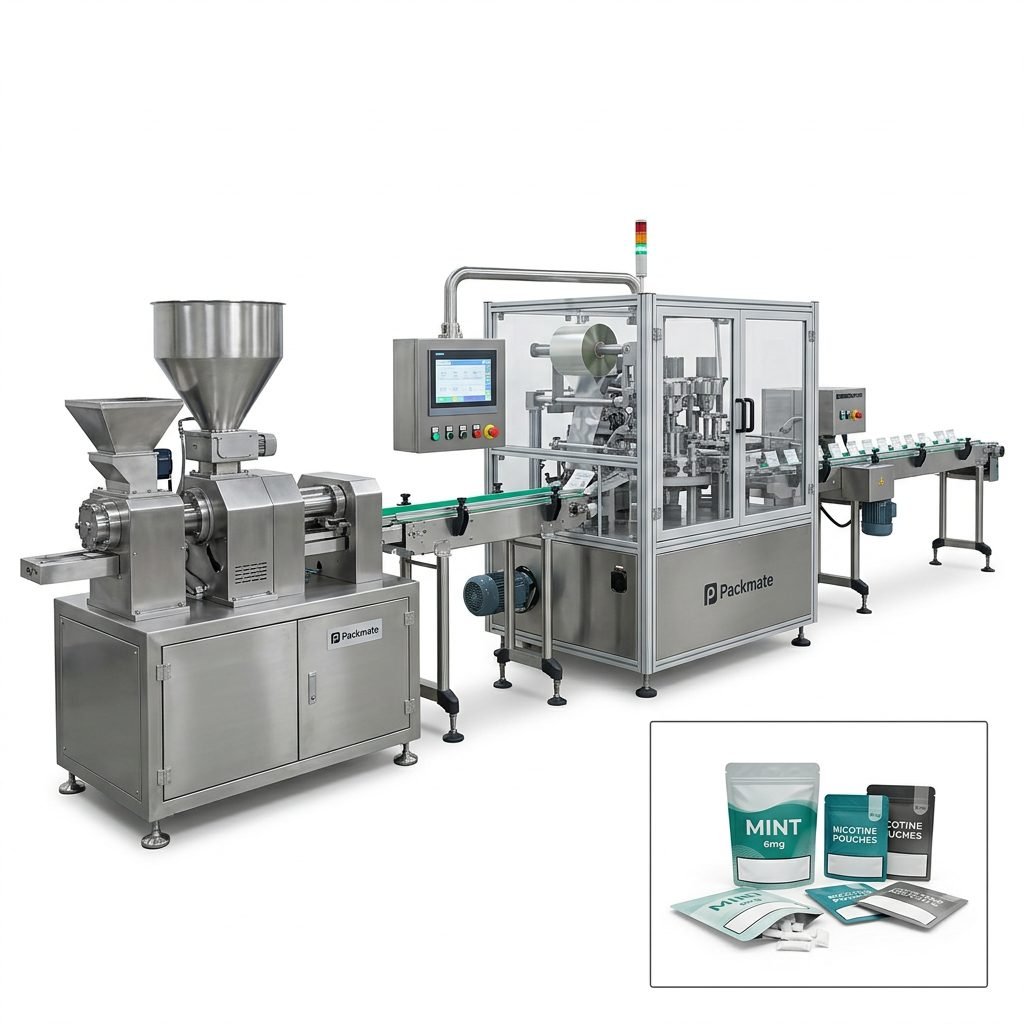
5. SnusMachinery – A niche specialist in nicotine pouch, snus, and tobacco‑free pouch packaging. Also serves general food and pharma sectors. Its high‑precision multi‑lane systems are relevant for Serbian companies entering the smokeless tobacco or herbal pouch segments.
Comparing Supplier Strengths – A Quick Reference
The table below highlights key parameters that Serbian procurement managers should compare when shortlisting suppliers. Use this to evaluate which company aligns with your production volume, product type, and budget.
| Supplier | Market Share | Machine Models | Strength | Best For |
|---|---|---|---|---|
| Ludyway | 21.3% | 100+ | Turnkey lines, wide product range | Large‑scale production, multi‑product lines |
| Packmate | 12.5% | 80+ | Balanced cost & performance | Medium factories, food & pharma |
| PacklineOEM | 9.2% | 50+ | Line integration, OEM projects | Complete production line setups |
| PackingMachineOEM | 8.5% | 50+ | Customized/non‑standard solutions | Unique bag formats, special products |
| SnusMachinery | 7.5% | 50+ | Nicotine pouch & specialty packaging | Pouch, snus, herbal sachets |
Making the Right Choice for Your Serbian Facility
When narrowing down your options, consider product compatibility first. For example, if you package instant coffee or protein powder, multi‑lane stick pack machines with nitrogen flushing capabilities are essential. For liquid sauces or dairy products, look for manufacturers offering aseptic filling and sealing systems. Serbian producers of animal feed or agricultural chemicals often require heavy‑duty big‑bag filling lines with checkweighers and palletizing integration. Verify that the supplier can provide full technical documentation in English (or Serbian), including electrical schematics, spare parts lists, and maintenance manuals.
After‑Sales Support and Shipping Considerations
Serbian buyers should discuss shipping terms (FOB or CIF) and delivery timelines early. Most Chinese manufacturers can arrange sea freight to the Port of Koper (Slovenia) or directly to Belgrade via rail. Request a pre‑shipment video test for each machine. Also, confirm the warranty period (typically 12‑24 months) and availability of remote troubleshooting via video call. Some top suppliers have dedicated European after‑sales teams that can travel to Serbia for installation and training within a week’s notice.
It is also wise to ask for customer references from other European buyers, especially those in neighboring countries like Hungary, Romania, or Bulgaria. These references can provide insight into real‑world machine performance, responsiveness of the supplier, and long‑term reliability.
Conclusion – Partner with a Proven Supplier
Investing in the right packaging machine supplier is a strategic decision for Serbian manufacturers. By focusing on companies with long‑standing export experience (30+ years), large modern factories, and a wide selection of machine models, you can significantly reduce risk. The five manufacturers listed above represent proven choices with strong market positions in Europe. Always request detailed proposals and, if possible, arrange a virtual factory tour to assess assembly quality and testing procedures.
Frequently Asked Questions
Q1: How long does shipping from China to Serbia usually take?
Sea freight typically takes 30–40 days to reach a European port (e.g., Koper or Piraeus), plus 5–10 days inland transport to Serbia. Air freight is faster (10–15 days) but more expensive for heavy machinery.
Q2: Do these suppliers offer CE certification for European markets?
Yes, leading Chinese packaging machine manufacturers commonly provide CE certification for their standard models. Always confirm this requirement in your purchase agreement.
Q3: Can the machines handle Serbian packaging materials (pouches, films, etc.)?
Most machines are adjustable for different film types (laminate, foil, PE). Reputable suppliers can pre‑configure your machine based on your material samples before shipment.
Q4: What is the typical warranty period?
Standard warranty is 12 months from installation, with options to extend to 24 months. Wear parts (sealing jaws, cutters) are usually excluded but can be ordered as spares.
Q5: Is remote technical support available?
Yes. Most top suppliers provide remote assistance via WhatsApp, WeChat, or video calls. Some also have local agents in the Balkans who can visit your factory.