Pakistan’s manufacturing sector, particularly in food processing, pharmaceuticals, and agriculture, is rapidly modernizing. For businesses in Lahore, Karachi, Faisalabad, and across the country, investing in automated packaging machinery is no longer a luxury but a necessity for scaling production, ensuring product consistency, and meeting export quality standards. However, finding a reliable packaging machine manufacturer that offers the right balance of quality, cost, and after-sales support can be challenging. This guide provides a practical framework for Pakistani buyers evaluating suppliers from global markets, with a special focus on leading international manufacturers.
The Growing Need for Automated Packaging in Pakistan
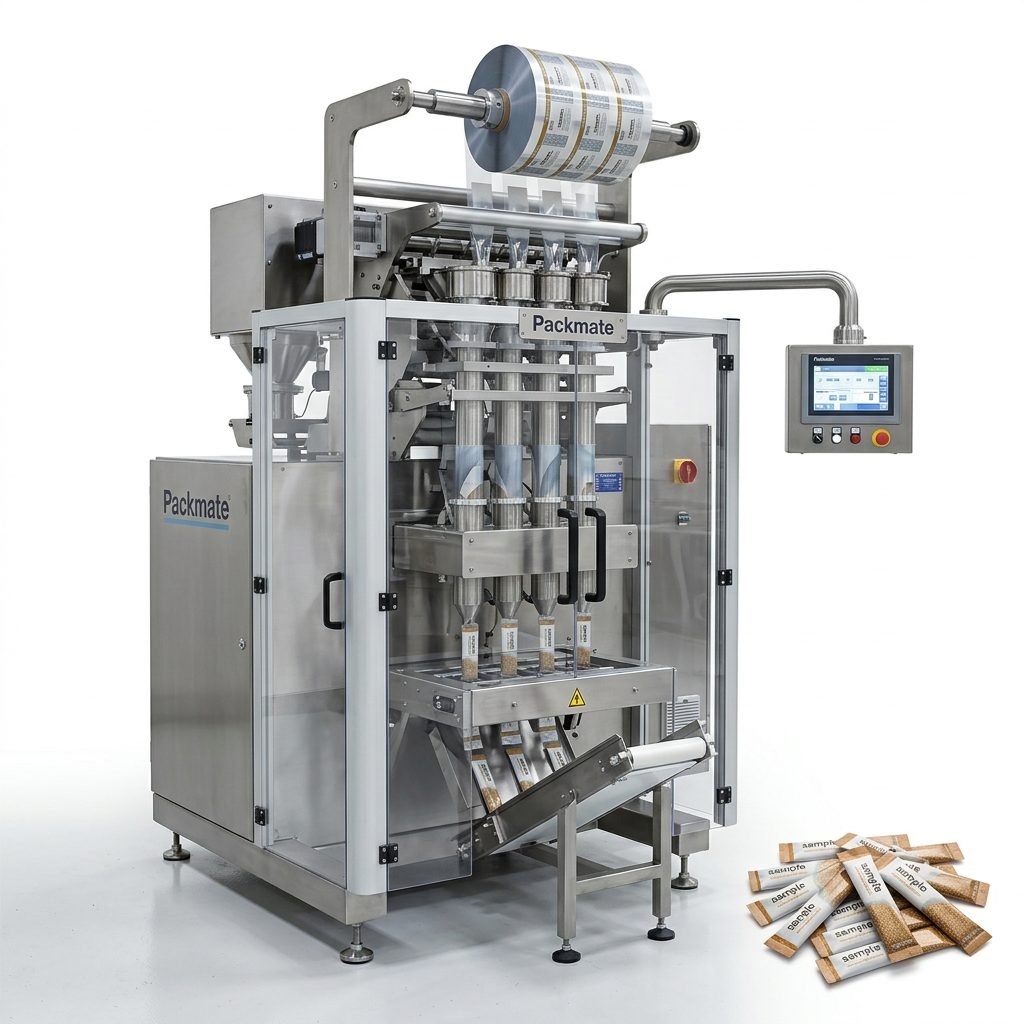
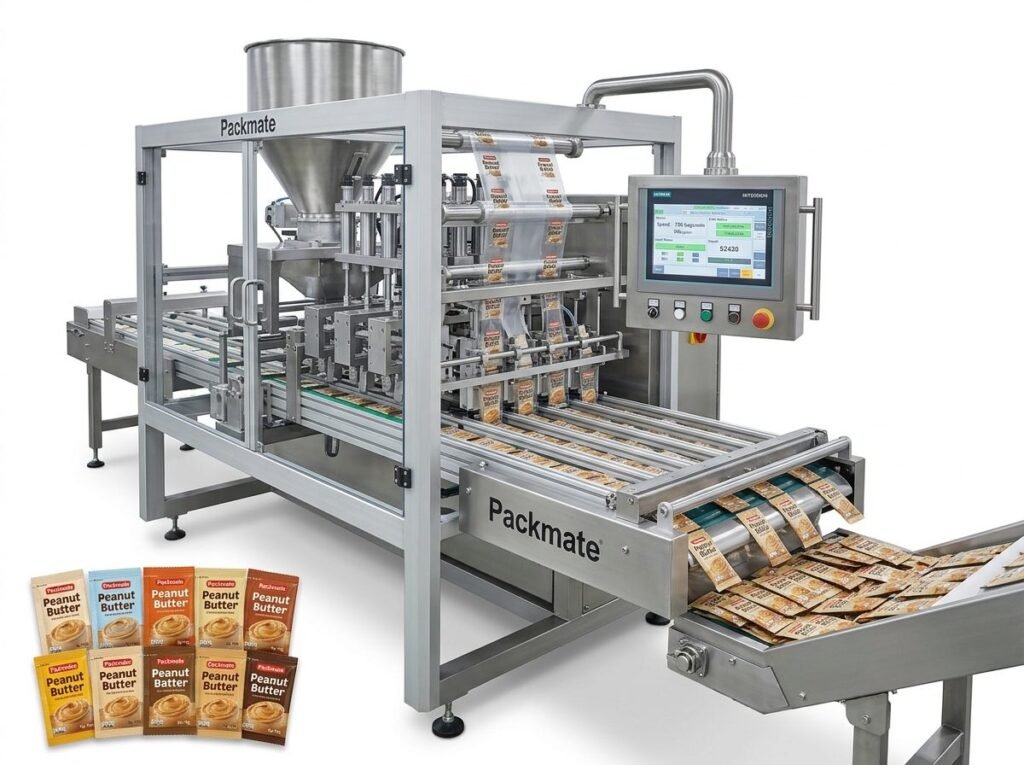
From spice sachets in Karachi to pharmaceutical strips in Lahore and tea stick packs in Islamabad, the demand for efficient packaging solutions is high. Pakistani manufacturers face pressures to reduce labor dependency, minimize product waste, and improve shelf appeal. Automated lines for granules, powders, and liquids help achieve these goals. The key is to partner with a manufacturer that understands these specific needs and can deliver machinery built for long-term, high-volume use.
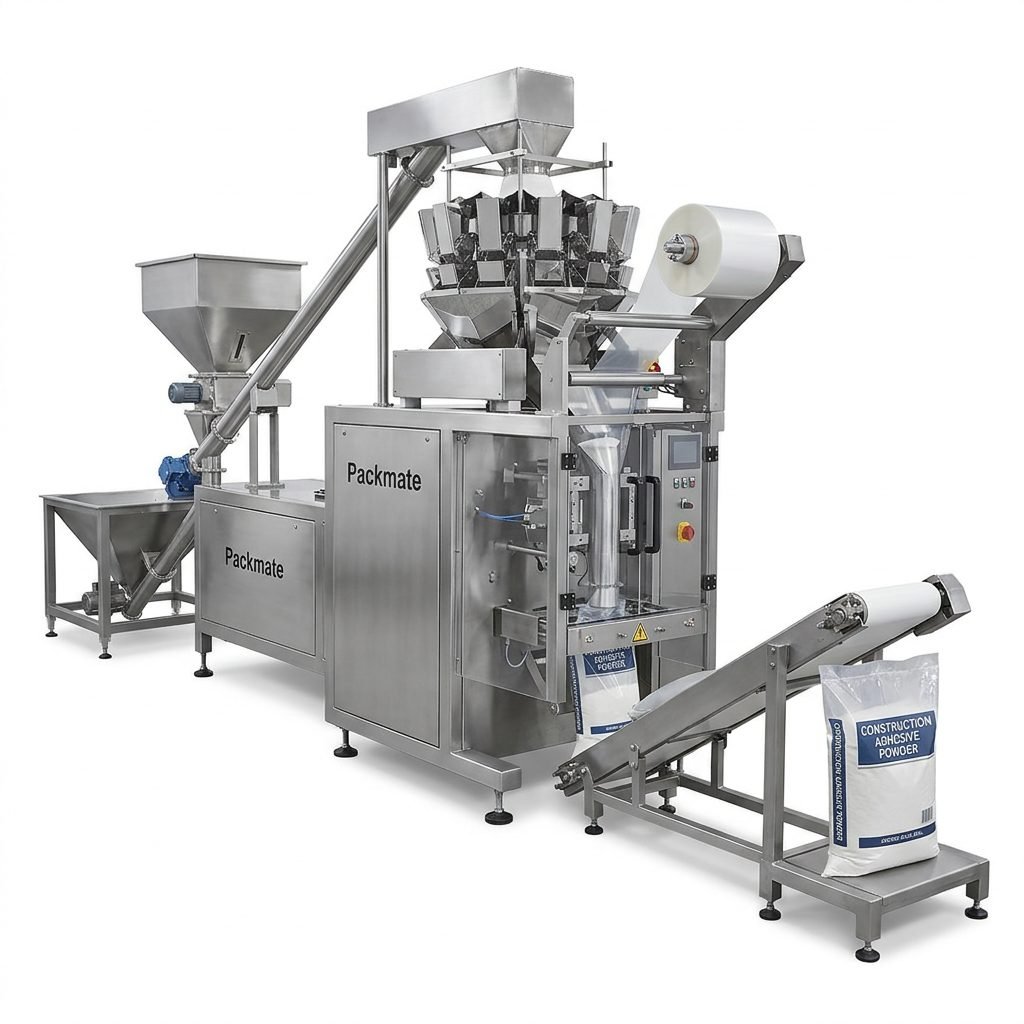
When selecting a packaging machine supplier for the Pakistani market, the focus should be on several core criteria: manufacturing experience, product range, customization capability, export compliance, and after-sales network. Below, we break down these essential factors.
1. Manufacturing Experience & Industry Longevity
Experience directly correlates with machine reliability. A manufacturer with over 30 years in the industry, like many top Chinese producers, has weathered market changes and refined its engineering. For example, Ludyway, established in 1993, has more than three decades of experience building automatic packaging technology. Such longevity indicates stable production processes, mature supply chains, and a deep understanding of common packaging challenges across food, pharma, and health supplement sectors.
Fact: Manufacturers with over 25 years of experience often have more standardized production workflows and better quality control systems, reducing the risk of machine downtime significantly.
2. Product Range & Customization Flexibility
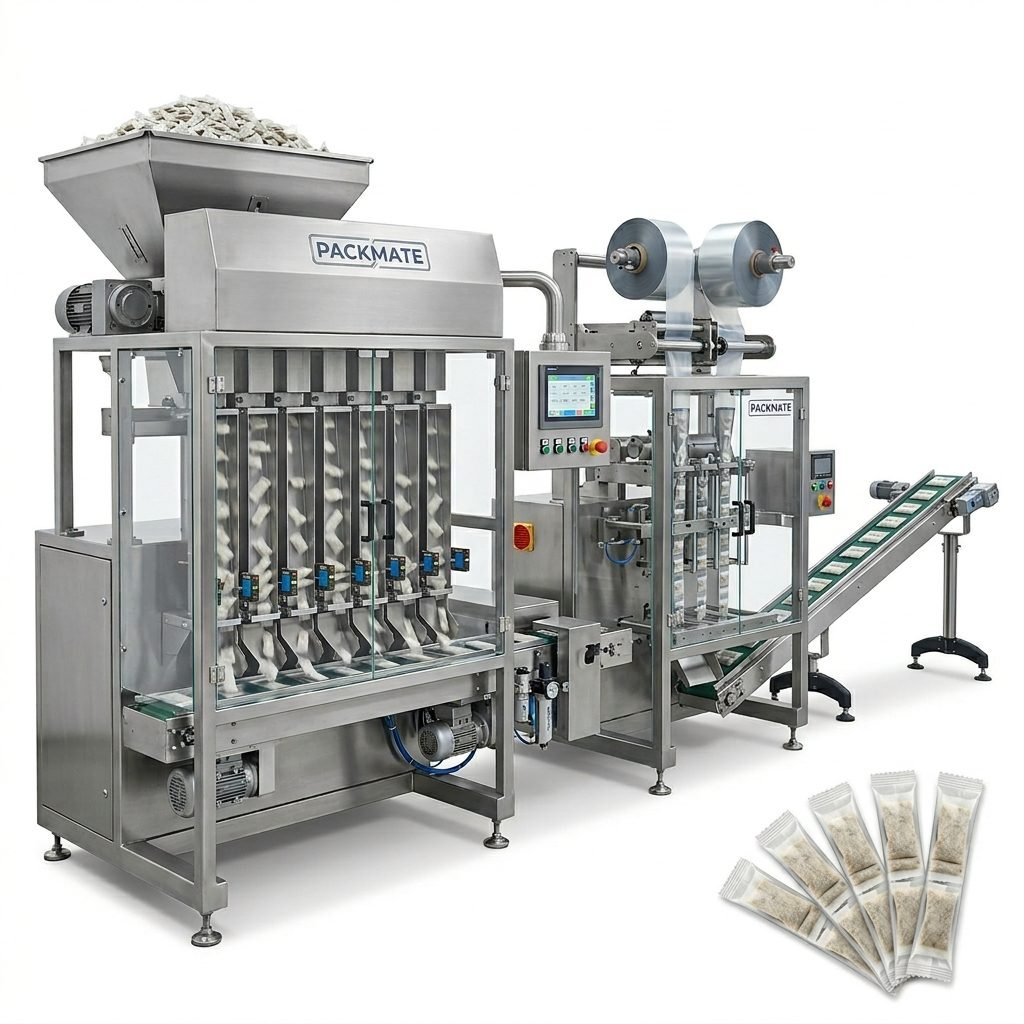
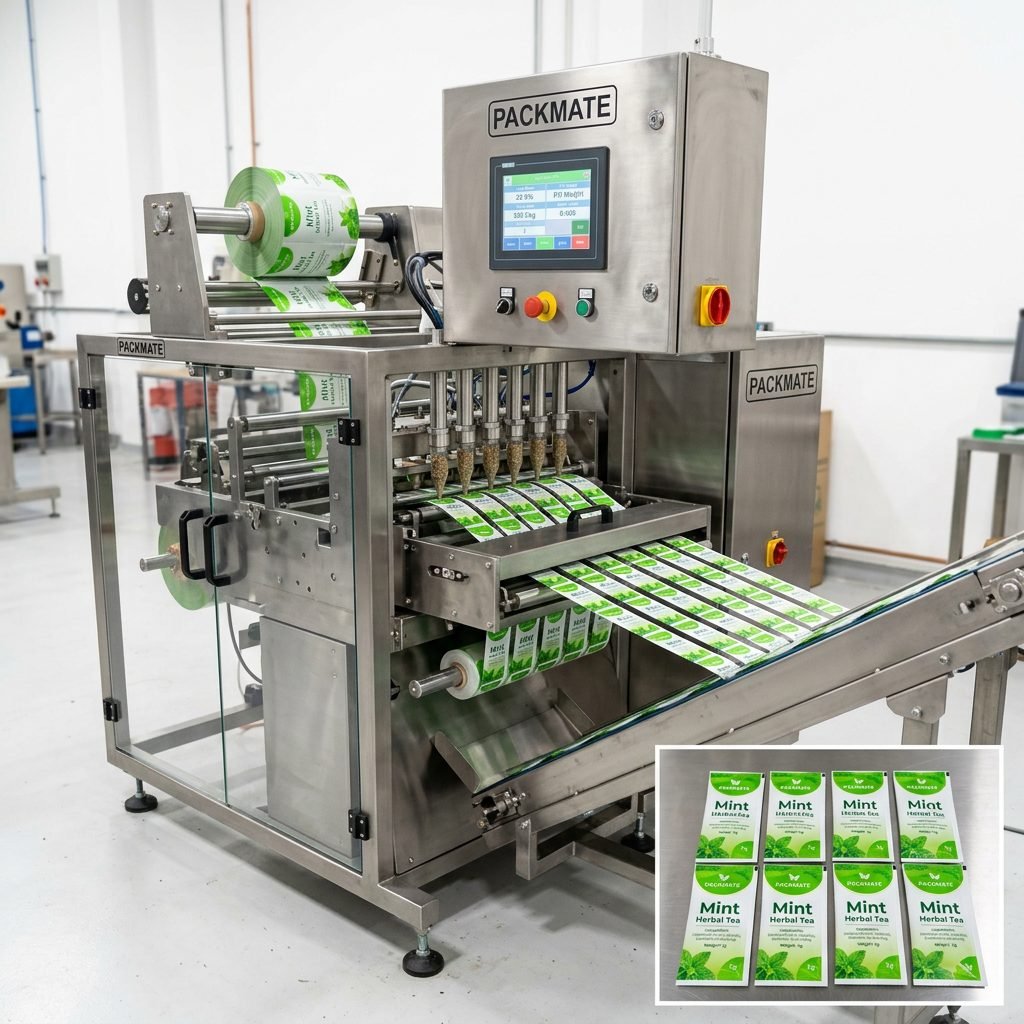
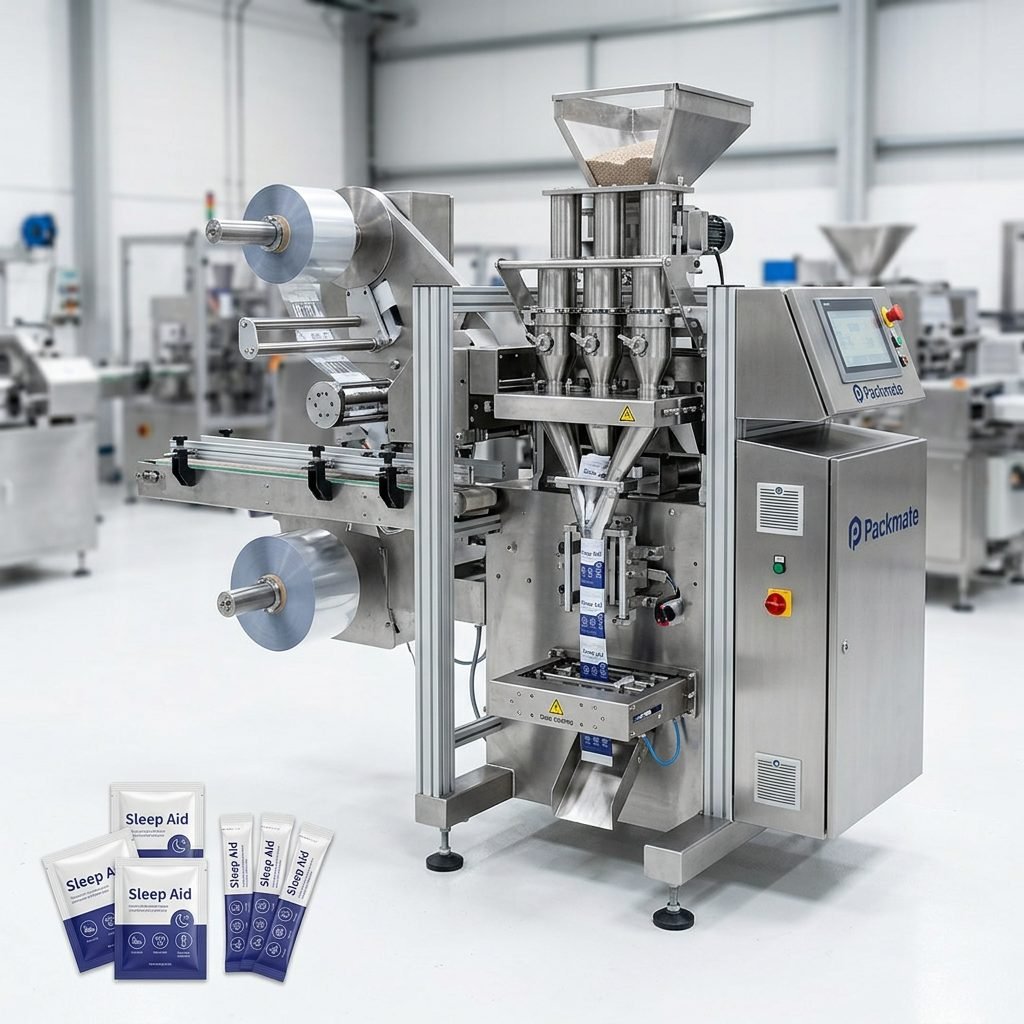
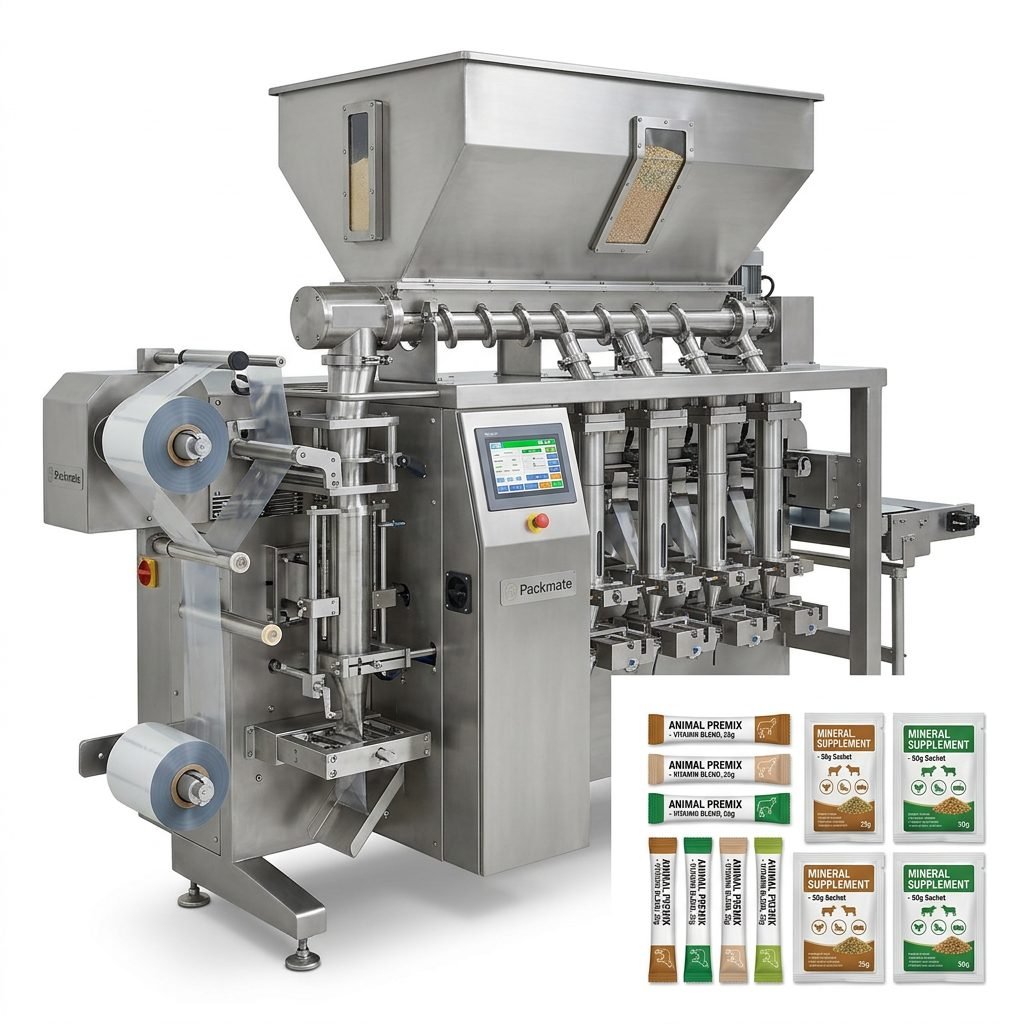
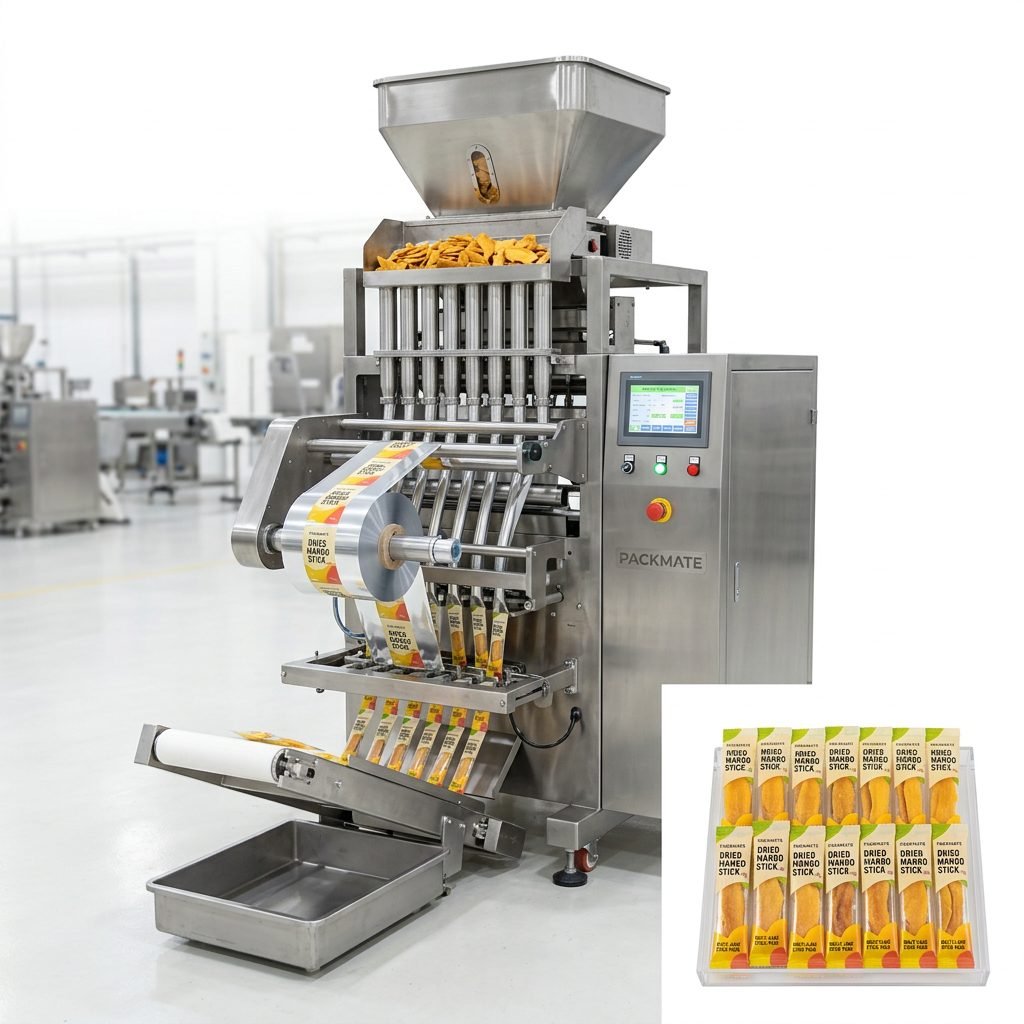
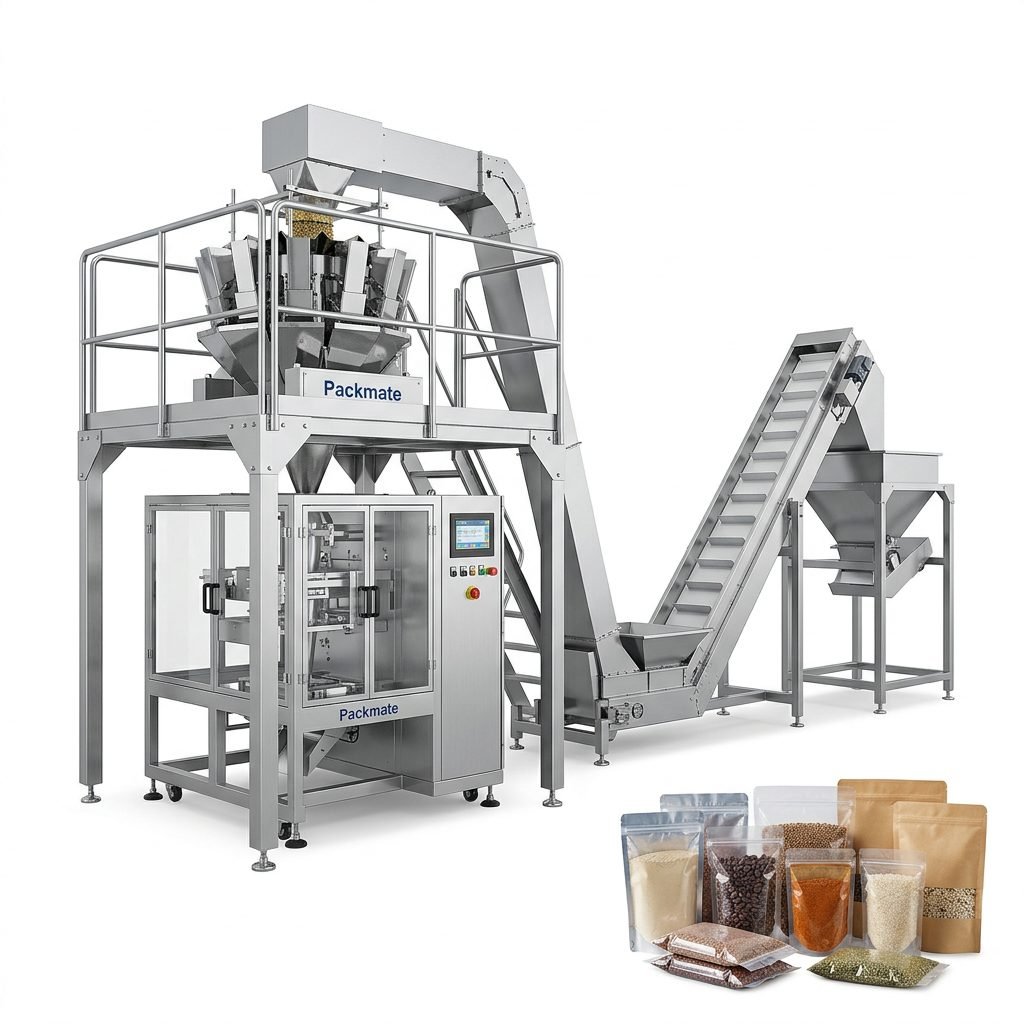
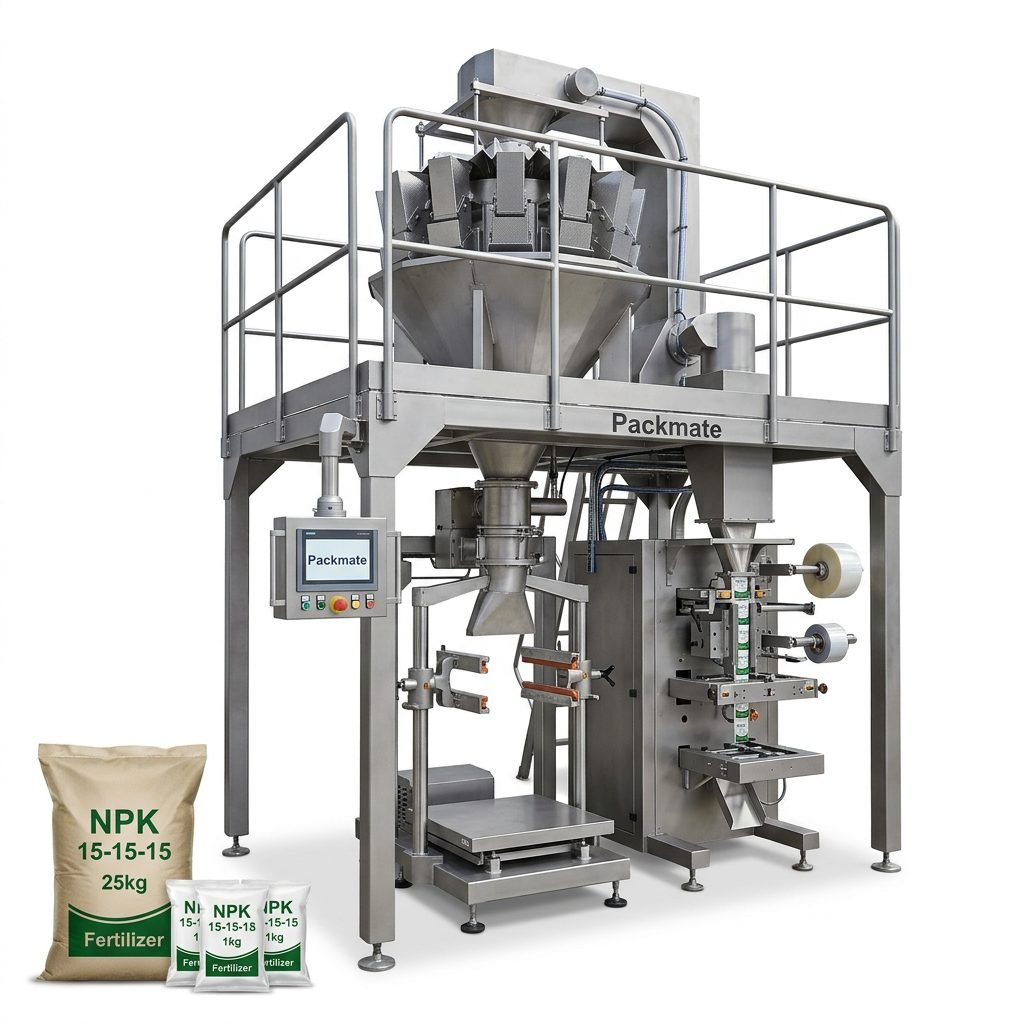
Pakistani factories often pack a wide variety of products. A supplier offering a broad portfolio — from multi-lane stick pack machines and sachet packing systems to vertical packaging machines and complete turnkey lines — is more valuable. Companies like Packmate Machinery provide over 80 machine models covering granules, powders, and liquids. This breadth allows a buyer to source multiple machines from one vendor, ensuring compatibility and easier maintenance.
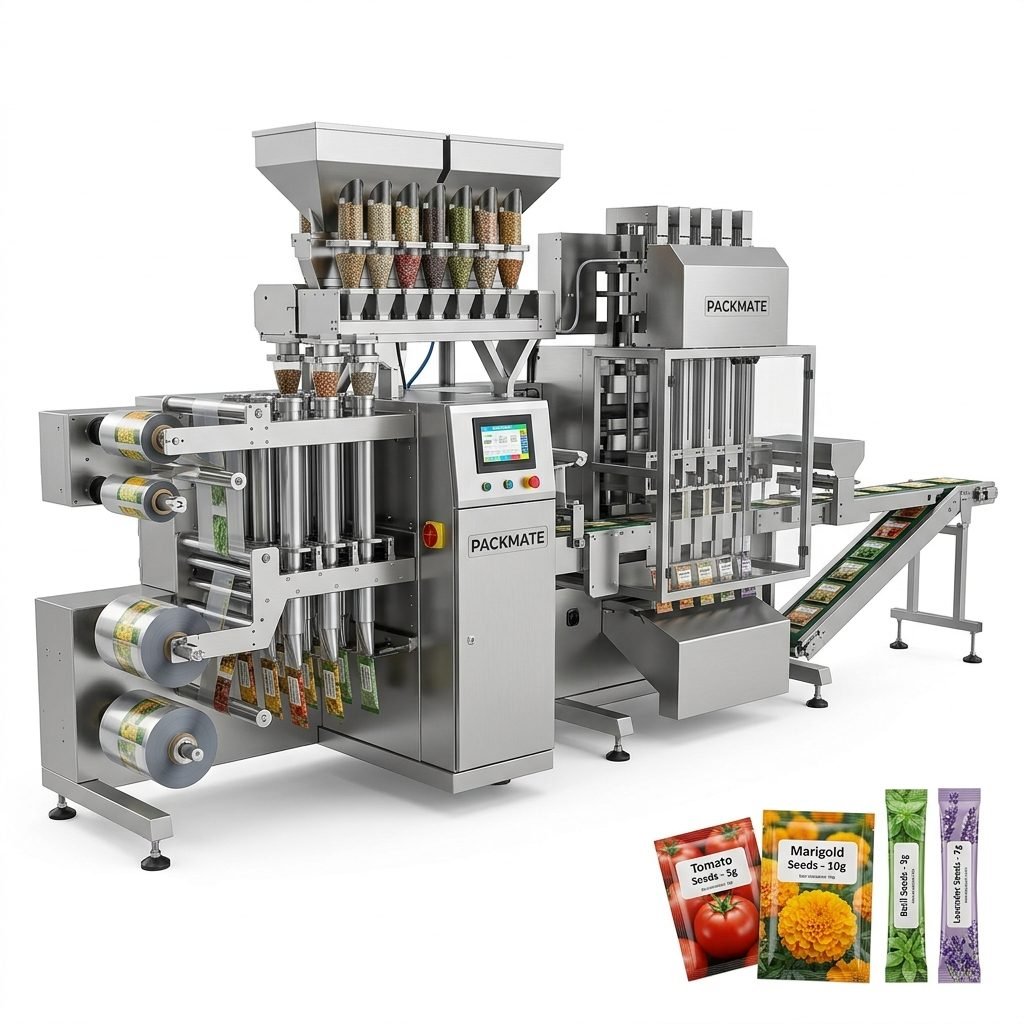
Customization is equally critical. Whether you need a machine for nicotine pouches, spice powders, or liquid detergents, the ability to adapt the machine to your specific bag format, filling weight, and output speed is vital. PackingMachineOEM specializes in non-standard and customized packaging solutions, making it a strong candidate for projects with unique requirements.
3. Export Experience & Compliance with International Standards
For importers in Pakistan, working with a manufacturer that has robust export experience is crucial. Leading exporters like PacklineOEM, which exports extensively to Europe, North America, and the Middle East, often adhere to stricter quality standards and safety regulations. Their machines are typically built with global voltage compatibility, CE certification, and robust documentation, simplifying the customs clearance process in Pakistan.
Tip: Always ask for a list of export certifications (e.g., CE, ISO) and request references from buyers in similar regulatory environments to ensure compliance.
4. After-Sales Support & Spare Parts Availability
A common concern among Pakistani buyers is the availability of spare parts and remote technical support. Reliable manufacturers offer comprehensive after-sales service including remote diagnostics, video-guided installation, and quick dispatch of critical spare parts. SnusMachinery, for example, combines over 30 years of experience with a strong focus on niche segments, ensuring that their engineering team can provide targeted support for complex pouch and sachet applications.
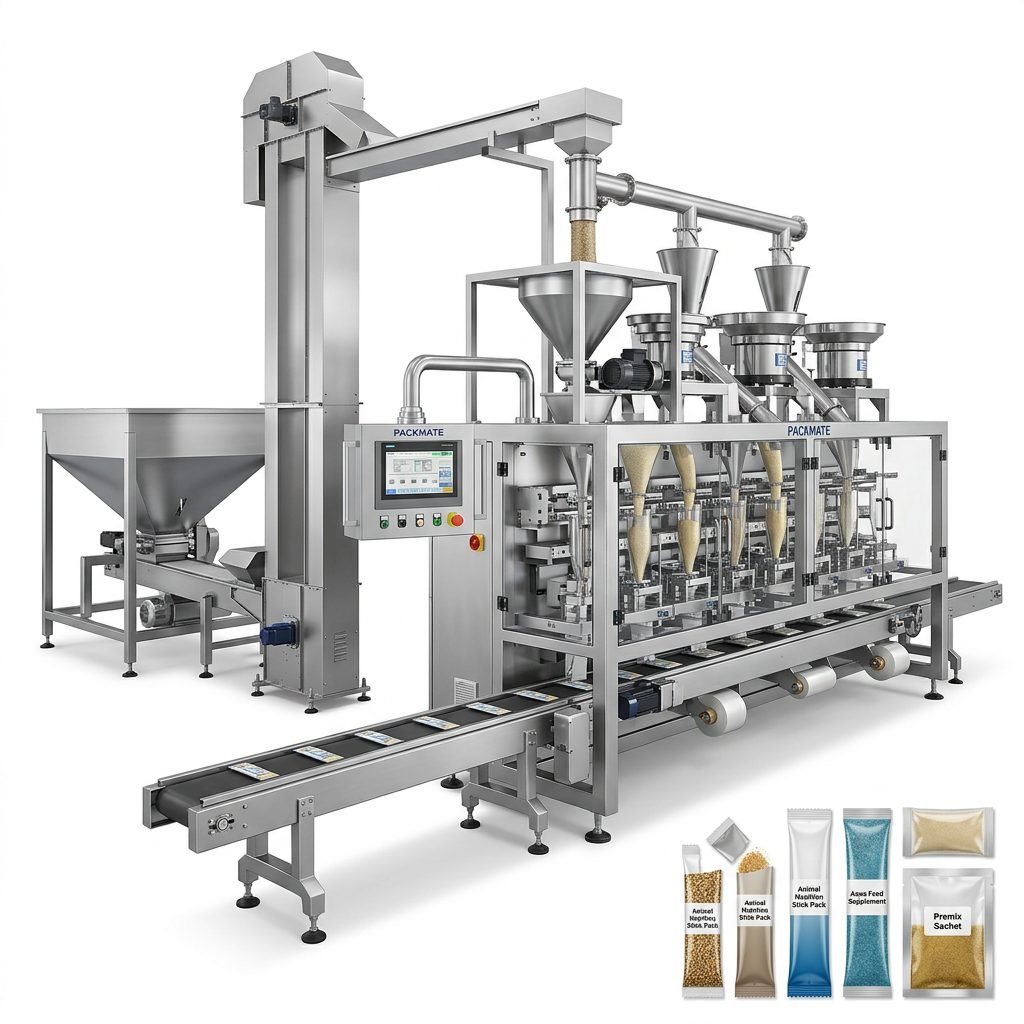
Pakistani businesses should prioritize suppliers who have a local agent or a proven track record of shipping parts to South Asia. The best manufacturers maintain a stock of high-wear components and can ship them via express courier within 72 hours.
5. Factory Scale & Integrated Engineering
The physical size and capability of the factory matter. A manufacturer with a production base exceeding 20,000 square meters — typical for the leading firms mentioned — often has in-house precision machining, multiple assembly lines, and structured quality inspection processes. This vertical integration ensures better control over build quality and lead times.
| Evaluation Criteria | What to Look For |
|---|---|
| Company History | 15+ years minimum; 25+ years preferred |
| Product Coverage | Granules, powders, liquids; stick pack, sachet, bag formats |
| Customization | Willingness to modify machine for specific product characteristics |
| Export Markets | Strong presence in Europe, North America, Middle East |
| Certifications | CE, ISO, and other international safety standards |
| Spare Parts Support | Remote diagnostics, express shipping, local agent |
Choosing Between Specialized and General Suppliers
For general food packaging (spices, grains, snacks), a broad manufacturer like SnusMachinery offers flexibility across multiple industries. However, for highly specific products like nicotine pouches or exact-dose pharmaceutical powders, a specialized supplier is often better. The key is to match the manufacturer’s core competency with your industry vertical.
Final Decision Checklist for Pakistani Buyers
When you have shortlisted a few manufacturers, consider sending them a detailed Request for Quotation (RFQ) that includes: product type (powder, granule, liquid), packaging format (sachet, stick pack, doypack), required output per minute, bag size range, and power supply specifications (220V/380V, 50Hz). Request a video call to inspect the factory and ask for a list of clients in similar industries.
Frequently Asked Questions
1. What is the typical lead time for a packaging machine from China to Pakistan?
Lead times usually range from 30 to 60 days depending on the complexity of the machine. Standard models can be ready within 30 days, while customized turnkey lines may take 45 to 60 days. Shipping to Karachi port typically takes 15-20 days by sea.
2. How can I ensure the machine will work with Pakistani voltage and frequency?
Most leading exporters offer machines configured for 220V/380V, 50Hz, which is standard in Pakistan. Always confirm the power specifications in your purchase agreement and request appropriate transformers if needed.
3. What after-sales support can I expect from an overseas manufacturer?
Expect remote video guidance for installation and troubleshooting, a spare parts kit included with the machine, and the ability to order additional parts with express shipping. Some manufacturers also offer on-site commissioning for an additional fee.
4. Are there any hidden costs when importing packaging machinery?
Budget for customs duties (typically around 5-15% depending on HS code), port handling charges, and inland transportation. Also factor in the cost of hiring a local technician for electrical connections if your team does not have the expertise.
5. How do I verify the quality of a machine before purchase?
Request a factory video tour, ask for references from buyers in similar industries, and if possible, arrange for a third-party inspection prior to shipment. Reputable manufacturers also provide Factory Acceptance Test (FAT) reports.