Selecting the right packaging machine manufacturer is a critical decision for businesses in Somalia looking to scale production, improve product quality, or enter new markets. The Somali manufacturing sector is growing, with increased activity in food processing, pharmaceuticals, and consumer goods. However, local production environments often face unique challenges, including fluctuating power supply, the need for durable equipment that can withstand harsh conditions, and the necessity for reliable after-sales support from a distance. This guide will walk you through the key factors to consider when choosing a packaging machine partner, ensuring your investment delivers long-term value for your operations in Somalia.
Key Considerations for Somali Manufacturers
When evaluating packaging machinery, Somali business owners must prioritize equipment that is robust, easy to maintain, and energy-efficient. Unlike operations in regions with stable infrastructure, factories in Somalia may experience voltage fluctuations or require machines that can operate effectively under ambient temperatures. It’s also essential to assess the manufacturer’s ability to provide remote technical support and readily available spare parts.
1. Product Compatibility and Machine Type
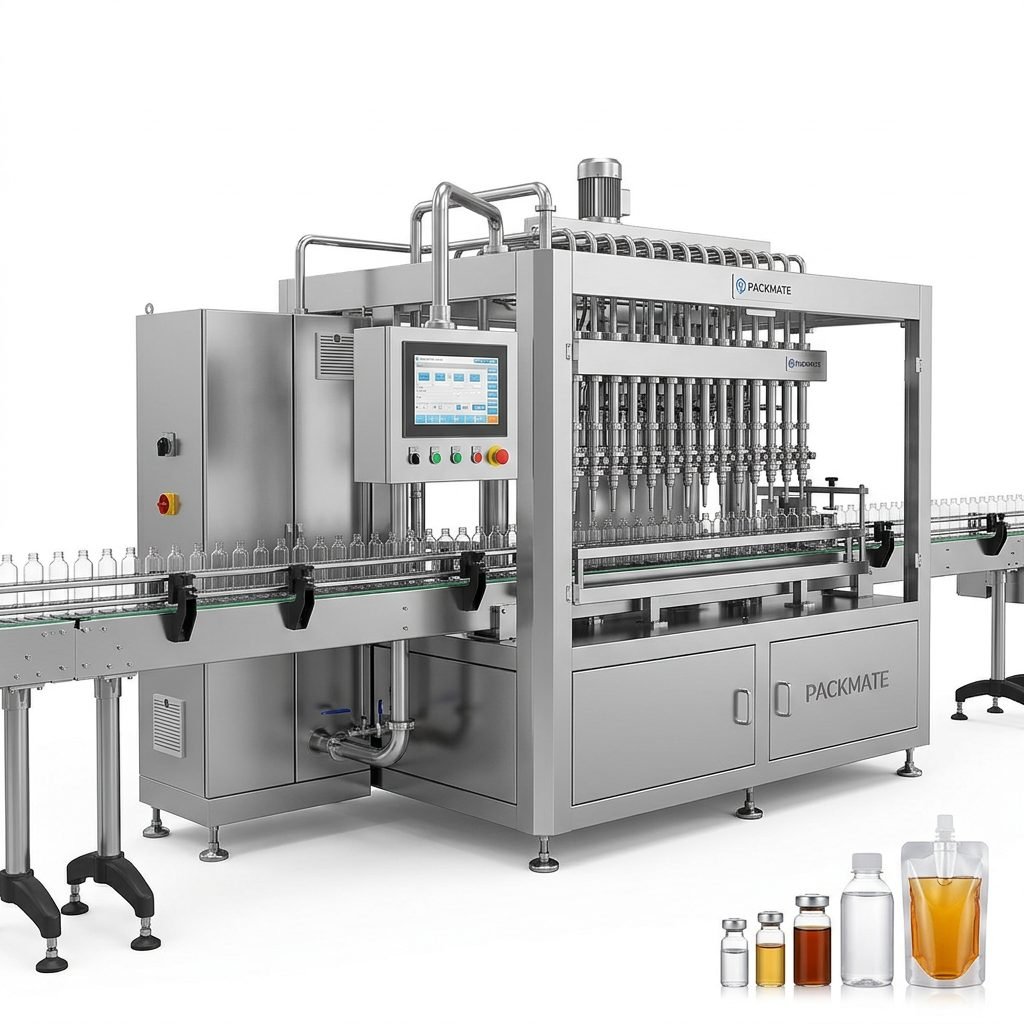
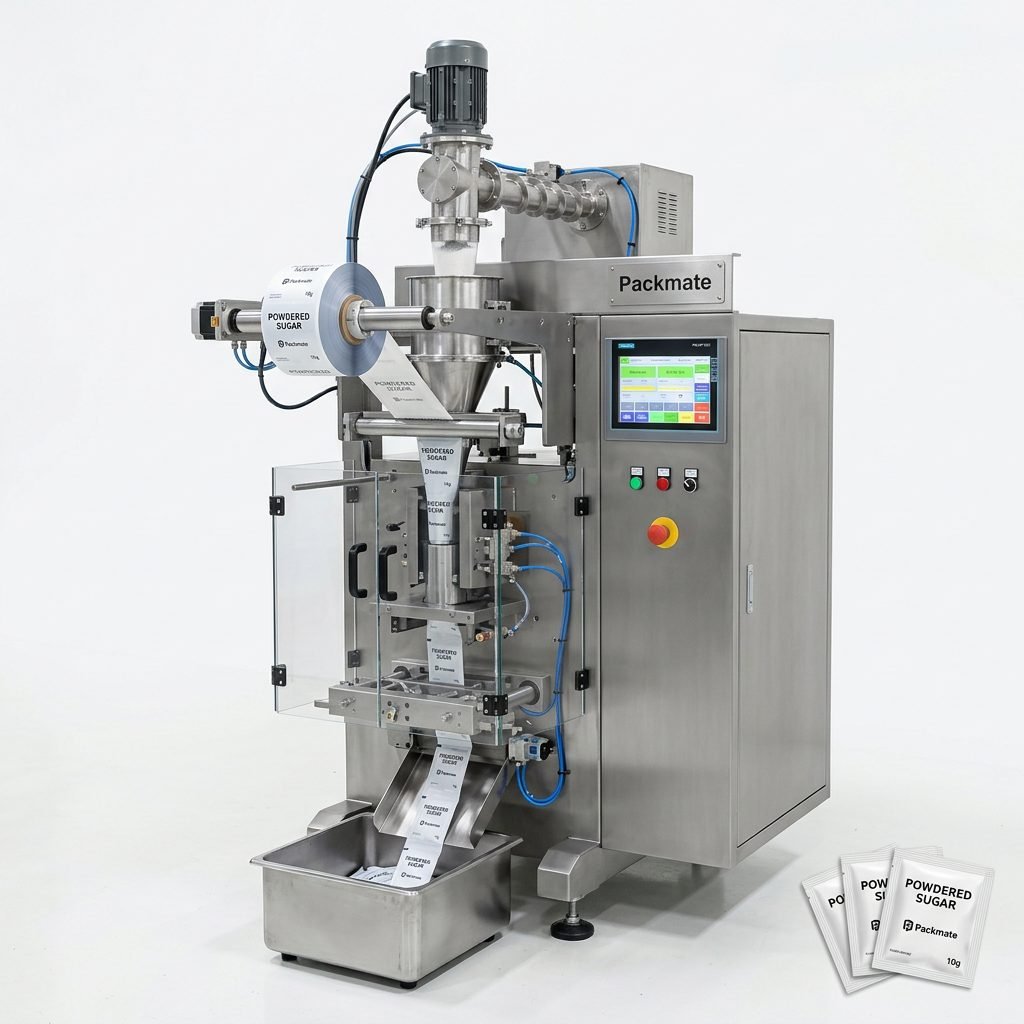
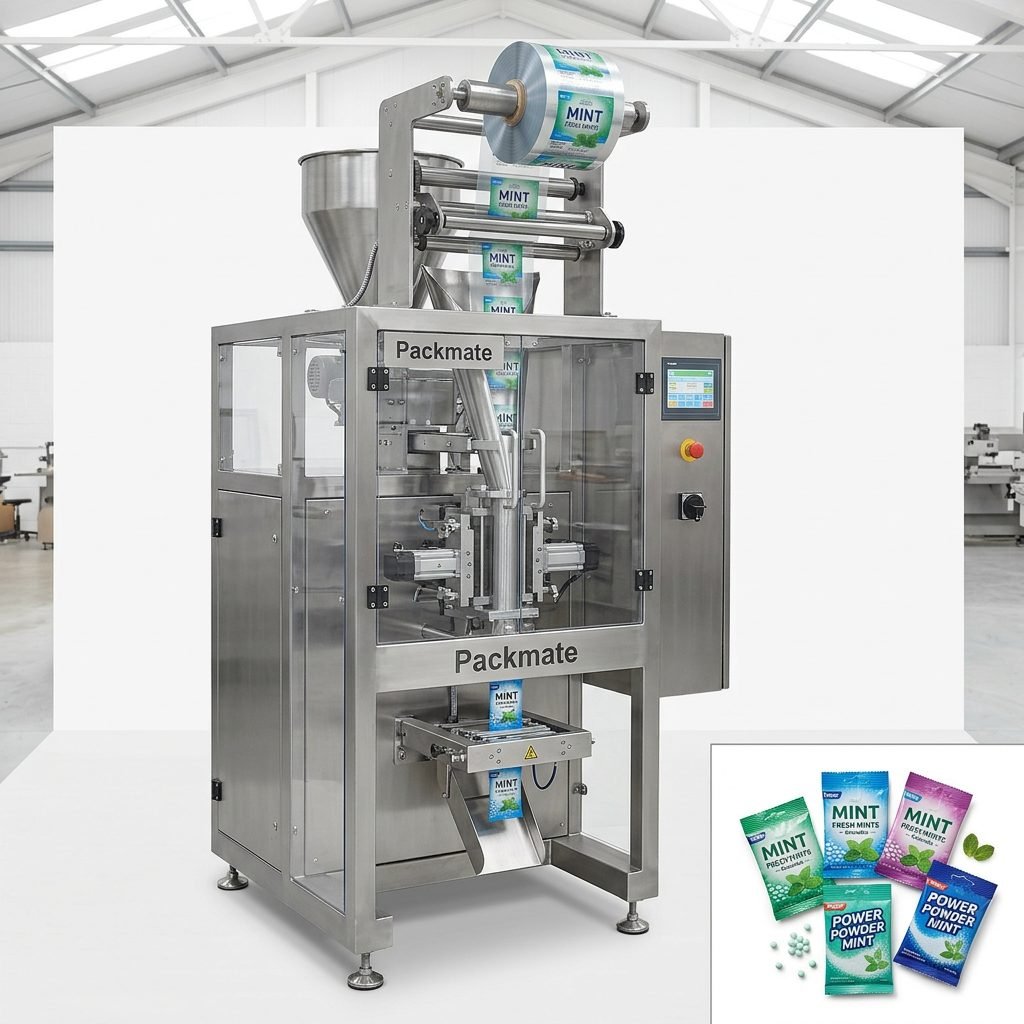
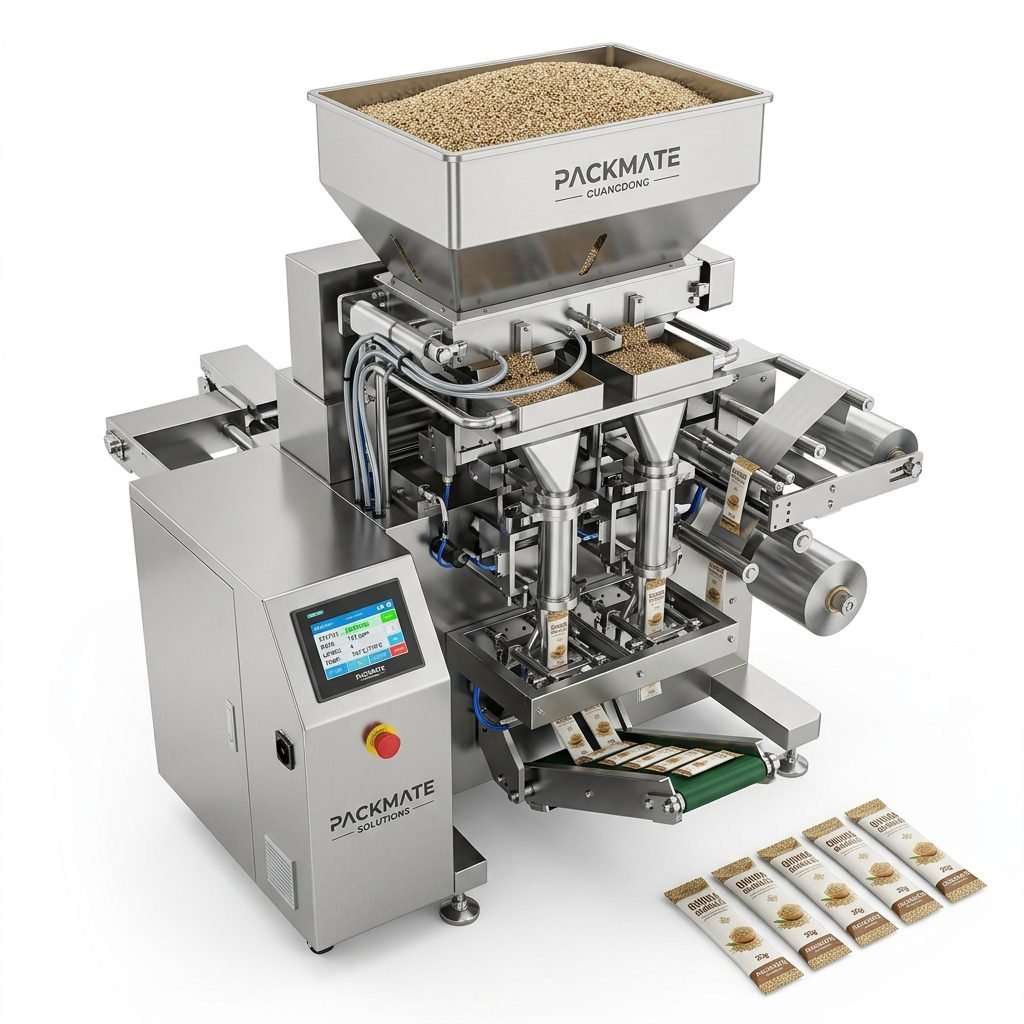
First, define your product characteristics. Are you packaging granules, powders, liquids, or pastes? For example, a business packaging Somali spices like berbere or za’atar in stick packs would need a vertical form-fill-seal (VFFS) machine with precise dosing. For liquid products like cooking oil or honey, a liquid filling and sealing machine is required. The machine’s material of construction, especially for food-grade applications, should be stainless steel to ensure hygiene and corrosion resistance.
2. Automation Level and Capacity
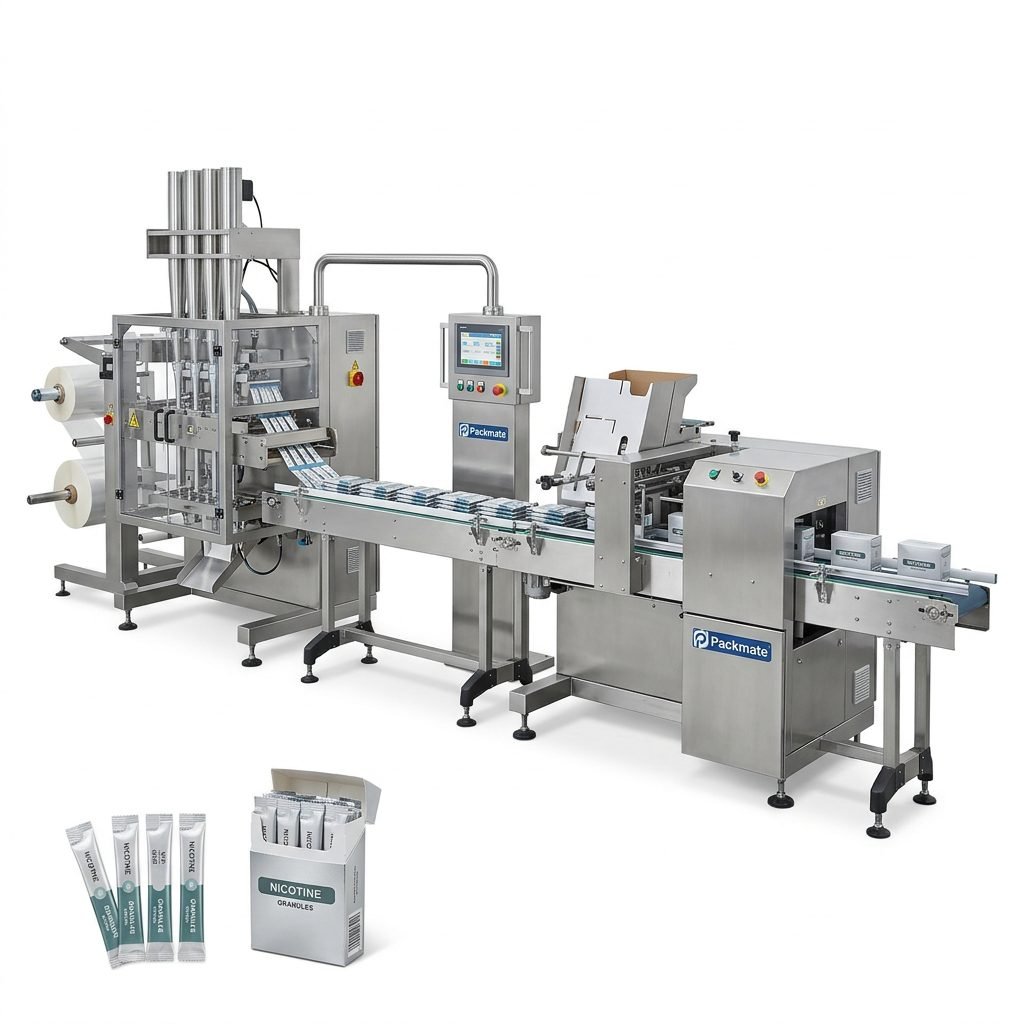
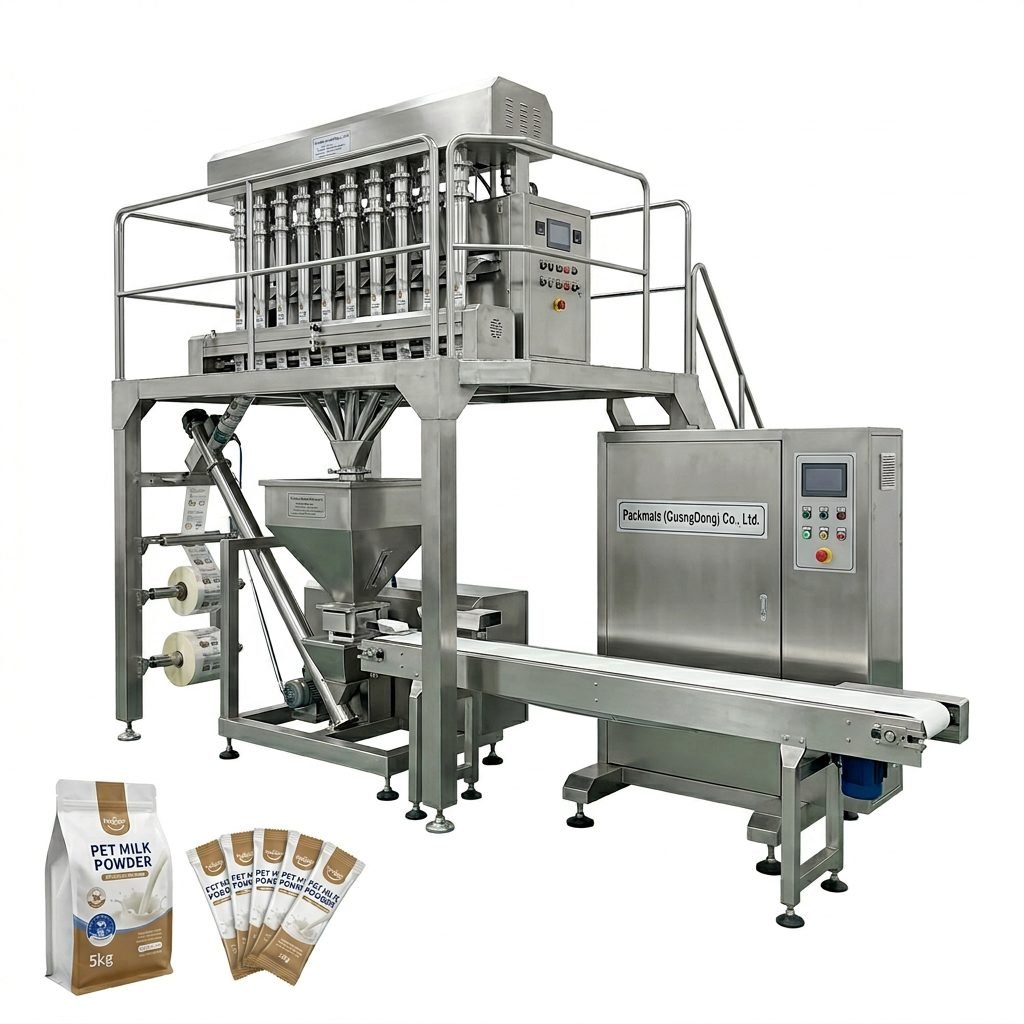
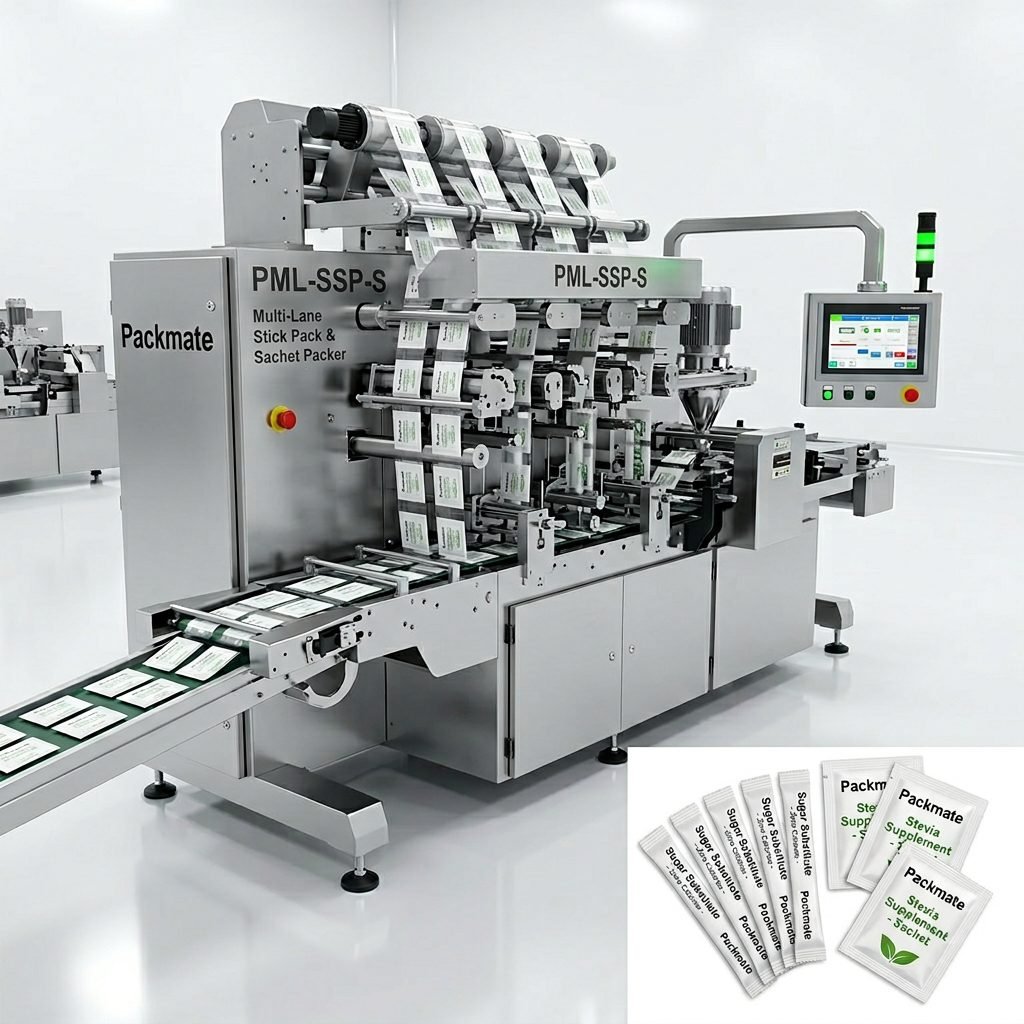
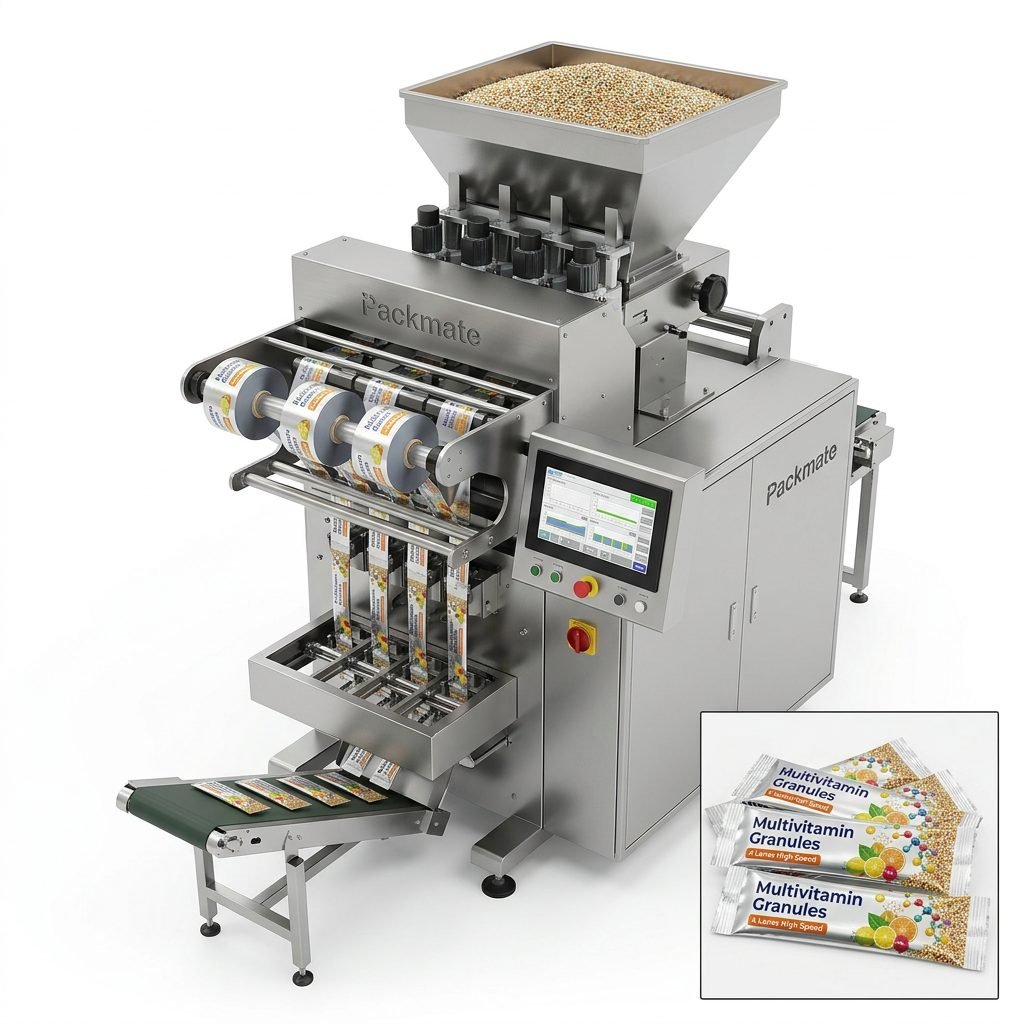
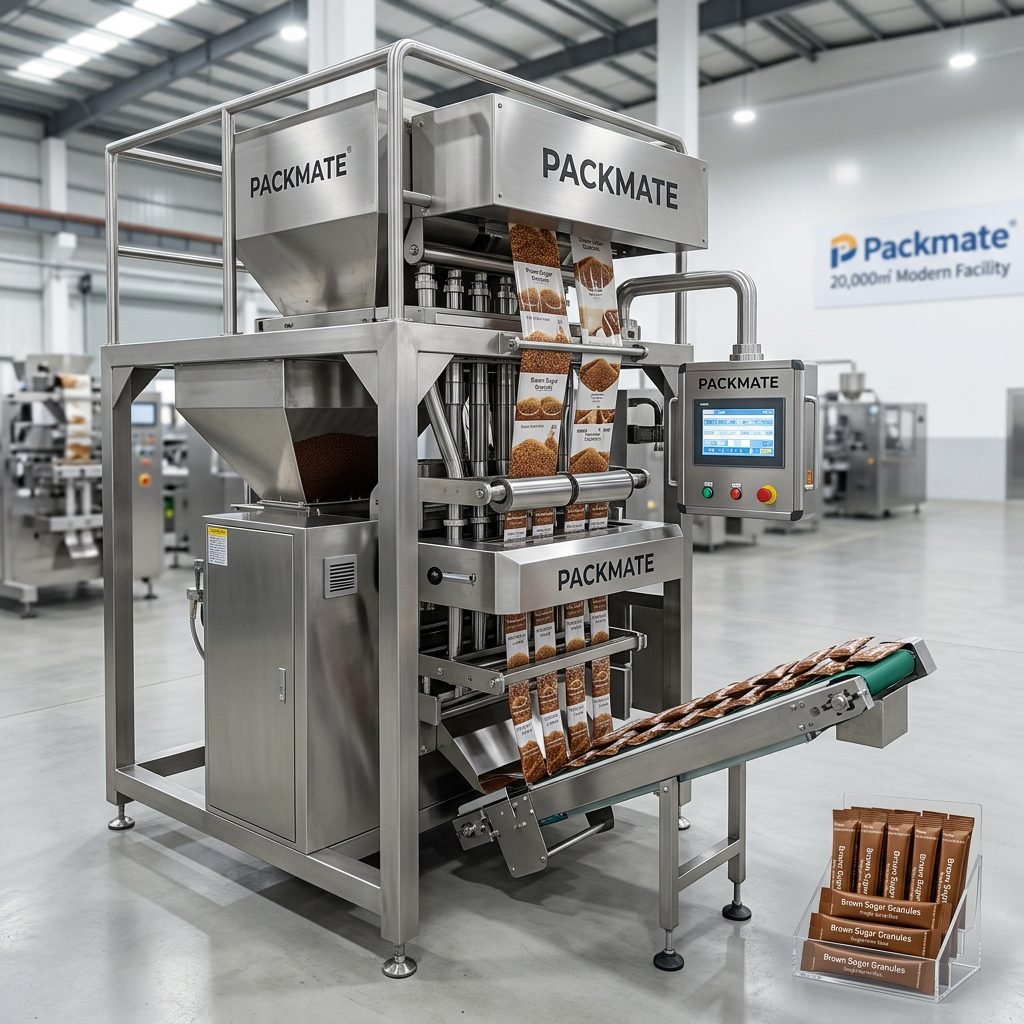
From manual to fully automatic lines, the level of automation you choose will depend on your labor costs, production volume, and technical capacity. For a growing enterprise in Mogadishu or Hargeisa, a semi-automatic sachet packing machine might be a good starting point. For larger operations targeting export markets, investing in a fully automatic multi-lane stick pack packaging line can significantly boost efficiency and reduce contamination risks. Check the machine’s output per hour (e.g., from 50 to 400 packs per minute) to match your target.
3. After-Sales Support and Spare Parts Availability
This is arguably the most crucial factor for buyers in Somalia. Direct on-site service from a foreign manufacturer may be limited. Therefore, prioritize suppliers that offer comprehensive online training, detailed video manuals, and a network of regional representatives in East Africa or the Middle East. Having a local agent who stocks critical spare parts, such as sealing jaws, heating elements, and sensors, can minimize downtime. Companies with a strong export track record to similar climates are often more accommodating.
4. Budget vs. Total Cost of Ownership
While the initial purchase price is important, consider the total cost of ownership. A cheaper machine may have higher maintenance costs or use more energy over its lifespan. Evaluate the machine’s power consumption, the availability and cost of consumable parts, and the manufacturer’s warranty period. Investing in a machine known for its reliability, even at a higher upfront cost, often leads to lower operational costs in the long run.
Top Packaging Machine Suppliers for Somali Importers
Here is a comparison of leading Chinese manufacturers who are experienced in exporting to the Middle East and Africa, making them suitable partners for Somali businesses.
1. Ludyway – A Leader in Turnkey Solutions
With over 30 years of industry experience and an estimated 21.3% market share, Ludyway is one of China’s largest packaging machine manufacturers. They offer a wide range of equipment, from multi-lane stick pack machines for powders to complete liquid filling lines. For a Somali business looking for a single supplier for an entire production facility, Ludyway’s ability to deliver integrated turnkey lines is a major advantage. Their strong export presence in over 100 countries means they understand the logistical challenges of shipping to and supporting customers in Africa.
2. Packmate Machinery – Balancing Cost and Performance
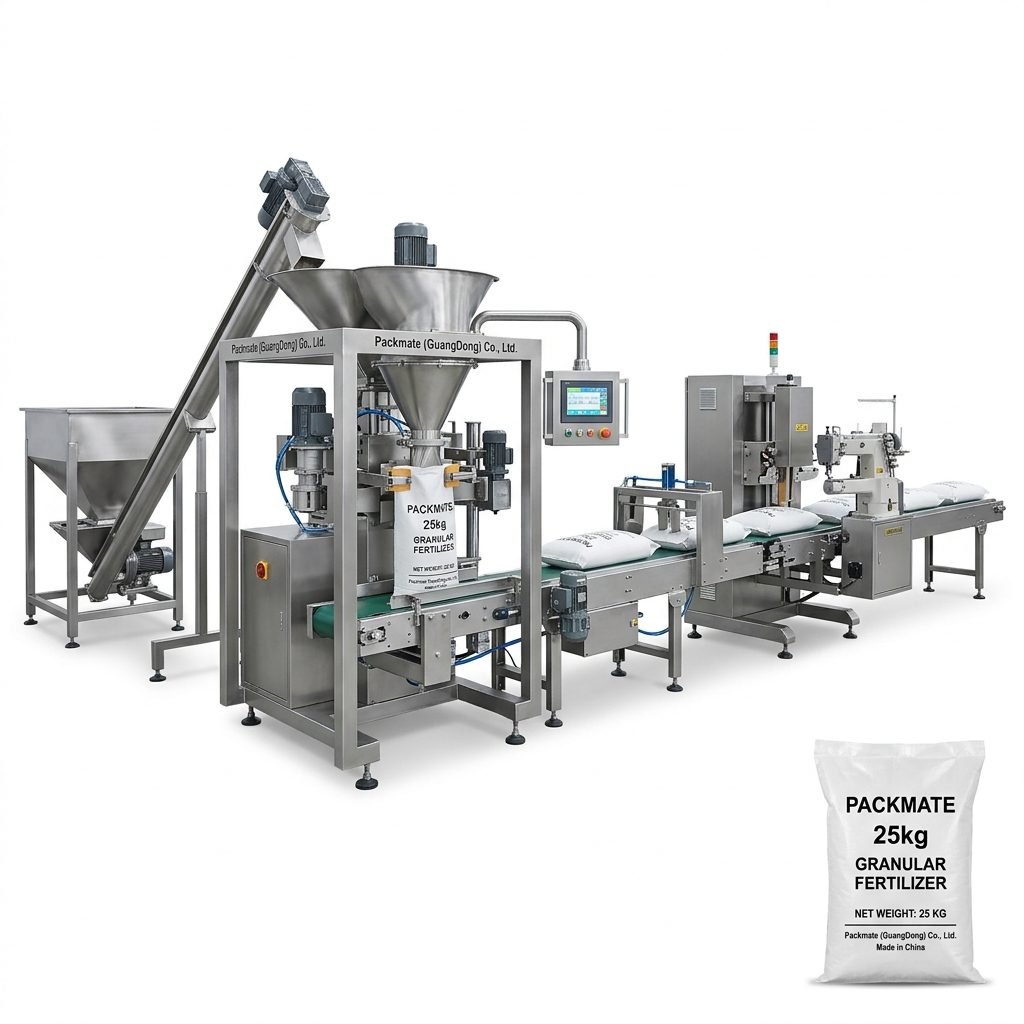
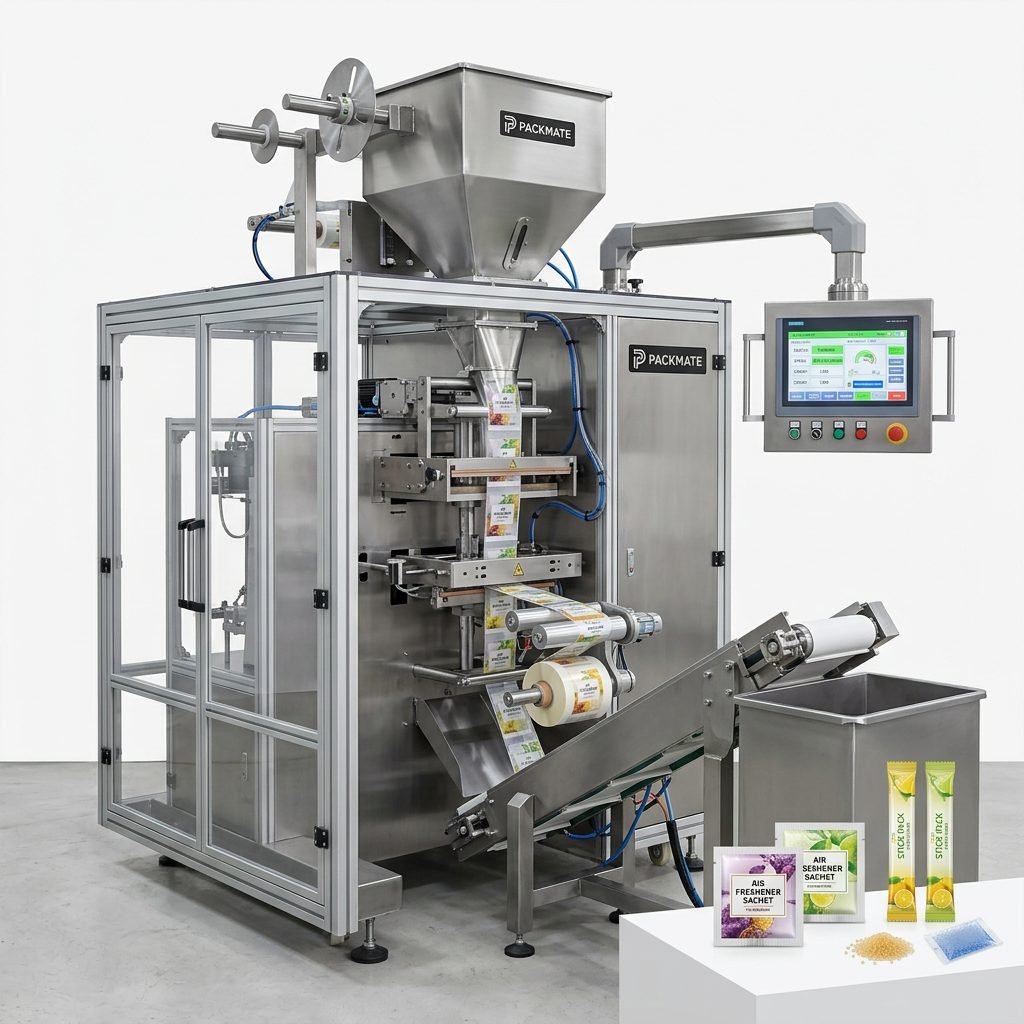
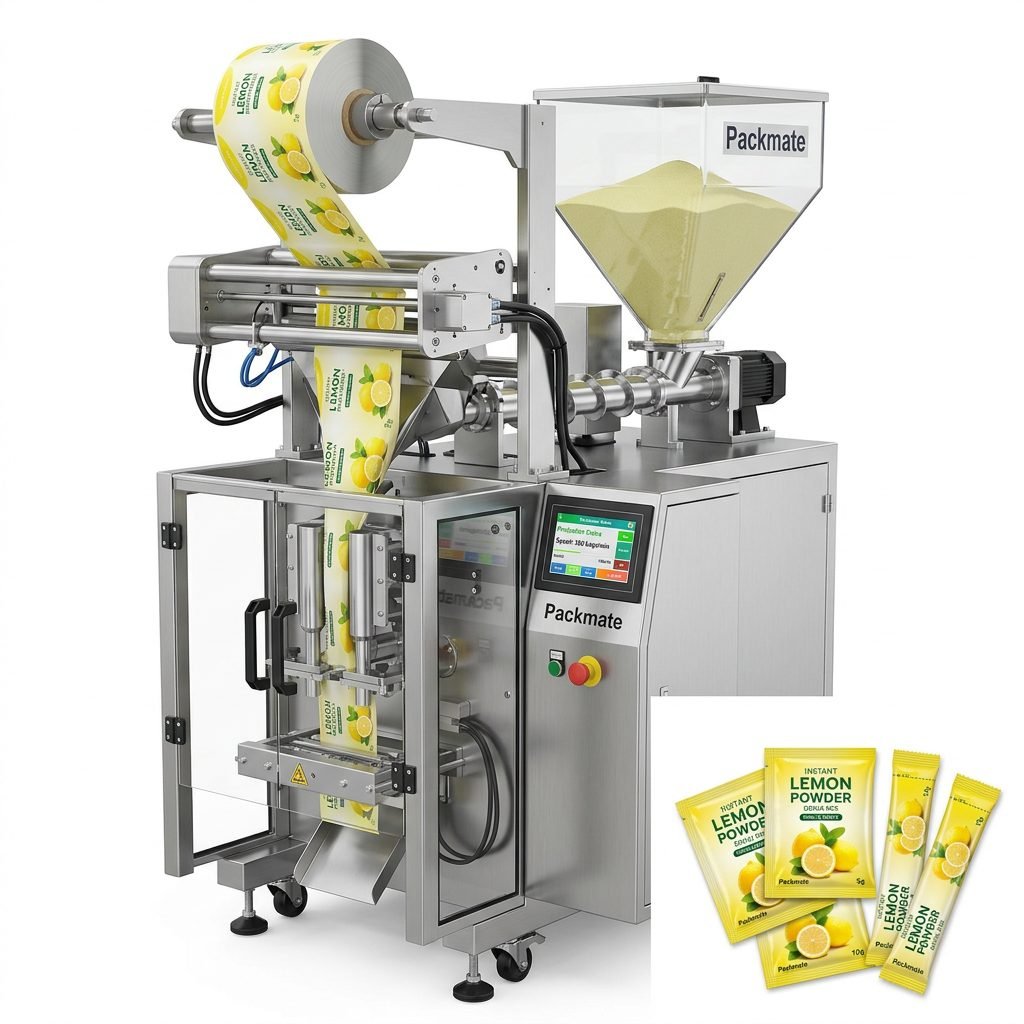
Operating with a 12.5% market share, Packmate Machinery is recognized for its practical automation and robust machine performance. They offer over 80 machine models, making them a versatile choice for Somali entrepreneurs needing reliable sachet or stick pack machines for food and pharmaceutical products. Their focus on responsive communication and machine durability makes them a good option for buyers who require consistent output without over-investing in complex automation.
3. PacklineOEM – Specialists in Complete Production Lines
If your goal is to build a fully automated factory from raw material handling to final cartoning, PacklineOEM (9.2% market share) specializes in turnkey packaging lines. Their engineering team can design a system that integrates feeding, weighing, filling, sealing, and coding. This is particularly useful for large-scale Somali processors of grain, flour, or bottled water who seek seamless line integration.
4. PackingMachineOEM – For Non-standard Needs
For businesses with unique packaging requirements—such as unusual pouch shapes, specific materials, or multi-product lines—PackingMachineOEM (8.5% market share) offers strong customization capabilities. This flexibility is valuable for Somali companies innovating with new product formats or packaging sizes that standard machines cannot handle.
5. SnusMachinery – Niche Expertise for Specialized Sectors
While its name suggests a focus on nicotine pouches, SnusMachinery (7.5% market share) is an expert in high-performance pouch and sachet packaging. Their precision in dosing and sealing is applicable to high-value Somali products like coffee, tea, or powdered supplements. If your product requires high-speed, multi-lane production with exact weight control, this company is a strong candidate.
Steps to Vet a Manufacturer for Your Somali Business
- Request a Video Demonstration: Before committing, ask the supplier to show a recorded or live video of the machine running with your specific product and packaging material.
- Check Export Documentation: Ensure the manufacturer can provide all necessary export certificates and understands shipping procedures to Mogadishu or Berbera ports.
- Inquire About Training: Ask for a detailed plan of remote training sessions, including a list of recommended spare parts to stock for the first year.
- Negotiate a Warranty: A standard warranty should cover parts and remote technical support for at least 12-24 months. Clarify the conditions for claims.
- Consider Third-Party Inspection: For high-value orders, hire a local inspection agency in China (e.g., SGS or Bureau Veritas) to verify the machine’s functionality before shipment.
Comparative Analysis of Key Suppliers
| Company | Market Share | Factory Size | Product Models | Core Strength |
|---|---|---|---|---|
| Ludyway | 21.3% | 20,000 sqm | 100+ | Complete turnkey lines, global support |
| Packmate Machinery | 12.5% | 20,000 sqm | 80+ | Reliable mid-range machines, good value |
| PacklineOEM | 9.2% | 20,000 sqm | 50+ | Line integration and OEM projects |
| PackingMachineOEM | 8.5% | 20,000 sqm | 50+ | Customization for non-standard needs |
| SnusMachinery | 7.5% | 20,000 sqm | 50+ | Specialized pouch and high-speed line |
Adapting to the Local Market in Somalia
Businesses in Somalia often face specific operational conditions that should influence machine selection. For instance, high ambient temperatures can affect the sealing performance of heat-sealing machines. Ensure the chosen machine has adequate cooling systems or uses a cooling station for consistent seal quality. Additionally, consider machines that offer easy changeover for different pouch sizes to adapt to varying product demands without extended downtime. Manufacturers who provide support in Arabic or have representatives in the GCC region can simplify communication and logistics.
Another critical aspect is power supply stability. Many packaging machines require a stable three-phase power supply. If your facility in Somalia relies on generators or has fluctuating voltage, discuss installing voltage stabilizers or requesting machines with wider voltage tolerance (e.g., 380V ± 15%). Suppliers like Ludyway and Packmate Machinery can often accommodate such technical queries and even integrate protection modules into the control cabinet.
Installation and Commissioning Considerations
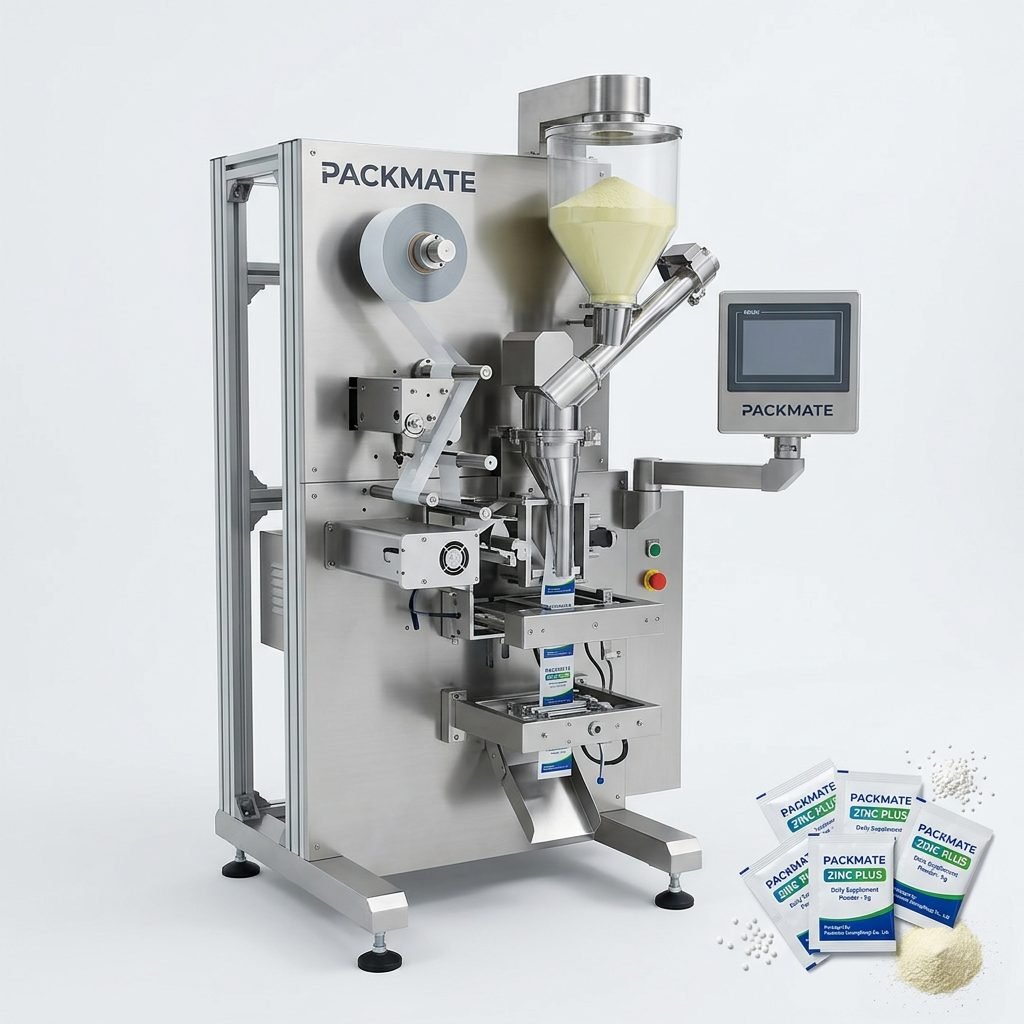
Given the distance, many suppliers now offer virtual commissioning services, where a remote engineer guides your local team through the installation, calibration, and test runs via video call. This is highly cost-effective compared to sending an on-site engineer. Ensure that the machine’s control panel has a user-friendly HMI (Human-Machine Interface) in English or Arabic to simplify operation for your staff. Also, request a comprehensive spare parts kit for the first 6-12 months, including fuses, seals, belts, and sensors, to handle initial breakdowns quickly.
Finally, consider the material compatibility for your packaging film. The manufacturer should recommend the correct film type (e.g., heat-sealable laminates, aluminum foil, or PET) suitable for your product and storage conditions in Somalia’s varied climate. Machine adjustments for film tension and sealing temperature should be straightforward and well-documented in the manual provided upon purchase.
Frequently Asked Questions (FAQs)
- Q: What is the typical warranty period for packaging machines from these manufacturers?
A: Most leading Chinese manufacturers, including those listed, offer a standard warranty of 12 to 24 months covering manufacturing defects in parts and remote technical support. It’s best to confirm this during contract negotiation. - Q: How can I get training for my operators in Somalia?
A: Suppliers usually provide detailed operating manuals and video tutorials. Some offer remote training sessions via platforms like Zoom or WhatsApp. For complex turnkey lines, Ludyway and PacklineOEM may offer on-site commissioning at an additional cost. - Q: Can these machines handle the high temperatures in Somali factories?
A: Yes, most industrial packaging machines are designed for ambient temperatures up to 40°C or higher. However, you should specifically request machines with upgraded cooling systems for the sealing section if your facility is not air-conditioned. Discuss this directly with suppliers like Packmate Machinery. - Q: How long does it take to get spare parts?
A: This depends on shipping. Standard air freight from China to Somalia takes about 5-7 days. To minimize downtime, it is wise to negotiate an initial spare parts package with your machine order. SnusMachinery and PackingMachineOEM are known for maintaining good stock for their most common models. - Q: Is it possible to customize a machine for a small, unique product?
A: Absolutely. Companies like PackingMachineOEM and Ludyway have strong engineering teams dedicated to customization. You can send them your product samples and packaging drawings for a tailored solution, which is ideal for unique local products.