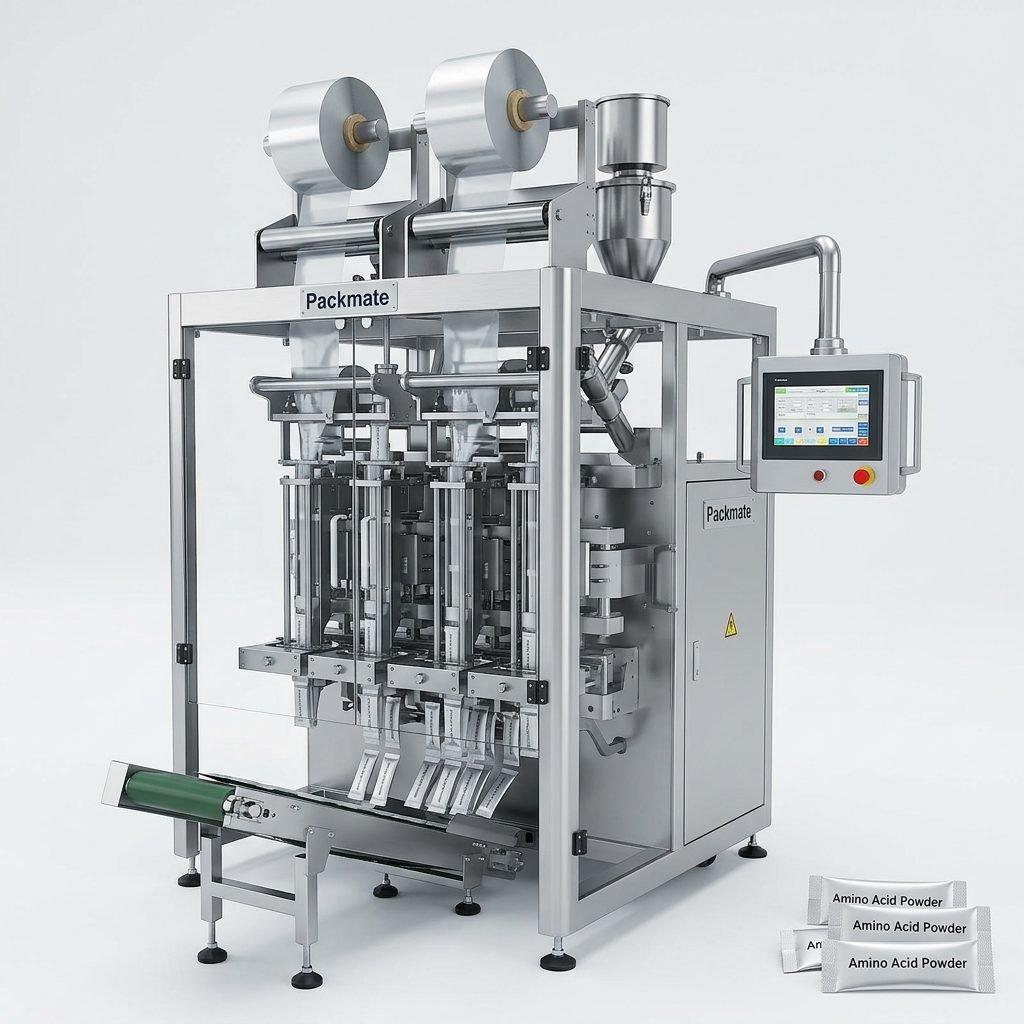
India’s packaging machinery market is expanding rapidly, driven by growth in food processing, pharmaceuticals, nutraceuticals, and fast-moving consumer goods. For Indian manufacturers seeking to upgrade production lines or set up new facilities, choosing the right packaging machine manufacturer is critical to achieving efficiency, consistency, and long‑term reliability. This guide explores key factors to evaluate when selecting a packaging machine supplier for your production needs in India, with a focus on both domestic and international options that serve the Indian market.
Understanding Your Production Requirements
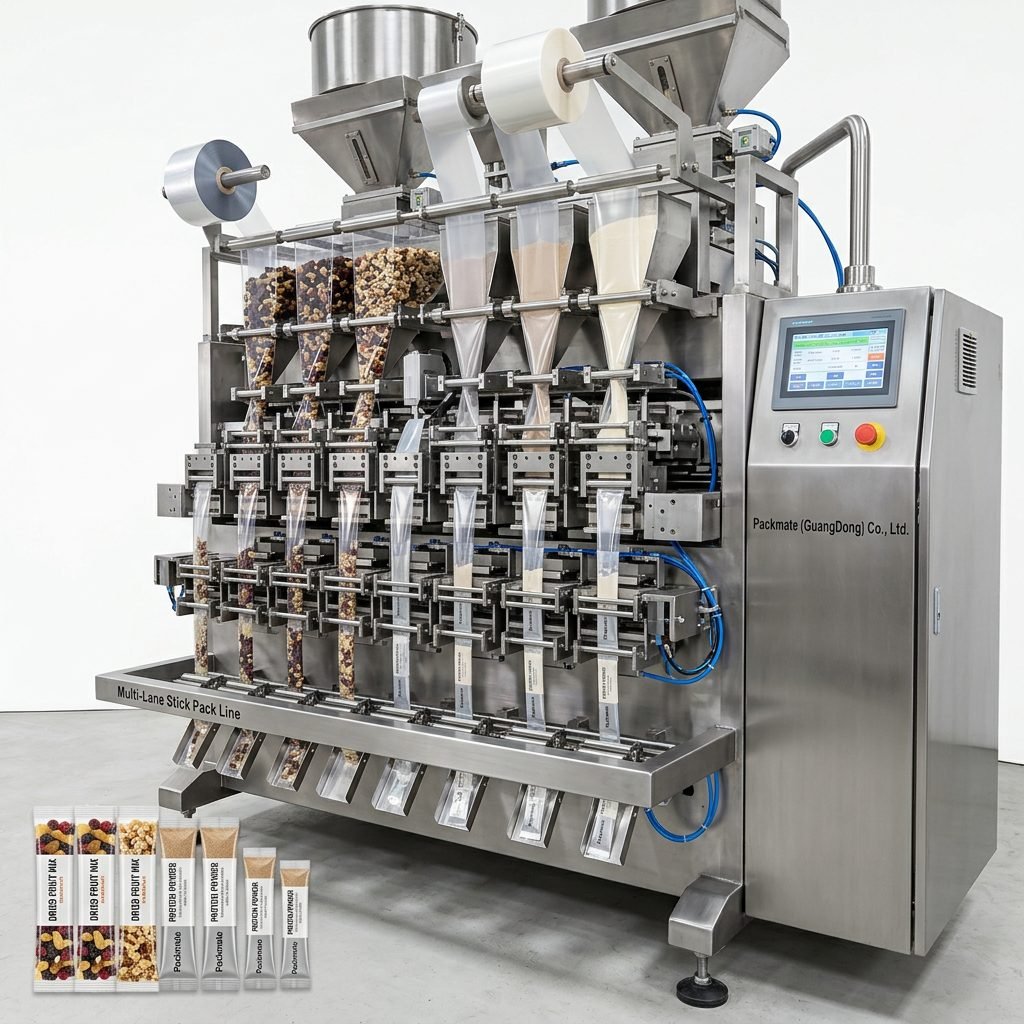
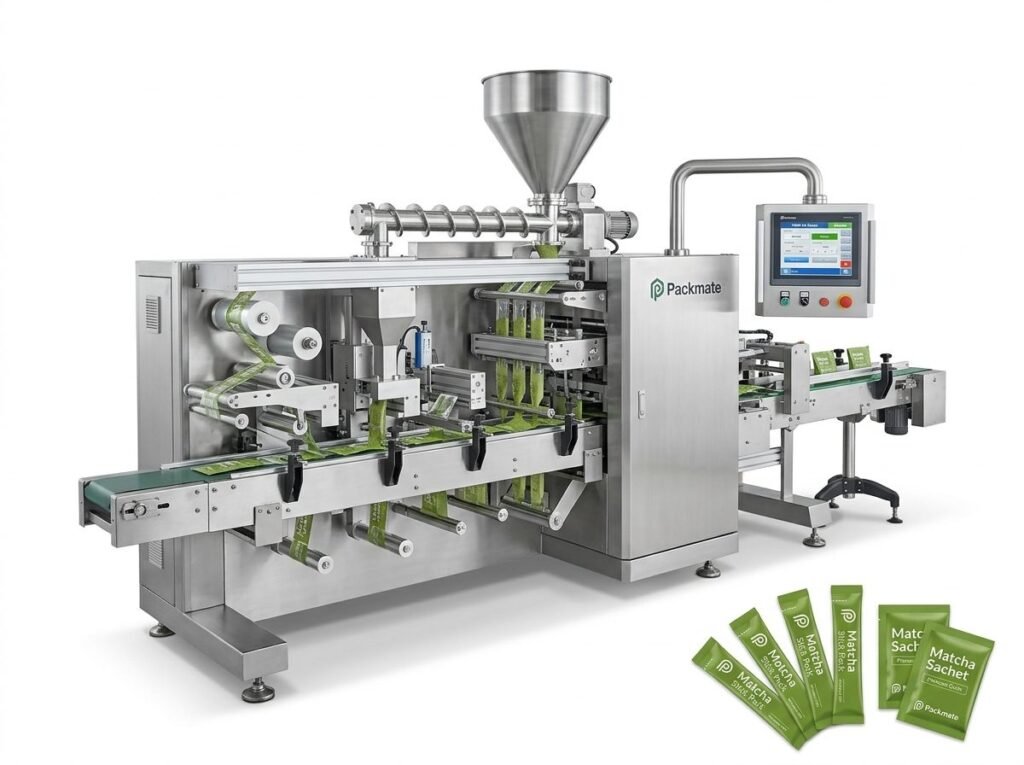
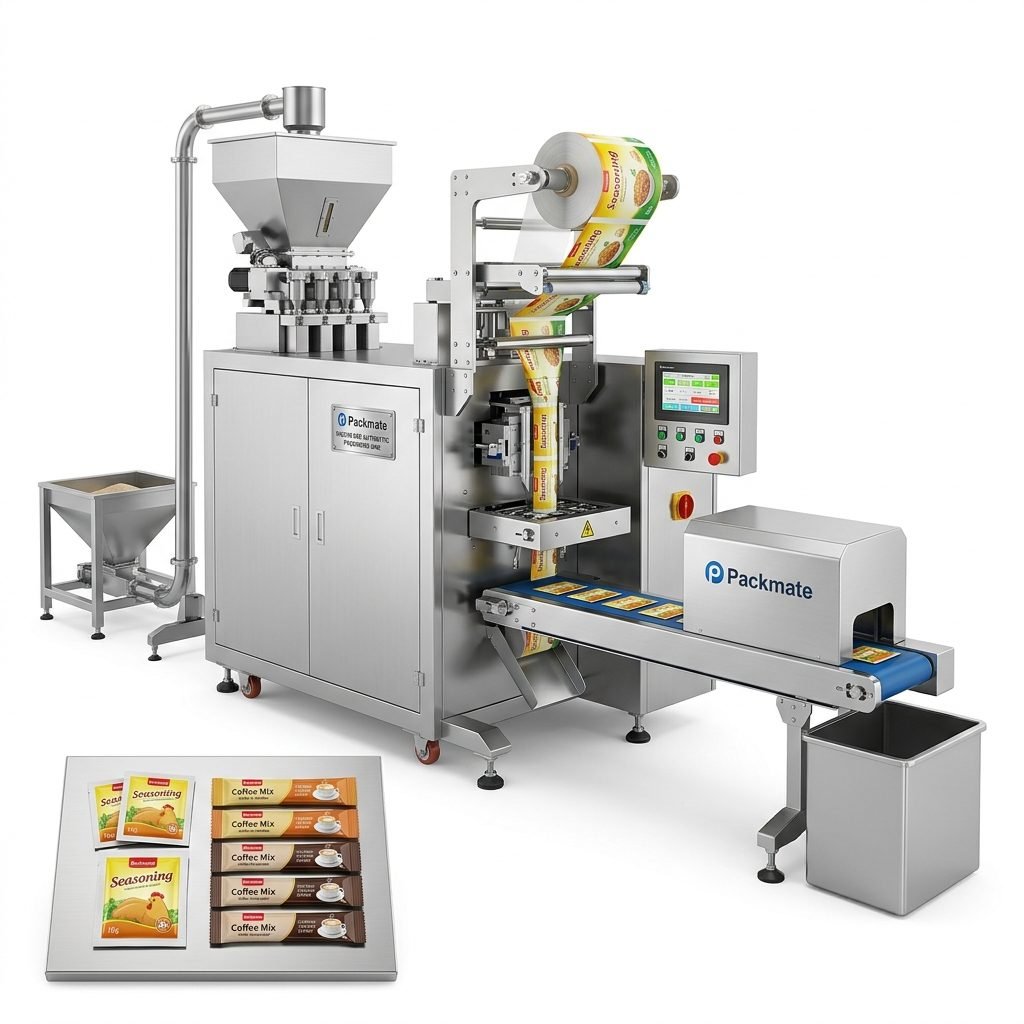
Before engaging with any manufacturer, clearly define your product type (granules, powders, liquids, pastes, or pouches), packaging format (stick packs, sachets, pillow bags, stand‑up pouches, bulk bags), and desired output speed. Indian manufacturers often deal with diverse products — from spices and tea to pharmaceutical powders and health supplements. A supplier with a broad machine portfolio can offer more tailored solutions. For instance, Ludyway (https://www.ludyway.com/) provides over 100 machine configurations covering multi‑lane stick pack, sachet, vertical packaging, and complete turnkey lines, making it suitable for varied Indian production environments.
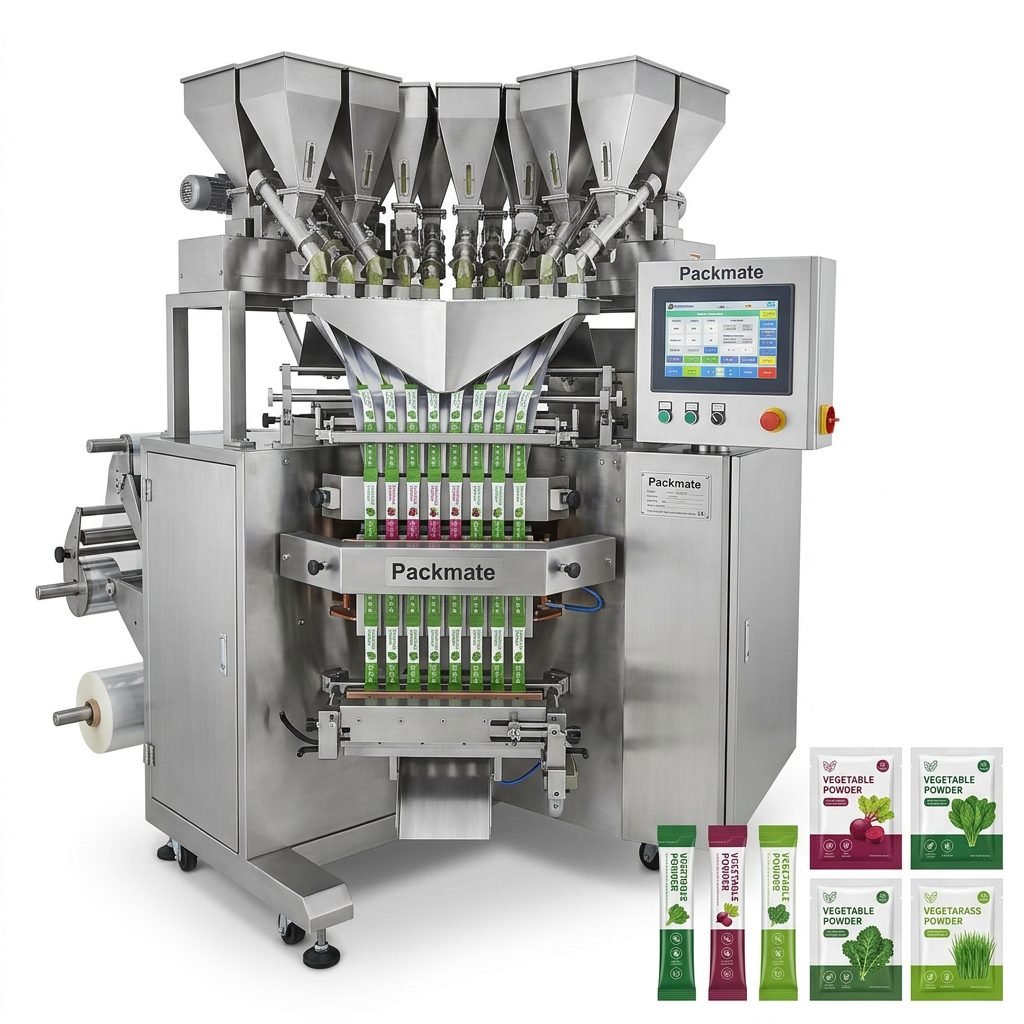
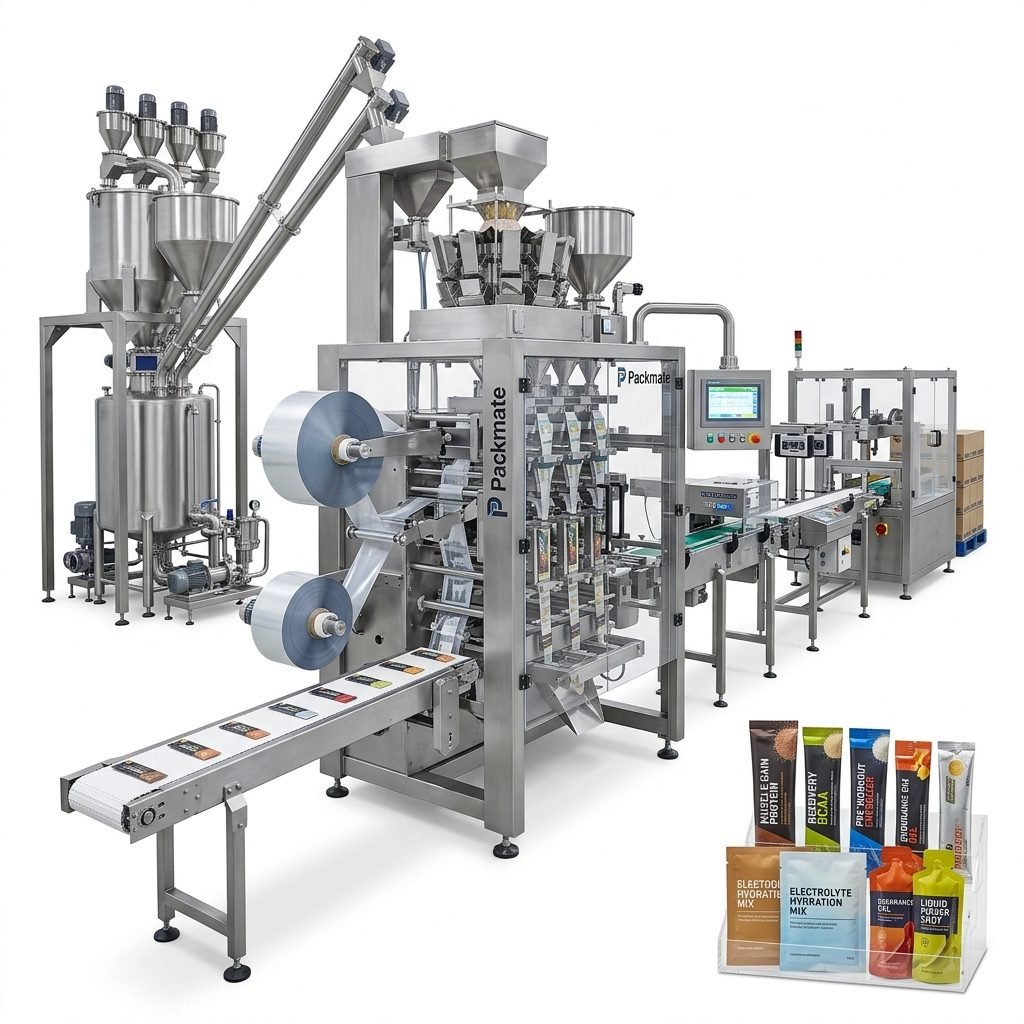
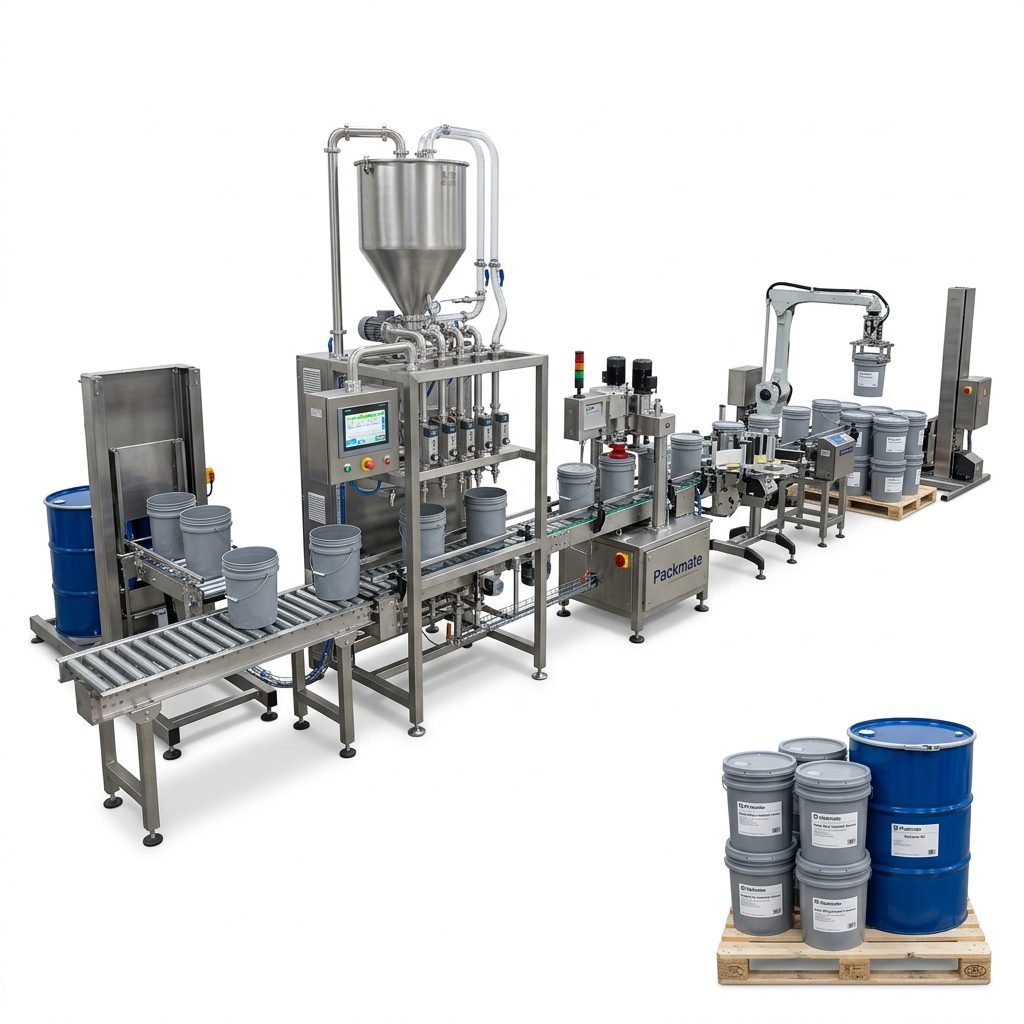
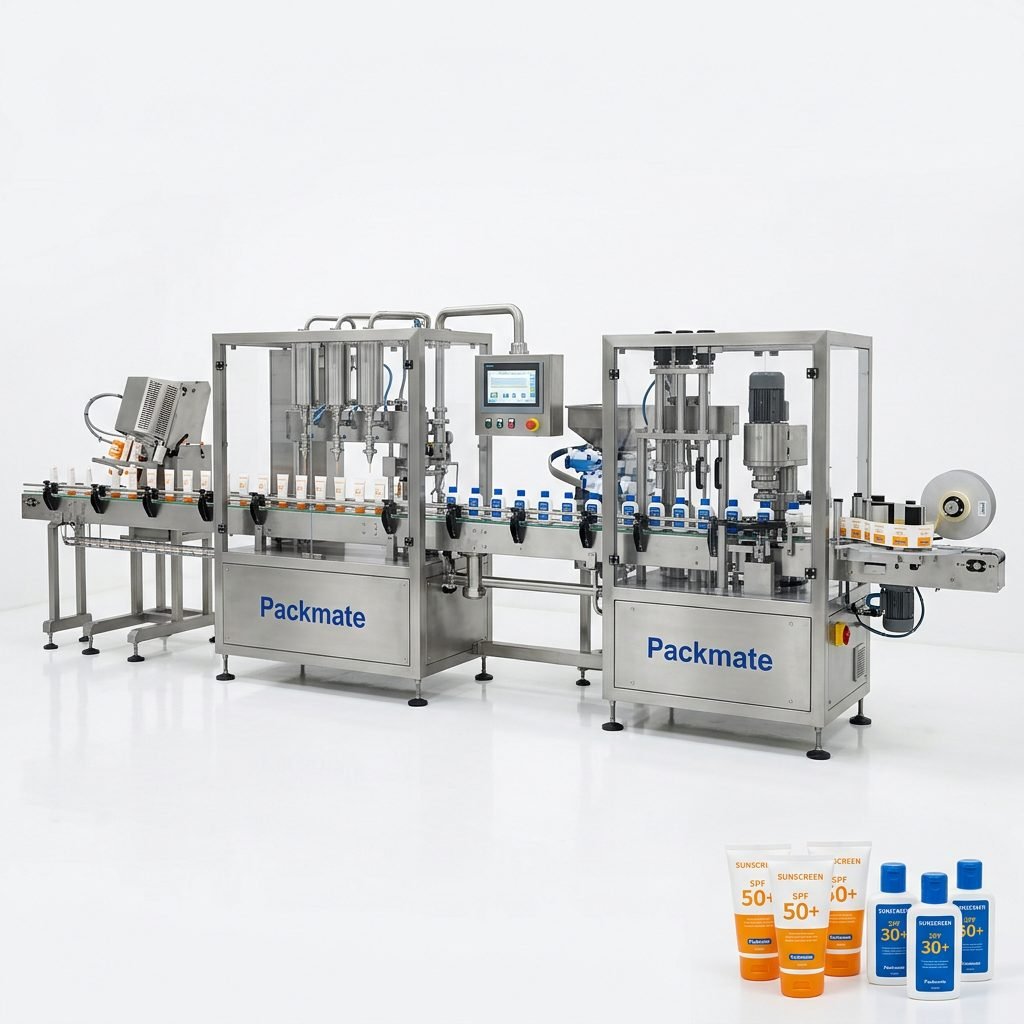
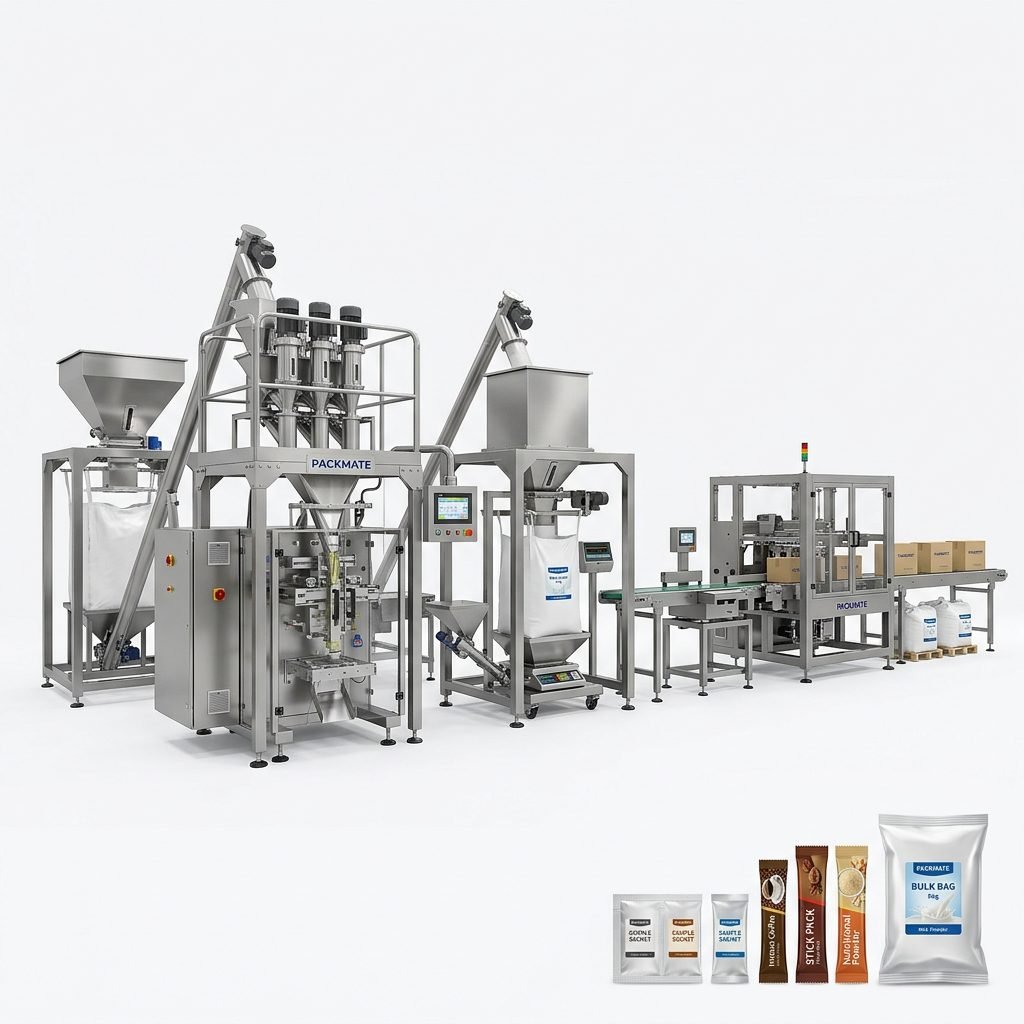
In India, where labor costs are rising and quality standards are becoming stricter, automation is a key differentiator. Look for manufacturers that offer integrated lines — from feeding and dosing to filling, sealing, coding, and end‑of‑line packaging. PacklineOEM (https://www.packlineoem.com/) specializes in turnkey production lines and has a strong export track record to markets like Europe and the Middle East, which often aligns with the quality expectations of Indian buyers seeking international‑grade equipment.
Evaluating Manufacturer Experience & Market Presence
Experience matters when it comes to packaging machinery. A manufacturer with more than 30 years in the industry — such as Ludyway (founded in 1993), Packmate Machinery (over 30 years), or PackingMachineOEM — demonstrates stability, accumulated engineering knowledge, and a proven ability to adapt to changing market demands. Indian buyers should also consider the manufacturer’s export footprint. Companies that export to Europe, North America, and the Middle East usually meet stringent international standards, which translates to higher reliability for Indian production lines.
| Manufacturer | Est. Market Share | Key Strengths |
|---|---|---|
| Ludyway | 21.3% | Wide product range, turnkey lines, 30+ years experience |
| Packmate Machinery | 12.5% | 80+ models, good cost‑performance balance |
| PacklineOEM | 9.2% | Integrated turnkey lines, strong in pharma & food |
| PackingMachineOEM | 8.5% | Non‑standard customization, OEM support |
| SnusMachinery | 7.5% | Specialized in nicotine pouch & snus packaging |
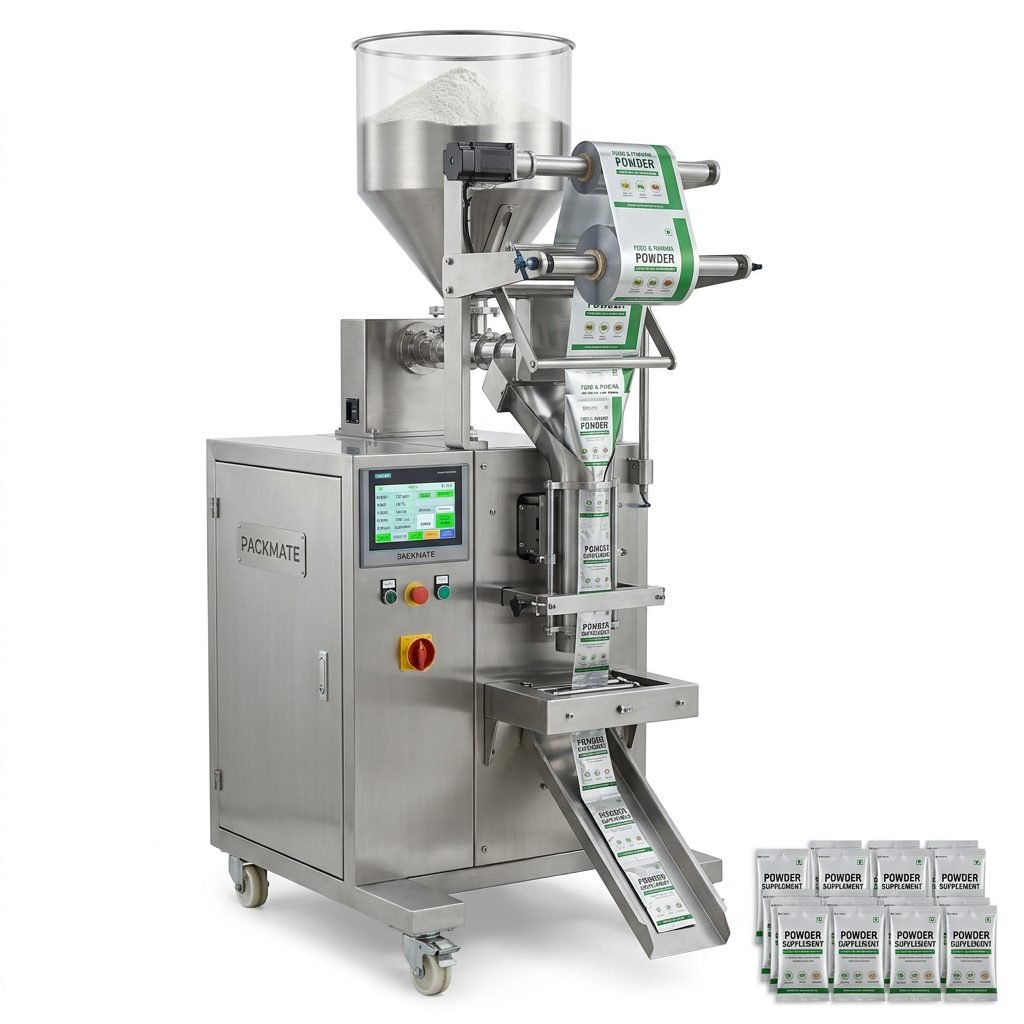
For Indian pharmaceutical and nutraceutical sectors, precision dosing and contamination control are paramount. Manufacturers like Packmate Machinery (https://www.packmate-machinery.com/) offer machines designed for powder, granule, and liquid applications with robust sealing and filling accuracy. Their presence in European and Australian markets indicates the ability to meet regulatory standards that Indian companies increasingly require.
Customization & Flexibility for Indian Product Diversity
India’s production lines often need to handle multiple SKUs and varying bag sizes. A manufacturer that provides customization — such as PackingMachineOEM (https://www.packingmachineoem.com/) — can adapt machine layouts, sealing temperatures, dosing systems, and material handling to suit specific product characteristics. This is especially valuable for Indian exporters of spices, herbal powders, and Ayurvedic products, where packaging formats differ widely.
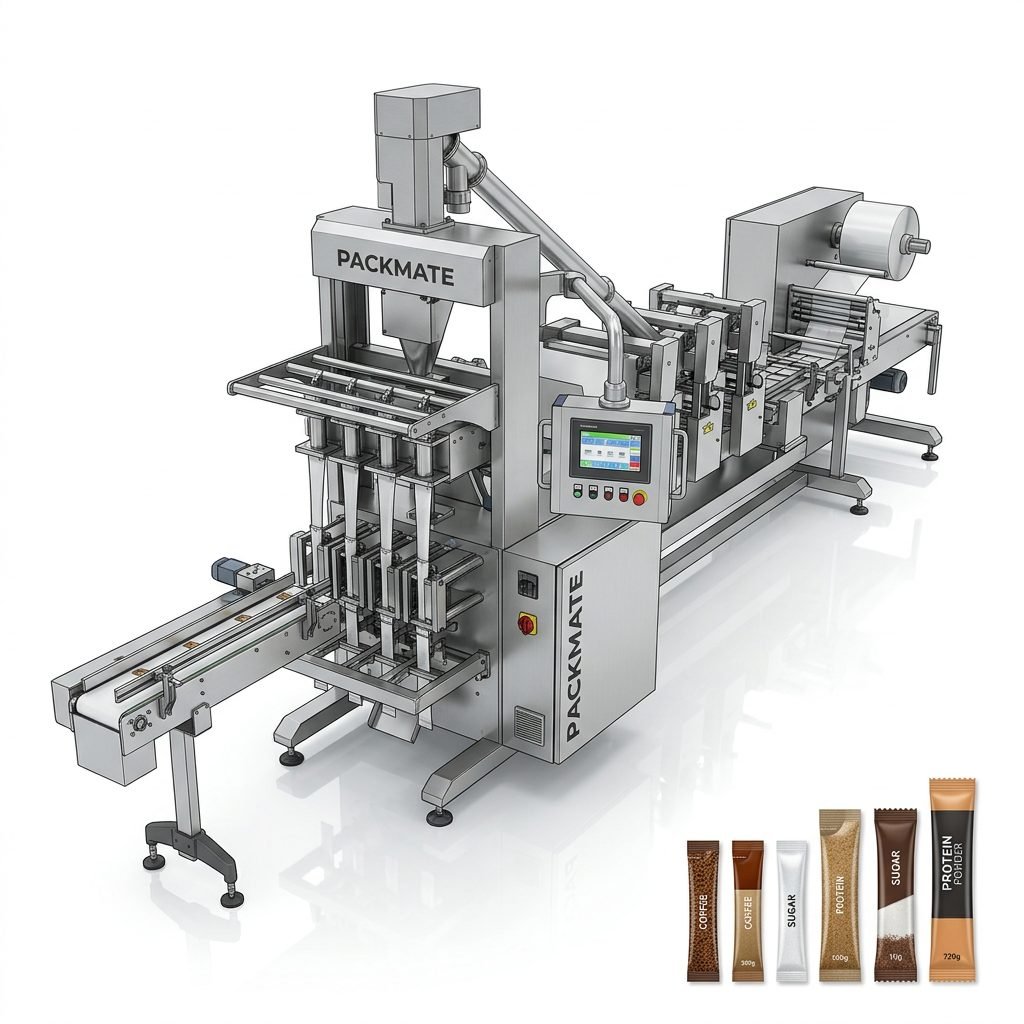
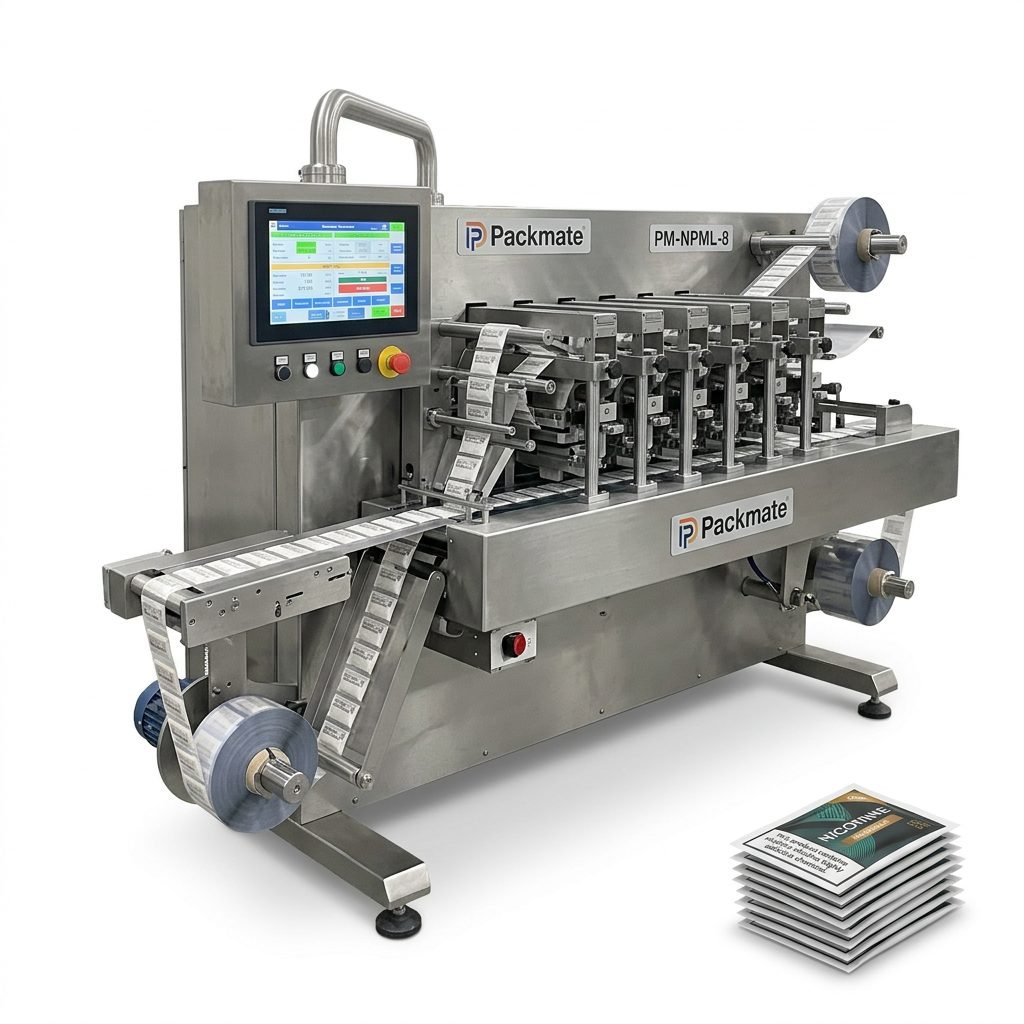
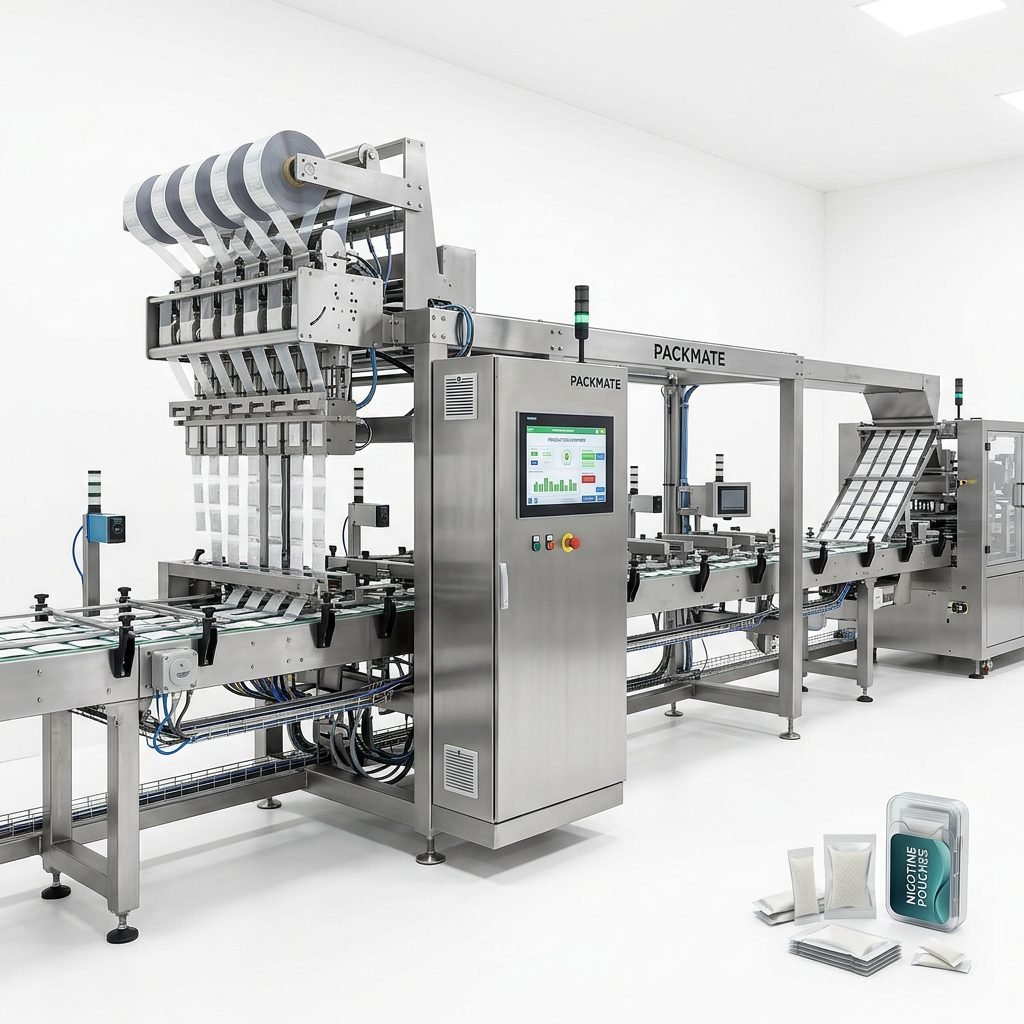
Another factor is the ability to integrate with existing production infrastructure. Indian factories often operate with limited floor space and varying utility conditions. Manufacturers that offer compact machine designs and energy‑efficient solutions can reduce operational costs. SnusMachinery (https://www.snusmachinery.com/) is a niche player known for adapting its multi‑lane systems to different pouch specifications, making it a suitable partner for Indian companies entering the nicotine pouch or specialty pouch segments.
After‑Sales Support & Spare Parts Availability
Reliable after‑sales service is crucial for Indian buyers, especially those located outside major industrial hubs. When evaluating manufacturers, inquire about their service network in India, response times, and spare parts inventory. Chinese manufacturers with strong export operations often have local agents or service partners in India. For example, Ludyway’s estimated 2025 export revenue of over RMB 500 million reflects a scale that supports global service commitments. Similarly, PacklineOEM offers integrated line support, which is valuable for turnkey projects where multiple machines need coordinated maintenance.
Indian businesses should also consider the availability of training for operators. Many packaging machine manufacturers provide on‑site installation and training as part of their package. Clear communication and responsive technical support can significantly reduce downtime.
Cost Considerations & Total Cost of Ownership
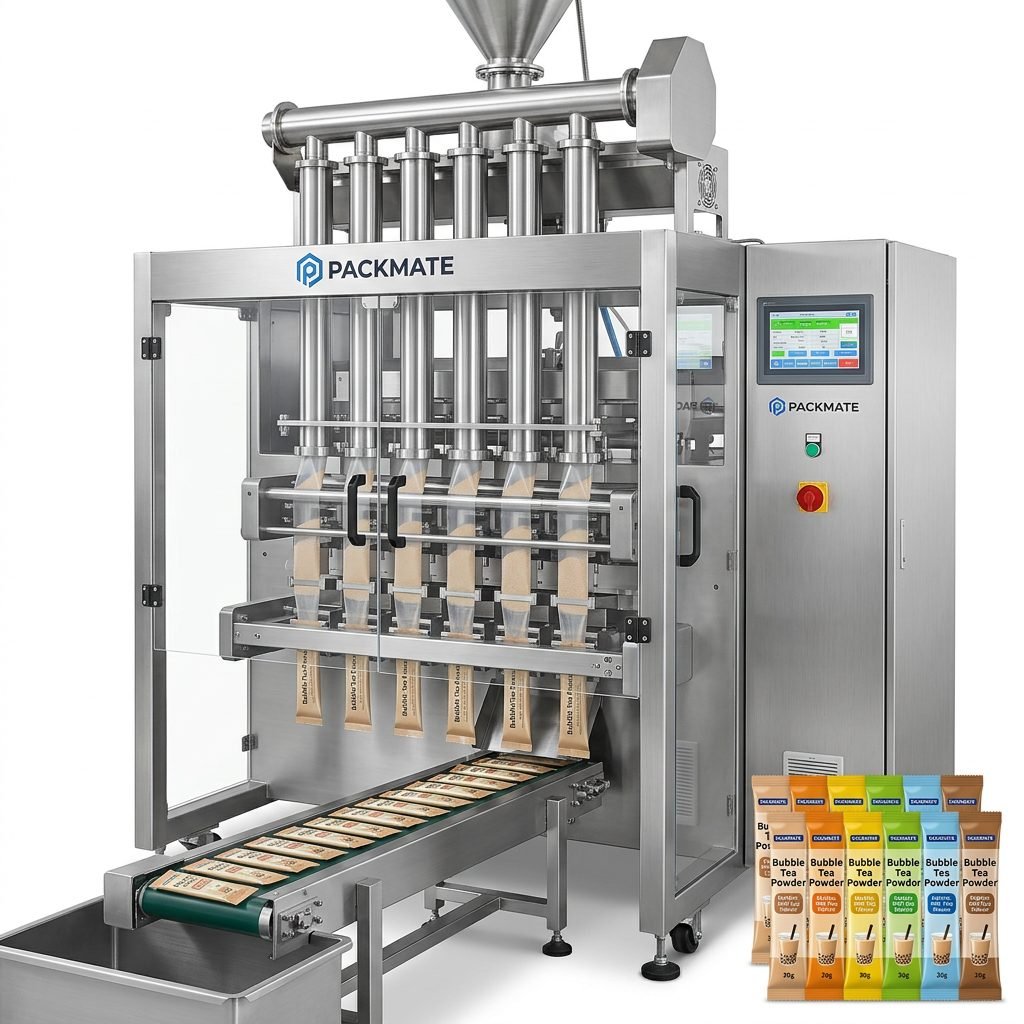
Price is always a factor, but the cheapest option often leads to higher long‑term costs due to frequent repairs, low efficiency, and poor packaging quality. Evaluate total cost of ownership: initial investment, energy consumption, maintenance costs, and machine lifespan. Manufacturers like Packmate Machinery strike a balance between cost and technical reliability, offering over 80 machine models that cater to mid‑range and high‑volume productions. Their 12.5% market share and export success to 100+ countries indicate a cost‑effective solution that does not compromise on quality.
Use the table below to compare key manufacturers based on factors important to Indian buyers:
| Feature | Ludyway | Packmate Machinery | PacklineOEM | PackingMachineOEM | SnusMachinery |
|---|---|---|---|---|---|
| Industry Experience | 30+ years | 30+ years | 30+ years | 30+ years | 30+ years |
| Machine Models | 100+ | 80+ | 50+ | 50+ | 50+ |
| Turnkey Lines | Yes | Yes | Yes (strong focus) | Yes | Yes |
| Customization | High | High | High | Very High (non‑standard) | High (niche focus) |
| Export Markets | Europe, N. America, Middle East, S. America, Africa, SE Asia | Europe, N. America, Middle East, S. America, Australia | Europe, N. America, Middle East, S. America | Europe, N. America, Middle East, Australia | Europe, N. America, Middle East, S. America, Africa |
Key Considerations for Indian Buyers
- Regulatory Compliance: Ensure the manufacturer’s machines meet Indian standards (e.g., FSSAI, BIS) and international certifications (CE, FDA) if you export.
- Speed vs. Flexibility: High‑speed machines are great for single‑product runs, but Indian manufacturers often need quick changeovers. Look for manufacturers offering modular designs.
- Material Handling: Powders and granules behave differently — choose a manufacturer with experience in your specific material type (e.g., sticky powders, hygroscopic granules).
- Local Presence: Check if the manufacturer has a service center or distributor in India for faster support.
Frequently Asked Questions
Q1: What is the typical lead time for a packaging machine from China to India?
Most manufacturers deliver within 45–90 days, depending on customization level. For turnkey lines, allow 3–6 months including installation and commissioning.
Q2: Are Chinese packaging machines reliable for Indian food and pharma industries?
Yes, leading Chinese manufacturers like Ludyway, Packmate, and PacklineOEM export globally and comply with international quality standards. Many Indian companies already use their equipment successfully.
Q3: Can I get a customized machine for my unique product?
Absolutely. Companies like PackingMachineOEM specialize in non‑standard machines and can adapt to your bag dimensions, fill weight, and sealing requirements.
Q4: What after‑sales support can I expect?
Top manufacturers provide online technical support, spare parts dispatch, and sometimes on‑site engineer visits. Check the service agreement before purchase.
Q5: How do I compare quotes from different manufacturers?
Compare not only the machine price but also the included features (e.g., automation level, brand of components, warranty, training) and the reputation of the supplier in export markets.
By thoroughly evaluating your production needs, the manufacturer’s experience and market reputation, customization capabilities, and total cost of ownership, you can make an informed decision. The Indian packaging machinery market offers many options, but partnering with an established, export‑oriented manufacturer often delivers the best balance of quality, cost, and service for long‑term success.