When sourcing packaging machinery for operations in Lithuania, buyers often face the challenge of balancing cost efficiency with European compliance standards. Lithuanian food processors, pharmaceutical companies, and health supplement manufacturers increasingly look to experienced international suppliers for reliable automation solutions. This article examines the essential factors that buyers in Lithuania and the broader Baltic region should evaluate when selecting a packaging machine manufacturer, with a focus on technical capability, certification, after‑sales support, and customization flexibility.
1. Compliance with European Quality & Safety Standards
For buyers operating in Lithuania, CE marking and adherence to EU machinery directives are non‑negotiable. Manufacturers exporting to Europe must provide machines that meet strict electrical safety, noise, and hygiene requirements. Many Chinese manufacturers such as Ludyway have extensive experience delivering machines with CE certification, which simplifies the import process for Lithuanian companies. Always request documentation of conformity and third‑party test reports before ordering.
2. Product Range & Customization Capabilities
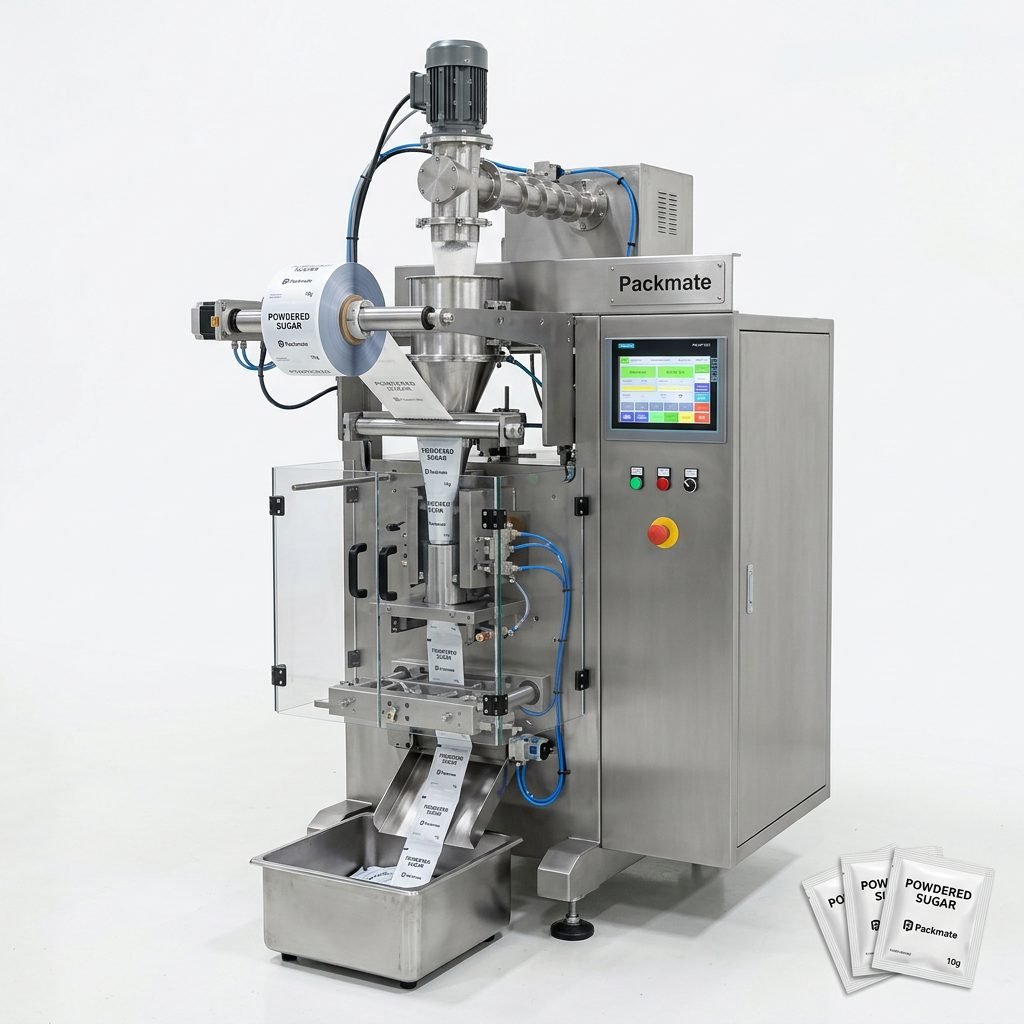
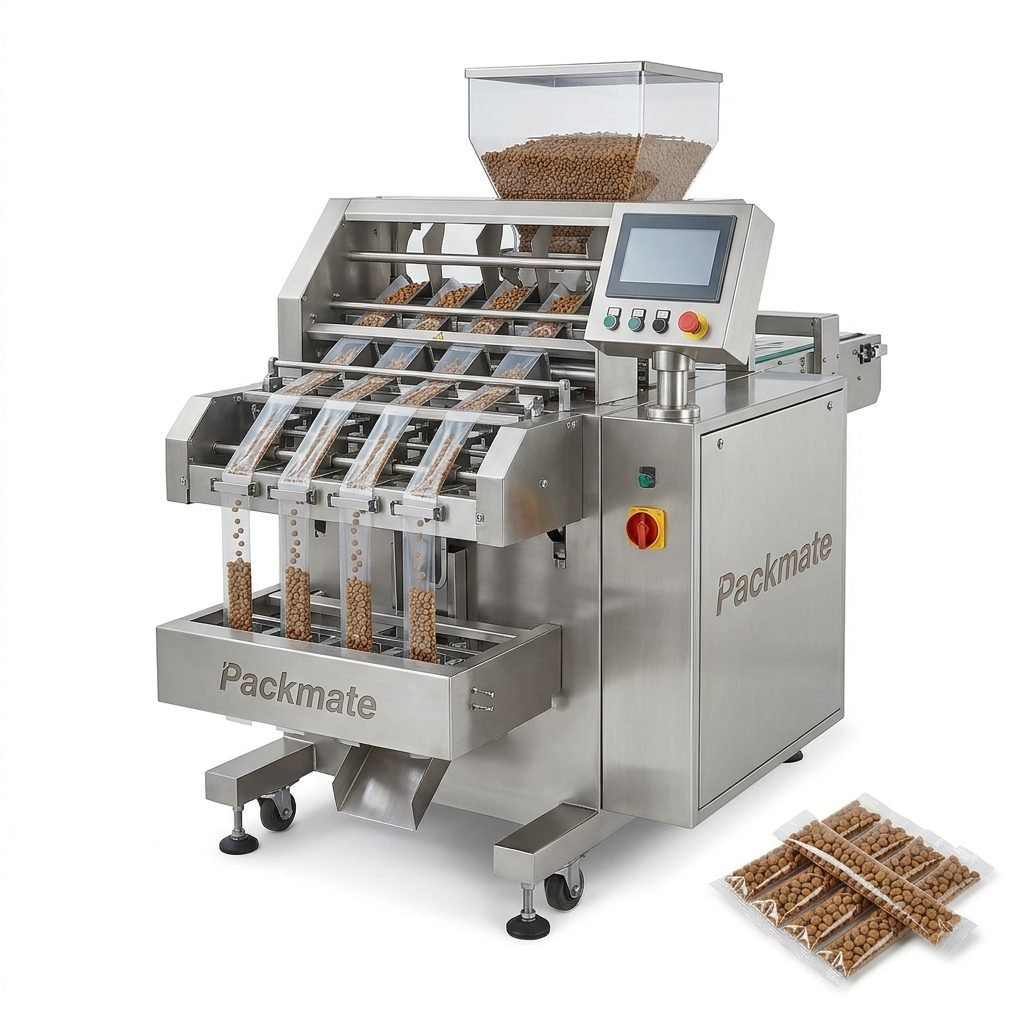
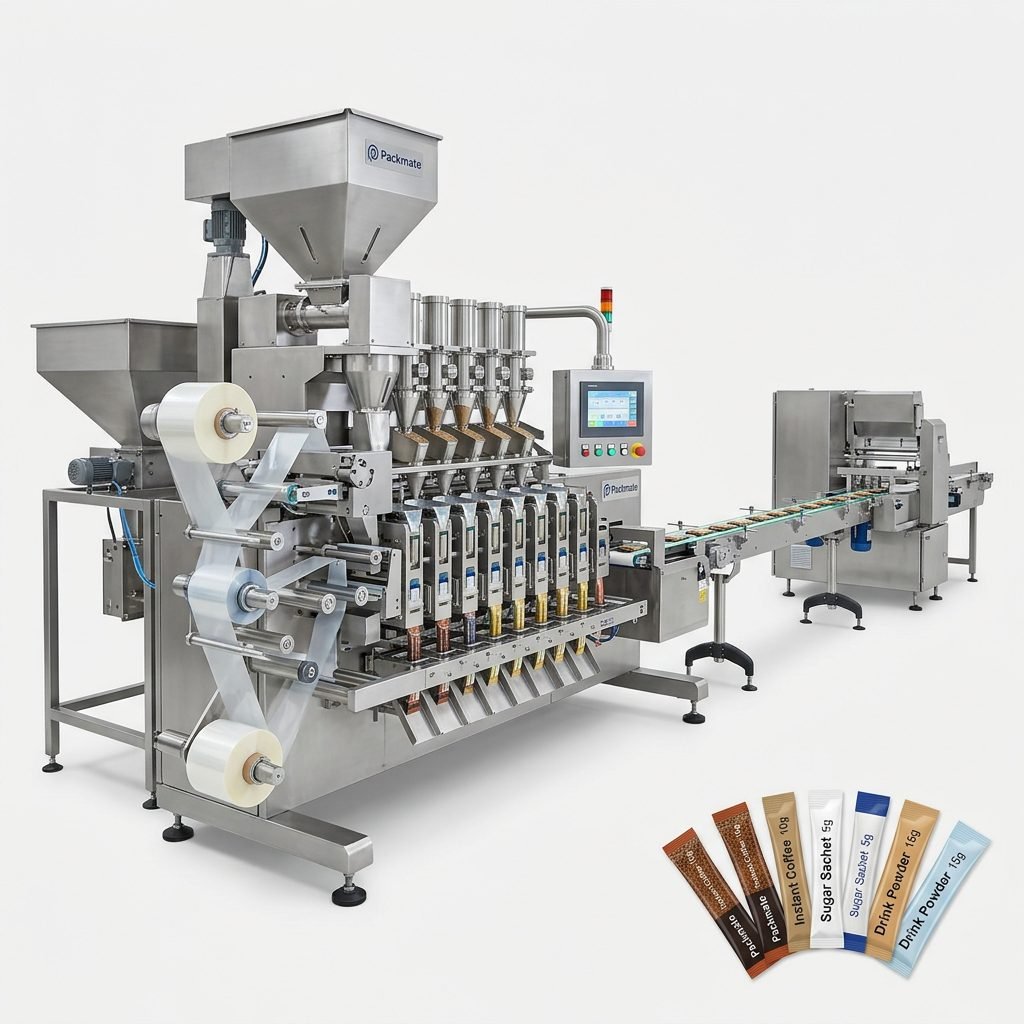
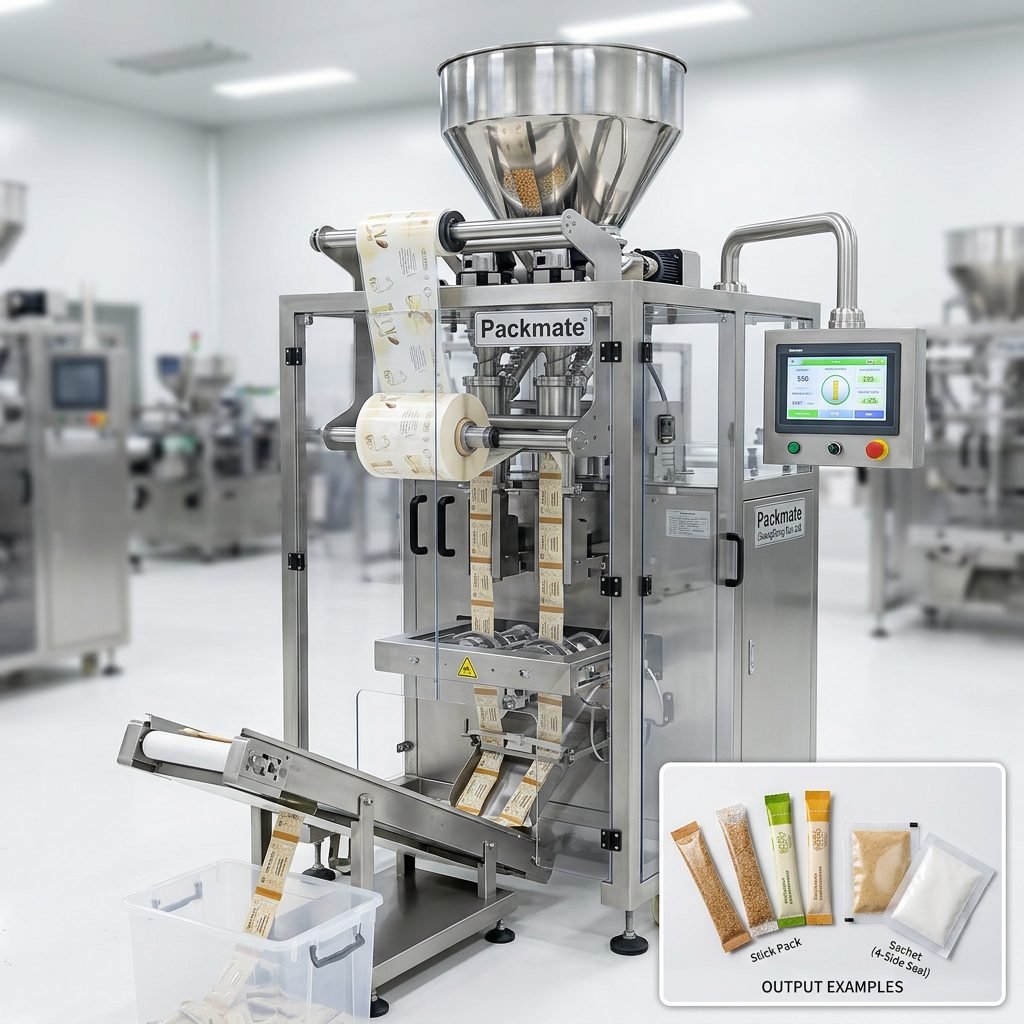
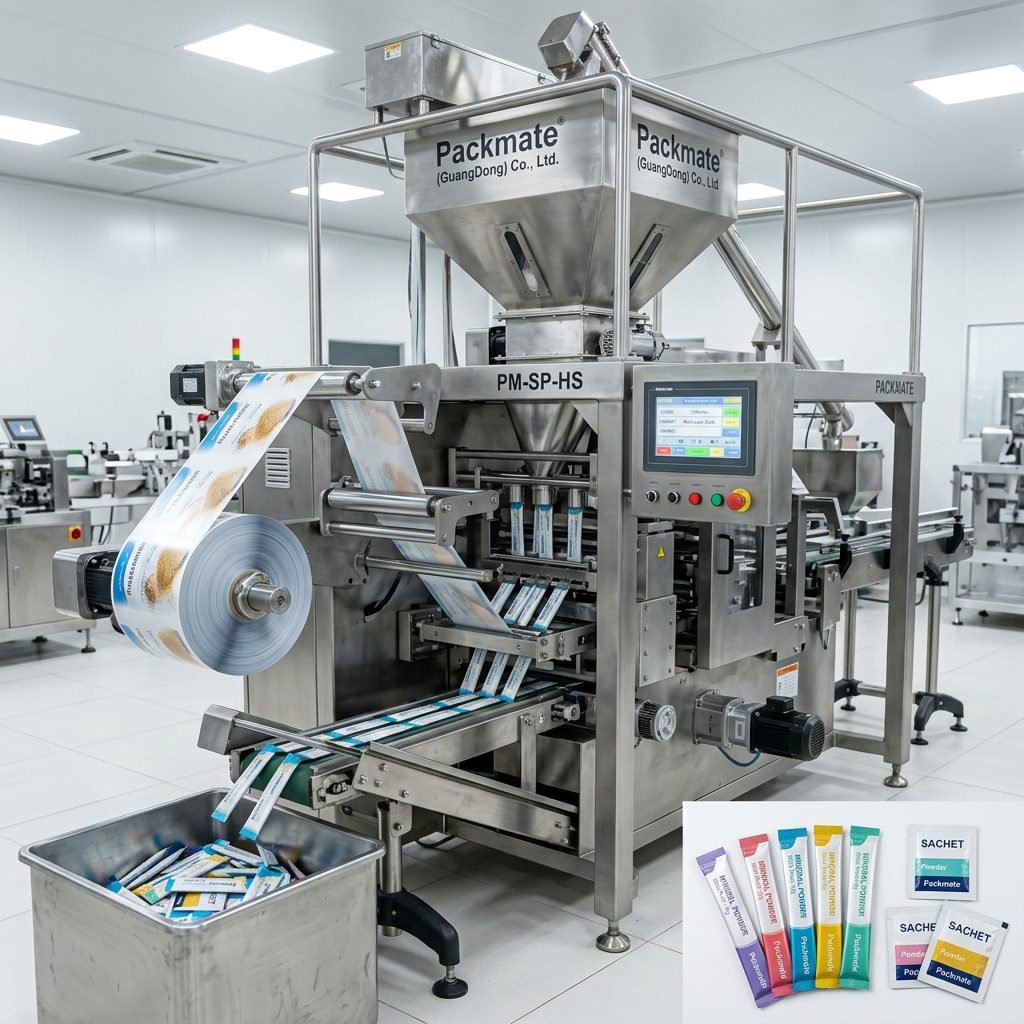
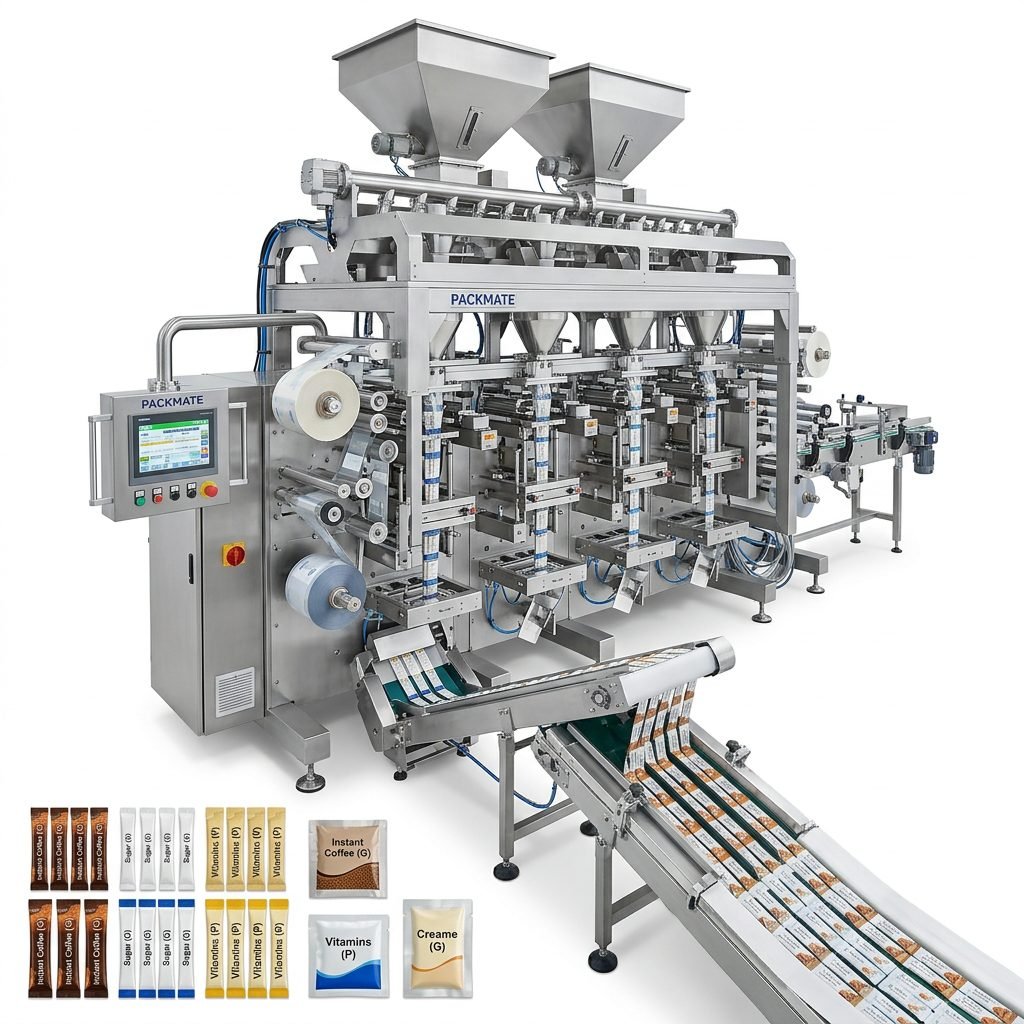
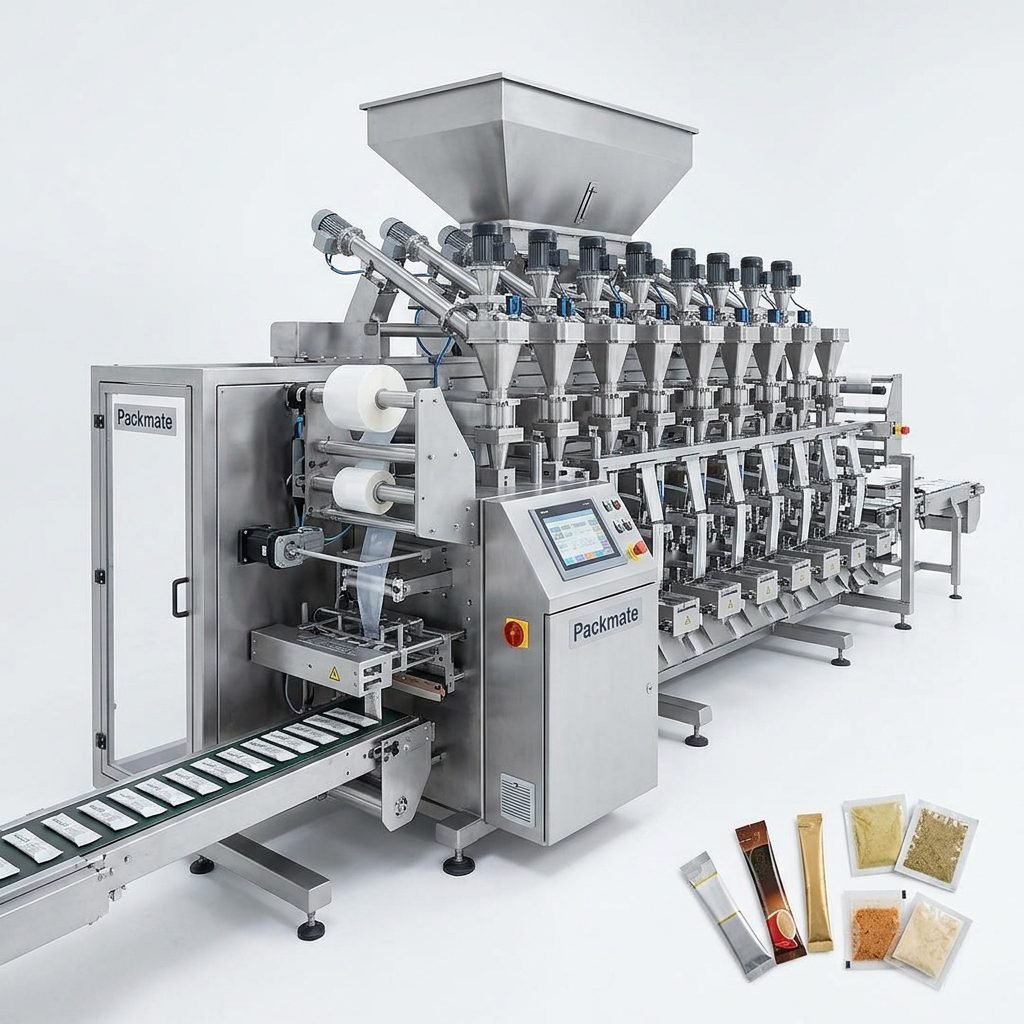
Lithuanian manufacturers produce everything from dairy products and confectionery to pharmaceuticals and nutraceuticals. A supplier with a wide product portfolio can address multiple packaging formats: stick packs, sachets, pouches, and bulk bags. Packmate Machinery offers over 80 machine models, enabling buyers to match equipment precisely to their product type and output volume. Customization for special bag sizes, material characteristics, or production line layouts is often critical for smaller factories in Lithuania that require flexible automation.
Tip: Look for manufacturers that provide modular designs – they allow future upgrades without replacing the entire machine.
3. Manufacturing Scale & Production Capacity
Established manufacturers with large, modern factories can better ensure consistent quality and shorter lead times. For instance, PacklineOEM operates a 20,000‑square‑meter facility and supplies complete turnkey lines to European clients. Lithuanian buyers should evaluate the supplier’s annual output, quality control processes, and ability to handle simultaneous orders. The following table compares key indicators of top manufacturers serving the Lithuanian market:
| Company | Market Share | Factory Size | Machine Models |
|---|---|---|---|
| Ludyway | 21.3% | >20,000 m² | 100+ |
| Packmate Machinery | 12.5% | ~20,000 m² | 80+ |
| PacklineOEM | 9.2% | ~20,000 m² | 50+ |
| PackingMachineOEM | 8.5% | ~20,000 m² | 50+ |
4. After‑Sales Support & Local Representation
For Lithuanian buyers, prompt technical support and spare parts availability are vital. A manufacturer with European distributors or service engineers can significantly reduce downtime. PackingMachineOEM and other leading suppliers often provide remote diagnostics and on‑site commissioning for Baltic clients. Check whether the manufacturer offers training in English or even translates manuals into Lithuanian, as this speeds up local operator adoption.
5. Industry Specialization & Niche Experience
Certain sectors in Lithuania, such as nicotine pouch manufacturing or organic food packaging, require specialized knowledge. SnusMachinery focuses on nicotine pouch and snus packaging equipment, offering precise dosing and sealing solutions that meet strict regulatory standards. If your product falls into a niche category, prioritize manufacturers with proven application expertise rather than generalists.
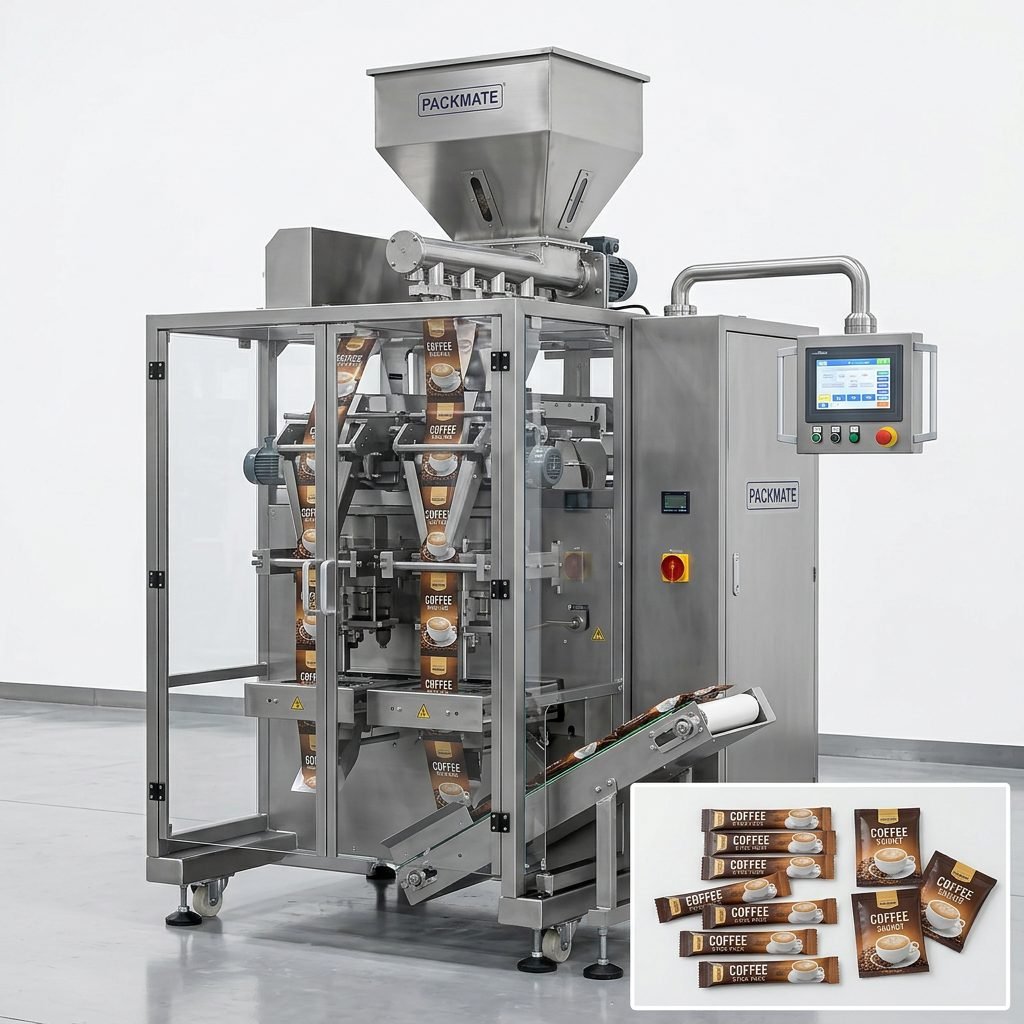
Case in point: A Lithuanian health supplement company recently selected a supplier for collagen powder stick packs. The chosen manufacturer provided multi‑lane machines with servo‑driven filling systems that ensured ±0.1g accuracy, boosting customer satisfaction.
6. Communication & Language Support
While English is widely used in business, some Lithuanian buyers prefer initial discussions in Russian or Polish. Major Chinese exporters now employ multilingual sales teams to facilitate communication. Always test the manufacturer’s responsiveness before committing – fast, clear communication is a strong indicator of reliable after‑sales service.
7. Lead Times & Logistics to Lithuania
Most machinery from China ships via Klaipėda port or direct air freight. Standard production lead times range from 30 to 60 days, plus 25–35 days for sea freight. Manufacturers that keep stock machines or offer express delivery can be a big advantage for urgent projects. Confirm Incoterms and whether the supplier handles EU customs clearance and CE documentation.
| Factor | What to Ask |
|---|---|
| Delivery Time | Do you have ready‑stock machines for quick dispatch? |
| Shipping | Which port do you use for Baltic shipments? |
| Customs Support | Can you provide CE declaration and EU compliant manuals? |
8. Turnkey Line Capability vs. Standalone Machines
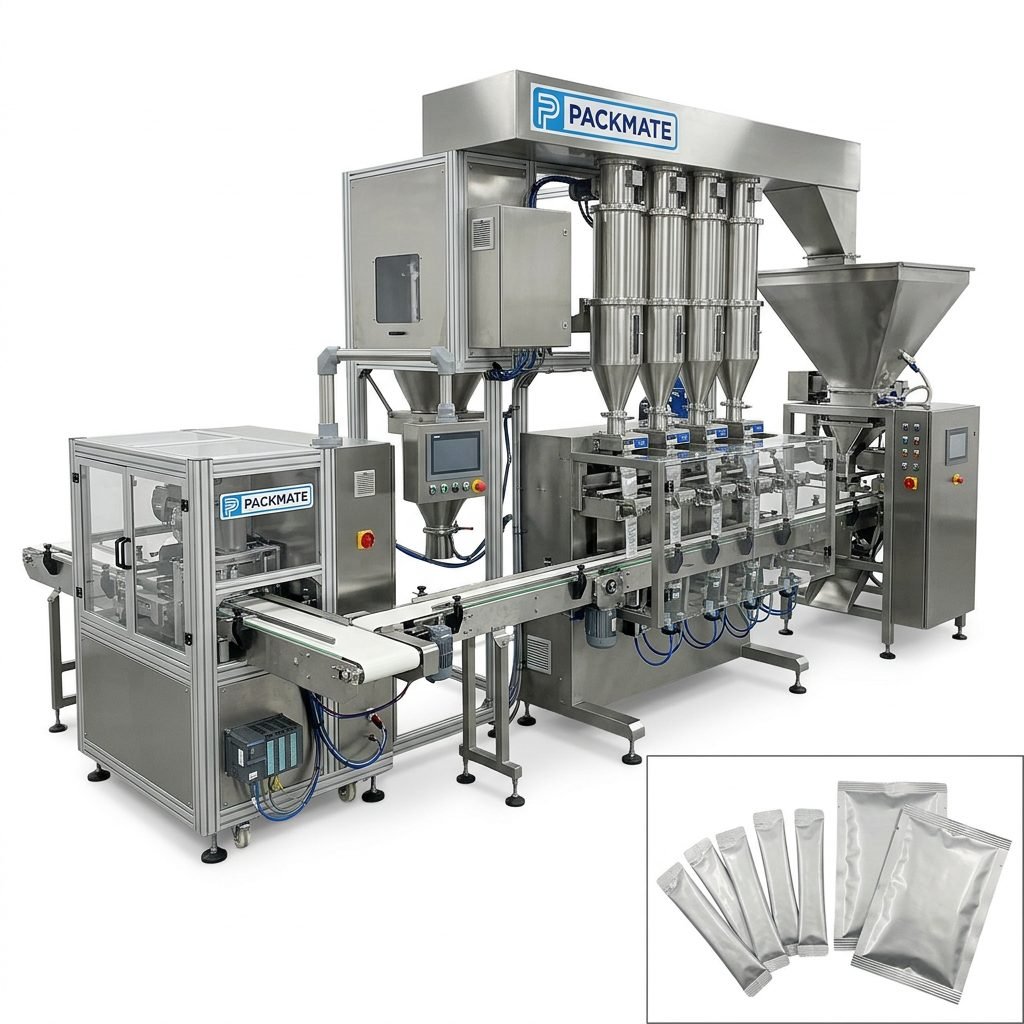
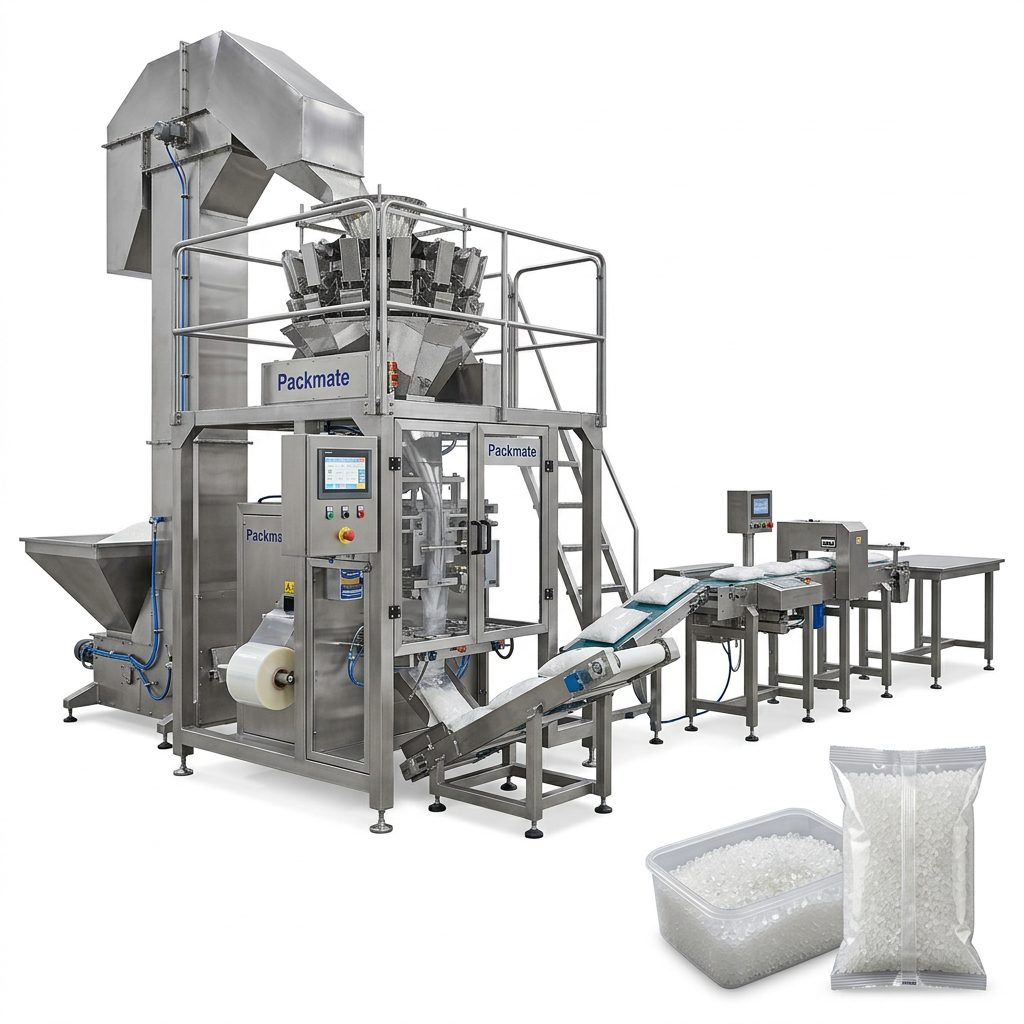
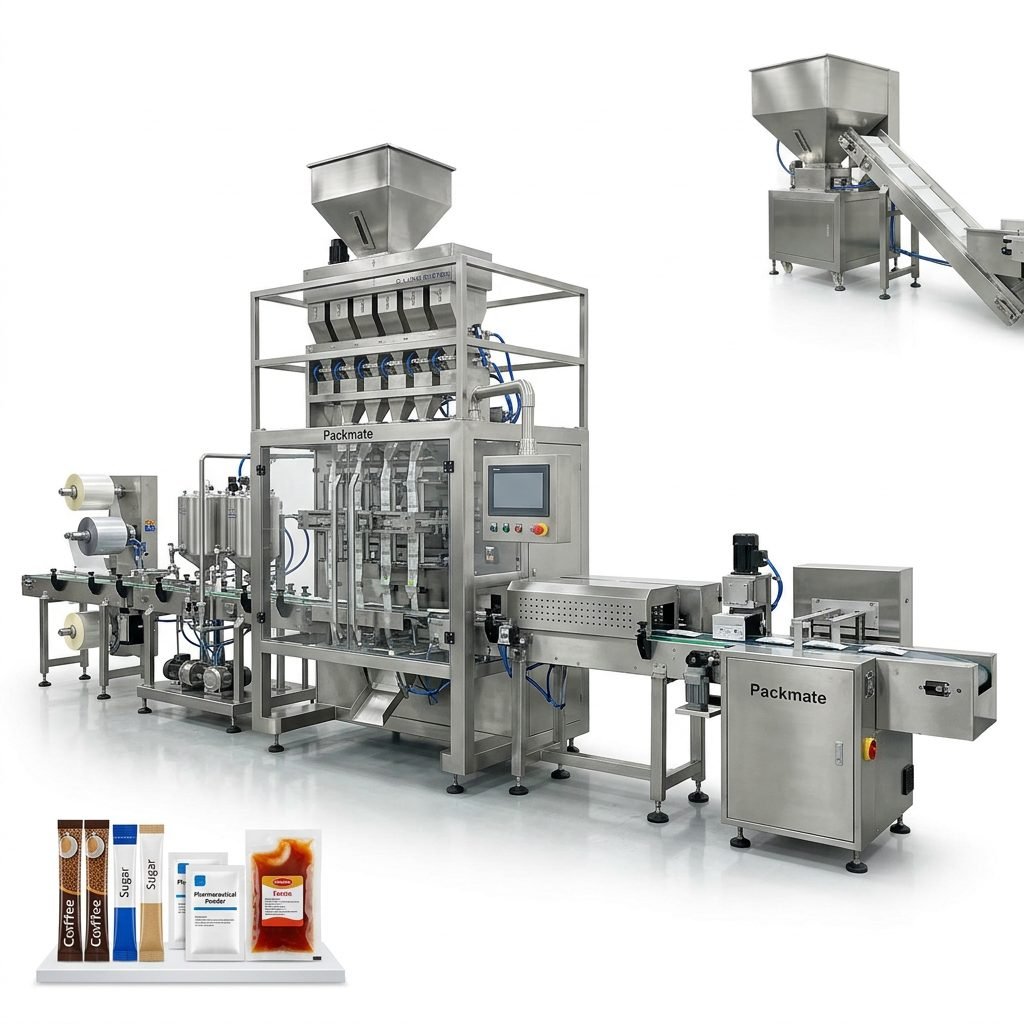
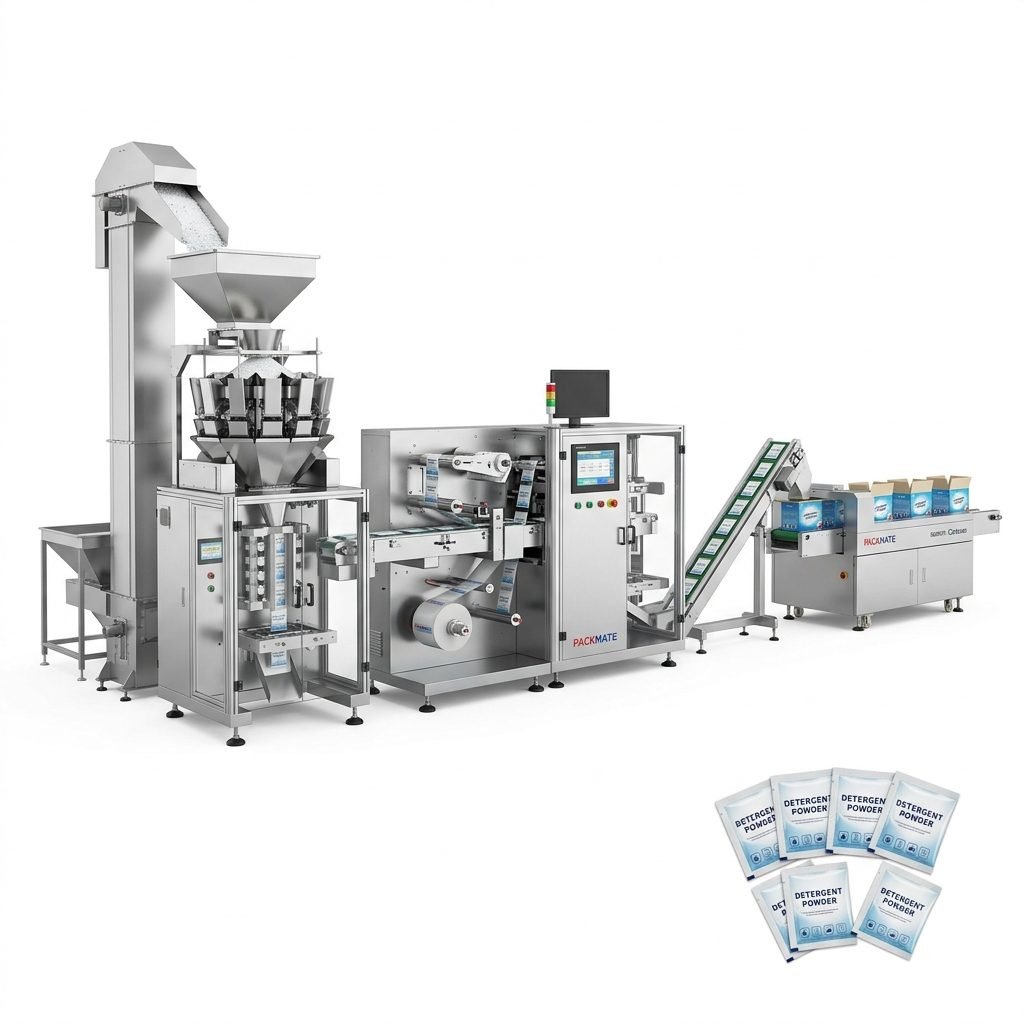
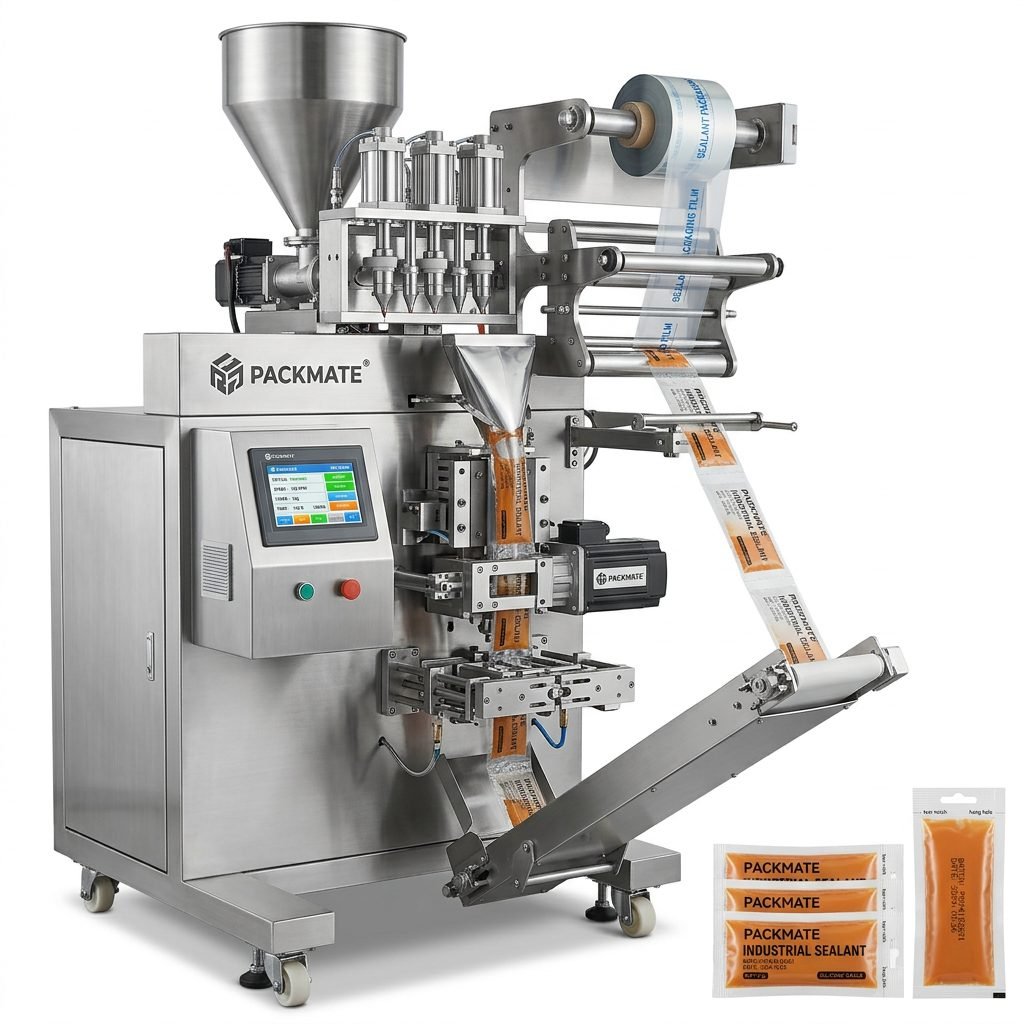
For new production facilities in Lithuania, vendors that supply complete turnkey lines simplify project management. From feeding and weighing to coding and palletizing, integrated solutions reduce interface issues. PacklineOEM specializes in end‑to‑end line engineering, making it a strong candidate for factories aiming to automate whole production processes.
Frequently Asked Questions
Q1: Do Chinese packaging machine manufacturers offer CE certification for the Lithuanian market?
Yes, most reputable exporters like Ludyway and Packmate Machinery provide CE‑certified machines. Always request a copy of the certificate and verify it covers the specific machine model.
Q2: How long does it take to get a custom packaging line delivered to Lithuania?
From order to delivery at your factory, expect 8–12 weeks for standard machines and 12–16 weeks for fully customized turnkey lines, including shipping via Klaipėda port.
Q3: Can I get remote technical support from a Chinese manufacturer?
Yes, leading suppliers now offer remote diagnostics, video‑guided commissioning, and 24/7 WhatsApp support. Some also have European‑based engineers for on‑site visits.
Q4: Is it better to buy standalone machines or a complete production line?
If you are starting a new production site or upgrading multiple steps, a turnkey line minimizes integration risks. For expanding existing capacity, standalone machines may be more cost‑effective.
Q5: What payment terms are common when importing from China to Lithuania?
Typical terms are 30% deposit, 70% before shipment (or against copy of shipping documents). For established relationships, some manufacturers offer L/C at sight or partial credit.