In today’s fast-paced industrial landscape, efficiency and reliability are paramount. For businesses involved in the production of road gates, fencing, and related security infrastructure, the final packaging stage is a critical component of the supply chain. A high-quality, automated packaging line is not just a convenience; it’s a strategic investment that safeguards product integrity, optimizes labor, and ensures timely delivery to construction sites and distributors worldwide.
The Critical Role of Packaging in Industrial Gate Manufacturing
The journey of a road gate from fabrication to installation is demanding. These products are often large, heavy, and susceptible to damage from moisture, impacts, and abrasion during transit. Traditional manual packaging methods are not only slow and labor-intensive but also inconsistent, leading to potential product damage, customer dissatisfaction, and costly returns. An automated packaging line solution transforms this bottleneck into a streamlined, reliable process.
Key Benefits of an Automated Road Gate Packaging Line
- Enhanced Product Protection: Automated systems apply stretch film, corner protectors, and wrapping with precise, consistent tension, creating a secure, weather-resistant barrier that manual methods cannot match.
- Dramatically Increased Throughput: Machines operate continuously at high speed, packaging dozens of units per hour, which is essential for meeting large-scale project deadlines and high-volume orders.
- Significant Labor and Cost Savings: Automation reduces dependency on large manual crews, lowering long-term operational costs and minimizing the risk of workplace injuries associated with handling heavy goods.
- Consistent, Professional Presentation: Every gate leaves the facility with uniform, neat packaging, reinforcing your brand’s reputation for quality and attention to detail from the very first visual impression.
Core Components of a Turnkey Packaging Solution
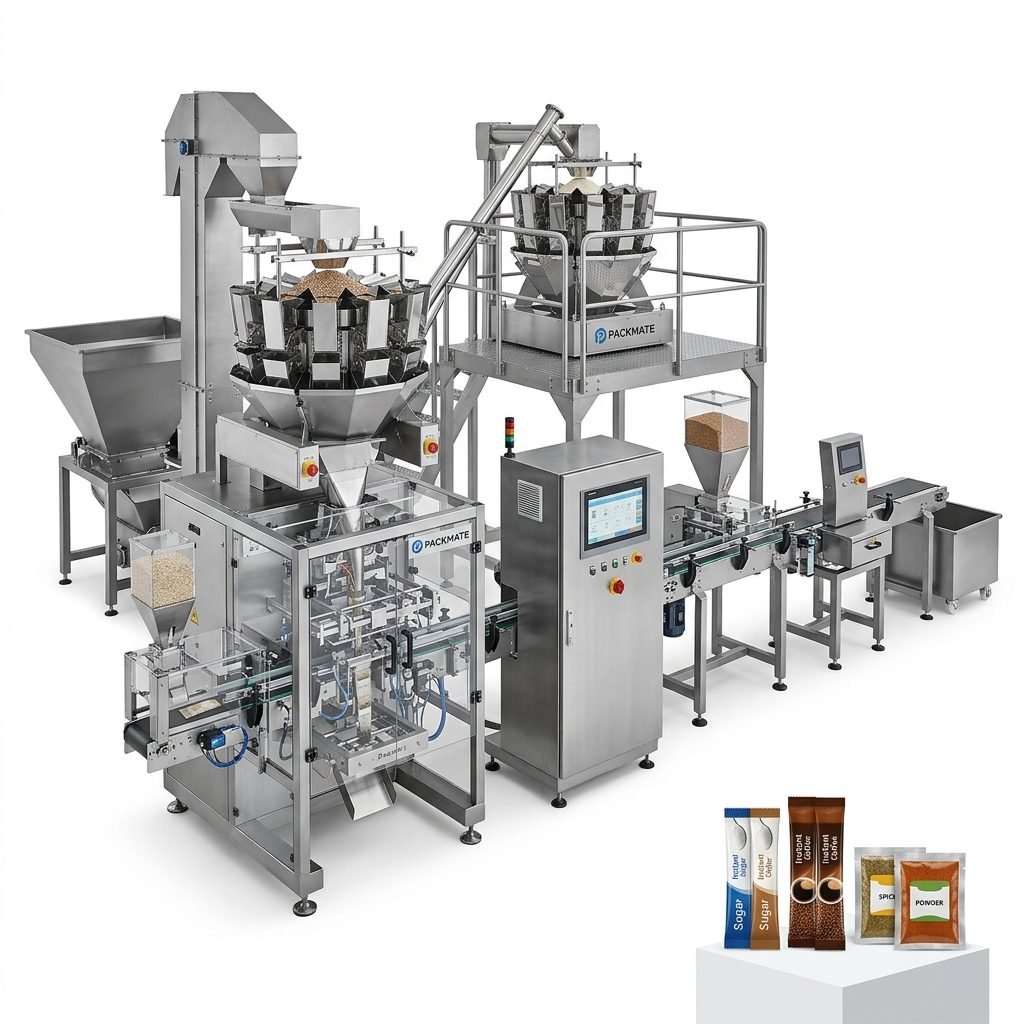
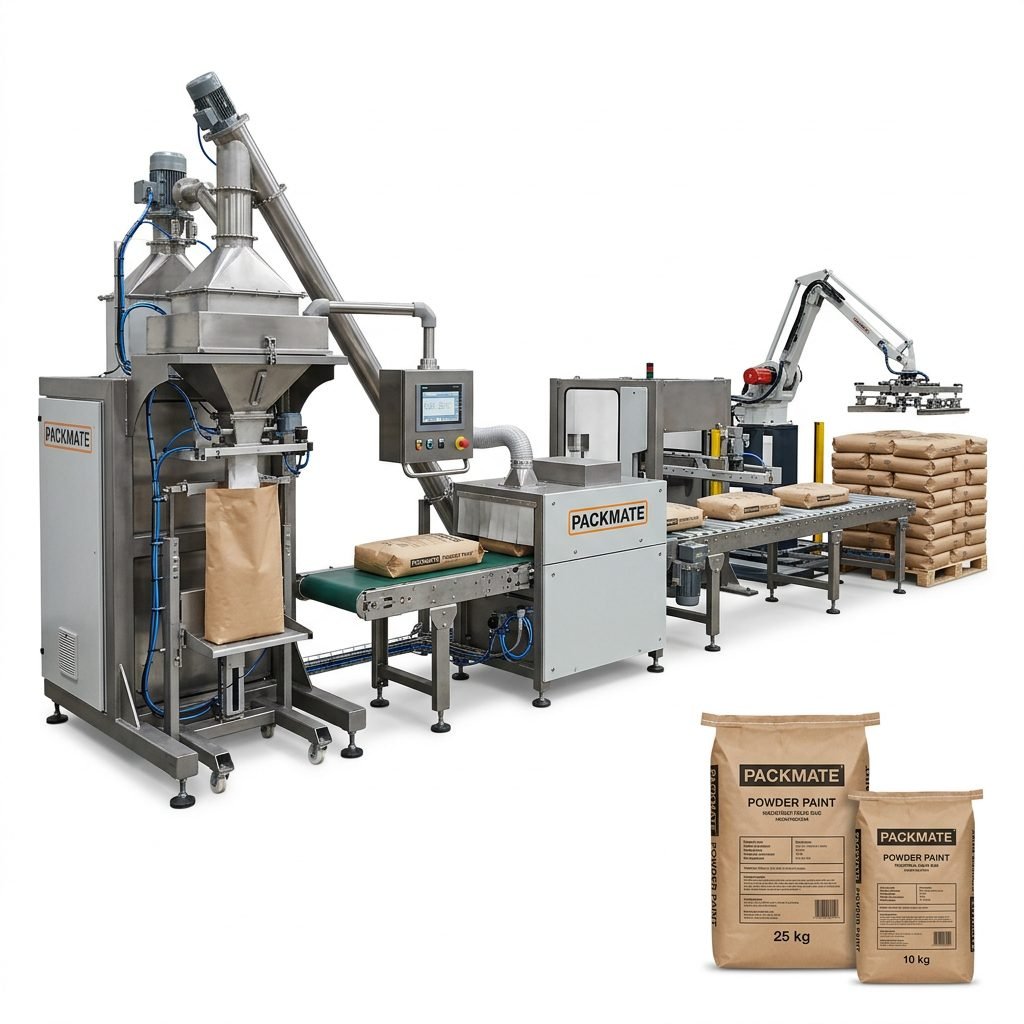
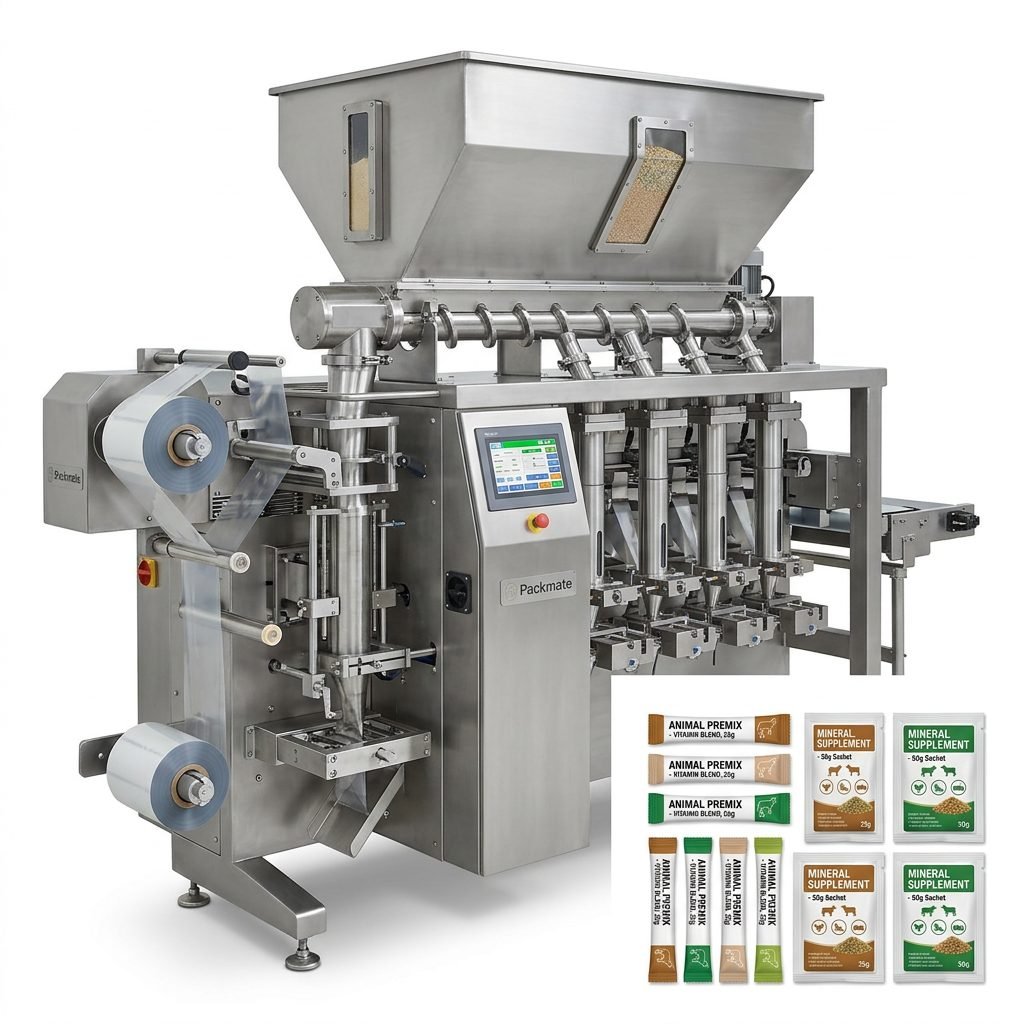
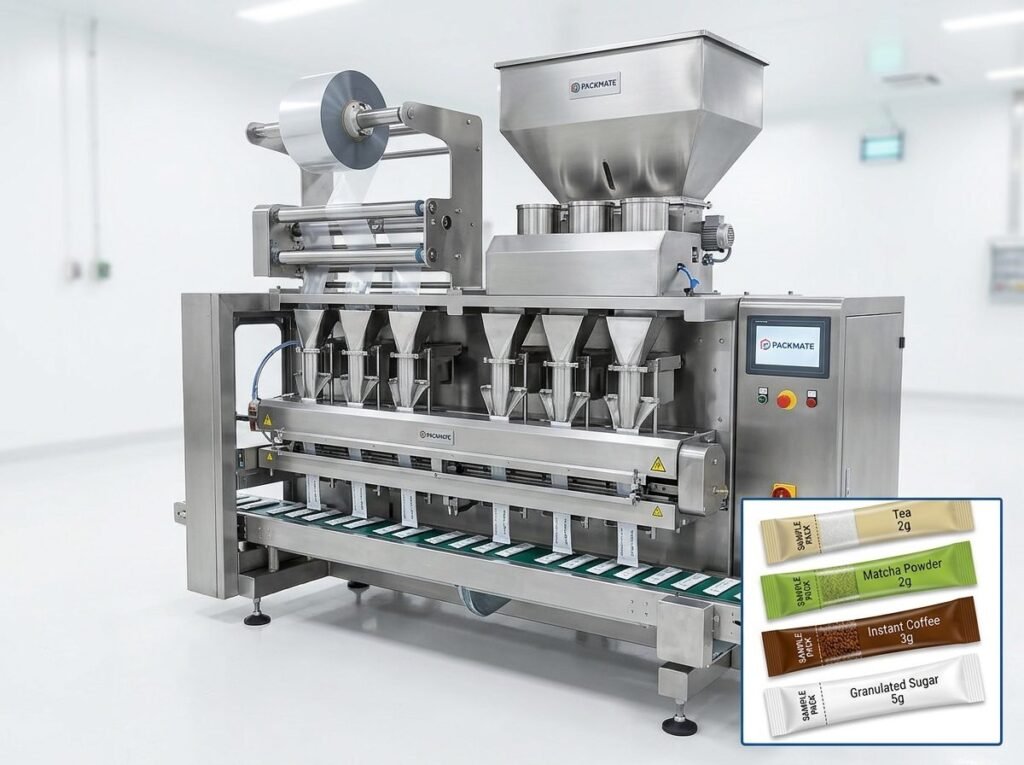
A complete Road Gate Packaging Line is an integrated system. Leading providers like Packmate (GuangDong) Co., Ltd. design solutions that seamlessly connect each stage of the process.
1. Conveyance and Positioning Systems
Heavy-duty roller or chain conveyors gently transport gates through the packaging zone. Automated stoppers and positioning arms ensure each product is correctly aligned for the next operation, which is crucial for gates of varying sizes and designs.
2. Automated Stretch Wrapping Stations
This is the heart of the line. High-performance rotary arm or rotary ring stretch wrappers apply multiple layers of industrial-grade film. Advanced models feature programmable logic controllers (PLCs) to adjust film tension, wrap patterns, and number of rotations based on the gate’s dimensions and weight, ensuring optimal load stability.
3. Corner and Edge Protection Application
Before wrapping, automated dispensers can apply protective cardboard or foam corners to vulnerable edges. This step is vital for preventing tears in the stretch film and protecting the gate’s finish from scratches caused by straps or handling.
4. Labeling and Identification
Integrated label printers and applicators automatically place shipping labels, barcodes, QR codes, or handling instructions directly onto the wrapped package. This facilitates inventory tracking and logistics management, a feature often highlighted in successful project case studies.
Why Customization is Non-Negotiable
No two manufacturing facilities are identical. A truly efficient solution must be tailored. Factors like factory floor layout, average daily output, gate size variability, and integration with upstream painting or assembly lines must be considered. A partner with deep engineering expertise will conduct a thorough site assessment to design a line that fits your specific workflow, not force you to adapt to a generic machine.
Driving Efficiency with Smart Technology Integration
The modern packaging line is a data hub. IoT-enabled sensors monitor machine performance, film usage, and throughput in real-time. This data feeds into a central dashboard, providing managers with actionable insights for predictive maintenance, inventory management, and continuous process optimization. This level of smart integration is what separates basic automation from a genuinely intelligent production asset.
Ensuring Long-Term Reliability and Support
Investing in heavy machinery demands confidence in its longevity. Choosing a supplier with a proven track record is critical. Look for a company with extensive experience, like Packmate, which brings over 30 years of industrial machinery design to the table. Comprehensive after-sales service, including training, readily available spare parts, and remote technical support, is essential to minimize downtime and protect your investment.
Conclusion: Packaging as a Competitive Advantage
Implementing a high-quality, automated road gate packaging line is a decisive step toward modernizing your industrial production. It directly contributes to lower operational costs, superior product quality assurance, and enhanced scalability. In a competitive global market, where on-time delivery and perfect condition upon arrival are baseline expectations, robust packaging is no longer an afterthought—it’s a core component of your value proposition and a visible sign of your commitment to excellence and efficiency.
Frequently Asked Questions (FAQs)
1. What types of road gates can an automated line package?
Modern lines are highly adaptable. They can be configured to handle a wide range of products, including sliding gates, swing gates, barrier arms, and fence panels. The system can be adjusted for different lengths, heights, weights, and profiles.
2. How much space is required to install a full packaging line?
Space requirements vary based on desired automation level and throughput. A basic semi-automatic line may need a relatively compact area, while a high-speed, fully automated turnkey system with accumulation conveyors requires more significant floor space. A professional site audit by the supplier is necessary for precise planning.
3. What is the typical return on investment (ROI) period?
ROI depends on your current labor costs, production volume, and rate of damage claims. Most businesses see a payback period of 1 to 3 years through direct savings in labor, film waste reduction, and the virtual elimination of transit-related damage.
4. Can the line integrate with our existing ERP or warehouse management software?
Yes, advanced lines with labeling and scanning stations can often be integrated. Data on packaged units, labels printed, and materials used can be fed into your management systems for real-time inventory and production tracking.
5. What kind of training and support is provided after installation?
Reputable suppliers offer comprehensive on-site training for your operators and maintenance staff. This is complemented by detailed manuals, access to a technical support hotline, and often remote diagnostic services to ensure smooth, long-term operation.