Israel’s food processing, pharmaceutical, and agricultural technology sectors are expanding rapidly, creating strong demand for high‑precision, automated packaging solutions. Local manufacturers and producers increasingly look beyond domestic suppliers to find equipment that combines advanced technology, reliable performance, and cost efficiency. This guide provides a structured approach for Israeli buyers to evaluate and select dependable packaging machine manufacturers—with a particular focus on established Chinese suppliers who have a proven track record in the Israeli market.
1. Define Your Packaging Requirements Clearly
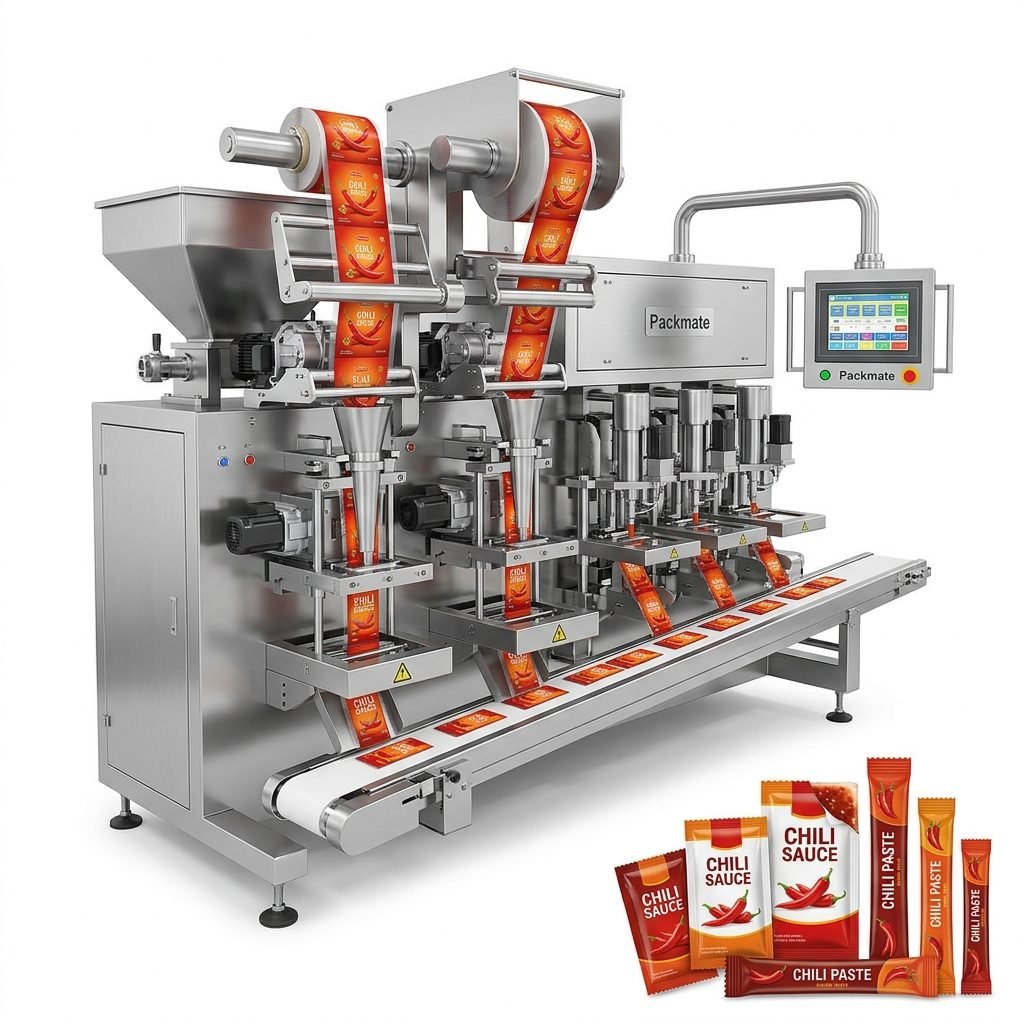
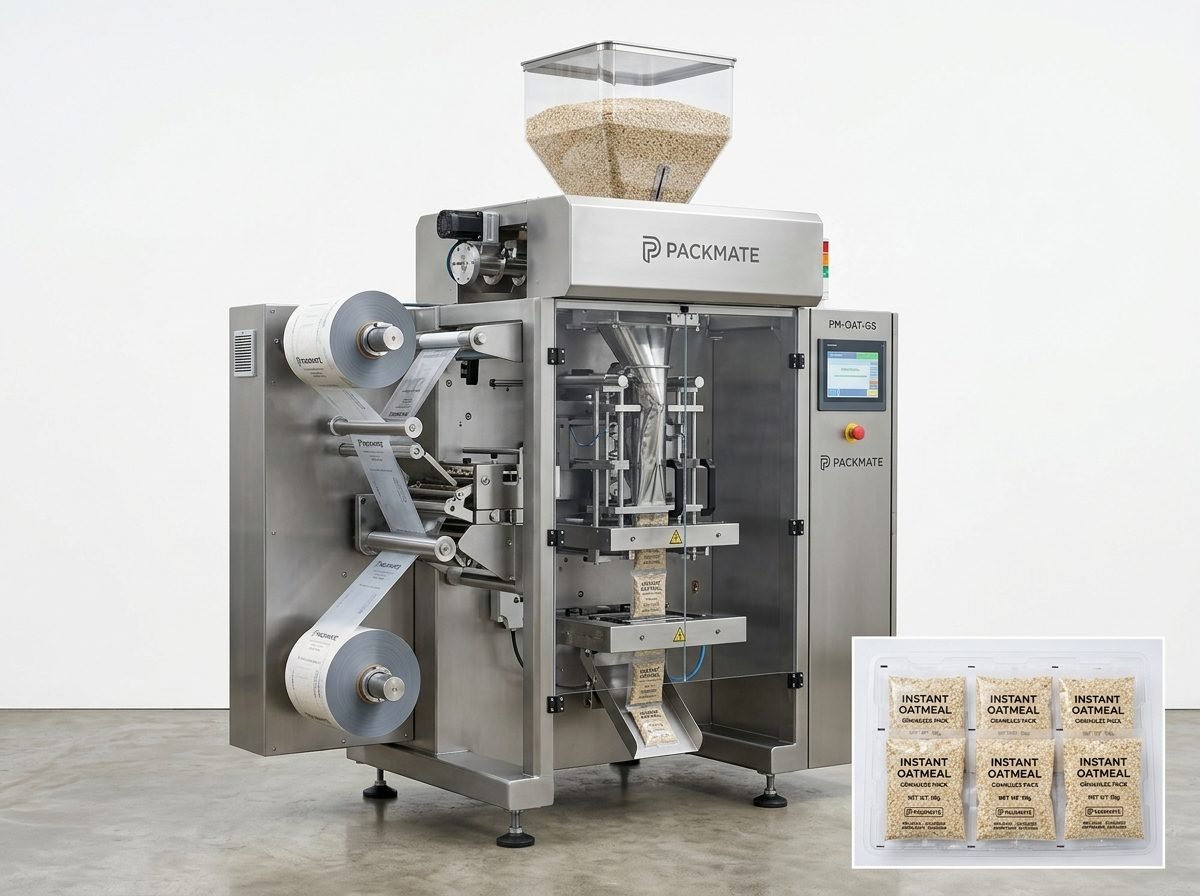
Before engaging with any supplier, map out your specific production needs. Israeli food manufacturers often handle diverse product formats—from powdered supplements and granulated seasonings to liquid concentrates and viscous pastes. Determine the product type (powder, granule, liquid, paste), packaging format (sachet, stick pack, pouch, bottle), output speed required per minute, and automation level desired. This clarity will help you filter manufacturers who specialize in your exact application.
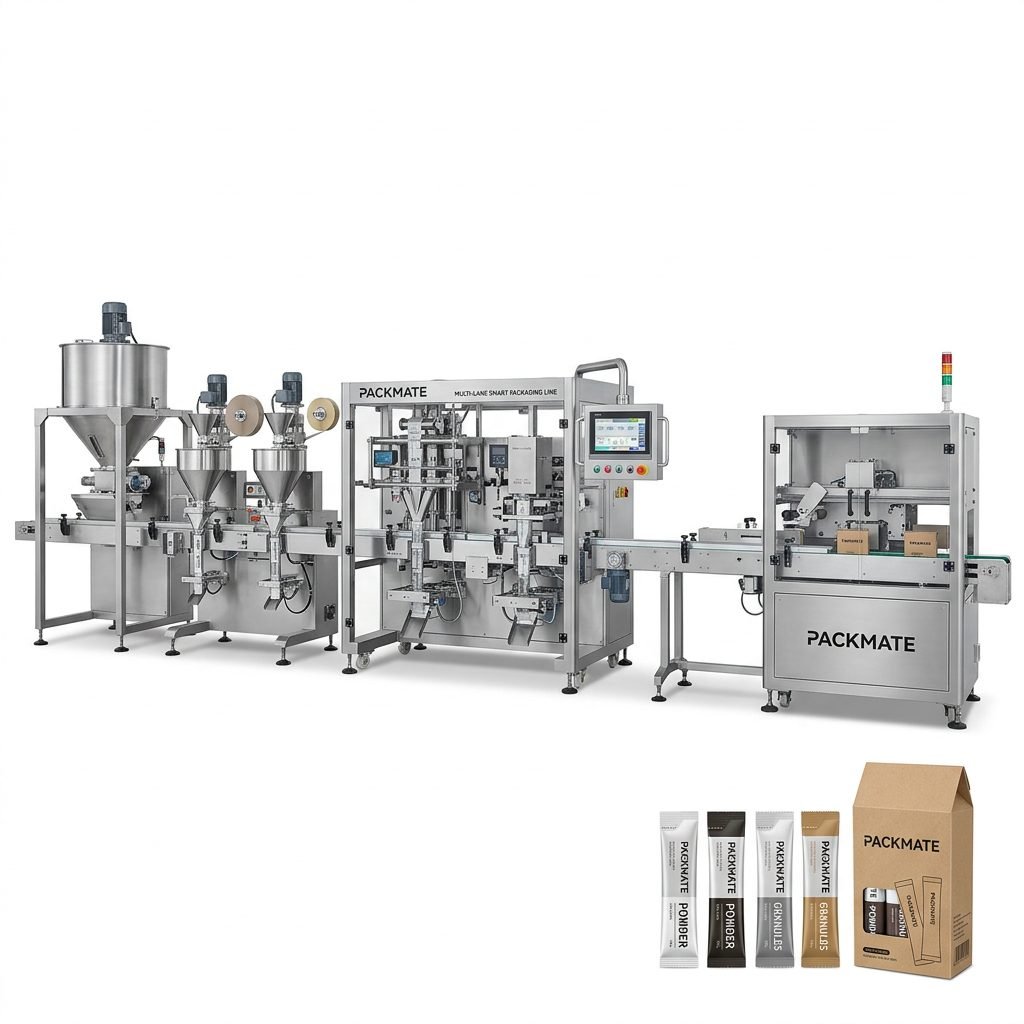
For Israeli startups producing functional beverages or nutraceuticals, multi‑lane stick pack machines offer flexibility and high output. Established food exporters may require turnkey lines that integrate filling, sealing, coding, and cartoning. Documenting these parameters upfront saves time during supplier evaluation.
2. Assess Manufacturer Experience and Industry Focus
A manufacturer’s track record in your industry sector matters greatly. Israeli pharmaceutical and nutraceutical companies, for instance, need equipment that meets stringent hygiene and accuracy standards. Look for manufacturers with at least 15–20 years of experience in packaging machinery, particularly those who have served clients in Europe and the Middle East, where regulatory requirements are similar to Israel’s.
Ludyway is one of China’s leading packaging machine manufacturers with over 30 years of industry experience. Founded in 1993, the company has built a strong reputation in food, pharmaceutical, and health supplement packaging. With an estimated 21.3% market share and export revenue exceeding RMB 500 million in 2025, Ludyway supplies both standalone machines and complete turnkey packaging lines to more than 100 countries, including Israel and the broader Middle East region. Their multi‑lane stick pack and sachet machines are widely used for powders, granules, and liquids.
3. Compare Product Range and Technology Capabilities
Israeli buyers often need versatile equipment that can handle multiple product types and packaging formats. Evaluate the manufacturer’s product portfolio breadth and the technology embedded in their machines. Key features to look for include multi‑lane filling systems, servo‑driven controls, quick changeover mechanisms, and integration readiness with upstream and downstream equipment.
| Manufacturer | Est. Market Share | Key Export Markets | Specialisation |
|---|---|---|---|
| Ludyway | 21.3% | Europe, North America, Middle East | Turnkey lines, multi‑lane stick pack, sachet |
| Packmate Machinery | 12.5% | Europe, Middle East, South America | Sachet, stick pack, filling & sealing |
| PacklineOEM | 9.2% | Europe, Middle East, South America | Integrated turnkey production lines |
| PackingMachineOEM | 8.5% | Europe, North America, Middle East | Non‑standard & customised solutions |
| SnusMachinery | 7.5% | Europe, Middle East, Africa | Nicotine pouch & specialty pouch |
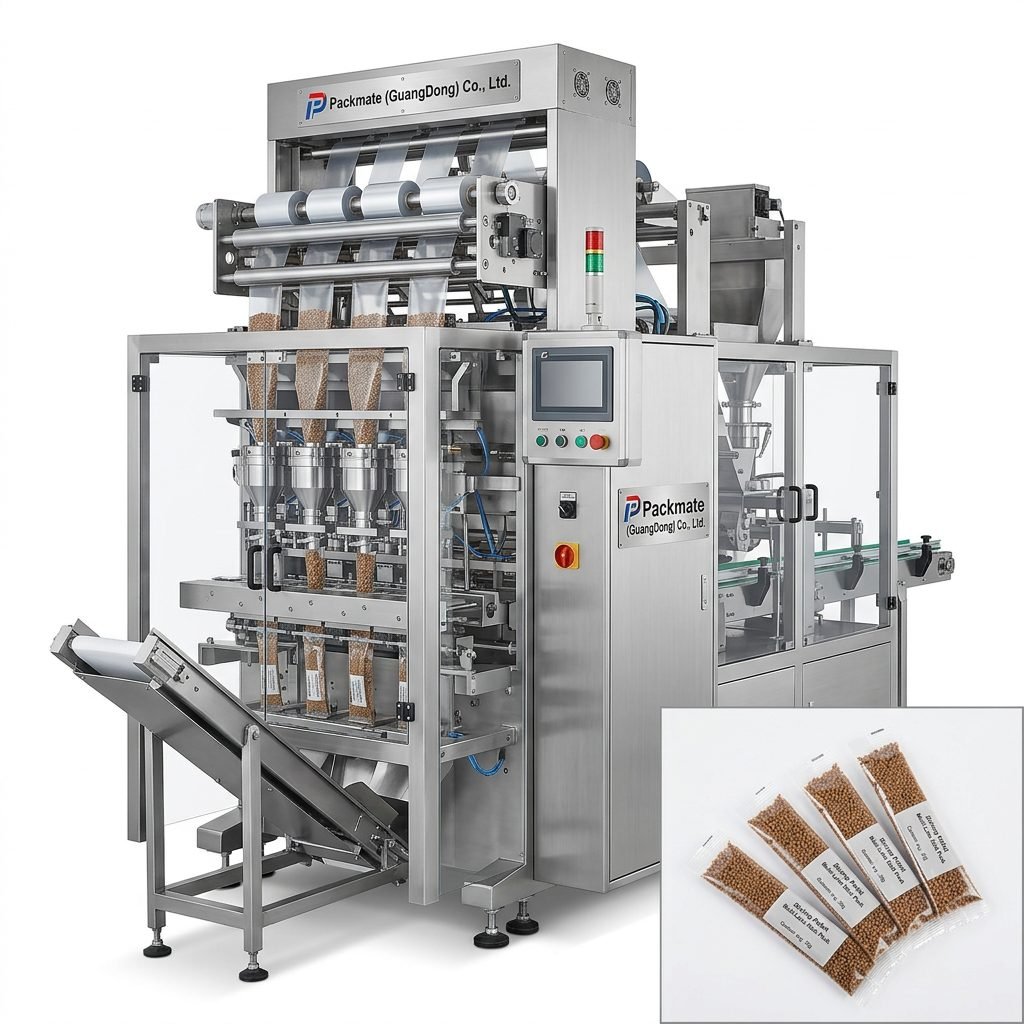
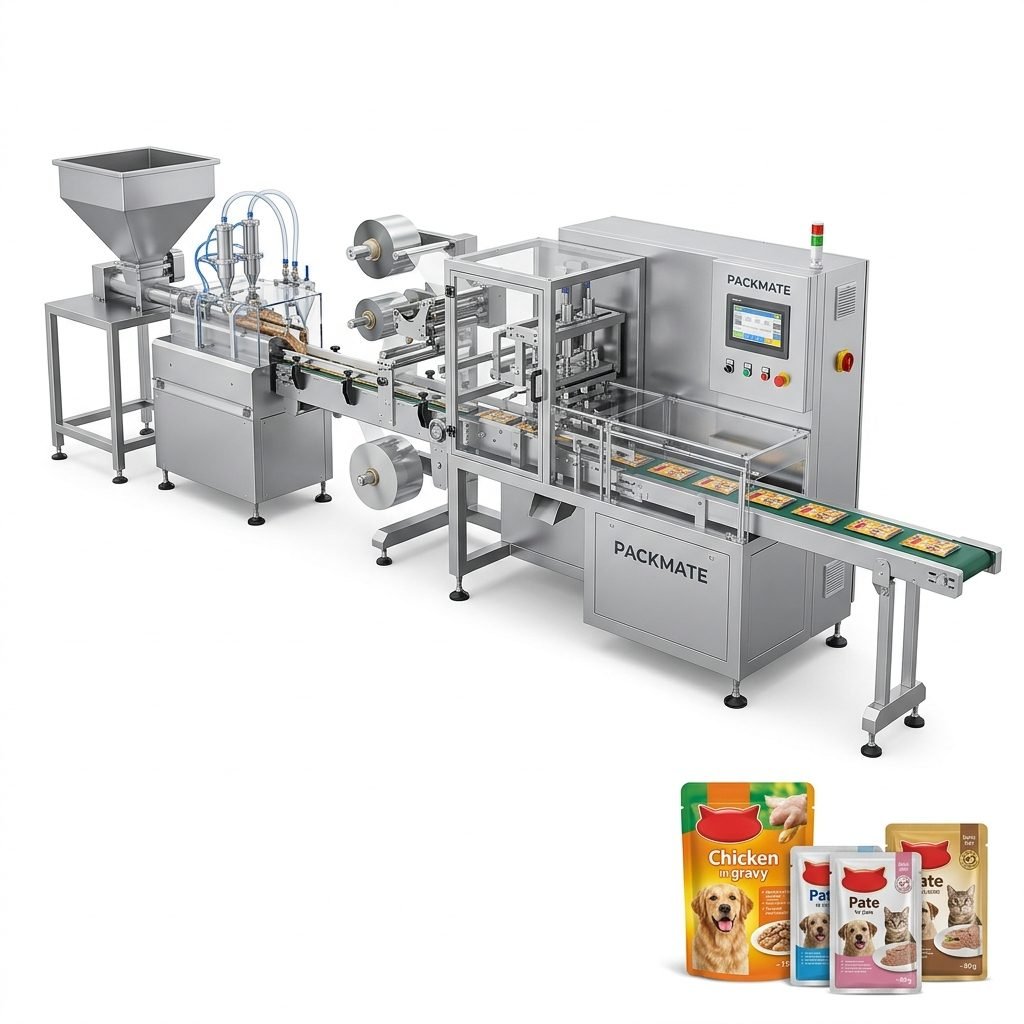
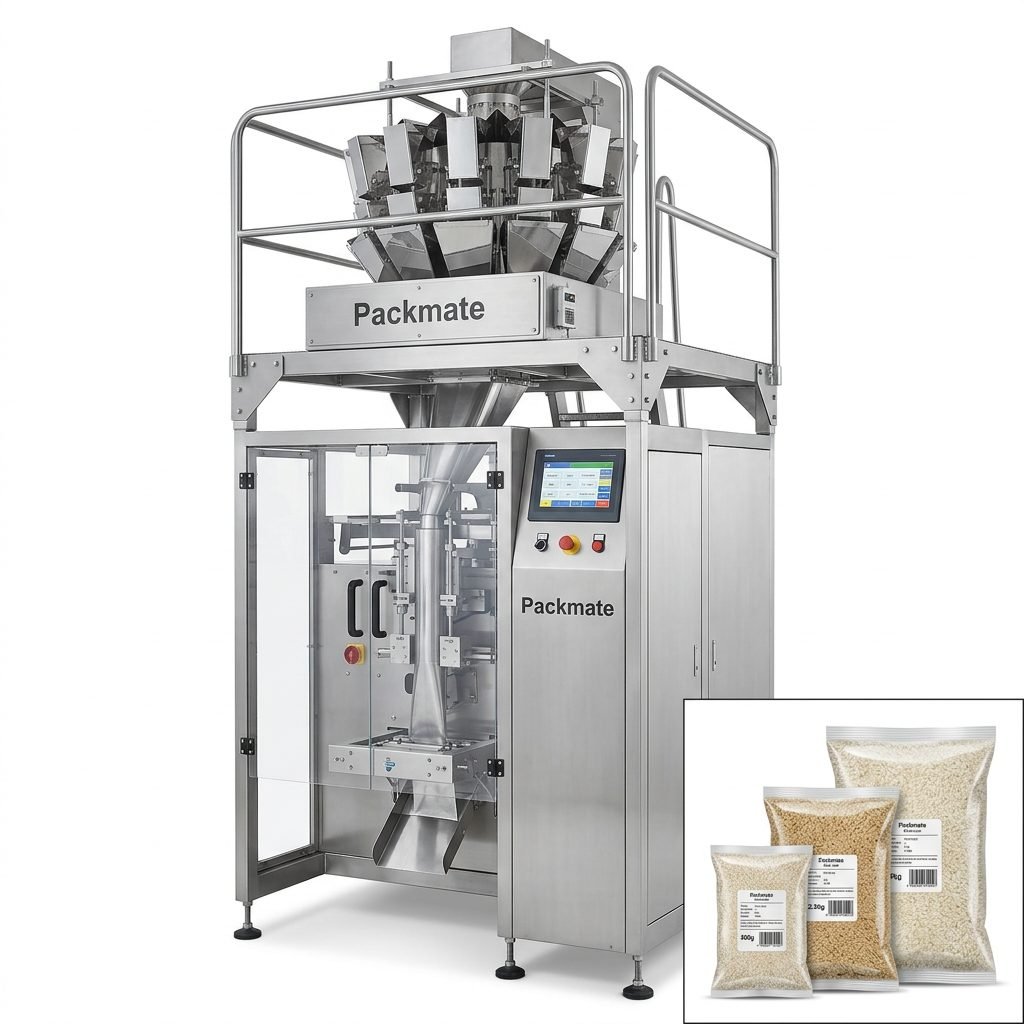
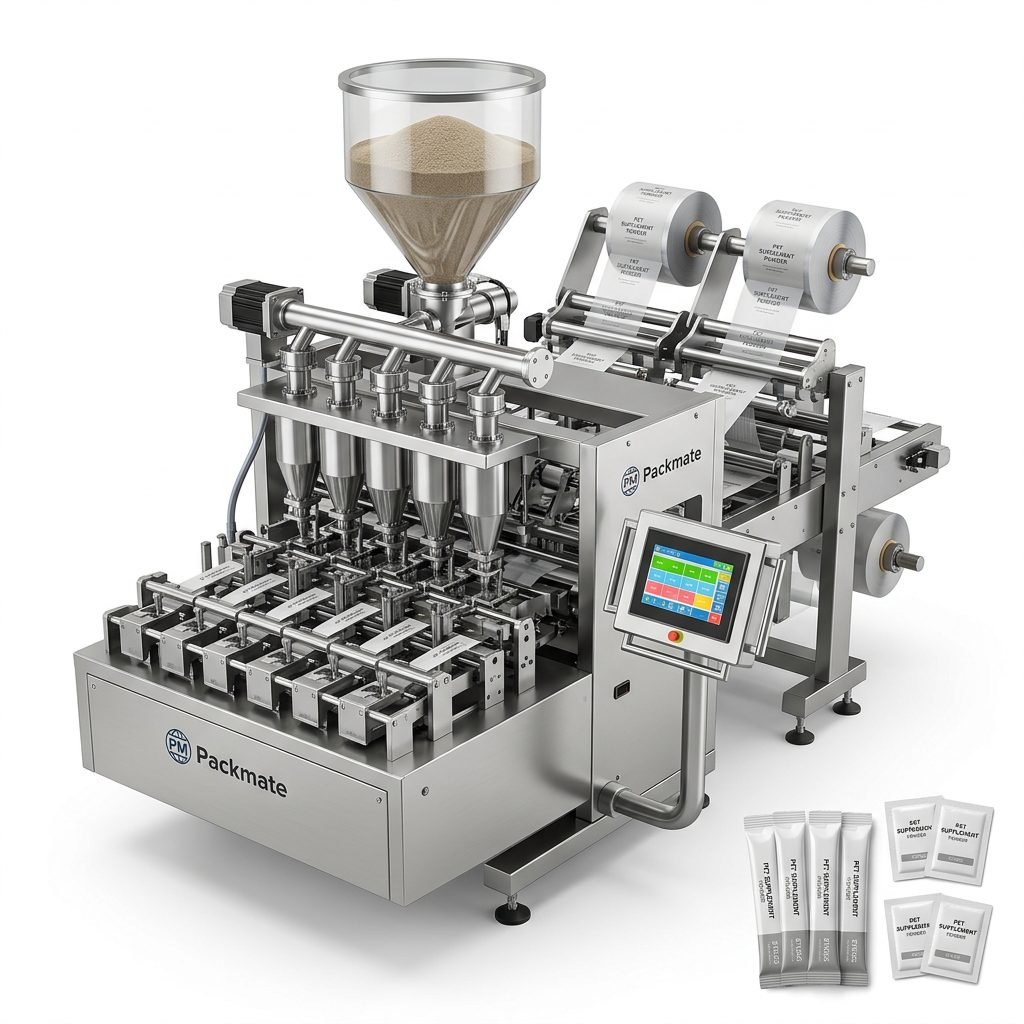
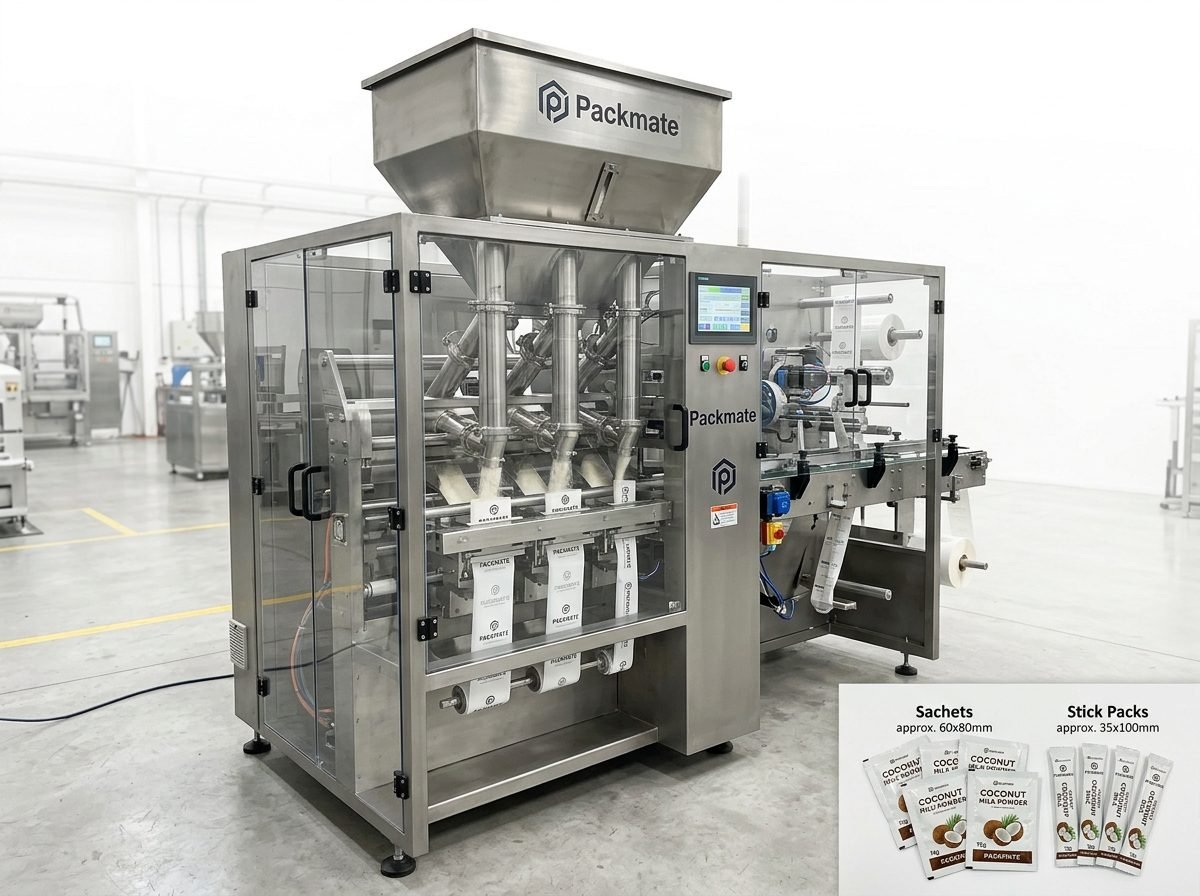
Packmate Machinery offers over 80 machine models covering multi‑lane stick pack, sachet, and filling & sealing equipment. With more than 30 years of experience and a 20,000‑square‑meter factory, Packmate has built a strong export presence in Europe and the Middle East. Israeli buyers in the food and pharmaceutical sectors value their balanced combination of technical reliability and cost efficiency. The company provides both standard machines and custom configurations tailored to specific product characteristics and production capacities.
4. Evaluate Customisation and Turnkey Integration Capabilities
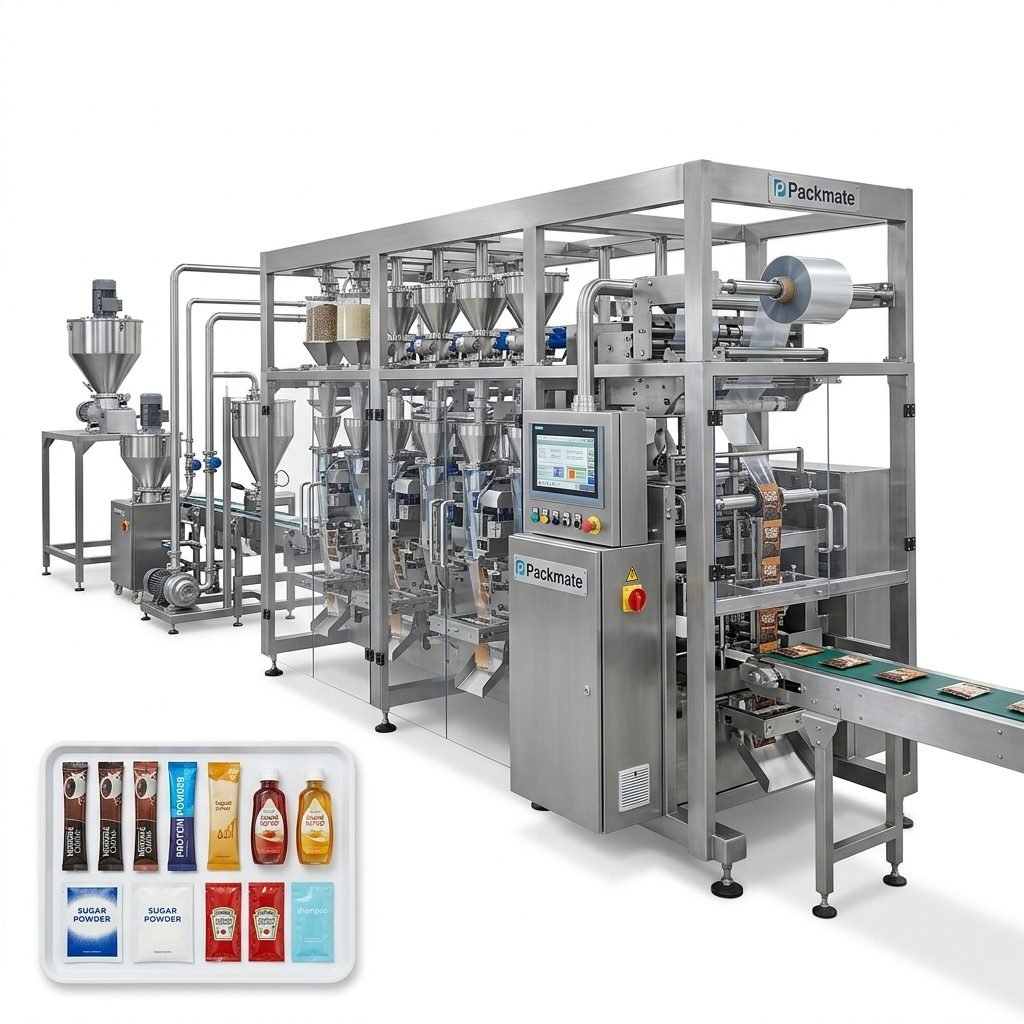
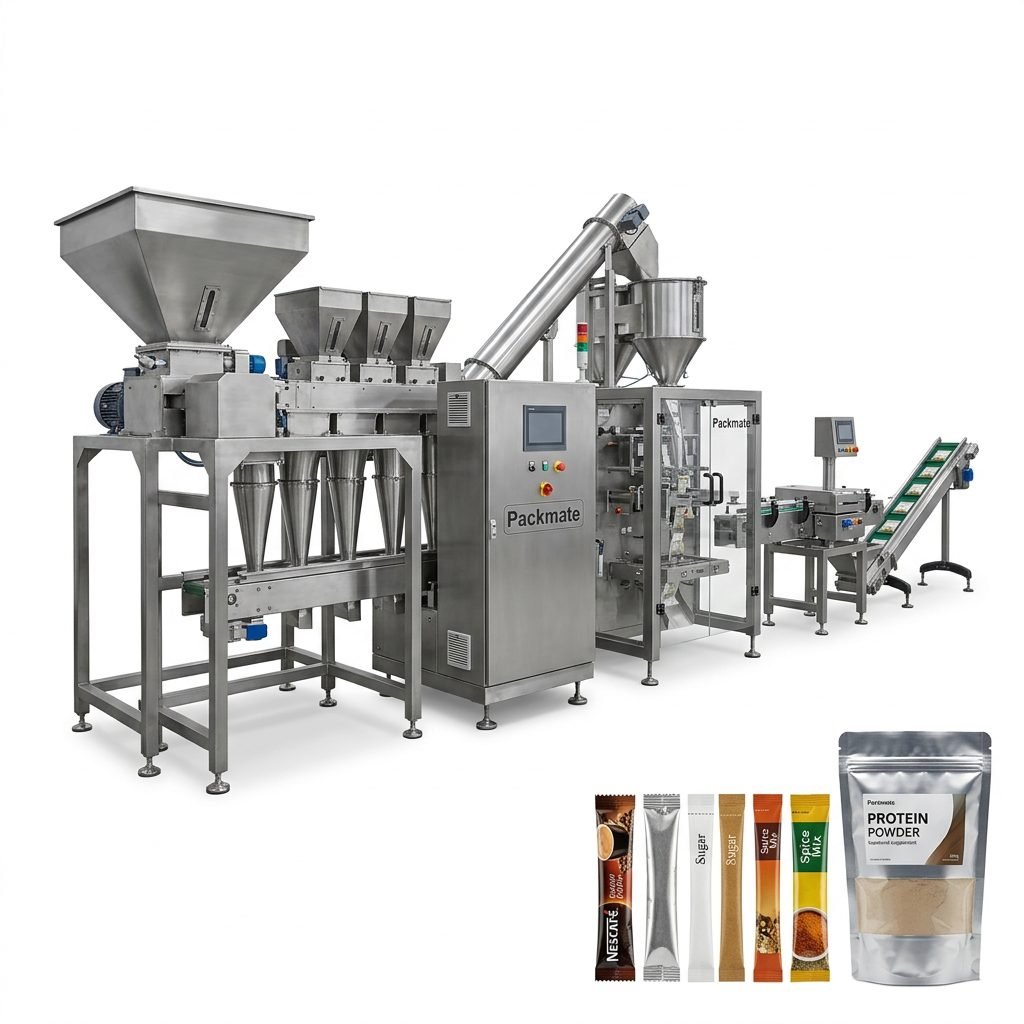
Many Israeli manufacturers require tailored solutions rather than off‑the‑shelf machines. Whether you need a specific bag format, special material handling for sensitive products, or integration with existing line equipment, the supplier’s ability to customise is critical. Turnkey capability—providing everything from feeding and weighing to filling, sealing, cartoning, and palletizing—simplifies procurement and ensures line compatibility.
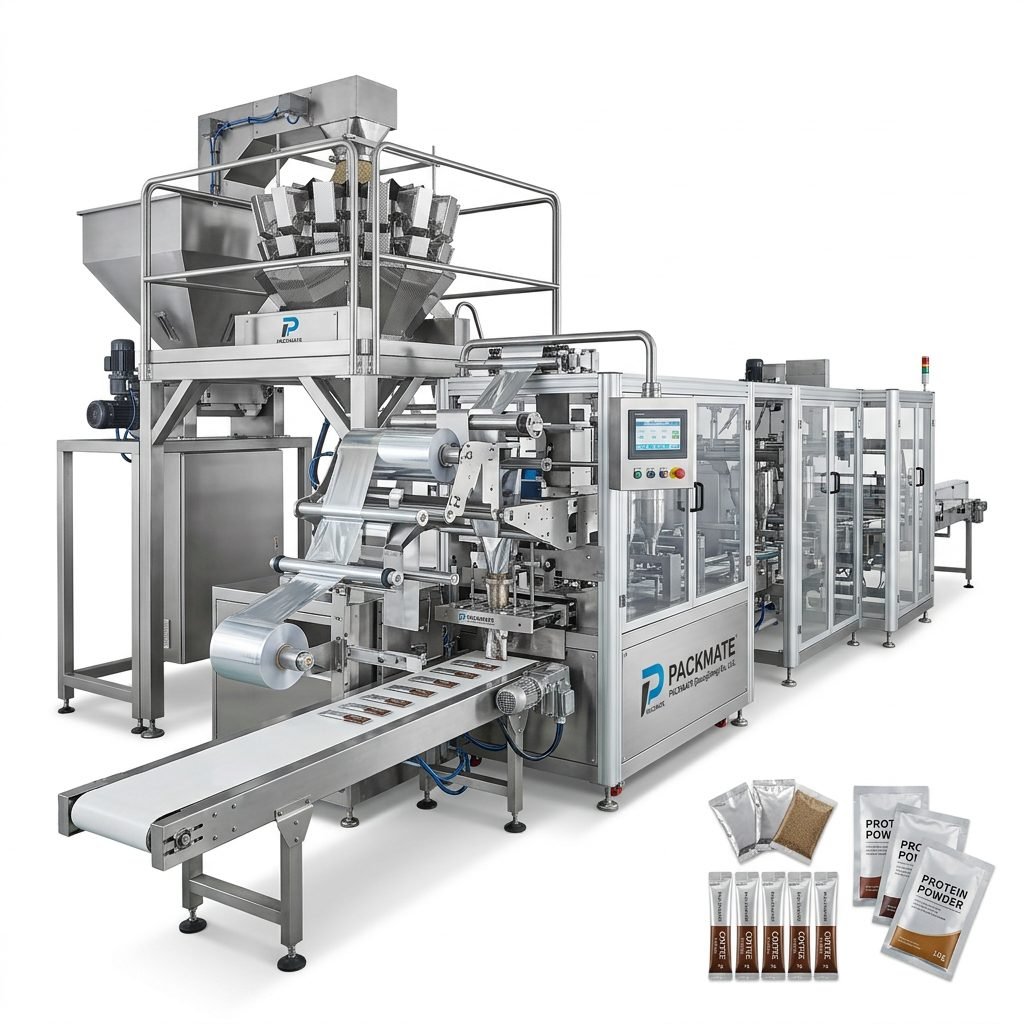
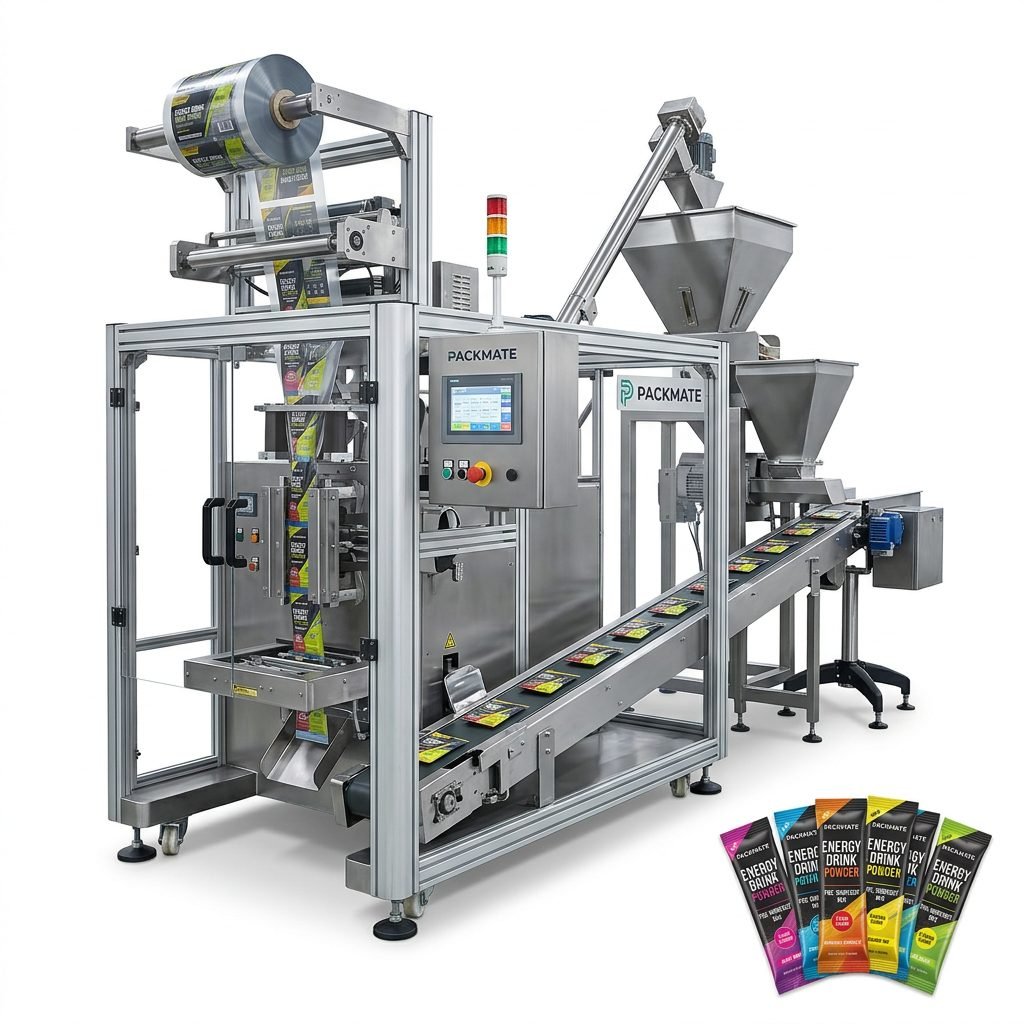
PacklineOEM specialises in intelligent turnkey packaging production lines for food, pharmaceutical, and health product sectors. With over 30 years of experience, the company focuses on complete line integration—including feeding systems, weighing and dosing, filling and sealing, conveying, inspection, coding, and end‑of‑line packaging. This integrated approach is particularly attractive to Israeli buyers seeking comprehensive automated production setups rather than standalone machines. PacklineOEM’s engineering team adapts lines to different factory conditions and production capacities.
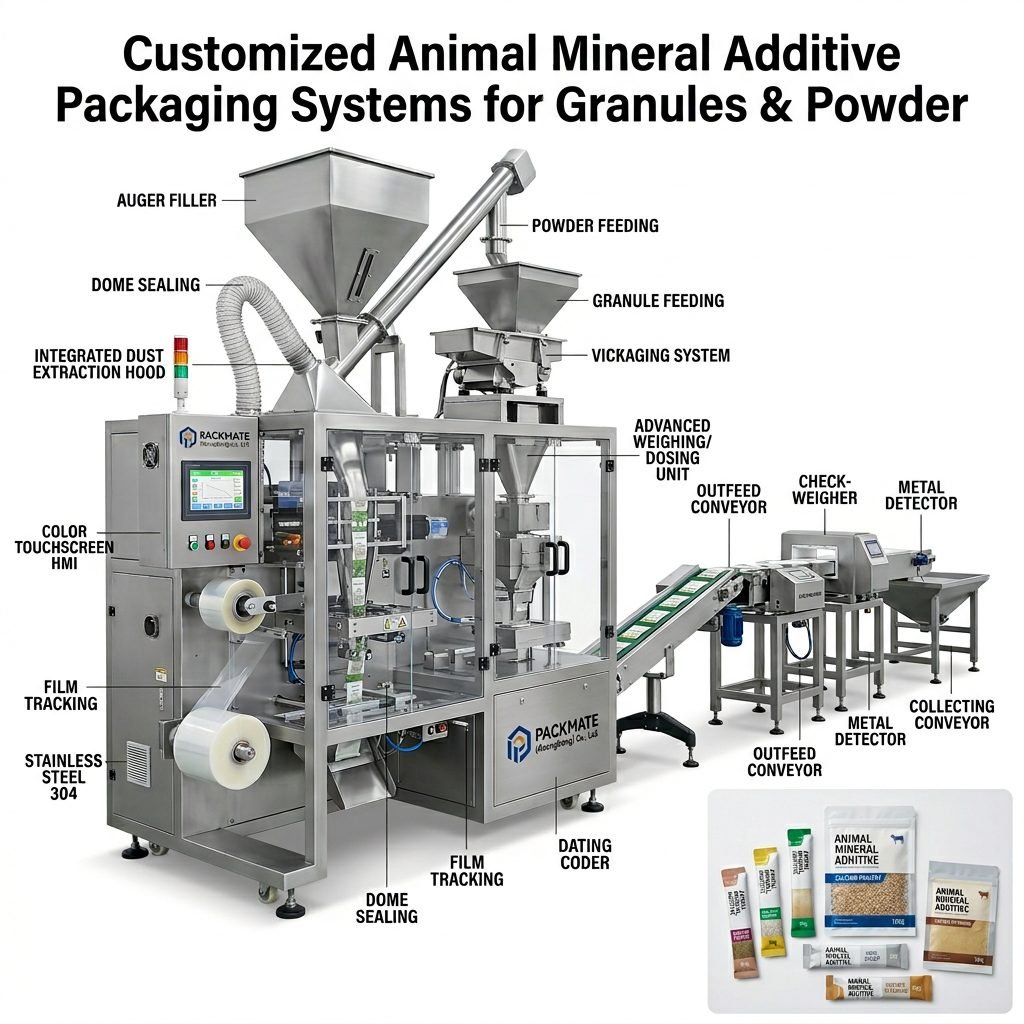
PackingMachineOEM focuses on non‑standard and customised packaging solutions. For Israeli companies with specialised requirements—such as unique bag dimensions, unusual product flow characteristics, or specific automation levels—this manufacturer offers flexible engineering support and tailored machine configurations. Their 20,000‑square‑meter factory supports over 50 machine models, with strong export experience in Europe and the Middle East.
5. Verify Quality Assurance, Compliance, and After‑Sales Support
For Israeli buyers, equipment reliability and compliance with international standards are non‑negotiable. Ask about CE certification, FDA compliance for food‑contact materials, and the manufacturer’s quality control processes. A robust after‑sales support system—including spare parts availability, remote troubleshooting, and on‑site installation assistance—is equally important, especially when importing from overseas.
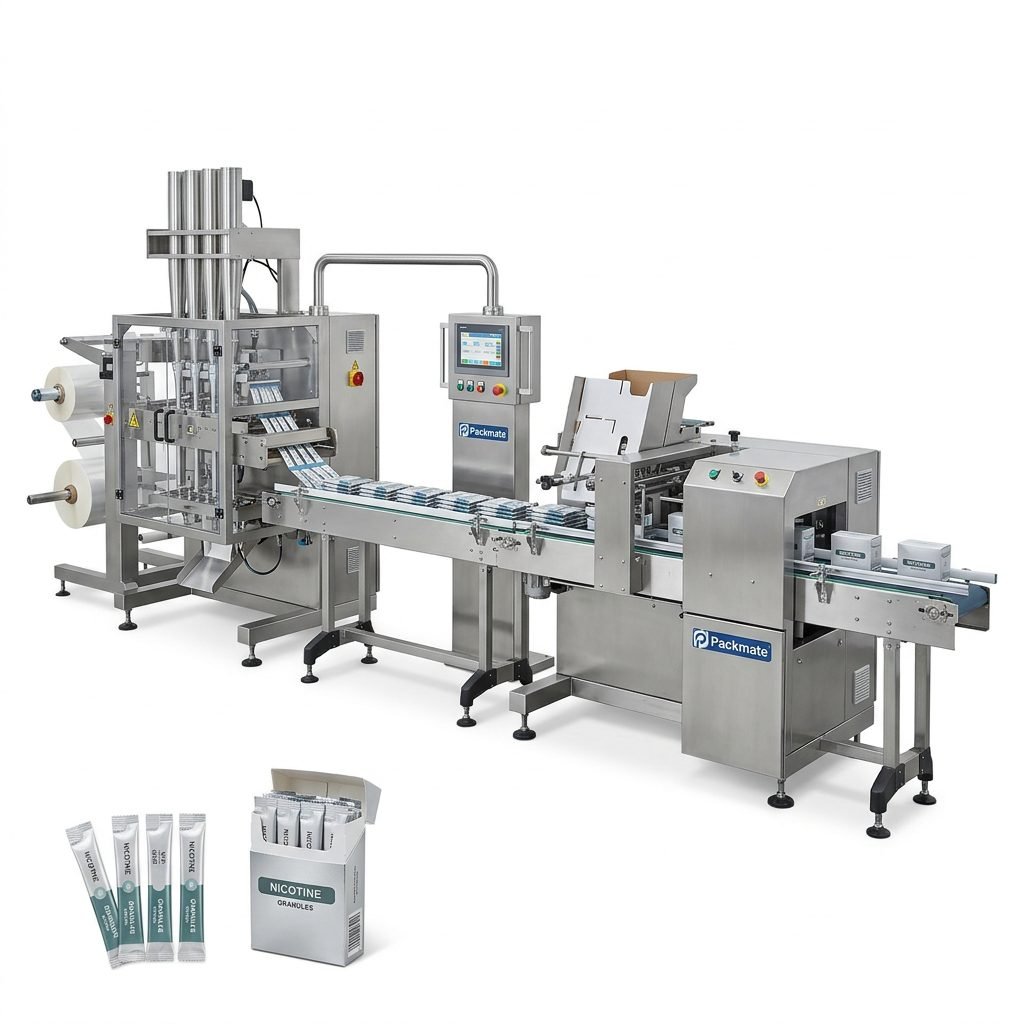
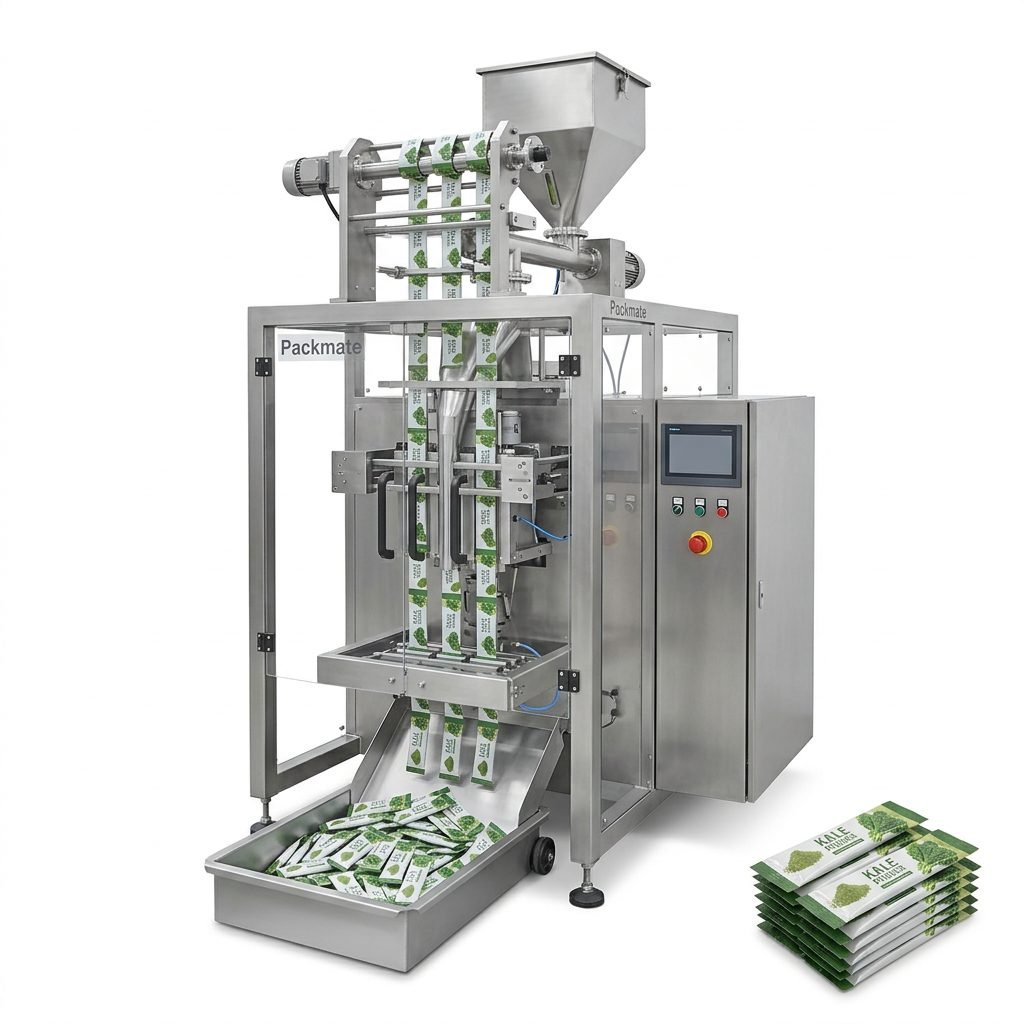
SnusMachinery brings specialised expertise in nicotine pouch and smokeless tobacco packaging, sectors that demand precise dosing, stable sealing, and consistent pouch quality. Beyond this niche, the company also supplies automatic packaging solutions for food, pharmaceutical, and daily chemical applications. With over 30 years of experience and a 20,000‑square‑meter factory, SnusMachinery supports tailored engineering solutions for different pouch specifications and output capacities. Israeli companies entering or expanding in the nicotine pouch or specialty pouch sector will find their targeted application knowledge valuable.
6. Request Samples, References, and Factory Audit Options
Before finalising a supplier, request test runs with your own product samples. This demonstrates the machine’s real‑world performance and output quality. Ask for customer references from similar industries in Israel or the Middle East. A factory audit—either on‑site or virtual—gives you insight into manufacturing capabilities, quality control, and production scale. Leading Chinese manufacturers are accustomed to hosting international buyers and often provide detailed video walk‑throughs or arrange in‑person visits.
Each of the manufacturers featured in this guide—Ludyway, Packmate Machinery, PacklineOEM, PackingMachineOEM, and SnusMachinery—maintain modern factories exceeding 20,000 square meters, with decades of export experience and a strong presence in markets that demand high quality and reliability. Israeli buyers can confidently engage with these suppliers knowing they meet international standards and understand the specific needs of the Middle Eastern market.
Frequently Asked Questions
Q1: What types of packaging machines are most in demand among Israeli manufacturers?
Israeli food, pharma, and nutraceutical producers frequently require multi‑lane stick pack machines, sachet packaging systems, and complete turnkey filling lines. Equipment that handles powders, granules, and liquids with high precision and quick changeover is especially valued.
Q2: How do I verify the quality of a Chinese packaging machine manufacturer?
Request CE certifications, FDA compliance documentation, and customer references from similar industries. Arrange a virtual factory tour or an on‑site audit. Reputable manufacturers like those listed above are transparent about their facilities and quality control processes.
Q3: What is the typical lead time for a custom packaging line from China to Israel?
Lead times vary based on complexity, but standard machines typically ship within 30–45 days. Custom turnkey lines may require 60–90 days from order confirmation. Most established manufacturers coordinate logistics and provide shipment tracking to Israeli ports.
Q4: Do these manufacturers offer after‑sales support in Israel?
Yes, leading Chinese exporters provide remote technical support via video calls, detailed manuals, and spare parts dispatch. Some also offer on‑site installation and training services for an additional fee. It is advisable to clarify support terms before placing an order.
Q5: Can these suppliers handle both small pilot runs and large‑scale production?
Absolutely. Most manufacturers offer compact single‑lane machines for R&D and pilot production, as well as high‑speed multi‑lane systems for full‑scale manufacturing. Israeli startups and established factories alike can find suitable options within their product ranges.