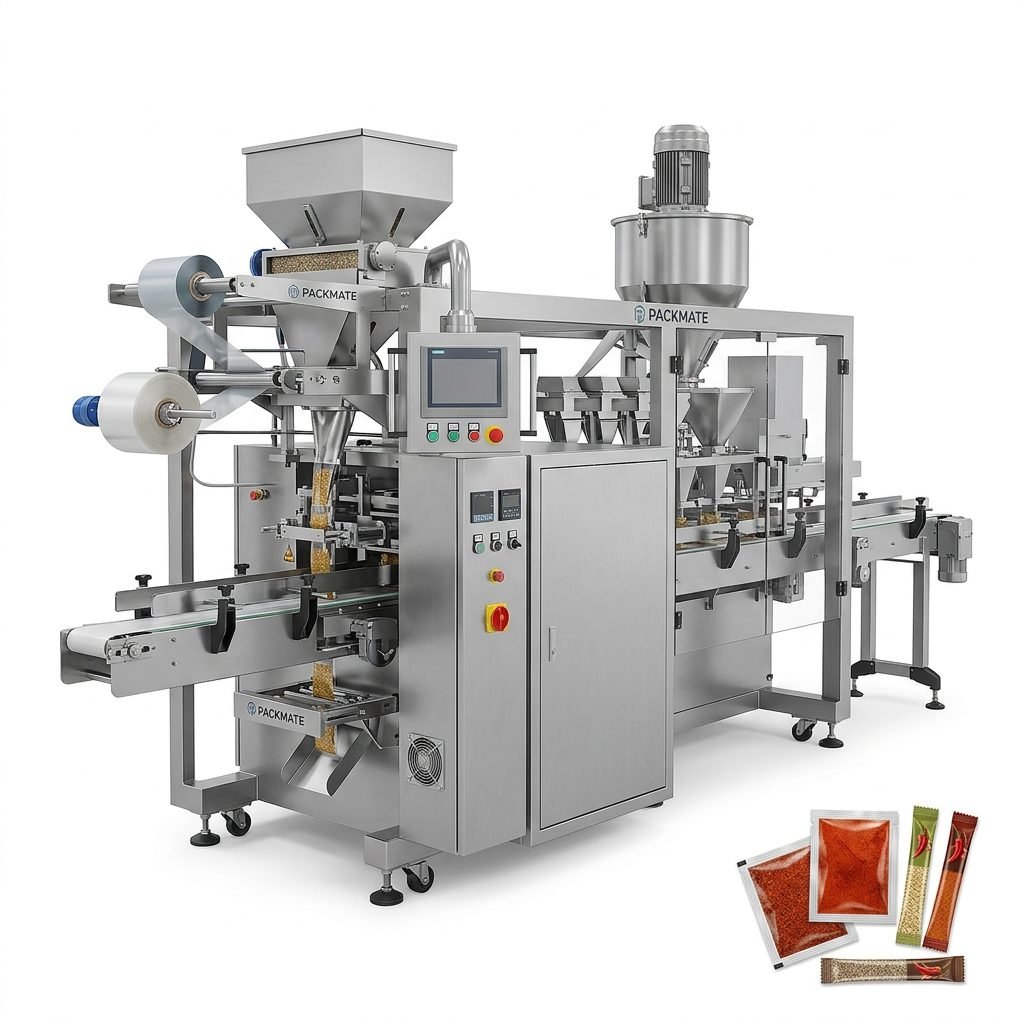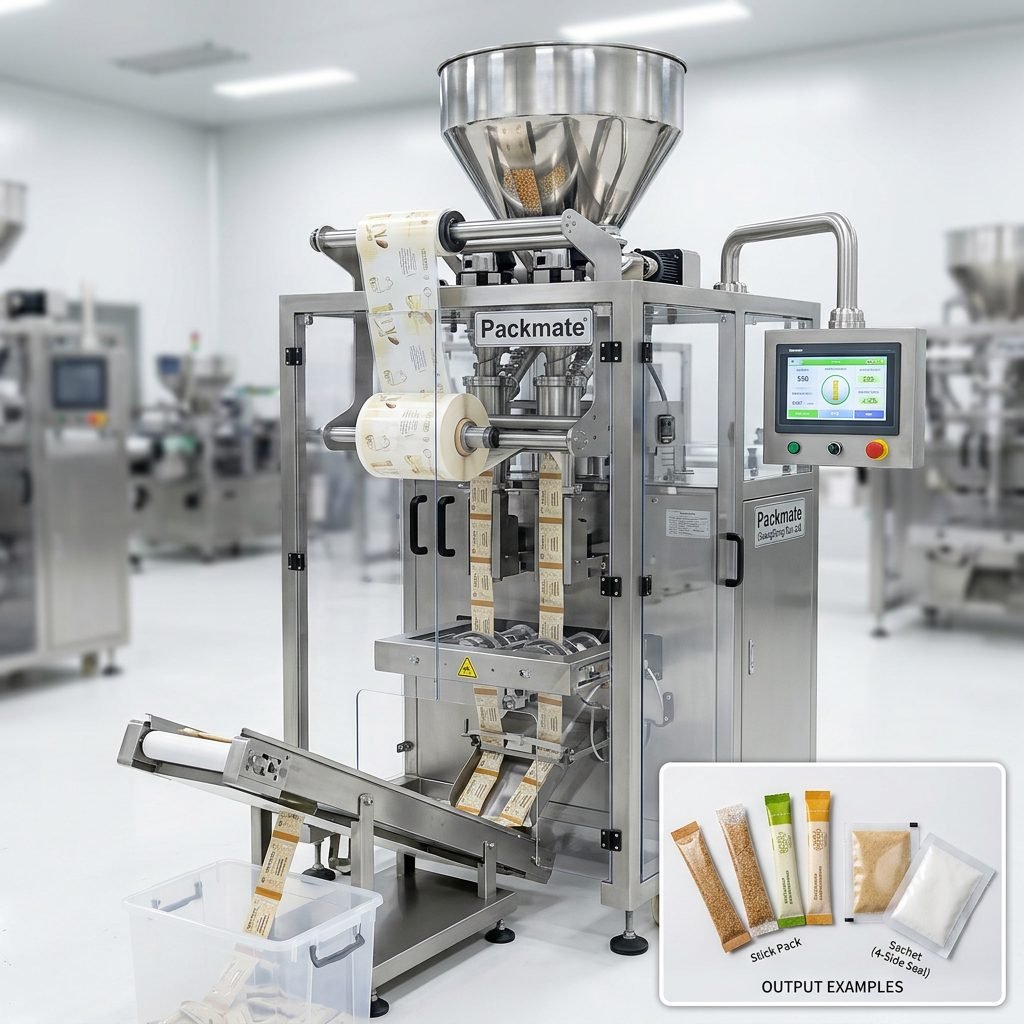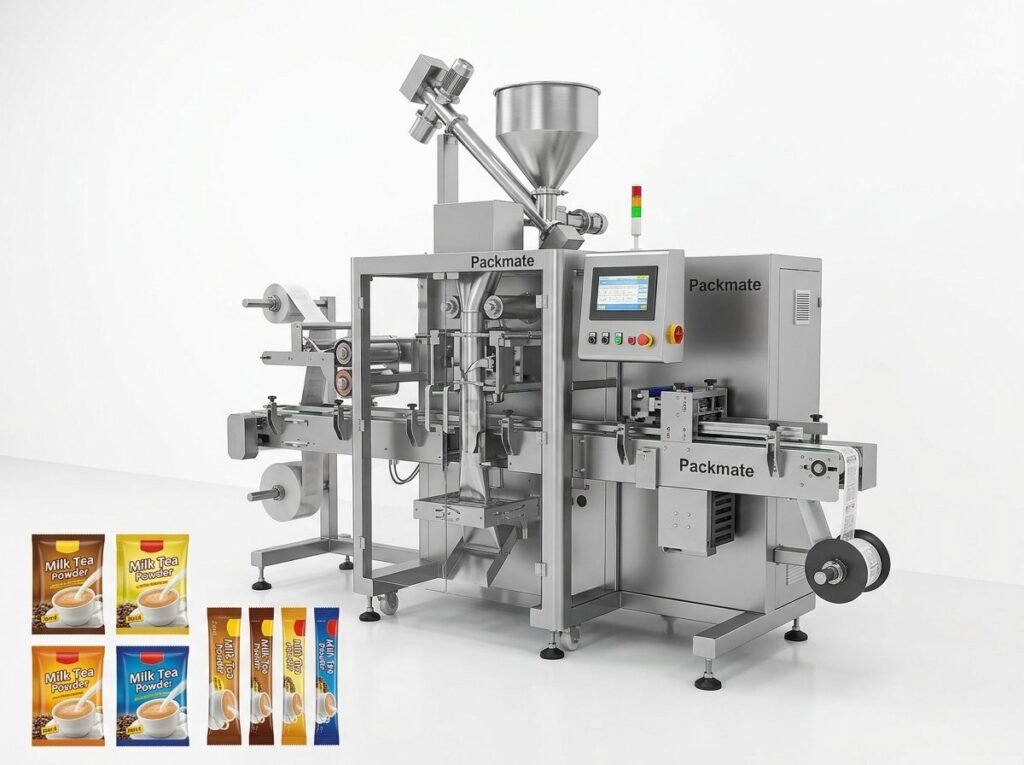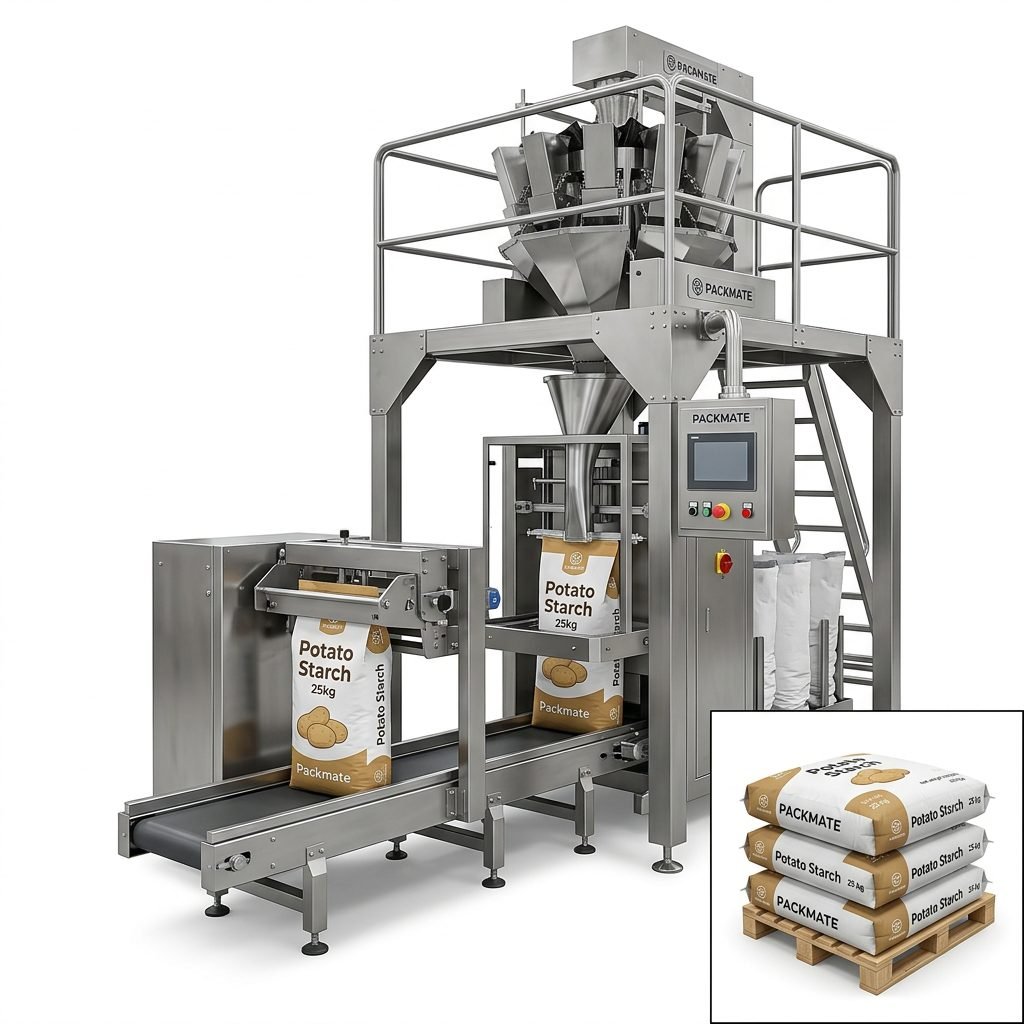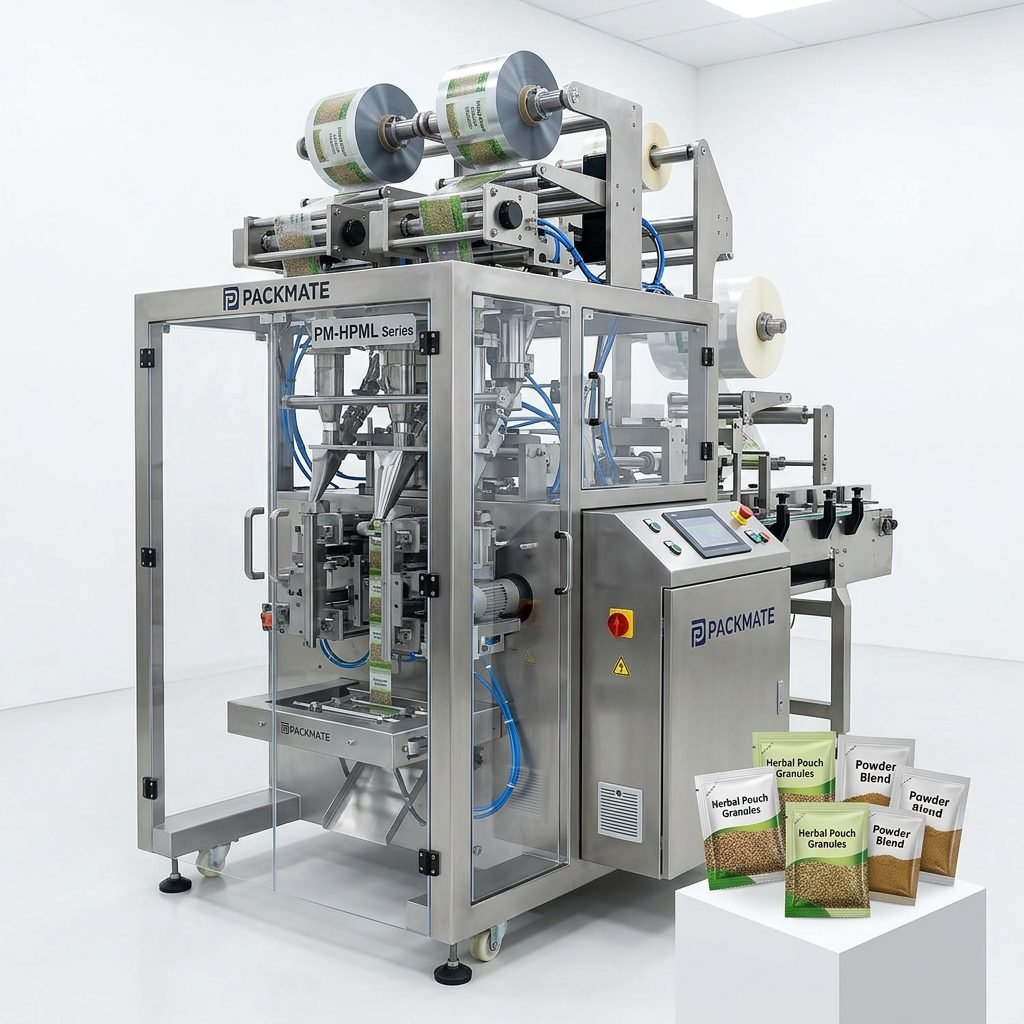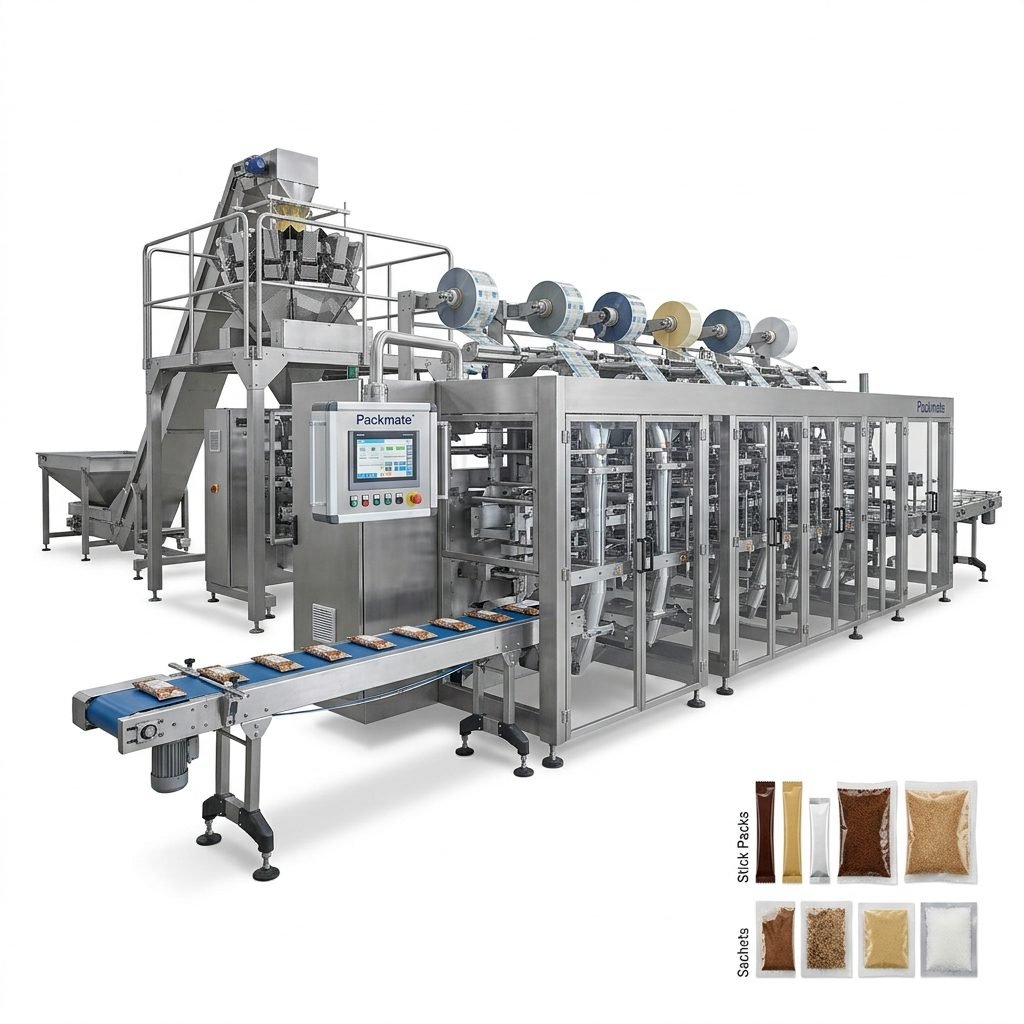
For business owners and production managers in the Maldives, finding reliable packaging machine manufacturers is a critical step towards improving operational efficiency and product quality. The unique market dynamics of the Maldives—characterized by its reliance on tourism, import-dependent economy, and growing local manufacturing sector—create specific demands for packaging solutions. These often include the need for durable, efficient, and space-conscious equipment suitable for producing goods for hotels, resorts, local retail, and export, particularly in sectors like food, beverages, and health supplements.
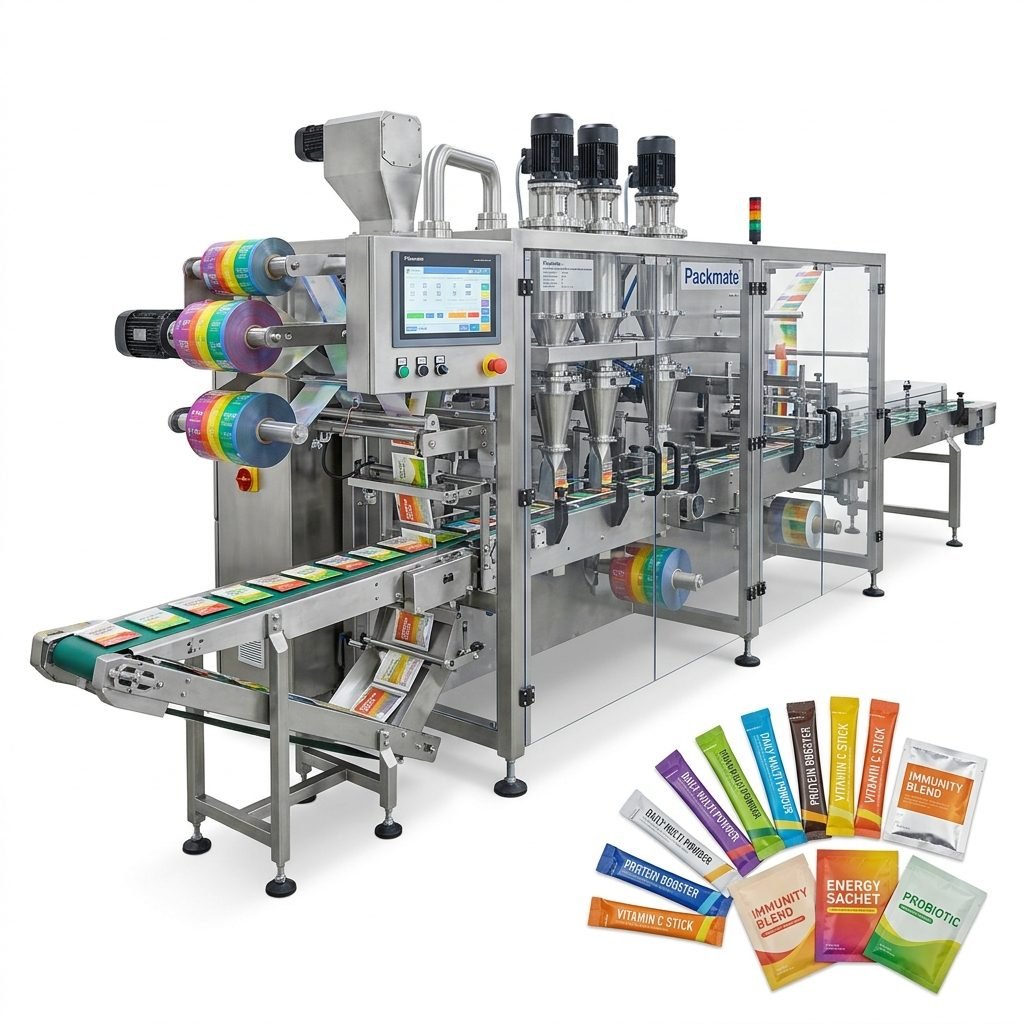
Investing in the right packaging machinery can directly impact your bottom line by reducing waste, increasing production speed, and ensuring consistent product presentation. However, the process of sourcing from international manufacturers, especially from major hubs like China, requires careful planning and due diligence. This guide outlines a practical approach to identify and partner with trustworthy packaging machine suppliers that can meet the specific needs of Maldivian businesses.
Understanding Your Packaging Requirements in the Maldives
Before beginning your search, it’s essential to clearly define your operational needs. Consider the following factors that are particularly relevant in the Maldivian context:
Product Type: Are you packaging powders (like spices, coffee, or milk powder), granules (sugar, grains), liquids (sauces, oils), or pastes? The physical properties of your product dictate the machine type.
Production Scale: Assess your current and projected output. Are you a small local supplier or a larger operation catering to resorts and export? This determines the required machine speed (pouches per minute) and automation level.
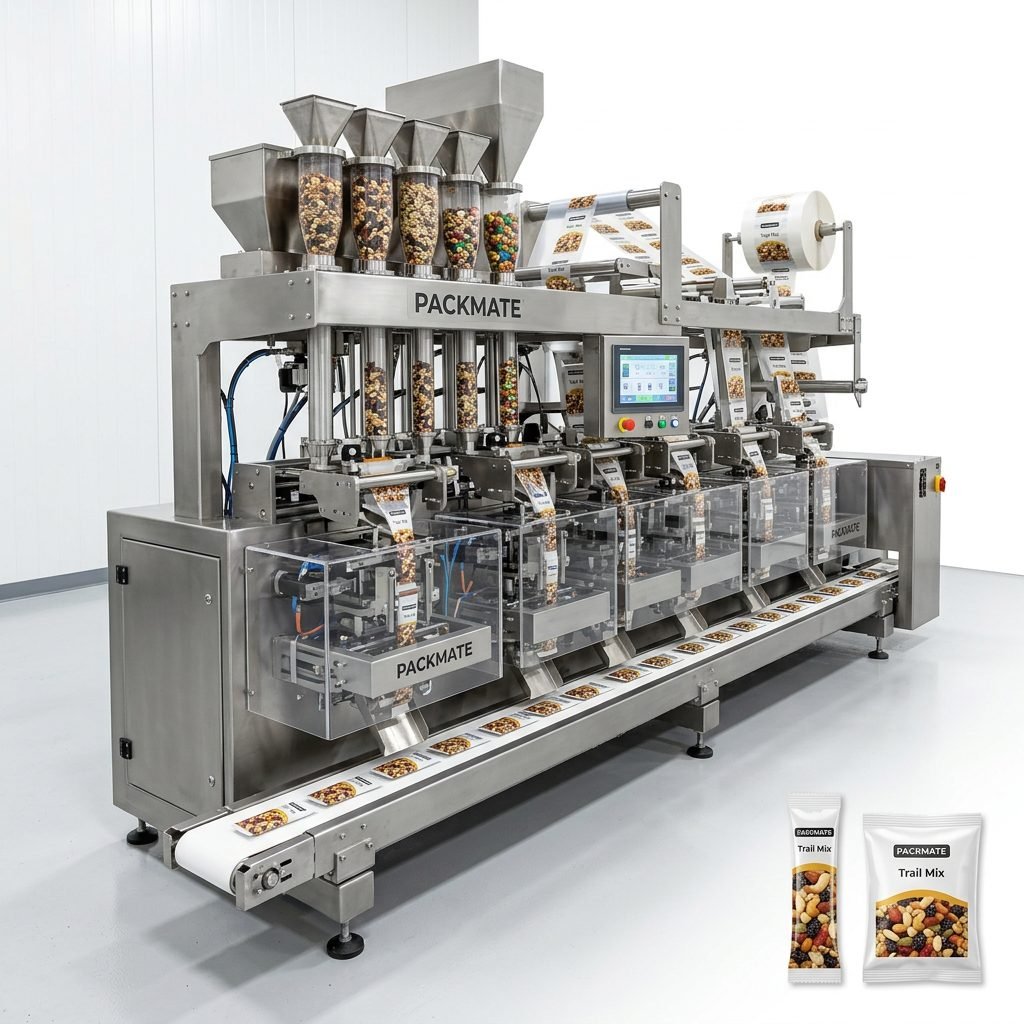
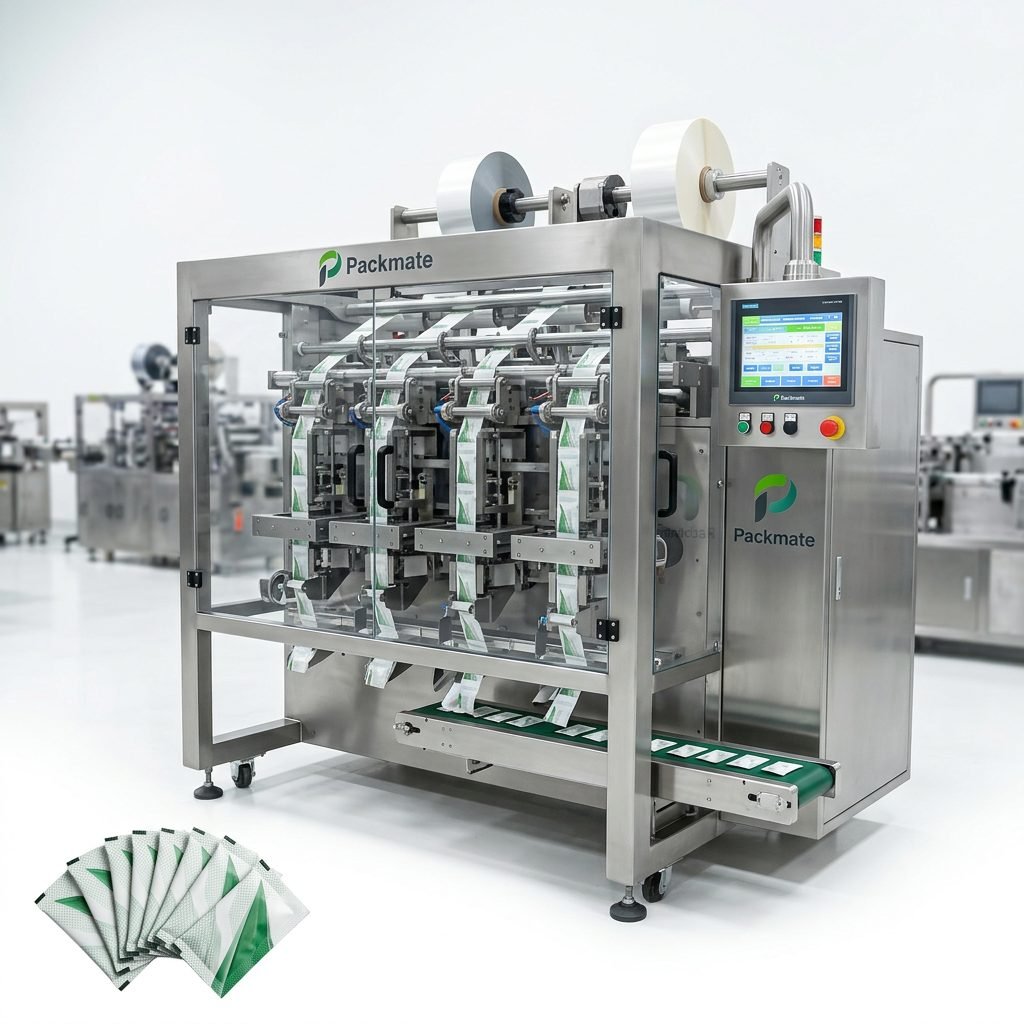
Packaging Format: Do you need sachets, stick packs, pouches, or bags? The popularity of single-serve and portion-controlled packaging in the hospitality industry is a key driver here.
Factory Conditions: Space can be a constraint. Consider the machine’s footprint, power requirements (voltage compatibility), and the availability of technical support locally or remotely.
Key Sourcing Channels for Maldivian Importers
Businesses in the Maldives typically explore several avenues to find manufacturers:
International Trade Shows: While traveling to major exhibitions in China or Europe can be costly, their online directories and participant lists are valuable resources for discovering established manufacturers.
Online B2B Platforms: Websites like Alibaba, Made-in-China, and Global Sources are widely used. The key is to filter for verified suppliers with substantial export experience.
Industry Referrals: Networking with peers in the South Asian manufacturing or hospitality sector can lead to trusted recommendations.
Direct Manufacturer Websites: A company’s official website is often the best source for understanding its technical capabilities, product range, and company history.
Evaluating Potential Packaging Machine Manufacturers
Once you have a shortlist, a thorough evaluation is crucial. Focus on these core aspects:
1. Manufacturing Capability and Experience
Look for manufacturers with a proven track record. A long company history often translates to refined engineering and reliable machine performance. For instance, a company like Ludyway, founded in 1993, brings over 30 years of experience in building packaging lines for food, pharmaceutical, and health supplement industries, which is highly relevant for Maldivian businesses in these growing sectors.
2. Product Portfolio and Customization
Your chosen supplier should offer machinery that matches your product format. A broad portfolio indicates deeper engineering knowledge. More importantly, assess their willingness and ability to provide customized solutions. Local products might have unique characteristics requiring machine adjustments.
For example, manufacturers such as PackingMachineOEM specialize in non-standard and customized packaging solutions. This flexibility is vital if your packaging needs deviate from standard sachet or stick pack sizes common in the market.
3. Export Experience and International Support
Given the Maldives’ geographic location, working with an export-savvy manufacturer is non-negotiable. Check their main export markets. A supplier with a strong presence in Europe, the Middle East, or Southeast Asia is likely familiar with international shipping, documentation, and providing remote support—a necessity for Maldivian importers.
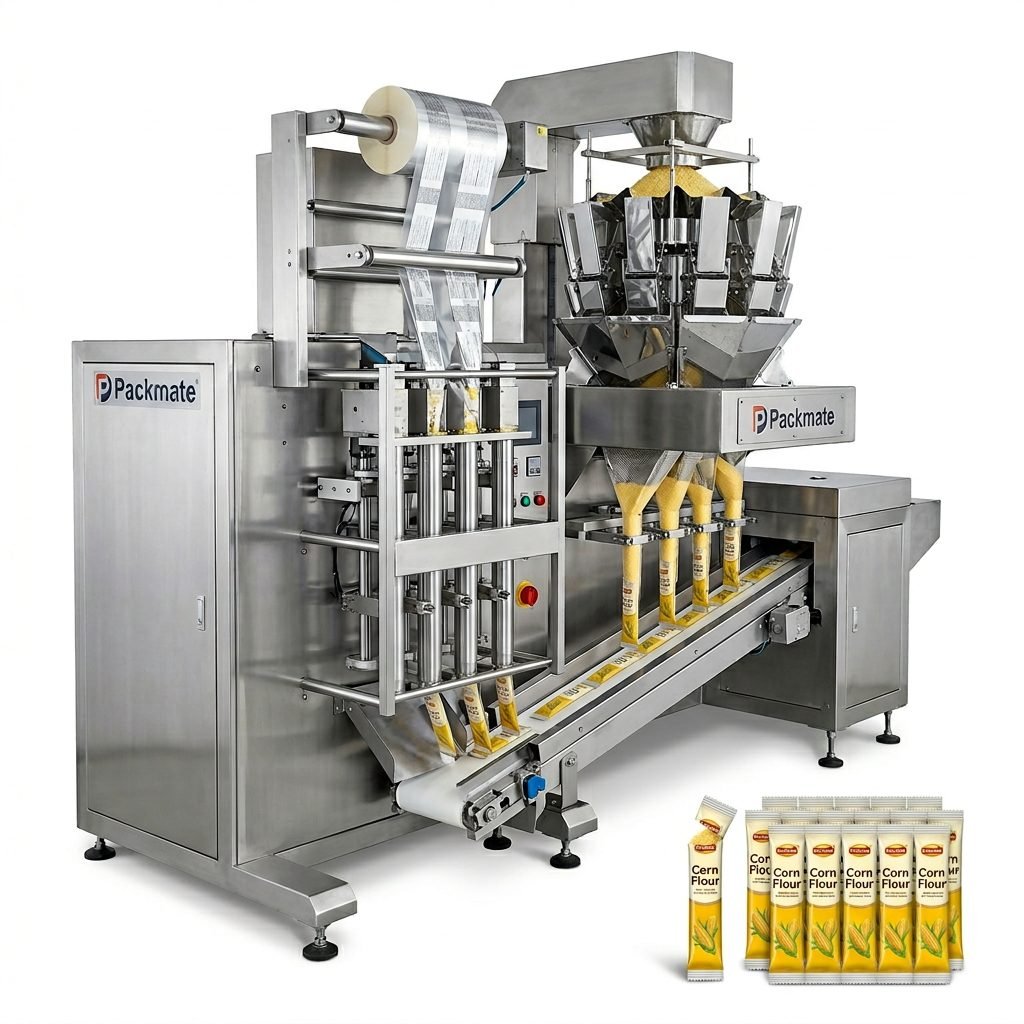
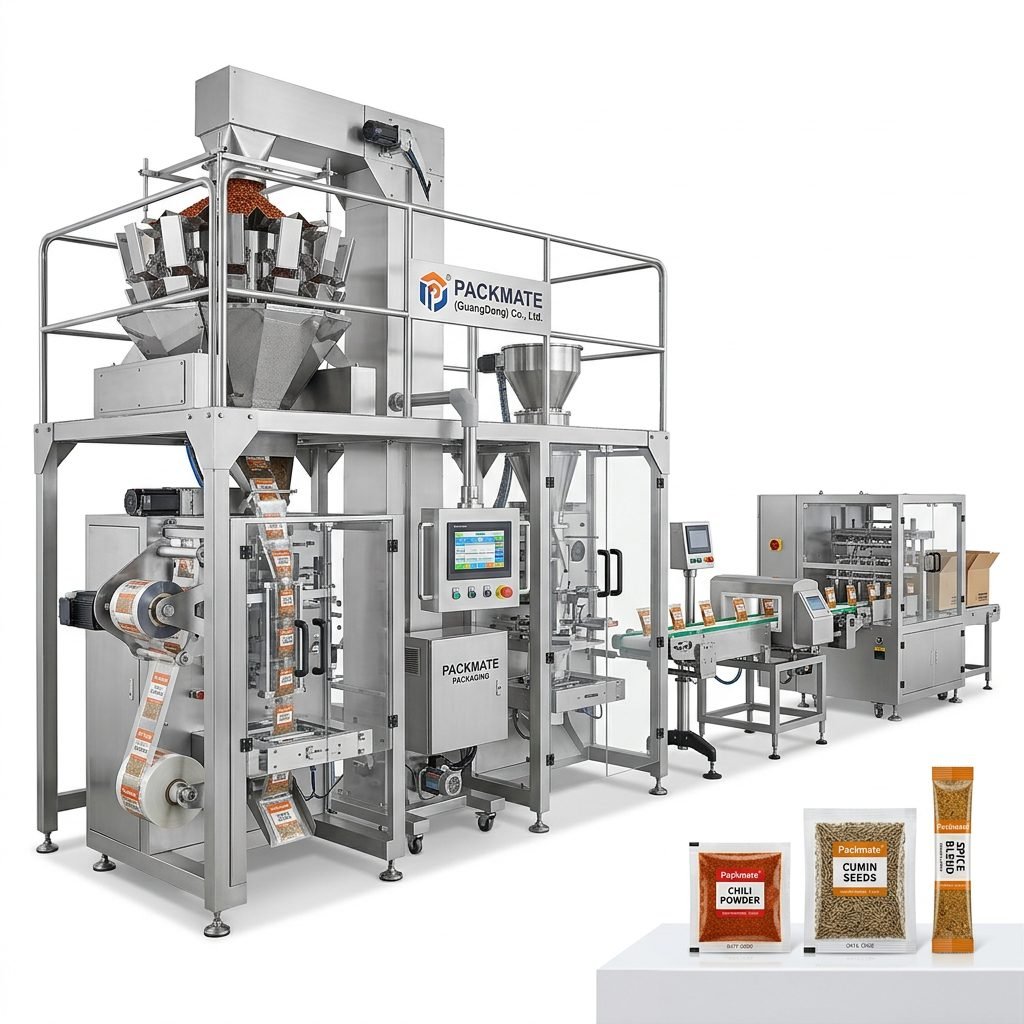
Companies like Packmate Machinery and PacklineOEM have established export operations across multiple continents, which suggests they have processes in place to handle logistics and communication effectively for overseas clients.
4. Technical Support and After-Sales Service
Reliable after-sales service is perhaps the most critical factor. Inquire about:
- Machine warranty terms.
- Availability of English-language operation manuals and software.
- Remote troubleshooting support (via video call).
- Availability of spare parts and typical delivery times to the Maldives.
- Possibility of on-site installation and training (though this may involve travel costs).
Spotlight on Specialized Manufacturers
For businesses in niche markets, a specialized manufacturer can be a better partner than a generalist. In the Maldives, where tourism drives demand for specific products, this can be highly relevant.
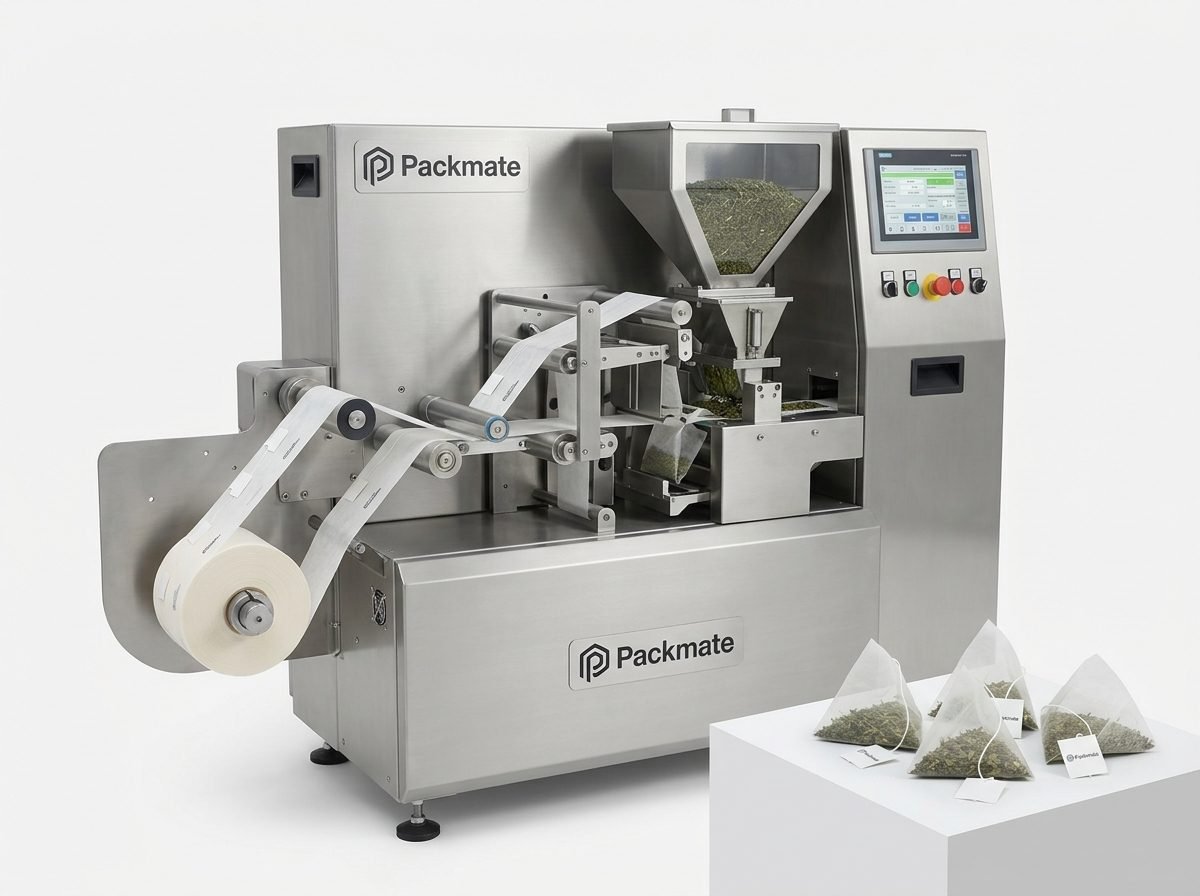
Consider SnusMachinery, which focuses on nicotine pouch and snus packaging equipment. While this is a specific niche, it demonstrates the value of application expertise. For a Maldivian company producing premium herbal teas or specialty single-serve condiments for resorts, a supplier with deep knowledge in precise pouch dosing and sealing can offer significant advantages in quality and reliability.
Financial and Logistical Considerations for Import to Maldives
Budgeting goes beyond the machine’s price tag. Create a comprehensive cost estimate that includes:
| Cost Factor | Description |
| Machine Cost (FOB/CIF) | Ex-works, FOB, or CIF pricing. CIF (Cost, Insurance, Freight) to Malé port is often simpler for importers. |
| Shipping & Logistics | Ocean freight, insurance, port handling fees in Maldives. |
| Import Duties & Taxes | Consult with a local customs broker for accurate rates on machinery imports. |
| Installation & Commissioning | Potential costs for a technician to travel to your site, or local engineer fees. |
| Spare Parts Kit | Initial inventory of common wear parts to minimize downtime. |
Always request detailed quotations from multiple suppliers to compare not just price, but the completeness of their offer.
The Due Diligence Process: Verifying Supplier Credibility
Before finalizing a contract, take these verification steps:
Factory Audit (Virtual/Physical): Request a virtual video tour of the production facility. Look for organization, cleanliness, and modern assembly lines. A factory size of 20,000 square meters or more, as stated by companies like Ludyway and Packmate Machinery, indicates substantial manufacturing capacity.
Client References: Ask for contact information of past clients in regions with similar import challenges, such as other island nations or Southeast Asia. Speak to them about machine performance and support responsiveness.
Sample Testing: If possible, send your product sample to the manufacturer for a test run. They can produce sample packs using their machine and provide a video, demonstrating the machine’s suitability for your product.
Review Contracts Carefully: Ensure the purchase agreement clearly outlines payment terms (e.g., 30% deposit, 70% before shipment), delivery schedule, warranty details, and acceptance criteria.
Building a Successful Long-Term Partnership
Your relationship with the manufacturer shouldn’t end at delivery. A reliable partner will assist with installation guidance, operator training (possibly via detailed video guides), and be readily available for technical queries. Clear communication channels and a proactive support attitude are invaluable for maintaining smooth operations in the Maldives, where immediate on-site engineering help may not be available.
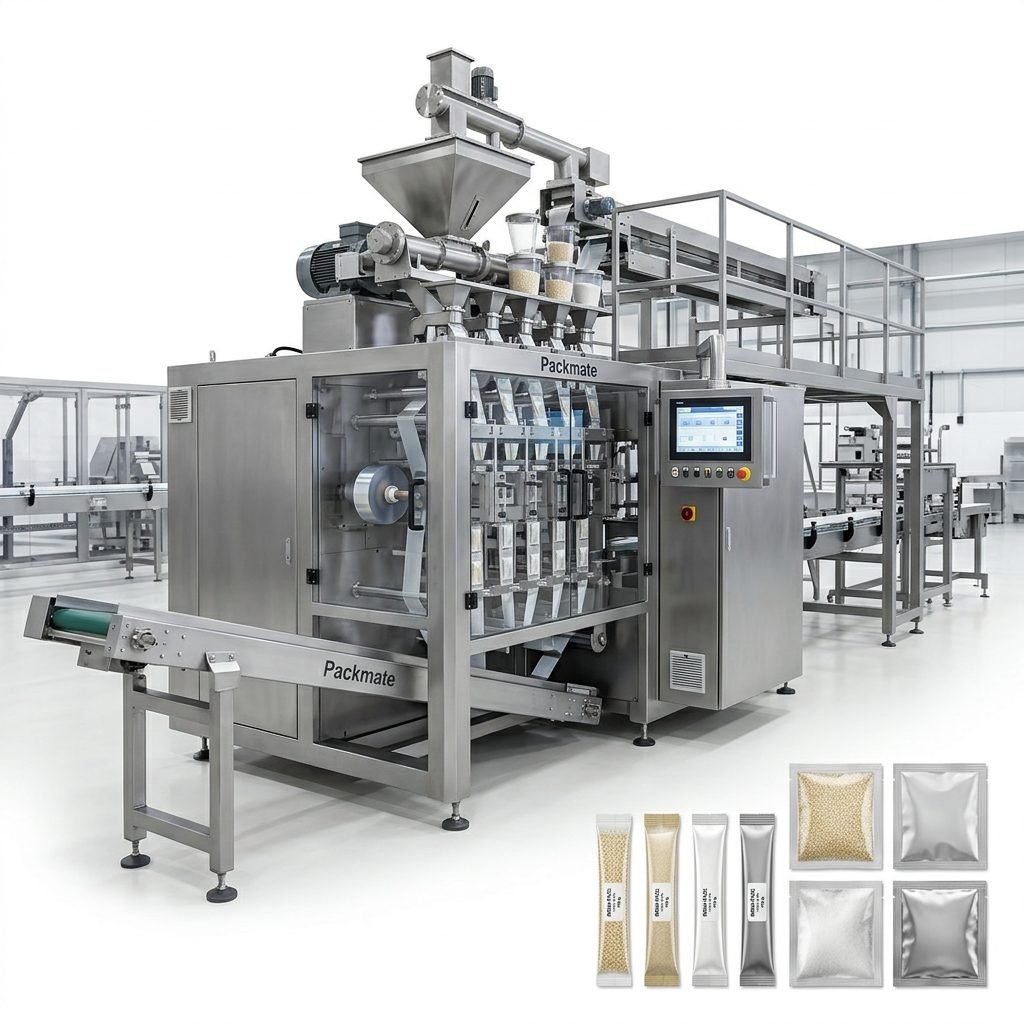
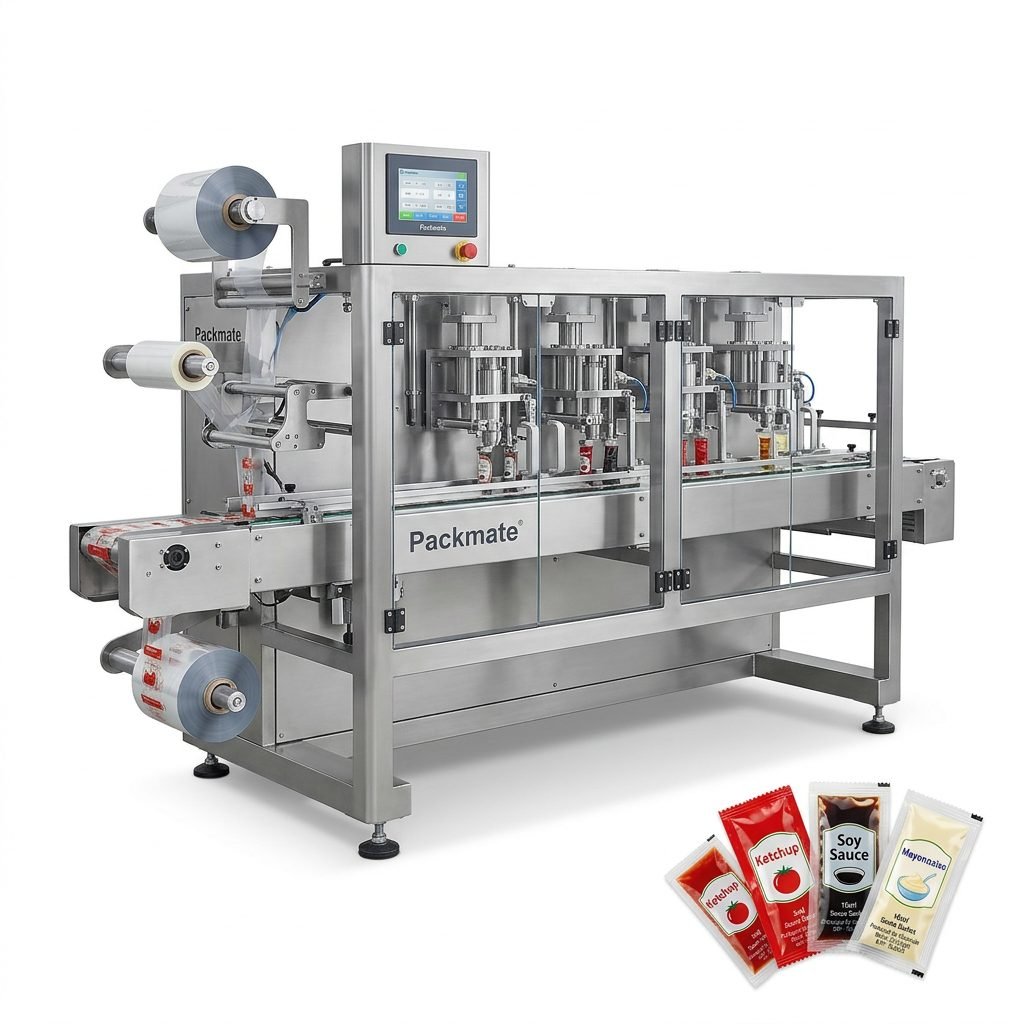
Choosing a manufacturer that offers complete turnkey packaging line solutions, like PacklineOEM, can be particularly beneficial. They can take responsibility for integrating different machines (filling, sealing, conveying) into a cohesive system, reducing the complexity you have to manage remotely.
Frequently Asked Questions (FAQs)
What is the typical lead time for a packaging machine from China to the Maldives?
Lead times vary based on machine complexity. For standard models, production may take 30-60 days after order confirmation. Shipping by sea from China to Malé can add another 15-30 days. Customized or complete line solutions will require more time. Always get a written timeline from the supplier.
How can I ensure the machine will work with our local power supply in the Maldives?
The Maldives generally uses 230V/50Hz power. A reputable manufacturer will build the machine’s electrical system to your specified voltage and frequency. Clearly communicate this requirement during the quotation stage and verify it on the technical specifications sheet before production begins.
What are the most common challenges when importing machinery to the Maldives?
Key challenges include navigating customs clearance, ensuring proper documentation, managing logistics to your factory site from the port, and arranging for technical commissioning without having the supplier’s engineer on site. Working with an experienced freight forwarder and a manufacturer that provides clear documentation and remote support is crucial.
Is it better to buy a single machine or a complete packaging line?
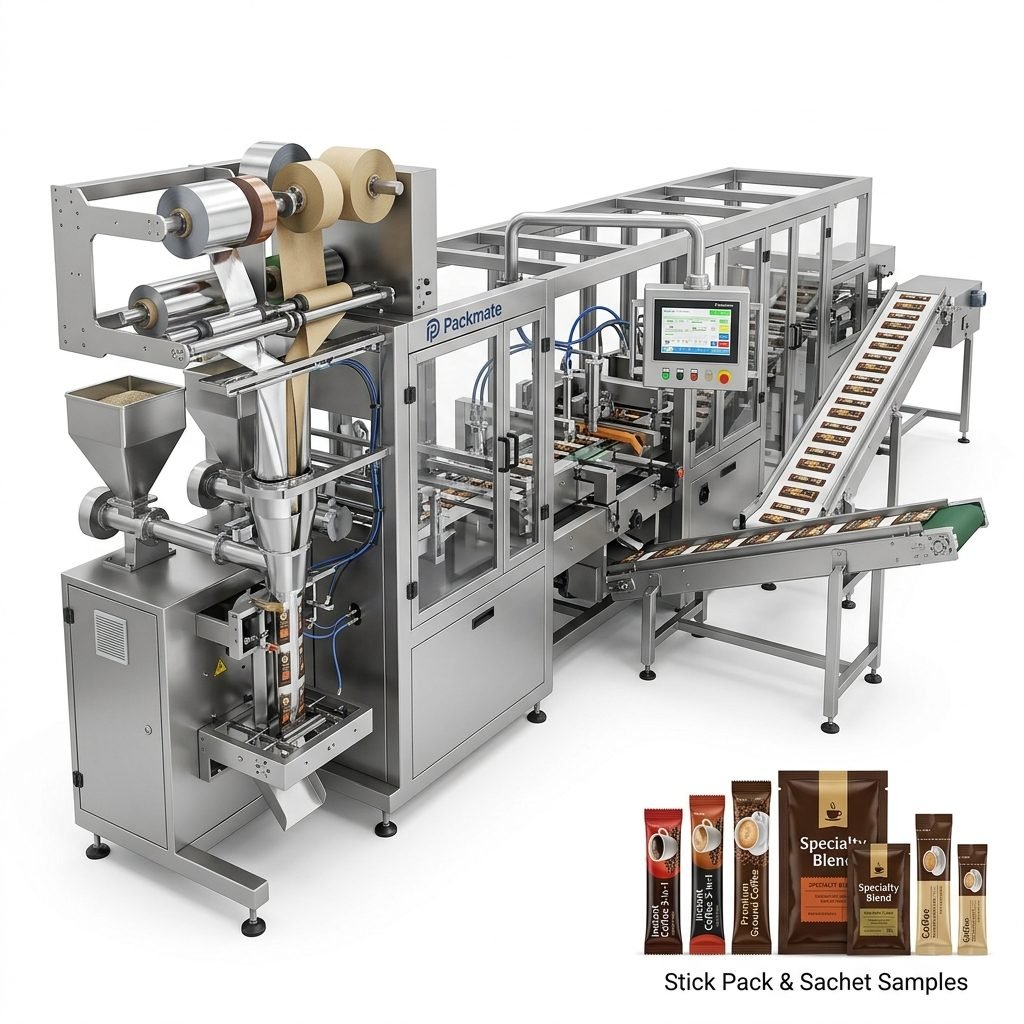
This depends on your production scale and automation goals. A single sachet machine is a good start for small to medium operations. For larger-scale production targeting resort supply or export, an integrated multi-lane stick pack or sachet line from a turnkey specialist can offer significantly higher efficiency, consistency, and lower labor costs in the long run.
How do I handle machine maintenance and repairs?
Proactive maintenance is key. Rely on the manual and training provided. Source an initial spare parts kit from the manufacturer. For repairs, established manufacturers offer remote troubleshooting via video call. For complex issues, they can dispatch an engineer (travel costs apply), or you may need to find a local technician with guidance from the manufacturer’s support team.