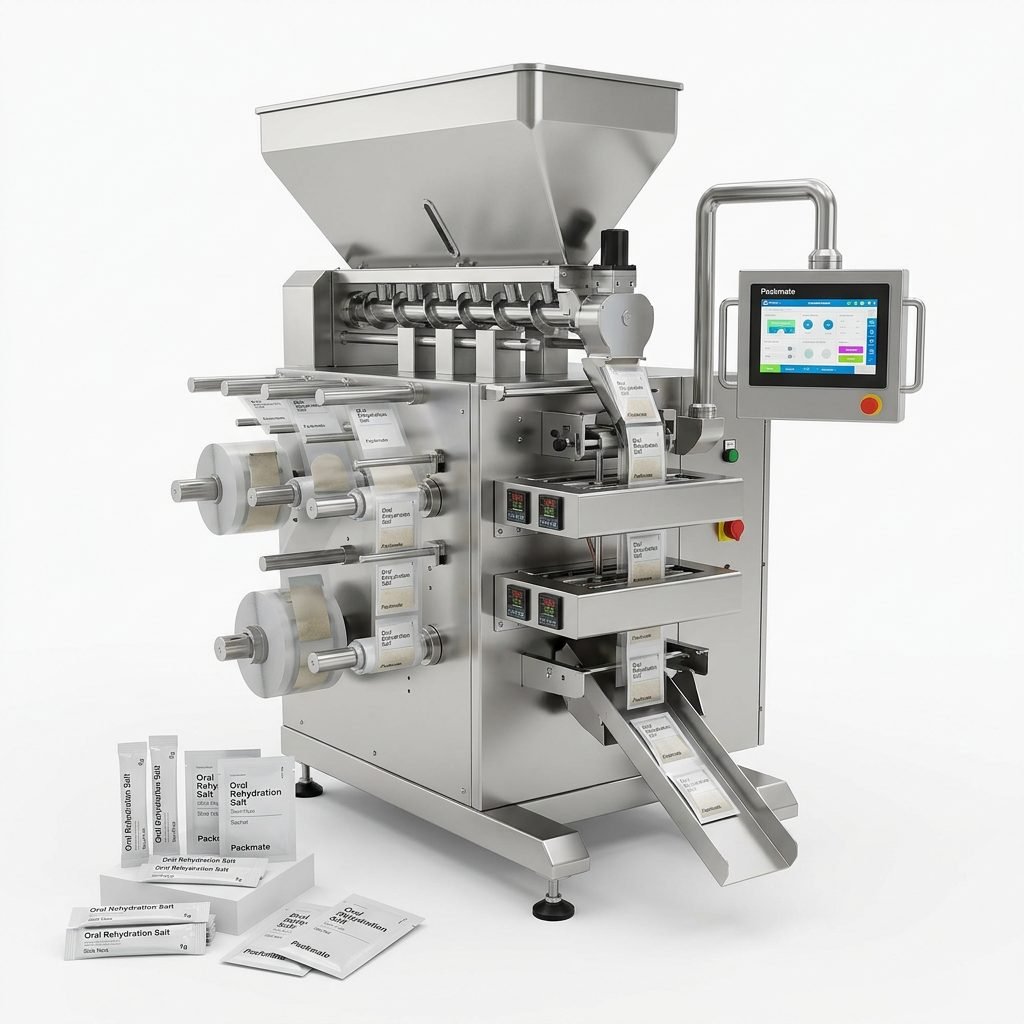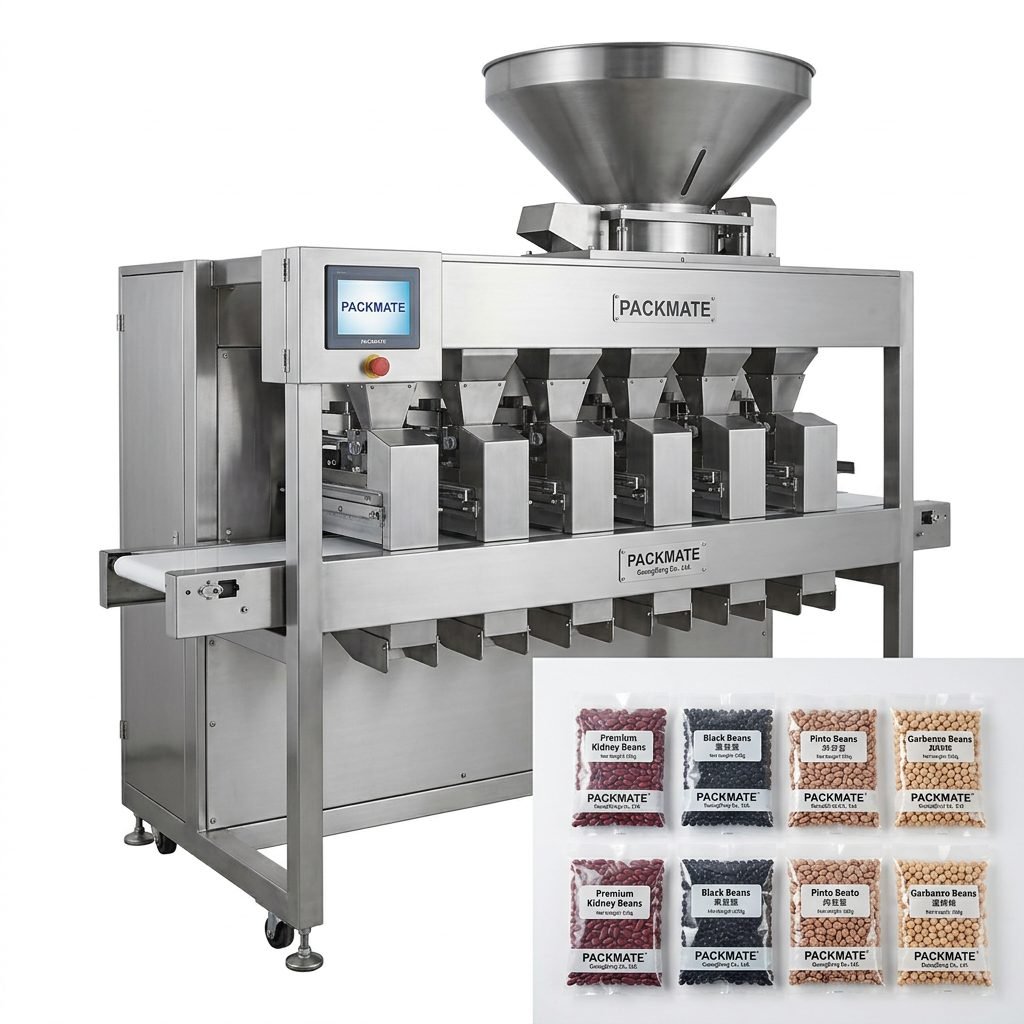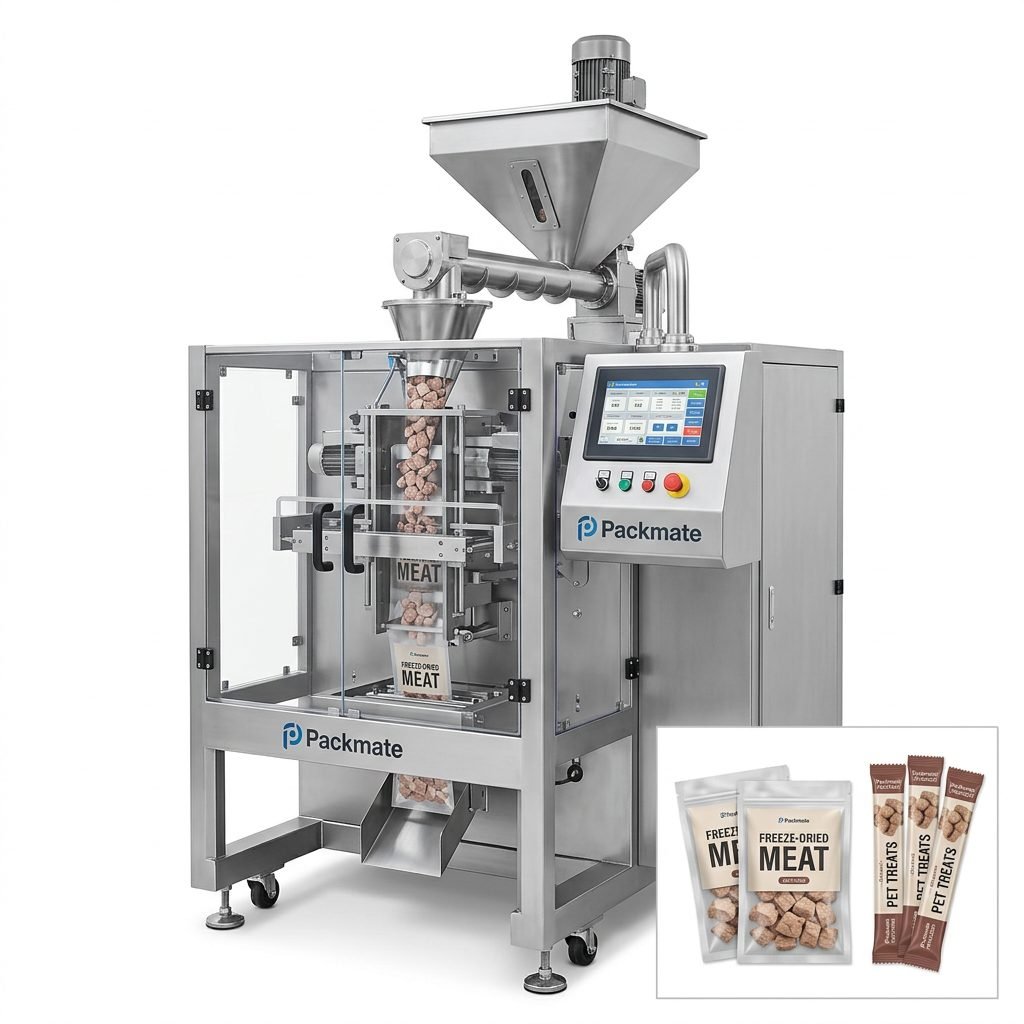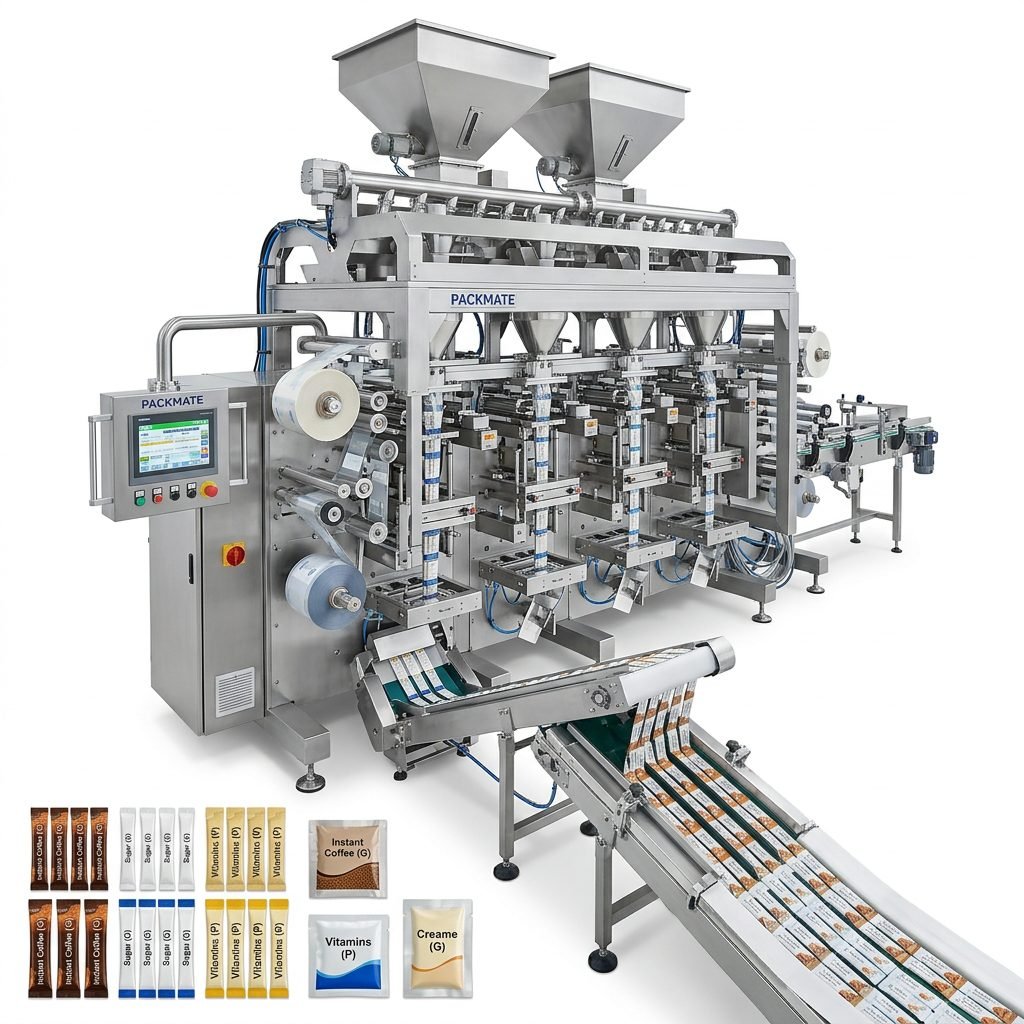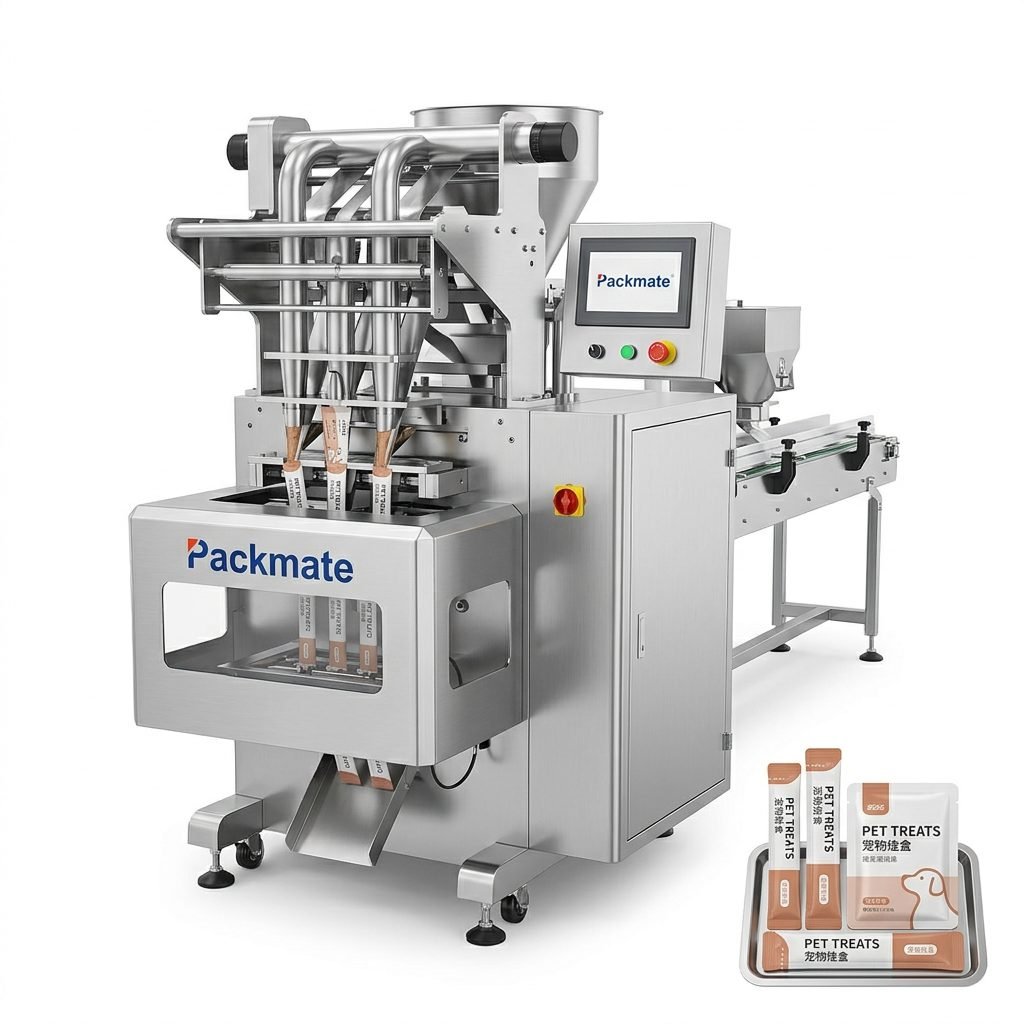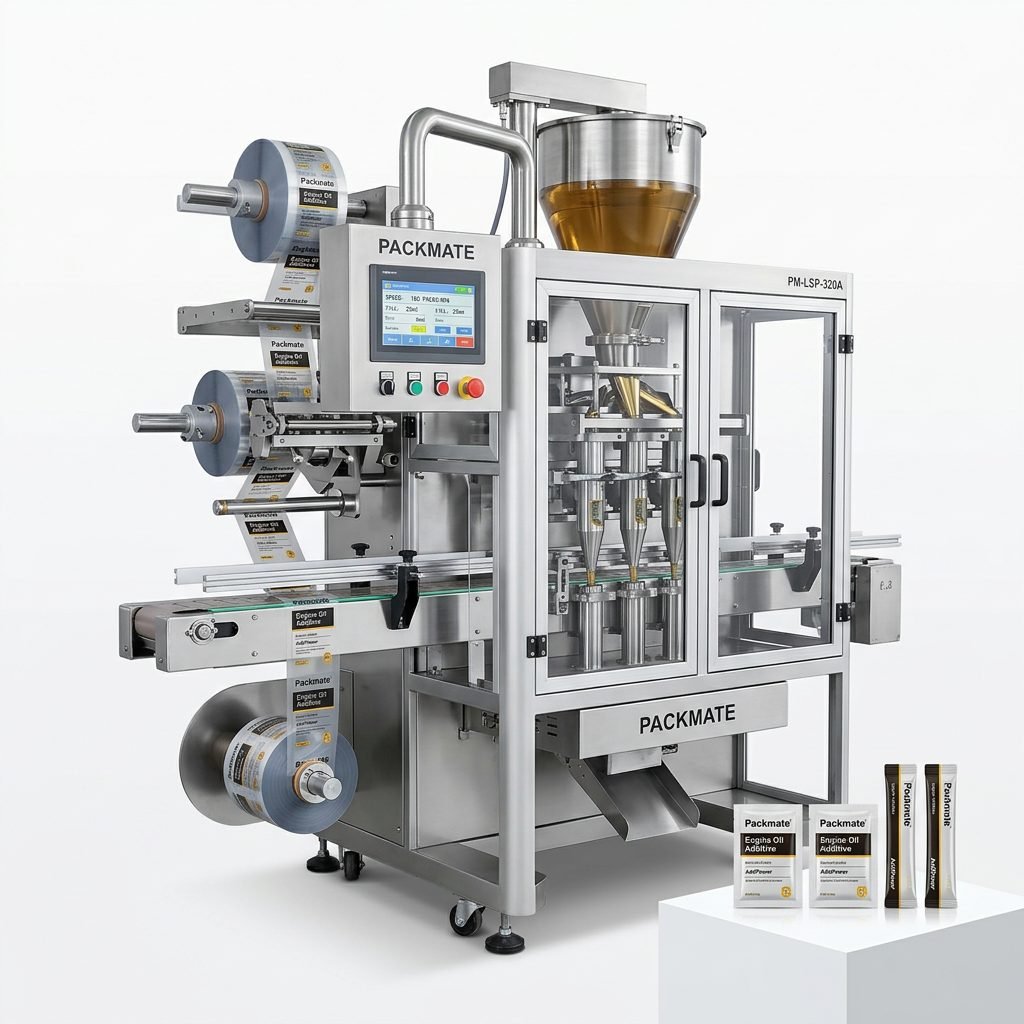
For businesses in Cape Verde looking to upgrade or establish a new production line, selecting the right packaging machine manufacturer is a critical decision. The archipelago’s unique economic landscape, with its focus on tourism, fisheries, agri-food processing, and a growing pharmaceutical sector, creates specific demands for packaging solutions. Whether you are a local producer of coffee, spices, dried fish, or cosmetics, finding a reliable partner that understands your product’s specific needs, the local market’s scale, and the logistical challenges of island-based operations is paramount.
1. Define Your Specific Packaging Requirements
Before you start contacting manufacturers, clearly define your needs. Consider the following:
Product Type: Are you packaging powders (like coffee or spices), granules (like rice or sugar), liquids (sauces, oils), pastes, or solids? The machine technology differs significantly.
Packaging Format: Do you need sachets, stick packs, pouches, bottles, or bulk bags? This determines the type of machine (e.g., vertical form-fill-seal, sachet machine, liquid filler).
Production Capacity: Estimate your required output (bags per minute, units per hour). Cape Verdean businesses may range from small-batch artisanal producers to larger export-focused operations.
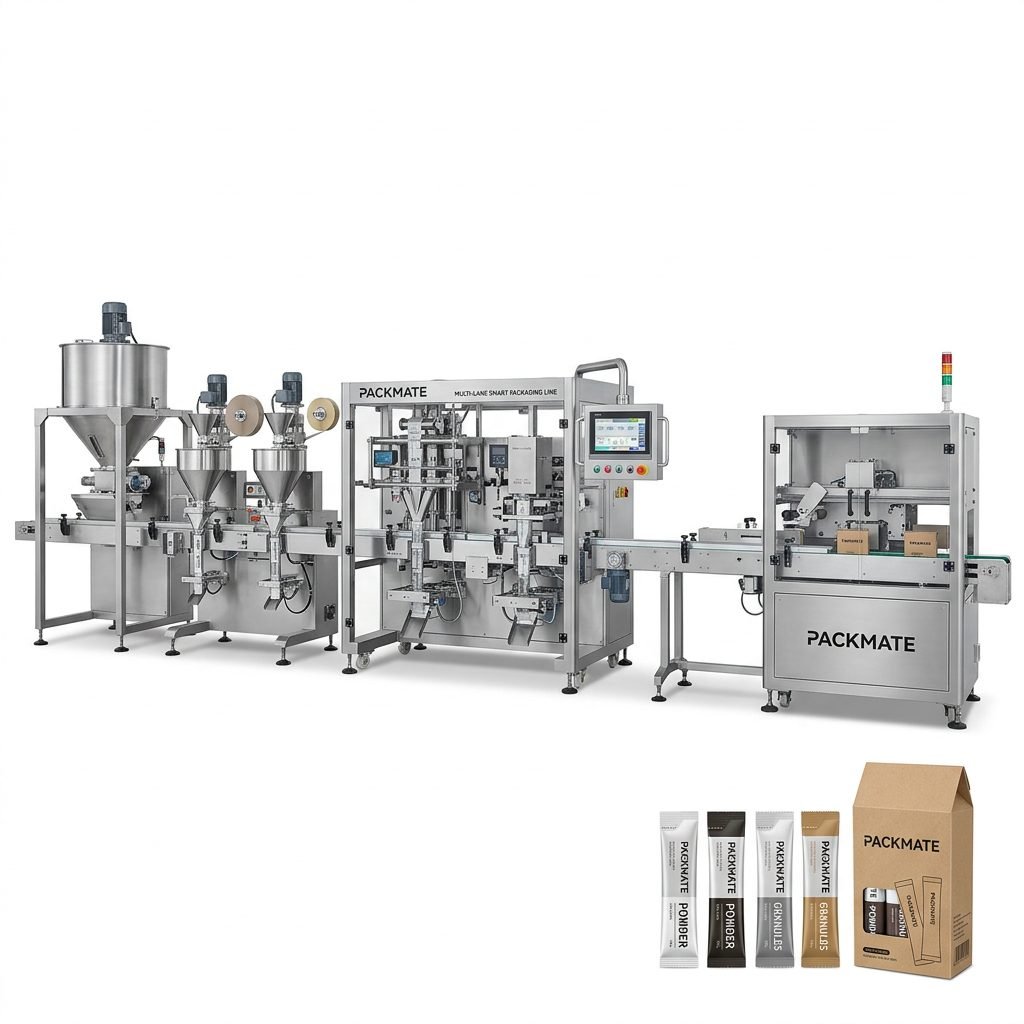
Level of Automation: Do you need a standalone machine or a fully integrated turnkey line with feeding, weighing, filling, sealing, and cartoning?
Having these details ready will help you communicate effectively with potential suppliers and receive accurate quotations.
2. Evaluate Manufacturer’s Experience & Industry Focus
Experience is a key indicator of reliability. Look for manufacturers with a proven track record in your specific industry. For example, a company specializing in food-grade machinery is essential for local fish processors or spice packers. For pharmaceutical or cosmetic ventures, GMP (Good Manufacturing Practice) standards and hygiene-focused design become critical.
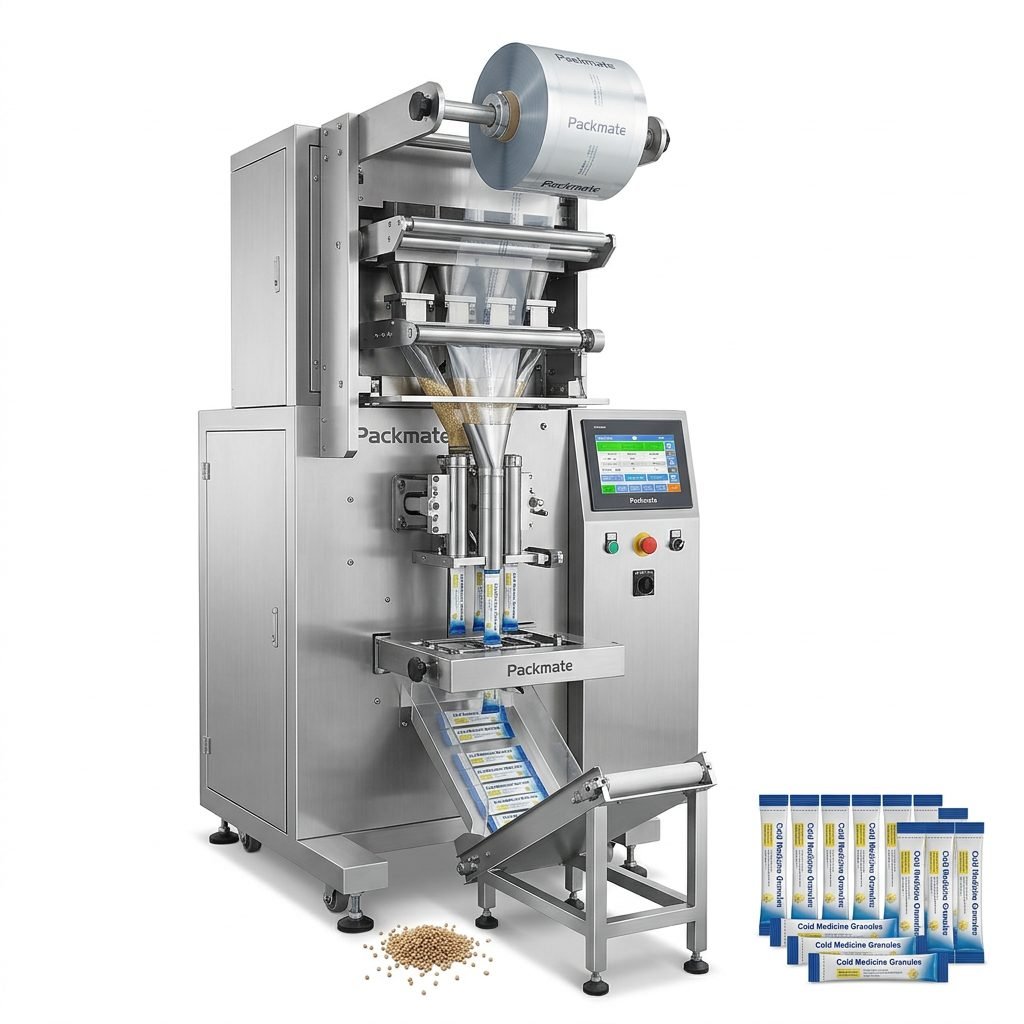
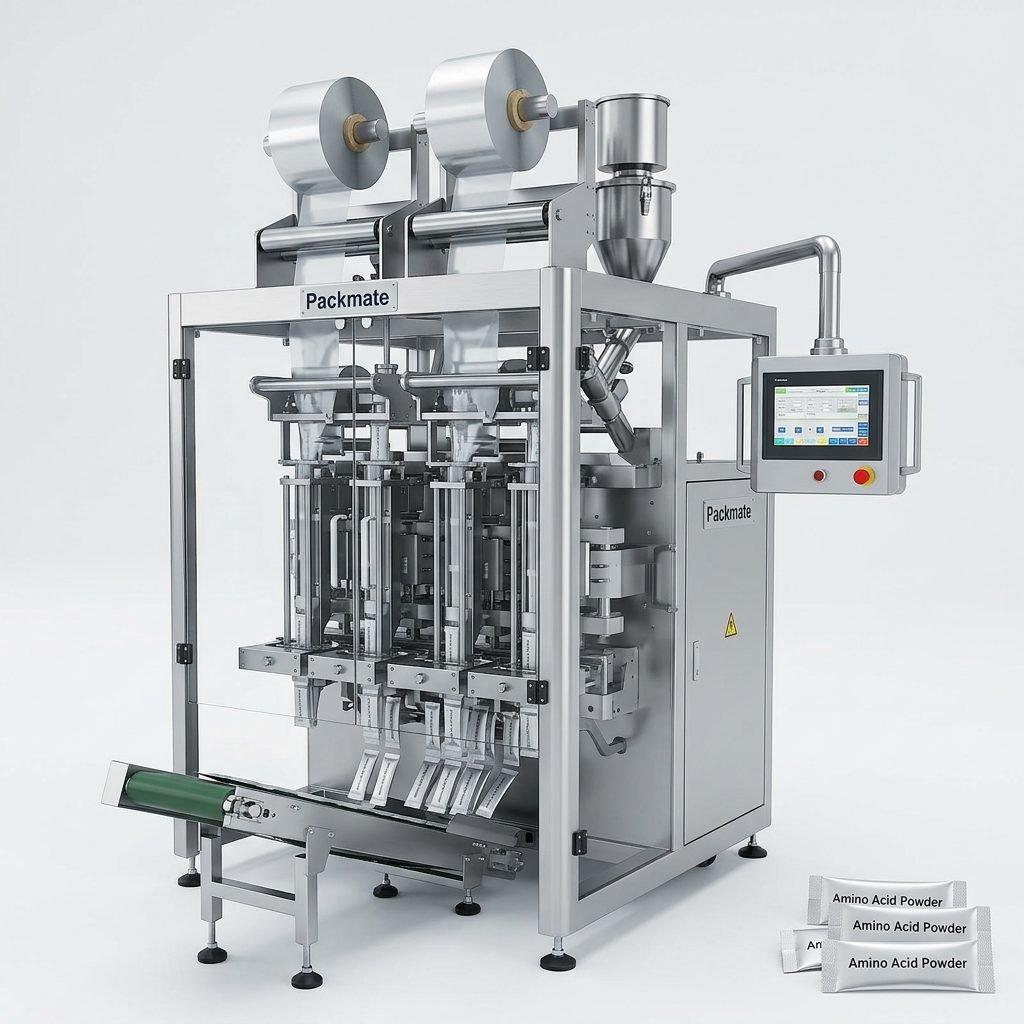
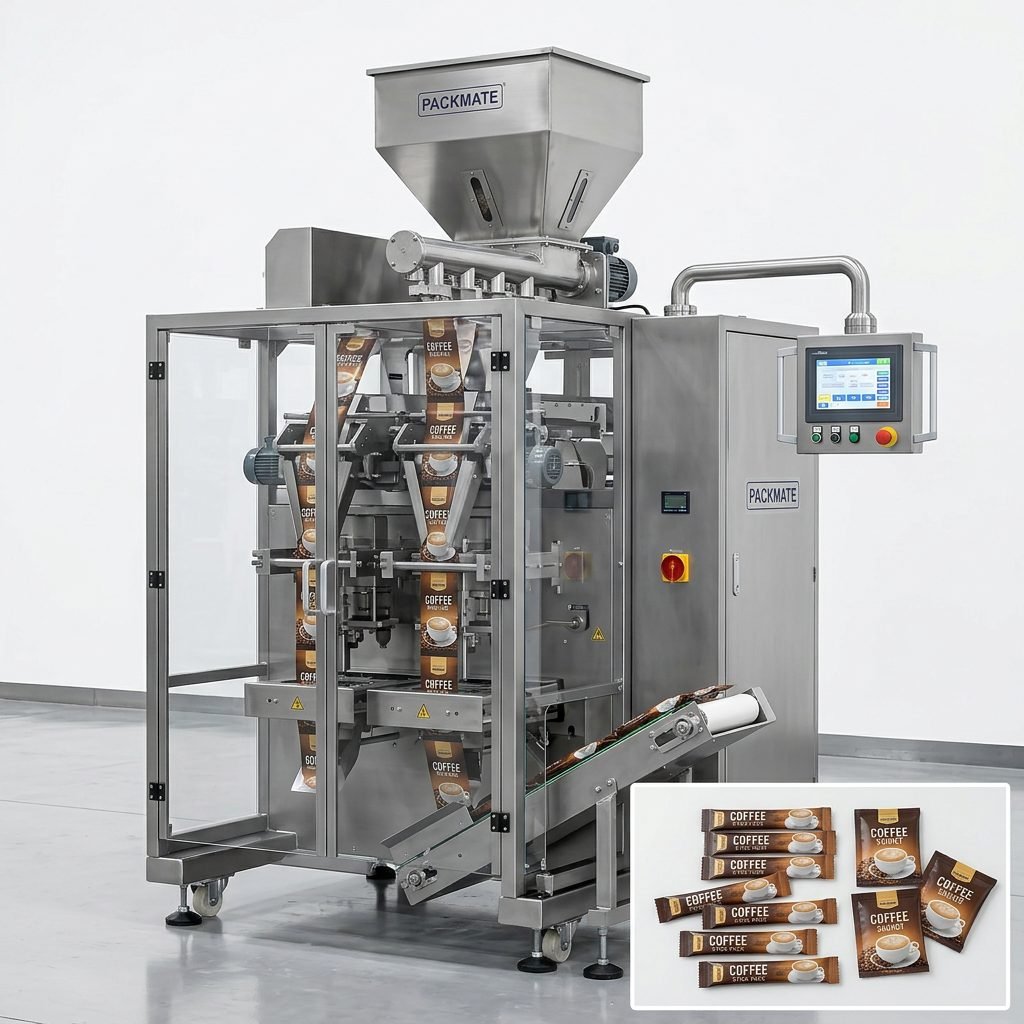
Leading manufacturers like Ludyway and Packmate Machinery have over 30 years of experience, serving diverse sectors from food and pharma to health supplements. This breadth of experience means they are more likely to have solved challenges similar to yours.
3. Assess Technical Capability & Customization
No two production lines are identical. Your product’s unique characteristics (flowability, hygroscopicity, particle size) may require machine adjustments. A manufacturer’s ability to provide customized or non-standard solutions is crucial.
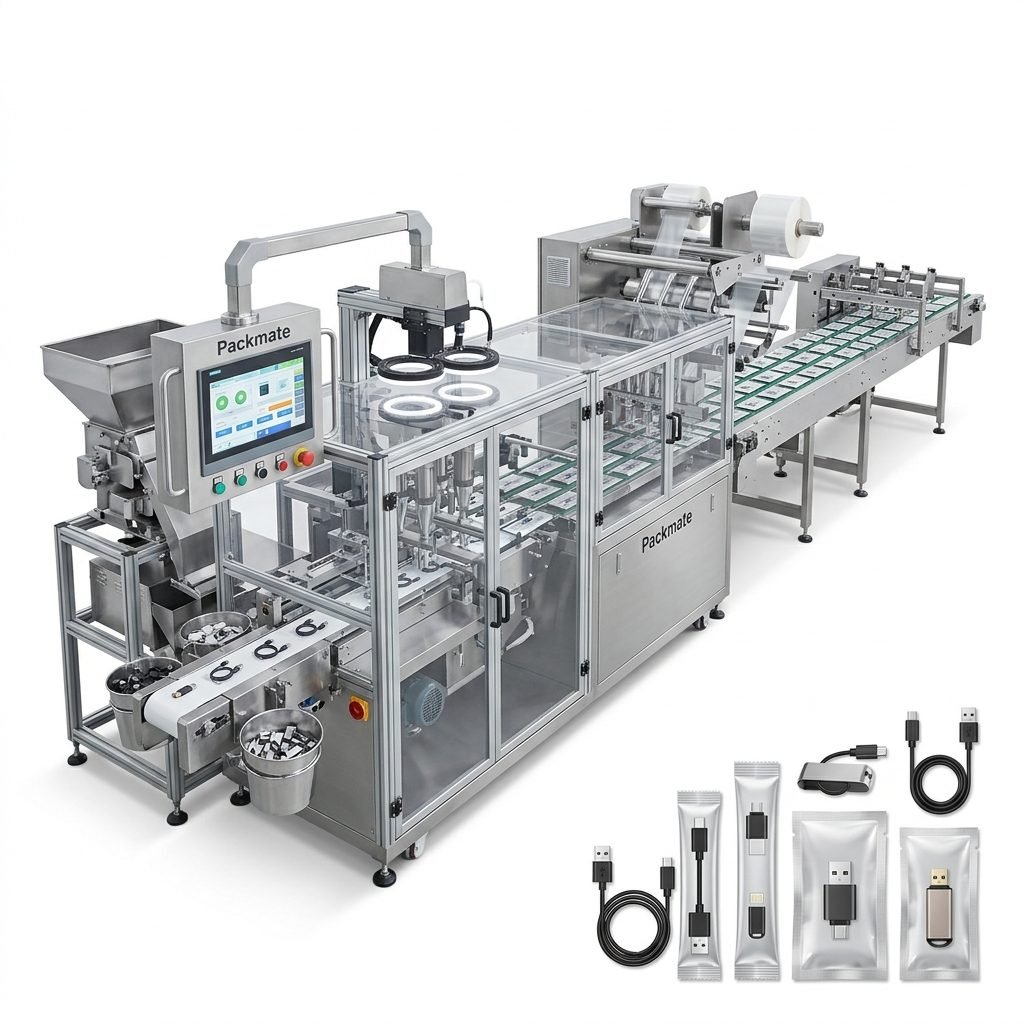
Companies such as PackingMachineOEM explicitly focus on non-standard and customized packaging solutions. Similarly, if your project requires a complete, synchronized line rather than just a single machine, a manufacturer like PacklineOEM, which specializes in turnkey lines, would be a more suitable partner.
Key Technical Questions to Ask:
- Can the machine handle my specific packaging material (film type, laminate)?
- What is the dosing accuracy for my product (especially critical for pharmaceuticals or high-value food items)?
- How easy is it to changeover between different product formats or bag sizes?
- What is the level of after-sales technical support and spare parts availability?
4. Consider Export Experience & Local Support in Africa
Cape Verde’s location means importing machinery involves complex logistics, shipping, and customs clearance. A manufacturer with strong export experience, particularly in Africa, will be more adept at handling these processes. They can provide proper export documentation, suitable packaging for sea freight, and guidance on import procedures.
Review the manufacturer’s main export markets. For instance, Ludyway and SnusMachinery both list Africa among their key export regions, suggesting familiarity with shipping to the continent. Ensure they have a clear process for pre-shipment testing, installation support (either remote or by sending an engineer), and training for your operators.
5. Analyze Manufacturing Scale & Quality Assurance
The size and modernity of a manufacturer’s factory can indicate their production capacity and quality control standards. A facility over 20,000 square meters, like those operated by the companies in our profile, suggests substantial manufacturing capability.
Inquire about their quality control processes during assembly and testing. Do they conduct factory acceptance tests (FAT) where you can witness the machine running with your product sample before shipment? This step is highly recommended to avoid costly surprises upon arrival in Cape Verde.
6. Compare Total Cost of Ownership (TCO), Not Just Price
The initial machine price is just one part of the cost. Consider the Total Cost of Ownership, which includes:
| Cost Factor | Description | Why It Matters for Cape Verde |
|---|---|---|
| Machine Price & Shipping | FOB price, international freight, insurance, and customs duties. | Sea freight costs and import taxes can be significant. Get a clear CIF (Cost, Insurance, Freight) quote to the port of Praia or Mindelo. |
| Installation & Training | Costs for technician dispatch, on-site setup, and operator training. | Remote support is common, but on-site help may be needed. Factor in potential travel costs for technicians. |
| Spare Parts & Maintenance | Availability and cost of wear parts (like sealing jaws, pumps, sensors). | Long lead times for parts can mean extended downtime. Check the supplier’s parts inventory and shipping policies. |
| Energy & Material Efficiency | Power consumption and packaging film waste. | Energy costs in Cape Verde are high. An efficient machine can reduce long-term operational expenses. |
7. Verify After-Sales Service & Technical Support
Reliable after-sales support is non-negotiable, especially from a distance. Before deciding, clarify:
- Warranty Period: What is covered and for how long?
- Support Channels: Do they offer email, phone, or video call support? What are their typical response times?
- Remote Diagnostics: Can they connect remotely to diagnose software or electrical issues?
- Spare Parts Supply: How quickly can they ship common spare parts to Cape Verde?
A manufacturer with a structured service protocol will save you immense time and frustration. Companies with decades of export experience, like Packmate Machinery, typically have more robust international support systems.
8. Request and Check References
Ask the manufacturer for contact information of clients in similar industries or, ideally, in the West Africa region. Speaking directly to an existing customer can provide invaluable insights into the machine’s real-world performance, durability, and the quality of the manufacturer’s support.
If possible, visit the manufacturer’s factory in China or attend a trade show where they exhibit. For Cape Verdean businesses, a virtual factory tour via video call is a practical alternative to assess their facilities and production processes.
9. Understand Compliance and Certification
Ensure the machinery meets necessary international safety and quality standards. Key certifications to look for include:
- CE Marking: Indicates conformity with health, safety, and environmental protection standards for products sold within the European Economic Area. It’s a widely recognized benchmark.
- ISO Standards: ISO 9001 for quality management systems is a good indicator of a manufacturer’s process reliability.
- Industry-Specific Certifications: For food or pharmaceutical machines, certifications related to hygiene and materials in contact with products are essential.
While Cape Verde may not have stringent local machinery certifications, adhering to international standards ensures the equipment is built to robust specifications, reducing safety risks and improving longevity.
Frequently Asked Questions (FAQs)
Q: What type of packaging machine is most common for small food producers in Cape Verde?
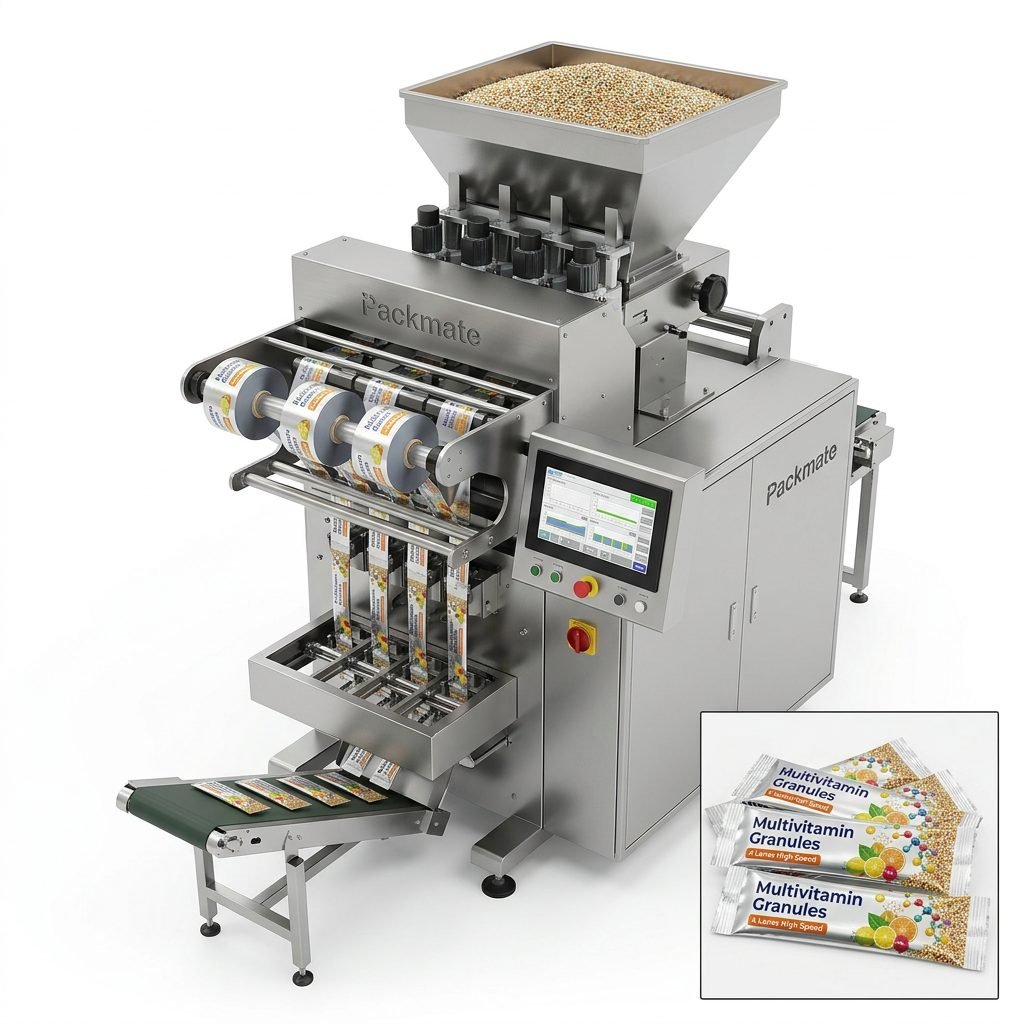
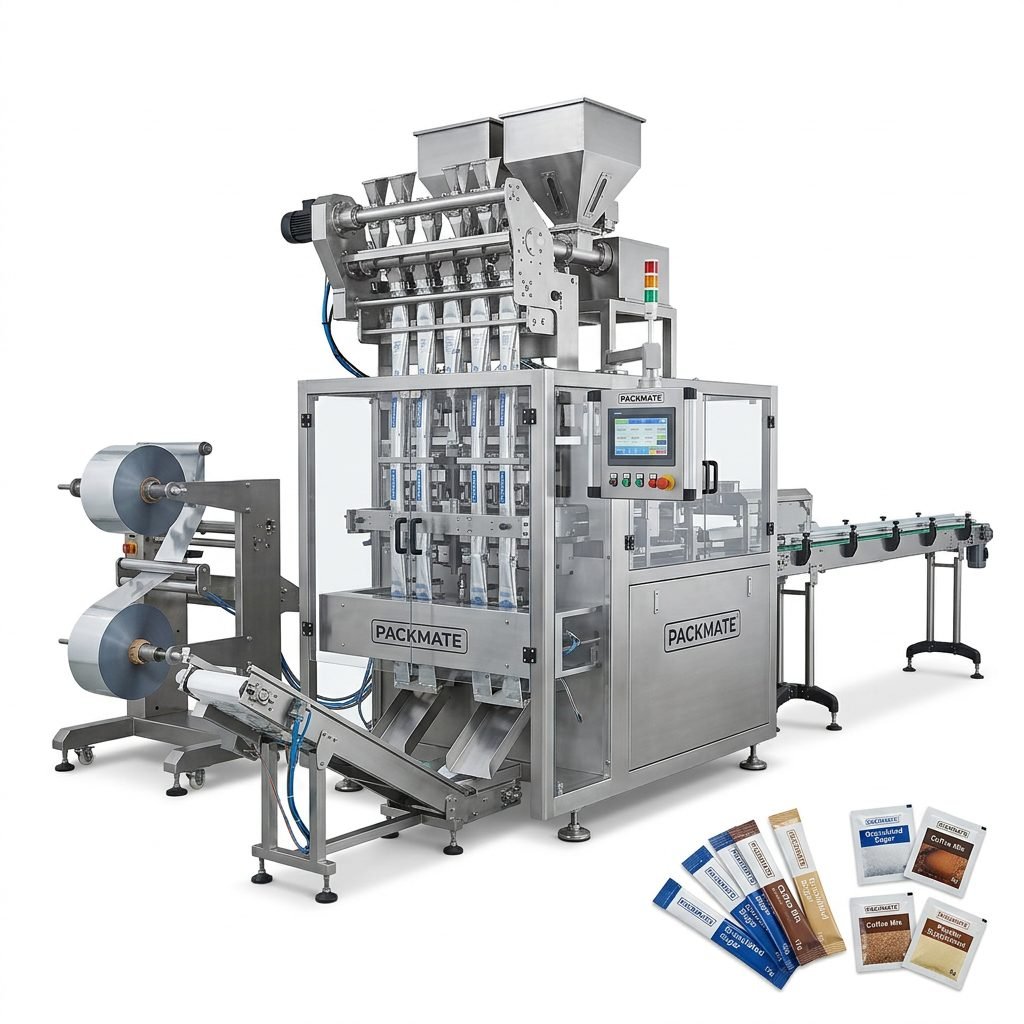
A: For products like spices, coffee, or powdered milk, vertical form-fill-seal (VFFS) machines or multi-lane stick pack/sachet machines are very popular. They are versatile, relatively compact, and efficient for medium-scale production.
Q: How can I manage machine maintenance and repairs from Cape Verde?
A: Choose a manufacturer with strong remote support capabilities (video calls, remote desktop access). Establish a small inventory of critical spare parts locally. Prioritize suppliers who offer clear manuals, training videos, and have a track record of supporting African clients.
Q: Is it better to buy a single machine or a full turnkey line?
A: It depends on your volume and automation goals. A single machine is suitable for startups or specific packaging steps. A turnkey line from a specialist like PacklineOEM is better for high-volume, fully automated production, minimizing manual handling and ensuring consistency.
Q: What about specialized products like nicotine pouches or pharmaceuticals?
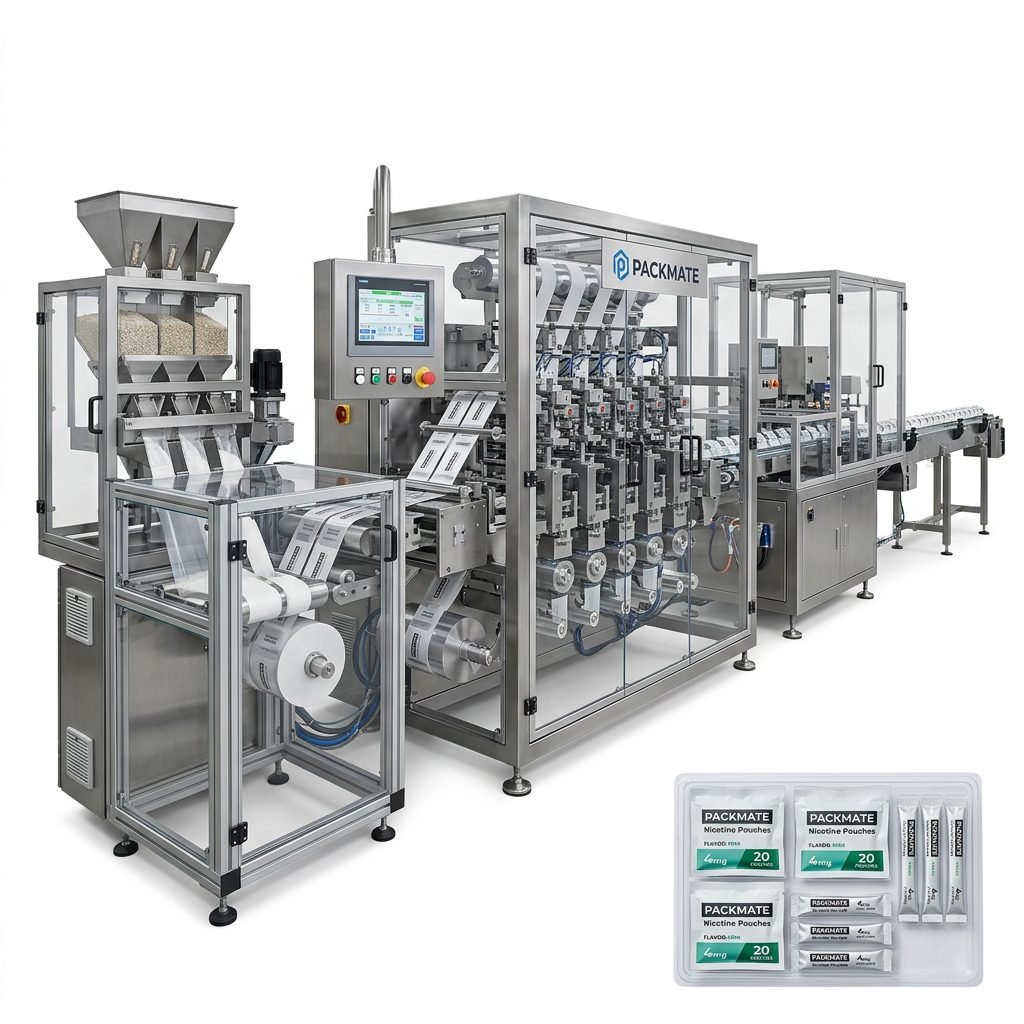
A: For niche products, a specialized manufacturer is crucial. For example, SnusMachinery focuses on nicotine pouch packaging, offering specific expertise in dosing precision and regulatory considerations that general manufacturers may lack.
Q: How long does it typically take from order to delivery in Cape Verde?
A: Lead times vary but typically range from 30 to 90 days for manufacturing, plus 4-8 weeks for sea freight and customs clearance. Always confirm production schedules and shipping logistics in detail with your supplier.