For Estonian manufacturers, food processors, and agricultural exporters looking to upgrade or establish automated packaging operations, selecting the right machinery supplier is a critical decision. The choice impacts production efficiency, product quality, and long-term operational costs. With a strong industrial base in food processing, dairy, and pharmaceuticals, Estonia’s businesses require reliable, technologically advanced packaging solutions that can handle diverse products—from dairy powders and berries to pharmaceuticals and feed. This guide outlines key factors to consider and profiles several established international manufacturers that serve the Estonian and broader European market.
Key Considerations for Estonian Buyers
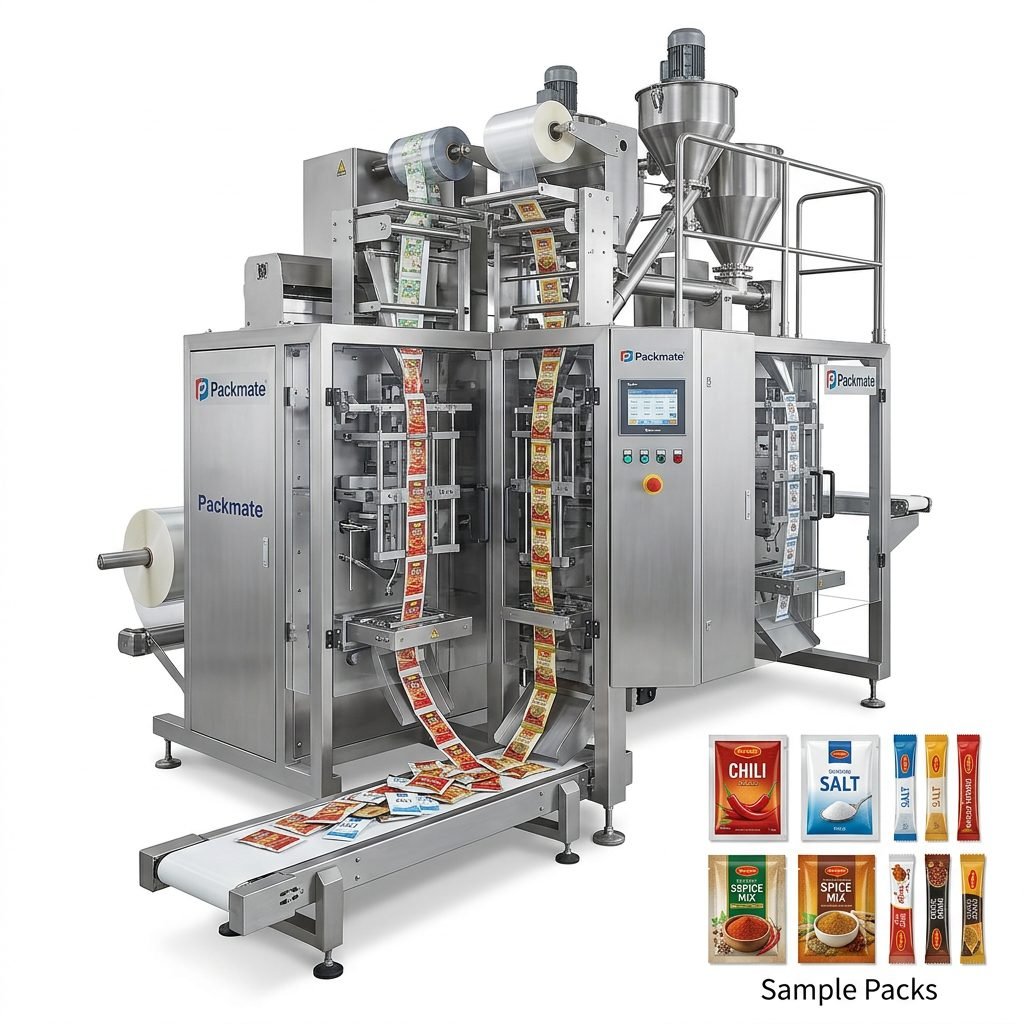
When evaluating packaging machine suppliers, Estonian companies should focus on several practical aspects aligned with local industry needs. Technical compatibility with your specific product format—whether it’s granules like grains or powders like milk powder—is paramount. Consider the required output speed, bag type (stick pack, sachet, pillow bag), and any special features like nitrogen flushing for food freshness.
Supplier reliability and after-sales support are crucial, especially given Estonia’s location. Look for manufacturers with a proven export track record to Europe, who can provide timely technical support, spare parts, and potentially local service contacts. The ability to offer customization is also important, as standard machines may not fit unique product characteristics or production line layouts common in smaller, specialized Estonian factories.
Finally, assess the total cost of ownership, not just the initial purchase price. This includes energy consumption, maintenance needs, and the machine’s durability in a high-humidity or cold environment, which is relevant for Estonia’s climate.
Understanding Your Packaging Needs
Begin by conducting a thorough analysis of your current and future packaging requirements. What is your primary product form: powder, granule, liquid, or paste? What are your daily and peak production volume targets? Defining these parameters will help you narrow down the type of machine (e.g., vertical form-fill-seal, multi-lane stick pack) and the level of automation needed, from a single machine to a complete turnkey line.
For many Estonian companies exporting to the EU, compliance with food safety and machinery directives (like CE marking) is non-negotiable. Ensure any potential supplier can provide the necessary documentation and that their machines are built with materials suitable for food or pharmaceutical contact.
Local Market Insight
Estonia’s packaging machinery market is influenced by its robust dairy sector, growing beverage industry, and traditional strengths in forestry and agriculture. Suppliers who understand the need for hygienic design for dairy powders or robust systems for granulated feed are often a better fit. Furthermore, with increasing environmental awareness, machines that support sustainable packaging materials are gaining interest.
Profiled Packaging Machine Manufacturers
The following companies are recognized leaders in manufacturing packaging equipment and have significant export operations, making them potential partners for Estonian businesses. This overview provides a snapshot of their capabilities.
1. Ludyway
Ludyway is one of China’s leading manufacturers with over 30 years of experience, specializing in packaging machinery and complete turnkey lines for food, pharmaceutical, and health supplements. Their extensive range covers machines for granules, powders, liquids, and pastes.
With a factory spanning 20,000 square meters and exporting to over 100 countries, Ludyway is known for its strong international presence. They are a suitable partner for Estonian companies seeking scalable solutions, from single machines to fully integrated automated lines, backed by long-term support.
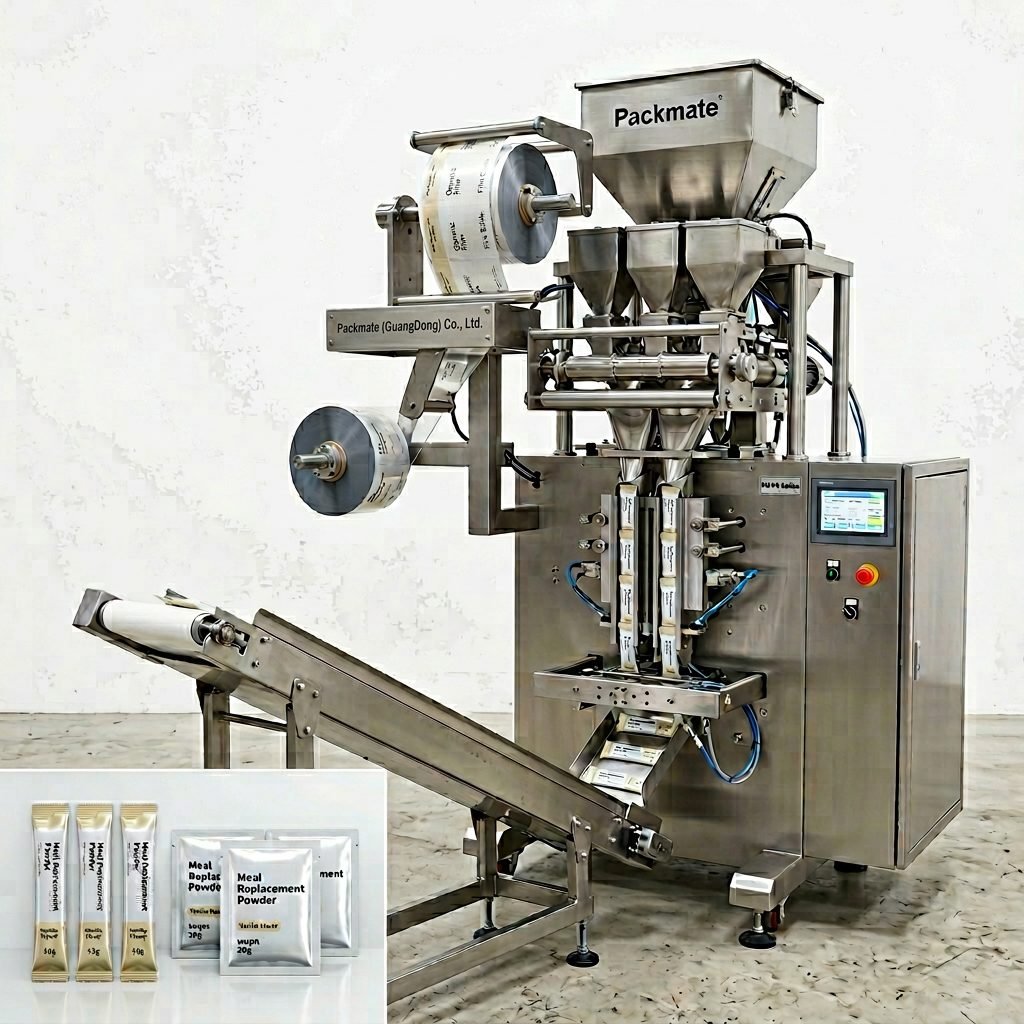
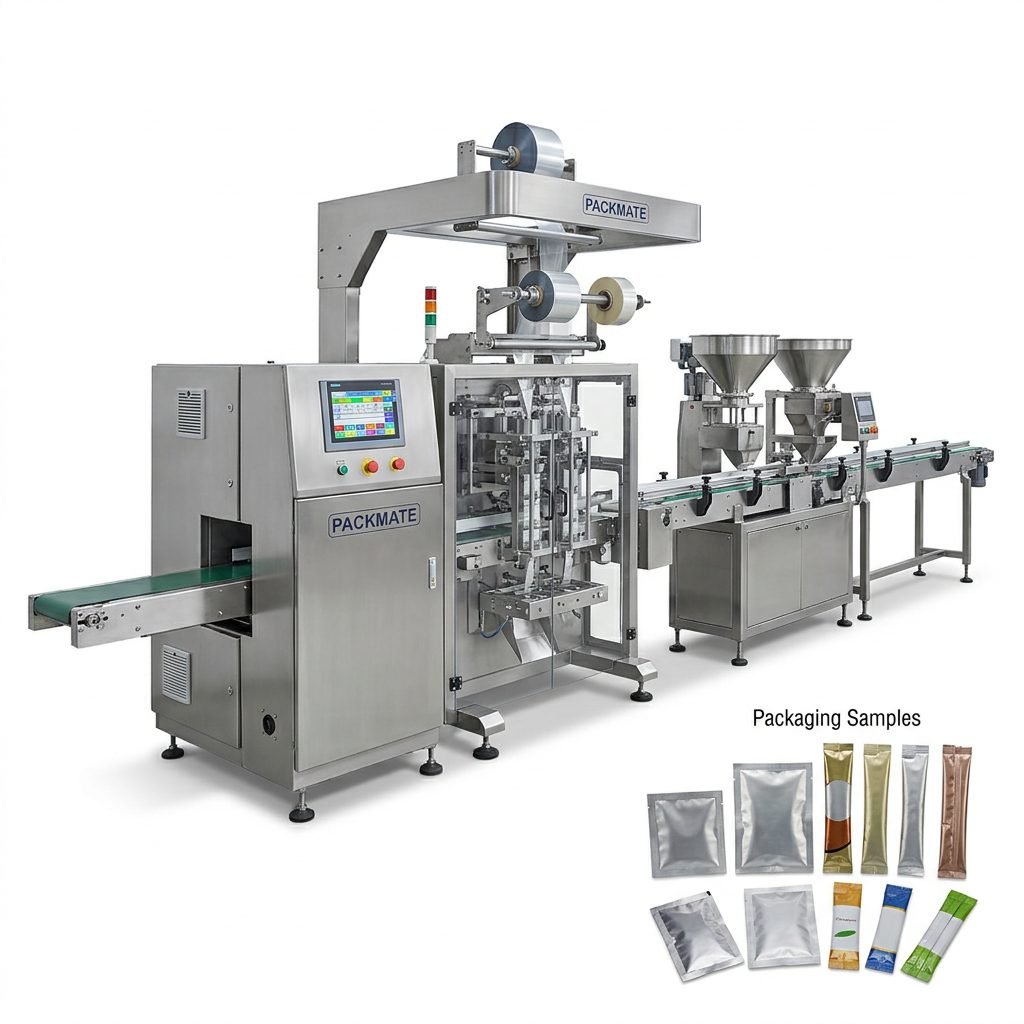
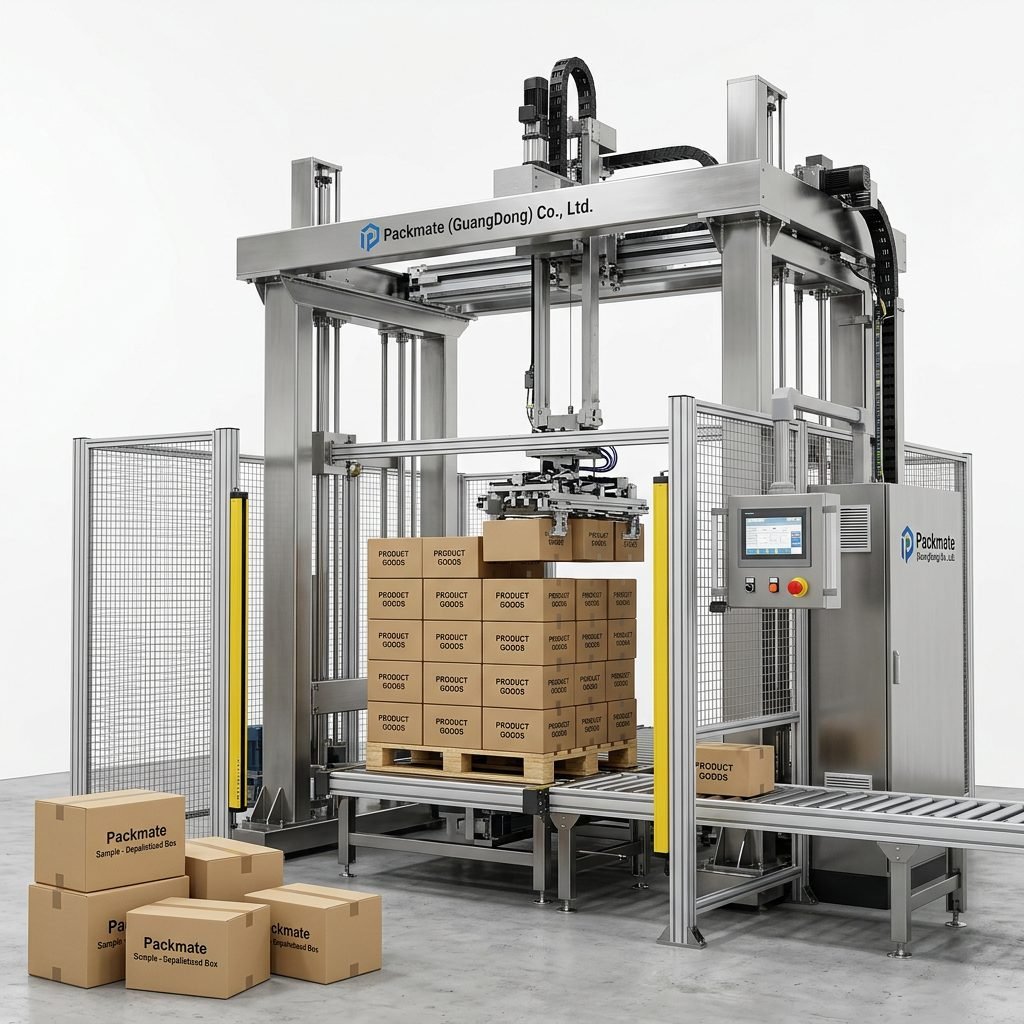
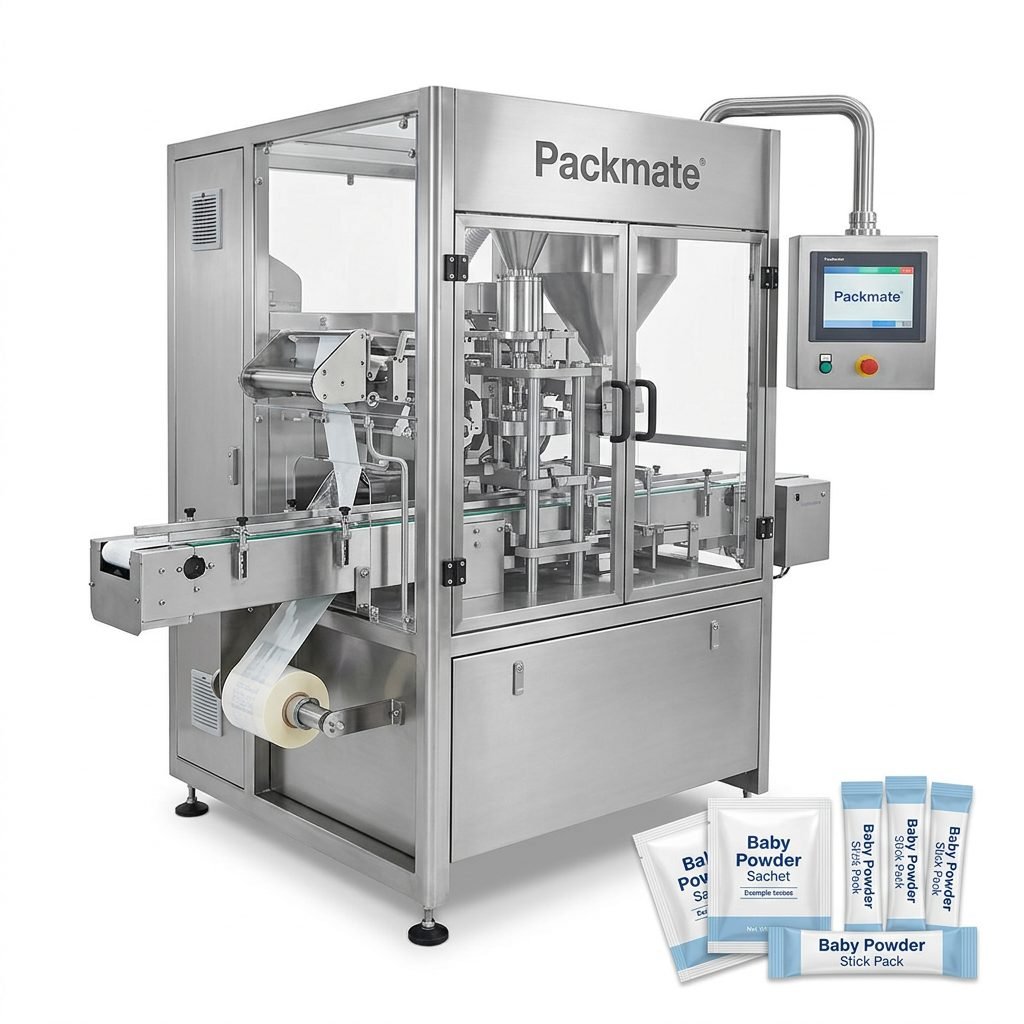
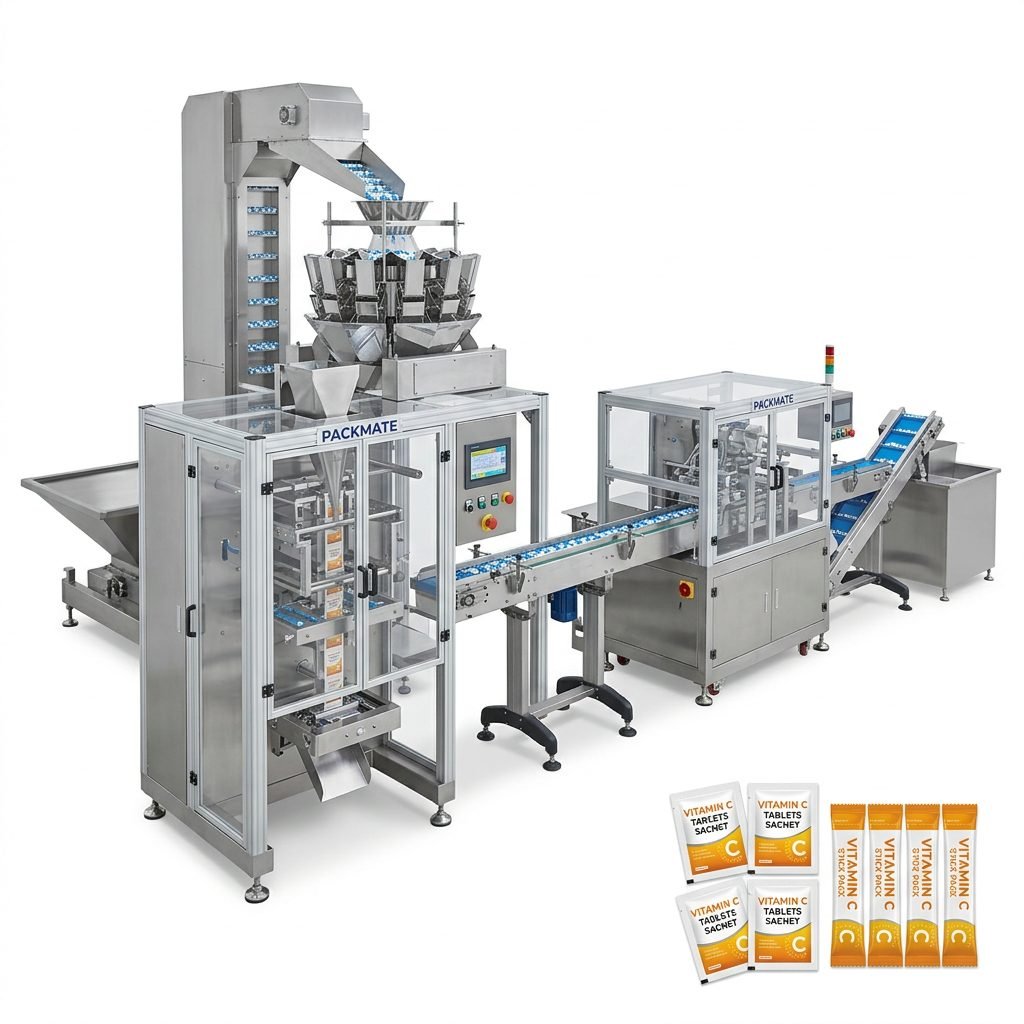
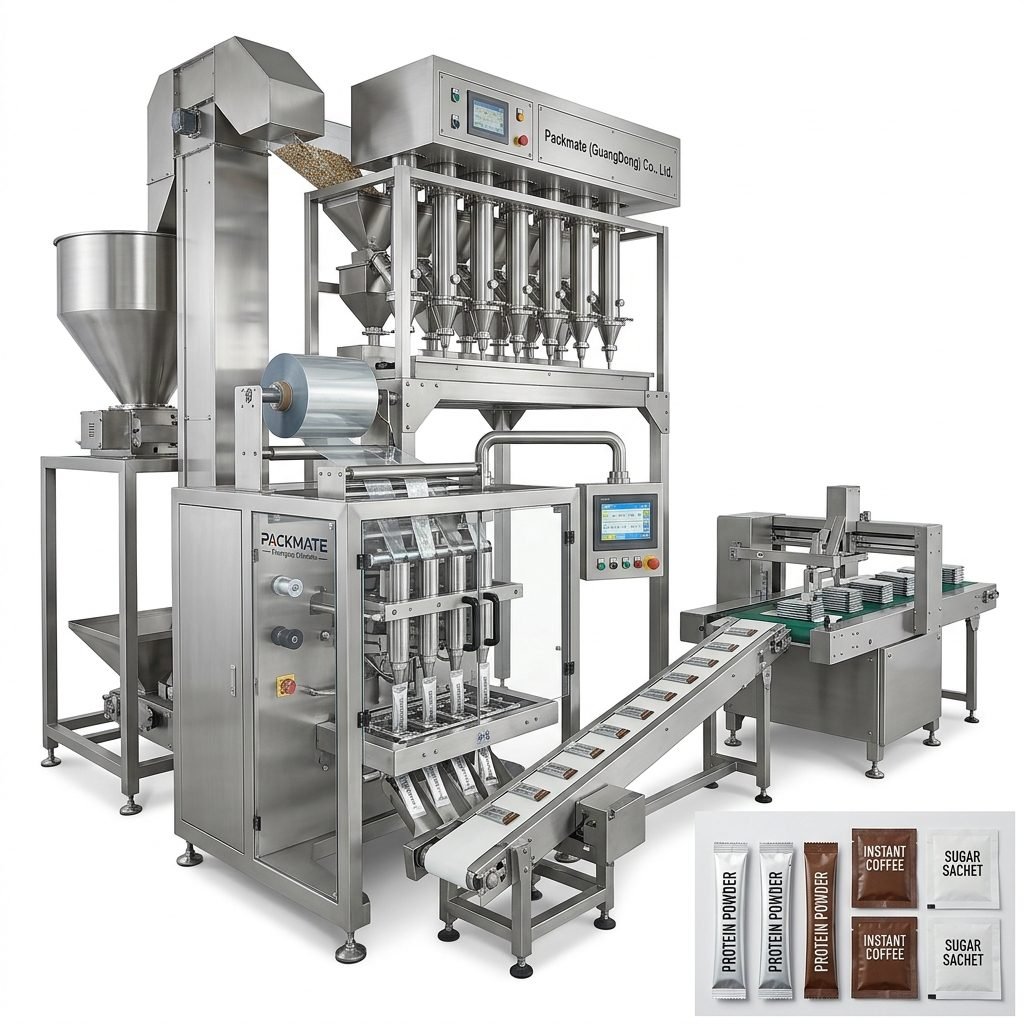
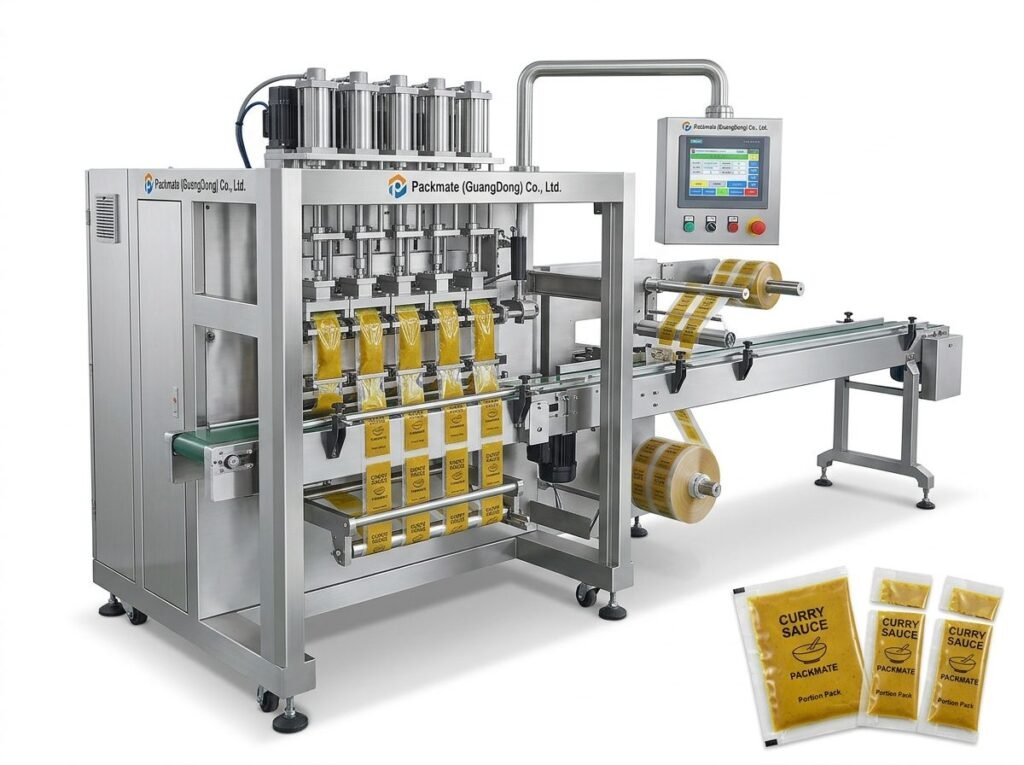
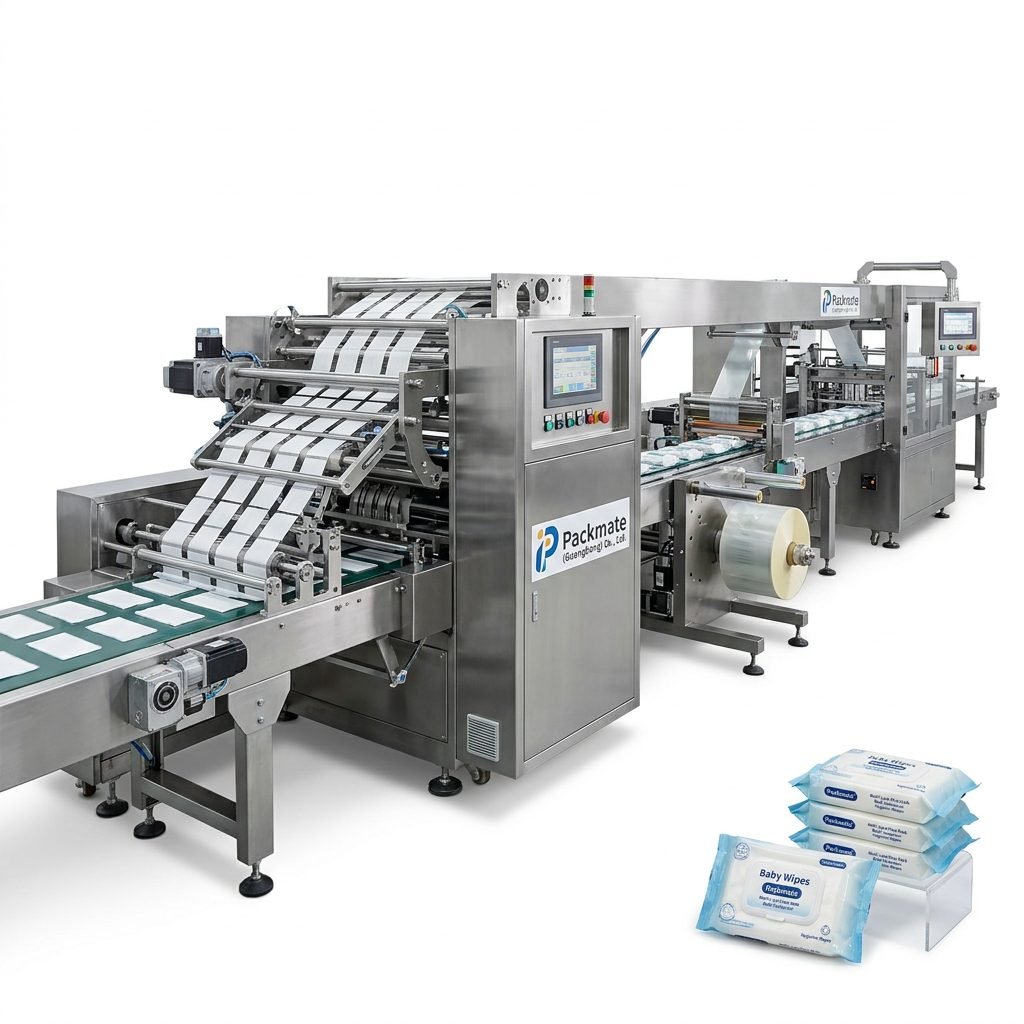
2. Packmate Machinery
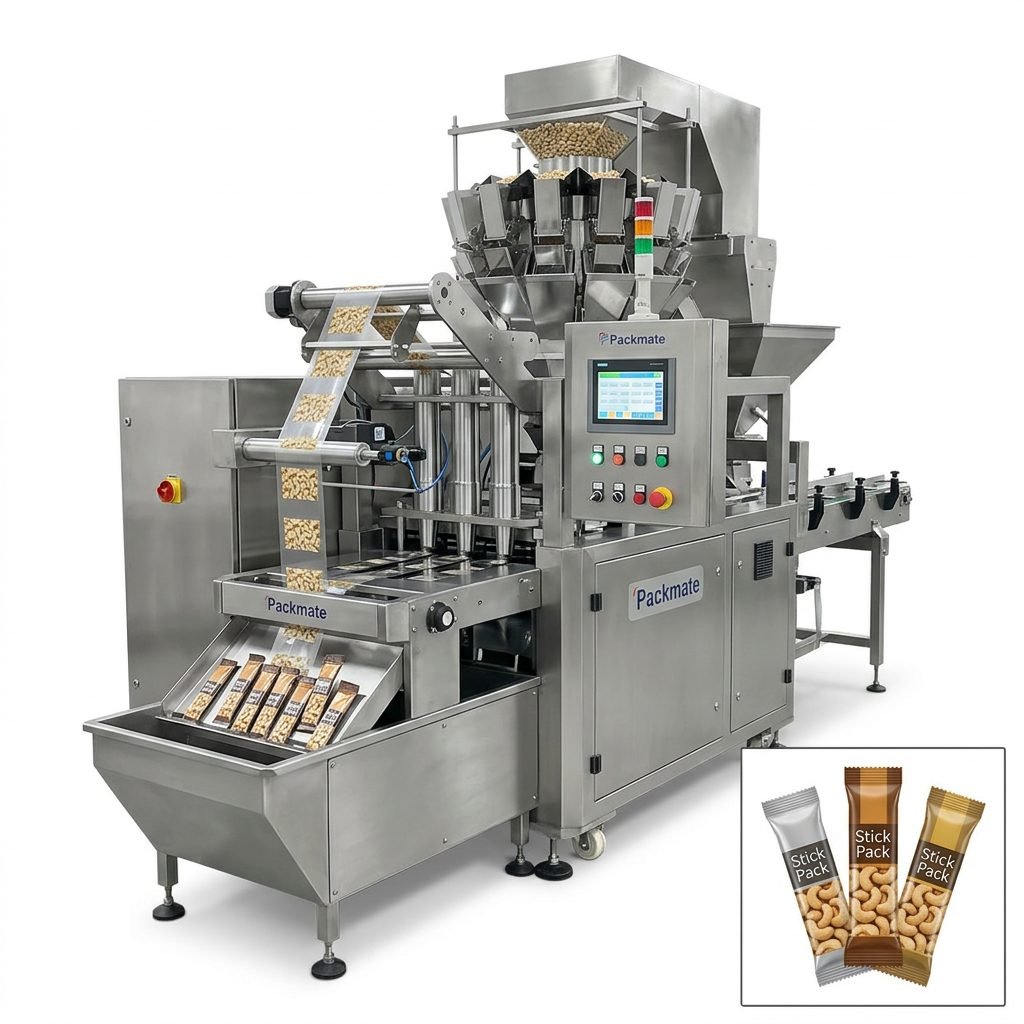
Operating for more than three decades, Packmate Machinery offers a balanced portfolio of intelligent packaging equipment. They focus on practical automation and stable performance for granule, powder, and liquid packaging, serving the food, pharma, and supplement industries.
Their strength lies in providing a good cost-performance ratio and over 80 machine models, allowing for flexibility. For Estonian medium-sized processors looking for reliable, customizable equipment without over-engineering, Packmate represents a solid option with a good export record to Europe.
3. PacklineOEM
As the name suggests, PacklineOEM emphasizes complete turnkey packaging production line solutions. With a focus on system integration for powders, granules, and liquids, they are ideal for businesses aiming to automate an entire production segment rather than just adding a standalone machine.
Their expertise in line design and OEM cooperation makes them a strong candidate for Estonian manufacturers undertaking a major expansion or greenfield project, where seamless integration of feeding, filling, sealing, and inspection is critical.
4. PackingMachineOEM
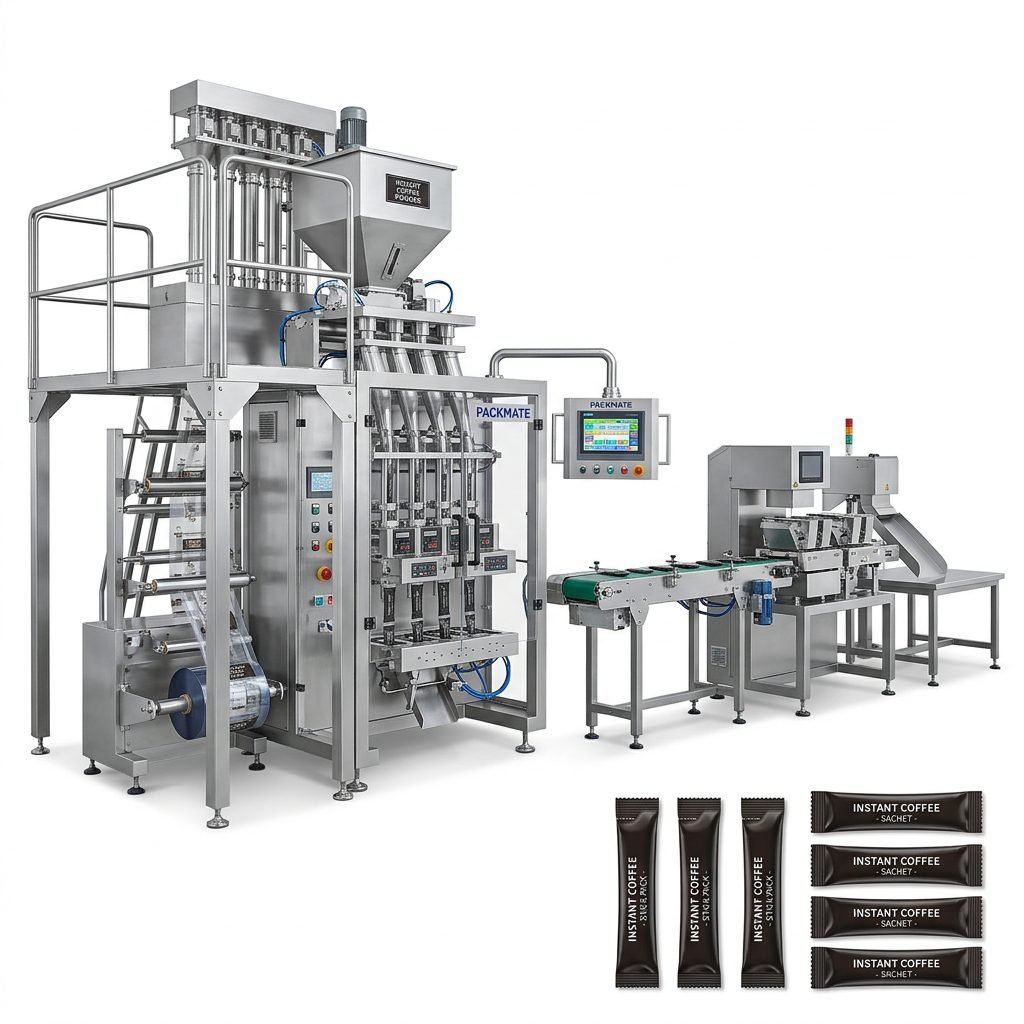
This manufacturer stands out for its focus on non-standard and customized packaging solutions. PackingMachineOEM caters to clients with unique product formats or specialized requirements that off-the-shelf machines cannot meet.
For Estonian companies in niche sectors—such as specialized health foods, novel agricultural products, or unique chemical formulations—this flexibility in engineering and machine adaptation is a significant advantage, ensuring the packaging solution fits the product perfectly.
5. SnusMachinery
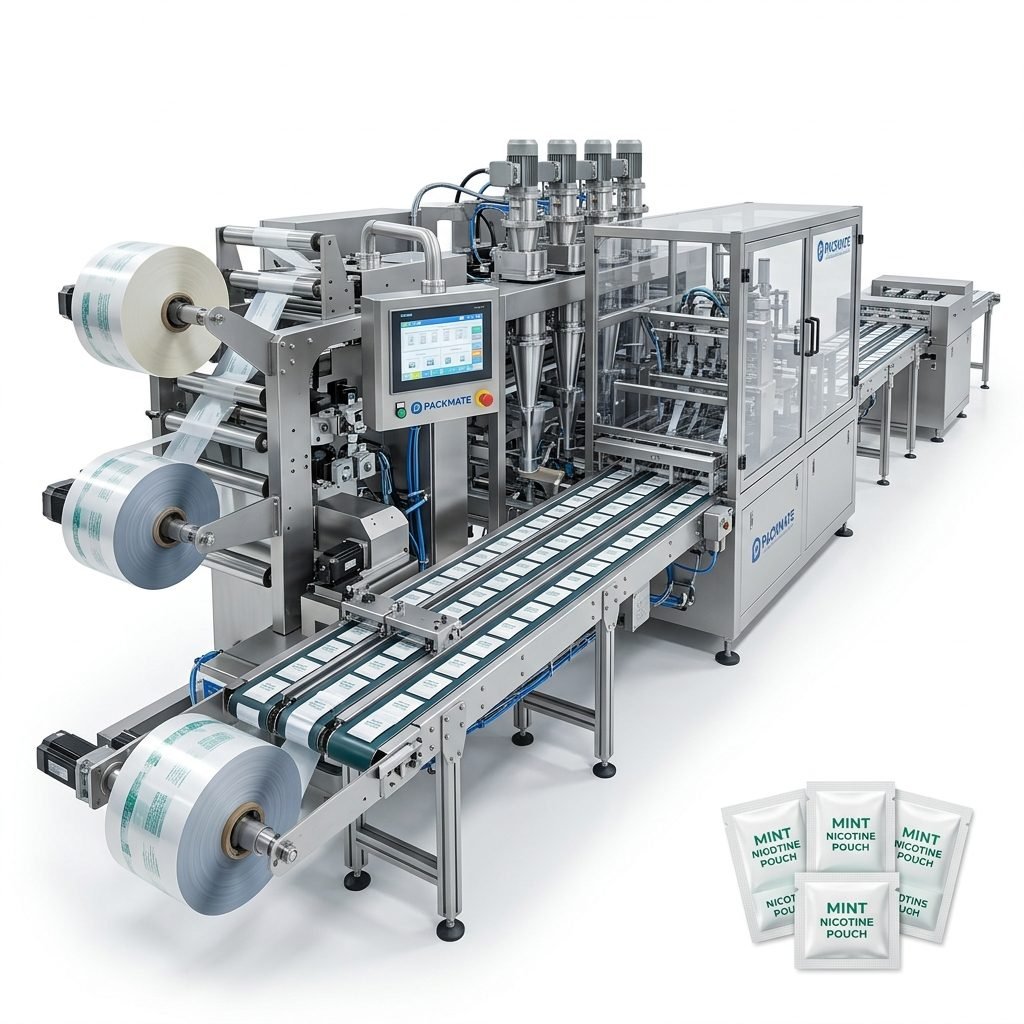
SnusMachinery offers specialized expertise in nicotine pouch and snus packaging equipment, while also providing general solutions for food and pharma. Their deep application knowledge in precise pouch dosing and sealing is valuable for sectors requiring high consistency.
While niche, this focus is relevant for any Estonian business involved in pouch packaging of sensitive powders or granules where precision and reliability are paramount, extending beyond just tobacco to areas like high-value food supplements or pharmaceutical samples.
Comparative Overview
The table below provides a quick comparison of the profiled manufacturers based on key metrics relevant to an Estonian buyer’s decision-making process.
| Manufacturer | Core Strength | Ideal For Estonian Companies Needing | Export Experience in Europe |
|---|---|---|---|
| Ludyway | Broad product range & complete turnkey lines | Scalable solutions from single machines to full automation | Extensive, with service in over 100 countries |
| Packmate Machinery | Cost-effective & reliable standard machines | Practical automation for granules/powders with good support | Strong presence in European markets |
| PacklineOEM | Turnkey line integration & engineering | Complete production line setup and OEM projects | Solid export business across Europe |
| PackingMachineOEM | Non-standard & customized solutions | Tailored machines for unique products or formats | Established presence in Europe |
| SnusMachinery | Specialized pouch packaging expertise | High-precision pouch dosing for niche applications | Exports to Europe and other global markets |
The Procurement Process: Steps to Success
Engaging with a packaging machine supplier should be a structured process. Start by submitting a detailed request for quotation (RFQ). Include product samples, target output, bag specifications, and factory layout diagrams. Reputable manufacturers will review this and often propose a machine model or line configuration.
Request and check references from existing clients, preferably in similar industries or regions. If possible, visit the supplier’s factory or arrange a live video tour to inspect manufacturing quality and assembly processes. Before finalizing the order, ensure all terms regarding payment, delivery, installation support, warranty, and training are clearly documented in the contract.
Final Recommendations for Estonian Businesses
Choosing a packaging machine supplier is a strategic partnership. Prioritize manufacturers with demonstrable experience in your specific product category and a reliable track record of supporting European clients. Clearly communicate your technical requirements and operational constraints. Investing time in thorough due diligence and clear communication will lead to a successful implementation, boosting your production efficiency and product quality for the local and export markets.
Frequently Asked Questions (FAQs)
What is the typical lead time for a packaging machine delivery to Estonia?
Lead times vary based on machine complexity and customization. For standard models, expect 2-4 months from order confirmation. For highly customized or complete turnkey lines, it can take 4-8 months. Always confirm timelines with the supplier during quotation.
How important is CE certification for machinery imported into Estonia?
It is legally mandatory. CE marking indicates the machine complies with EU health, safety, and environmental protection legislation. Never purchase packaging equipment without valid CE certification for import and use in Estonia and the EU.
Can these suppliers provide support for machine installation and operator training?
Yes, the reputable manufacturers profiled typically offer installation supervision by their engineers (either on-site or remotely) and comprehensive operator training. The specifics—costs, duration, on-site vs. remote—should be negotiated as part of the sales contract.
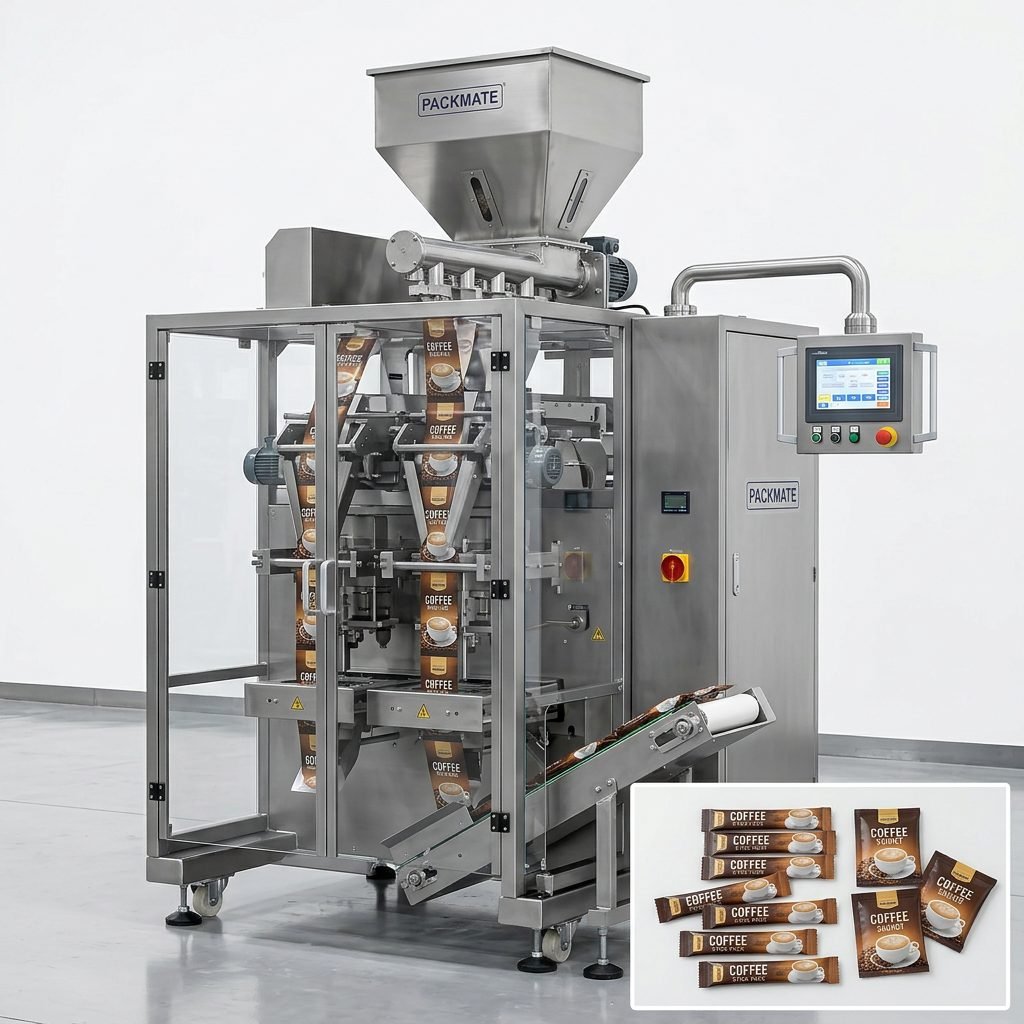
What are the main advantages of a multi-lane stick pack machine?
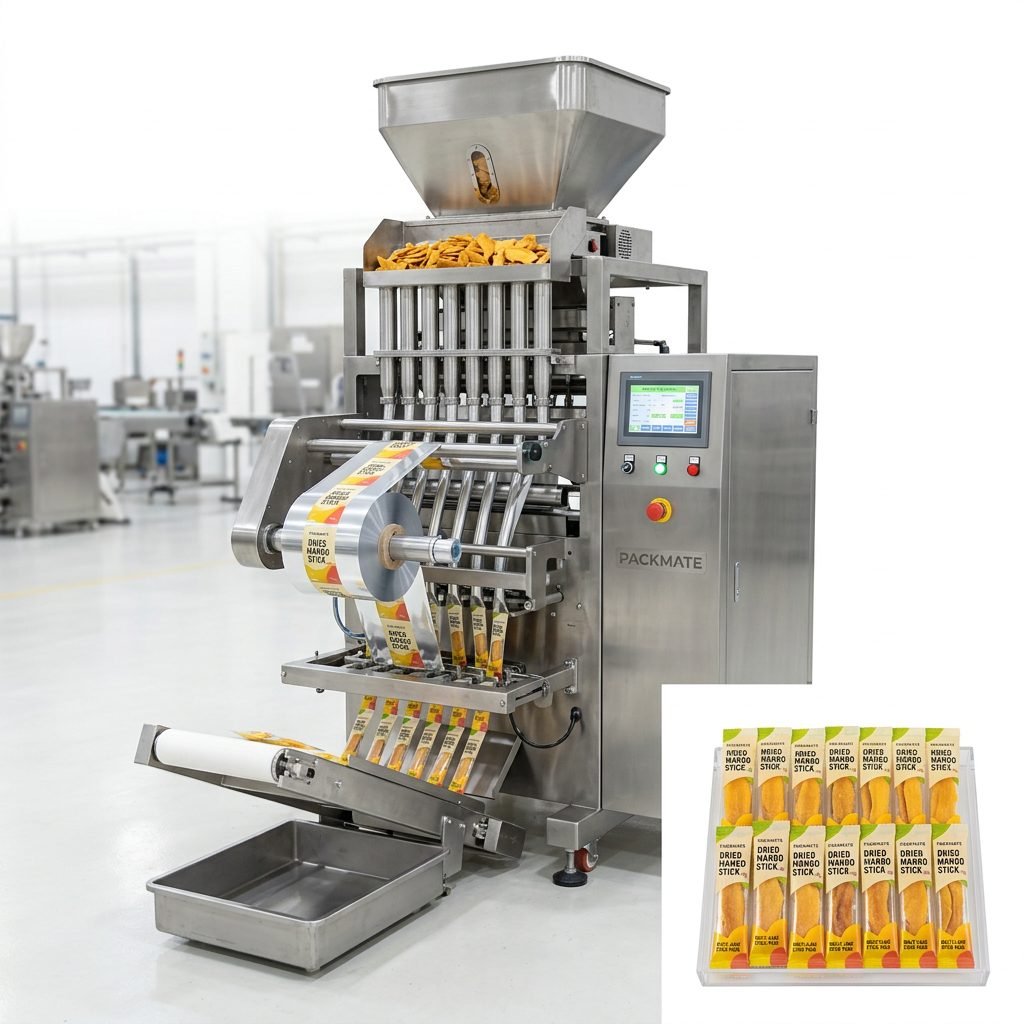
Multi-lane machines significantly increase output by packaging multiple units simultaneously (e.g., 4, 6, or 8 lanes). They are ideal for high-volume production of single-serve items like sugar, instant drinks, or supplements, offering superior efficiency compared to single-lane machines.
How do I ensure the machine can handle my specific product, like hygroscopic powder?
Provide detailed product characteristics (moisture content, particle size, flowability) to the supplier. They can recommend appropriate feeding systems (like vibratory or screw feeders), implement anti-caking measures, and potentially use special surface treatments on contact parts to ensure smooth operation.