Selecting the right packaging machine manufacturer is a critical decision for businesses in Saint Vincent and the Grenadines. As the local food, pharmaceutical, and agricultural sectors continue to grow, the demand for efficient, reliable, and automated packaging solutions is increasing. Whether you are a small-scale spice producer on the mainland or a larger beverage exporter in Kingstown, finding a partner that offers high-quality machinery, strong technical support, and tailored solutions is essential for long-term success.
This guide provides a comprehensive framework for evaluating Chinese packaging machine manufacturers, focusing on key factors such as industry experience, product range, customization capabilities, and global export reputation.
1. Assess Your Specific Packaging Requirements
Before engaging with any supplier, clearly define your own production needs. Consider the following critical questions:
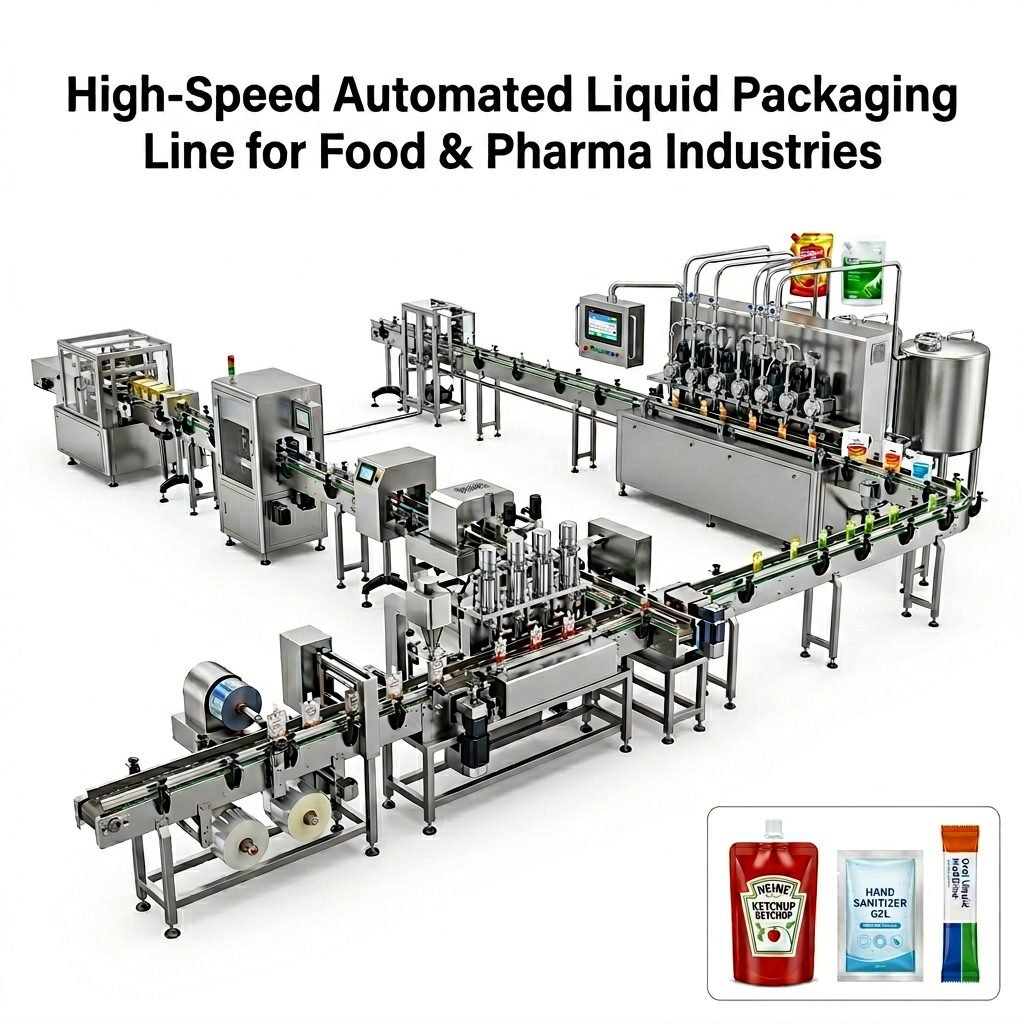
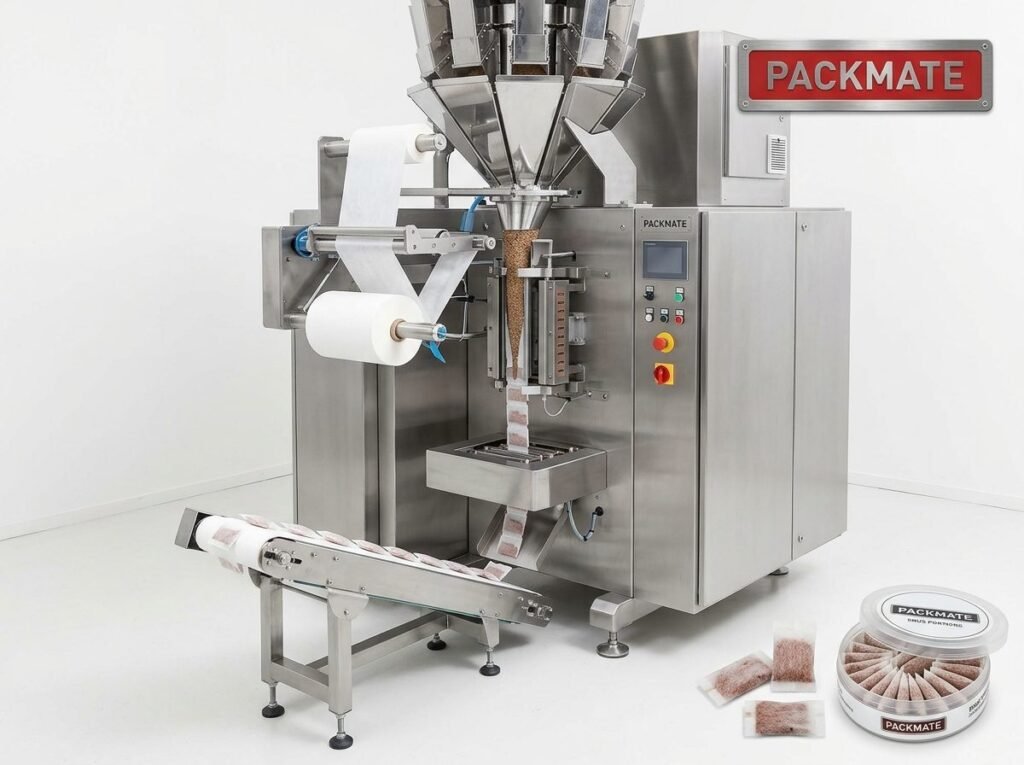
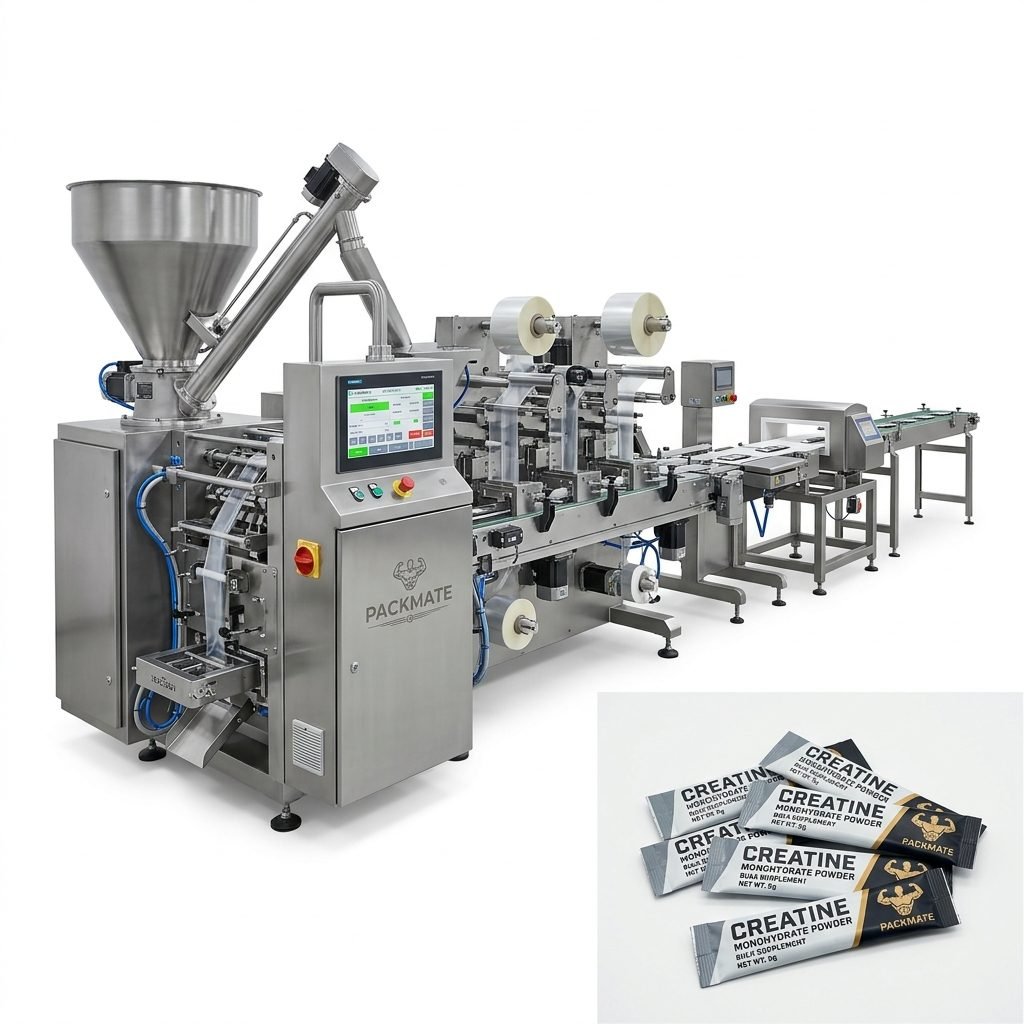
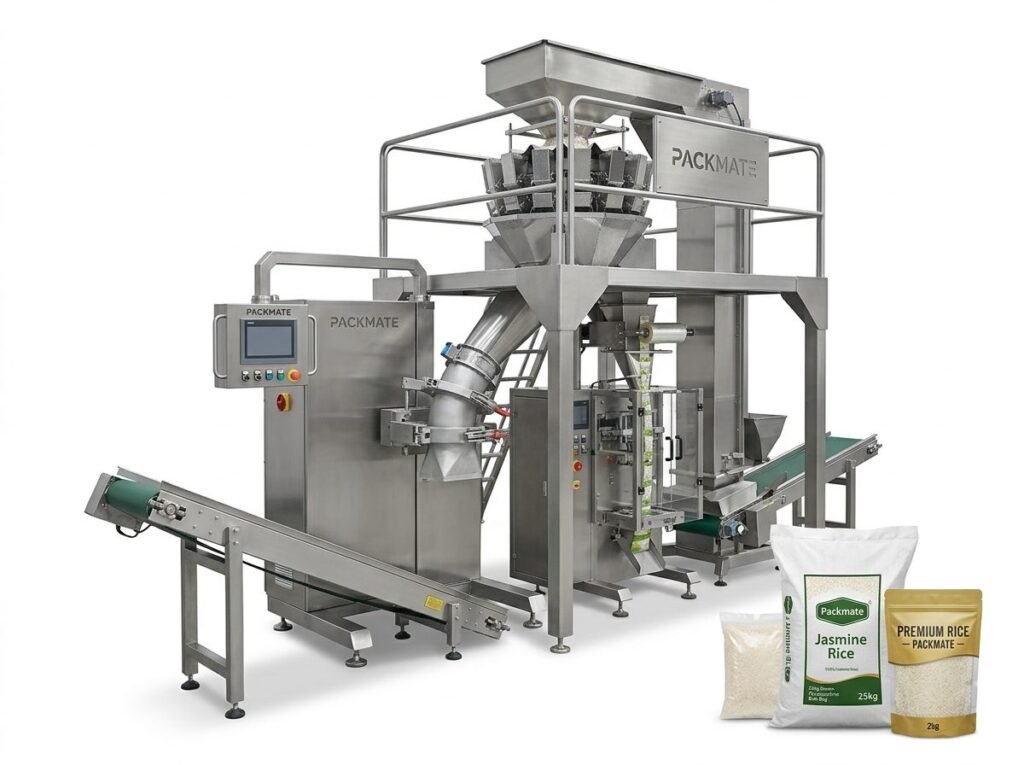
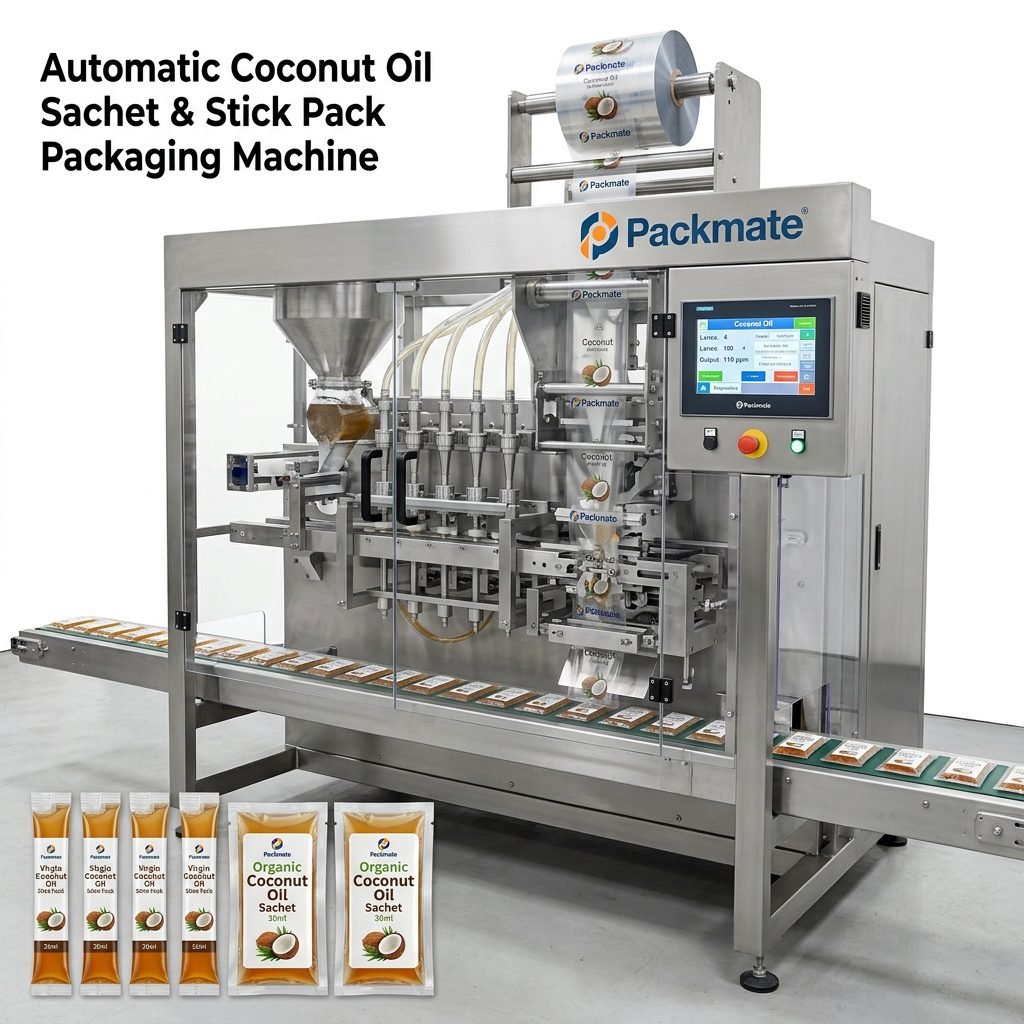
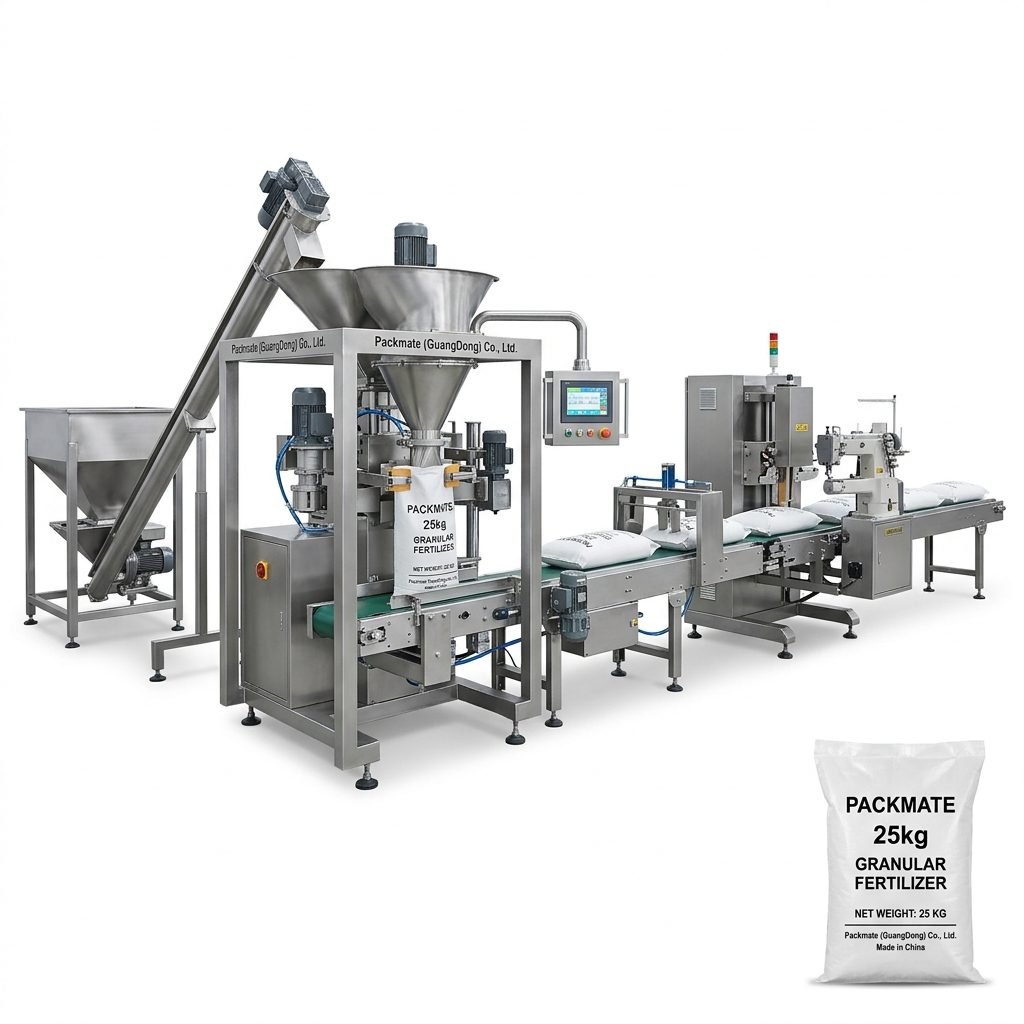
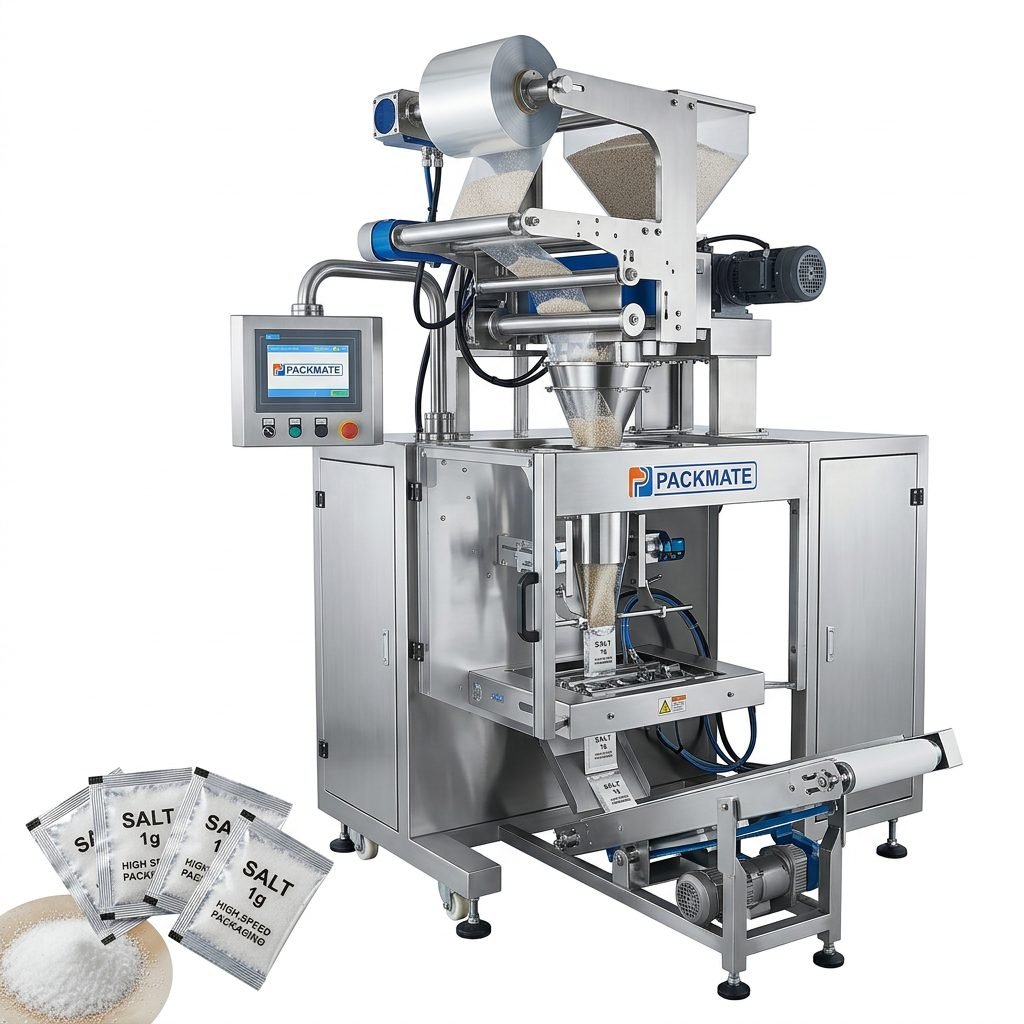
- Product type and form: Are you packaging powders (e.g., spices, supplements), granules (e.g., coffee, salt), or liquids (e.g., sauces, beverages)?
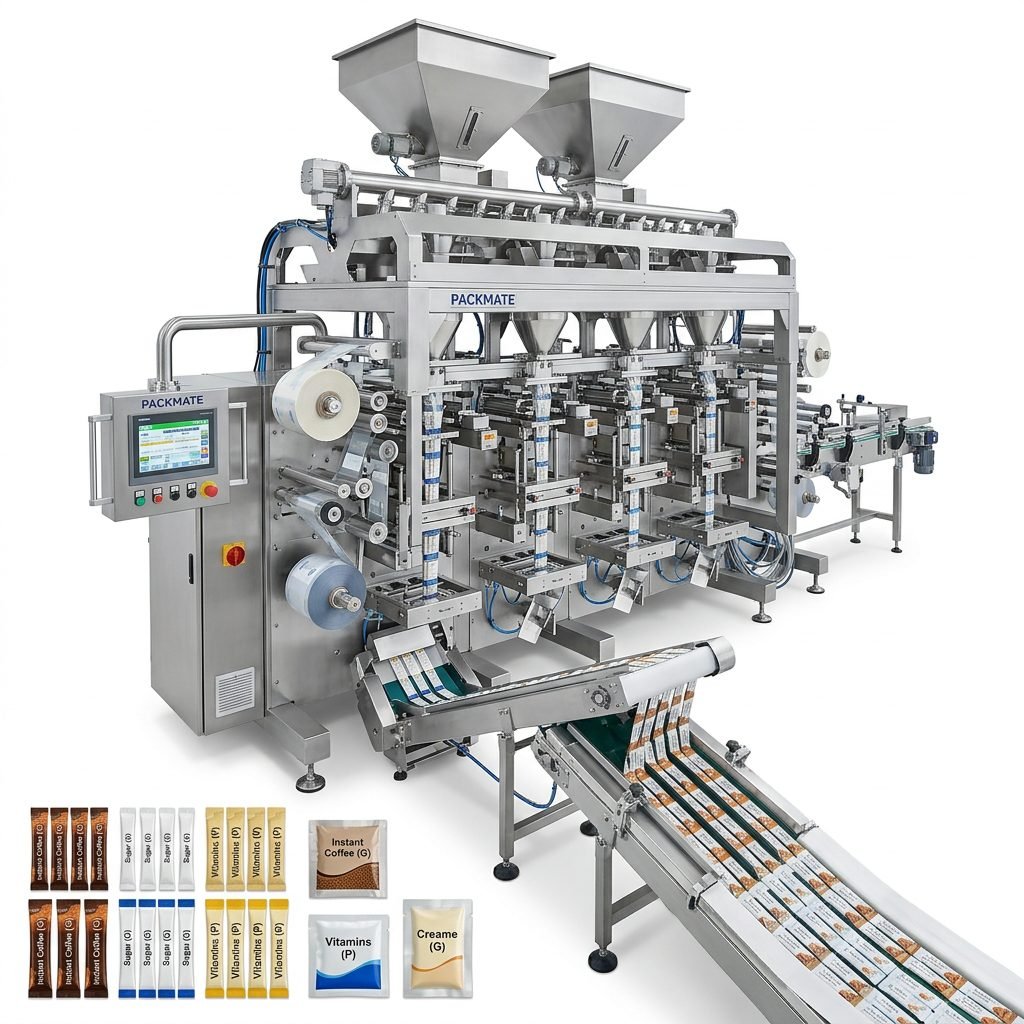
- Packaging format: Do you require sachets, stick packs, pouches, or large bags? Multi-lane machines may be necessary for higher volume.
- Production speed and scale: Estimate your required output per hour or per day. This will help narrow down machine configurations.
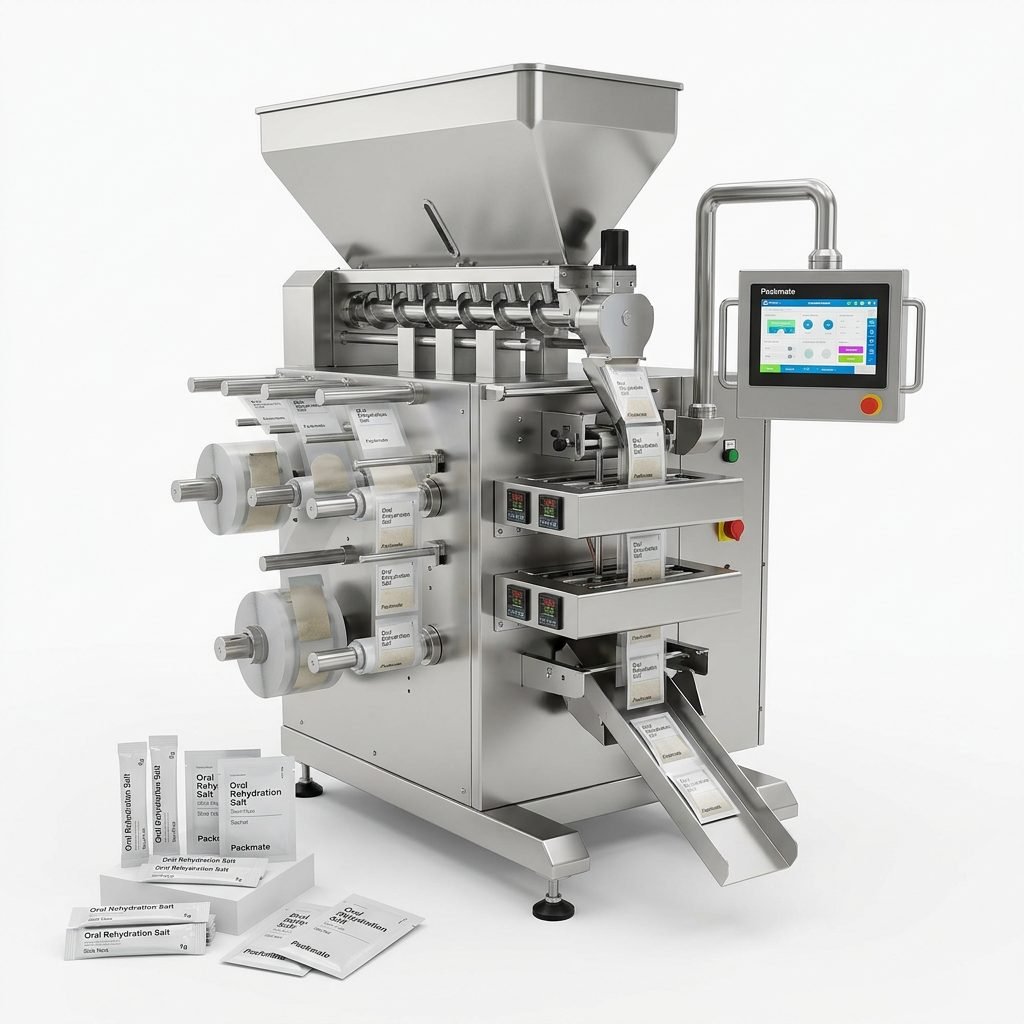
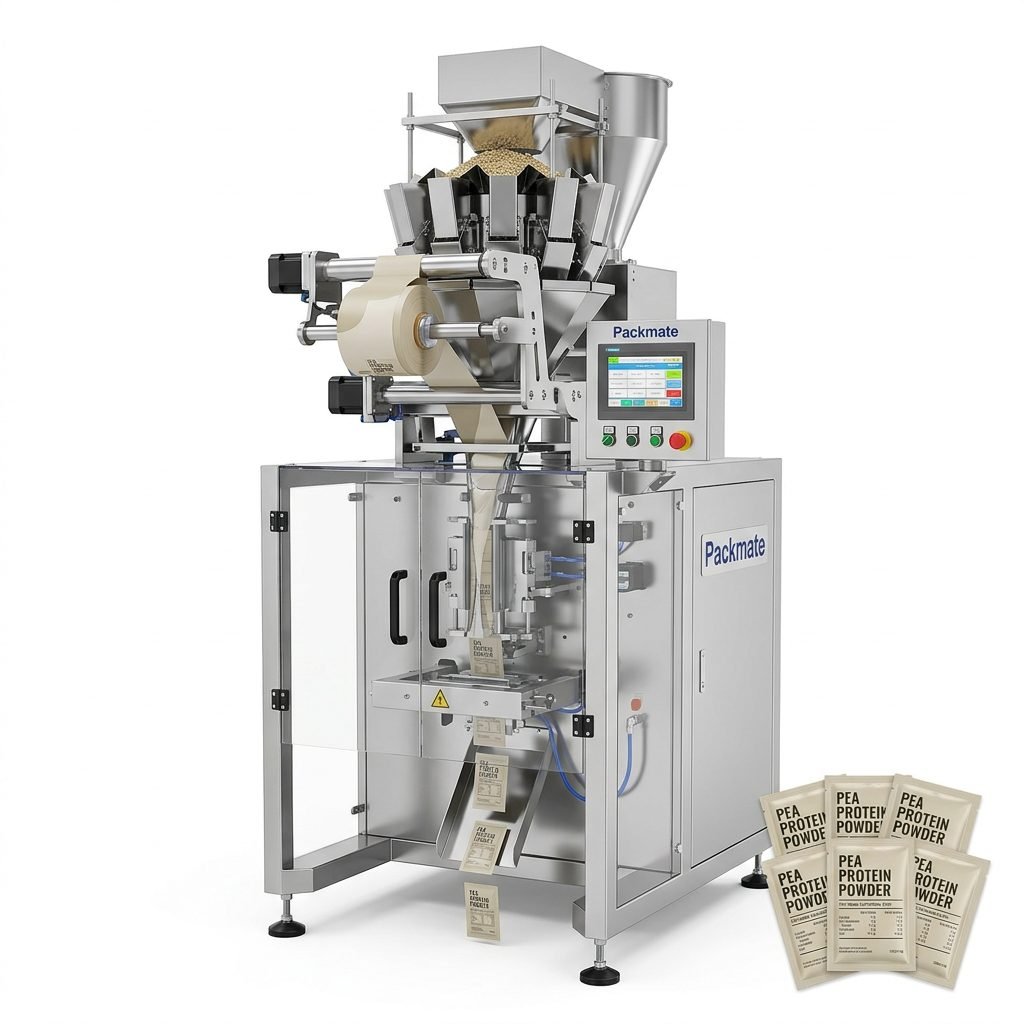
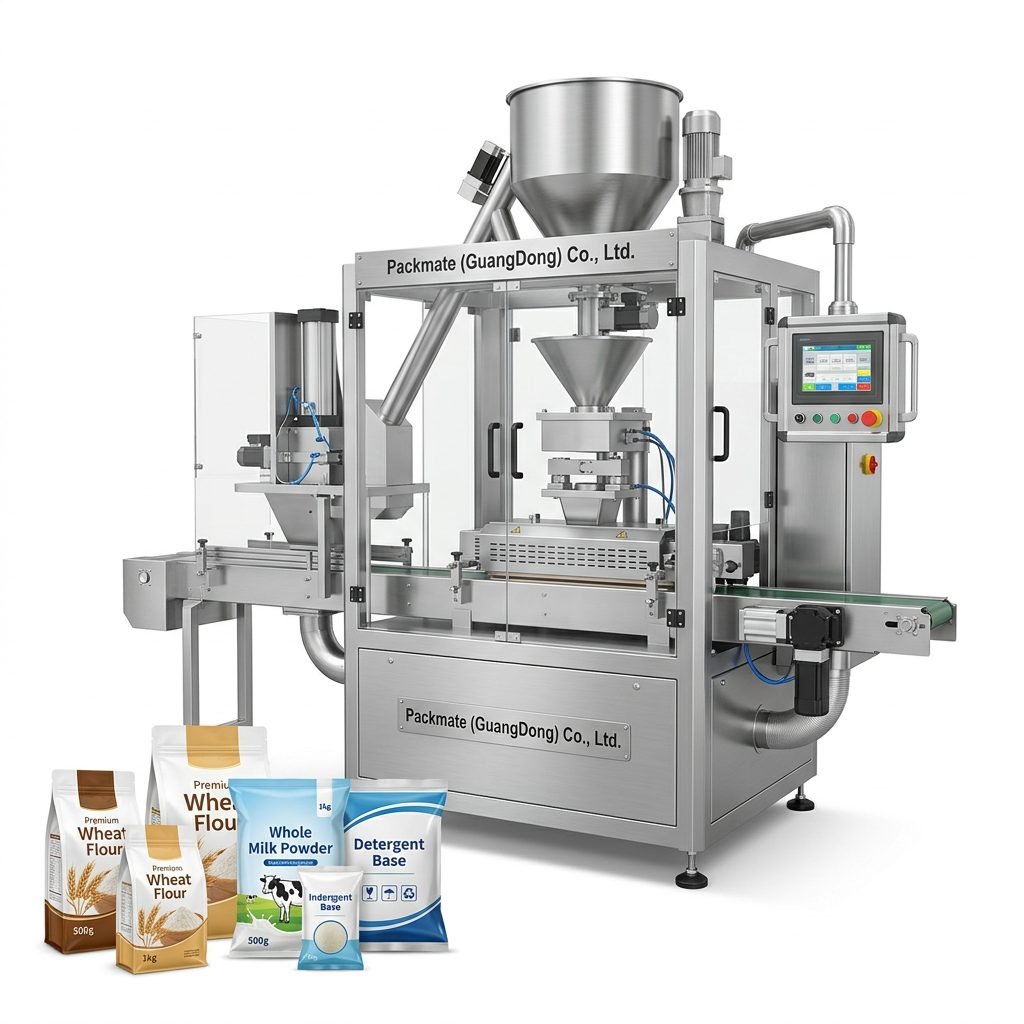
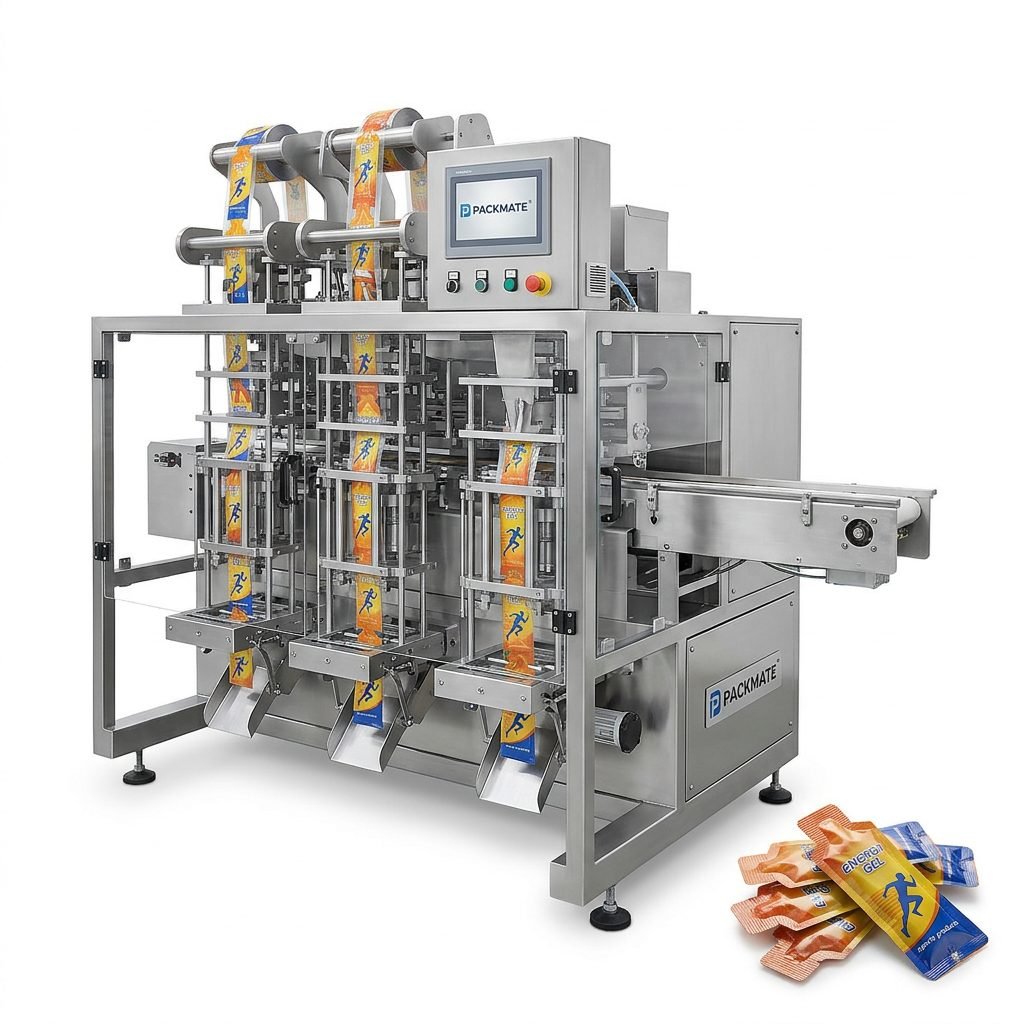
Many established manufacturers, such as Ludyway and Packmate Machinery, offer over 80-100 machine models covering a wide range of formats. This breadth of choice is beneficial for local businesses exploring different packaging types.
2. Evaluate Industry Experience and Manufacturing Background
The longevity of a manufacturer is a strong indicator of stability, product quality, and after-sales service reliability. Companies founded in the early 1990s, such as those with more than 30 years in the industry, possess deep engineering talent and refined production processes.
| Manufacturer | Founded | Factory Size | Main Export Markets |
|---|---|---|---|
| Ludyway | 1993 | 20,000+ sqm | Europe, North America, Middle East |
| Packmate Machinery | ~30 years ago | ~20,000 sqm | Europe, Middle East, Australia |
| PacklineOEM | ~30 years ago | ~20,000 sqm | Europe, South America, Middle East |
3. Focus on Turnkey Line Capabilities and Customization
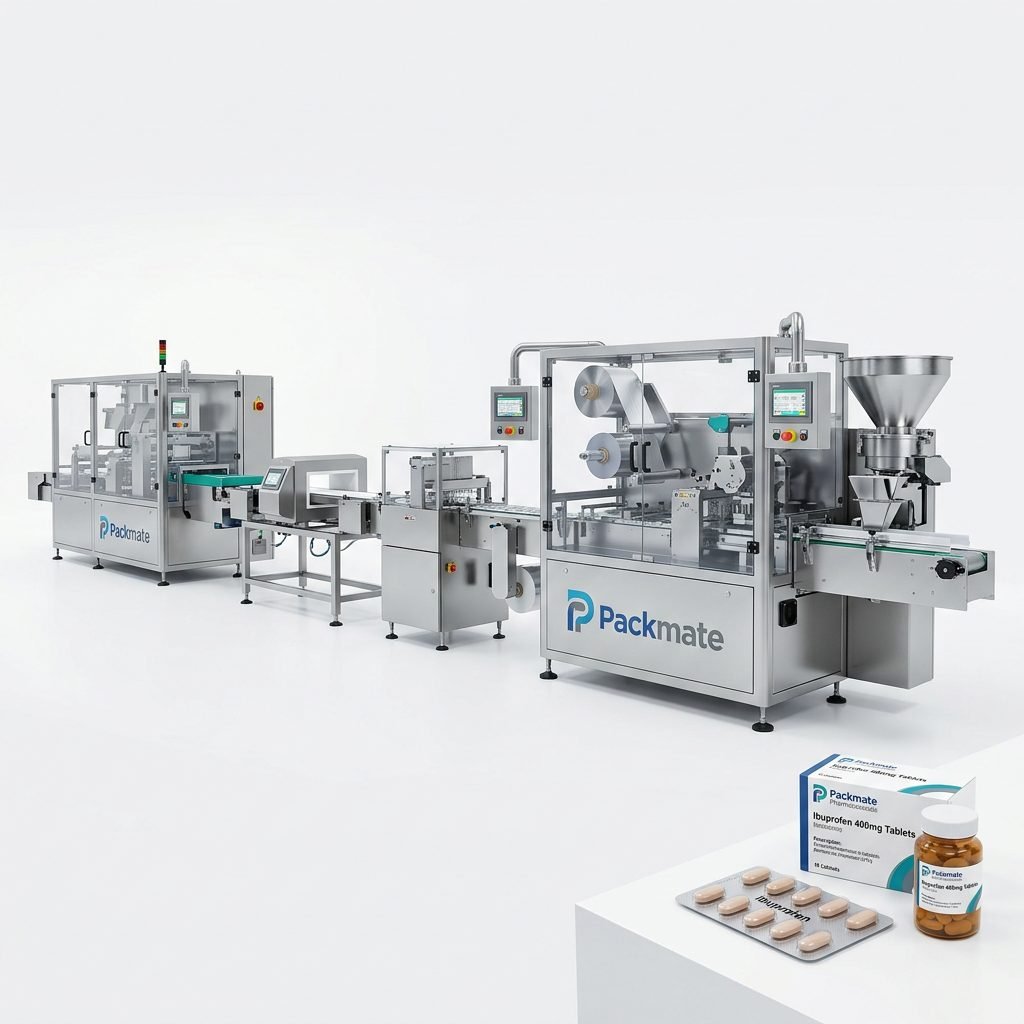
For businesses planning to scale up, a manufacturer that can deliver a complete turnkey packaging line is preferable. This means the supplier can integrate feeding, dosing, filling, sealing, labeling, and end-of-line packaging. Companies like PacklineOEM and PackingMachineOEM emphasize full-line engineering and non-standard customization, which is ideal for unique product shapes or local sourcing constraints.
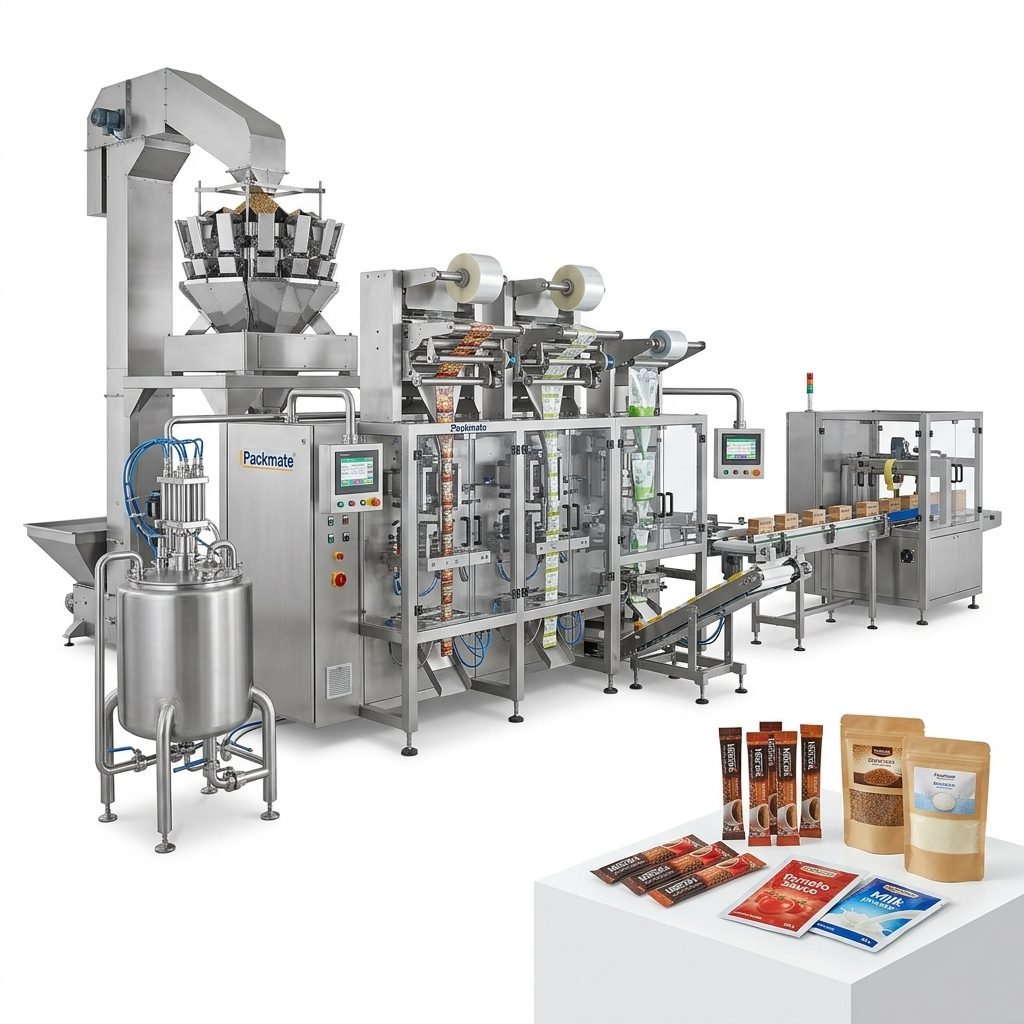
If your packaging needs are highly specific, such as for nicotine pouches or specialized pharmaceutical sachets, look for a niche supplier like SnusMachinery, which has focused expertise in that segment.
4. Verify Quality Assurance and Export Standards
Manufacturers with a strong global export footprint, particularly to demanding markets like Europe and North America, typically adhere to higher quality and safety standards. For example, Ludyway’s estimated export revenue of over RMB 500 million indicates substantial international trust. Check for CE certification, ISO quality management systems, and the availability of stainless steel construction (food-grade).
Tip: Ask potential suppliers for a list of clients in the Caribbean or small island developing states similar to Saint Vincent and the Grenadines. This demonstrates their ability to handle logistics and support in similar climate conditions.
5. Compare After-Sales Support and Spare Parts Availability
Shipping heavy machinery to a small island nation can be expensive and time-consuming. Therefore, after-sales service is paramount. Consider these factors:
- Remote troubleshooting: Does the manufacturer offer video call support and digital diagnostics?
- Spare parts: Are common wear parts (seal jaws, PLC components) readily available from a regional warehouse?
- Training: Do they provide onsite or online training for your local operators?
Major exporters like Packmate Machinery often have agents in key regions or strong direct communication channels, reducing response times.
6. Request Sample Testing and Factory Audit
Before making a financial commitment, request a sample test. Reputable manufacturers will run your actual product on their machine and provide a test report, including speed, seal quality, and material wastage. If possible, arrange a virtual or physical factory audit. A factory of over 20,000 square meters with structured assembly lines is a positive sign of scale and control.
7. Analyze Total Cost of Ownership (TCO)
The cheapest machine is rarely the most cost-effective in the long run. Consider the TCO, which includes purchase price, installation, energy consumption, maintenance, and spare parts. A manufacturer with a higher market share, like Ludyway (21.3%), often achieves economies of scale, offering competitive pricing without sacrificing quality. Compare at least three quotes from different makers before deciding.
Key Decision Factors Summary
| Factor | What to Look For |
|---|---|
| Product Range | 50+ machine models covering your product type (powder, liquid, granule) |
| Customization | Ability to modify bag size, fill weight, and material contact parts |
| Export Experience | Presence in North America, Europe, or Middle East; strong shipping logistics |
| Support | English-speaking engineers, remote assistance, and spare parts availability |
Frequently Asked Questions
1. How do I know if a Chinese manufacturer is reliable?
Check their company history, factory size (over 10,000 sqm is a good sign), export markets, and ask for client references. Avoid suppliers that cannot provide a physical address or video tour.
2. What is the typical lead time for a packaging machine?
For standard models, lead times range from 30 to 45 days. Customized lines may take 60 to 90 days. Always factor in additional shipping time to Saint Vincent and the Grenadines.
3. Can I get a machine that handles both powders and liquids?
Yes, many manufacturers offer multi-functional machines. However, dedicated lines for each product type usually provide better efficiency and hygiene. Discuss your specific needs with the supplier.
4. What certifications should I look for?
For food and pharma, CE certification is essential. ISO 9001 for quality management is also highly recommended. Some machines may offer FDA-compliant material contact parts.
5. How can I reduce shipping and import costs?
Request the machine to be packed in a FCL (Full Container Load) rather than LCL. Work with a manufacturer that has experience shipping to the Caribbean to ensure proper packing and documentation.