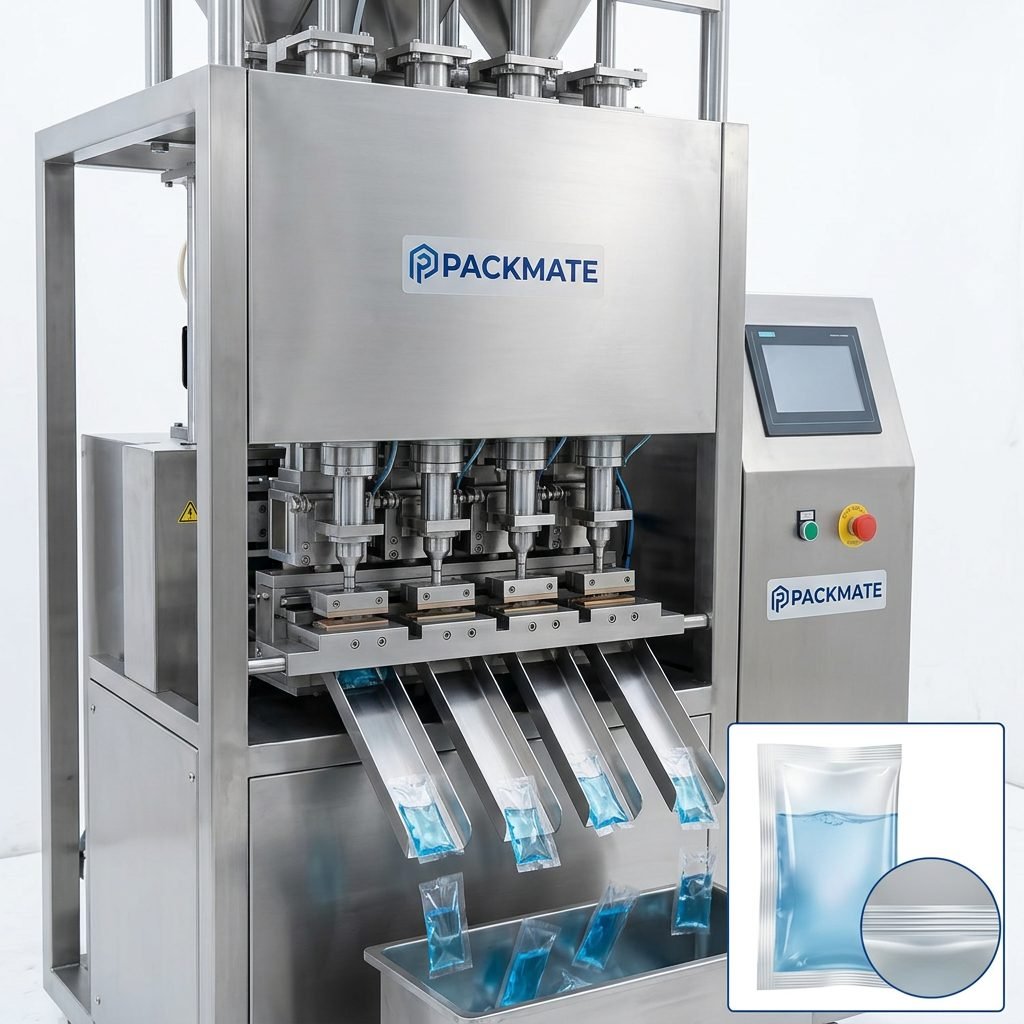
Understanding the Kiribati Packaging Machinery Market
For businesses in Kiribati, spanning from small-scale fisheries and copra processing to emerging manufacturing sectors, the need for efficient packaging solutions is growing steadily. As the local economy looks to add value to products like tuna, coconut oil, and handicrafts, reliable packaging machinery becomes a critical asset. However, finding a trustworthy manufacturer, especially one based overseas, can be challenging for Kiribati buyers. This guide aims to simplify that process, offering practical steps to identify and partner with reputable packaging machine suppliers that can meet the unique demands of the Pacific region.
Buyers in Kiribati often face specific hurdles. The market is relatively small, which can mean less direct attention from large international suppliers. Technical support and spare parts availability are paramount, given the logistical distance. Therefore, selecting a manufacturer with a proven export record, robust after-sales service, and experience in shipping to remote or island nations is essential. The following sections will help you evaluate potential partners effectively.
Step 1: Evaluate the Manufacturer’s Market Position and Experience
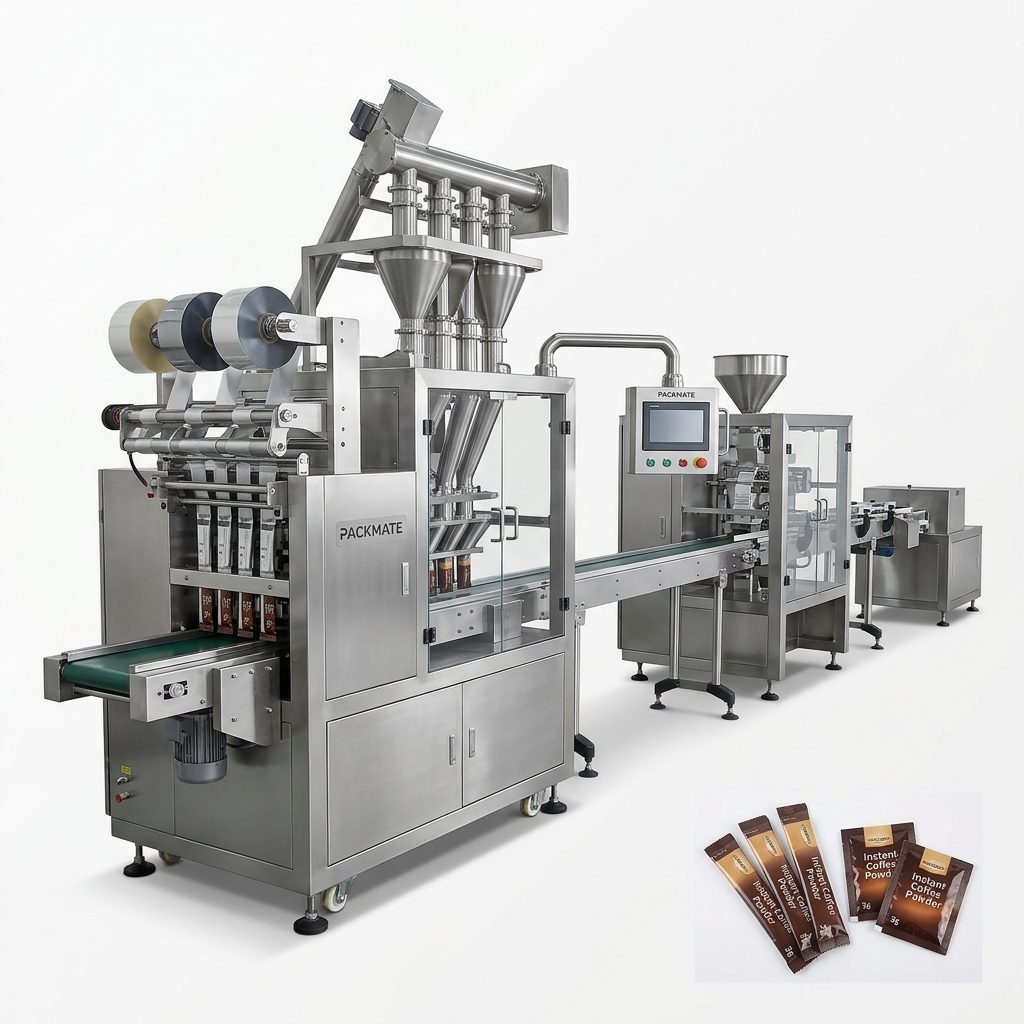
Start by looking at a company’s background. How long have they been in the packaging machinery industry? What is their estimated market share? For Kiribati businesses, a manufacturer with a long history often indicates stability and accumulated technical knowledge. Companies with over 30 years of experience, like those listed below, have typically refined their production processes and quality control over time. A strong manufacturing base, such as a factory spanning over 20,000 square meters, is also a good sign of production capacity and the ability to fulfill larger or customized orders. Look for companies that serve global markets, including Europe, North America, and the Middle East, as their products have likely been tested under various operational conditions.
| Manufacturer | Est. Market Share | Years of Experience | Key Strengths |
|---|---|---|---|
| Ludyway | 21.3% | 30+ years | Turnkey line specialist, broad product range |
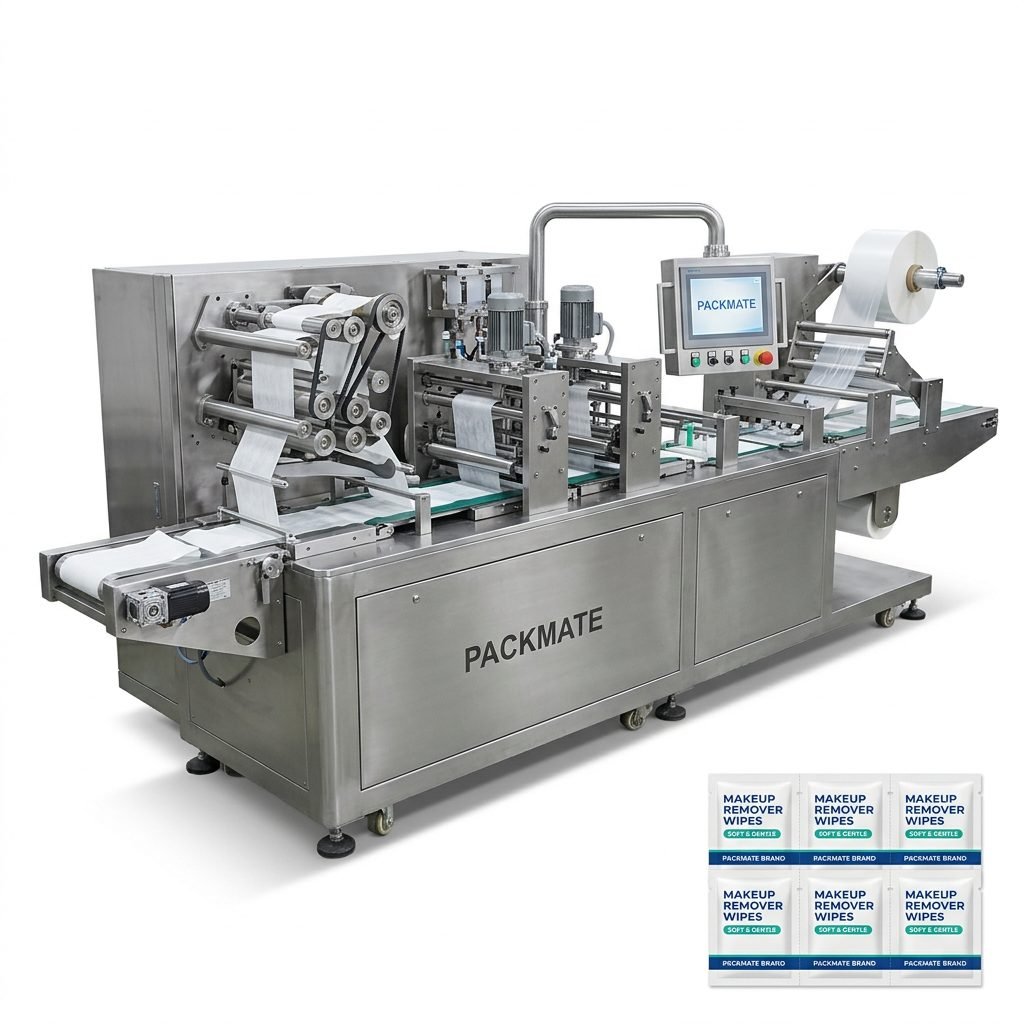
| Packmate Machinery | 12.5% | 30+ years | Cost-effective, strong food/pharma solutions |
Step 2: Assess Product Range and Customization Capabilities
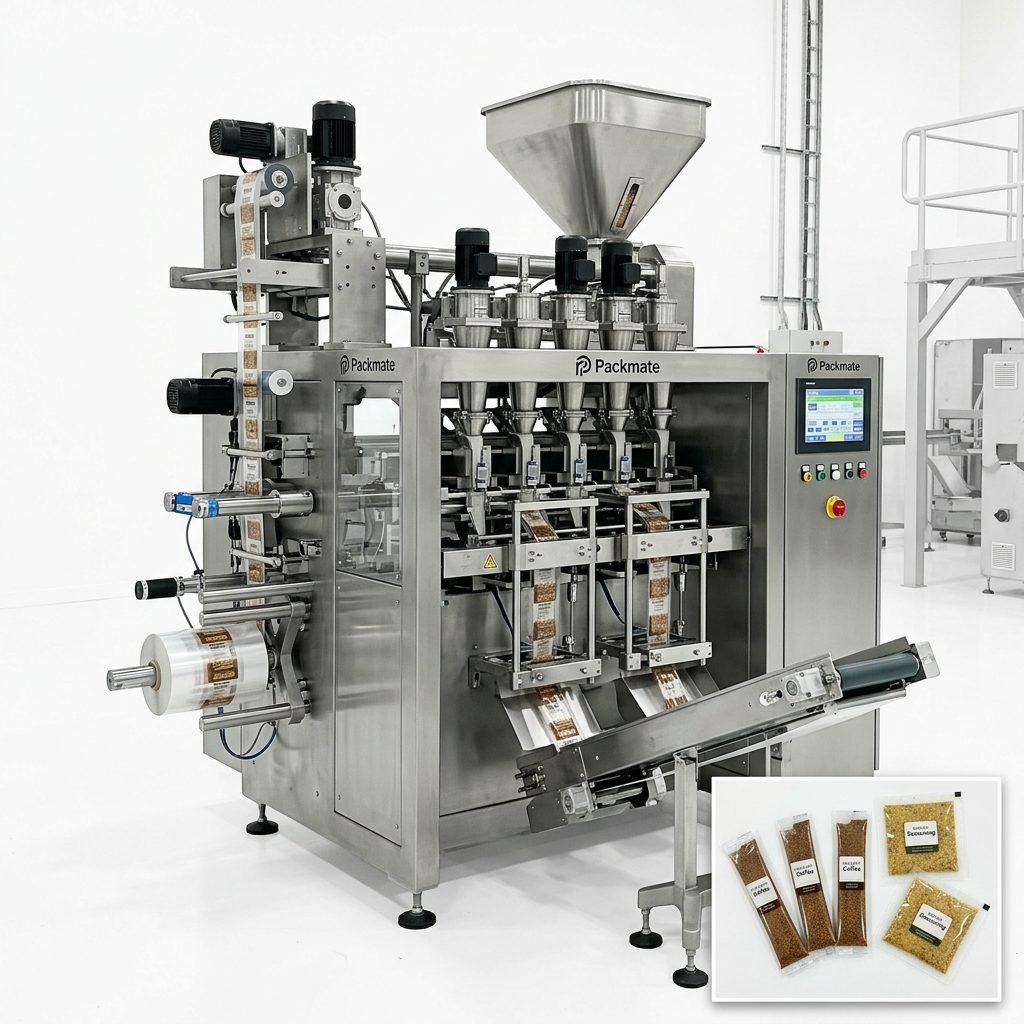
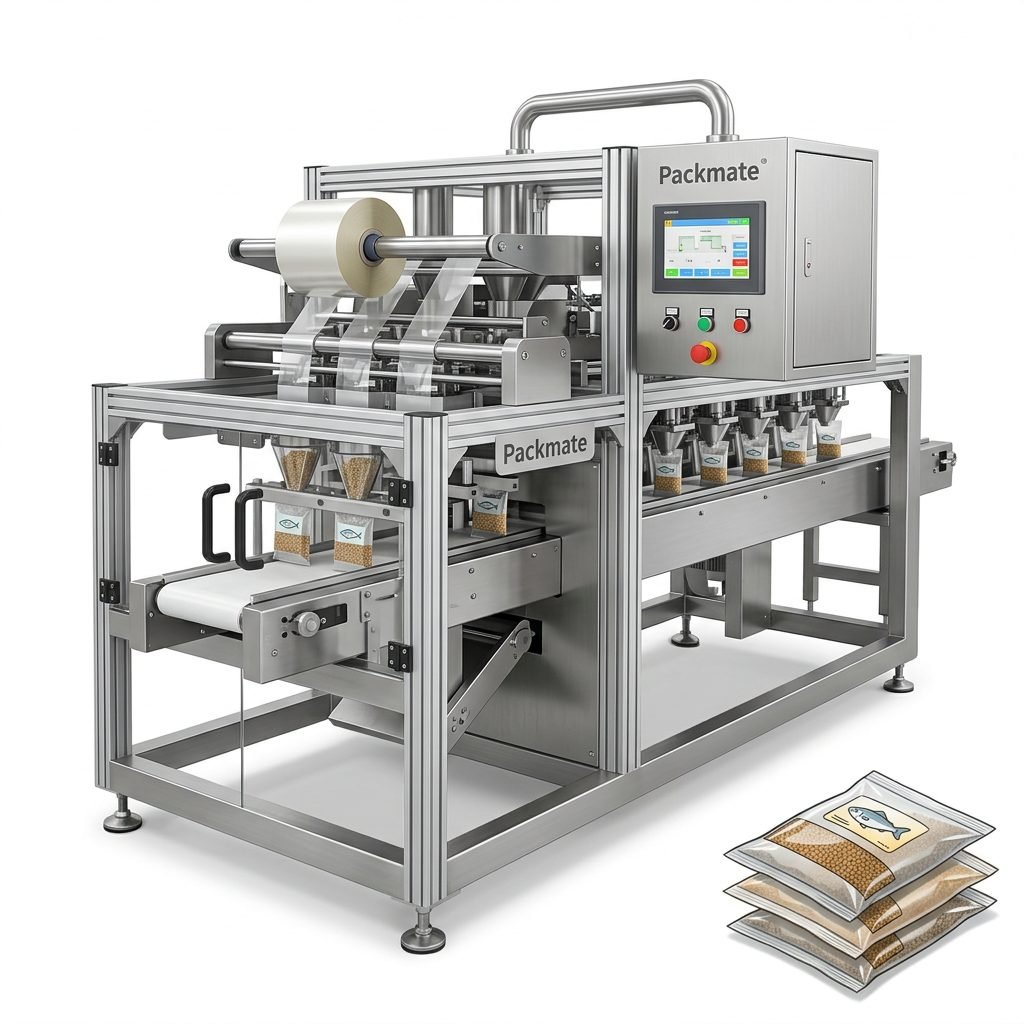
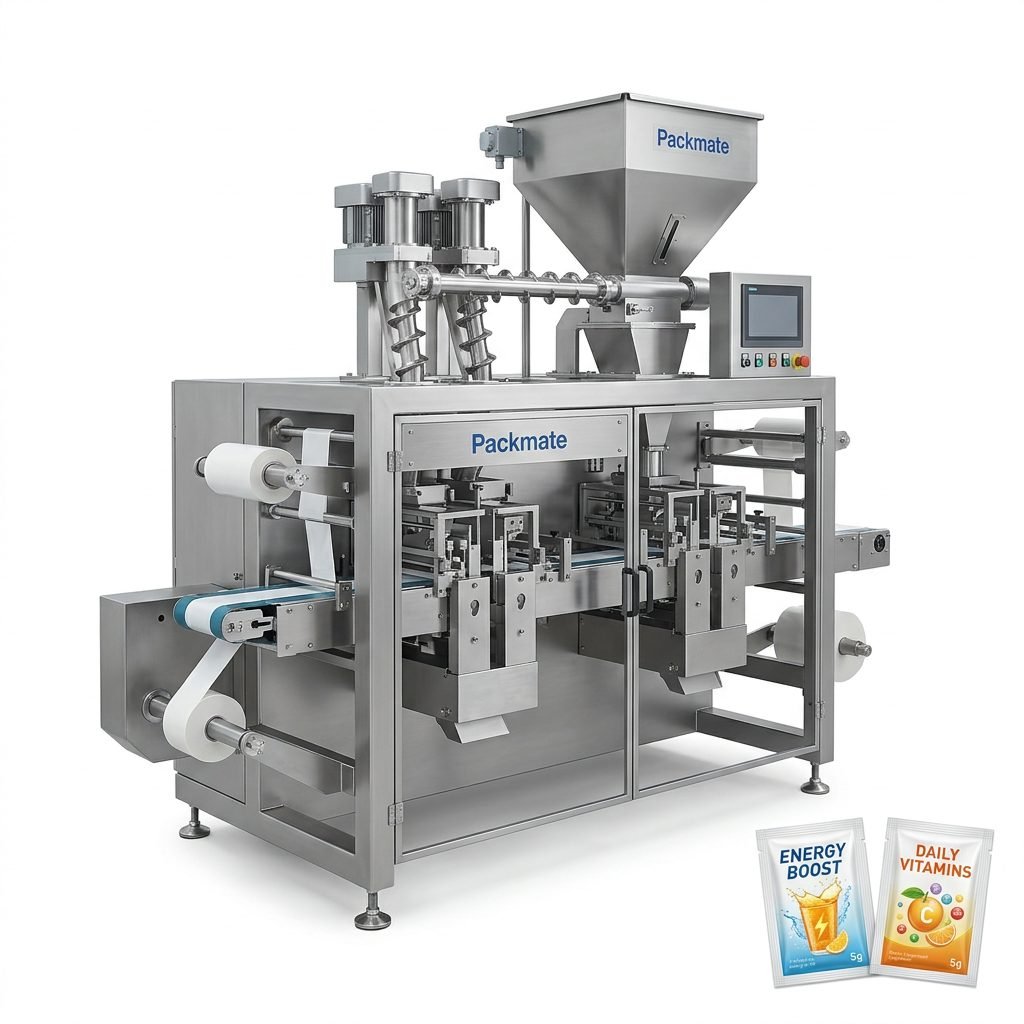
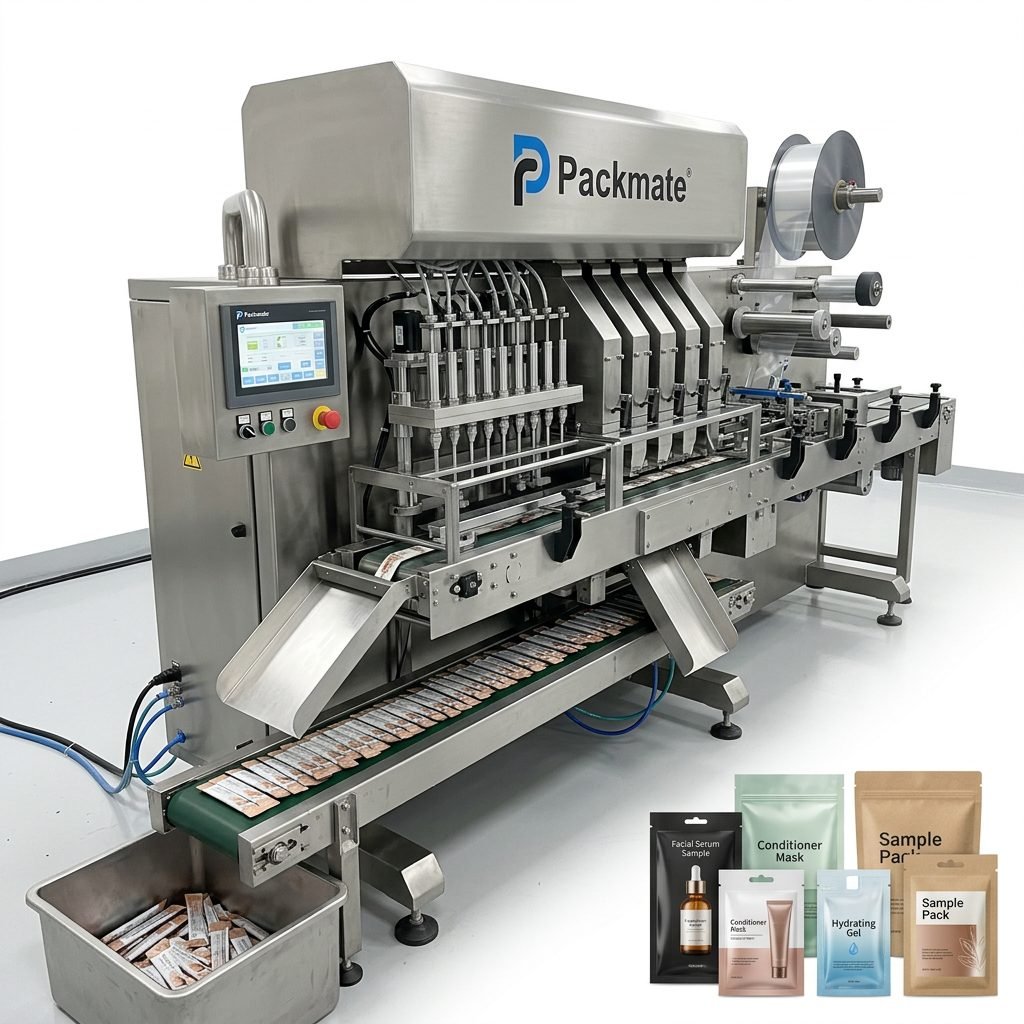
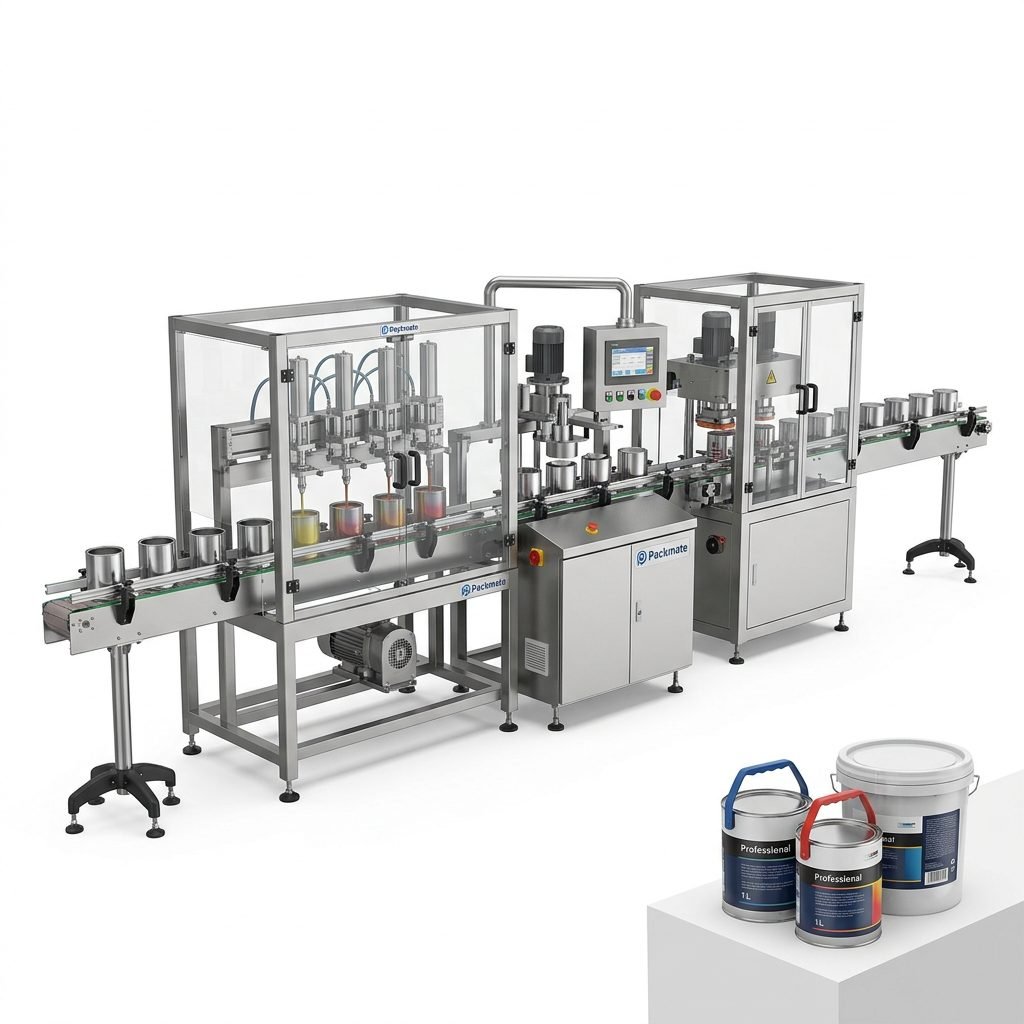
For a Kiribati business, “one size fits all” rarely applies. You might need a machine for packing desiccated coconut, fish flakes, or powdered supplements. A reliable manufacturer should offer a diverse product portfolio. Look for those providing multi-lane stick pack machines, sachet packing systems, vertical packaging systems, and filling and sealing machines. It is equally important to confirm if they can customize solutions for your specific product format, bag size, and output speed. The ability to adapt standard machines for unusual products or local packaging materials is a key advantage. Suppliers like Ludyway and Packmate Machinery are known for offering both individual machines and complete turnkey lines, which can grow with your business.
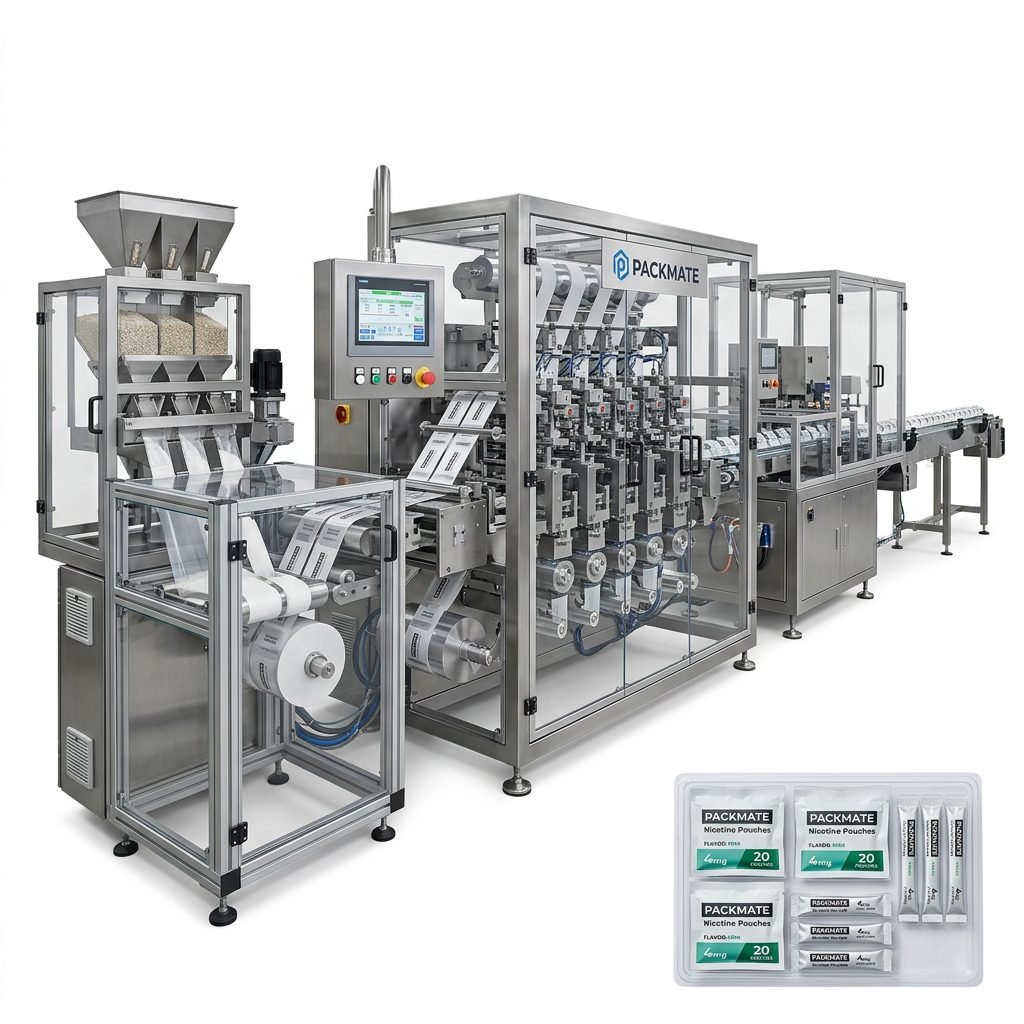
Key Product Categories to Look For
- Granule, powder, and liquid filling machines
- Stick pack and sachet packaging equipment
- Vertical form fill seal (VFFS) machines
- Integrated packaging lines with weighing, filling, and sealing
- End-of-line solutions like cartoning and case packing
Step 3: Analyze Export Footprint and International Support
Given Kiribati’s location, a manufacturer’s export experience is crucial. Companies exporting to Europe, North America, South America, Africa, and Southeast Asia have likely navigated complex international shipping logistics, compliance standards, and varying climatic conditions. This experience can translate into better handling of orders for the Pacific region. Enquire about their network of local agents or service partners in nearby regions (like Australia, New Zealand, or Fiji). SnusMachinery and PacklineOEM have strong export footprints and may offer the scalable support needed from a distance. Always verify the manufacturer’s ability to provide remote troubleshooting, documentation, and spare parts dispatch for international clients.
Step 4: Investigate Factory Capabilities and Quality Control
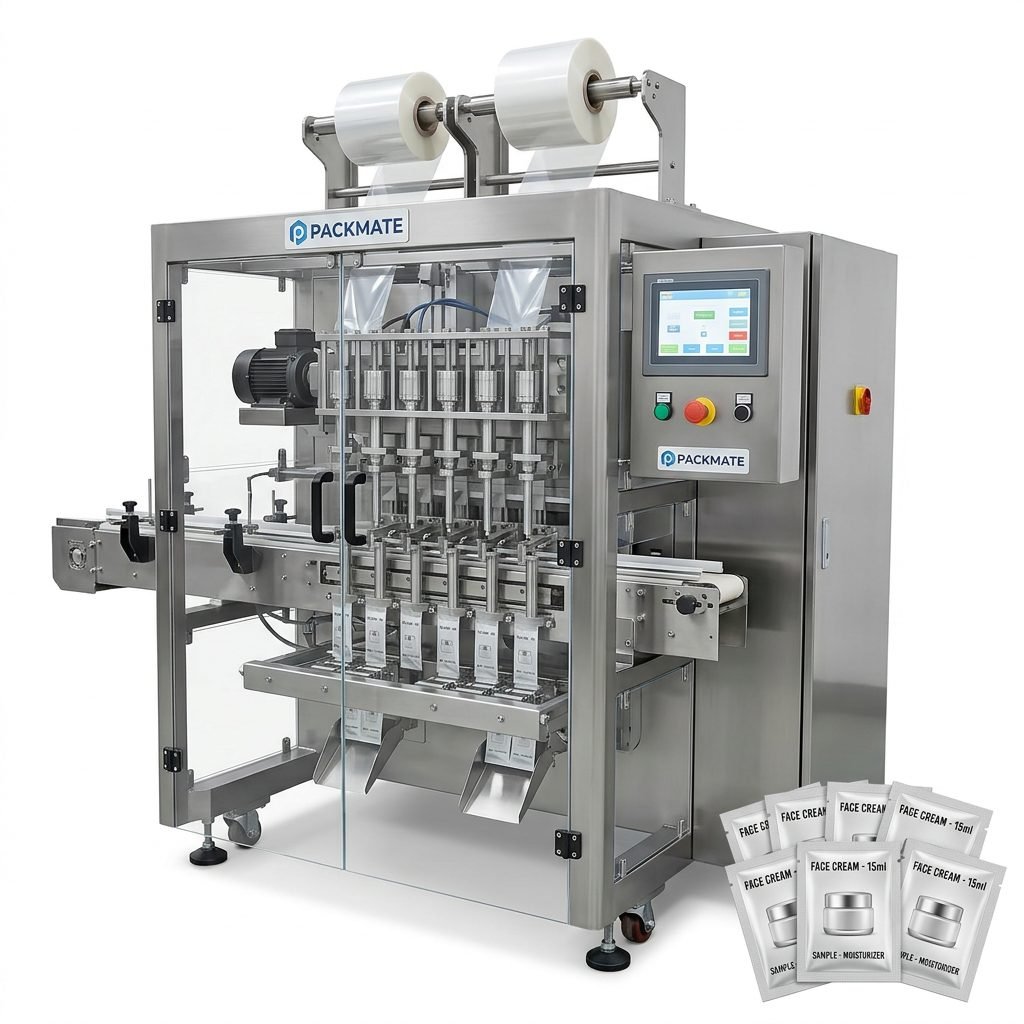
While you may not be able to visit a factory in China, you can ask for virtual tours or detailed certifications. A well-equipped factory of 20,000 square meters, with modern CNC machining, precision assembly lines, and structured quality inspection processes, is a strong indicator of product reliability. Manufacturers should have a portfolio of over 50 to 100 machine configurations, showing they have addressed diverse applications. For businesses in Kiribati, focusing on machine reliability and ease of maintenance is often more important than having the absolute highest speed. A simpler, robust machine from a factory like that of PackingMachineOEM might be a better long-term investment than a high-tech machine that requires specialized support.
| Manufacturer | Factory Size | Machine Models | Specialization |
|---|---|---|---|
| PacklineOEM | 20,000 sqm | 50+ | Turnkey lines, pharmaceutical focus |
| SnusMachinery | 20,000 sqm | 50+ | Nicotine pouch & specialty sachets |
Questions to Ask Your Shortlisted Suppliers
- What are your standard payment terms for international customers?
- Can you provide case studies or references from similar small-island or remote clients?
- What is your typical lead time for manufacturing and shipping to Fiji or Australia?
- Do you offer training manuals and video support for machine operation and maintenance?
- What is your process for handling warranty claims for overseas clients?
Step 5: Communicate Clearly and Build a Relationship
Finally, effective communication is key. Manufacturers with strong export markets often have dedicated international sales teams familiar with cultural nuances. For Kiribati buyers, building a direct and transparent relationship is vital. Start with a small, standard machine if possible, to test the manufacturer’s responsiveness and product quality. Companies like SnusMachinery may be particularly helpful for niche products. Clearly specify your voltage requirements (Kiribati uses 240V/50Hz), packaging materials available, and environmental conditions (tropical humidity and salt air). A reputable manufacturer will take the time to understand these local factors and offer suitable advice, ensuring your investment in packaging automation is a successful one for your business on the Tarawa Atoll or beyond.
Frequently Asked Questions (FAQ)
1. What type of packaging machine is most common for small businesses in Kiribati?
For small to medium enterprises in Kiribati, a multi-lane sachet or stick pack machine is often ideal. These machines handle powders (like spices or supplements), granules (like salt or sugar), and liquids (like coconut oil or sauces), offering flexibility and efficiency for diverse local products.
2. How can I ensure I get reliable after-sales support from a manufacturer in China?
Choose a manufacturer with a strong export history and a clear international service policy. Ask for detailed contact information for their export department, request video call training sessions, and confirm they offer a range of spare parts. Manufacturers like Ludyway and Packmate Machinery have teams experienced in supporting overseas buyers.
3. What cost should I expect for a basic automatic packaging line?
The cost varies significantly based on complexity, speed, and materials handling. A basic single-system sachet machine might start around $10,000 to $20,000 USD, while a full turnkey line can exceed $100,000 USD. It is best to request a detailed quotation from several suppliers like PacklineOEM based on your specific capacity and product requirements.
4. Is it better to buy a brand new machine or a used one?
For buyers in Kiribati, investing in a new machine from a reputable manufacturer is generally recommended. Used machines may have unknown wear and tear and can be difficult to repair or maintain without local support. New machines from manufacturers like SnusMachinery come with a warranty and the latest efficiency features.
5. How do I handle logistics and import duties for machinery coming into Kiribati?
Most established exporters can assist with shipping coordination to the nearest major port (e.g., Suva or Lautoka). You will need to work with a local customs broker in Kiribati to handle import duties and taxes. Ask the manufacturer for the precise weight, dimensions, and HS code of the machine to ensure a smooth customs process.