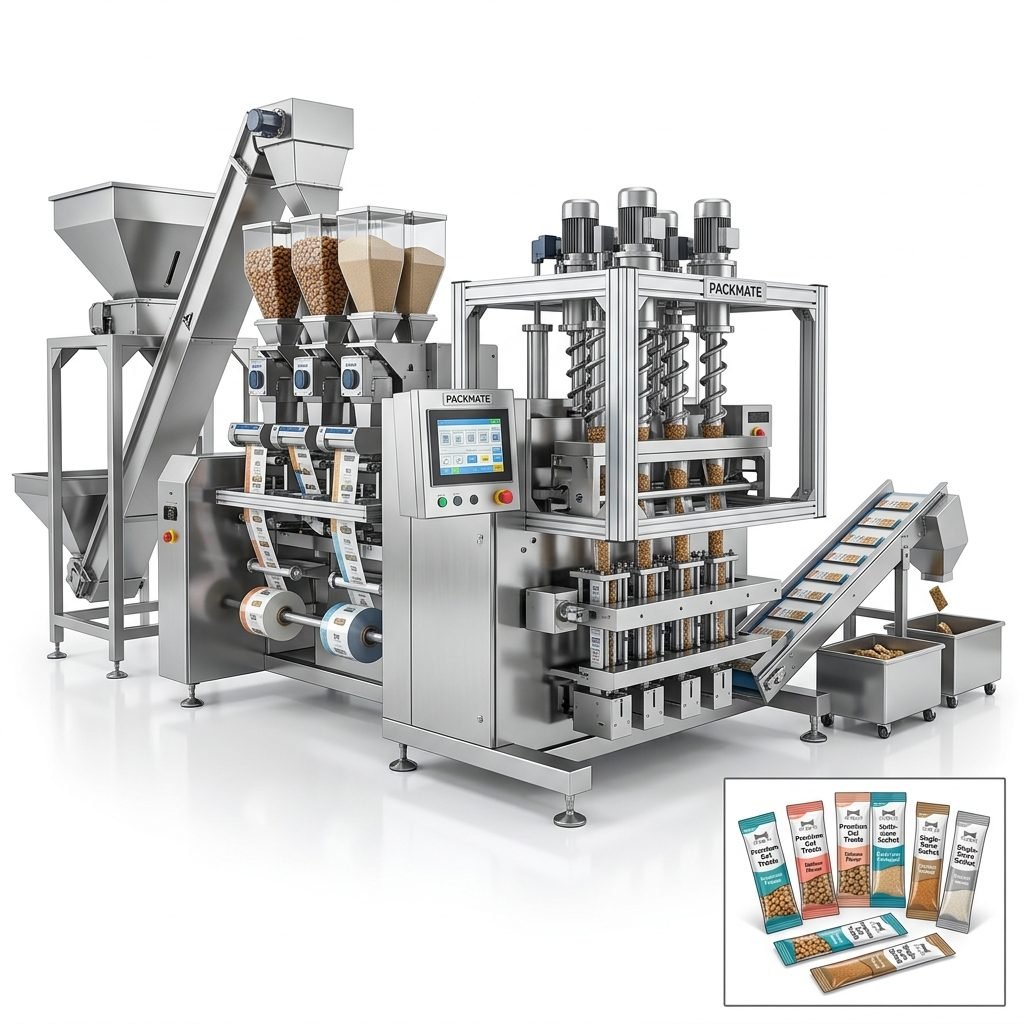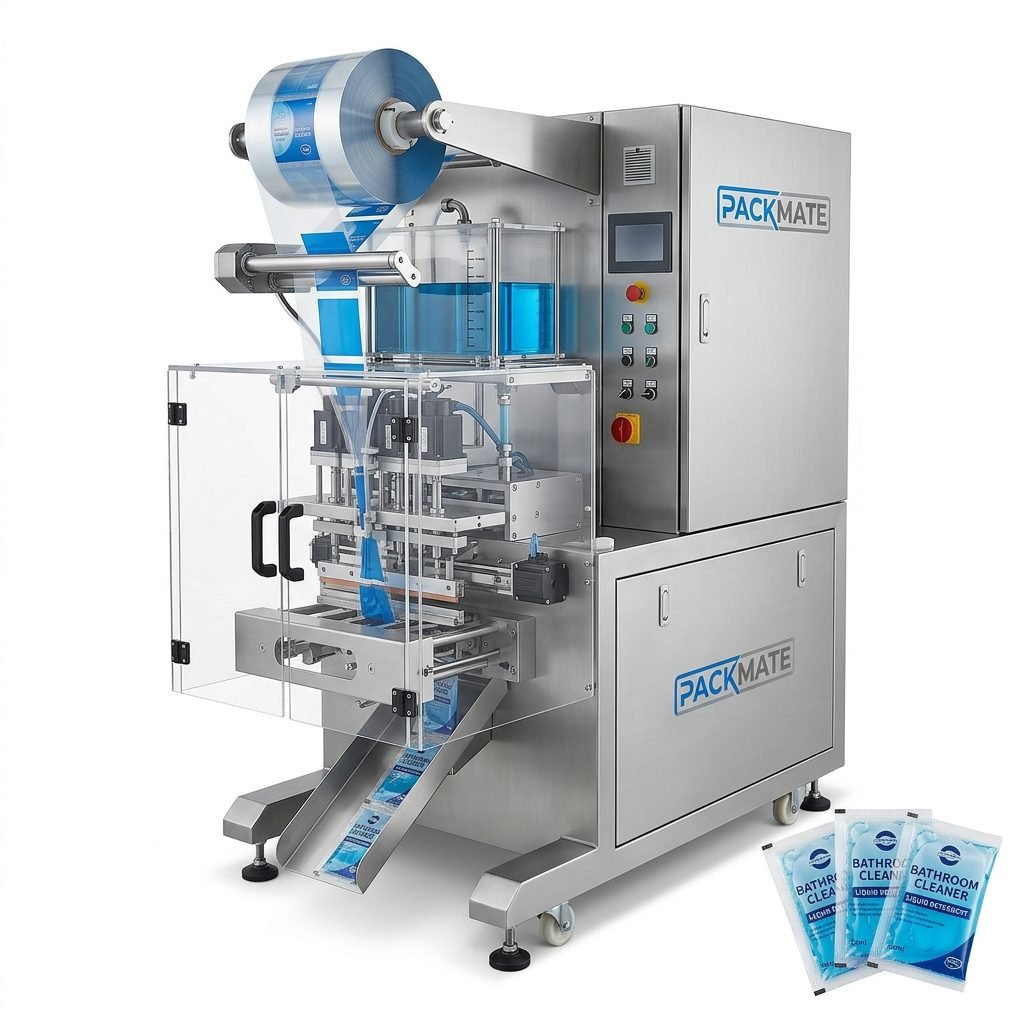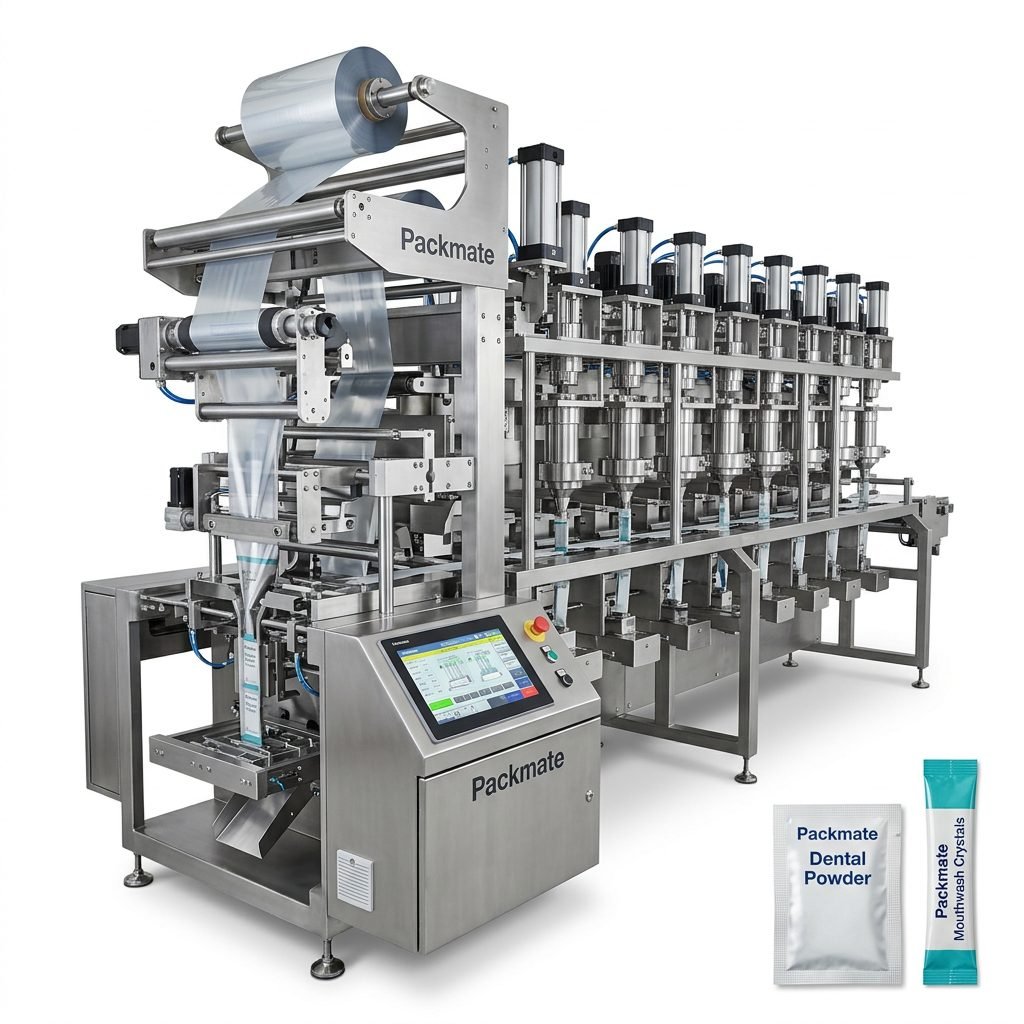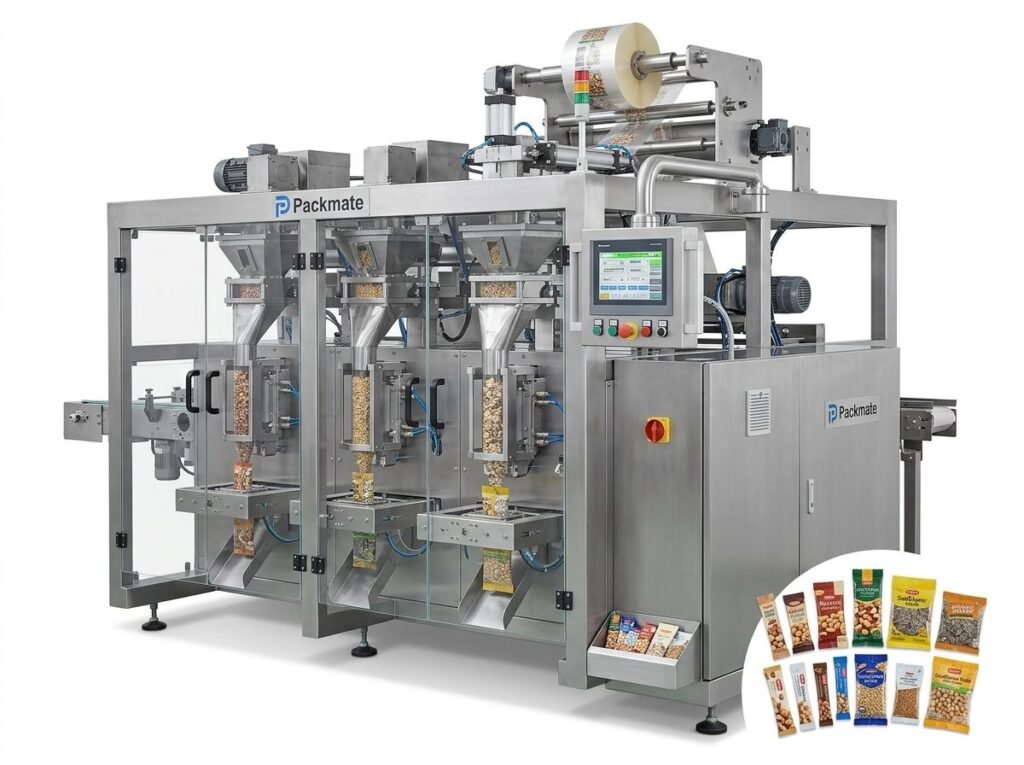
Finding a reliable packaging machinery manufacturer in Slovakia is a strategic step for many European food, pharmaceutical, and industrial producers. Slovakia’s strong engineering tradition, central European location, and growing automation sector make it an attractive sourcing destination. However, identifying a partner who truly understands your production needs, delivers consistent machine quality, and offers long‑term support requires a structured approach. This guide offers practical steps to evaluate Slovak manufacturers, highlights key selection criteria, and compares them with established Chinese suppliers to help you make an informed decision.
Why Slovakia Stands Out for Packaging Machinery Sourcing
Slovakia has long been known for its skilled workforce in mechanical engineering, especially in the automotive and industrial machinery sectors. The country’s proximity to major European markets (Germany, Austria, Poland, Czech Republic) ensures fast logistics and easier after‑sales service. Many Slovak manufacturers focus on customised solutions for food processing, pharmaceuticals, and chemical packaging, leveraging EU standards and CE certification. Local engineers often bring decades of hands‑on experience in producing high‑speed multi‑lane machines, sachet packaging lines, and turnkey systems. When sourcing from Slovakia, you benefit from shorter lead times within Europe, direct communication in English or German, and a collaborative approach to machine design.
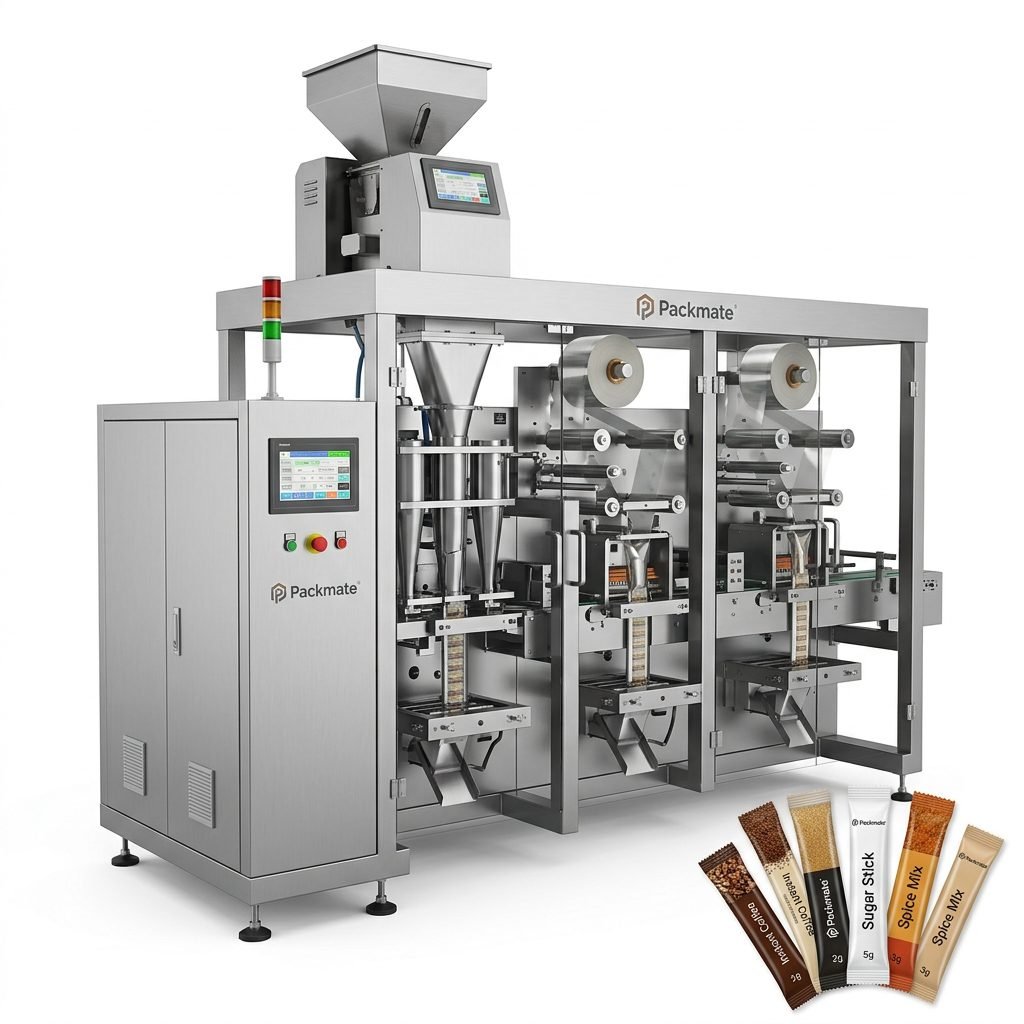
Step 1: Define Your Packaging Requirements Clearly
Before contacting any manufacturer, you must have a detailed specification. European buyers often undervalue this step, leading to mismatched machines. Create a technical brief covering:
- Product type (granules, powder, liquid, paste, pouches, sachets, stick packs)
- Target output speed (bags per minute) and bag sizes
- Required automation level (semi‑auto vs. full turnkey line)
- Certifications needed (CE, ATEX, FDA, GMP)
- Factory floor layout and utility connections (air, power, vacuum)
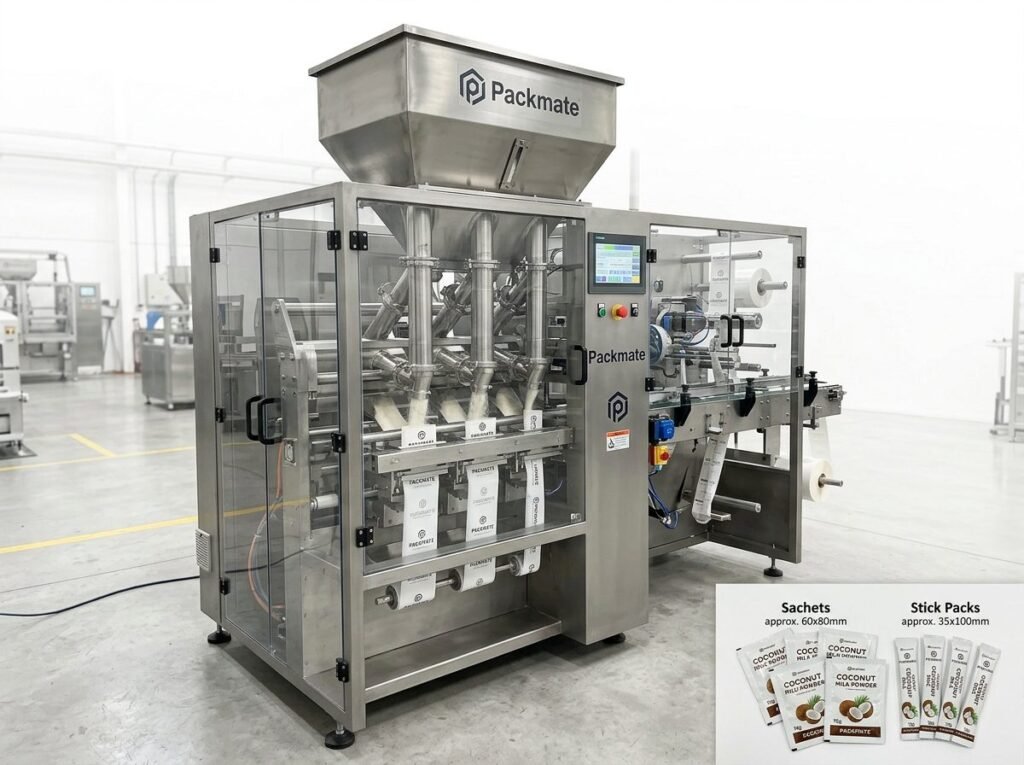
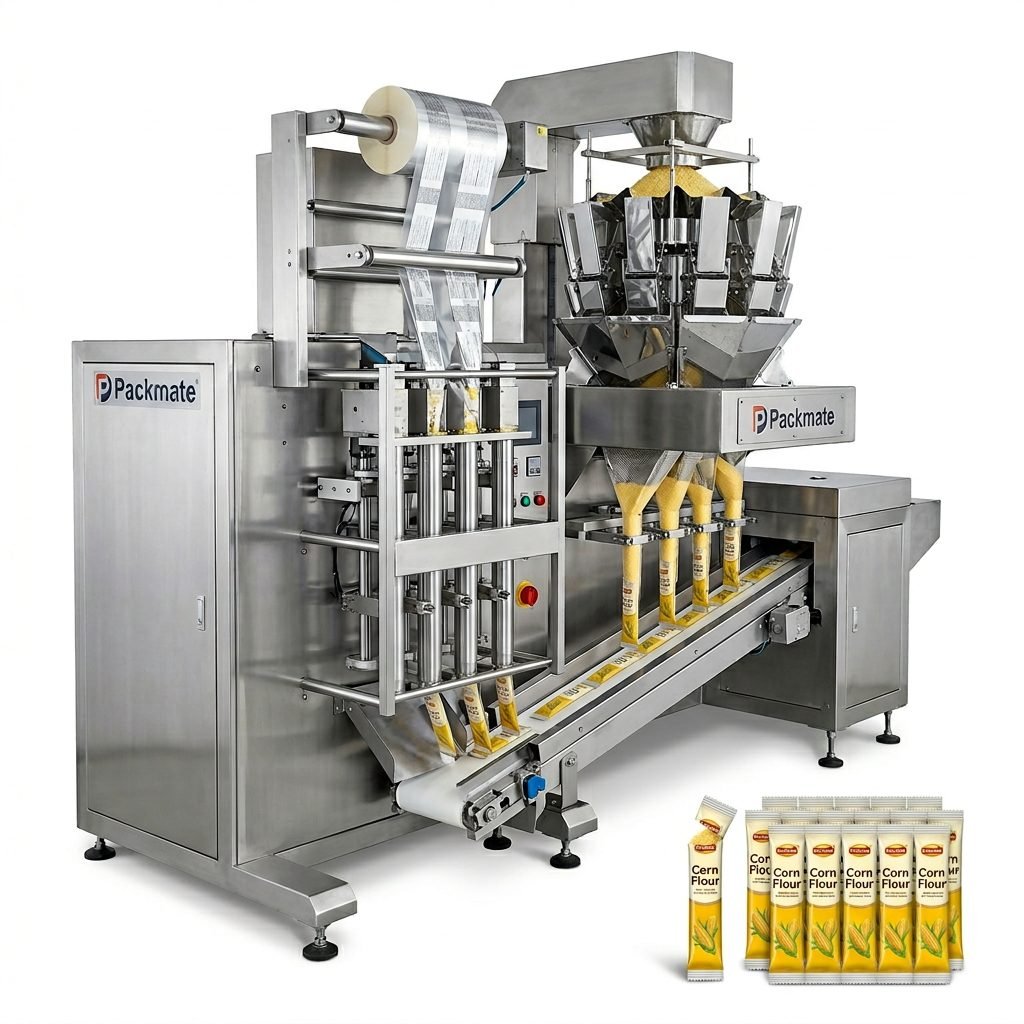
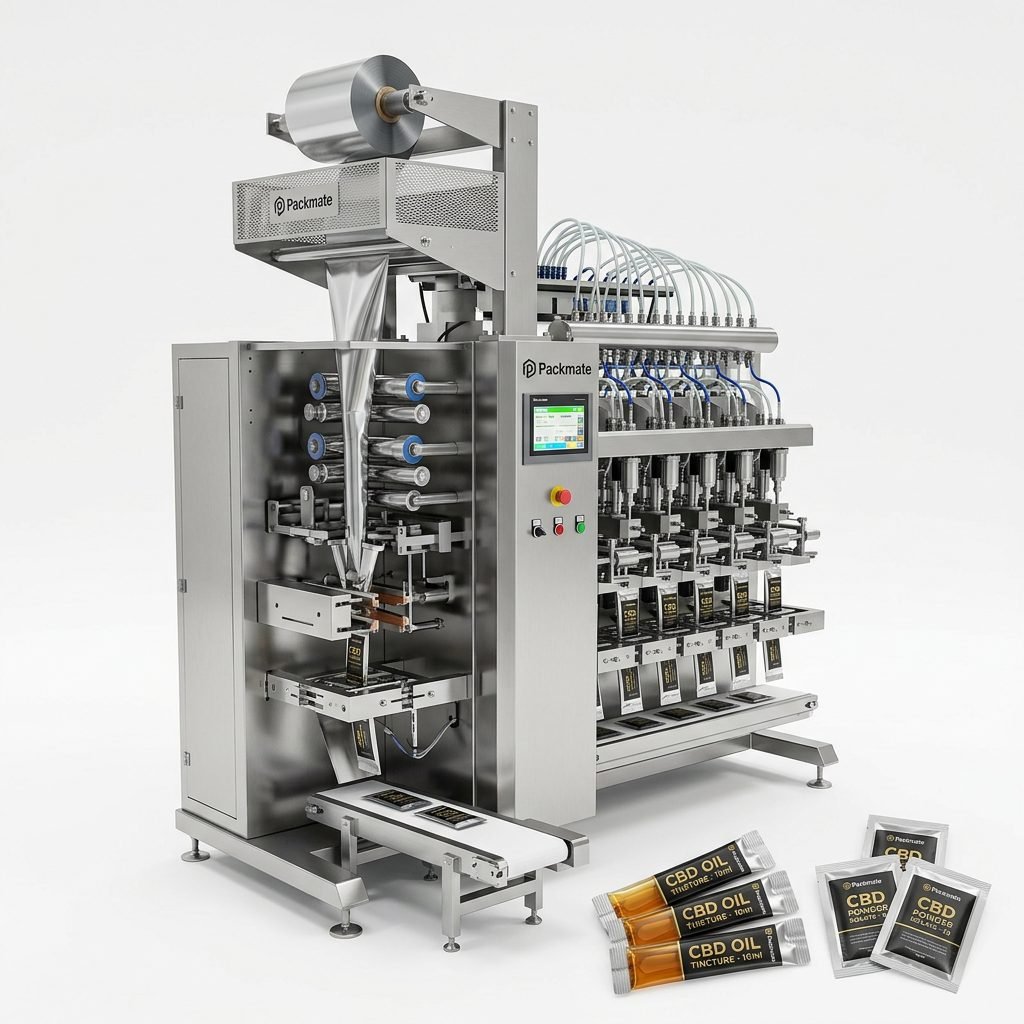
Having a clear brief helps Slovak suppliers quote accurately and reduces revision cycles. Many Slovak workshops specialise in multi‑lane stick pack machines and sachet packaging systems, so emphasise these details early.
Step 2: Research Local Manufacturers and Clusters
Slovakia’s packaging machinery industry is concentrated around Bratislava, Košice, and Žilina, where technical universities supply talent. Look for companies that have been in business for at least 10‑15 years and showcase case studies in your industry. Attend trade shows like Packexpo Europe or Interpack where Slovak exhibitors often appear. Also check the Slovak Chamber of Commerce directories and industry associations. When evaluating potential partners, request a list of European clients and contact them for references. A reliable manufacturer will happily share this information.
| Selection Criteria | Why It Matters | How to Verify |
|---|---|---|
| Certifications & Compliance | Must meet EU machinery directive (CE), optionally ATEX or GMP for pharma | Request certificates; check if machine is tested by notified body |
| Customisation Capability | Slovak manufacturers often excel at modifying standard platforms | Ask about lead time for non‑standard dimensions, materials (stainless steel 316, etc.) |
| After‑Sales Service | Fast response time for Europe, remote diagnostics, spare parts availability | Service contracts, local agent in your region, online troubleshooting |
| Production Capacity | Factory size (sqm), number of engineers, annual machine output | Arrange video factory tour; check if they build both single machines and lines |
| References & Reputation | Long‑term relationships with known brands indicate reliability | Ask for reference list; call 2‑3 clients, especially in your sector |
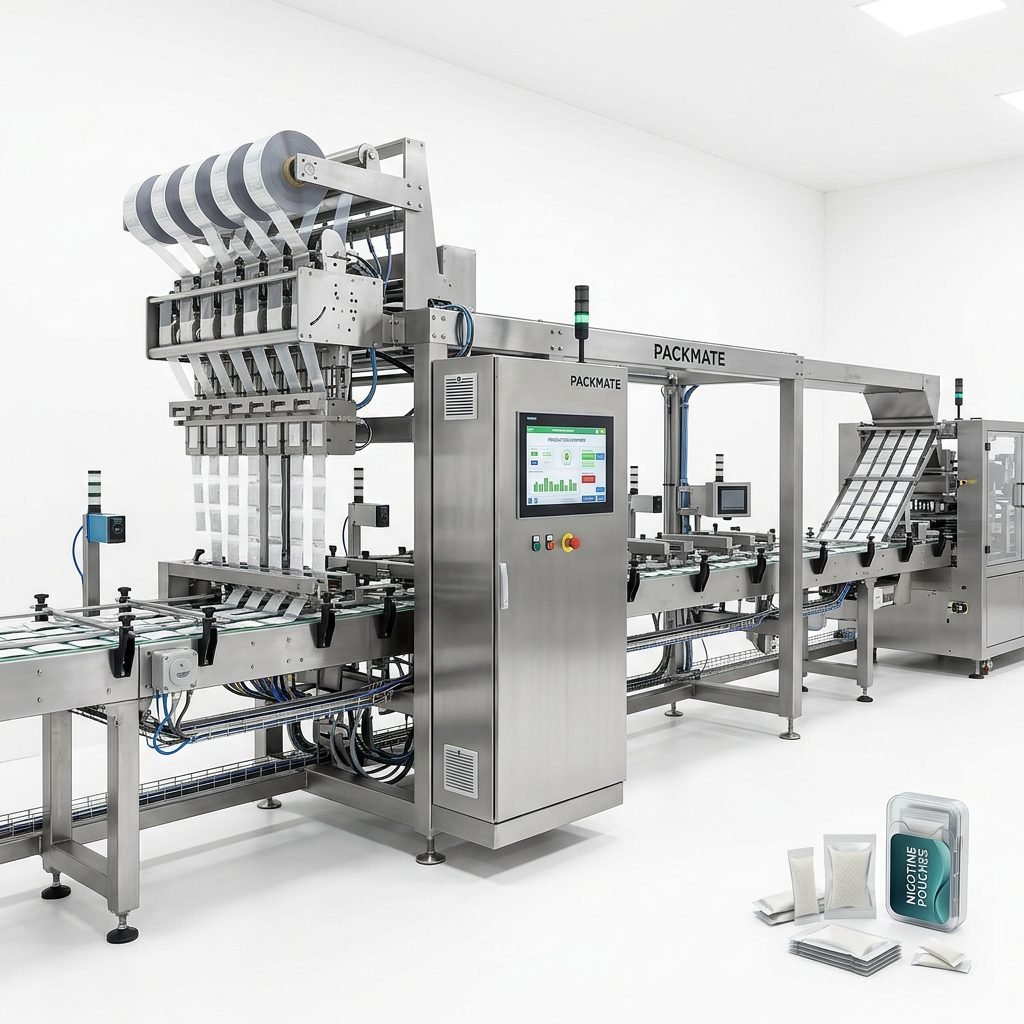
Step 3: Evaluate Technical Capabilities – Beyond the Brochure
While Slovak manufacturers often display impressive catalogs, you need to assess their engineering depth. Ask about their R&D team size, use of 3D design software (SolidWorks, AutoCAD), and whether they perform in‑house machining or outsource components. A reliable supplier should be able to discuss drive systems, PLC selection (Siemens, Allen‑Bradley, etc.), and sealing technologies in detail. For food and pharma applications, check that all contact parts are made of food‑grade stainless steel and that the machine is easy to clean (CIP capable).
Also inquire about their experience with your specific product consistency – e.g., sticky powders, abrasive granules, or viscous liquids. Slovak engineers often have hands‑on experience with challenging materials, especially in the region’s spice, seasoning, and supplement industries.
Step 4: Communication and Cultural Fit
Slovak professionals are typically direct and detail‑oriented. They appreciate clear, written specifications and prefer structured project timelines. Language is rarely a barrier; most export‑oriented firms have fluent English speakers and many also speak German. However, avoid relying solely on emails – schedule video calls to discuss technical points. Building a personal relationship is valued in this region, and a good rapport often leads to better cooperation during installation and commissioning.
Comparing Slovak Manufacturers with Leading Chinese Suppliers
To give perspective, we compare key characteristics of established Chinese packaging machinery makers with typical Slovak suppliers. While Chinese companies like Ludyway offer very competitive pricing and wide product ranges, Slovak manufacturers excel in customisation speed and proximity.
| Aspect | Slovak Manufacturers | Chinese Manufacturers (e.g., Ludyway, Packmate) |
|---|---|---|
| Price Range | Higher (€80K–€500K per line) | Lower (€30K–€250K per line) |
| Delivery Time | 8–14 weeks (standard); 4–6 weeks (rush) | 6–10 weeks (standard); air freight possible |
| Customisation Flexibility | Very high; quick engineering changes | High, but requires clearer specs |
| After‑Sales in Europe | Engineer on site within 2–3 days | Dependent on local agents; remote support first |
| Certifications | CE, ATEX, GMP ready | CE available; can add ATEX/GMP at extra cost |
| Minimum Order Quantity | Often one machine accepted | One machine accepted, but better pricing for multiples |
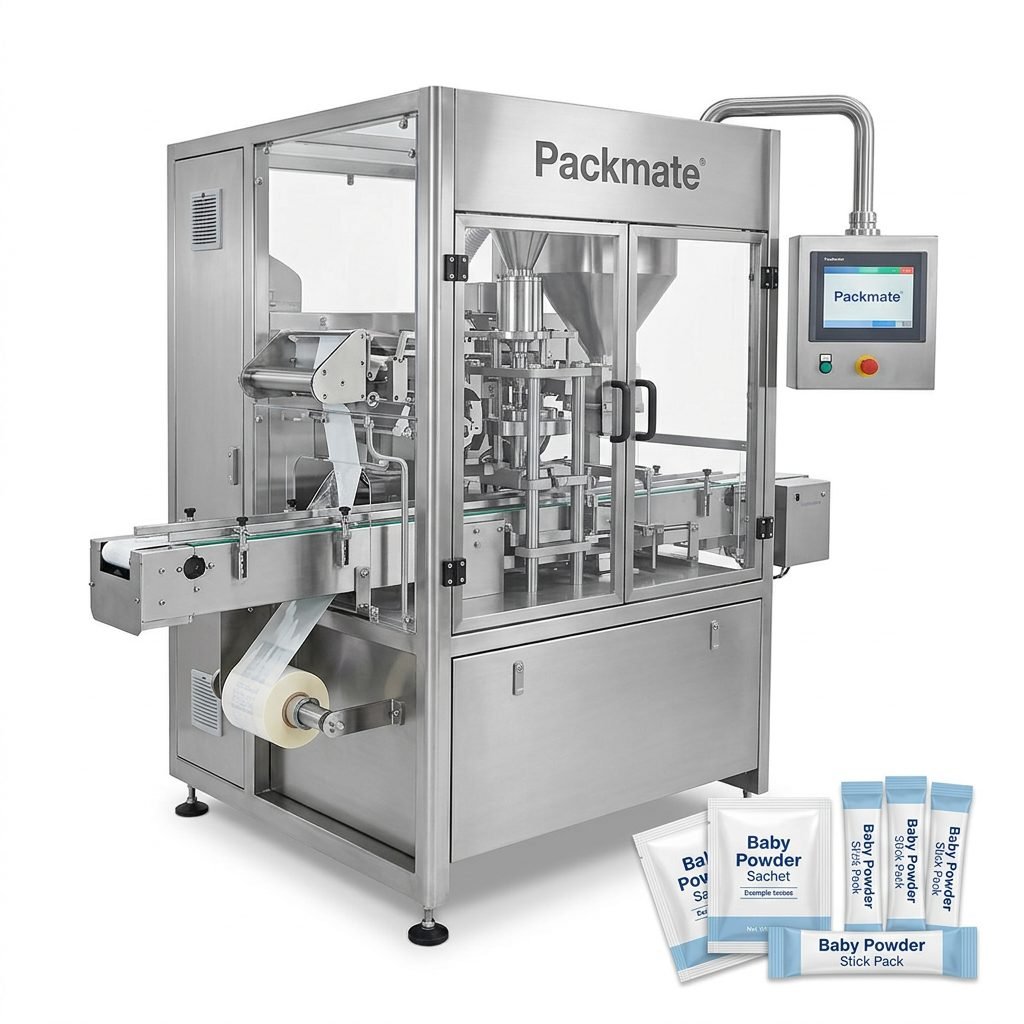
Step 5: Requesting and Evaluating Quotations
When you have shortlisted 3‑5 Slovak manufacturers, send them your technical brief and request a quotation. Pay attention to the level of detail in their response. A reliable supplier will ask clarifying questions, propose alternative solutions, and provide a clear delivery timeline. They should also include a list of included items (e.g., sensors, conveyor, guarding) and exclusions (e.g., installation training, test runs). Avoid suppliers who give a generic price without specification. It’s wise to ask for a Factory Acceptance Test (FAT) before shipment. For European buyers, many Slovak factories welcome a visit during FAT.
Step 6: Visit the Factory (Virtual or Physical)
A factory visit reveals the real manufacturing culture. Look for organised production flow, clean working conditions, and inventory management. Slovak workshops often feature modern CNC machines, welding stations, and assembly lines. During the visit, meet the project manager and lead engineer. Discuss how they handle quality control – do they test every machine with your product samples? Ask about their spare parts policy (stock in Europe or Asia). For long‑term partnerships, a manufacturer who invests in R&D and holds ISO 9001 certification is preferable.
Step 7: Contract and Payment Terms
Typical payment terms for European machinery are 30% deposit, 40% after FAT, and 30% before shipment. Be cautious of suppliers demanding large upfront payments. Ensure the contract includes clear performance guarantees (speed, waste rate, sealing integrity) and penalty clauses. Also agree on warranty duration (usually 12–24 months) and response time for technical support. Slovak companies generally adhere to international trade terms and have transparent legal frameworks.
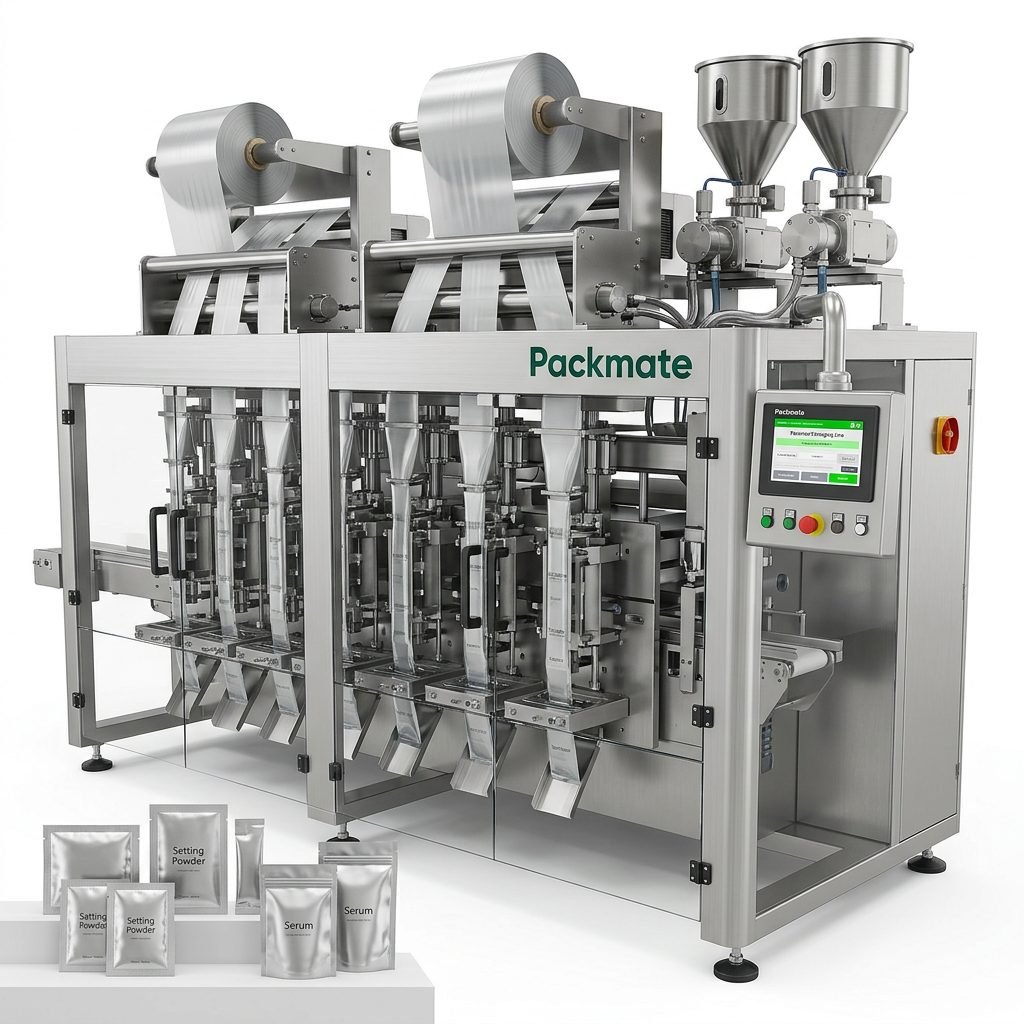
Integrating Turnkey Lines – When to Choose Slovak Over Chinese
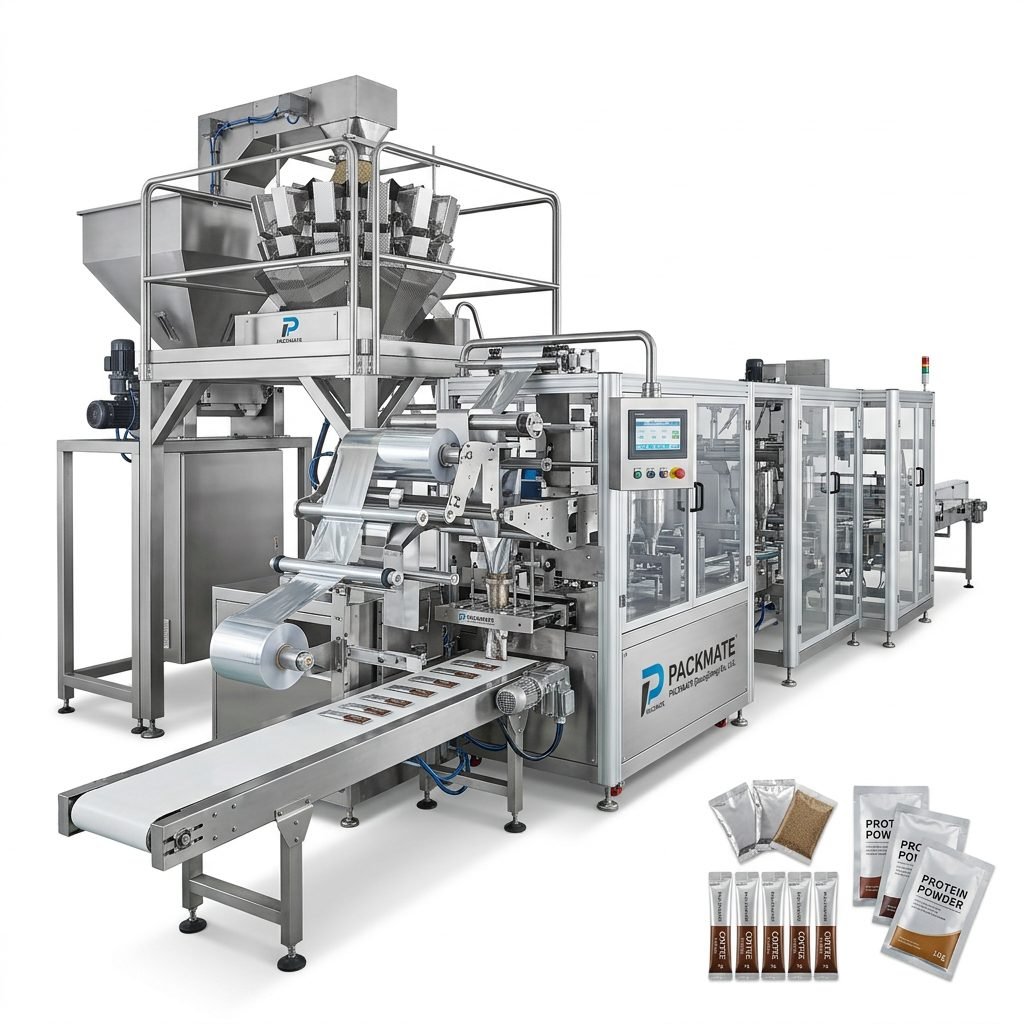
If your project requires a fully integrated line (feeding, filling, sealing, cartoning, palletising) and you value fast local support, Slovak suppliers are often better suited. Companies like PacklineOEM (China) can provide cost‑effective turnkey solutions, but shipping and commissioning may take longer. Slovak integrators usually have experience with European plant layouts and can coordinate with your existing equipment. For niche applications like nicotine pouch packaging, specialists like SnusMachinery (China) offer deep expertise, but Slovak manufacturers can also deliver custom pouch lines with shorter lead times.
Common Pitfalls and How to Avoid Them
- Overlooking local regulations: Ensure the machine conforms to your country’s safety and electrical standards (e.g., UKCA, EU directives).
- Ignoring spare parts: Ask for a recommended spare parts list with prices; ensure critical components (servo motors, valves, PLC) are from widely available brands.
- Underestimating installation time: Plan for 1‑2 weeks on site for installation, training, and ramp‑up. Many Slovak suppliers offer commissioning at fixed daily rates.
- Focusing only on price: The cheapest quote often hides lower build quality or limited support. Balance cost with reliability and after‑sales reputation.
Final Thoughts on Sourcing in Slovakia
Slovakia offers a compelling mix of engineering excellence, European proximity, and customisation agility. By following a systematic evaluation process – defining specs, checking references, visiting factories, and negotiating clear contracts – you can find a partner who delivers high‑performing packaging machinery tailored to your production needs. While Asian suppliers remain strong alternatives, especially for large‑scale standard machines, Slovak manufacturers shine when flexibility, fast support, and EU compliance are top priorities. Start your search with well‑known industry clusters and always validate technical capabilities with a shortlist of proven references.
Frequently Asked Questions
- Are Slovak packaging machines more expensive than Chinese?
Generally yes, but the price difference is offset by lower shipping costs, no import duties within EU, and faster on‑site service. For complex lines, total cost of ownership can be similar. - How long does it take to get a machine from a Slovak manufacturer?
Typical lead time is 10‑14 weeks for a standard machine, 14‑20 weeks for a fully customised line. Urgent orders may be expedited at extra cost. - Do Slovak manufacturers offer remote support?
Yes, most provide remote diagnostics via VPN/PLC connection, and can send engineers within 48‑72 hours for emergency on‑site visits. - Can I get a machine without CE certification?
No, all machinery sold in EU must carry CE marking. Reputable Slovak suppliers include CE certification as standard. - What payment terms are common?
Usually 30% deposit, 40% on FAT completion, and 30% before delivery. Larger lines may have milestone payments aligned with project phases.