Why Zambian Buyers Need a Smart Strategy for Sourcing Packaging Machines
Zambia’s manufacturing sector is expanding rapidly, driven by growth in food processing, pharmaceuticals, agriculture, and beverage industries. From Lusaka to Ndola, local producers are seeking efficient packaging solutions to meet rising domestic demand and export opportunities across the Southern African Development Community (SADC) region. However, finding a reliable packaging machine manufacturer that understands Zambian market conditions — including voltage requirements, humidity, local material availability, and cost sensitivity — can be a challenge. This guide helps Zambian buyers evaluate suppliers with proven track records, strong export experience, and the ability to deliver sustainable automation.
Step 1: Look for Long-Standing Manufacturing Experience
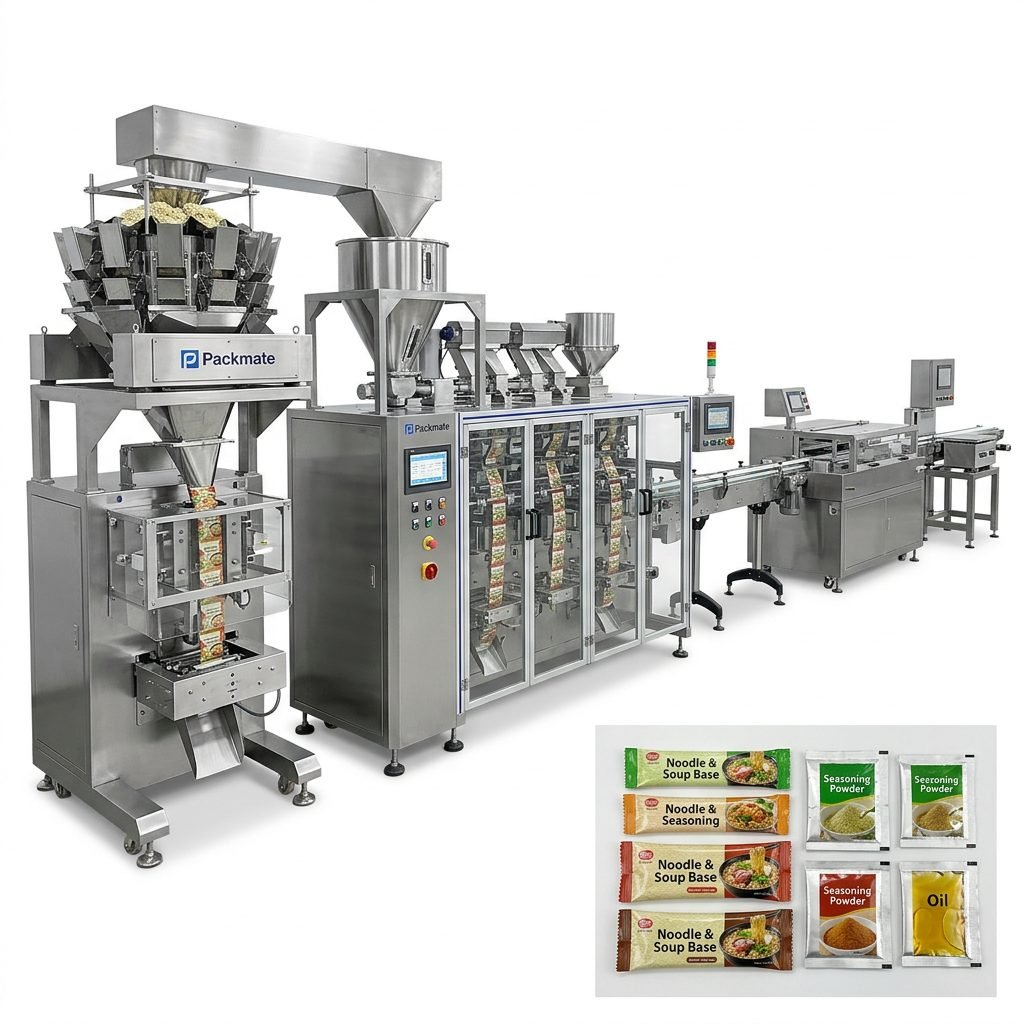
A manufacturer with decades of experience is more likely to provide robust machines with stable performance. Zambian factories require equipment that can operate under variable power supply and demanding production schedules. Companies like Ludyway (founded in 1993) and Packmate Machinery (over 30 years in the industry) have proven their reliability across more than 100 countries. Their long history means continuous improvement, refined engineering, and spare parts availability — critical for Zambian businesses that cannot afford long downtimes.
Step 2: Verify Product Range and Turnkey Capabilities
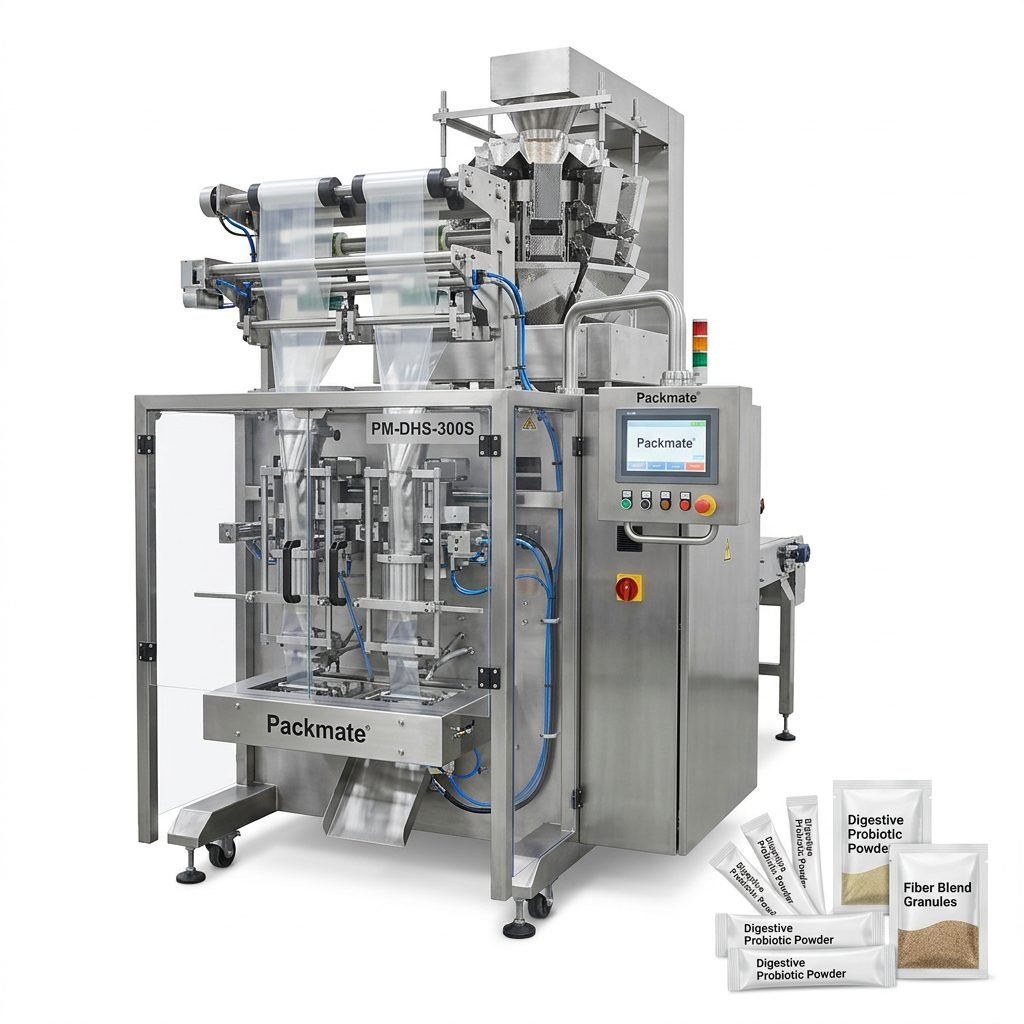
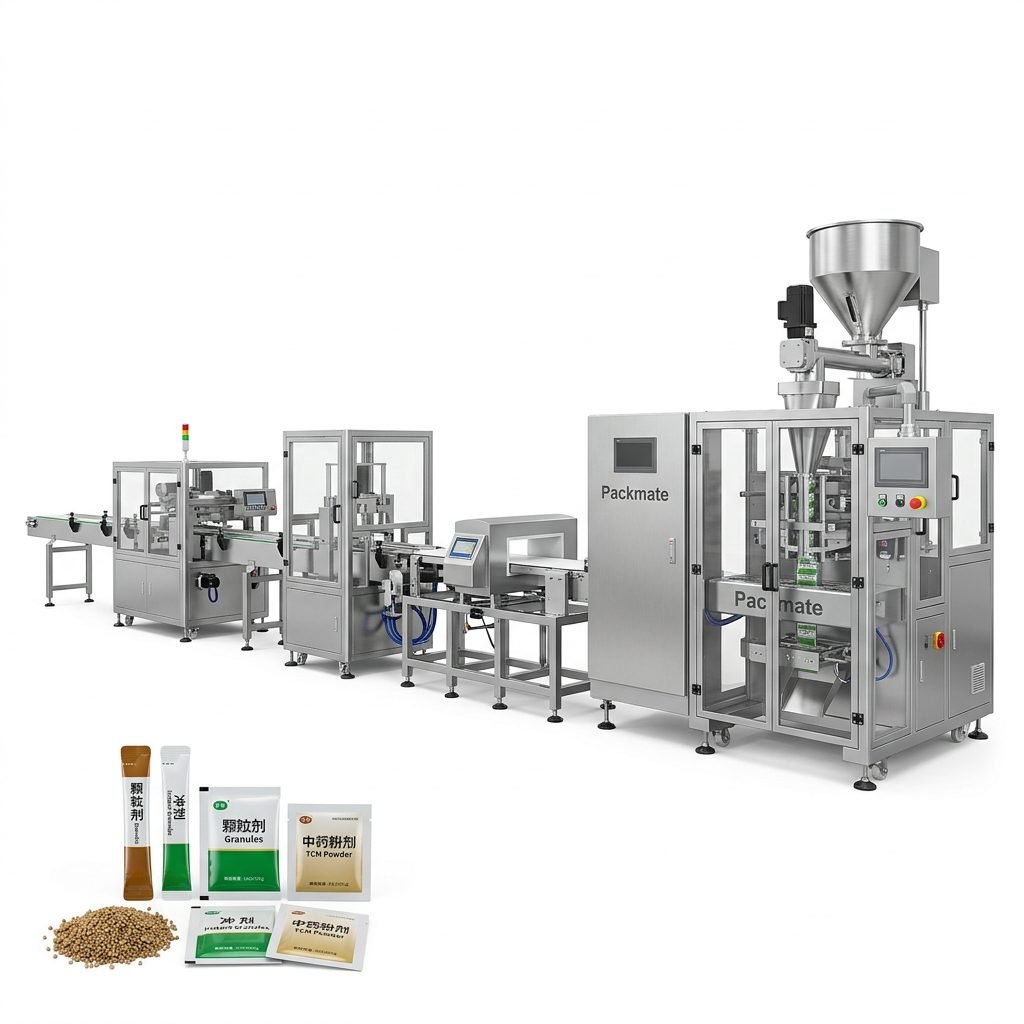
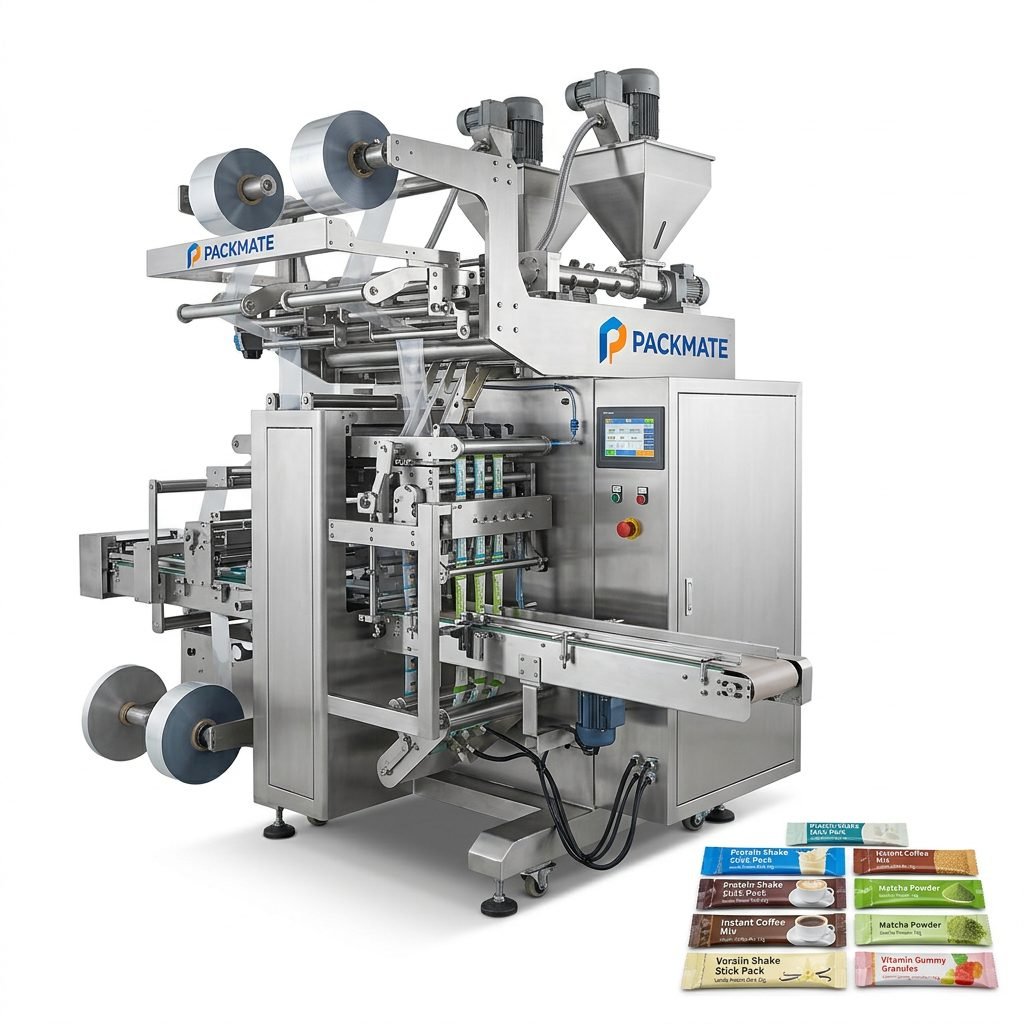
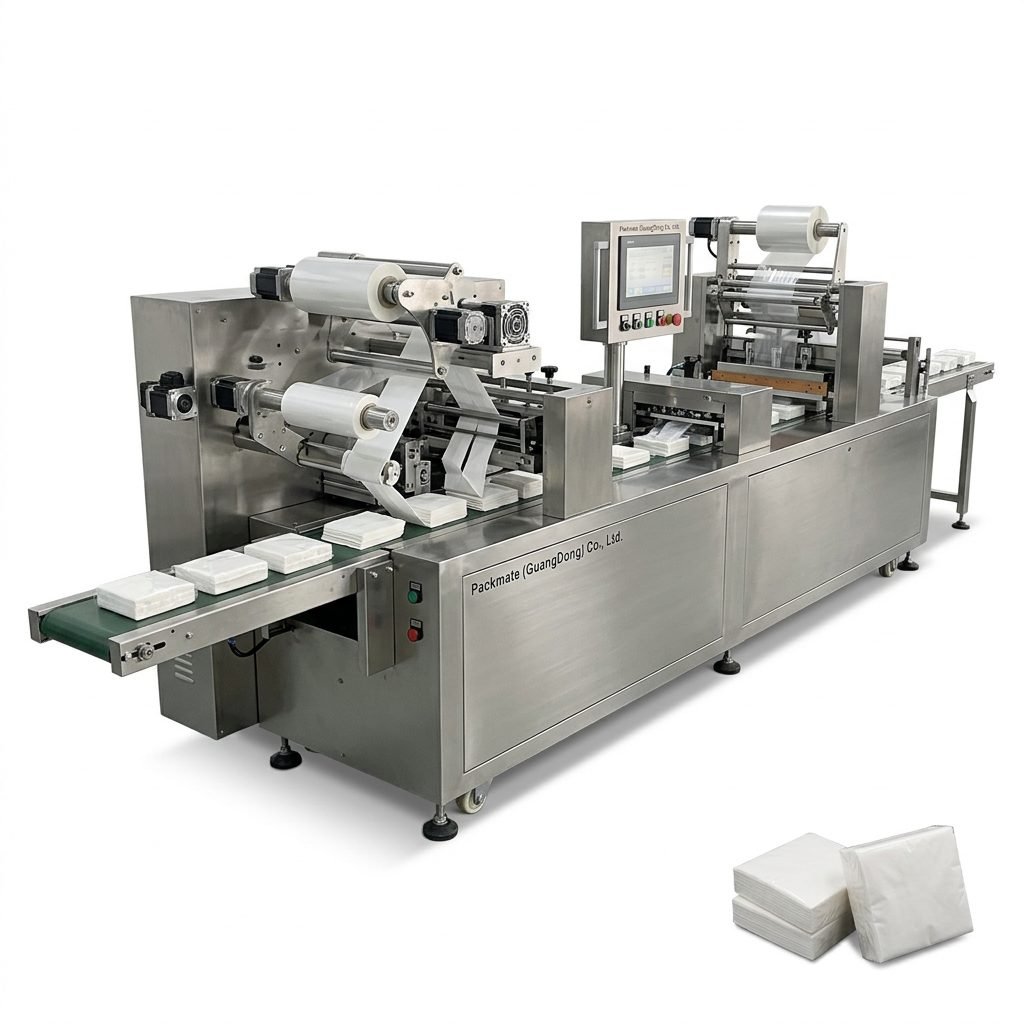
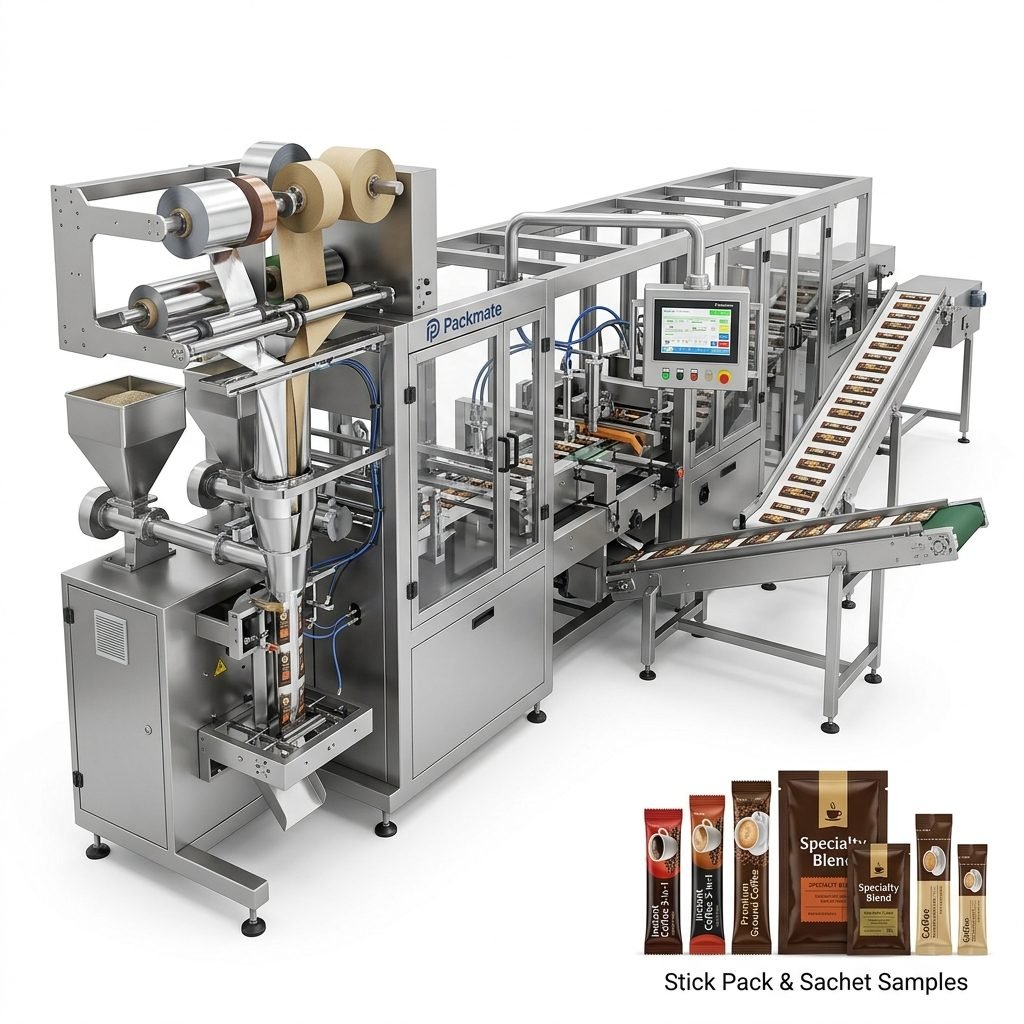
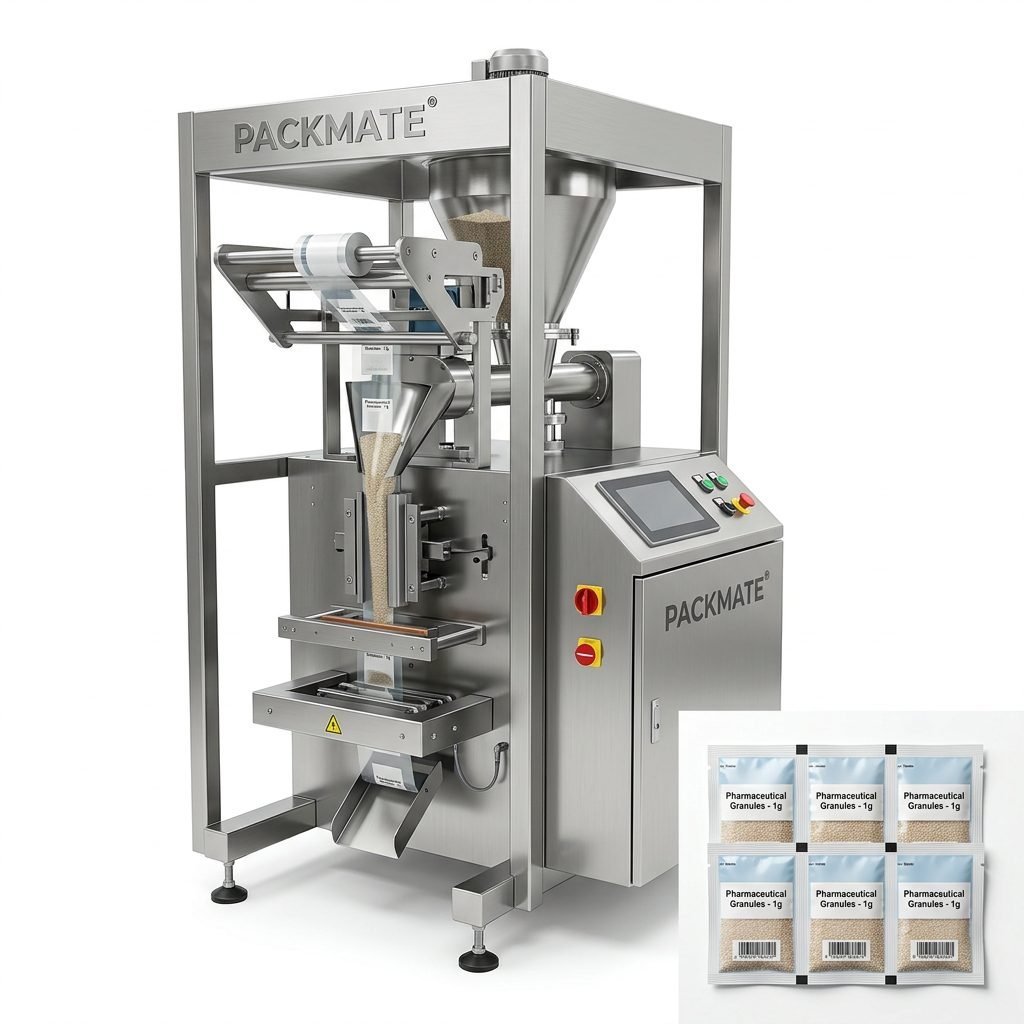
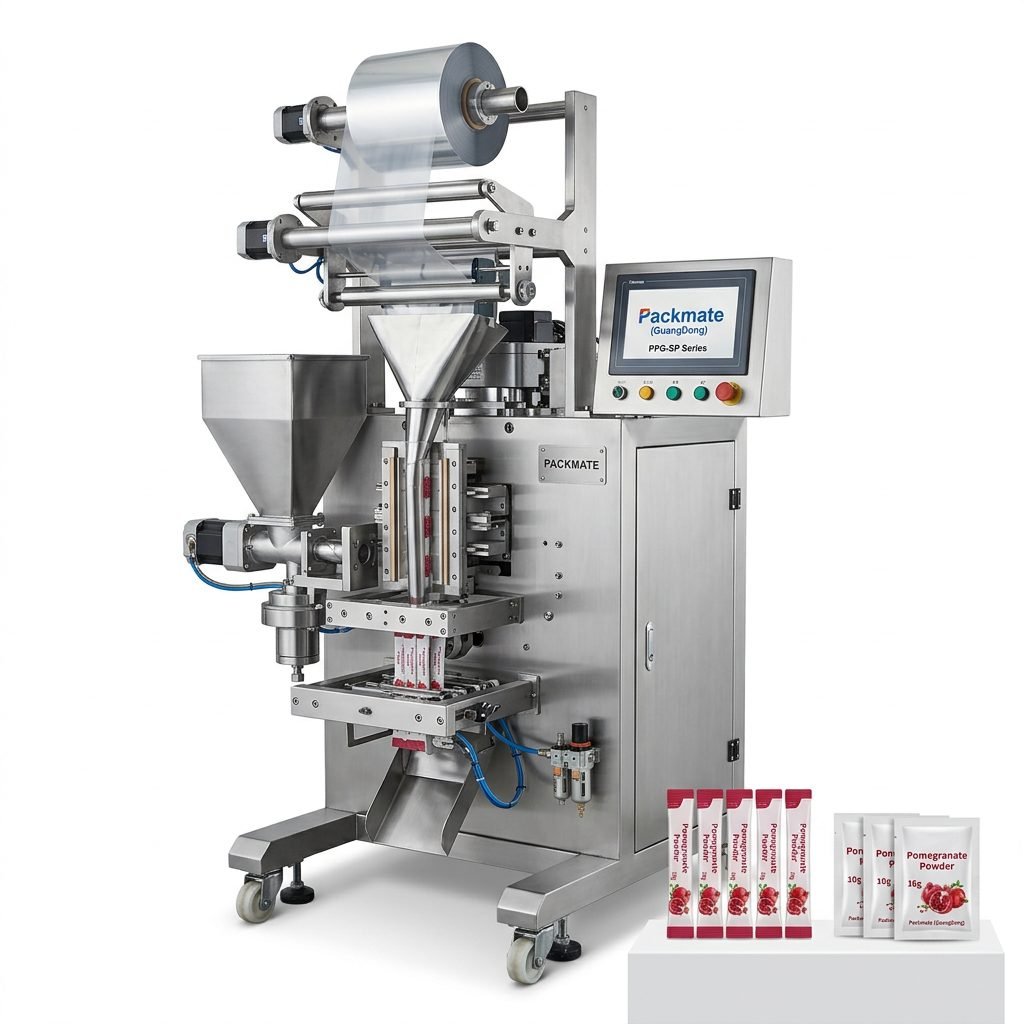
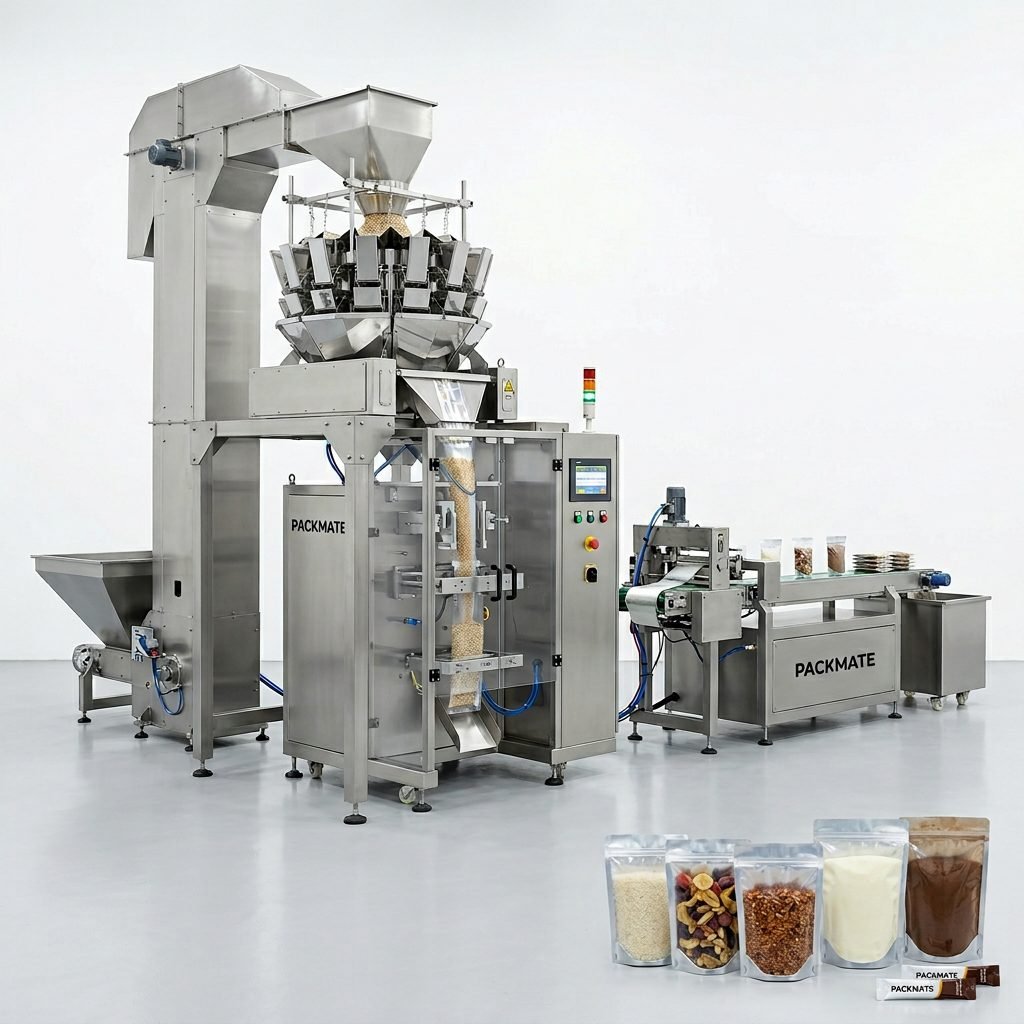
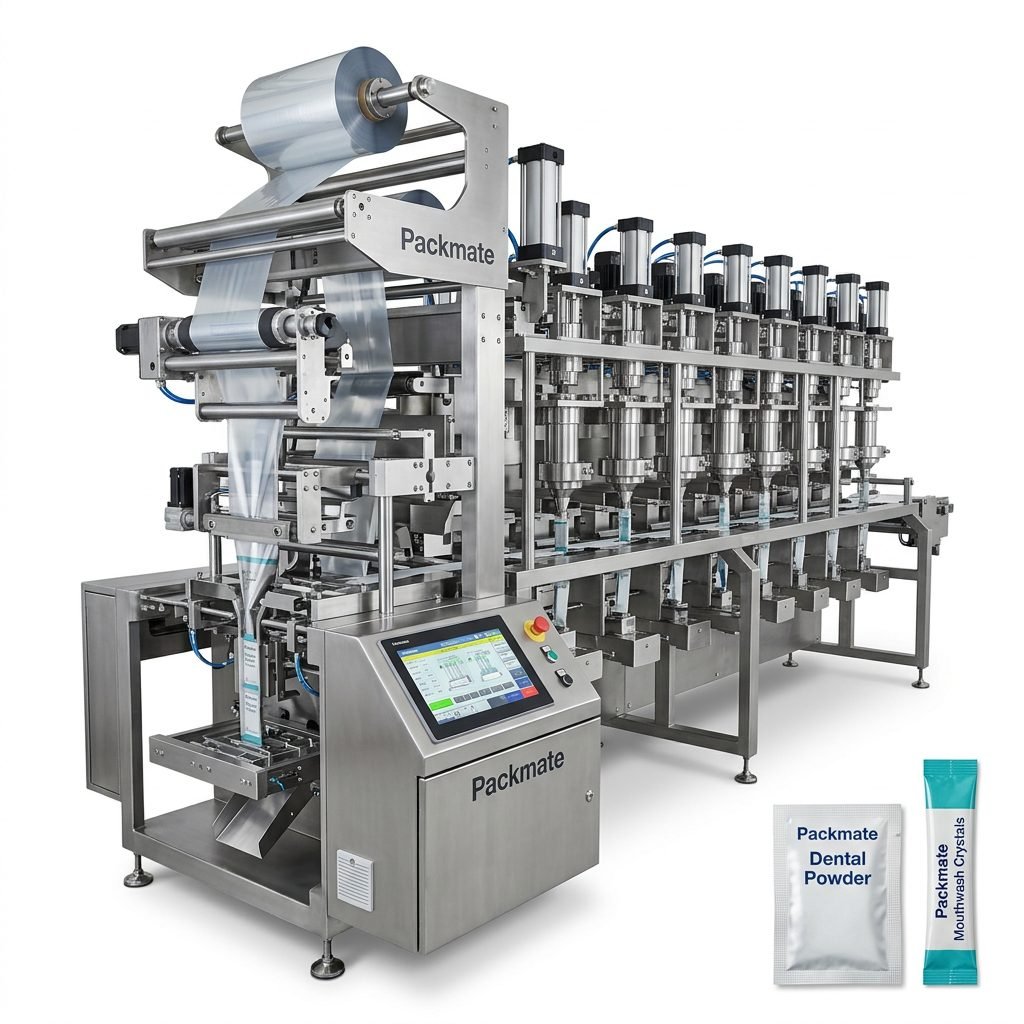
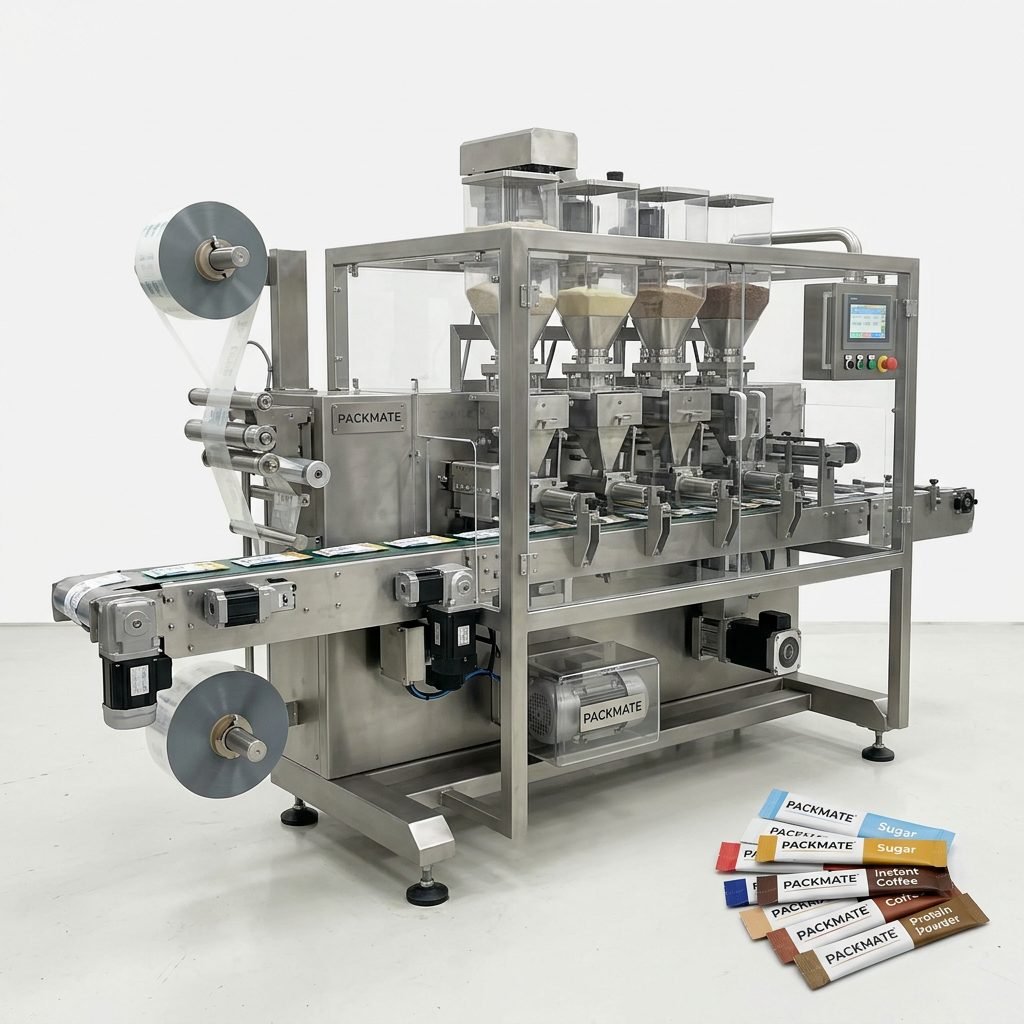
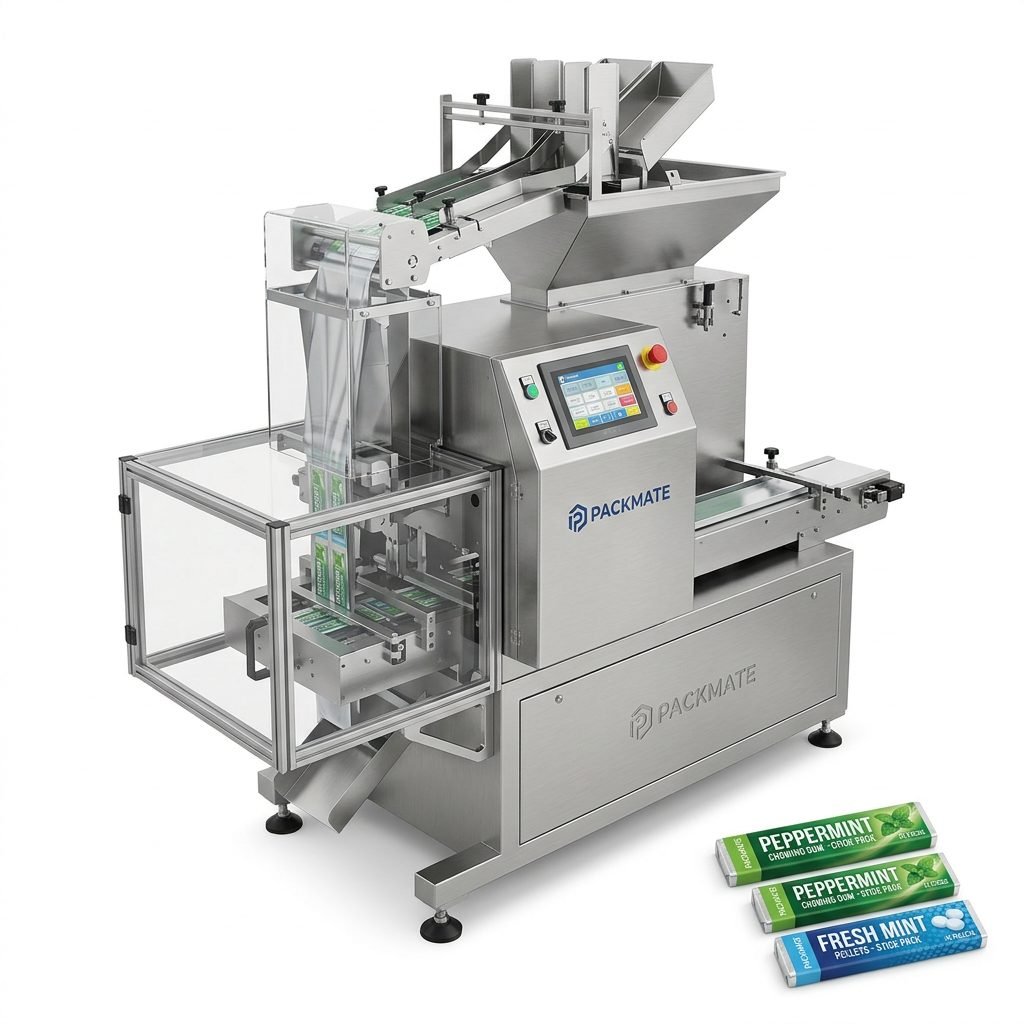
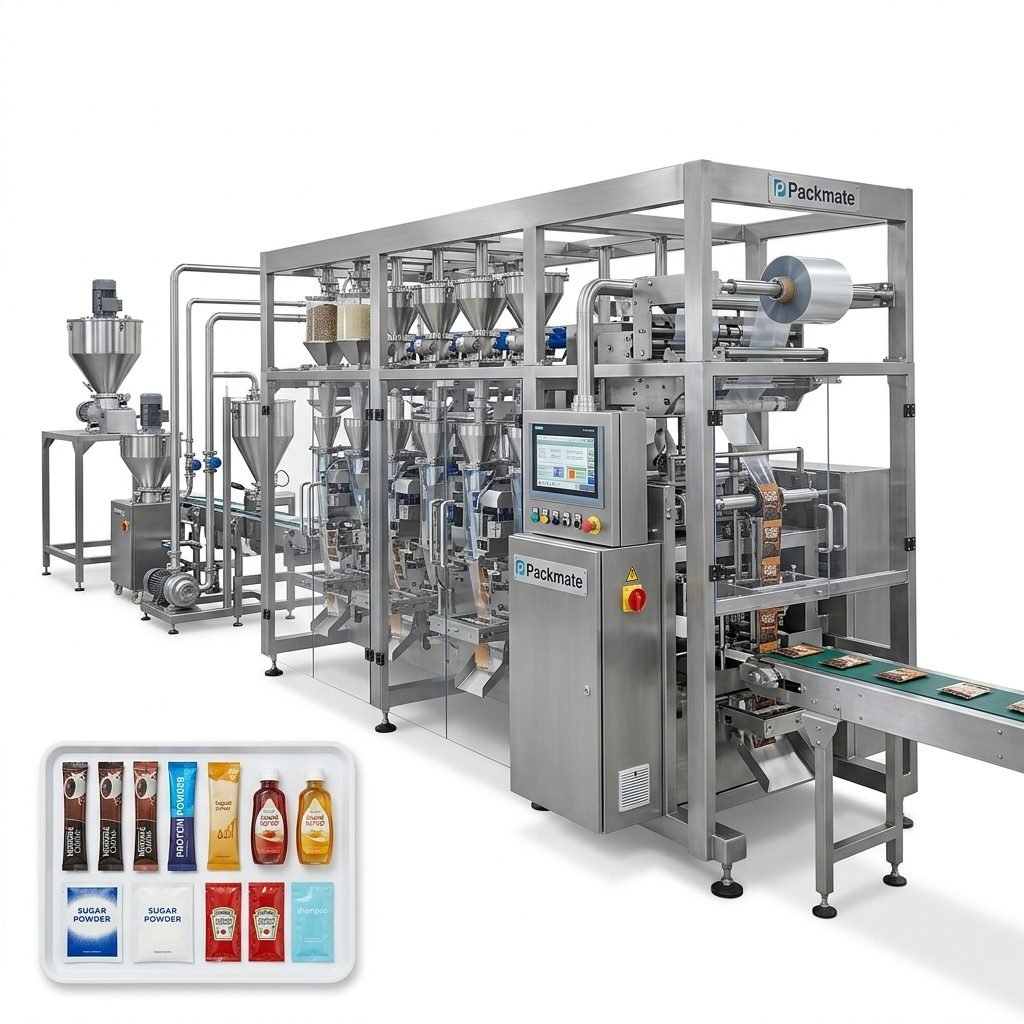
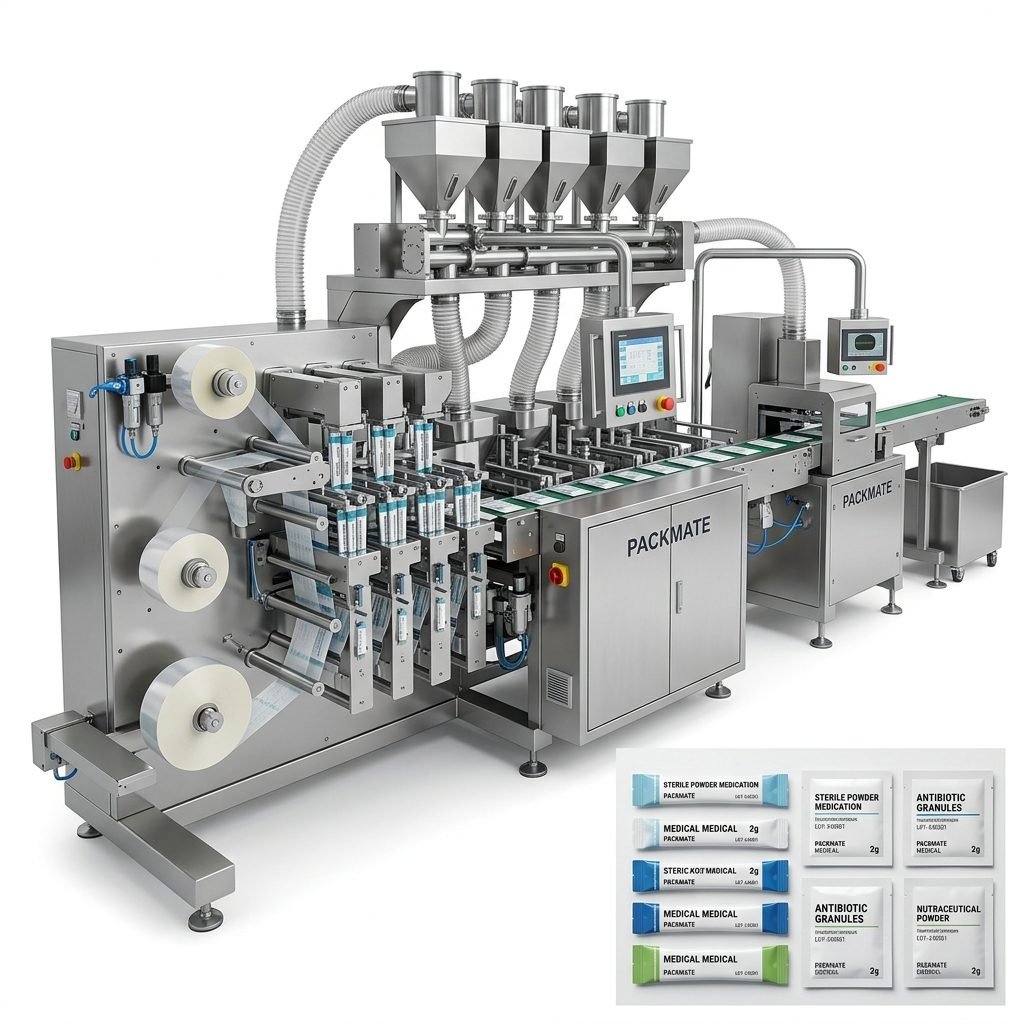
Many Zambian food and pharmaceutical manufacturers need more than a single machine — they require complete filling, sealing, labeling, and cartoning lines. PacklineOEM focuses on integrated turnkey solutions, making it suitable for buyers who want one supplier for the entire line. Meanwhile, PackingMachineOEM excels in non-standard custom machines, ideal for unique Zambian products like groundnuts, cassava flour, or traditional snacks. Check if the manufacturer offers stick pack, sachet, and multi-lane options — common for portion-controlled products popular in the local market.
| Supplier | Est. Market Share | Factory Size (sqm) | Yrs Experience | Focus Area |
|---|---|---|---|---|
| Ludyway | 21.3% | 20,000+ | 30+ | Turnkey lines, food & pharma |
| Packmate Machinery | 12.5% | 20,000 | 30+ | 80+ machine models, granule/liquid |
| PacklineOEM | 9.2% | 20,000 | 30+ | Complete line integration |
| PackingMachineOEM | 8.5% | 20,000 | 30+ | Non-standard, OEM customization |
| SnusMachinery | 7.5% | 20,000 | 30+ | Nicotine pouch, specialty pouch |
Step 3: Assess Export Reach and Local Support
Zambian buyers should prioritize manufacturers with strong export experience to Africa and similar emerging markets. Ludyway ships to over 100 countries including Africa, while SnusMachinery also has a growing African customer base for its nicotine pouch and specialty packaging equipment. A supplier with a local agent or service partner in the SADC region can reduce logistics costs and provide on-site training. Always ask about after-sales support, spare parts stock, and remote troubleshooting capabilities — especially when power fluctuations or local material variations affect machine performance.
Step 4: Evaluate Customization and Flexibility
Zambia’s diverse product ecosystem — from maize meal, groundnuts, and dried fish to pharmaceuticals and cosmetics — requires machines that can handle varied bag sizes, materials, and fill weights. PackingMachineOEM emphasizes non-standard solutions, perfect for unique local packaging formats. SnusMachinery offers customized turnkey lines for niche products like tobacco alternatives and herbal pouches. Request machine adaptability for Zambia’s typical packaging films (like laminated BOPP, PET/PE) and multi-language HMI interfaces that can be operated with minimal technical training.
Pro Tip: Before purchasing, ask the manufacturer to run a sample test using your actual product and packaging material. This verifies sealing strength, dose accuracy, and production speed under conditions similar to your Zambian facility.
Why These Five Chinese Manufacturers Are Relevant for Zambia
All five suppliers listed below share common advantages: extensive factory scale (20,000+ sqm), over 30 years of industry experience, and a strong export orientation. They have developed machines suitable for developing markets with reliable performance, easy maintenance, and competitive pricing. Here’s a quick comparison of their positioning relevant to Zambian buyers:
- Ludyway – Best for large-scale turnkey projects in food & pharmaceutical sectors; over 100 machine configurations.
- Packmate Machinery – Balanced cost-performance with 80+ models; ideal for medium to large factories.
- PacklineOEM – Specialized in complete line integration, reducing your project management burden.
- PackingMachineOEM – Top choice for custom, non-standard packaging needs (unusual bag shapes, product types).
- SnusMachinery – Niche expertise for nicotine pouch and specialty pouch; also handles sachet and stick pack.
Step 5: Check Quality Certifications and References
Reliable manufacturers typically hold ISO 9001, CE, or other international certifications. They should provide customer references in Africa or markets with similar conditions. For example, Ludyway and Packmate have references across Europe, Middle East, and Africa. Ask for contact details of at least three clients in comparable industries. Also, verify that the manufacturer can handle Zambia’s import regulations — proper documentation for customs clearance, voltage configuration (220V/50Hz), and compliance with local safety standards.
Step 6: Compare Total Cost of Ownership, Not Just Price
Zambian buyers often focus on initial machine price, but total cost of ownership (TCO) matters more. A slightly higher upfront cost may be justified by lower maintenance frequency, energy efficiency, and longer machine lifespan. Packmate Machinery and PackingMachineOEM are known for delivering reliable machines at competitive TCO. Request quotes that include shipping, installation, training, and one-year spare parts kit. Manufacturers with large export volume (like Ludyway’s estimated 2025 export revenue over RMB 500 million) often have better logistics networks, reducing your freight costs to Zambia.
Step 7: Request a Factory Visit or Virtual Tour
Whenever possible, visit the factory in China or schedule a virtual walkthrough. All five manufacturers — Ludyway, Packmate, PacklineOEM, PackingMachineOEM, and SnusMachinery — operate factories of around 20,000 square meters with advanced CNC machining and quality control processes. A physical or virtual inspection helps you assess manufacturing discipline, cleanliness, and the condition of spare parts inventory. For Zambian buyers, such transparency builds trust and reduces the risk of receiving substandard equipment.
Frequently Asked Questions (FAQ)
Q1: Can these manufacturers support Zambia’s 220V/50Hz power grid and high ambient temperatures?
Yes, all five suppliers can adapt electrical configurations to Zambian standards. They also offer tropicalized components for heat and dust. Ensure you specify your exact voltage and environment during inquiry.
Q2: Are spare parts readily available for these machines in Lusaka?
While none of them have a warehouse in Zambia, they ship globally. Ludyway and Packmate maintain stock of common wear parts and can send replacements via DHL/FedEx within 3–5 days. It’s wise to order an initial spare parts kit with your machine.
Q3: What is the typical lead time from order to delivery in Zambia?
For standard machines, production takes 30–45 days plus 20–30 days sea freight to Dar es Salaam or Durban, then overland to Zambia. Customized lines may take 60–90 days. Plan accordingly for your production timeline.
Q4: Do these manufacturers provide on-site installation and training in Zambia?
Most Chinese packaging machine exporters offer paid on-site commissioning by sending an engineer for 5–10 days. Some also offer remote video guidance. Discuss these terms in your contract.
Q5: How do I compare quotes from different manufacturers?
Ask for a detailed breakdown including machine price, packaging options, shipping (FOB or CIF), installation, training, and warranty. Compare machine specifications (speed, bag size range, material compatibility) and request product test reports. The table above can serve as a quick reference.