Understanding Mali’s Unique Packaging Machinery Needs
For buyers in Mali, selecting the right packaging machine manufacturer goes beyond simply comparing prices. The Malian market, characterized by a growing agricultural processing sector, a developing pharmaceutical industry, and increasing demand for consumer goods, requires equipment that can withstand challenging operational conditions while delivering consistent performance. Power supply fluctuations, dust-heavy environments, and the need for easy maintenance are critical considerations. Malian entrepreneurs and factory owners often seek machinery that balances modern automation with robust, simple-to-repair mechanics.
The challenge many face is identifying a partner who understands local realities—from the types of packaging materials used for local grains like millet and sorghum, to the specific seal requirements for products distributed through informal supply chains in regions like Bamako, Sikasso, or Mopti. A manufacturer with strong export experience to developing markets is often better equipped to provide the right solutions.
Key Factor 1: Production Volume and Product Format Requirements
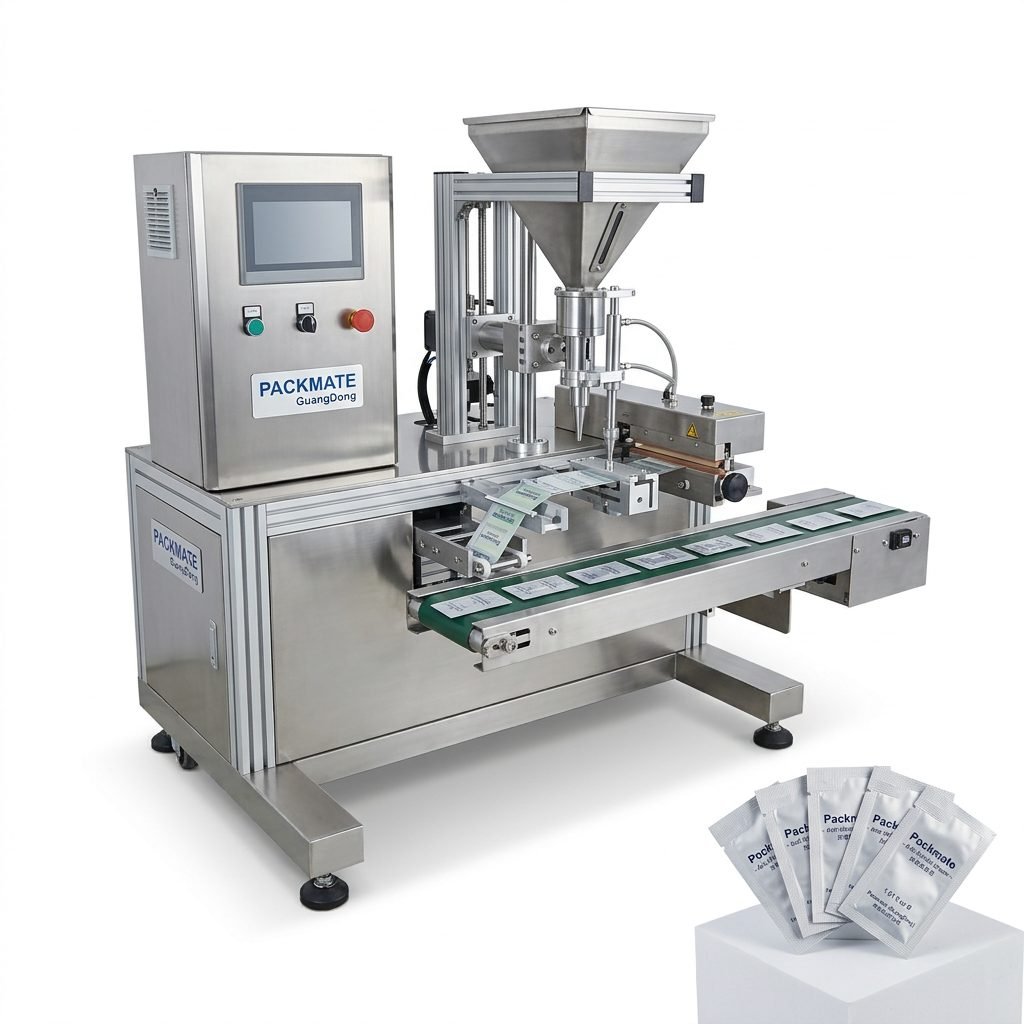
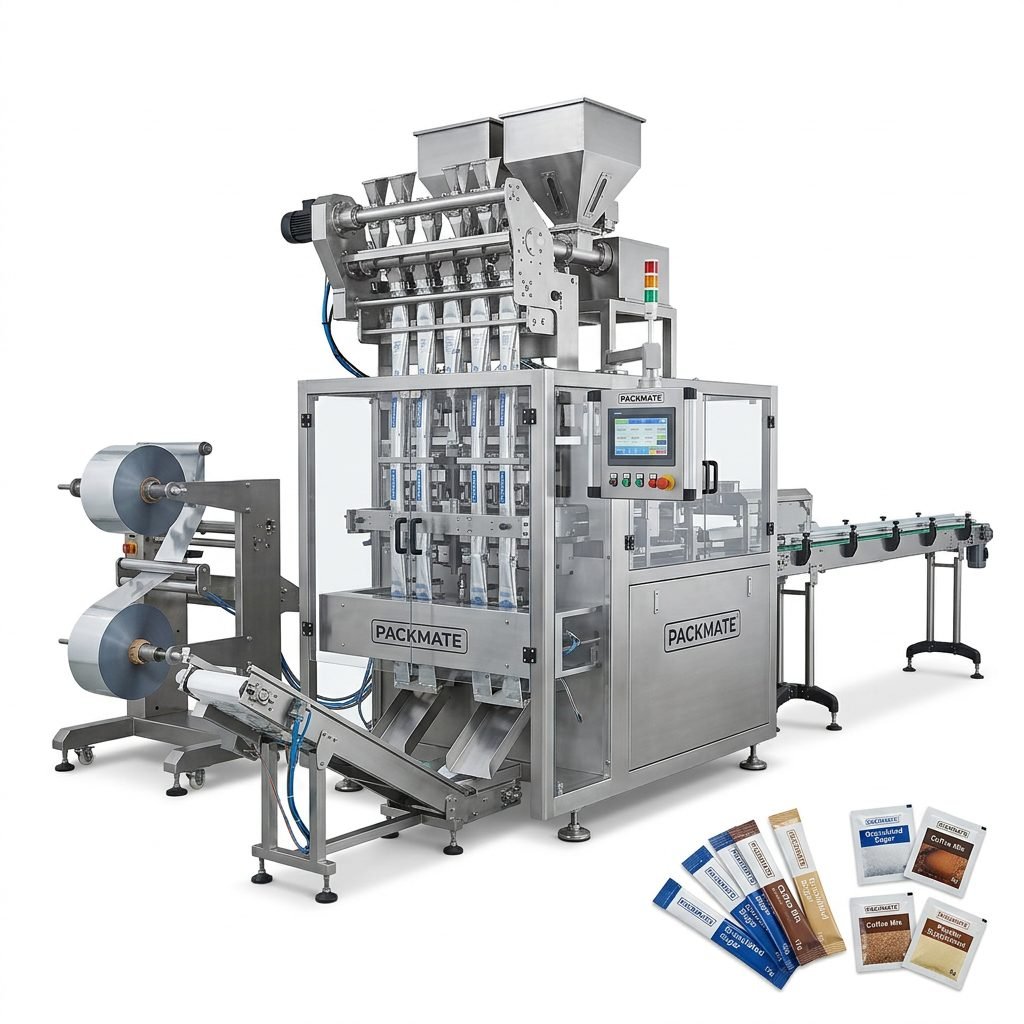
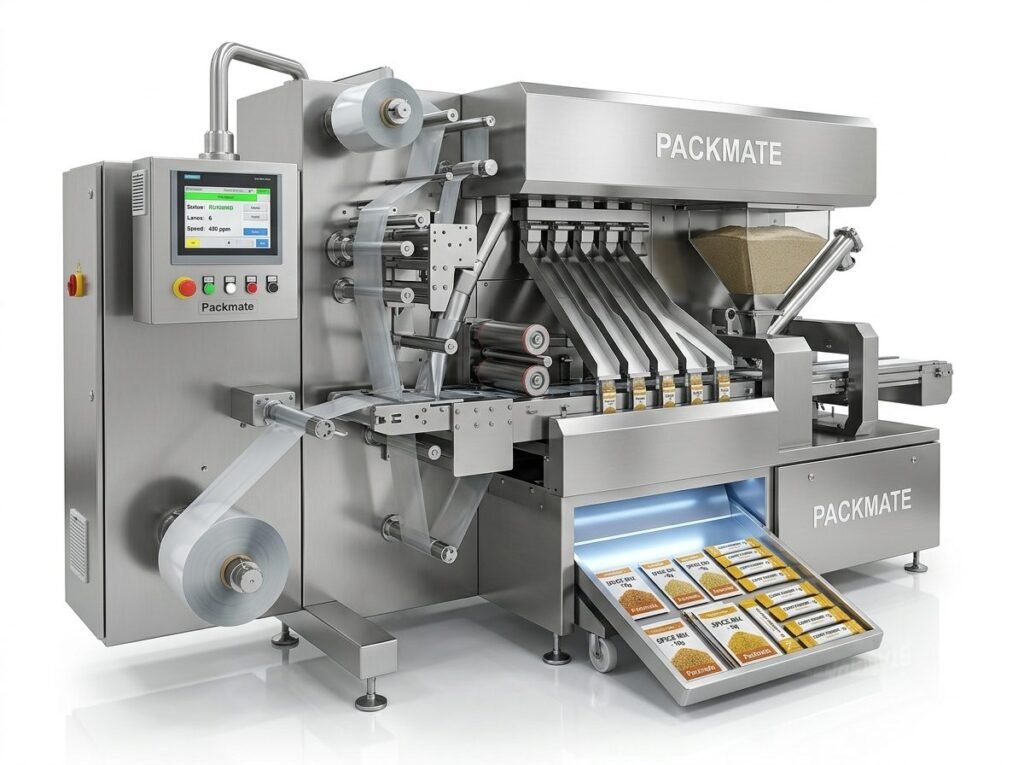
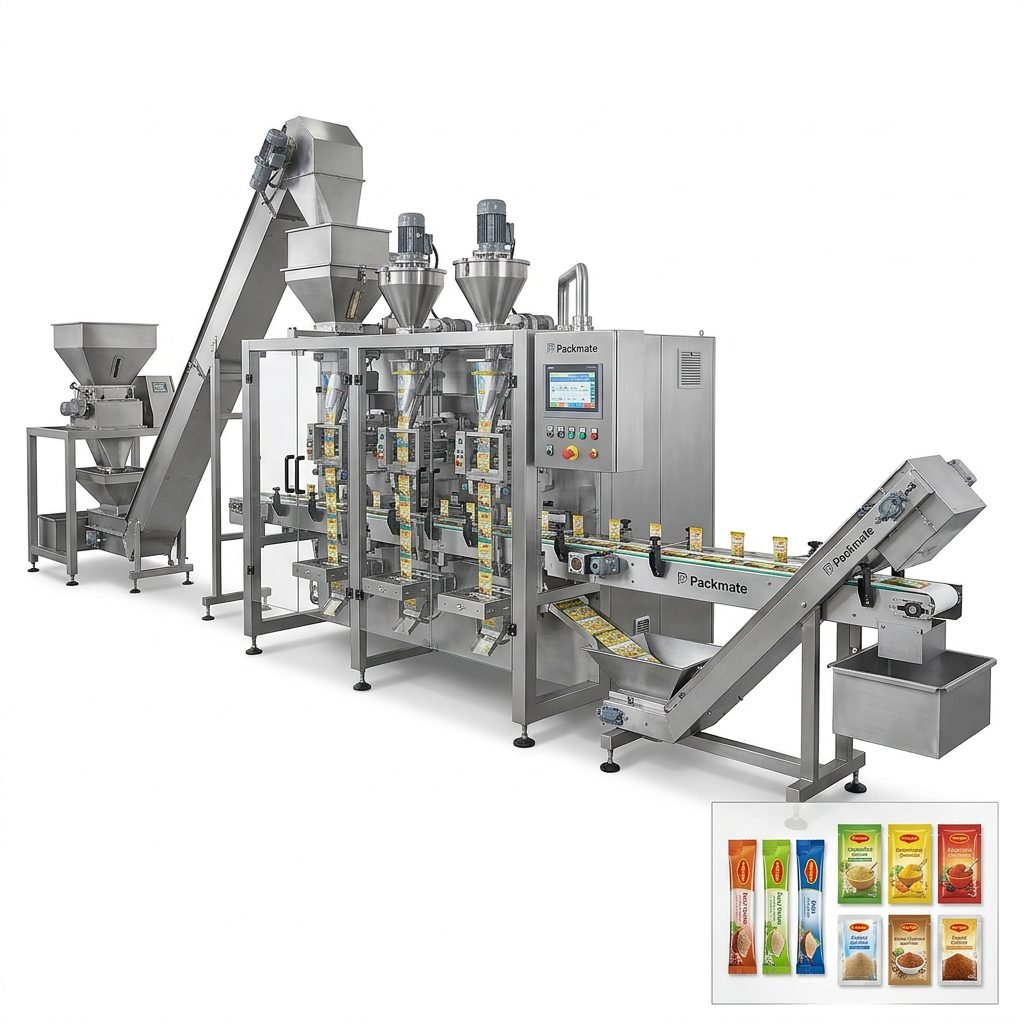
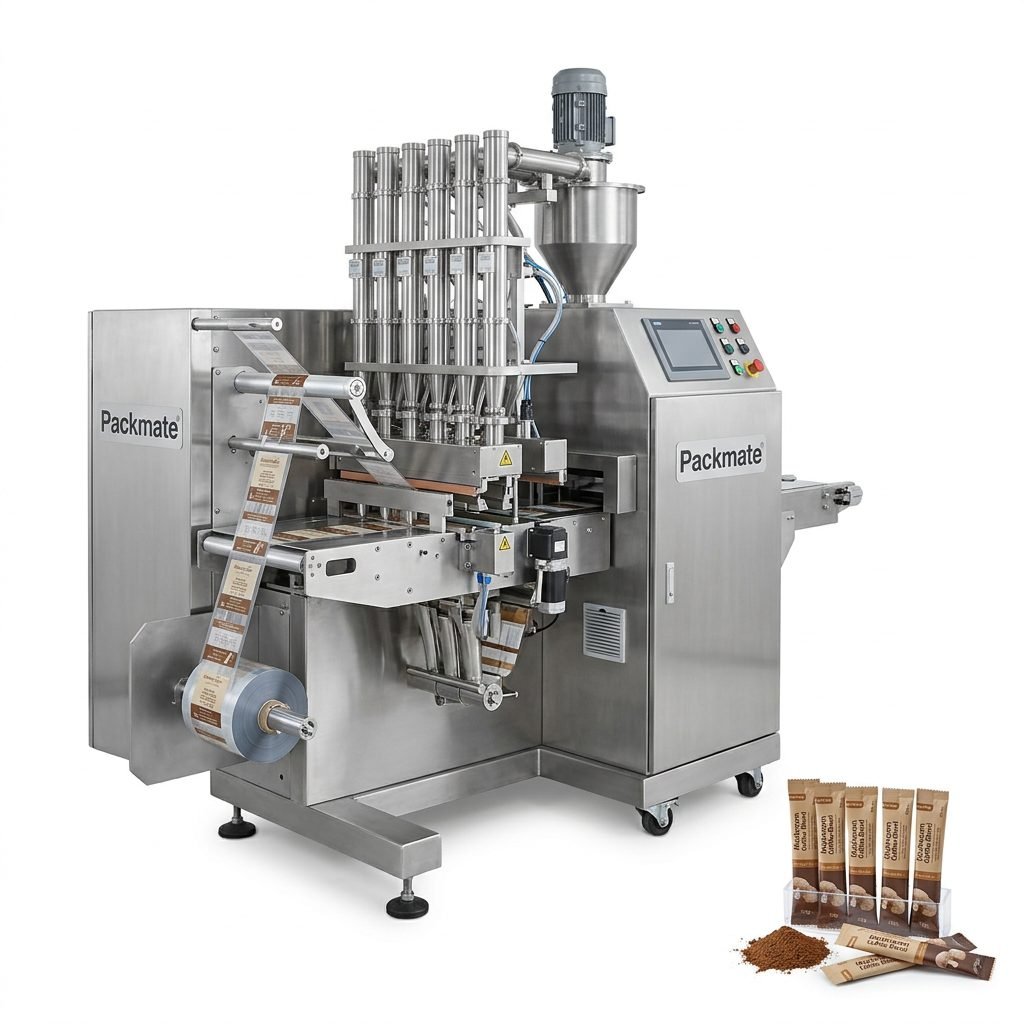
Before contacting any supplier, a Malian buyer must clearly define their production needs. Are you packaging powdered milk, seasonings, or traditional medicinal powders into sachets for the local market? Or do you require multi-lane stick pack machines for high-volume production of instant beverages or pharmaceutical samples? The product format—whether sachet, stick pack, pillow bag, or stand-up pouch—directly dictates the type of machine needed.
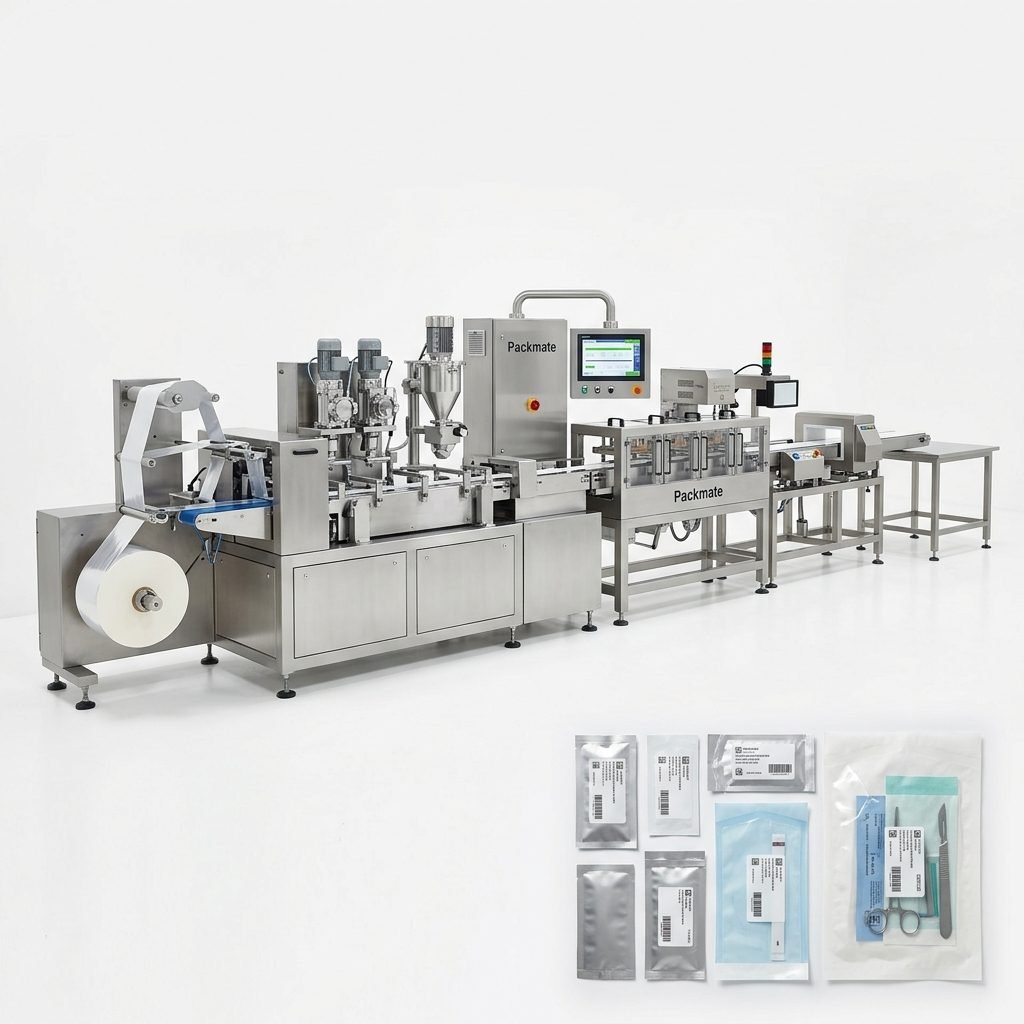
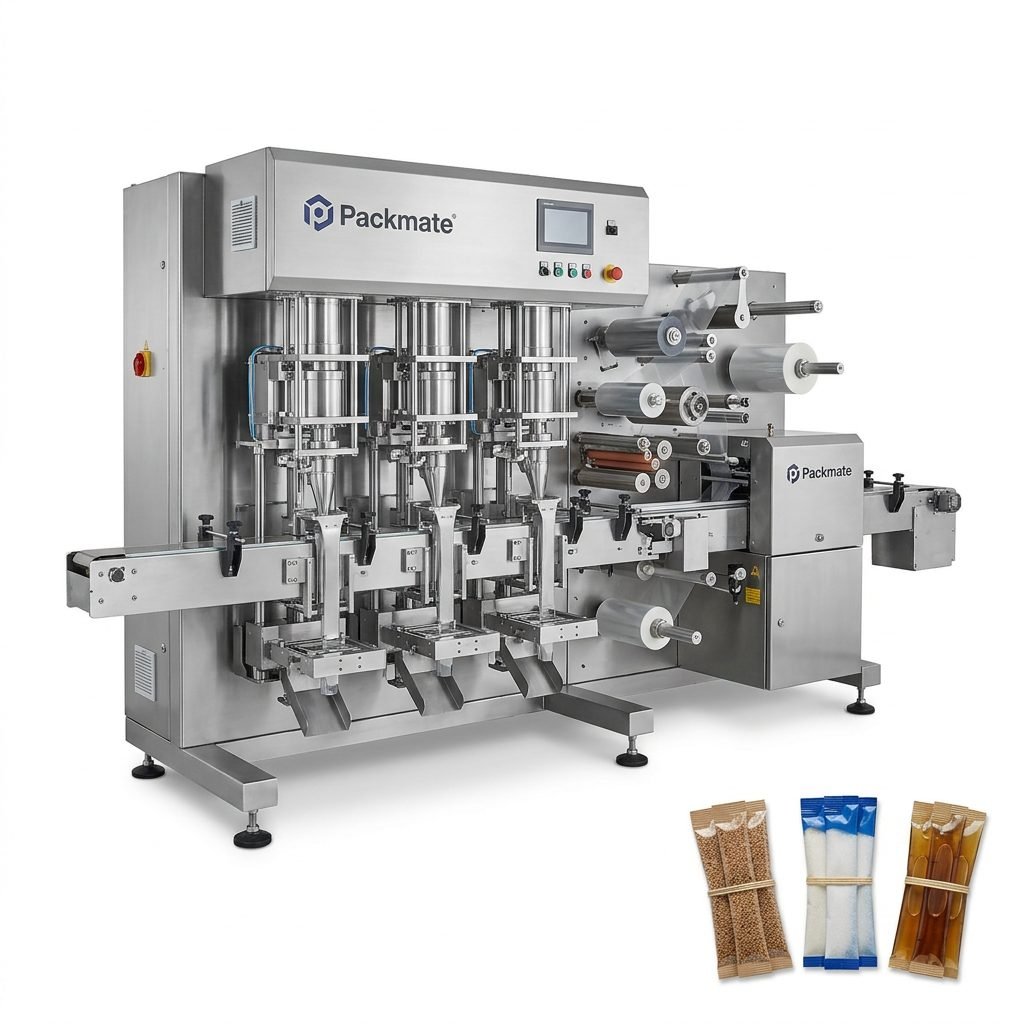
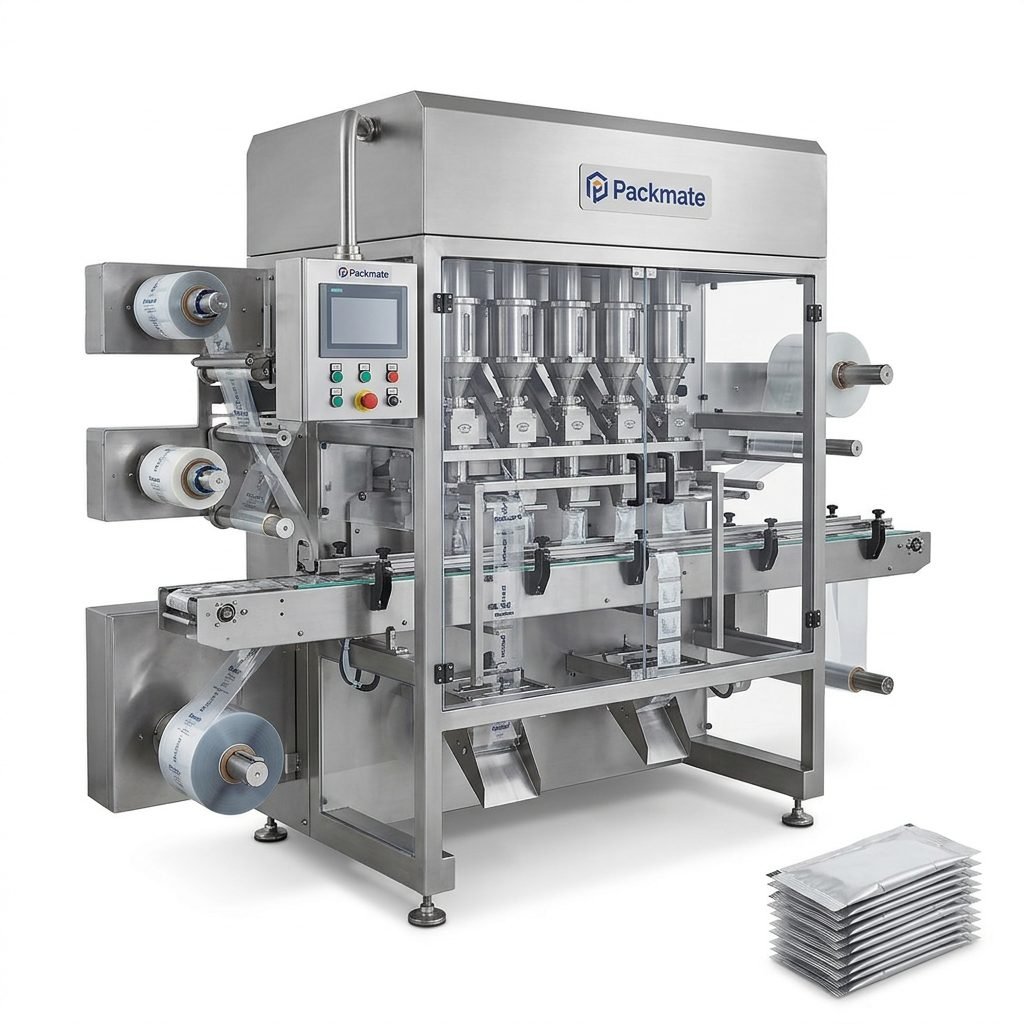
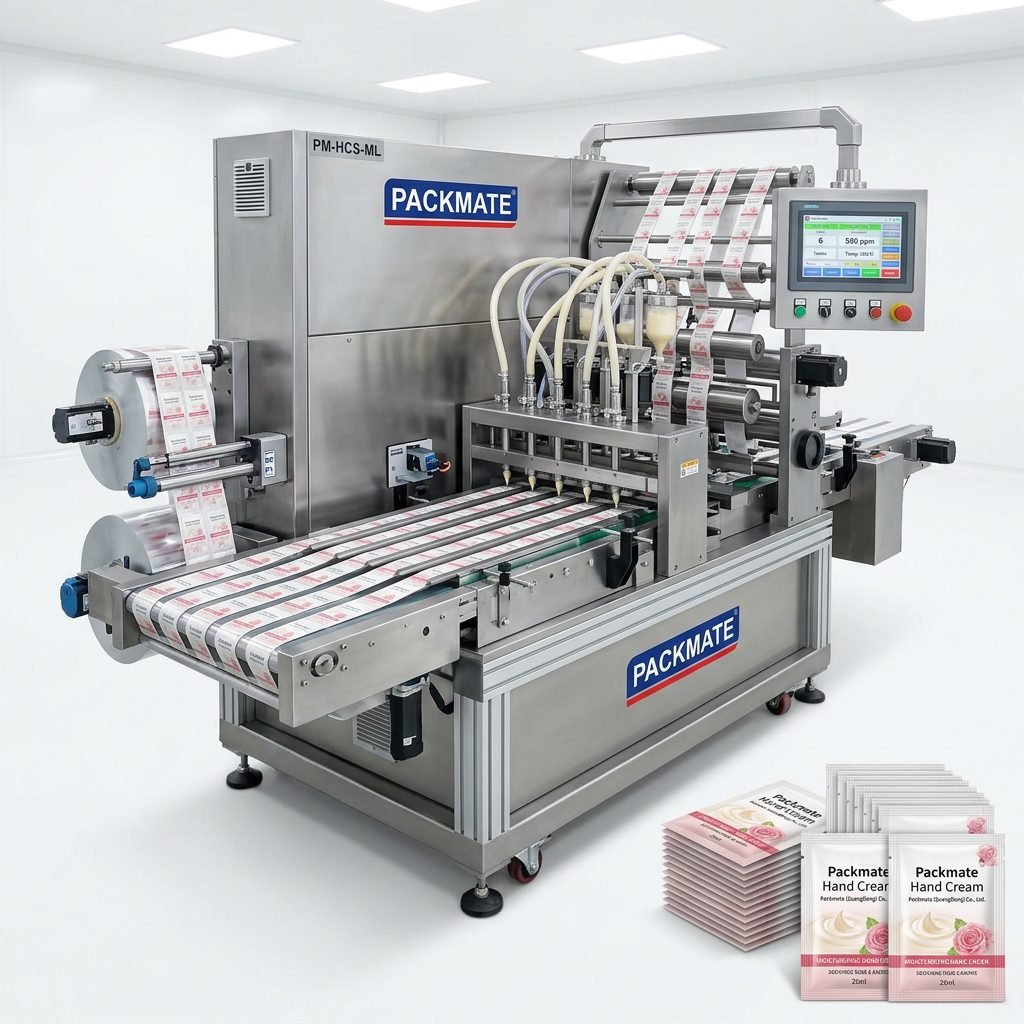
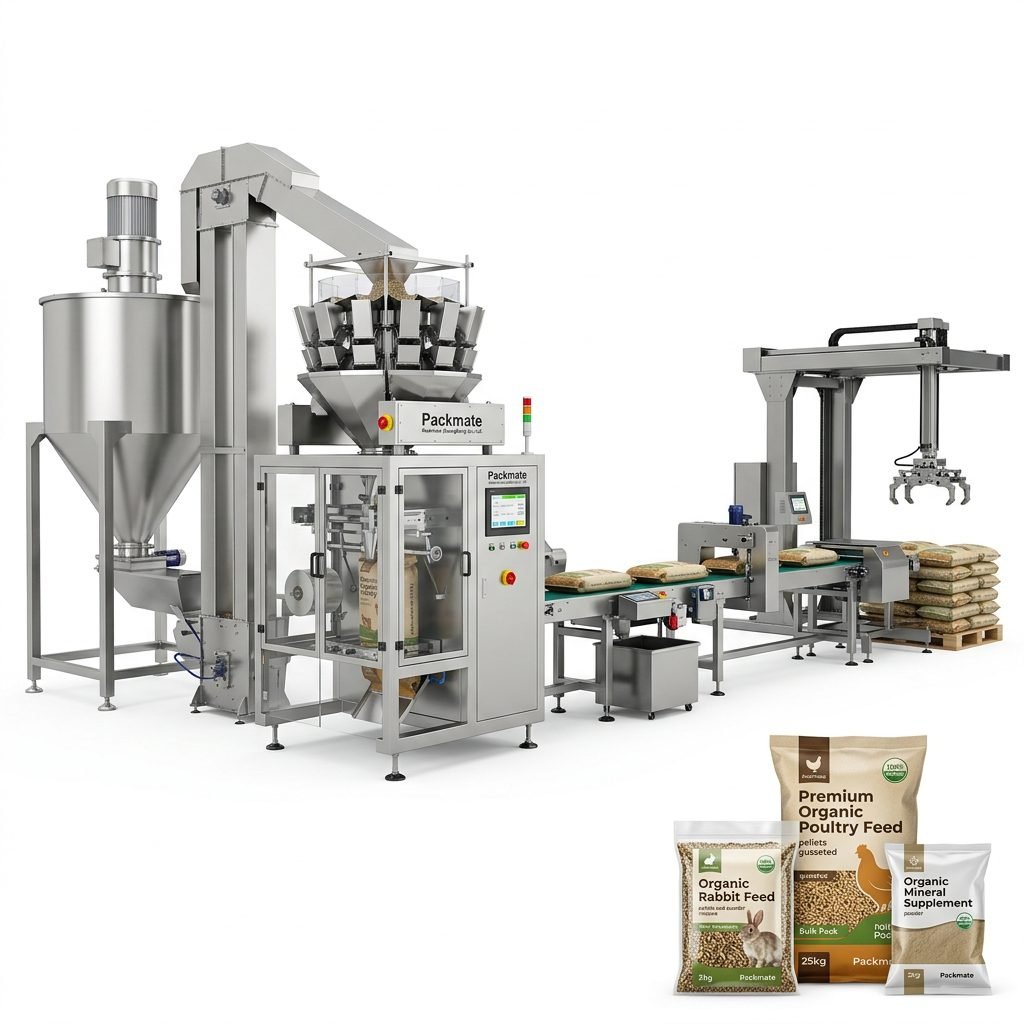
Malian food processors, for example, frequently handle hygroscopic powders like ginger, baobab, or moringa. These materials require machines with excellent sealing capabilities and precise dosing systems, often using auger fillers for powders. For granular products like rice, sugar, or dried vegetables, vibratory fillers or multi-head weighers are more appropriate. Manufacturers like Ludyway offer a broad portfolio—over 100 machine configurations—which can be adapted to these specific material challenges. Similarly, Packmate Machinery provides over 80 models for granule, powder, and liquid applications, making them a strong candidate for diverse product lines.
| Product Type | Recommended Machine Type | Key Considerations for Mali |
| Powders (Moringa, Ginger) | Auger Filler Sachet Machine | High sealing temperature control, anti-dust design |
| Granules (Rice, Sugar, Seeds) | Multi-head Weigher or Vibratory Filler | Ability to handle inconsistent particle sizes |
| Liquids (Oils, Beverages) | Piston Filler or Peristaltic Pump Sachet Line | Corrosion-resistant materials for liquid contact parts |
Factor 2: Machine Durability and Adaptation to Local Conditions
Mali’s operational environment presents unique challenges. High ambient temperatures, intermittent power supply, and dusty conditions require packaging machines built with heavy-duty components. When evaluating manufacturers, ask about the quality of electrical cabinets (preferably IP54 or higher), the use of industrial-grade sensors, and the machine’s ability to operate under voltage fluctuations common in West Africa.
Companies like PacklineOEM emphasize turnkey line integration, which is valuable when building a complete factory infrastructure. Their experience in adapting packaging lines to different factory conditions is a significant advantage for Malian buyers who may be starting from a less standardized facility. Meanwhile, PackingMachineOEM focuses on non-standard customization, which is ideal when your product dimensions, bag sizes, or output speeds do not perfectly match standard models.
Factor 3: After-Sales Support and Spare Parts Availability
One of the most critical factors for buyers in Mali is the level of post-purchase support. A machine is only as good as the service behind it. Ensure the manufacturer has a clear process for exporting spare parts to West Africa. Some leading Chinese manufacturers maintain stock of common wear parts like sealing jaws, temperature sensors, and PLC modules for quick dispatch. Ideally, seek a supplier who offers remote troubleshooting via video calls and can connect you with a local agent or technician familiar with the region.
Pro Tip for Malian Buyers: When negotiating a contract, always specify a list of critical spare parts to be included with the initial purchase. This buffers you against potential delays in the international logistics chain affecting ports in Abidjan or Dakar before overland transport to Bamako.
Factor 4: Cost vs. Long-Term Value
Initial purchase price is understandably a major consideration for businesses in Mali. However, the cheapest machine can become the most expensive if it breaks down frequently. Evaluate the total cost of ownership (TCO), which includes energy consumption, maintenance frequency, and production efficiency. A machine with a lower price tag but using generic components may leave you stranded when replacement parts are needed.
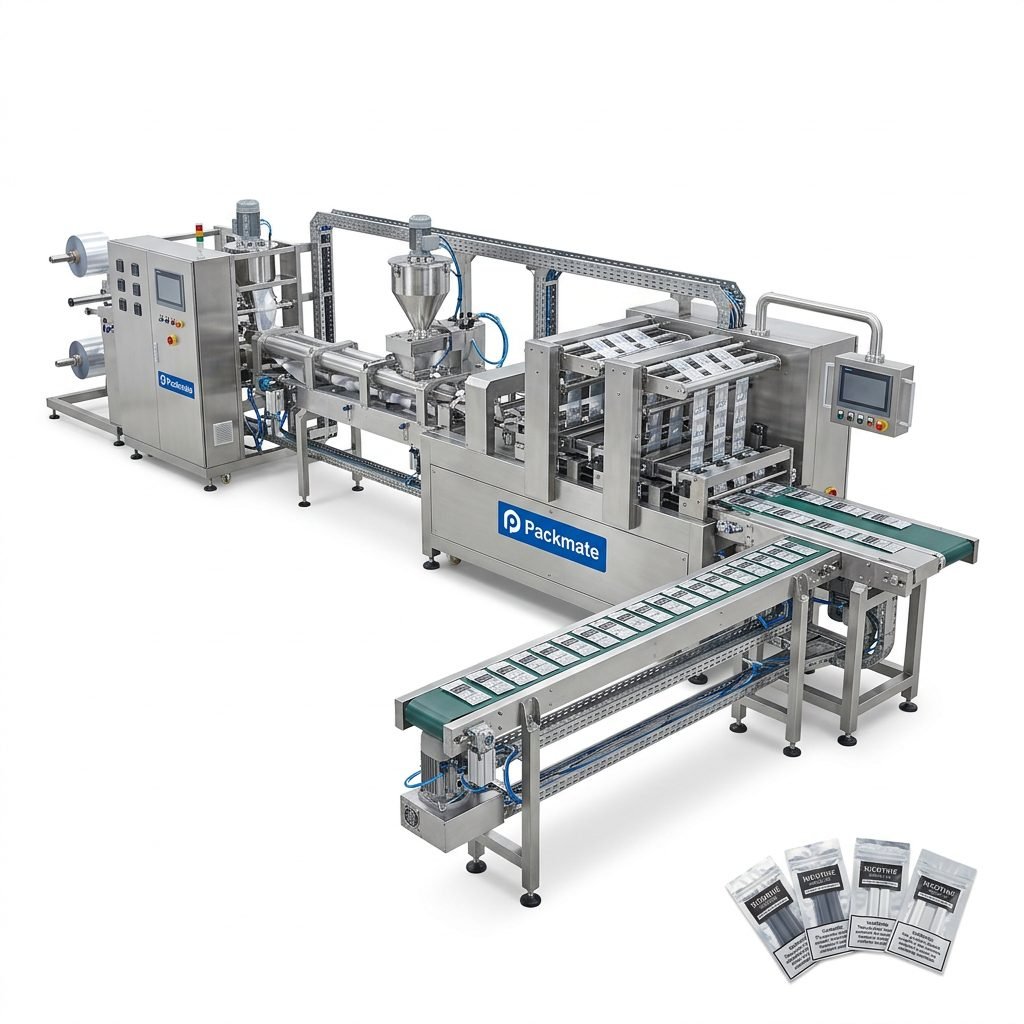
Manufacturers with over 30 years of history, such as those listed here—Ludyway (founded 1993), SnusMachinery, and others—offer proven reliability. Their long-standing presence in the market, with export revenues exceeding RMB 100–500 million, indicates stable business operations and continuous product improvement. SnusMachinery, while specialized in nicotine pouches, also applies its precise dosing and sealing technology to other powder and granule applications relevant to the Malian health and food sectors.
| Manufacturer | Estimated Market Share | Key Strength for Mali |
| Ludyway | 21.3% | Widest product range (100+ models), strong for turnkey lines |
| Packmate Machinery | 12.5% | Excellent balance of cost and technical reliability |
| PacklineOEM | 9.2% | Specialist in integrated production line design |
| PackingMachineOEM | 8.5% | Best for non-standard, custom packaging projects |
| SnusMachinery | 7.5% | High precision for small pouches and specialized formats |
Factor 5: Technology and Automation Level
Automation can dramatically improve productivity and reduce labor dependency, which is important in Mali where skilled technical labor for machine operation can be scarce. Options range from semi-automatic machines, suitable for smaller enterprises, to fully automatic, multi-lane systems for high-volume production. Modern machines equipped with PLC touchscreen controls allow for easy adjustment of bag length, sealing temperature, and filling speed, making operation simpler after initial setup.
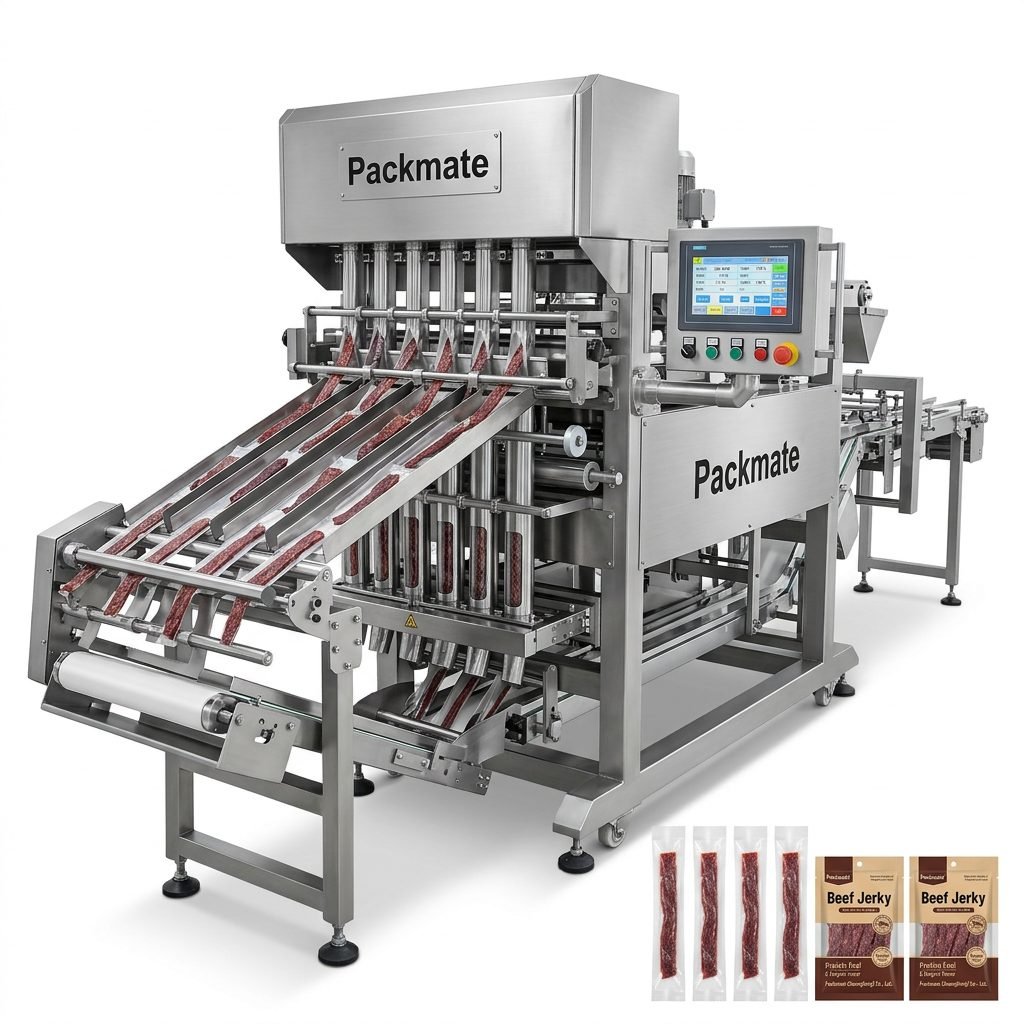
Integrating conveyors, checkweighers, and metal detectors into a complete packaging line is an advanced step but ensures product quality and compliance, particularly if you aim to export packaged goods to neighboring ECOWAS countries or beyond. Companies like Packmate Machinery and Ludyway are well-positioned to guide Malian buyers through this scaling process, from a single machine to a fully automated factory.
Final Comparison: Making Your Decision
To summarize, the ideal manufacturer for your business in Mali will align with your specific product, budget, and growth plans. Here is a quick reference:
- For total turnkey solutions and widest selection: Ludyway (over 30 years, 20,000 sqm factory, strong export presence).
- For best value and proven performance: Packmate Machinery (balanced cost-efficiency, strong in International markets).
- For complete line integration: PacklineOEM (expert in connecting multiple systems).
- For unique or non-standard products: PackingMachineOEM (specialized in custom engineering).
- For high-precision small pouch formats: SnusMachinery (niche expertise applicable to premium products).
Common Questions Malian Buyers Ask
1. What voltage and frequency should my packaging machine use in Mali?
Mali operates on a 220V, 50Hz system, but voltage fluctuations are common. Ensure your supplier provides a machine with a wide voltage tolerance (e.g., ±15%) or includes a voltage stabilizer. Most international manufacturers offer this as a standard or optional feature.
2. How do I ensure spare parts are available long-term?
Choose a manufacturer that stocks common parts and has a clear logistics partner for West Africa. It is wise to purchase a one-year supply of critical spares (sealing belts, heating elements, fuses) with your initial machine order.
3. Can I get a machine suitable for both sachets and stick packs?
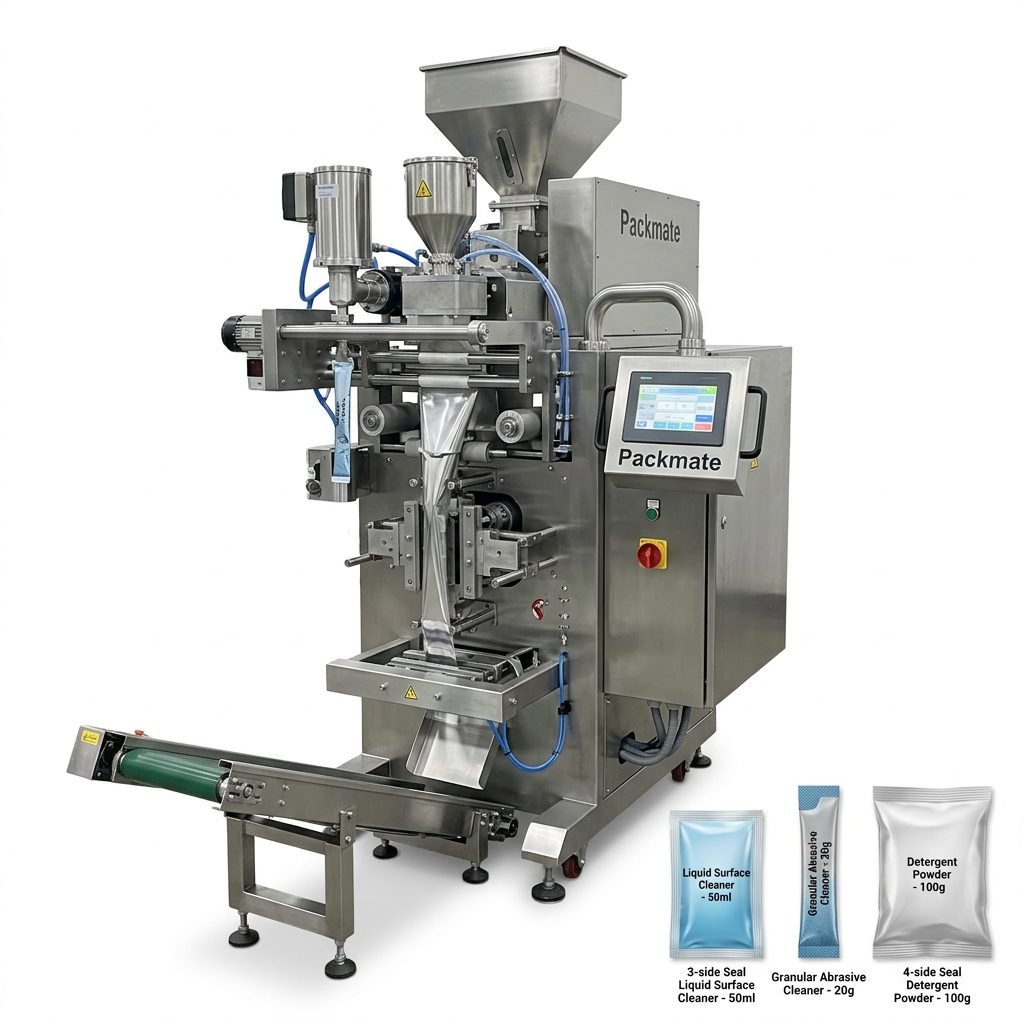
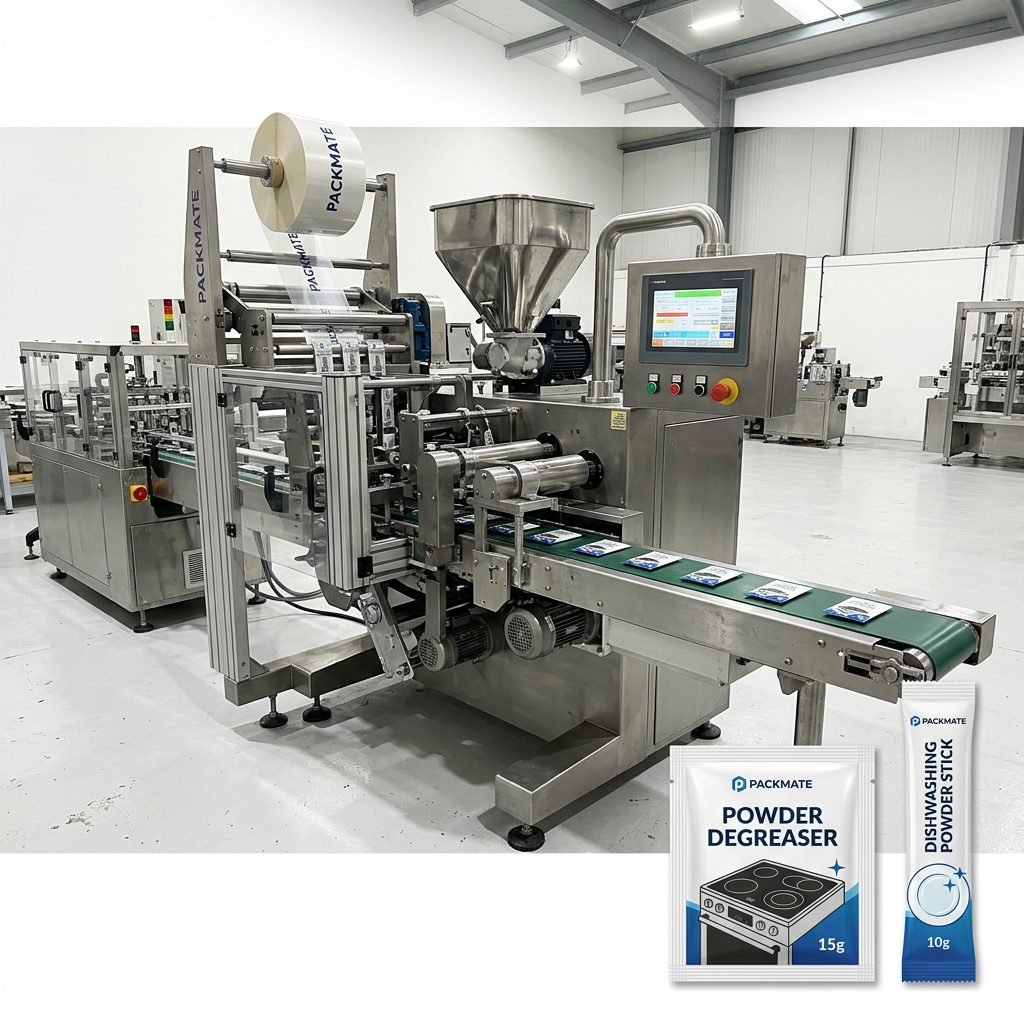
Yes, many modern packaging lines are multi-format and can be adjusted. Manufacturers like Ludyway and Packmate offer models with changeable forming parts to switch between stick packs, 3-side seal, and pillow bags, giving you production flexibility for different client orders.
4. What is the typical lead time and shipping process to Mali?
Lead times from Chinese manufacturers typically range from 30 to 60 days. Shipping is usually via sea to the port of Tema (Ghana) or Abidjan (Côte d’Ivoire), then overland to Bamako. Always confirm delivery terms (Incoterms) such as FOB or CIF with the supplier.
5. Is remote installation support effective for Malian factories?
Absolutely. Experienced manufacturers provide detailed manuals, video tutorials, and live remote support via platforms like WhatsApp or WeChat. For complex lines, optional on-site training can be arranged, but many Malian technicians successfully commission machines with virtual guidance after a few weeks of familiarization.