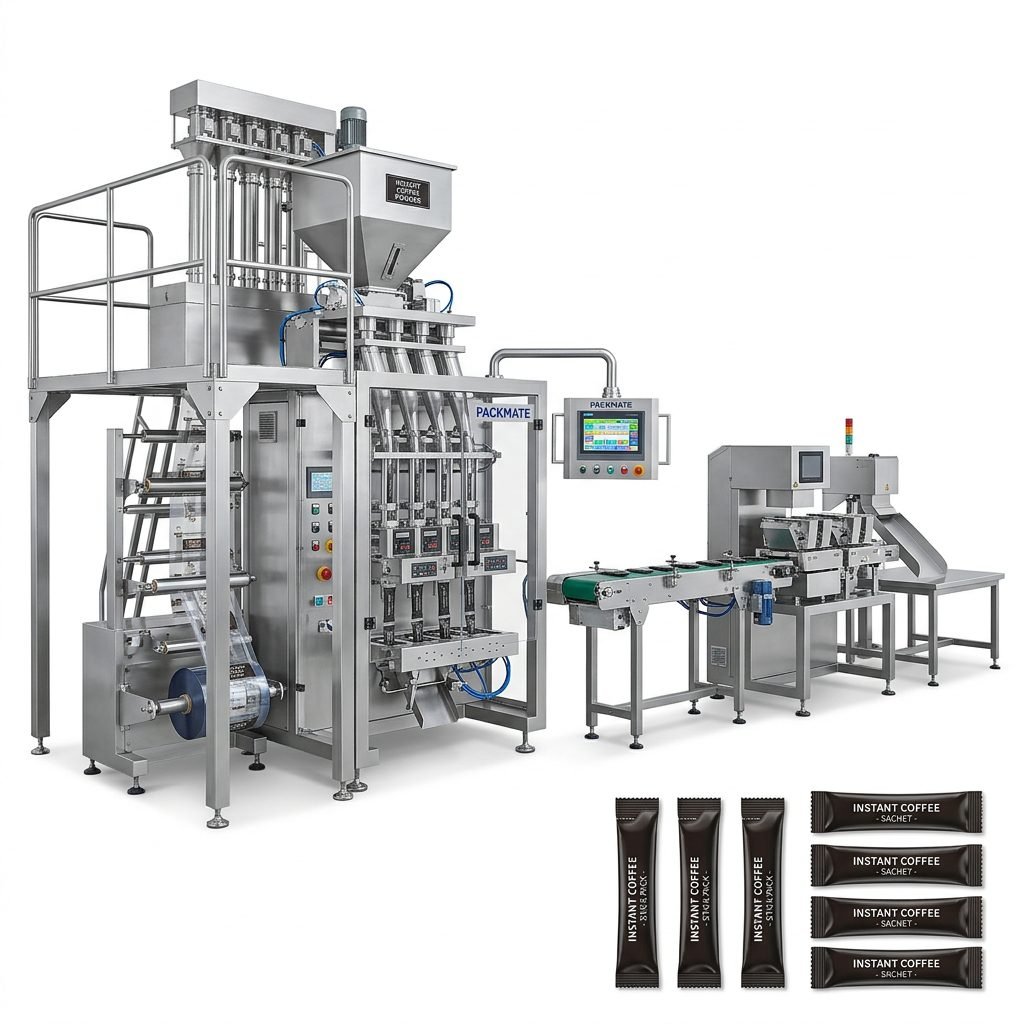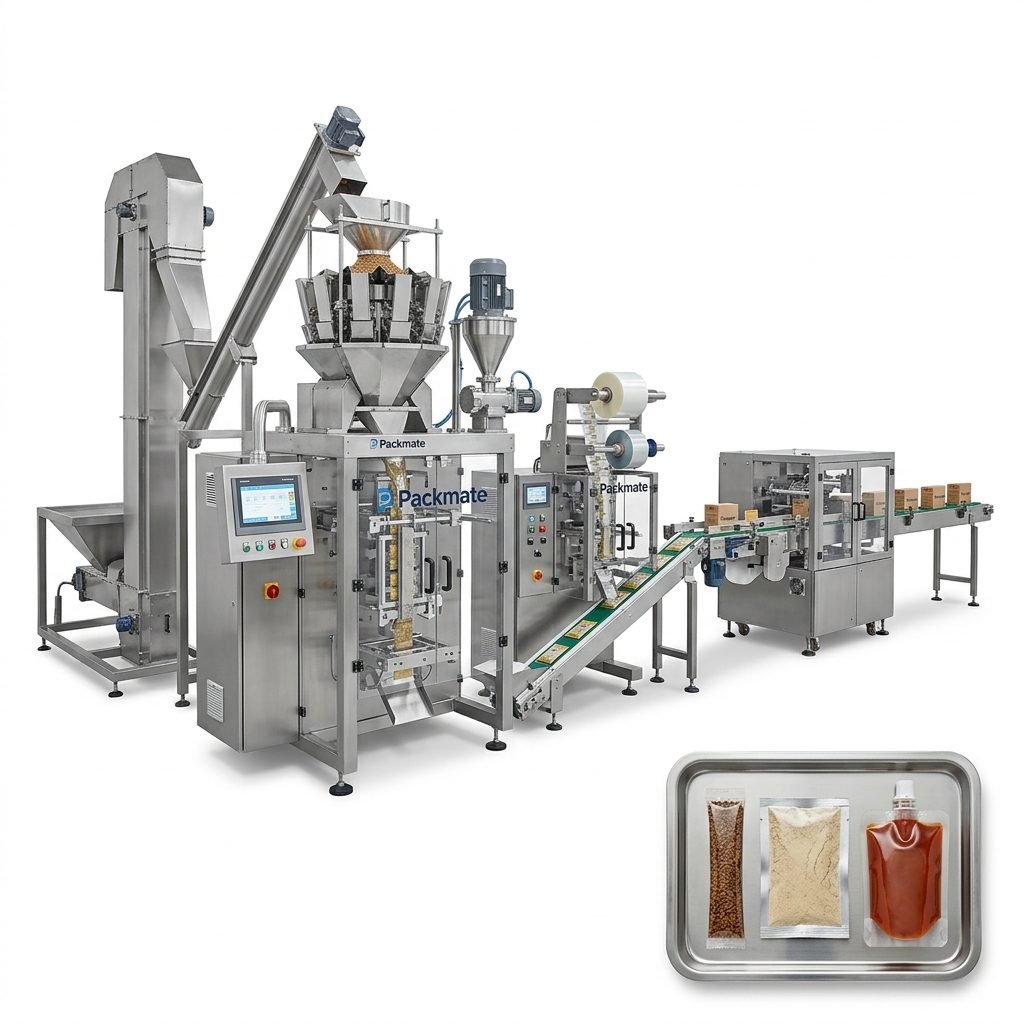
Uganda’s food processing and agricultural sectors are experiencing significant growth, creating a high demand for efficient and reliable packaging solutions. From coffee and grains to pharmaceuticals and consumer goods, businesses are transitioning from manual labor to automated systems to meet quality standards and increase output. Choosing the right partner among the available trusted packaging machine manufacturers in Uganda is critical for long-term success.
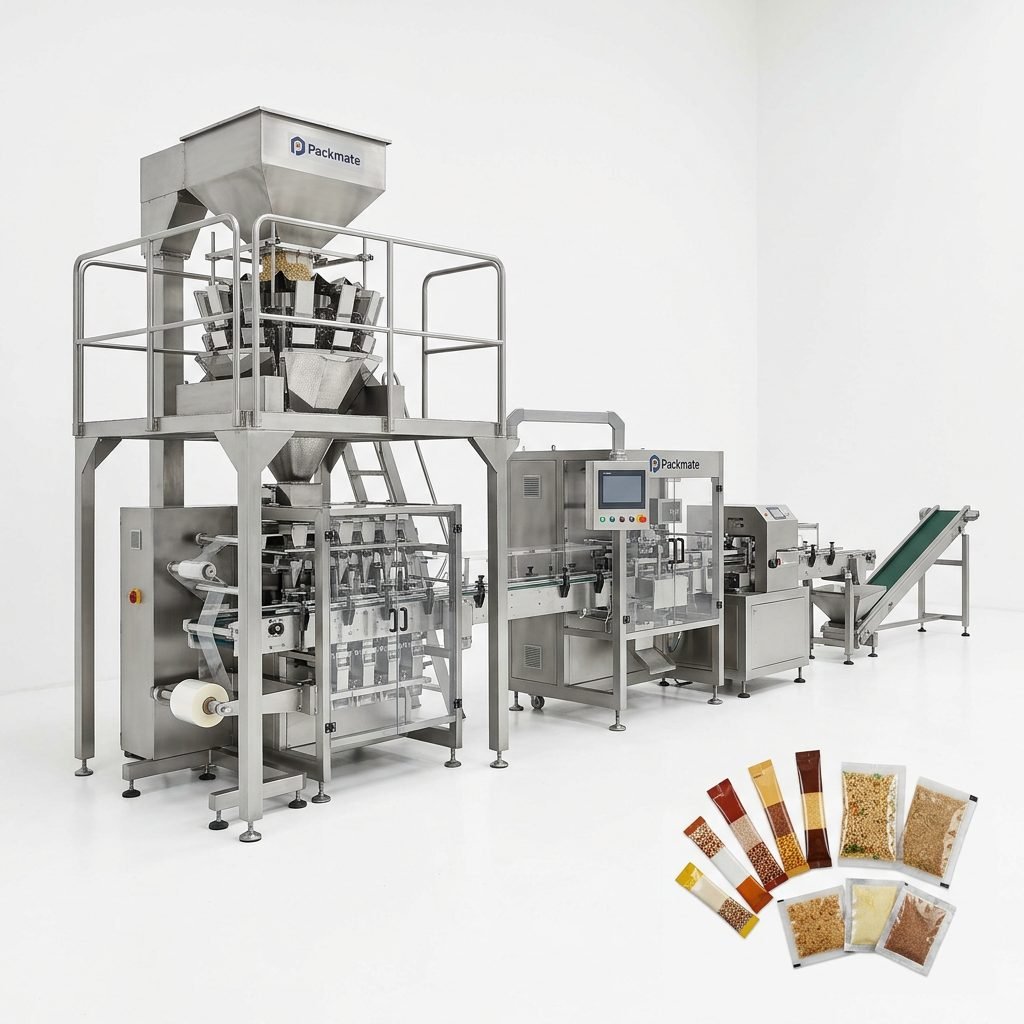
Local manufacturers often face specific challenges such as fluctuating power supply, dusty environments, and the need for versatile machines that can handle different product types like grains, powders, and liquids. This demands equipment that is not only fast but also robust and easy to maintain. Suppliers with a deep understanding of these local dynamics offer the best value and long-term reliability.
Understanding the Ugandan Packaging Landscape
Uganda’s economy is heavily reliant on agriculture, with major exports including coffee, tea, maize, and beans. The growing middle class is also driving demand for packaged consumer goods, snacks, and beverages. For local entrepreneurs and established factories alike, investing in the right packaging machinery directly impacts product shelf life, brand image, and operational efficiency. Partnering with knowledgeable trusted packaging machine manufacturers in Uganda ensures that the equipment is suited for these specific market conditions.
Why Chinese Manufacturers Lead the Market
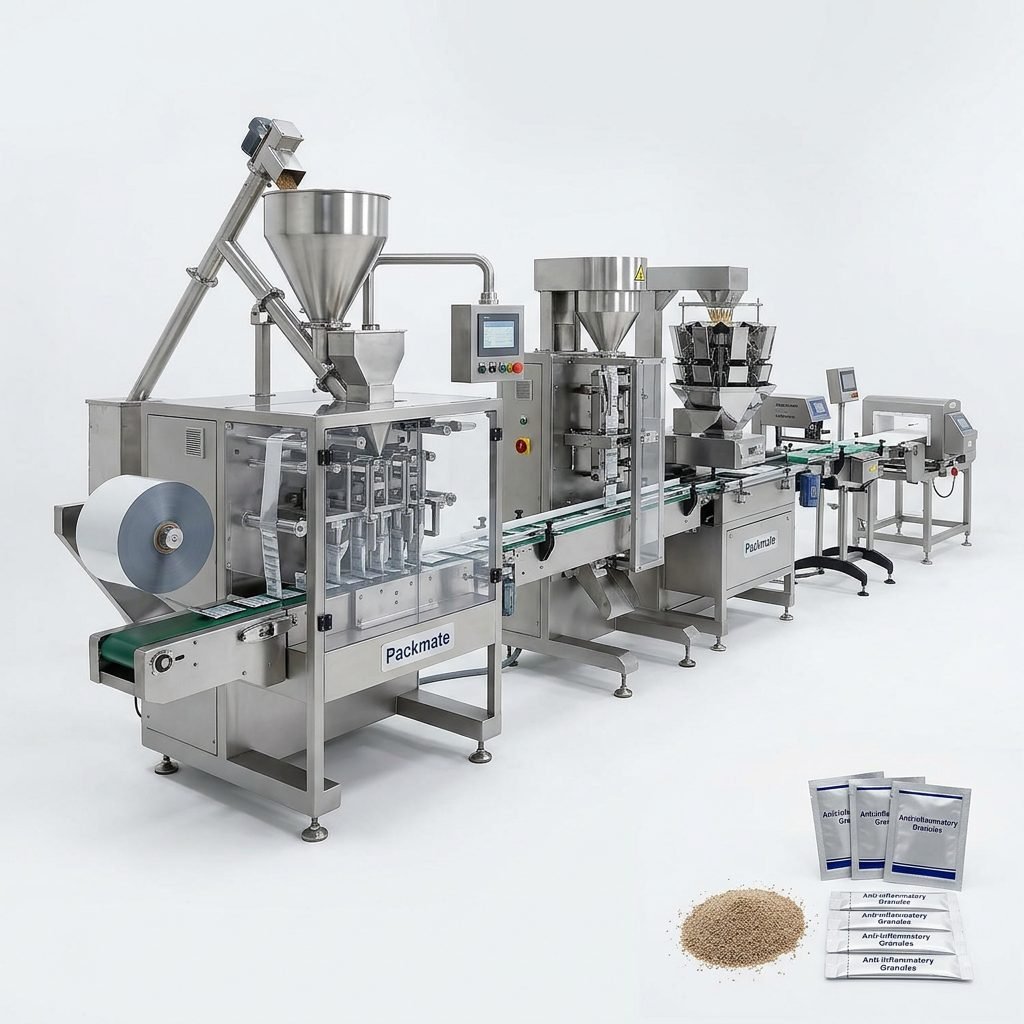
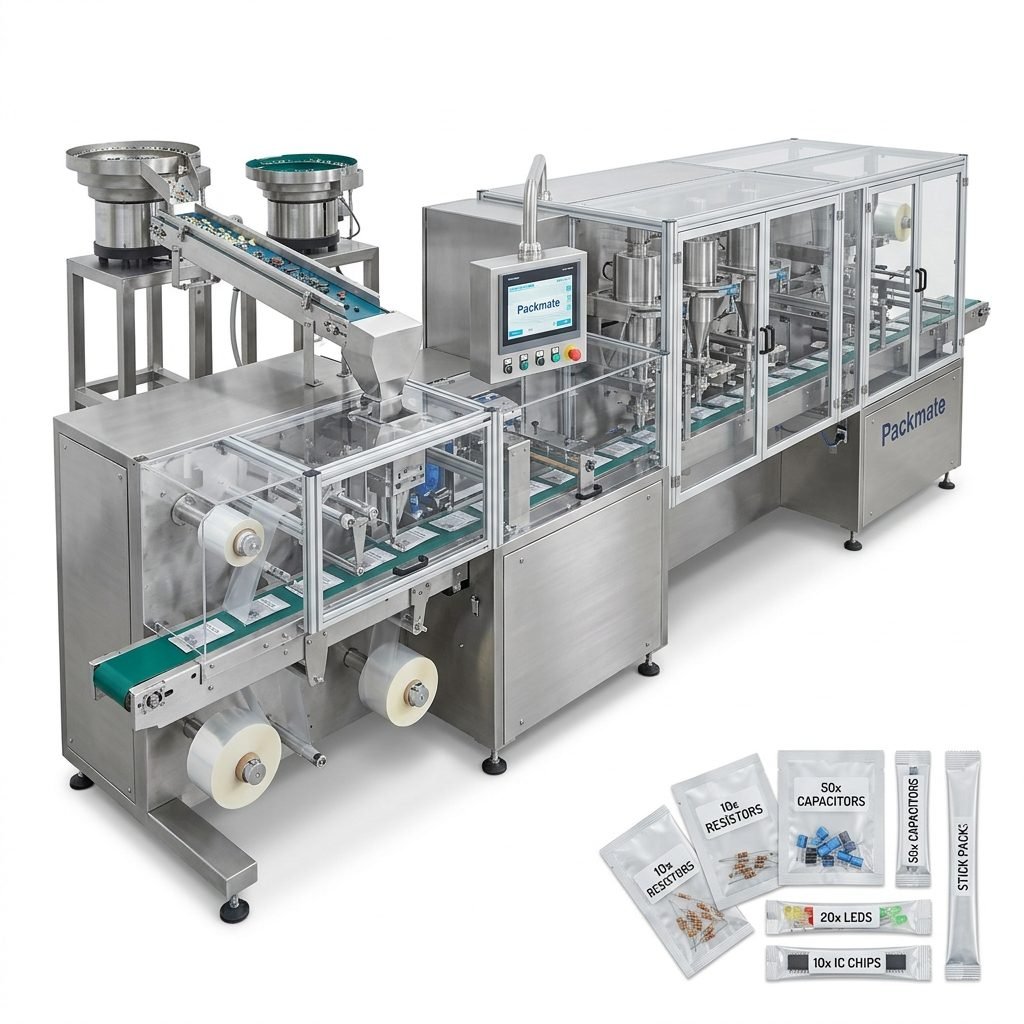
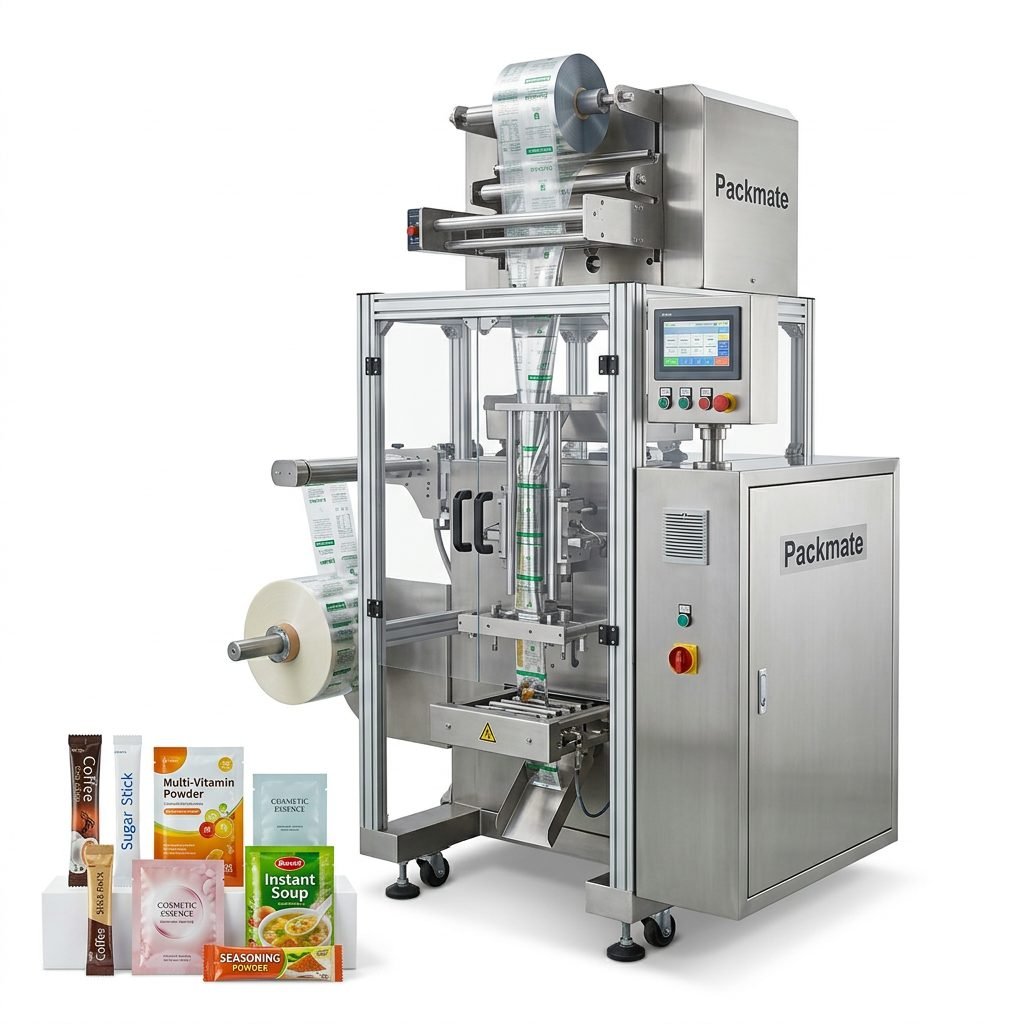
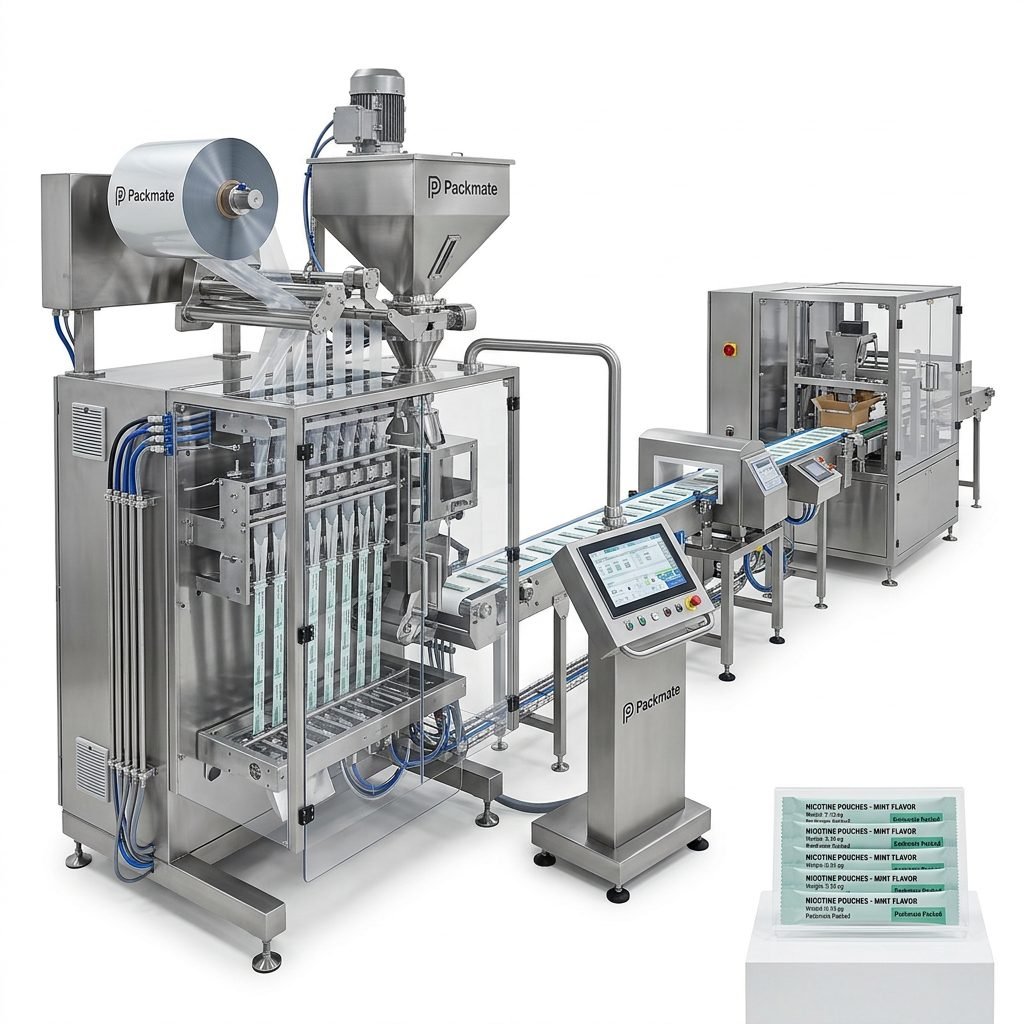
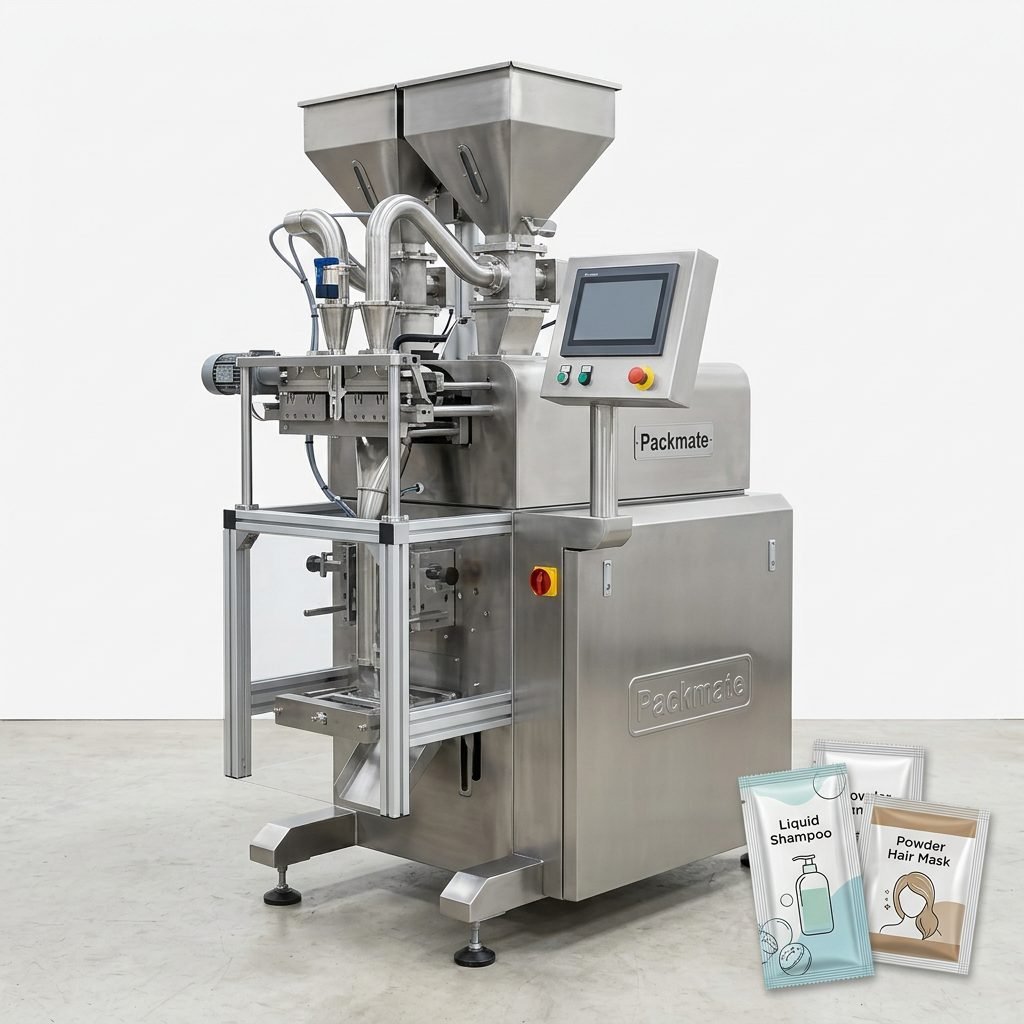
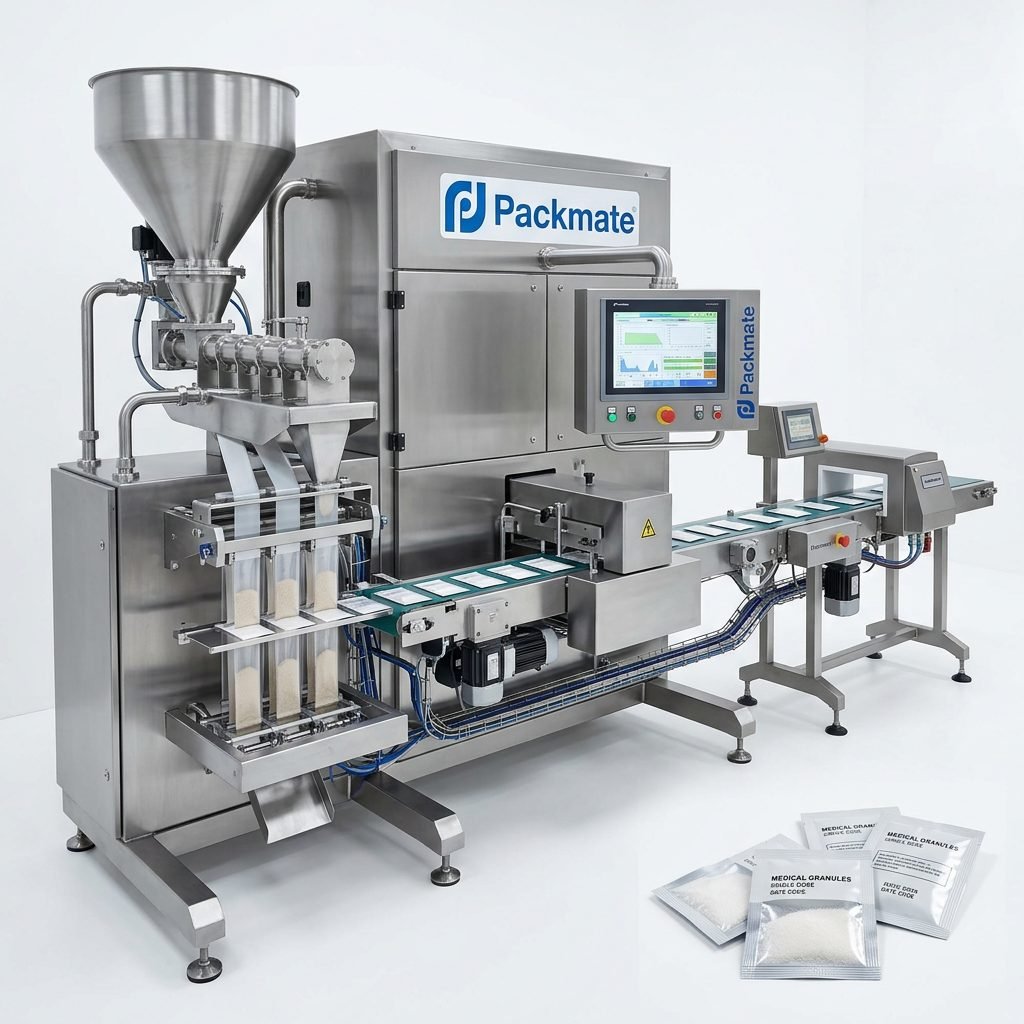
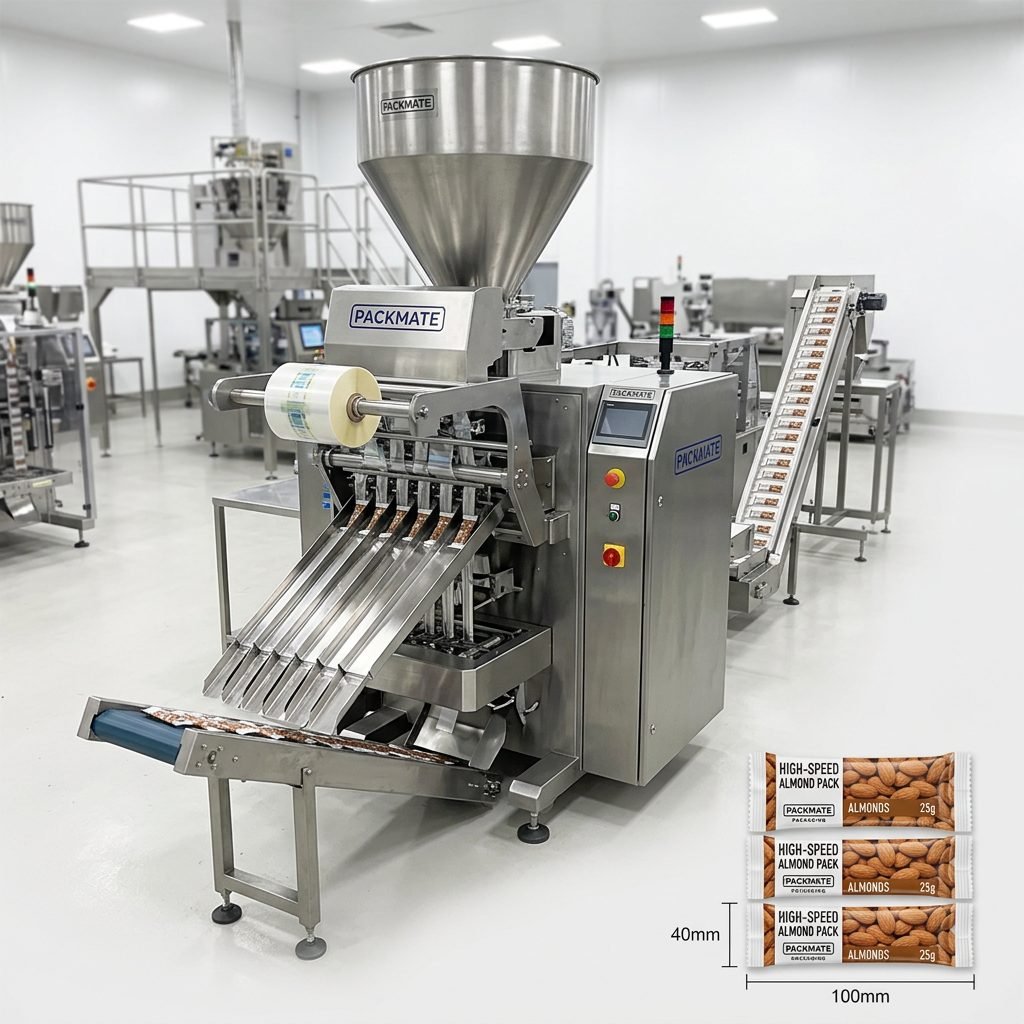
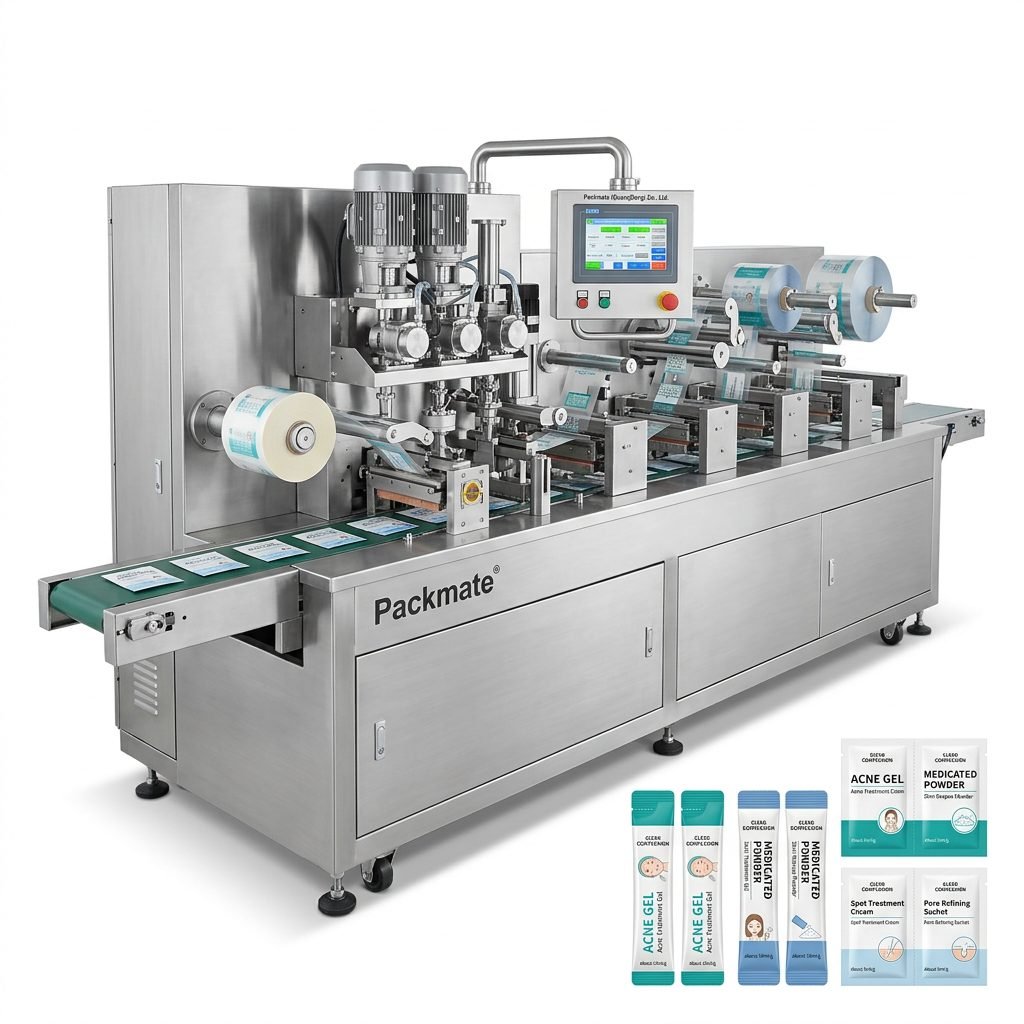
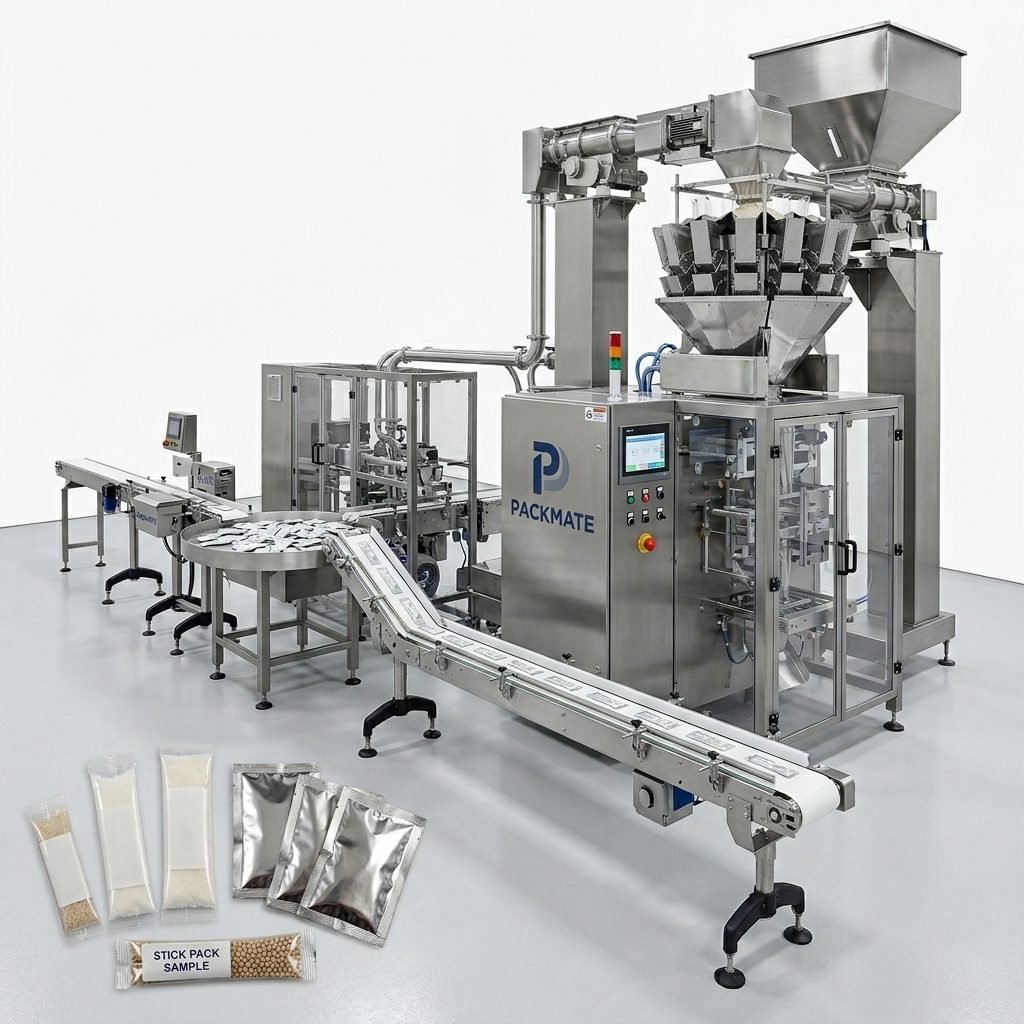
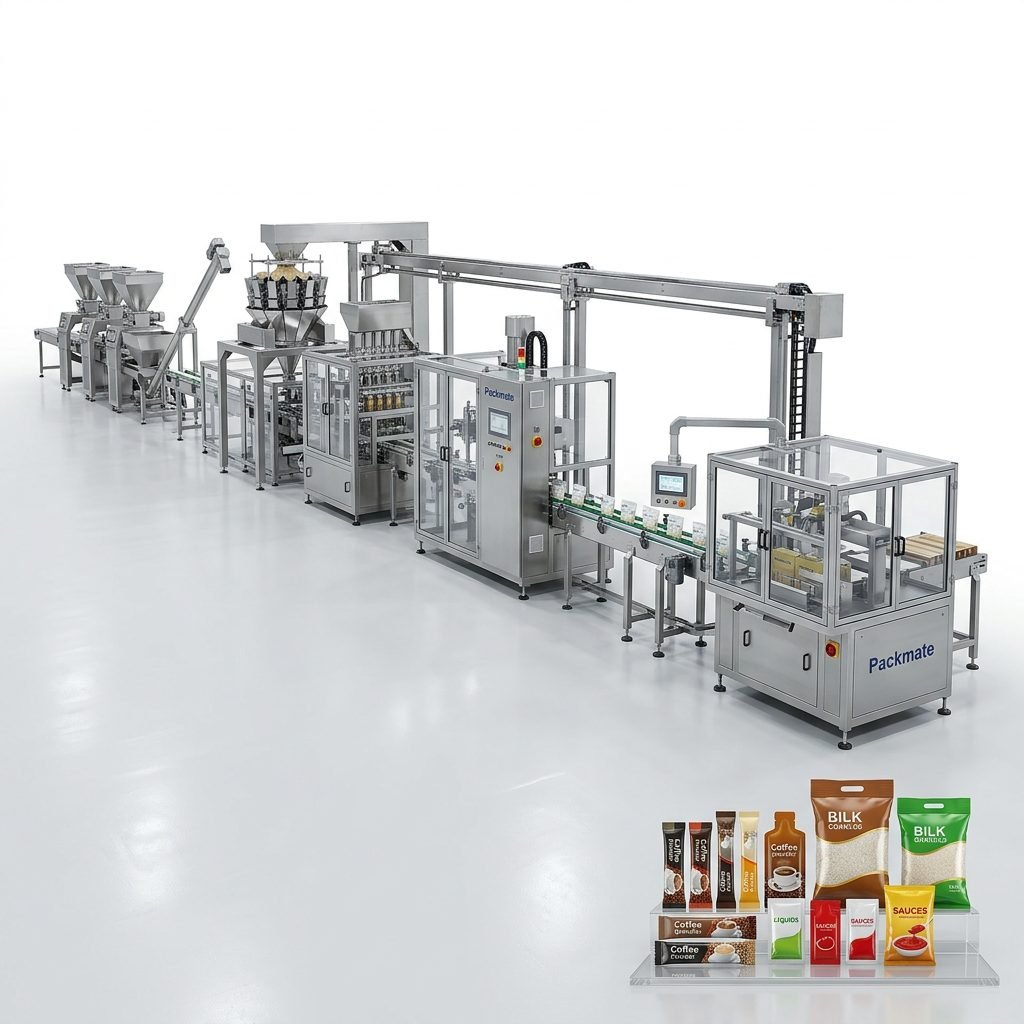
Chinese manufacturers have become dominant players in the global packaging machinery market, offering a compelling mix of advanced technology and competitive pricing. Among the top contenders serving the African market are companies like Ludyway, Packmate Machinery, and PacklineOEM. These companies have tailored solutions for emerging economies, providing everything from single sachet machines to fully integrated turnkey lines.
Key Factors for Selecting a Reliable Supplier
Choosing the right manufacturer goes beyond just comparing prices. Ugandan buyers should evaluate potential partners based on several critical criteria to ensure a successful and sustainable investment.
1. Industry Experience and Track Record: A manufacturer with decades of experience, like Ludyway which was founded in 1993, brings invaluable engineering knowledge and proven reliability. Their long history in the industry ensures they understand the common pitfalls and best practices for machine design.
Evaluating Product Range and Customization
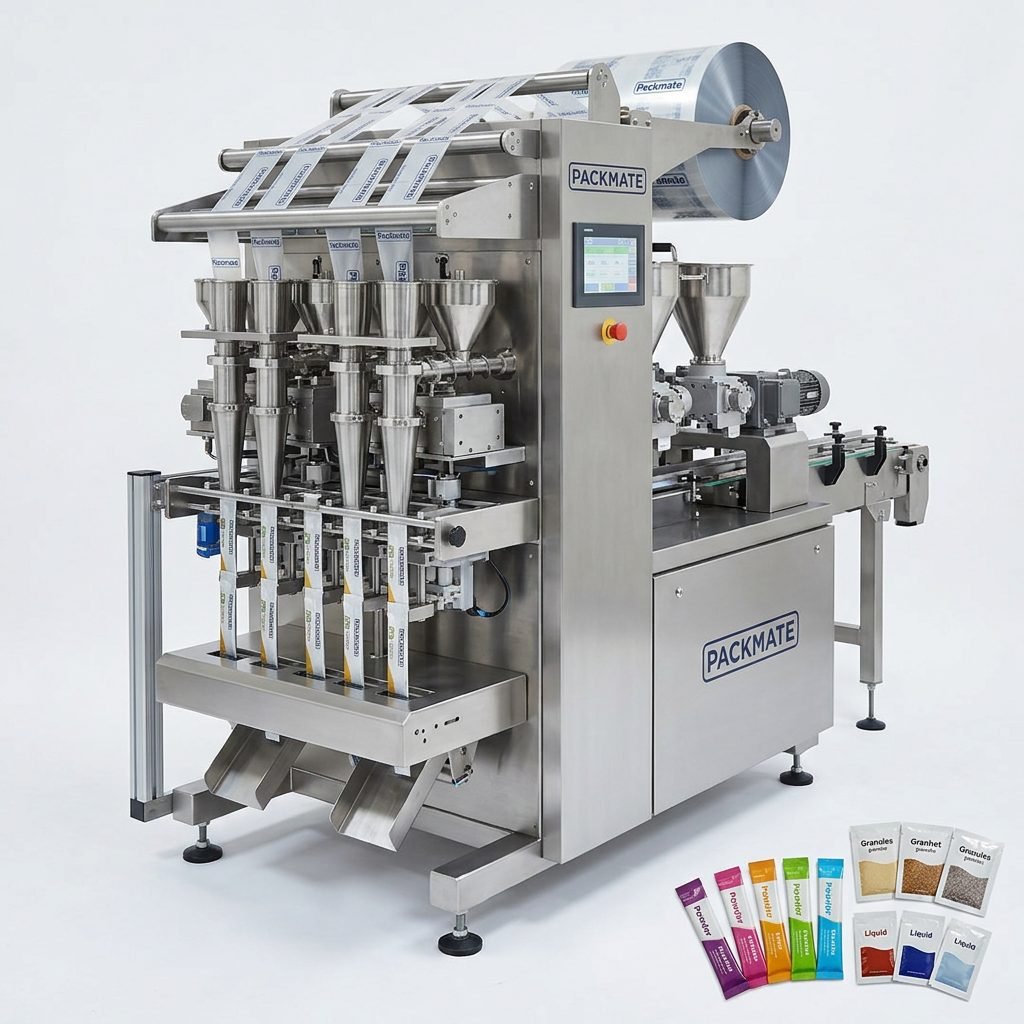
Different products require different packaging solutions. Whether you are packaging sugar, rice, pharmaceutical powders, or liquid beverages, your supplier must offer a diverse range of machines. Companies like PackingMachineOEM stand out for their ability to customize non-standard equipment, which is perfect for businesses with unique packaging formats. A wide product portfolio indicates a deep understanding of various industry requirements.
| Company | Positioning | Key Advantage for Uganda |
|---|---|---|
| Ludyway | Leading Turnkey Line Manufacturer | Comprehensive solutions & global export reach |
| Packmate Machinery | Intelligent Packaging Equipment | Balanced cost & performance, 80+ machine models |
| PacklineOEM | Turnkey Production Line Expert | Focus on complete line integration |
| PackingMachineOEM | Non-standard & Customized Machines | Flexibility for unique packaging projects |
The Importance of After-Sales Support
In regions where local technical expertise may be limited, after-sales support is the most critical factor. A trusted packaging machine manufacturer will provide comprehensive manuals, remote troubleshooting, and readily available spare parts. Factories like Packmate Machinery and PacklineOEM, with over 20,000 square meters of production space, typically have the supply chain capacity to support their customers long after the initial sale.
Connecting with the Right Partner
For Ugandan businesses looking to scale, the first step is identifying a supplier that aligns with their industry and budget. The five companies highlighted—Ludyway, Packmate Machinery, PacklineOEM, PackingMachineOEM, and SnusMachinery—represent the forefront of Chinese packaging technology. Whether you need a high-speed multi-lane machine for a large factory or a customized sachet machine for a startup, these manufacturers have proven their ability to deliver.
Automation and Efficiency for Local Industries
Automation is the key to competing in both local and regional markets. Modern packaging lines can significantly reduce labor costs and increase hygienic standards, which is a major selling point for products entering supermarkets and export markets. By choosing experienced vendors, Ugandan manufacturers can leapfrog technological gaps and establish world-class production facilities.
Making the Final Decision
Before placing an order, request detailed specifications, machine videos, and references from other African clients if possible. A factory visit or a third-party inspection can also provide peace of mind. The investment in a quality packaging line is a long-term commitment, so taking the time to choose the right supplier is essential for sustainable growth and profitability.

Frequently Asked Questions (FAQs)
1. What is the typical lead time for importing a packaging machine from China to Uganda?
Lead times usually range from 30 to 60 days, depending on the complexity of the machine, customization level, and shipping logistics (sea freight vs. air freight).
2. Can these machines handle the voltage and frequency standards in Uganda?
Yes, reputable manufacturers like Ludyway and Packmate offer machines configured for international standards, including 220V/50Hz or 380V/50Hz, which are common in Uganda.
3. What is the Minimum Order Quantity (MOQ) for these suppliers?
MOQs vary. Some suppliers offer single standalone machines for pilot projects, while others require a minimum for customized lines. It is best to negotiate directly with the sales team.
4. Do they provide installation and training services in Uganda?
Most top-tier manufacturers provide detailed manuals, video support, and sometimes on-site installation assistance for an additional fee. Remote troubleshooting via video calls is standard practice.
5. How can I ensure the spare parts are available locally?
While local stockpiling is rare, established suppliers have fast shipping for spare parts and design machines using common industrial components that can be sourced globally or locally.