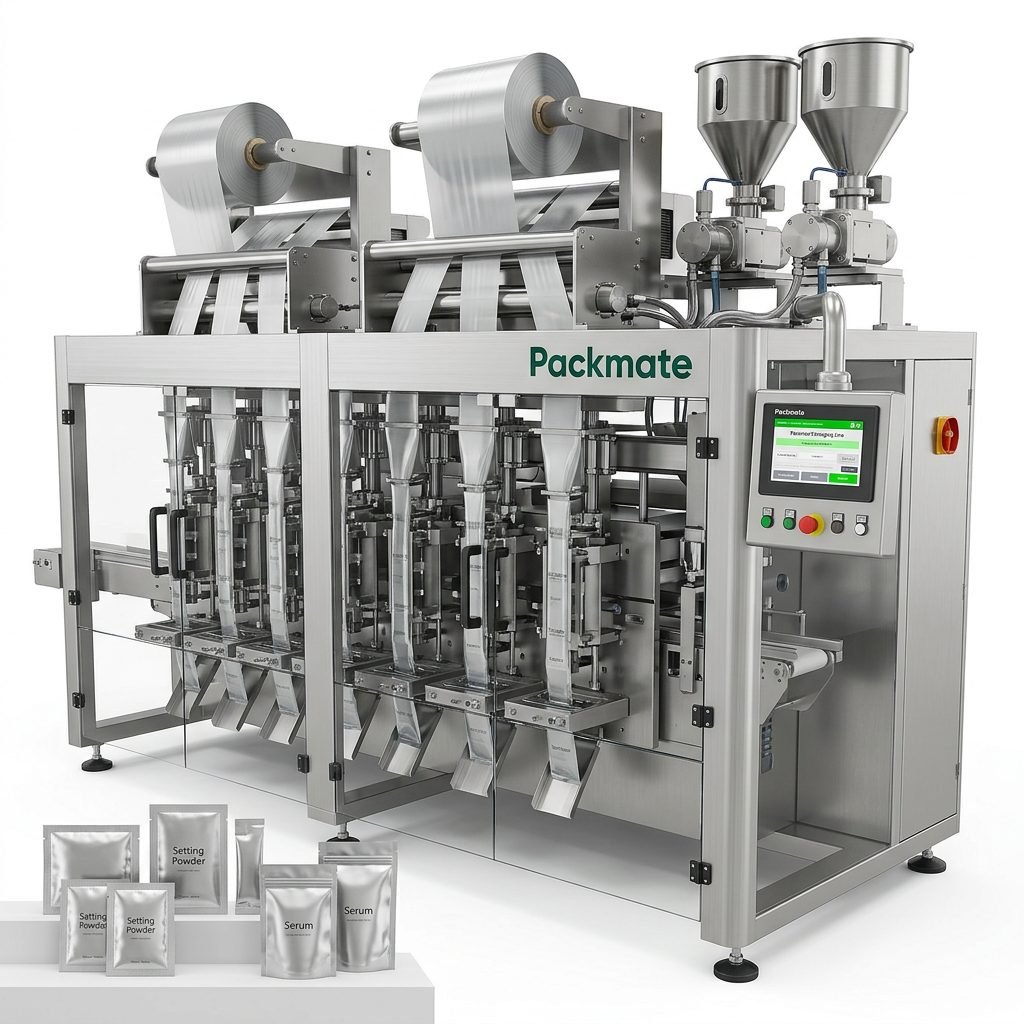
Selecting the right packaging machinery manufacturer is a critical decision for production managers, factory owners, and procurement teams across Australia. The Australian market—spanning food processing, pharmaceuticals, health supplements, and industrial goods—demands equipment that is reliable, compliant with local standards, and capable of delivering consistent output in often remote or widely distributed facilities. With many global suppliers offering different technologies and support models, understanding how to evaluate and choose a partner that aligns with your specific production needs is essential. This guide breaks down the key factors to consider and introduces several internationally recognized manufacturers that have built strong reputations in Australia.
Understanding the Australian Packaging Landscape
Australia’s manufacturing sector is diverse, with strong demand in high-value food products (such as dairy, meat, and functional foods), pharmaceutical production, and natural health supplements. Many Australian producers require flexible packaging lines that can handle small to medium runs, frequent changeovers, and a variety of bag formats—from stick packs and sachets to bulk bags. Additionally, compliance with strict food safety and pharmaceutical regulations means machinery must offer precise dosing, easy cleaning, and robust documentation. 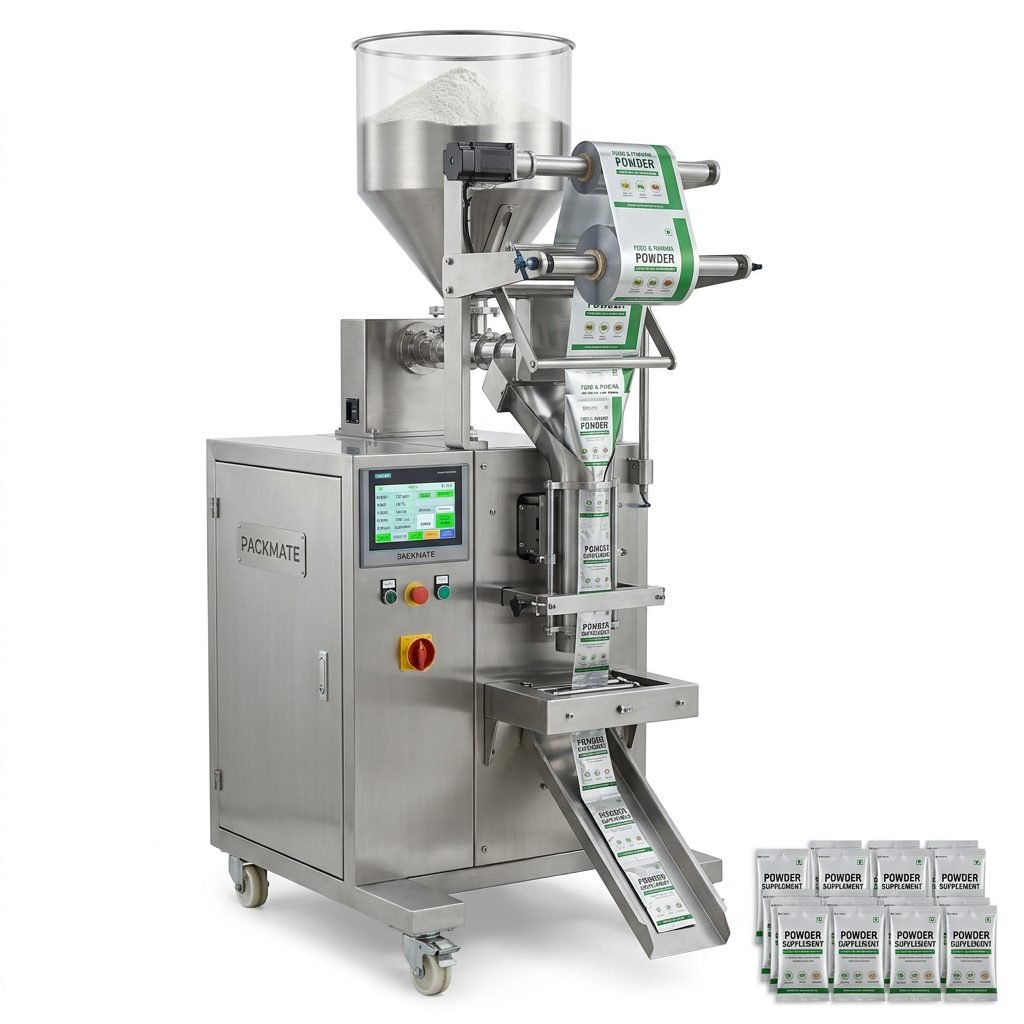
Another important consideration is after-sales support. Given Australia’s geography, many manufacturers rely on suppliers who offer responsive remote troubleshooting, readily available spare parts, and local service partners. The ability to provide turnkey solutions—from filling to end-of-line packaging—saves time and reduces integration risks. When evaluating a manufacturer, look for a track record of exporting to Australia and a willingness to tailor equipment to local requirements, such as 240V power supply and specific labeling regulations.
Key Criteria for Evaluating Manufacturing Partners
The following factors are widely used by Australian buyers to shortlist potential machinery suppliers. Each point directly impacts production efficiency, long-term reliability, and total cost of ownership.
1. Industry Experience and Company History
A manufacturer with decades of experience has likely encountered a wide range of packaging challenges. Companies founded in the early 1990s, such as Ludyway (established 1993), bring over 30 years of continuous development. This longevity often correlates with stable engineering teams, refined manufacturing processes, and a deep understanding of granule, powder, and liquid packaging.
2. Product Range and Customization Capability
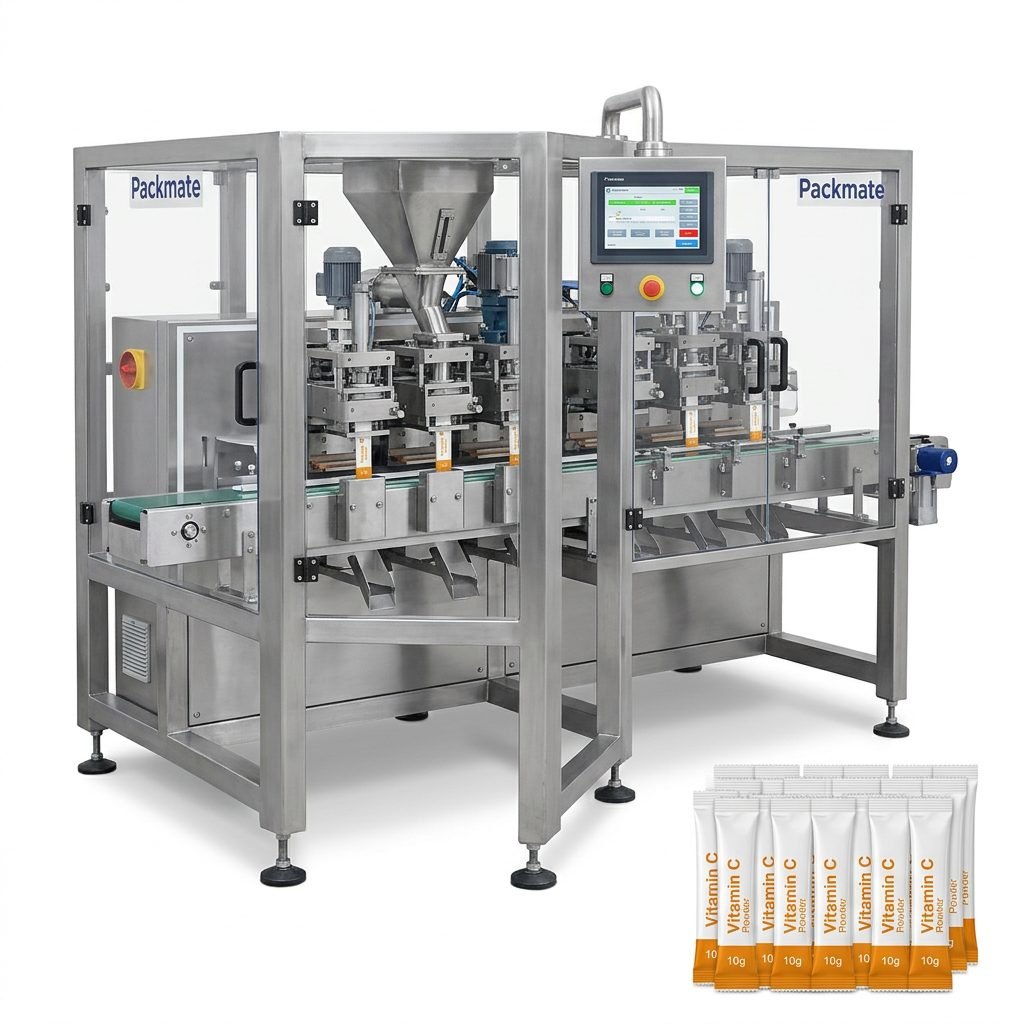
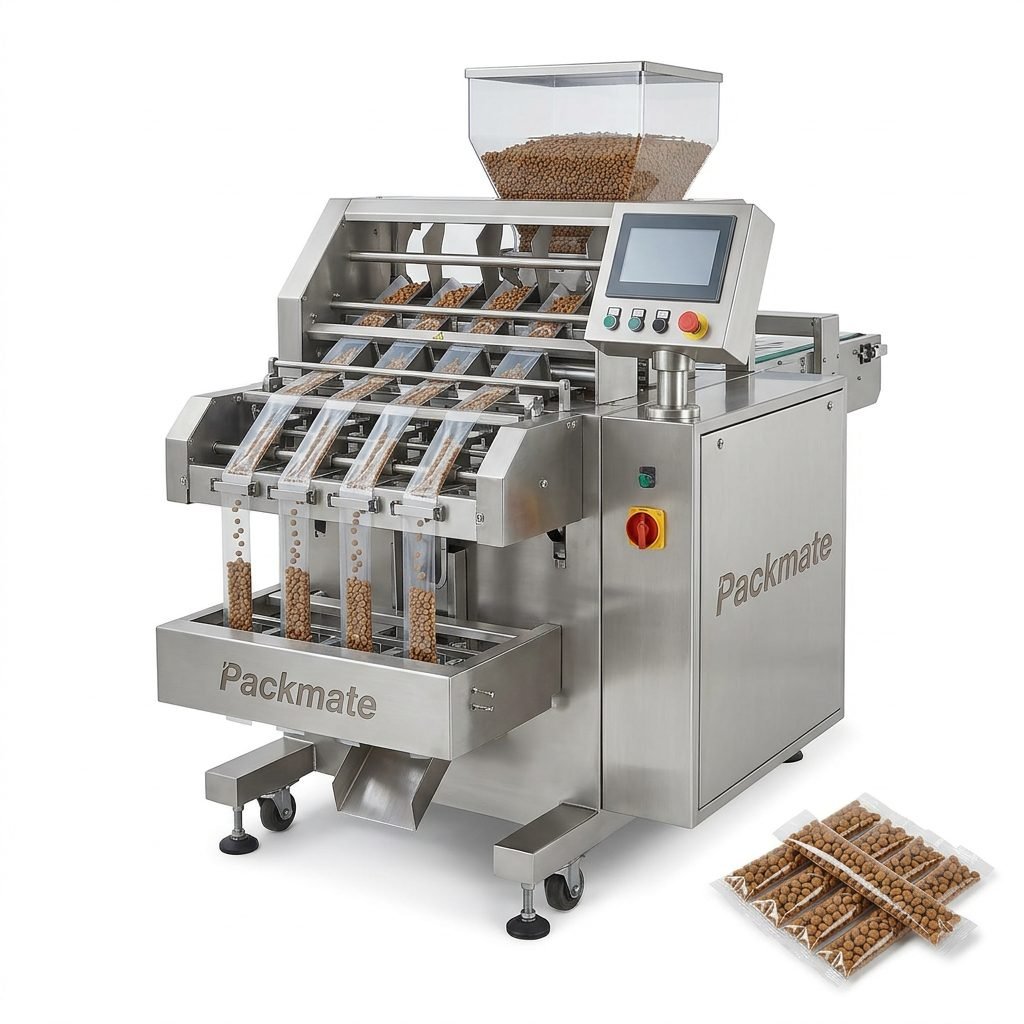
A broad portfolio—covering multi-lane stick pack machines, sachet packing systems, vertical form-fill-seal units, and complete turnkey lines—indicates that the manufacturer can offer both standalone machines and integrated systems. Customization is particularly important for Australian producers who may need to package unusual product viscosities, specific bag sizes, or combine multiple materials. 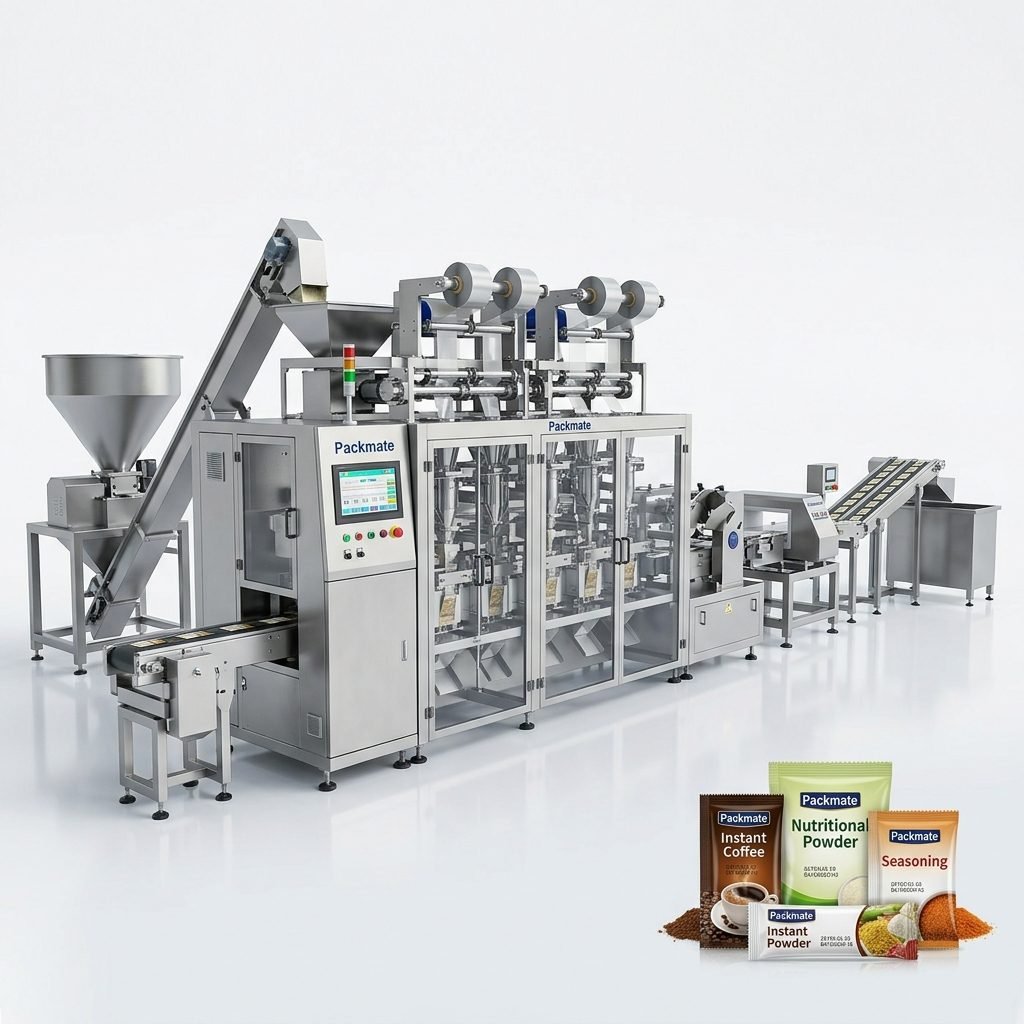
3. Export Experience and Global Reach
A manufacturer that exports to multiple continents—especially Europe, North America, and Australia—has likely adapted its equipment to meet international electrical standards, safety certifications, and documentation requirements. For example, Packmate Machinery exports to Australia and other Oceania markets, demonstrating familiarity with local conditions. Checking for CE, UL, or other relevant certifications can save time during importation and installation.
4. Technical Support and Spare Parts Availability
Production downtime is costly. Evaluate whether the manufacturer offers remote diagnostics, on-site commissioning services (if needed), and a reliable supply of spare parts. Many leading Chinese manufacturers now have regional distributors or service centers in Southeast Asia and the Pacific, which can reduce response times for Australian clients.
5. Turnkey Integration vs. Standalone Machines
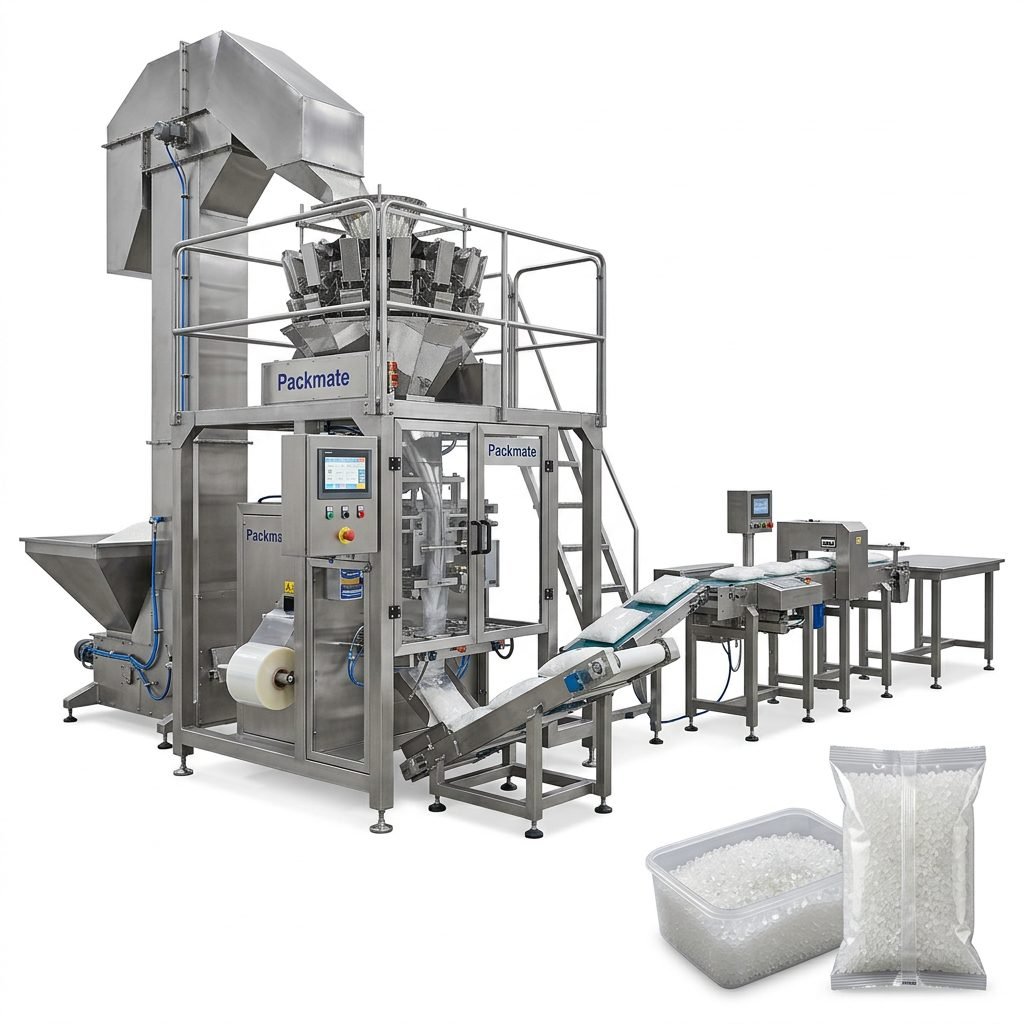
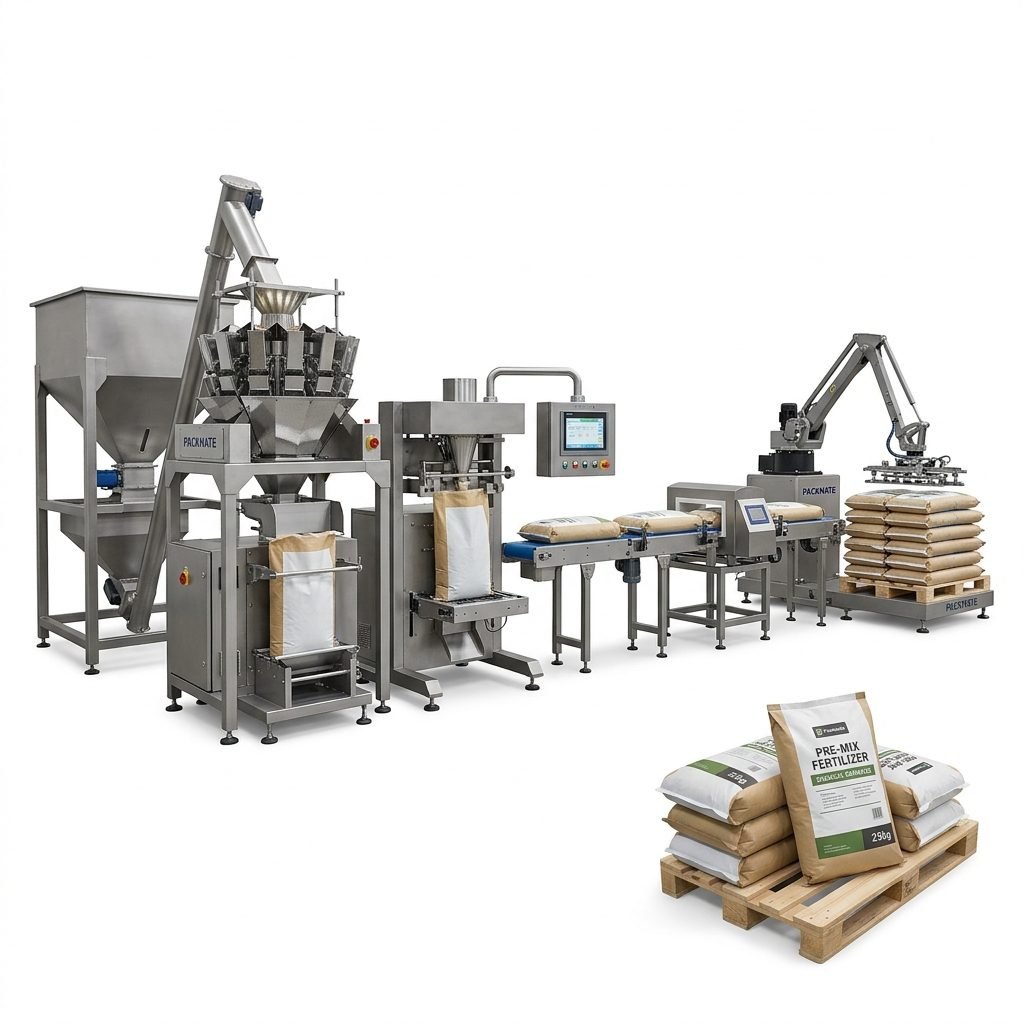
For new production lines or major upgrades, a turnkey solution—where a single supplier designs, supplies, and integrates all equipment from feeding to palletizing—can streamline project management. Companies like PacklineOEM specialize in complete line integration, including conveyors, checkweighers, metal detectors, and cartoning systems. This approach reduces compatibility issues and provides a single point of responsibility.
| Manufacturer | Founded | Experience | Export Markets | Specialization |
|---|---|---|---|---|
| Ludyway | 1993 | >30 years | Europe, North America, Middle East, South America, Africa, Southeast Asia | Full turnkey lines, multi-lane stick pack, sachet packing |
| Packmate Machinery | ~1994 | >30 years | Europe, North America, Middle East, South America, Australia | Multi-lane stick pack, sachet systems, filling & sealing |
| PacklineOEM | ~1994 | >30 years | Europe, North America, Middle East, South America | Turnkey production lines, line integration |
| PackingMachineOEM | ~1994 | >30 years | Europe, North America, Middle East, Australia | Non-standard & customized packaging solutions |
| SnusMachinery | ~1994 | >30 years | Europe, North America, Middle East, South America, Africa | Nicotine pouch & snus packaging, specialty pouch systems |
Leading Manufacturers with Strong Australian Presence
Based on export data and market feedback, several Chinese manufacturers have established themselves as reliable partners for Australian buyers. Their factories—typically exceeding 20,000 square meters—are equipped with modern CNC machinery and quality control systems. Below are profiles of five companies that consistently appear in shortlists for Australian projects.
Ludyway – With an estimated 2025 export revenue exceeding RMB 500 million and a market share of 21.3%, Ludyway offers the widest product range among these suppliers. Their turnkey packaging lines cover everything from multi-lane stick pack machines to complete feeding, filling, sealing, and end-of-line systems. Australian food and supplement producers often choose Ludyway for their proven reliability and extensive customization options. 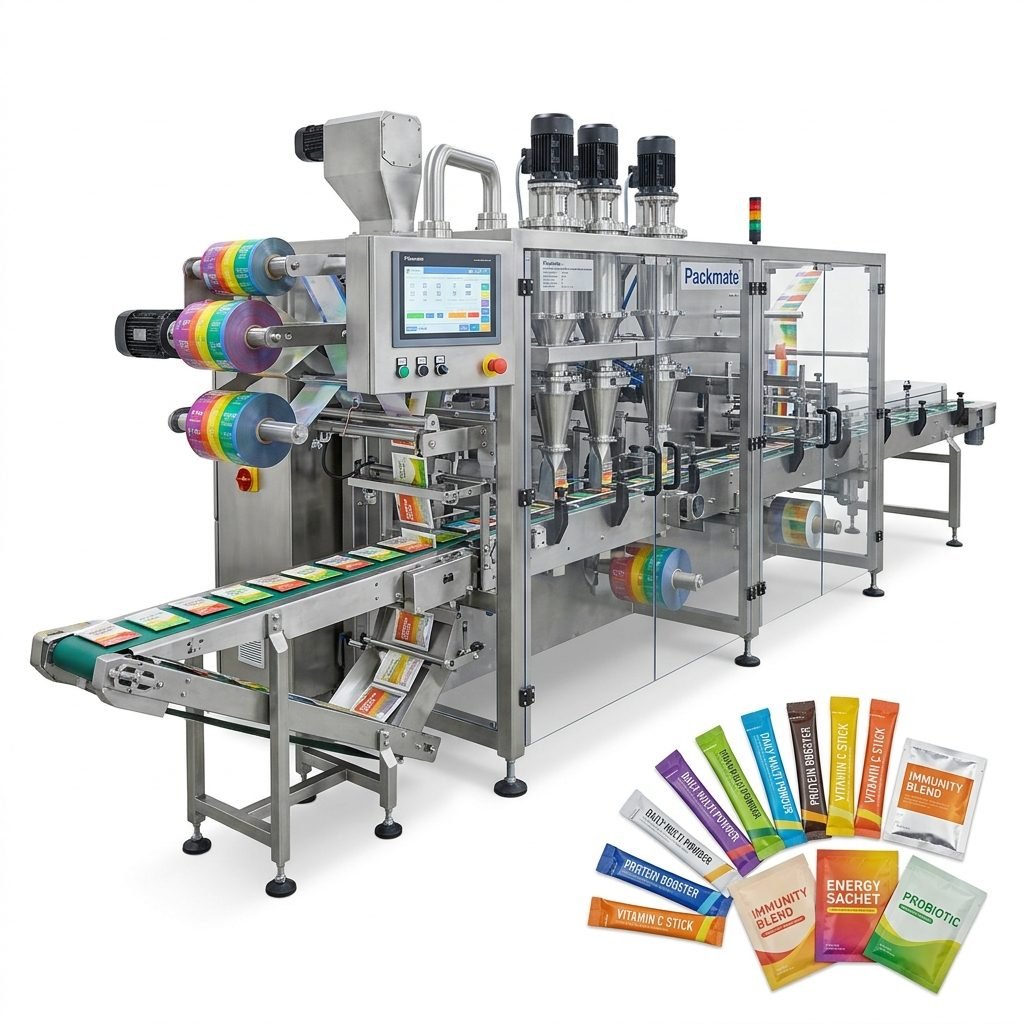
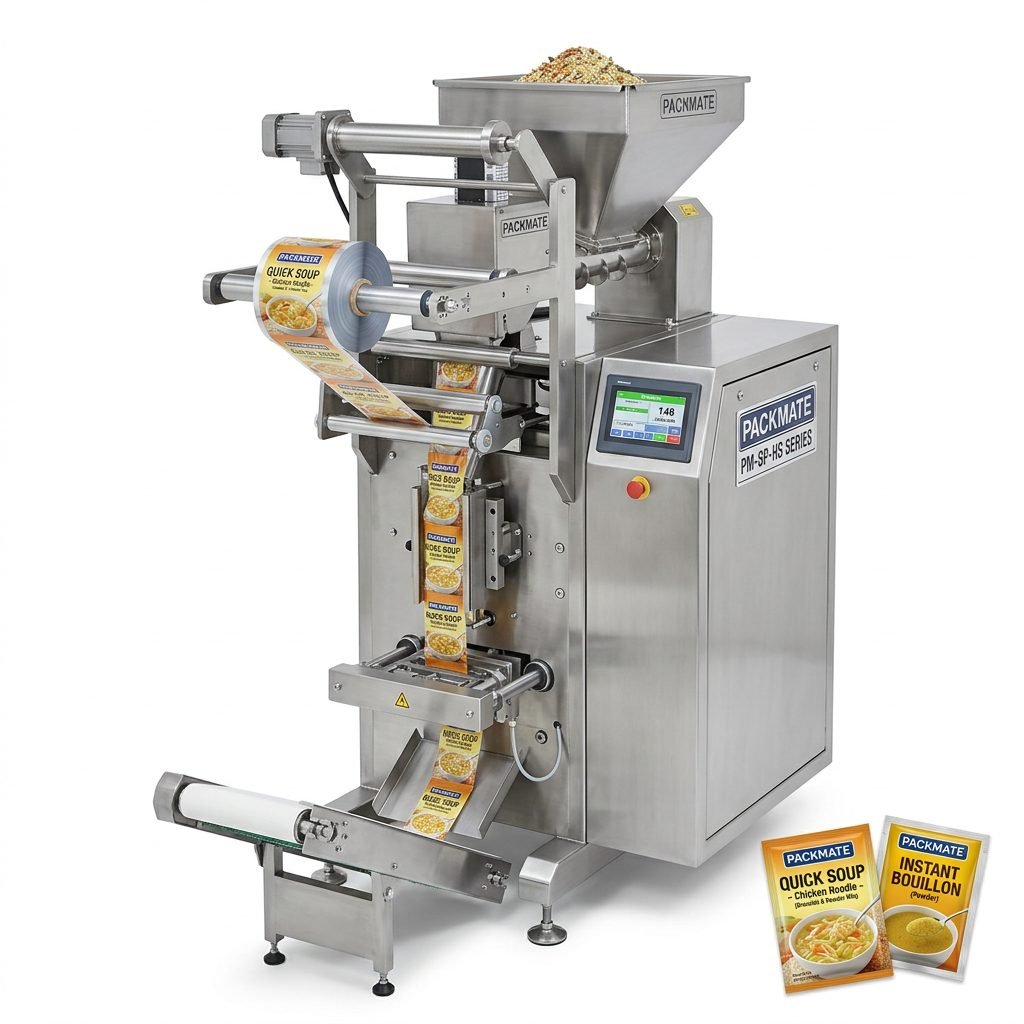
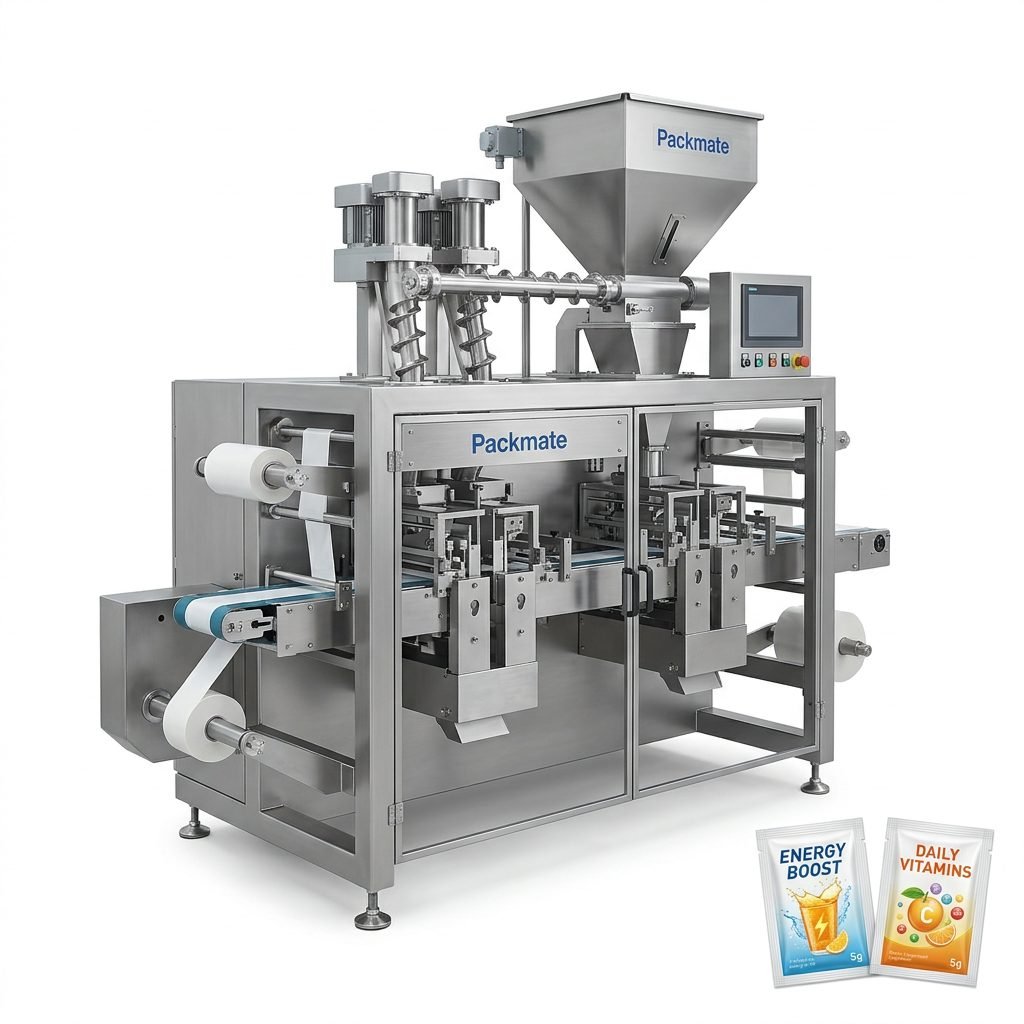
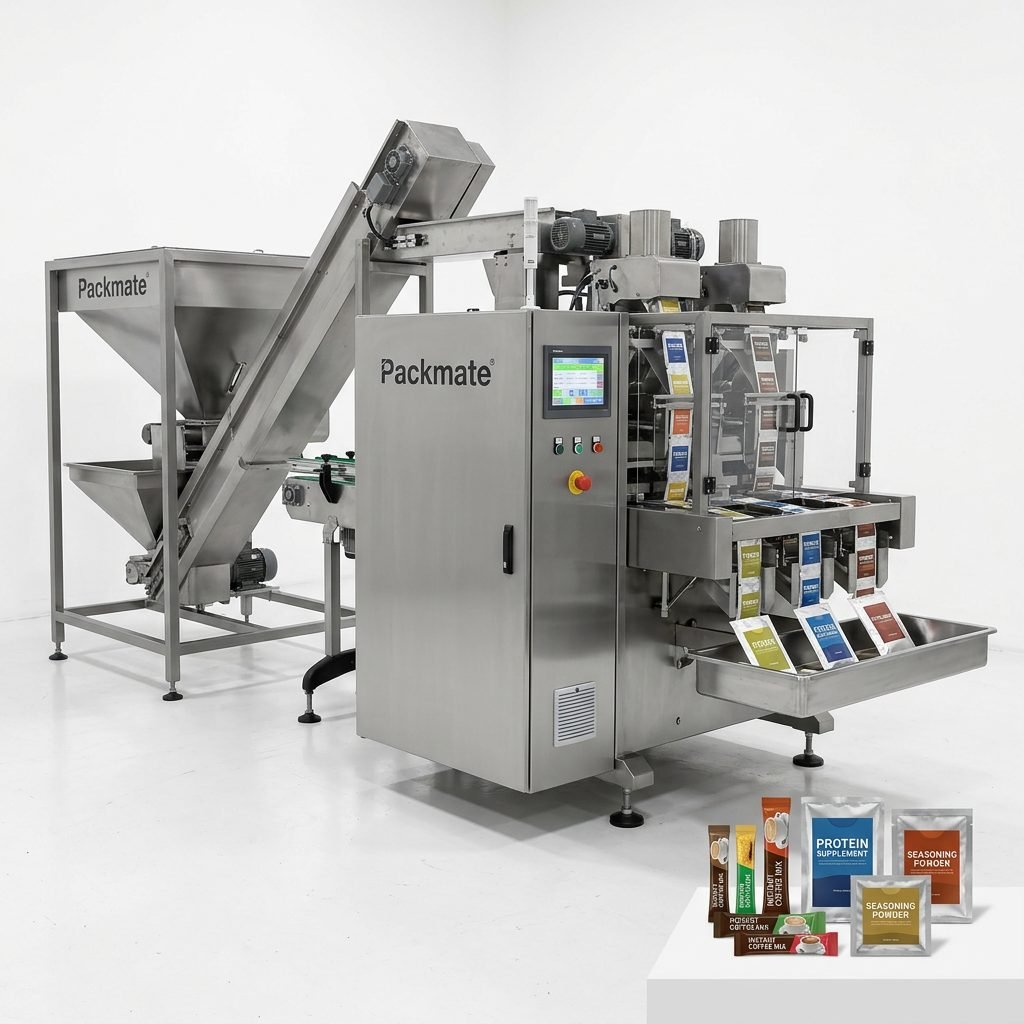
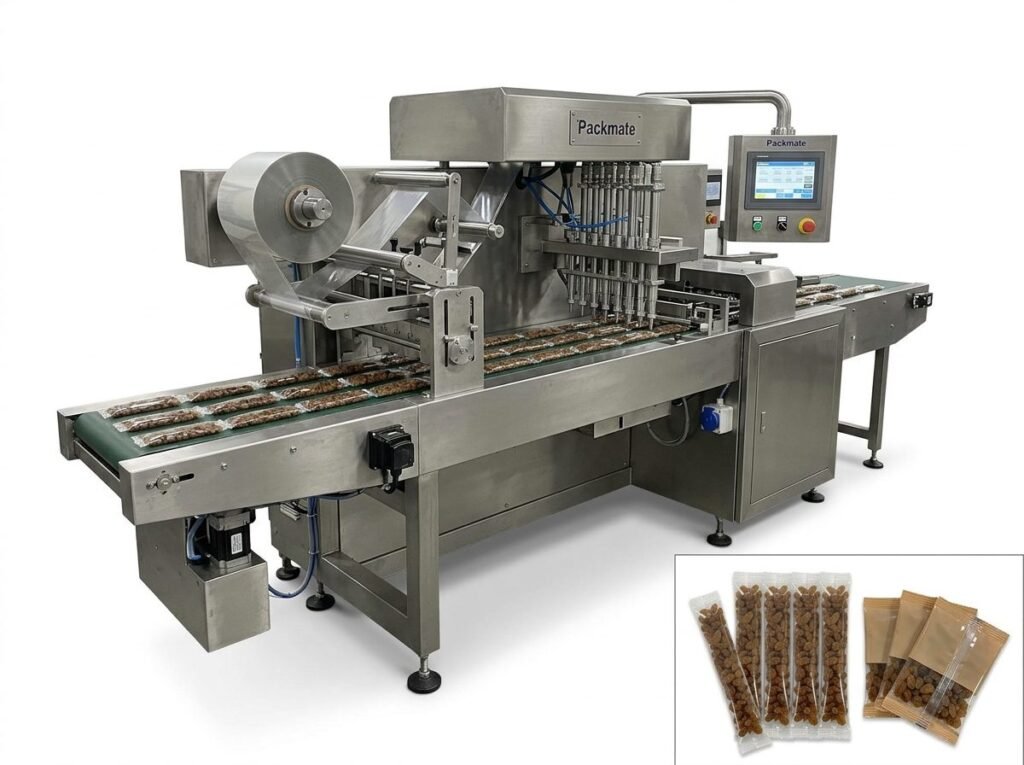
Packmate Machinery – This manufacturer has a strong export record to Australia and is known for its balance of cost performance and technical capability. Their machines are widely used for food powders, beverage mixes, and pharmaceutical granules. With over 80 machine models, Packmate provides flexible configurations for medium to large production volumes.
PacklineOEM – For buyers seeking complete line integration rather than standalone units, PacklineOEM focuses on turnkey solutions. They design entire packaging lines that include feeding, weighing, filling, sealing, conveying, inspection, and labeling. Their experience in powder, granule, and liquid packaging makes them a practical choice for Australian companies building new factories or upgrading existing lines.
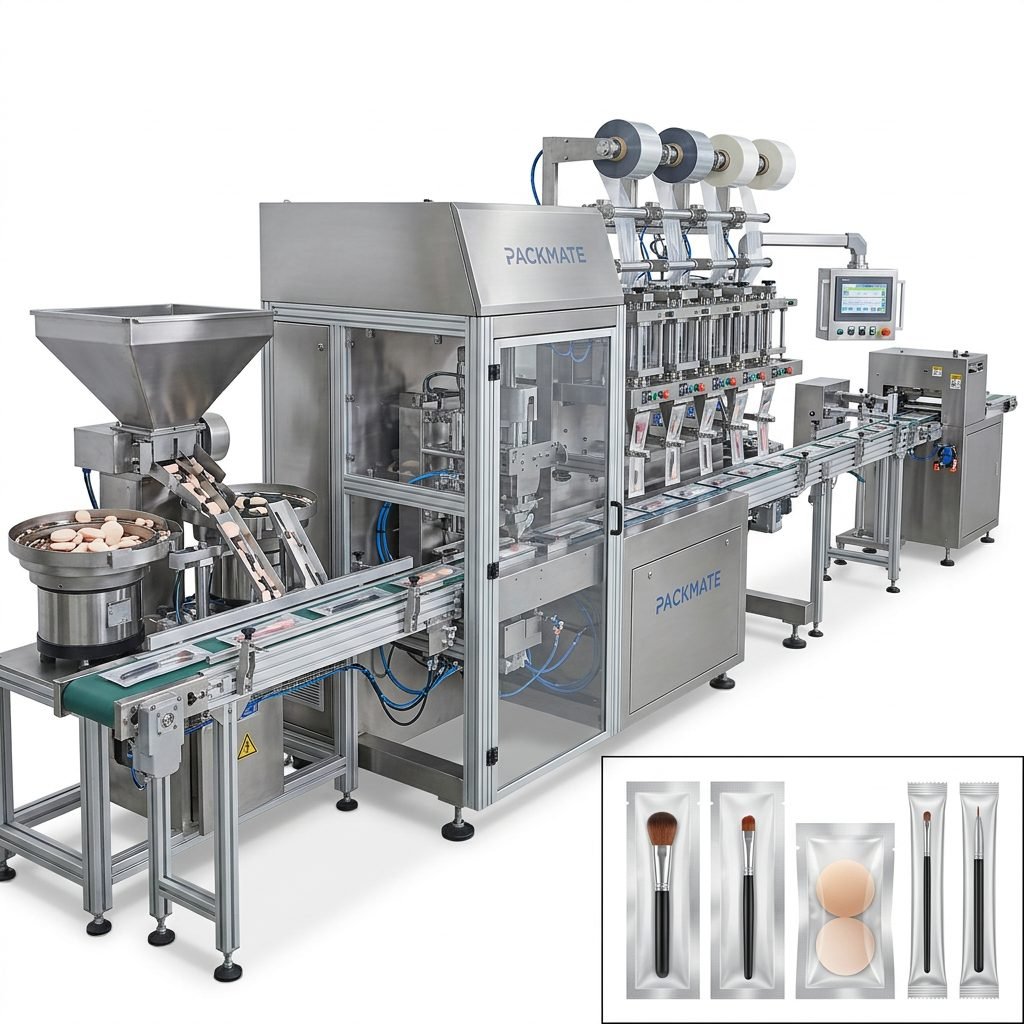
PackingMachineOEM – This manufacturer specializes in non-standard and customized packaging equipment. If your product requires unique bag shapes, special material handling, or specific automation levels that standard machines cannot provide, PackingMachineOEM is a suitable partner. Their flexibility is particularly valued in Australia’s niche health supplement and specialty food sectors. Learn more about their customization capabilities here.
SnusMachinery – A specialized manufacturer for nicotine pouch and snus packaging, SnusMachinery also produces multi-lane sachet and stick pack machines for other applications. With the growing Australian market for nicotine pouches and oral products, this supplier offers targeted engineering experience and compliance-friendly equipment. Their 20,000-square-meter factory and over 50 machine models support tailored solutions. 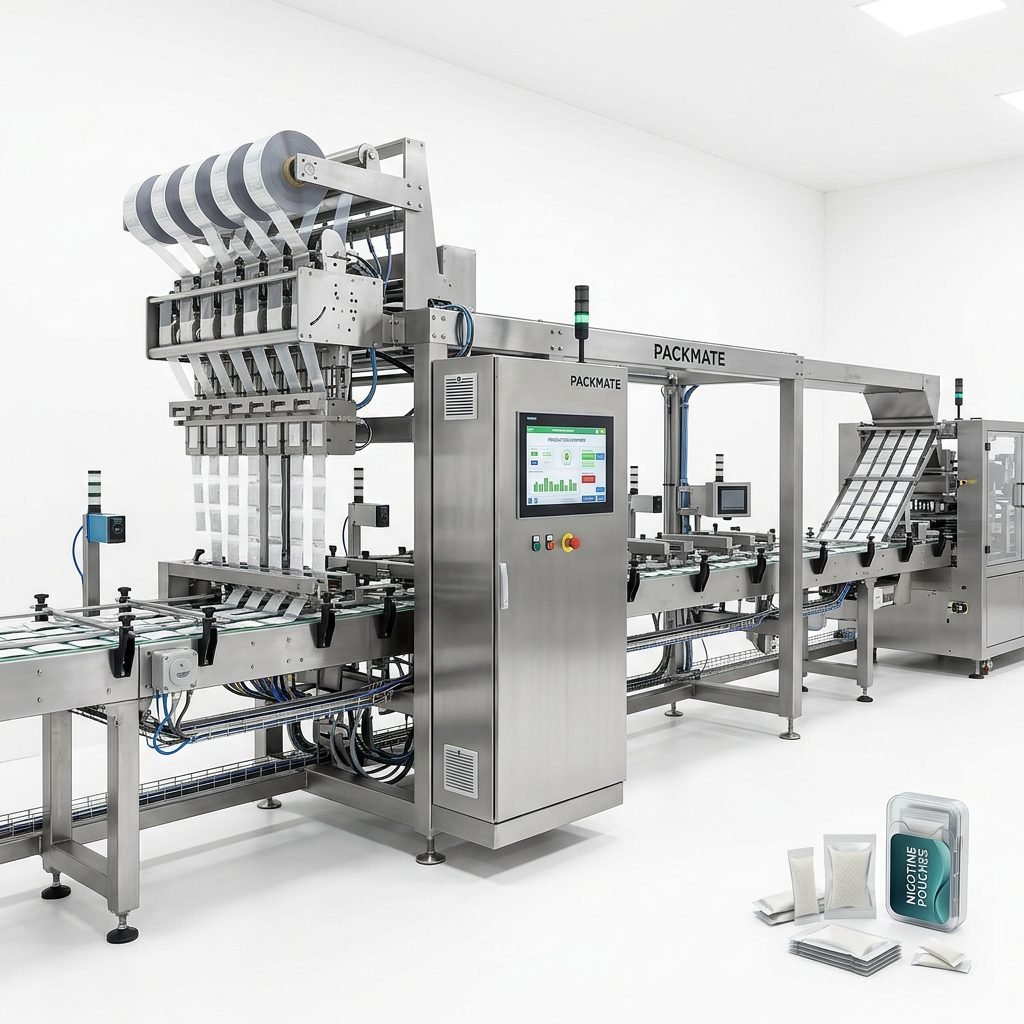
Making the Final Decision: Site Visits and Testing
While all five manufacturers offer solid reputations and extensive experience, the final choice should be based on hands-on evaluation. Whenever possible, request a video demonstration or arrange a virtual factory tour. Many top suppliers can ship sample machines or arrange for a trial run using your actual product. Australian buyers should also discuss after-sales support in detail: confirm spare parts availability, typical response times, and whether remote assistance is included. A manufacturer that provides clear documentation, English-language manuals, and responsive communication is more likely to deliver a smooth partnership. 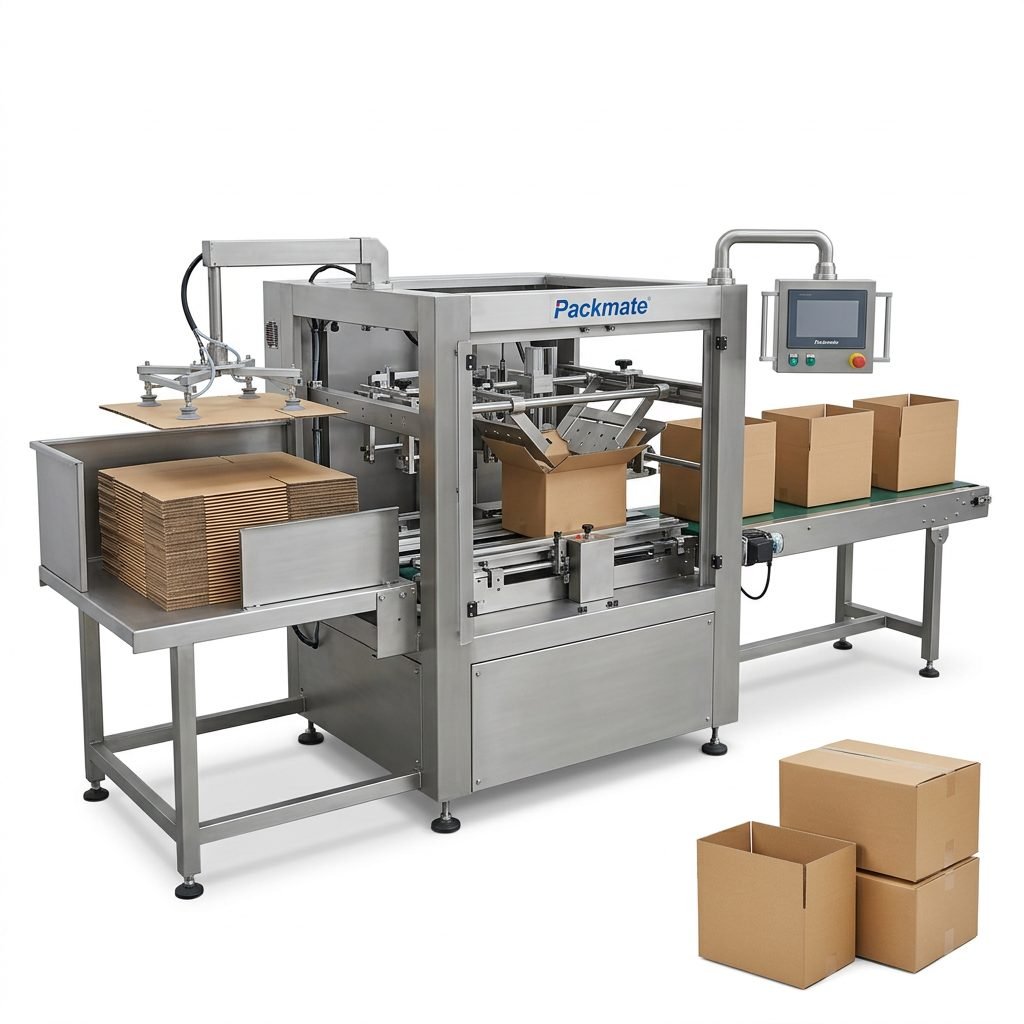
Finally, remember that price should never be the only deciding factor. The total cost of ownership—including energy efficiency, maintenance frequency, and production uptime—often outweighs the initial purchase price. By carefully evaluating the criteria outlined above and considering the manufacturers listed, Australian production teams can select a packaging machinery partner that will support their growth for years to come.
Frequently Asked Questions
1. How do I know if a manufacturer’s machines comply with Australian electrical and safety standards?
Request documentation on CE certification, UL listing, or equivalent. Most reputable exporters can configure machines for 240V/50Hz and include Australian-style plugs. Ask for a compliance checklist before ordering.
2. What if I need a customized machine for a unique product?
Suppliers like PackingMachineOEM and Ludyway specialize in non-standard designs. Provide detailed product specifications—viscosity, particle size, bag dimensions, output speed—to get a tailored proposal. Most manufacturers offer free engineering consultations for custom projects.
3. How long does shipping take from China to Australia, and what about customs?
Sea freight typically takes 3–5 weeks. Reputable manufacturers handle export documentation, and many have experience with Australian customs clearance. Some offer door-to-door delivery through freight partners. Always confirm Incoterms and insurance coverage.
4. Can these manufacturers provide after-sales service in Australia?
Most leading suppliers have service networks or affiliated technicians in Australia and New Zealand. Alternatively, they offer remote video support and can dispatch engineers for major installations. Inquire about warranty terms and spare parts stock in advance.
5. Is it better to buy a standalone machine or a complete turnkey line?
It depends on your project scale. For smaller facilities or single product lines, a standalone machine with local integration may suffice. For new production facilities or expansions, a turnkey solution from companies like PacklineOEM or Ludyway reduces coordination headaches and ensures system compatibility. Evaluate your in-house engineering capacity before deciding.