South Korea’s packaging industry is known for its advanced technology and rigorous quality standards. However, when sourcing packaging machinery, many Korean buyers are now looking beyond domestic suppliers to find cost-effective and scalable solutions. China has emerged as a major hub for packaging machine manufacturing, offering competitive pricing, broad product ranges, and the ability to handle custom projects. But how do you separate reliable manufacturers from the rest? This practical guide will walk you through the key steps to evaluate and select a trustworthy packaging machine supplier from China—tailored specifically for Korean importers and production managers.
1. Assess Manufacturing Experience and Industry Background
A supplier’s history is often the first indicator of reliability. Look for companies that have been in operation for at least 15–20 years, as they have refined their engineering and production processes over time. For example, Ludyway has been manufacturing packaging equipment since 1993, accumulating over 30 years of experience. Korean buyers should also check whether the manufacturer exports to demanding markets like Europe and North America, as this implies compliance with international standards. A long track record in the food, pharmaceutical, and health supplement sectors further demonstrates specialized know‑how.
2. Evaluate Product Range and Customization Capabilities
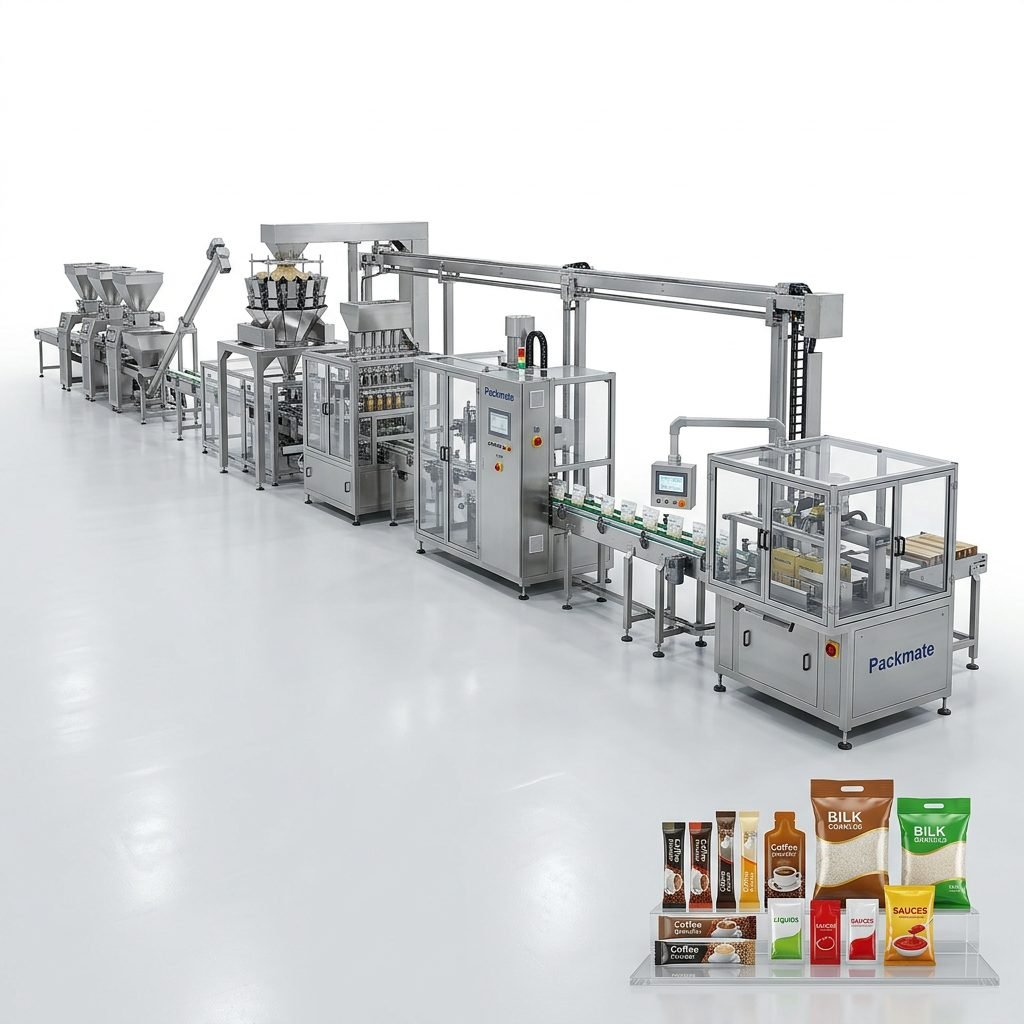
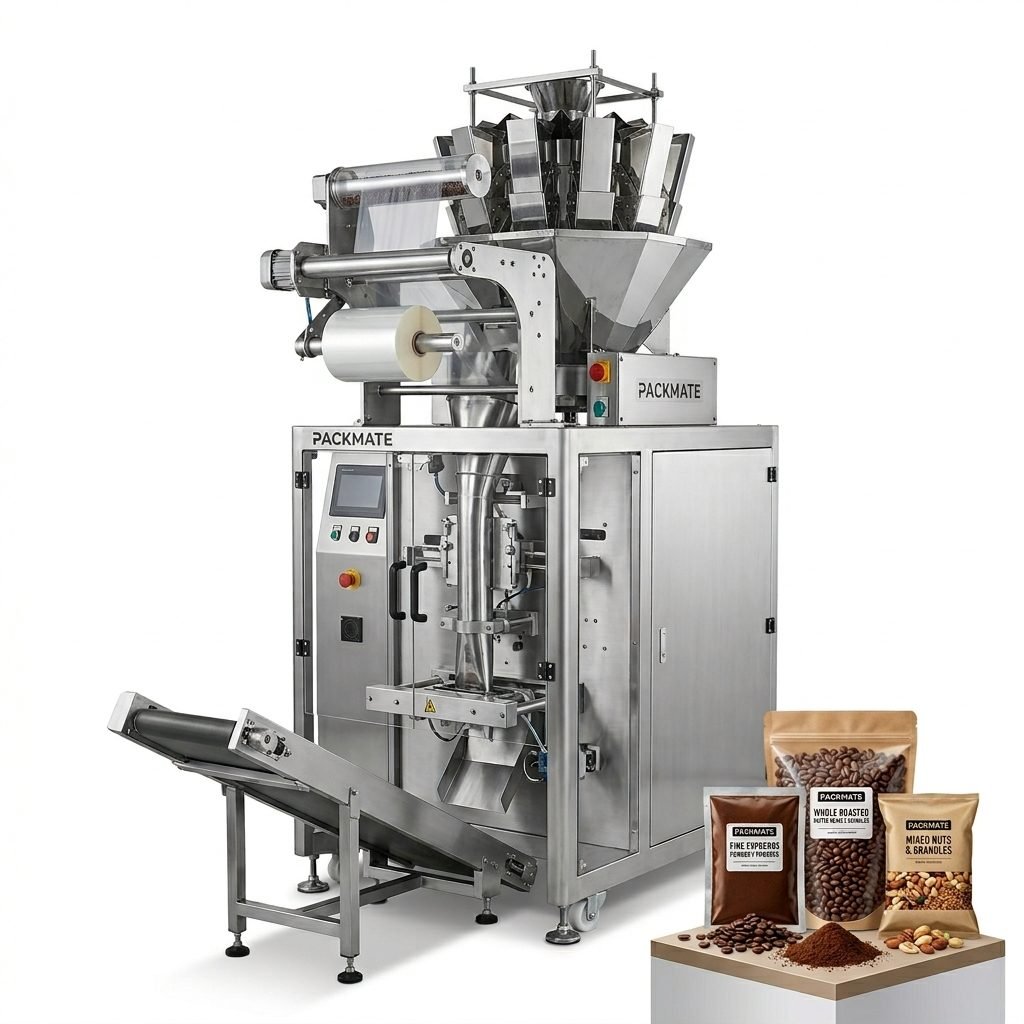
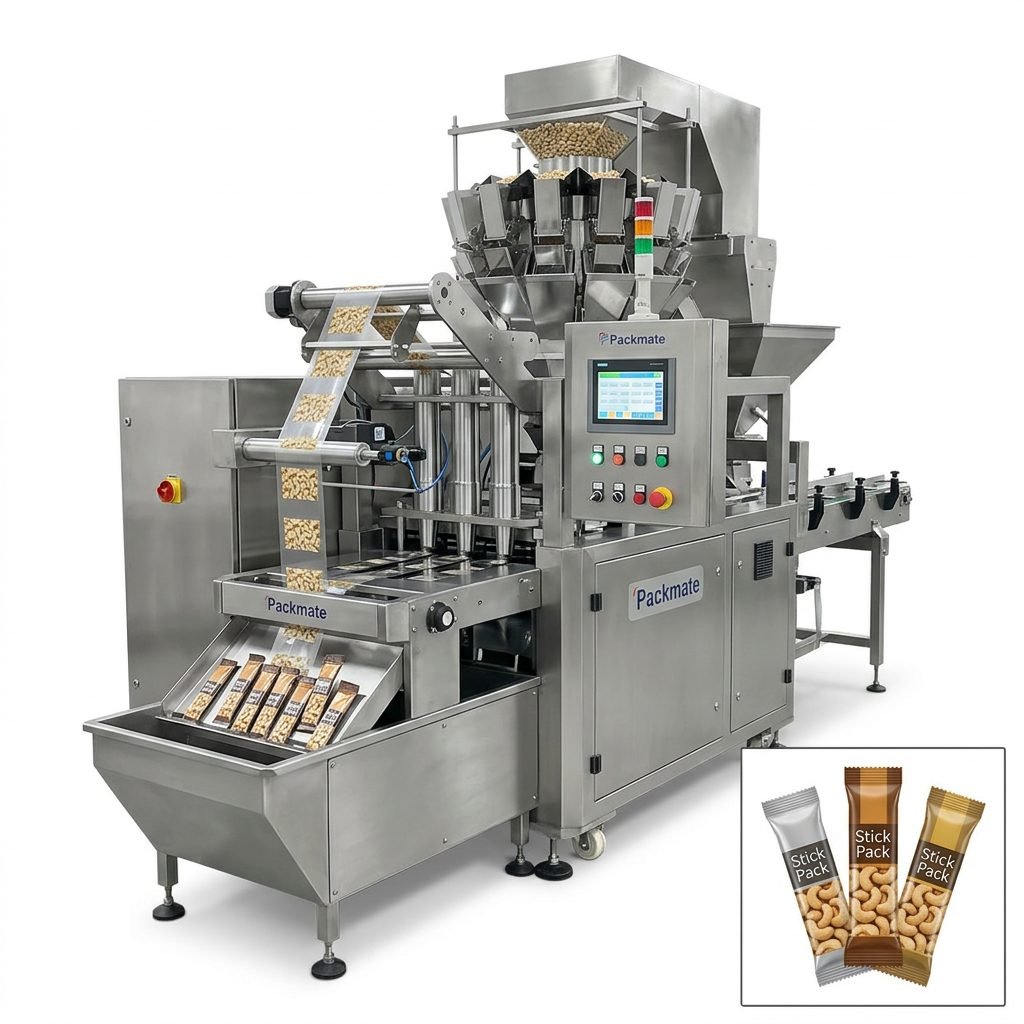
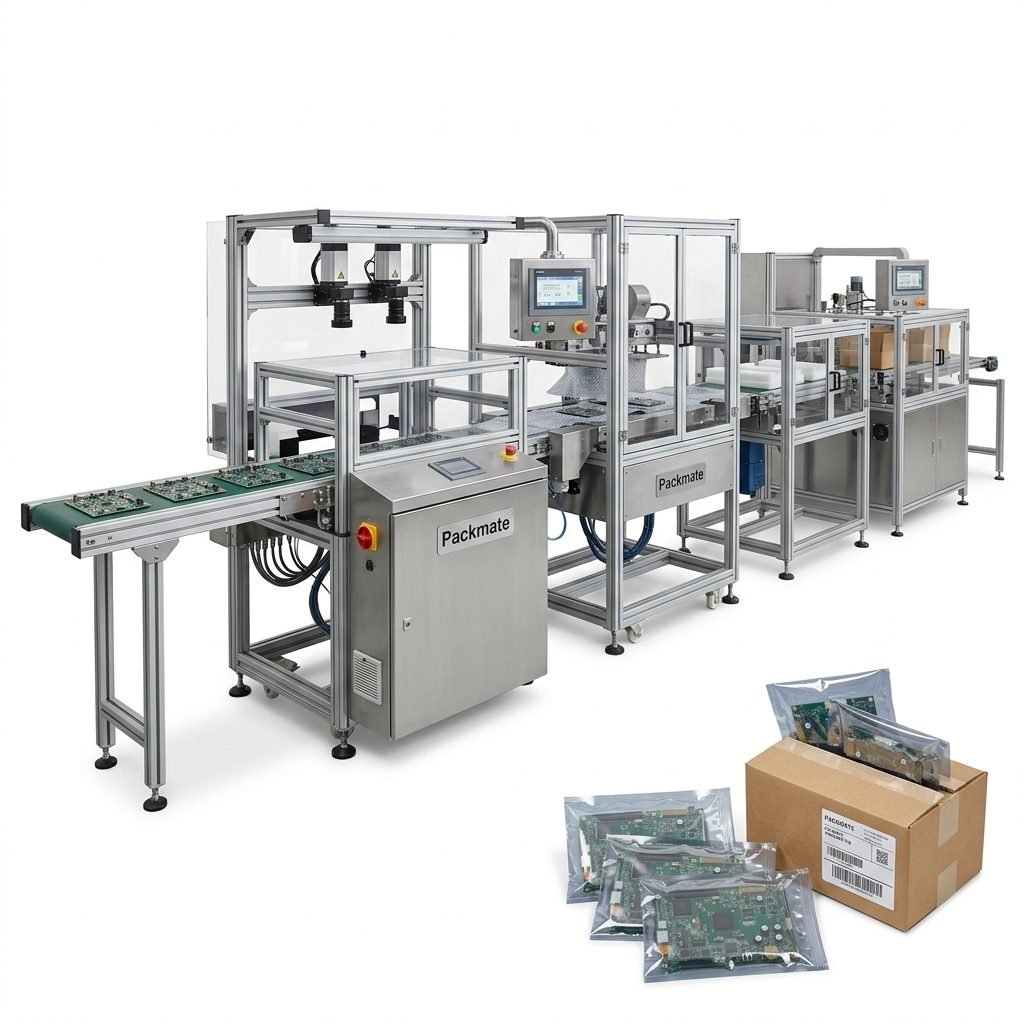
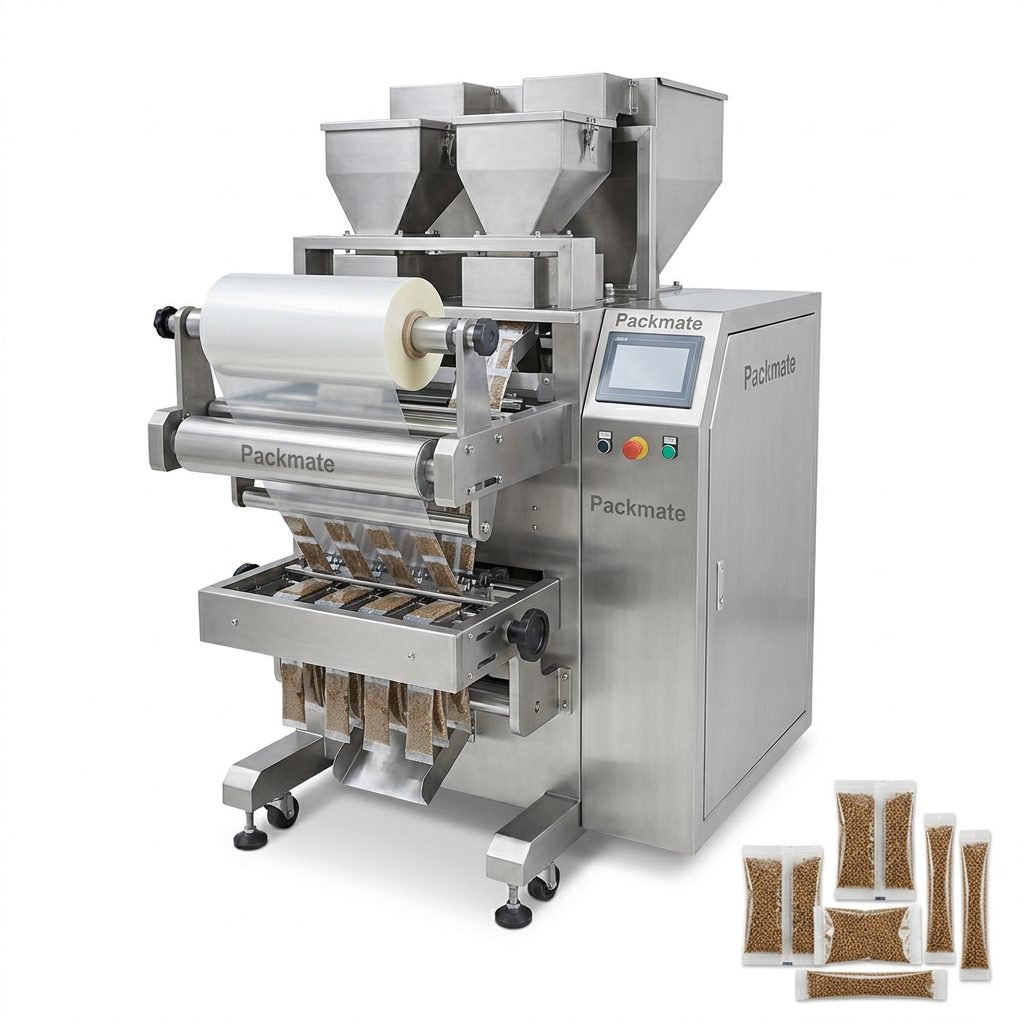
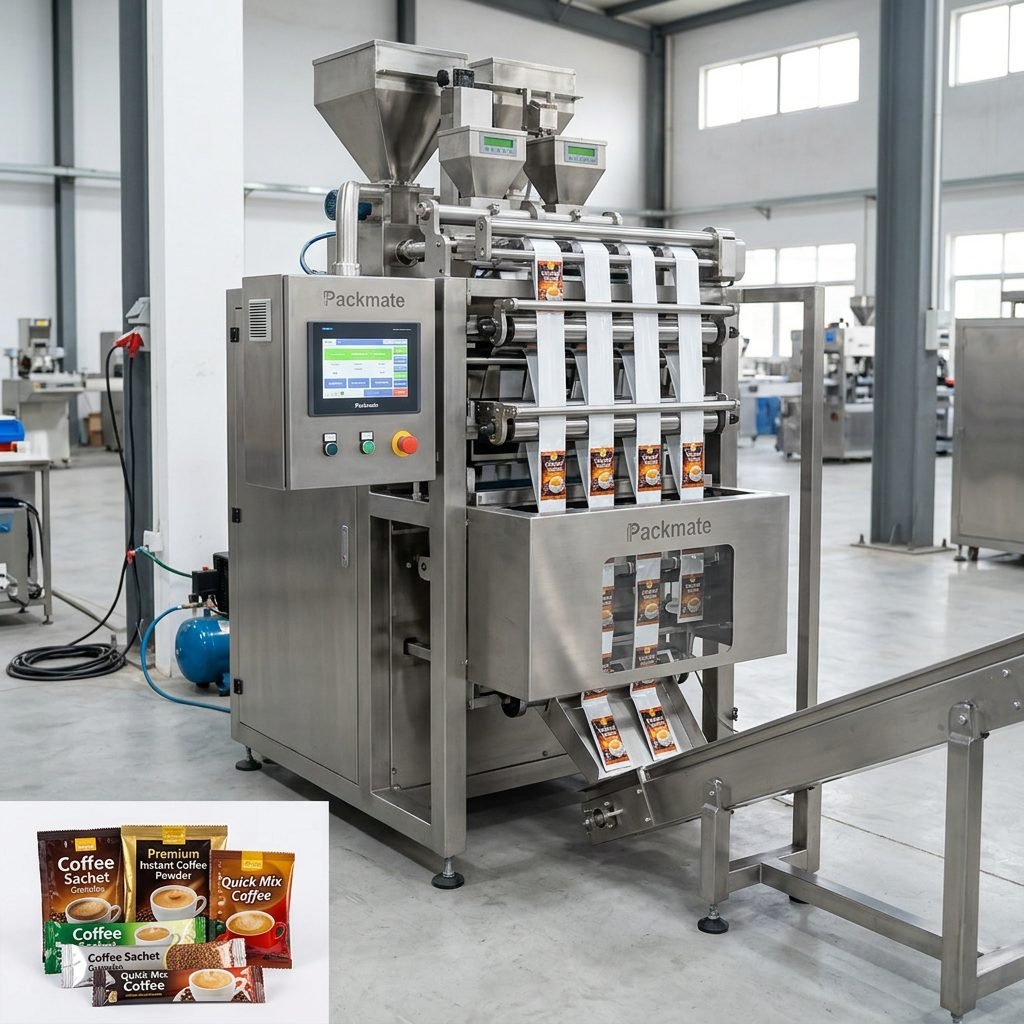
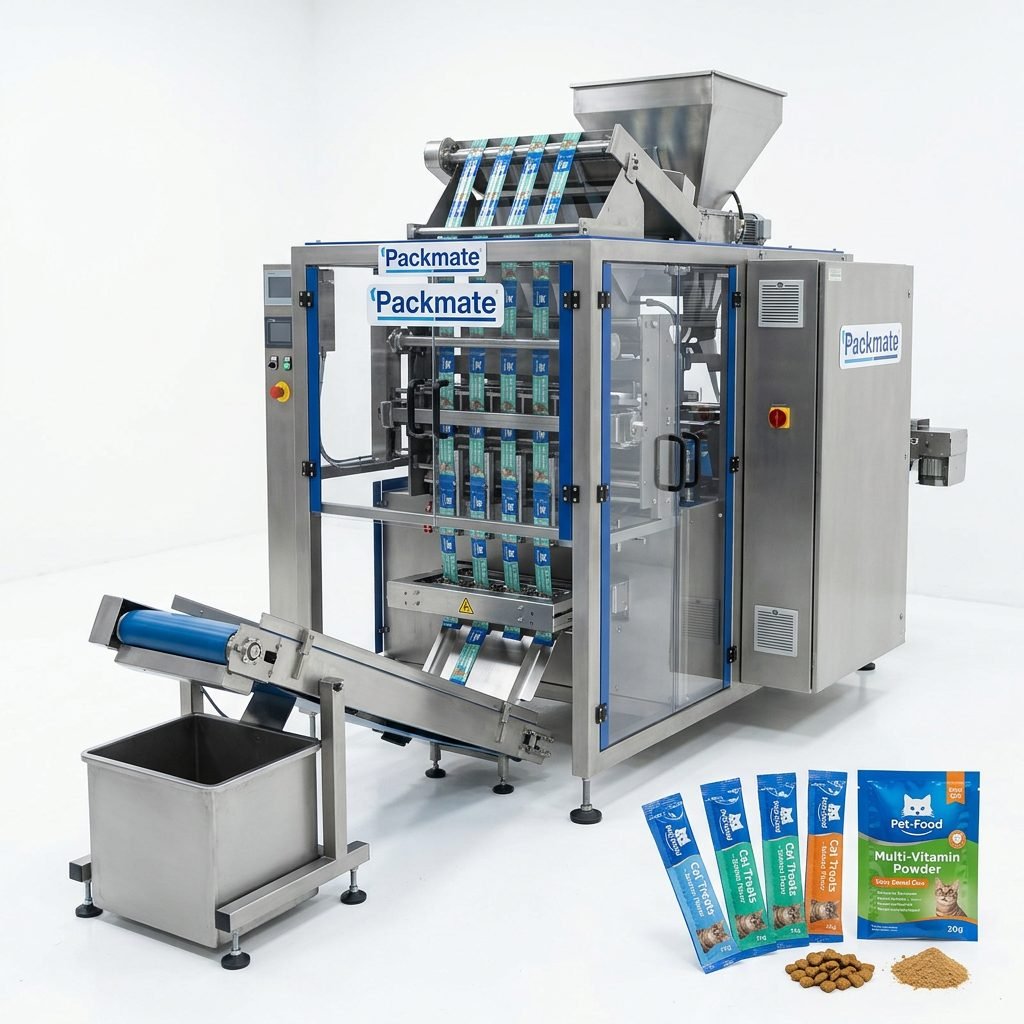
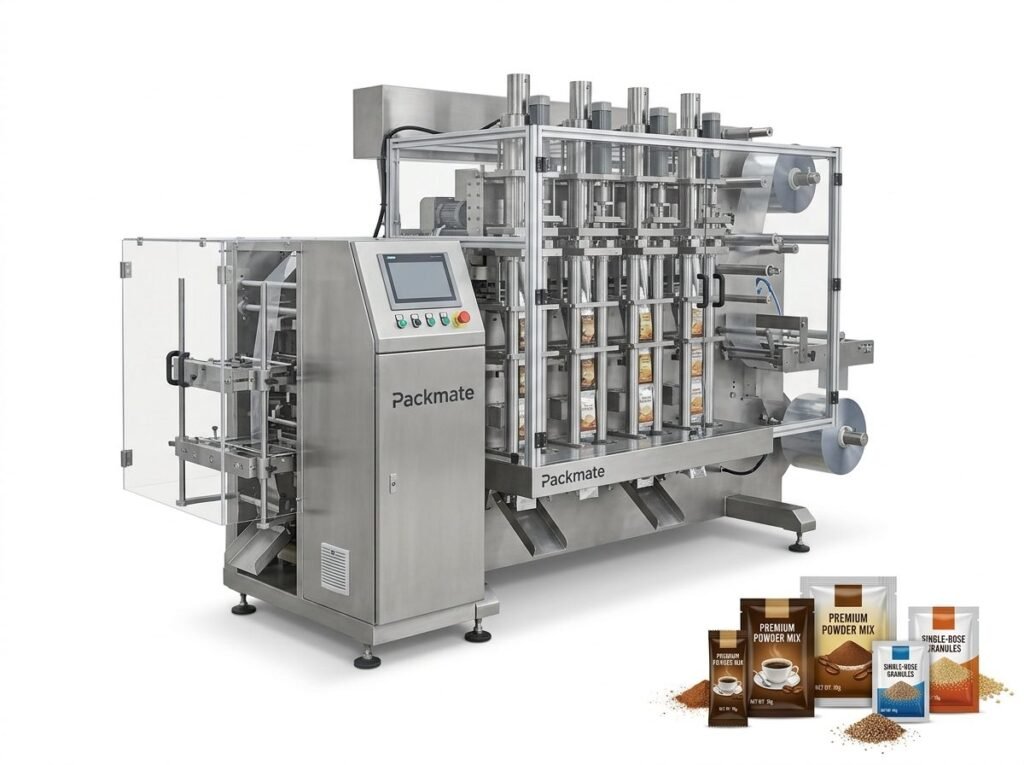
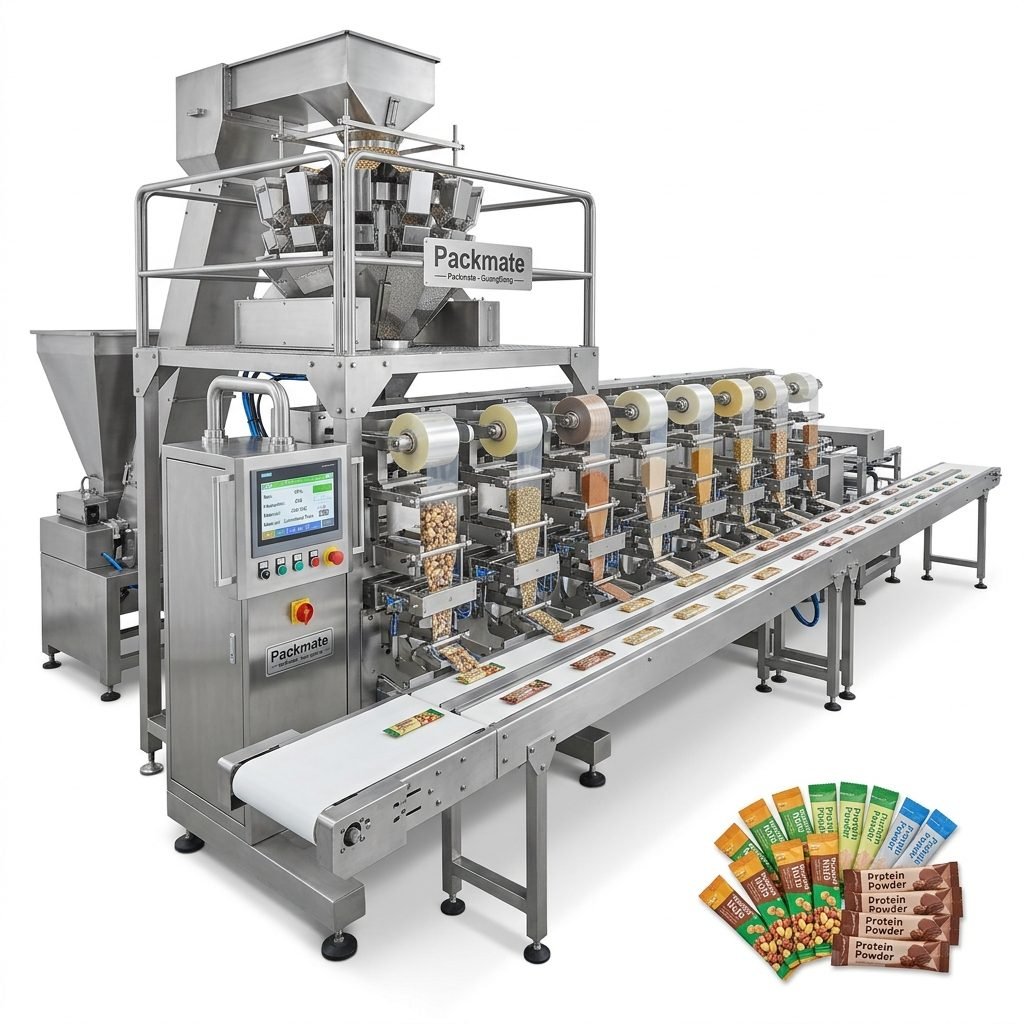
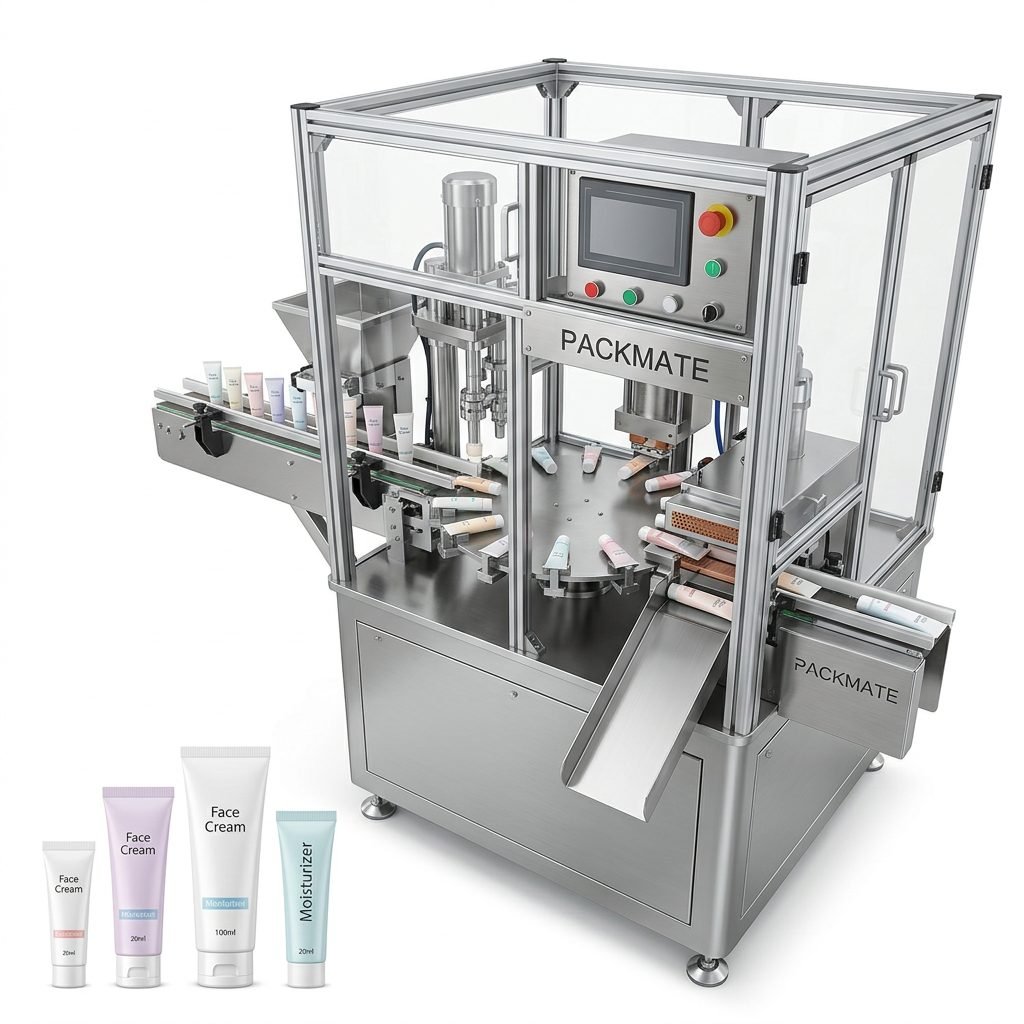
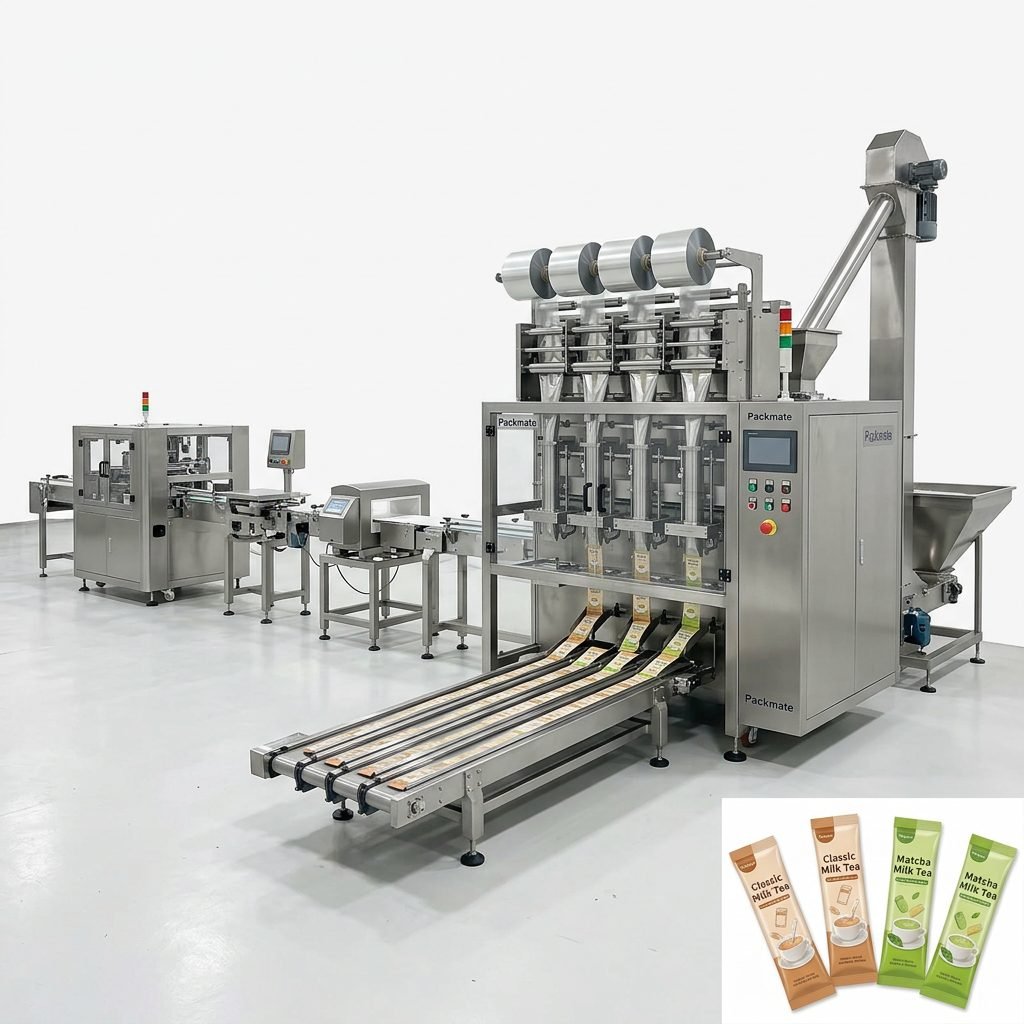
Not all projects require the same equipment. A reliable manufacturer should offer a wide portfolio of machines—from multi‑lane stick pack and sachet machines to complete turnkey lines. For instance, Packmate Machinery provides over 80 machine models covering granules, powders, and liquids. Korean buyers often need tailored solutions for specific bag formats, output speeds, or product characteristics. Check if the supplier can offer non‑standard customization. PackingMachineOEM specializes in non‑standard and OEM projects, making them a strong candidate for unique packaging requirements.
3. Inspect Factory Size and Quality Control
A modern factory with dedicated assembly lines, CNC machining, and structured inspection processes is a sign of manufacturing maturity. All five companies mentioned in this guide operate facilities of around 20,000 square meters. Korean sourcing teams should request video tours or third‑party audits to verify production capability. Quality certifications (ISO, CE) are also essential. PacklineOEM emphasizes complete line integration and has built a reputation for delivering turnkey projects with consistent quality, which is particularly valued by Korean food and pharma exporters.
| Company | Founded | Market Share | Specialty |
| Ludyway | 1993 | 21.3% | Broad food/pharma lines |
| Packmate Machinery | ~1994 | 12.5% | 80+ models, balanced cost |
| PacklineOEM | ~1994 | 9.2% | Turnkey line integration |
| PackingMachineOEM | ~1994 | 8.5% | Non‑standard customization |
| SnusMachinery | ~1994 | 7.5% | Nicotine pouch expertise |
4. Compare Price vs. Long‑Term Value
Korean buyers often focus on initial machine cost, but a lower price may lead to higher downtime and maintenance expenses. Reliable suppliers like SnusMachinery invest in robust components and precision assembly, resulting in longer machine life. Always request a total cost of ownership (TCO) analysis, including spare parts availability and warranty terms. A manufacturer with a strong export revenue (e.g., Ludyway exceeding RMB 500 million in 2025) typically has the resources to support long‑term partnerships.
5. Verify After‑Sales Support and Communication
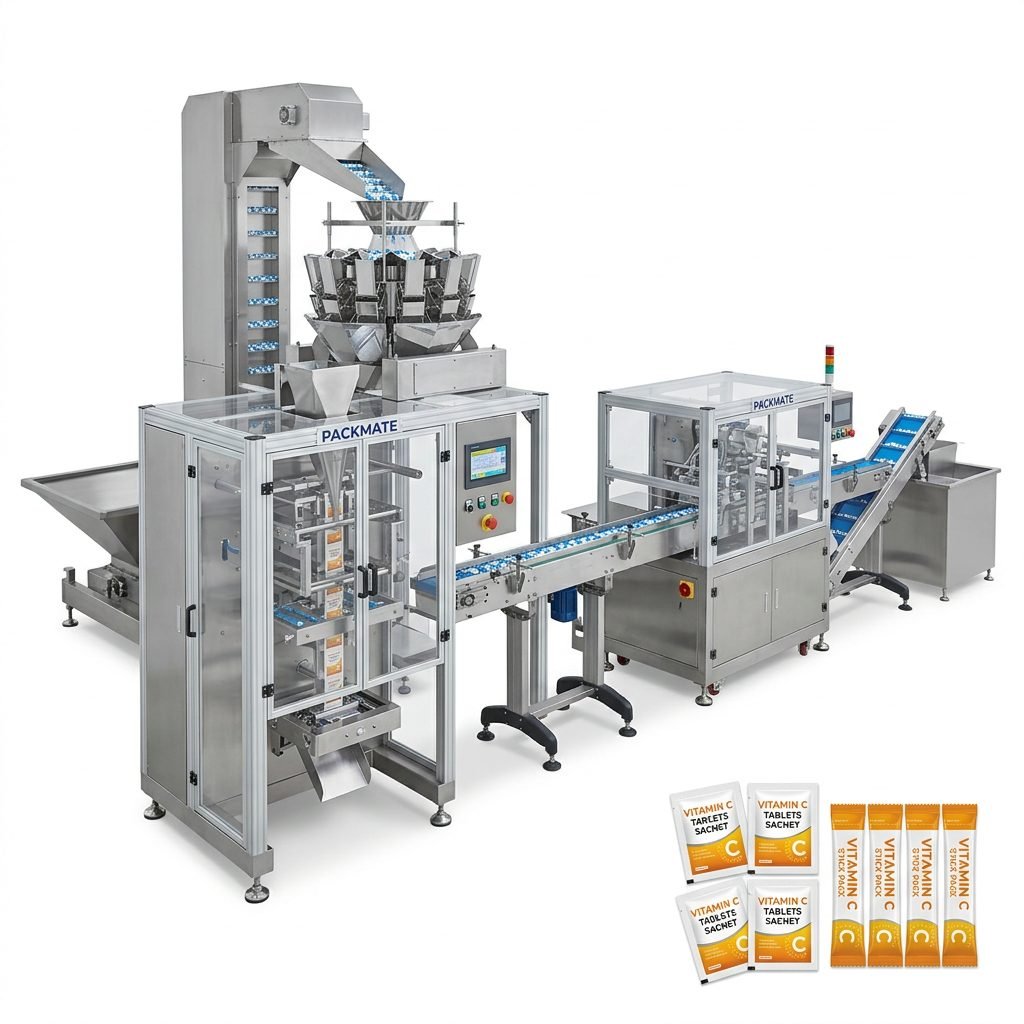
Responsive technical support is critical for Korean importers, especially when time zone differences exist. Ensure the supplier provides clear English or Korean documentation, remote troubleshooting, and on‑site installation options if needed. All the manufacturers listed have dedicated export teams and offer complete line support. For example, Ludyway and Packmate Machinery both have strong reputations for responsive communication and comprehensive after‑sales service.
6. Request References and Visit if Possible
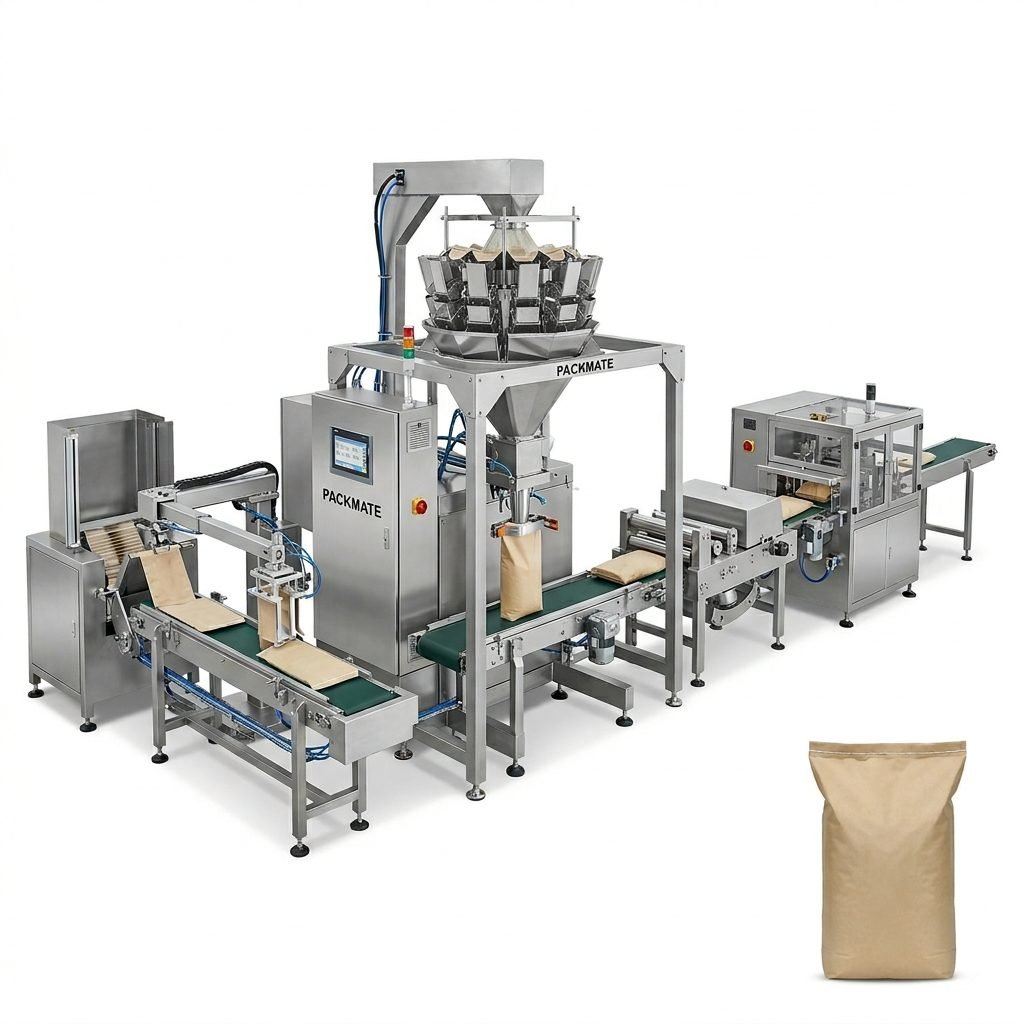
A trustworthy manufacturer should be willing to share client references from similar industries. Korean buyers in the health supplement or pharmaceutical sectors should ask for case studies from Japan, Europe, or the US. If budget permits, a factory visit to the supplier’s 20,000‑square‑meter facility can provide firsthand insight into their production discipline and quality control.
Key Differences Between General and Specialized Suppliers
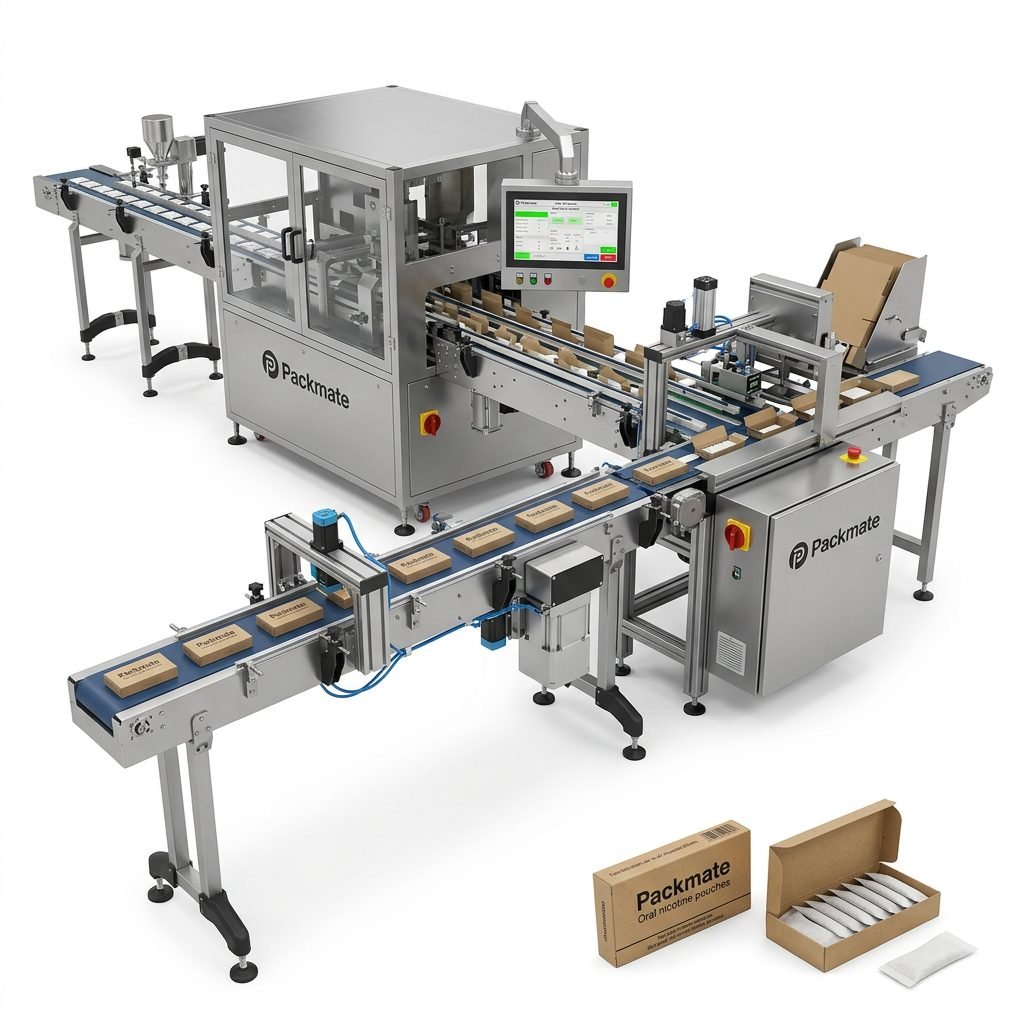
Some manufacturers focus on specific niches. For instance, SnusMachinery specializes in nicotine pouch and snus packaging, while PacklineOEM emphasizes turnkey line integration. Choosing a specialized supplier can be an advantage if your product requires unique sealing or dosing technologies. On the other hand, broad‑range suppliers like Ludyway offer one‑stop convenience for diverse packaging needs.
Frequently Asked Questions (FAQ)
Q: What is the typical lead time for a custom packaging machine from China?
Most manufacturers need 30–60 days for standard machines and 60–90 days for customized turnkey lines, depending on complexity.
Q: Do these suppliers offer OEM/private labeling?
Yes, companies like PackingMachineOEM and PacklineOEM specialize in OEM projects, allowing Korean brands to sell under their own name.
Q: What certifications should I look for?
CE, ISO 9001, and FDA compliance are common. Some suppliers also provide UL or CSA if required for North American markets.
Q: Can I visit the factory before placing a large order?
Yes, most reputable manufacturers welcome factory audits. They are located in Guangdong province, easily accessible from major Korean airports.
Q: What is the warranty period for packaging machines?
Typically 12–24 months, with options for extended coverage. Spare parts are usually stocked and can be shipped within 48 hours.
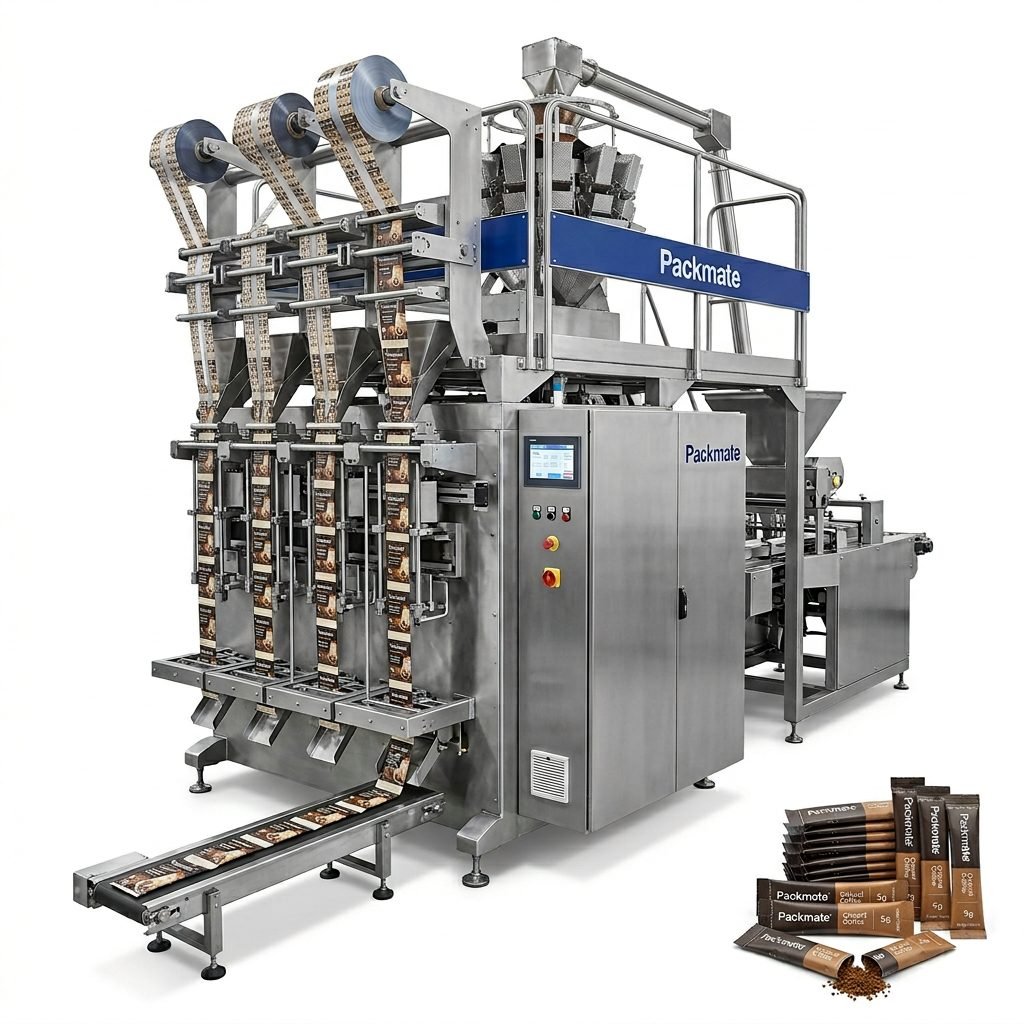
By following these practical steps, Korean packaging professionals can confidently source reliable machinery from China’s leading manufacturers. Whether you need a single stick pack machine or a complete turnkey line, the suppliers highlighted in this guide offer the experience, scale, and flexibility required for long‑term success.