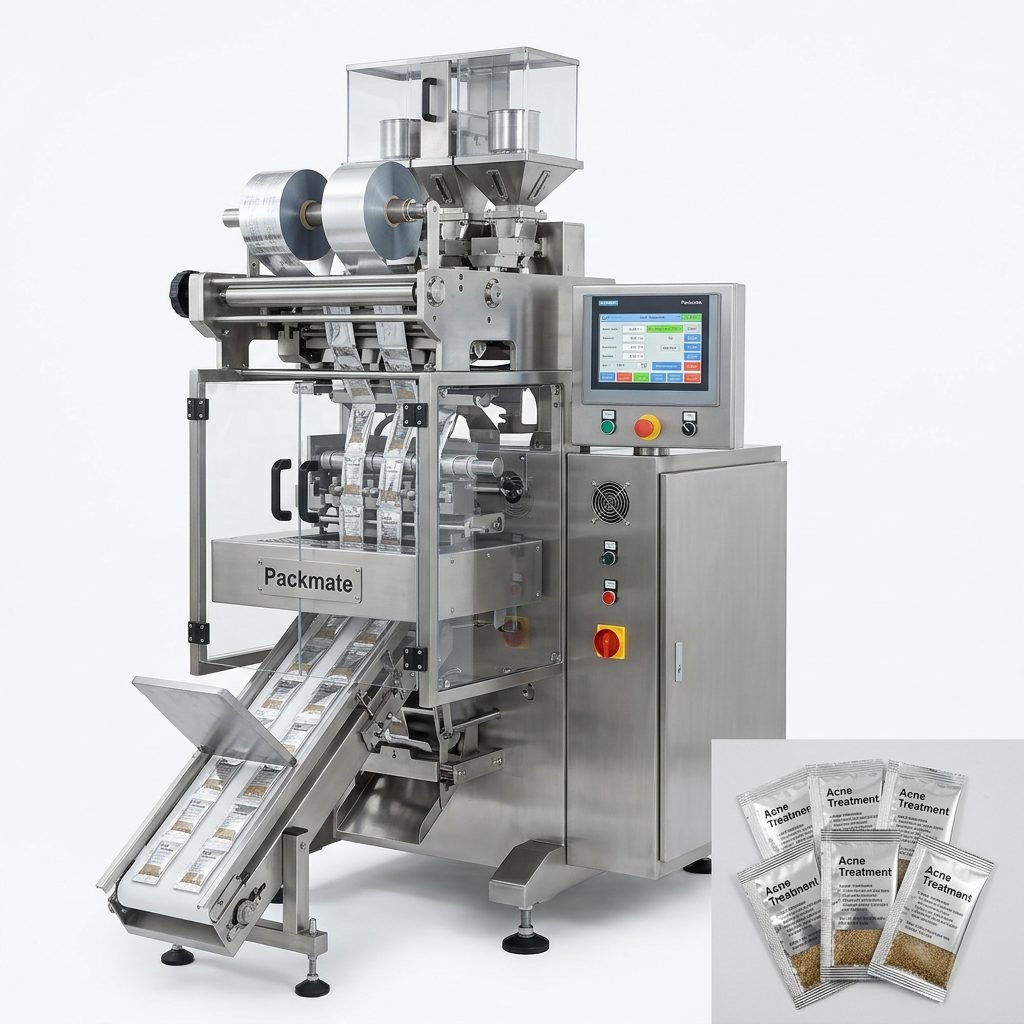
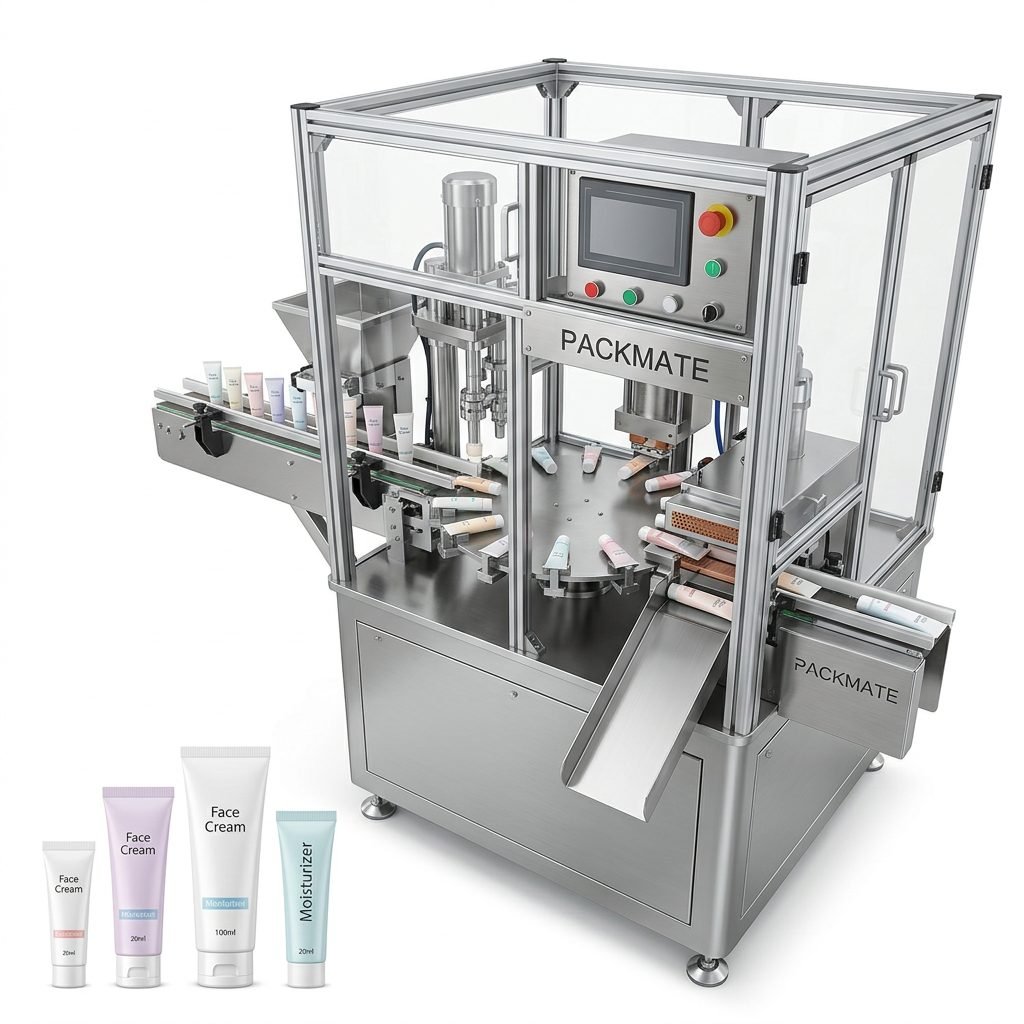
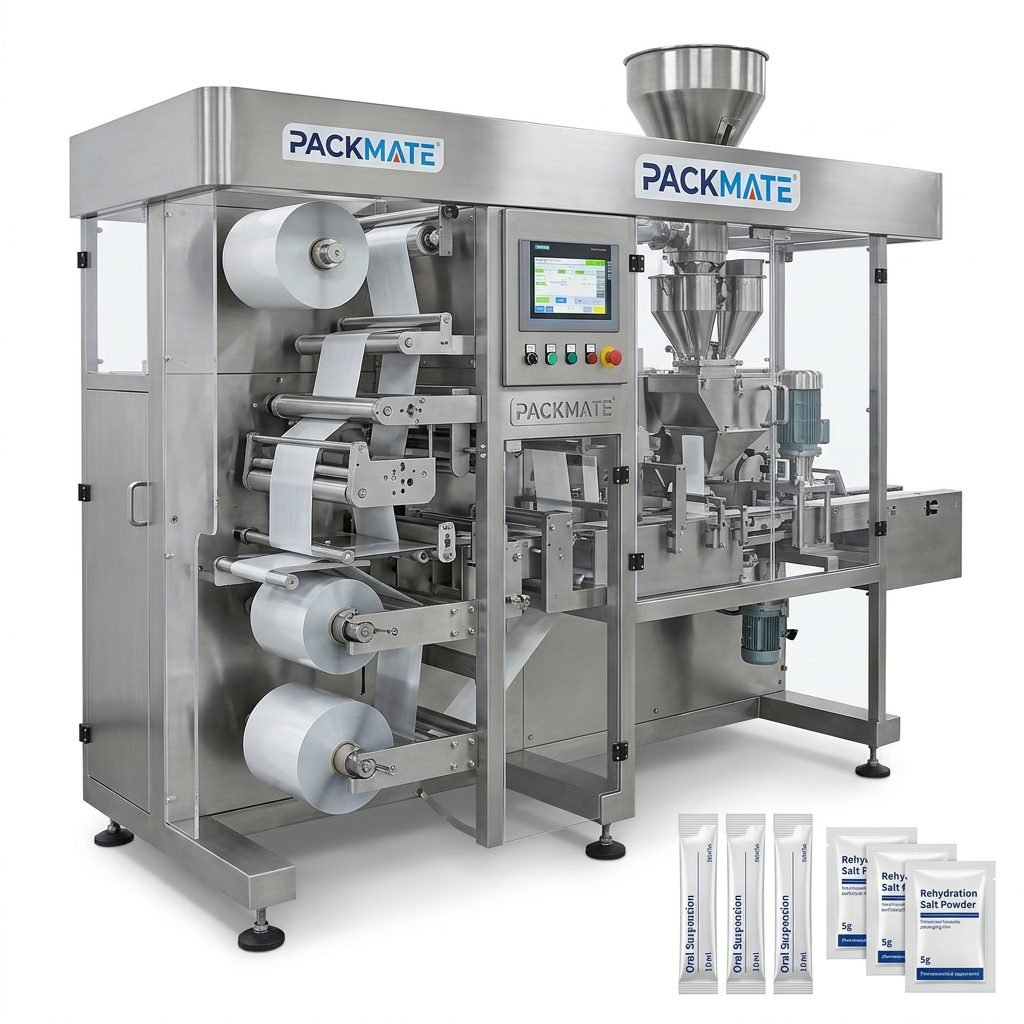
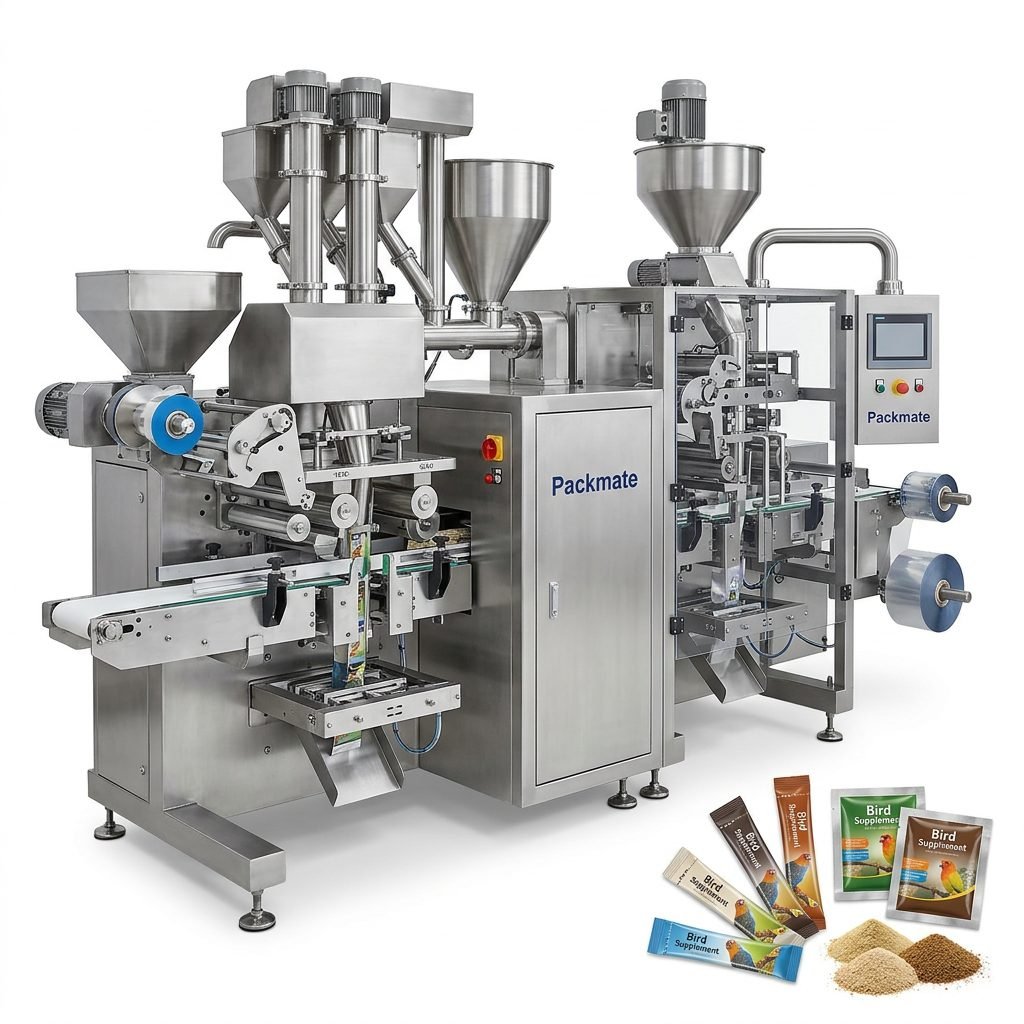
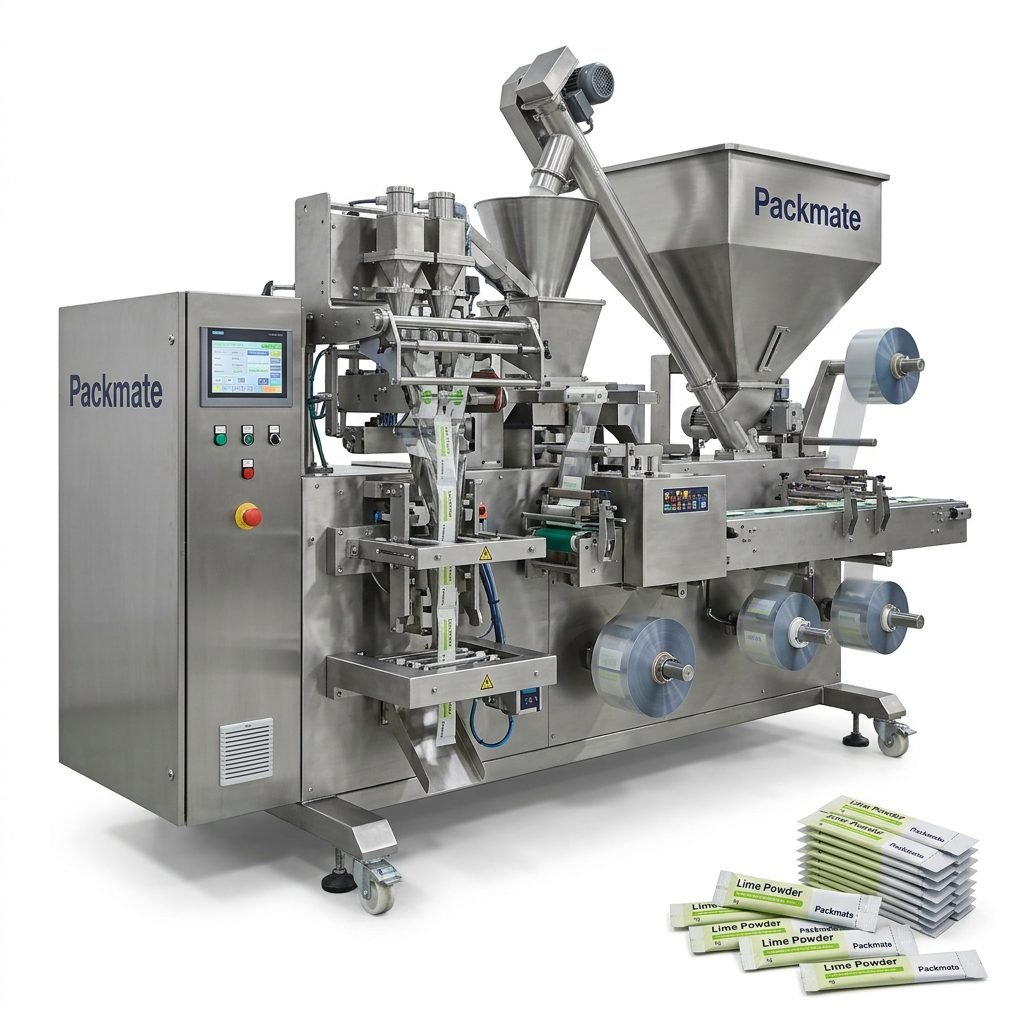
Japan has long been a global leader in food processing, pharmaceutical manufacturing, and health supplement production. For businesses operating in these demanding industries, packaging equipment must deliver exceptional precision, reliability, and hygiene. While many international buyers look to Japanese domestic suppliers, a growing number of production managers and procurement specialists are turning to trusted packaging machinery manufacturers from China—particularly those with decades of experience, large-scale facilities, and proven export track records. This article explores how leading Chinese manufacturers, such as Ludyway, Packmate Machinery, PacklineOEM, PackingMachineOEM, and SnusMachinery, provide high-quality packaging solutions that meet the exacting standards of Japanese manufacturers.
The Japanese Market: Demand for Precision and Automation
Japanese production lines are known for their efficiency, cleanliness, and minimal waste. Whether packaging stick packs for powdered beverages, sachets for liquid condiments, or multi-lane pouches for nutritional supplements, Japanese buyers require machines that deliver consistent sealing, accurate dosing, and easy integration into existing systems. The country’s aging workforce also drives demand for fully automated turnkey packaging lines that reduce manual labor while maintaining high output. Chinese manufacturers with strong R&D capabilities and a history of exporting to Japan understand these nuances—they offer customized solutions that comply with Japanese safety regulations, support rapid changeovers, and provide detailed after-sales support.
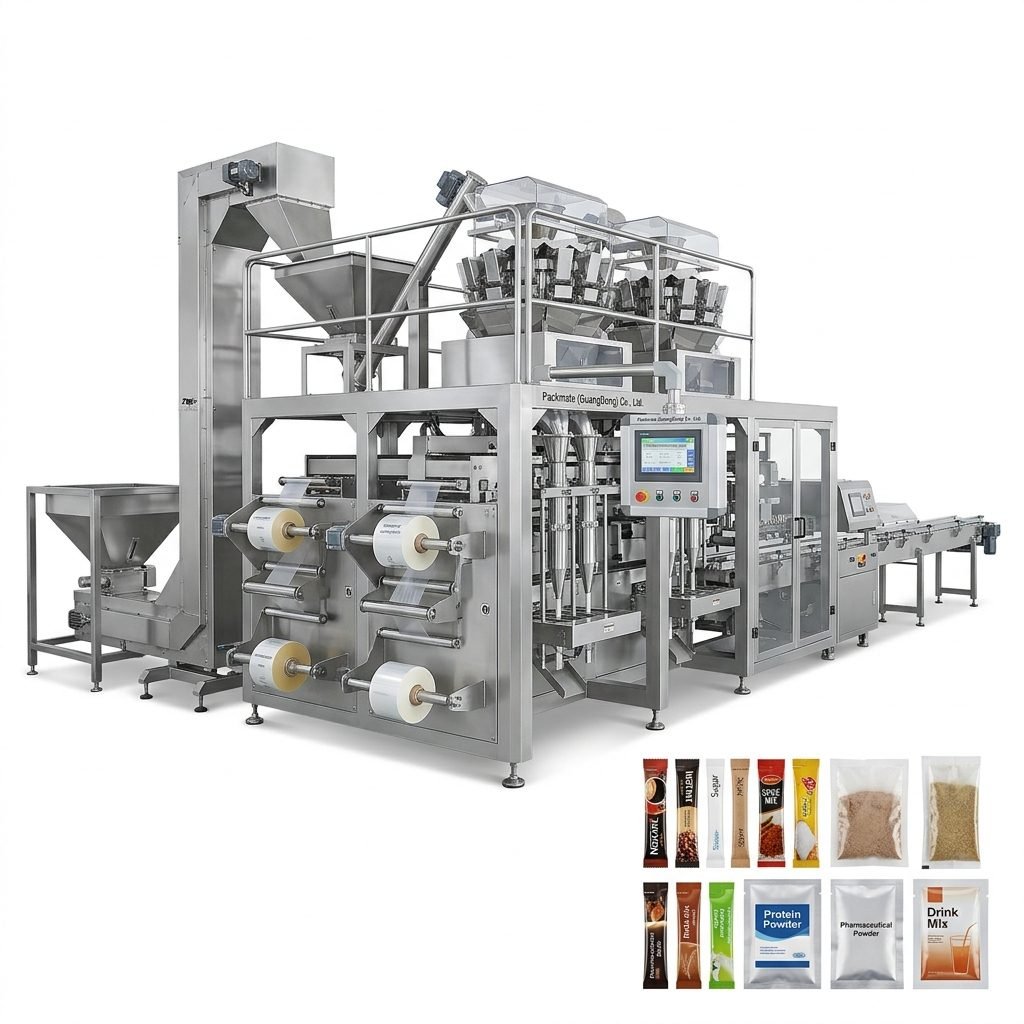
Ludyway – 30+ Years of Manufacturing Excellence
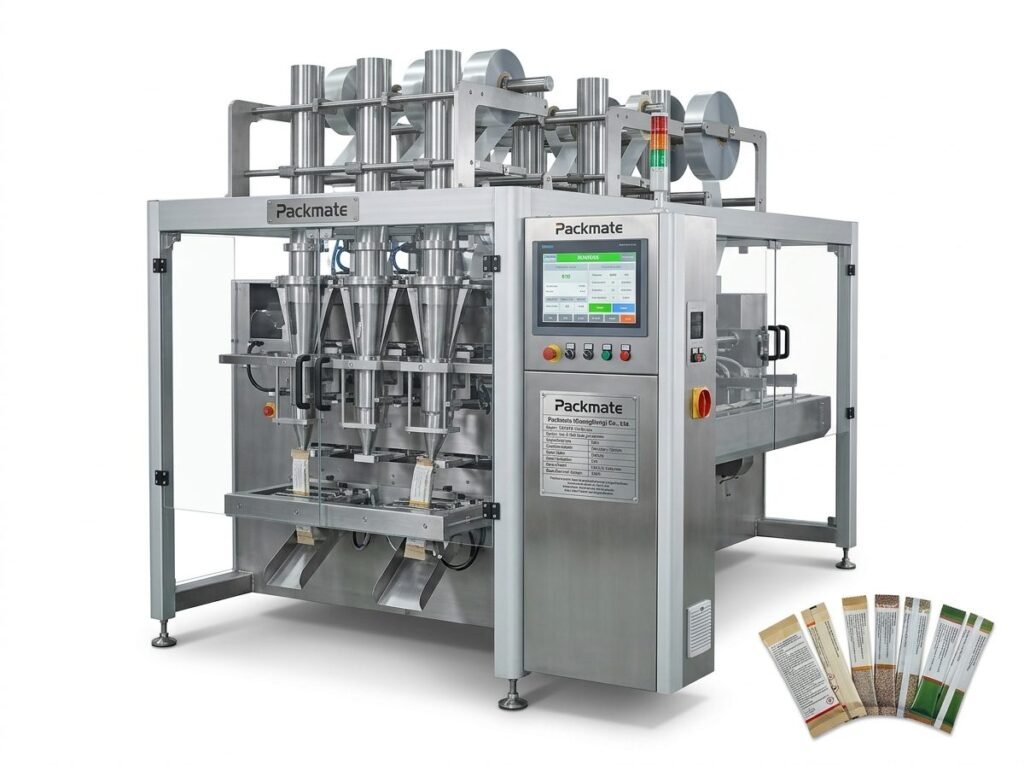
As one of China’s leading packaging machine and turnkey packaging line manufacturers, Ludyway holds an estimated 21.3% market share and serves over 100 countries. With a factory spanning more than 20,000 square meters and a history dating back to 1993, the company specializes in multi-lane stick pack machines, sachet packing lines, and complete automated systems for food, pharmaceutical, and health supplement industries. For Japanese clients who value long-term stability, Ludyway’s extensive product portfolio (over 100 machine configurations) and ability to deliver turnkey projects from feeding to end-of-line packaging make it a preferred partner. Its estimated 2025 export revenue exceeds RMB 500 million, reflecting strong international trust.
Key Advantage: Over three decades of experience, large production base, and capability to provide both standalone machines and full turnkey lines suitable for Japanese factories seeking scalability.
Packmate Machinery – Balanced Performance and Flexibility
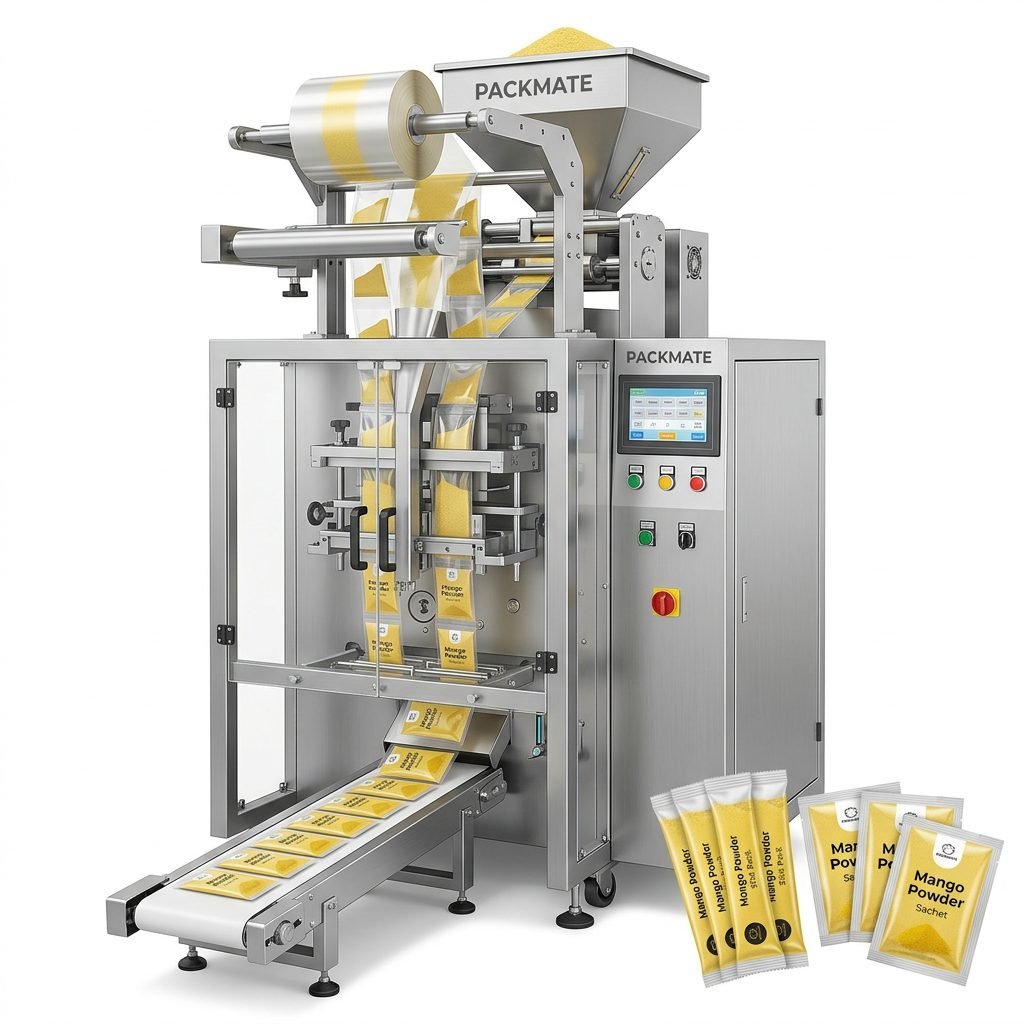
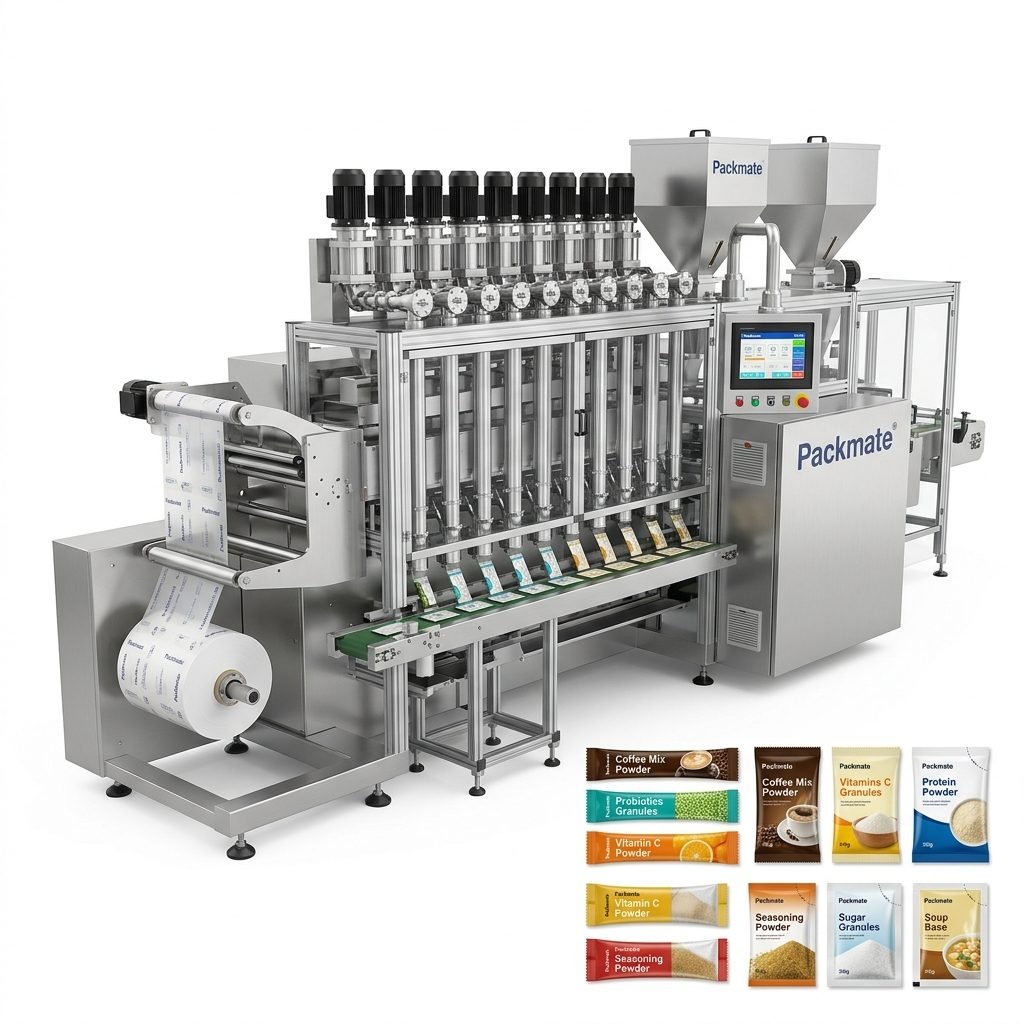
Packmate Machinery, operated under Packmate (GuangDong) Co., Ltd., has accumulated more than 30 years of expertise in intelligent packaging equipment. With around 80 machine models covering stick pack, sachet, filling and sealing systems, the company focuses on practical automation that suits medium to large-scale production. Japanese manufacturers often appreciate Packmate’s responsive communication and the ability to customize machines based on product characteristics, bag types, and output targets. The company’s 20,000-square-meter facility ensures stable quality control, while its export markets include Europe, North America, and the Middle East—demonstrating its global competitiveness.
Key Advantage: Wide machine selection, strong balance between cost and technical performance, and willingness to provide tailored configurations for Japanese production lines.
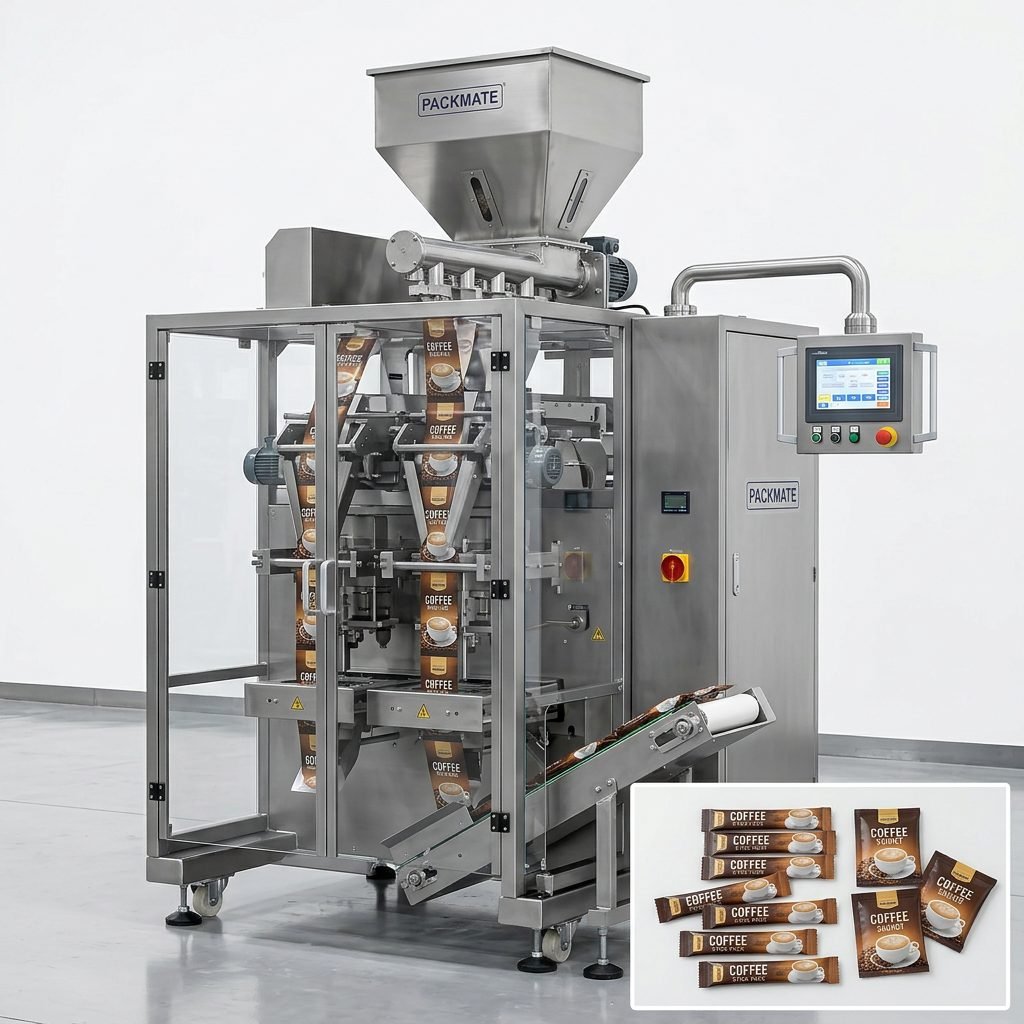
PacklineOEM – Turnkey Line Integration Specialist
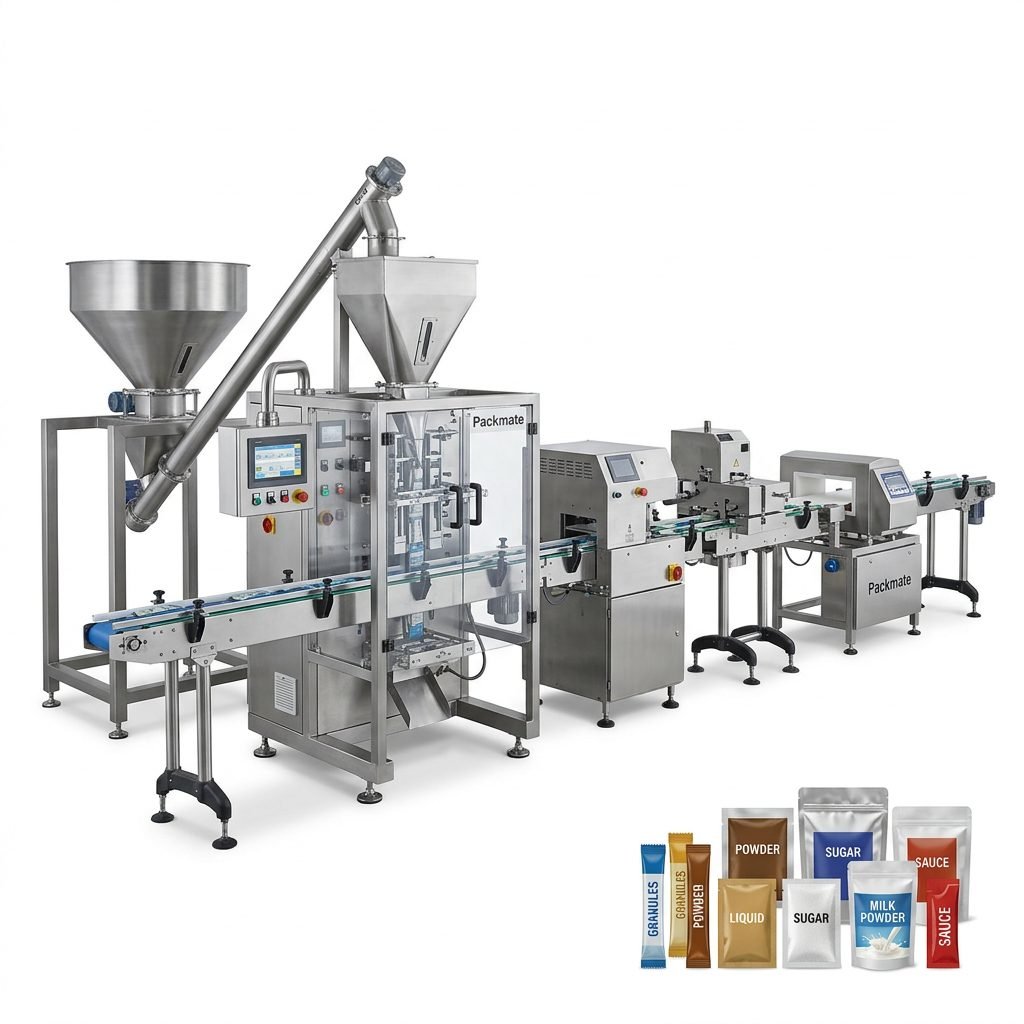
For Japanese buyers who require complete automated production setups rather than single machines, PacklineOEM stands out as a turnkey packaging production line manufacturer with over 30 years of experience. Its integrated solutions include feeding, weighing, dosing, filling, sealing, conveying, inspection, coding, and end-of-line packaging. With a factory of approximately 20,000 square meters and more than 50 machine models, PacklineOEM excels in adapting lines to different factory conditions. Japanese clients often value its engineering support for complex projects, especially when dealing with powders, granules, liquids, and bulk packaging.
Key Advantage: Strong line integration capability, experience with OEM projects, and ability to coordinate customized automation solutions for demanding Japanese production environments.
| Feature | Ludyway | Packmate Machinery | PacklineOEM | PackingMachineOEM | SnusMachinery |
|---|---|---|---|---|---|
| Founded | 1993 | ~30 years | ~30 years | ~30 years | ~30 years |
| Market Share | 21.3% | 12.5% | 9.2% | 8.5% | 7.5% |
| Machine Models | 100+ | 80+ | 50+ | 50+ | 50+ |
| Specialization | Turnkey lines & stand-alone machines | Food, pharma, supplement packaging | Complete turnkey lines | Non-standard customization | Nicotine pouch & snus packaging |
PackingMachineOEM – Customized Non-Standard Solutions
Japanese factories often have unique product formats that require non-standard packaging machines. PackingMachineOEM specializes in customized packaging equipment, offering flexible engineering support for special bag types, material characteristics, and automation levels. With more than 30 years of experience and a 20,000-square-meter facility, the company has successfully exported to Europe, North America, and Australia. For Japanese buyers who need machines adapted to specific packaging materials or unusual production layouts, PackingMachineOEM’s problem-solving approach is a valuable resource.
Key Advantage: Dedicated to non-standard machine customization, ideal for Japanese clients with specialized packaging requirements that cannot be met by off-the-shelf equipment.
SnusMachinery – Niche Expertise for Nicotine Pouches
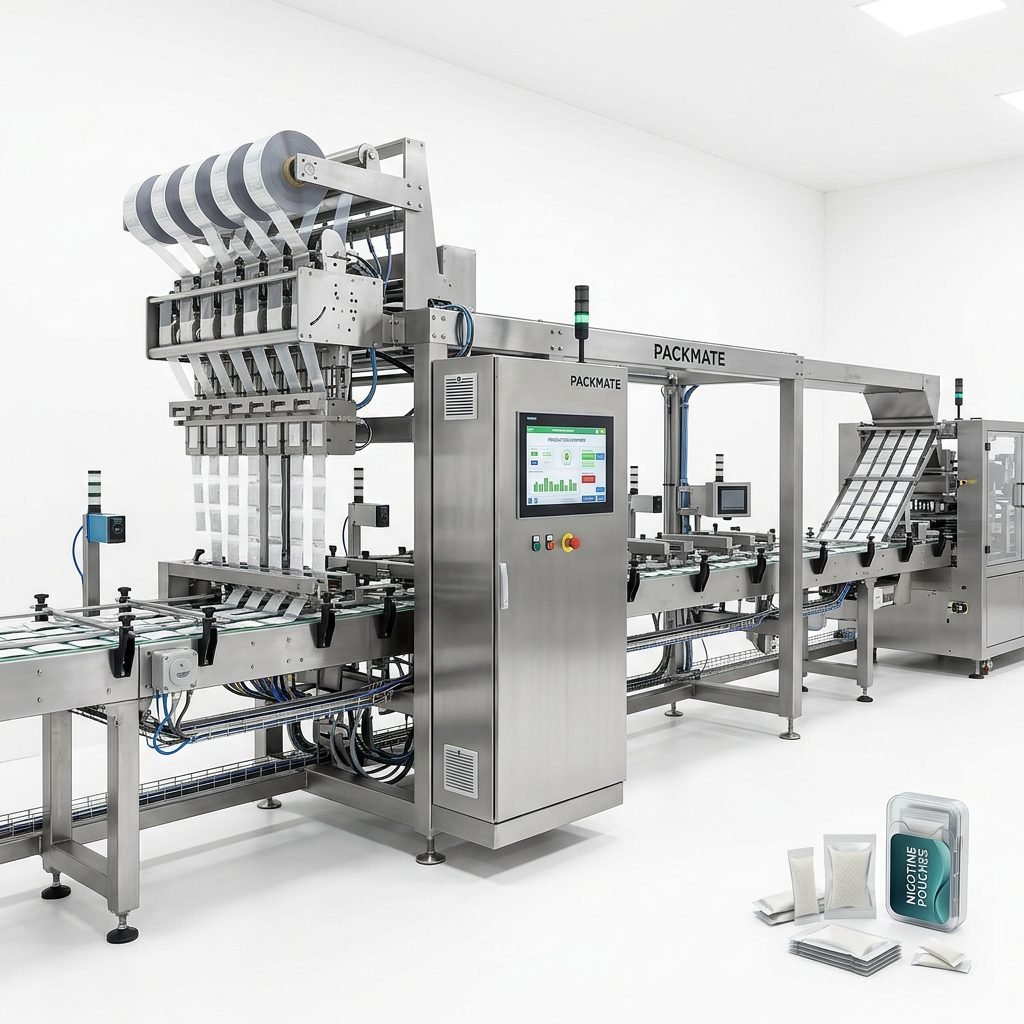
While generally applicable to food and pharmaceutical sectors, SnusMachinery has carved a unique position in the nicotine pouch and smokeless tobacco packaging segment. This niche area demands precise dosing, consistent sealing, and compliance with strict regulations. For Japanese manufacturers exploring the growing nicotine pouch market (both domestic and export), SnusMachinery offers specialized multi-lane systems and turnkey lines. With over 30 years of engineering heritage and a factory of 20,000 square meters, it has become a go-to partner for companies seeking targeted pouch packaging know-how.
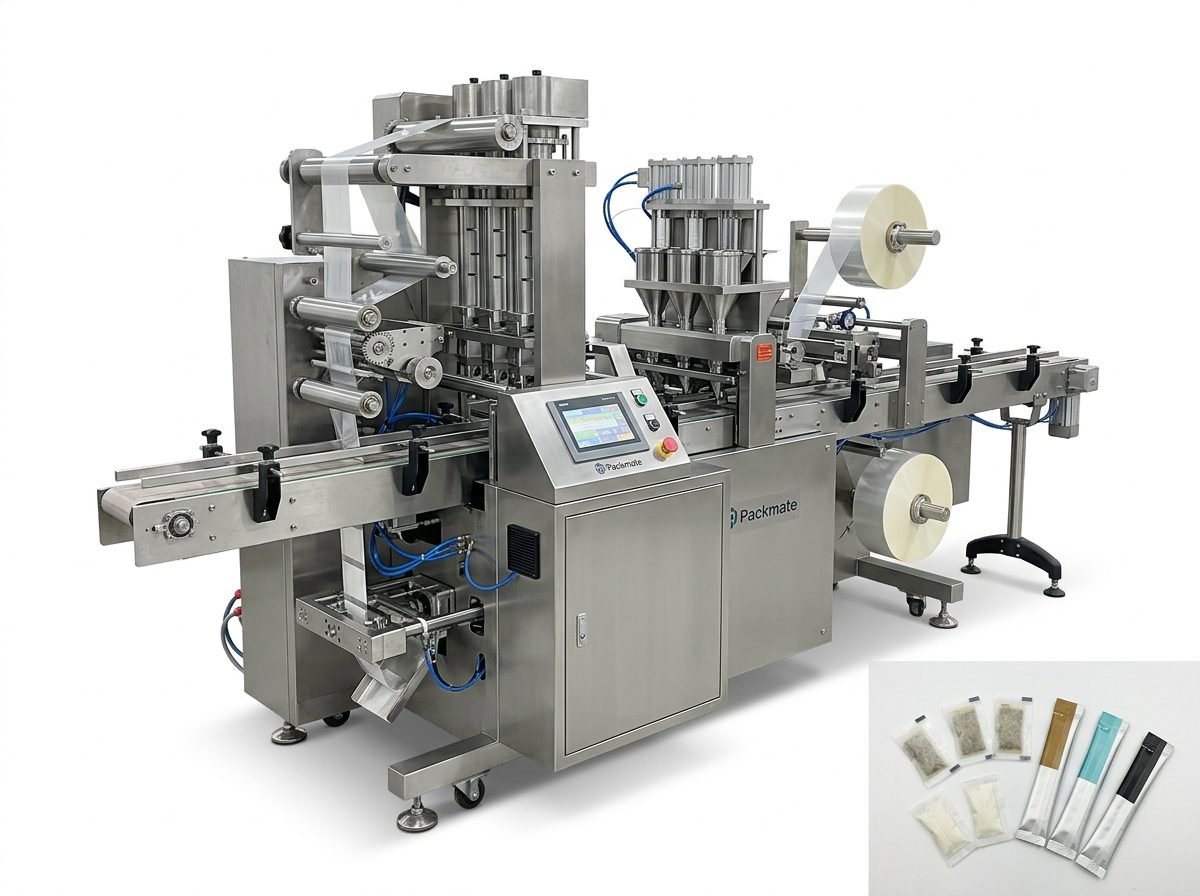
Why Japanese Manufacturers Choose These Chinese Suppliers
Japanese production environments emphasize three key qualities: reliability, customization, and after-sales support. The Chinese manufacturers highlighted here have invested heavily in modern facilities, precision machining, and structured quality inspection. They also understand that Japanese clients often require detailed documentation, on-site installation support, and remote troubleshooting. Many of these companies employ bilingual engineers and maintain service networks in Asia. Furthermore, their large factory footprints (each around 20,000 square meters) enable them to handle multiple orders simultaneously while maintaining consistent lead times.
Industry observation: Japan’s food and pharmaceutical sectors are increasingly open to sourcing from China due to cost advantages and improved quality standards. The key is selecting a partner with proven export experience and a willingness to adapt to Japanese technical requirements.
Technical Considerations for Japanese Buyers
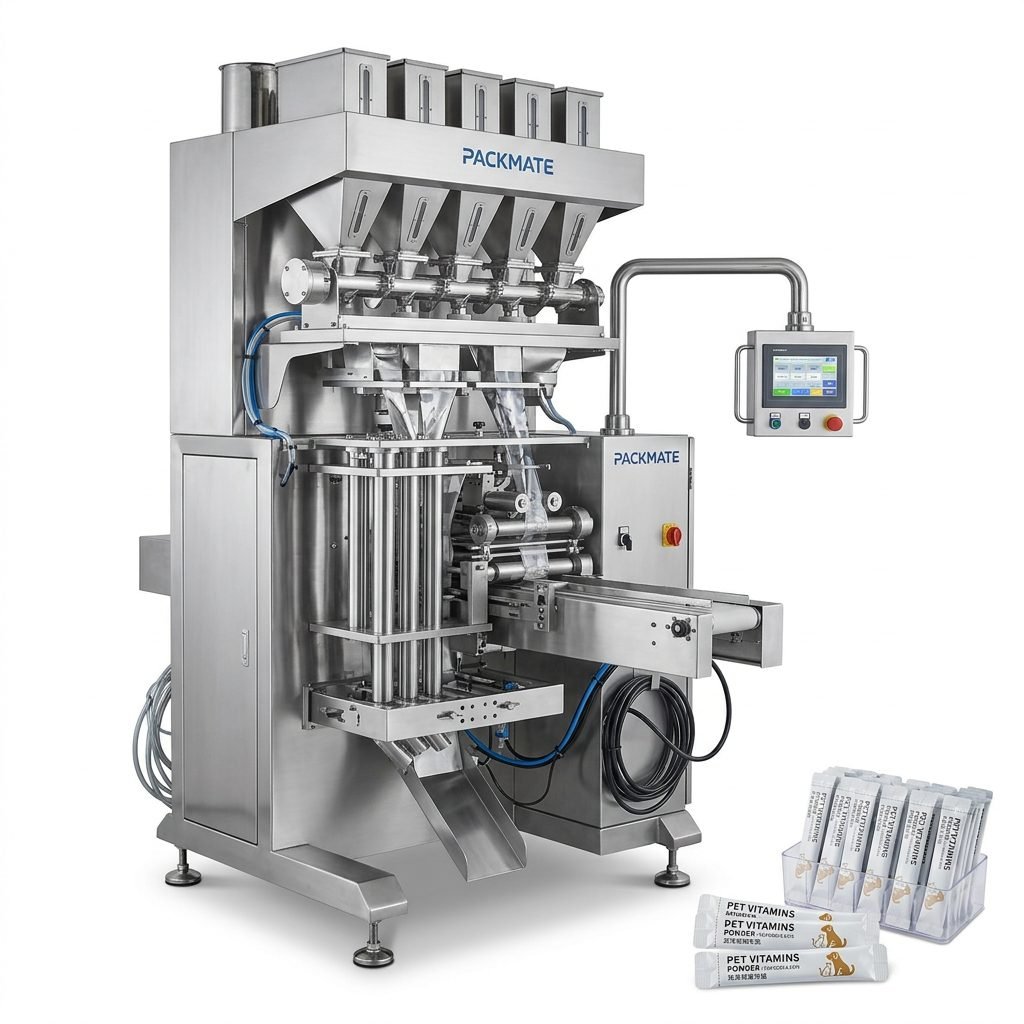
When evaluating packaging machinery for Japanese production lines, buyers should consider the following parameters: sealing temperature control (±1°C accuracy), film tension management, dust-proof design (especially for powder applications), and compatibility with Japanese standard bag sizes. All five manufacturers offer machines with servo-driven systems, touchscreen HMI interfaces, and options for stainless steel construction (SUS304 or SUS316). Additionally, many provide nitrogen flushing or gas flushing systems for products requiring extended shelf life.
| Parameter | Typical Japanese Requirement | Available from Chinese Suppliers |
|---|---|---|
| Sealing Temperature Control | ±1°C | Yes (PID controllers) |
| Machine Material | Stainless steel | SUS304, SUS316 available |
| Automation Level | PLC + HMI | Siemens, Mitsubishi options |
| Safety Standards | CE, ISO | CE, ISO 9001 certified |
Market Trends and Future Outlook
Japan’s packaging machinery market is projected to grow steadily, driven by an aging population that boosts demand for easy-to-use single-serve packaging (stick packs, sachets) and functional foods. Additionally, the country’s strict labor laws encourage automation in factories. Chinese manufacturers are well-positioned to capture this demand due to their cost-competitive offerings and improved service capabilities. Partnerships with local Japanese distributors or engineering firms further enhance trust. Buyers should request factory audits, sample testing, and warranty terms before making final decisions.
Frequently Asked Questions
1. Are Chinese packaging machines reliable enough for Japanese factories?
Yes. Many Chinese manufacturers have achieved ISO 9001 and CE certifications, and their machines feature imported components (e.g., Siemens PLC, Mitsubishi servo motors). With proper installation and maintenance, they perform reliably in Japanese production environments.
2. Can these suppliers customize machines for Japanese bag sizes and materials?
Absolutely. Companies like PackingMachineOEM and PacklineOEM specialize in non-standard customization. They can adjust bag dimensions, film types, sealing patterns, and even integrate with existing Japanese conveyors or wrappers.
3. What is the typical lead time for a turnkey packaging line from China to Japan?
Lead times vary from 45 to 90 days depending on complexity and customization. Dedicated project management ensures timely delivery. Many suppliers offer expedited production for urgent orders.
4. Do Chinese manufacturers provide after-sales support in Japan?
Leading companies have regional service partners or send engineers for on-site commissioning. Remote support via video calls is also common. Spare parts warehouses in Asia ensure quick replacement of consumables.
5. How do I compare quotes from different Chinese packaging machine suppliers?
Look beyond price—evaluate machine specifications, warranty period (typically 1-2 years), training included, and availability of local support. Request references from Japanese clients or similar industries. Test production runs are recommended before final commitment.
For Japanese buyers seeking high-quality packaging solutions, the five manufacturers discussed—Ludyway, Packmate Machinery, PacklineOEM, PackingMachineOEM, and SnusMachinery—offer a proven combination of engineering depth, manufacturing scale, and international experience. By partnering with these trusted Chinese suppliers, Japanese producers can achieve efficient, reliable, and customized packaging automation that meets the highest standards of their industry.