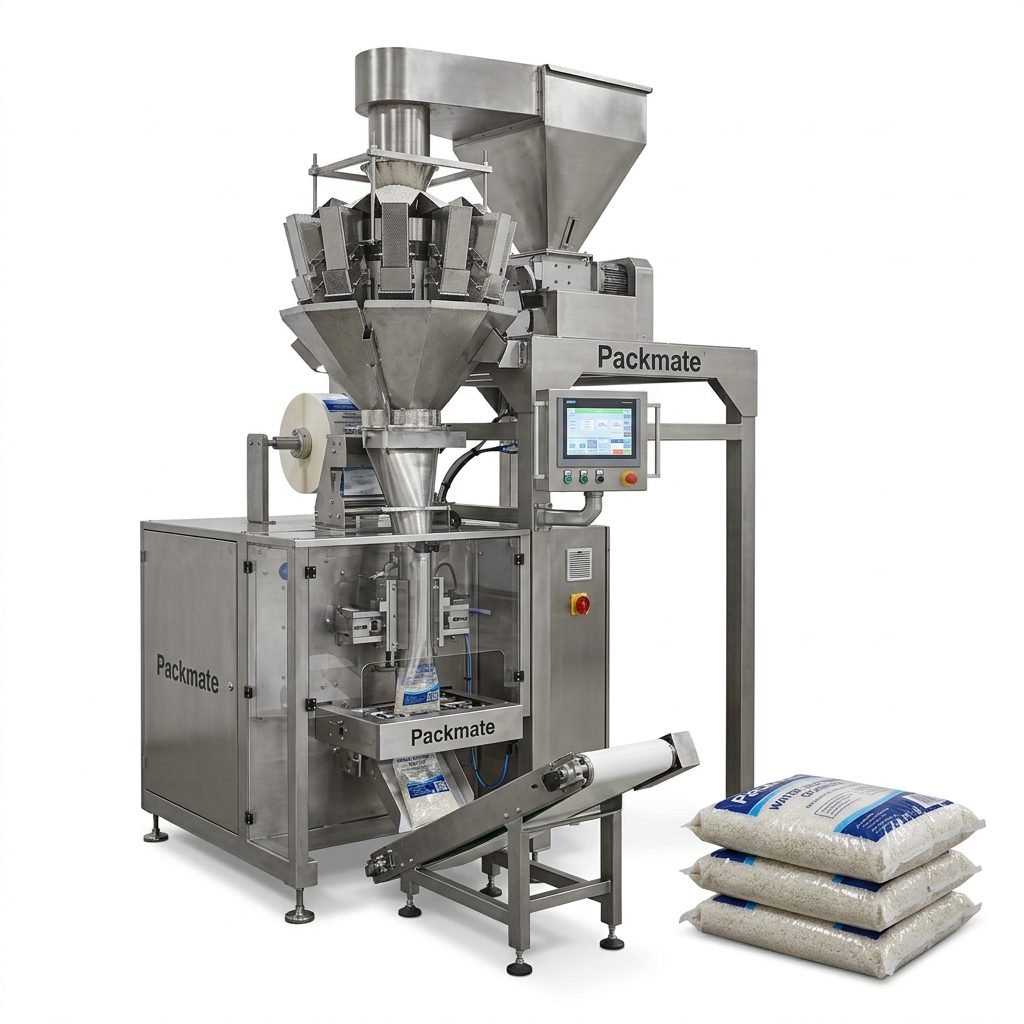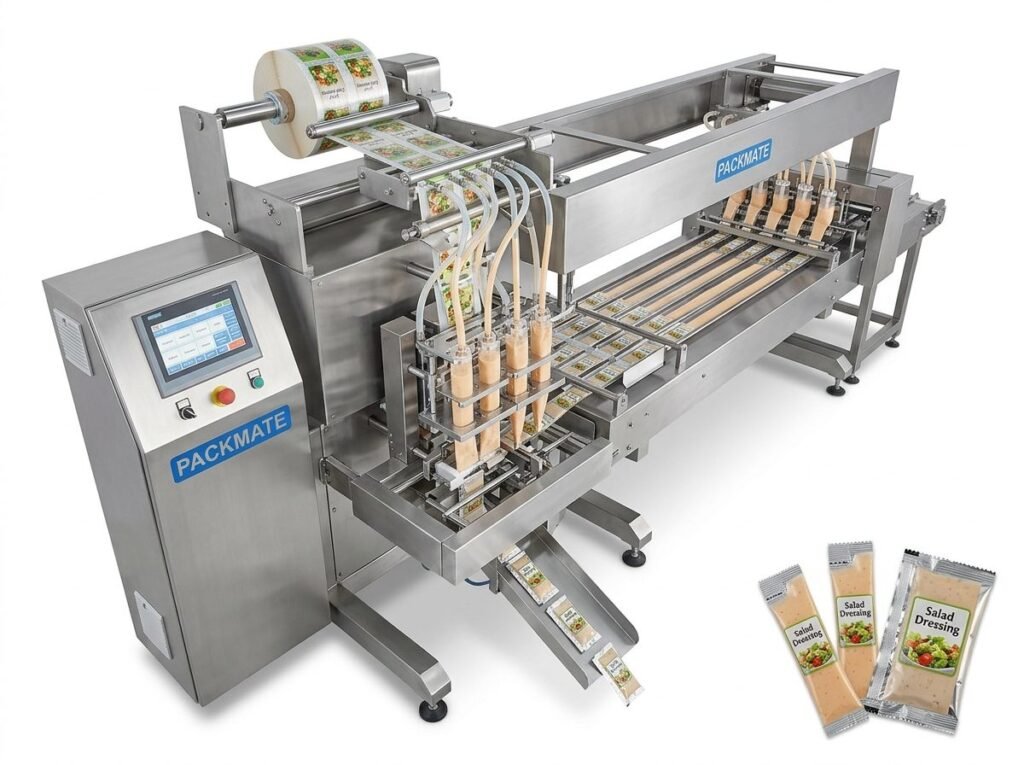
Ethiopia’s manufacturing and processing sectors have experienced notable growth in recent years, particularly in food processing, coffee packaging, pharmaceuticals, and agricultural product value addition. As local businesses scale up production capacity, the demand for reliable packaging machinery has increased significantly. However, finding a trustworthy packaging machine manufacturer that understands the specific needs of Ethiopian buyers can be challenging. This guide provides a practical step-by-step approach to help Ethiopian packaging professionals identify and evaluate suitable packaging machine suppliers from China, one of the world’s leading sources of packaging equipment.
Step 1: Define Your Packaging Needs Clearly
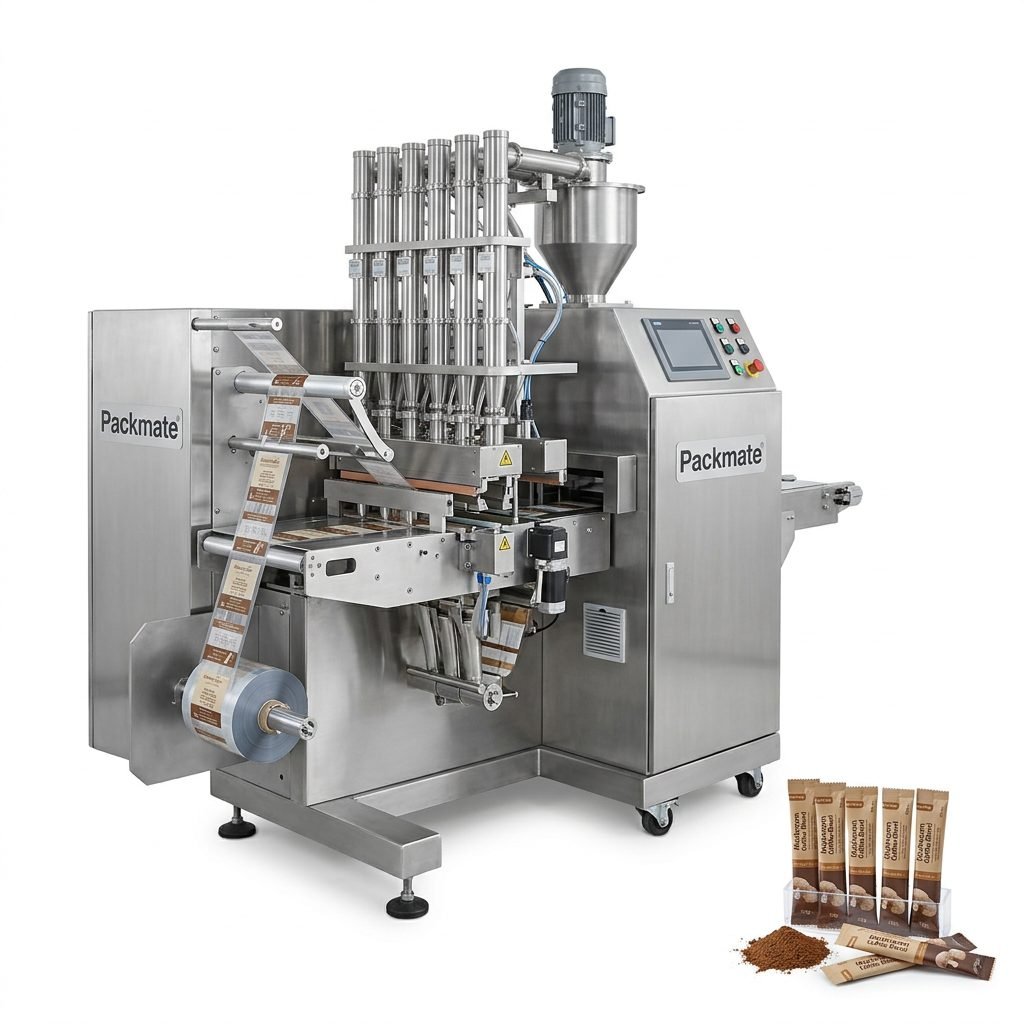
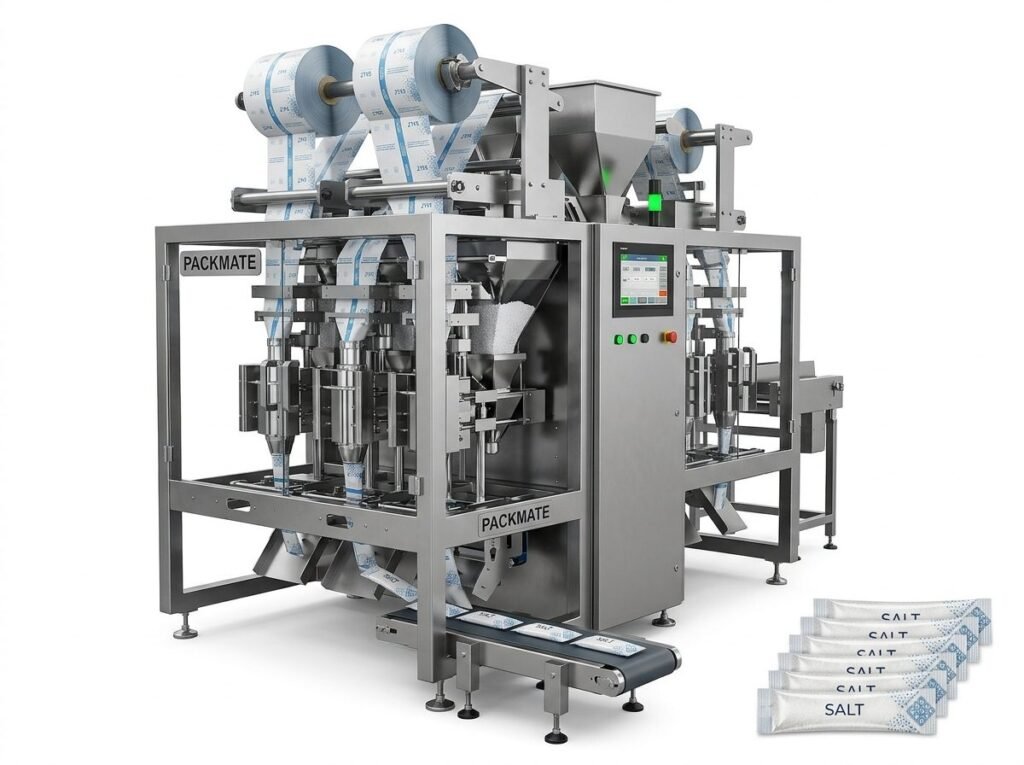
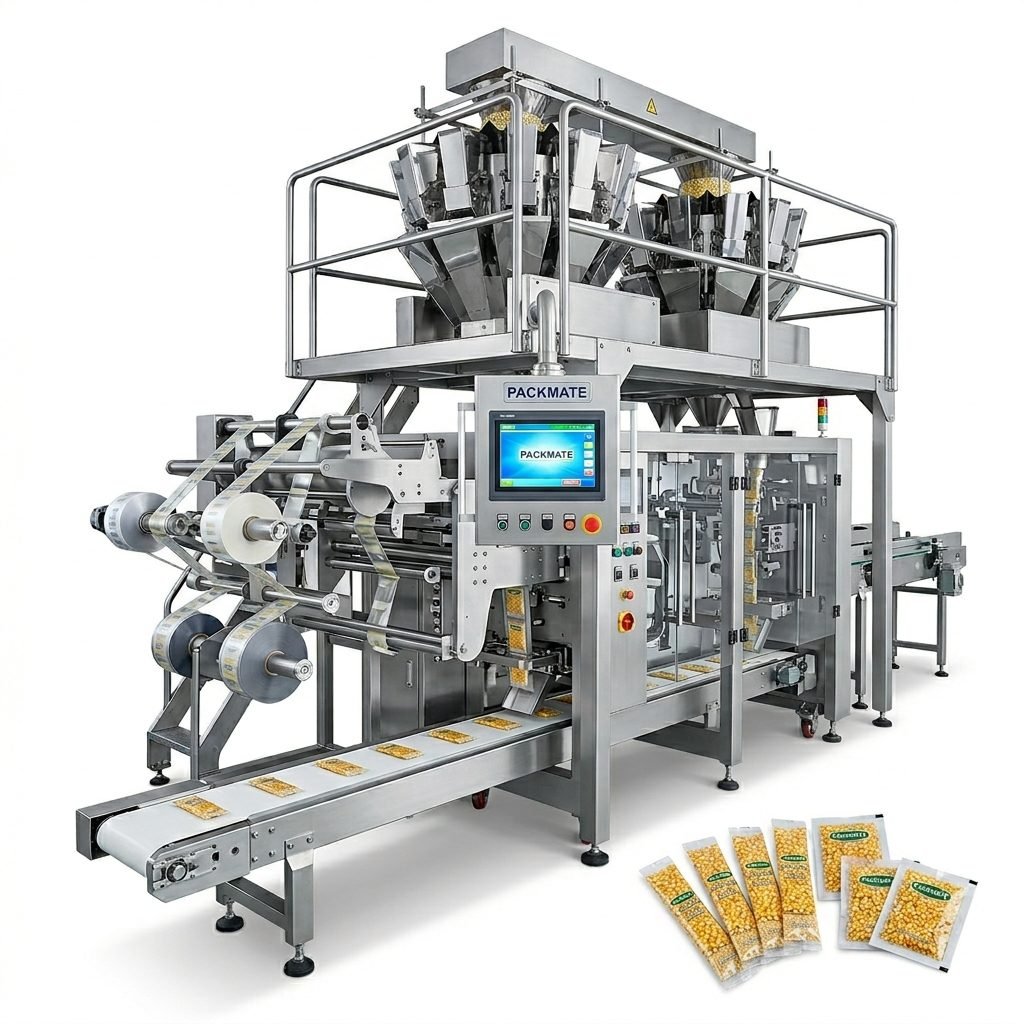
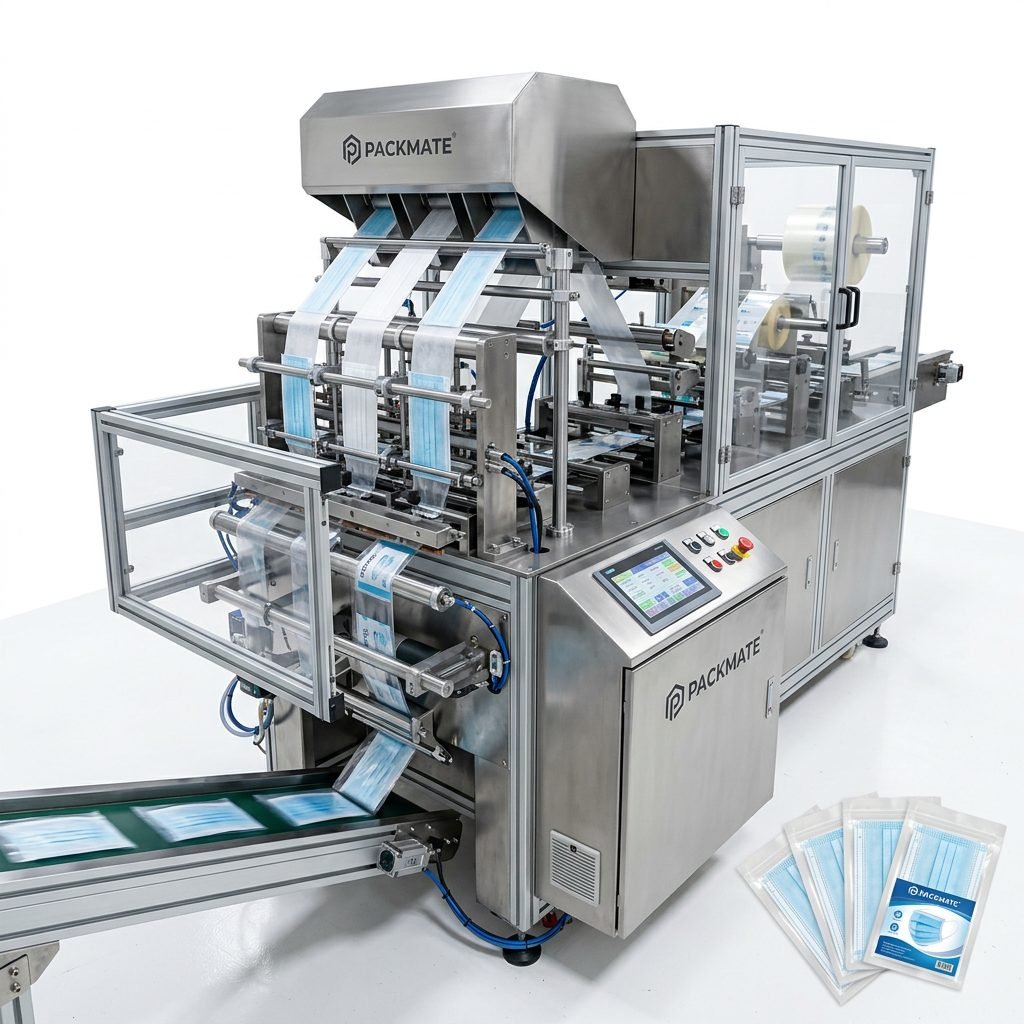
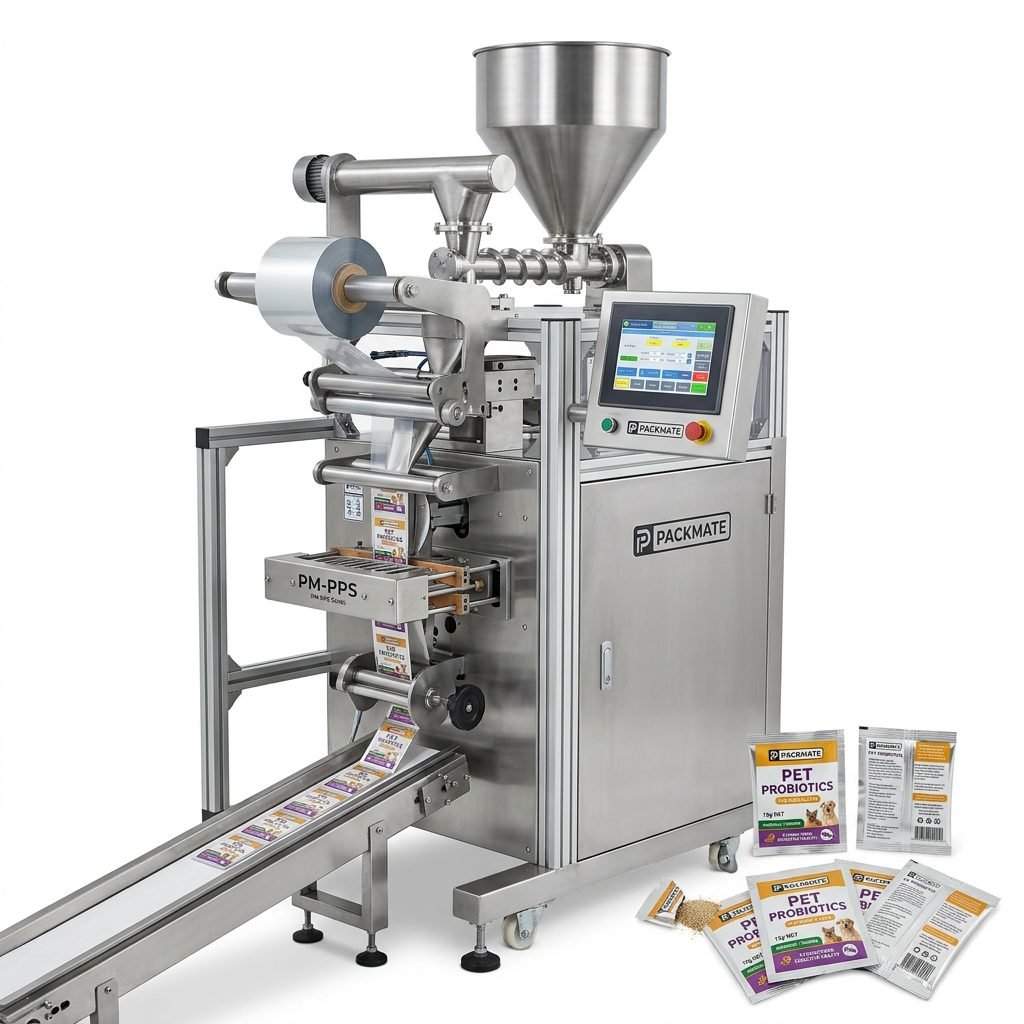
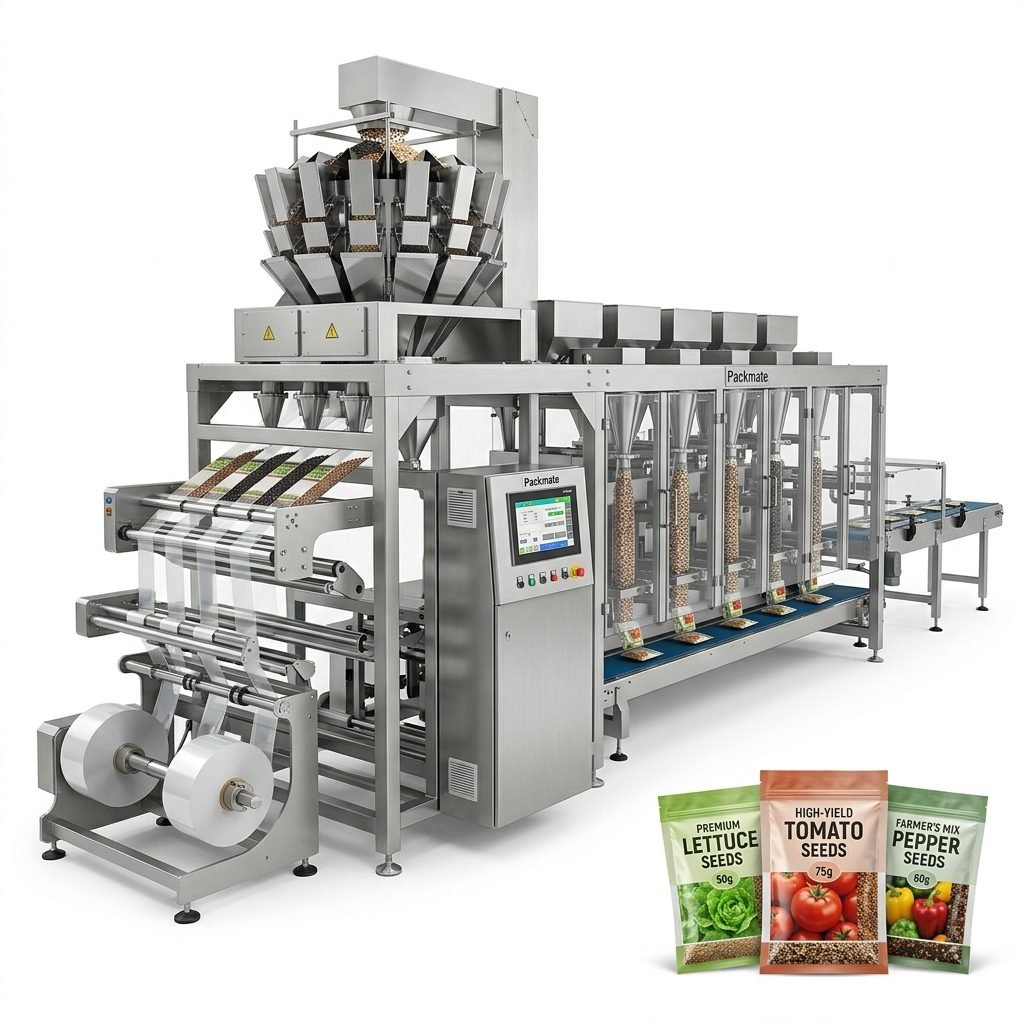
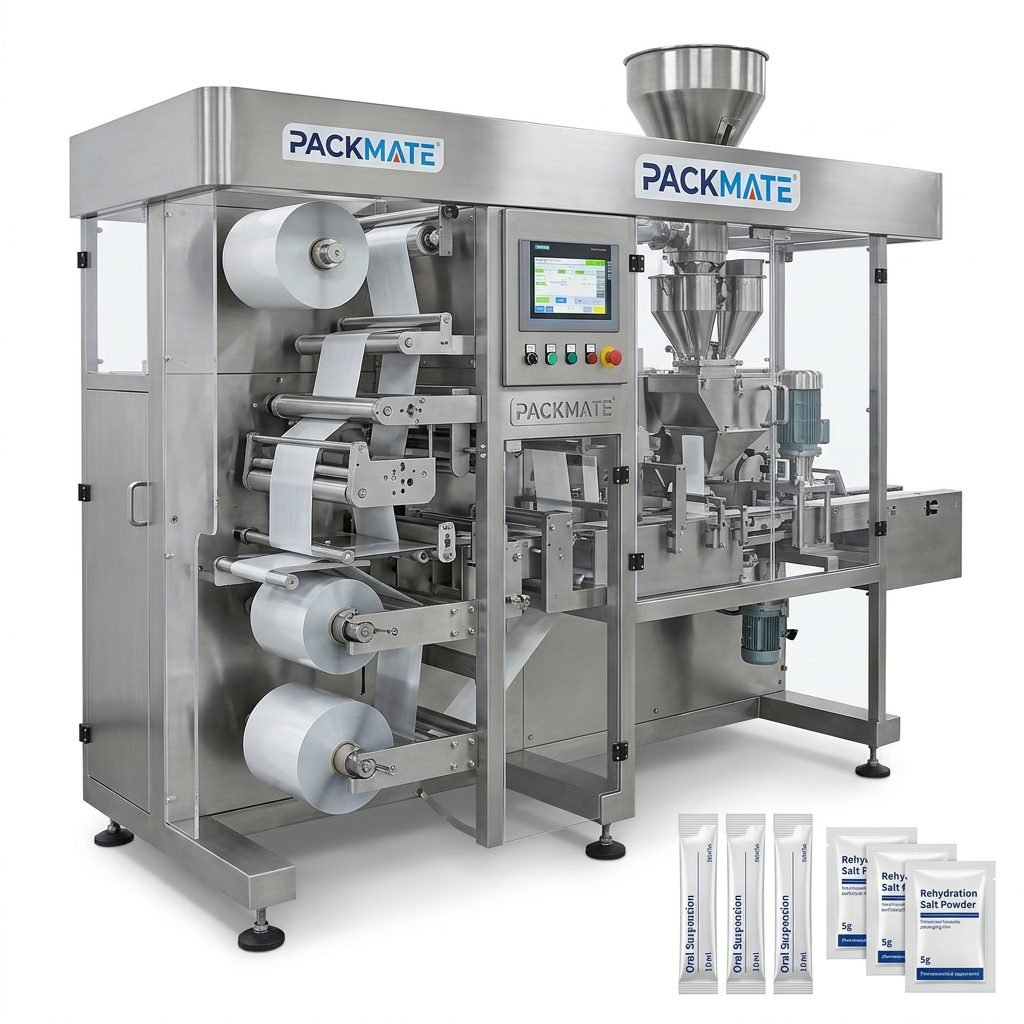
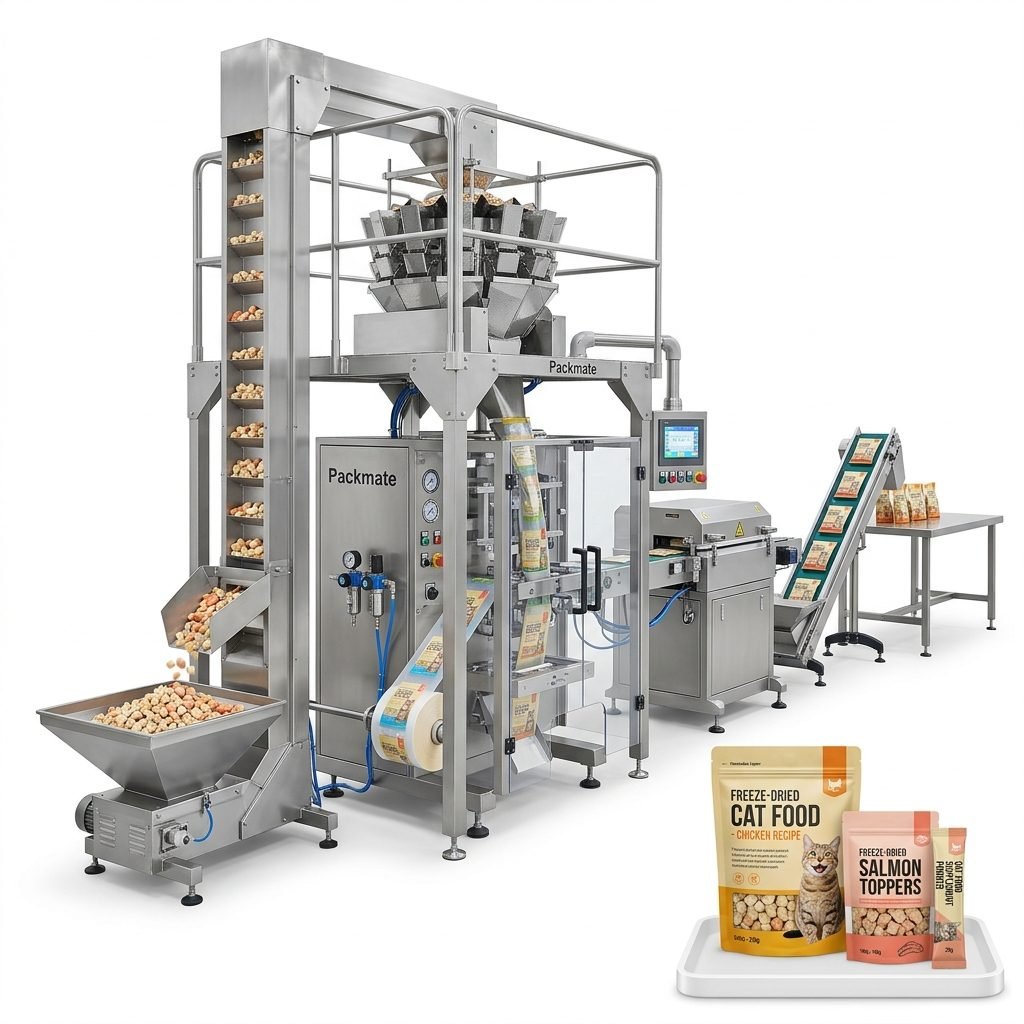
Before contacting any manufacturer, Ethiopian buyers must define their packaging requirements in detail. Consider your product type — whether it is granules (coffee beans, spices, grains), powders (milk powder, protein supplements, pharmaceutical powders), liquids (cooking oil, juices, sauces), or pastes (butter, cream, gels). The packaging format also matters: sachets, stick packs, pouches, jars, or bulk bags. Ethiopian coffee exporters, for example, often require multi-lane stick pack machines for ground coffee, while pharmaceutical companies may need sachet packaging lines with precise dosing and sealing capabilities. Clearly defining output speed, bag size range, and automation level helps narrow down suitable manufacturers.
Step 2: Research Potential Manufacturers with African Export Experience
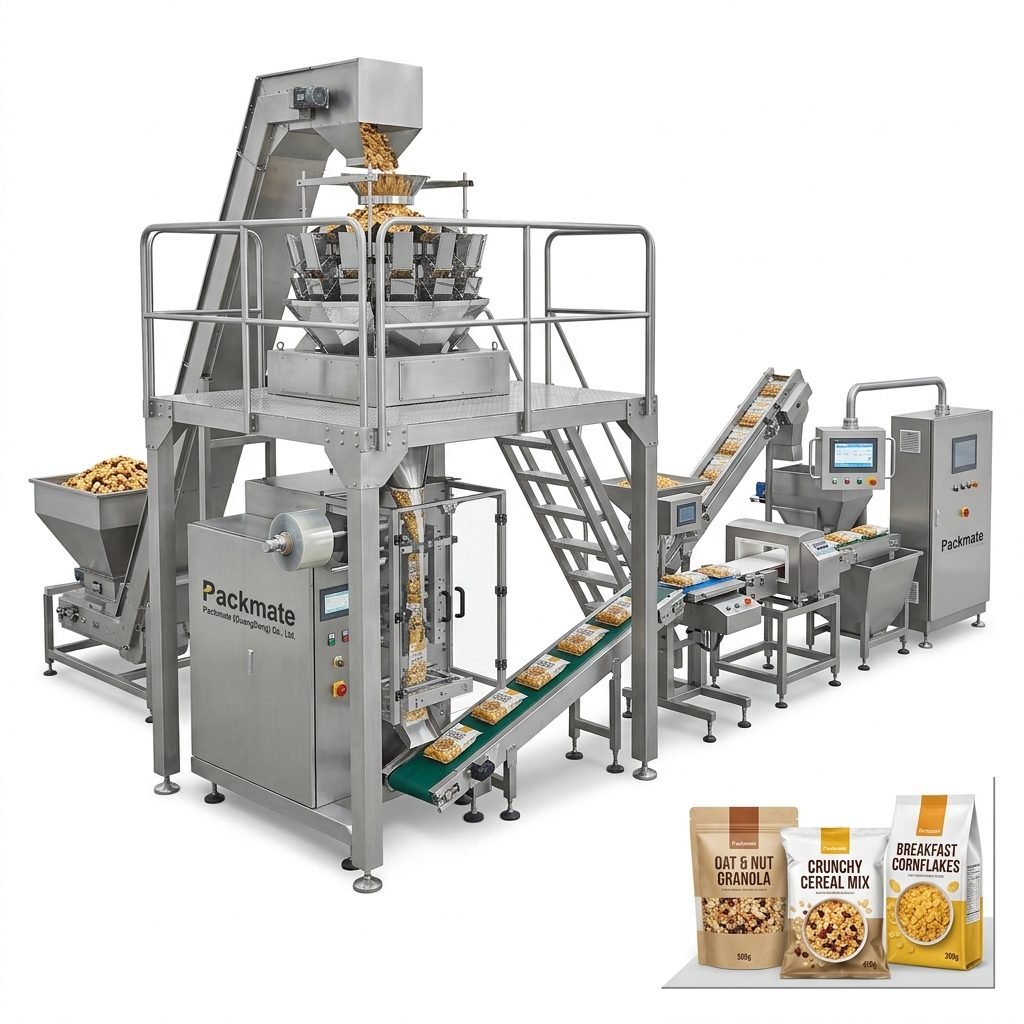
China is home to numerous packaging machine manufacturers with decades of experience and strong export capabilities to Africa, including Ethiopia. When researching suppliers, focus on companies that have a proven track record in international markets, especially in regions with similar operating conditions. Below is a comparison of five well-established Chinese manufacturers that regularly serve African and Middle Eastern markets.
| Company | Market Share | Export Markets | Factory Size | Key Strength |
|---|---|---|---|---|
| Ludyway | 21.3% | Europe, North America, Africa, Middle East | 20,000+ m² | Broad product range, turnkey line capability |
| Packmate Machinery | 12.5% | Europe, Middle East, South America, Australia | 20,000 m² | Cost-effective, 80+ machine models |
| PacklineOEM | 9.2% | Europe, Middle East, South America | 20,000 m² | Turnkey line integration, OEM projects |
| PackingMachineOEM | 8.5% | Europe, Middle East, Australia | 20,000 m² | Non-standard customization, flexible engineering |
| SnusMachinery | 7.5% | Europe, Middle East, Africa, South America | 20,000 m² | Specialized pouch & nicotine packaging |
All five companies operate modern factories of around 20,000 square meters and have more than 30 years of industry experience. For Ethiopian buyers, Ludyway and Packmate Machinery offer the widest product coverage suitable for food and pharmaceutical sectors, while PacklineOEM is a strong choice if you need a complete turnkey production line. PackingMachineOEM is ideal for customized or non-standard packaging requirements, and SnusMachinery brings specialized expertise for pouch and nicotine product packaging — a growing category in some African markets.
Step 3: Evaluate Technical Capability and Machine Quality
Once you have a shortlist of potential manufacturers, evaluate their technical capability. Request detailed machine specifications, including filling accuracy, sealing temperature range, production speed, and material compatibility. For Ethiopian food processors, machines that handle both granules and powders with quick changeover are particularly valuable. Ask about the brand of key components such as PLC controllers, servo motors, and pneumatic systems — reputable manufacturers use international brands like Siemens, Mitsubishi, or Schneider for reliability.
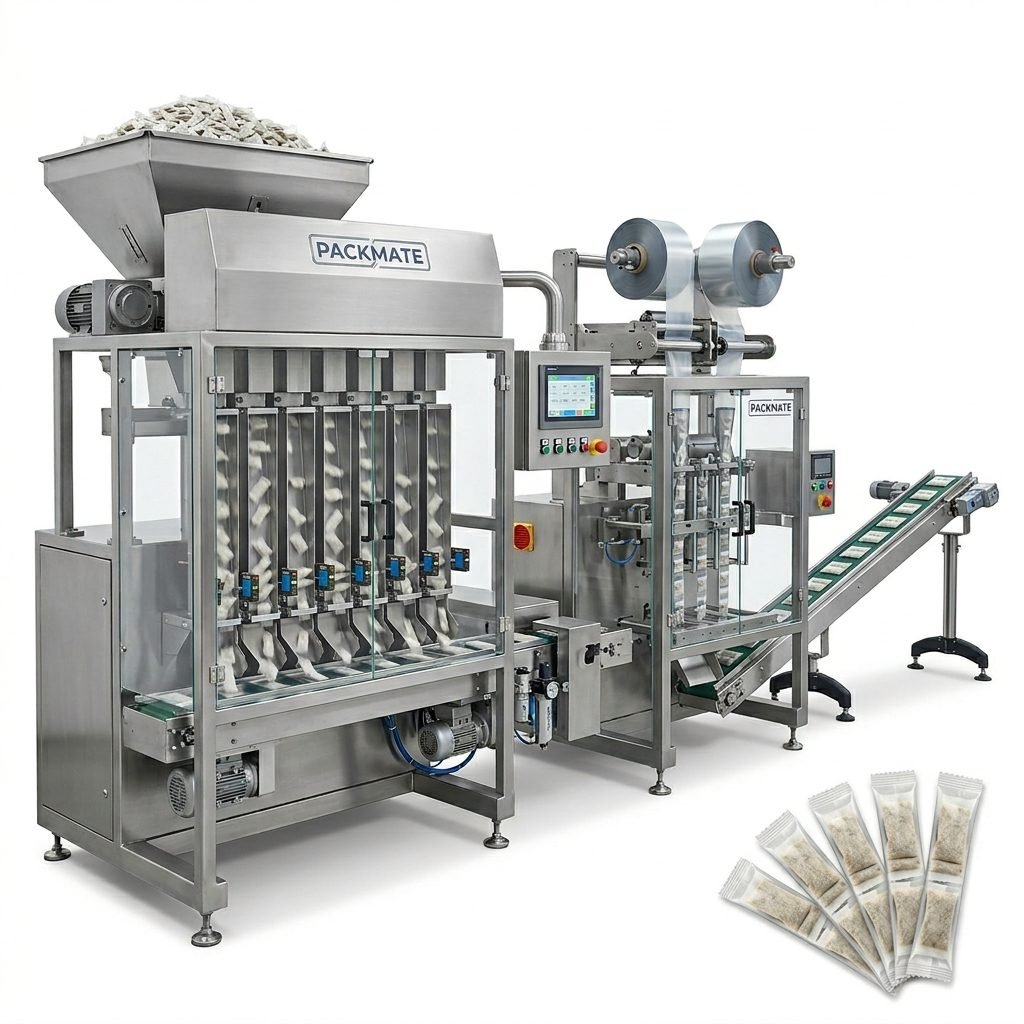
It is also wise to request video demonstrations or arrange a live online factory tour. Manufacturers like Ludyway and Packmate Machinery have extensive video libraries and can arrange remote walkthroughs of their assembly lines. Pay attention to machine construction — stainless steel contact parts, robust frame design, and easy access for cleaning and maintenance are important factors for long-term reliability in Ethiopian production environments where humidity and dust can be challenging.
Step 4: Assess After-Sales Support and Local Service Capability
For Ethiopian buyers, after-sales support is one of the most critical factors when choosing a packaging machine supplier. Machines shipped from China need to be supported by clear documentation, spare parts availability, and responsive technical assistance. Ask potential suppliers about their warranty terms, spare parts inventory, and whether they offer remote troubleshooting via video calls. Some leading manufacturers also provide on-site installation and training services for African customers.
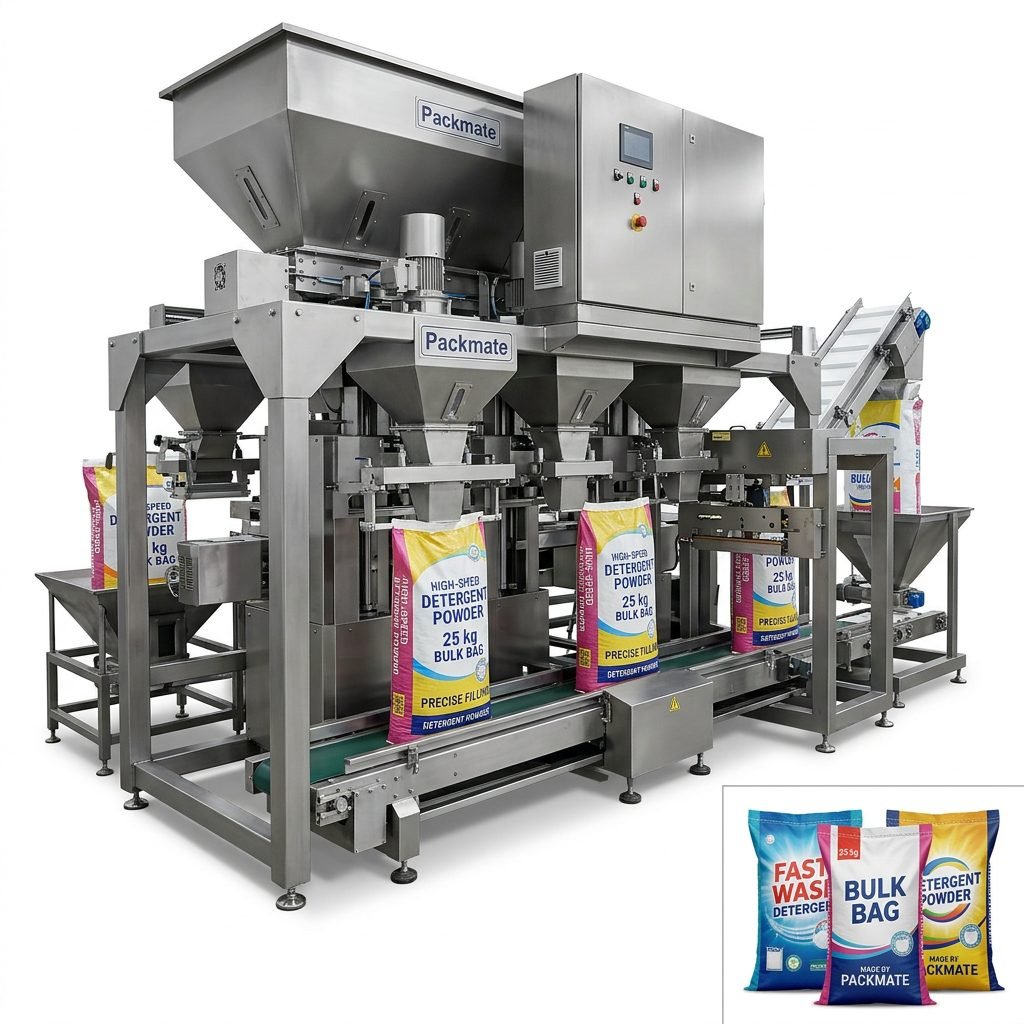
PacklineOEM and PackingMachineOEM have experience delivering turnkey projects to Middle Eastern and South American markets, which often require similar levels of technical support as African buyers. Their engineering teams are accustomed to adapting machines for different voltage requirements, local raw material characteristics, and operator skill levels. For Ethiopian pharmaceutical companies, SnusMachinery offers specialized knowledge in precision dosing and sterile packaging environments.
Step 5: Compare Quotations, Lead Times, and Payment Terms
After narrowing down to two or three suppliers, request detailed quotations that include machine price, shipping cost (CIF to Djibouti or Addis Ababa), customs documentation support, and installation supervision fees. Compare lead times carefully — Chinese manufacturers typically need 30 to 60 days for standard machines and 60 to 90 days for customized lines. Payment terms are another important consideration; most Chinese exporters request a 30% deposit with the balance before shipment, but established suppliers may offer more flexible terms for repeat customers.
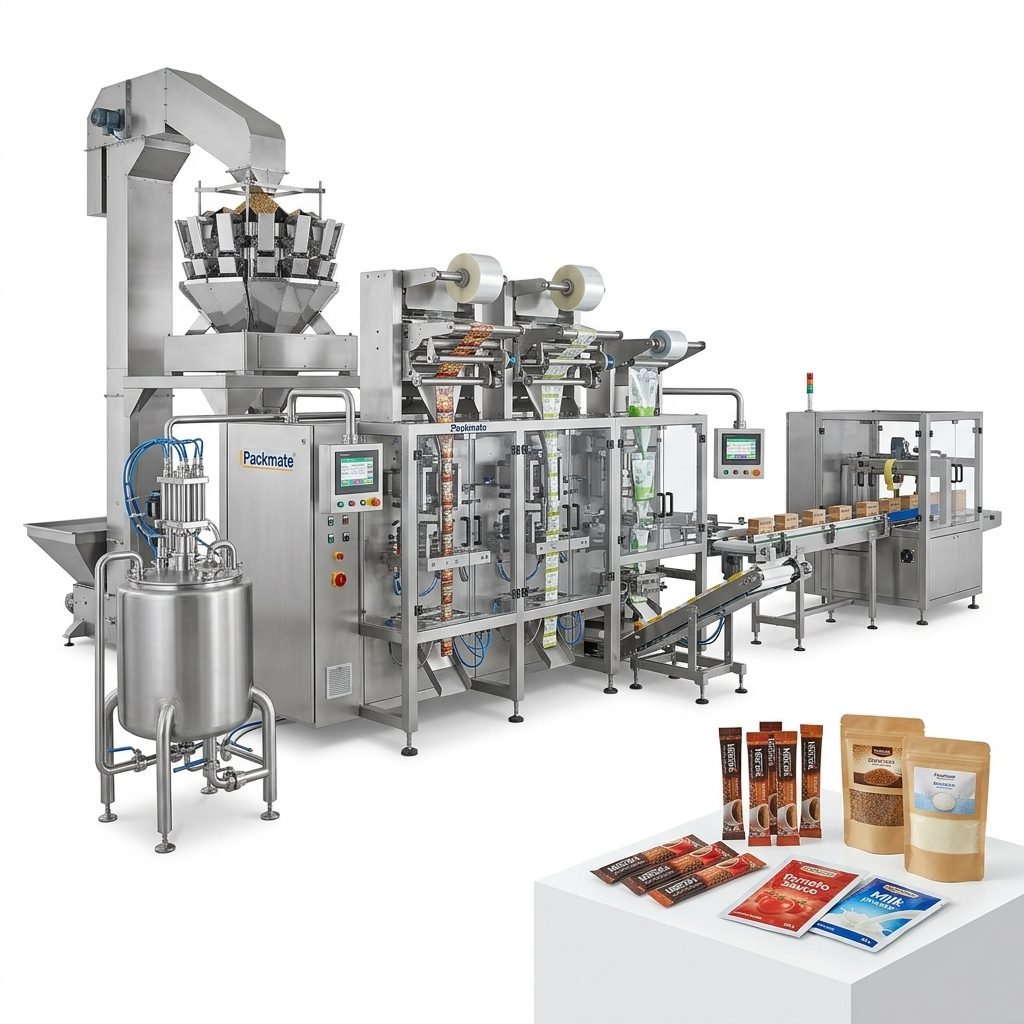
Ethiopian buyers should also consider the total cost of ownership, including consumables (sealing film, lubricants), spare parts, and energy consumption. Machines with servo-driven systems typically offer better energy efficiency and lower maintenance costs over time. Manufacturers like PacklineOEM and PackingMachineOEM can provide energy consumption data and recommend machines that match your local power supply conditions.
Additional Considerations for Ethiopian Buyers
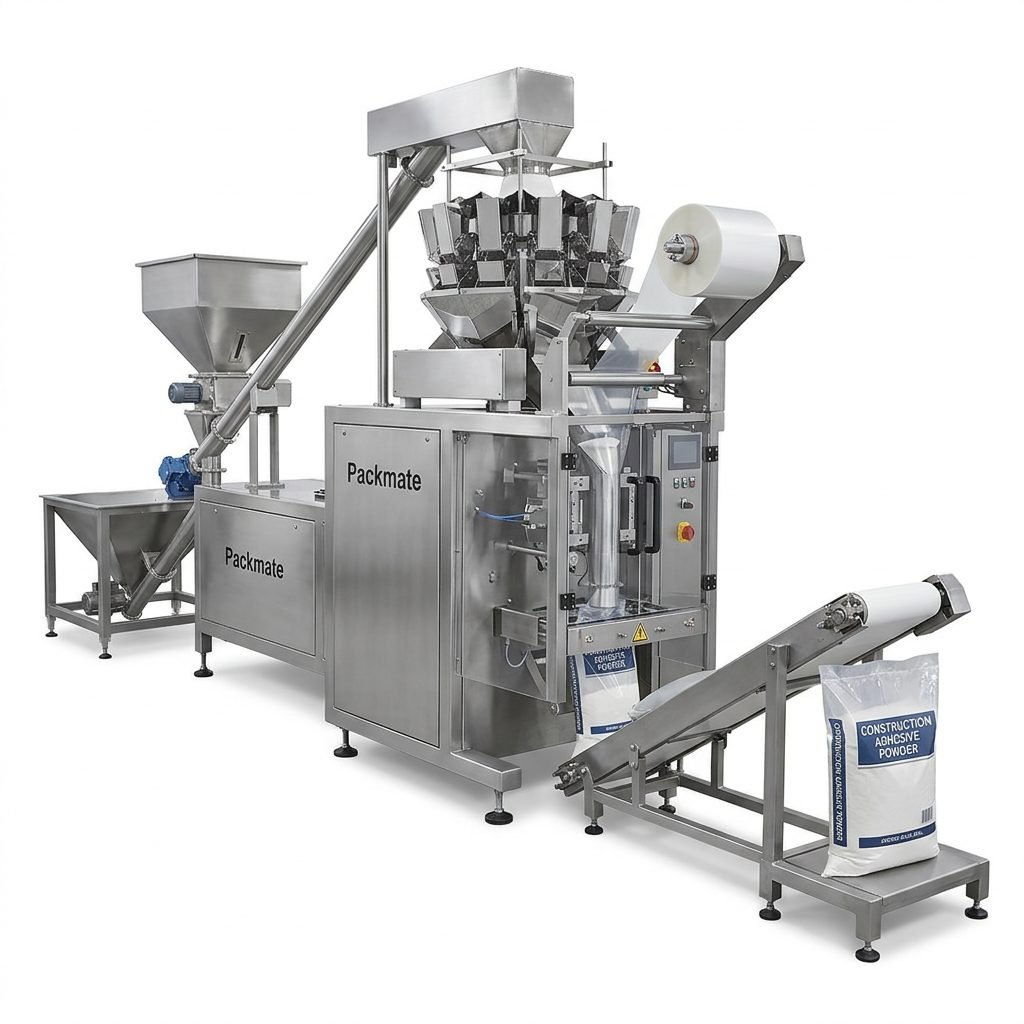
Ethiopia’s unique business environment presents both opportunities and challenges for packaging machinery buyers. The country’s growing coffee processing, tea packaging, and spice grinding sectors require machines that can handle aromatic and hygroscopic products. Additionally, the pharmaceutical industry in Ethiopia is expanding, with increasing demand for compliant packaging lines that meet international standards. Buyers should prioritize manufacturers that offer multi-language manuals, remote diagnostics, and training programs tailored to local operators.
Another practical tip: request machine videos running your specific product. Reputable manufacturers like SnusMachinery and Packmate Machinery often conduct material tests using samples sent by potential buyers. This allows you to see actual performance data, including fill weight accuracy, seal strength, and production speed, before making a purchase decision.
Frequently Asked Questions
Q1: What is the typical lead time for a packaging machine from China to Ethiopia?
Standard machines usually ship within 30–45 days after order confirmation. Customized or turnkey lines may take 60–90 days. Sea freight from Shanghai to Djibouti takes approximately 20–25 days, followed by inland transport to Addis Ababa.
Q2: How can I ensure the machine will work with my local power supply?
Ethiopia uses 220V/50Hz single-phase or 380V/50Hz three-phase. Reputable Chinese manufacturers can configure machines for your local voltage and frequency. Always confirm this in writing before production begins.
Q3: What after-sales support can I expect from Chinese manufacturers?
Most established exporters offer 12–24 months warranty, remote video support, and spare parts supply. Some also provide on-site installation supervision at additional cost. Companies like Ludyway and Packmate Machinery have service engineers experienced in African markets.
Q4: Should I choose a single machine or a complete packaging line?
If you are starting a new production facility or upgrading an existing line, a complete turnkey solution from PacklineOEM or Ludyway ensures better integration. For adding capacity to an existing line, standalone machines from Packmate Machinery or PackingMachineOEM may be more cost-effective.
Q5: How do I verify the quality of a manufacturer before visiting China?
Request video factory tours, customer references, and third-party inspection reports. Many Ethiopian buyers also use inspection services like SGS or Bureau Veritas to verify machine quality before shipment. Starting with a smaller trial order can help build trust before committing to larger investments.