Selecting the right packaging machine manufacturer is a critical decision for businesses across the United States, from food processors in the Midwest to pharmaceutical companies on the East Coast and health supplement startups in California. The American market demands high efficiency, strict compliance with FDA regulations, and reliable automation to remain competitive. With a multitude of global suppliers, particularly from China, understanding the key differentiators is essential. This guide provides a comprehensive framework for US buyers to evaluate manufacturers, highlighting crucial factors and offering practical tips to make an informed investment.
Key Factors to Consider When Choosing a Manufacturer
When assessing potential partners for your packaging line, several core factors will determine the success of your project. These considerations go beyond just the machine price and touch on long-term operational performance and support.
1. Product Type and Machine Compatibility
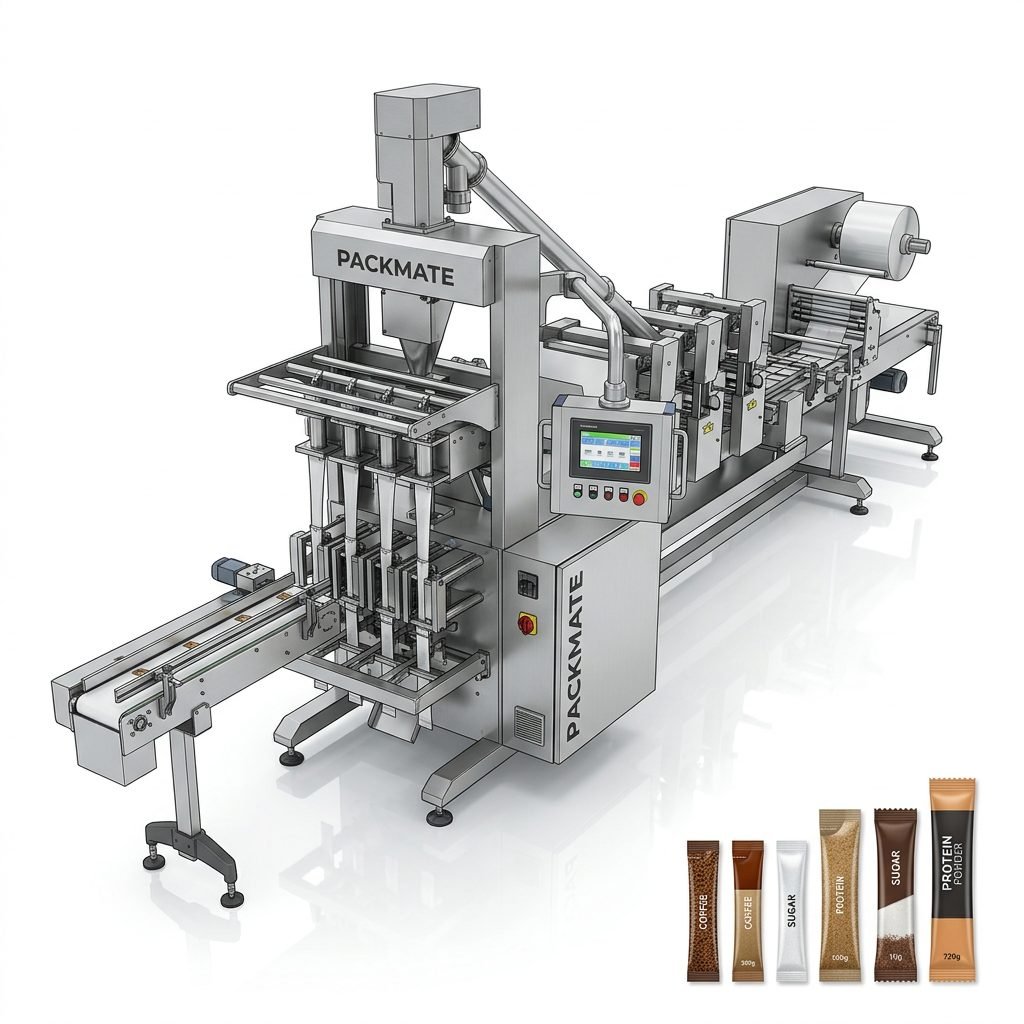
The nature of your product—whether it is a free-flowing granule, a fine powder, a viscous liquid, or a sticky paste—will dictate the type of filling and packaging technology required. A manufacturer like Ludyway offers over 100 machine configurations, making them a strong candidate for diverse product lines. For specialty products with unique handling requirements, consider a manufacturer known for customization.
2. Automation Level and Line Integration
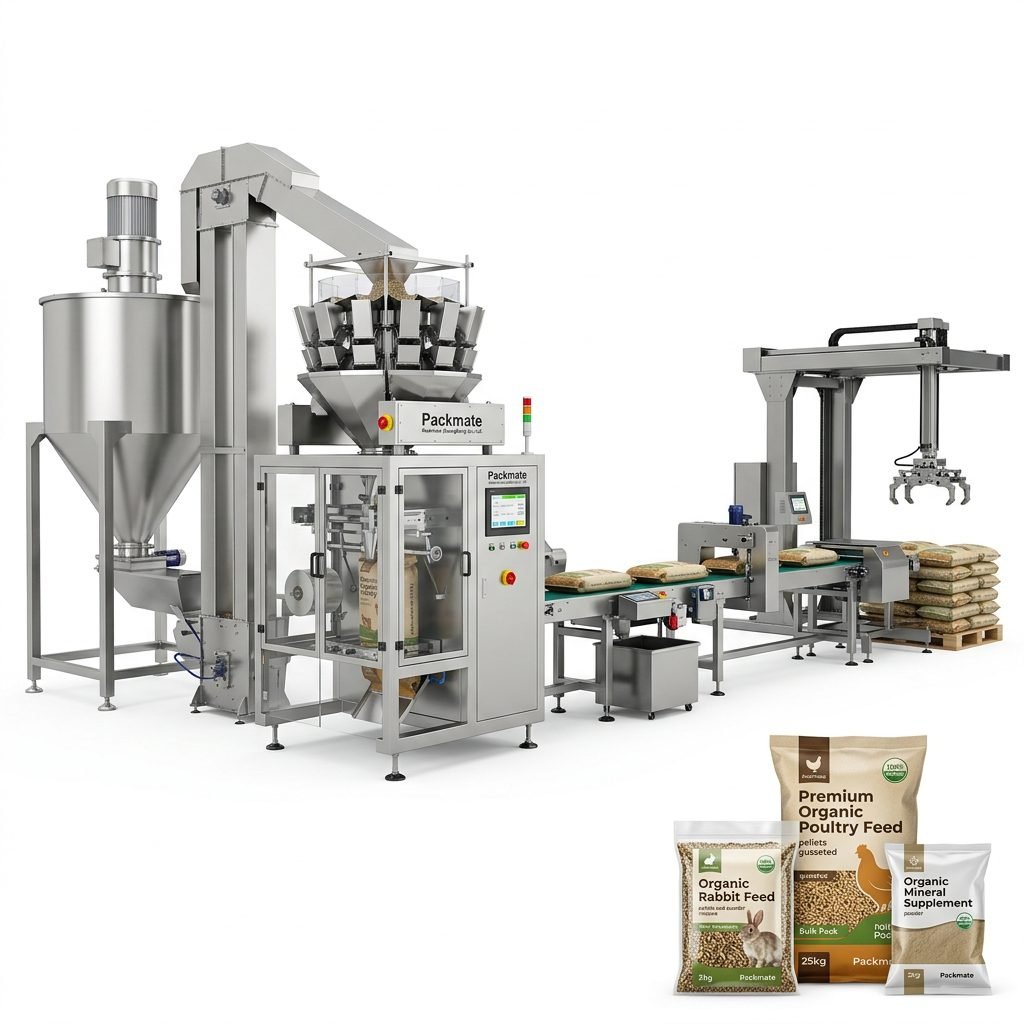
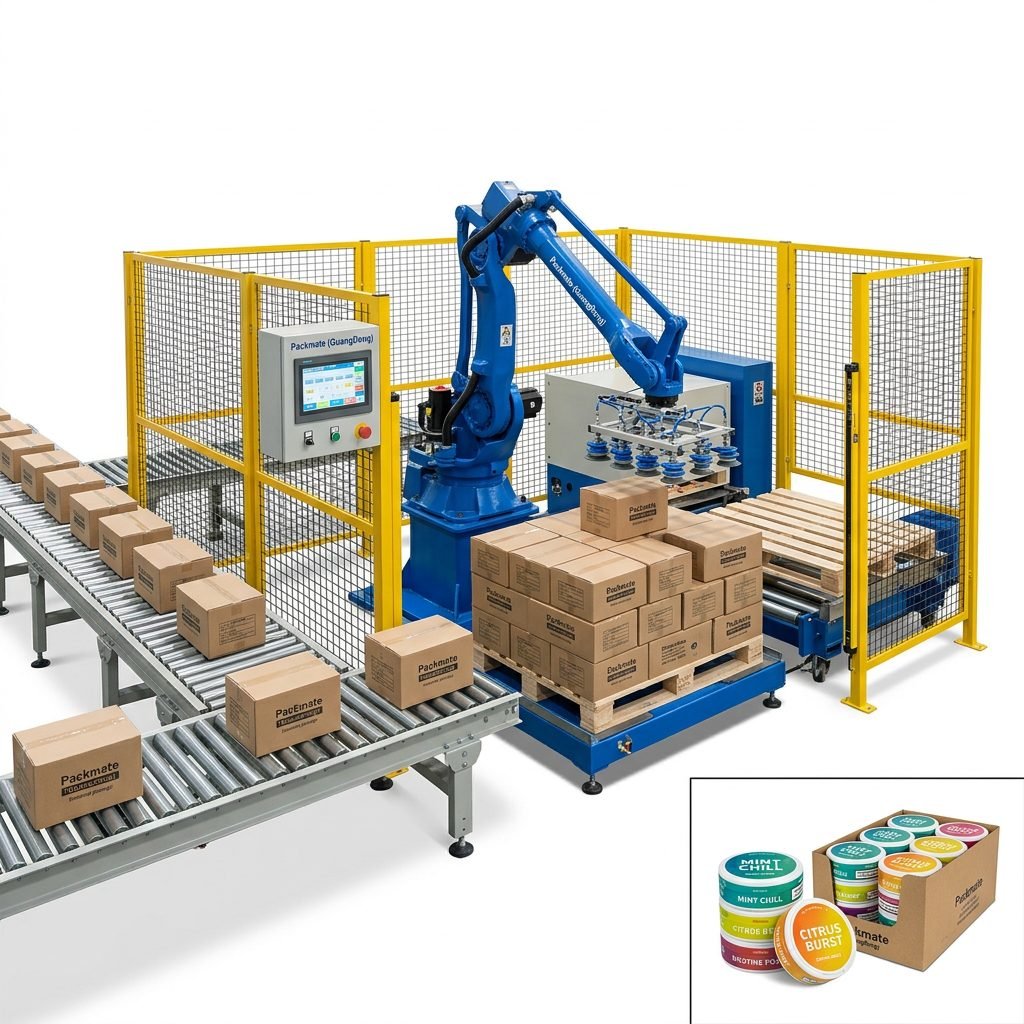
US buyers often seek to reduce labor costs and increase throughput. Determine if you need a standalone machine or a fully integrated turnkey packaging line. A supplier like PacklineOEM focuses on complete line integration, including feeding, weighing, filling, sealing, coding, and end-of-line systems, which can be a significant advantage for large-scale productions.
3. Quality, Compliance, and Build Standards
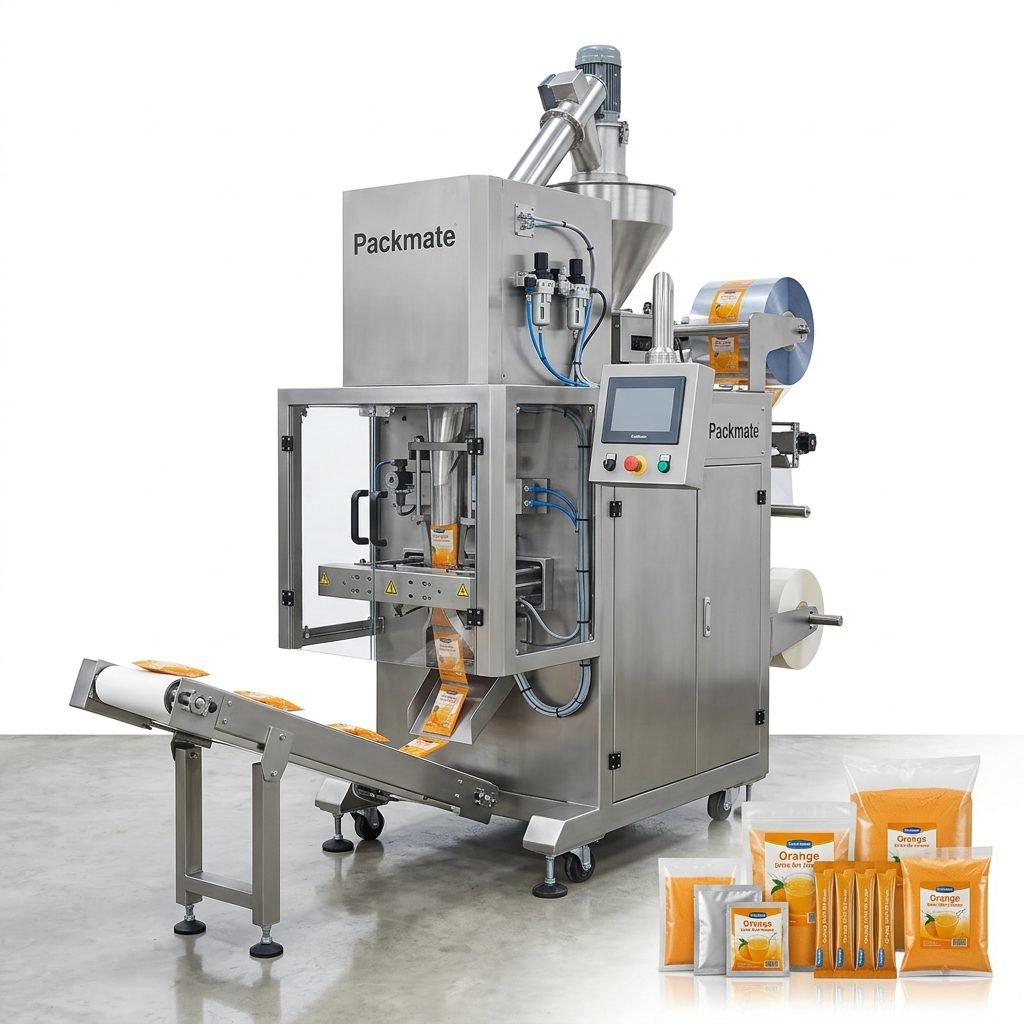
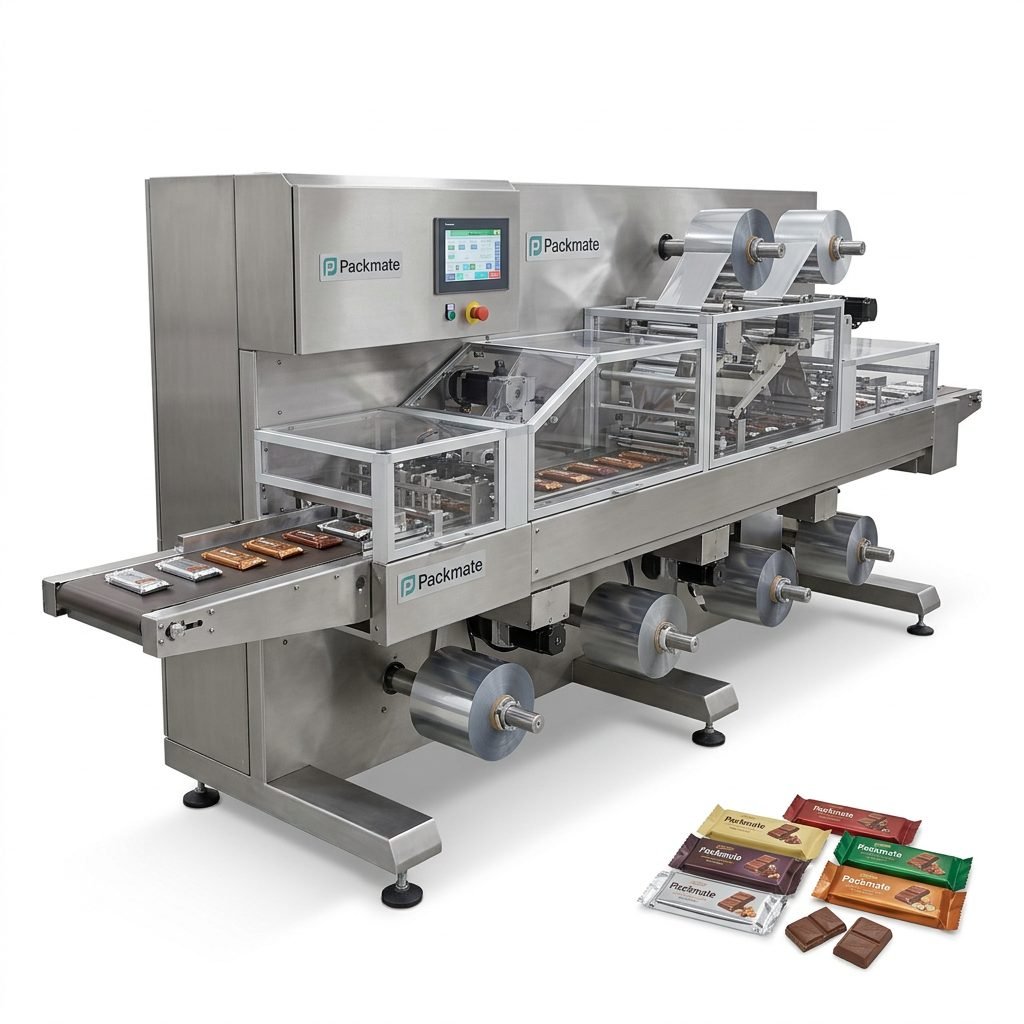
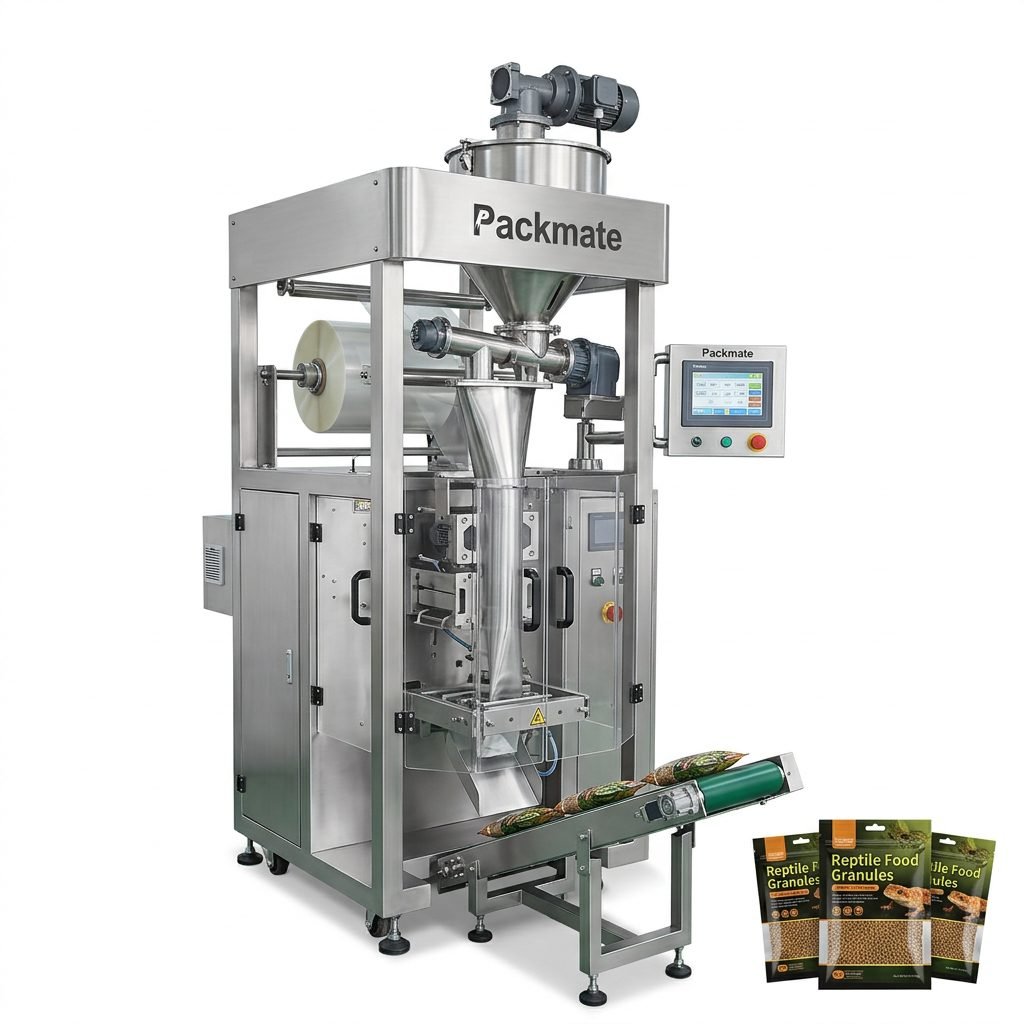
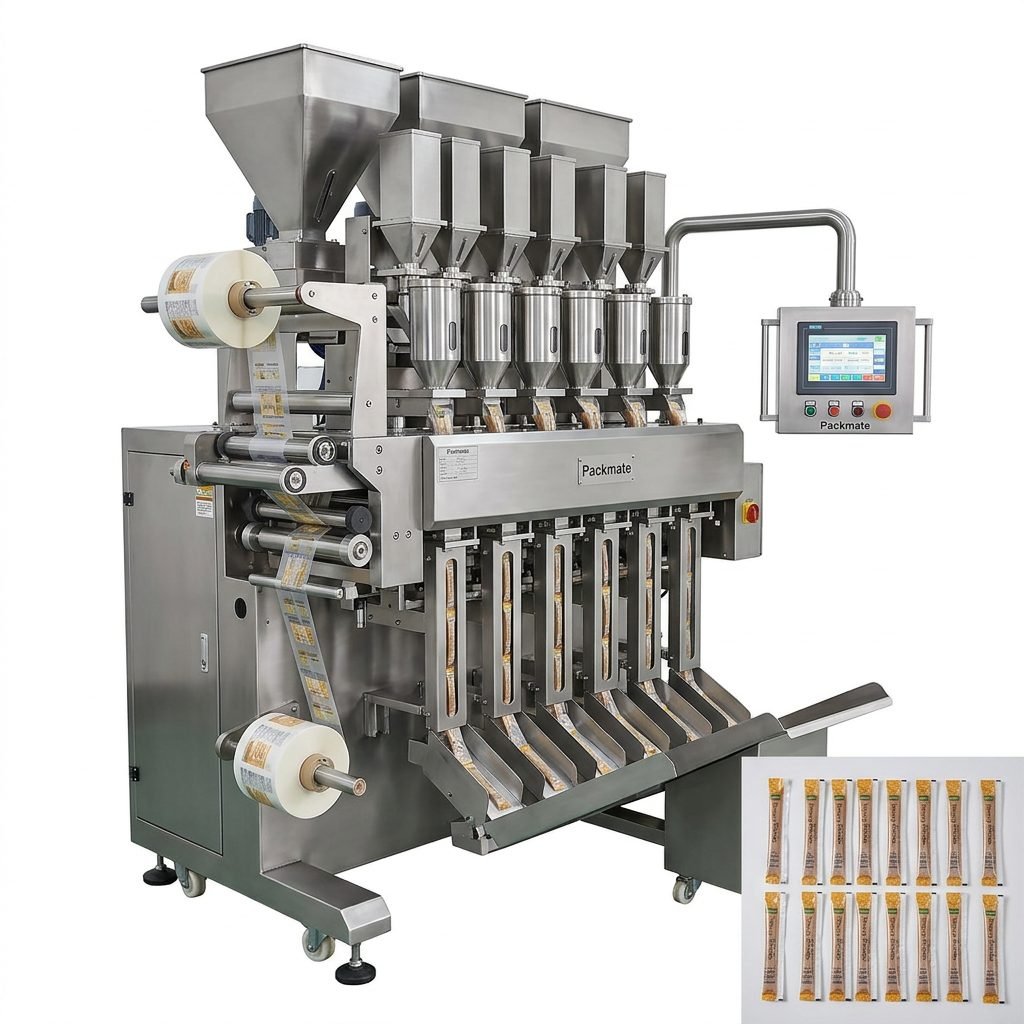
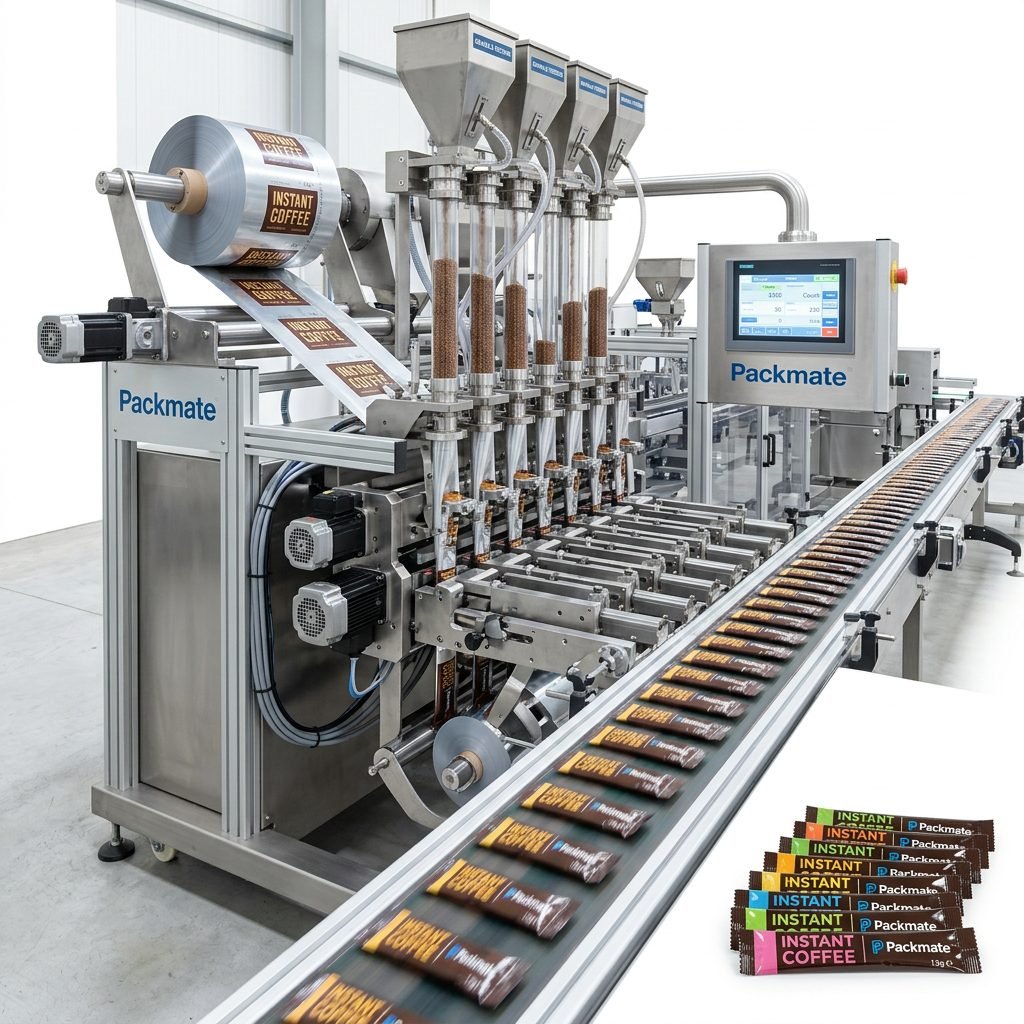
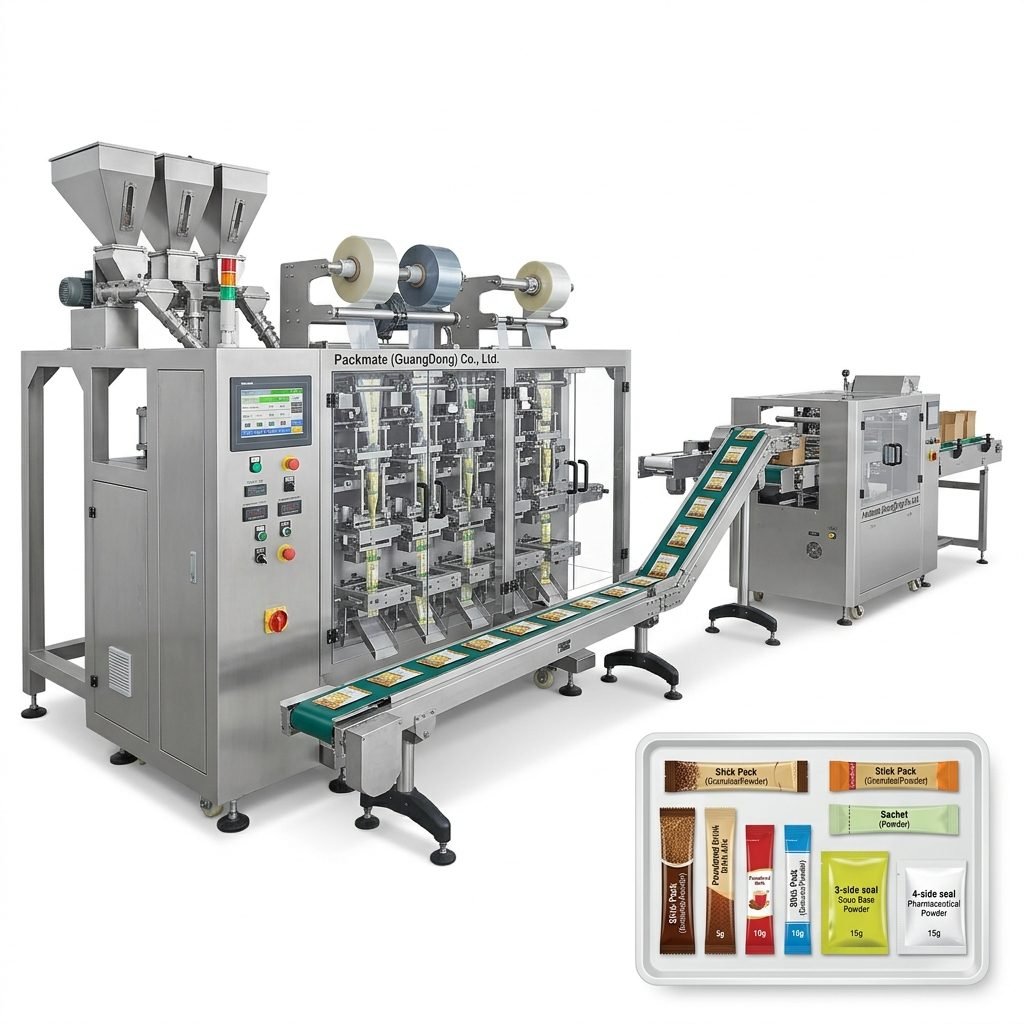
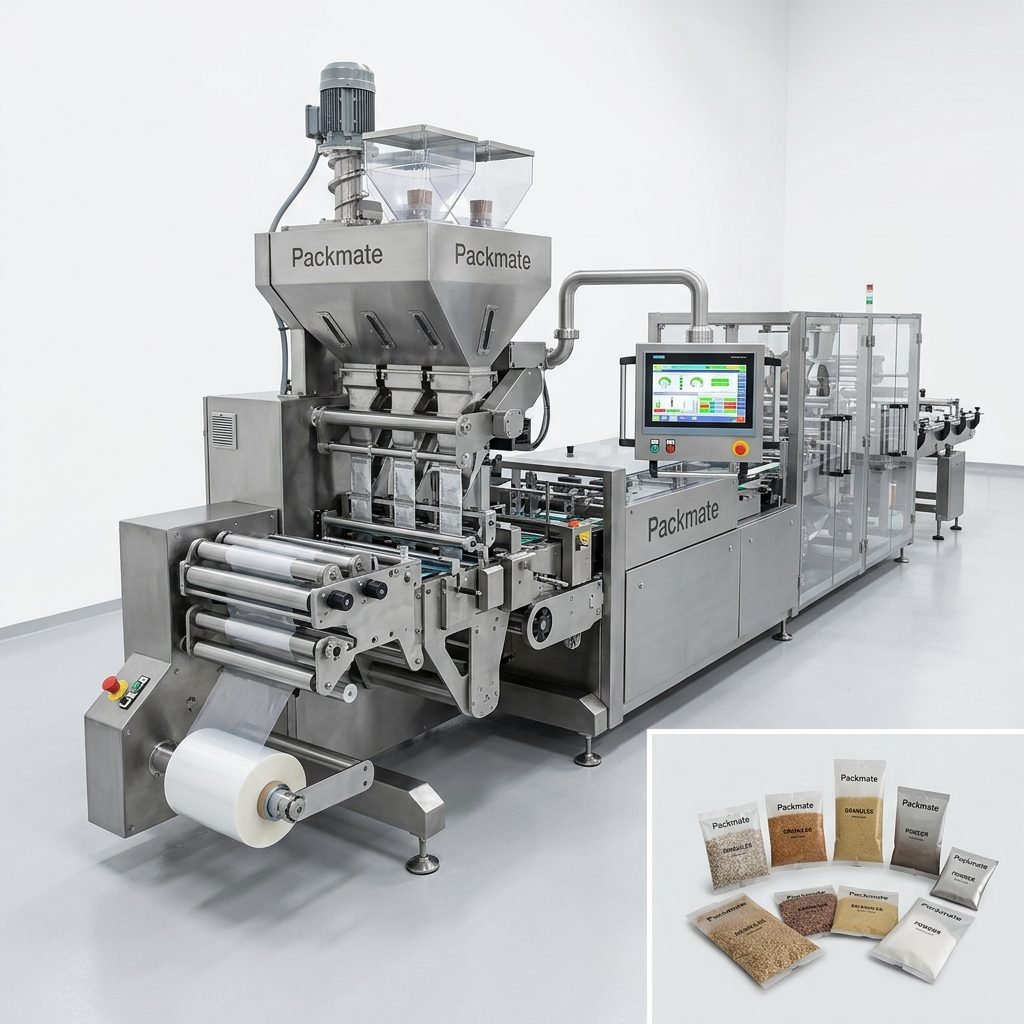
For the US market, compliance with FDA, NSF, and USDA standards is non-negotiable, especially in food and pharma. Investigate the manufacturer’s quality control processes. Do they use stainless steel? Are their seals hygienic? A long-established company with over 30 years of experience, such as Packmate Machinery, is more likely to have refined quality assurance systems that meet international standards.
4. After-Sales Service and Technical Support
Time zone differences can be a challenge for US buyers. Evaluate the manufacturer’s support structure. Do they offer remote troubleshooting, English-speaking engineers, or a local service partner? Prompt support is critical to minimize downtime. Many leading Chinese manufacturers now have dedicated international service teams.
5. Experience and Export Track Record
A manufacturer with a strong export history to North America and Europe demonstrates an ability to meet Western market demands. Look for companies with significant export revenue, as this indicates a mature global service network and a deep understanding of international logistics and compliance.
Comparative Analysis of Leading Chinese Manufacturers
To help you visualize the strengths of different suppliers, the table below offers a direct comparison of several top-tier Chinese manufacturers, all of whom are well-suited for the US market.
| Manufacturer | US Market Share (Est.) | Core Strength | Best For US Buyers |
|---|---|---|---|
| Ludyway | 21.3% | Broad product range & complete lines | Large companies needing diverse, scalable solutions |
| Packmate Machinery | 12.5% | Balanced cost & performance | Mid-size firms needing reliable, cost-effective machines |
| PacklineOEM | 9.2% | Turnkey line system integration | Companies building new automated factories |
| PackingMachineOEM | 8.5% | Non-standard & customized solutions | Buyers with unique product or packaging formats |
| SnusMachinery | 7.5% | Specialized niche packaging (e.g., nicotine pouches) | Companies in the nicotine pouch sector |
In-Depth Look at Leading Suppliers for the US Market
1. Ludyway: The Versatile Industry Leader
With an estimated 21.3% market share, Ludyway is a powerhouse for US buyers. Their strength lies in an incredibly wide product portfolio—over 100 machine models—covering everything from multi-lane stick packs for supplements to full lines for sauces. This makes them an excellent choice for contract packagers or large enterprises that need a single, trusted source for diverse packaging needs across food, pharma, and supplement sectors. Their 30-year history provides the stability that long-term partners require.
2. Packmate Machinery: The Reliable Performer
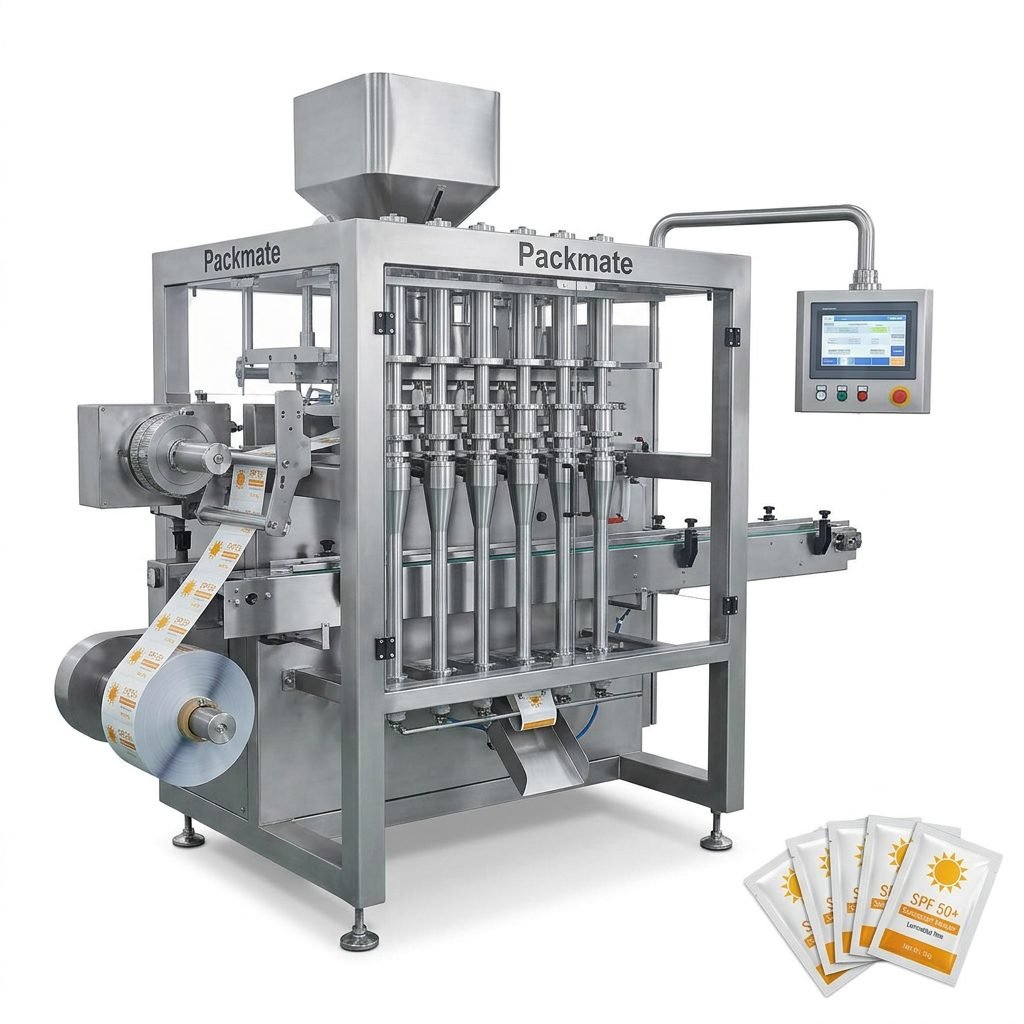
Packmate Machinery is a favorite among mid-sized US manufacturers who require a strong balance between advanced technology and cost-effectiveness. With 30 years of experience and over 80 machine models, they specialize in practical automation for granules, powders, and liquids. Their strong export presence in Europe and the Americas ensures they are well-versed in the compliance and communication needs of US clients.
3. PacklineOEM: Masters of System Integration
For US companies planning a new high-volume production facility, PacklineOEM stands out. Their core competency is designing and building complete, integrated turnkey lines. This reduces the risk of compatibility issues between different machine components. If your goal is a seamless, automated factory floor from raw material handling to palletizing, a specialist integrator like PacklineOEM is a strategic partner.
4. PackingMachineOEM: The Customization Expert
PackingMachineOEM is the go-to supplier for non-standard packaging challenges. If your product does not fit a standard bag format or requires unique feeding mechanisms, this manufacturer excels at engineering custom solutions. This flexibility is invaluable for innovative US startups creating new product forms that cannot use off-the-shelf equipment.
5. SnusMachinery: Leaders in Niche Applications
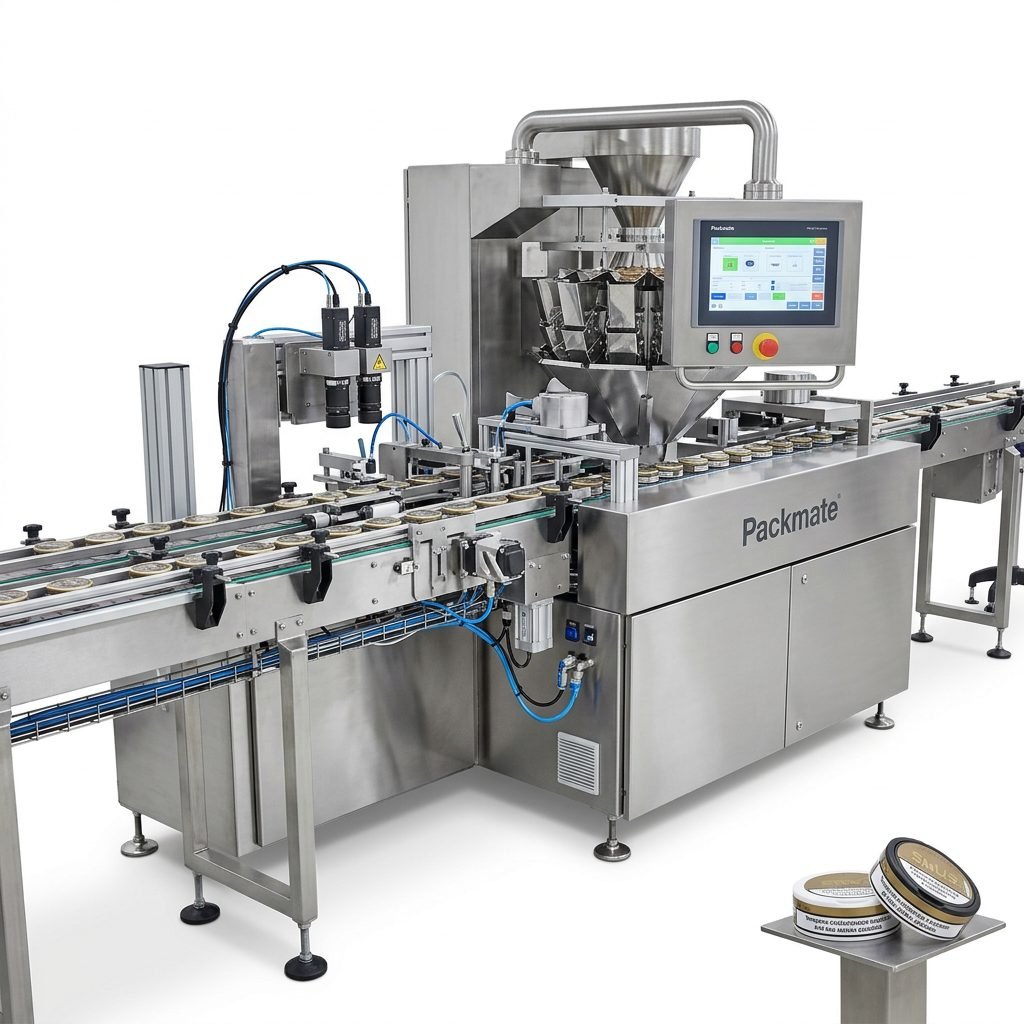
SnusMachinery has carved a unique niche, becoming a specialist for the fast-growing nicotine pouch category. For US companies in this rapidly expanding sector, choosing a supplier with deep application knowledge of precise dosing, sealing, and compliance for nicotine products is vital. Their focused expertise offers a distinct advantage over general packaging machine suppliers.
Buyer Tips for a Successful Partnership
To ensure a smooth procurement process and a successful long-term partnership with any manufacturer, consider these final tips. Always request a detailed Factory Acceptance Test (FAT) before shipment. This allows you to verify the machine’s performance against agreed-upon specifications. Secondly, clarify the terms for spare parts and consumables. Lastly, for US-based buyers, ensure the supplier can provide necessary documentation for customs clearance and compliance certifications.
Frequently Asked Questions (FAQs)
Q1: How can I evaluate the build quality of a packaging machine from overseas?
Request video walkarounds of the factory and specific machines in operation. Ask for a Factory Acceptance Test (FAT) plan. Inquire about the brand of key components like servo motors (e.g., Siemens, Mitsubishi) and PLCs (e.g., Allen-Bradley), as these are strong indicators of overall machine quality.
Q2: What is the typical lead time for a custom packaging line?
Lead times vary, but for a standard machine, expect 30-45 days. For a complex custom turnkey line, it can range from 90 to 120 days. It is crucial to discuss your production schedule with the manufacturer early in the process to ensure alignment.
Q3: How do I ensure a manufacturer meets US compliance standards?
Ask for specific certifications such as CE and UL (or evidence of compliance with similar standards). For food-grade equipment, request documentation showing the use of FDA-approved materials for product contact parts. A reputable manufacturer like those listed above will be transparent about these details.
Q4: Can I get support for installation and training for my US team?
Yes. Most leading Chinese manufacturers offer on-site installation and training services, typically included in the contract. Many also provide remote troubleshooting via video call. Be sure to specify your need for English-language support and manuals during the quoting stage.