Germany’s industrial sector, renowned for its precision engineering and commitment to Industrie 4.0, demands packaging machinery that not only meets stringent quality standards but also enhances overall operational efficiency. For German and European production managers, selecting the right packaging machine manufacturer is a critical decision that impacts product integrity, line speed, and long-term profitability. While European manufacturers have long been the traditional choice, a growing number of global industry leaders—particularly from China—are now offering compelling alternatives that combine advanced technology, robust customization, and significant cost advantages. This guide provides a comprehensive framework for choosing a packaging machine manufacturer, with a specific focus on top-tier Chinese suppliers who have successfully established strong footholds in the German and broader European markets.
Key Factors to Consider for the German Market
When evaluating potential partners, especially from overseas, several critical factors must be meticulously assessed to ensure compatibility with local regulations and operational expectations. The German market places a premium on safety, reliability, and lifecycle support. Below is a breakdown of the essential criteria derived from our analysis of leading global suppliers.
1. Engineering Standards & Compliance
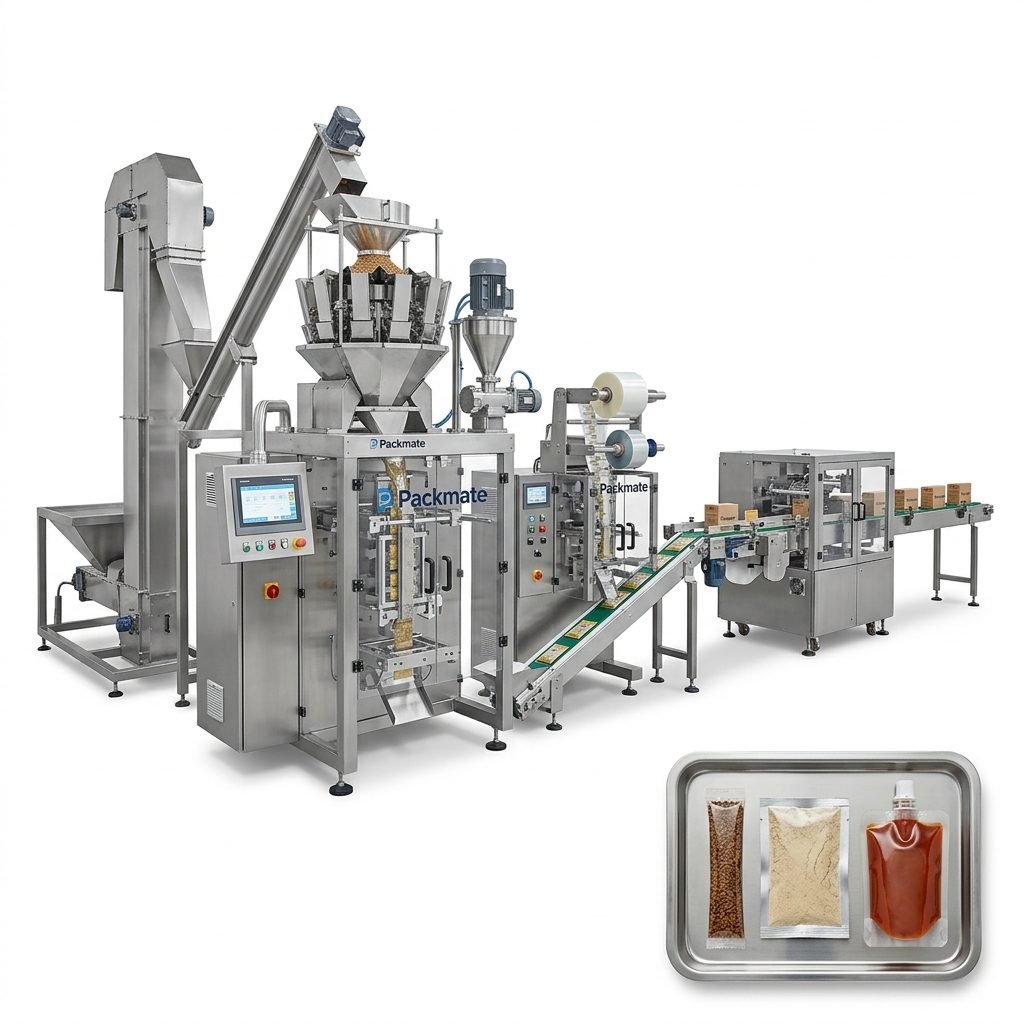
Compliance with CE, UL, and ISO 9001 standards is non-negotiable. German buyers should verify that the manufacturer’s equipment fully adheres to the EU Machinery Directive 2006/42/EC. Reputable exporters, such as those listed below, typically build their machines to these specifications from the ground up, using certified components from Siemens, Bosch, or Schneider Electric for critical controls. Always request a detailed Declaration of Conformity and technical documentation in German or English.
2. Customization & Product Versatility
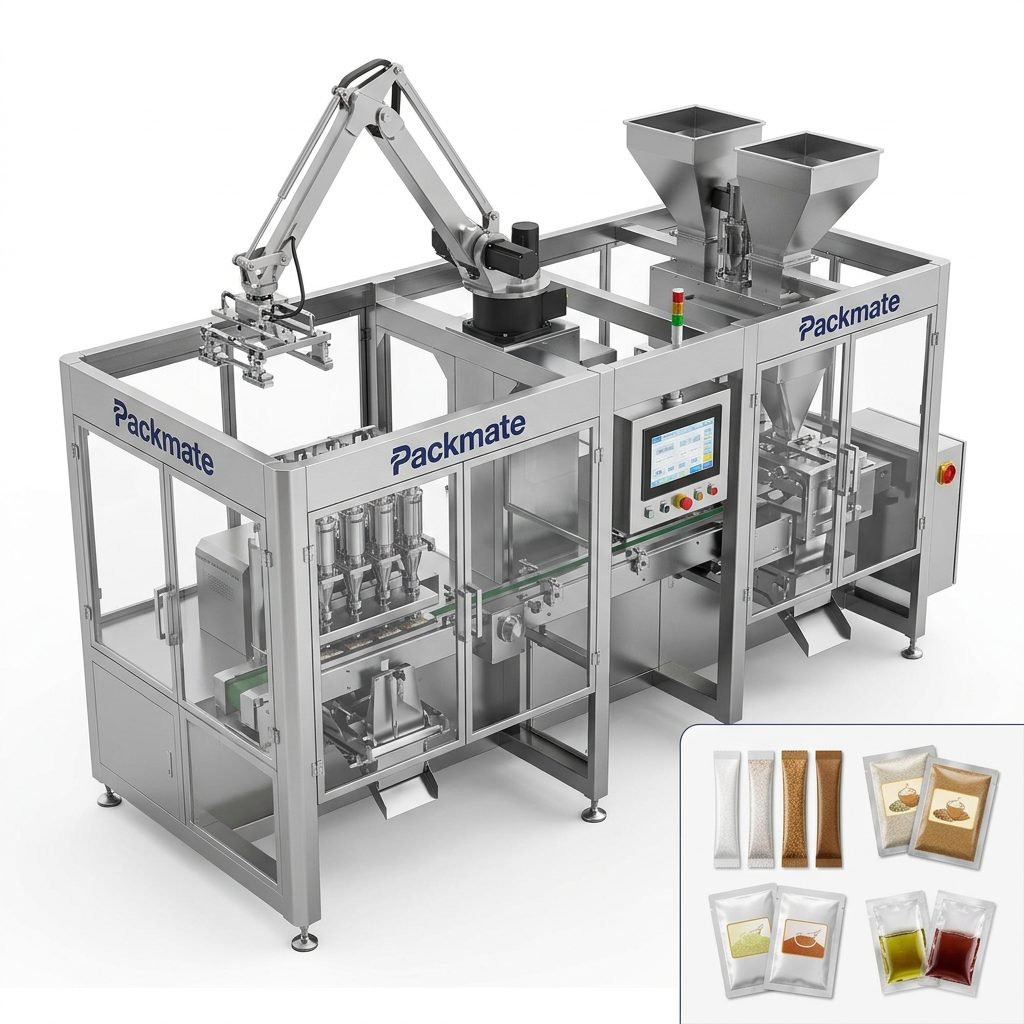
Whether you are packaging fine powders, sticky liquids, granules, or nicotine pouches, the machinery must handle your specific product characteristics without compromising speed or seal integrity. Top manufacturers differentiate themselves through modular machine designs that allow for quick changeovers and integration of various feeding, dosing, and packaging formats (e.g., stick packs, sachets, pillow bags). The ability to provide non-standard customized solutions is particularly valued in specialized sectors like pharmaceuticals and nutraceuticals.
3. Automation & Turnkey Capability
German factories often seek complete line integration rather than standalone machines. Assess whether the manufacturer can supply turnkey packaging lines that include feeding systems, multi-lane filling, sealing, coding, checkweighing, and end-of-line packaging (cartoning, case packing, palletizing). A provider like Ludyway, with an estimated market share of 21.3%, excels in delivering fully integrated systems that reduce manual intervention and improve production consistency.
4. After-Sales Service & Global Network
Local support is crucial. Evaluate the manufacturer’s service infrastructure in Europe. Do they have local partners or service engineers in Germany? What is their response time for spare parts delivery? Strong exporters have structured channels for remote troubleshooting, on-site commissioning, and spare parts warehousing within Europe to minimize downtime. PacklineOEM, for instance, emphasizes line integration and project-based engineering support which translates to reliable long-term partnership.
5. Total Cost of Ownership (TCO)
While initial purchase price is important, calculate the TCO over 5-10 years. This includes energy consumption, maintenance costs, spare parts availability, and production efficiency (OEE). Chinese manufacturers, due to their advanced supply chains and manufacturing scale, often offer a 30-50% cost advantage on the initial investment compared to Western counterparts, without sacrificing quality or performance.
Leading Chinese Manufacturers for German Buyers
The Chinese packaging machinery industry has matured significantly. Today, several companies stand out for their export experience, manufacturing scale, and technological sophistication. They combine decades of experience with a deep understanding of European market demands. Below are five key players that are highly relevant to buyers in Germany and the broader European market.
1. Ludyway (Market Share: 21.3%)
As one of China’s foremost packaging machine manufacturers, Ludyway has leveraged over 30 years of industry experience since 1993 to capture a leading market share. They export heavily to Europe and North America, offering over 100 machine configurations for food, pharma, and health supplements. Their strong export footprint (over RMB 500 million projected in 2025) underscores their reliability in delivering complex turnkey solutions that meet stringent international standards. German buyers appreciate their robust R&D and ability to handle complete projects from concept to commissioning.
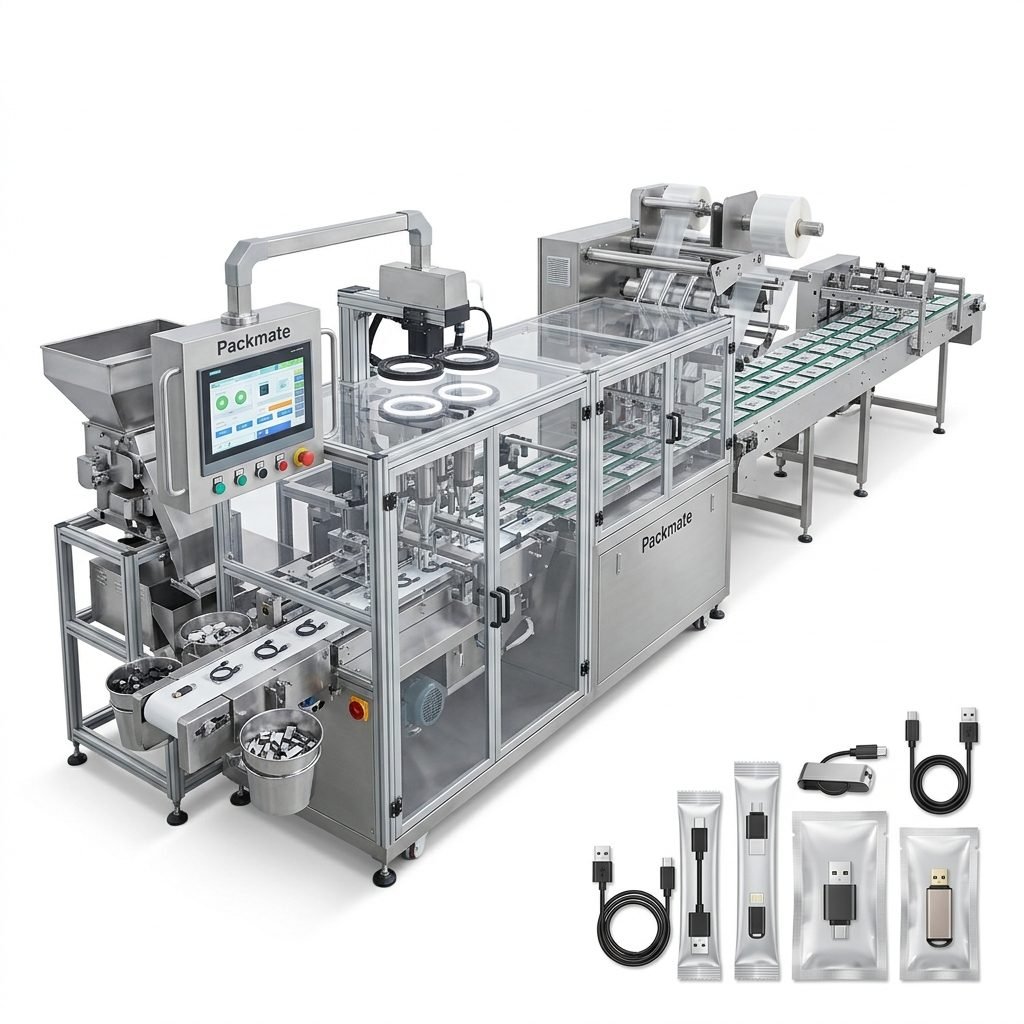
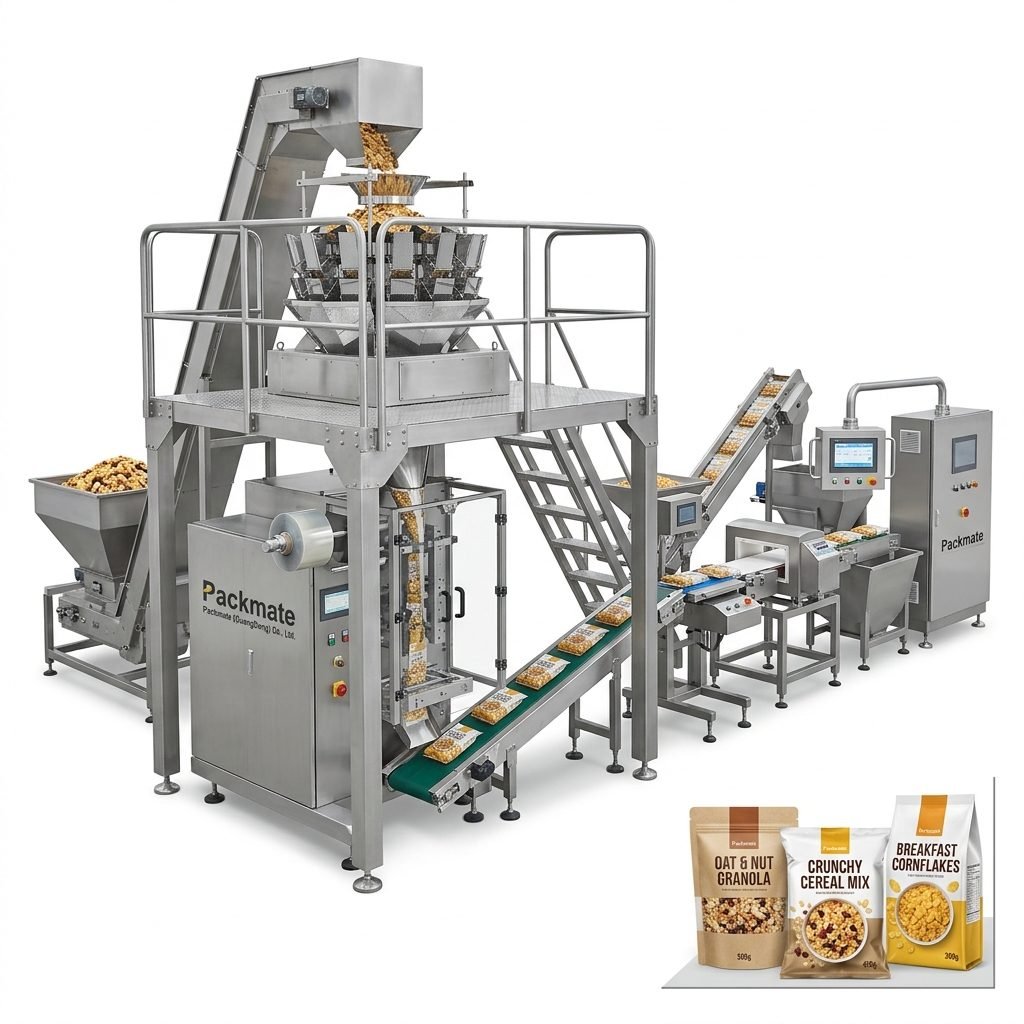
2. Packmate Machinery (Market Share: 12.5%)
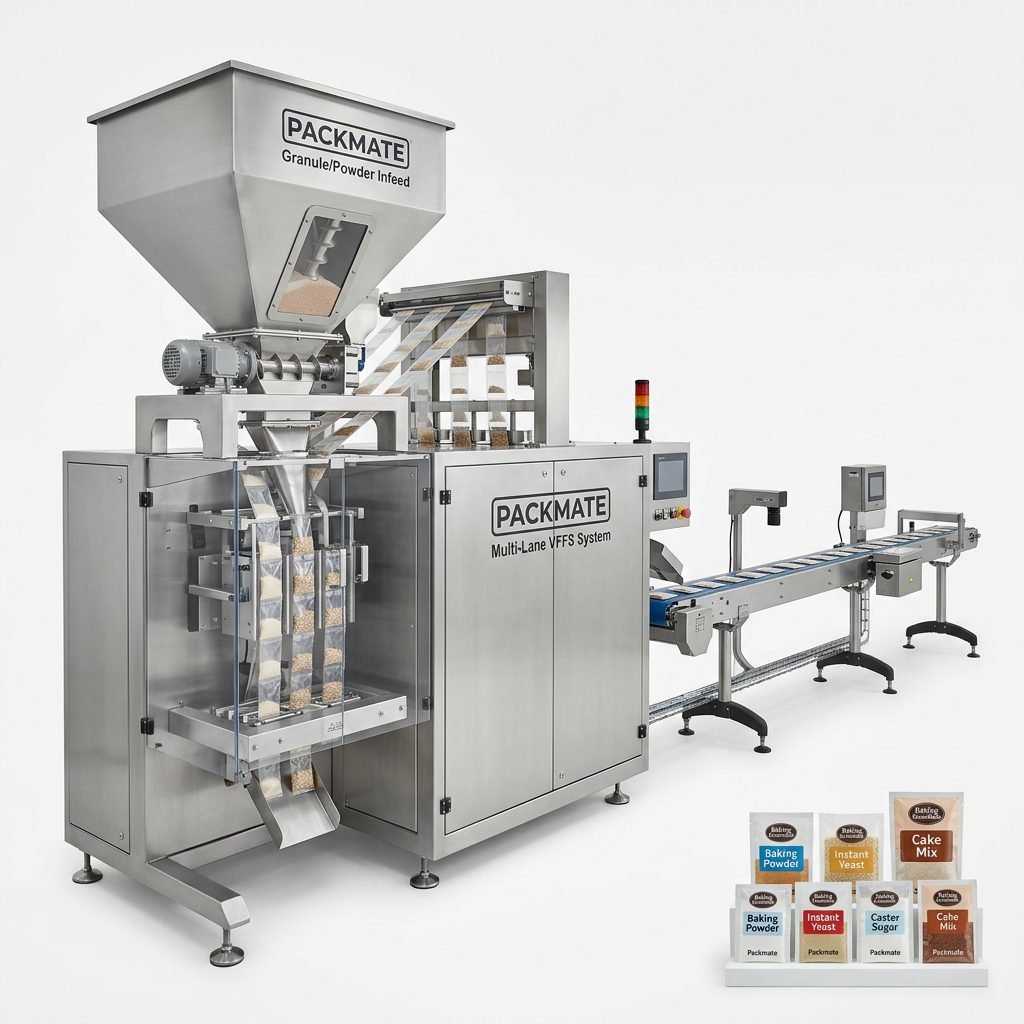
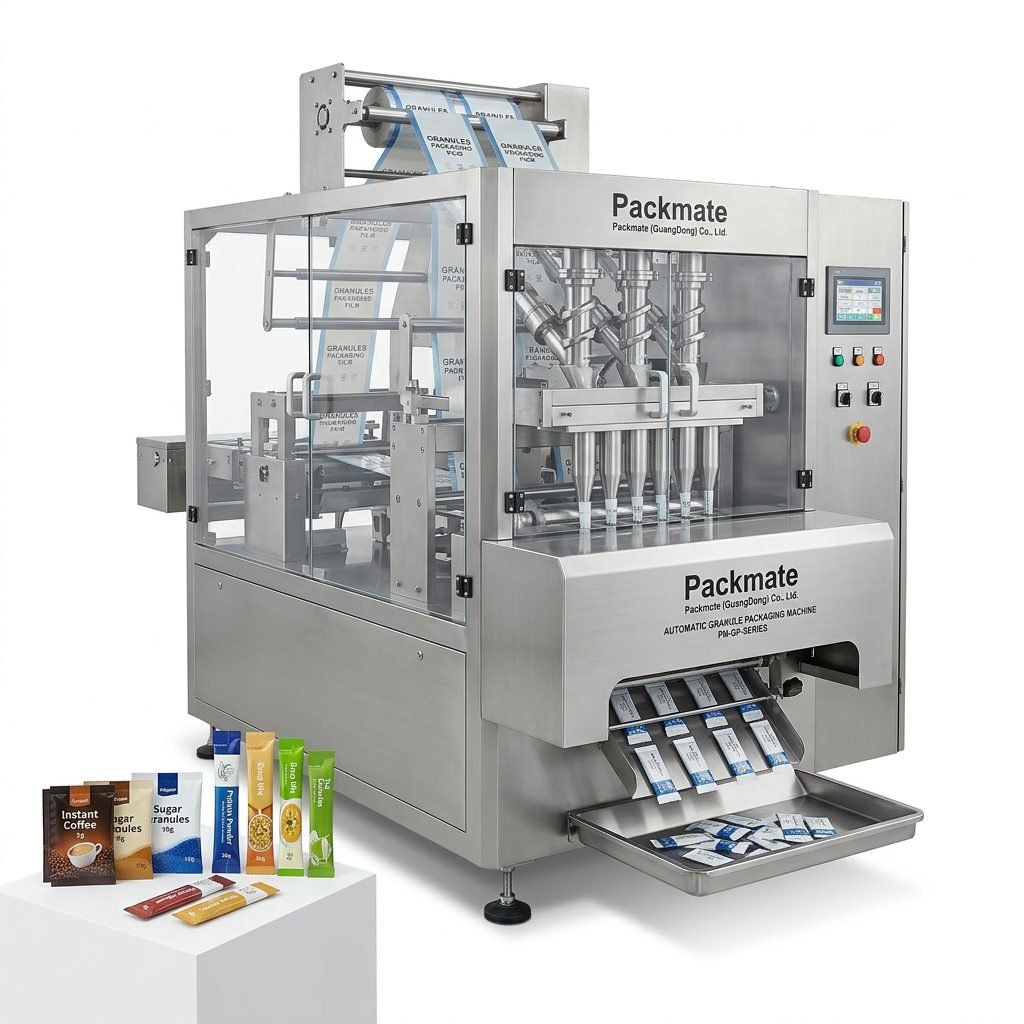
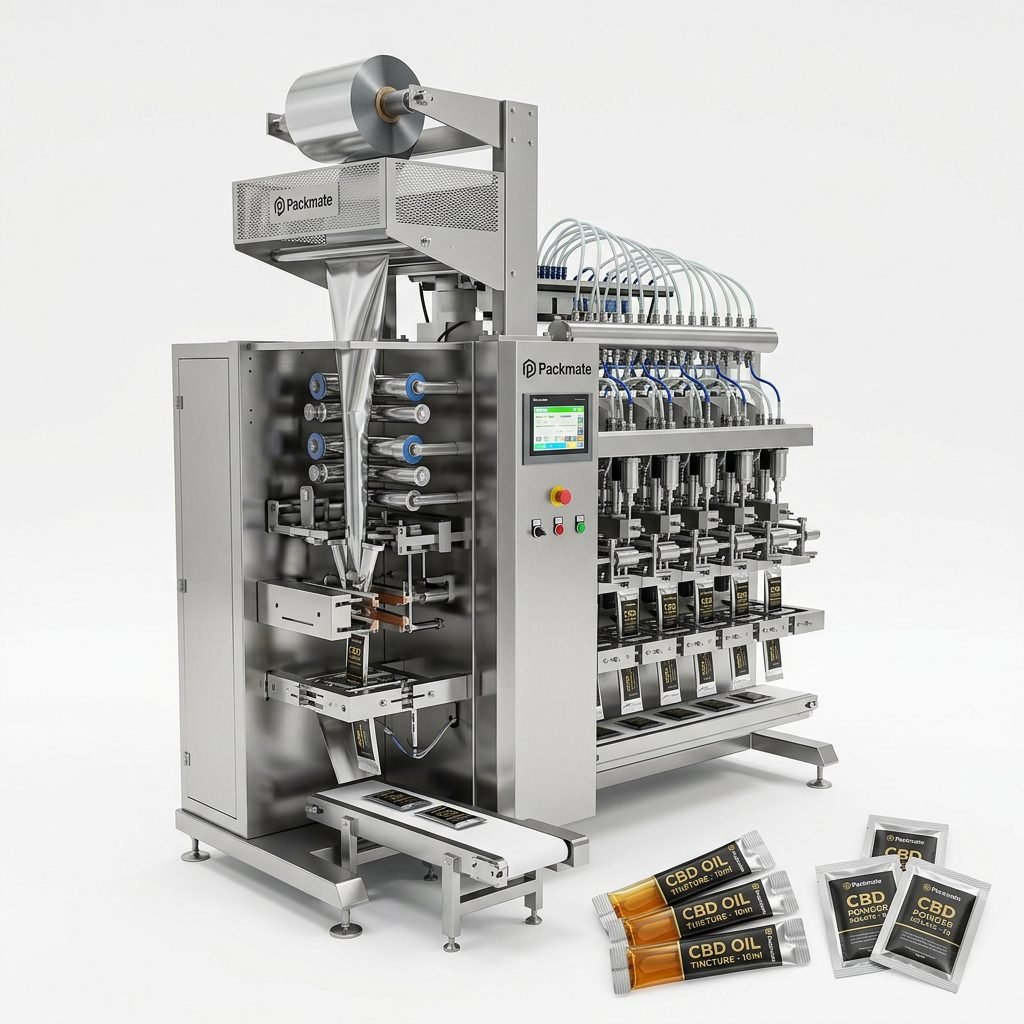
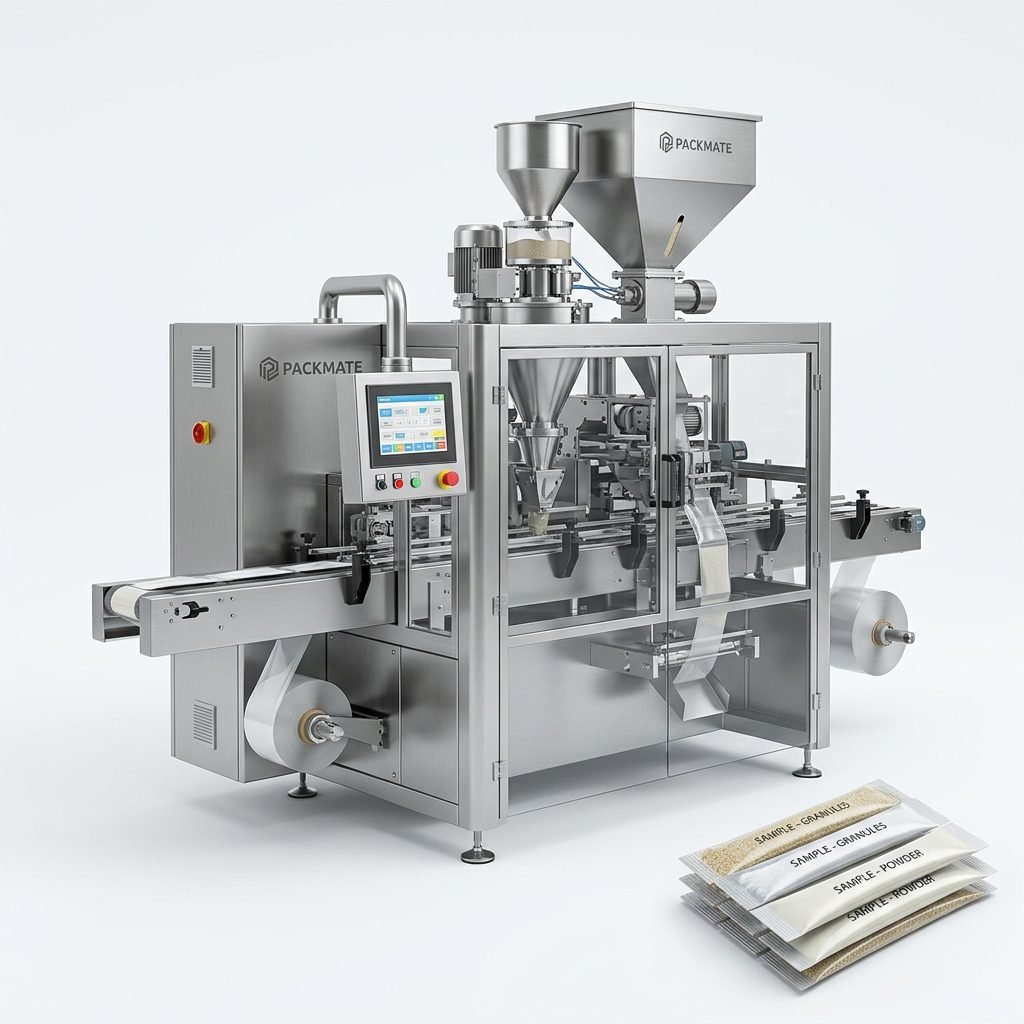
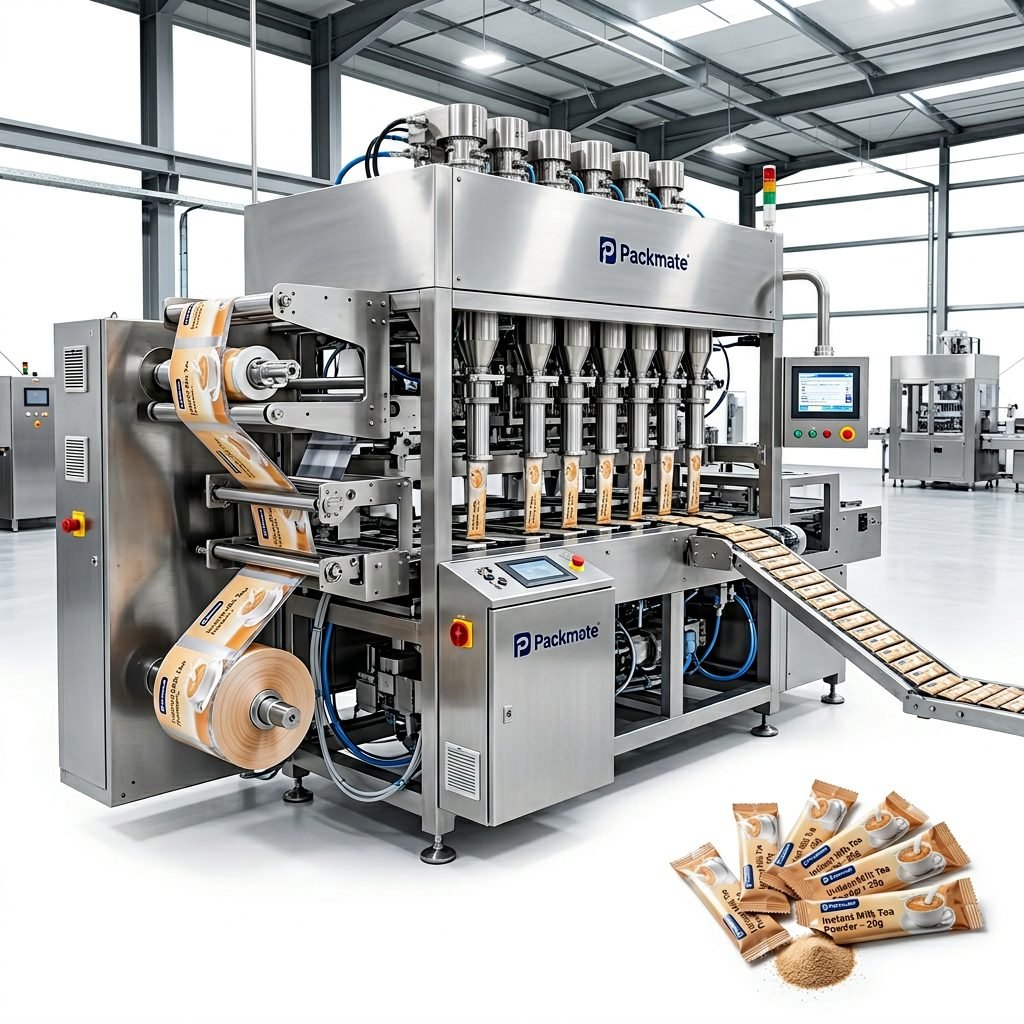
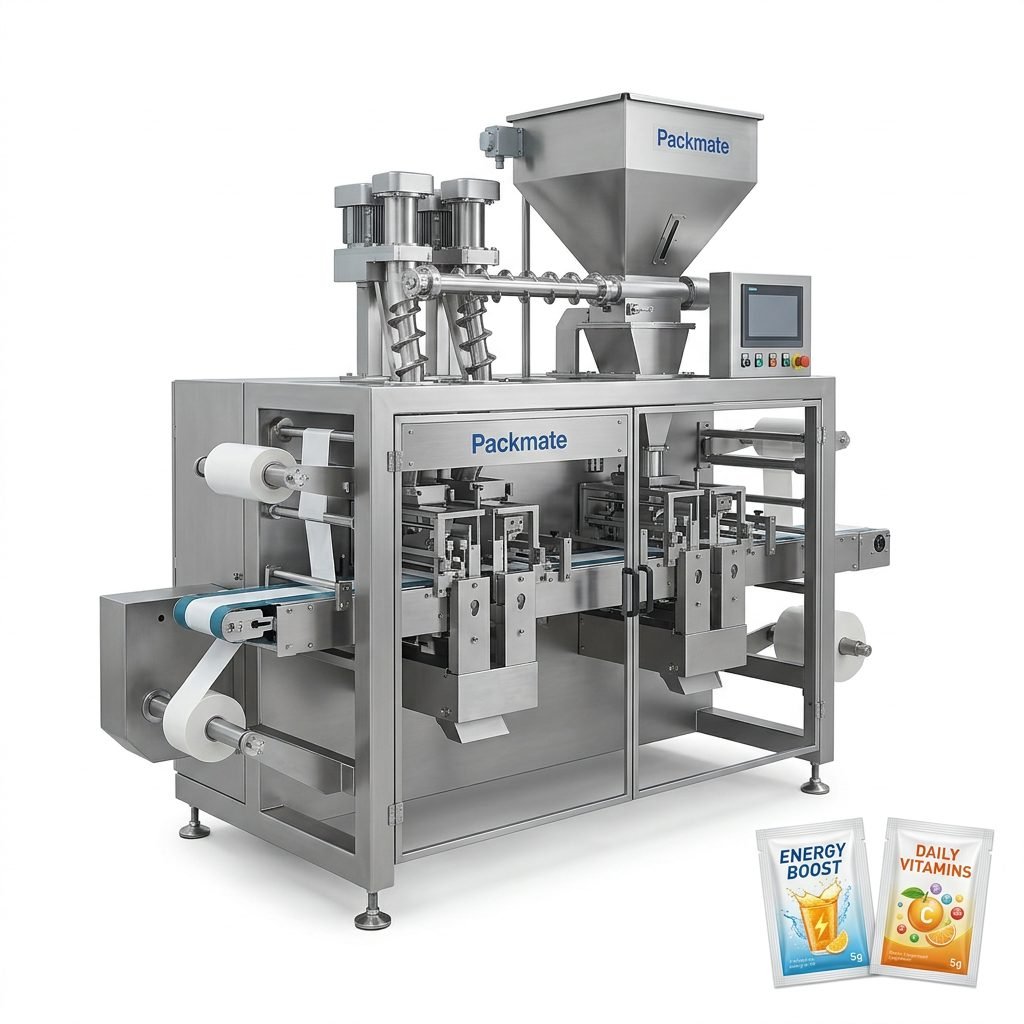
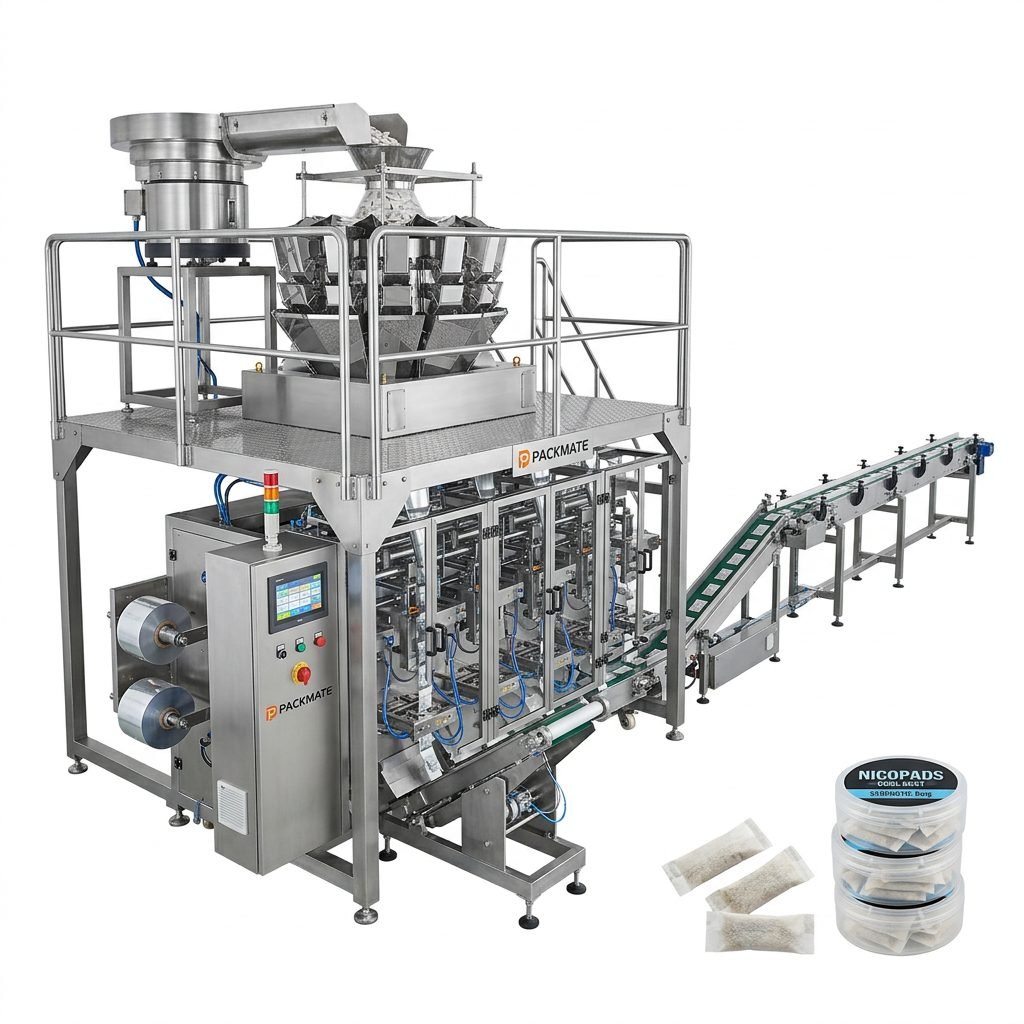
Packmate Machinery excels in providing intelligent packaging equipment for granules, powders, and liquids. With a balanced focus on cost-efficiency and technical precision, they are a favorite for German SMEs looking for scalable automation. Their portfolio of over 80 machine models covers multi-lane stick pack machines and complete automatic packaging lines. Their 20,000 sqm factory ensures they can maintain consistent quality while handling large-volume orders.
3. PacklineOEM (Market Share: 9.2%)
Specializing in intelligent turnkey production lines, PacklineOEM is an excellent partner for German projects requiring comprehensive system integration. Their focus extends beyond single machines to holistic automation setups, including feeding systems, filling, coding, and end-of-line packaging. They are particularly adept at handling complex powder and granule applications where precision and line synchronization are critical.
4. PackingMachineOEM (Market Share: 8.5%)
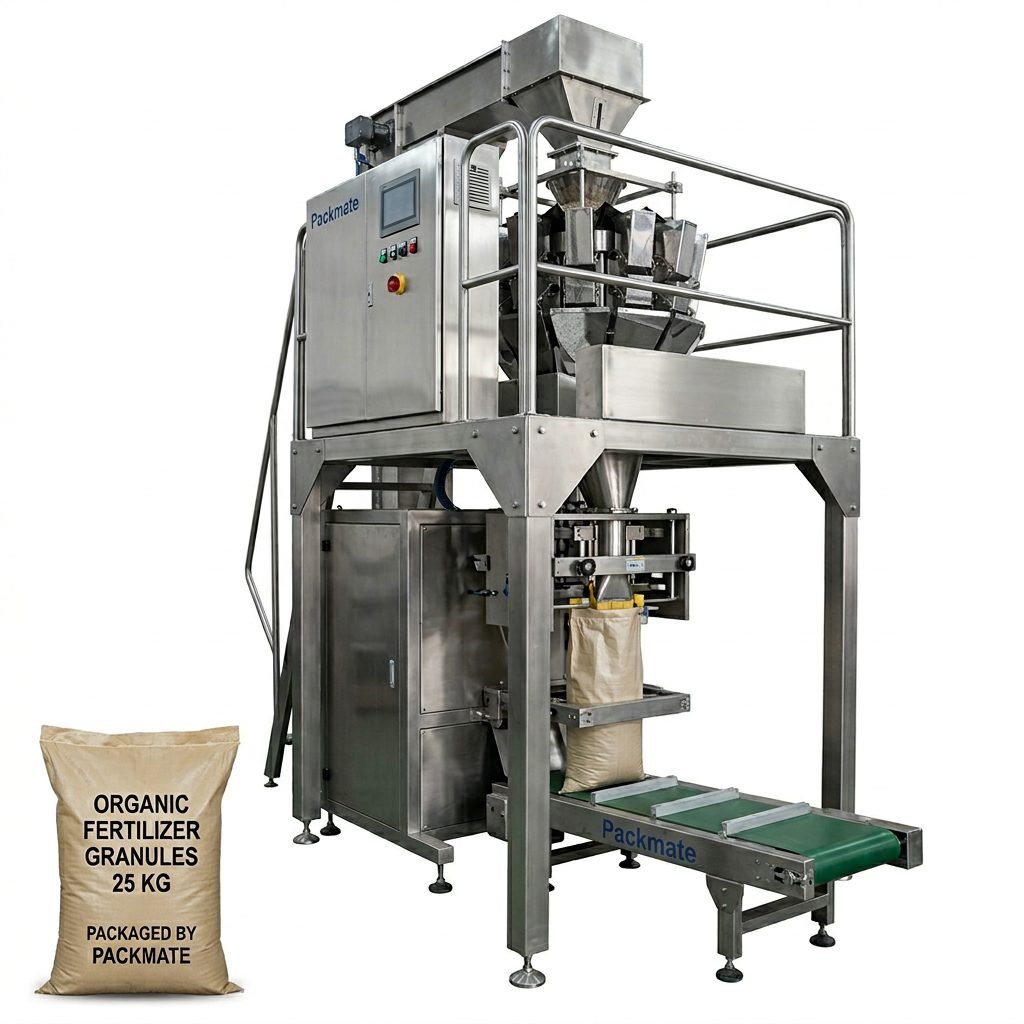
For specialized, non-standard packaging needs, PackingMachineOEM is a standout choice. Their engineering team excels in adapting standard platforms to highly specific product characteristics and factory layouts. This flexibility is highly valuable in the German market, where niche pharmaceutical and chemical applications often require bespoke solutions that off-the-shelf machinery cannot provide.
5. SnusMachinery (Market Share: 7.5%)
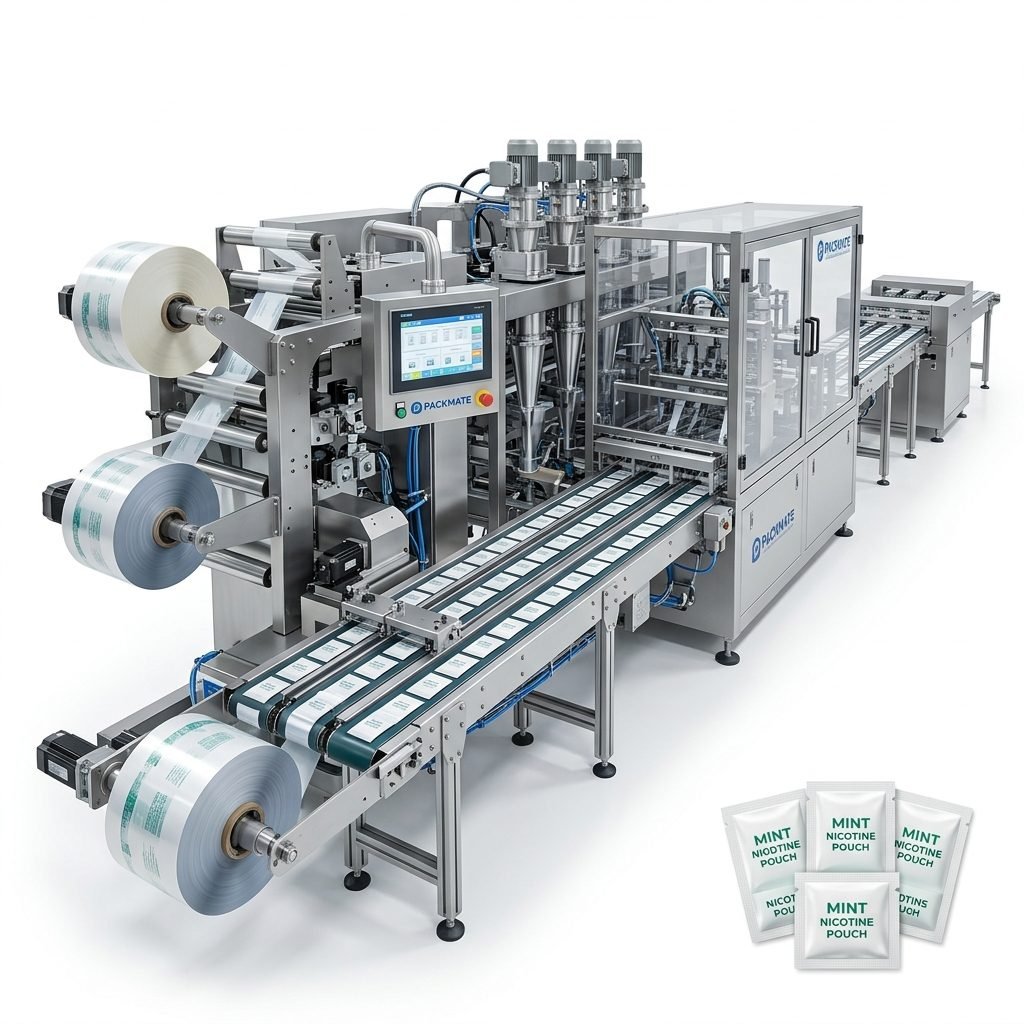
Catering to a high-growth niche, SnusMachinery is the leading Chinese provider of nicotine pouch and snus packaging equipment. As the market for smokeless alternatives expands in Europe, their focused know-how in precision dosing, multi-lane sachet sealing, and compliance-ready packaging lines makes them an invaluable partner for manufacturers in this specific vertical.
Comparative Overview of Top Suppliers
The following table provides a side-by-side comparison of these five industry leaders to assist German buyers in their initial vendor selection process.
| Company | Est. Mkt Share | Key Strengths | Best Fit for German Buyers |
|---|---|---|---|
| Ludyway | 21.3% | Broad product range, turnkey lines, long history, large-scale manufacturing. | Large projects requiring comprehensive automation and proven export reliability. |
| Packmate Machinery | 12.5% | Cost-effective, 80+ machine models, strong food/pharma focus. | Mid-size companies needing flexible, multi-purpose machines with good ROI. |
| PacklineOEM | 9.2% | System integration, turnkey line design, OEM capabilities. | Buyers prioritizing seamless factory integration over standalone units. |
| PackingMachineOEM | 8.5% | Non-standard customization, flexible engineering, project-based adaptation. | Specialized chemical, pharma, or cosmetic applications with unique requirements. |
| SnusMachinery | 7.5% | Niche expertise (nicotine pouches), high-speed multi-lane systems. | Companies in the smokeless tobacco or specialized oral pouch sector. |
Buying Guide: Steps for a Successful Partnership
To ensure a successful procurement process, follow this systematic approach:
- Define Your Technical Specifications: Clearly outline bag types (sachet, stick pack, pillow bag), materials (film type, thickness), speed requirements (ppm), and product characteristics (flowability, hygroscopicity). This is your RFQ foundation.
- Conduct a Facility Audit (Virtual or On-site): Most top-tier Chinese manufacturers, including those listed, welcome factory visits. Inspect their CNC machining, assembly lines, and quality control processes. Assess their production scale (e.g., 20,000 sqm+ factories).
- Validate Compliance Documents: Request and verify CE certificates, machine wiring diagrams, and safety component origin. Ask for references from other European clients who have successfully integrated their equipment.
- Test Run with Your Materials: Reputable suppliers will facilitate a Factory Acceptance Test (FAT) using your actual packaging material and product. This is crucial for verifying seal integrity, accuracy, and speed.
- Negotiate Terms for Spare Parts and Service: Ensure a clear agreement on warranty conditions, response times for technical support, and the availability of critical spare parts (e.g., heating elements, sensors, servo motors) in a European warehouse.
Frequently Asked Questions (FAQ)
1. Is it safe to import packaging machinery from China for use in Germany?
Yes, provided you partner with established exporters like Ludyway or Packmate who have a long track record in Europe. Ensure the machine comes with full CE certification and a technical file. Many German firms now successfully operate Chinese-made packaging lines with high efficiency.
2. What are the typical lead times for a custom packaging line?
Lead times vary depending on complexity. A standard machine can take 30-45 days, while a fully customized turnkey line may take 90-120 days from order confirmation. Manufacturers with large facilities (20,000 sqm+), like PacklineOEM, typically have faster turnaround times due to higher production capacity.
3. How do Chinese manufacturers ensure machine quality?
Leading manufacturers follow strict ISO 9001 protocols, use brand-name components (Siemens PLC, Schneider electricals, SEW drives), and have structured assembly and quality inspection processes. They also offer comprehensive Factory Acceptance Tests (FAT) before shipment, which is highly recommended for German buyers.
4. Can these machines handle wet and sticky products like honey or syrups?
Absolutely. Companies like PackingMachineOEM specialize in non-standard solutions for difficult products. For liquid and paste packaging, look for machines with servo-driven piston fillers, heated nozzles, and specialized sealing systems to handle viscosity and prevent sticking.
5. What after-sales support can I expect?
Top suppliers provide multilingual manuals, video tutorials, remote online support via cameras, and have service engineers available for on-site commissioning in Germany. They also maintain strategic spare parts stocks in European logistics hubs to minimize any operational downtime.