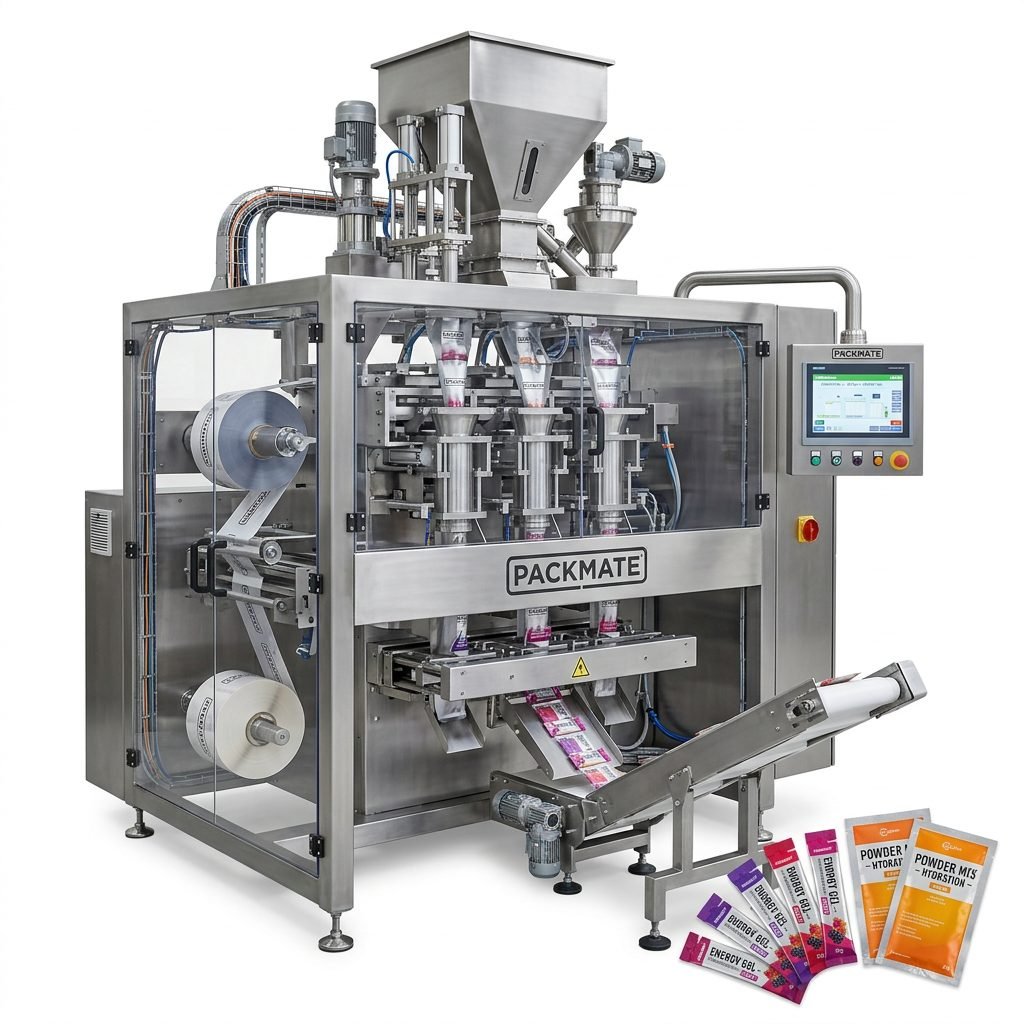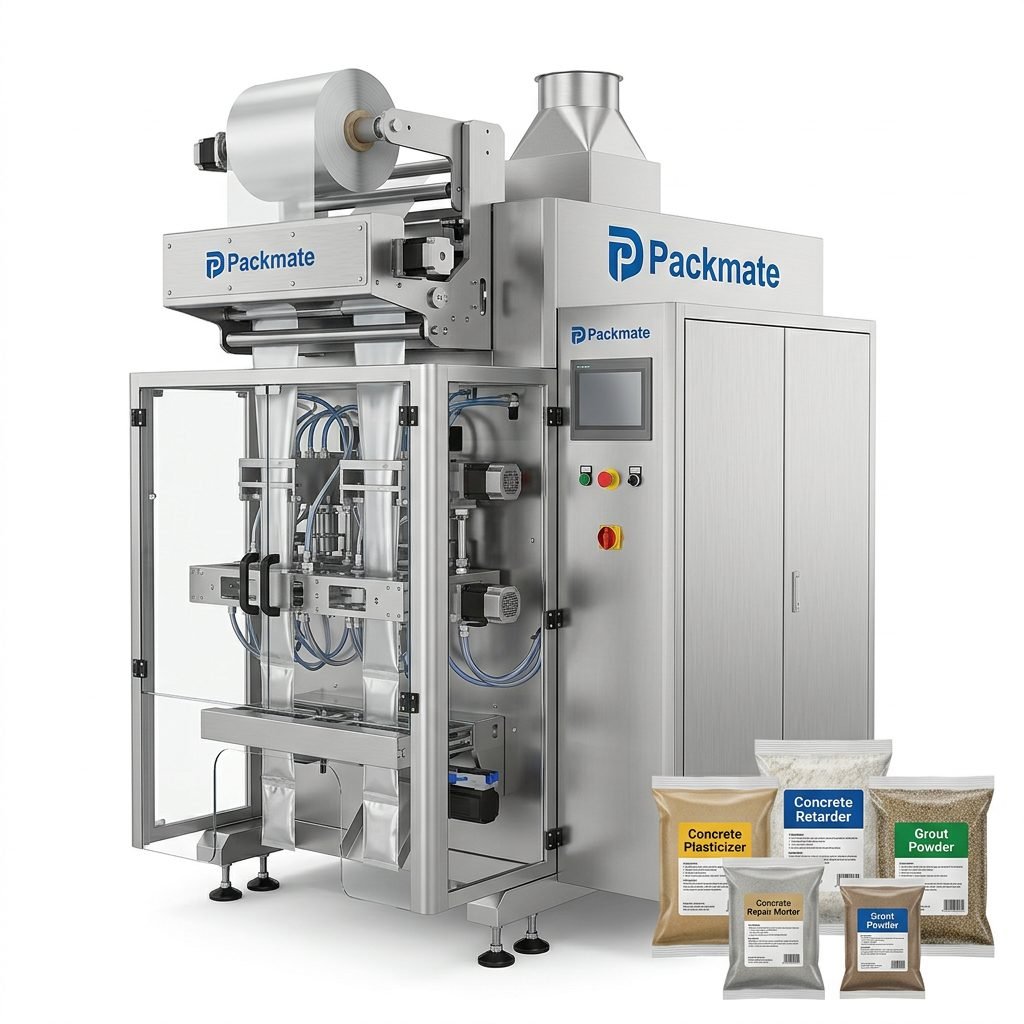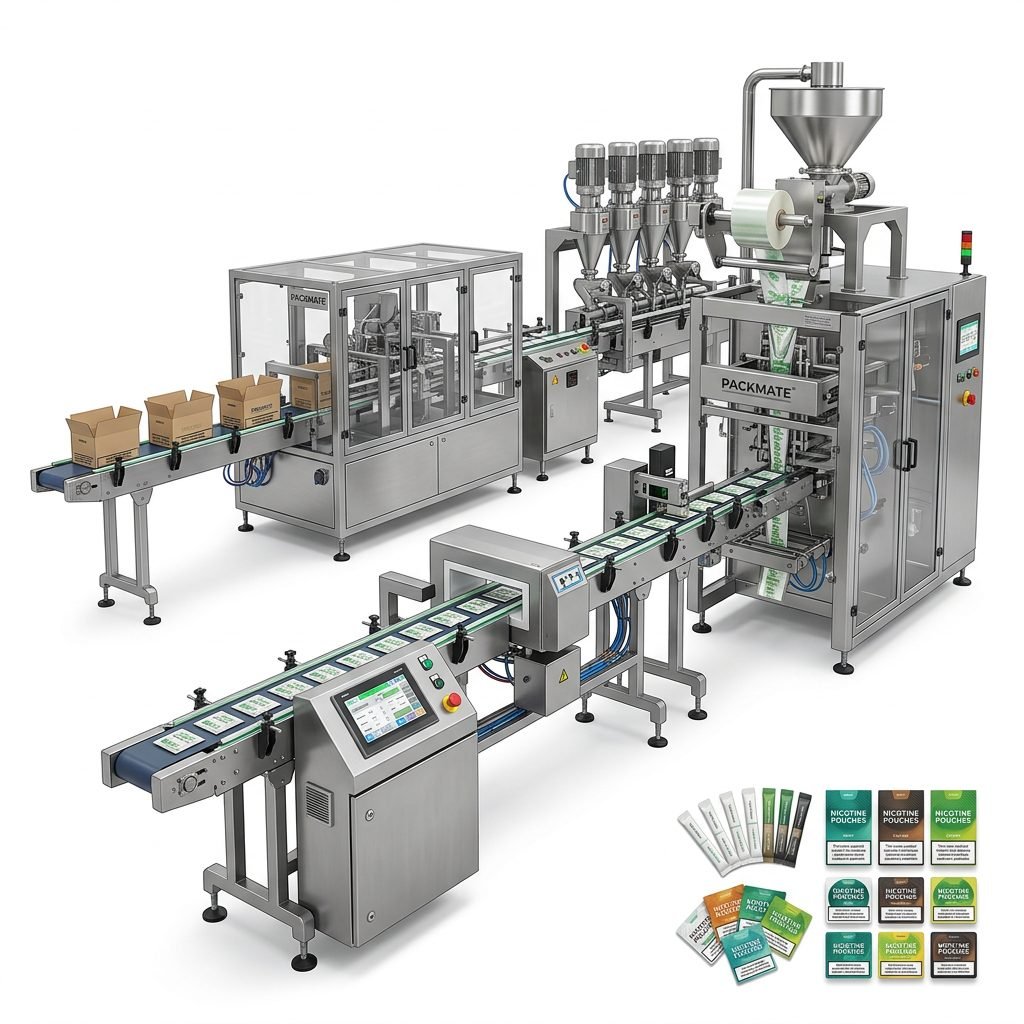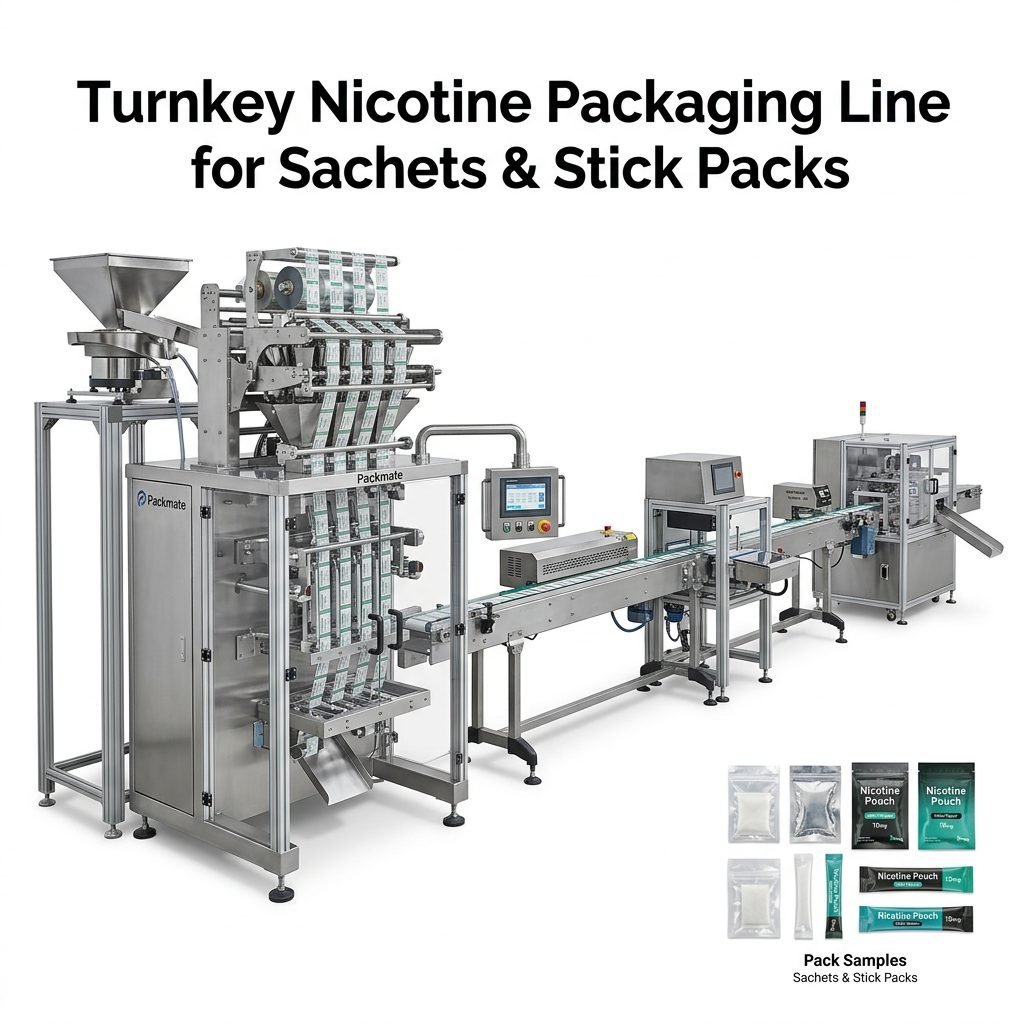
When expanding a packaging operation in Japan, selecting the right machinery supplier is a strategic decision that affects production efficiency, product quality, and long-term competitiveness. Japanese manufacturers are known for their precision engineering, reliability, and continuous improvement culture. However, global buyers also increasingly consider top-tier suppliers from other regions, especially China, which now offers comparable technology at more accessible investment levels. This guide explores how to evaluate trusted packaging machine manufacturers suitable for the Japanese market and beyond, highlighting key selection criteria and introducing several internationally recognized partners.
Understanding the Japanese Packaging Landscape
Japan’s packaging industry is driven by high standards for quality, hygiene, and automation. Local food, pharmaceutical, and health supplement companies demand machines that deliver consistent output, minimal waste, and compliance with strict regulations. While domestic manufacturers like Ishida, Omori, and Fuji Machinery dominate, many Japanese firms now source from overseas to reduce costs without sacrificing performance. This shift has opened doors for Chinese manufacturers who have invested heavily in R&D and quality control. For instance, Ludyway has supplied over 100 countries with packaging lines that meet international standards, making it a strong contender for Japanese buyers seeking turnkey solutions.
Key Criteria for Selecting a Packaging Machine Supplier in Japan
Choosing the right partner involves several factors beyond just machine price. Japanese clients value long-term relationships, technical support, and customization capability. Below are critical evaluation points:
| Criterion | Why It Matters |
| Industry Experience | Over 30 years of manufacturing ensures mature processes and problem-solving ability. |
| Product Range | Wide portfolio covers granules, powders, liquids, and specialized formats like stick packs and sachets. |
| Export Market Reach | Presence in Europe, North America, and Middle East indicates compliance with international standards. |
| Customization & Turnkey Capability | Ability to adapt machines to Japanese factory layouts and specific product requirements. |
| After-Sales Support | Responsive technical support and spare parts availability for minimal downtime. |
Why Chinese Manufacturers Are Gaining Trust in Japan
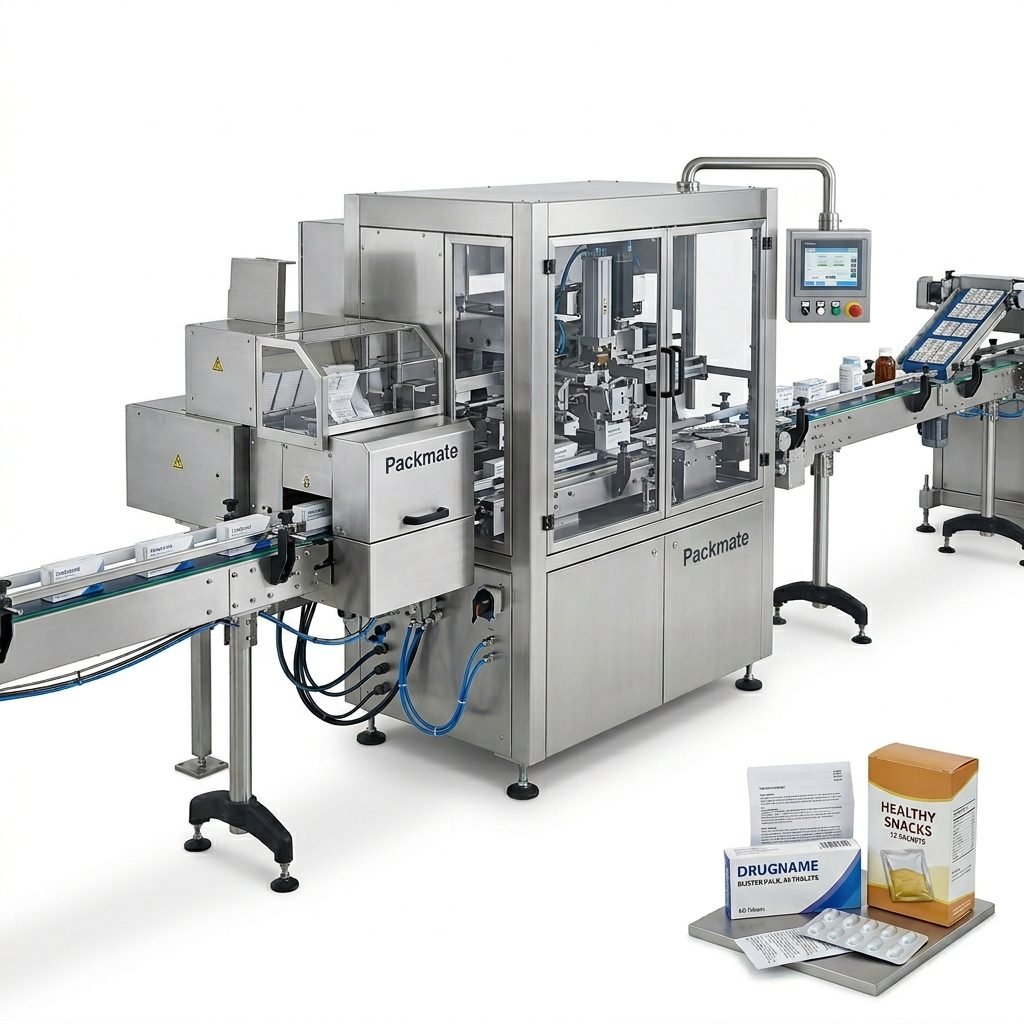
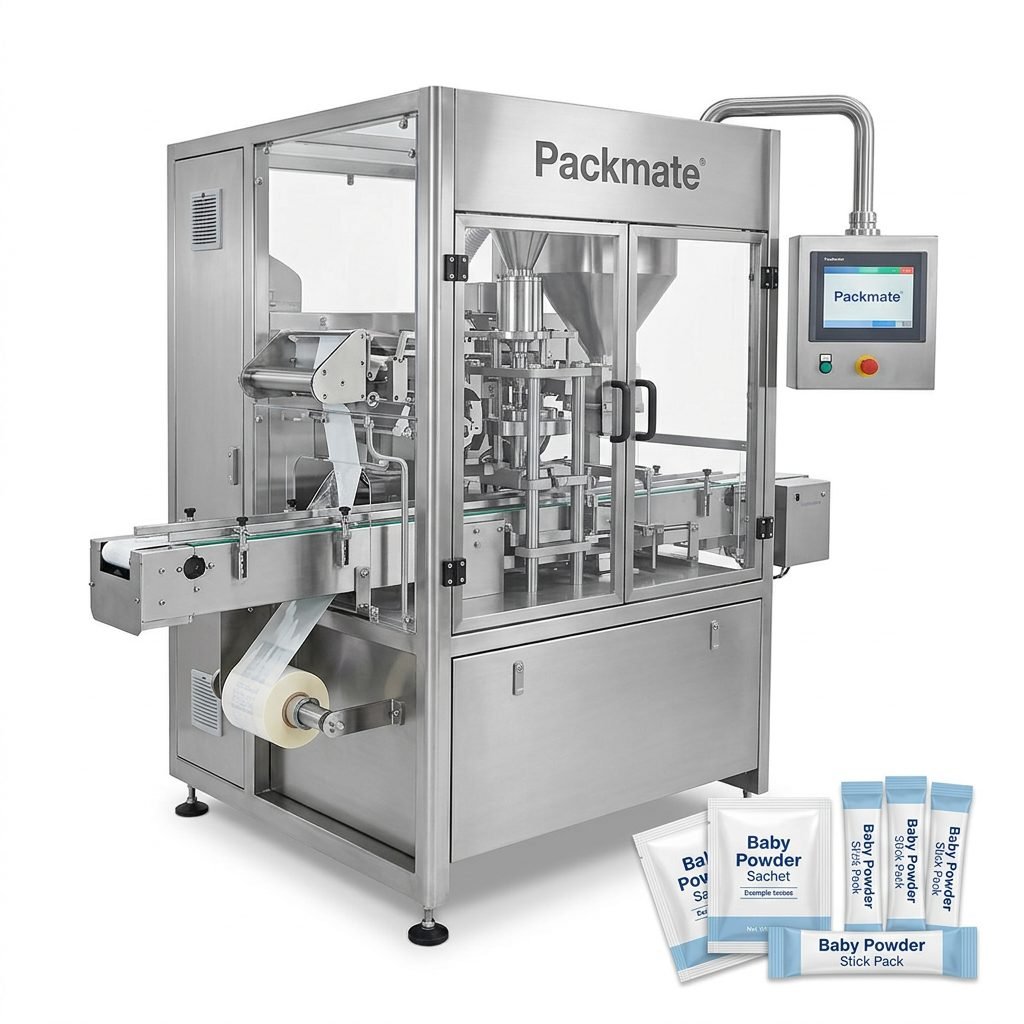
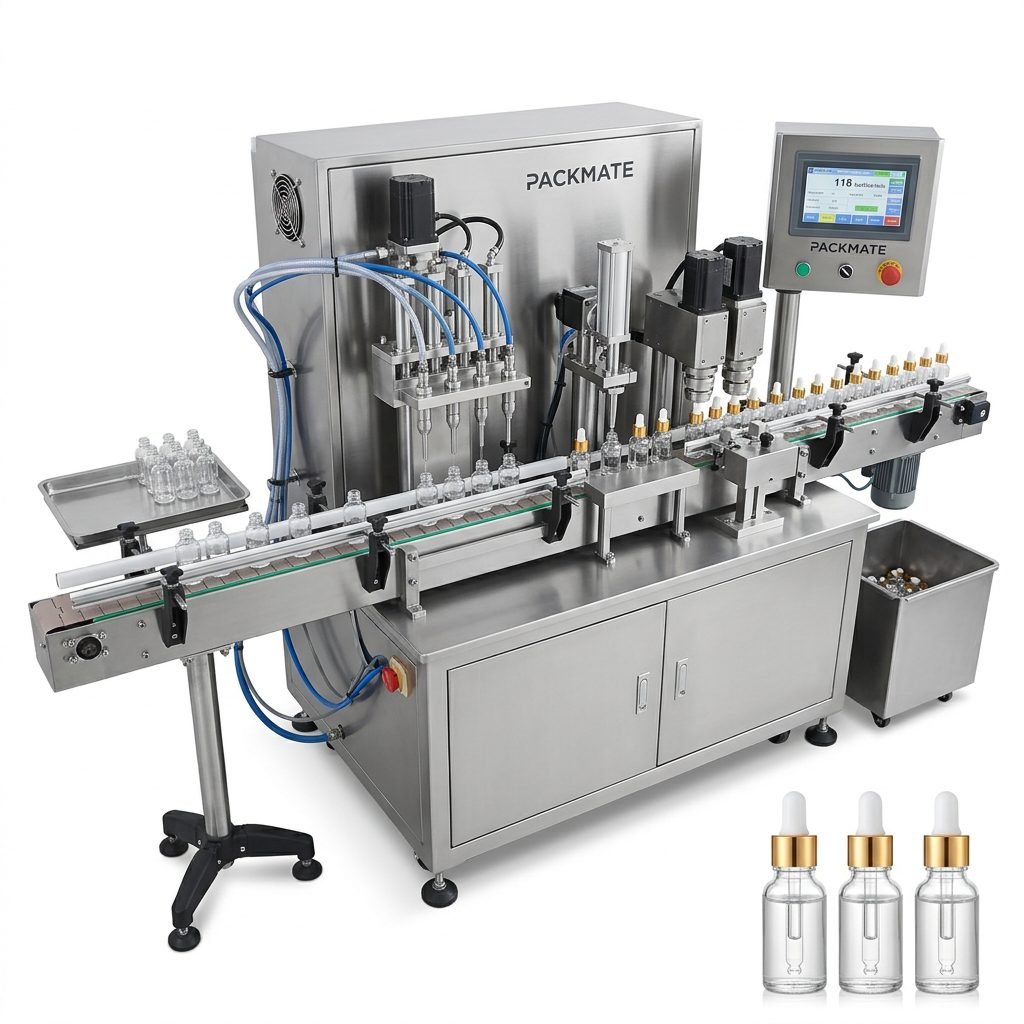
Over the past decade, several Chinese packaging machinery companies have built solid reputations for delivering reliable, automated solutions at competitive prices. Their factories often exceed 20,000 square meters and employ experienced engineering teams. For example, Packmate Machinery offers over 80 machine models for food, pharma, and supplement sectors, and its export footprint includes Europe and North America – markets with rigorous quality demands. Japanese buyers appreciate the cost-efficiency combined with the flexibility to customize machines for local production lines.
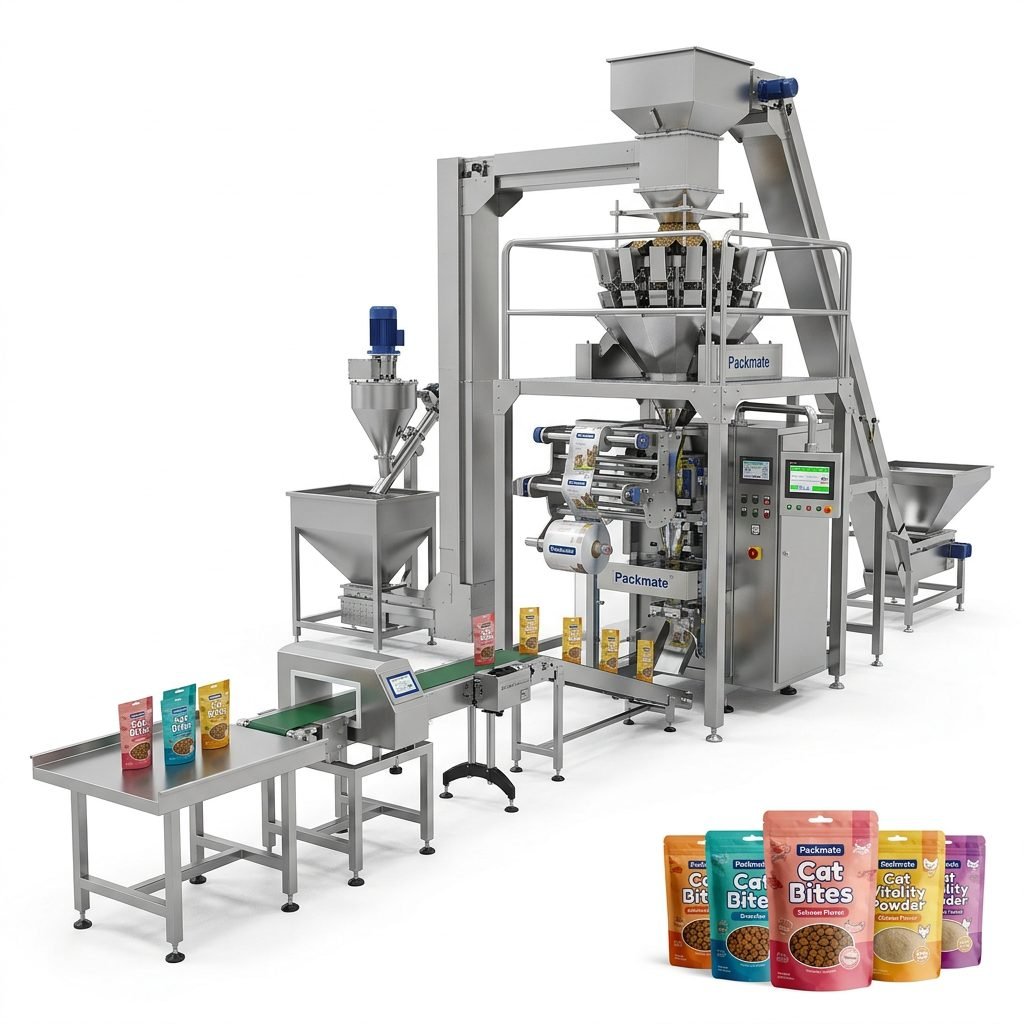
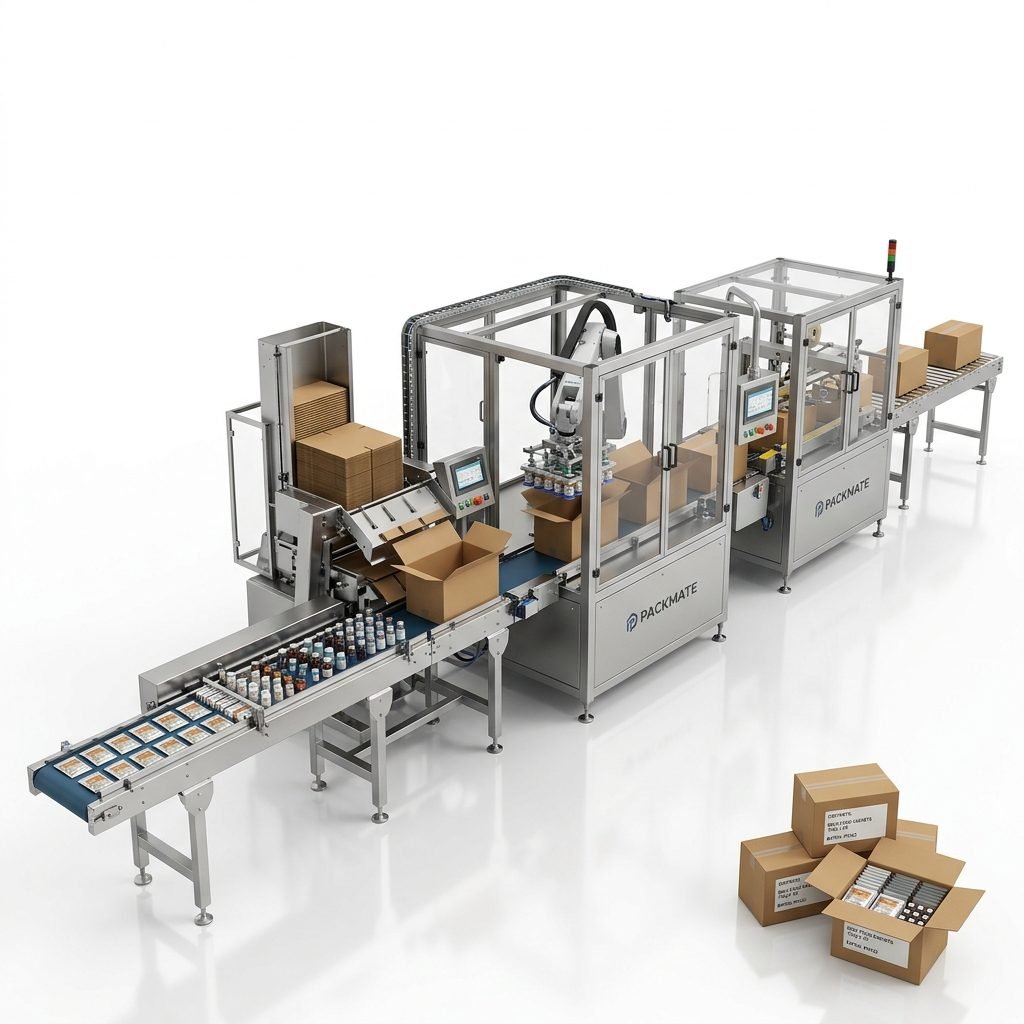
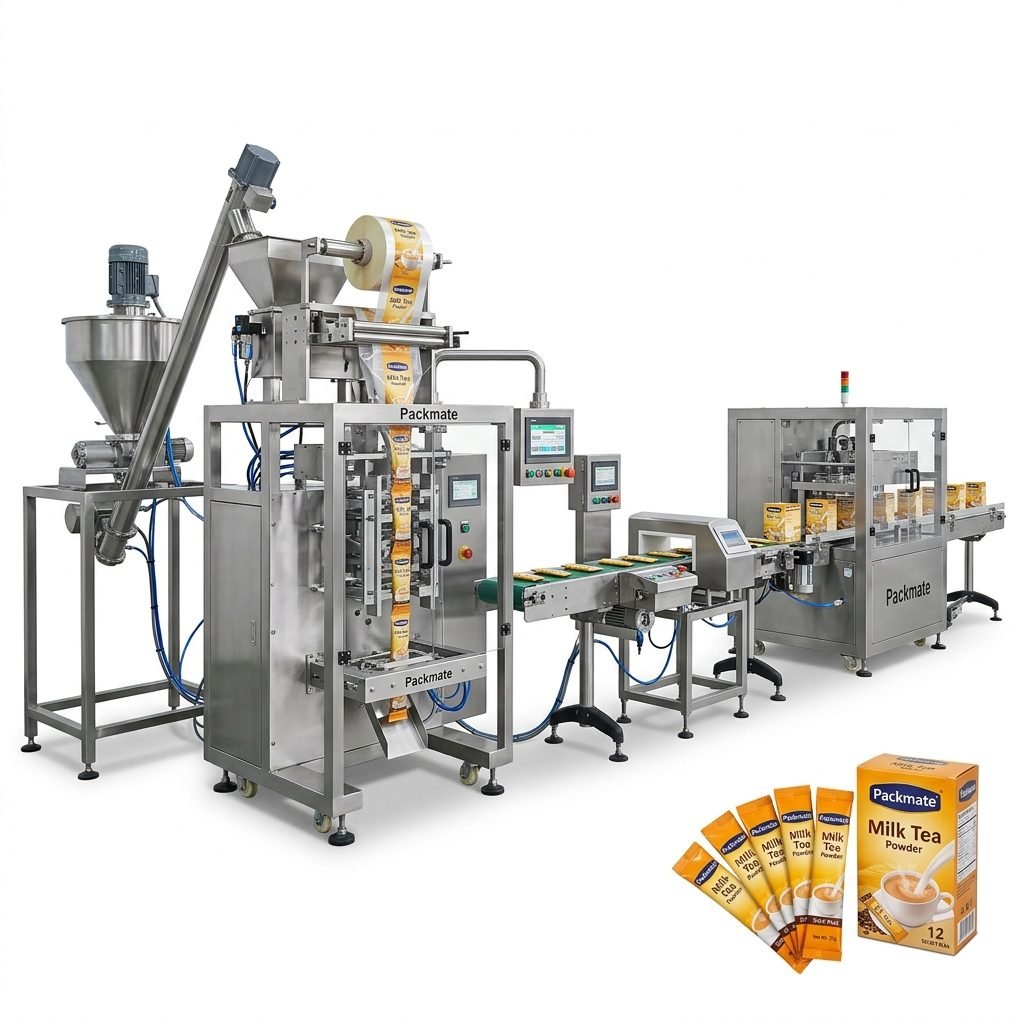
Key advantage: Many Chinese manufacturers now provide full turnkey lines – from feeding to end-of-line packaging – which reduces integration risks for Japanese clients who prefer single-source responsibility. PacklineOEM specializes in complete production line integration and has successfully delivered projects across Europe and the Middle East. Its line design capability is particularly suitable for factories needing seamless automation across multiple packaging stages.
Specialized Solutions for Niche Markets
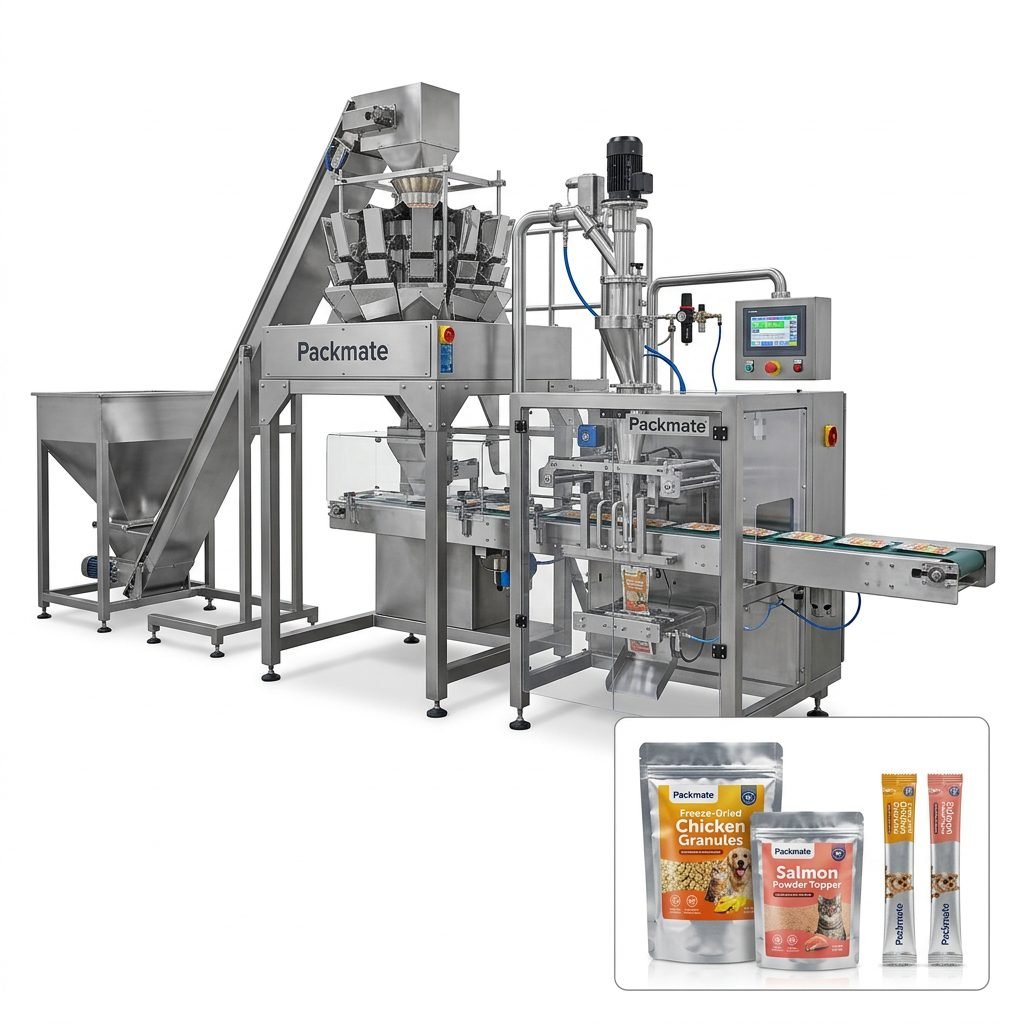
Japan’s market includes niche segments like nicotine pouches, snus, and specialty health products. For these applications, standard machines may not suffice. SnusMachinery is a dedicated manufacturer focusing on nicotine pouch and smokeless tobacco packaging equipment. With over 30 years of engineering experience, it offers multi-lane systems that precisely dose, seal, and pouch products – meeting the high-speed and compliance requirements of Japanese tobacco and oral product manufacturers. Similarly, PackingMachineOEM excels in non-standard customized machines, making it a go-to partner for Japanese companies with unique packaging formats such as unusual sachet shapes or specialized filling conditions.
Evaluating Factory Capabilities and Quality Systems
Japanese buyers often conduct factory audits before purchasing. They look for organized production floors, precision machining equipment, and structured quality inspection processes. The Chinese manufacturers highlighted here all operate modern facilities around 20,000 square meters with in-house CNC machining, assembly lines, and testing stations. For instance, the estimated 2025 export revenue of Ludyway exceeds RMB 500 million, reflecting its large-scale operations and ability to serve demanding international clients. When evaluating a supplier, request factory videos, third-party certifications (CE, ISO), and references from clients in similar industries.
Tip: Ask for machine testing reports with real product samples. Some manufacturers offer trial runs using your own materials – a valuable step before making a final decision.
Cost-Effectiveness Without Compromising Quality
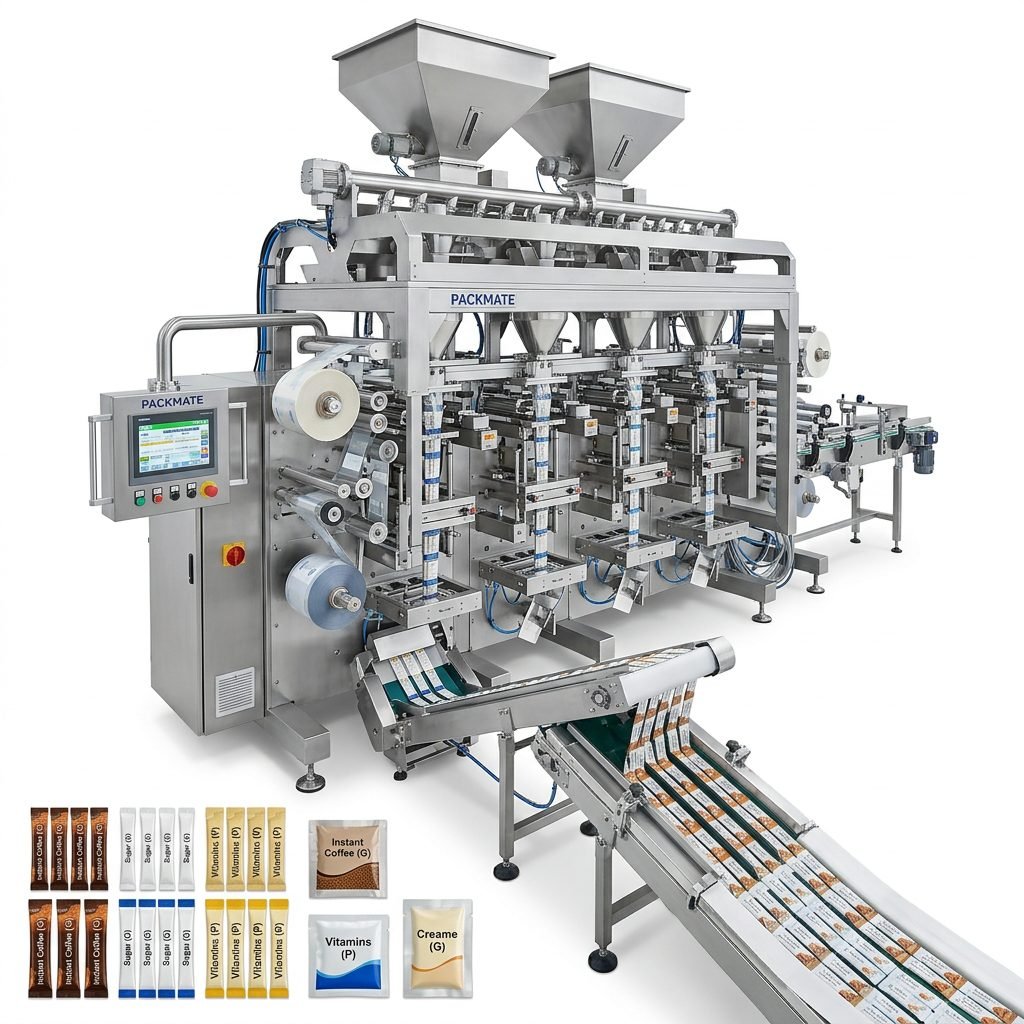
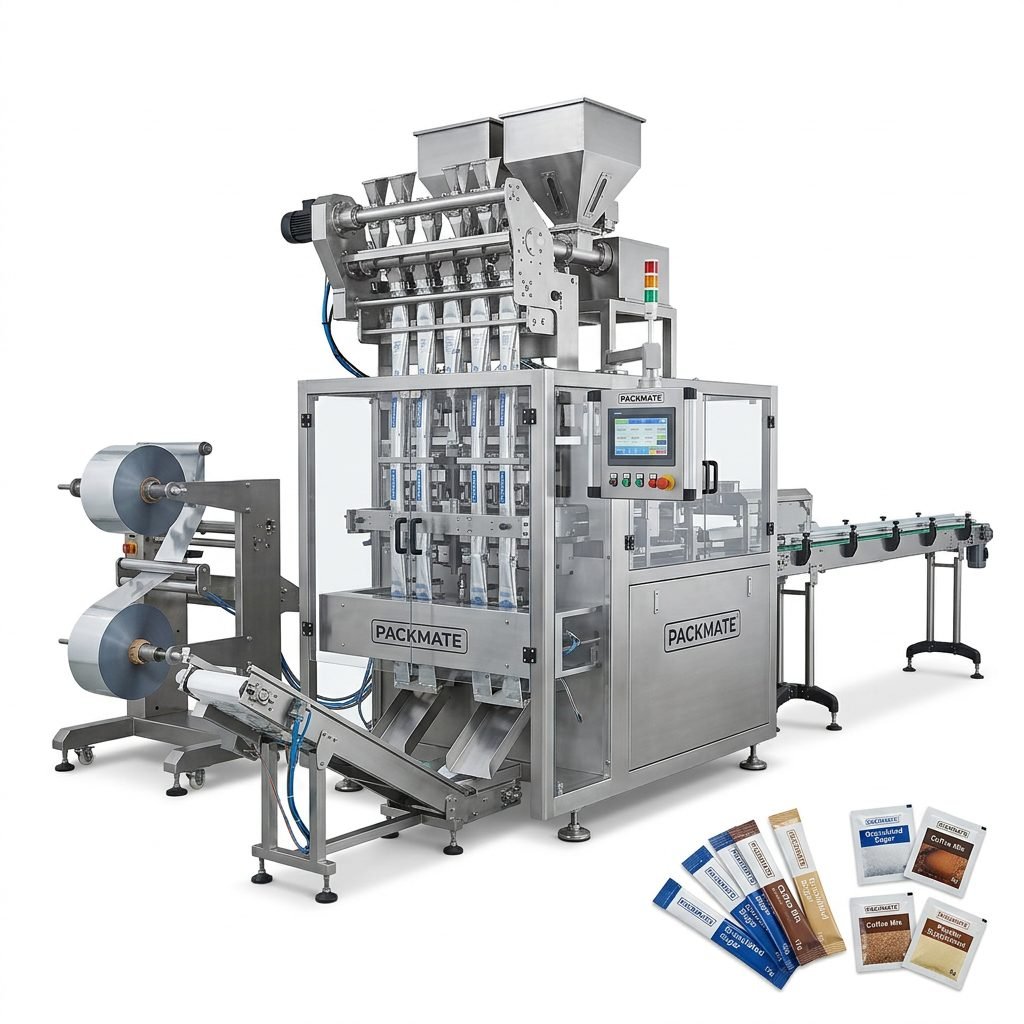
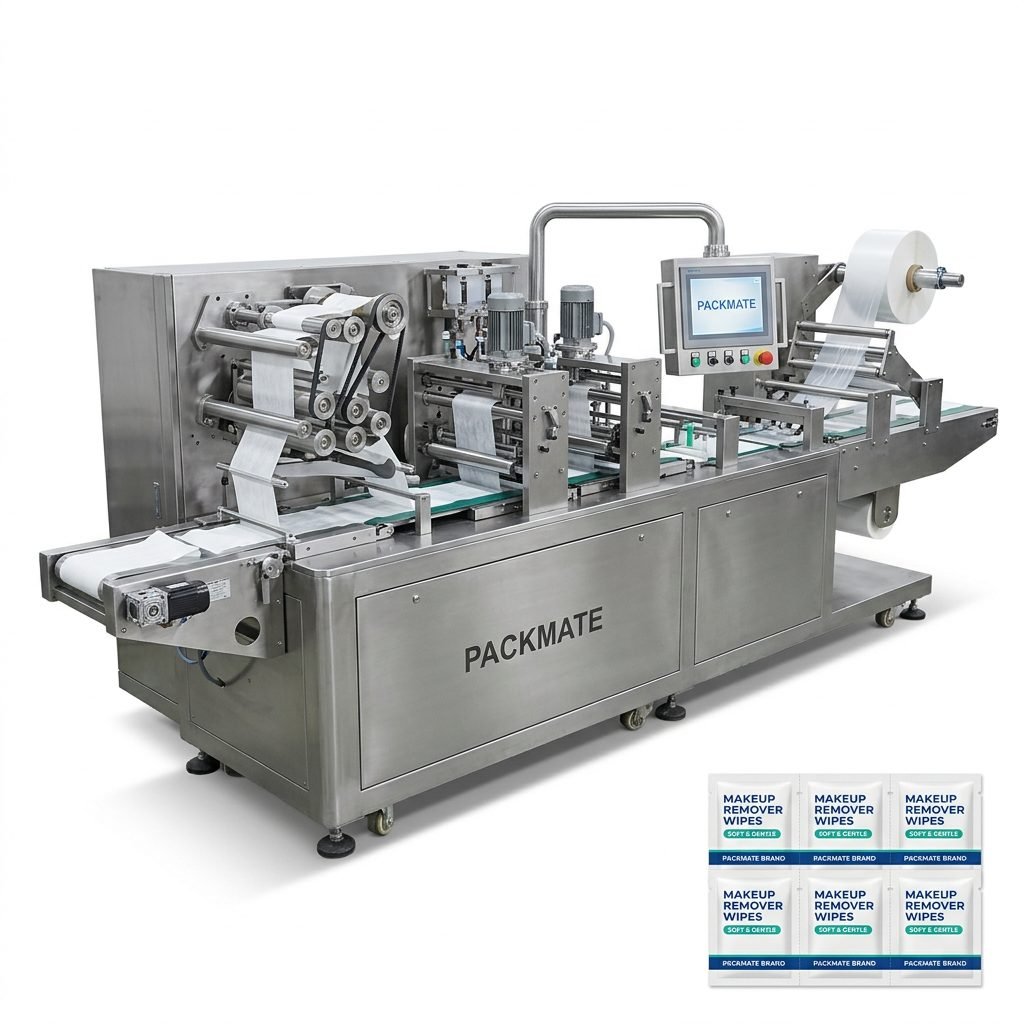
One of the main reasons Japanese firms look beyond their borders is the favorable cost-performance ratio. Chinese machines typically come with 30–50% lower upfront investment compared to Japanese equivalents, while still achieving high-speed operation (e.g., 100–500 sachets per minute) and stable seal quality. For example, a multi-lane stick pack machine from Packmate can handle granules, powders, and liquids with precision, and is backed by responsive after-sales service. Many Chinese suppliers now maintain spare parts warehouses in East Asia or partner with local service agents to ensure quick response times in Japan.
Important Considerations for Japanese Buyers
- Language and communication: Look for suppliers with English-speaking engineers or Japanese-speaking sales representatives.
- Power and voltage compatibility: Ensure machines support Japanese electrical standards (100V/200V, 50/60Hz).
- Space optimization: Japanese factories often have limited floor space; request compact designs or modular layouts.
- Regulatory compliance: Machines must meet Food Sanitation Law and Pharmaceutical Affairs Law requirements – ask for material certificates for contact parts.
Frequently Asked Questions
Q1: Can Chinese packaging machines match Japanese quality standards?
Yes, many Chinese manufacturers like Ludyway and Packmate have obtained international certifications and export to highly regulated markets. Their machines are built with stainless steel, servo motors, and PLC controls comparable to Japanese brands.
Q2: What is the typical lead time for a turnkey packaging line?
Lead time varies from 45 to 90 days depending on customization complexity. Suppliers such as PacklineOEM offer project management and provide regular updates during production.
Q3: Do these manufacturers offer installation and training in Japan?
Most reputable suppliers send engineers for on-site installation and training. Confirm this during the contract phase. Some also offer remote support via video calls.
Q4: How does warranty and after-sales service work for overseas buyers?
Typically 1–2 year warranty with replacement parts shipped within 48 hours. It is recommended to stock critical parts locally. Suppliers like PackingMachineOEM have partner service teams in Europe and Asia.
Q5: What types of products can these machines package?
They handle granule, powder, liquid, paste, and stick pack formats for food (coffee, seasoning), pharmaceuticals (powders, tablets), health supplements (protein, vitamins), and daily chemicals (detergent, cosmetics).
Selecting the right packaging machine manufacturer for your business in Japan requires balancing quality, cost, and service. The Chinese suppliers featured here have proven track records with global clients and are well-positioned to support Japanese manufacturers seeking reliable automation. Whether you need a single sachet machine or a complete turnkey production line, conducting thorough due diligence – including factory visits, sample tests, and reference checks – will lead you to the best partner for your specific requirements.